Beginning on Monday, April 27th and continuing for the next 11 weeks, archaeologists will once again be outside working onsite at Ferry Farm, George Washington’s Boyhood Home. Our current excavations are centered on an eighteenth-century kitchen located on the north side of the work yard approximately 50 feet from the main house. This wood-framed building, 16’ by 16’ in plan with an Aquia stone foundation and full cellar, would have been a hub of activity on the farm landscape and understanding its place within this landscape is important to our interpretation of life on the Washington farm.
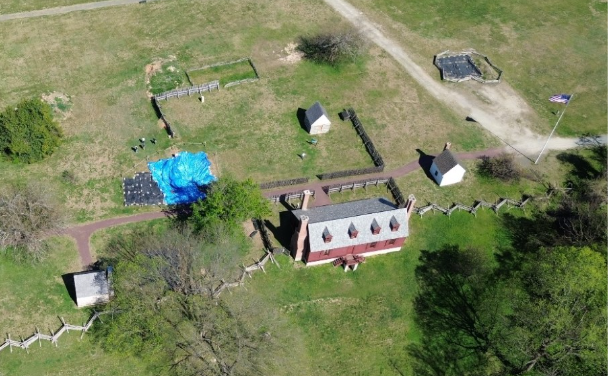
Figure 1. Our kitchen site is located beneath the blue tarp just northeast of the main house.
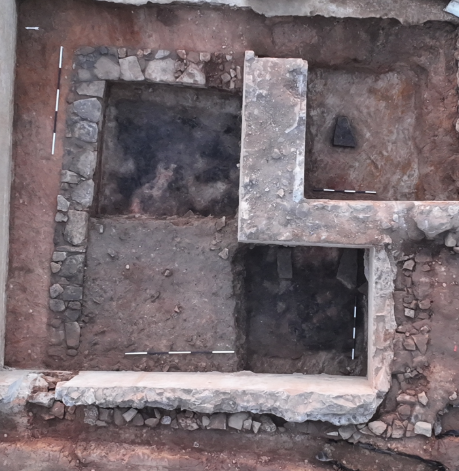
We began last year’s excavation season by uncovering and exposing the entirety of the site, which had been sealed 28 years ago with a protective layer of sand. Exposed was a 16’ square stone foundation to a cellar filled with burnt household and architectural debris. For our excavation plan, we divided the cellar fill into four quadrants and were able to excavate two of them down to the level of the cellar floor over the course of our season. One of the quadrants had previously been excavated in the 1990s, leaving one more quadrant to dig this summer.
Figure 2. The eighteenth-century kitchen stone wall foundation, intruded upon by twentieth- century concrete foundations.
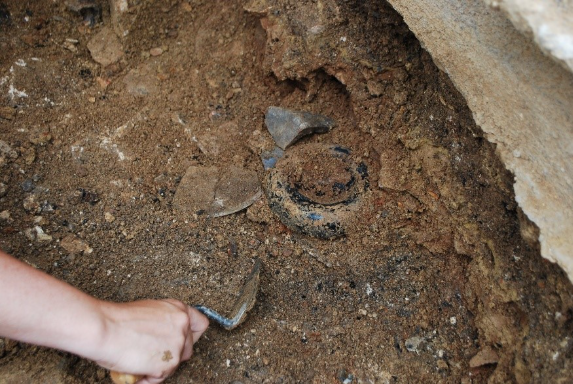
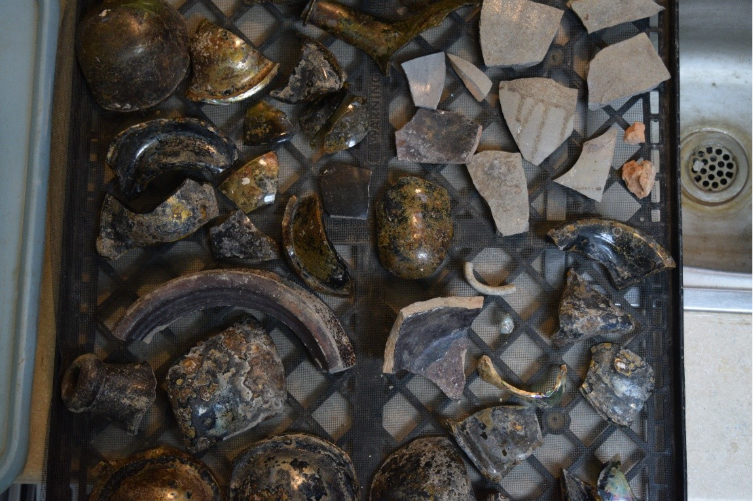
From the burned fill came an unexpected bounty of artifacts. Hundreds of fragments of glass wine bottles and ceramic storage containers were sifted through our screens, along with buckets of burned architectural debris such as plaster, mortar, and wrought nails of all sizes. A smaller number of more delicate artifacts also surprisingly survived, such as straight pins, animal bones, leaded tableware glass, buttons, box hinges, small copper drawer pulls, and even a concentrated deposit of eggshells!
Figure 3. A large wine bottle base being excavated out of the kitchen cellar fill.
Excavation also continued outside of and around the kitchen foundation as we searched for additional clues to the architectural footprint of the building. From these units we found artifacts ranging in age from 6500 BC to modern day. Native American projectile points and flint-knapping debitage, colonial-era ceramics, Civil War bullets, and twentieth-century household remains were all dug up in the various soil layers covering this part of the site.
Our archaeology lab has been very busy for the last nine months cleaning and sorting all the artifacts that were found last summer. Understanding the types of artifacts found will aid in our interpretation of how the building was used, its construction details, its role in the farm landscape, and, hopefully, the date it burned down!
Figure 4. Glass wine bottles and stoneware crocks are washed and dried in the lab before being sorted and catalogued.
Our field crew will be on site weekdays from April 27th to July 10th. Once again students from the University of South Florida will be here to learn the basics of archaeology field work during the months of May and June. We welcome all visitors to ask questions and enjoy the opportunity to help us sift for artifacts!
On July 22, 1942, Annie Fleming Smith wrote a letter. Smith was a prolific letter writer—her innumerable missives had helped raise the funds that saved Kenmore two decades earlier—so it is not surprising that she put pen to paper on that summer day. What is surprising is that the intended recipient of that letter was not a prospective donor, a fellow regent of the Kenmore Association, or a friend. Instead, she addressed her epistle to Frank Knox, the Secretary of the Navy. Smith wanted “confirmation of the fact of the naming of the U.S.S. KENMORE” after the home and “any other information you can release” about the ship.[1]
Letter that Annie Fleming Smith sent to Secretary of the Navy Frank Knox asking for confirmation that the first USS Kenmore had been named after the historic home. Smith, Annie Fleming to Frank Knox, July 22, 1942. The George Washington Foundation.
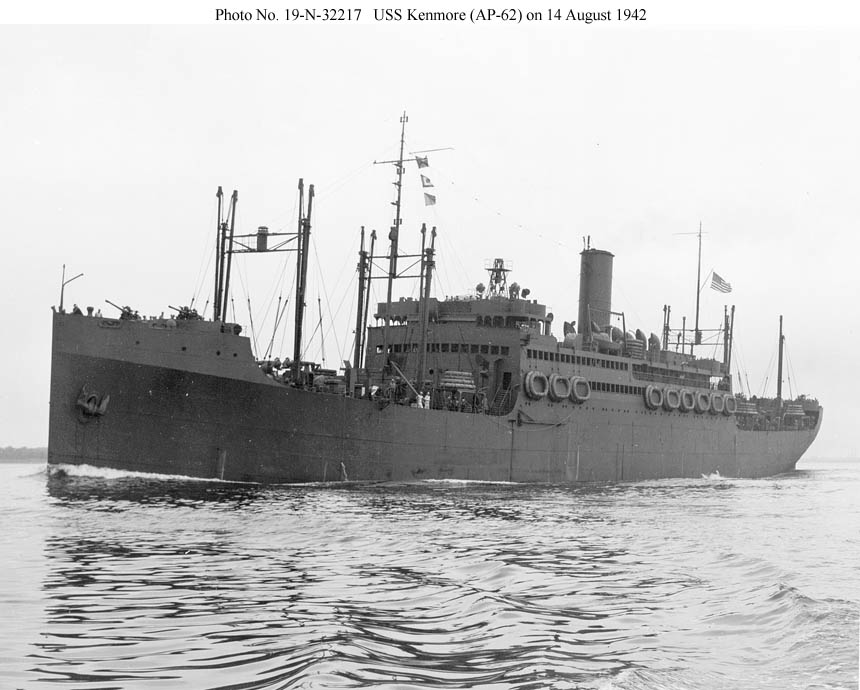
Although there is no record that Knox responded to Smith (there was, after all, a war on), the USS Kenmore was, in fact, named for the historic estate. The Naval History and Heritage Command ship-naming file on Kenmore I (AP-62) includes an April 13, 1942, memo to the Secretary of the Navy from the chief of the Bureau of Navigation and prepared by Louis Emil Denfeld, then assistant chief of the Bureau of Navigation, recommending that the President Madison be renamed Kenmore, in honor of the “[h]ome of Betty Washington at Fredericksburg, Virginia, sister of George Washington who married Col Fielding Lewis.”[2] The recommendation was approved on April 16 of that year, and the newly renamed vessel was “commissioned at Baltimore, Md., on 5 August 1942, Cmdr. Myron T. Richardson in command.”[3]
USS Kenmore (AP-62) on trials in the Chesapeake Bay on August 14, 1942. Shipscribe
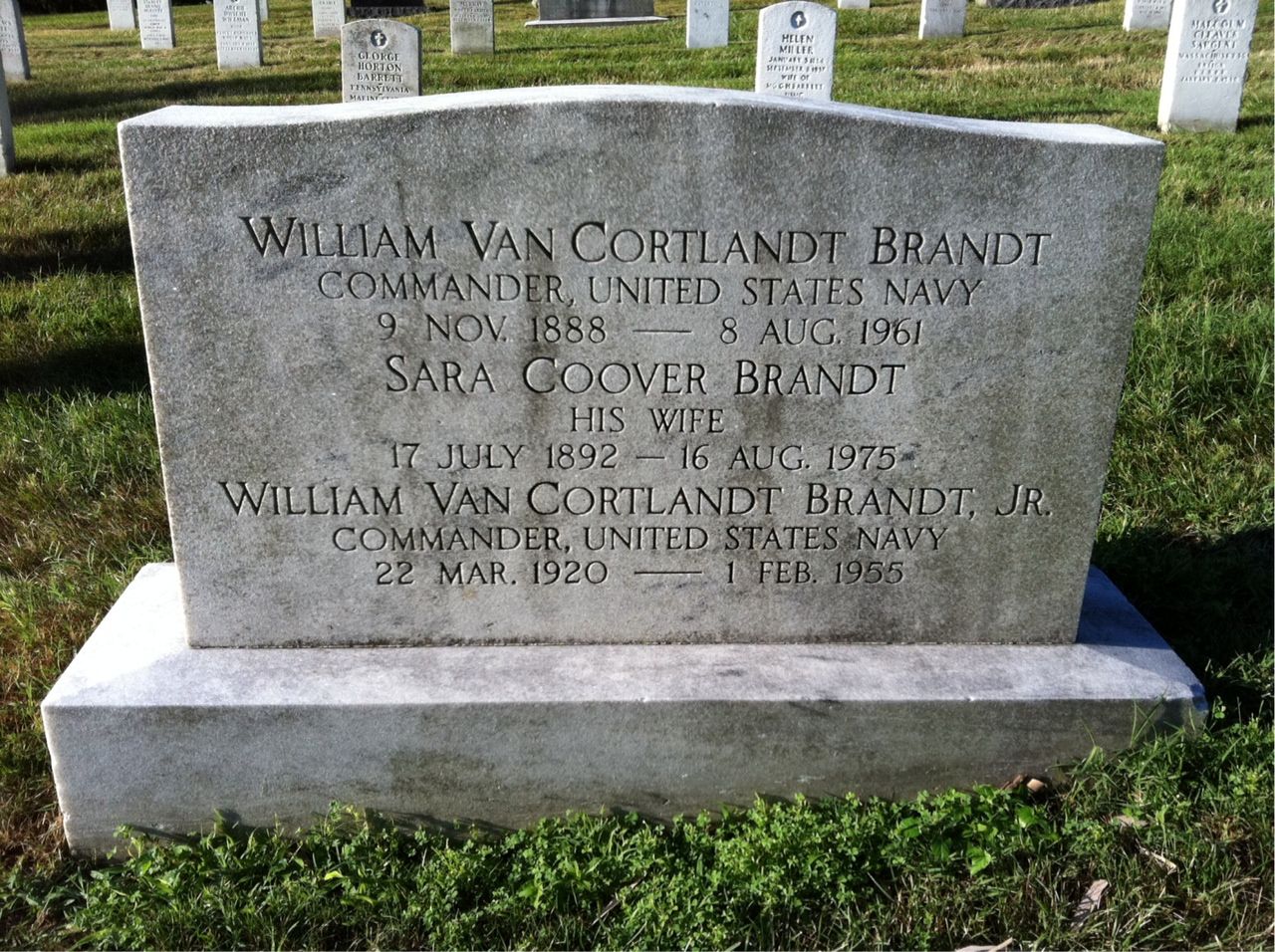
Smith had learned of the ship during a mid-1942 visit to the estate from Lt. Commander William VanC. Brandt (USNR) of the Kenmore, who later wrote to “Miss Annie” to thank her for her hospitality.[4] “All the Officers of the Kenmore,” Brandt told Smith, “were most interested in learning the history and record of the beautiful estate for which our ship is named.”[5] Brandt planned to have framed and displayed in the ship’s wardroom photographs of the property given to him by Smith; later, the vessel’s captain requested a picture of the house for his room.[6] For her part, Smith was “thrilled” to meet Brandt and “to know about your ship,” although she was skeptical enough of the origin of the transport’s new name to write Knox.[7]
The Arlington National Cemetery headstone of William VanC. Brandt, from whom Annie Fleming Smith learned that a Navy ship had been named after the historic home she had helped save from development in the 1920s.
The Kenmore operated primarily in the Pacific until September 1943; she was then converted into a hospital ship and renamed Refuge.[8] The Navy must have liked the name Kenmore, as it was bestowed in October 1943 on another transport, originally called the James H. McClintock.[9]The Kenmore II also served in the Pacific Theater and, after “hostilities ended on 15 August 1945, [began] returning veterans to the U.S.”[10] She was decommissioned on February 1, 1946.[11]
USS Refuge (AH-11), formerly the Kenmore (AP-62), photographed in February 1944 in Baltimore after her conversion from transport to hospital ship. Shipscribe.The second USS Kenmore (AK-221, ex AP-162) in San Francisco Bay around December 1945. Shipscribe.
The Kenmores were not the only vessels named for properties associated with George Washington and his family. The Wakefield (AP-21) borrowed its name from the Westmoreland County birthplace of the first president, today owned by the National Park Service.[12] There have been five Mount Vernons; the first was built in 1859 and chartered by the Navy two years later, before they bought it later that year.[13] The most recent vessel named after Washington’s residence and plantation was a dock landing ship commissioned in 1972 and decommissioned in 2003.[14] The possible birthplace of Mary Ball, George Washington’s mother, lent its name to the Epping Forest, a dock landing ship launched in 1943.[15]
The monikers of other ships are connected more tenuously to places tied to George Washington and his family. For example, a 1943 submarine chaser was rechristened the Abingdon in 1956.[16] The vessel’s new name came from the town of Abingdon, in Washington County, Virginia (named, yes, for George Washington).[17] According to the county’s official history, “myths claim that [the town] was named for Martha Washington’s ancestral home” in England.[18] While this may be a false etymology, were those who named the ship drawing on the tale when they chose to call the vessel Abingdon? Additionally, the many Arlingtons that have served the Navy over the years have each been named after Arlington County, which draws its appellation from Arlington House, built for George Washington Parke Custis, the step-grandson of his celebrated namesake.[19]
Arlington Mansion was built by George Washington Parke Custis. Union soldiers posing on the lawn, June 28, 1864.
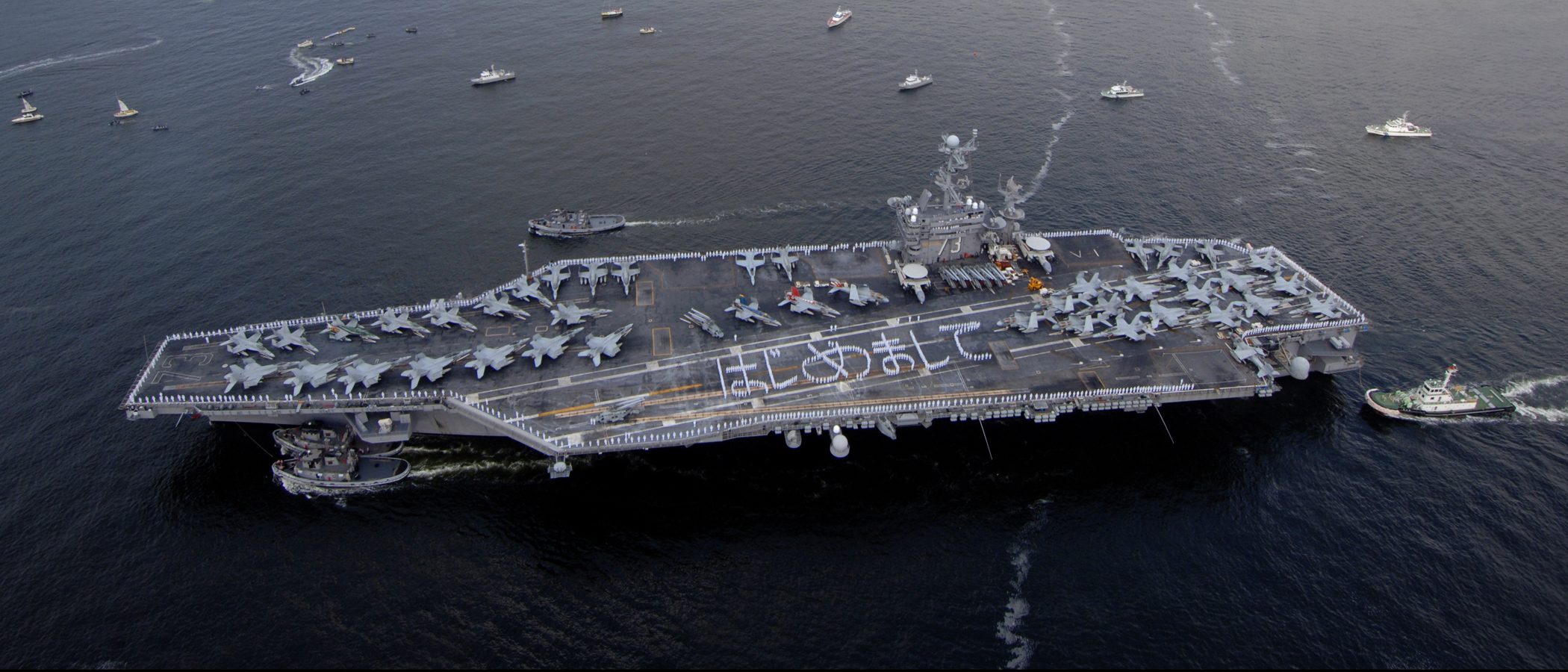
The Navy’s infatuation with the commander in chief of the Continental Army has, of course, also been expressed by naming ships directly after Washington and his family, not just their properties. While a complete inventory of such vessels is beyond the scope of this post, it is worth noting that four ships have been named the George Washington, including CVN-73, an active nuclear-powered aircraft carrier, while several others have sailed under just his surname.[20] Martha, George’s wife and the nation’s first first lady, has inspired the names of at least two Navy ships: the Lady Washington and the Martha Washington.[21] Civilian shipbuilders have also found inspiration in the Washington family: the SS Mary Ball was a liberty ship active during World War II.[22]
U.S.S. George Washington in Yokosuka, Japan in 2008. Four boats shared the name “Lady Washington.” The first was commissioned by the Continental Congress in 1776.USS Martha Washington inbound to Hampton Roads, Virginia, from Brest, France, 1918.
Who was responsible for naming these ships? As hinted at above, while final authority for ship names was (and still is) the responsibility of the Secretary of the Navy, during World War II, it was the Bureau of Navigation (renamed the Bureau of Personnel on May 21, 1942) that researched and recommend ship names based on the traditional naming conventions associated with each class of vessels.[23]
Typically, it was dock landing ships, or LSDs, that were named for “cities and places of historical interest of same name, or places of historical interest only.” [24]Epping Forest, Gunston Hall I (named for George Mason’s home), Ashland (for the boyhood home of Henry Clay), Carter Hall (after the Virginia estate), Oak Hill (for the home of President James Monroe), and Shadwell (for the birthplace of Thomas Jefferson) are all examples of LSDs whose names aligned with this convention.[25]
But the Kenmores, the Mount Vernon IV, and the Wakefield were not LSDs; they were transports, classified AP, and anyone seeking consistency in the Navy’s naming of troop transports during World War II is bound to be disappointed. Some vessels in the AP class were named after celestial bodies, others after Revolutionary War heroes, and others, as we have seen, after historic estates.
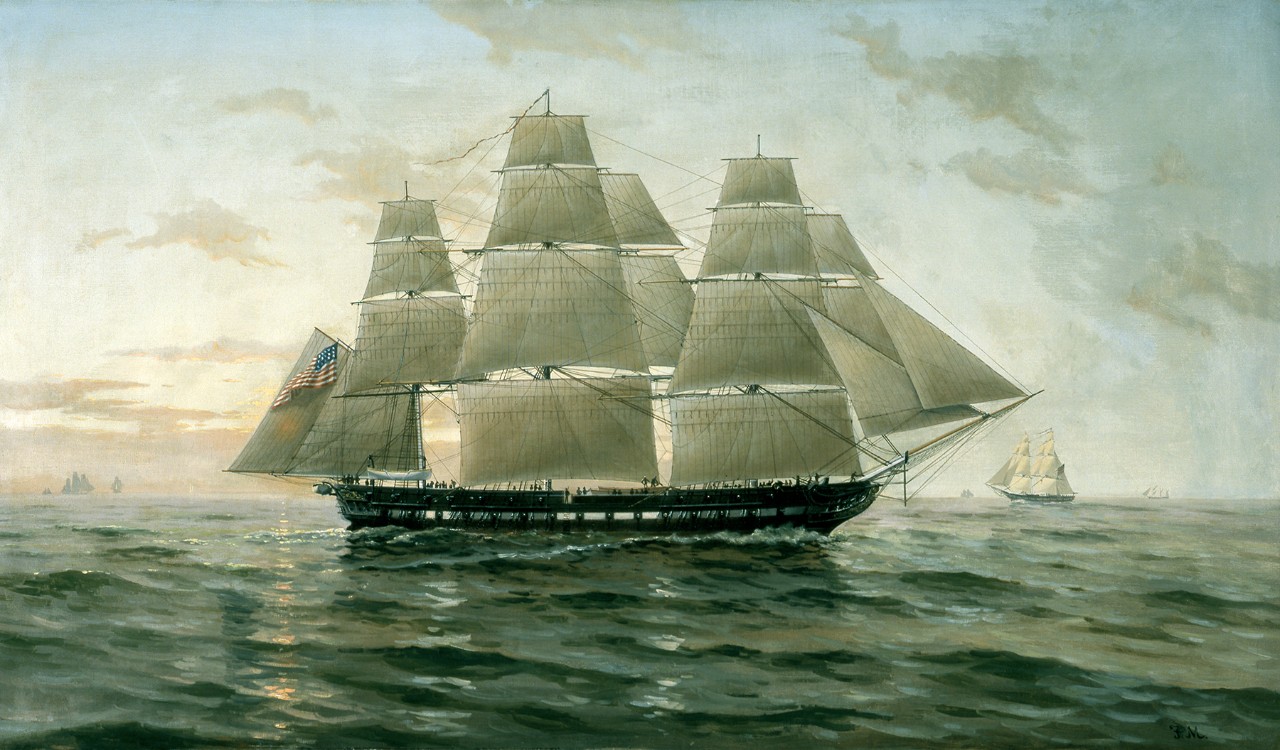
Dang it, Ben, you had one rule.One of the original six frigates whose construction was authorized by the Naval Act of 1794.
This lack of consistency is not surprising. After all, when Benjamin Stoddert named the Navy’s sixth ship, a frigate, he chose to call it the Chesapeake, despite President George Washington’s agreement with the recommendation that frigates be named after “principles or symbols found in the US Constitution.” Therefore, “the very first naming decision by the very first Secretary of the Navy resulted in the ‘corruption’ of the established naming convention.”[26] This tradition of flexibility regarding ship names has endured, and ship names continue to excite interest (and occasionally strong feelings) from many parties, including those who propose denominations for new vessels. If you are such a person, here’s an idea: how about another Kenmore, or maybe a Ferry Farm?
Adam Nubbe
Manager of School & Youth Programs
[1] Smith, Annie Fleming to Frank Knox, July 22, 1942. The George Washington Foundation.
[2] Naval History and Heritage Command, Kenmore I, ship-naming file, April 13, 1942.
We have reached the best time of the year. The summer heat has broken, the leaves are crispy, and the best holiday, Halloween, is coming up quickly. We all know Halloween was not celebrated in Colonial America, but that doesn’t mean we can’t incorporate a bit of Colonial America into Halloween.
To celebrate, I have compiled a list of scary stories, supernatural stories, ghost stories, folklore, and legends that were either written in or set in Colonial America. This era provided a perfect setting for the development of American horror. Europe had ancient castles, ruins of abandoned abbeys, and moody wind-swept moors to inspire centuries of writers and storytellers. America had isolated settlers, a strict, religiously controlled society, and an untamed wilderness where any evil could lurk. It was fertile ground for witches, devils, the supernatural, cryptids, and folklore.
Witches and the Devil
The earliest stories date back to the start of America when Puritan communities were on constant guard for the devil, who was a very real and imminent threat.
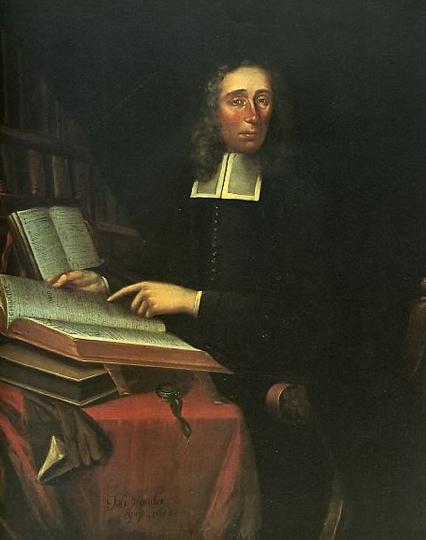
In his book Memorable Providences Relating to Witchcrafts and Possessions (1689), Cotton Mather tells stories about incidents involving witches, from the haunting of the children of Boston mason John Goodwin to the murder of Mr. Philip Smith to Mary Johnson and her dealings with the devil at Hartford.
Cotton Mather, Puritan minister, author, and no doubt a blast at parties. Columbia University
Witch hysteria came to America while fading out across much of Europe, with the deadliest event being the notorious Salem Witch Trials in 1692/1693.
The Mather family (Father: Increase, Son: Cotton) again intervened after the trials to defend the judges’ actions, review the cases, and add further accounts of documented supernatural incidents. Cotton’s bookWonders of the Invisible World (1693) looks at the cases that eventually led to convictions and death and defends them by giving accounts of similar trials heard by Judge Sir Matthew Hale.
Increase Mather, father of Cotton, a Puritan minister, Harvard graduate who is not mad just very disappointed in you celebrating Halloween. The University of Virginia
Increase Mather’s An Essay for the Recording of Illustrious Providences (1694) provides a remarkable account of accidents, apparitions, and unaccountable phenomena. Mather retells the tale of a woman being molested by spirits, a maid possessed by evil, and even a house haunted by a demon.
Lithobolia: or, the Stone-Throwing Devil (1698), written by Richard Chamberlayne, is a tale that is considered an early example of supernatural horror writing and what many say is the first documented incident of witchcraft in America. The story centers around incidents of witchcraft, demonic voices, and poltergeist activity that take place at a tavern in New Hampshire in 1682. Increase Mather mentions the story in Illustrious Providence when documenting the spread of witchcraft before the Salem trials.
The beginning of American supernatural horror
Wieland: or, The Transformation: An American Tale (1798) by Charles Brockden Brown is often considered the first American “Gothic” novel. Gothic means a story characterized by an atmosphere of fear, supernatural occurrences, and often a return of horrible past events and their effects on the present.
Wieland takes place in Colonial America between the French and Indian War and the American Revolution. It is a psychological horror story that involves religious fanaticism, family, the supernatural, mental illness, deception, and murder.
American Legends
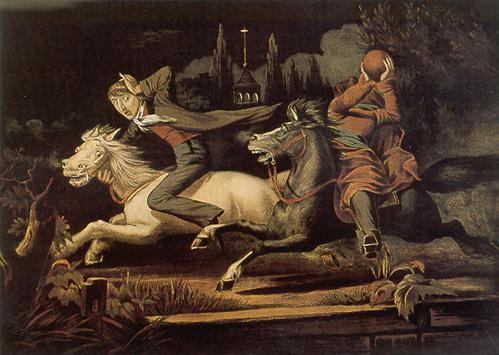
One of the most well-known legends often told at Halloween is Washington Irving’s The Legend of Sleepy Hollow (1820). Set in Sleepy Hollow, New York, in 1790, it involves pedagogue Ichabod Crane in his competition for the affections of Katrina Van Tassel. After hearing the legend of the Headless Horseman at a harvest party, Crane makes his way home only to be confronted by the dead Hessian mercenary.
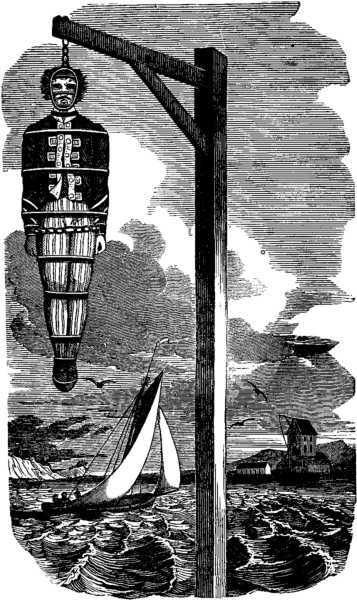
Another legend from Irving’s book Tales of a Traveller (1824) is that of Captain William Kidd. Captain Kidd was a Scottish privateer who lived in New York City. The governor of New York, Massachusetts Bay, and New Hampshire commissioned him to hunt down pirates and enemy French ships in the Indian Ocean. Unfortunately, by the time he made it back to America, the political views had shifted, and he was arrested for piracy in Boston and shipped to England to stand trial. There, in 1701, he was found guilty, hung not once but twice as the rope broke the first time, then gibbeted and displayed over the River Thames. Kidd supposedly haunts many places around New York City, his beloved adopted city.
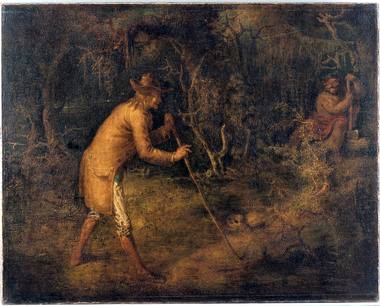
Another of Irving’s tales, The Devil and Tom Walker, takes place in Massachusetts, where Captain Kidd supposedly buried some of his treasure. In 1727, Tom Walker, the elderly miser, meets “Old Scratch” at the swamp while walking in an abandoned Wampanoag fortress. “Old Scratch” offers Walker the riches in the swamp buried by Kidd for a price (his soul). Then, it explores everything that happens when someone realizes their immortal soul no longer belongs to them and when it comes time to pay the price.
The Devil and Tom Walker. The Cleveland Museum of Art
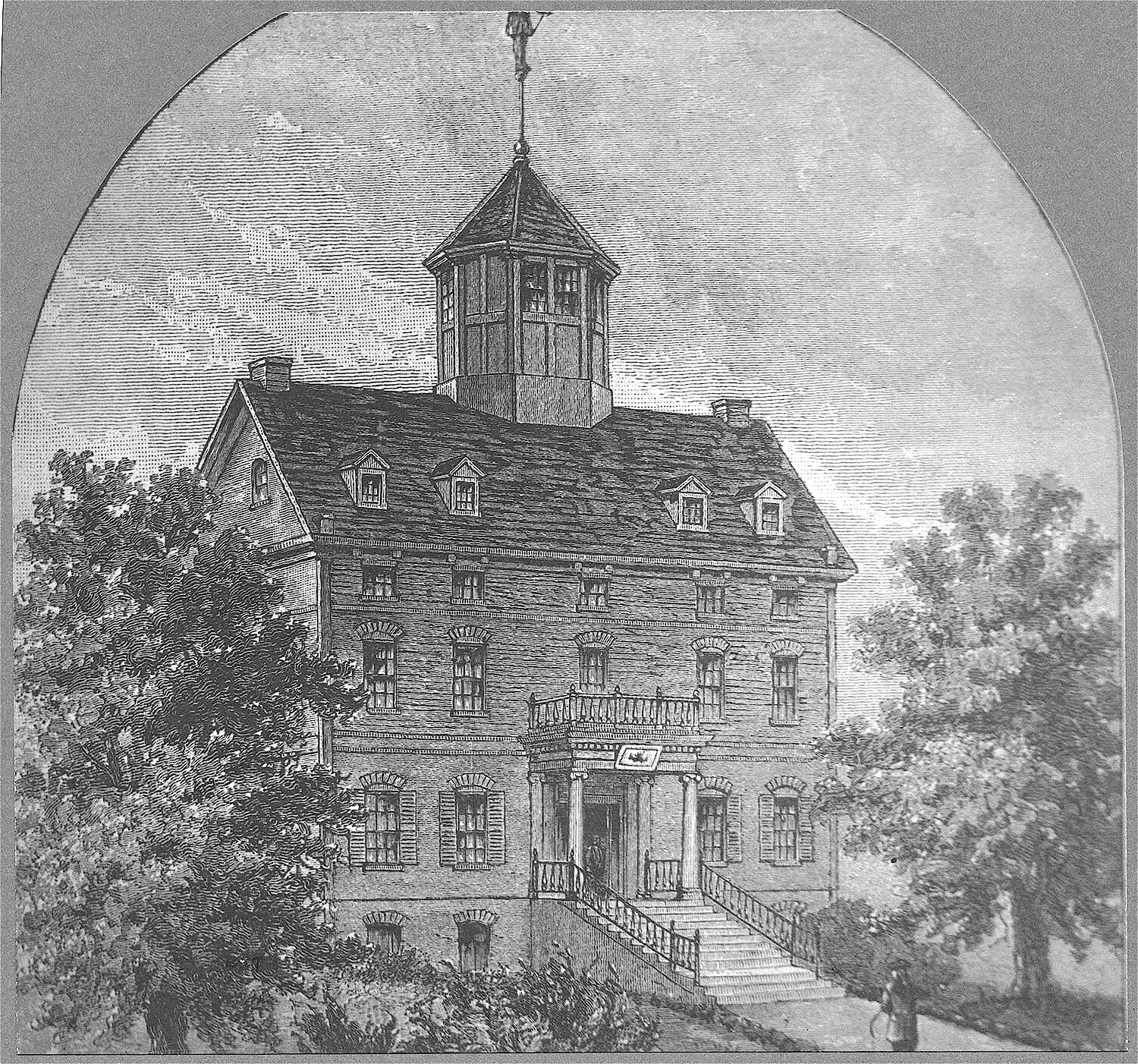
Even George Washington is mentioned in one ghost story by Nathaniel Hawthorne in his book In Colonial Days when discussing the legends of Old Province House. Howe’s Masquerade follows Governor Howe as he throws a costume party on the eve of the siege of Boston (April 19, 1775)—guests dressed in rags representing Washington and his generals. Howe and their guests are confronted with a ghostly funeral march of Puritan governors, illustrating the death knell of royal authority and a bad omen for the British in the upcoming battle.
Old Province House, Boston. The Memorial History of Boston
American Cryptids
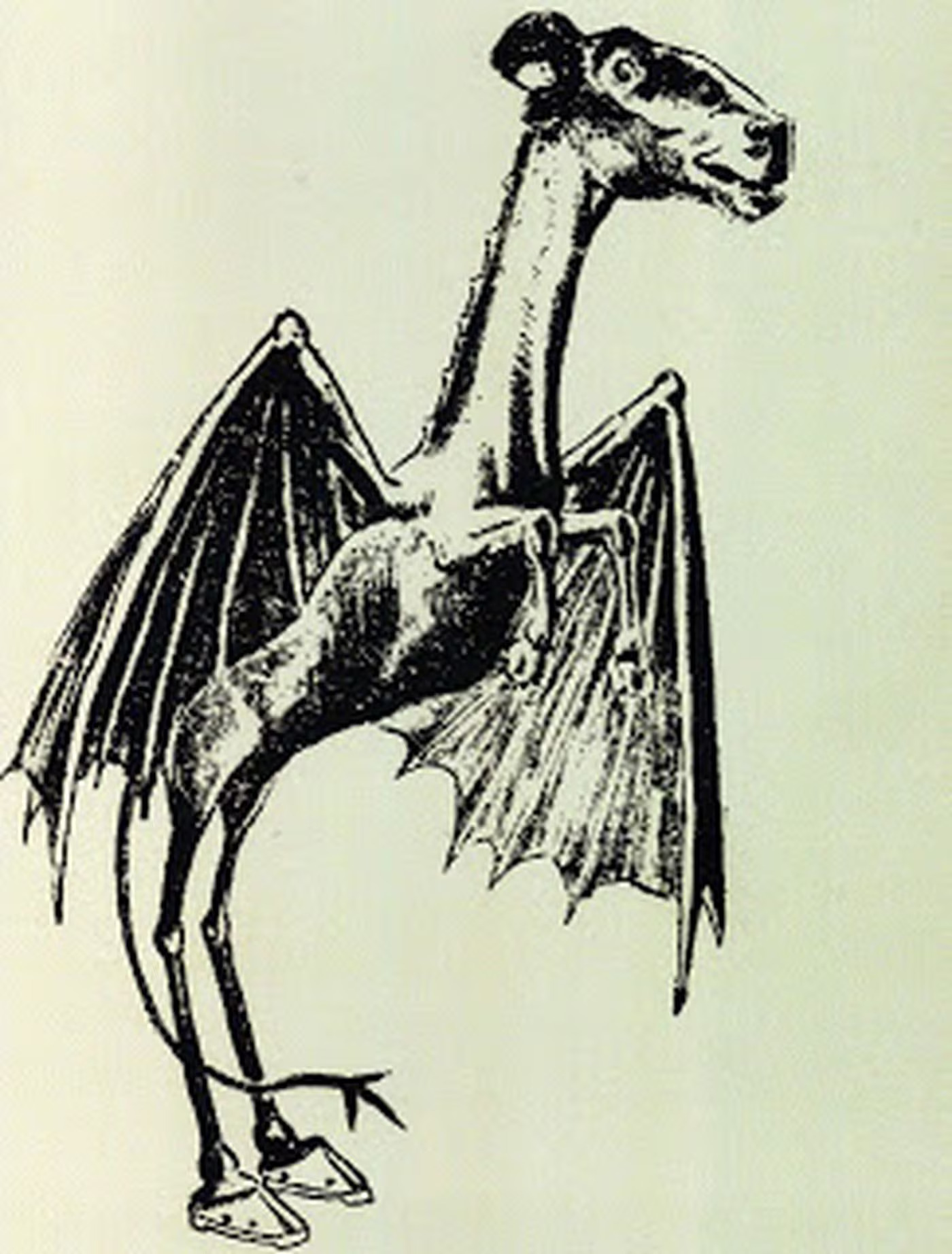
W.F. Mayer’s In the Pines (1859) explores the beginnings of the Jersey Devil. Deborah Leeds’s thirteenth child was born in 1736 in the Pine Barrens in New Jersey. Soon after birth, the child suddenly turned into a horrible wyvern-like creature with a goat’s head, leathery bat-like wings, horns, small arms with clawed hands, legs with cloven hooves, and a forked or pointed tail.
The Jersey Devil has haunted the Pine Barrens since being spotted in 1820, 1841, 1909, 1925, 1937, 1951, and as late as 1960.
The Jersey Devil as seen in 1904
So, sit back with some Halloween candy and enjoy some scary colonial stories on this fine autumn evening.