Lives and Legacies

Category: Fashion in History

  • Cowrie Shells: Cultural and Economic Ties in the 18th-Century Atlantic World 

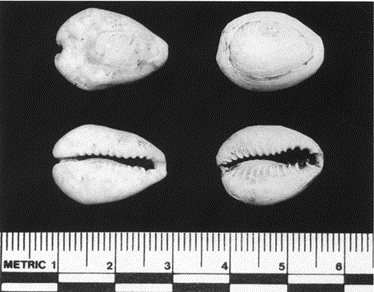
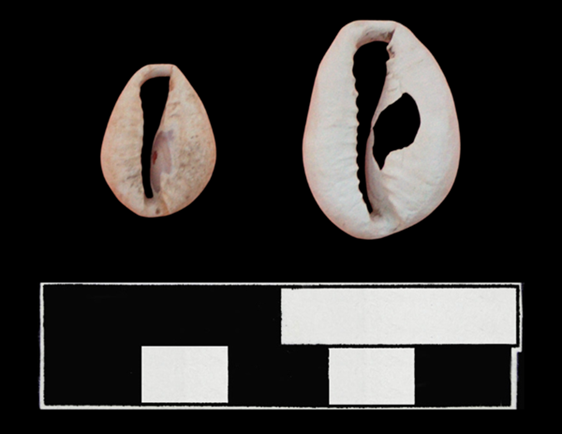
    Figure 1: Ferry Farm cowries

    Many readers will undoubtedly recognize these two artifacts (Fig. 1). Known as cowrie shells, these artifacts have become synonymous with slavery and serve as identifiers for the presence of free and enslaved Black individuals in the Americas. Still, the role of cowries in the 18th century goes far beyond that of a marker.  

    Origin 

    Cowries (Cypraeidae), a taxonomic family of sea snail, live throughout the world (Fig. 2). However, the species with the most relevance to the 1700s reside in the Indo-Pacific region, particularly in the waters around the Maldives. They include Monetaria annulus (alt. Cypraea annulus, Annulus Linnaeus) and Monetaria moneta (Fig. 3). Even if your Latin proves non-existent, each species’ genus, along with M. moneta’s epithet, easily identifies the original role cowries played in human hands – money.  
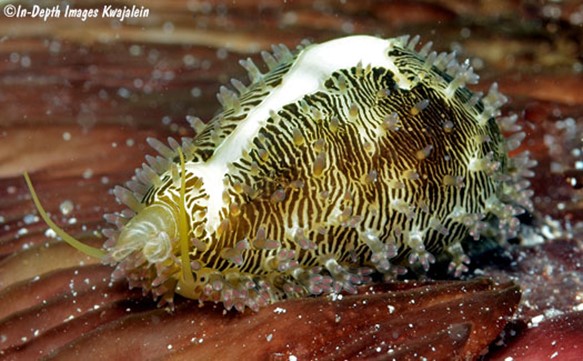
    Figure 2: Monetaria monetaKwajalein Underwater
    Figure 3: M. moneta (L) and M. annulus (R) shells in their natural forms
    Barabara Heath

    Economics and Culture in West Africa 

    Centuries before the 1700s, West Africa thrived as a region of independent kingdoms and tribes. With these groups engaged in trade, they required a shared currency that served as a medium of exchange and a store of value. In choosing cowries as currency in the fourteenth century, West Africa continued a long history of groups throughout the world using shell money. Through pre-existing trade routes to the Indo-Pacific, West Africans could easily import the shells via other parts of Africa and had them transported across the Sahara. As the cowries used did not reside in West Africa and proved difficult to forge, the market had built in protections against hyperinflation and counterfeits.  
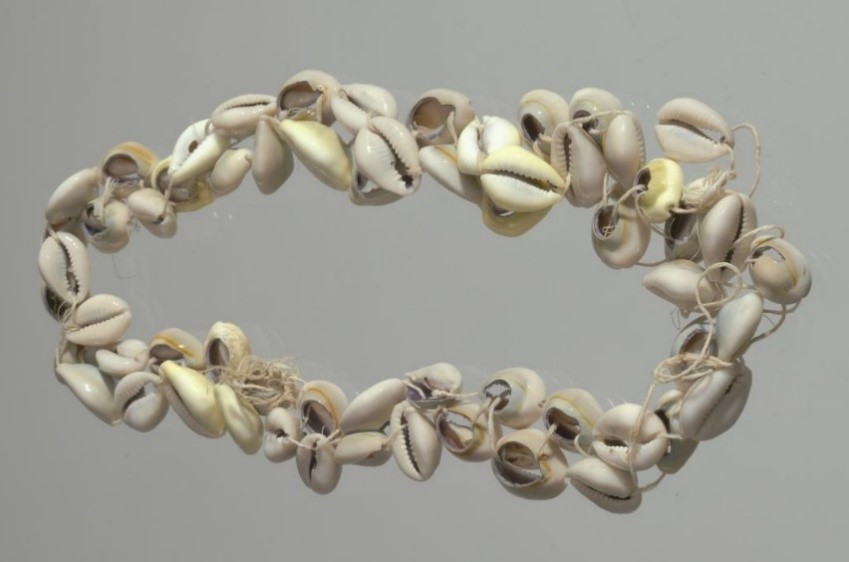
    Figure 4: Modified cowries strung togetherNational Museum of African American History & Culture

    Once in West Africa, the shells served as the basis of the region’s economies. Still, the shells took on several cultural roles. To keep cowries on hand, the shells often underwent modifications, including slicing off the rounded side of the shell or piercing them (Fig. 4). This allowed for stringing them together and weaving into hair or onto clothing. While done for practical reasons, this led cowries to enter the world of personal adornment. With this, their role expanded to symbols of status, fertility, and beauty while further appearing on ceremonial garb (Fig. 5). 
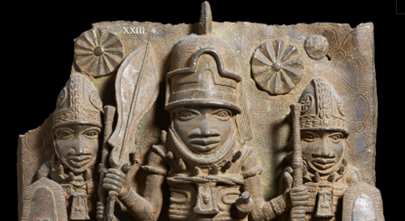
    Figure 5: Benin Bronze plaque; 16th-17th century. The warriors on either side of the central figure wear helmets decorated with cowries
    British Museum

    Atlantic Trade Routes 

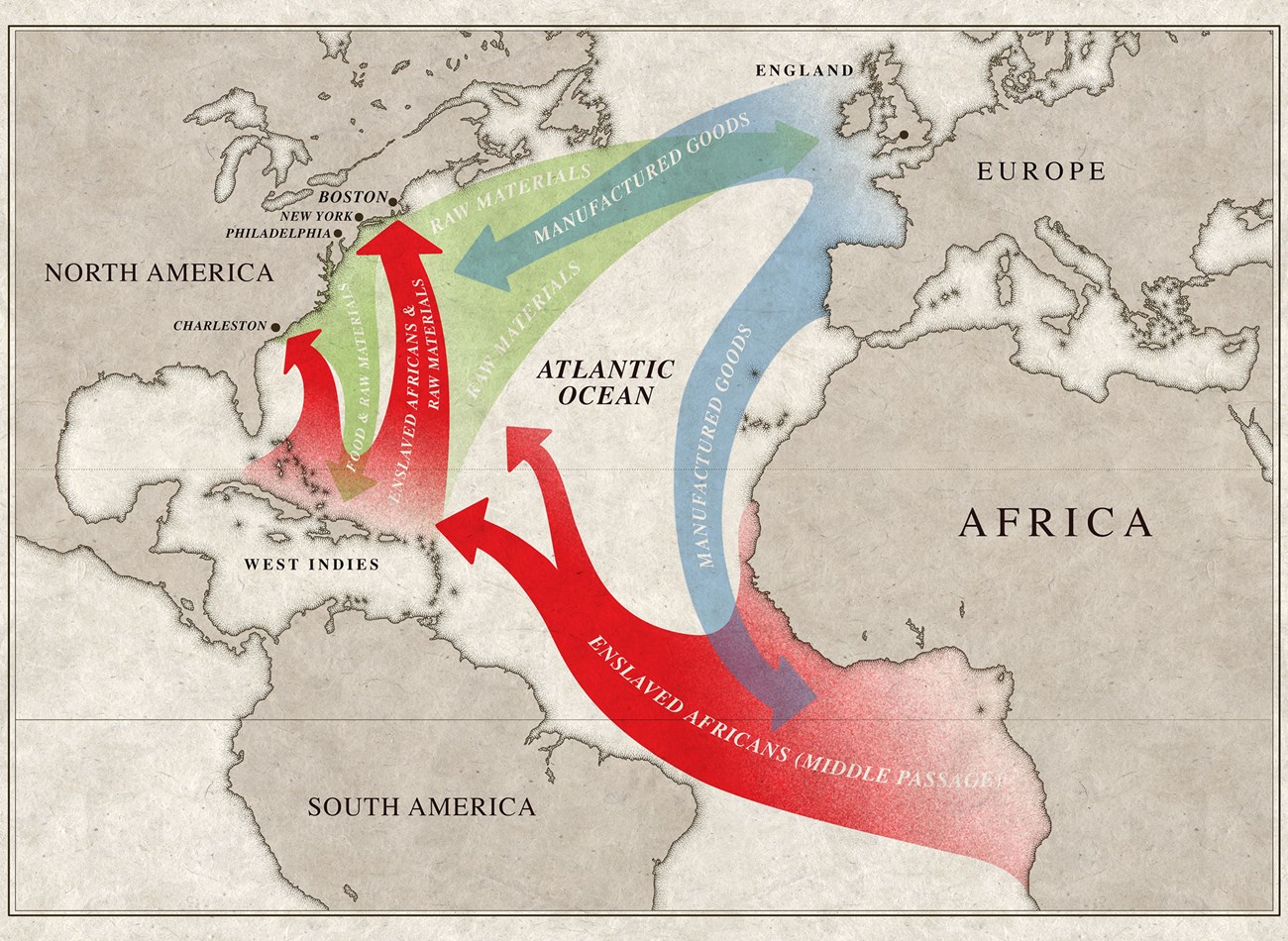
    Europe and Africa had a long history of trade and exchange networks prior to the late 1400s, but the boom of global exploration led to an immediate escalation of these market connections. With European nations expanding their territories abroad and seeking to gain resources not found within their borders, they developed a need to break into the African markets while establishing permanent trade posts in the region. To achieve this, Europeans needed to supply goods that were in demand, and their minds set upon cowries.  

    While an item of currency and self-adornment to West Africans, cowries became a commodity in the hands of European, and later American, merchants. With cowries, merchants could navigate the local economy and barter for desired goods. Inevitably, this included kidnapped Africans. In his memoir, Olaudah Equiano (c. 1745-1797), a famed writer and abolitionist, recalled how one enslaver sold him to another for 172 “little white shells” while still in Africa. An examination of eighteenth-century shipping records reveals that cowries ranked amongst the most common goods transported to West Africa and used to trade for captives (Fig 6). For Africans who then faced the Middle Passage, they forcibly traveled aboard these same ships that in turn provided West Africa with the currency driving the economy and their enslavement — cowries.   

    Figure 6: List of goods imported to the Isle of Man via Rotterdam for trade in Africa, 1761
    Manx National Heritage

    Cowries in the Americas 

    Indo-Pacific cowries arrived in the Americas through several carriers, but ultimately all traveled on slave ships. In trading cowries to West Africa, foreign merchants supplied both types even though the market preferred M. moneta. As such, they often had leftover M. annulus which remained onboard as cargo and ballast when the ships continued their trans-Atlantic journeys. Once in the Americas, some captains elected to dump or sell off the remaining cowries rather than transport them back across the Atlantic. Cowries additionally arrived in the Americas on the bodies of kidnapped Africans. While common practice involved stripping captives in Africa, primary accounts report individuals retained beads and shells in their hair and as necklaces. Enslavers further distributed beads, and likely shells, as pacifiers during the Middle Passage. 

    Once in the Americas, cowries largely remained within Black communities though they did face geographical restrictions. For Virginia, archaeological distribution of the shells, mainly M. annulus, places them within the Tidewater region. Higher counts of shells appear in urban areas (Yorktown = 252) while plantations typically only have a few. Although Virginia’s current archaeological cowrie count falls above 353, this remains too few to support the traditional role as currency. Instead, the shells continued in roles of adornment and ritual with added symbolism of cultural loss, memory, and survival. Outside random finds in areas associated with enslavement, cowries recovered in the Americas have derived from burials, spirit caches, and sub-floor pits (Fig. 7). 
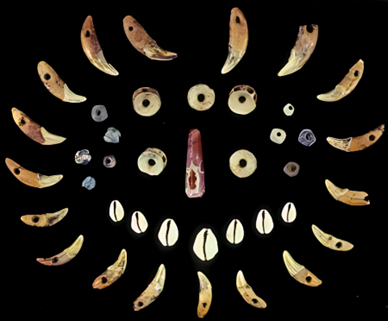
    Figure 7: Necklace recovered from an enslaved burial ground at Newton Plantation, BarbadosJerome Handler

    At Ferry Farm 

    Over the course of our twenty-plus year excavation, two cowries have appeared at Ferry Farm. Found in contexts located around the Washington House, including one in a root cellar, our shells represent M. annulus and have undergone modification to allow for stringing or weaving (Fig. 8). As with findings in previous studies, we believe these shells took on cultural roles through self-adornment. Despite not knowing the identity of the shells’ owner(s), the cowries provide enough information to form an interpretation of who they belonged to and how they arrived at Ferry Farm. 

    Figure 8: Ferry Farm cowries with modifications visible

    As their contexts of origin line up with the Washington House, the enslaved individuals who left them behind likely lived and worked close to the Washington family. This places them within the working realm of the house or the nearby work yard. For accommodation, the owner(s) may have occupied the Quarter adjacent to the Washington house or lived in one of the work yard’s support buildings. 

    Regarding the arrival of cowries on the plantation, this likely happened through the movement and exchange of people and goods. To provide the labor required to meet their goals, enslavers moved those they enslaved between different plantations as needed and expanded their workforce through the enslavement of more people or hiring of persons enslaved by others. This could account for the arrival of cowries at Ferry Farm. Alternatively, Ferry Farm’s proximity to the (port) city of Fredericksburg meant the enslaved community had access to a regional economy and trans-Atlantic vessels. Either network may have transported cowries to the city, but it additionally meant that Fredericksburg served as a meeting and trade point for those enslaved in the region. 

    Legacy 

    Cowries have a long and nuanced history in the Atlantic World. Beginning as a unit of currency and cultural symbol, cowries fell prey to the demands of the market, taking on a new role in the hands of foreign merchants. What once served to strengthen economies and nations suddenly worked to strip away the very people who inhabited West Africa. For those who endured enslavement, the cowries that accompanied them became symbols of a stolen home, a continuation of culture, and a determination to survive. Today, cowries remain important items in African and African American cultures by symbolizing their history as currency, continuing in self-adornment and ritual roles, and appearing prominently in works of art (Fig. 9-11).  

    Figure 9-11: Left: The Central Bank of West African States (BCEAO) tower in Cotonou, Benin, features cowrie shells on its facade Creative Commons Attribution-Share Alike 4.0 International; ReThink Quarterly Center: 20-cedi coin from Ghana. Cedi, the Akan word for cowrie, is Ghana’s unit of currency Michael C. Carlos Museum
    Right: Beyoncé donning a cowrie headdress by Ivorian designer Lafalaise Dion Design Indaba

    Emma Schlauder

    Research Archaeologist


    Bibliography 

    Alpern, Stanley B.                                                                                                                                                  1995     What Africans Got for Their Slaves: A Master List of European Trade Goods. History in Africa 22: 5-43

    Equiano, Olaudah 1789 The Interesting Narrative of the Life of Olaudah Equiano, Or Gustavus Vassa, The African. Written By Himself. London, UK

    Handler, Jerome S. 2006 On the Transportation of Material Goods by Enslaved Africans During the Middle Passage: Preliminary findings from Documentary Sources. African Diaspora Archaeology Newsletter 9 (4): 1-22 (Article 16).

    2007 From Cambay in India to Barbados in the Caribbean: Two Unique Beads from a Plantation Slave Cemetery. African Diaspora Archaeology Newsletter 10(1): 1-10 (Article 1)

    Heath, Barbara J. 2016 Cowrie Shells, Global Trade, and Local Exchange: Piecing Together the Evidence for Colonial Virginia. Historical Archaeology 50 (2): 17-46.

    National Museum of African American History & Culture n.d. Cowrie Shells and Trade Power. National Museum of African American History & Culture, Smithsonian, Washington D.C. <https://nmaahc.si.edu/cowrie-shells-and-trade-power>. Accessed 3 June 2024.

    Ogundiran, Akinwumi 2002 Of Small Things Remembered: Beads, Cowries, and Cultural Translations of the Atlantic Experience in Yorubaland. The International Journal of African Historical Studies 35 (2/3): 427-457.

    Pallaver, Karin 2023 Cowries, the currency that powered West Africa. ReThink Quarterly 7 <https://rethinkq.adp.com/artifact-cowries-west-africa/>. Accessed 3 June 2024.

    Pearce, Laurie E. 1992 The Cowrie Shell in Virginia: A Critical Evaluation of Potential Archaeological Significance. Master’s thesis, Department of Anthropology, College of William & Mary. University Microfilms International, Ann Arbor, MI.

    Radburn, Nicholas J. 2009 William Davenport, the Slave Trade, and Merchant Enterprise in Eighteenth-Century Liverpool. Master’s thesis, Department of History, Victoria University of Wellington, Wellington, New Zealand.

    Samford, Patricia 1994 Searching for West African Cultural Meanings in the Archaeological Record. African Diaspora Newsletter 1 (3): 1-3 (Article 2).
  • Spoooooooooky Teapots?

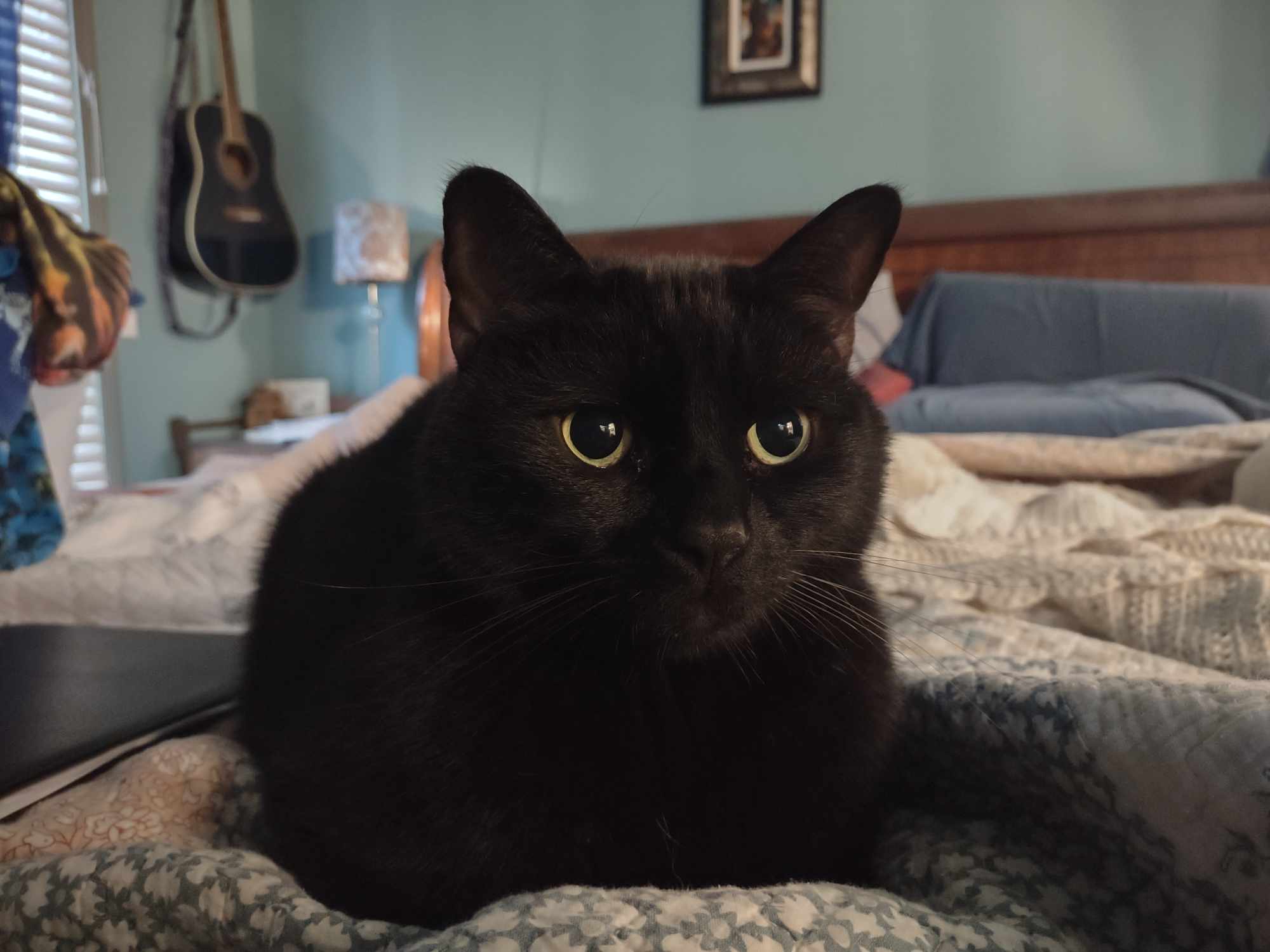
    There’s plenty to be frightened about in the colonial period. But teapots? Not exactly. However, aesthetics change as time passes. We see things through different lenses. As I type this, my substantial black cat with big yellow eyes stares at me, demanding attention.

    Poe, the big black cat with yellow eyes.

    Black animals are currently the least likely to be adopted in the United States, so black can be seen as a negative in pets…but what about black teapots?

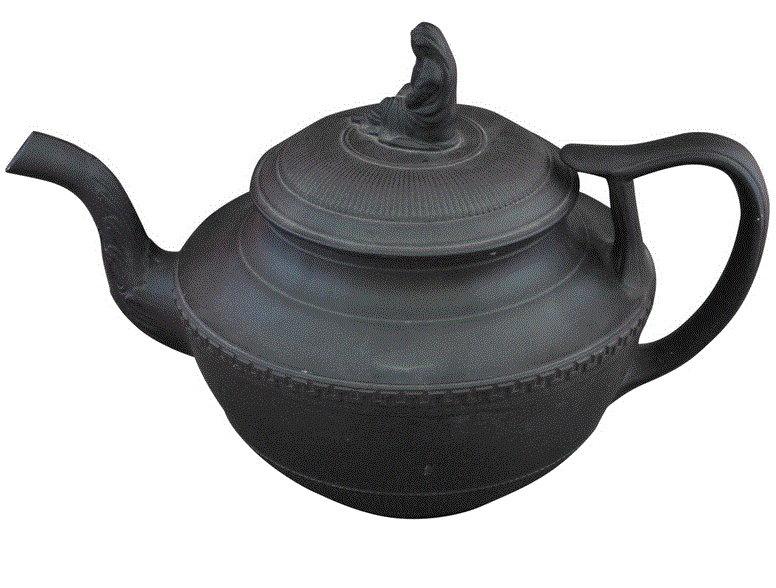
    Black Basalt Teapot, Turner, circa 1805

    Turns out, they were very much the rage during the middle of the 18th century and even into the early 20th century. 

    “Black is sterling and will last forever.”

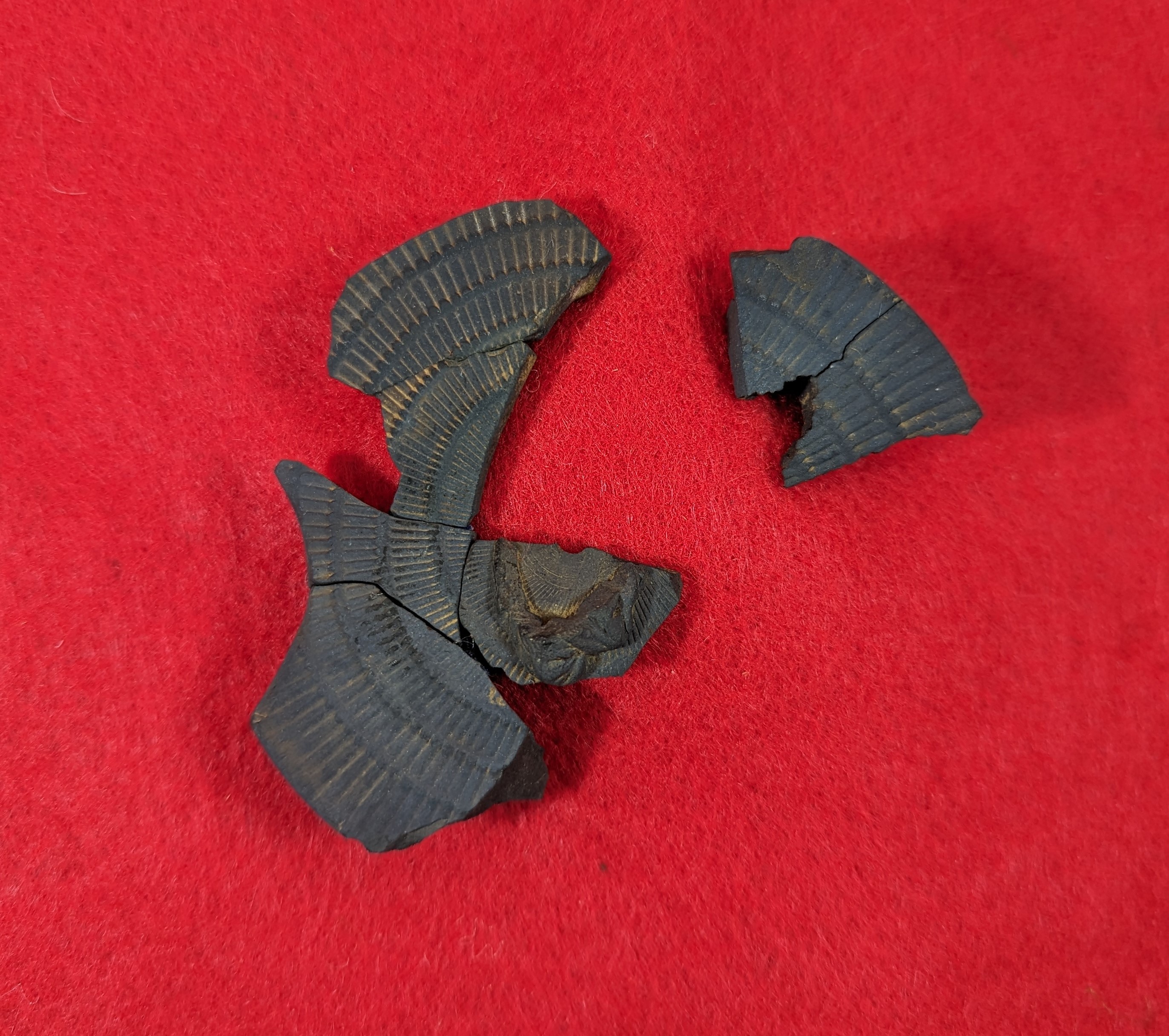
    In 1767, Josiah Wedgwood started working with black basalts – a richly hued, glossy black stoneware medium – for his famous Etruscan vases. Wedgewood’s basalt is made from reddish-brown clay that burns black in the firing process; black basalt owes its color to the addition of manganese. [1]  [2]

    After Wedgwood perfected the fine-grained stoneware, it was soon being produced by other Staffordshire potters in England. It was called ‘Black Basalt’ or ‘Egyptian Black.’ [3] [4]  A matte black teaware that was striking and, by our modern estimations, quite possibly macabre. 

    Black Basalt teapots were decorated utilizing a new technology called ‘engine turning’ lathes. Simple turning lathes have been used for pottery production since the early 1700s. By the 1730s, virtually all hollow wares (mugs, jugs, cups, bowls, etc.) were being lathe-turned to shape and thin bodies. The engine-turning lathe further provided the ability to cut regular patterns in the clay bodies to create decorative elements. [5] The decorative elements at the time were heavily influenced by classical art from Ancient Greece and Rome. [6] 

    A striking finial accented the lovely neoclassical etches on the body of the matte black pot.

    Teapot, Circa 1800, Black Basalt, Mayer Manufacture, Staffordshire, England

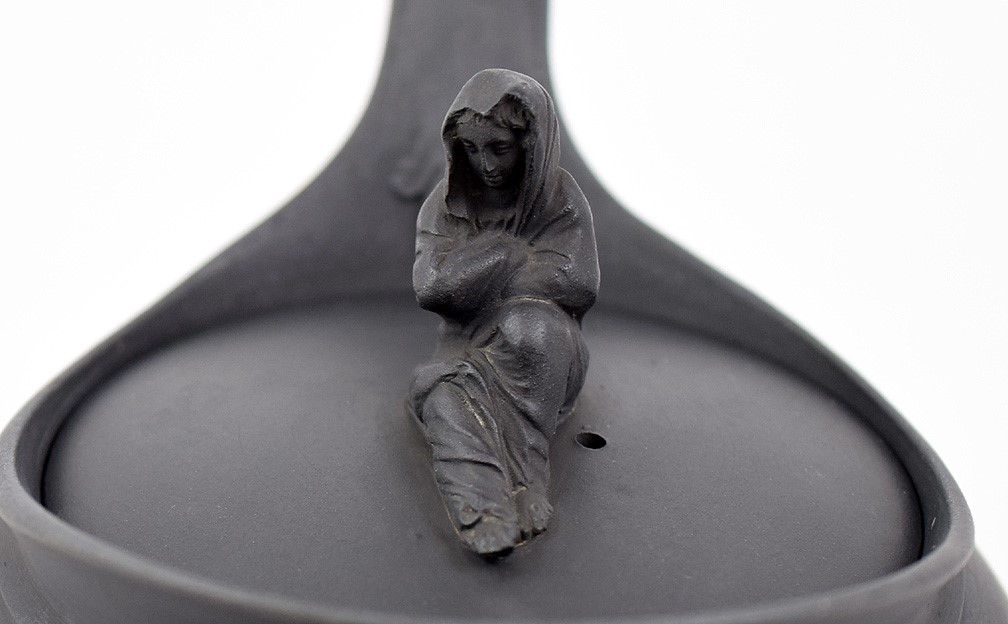
    What is a finial? The little knob on the top of the lid. This is where it gets weird for our modern-day eyes. Some looked like women hunched over, draped in mourning clothes or grieving widows. Add this to the black body, and the oddly shaped pots start to take on a dark tone. 

    Woman Finial

    Mary Washington owned an early iteration of these black basalt pots, but was it for mourning purposes? Not likely.

    Her husband Augustine died in 1743, early into the family’s occupation at Ferry Farm. This would have been before the invention of this style of pottery and well before strict (and quite frankly tedious) Victorian mourning rituals. A black teapot may seem to symbolize some outward decorative display of bereavement or grief (particularly with a sad woman finial). Yet, to Mary, it would have just been a neoclassical design in the latest black basalt trend. She was just being her fashionable self. Her teaware collection was pretty admirable, and the fact that she owned a black basalt teapot is not surprising. 

    But that shouldn’t stop us from enjoying beautiful and somewhat spooky teapots.


    Mara Kaktins, Archaeologist & Lab Manager

    Sources

      [1] M.S. Rau. (2019, December 11). Wedgwood: A collector’s guide to English ceramic treasures. https://rauantiques.com/blogs/canvases-carats-and-curiosities/wedgwood-collectors-guide

    [2] Todd, L. M. (2020, December 17). Rediscovering Black basalt one of Josiah Wedgwood’s first and most enduring inventions. Architectural Digest. https://www.architecturaldigest.com/story/rediscovering-black-basalt-one-of-josiah-wedgwoods-first-and-most-enduring-inventions

    [3] STONEWARE, BLACK BASALT – Type Index | Historical Archaeology Type Gallery. (n.d.). https://www.floridamuseum.ufl.edu/typeceramics/type/stoneware-black-basalt/

    [4] The Mint Museum. (2023, January 24). Classic Black: The Basalt sculpture of Wedgwood and his contemporaries – Mint Museum. Mint Museum. https://www.mintmuseum.org/exhibition/classic-black/

    [5] The Chipstone Foundation. (n.d.). https://www.chipstone.org/article.php/151/Ceramics-in-America-2004/The-Little-Engine-That-Could:-Adaptation-of-the-Engine-Turning-Lathe-in-the-Pottery-Industry

    [6] Portals to the Past: British ceramics 1675-1825 – Google Arts & Culture. (n.d.-b). Google Arts & Culture. https://artsandculture.google.com/story/portals-to-the-past-british-ceramics-1675-1825/GgUh1Et0LThYLw

  • In Jewelry Remembered: Fashion as a Mourning Ritual

    Collections managers deal with a wide array of objects. Sometimes those objects can be quite odd and even a bit gross to the modern person.  One object that has always fascinated me is mourning jewelry and the hair of the deceased that jewelry contains.  Not many people nowadays think of collecting loved ones hair to keep in a locket or to weave into bracelets, but this was a widespread practice and even quite fashionable a relatively short time ago.  While perhaps odd to us today, mourning jewelry gives us a glimpse into rituals surrounding the dead and grieving at a time when death was a more prominent and ubiquitous part of life.

    The evolution of mourning jewelry began around the Middle Ages as part of the growth of Christian ideas on mortality and redemption called Memento Mori. These ideas found their way into literature, art, and even fashion.  Memento Mori jewelry reminded the wearer of their own mortality. These pieces, usually rings, incorporated macabre imagery like skulls, skeletons and coffins to create strong visual reminders of the transient nature of earthly life.

    It was not until the 17th century that the Memento Mori jewelry developed into what we know as mourning or memorial jewelry.  The imagery remained similar but the symbolism became more personal and served as a sentimental remembrance of a specific individual, instead of one’s own mortality.  Engraved names, dates of death and age of the deceased appeared on pieces.  Bereaved family presented these ornaments to friends and family as memorial to the individual.  They became a status symbol and many wealthy people actually included instructions of how the jewelry would be designed, and made in their will. For example, George Washington declared in his will: “To my Sisters in law Hannah Washington & Mildred Washington; to my friends Eleanor Stuart, Hannah Washington of Fairfield, and Elizabeth Washington of Hayfield, I give, each, a mourning Ring of the value of one hundred dollars. These bequests are not made for the intrinsic value of them, but as mementos of my esteem & regard.”

    GW Brooch 1
    The oval-shaped brooch above bears the 1798 Saint Memin likeness of George Washington in profile and dates from around 1799. The image is surrounded by gold and blue enamel and is under convex glass.  The brooch is trimmed by forty-four seed pearls.

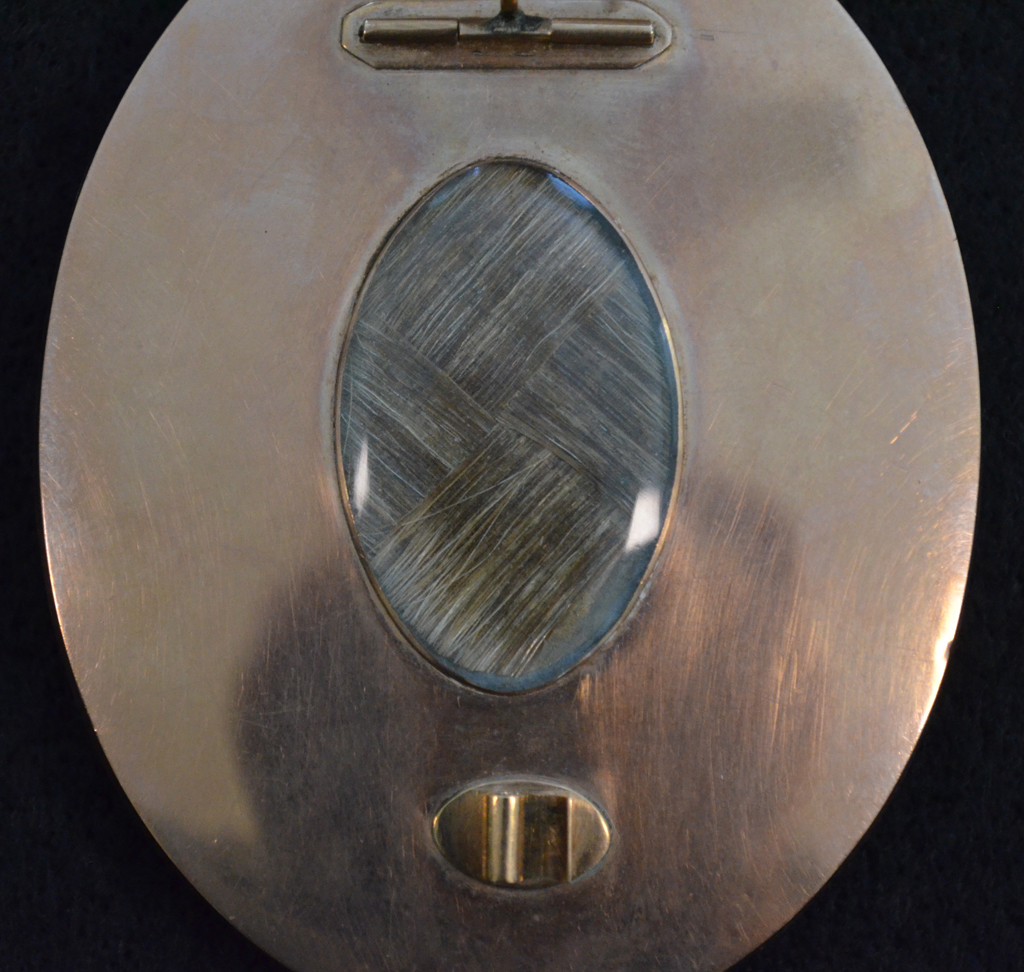
    GW Brooch 3
    The back of the brooch contains a plait of brownish-red hair under glass along with a pin fastening.  Tradition says the hair is General Washington’s cut after his death and sent from Mount Vernon by Martha to Mrs. R.B. Lee of the Sully Plantation, Fairfax Co., Virginia in December 1799.

    By the time Washington died, mourning jewelry had evolved with changing attitudes toward death and with a greater focus on sentiment.  The style changed to represent the lighter rococo styles and later Neo-classical designs became popular.  The skulls and coffins were replaced by sepia-toned women dressed in billowing robes lamenting at a tomb, inscribed urns, and weeping willow trees in bucolic landscapes.  Many rings and brooches were lined with pearls to represent tears and included a simple twist of the deceased’s hair.

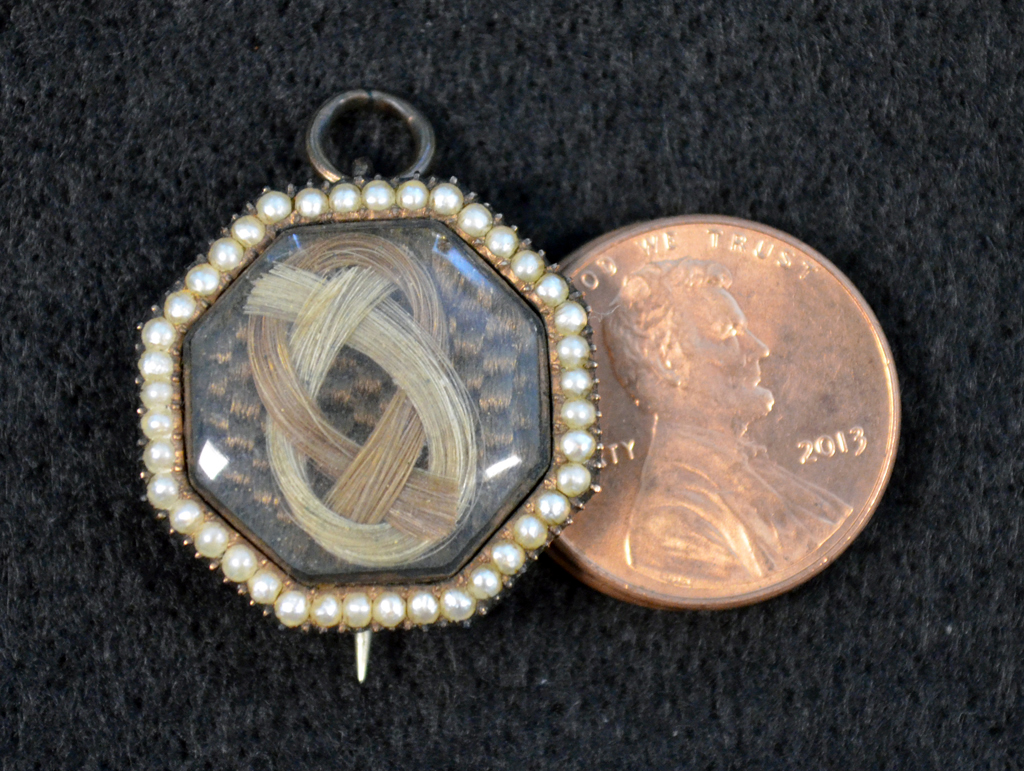
    GW Locket Brooch
    The octagonal locket dates from between 1800 to 1825 and has been turned into a brooch. The lock of hair, believed to be that of George Washington, is tied in a figure eight type knot and rests on a mat of woven hair. The lock of hair was supposedly given to Captain Robert Smith who knew and served with George during the war. After Captain Smith lost his wife, he went to visit the Washingtons at Mount Vernon and became friends with Nelly Custis, who gave him this lock of her great-grandfather’s hair. When Captain Smith died, he willed the pendant to his cousin and it passed through the Smith family until donated by a relative to The George Washington Foundation in 1925.

    The decorative twist of a loved ones hair for memorial purposes was not new, but it did come into greater use in the 18th century and peaked during the Victorian era.  Hair is one of the few personal mementos people could keep from a loved one.  Human hair contains keratin which is fairly resistant to decomposition particularly when kept in a sealed environment.   The permanence of hair and memory is best summed up with a quote from a journal article of the time discussing female beauty, “Hair is at once the most delicate and lasting of our materials; and survives us, like love. It is so light, so gentle, so escaping from the idea of death, that with a lock of hair belonging to a child or a friend, we may almost look up to heaven, and compare notes with the angelic nature; may almost say, “I have a piece of thee here, not unworthy of thy being now.’” (Page 76)

    Much Brooch 1
    This traditional mourning brooch dates from 1790 to 1810. It contains many neoclassical imagery typical of the time including the weeping woman in classical dress sitting by a tomb, a willow tree, and a ceremonial urn carving. It is inscribed “Much Lov’d, Much Mourn’d”and is painted on ivory encased in a copper mount. The back contains a braid of brownish-blond hair under a glass cover.

    Much Brooch 2

    In the 19th century the use of more elaborate hair work became increasingly popular. The Victorians developed a strict etiquette for mourning rituals and dress.  The stages specified different colors, fabrics and even jewelry at different times during the mourning period, the length of which varied depending on the mourner’s relationship to the deceased.  Mourning jewelry made of hair was allowed during the second stage (usually about a year into the mourning ritual) creating a rise in not only unique hair jewelry but do-it-yourself guides to making pieces with loved one’s hair.

    Memorial jewelry and hair work began to wane at the turn of the 20th century and now these pieces have become curios, often found in antique shops and museum storage collecting dust on shelfs.   Sadly, most of the pieces have no information relating to who they were made for or the names of the mourned. Instead, we are left with an unidentified plait of hair or gold band symbolizing the only piece left from the life of a loved individual.

    Heather Baldus
    Collections Manager

  • No Buttons for the Ladies

    Whilst I costume actors, living historians, and myself from time to time in 18th century clothing, I find myself puzzled about the stark difference between the closures and attachments of ladies’ and men’s garb.  I have to lace myself into my stays, tie on layers of padding and petticoats around my waist, and finally pin my gown closed.  Men have the enjoyment of a few buttons on their breeches and waistcoat, but that is it.  It frequently makes me grumpy how long it takes me to dress in comparison to my male counterpart.  I did not understand this phenomenon, until recently. 

    To put 18th century clothing closures into perspective, you had hooks and eyes, buttons, and ties/laces.  Thomas Hancock created elastic for gloves, suspenders, and stockings in the 1820s, but it struggled to withstand heat and last through time.  The elastic we know and love in our garments today did not come around until the early 1900s.[1]  The modern zipper was patented in 1917 and was used mainly on boots and tobacco pouches.  It took another 20 years before the technology even made it to mass produced clothing.[2]  By comparison, the button first becomes functional over decorative around 1,000 BCE in Asia.  Buttons would eventually travel the Mediterranean during the crusades into European territories around the late 11th century CE.[3]  So George Washington did not have a zipper on his pants or elastic on his socks, but he definitely had buttons on his coat.   

    A eye from a hook and eye set. Source: Ferry Farm Archaeological Collections

    Hooks and eyes were sometimes used for gown closures for women in the 18th century.  They were not used as much as pins were because of the rigidity in size it created for the garment. 

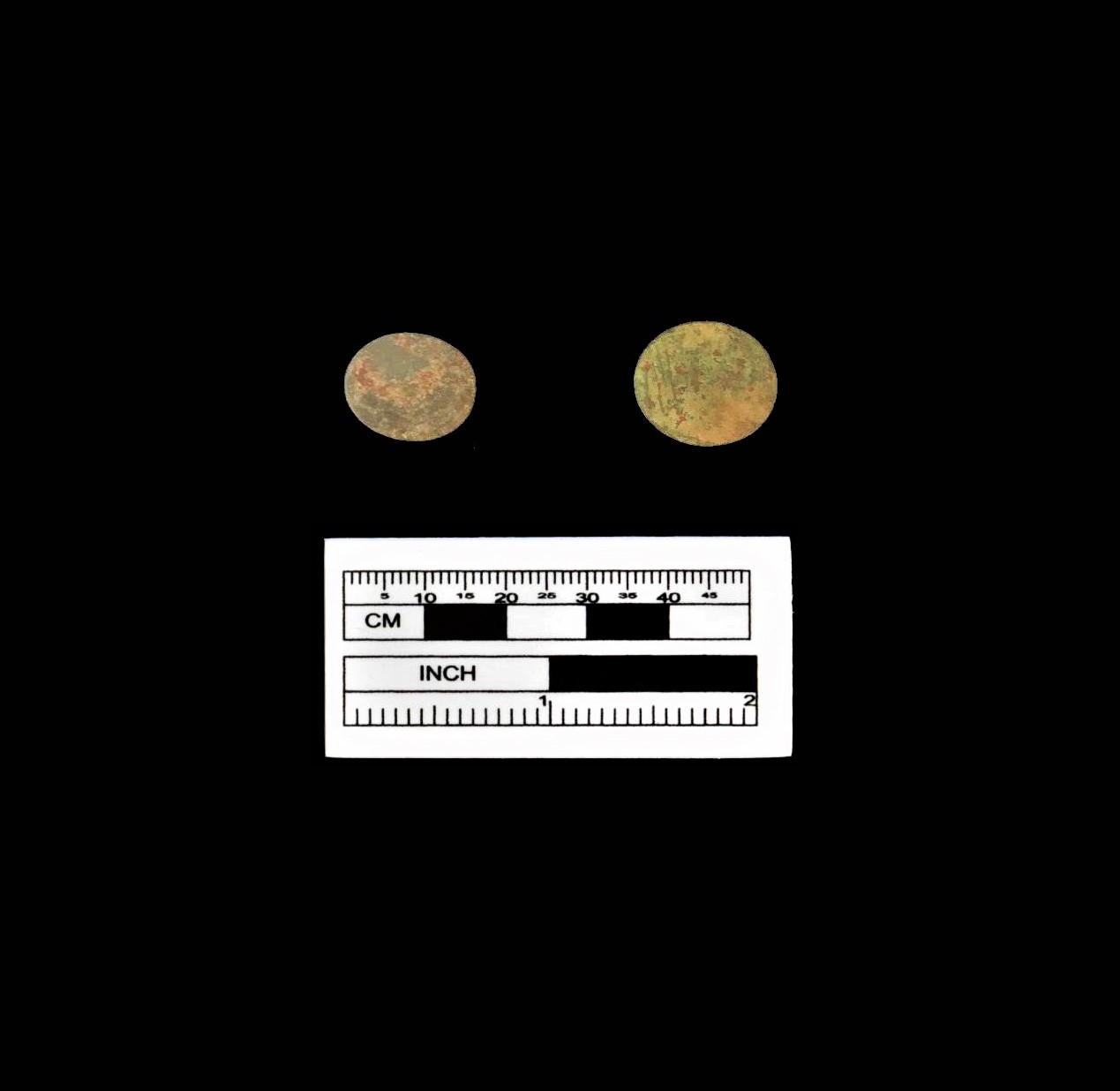
    We have buttons from men’s garments in the archaeological collections here at Ferry Farm.  We also see buttons all around male portraiture in our curatorial collection.  The ladies, however, are stuck with laces, ribbons, and pins.  And boy, do we have the pins to prove it in the archaeology collections. 

    Two metal buttons most likely from men’s garments.  Source: Ferry Farm Archaeological Collections
    Bone buttons Source: Ferry Farm Archaeological Collections
    Pins were used for pinning jackets closed and keeping caps pinned to your hair.  They were a necessary part of dressing. Source: Ferry Farm Archaeological Collections

    A small sample of the large collection of brass dress pins found at Ferry Farm.  Pins were not used for sewing, as basting before sewing was the regular practice.  Pins were used for pinning jackets closed and keeping caps pinned to your hair.  They were a necessary part of dressing.

    The answer to why this phenomenon is how it is hit me one day after rewatching a lecture given by a former staff member entitled “Betty Washington Lewis and Women’s Health.”  Dr. Kelly Brennen Arehart spoke about maternity wardrobes and how women wore their everyday clothing throughout pregnancy.  For my contemporary mind, this was shocking, but the more I thought about it the more it made sense. 

    Women go through a lot of fluctuations in body shape, weight, and proportions in their lifetime.  Between hitting puberty and development of curves, to many pregnancies, to the changes of menopause, women’s bodies go through so much.  Of course in between all of the big changes, there are also changes to the female body based on time in her menstrual cycle, metabolism fluctuations, or periods of eating more or less or different types of food that all change the body’s shape and size.  Unlike today, women of the past could not just go to the shop and buy a pair of pants in the size up.  Clothing was incredibly expensive and time consuming to make before sewing machines and mass production come into play.  In the 18th century, even the highest classes of women did not have the money or the time to go buy or have new clothing made when they gained a few pounds or got pregnant.  It was a matter of adjusting the clothing they already had.  And that is exactly what ties, pins, and laces allowed women to do. 

    The lacing, pinning, and tying made clothing far more adjustable compared to the rigidity of buttons.  Women tied their petticoats looser and simply covered the wider gap in the side with their jacket or gown.  Stays were either loosened significantly by the laces or they were left unlaced at the bottom entirely, especially in cases of late term pregnancies.  On top of the stays, jackets could be pinned further out to allow for more room in the bust and waist, or a stomacher could be added in the center opening of the jacket to expand the top even further.

    Whether these closures were intentionally created to be adjustable or if it was just a byproduct of lacking clothing technology, I am not entirely sure.  But the idea that buttons were only used on men’s not so fluctuating bodies (for the most part) says something.  A button is sewn down and cannot be easily moved or adjusted on a regular basis.  Once a button is sewn into place, there is no room for variation in body shape, unless one wanted to move the buttons every time he ate a large meal the previous day. 

    Even though Betty Washington Lewis had Charlotte, who we believe to be an enslaved woman acting as the seamstress of the Lewis household, Betty was pregnant on and off for twenty years.  If Charlotte or another enslaved seamstress had to make a maternity wardrobe for Betty every time she was with child, the seamstress would have no time to do any other tasks whatsoever.  It was not economical with precious time or expensive cloth for women to need new clothes every few weeks. 

    So to tie all this together, I am still not happy that it is so inconvenient for me to dress myself in 18th century clothing, but I understand why getting dressed was this way.  The adjustability of women’s clothing was so intentionally created to conform to their bodies in any season it was in.  It also opens my eyes to why pins were so important.  Without them, a woman could not dress. 

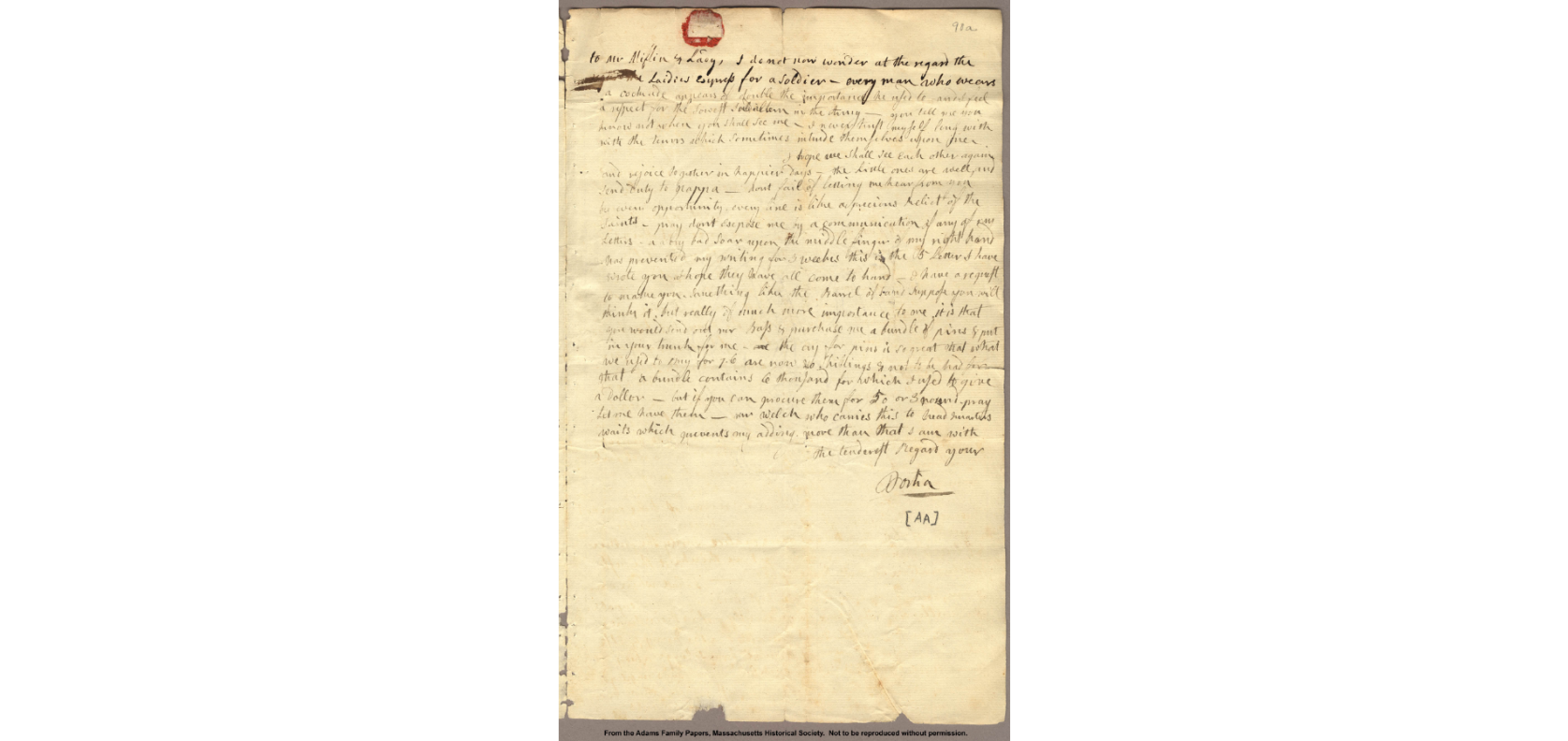
    Letter from Abigail to John Adams, June 14, 1775.  Source: Massachusetts Historical Society

    …I have a request to make you. Something like the Barrel of Sand suppose you will think it, but really of much more importance to me. It is that you would send out Mr. Bass and purchase me a bundle of pins and put in your trunk for me. The cry for pins is so great that what we used to Buy for 7.6 are now 20 Shillings and not to be had for that. A bundle contains 6 thousand for which I used to give a Dollor, but if you can procure them for 50 [shillings] or 3 pound, pray let me have them. Mr. Welch who carries this to head Quarters waits which prevents my adding more than that I am with the tenderest Regard

    your

    Portia


    Allison Ellis

    Manager of Public Programs


    [1] “Questions About Elastic,” Maggie May Clothing, Accessed July 10, 2023, https://maggiemayfashions.com/questions-about-elastic-2/.

    [2] Ninette Dean, “The Up and Down History of the Zipper,” The Smithsonian Libraries and Archives, Accessed July 10, 2023, https://blog.library.si.edu/blog/2010/05/03/the-up-an-down-history-of-the-zipper/.

    [3] Caroline Stone, “The Westward Journeys of Buttons,” AramcoWorld, Accessed July 10, 2023, https://www.aramcoworld.com/Articles/November-2020/The-Westward-Journeys-of-Buttons.

  • Stay Informed About Historical Undergarments

    You have probably seen an enormous amount of corsetry imagery in your life. Whether it was the scene in Gone with the Wind where Mammy is lacing Scarlet into her corset as she holds onto the bedpost or a social media post about waist training using a modern piece of shapewear. Needless to say, you probably think that corsetry was restricting, painful, and dangerous for all women in the 18th, 19th, and 20th centuries. Enter me, a corsetry enthusiast, here to break the wall of misconceptions surrounding women’s boned undergarments. 

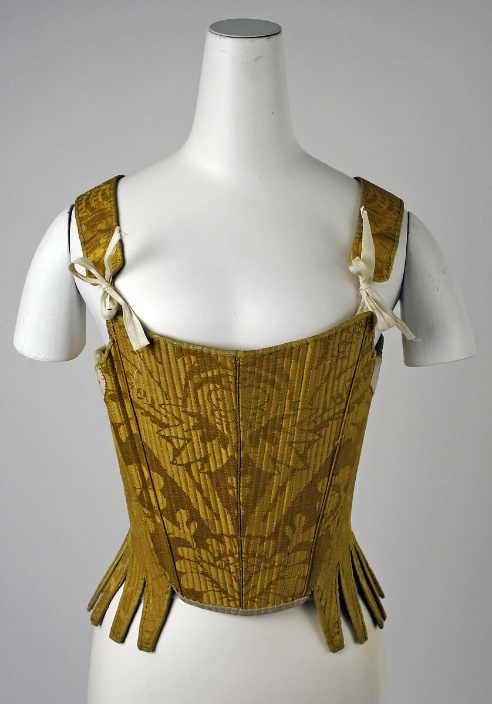
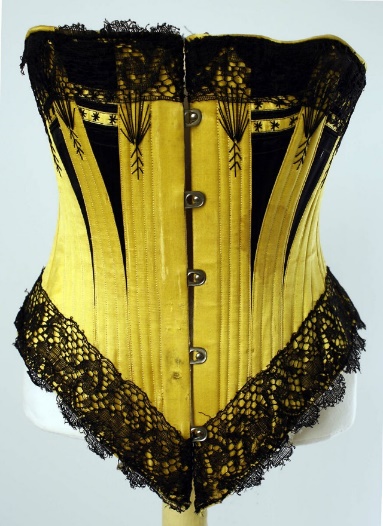
    I would like to start by differentiating between stays and corsets. Stays are the fully or partially boned shaping garments worn by women in the 18th century. Stays gave support to the bust and created an inverted conical shape by holding the shoulders back, trimming the waist, and supporting the mantua, or gown. Stays can be laced in the front, back, or both. Corsets became fashionable in the early to the mid-19th century. Corsets give the more famous hourglass shape, are laced in the back, and fastened in the front with hooks. I will be focusing on 18th-century stays, but know that many misconceptions about stays and corsets fall into similar categories. Some differences are the spark to the misconceptions, though. 

    Early 18th Century silk stays in collections of the Metropolitan Museum of Art

    1880s Silk Corset in the collection of the Metropolitan Museum of Art

    Take everything you think you know about stays and throw it out the window. The most common misconceptions about historical boned shapewear can be debunked if you step outside of the 21st century’s media-driven view of corsetry.

    Weren’t stays painful and hazardous to women’s health? No, actually. This misconception comes from the idea that women tight-laced their stays, meaning they pulled the laces tighter to force waste reduction. Most women did not practice tight lacing. Additionally, the boning was made of baleen (whalebone), which looks rigid but is quite flexible and molds to the wearer’s body over time. Stays were meant to be supportive, not restrictive. Organs were not squeezed, and ribs were not broken. Think of stays as a garment, not unlike a modern bra: snug, supportive, but wearable in an everyday setting. Women were able to work, eat, and breathe in their stays. It was probably more likely you would faint from the smells in the street than you would from the tightness of your stays in the 1700s. 

    1777 Satire of fashion print, British Museum

    Women of all classes in society wore stays. From the lowest of working classes to the highest of nobility, everyone wore them. You were not considered properly dressed without your stays on. Materials differed based on what you could afford, but some iteration was necessary for every woman. Working women often wore stays without straps so as not to restrict any movement of the arms or shoulders. Wealthier women who were not doing physical labor tended to enjoy the extra support the straps gave.

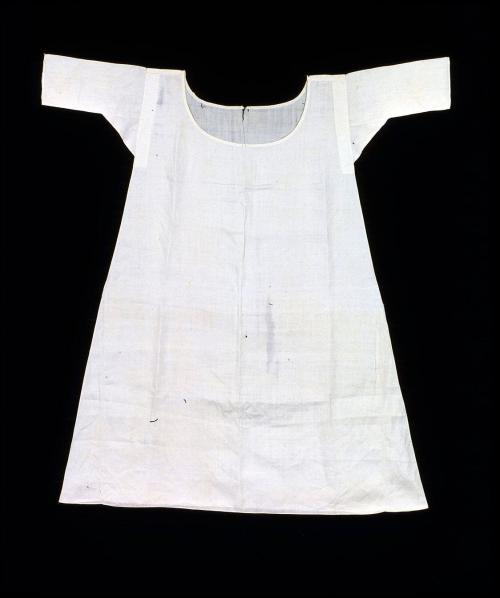
    Stays were not worn up against the skin. No matter what the covers of romance novels or the saucy scenes in period dramas portray, there was always a layer of clothing between the woman and her support garment. Laundry was not as simple as throwing everything into a machine and hitting start in the 18th century. Therefore, women wore foundational garments called shifts that were washed frequently and protected outer garments like gowns and stays that were not washed as often. A shift was a nightgown-like garment usually made of linen. This was considered your base layer. It absorbed sweat and oils, protecting the rest of the clothing and stays from the elements of the body. 

    Linen shift in the collections of Colonial Williamsburg

    Stays were never laced in a crossed pattern; they were always spiral laced.    That crisscross lacing that you see so often was not commonly used until 19th-century corsets. Spiral lacing was achieved by anchoring one end of the lacing chord at either the top or bottom and running it in a circular pattern through the offset laces until the other end of the stays were reached, then it was anchored off at that other end. This is a common mistake made in period films. If it isn’t spiral laced, it isn’t the 18th century. 

    Spiral-laced early 18th Century linen stays in the collection of the Metropolitan Museum of Art
    Cross-laced 1890s silk corset in the collection of the Metropolitan Museum of Art

    Another lacing myth is that women in the upper classes were the ones who wore back-lacing stays, and women in the lower classes wore front or front and back-lacing stays. This idea came to be from the thought that women needed help to get into back-lacing stays; therefore, they needed a servant or enslaved person to place them in while lower-class or poorer women could lace their own stays in the front. Experts know this is not true as stays in fancier fabrics, like silk, worn by wealthier women are often front lacing, and stays in common fabrics, like linen, are often back lacing and vice versa with no real correlation. This tells us that the lacings of stays were not exclusive to class. I can also confirm that this was most likely the case as I have worn and laced my own back lacing stays by myself. It is not a magic trick or due to any extreme flexibility. I do what I was shown: lace the stays loosely in front, then spin them around, so the lacing is on my back and tightens them up. Simple, fast, and effective. 

    Something surprising that I learned while constructing my stays is that stays were not made by the milliner or mantua maker. Stays were most frequently made by a specialty staymaker or the tailor. That’s right, and this is such a specific and complicated garment to construct that it was often made by a specific craftsman. It took many years for someone to master the art of stay-making. Despite mantua making and millinery work being a female dominated trade in the 18th century, stay making and tailoring was a male-dominated trade. It took a lot of strength to process the whalebone, a job more suited to men. Next time you hear an actress from a period drama complain about how tight the corsetry was and how she could barely breathe, know that her corset was most likely not fitted properly and made historically; therefore, it just did not fit. Stays were made to fit the wearer, which would take an enormous amount of time to do for a film’s costumes. Premade corsets are bound to be uncomfortable to wear. Staymakers knew exactly how to fit a set of stays to the wearer, an art that is now nearly lost to time. 

    1780s stays from the Victoria & Albert Museum Collections (linen)
    1780s stays from the Victoria & Albert Museum Collections (silk)

    Stepping back into our 21st-century lenses, what can you see? Do you see oppressed women fainting in the street or strong women working in their homes and out in the world going about their business? I hope this has made you think twice about regarding corsetry as the worst garment ever to grace the body, but also about appreciating the women who wore them and what they did to get us to where we are today. 

    Allison Ellis

    Manager of Public Programs

  • Drawers, Knickers, or Pants: Why Do We Call Them That?

    There truly is a National Day for absolutely everything and even a National Underwear Day! That’s right! Undergarments have their own appreciation day and, to be precise, it was August 5.  At first glance, National Underwear Day may seem rather silly but actually we probably don’t give enough thought to the importance of underwear. Before August ends, we want to remedy that by taking a look at underwear from a historical perspective.  Have you ever wondered why there are so many names for our various undergarments? It turns out that all the names we have for underwear today are rooted in the past.

    Cooling in Basement
    Woman in a shift and petticoat.

    Underwear as we know it today didn’t really get its start until the 1800s.  Prior to that, people like the Washingtons and the Lewises actually didn’t wear much at all under their numerous layers of clothing.  Women wore nothing under their shifts (which were loose-fitting, waistless dresses that acted as the first layer of a woman’s wardrobe and were sometimes the outer layer in hot weather or workday situations).  Men’s shirts were initially similar to shifts in that they were all-purpose – base layer, outer layer, sleep shirts, etc.  But, men were actually the ones who began the trend toward true undergarments.

    In Washington’s day, men wore breeches on the outside, but they also wore a similar lighter weight garment underneath, which came to be known as “drawers.” Why drawers, you ask? The prevailing theory is that the name comes from the fact that early versions of this undergarment were actually two separate legs that had to be “drawn” up and tied in place, hence why we still refer to underwear as “pairs” even though they are single garments now – “a pair of drawers”, “a pair of underwear.”

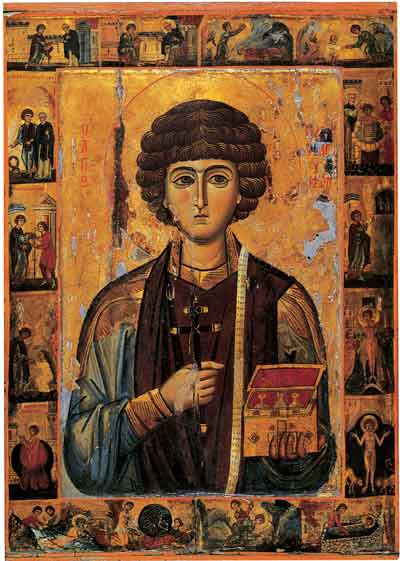
    St Panteleimon
    Icon of saint Panteleimon (Saint Catherine’s Monastery, Mount Sinai) dating from the 13th century. Credit: Wikipedia

    Eventually, women adopted men’s undergarments for themselves, with some modifications.  This is the point where the ubiquitous term “pants” has its beginnings.  “Pantaloons”, “pants”, and “panties” all come from the same remarkable origin, a Catholic saint, martyred in the 1st century A.D. named Saint Pantaleon. Now, Saint Pantaleon had nothing to do with pants himself but centuries after his death, he became a focus of religious zealotry in Venice, Italy, where many men wore a peculiar type of breeches that were rather poofy.  Because the men who were also a part of the cult of Saint Pantaleon wore these same poofy breeches, they came to be known as “pantalones.”  Additionally, because of their rather flamboyant behavior and dress, pantalones became the stereotypical way to depict Venetian characters in comedic plays, which travelled across Europe.  Eventually the most distinctive characteristic of these comedic characters, the poofy breeches, became iconic and took on the name “pantaloons.”

    Interestingly, pantaloons became a popular fashion accessory among women in France, as an undergarment that was intentionally meant to be seen under slightly shorter dresses.  When the fashion reached England, it was primarily among men, and eventually the word “pantaloons” was shortened to “pants” and applied to any outerwear bottoms generally.  Among women, they remained undergarments, which got continually shorter and smaller as the centuries passed, and are now referred to with the diminutive “panties.”

    The Italian Comedians by Antoine Watteau
    “The Italian Comedians” (c1720) by Antoine Watteau shows several characters in costumes with pantaloons typical of commedia dell’arte theater popular in European from the 16th to the 18th centuries. Credit: National Gallery of Art

    Alice Manfield, Guide Alice, Mt Buffalo c1900
    Portrait of Alice Manfield (Guide Alice) (1878-1960), mountain guide, naturalist, chalet owner, photographer, and early feminist figure based at Mt Buffalo, Victoria, Australia. Photographer: Unknown. Credit: State Library of Victoria.

    And now the term “knickers.” Although this name for both male and female underwear got its start in the United States, its current usage is much more common in Great Britain.  In 1809, Washington Irving wrote A History of New York under the pen name Dietrich Knickerbocker.  Knickerbocker was depicted in newspaper illustrations wearing loose-fitting, almost baggy, breeches tied or buckled at the knee.  This style of knee breeches had become highly fashionable among young men in America, and the press surrounding the book and Knickerbocker himself added to the trend.  Eventually, the style became known as “knickerbockers” but the breeches weren’t an undergarment.  Men wore them to play sports (one of the first professional baseball teams was called the New York Knickerbockers, and knickerbockers were standard baseball uniforms well into the 20th century) and for casual wear.

    Knickers or Drawers
    Kncikers or Drawers, 1880s, Credit: The Metropolitan Museum of Art

    Once again, though, women saw a handy piece of clothing, and altered it for their own purposes.  At this point in women’s fashion, hoops and cages were being used to hold skirts out and add volume.  Things were a bit drafty under those cages, and knickerbockers seemed like the perfect solution.  In order to capitalize on this trend, manufacturers had to differentiate the bottoms that men were wearing for manly pursuits from the bottoms that ladies were wearing under their hoop skirts, and so “knickers” were born.  Much like pantaloons, knickers kept getting shorter and smaller until they were basically the same thing as panties.

    And there you have our brief history of underwear for National Underwear Day!

    Meghan Budinger, Aldrich Director of Curatorial Operations

  • Summer Stinks!: The Odoriferous 18th Century

    Editor’s Note: Looking back in time, people’s personal hygiene, fashion choices, medical treatments, and more sometimes look, at the very least, bizarre, if not outright disgusting.  When confronted with these weird or gross practices, our first reaction can be to dismiss our ancestors as primitive, ignorant, or just silly.  Before such judgments, however, we should try to understand the reasons behind these practices and recognize that our own descendants will judge some of what we do as strange or gross.  Here at George Washington’s Ferry Farm and Historic Kenmore, we’ve come to describe our efforts to understand the historically bizarre or disgusting as “Colonial Grossology.”  The following is the latest installment in Lives & Legacies’ “Colonial Grossology” series.

    Virginia is a hot place during summer and even for much of autumn.  While we once wrote about how people in pre-air conditioned colonial times dealt with the heat in a previous blog post aptly titled, “The heat is beyond your conception”, I want to talk today about another bane of colonial Americans’ comfort in summer,  namely smells and particularly body odor.

    Today, history comes scent-free.  We must study the past without using smell, one of our main senses, and, as we will soon see, that is probably for the better.

    An 18th century summer smelled of human and animal waste, garbage, stagnant water, and body odor.  These odors permeated every breath taken by colonists, whether very rich or very poor.  Noted philosopher Jean-Jacques Rousseau once complained about the aroma of “stagnant urine” the hung about the Palais Royal in summer.[1]

    How did colonists attempt to deal with the ubiquitous human stink before deodorant and regular bathing?  What were the deodorizing options available to the likes of George or Betty Washington? What could they have possibly used to keep the dreaded stink of summer away or, at the very least, subdued?

    Bathing

    We’ve previously written about bathing in the 18th century in detail but toward the end of the 1700s, baths, or the immersion of the body in a tub of water, were becoming more popular with more affluent Americans.  As the intrepid Elizabeth Drinker wrote of her first experience in a shower, “I bore it better than I expected, not having been wett [sic] all over at once for 28 years past”. [2] The wealthy tended to bathe more because they also had the luxury of milder soaps. Generally, the main soap available at the time was not normally used in washing the body because it was made of harsh cleaning agents.[3]  Additionally, few experts advised taking more than one bath a month for health reasons.[4]  There was actually a widespread fear that bathing could make you sick. Most importantly, very few people could devote time or energy to the immense task of fetching water and warming it for a bath.  People’s daily washing consisted of a splash of cold water from a basin usually in the kitchen or bedchamber.[5]  They washed the bits that showed namely the face, the feet, and the hands.  This daily washing helped George or Betty start off their day smelling fresh but it didn’t last long in the brutal Virginia summer.

    Wash Basin in Bedchamber
    Wash basin in Historic Kenmore’s bedchamber.
    Wash Basin
    Close up of the wash basin in Kenmore’s bedchamber.
    Wash Basin Pitcher
    Pitcher that goes with bedchamber wash basin.

    Clothing

    In 1765, Stephen Hawtrey advised brother, Edward, who was preparing to come to Virginia, that “Your cloathing [sic] in summer must be as thin and light as possible . . . You must carry a stock of linen waistcoats [which were kind of like vests] made very large and loose that they may not stick to your hide when you perspire.”  Light and thin fabrics made of natural fibers like cotton and linen absorbed sweat from the body and dried relatively quickly.  Additionally, lighter undergarments could be washed more regularly than the outer garments which usually weren’t laundered.

    Toward the end of the 1700s, a weekly changing of underwear was recommended and more frequent cleanings lead to more incentives for perfuming washtubs, chests and drawers.[6]  Besides laundering, people also infused garments with a lovely fragrance or sewed up sweet smelling sachets to put in their pockets.

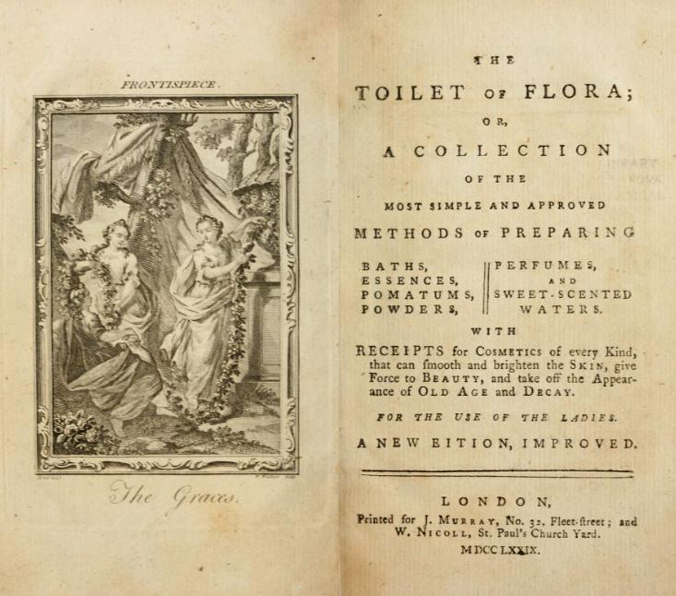
    The English Husewife contains an interesting recipe to perfume gloves that involved soaking them in a mixture of angelica water, rose water, cloves, ambergris, musk, lignum aloes, benzoin, and calamus.[7] Meanwhile, The Toilet of Flora provided instruction on using violet and cypress powder to make sachets that could be secreted in a ladies pocket.[8]

    Even ornamentation and jewelry didn’t escape the quest to hide the stench of summer.   Recipes for perfumed chaplets and medals created a smelly paste substance that could be concealed in jeweled smelling boxes or worn as wax decorative medal.[9] Similarly, little sponges soaked in essential oils could be hidden in jewelry to give the wearer a sweet aroma.

    Perfuming

    As shown by all this perfuming of jewelry, clothes, and clothing storage, perfumes and waters were the most common way people in the 18th century tried to cover the stench of summer.  Perfumes are strong concentrations of scents that last for a long time while waters are the more diluted eaux de toilette or eaux de cologne.  All were available for purchase in colonial stores for those of means.[10]  Additionally, there were dozens of handy books that supplied many easy to follow recipes for various lovely smelling perfumes and waters.  The Toilet of Flora had about 6 perfume and 60+ recipes for waters.[11]

    Toilet of Flora frontispice
    Frontispiece and title page of a 1779 edition of “The Toilet of Flora”.

    Before continuing, we should define some terms to help navigate the confusing and complex world of perfumery.

    PERFUME is made of essential oils or an aroma compound as well as fixatives and solvents.  ESSENTIAL OILS are oils from a plant usually extracted through distillation.  Compared to fatty oils, they are lighter and tend to evaporate without a trace. A perfume usually contains 15 to 20% pure essence.  A perfume’s FIXATIVE helps the scent last. Today, we use synthetic fixatives but, in the 18th century, popular fixatives were benzoin (aka gum of Benjamin) labdanum, storax, ambergris (basically whale vomit), castoreum (the castor sacs of a mature North American beaver), and musk (the glandular secretions of the musk deer).   Lastly, a perfume’s SOLVENT dilutes the perfume oil. The most common solvent being some type of alcohol/water mix but coconut oil or liquid waxes like jojoba oil can be substituted. Perfume is very strong and lasts for about five to eight hours.

    EAU DE TOILETTE is light-scented cologne with a high alcohol content, 5 to 15% perfume essence and is usually scented with something floral or fruity like lavender, lilac, orange or lemon.  An eau de toilette has a light scent that lasts around 3 to 4 hours. EAU DE COLOGNE is composed of two to four percent perfume oils in alcohol and water.  The first eau de cologne was made in Cologne, Germany in 1709 and contained many different citrus oils.  An eau de cologne has a light scent that only lasts a couple of hours.

    One particularly perfume recommended in The Toilet of Flora contains musk, cloves, lavender, civet and ambergris.[12] While it likely smelled nice, it was probably expensive to make so would not have been an item produced for everyone.  Nor did some think that perfume was appropriate for a woman of good repute to wear at the time. They instead recommended eau de rose or eau de lavender as a more appropriate alternative.   As one guide stated, “In no circumstances should real perfume be applied to the skin.  Only aromatic toilet waters – distilled rose, plantain, bean, or strawberry water – and eau de cologne were permissible”.[13]

    Perfume Bottle
    Portion of an 18th century perfume bottle excavated by archaeologists at George Washington’s Ferry Farm.

    Needless to say, while perfume and waters masked some smells, they were not viable deodorizers for many who couldn’t afford the luxury.  George Washington, being a practicing gentleman, probably used an eau de toilette in the morning when washing.  It is believed that George regularly purchased bottles of scent from Dr. William Hunter’s apothecary in Newport, Rhode Island, the forerunner of today’s Caswell-Massey.  Of the 20 scents Hunter offered, George settled on Number Six and even bought some bottles as gifts.  Number Six is still available for purchase today so that even you can smell like George!  Betty probably used an eau de toilette or scented soap in the morning. It would have been inappropriate for a young lady to wear a perfume, but she may have worn it on special occasions as a married woman.

    No matter if they used a scent, laundered clothing, or bathe, the fact remains that an 18th century summer just stunk.  People tried to mask it with whatever concoctions they could invent but it took another 100 years before deodorant and antiperspirant were invented to save humanity from the smell of itself during the hot humid summer months.

    Heather Baldus
    Collections Manager


    [1] Alain Corbin, The Foul and the Fragrant: Odor and the French Social Imagination, Cambridge, MA, Harvard University Press, 1986: 27.

    [2] Richard L. Bushman and Claudia L. Bushman, “The Early History of Cleanliness in America,” Journal of American History, Vol. 74, No. 4 (Mar. 1988): 1214.

    [3] “Wash-Balls” in The Toilet of Flora, London, 1779: 199-207.

    [4] Corbin, 178.

    [5] David S. and Jeanne T. Heidler, Daily Life in the Early American Republic, 1790-1820: Creating a New Nation, Westport, CT, Greenwood Press, 2004: 46.

    [6] Corbin, 179.

    [7] G.M., The English Huswife, J.B., London, 1623: 142.

    [8] Toilet of Flora, 196.

    [9] Toilet of Flora, 6

    [10] Nivins and Warwick advertisement, Virginia Gazette (Purdie and Dixon), Apr 4, 1766, pg 4, col1; https://research.history.org/CWDLImages/VA_GAZET/Images/PD/1766/0021hi.jpg

    [11] Toilet of Flora, 50-114

    [12] Toilet of Flora, 57.

    [13] Corbin, 183.

  • From Servants to Sovereigns, Lousy Hair Days (Part I)

    When Mr. Gilchrist [the hairdresser] opened my aunt’s head, …its effluvias [bad odor] affected my sense of smelling disagreeably, which stench however, did not surprise me when I observed the great variety of materials employed in raising the dirty fabric. False locks to supply the great deficiency of native hair, pomatum with profusion, greasy wool to bolster up the adopted locks, and gray powder to conceal at once age and dirt, and all these caulked together by pins of an indecent length and corresponding color.  When the comb was applied to the natural hair, I observed swarms of animalculas [small insects] running about in the utmost consternation and in different directions, upon which I …asked …[Mr. Gilchrist] whether that numerous swarm did not from time to time send out colonies to other parts of the body?  He assured me that they could not; for that the quantity of powder and pomatum formed a glutinous matter which… caught and clogged [them]… and prevented their migration.  Here I observed my aunt to be in a good deal of confusion, and she told me that she would not detain me any longer from better company; for …the operations of the toilette were not a very agreeable spectacle to bystanders, but that they were an unavoidable evil; for, after all, if one did not dress a little like other people, one should be pointed at as one went along.

    -August, 1768 London Magazine. Quoted in Corson Fashions in Hair: The First five Thousand Years, pp. 337-338.

    You’ve probably heard of – or even used – the term “lousy” to refer to an unpleasant situation, but were you aware that it refers to the state of being infested with lice? “Louse” is the singular form of the plural “lice.” The continued popularity of terms such as “lousy” and “nitpicking” reflects the enduring legacy we’ve inherited from a long history of human lice infestations.

    Louse
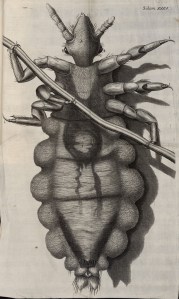
    A louse as depicted in Hooke’s Micrographia. Credit: National Library of Wales. Public Domain.

    Lice feast upon the blood from their reluctant hosts, and their rapacious bites make the scalp itch incessantly. During the colonial era, desperate hosts combated these voracious pests by cutting their hair short or shaving it off altogether!

    In the 1700s, the most popular hair styles for adults combined greasy pomade with by a liberal (and frequent) application of hair powder (often wheat flour-based). The resulting impenetrable pasty blend of lard and starch provided an irresistible condiment for pests of all kinds. Hair thus embellished demanded careful maintenance. The frequency of hair care depended upon individual preference, availability of a trusted hairdresser, the presence of pests, and how the hairstyle’s veneer of pomade-and-powder responded to the weather (hot weather and rain, for example, prove devastating).

    Combating pests was so stressful that many found wearing a wig (or ‘peruke’) less troublesome than maintaining one’s own hair. Wigs can be removed, cleaned, boiled, combed, and have requisite unguents applied by a hairdresser without the wearers being involved. A cleaned and dressed peruke was presented to its owner without the time and discomfort associated with having these procedures applied directly to his scalp.

    Until the later decades of the 1700s, wearing wigs was essential for most fine gentlemen. Women might wear wigs if some illness caused the loss or thinning of their own hair, but wearing them as fashion accessories was frowned upon for ladies during the 17th and much of the 18th centuries. Well-heeled ladies grew their own hair long and – especially in the final decades of the 1700s – piled it ever higher upon the top of their head. Architecture was even influenced by the tall styles of both men and women, as doorways became higher or arched to accommodate soaring headdresses.

    Whether part of a wig or confined to one’s own locks, prolific hair was fashionable and wool pads increased their towering heights dramatically. Purchasing separate lengths of curled hair to augment feminine hairstyles was especially popular among refined ladies. Thomas Jefferson purchased such curls for an esteemed female family member from a Williamsburg wig shop in 1770.

    Laborers, however, required practical hair styles that could withstand the strenuous environmental conditions and exertions of their physical tasks. The 18th century hairstyles of dedicated workers reflected the minimal time they possessed to style and maintain their hairstyles. These people wore their own hair in easy-to-maintain styles: under most circumstances they simply couldn’t afford the time, products, or talented hairdressers required of fancy hairstyles.

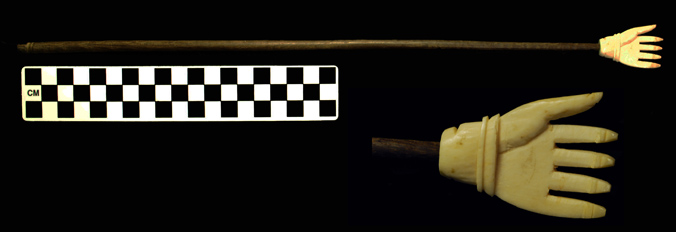
    The greasy pomade-and-powder enhanced styles of refined men and ladies attracted dust in addition to insects. Scalps were tickled by crawling insects, plagued by biting lice, and irritated by an accumulation of products: they itched! Men could reach under their wig for a quick scratch or, if alone, could remove their wig for a well-earned scrape. For those men and women who wore their own pomaded hair, a clumsy, direct manual scratching by hand disturbed their inflexible tresses. Head scratchers (or grattoirs), such as the one shown below, allowed people to itch their scalp while minimizing the damage done to their elaborate styles, stiffened as they are by layers of pomade and powder. The hairpins that festoon elaborate hairstyles also provided a means of relief: discretely shifting those hairpins back and forth across one’s scalp strategically satisfies itchy crowns. Of course, the lard-infused pomade attracted not only pore-clogging dust, but additional insatiable insects and even rodents.

    ScratcherWithInset
    This head scratcher, or ‘grattoir,’ allowed its owner to scratch their scalp without disturbing their stiff, pomade-and-powder-encrusted hairstyle. It features a wooden handle and an ivory hand (inset), a popular motif in these essential tools.

    Bugs were such a fact of life that etiquette about the manner in which to deal with these pests while under the scrutiny of company was carefully considered. ‘Pest protocols’ were included in The Rules of Civility and Decent Behavior in Company and Conversation, a conduct manual written in the late 16th century that young George Washington copied word-for-word as part of his gentlemanly education during his time at Ferry Farm. There were 110 rules, and Washington carefully numbered each one. Dealing with those ever present vermin infesting bodies was number 13 on his edition:

    Kill no Vermin as Fleas, lice ticks etc. in the Sight of Others, if you See any filth or thick Spittle put your foot Dexteriously upon it if it be upon the clothes or companions, Put it off privately, and if it be upon your own Cloths return Thanks to him who puts it off.

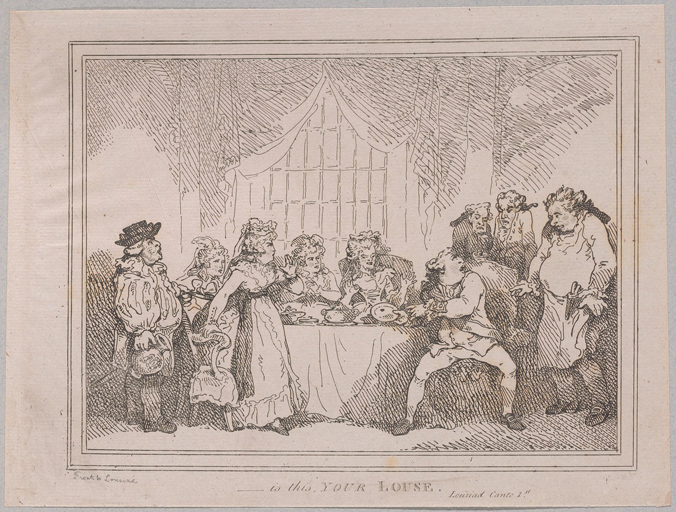
    From servants to sovereigns, blood-sucking head lice were a nuisance for all. Speaking of itchy crowns, King George III encountered a louse on his dinner plate! He blamed the kitchen staff for this uninvited dinner guest.

    Is this Your Louse
    “Is this Your Louse?” King George III queries a member of the kitchen staff after discovering a louse on his dinner plate. Thomas Rowlandson, 1787. Lewis Walpole Library.

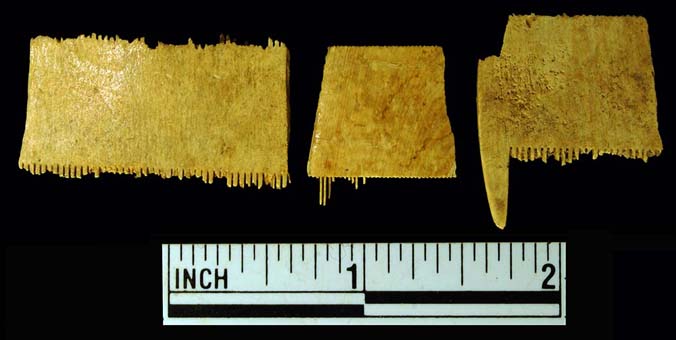
    The eggs of these pests, called nits, are really small. Nitpicking is tiresome. Fine-toothed combs, just like those found at Ferry Farm (see photo), enjoy millennia-long application in the battle against these parasites worldwide.  But, some cautioned that combing hair caused headaches if done too frequently! Combing once every week or two was ideal. Between fear of water, ineffective soaps, and an aversion to combing, hairstyles might go weeks or even months without being combed.

    FF-Combs
    These bone grooming comb fragments are from Ferry Farm. Their delicate teeth are missing because they have broken off and decayed over time.

    Keeping hair short, or shaving it altogether, was an effective deterrent against these pests.  Unlike one’s own hair, wigs could be boiled and baked to ensure lice and their eggs (‘nits’) are destroyed.  However, without proper maintenance, wig hair could host just as many pests as natural hair. In 1664, Samuel Pepys was dismayed to discover that the brand new peruke he purchased was infested with nits and lice.

    Hairstyle historian Maria Jedding-Gesterling claims that some desperate hirsute fashionistas tucked insect traps within their towering coiffures. Fabrics soaked in blood or honey lured hungry fleas into these pierced ivory traps. And for those people who had surrendered in the war against insects, wearing clothing that was flea colored provided a savvy strategy for hiding those intimate, tiny bedfellows. Flea-colored clothing became popular in the mid-1770s, even among the Court at Versailles.

    Is your head itching? Mine is!

    Laura Galke, Archaeologist
    Small Finds Analyst


    Further Reading

    For young scholars/general interest:

    Fisher, Leonard Everett. 2000 [1965]. The Wigmakers. Benchmark Books, New York.

    Galke, Laura. 2015. Wigs, 1715-1785. In Clothing and Fashion: American Fashion from Head to Toe, Volume 1, Pre-Colonial Times through the American Revolution, edited by Jose Blanco F., and Mary D. Doering, pp. 301-303. ABC-CLIO, Santa Barbara.

    Huey, Lois Miner. 2014. Ick! Yuck! Eew! Our Gross American History. Millbrook Press, Minneapolis.

    Hunt-Hurst, Patricia. Wigs, 1776-1819. In Clothing and Fashion: American Fashion from Head to Toe, Volume 2, The Federal Era through the 19th Century, edited by Jose Blanco F., and Patricia Hunt-Hurst, pp. 267-268. ABC-CLIO, Santa Barbara.

    Trasko, Mary.  1994.  Daring Do’s:  A History of Extraordinary Hair.  Flammarion, Paris.

    Vincent, Susan J. 2009. The Anatomy of Fashion: Dressing the Body from the Renaissance to Today. Berg, New York.


    For mature researchers:

    Arnold, Janet.  1970.  Perukes and Periwigs.  Her Majesty’s Stationery Office, London.

    Bristol, Douglas Walter, Jr. Knights of the Razor: Black Barbers in Slavery and Freedom. Johns Hopkins University Press, Baltimore.

    Brown, Kathleen M. 2009. Foul Bodies: Cleanliness in Early America. Yale University Press, New Haven.

    Corson, Richard.  2012 [1965].  Fashions in Hair:  The First Five Thousand Years.  Peter Owen, London.

    Cox, J. Stevens.  1965.  The Wigmaker’s Art in the 18th Century.  George S. MacManu Company.  Philadelphia.

    Cruse, Jen. 2007. The Comb: Its History and Development. Robert Hale, London.

    Durbin, Gail.  1984.  Wig, Hairdressing and Shaving Bygones. Shire Publications, Ltd. Aylesbury, Bucks.

    Festa, Lynn.  2005.  Personal Effects:  Wigs and Possessive Individualism in the Long Eighteenth Century.  Eighteenth-Century Life.  29(2):47-90.

    Galke, Laura. 2018. Tressed for Success: Male Hair Care and Wig Hair Curlers at George Washington’s Childhood Home. Winterthur Portfolio 52(2):1-51.

    Jedding-Gesterling, Maria

    1988 Regency, Rococo and Louis XVI (1715-1789).  In Hairstyles: A Cultural History of Fashions in Hair from Antiquity up to the Present Day, edited by Maria Jedding-Geserling.   Hans Schwarzkopf, Hamburg.  Pp. 119-148.

    Kern, Susan. 2010. The Jeffersons at Shadwell.  Yale University Press, New Haven.

    Kwass, Michael.  2006.  Big Hair: A Wig history of Consumption in Eighteenth-Century France.  The American Historical Review 111(3):631-659.

    Moore, William. 1780. The Art of Hair-Dressing and Making it Grow Fast, Together With a Plain and Easy Method of Preserving it; With Several Useful Recipes, Etc.  Printed for the Author by J. Salmon, in Stall-Street, Bath.

    Perry, Gill.  2004.  Staging Gender and “Hairy Signs:” Representing Dorothy Jordan’s Curles.  Eighteenth-Century Studies 38(1):145-163.

    Pointon, Marcia.  1993.  Hanging the Head:  Portraiture and Social Formation in Eighteenth-Century England.  Yale University Press, New Haven.

    Richardson and Urquhart.  1778.  The New London Toilet: or, a Compleat Collection of the Most Simple and Useful Receipts for Preserving and Improving Beauty.  Printed for Richardson and Urquhart, London.

    Sherrow, Victoria.  2006. Encyclopedia of Hair: A Cultural History.  Greenwood Press, Westport, Connecticut.

    Stewart, James. 1782.  Plocacosmos:  or the Whole Art of Hair Dressing; Wherein is Contained, Ample Rules for the Young Artizan.  Printed for the Author, No. 12, Old Broad-Street, London.

    Warwick, Edward, Henry C. Pitz, and Alexander Wyckoff.  1965.  Early American Dress:  The Colonial and Revolutionary Periods.  Bonanza Books, New York.

  • Getting “Judgy” With Colonial Revival Ceramics

    Furnishings posts logo finalPreviously on Lives and Legacies, curator Meghan Budinger laid out a wonderful summary of the Colonial Revival movement.  At no point did she weigh-in with her opinion of Colonial Revival and she should be applauded for her diplomacy.  To be honest, though, many historians, material culture specialists, and decorative arts enthusiasts (among others) can get a little ‘judgy’ when it comes to Colonial Revival.

    Copies of copies rarely turn out as nice as the original and, as Meghan discussed, Colonial Revival items conform more to our notion of how things looked in the 18th century than how they actually looked in the 18th century.

    When dealing with ceramics, Colonial Revival copies are almost always ‘clunky’ compared to the beauties they seek to emulate.  This is because the reproductions are machine made, while the colonial originals were handmade and hand-decorated. It’s very hard to imitate that kind of craftsmanship with a machine.  Experts call it being ‘debased’.  The copy is simply of a lower quality and slightly distorted.

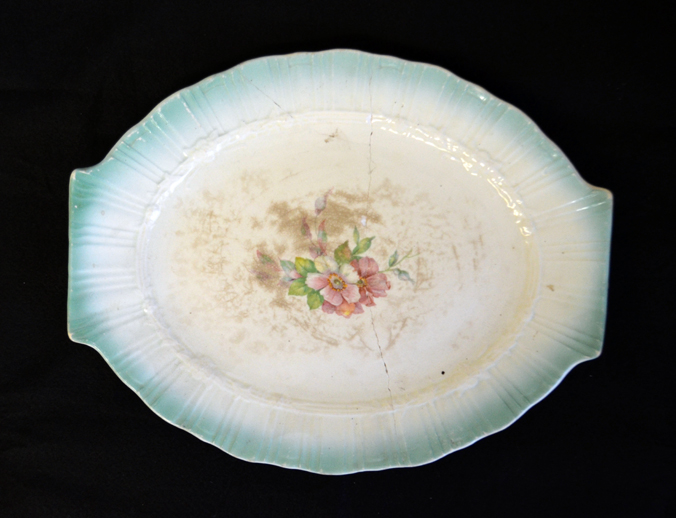
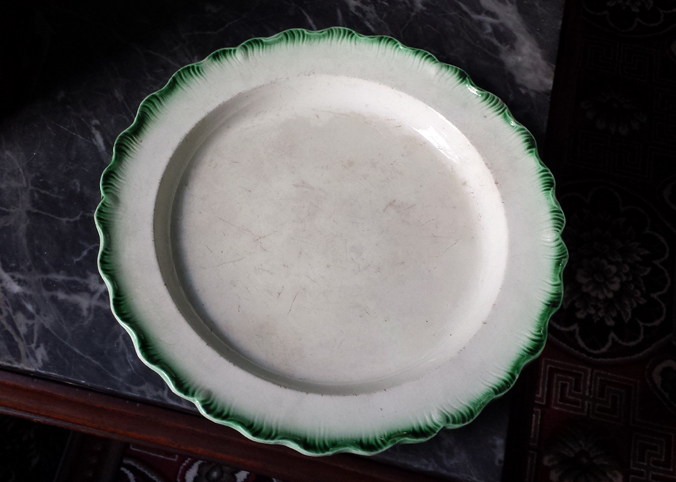
    Take for example this, um, interesting platter made between 1935 and 1941 by The Homer Laughlin China Company. It is a hideous imitation of the beautiful shell edge decoration popular in the late 18th and first half of the 19th century.  Of course, not all Colonial Revival is quite this debased as this extreme example.

    Colonial Revival Ceramics 3
    This 20th century Colonial Revival reproduction made by The Homer Laughlin China Company is a ‘debased’ version of a shell edge platter from the 18th century pictured below.

    Colonial Revival Ceramics 4

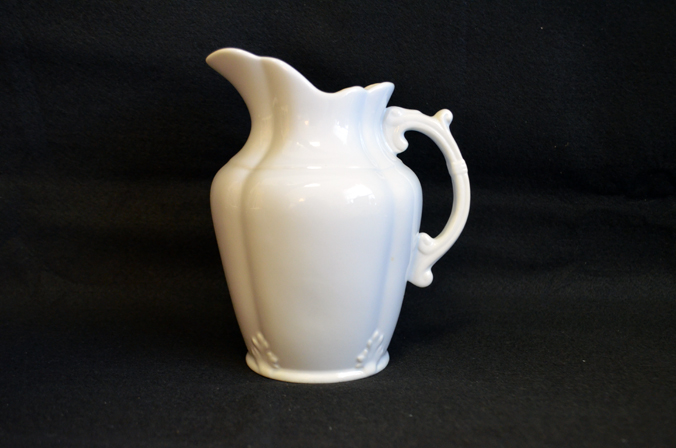
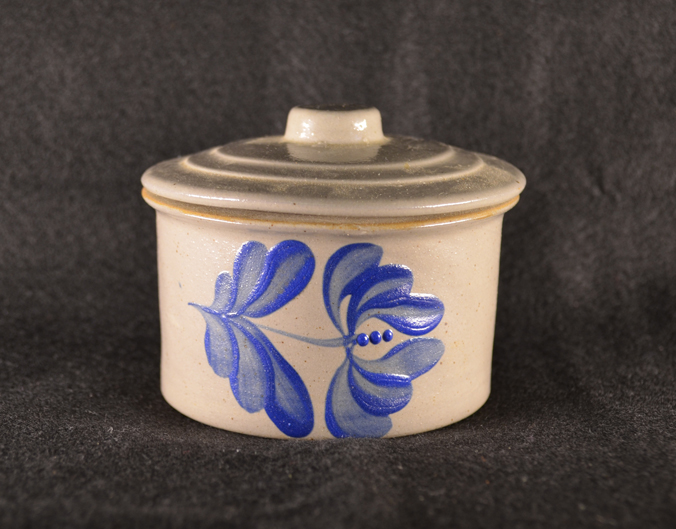
    Some are actually pretty accurate, like this tasteful white granite pitcher or this stoneware mustard pot, which dates from 1993.  I’m pretty sure it came from The Cracker Barrel.

    Colonial Revival Ceramics 2
    Colonial Revival white granite pitcher.

    Colonial Revival Ceramics 1
    Colonial Revival stoneware mustard pot dating from 1993 and perhaps sold by The Cracker Barrel.

    It just so happens that our awesome team of specialists (curators and archaeologists – a fun bunch) are currently furnishing the Washington house at Ferry Farm with reproductions the public may handle as we create an interactive house. Original 18th century objects are not an option.  Good colonial reproductions can sometimes cost as much as originals and can also be surprisingly hard to find.  Thus, despite our prejudices, we’re finding ourselves extremely grateful for the glut of Colonial Revival tea and tablewares currently on the market.

    Colonial Revival pieces are often quite sturdy, relatively inexpensive, and no member of our staff will dissolve into tears if a stoneware crock with cobalt blue hand-painted decoration originally purchased at The Cracker Barrel in 1997 broke.  We might actually celebrate it.  And so we hunt for modern items that straddle the line between historically accurate and, if need be, expendable.  We are diligently scouring auction sites, thrift and junk shops, antique markets, and sometimes our own cupboards in our never ending quest for Colonial Revival.  We will be sure to keep you updated on our progress and hope you can visit the Washington House to see how we did!

    Mara Kaktins, Archaeologist
    Ceramics & Glass Specialist

  • How Many Curlers did a Harried Hairdresser Need? Let’s Do the Math!

    After unearthing over 200 wig hair curlers from Washington’s Boyhood Home, we were in a position to do something that – to our knowledge – has never been done before: crossmend all those curler fragments. As a result, we can now predict the minimum number of curlers the Washington family’s harried hairdressers needed.

    2013_07_04_wigcurler
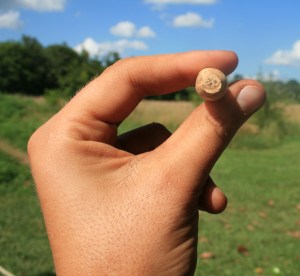
    Plate 1: A wig hair curler fresh from the excavation of the Washingtons’ task yard. Note the “WB” mark on its end, which we believe to be the Initials of its British manufacturer. Image courtesy of Virginia Commonwealth University/Bernard Means.

    If you remember our blog post from way back in January 2015, these unglazed ceramic curlers were often used by wigmakers to create the curled styles of a wig’s coiffure during the making of a new peruke (Plate 1). We’ve also learned that hair stylists employed curlers to freshen the lagging curls upon an existing wig, after a gentleman had worn it out. How often a wig needed to be re-set depended upon the standards of the gentleman, and the activities and weather that he and his stylish coiffure encountered. Because curlers had to be heated to be effective, they were only used when wigs were safely removed from the gentleman’s head.

    Before our crossmending could commence, the curlers had to be washed, cataloged, and labeled. Then, all of the labeled curler fragments could be compared and evaluated for crossmending. Previous analysis revealed that the assemblage included nine different sizes (Plate 2). Most of our curlers are smaller diameter, especially sizes one and two (for shorter hair/narrow width curls). Within each size, width and even length varied: they were not manufactured in a standardized way. This was the eighteenth century, after all.
    Ferry Farm All Nine-b-Smaller
    Plate 2: Representatives of the nine different curler sizes from Ferry Farm. These nine sizes were analytically imposed. They may not necessarily represent historically defined categories.

    FFCurlerMarksShopt.small
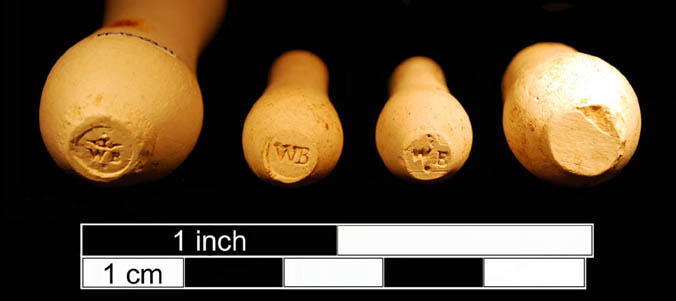
    Plate 3: There were three varieties of maker’s marks. A few curlers had no marks.

    Most curlers had one of three varieties of maker’s marks (Plate 3). However, a handful exhibited no mark at all. It was within these subcategories that the cross mending began. And the results were surprising.

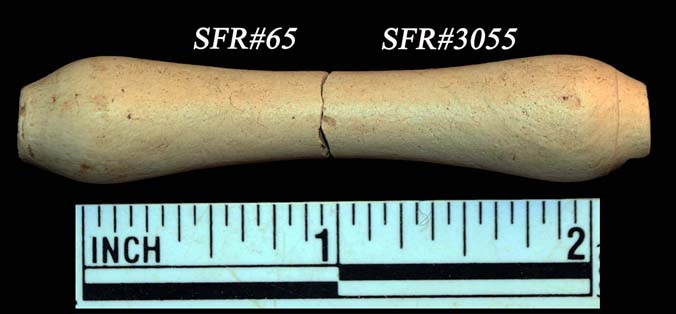
    You’ve probably broken a glass or plate. They usually break into many pieces. In contrast, curlers tend to break into two fragments at their weakest point: near the center of the curler (Plate 4). With a single mend you can often get a complete or near complete specimen (Plate 5).

    FF18 Curlers h.shopt.small
    Plate 4: Curlers tend to break into two fragments.

    One of the primary goals of crossmending was to determine whether we had found all of the curlers used here during the mid-1700s, or just a portion of them. If we had found the entire assemblage, for example, our 194 curler fragments should result in 97 crossmended curlers. That is to say, they should all mend to another fragment. An example of a crossmend is shown in Plate 5.

    Archaeologists refer to this process of mending fragmented remains of a larger item together as “crossmending.” Whether glass bottles. tablewares, ceramic vessels, or even the bones of animals, this process allows us to determine the minimum number of any given item in the recovered collection. For example, if after crossmending, you have three right hind cow legs and two left hind cow legs you know that were a minimum of three cows on site. This is a dramatic oversimplification, but you get the idea. This educated guess of the least number of specimens present is called the minimum number of individuals, or MNI.

    SFR65-3055
    Plate 5: A typical curler crossmend from Ferry Farm. Two fragments mend to form a complete specimen. Often, these curlers break in the middle, as shown.

    After weeks of dedicated crossmendingby steadfast interns, enthusiastic volunteers, and dedicated Foundation staff, a total of fifteen whole curlers were crossmended from thirty previously disparate fragments. When added to our impressive collection of complete curlers (n=20), a total of 35 complete curlers (20 complete, excavated curlers and an additional 15 formed from 30 mended fragments) make up the Ferry Farm assemblage.

    Another exciting result of this exercise was that we now had two complete (mended) size one curlers and a mended size eight curler: previously these two respective sizes were only represented by disjointed fragments. Unfortunately, no mended size nine curlers were discovered. Size nine continues to be represented by fragments, and it is the only size from Ferry Farm for which we have no complete examples.

    So what’s the minimum number of curlers that the Washingtons’ hairdresser used to curl their many wigs? Let’s do the math!

    There are        164 molded curler fragments with no matches
    +  1 hand made curler fragment
    +20 whole (unbroken) molded curlers
    +15 mended molded curlers (from 30 fragments)
                              (a minimum of) 200 curlers

    Another informative aspect of crossmending is seeing from what areas of the site the mended curlers were found (Figure 1). As Figure 1 shows, a clear relationship between the work yard, where the majority of curlers were discovered and the Washington House can be seen. This adds additional evidence to our hypothesis that the majority of curling tasks took place in the eastern work yard and that finishing tasks associated with wigs (powdering, drying the washed, wet wig, and final elegant touches) took place in the parlor. The parlor has emerged as an area of wig hair maintenance, since eight curlers/curler fragments were recovered from the parlor room root cellar.

    14SeptCurlerXMendzSmall
    Figure 1: This bird’s-eye view of the Washington house and surrounding yard shows where ten of the crossmended fragments mend to their respective mates. A ‘path’ between the work yard – where the majority of curlers were used – and the Parlor inside the house is evident.

    While wearing wigs was highly fashionable among refined British colonial gentleman, little is known about how they were maintained, how often they were cleaned and set, and how these crucial activities were performed at the household level. The data recovered from Ferry Farm is providing new information and innovative analysis of this poorly understood, but essential hairdressing routine

    All in all, a terrific exercise!

    Laura Galke, Archaeologist
    Site Director/Small Finds Analyst