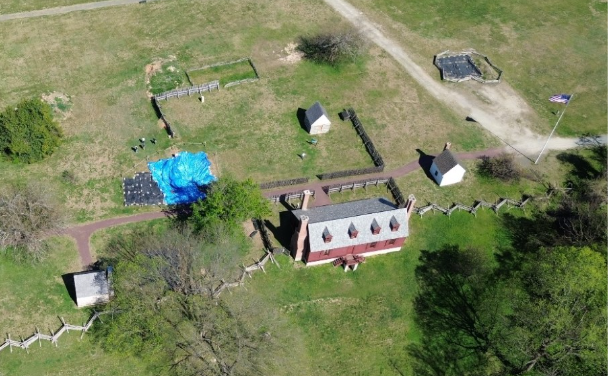
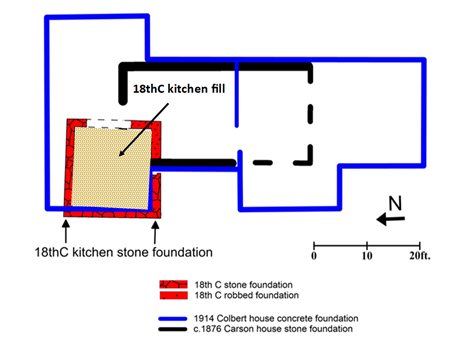
Beginning on Monday, April 27th and continuing for the next 11 weeks, archaeologists will once again be outside working onsite at Ferry Farm, George Washington’s Boyhood Home. Our current excavations are centered on an eighteenth-century kitchen located on the north side of the work yard approximately 50 feet from the main house. This wood-framed building, 16’ by 16’ in plan with an Aquia stone foundation and full cellar, would have been a hub of activity on the farm landscape and understanding its place within this landscape is important to our interpretation of life on the Washington farm.
Figure 1. Our kitchen site is located beneath the blue tarp just northeast of the main house.
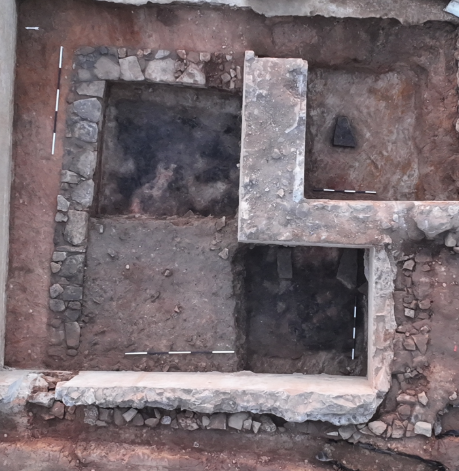
We began last year’s excavation season by uncovering and exposing the entirety of the site, which had been sealed 28 years ago with a protective layer of sand. Exposed was a 16’ square stone foundation to a cellar filled with burnt household and architectural debris. For our excavation plan, we divided the cellar fill into four quadrants and were able to excavate two of them down to the level of the cellar floor over the course of our season. One of the quadrants had previously been excavated in the 1990s, leaving one more quadrant to dig this summer.
Figure 2. The eighteenth-century kitchen stone wall foundation, intruded upon by twentieth- century concrete foundations.
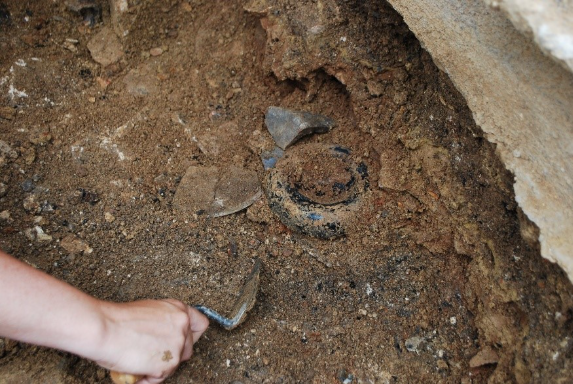
From the burned fill came an unexpected bounty of artifacts. Hundreds of fragments of glass wine bottles and ceramic storage containers were sifted through our screens, along with buckets of burned architectural debris such as plaster, mortar, and wrought nails of all sizes. A smaller number of more delicate artifacts also surprisingly survived, such as straight pins, animal bones, leaded tableware glass, buttons, box hinges, small copper drawer pulls, and even a concentrated deposit of eggshells!
Figure 3. A large wine bottle base being excavated out of the kitchen cellar fill.
Excavation also continued outside of and around the kitchen foundation as we searched for additional clues to the architectural footprint of the building. From these units we found artifacts ranging in age from 6500 BC to modern day. Native American projectile points and flint-knapping debitage, colonial-era ceramics, Civil War bullets, and twentieth-century household remains were all dug up in the various soil layers covering this part of the site.
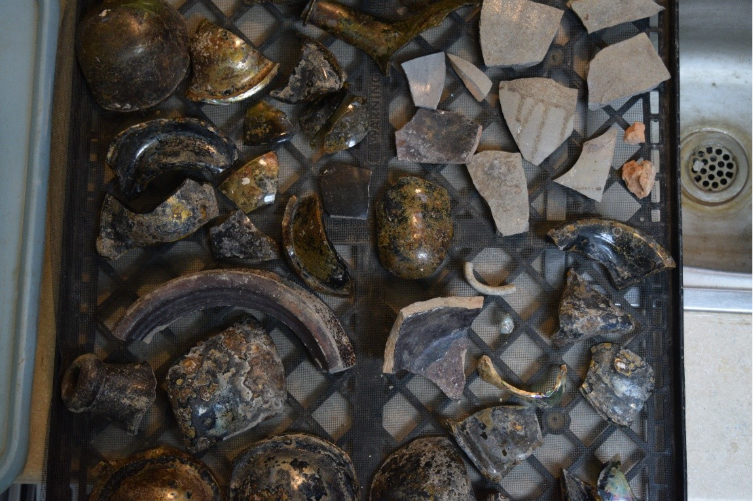
Our archaeology lab has been very busy for the last nine months cleaning and sorting all the artifacts that were found last summer. Understanding the types of artifacts found will aid in our interpretation of how the building was used, its construction details, its role in the farm landscape, and, hopefully, the date it burned down!
Figure 4. Glass wine bottles and stoneware crocks are washed and dried in the lab before being sorted and catalogued.
Our field crew will be on site weekdays from April 27th to July 10th. Once again students from the University of South Florida will be here to learn the basics of archaeology field work during the months of May and June. We welcome all visitors to ask questions and enjoy the opportunity to help us sift for artifacts!
It’s the most wonderful time of the year! There’ll be dirt out for screening, ceramics for cleaning, and lots of good cheer…. Okay, sorry, that might be a little too far. But it is a super exciting part of the year here at Ferry Farm, George Washington’s Boyhood Home. We have officially started this summer’s dig season!
Building off of the previous two years’ exploration of the kitchen site, we are revisiting the 18th-century kitchen cellar again this year. While last year’s dig focused on locating and exposing the kitchen’s stone wall foundations, our focus this year will be excavating the fill within the cellar walls that had been deposited as a result of a fire sometime in the 1740s. The fire caused the building to collapse in on itself, filling the cellar space with ash and debris.
Excavating sites like this are very exciting because they represent preserved moments in time, leaving the possibility to find artifacts left in situ or in place, when the fire occurred. It is likely that most of the artifacts excavated will have evidence of the extreme heat caused by the fire. Toasty artifacts from the 2023 preliminary kitchen exploration have been washed and catalogued, showing damage to artifacts, such as glass bottles and ceramic storage vessels, ranging from being slightly charred and burnt to being completely melted. Toasty or not, these artifacts will help us nail down the date of the fire and what was being stored in the kitchen cellar when it went up in flames.
18thc kitchen cellar fill area within stone foundation to be excavated this seasonPortion of burnt cellar fill uncovered during the 2023 excavation season.
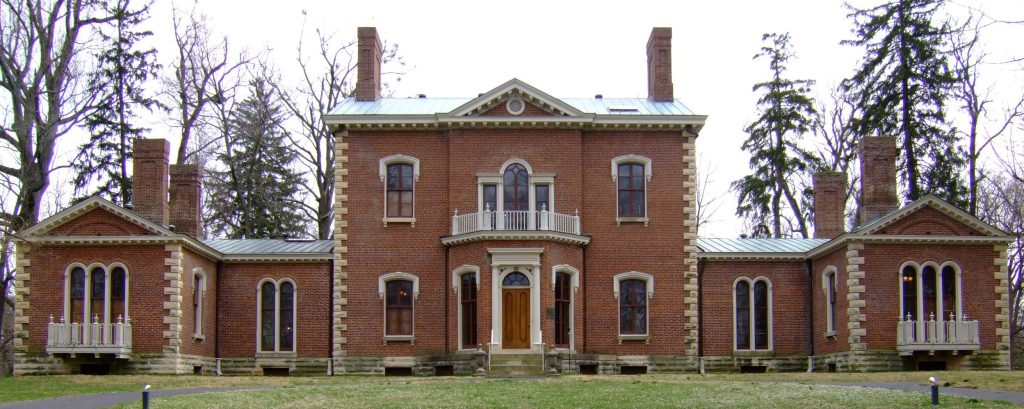
Our 18th-century kitchen, unfortunately, lies beneath the foundations of two farmhouses with full cellars dating from the 19th and 20th centuries. The construction of these homes severely impacted the kitchen structure and its burnt cellar fill, making it difficult for our archaeologists to accurately interpret the kitchen’s architectural features. A small portion of the kitchen cellar fill was also the subject of previous archaeological excavations in the 1990s, so we are not the first team to sample the fill. But in the interest of site preservation, the kitchen remnants were covered over twenty-five years ago with protective geofabric, and the farmhouse cellars backfilled completely with sand.
Luckily, we had the help of an excavator at the beginning of this season to remove the five feet of protective sand covering the kitchen cellar fill so we could get to the fun stuff sooner! But our fun isn’t restricted to the cellar, as we still have multiple 5” x 5” units around the outside of the kitchen foundations to investigate. Our team is still trying to locate the midden (trash deposits) and fireplace associated with the kitchen, as well as additional architectural evidence that would give an idea of the overall form and dimensions of the complete kitchen structure.
Excavator carefully removing the sand covering the cellar fill under the watchful eye of GWF archaeologists. The concrete wall foundations seen in the photo are the remnants of the 1914 farmhouse built atop the kitchen foundation. Exposing the cellar fill
Every excavation year brings new and exciting finds as we sift through thousands of years of site habitation. Come visit us while we dig weekdays from opening until 3:30 pm through July 11th. Hope to see you there!
On July 22, 1942, Annie Fleming Smith wrote a letter. Smith was a prolific letter writer—her innumerable missives had helped raise the funds that saved Kenmore two decades earlier—so it is not surprising that she put pen to paper on that summer day. What is surprising is that the intended recipient of that letter was not a prospective donor, a fellow regent of the Kenmore Association, or a friend. Instead, she addressed her epistle to Frank Knox, the Secretary of the Navy. Smith wanted “confirmation of the fact of the naming of the U.S.S. KENMORE” after the home and “any other information you can release” about the ship.[1]
Letter that Annie Fleming Smith sent to Secretary of the Navy Frank Knox asking for confirmation that the first USS Kenmore had been named after the historic home. Smith, Annie Fleming to Frank Knox, July 22, 1942. The George Washington Foundation.
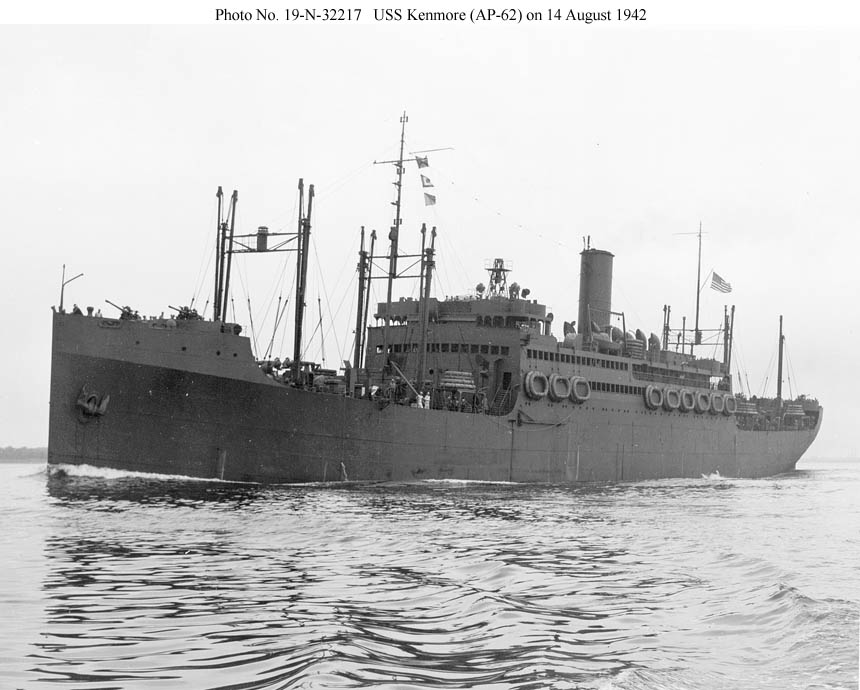
Although there is no record that Knox responded to Smith (there was, after all, a war on), the USS Kenmore was, in fact, named for the historic estate. The Naval History and Heritage Command ship-naming file on Kenmore I (AP-62) includes an April 13, 1942, memo to the Secretary of the Navy from the chief of the Bureau of Navigation and prepared by Louis Emil Denfeld, then assistant chief of the Bureau of Navigation, recommending that the President Madison be renamed Kenmore, in honor of the “[h]ome of Betty Washington at Fredericksburg, Virginia, sister of George Washington who married Col Fielding Lewis.”[2] The recommendation was approved on April 16 of that year, and the newly renamed vessel was “commissioned at Baltimore, Md., on 5 August 1942, Cmdr. Myron T. Richardson in command.”[3]
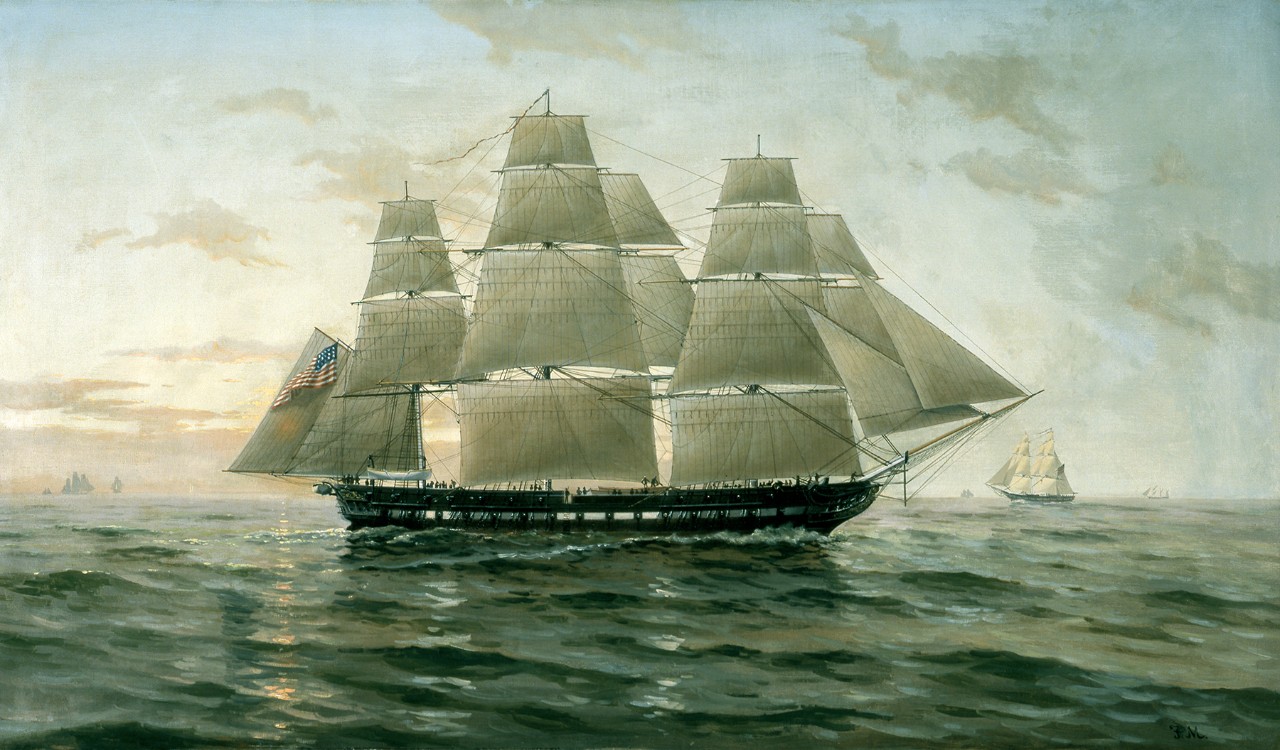
USS Kenmore (AP-62) on trials in the Chesapeake Bay on August 14, 1942. Shipscribe
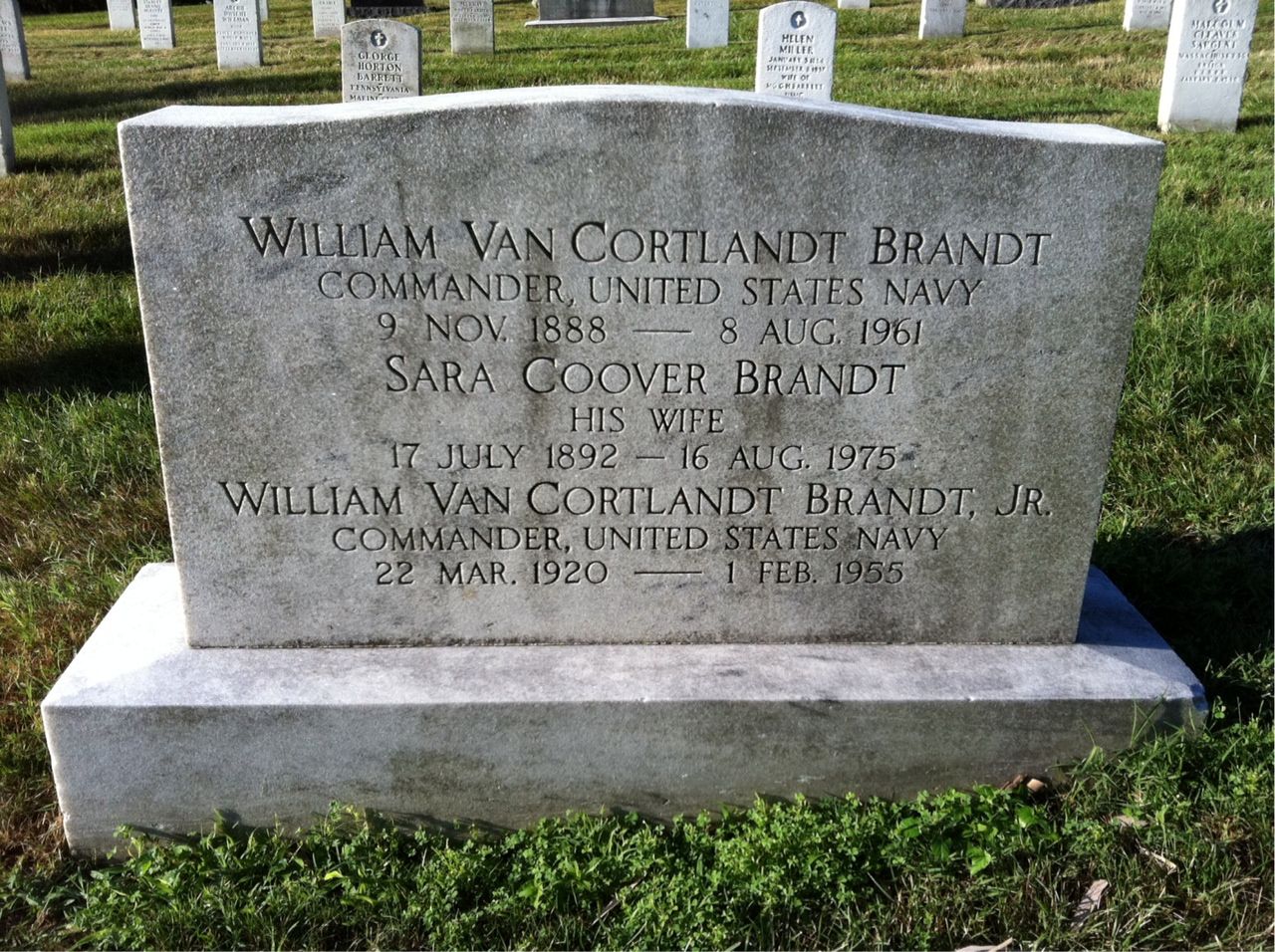
Smith had learned of the ship during a mid-1942 visit to the estate from Lt. Commander William VanC. Brandt (USNR) of the Kenmore, who later wrote to “Miss Annie” to thank her for her hospitality.[4] “All the Officers of the Kenmore,” Brandt told Smith, “were most interested in learning the history and record of the beautiful estate for which our ship is named.”[5] Brandt planned to have framed and displayed in the ship’s wardroom photographs of the property given to him by Smith; later, the vessel’s captain requested a picture of the house for his room.[6] For her part, Smith was “thrilled” to meet Brandt and “to know about your ship,” although she was skeptical enough of the origin of the transport’s new name to write Knox.[7]
The Arlington National Cemetery headstone of William VanC. Brandt, from whom Annie Fleming Smith learned that a Navy ship had been named after the historic home she had helped save from development in the 1920s.
The Kenmore operated primarily in the Pacific until September 1943; she was then converted into a hospital ship and renamed Refuge.[8] The Navy must have liked the name Kenmore, as it was bestowed in October 1943 on another transport, originally called the James H. McClintock.[9]The Kenmore II also served in the Pacific Theater and, after “hostilities ended on 15 August 1945, [began] returning veterans to the U.S.”[10] She was decommissioned on February 1, 1946.[11]
USS Refuge (AH-11), formerly the Kenmore (AP-62), photographed in February 1944 in Baltimore after her conversion from transport to hospital ship. Shipscribe.The second USS Kenmore (AK-221, ex AP-162) in San Francisco Bay around December 1945. Shipscribe.
The Kenmores were not the only vessels named for properties associated with George Washington and his family. The Wakefield (AP-21) borrowed its name from the Westmoreland County birthplace of the first president, today owned by the National Park Service.[12] There have been five Mount Vernons; the first was built in 1859 and chartered by the Navy two years later, before they bought it later that year.[13] The most recent vessel named after Washington’s residence and plantation was a dock landing ship commissioned in 1972 and decommissioned in 2003.[14] The possible birthplace of Mary Ball, George Washington’s mother, lent its name to the Epping Forest, a dock landing ship launched in 1943.[15]
The monikers of other ships are connected more tenuously to places tied to George Washington and his family. For example, a 1943 submarine chaser was rechristened the Abingdon in 1956.[16] The vessel’s new name came from the town of Abingdon, in Washington County, Virginia (named, yes, for George Washington).[17] According to the county’s official history, “myths claim that [the town] was named for Martha Washington’s ancestral home” in England.[18] While this may be a false etymology, were those who named the ship drawing on the tale when they chose to call the vessel Abingdon? Additionally, the many Arlingtons that have served the Navy over the years have each been named after Arlington County, which draws its appellation from Arlington House, built for George Washington Parke Custis, the step-grandson of his celebrated namesake.[19]
Arlington Mansion was built by George Washington Parke Custis. Union soldiers posing on the lawn, June 28, 1864.
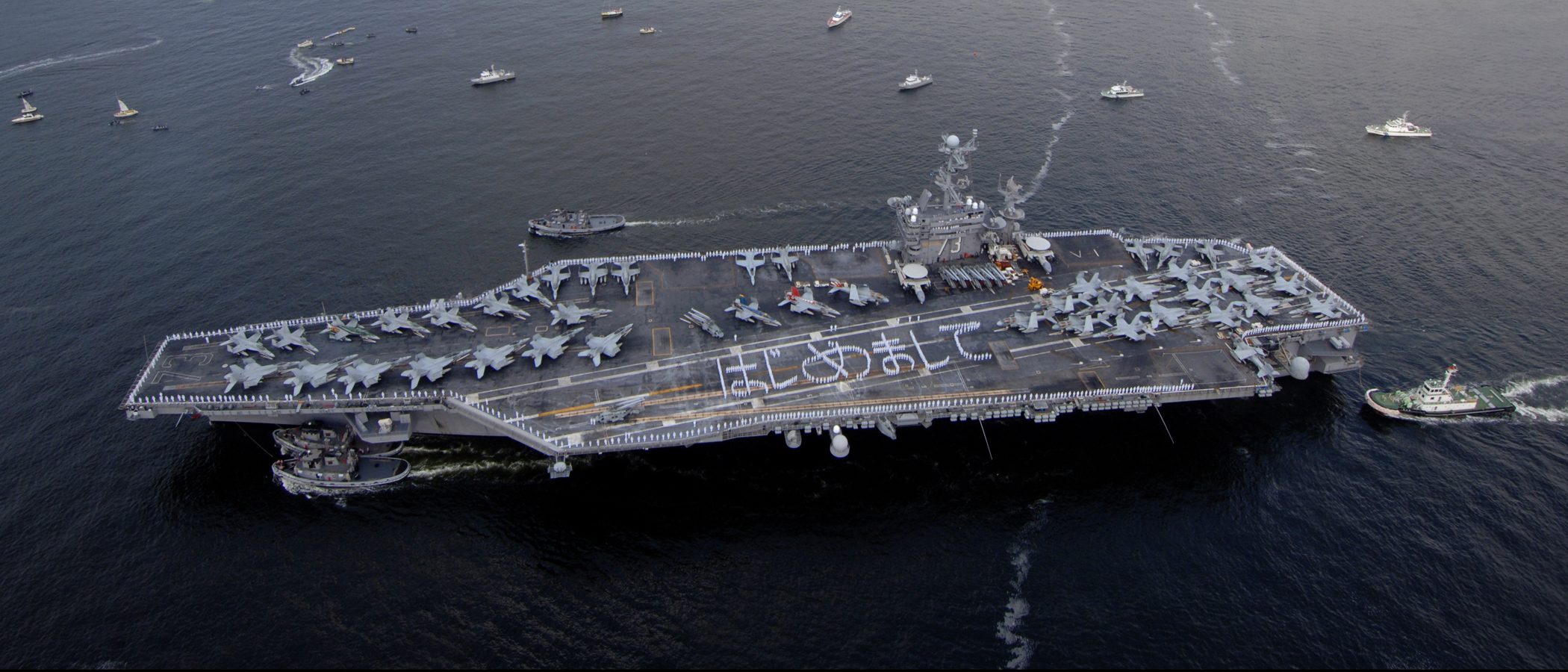
The Navy’s infatuation with the commander in chief of the Continental Army has, of course, also been expressed by naming ships directly after Washington and his family, not just their properties. While a complete inventory of such vessels is beyond the scope of this post, it is worth noting that four ships have been named the George Washington, including CVN-73, an active nuclear-powered aircraft carrier, while several others have sailed under just his surname.[20] Martha, George’s wife and the nation’s first first lady, has inspired the names of at least two Navy ships: the Lady Washington and the Martha Washington.[21] Civilian shipbuilders have also found inspiration in the Washington family: the SS Mary Ball was a liberty ship active during World War II.[22]
U.S.S. George Washington in Yokosuka, Japan in 2008. Four boats shared the name “Lady Washington.” The first was commissioned by the Continental Congress in 1776.USS Martha Washington inbound to Hampton Roads, Virginia, from Brest, France, 1918.
Who was responsible for naming these ships? As hinted at above, while final authority for ship names was (and still is) the responsibility of the Secretary of the Navy, during World War II, it was the Bureau of Navigation (renamed the Bureau of Personnel on May 21, 1942) that researched and recommend ship names based on the traditional naming conventions associated with each class of vessels.[23]
Typically, it was dock landing ships, or LSDs, that were named for “cities and places of historical interest of same name, or places of historical interest only.” [24]Epping Forest, Gunston Hall I (named for George Mason’s home), Ashland (for the boyhood home of Henry Clay), Carter Hall (after the Virginia estate), Oak Hill (for the home of President James Monroe), and Shadwell (for the birthplace of Thomas Jefferson) are all examples of LSDs whose names aligned with this convention.[25]
But the Kenmores, the Mount Vernon IV, and the Wakefield were not LSDs; they were transports, classified AP, and anyone seeking consistency in the Navy’s naming of troop transports during World War II is bound to be disappointed. Some vessels in the AP class were named after celestial bodies, others after Revolutionary War heroes, and others, as we have seen, after historic estates.
Dang it, Ben, you had one rule.One of the original six frigates whose construction was authorized by the Naval Act of 1794.
This lack of consistency is not surprising. After all, when Benjamin Stoddert named the Navy’s sixth ship, a frigate, he chose to call it the Chesapeake, despite President George Washington’s agreement with the recommendation that frigates be named after “principles or symbols found in the US Constitution.” Therefore, “the very first naming decision by the very first Secretary of the Navy resulted in the ‘corruption’ of the established naming convention.”[26] This tradition of flexibility regarding ship names has endured, and ship names continue to excite interest (and occasionally strong feelings) from many parties, including those who propose denominations for new vessels. If you are such a person, here’s an idea: how about another Kenmore, or maybe a Ferry Farm?
Adam Nubbe
Manager of School & Youth Programs
[1] Smith, Annie Fleming to Frank Knox, July 22, 1942. The George Washington Foundation.
[2] Naval History and Heritage Command, Kenmore I, ship-naming file, April 13, 1942.
Some of the most delicate objects in our collection are our archives. Paper and other document materials like vellum and parchment are very sensitive materials that can be irreversibly damaged simply by light. This makes it very difficult to display or put on exhibit for extended periods despite our comprehensive policies for conserving and preserving documents; exhibition has always been unfeasible. To remedy this, we have been working on getting archival-safe, high-quality images of our important documents online for everyone to access. So, while you might not see the documents in person, you can still explore, read, and learn about these important papers while we preserve them for future generations.
Until we launch our online archives, I wanted to give everyone a sneak peek at a few of our incredible pieces.
One of our oldest documents in the collection is a Land Grant signed by William Gooch on September 28, 1730, written on vellum. William Gooch was a colonial administrator who served as governor of Virginia from 1727 to 1749. The grant is not in the best condition, but it reads that it grants 400 acres in Spotsylvania County to Paul Plunkepee. This grant is officially recorded as Land Office Patents, No. 14, 1728-1732, page 40, and is available at the Library of Virginia.
Land grant to Paul Plunkepee signed by William Gooch. 28 September 1730.Land grant to Paul Plunkepee signed by William Gooch. 28 September 1730.Sir William Gooch, 1st Baronet, was a British Army officer and colonial administrator who served as the governor of Virginia from 1727 to 1749.
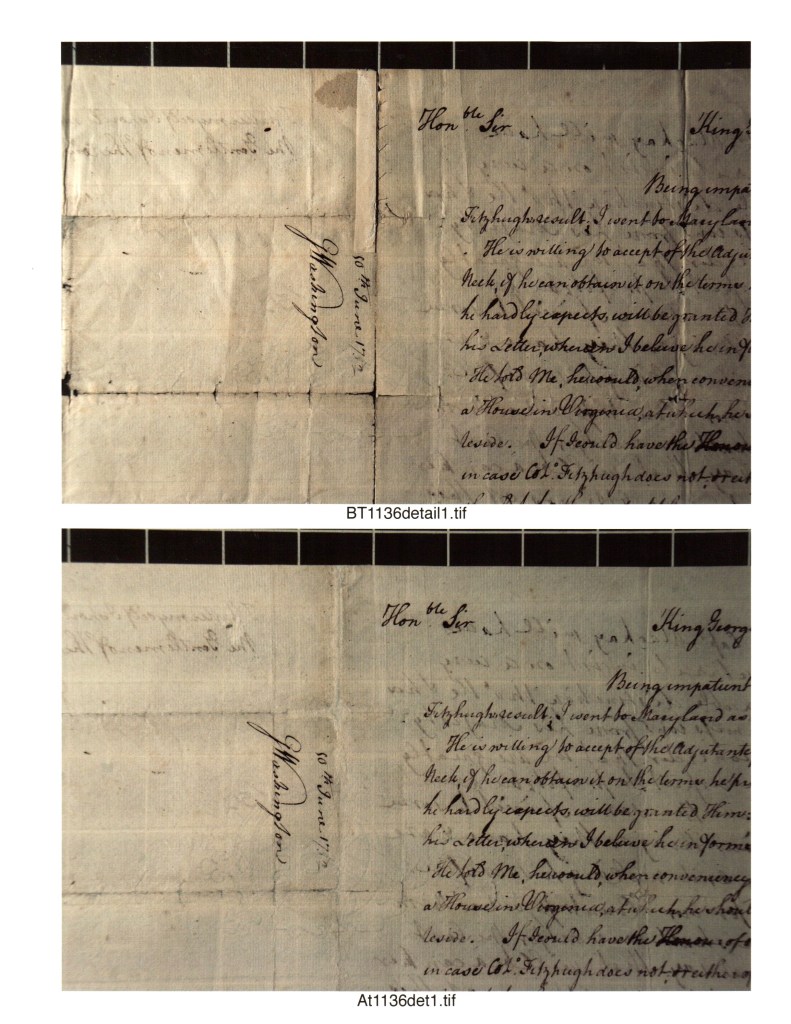
One of our most unique documents is a letter from George Washington to Lieutenant Governor Robert Dinwiddie, written on June 10, 1752, when he was twenty. Robert Dinwiddie served as Lieutenant Governor of Virginia from 1751 to 1758. In the letter, George requests his first military appointment to the open adjutancy of the Northern Neck or other district. George’s half-brother Lawrence had been appointed Adjutant General of the colony in 1743. Due to his illness and eventual death, the adjutant was to be divided into smaller districts (i.e., Northern Neck).
Dinwiddie declined the appointment but assigned George to an envoy position that winter to confront the French, who had recently built a fort on what Dinwiddie considered British land. Additionally, George met with the Iroquois Confederacy to make peace and obtain intelligence about the French.
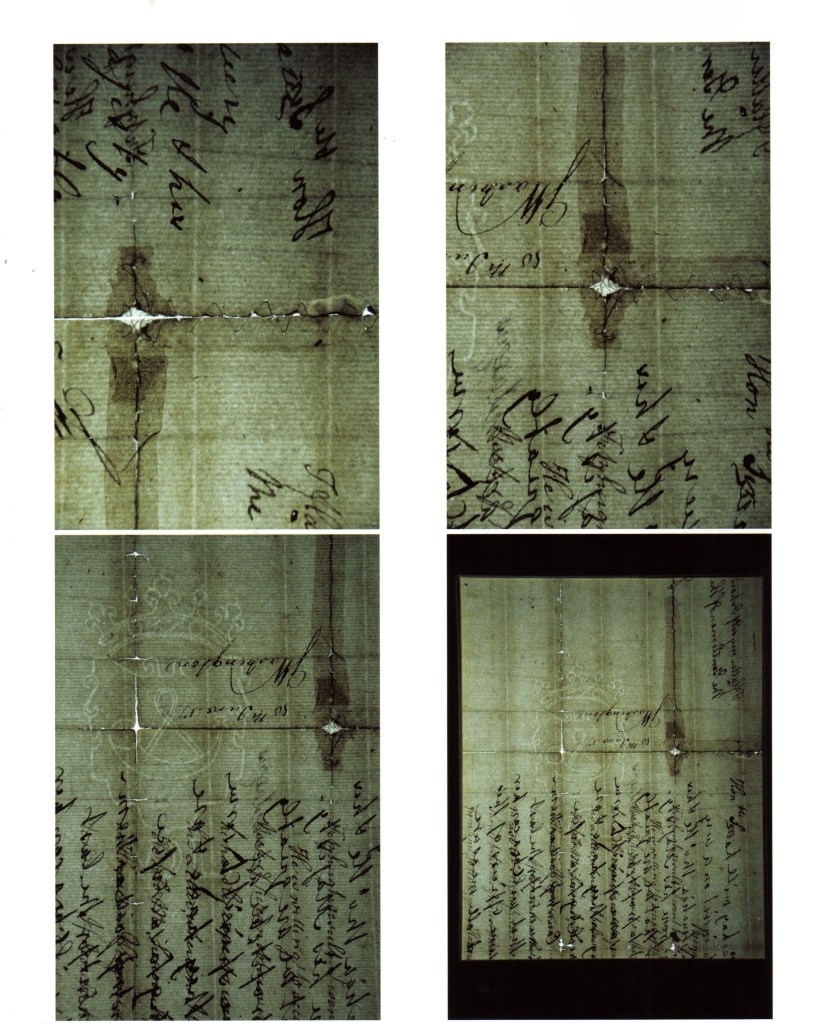
Letter from George Washington to Robert Dinwiddie, 10 June 1752Letter from George Washington to Robert Dinwiddie, 10 June 1752
This amazing letter pinpoints the beginning of George Washington’s illustrious military career, which would eventually culminate in him becoming the first President of the new United States of America. The letter is in great condition after meticulous conservation work, which included repairs with Japanese tissue called tengucho and wheat starch paste called jin shofu. It was then cleaned and flattened, and the iron gall ink stabilized.
A transcript of the letter can be found on the National Archives website at Founders Online.
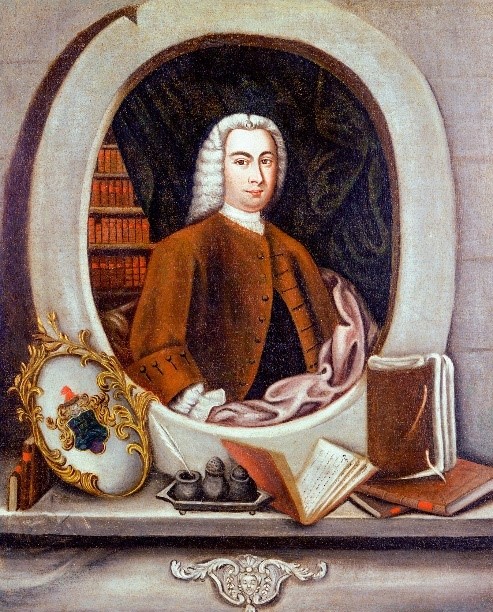
Next are two letters between George Washington and Irish-born publisher Matthew Carey. Matthew Carey moved to America in 1784 and settled in Philadelphia, where he established a publishing business and bookshop with $400 given to him by the Marquis de Lafayette. Carey’s first publication was The Pennsylvania Herald in 1785, followed by two of the first successful American magazines, The Columbian Magazine and The American Magazine in 1786 and 1787.
1824 portrait of Lafayette by Ary Scheffer is currently in the U.S. House of RepresentativesMathew Carey was an Irish-born American publisher and economist who lived and worked in Philadelphia, Pennsylvania.
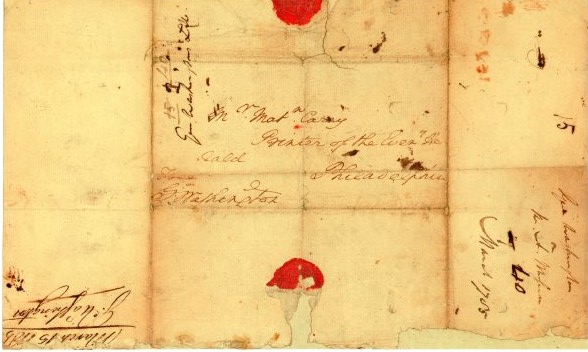
In George’s first letter to Carey in 1785, he requests a subscription to Carey’s newspaper but asks him to send the newspaper disguised as an ordinary letter because George has been having problems with the post office delivering his newspapers . George thinks his papers may not have been delivered because “persons who wishing to read News Papers without being of the expence [sic] of paying for them, make free with those which are addressed to others.”
Letter from George Washington to Matthew Carey, 1 March 1785Letter from George Washington to Matthew Carey, 1 March 1785
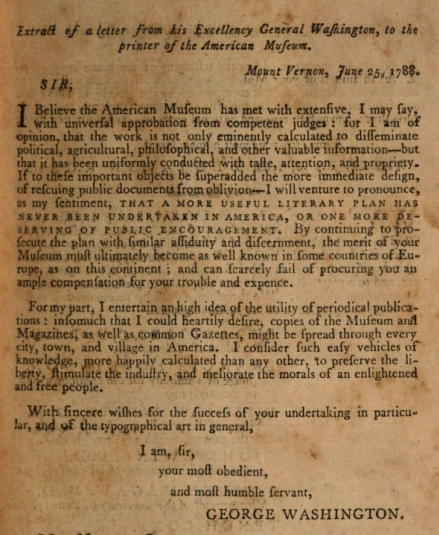
The second letter between George and Matthew is dated June 25, 1788. The year before, Carey launched “The American Museum” magazine. It was a literary museum that reprinted significant historical documents on American history and original essays on politics, commerce, and culture. The magazine got a positive response, but Carey was finding it expensive to distribute the magazine across the country, so he asked George, one of his first subscribers, to write an endorsement for the magazine that would help attract new subscribers.[2]
Washington responded immediately, seizing the opportunity offered by Carey to express his belief that the free dissemination of information and ideas was vital to preserving American liberty. ‘I could heartily desire,’ Washington wrote, that ‘copies of the Museum and Magazines, as well as common Gazettes, might be spread through every city, town & village in America – I consider such easy vehicles of knowledge, more happily calculated that any other, to preserve the liberty, stimulate the industry and meliorate the morals of an enlightened and free People.”
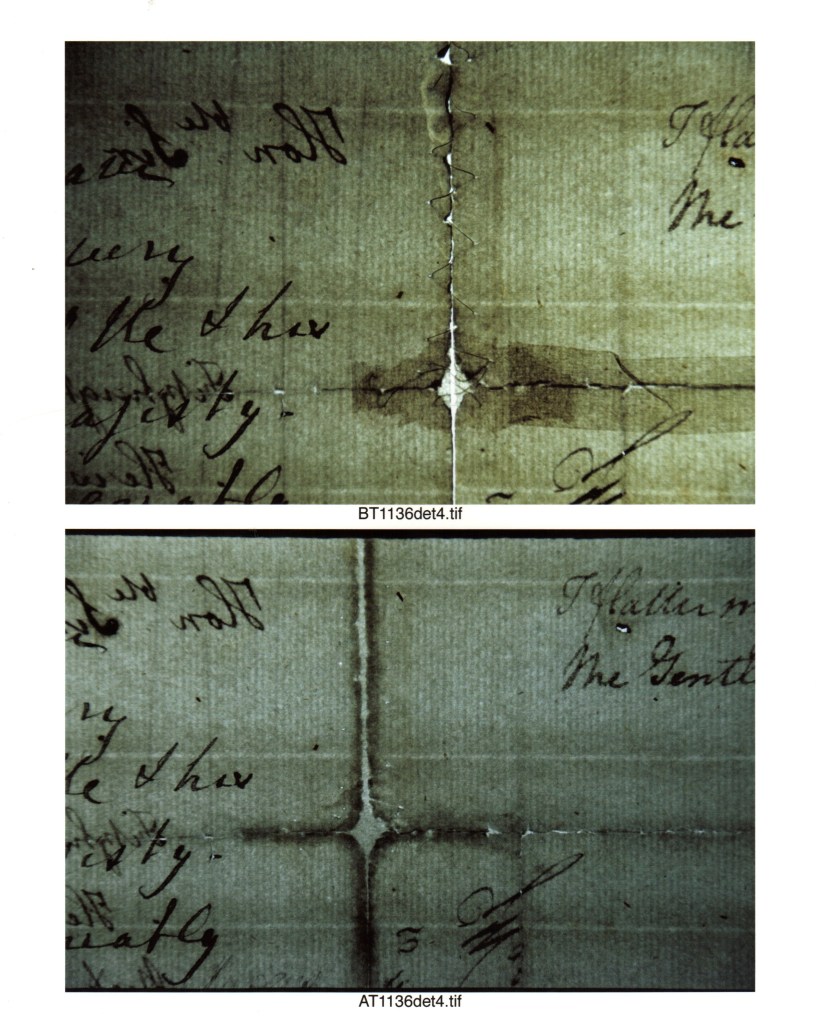
Letter from George Washington to Matthew Carey, 25 June 1788Letter from George Washington to Matthew Carey, 25 June 1788Extract of a letter from his Excellency General Washington, to the printer of the American Museum
Carey published Washington’s endorsement in the next issue of his magazine—his marks for the typesetter can be seen in the original Washington letter. The result was a flood of new subscriptions that allowed Carey to continue publishing The American Museum for another four years.
Transcripts of the letters can be found on the National Archives website at FoundersOnline.
These are just a few of the amazing documents in our collection, which we hope to bring you soon so that you can explore them yourself. Check back often, and we will keep you updated on our progress with our digitization project.
Heather Baldus
Collections Manager
Bibliography
Edd Applegate (August 17, 2012). The rise of Advertising in the United States: A History of Innovation to 1960. Scarecrow Press. p.25.
Figure 1: Washington’s words to the Newport congregation (George Washington Institute for Religious Freedom)
The quote, “To Bigotry, No Sanction, To Persecution No Assistance” appears in a 1790 letter written by George Washington to the Hebrew Congregation in Newport, RI (Fig 1). Of all the words Washington committed to paper, these rank amongst the most important, yet he merely adapted them from a letter sent by the Congregation itself.
By 1790, Jewish communities in the newly formed United States desired to confirm their place in society and the freedoms promised under the founding documents. Washington’s visit to Newport, RI, that year allowed direct access to a government representative for a community seeking reassurance. Their letter moved Washington, yet he was no stranger to the lives and likely concerns of the wider Jewish American community.
The Jewish Diaspora and Settlement in the Americas
For those unfamiliar with the Jewish diaspora (Def: the dispersion of a people from their original homeland, in this case, Israel, through forced or voluntary migration), the current Jewish population of the United States largely consists of Ashkenazi Jews whose ancestors settled in central and eastern Europe before immigrating to the States. While some Ashkenazim moved to the Americas during the colonial period, the majority emigrated during the late 1800s and early 1900s. Nonetheless, Jews have lived in the Americas since the 1500s, they simply belonged to another sect of the diaspora.
Sephardic Jews descend from those who settled on the Iberian Peninsula. Infamously pushed out of the region or forced to convert during the Inquisition, many initially sought refuge in Portugal (briefly), North Africa, the Ottoman Empire, and the Netherlands. As restrictions in some of these areas increased, numerous families forged proof of Christian ancestry to emigrate to Brazil and the Spanish colonies before seeking more religious freedom in British territories.
Here, those who had seemingly converted, but continued to practice as Crypto-Jews, shed their Catholic personas and openly embraced their ethnoreligious identity. Aaron Lopez (1731-1782), called the “Merchant Prince of Newport,” serves as one example (Fig 2). Born Duarte Lopez in Portugal, he moved his wife Anna and daughter Catherine to Newport, RI, in 1752, where they reclaimed their Jewish identities under the names Aaron, Abigail, and Sarah.
Several organized Jewish communities ultimately emerged in New York City, Newport, Philadelphia, Charleston, and Savannah. These areas proved ideal due to their nature as trade centers and rules, allowing more religious, political, and business freedom for non-Christians. Still, Jews lived and worked throughout the thirteen colonies as active members of the wider community, and many crossed paths with George Washington and those he knew.
Colonial Virginia
Jewish history in Virginian territory began when Joachim Gaunse, a Bohemian metallurgist, joined the Roanoke Colony in 1585. However, he escaped the fate of the Lost Colony by returning to England in 1586. A later instance of Jewish settlement occurred when Elias Legarde/o arrived in the Jamestown area in 1621. After that, small, scattered groups emerged throughout the colony, and the first Jews in the greater Fredericksburg area arrived by 1652. Nonetheless, they could not hold citizenship or public office as these statuses required oaths invoking the Christian faith.
Jewish presence in Fredericksburg and other cities meant that Washington and his associates lived and worked alongside Jewish community members all their lives. In staying active in the community, many Jewish men, including the majority mentioned in this blog, joined the Masons. Specifically, (H)ezekiel Levy appears in Fredericksburg Lodge No. 4’s records as the sole Jewish member in 1776. As Washington maintained a life membership with his mother lodge from 1752 onwards, the two men potentially knew each other (Fig. 3).
Figure 3: Masonic Lodge #4 – founded 1753, built 1816
Other Jewish residents of Fredericksburg and businessmen likely crossed paths with Fielding Lewis. The Gratz brothers of Philadelphia, Barnard, and Michael, built a business network that spread across the colonies (Fig 4). They supplied Virginian troops during the French & Indian War and set up trade in Fredericksburg by 1776, where their associate Joseph Myers handled business affairs. Henry Mitchell, a one-time friend of the Lewises, counted amongst those who did business with the Gratzes and Myers. Like their gentile counterparts, however, Jewish merchants engaged in all aspects of the economy. This included the Atlantic and domestic slave trade, from which they profited, advanced, and purchased individuals.
Figure 4: Barnard Gratz (Michael Jesselson) & Michael Gatz (Rosenbach Museum and Library)Figure 4: Barnard Gratz (Michael Jesselson) & Michael Gatz (Rosenbach Museum and Library)
As Washington’s career took off, he came into closer contact with Jewish Virginians. Jacob Myer and Michael Franks served alongside Washington in the build-up to the French & Indian War, and the latter fought at the Battle of Fort Necessity (July 3, 1754). In 1769, Washington sought the services of Williamsburg’s Dr. John de Sequeyra for his stepdaughter Patsy Custis’ epilepsy (Fig. 5). Sequeyra, a well-respected physician, arrived in Virginia in 1745, wrote about diseases found in the region and served as the first visiting physician at, and later director of, Williamsburg’s Public Hospital. While Thomas Jefferson often receives credit for popularizing tomatoes as edible, Jefferson himself credited Sequeyra.
Figure 5: Dr. John de Sequeyra (Winterthur Museum)
American Revolution
Like the colonists typically pictured during the war, the American Revolution brought turmoil to Jewish communities. The majority supported the cause of independence, with leading merchants voicing dissent from the 1765 imposition of the Stamp Act. Others remained loyal to the crown as they knew where they stood in society. Regardless of which side they chose, Jews aided their cause as soldiers, merchants, and suppliers. Still, the war brought division, death, and poverty to many families.
Figure 6: Issac Touro (Peabody Essex Museum) and Moses Michael Hays (Freemason Grand Lodge of Massachusetts) Figure 6: Issac Touro (Peabody Essex Museum) and Moses Michael Hays (Freemason Grand Lodge of Massachusetts)
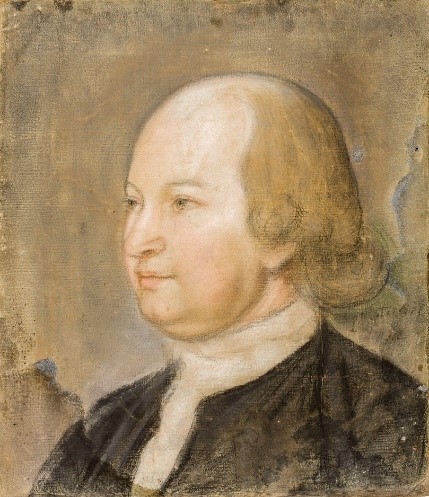
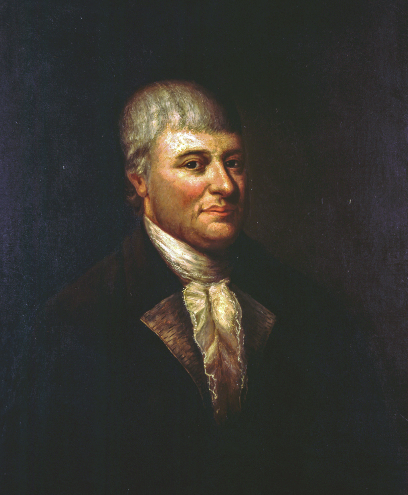
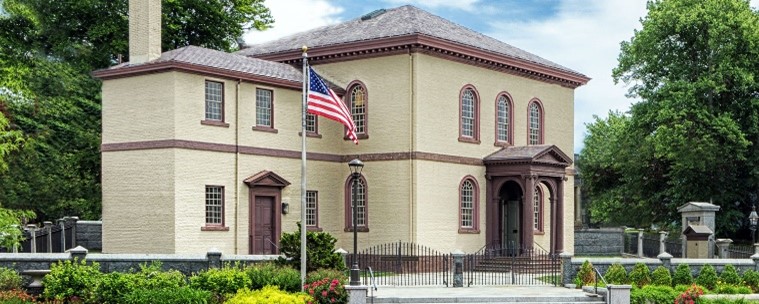
The Touro-Hays family illustrates one such division. Issac Touro, head of the Newport Congregation, remained loyal to the British while his brother-in-law, merchant-banker Moses Michael Hays, sided with the Patriots (Fig 6). Despite holding opposing views, the two men used their positions to take a stand for the larger Jewish community. In 1775, Hays refused to sign a declaration of loyalty to the patriot cause until the authors removed the phrase “upon the true faith of a Christian.” When the British occupied Newport the following year, Hays, along with most of the congregation, fled while Issac remained behind. Using his connections, Touro ensured that the British left Newport’s synagogue largely untouched. Today, it stands as the oldest surviving synagogue in North America and answers to the name “Touro Synagogue” (Fig. 7). When it became clear that the British would lose, however, Touro moved his family to the Caribbean. The two sides of the family would only reunite after 1783, when Issac died, and his widow Reyna returned from Jamaica with their children to live with her brother Michael.
Figure 7: Touro Synagogue (Touro Synagogue)
In all, approximately a third of the Jewish population served during the American Revolution from Bunker Hill to Yorktown. This included the lowest positions up to the rank of Lieutenant-Colonel, which Solomon Bush of Philadelphia held. This period additionally saw public office open to Jews, with numerous individuals serving on committees. The first known Jewish fatality of the war occurred on August 1, 1776, in South Carolina when Francis Salvador fell to the British-allied Cherokee during a skirmish. Two years prior, the colony elected him a delegate to the Provincial Congress; the highest political position held by a Jew at the time.
Many who served as merchants and financiers devoted their assets, like Fielding Lewis, to the cause. As ship owners, many outfitted privateers and helped run blockades. Haym Salomon, a Polish-born Jew from Philadelphia, served as the Continental Congress’ main financier, an agent to the French consul, paymaster for the French forces, and worked closely with Superintendent of Finance, Robert Morris (Fig. 8). Salomon committed his entire fortune to the war effort, and his most significant contribution came when he raised the funds for the Yorktown campaign at the personal request of Washington. Like many individuals, he never received reimbursement from the government and ultimately died penniless.
Figure 8: Haym Salomon (U.S. National Archives and Records Administration)
Early America
In the wake of independence, the United States faced uncharted territory. For minority groups, these uncertainties proved even more concerning. The arguments for revolution and documents written to establish the new nation spoke to religious freedom and social equality, but how far that stretched remained debatable.
In 1786, Thomas Jefferson took steps to ensure these freedoms by writing the Virginia Statute for Establishing Religious Freedom. Passed into law, the bill affirmed the right to choose one’s faith along with the separation of church and state in Virginia. Several years later, in 1789, Kahal Kadosh Beth Shalome became Virginia’s first established Jewish congregation. Jefferson’s stance on religious freedom would ultimately inspire Commodore Uriah Levy to purchase and preserve Monticello.
At this time, we return to where we started. In 1790, Washington made a trip to Rhode Island to acknowledge their ratification of the Constitution. On August 18, while Washington met officials and residents of Newport, Moses Seixas of the Jewish congregation read aloud a letter expressing gratitude to the President and government while expressing hope for tolerance and equality (Fig. 9). Its key passage reads:
“…erected by the Majesty of the People – a Government, which to bigotry gives no sanction, to persecution no assistance – but generously affording to all Liberty of conscience, and immunities of Citizenship: deeming every one, of whatever Nation, tongue, or language equal parts of the great governmental Machine…”
Figure 9: Letter from the Hebrew Congregation of Newport (Library of Congress)
In writing the letter, the congregation wished to express their hopes for the future and receive assurance from their head of state that this future existed. On August 21, Washington replied to the letter thanking them for the “cordial welcome [he] experienced…from all…citizens” while reflecting on the difficulties of the past and how the future promised security. Then, using the congregation’s own words, he wrote that:
“It is now no more that toleration is spoken of as if it were the indulgence of one class of people…for, happily, the Government of the United States…gives to bigotry no sanction, to persecution no assistance…”
Washington closed his letter by wishing that “every one shall sit in safety under his own vine and fig tree and there shall be none to make him afraid.” The following year saw the ratification of the Bill of Rights, which further solidified religious freedom and equality.
Despite efforts made during the founding era and successive periods, antisemitism has never gone away. Now, more than ever, we must work to uphold that the wishes, freedom, and security of those who served the United States since its founding.
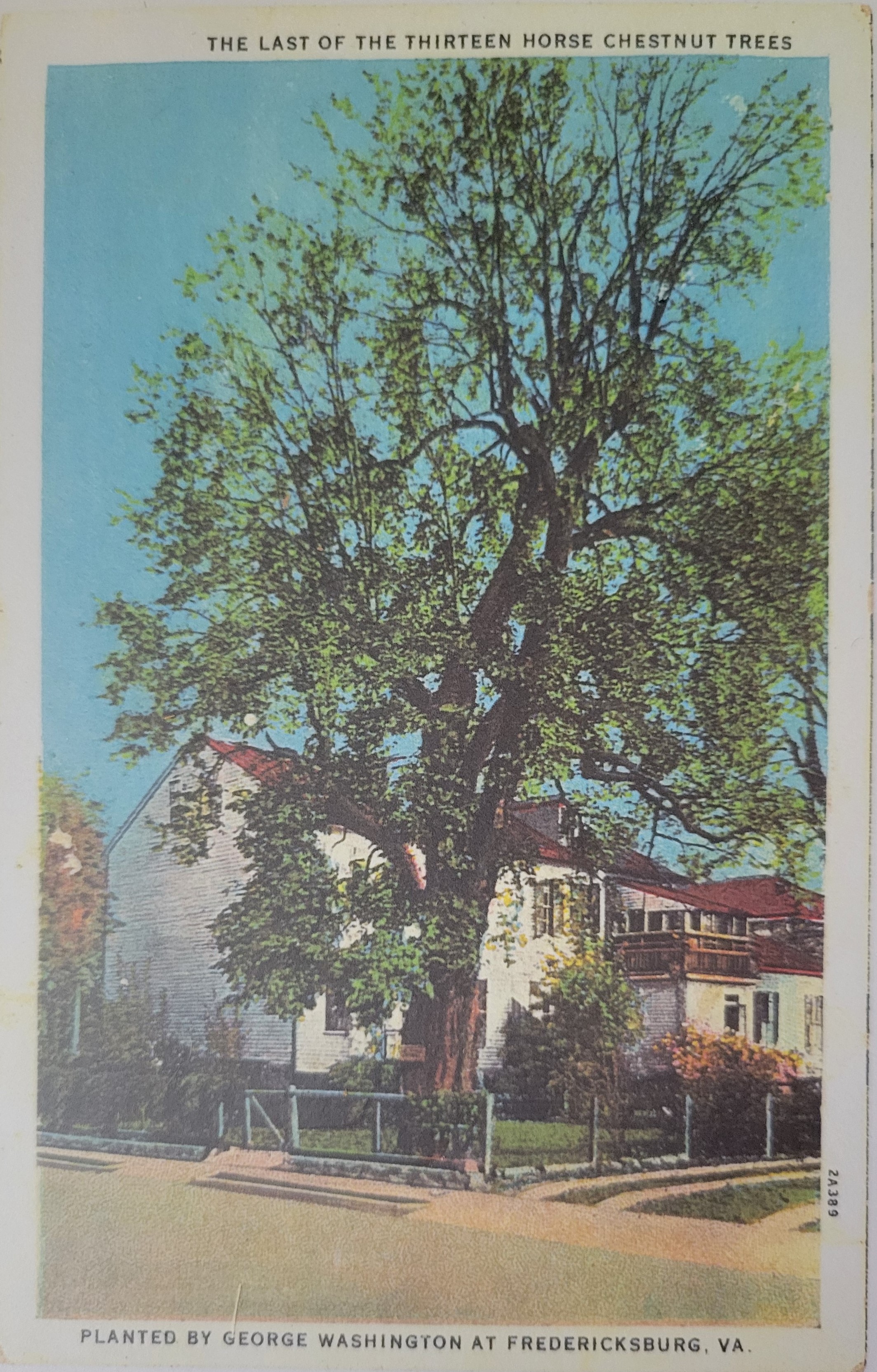
There once stood a large horse chestnut tree on the corner of Fauquier and Charles Street in Fredericksburg. It was noted as one of the thirteen legendary Washington horse chestnut trees planted by George himself. By the 1930s, it was becoming clear that the tree needed some help, so the Daughters of the American Revolution (DAR) took up the cause to protect this historic tree.
Washington’s Horse Chestnut TreeGroup of ladies and small child posing in front of horse chestnut tree, ca. 1930s
The tree legend states that George, while visiting his mother in June 1788 in Fredericksburg, decided to plant thirteen horse chestnut trees from her house to his sister’s house, Kenmore, just a few blocks away. This provided a scenic path for his mother when she visited her daughter Betty. These trees commemorated the thirteen original states.
Mary Washington’s House, c. 1930sAmerica’s Historic Horse-Chestnut TreeMap showing the distance between Mary Washington’s house and Kenmore…following the potential path of the horse chestnut trees.
It is a great story. It is patriotic and nostalgic, showing George as a man of the earth with his love of trees, gardening, and horticulture. He planted these trees for a future America to remember the struggles to create this country and the precious nature of our land that we must protect. But is it true? Did George plant that tree? What is the evidence?
The horse chestnut tree is a native of the Balkans region (Albania, Bulgaria, Greece, and Northern Macedonia). It made its way to Europe and England during the seventeenth century, noted as growing in South Lambeth, London, and being planted by Sir Christopher Wren at Hampton Court.
Horse chestnut trees Bush Park, Hampton Court, England planted by Christopher Wren in 1669-1670.
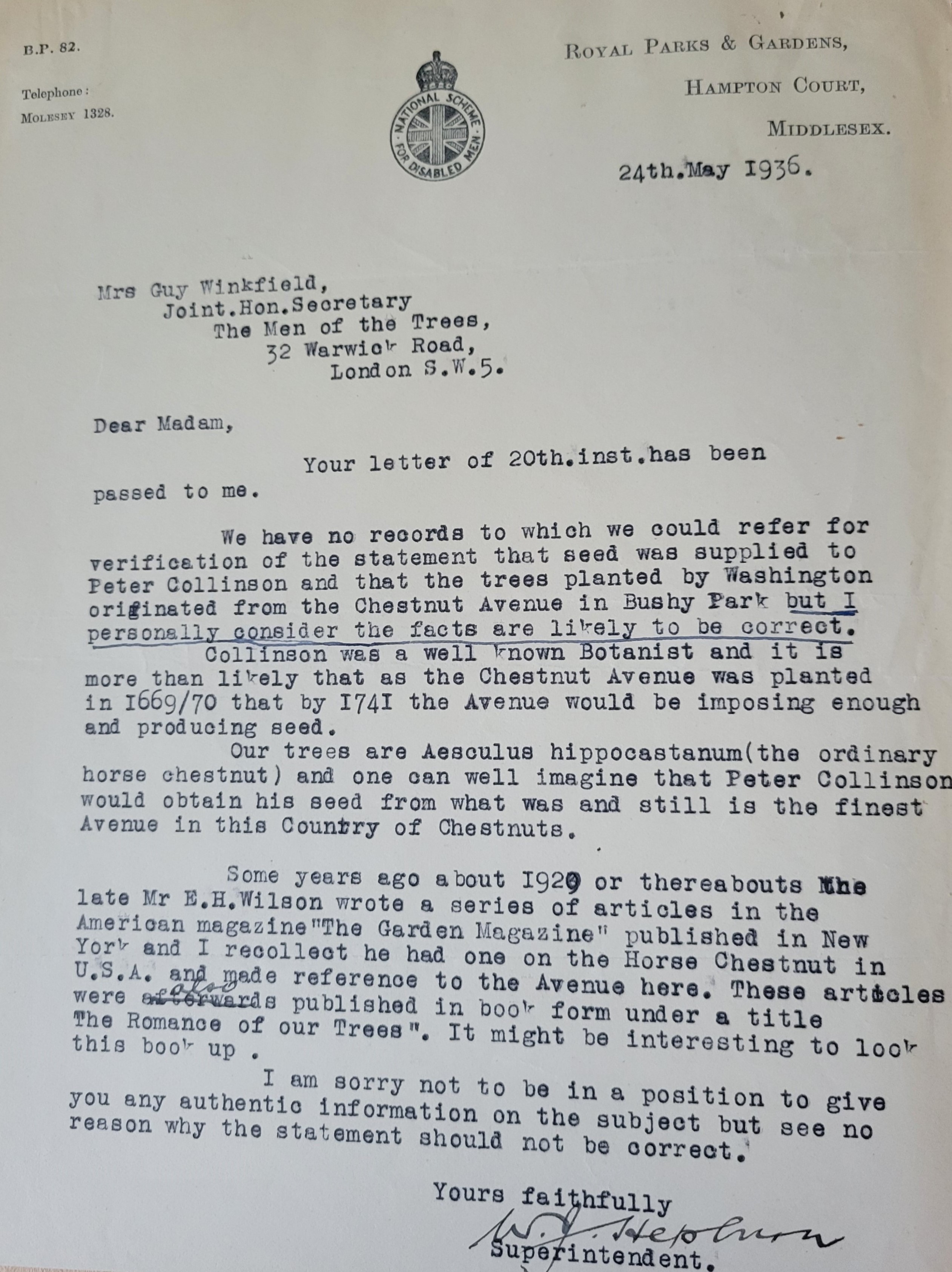
There is documented evidence of some horse chestnut trees crossing the Atlantic to Mr. John Bartram, one of America’s first botanists in the 1740s. In a letter from Peter Collinson, an English botanist, dated September 16, 1741, he wrote to Bartram, “I have sent some Horse-Chestnuts which are ripe earlier than usual; hope they will come fit for planting.”. Bartram acknowledged receiving them and stated that most were blue-molded, and only one germinated and grew. Over twenty years later, Bartram updated Callison on the success of the lone seedling, writing, “But what delights me is that our horse chestnut has flowered. I think it must excel in America.”
Letter from Royal Parks and Gardens, Hampton Court, May 24 1936
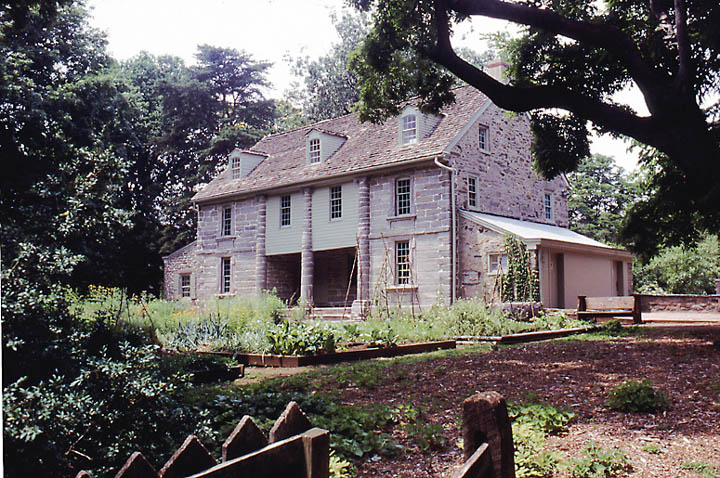
Bartram’s Gardens in Philadelphia was quite popular and visited by many founding fathers while working there. George visited the gardens twice in the summer of 1787 while in the town during the Constitutional Convention, noting, “Sunday, June 10, 1787, breakfasted at Mr. Powell’s and in company with him rid to see the Botanical Gardens of Mr. Bartram, which, though stored with many curious plants, shrubs, and trees, many of which are exotics, was not laid off with much taste, nor was it large.”
John Bartram’s house and upper garden at Bartram’s Garden
Why mention this? In some versions of the story, Washington got his horse chestnut trees from this garden, but there is no evidence that the legendary trees were obtained from this famous historic garden. George only made two diary entries about horse chestnut trees on April 13, 1785, writing, “Received from Col. Henry Lee of Westmoreland 12 horse chestnut trees (small) and an equal number of tree boxes. They appeared to have been some time out of the ground. Planted 4 of the Chestnuts on my serpentine walk – two on the east end and the rest in the vineyard.” And again, on April 2, 1788, wrote, “Transplanted from a box in the garden, thirteen plants of the horse chestnut into shrubberies by the garden walls.”
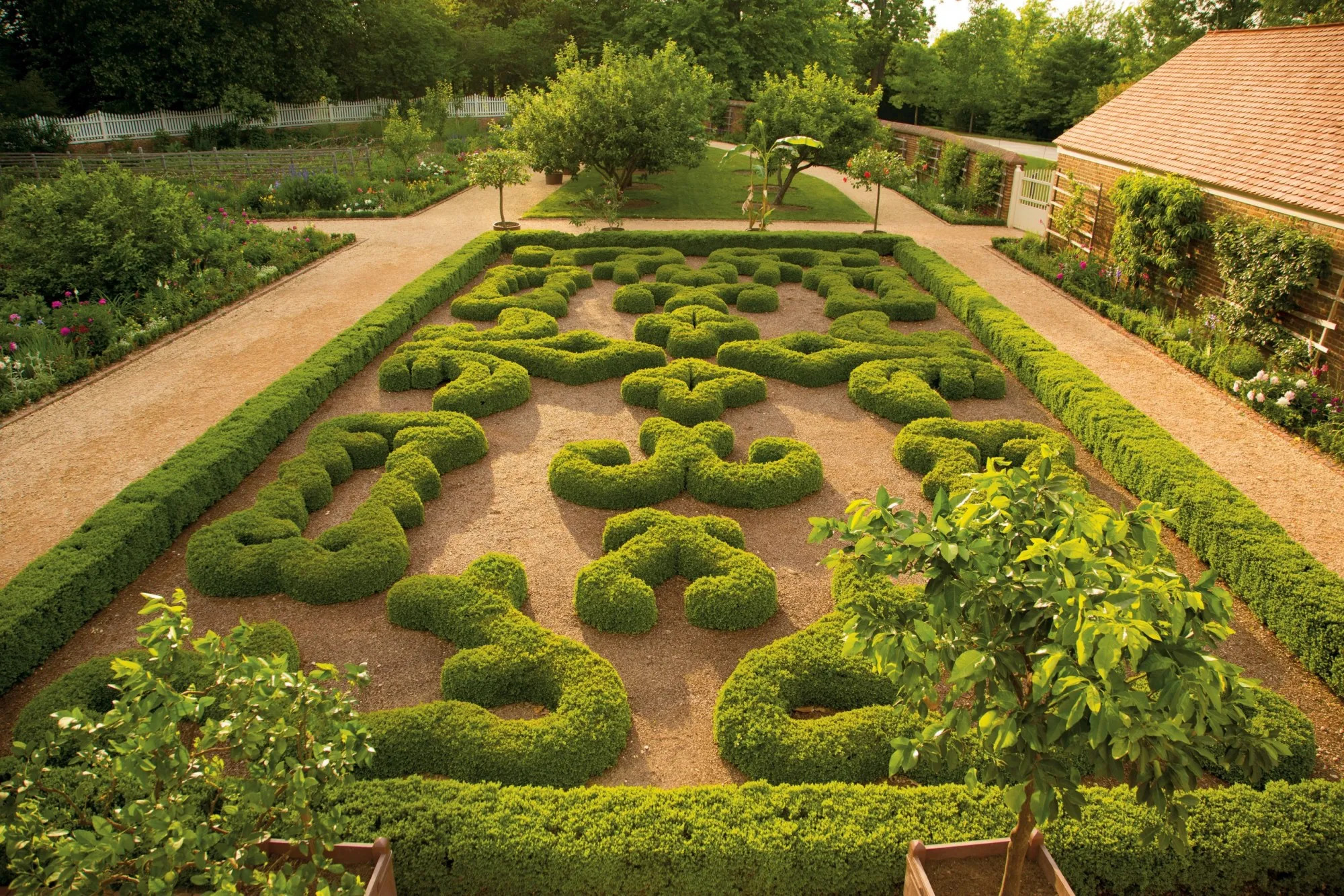
Fruit Garden and nursery at Mount VernonSmall botanical garden at Mount VernonUpper garden at Mount Vernon
The entry shows evidence of planting the famous Washington trees, right? No, because George was at Mount Vernon in April and didn’t leave for Fredericksburg to visit his mother until June 10, 1788.
But could he have had them sent down and have them planted before he came to see his mother? Yes, but the story says that George planted these trees with his own hand. Additionally, it would be odd for George to mention planting the trees while in residence at Mount Vernon and not say that they were in his mother’s garden in Fredericksburg. Washington was a diligent diarist but never mentioned planting thirteen horse chestnut trees in his mother’s garden.
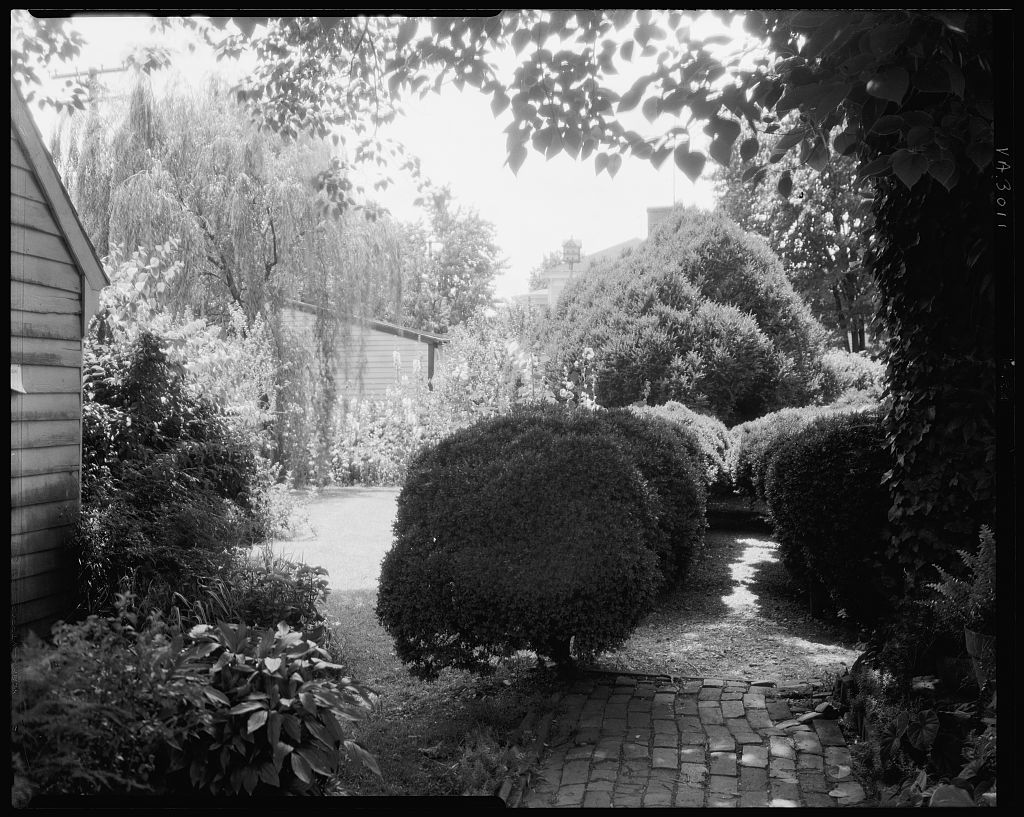
Mary Washington’s house gardens, Fredericksburg.
Further, no known letters from George, Mary, or Betty mention any horse chestnut trees between Mary’s gardens and Betty’s Kenmore.
Spring time in the gardens at Kenmore Plantation (can you spot the cat?)
This was all the primary source evidence I could find relating to George and any horse chestnut trees. So, I looked further into the story to see what other evidence was being used to verify that this tree was indeed one of the thirteen Washington trees.
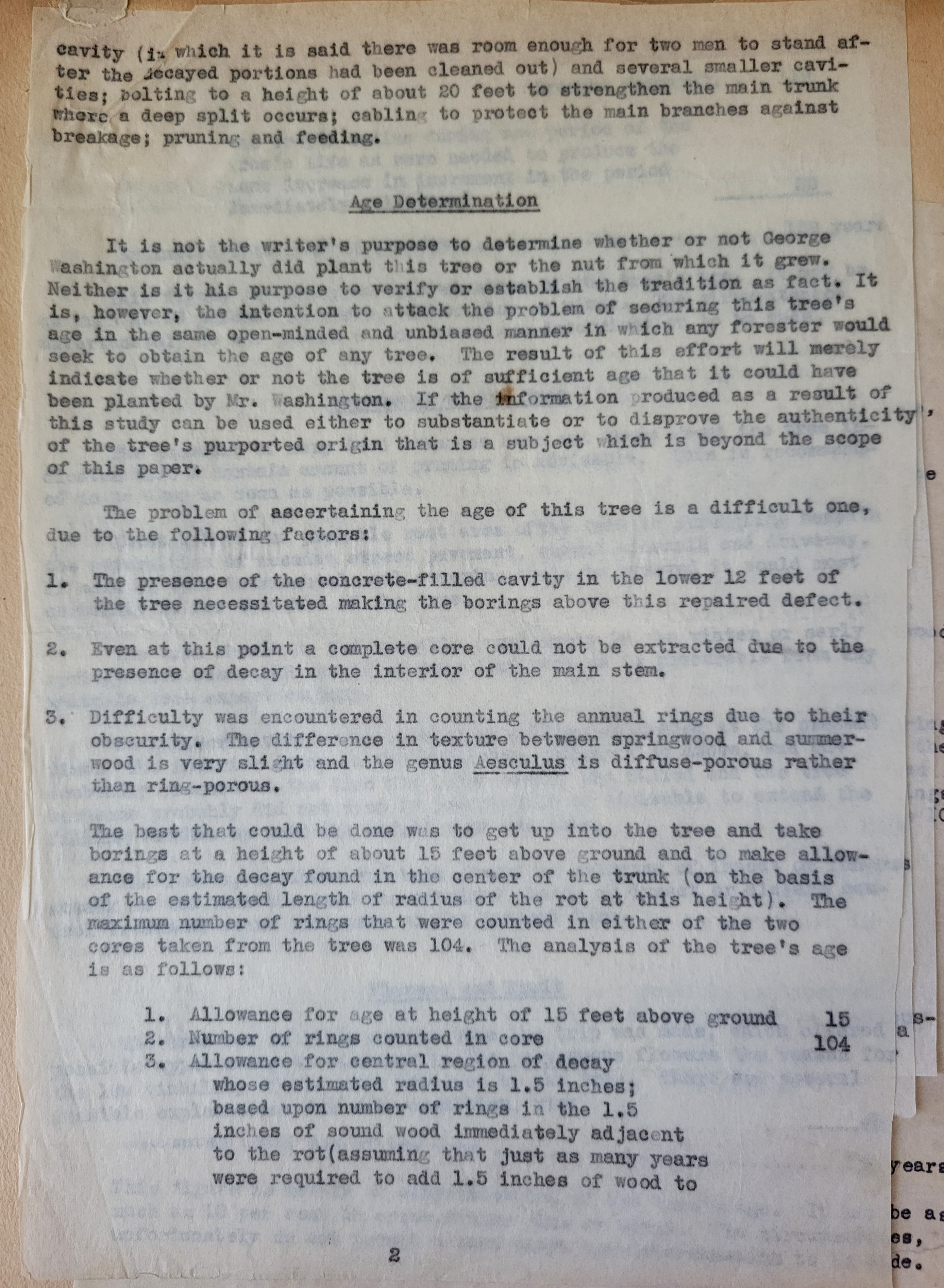
As I said in the beginning, by the 1930s, many, including the DAR, were trying hard to save this lone surviving chestnut tree. With their extensive reach, they got Fred H. Arnold, the Assistant Forester for the National Park Service, to do an age-determination test on the tree in May of 1934. Mr. Arnold noted some issues with the test, stating that the lower twelve feet of the tree was filled with concrete, so the coring sample had to be taken above this “repaired defect”. Even then, a complete coring sample could not be extracted due to decay in the interior of the main stem. Additionally, Mr. Arnold said that it was very difficult to count the annual rings due to their obscurity because the texture difference between the springwood and summerwood for the horse chestnut tree (genus Aesculus) is very slight. Taking into account all this, Mr. Arnold estimated the tree to be around 139 years old with as much as 10% in error, either plus or minus, which would put the date it was planted somewhere between 1781 and 1809, which means that the tree is indeed old and could have been planted during Washington’s time in Fredericksburg.
Age Determination, May 6 1934
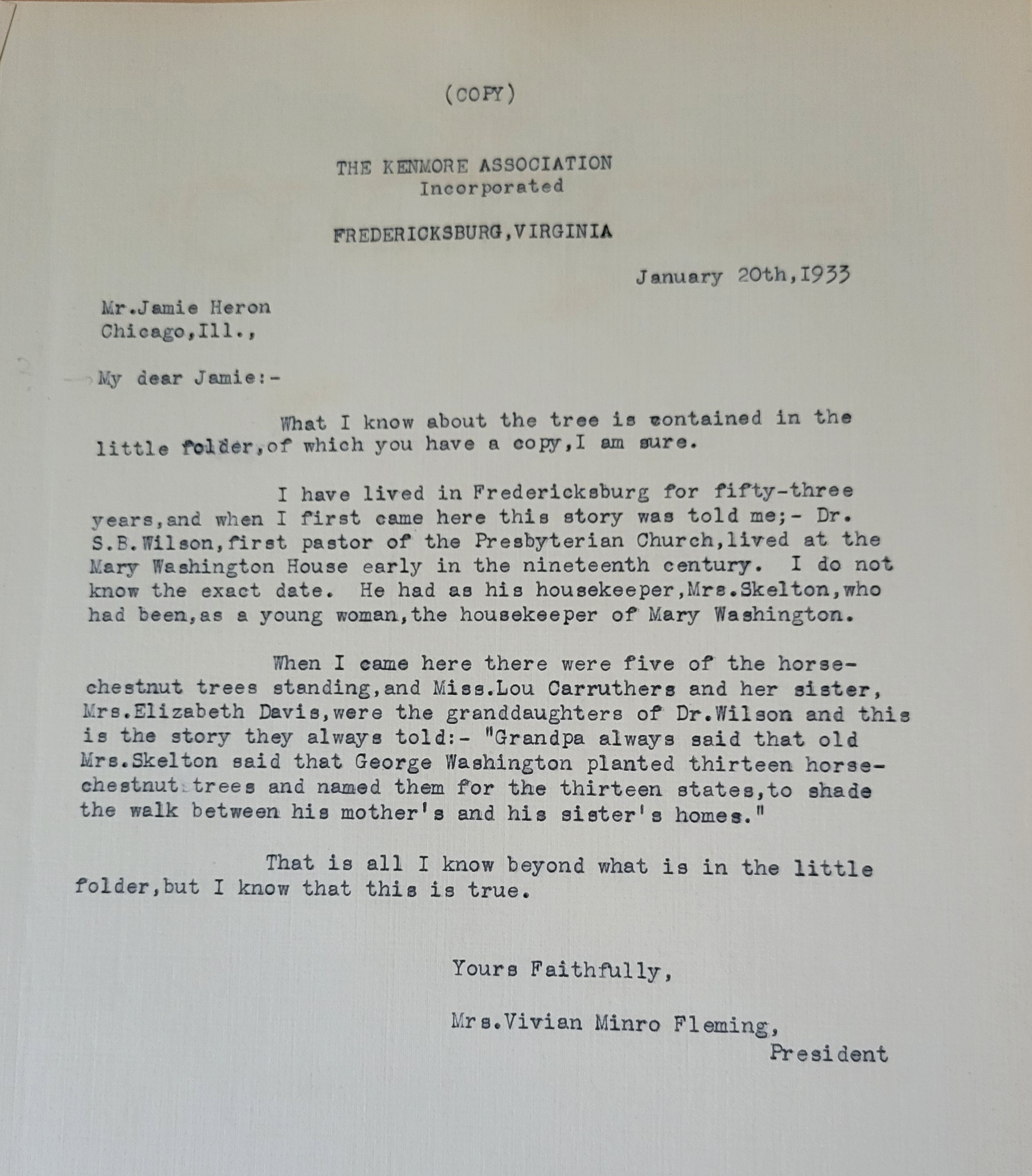
Lastly, local historian James Henry Heron collected local citizens’ recollections of the tree and the story. Mrs. Lilias Hamilton Scott, the wife of Mr. John Scott, who owned the lot on which the tree stands, wrote that her grandmother (Mrs. Janet Scott Hamilton) stated her great-grandmother (Mrs. Francis Scott) resided in Fredericksburg in 1788 and was Mary Washington’s neighbor and intimate friend. She said the trees were planted by Washington.
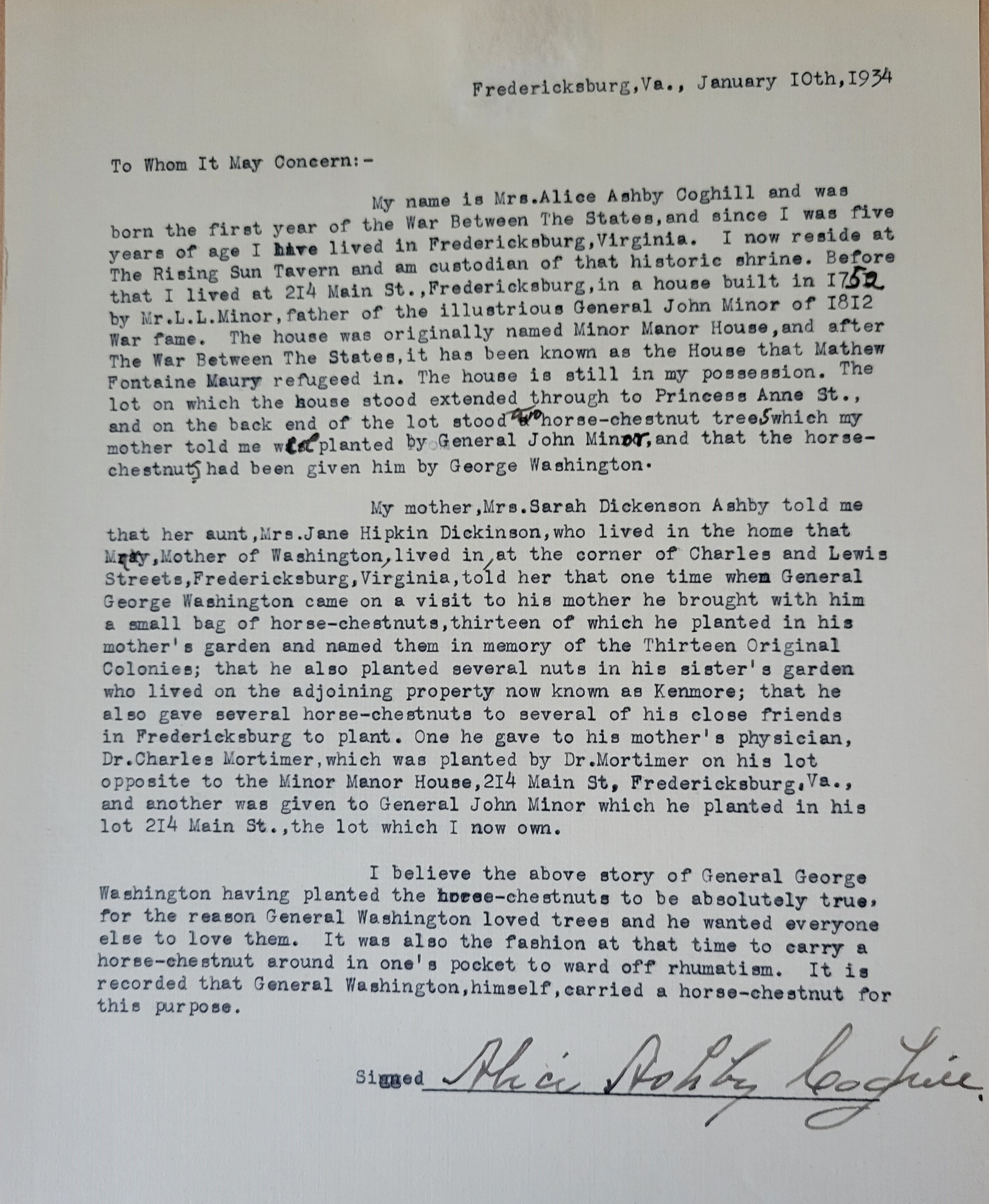
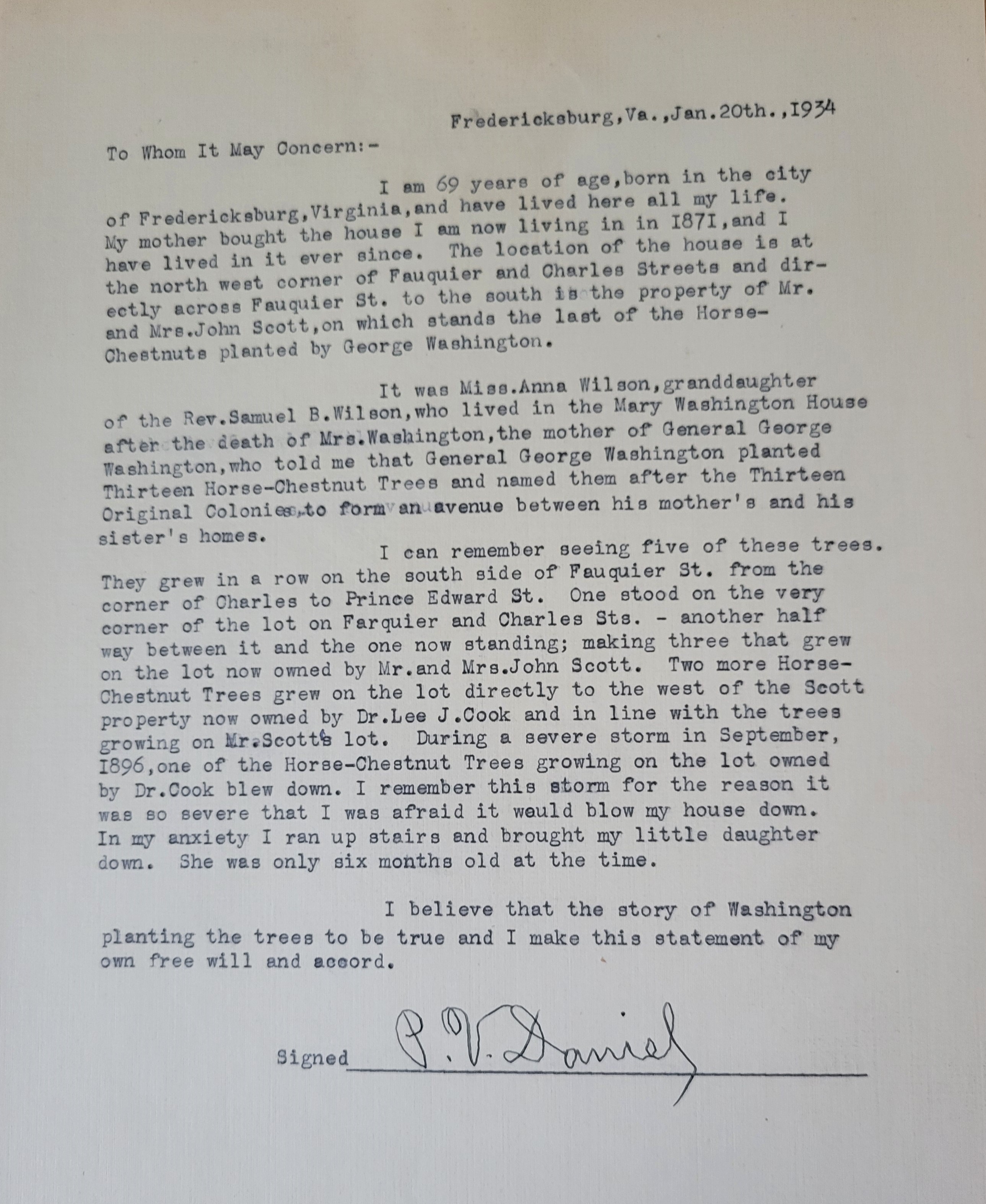
Letter from Mrs. Lilias Hamilton Scott, January 10 1934Letter from Mrs. Vivian (Emily) Fleming Smith, January 20 1933Letter from Mrs. Alice Ashby Coghill, January 10 1934Letter from PV Daniel, January 1- 1934
Mrs. Vivian Minor Fleming traces the story back to Miss Lou Carruthers, her sister Mrs. Davis, and their grandfather Rev. S.B. Wilson’s housekeeper, Mrs. Polly Skelton, who had previously been a housekeeper for Mary. Mr. P.V. Daniel, who remembers five of the original thirteen trees, lived across the street from the remaining one for over sixty years and said Miss Anna Wilson, granddaughter of Rev. S.B. Wilson, told him the story. Mrs. Alice Ashby Coghill says her aunt, Mrs. James Hipkin Dickinson, who lived at Mary Washington House after Rev. S.B. Wilson said Washington planted the trees and passed out horse chestnuts to friends. While I have no doubt these people are truthful in their recollections, they do not offer any definite evidence. They merely document that the legend was a well-known story but not that it was true.
Regardless, the much-loved old tree was rightfully given proper emergency care with a donation and service from Senator Martin L. Davey from Ohio and The Davey Tree Expert Company. The famous tree lived happily for over another half century before being taken down in 2004.
The Last of the Thirteen Horse Chestnut Trees postcard, ca. 1930sWashington’s horse chestnut tree being removed, 2004
Whether this tree was planted by George along with twelve others will probably never be conclusively proven. Were the people wrong to save the tree all those years ago without better evidence? Absolutely not. They saved a beautiful 200-year-old horse chestnut tree with a legendary attachment to George Washington, but they also saved a bit of their own past, nostalgia, and pride in their own town’s history.
In 1824, the United States was approaching its national jubilee—50 years of independence. President James Monroe, looking to create a wave of patriotism and celebration, invited the last surviving General of the American Revolutionary War, an American hero and icon, to take a grand tour of the country revitalizing the “spirit of 1776.” That American hero was…a French aristocrat with a painfully long name of Marie-Joseph Paul Yves Roch Gilbert du Motier de La Fayette, the Marquis de Lafayette.
1824 portrait of Lafayette by Ary Scheffer is currently in the U.S. House of Representatives
I won’t go into General Lafayette’s exploits, heroism, and leadership during his time in the Continental Army, but the young man was impressive and quickly became an adopted countryman.
Lafayette being heroic at the Battle of Brandywine, artist Charles Henry Jeens
However, we will talk about his American tour, particularly his stop in Fredericksburg.
Lafayette arrived in New York on August 15, 1824, after setting sail on a merchant packet Cadmus from Le Havre with much disapproval from Louis XVIII, the King of France. But royal condemnation from Louis XVI (Louis XVIII’s elder brother) hadn’t stopped him from setting sail for America in 1777, and it didn’t stop him in 1824.
Lafayette arrived in Fredericksburg on the evening of November 20th. He was first received at the parade grounds by two companies of Riflemen, the Washington Guards, and the whole Marine Band from Washington. Then they all commenced in a long column toward town, gaining excited townspeople on horses as they continued down Hanover Street toward Caroline. (Merchant, 1824) (Levasseur, 1829)
Cover page of the book by Rufus B. Merchant documenting Lafayette visit, 1825
The procession made it to the Town Hall, which was festooned with evergreens and flowers. There, it was met by a battalion of little boys called Lafayette Cadets, dressed in sharp white uniforms with red trim. After a quick welcome speech from the mayor, the general was led into the Hall, where he was greeted by a group of garlanded young girls singing his praises.
Fredericksburg’s Town Hall, 1814-1816
The general was then whisked off to his accommodations provided by Mr. James Ross to enjoy refreshments and a “handsome” dinner. At nine o’clock, Lafayette, the Mayor, and Colonel Mercer were taken to the Farmer’s Hotel (west corner of Caroline and Hanover Streets) to partake in a grand welcome ball for a few hours until he retired, presumably exhausted from the day’s activities. (Merchant, 1824) (Crookshanks, 2018)
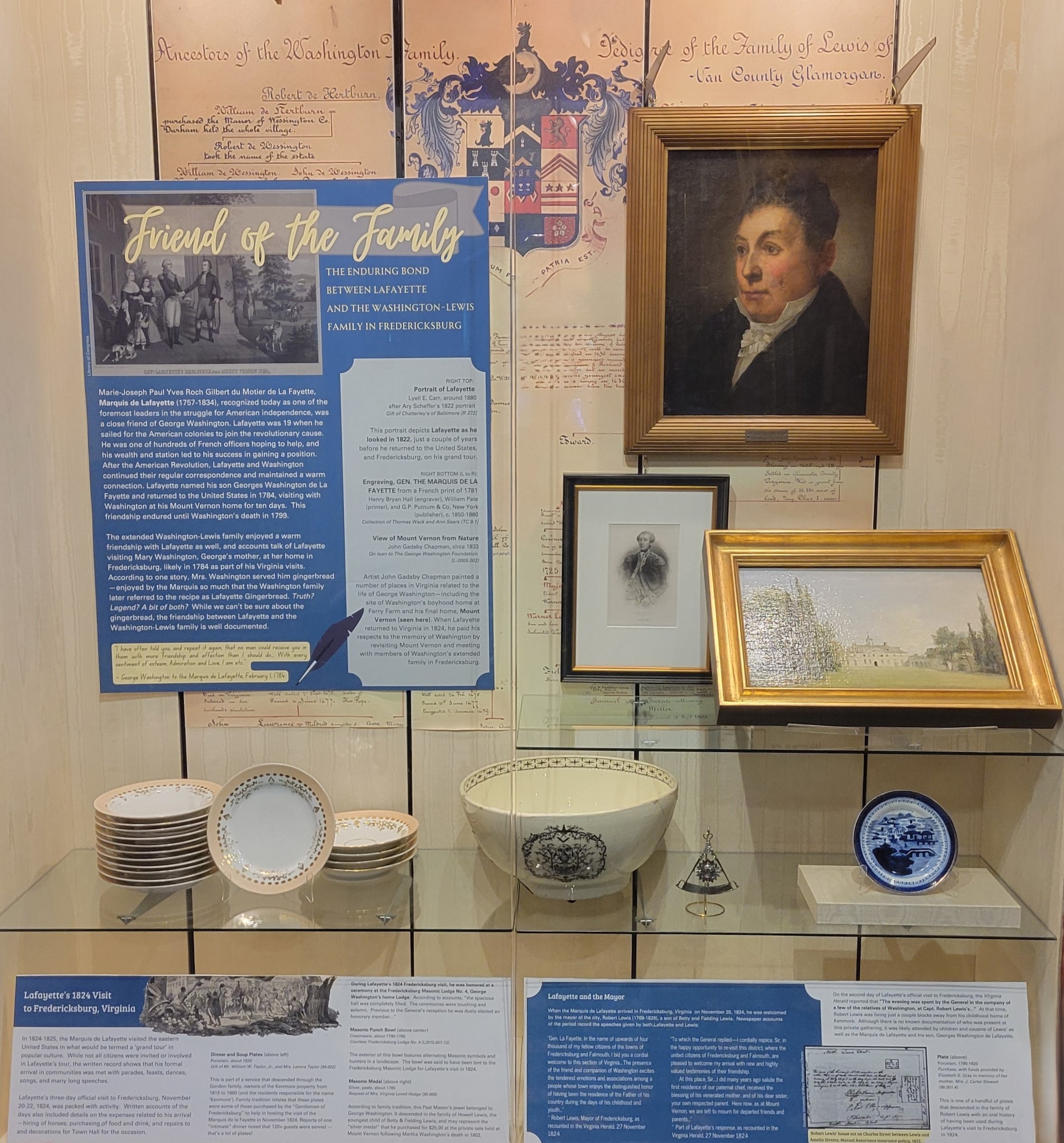
On Sunday, the general, his son, and Mr. La Vasseur visited the Freemasons at the Fredericksburg Lodge, No. 4. In addition to observing the solemn and profound ceremonies, Lafayette was elected an honorary member in the Old Lodge Room. (Masonic Lodge No. 4, 2024)
Masonic punch bowl used during the reception for the GeneralMasonic Lodge No. 4, about a hundred years after Lafayette’s visit.
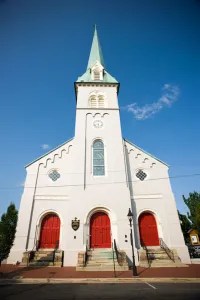
The assemblage of Masonic Brethren, civil authorities, military officers, Lafayette, and company was escorted to St. George’s Episcopal Church to enjoy an excellent discourse delivered by the Reverend Edward C. McGuire, also a Mason.
Interior of St. George’s Episcopal ChurchSt. George’s Episcopal Church, Established 1720
The general then spent the evening in the company of Washington relatives at Captain Robert Lewis’s, then retired to his lodging early at 9 o’clock. As Monday morning arrived, Lafayette was paraded to the town hall in a chariotee drawn by four white horses, where he was greeted by a crowd of ladies who occupied his time until he was led away for a sumptuous dinner at Mr. Gray’s Tavern. After a few hours of delicious food, songs, and speeches, the general was loaded into a carriage for the final time as he continued his journey to Washington. (Dovetail Cultural Resource Group, 2006)
Foundation of Mr. Gray’s tavern (Indian Queen Tavern) located on the current Marriott Hotel site.
Lafayette’s time in Fredericksburg might have been short this trip, but it gave the city a last chance to thank and honor a valued friend who had been a champion for America and helped fight for this country’s freedom.
The city will again celebrate General Lafayette’s visit with a Commemoration Weekend on November 23rd and 24th. The weekend will open with a recreation of Lafayette’s arrival at the Old Town Hall, including period music and costumed participants. A reception line with the General will follow it. There will also be a Lafayette Ball on Saturday night, where participants can dress in their finest Regency garb and dance the night away (until 9 p.m.) with the General and President Monroe.
Additional Saturday events include tours of the historic Masonic Lodge No. 4. Learn about the history of George Washington’s Mother Lodge and the fraternity’s importance to the general and see rare artifacts like the original punch bowl used during Lafayette’s visit. For more information and tour hours, visit the Masonic Lodge No. 4 website.
Sunday will start with recreating Lafayette’s Masonic welcome, with historical speeches and a unique ceremony. There will be additional Lodge tours from 1 to 4 p.m. At noon, a historic church service at St. George’s Episcopal Church will be reminiscent of that performed by Rev Edward McGuire. Lastly, back at the Masonic Lodge from 2 to 3 p.m., historian Chris Ruli will give a lecture discussing his forthcoming book, “Brother Lafayette,” which examines the Marquis’ connection to the ancient fraternity.
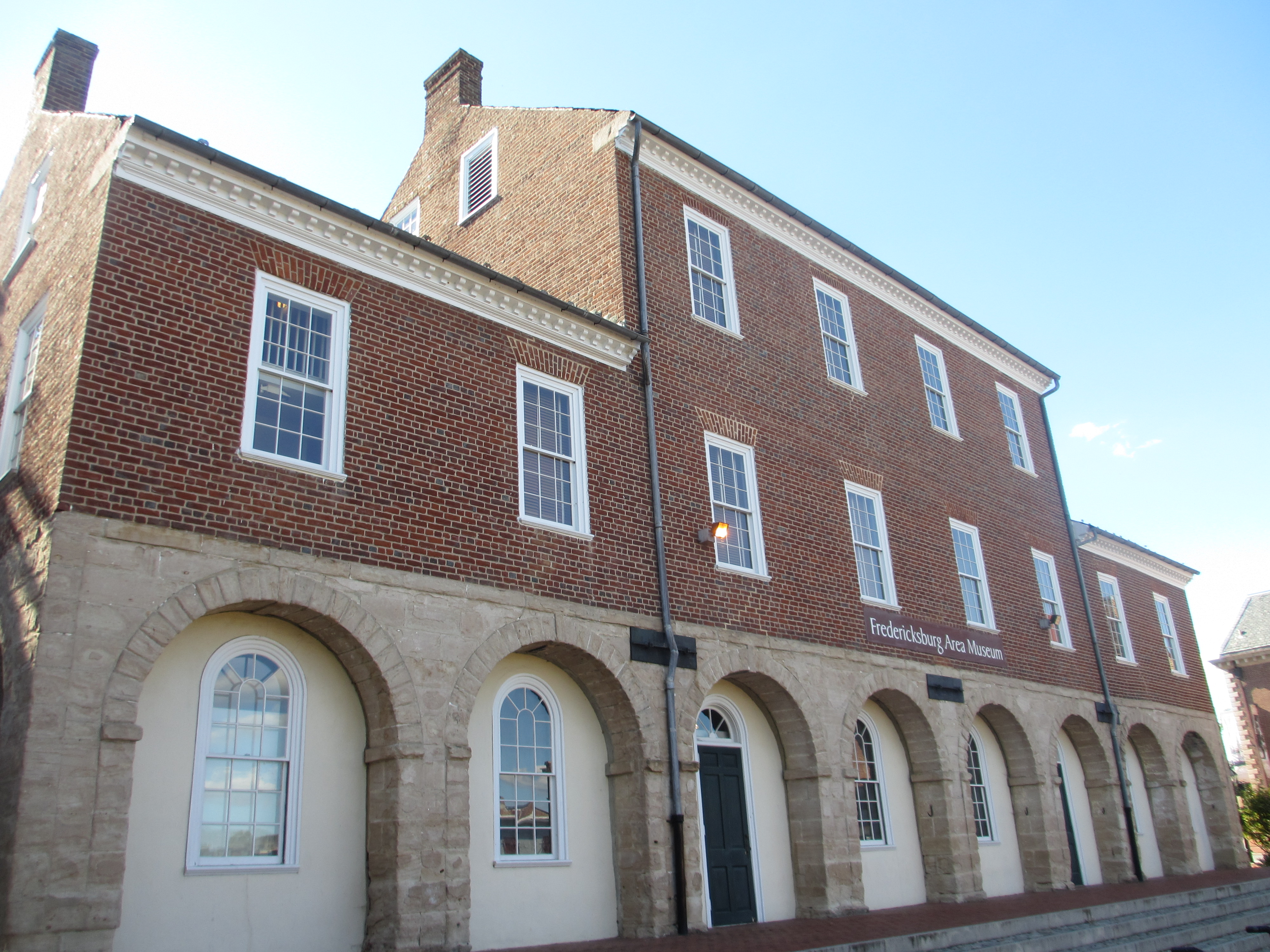
Finally, if you have some extra time on the weekend, stop by the Fredericksburg Area Museum and see their exhibit “Lafayette’s World: Revolutionary Ideals and the Limits of Freedom,” which explores Lafayette’s ideas on freedom, democracy, and abolitionism.
If you can’t attend the weekend events but still want to see exclusive artifacts related to Lafayette’s visit, including the extraordinary punch bowl of Masonic Lodge No. 4, stop by the Kenmore Visitor’s Center, check out our new exhibit, take a tour of the house and learn all about Fielding and Betty Lewis.
Friend of the Family – Lafayette’s Visit to America, Kenmore Visitor’s Center
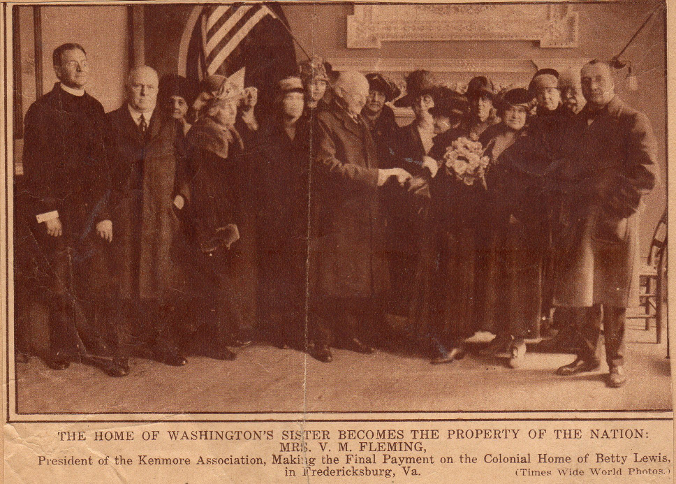
On January 1, 1925, a group of well-dressed women in hats and long fur coats assembled at Kenmore to hand over the final $1,000 payment and gain full possession of the house and land. This meeting was the culmination of thirty-two months of persistent work and determination by the ladies of The Kenmore Association to save the historic property from destruction.
The incredible work in saving Kenmore was beginning for the ladies. Undoubtedly, a house as large and old as Kenmore would require a substantial amount of money for restoration and upkeep. Until the sale to the Kenmore Association, the house had been a residence for several different families, each leaving a unique imprint on the building. Unfortunately, these alterations needed to be reversed to restore Kenmore to its original state when Fielding and Betty Lewis first inhabited the house around 1775.
Kenmore exterior (west facade) before restoration, c. 1920sKenmore Dining Room during the Howard residency, c. 1890sKenmore Hall before restoration in 1929. Notice the plaster work on the ceiling. The ladies of the Association removed this because it was not original but the work of William Key Howard, Jr.
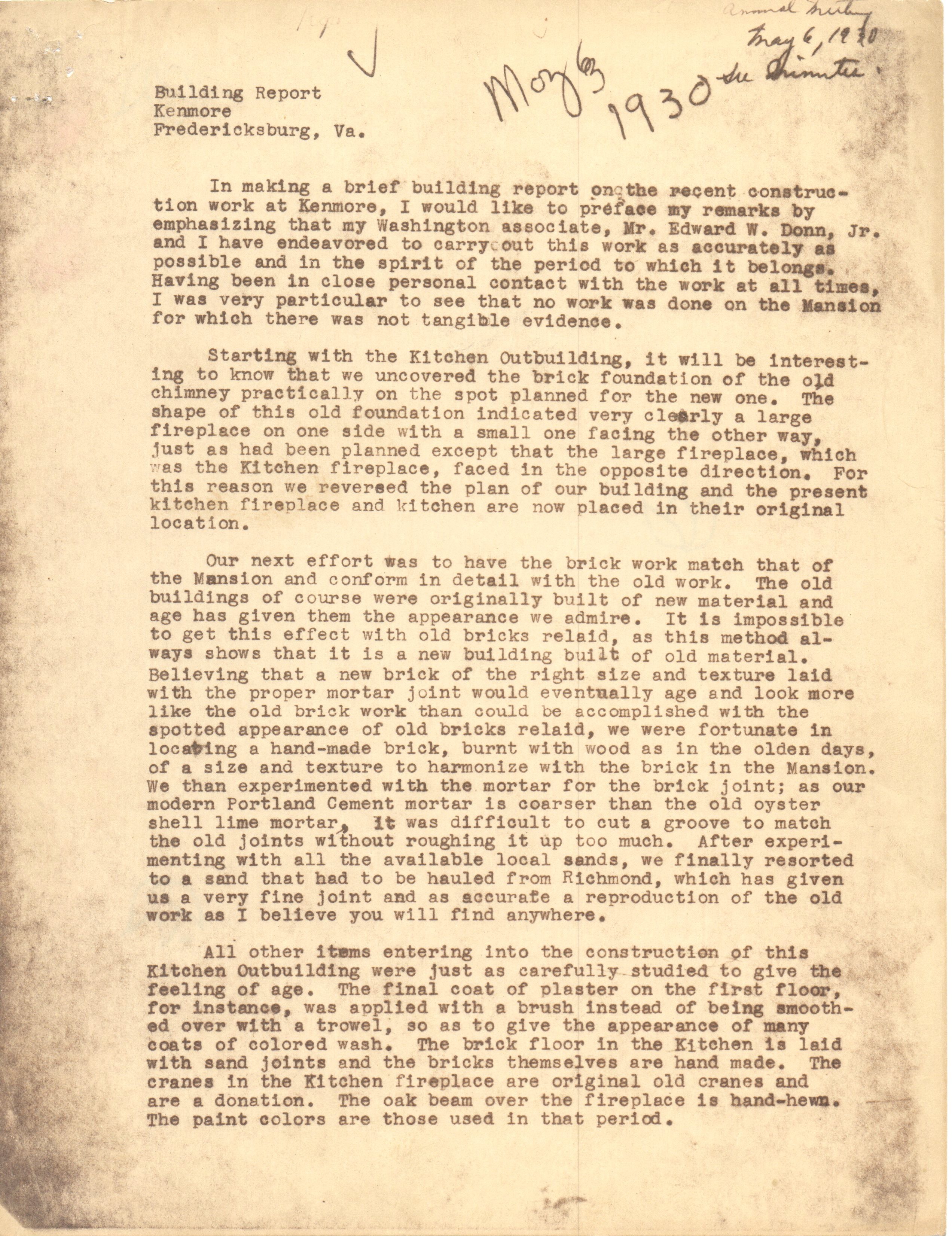
By 1930, the Kenmore Association had made significant progress in restoring Kenmore. Major projects included removing the modern attached kitchen, updating wiring and plumbing, and restoring windows, brickwork, and ornamental plasterwork, all completed for $19,372.57. (Mesick, 1992) This figure did not include the ongoing refurnishing of the house, highlighting the scale of the task.
Building report on Kenmore talking about restoration work, May 1930Letter from Mrs. Vivian (Emily) White Fleming, asking for donations to the Kenmore appeal, September 29, 1930
How was the Kenmore Association able to finance this costly restoration and refurnishing? These ladies knew how to raise money. In 1927, they established a restoration fund and began soliciting contributions.
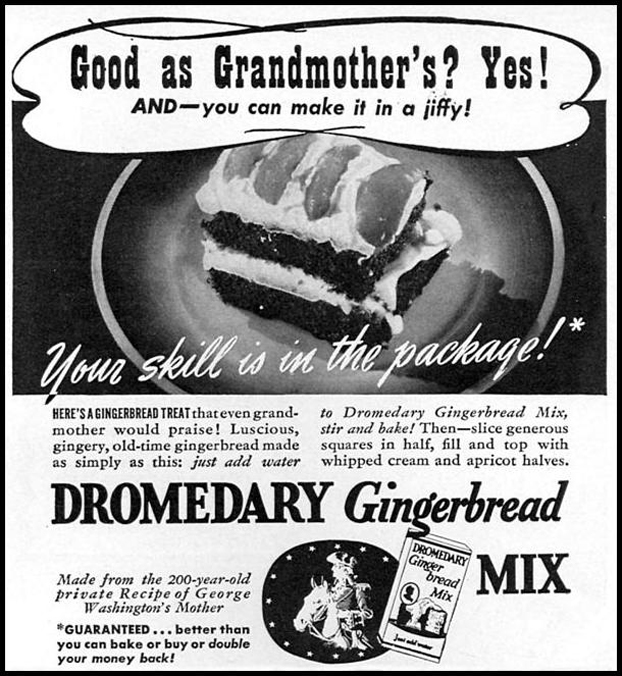
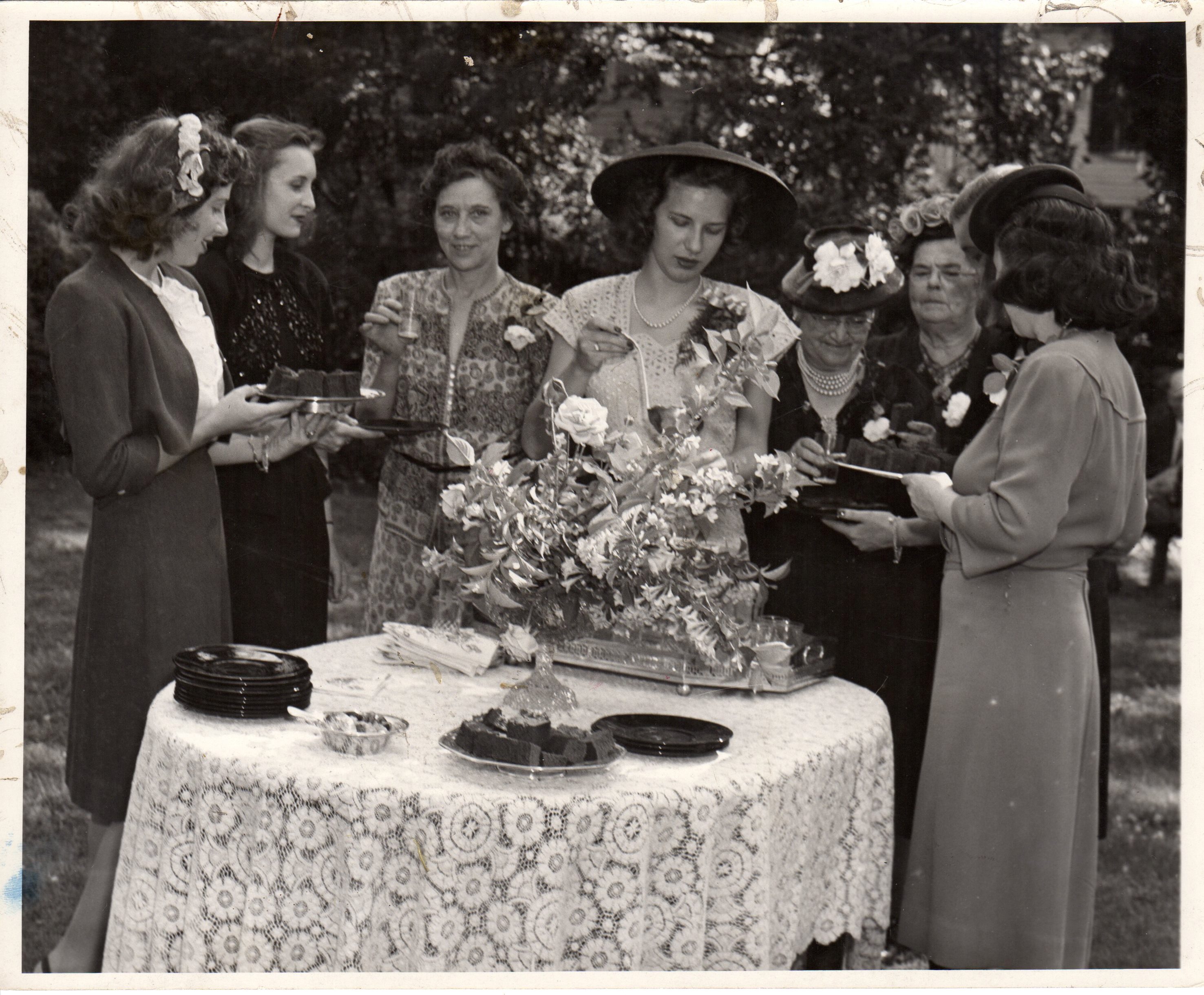
We previously discussed the amazing partnership between Mrs. Smith secured with the Dromedary Cake Mix Company and their boxed gingerbread. The arrangement allowed Dromedary to produce gingerbread mixes based on Mary Washington’s recipe. In exchange, the Kenmore Association got all the gingerbread they could serve to visitors. The company also donated mixes to be sold by the Association and various chapters of the Daughters of the American Revolution (DAR) for 25 cents a box. The Association got half the money realized from these sales minus the shipping costs.
An 1940s-era advertisement for Dromedary gingerbread mix “made from the 200-year-old Recipe of George Washington’s Mother.”Mrs. Fleming and other having gingerbread, c. 1940s
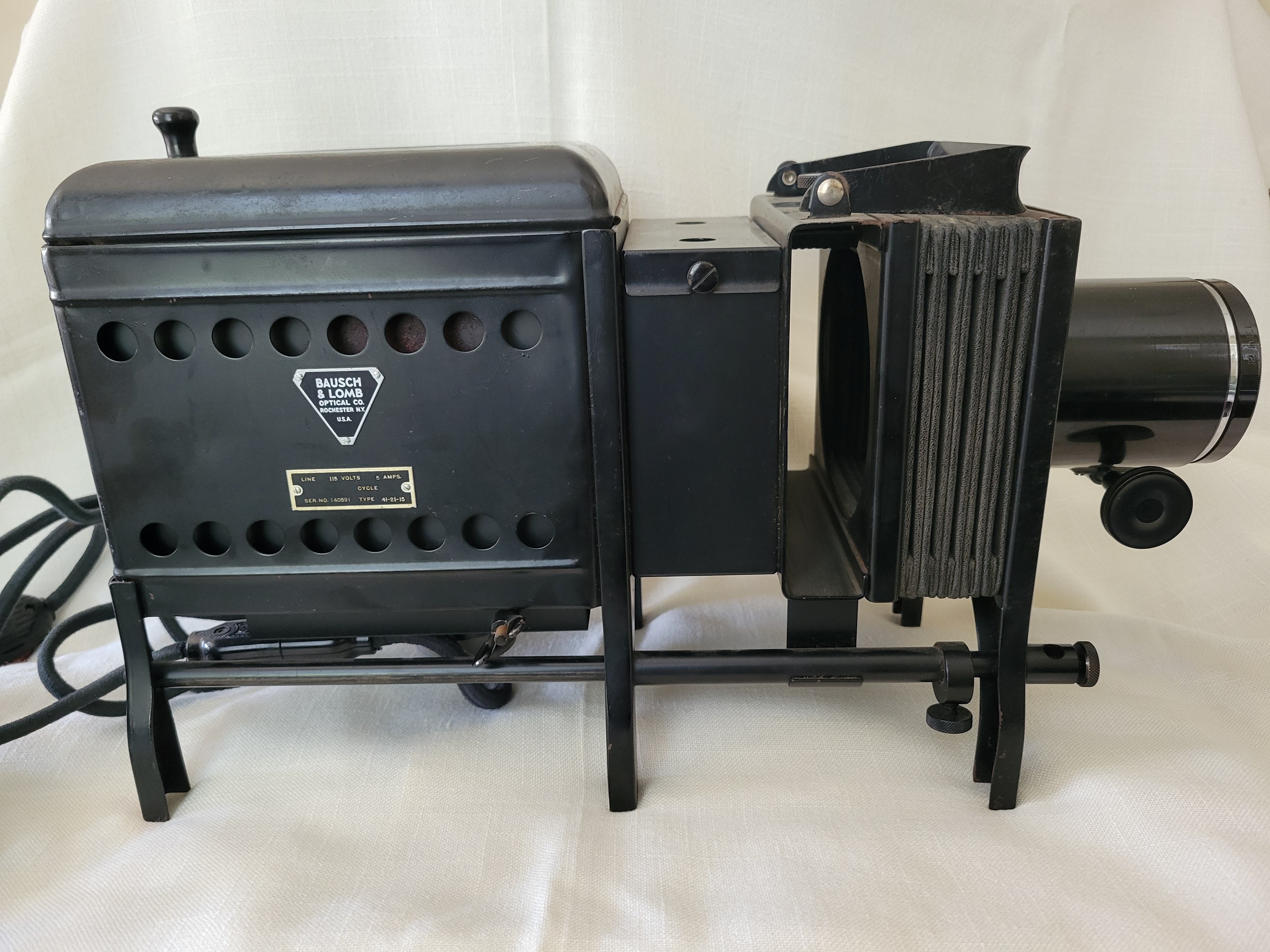
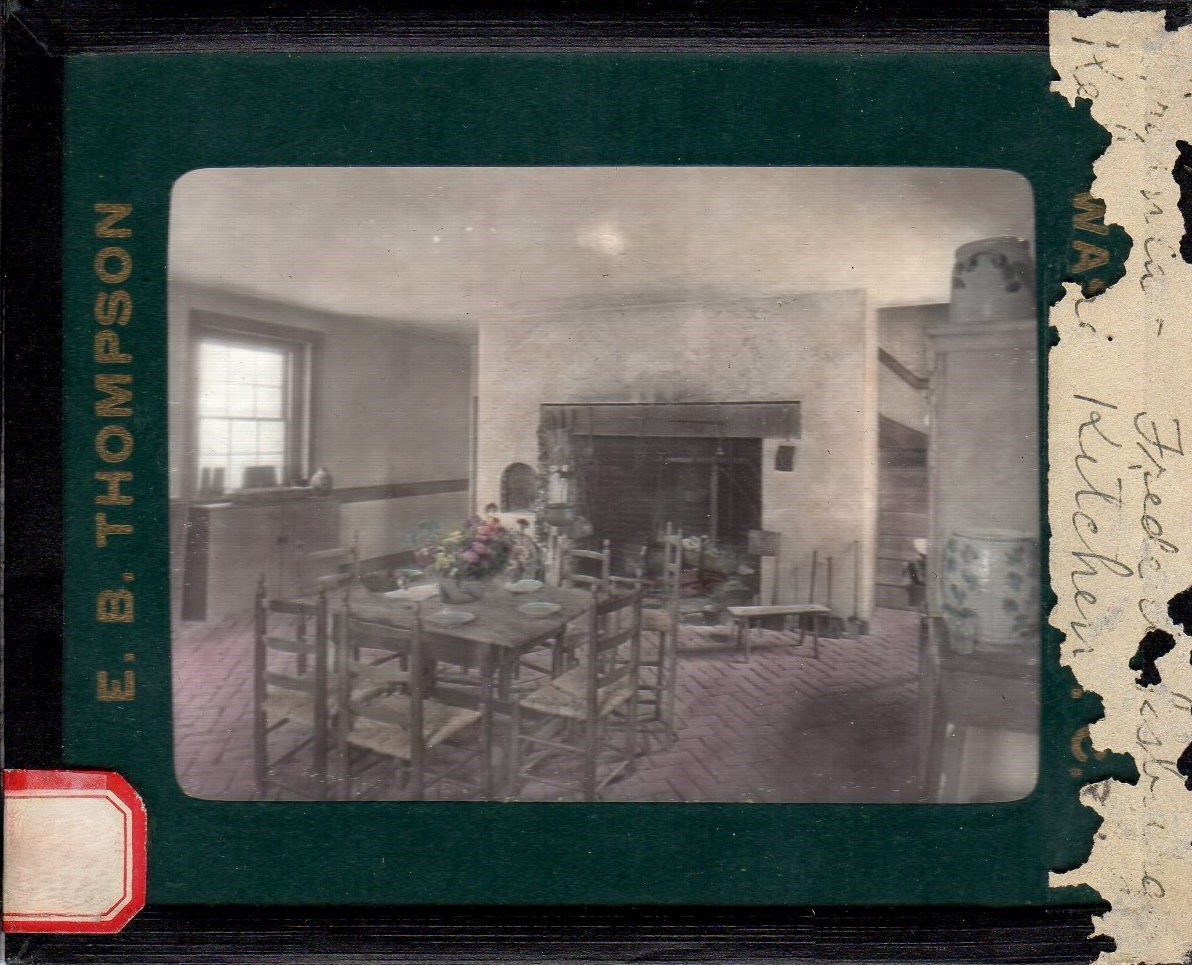
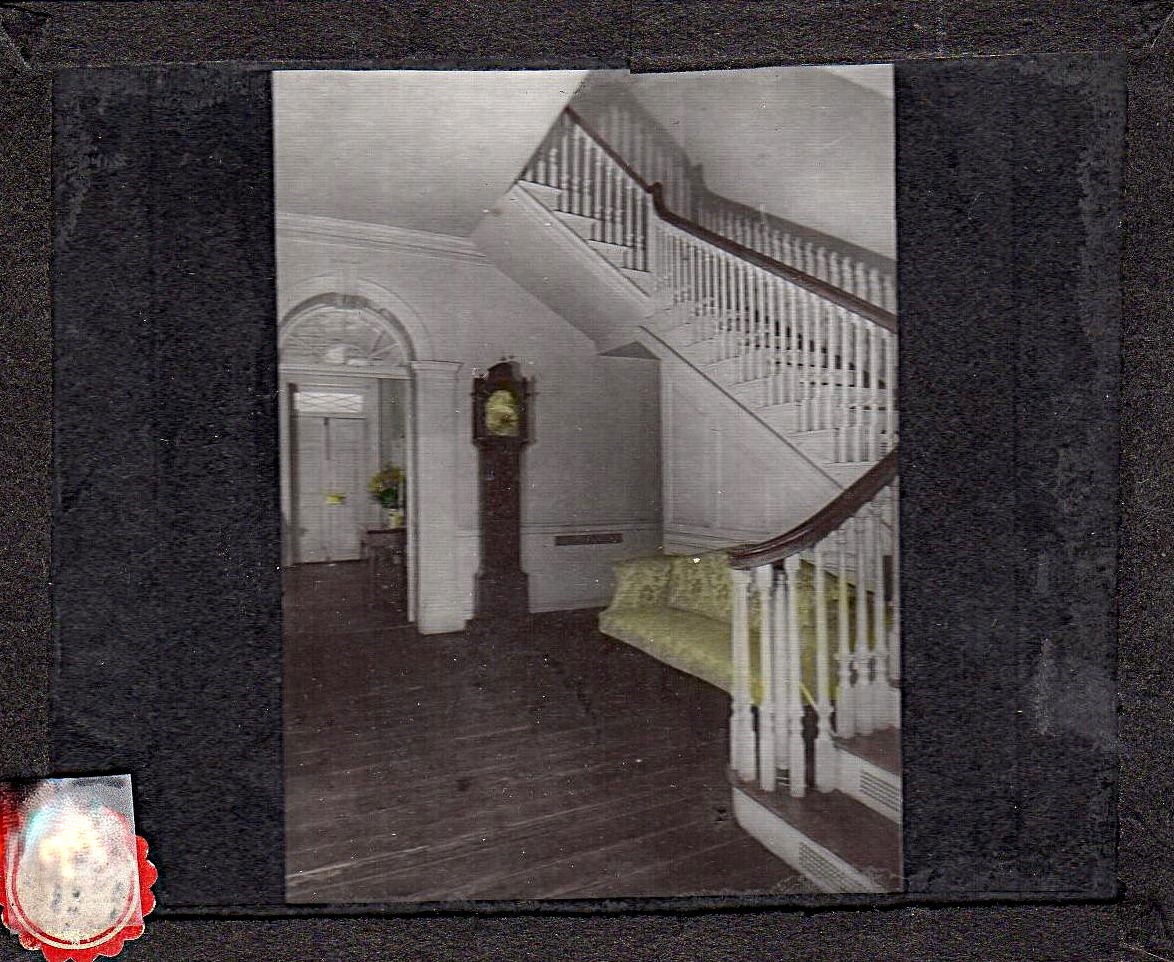
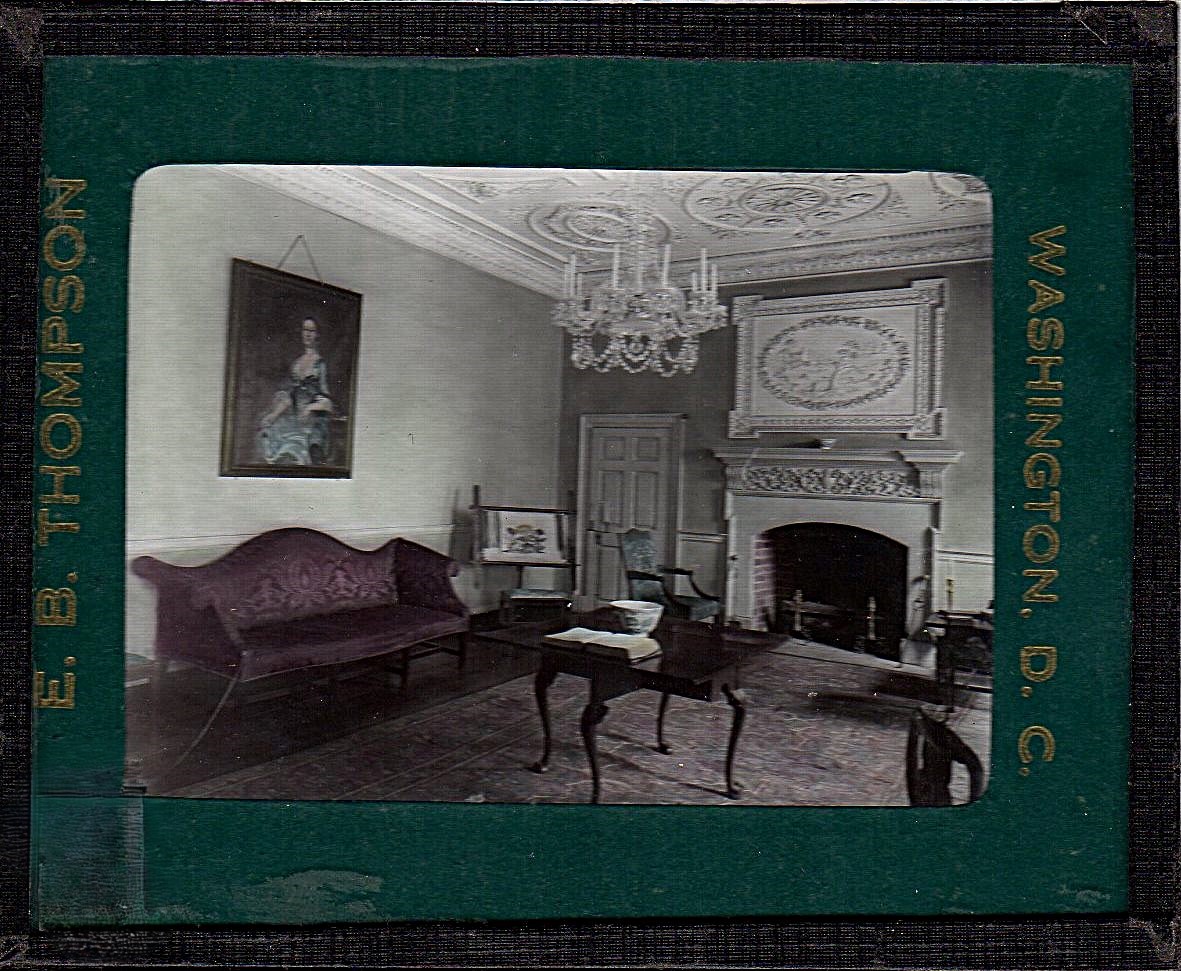
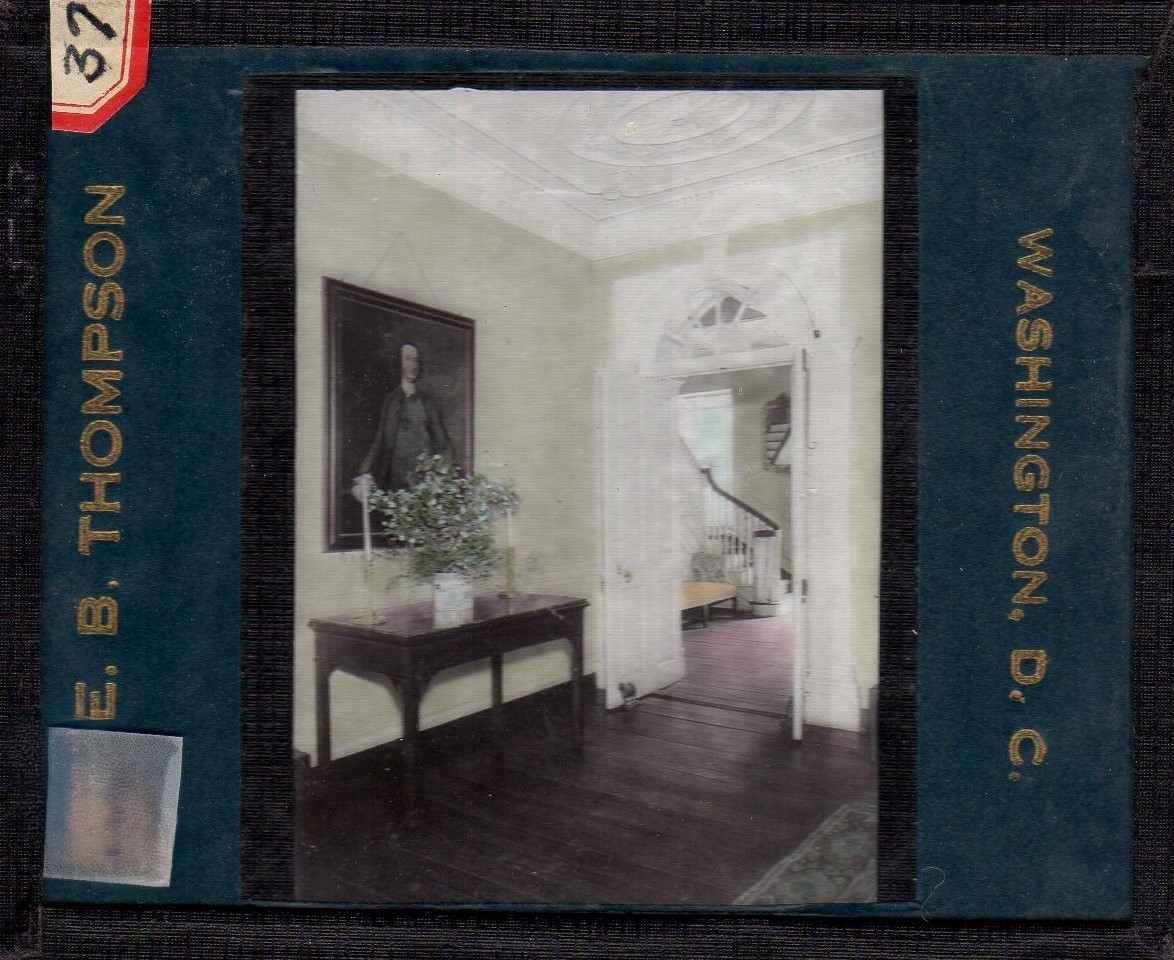
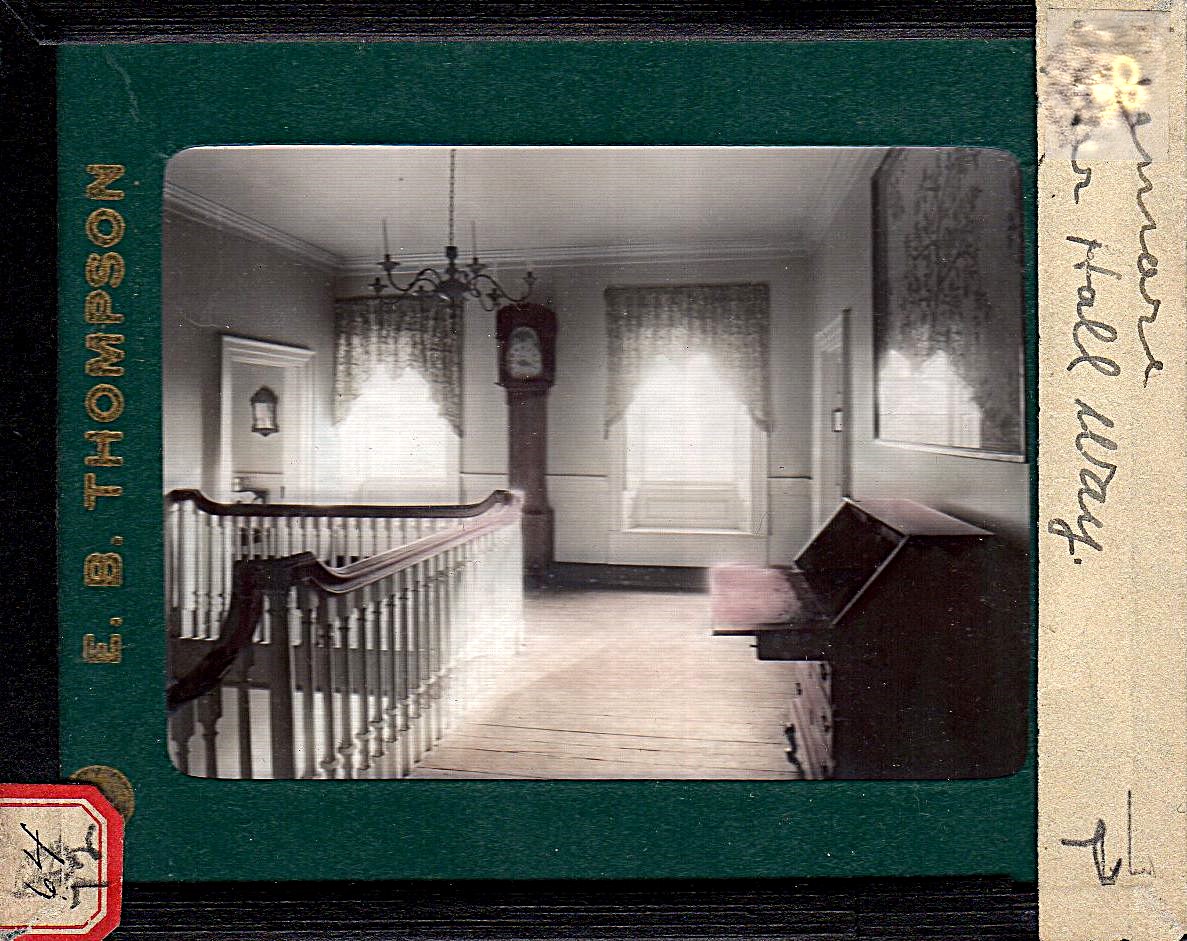
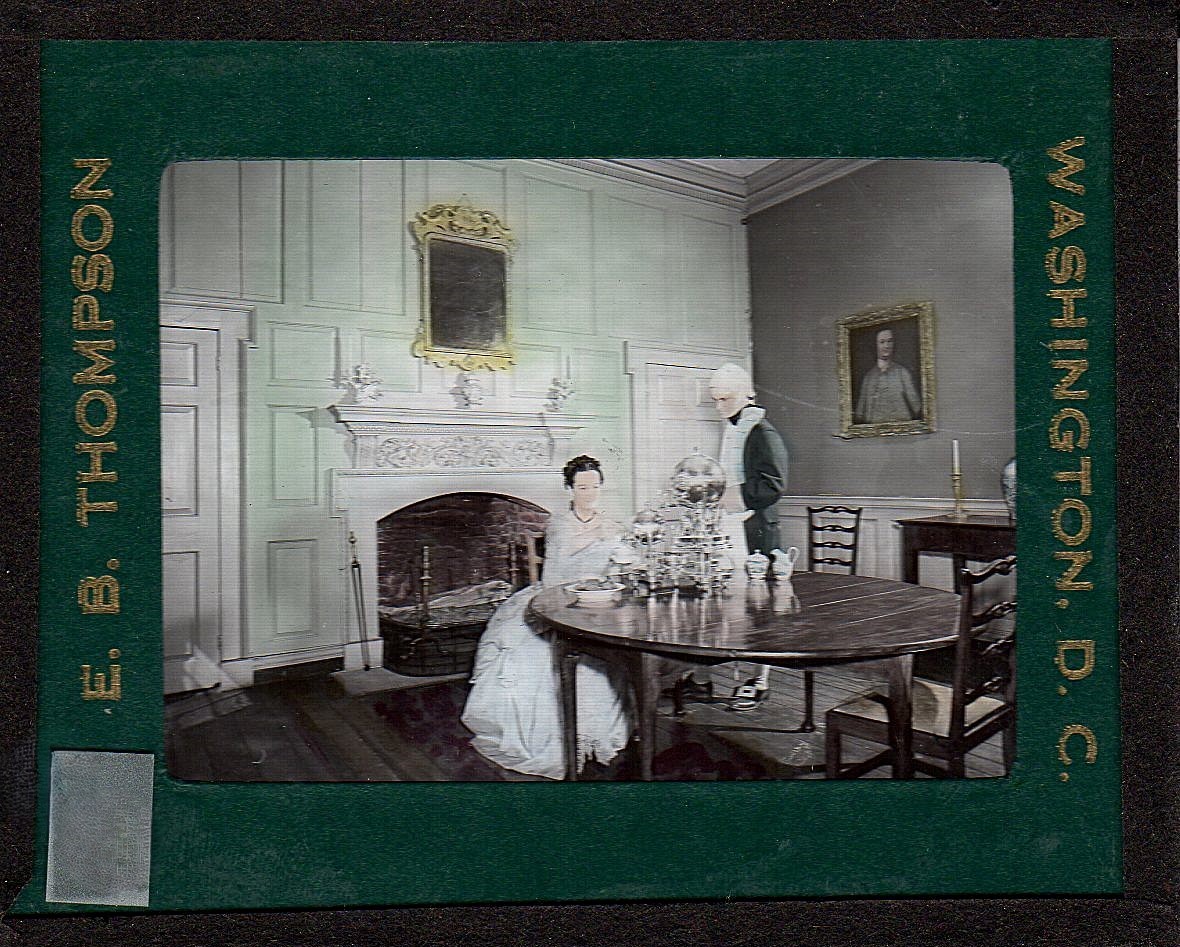
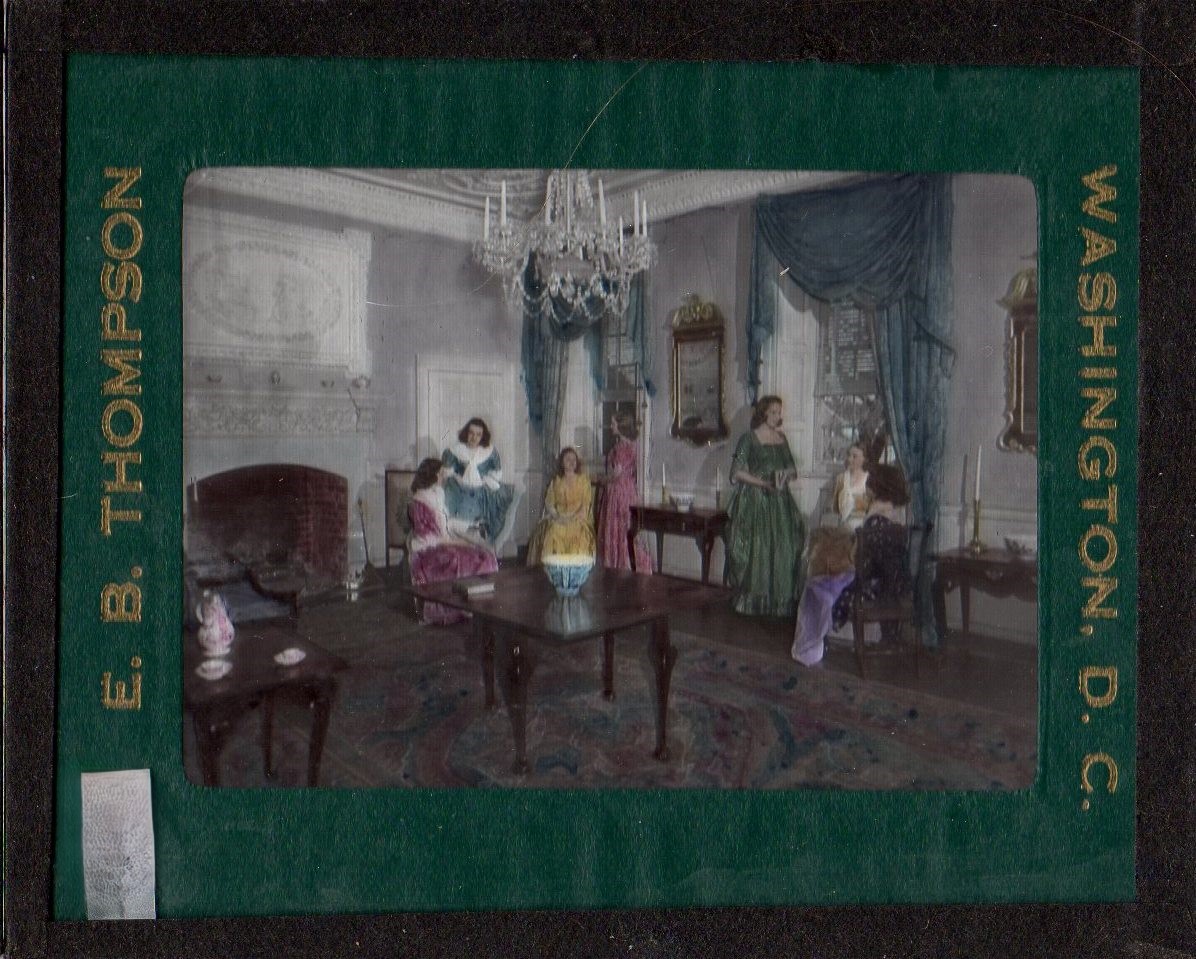
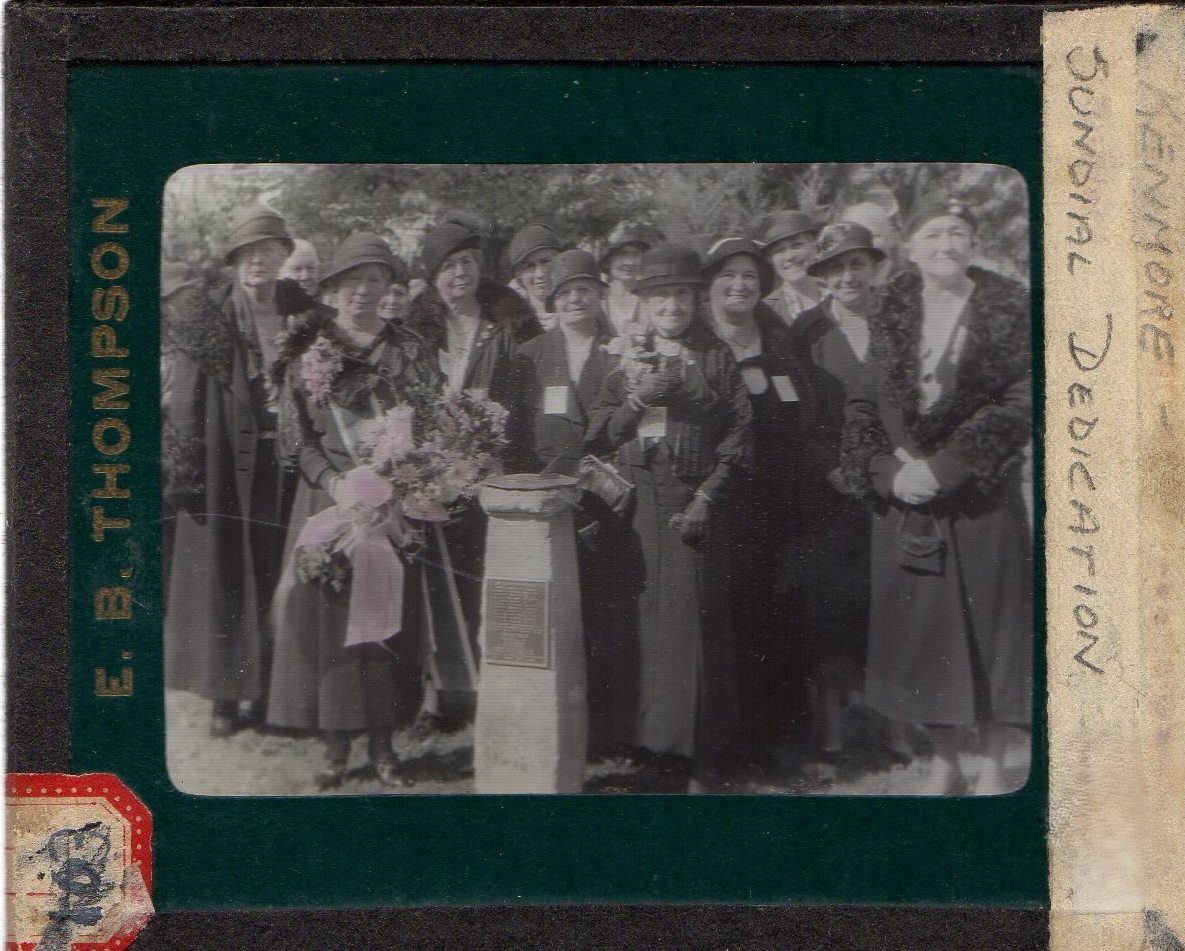
To help the various DAR chapters across the U.S. sell gingerbread, the Kenmore Association developed a visual program using the Bauch & Lomb Balopticon and trays of glass slides. Mrs. Smith worked with Mrs. Louise du Pont Crowninshield to select various photographers to assist in the project, including the well-known E.B. Thompson of Washington, D.C. This was no inexpensive program to develop with balopticons running around $77 a piece and slides costing $1 to $3 per slide of which we have over three hundred.
Bausch & Lomb Balopticon AdBox of glass slides created by the Kenmore Association, c. 1938
This program featured black-and-white and colored glass slides documenting the restoration and refurnishing of Kenmore and its gardens. Its goal was twofold. First, it showed the groups the product of their previous fundraising efforts, and second, it gave them an understanding of the house, property, and its goals for the future. Groups from all over the country wrote to Mrs. Smith requesting that she send out the program, which consisted of the balopticon and a set of glass slides for their meetings. Sometimes, Mrs. Smith would even join the program herself, presenting and answering questions about upcoming projects.
These glass slide presentations were eventually updated into paper guidebooks, films, and postcards featuring up-to-date Kenmore images. The slides were packed away in the closet for the last eighty-plus years, and now offer us a great source of documentation for the early years of The Kenmore Association and the restoration of Kenmore.
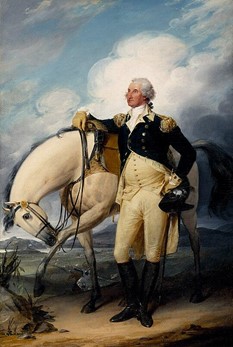
Think about a portrait or painting of George Washington. What is a common element in the paintings? His uniform, yes, he is indeed painted quite a bit in his impressive military uniform. But how about a horse? George is often painted riding beautiful horses with a quiet dignity and noble appearance we expect from the father of our country.
Washington at Verplanck’s Point by John Trumbull, Source: Winterthur
However, the horses in these paintings are not mere symbols of wealth or power. They are depicted with George because, from a tender age, his life has been intertwined with these creatures. As a surveyor, soldier, landowner, farmer, gentry, commander-in-chief, and president, he was inextricably linked with horses, not just as a mode of transportation but as a vital part of his daily life.
And it all started at Ferry Farm…
George moved to Ferry Farm around 1738 at the age of six. His father, Augustine Washington, was a member of the “planter class,” or Colonial American gentry. This meant he was a prominent member of society, involved in politics, and owned lots of land. Augustine purchased 150 acres across the river from Fredericksburg and later added an additional 450-acre parcel. In total, he owned Little Hunting Creek, Pope’s Creek, and the Ferry Farm properties.
The point? Augustine needed help because there were places to be, people to see, and fields to farm. So, horses were a fundamental necessity for the Washington family, and George would have grown up around them, taking care of them and learning to ride.
We have two great sources that give us some understanding of the horse situation at Ferry Farm. First, in 1743, the Washington patriarch died, leaving behind a widow, an 11-year-old George, and a probate inventory. On page two of the inventory, three horses and one mare are listed.
Augustine Washington Probate Inventory, 1743
Secondly, some pretty cool horse tack dating from the Washington occupation has been found during various archeological digs.
The Finds
One of the most universally known horse tack, essential for all horse maintenance – is the horseshoe. The horseshoe was used to protect the hooves because “…being rendered subservient to the use of man…applied to severe and continued labour, and compelled to tread frequently…on the irregular and stony surface of the roads, it became necessary to secure his feet from ruin by strengthening them with the iron band which we call a shoe” (Vial de Saint Bel, 1793). These shoes were handmade with no standardization across makers in shape, narrowness, or thickness. (Hume, 2001). This makes it difficult to pinpoint and assign a time on shape alone.
Our horseshoe was found in the second cellar of the Washington Home. It is quite wide between the branches (the curving sides), and the toe seems to straighten a bit at the center. The crease (the groove that runs down the sides) gives enough depth to allow the shoe to be firmly attached to the hoof with six nails (which we found a few originals). (University of Zurich, 2024) This find illustrates that there was active shoeing and horse maintenance going on at the farm. Additionally, these horses were ridden or used for farm work because shoes were used to protect the hooves from the wear and tear of hard roads, distribute the horse’s weight evenly on uneven ground, and provide traction on various surfaces.
Horseshoe with original nails
Another artifact found in the cellar of the Washington Home, the stirrup, further demonstrates horse riding as a family necessity. (Cofield, 2014)
Stirrup
The stirrups are used as foot support for the rider, and they hang from a saddle on straps known as stirrup leathers. Basic stirrups are made of three parts the eyes for the stirrup leathers to attach the stirrup to the saddle, a platform or base where the rider places their foot, and arms which connect the eye to the base. (Cofield, 2014)
Examples of Stirrup Forms Source: Diagnostic Artifacts in Maryland
Horseback riding master and author VS Littauer described the Forward Seat as a stirrup-centric approach versus traditional riding’s seat-centric. He argued riding without stirrups taught people to grip with the knee, which he considered a dangerous habit and likely to stiffen the rider. With stirrups, you can ride with a looser knee, letting your weight flow PAST your knee and into the stirrup. That is a more secure approach than riding with the thigh and knee. (Littauer, 1962)
Captain Vladimir Littauer – Forward Seat Riding,1947
Stirrups allow the rider’s legs to absorb up/down motion by allowing them to stand in matching balance with the horse, which makes riding longer distances more comfortable. Augustine certainly had to travel a great distance to check on his properties and perform his civic duties, like serving as a justice of the peace and sheriff for the county of Westmoreland.
One final utilitarian bit of horse tack found again in the cellar is a mullen mouth bit or snaffle bit. This bit consists of two rings on each side of a half-moon-shaped bar with no joint. The bit applies even pressure on the horse’s tongue and bars (gums) and allows the horse’s lips to feel the pressure from the bit and side rings. The bit, bridle, and reins function to create communication between the rider and the horse.
Mouth Bit
The Washington children would have used bits to learn to control. They would have learned how to work with the horse in a cooperative way that would create an effortless and seamless ride. George used this skill of communication and intuition to become a great rider. As Thomas Jefferson reminisced in a letter in 1814, “his person, you know, was fine, his stature exactly what one would wish, his deportment easy, erect, and noble; the best horseman of his age, and the most graceful figure that could be seen on horseback.” (National Archives, n.d.)
Lastly, just south of “The Quarter,” we uncovered around twenty leather ornaments. They were used to decorate the leather straps, nosebands, harnesses, and reins of horses. We wrote a post about them earlier explaining their purpose, which was purely aesthetic. Horse tack could be made without these pieces, but where is the fun in that? These flashy accessories were a great way to grab the attention of the public and hint at how fashionable and elegant you were as you trotted through town.
Ferry Farm leather ornaments dating from the 1700sThis copper-alloy mount dates from the mid-to-late 1700s
These artifacts illustrate that not only were horses actively used by the family, but it also fostered an environment where young George would have taken his first steps into learning about horsemanship. This knowledge and skill would help him in his future careers of surveying the Shenandoah Valley, as a lieutenant colonel during the French and Indian War, as a farmer and landowner at Mount Vernon, as a representative in the House of Burgesses, as commander-and-chief of the Continental Army and finally President of the United States.
Come see our new pop-up exhibit at Ferry Farm, where all these wonderful artifacts are displayed and put together with the help of our Fleming-Smith scholar, Sarah Moore.
Not every president gets their birthday celebrated every year with a federal holiday, but George Washington, a favorite of his countrymen and the first president, has had that privilege since 1879. But one year was a little different from the others: 1932. It marked Washington’s 200th birthday, and the United States was going to make a big deal about it.
In honor of the upcoming birthday, we decided to look at some of the memorabilia in our collection created to celebrate and educate the American public.
George Washington Bicentennial Commission
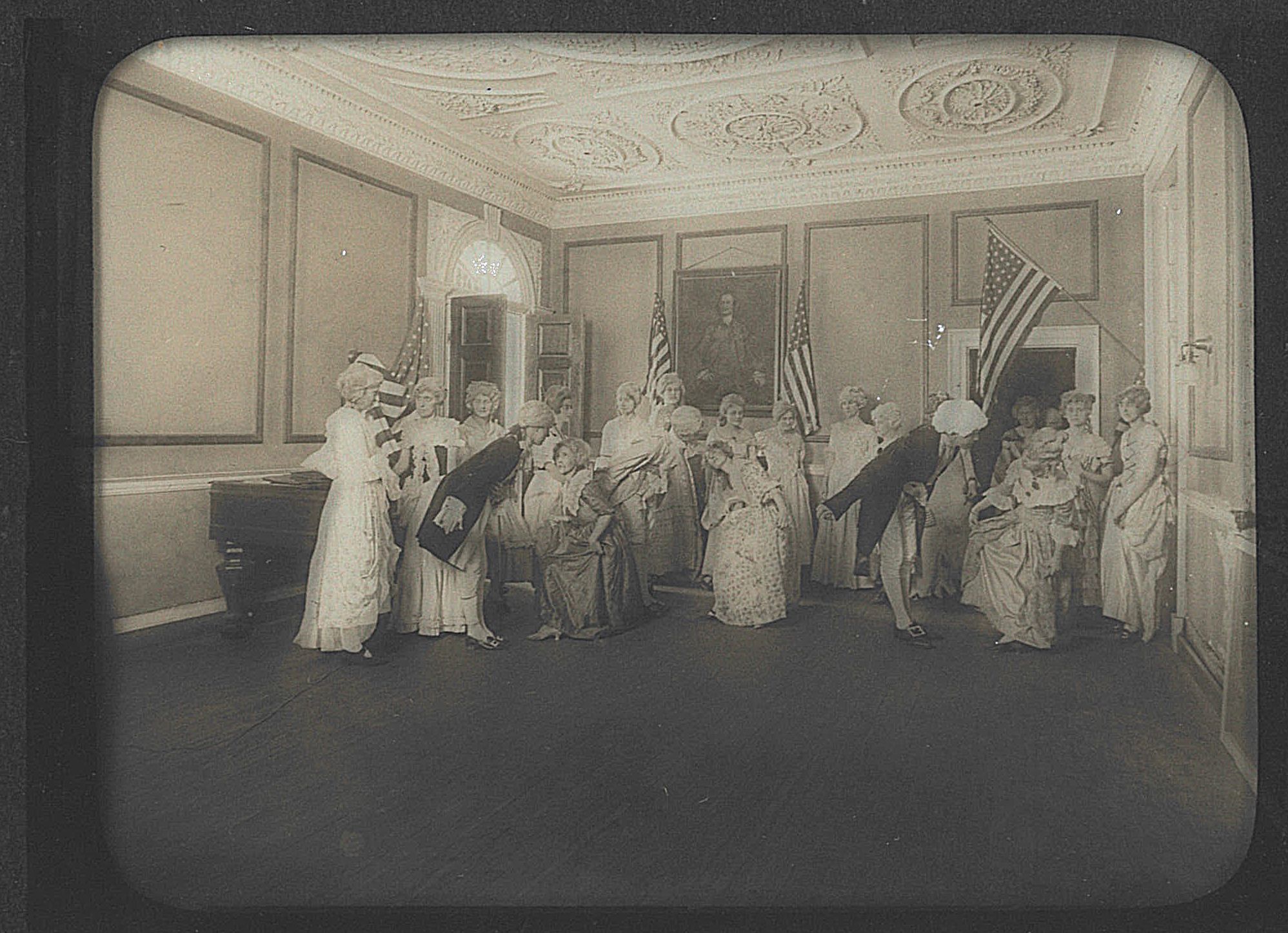
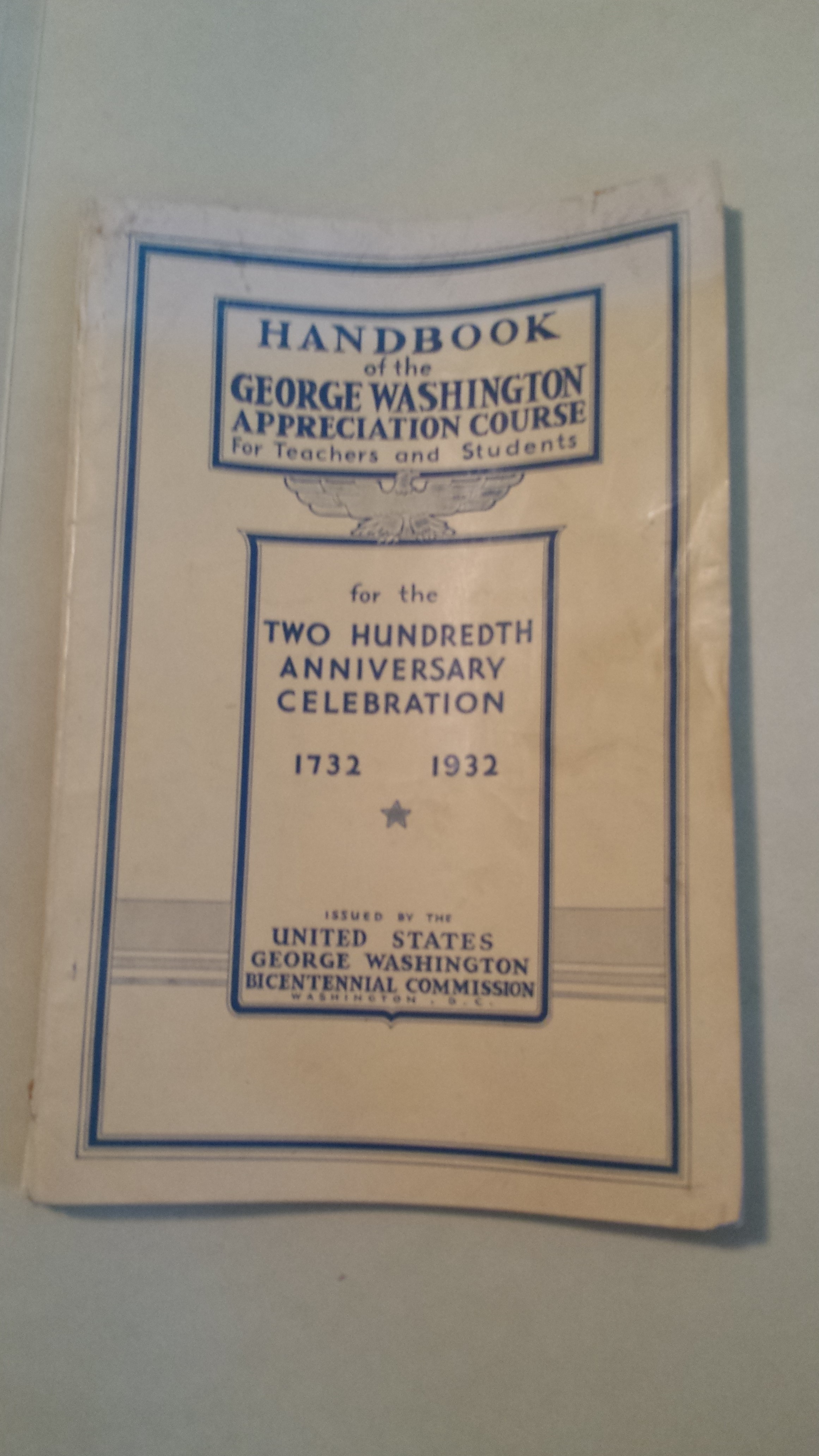
The planning for this celebration started early when Calvin Coolidge signed a joint resolution that established a commission to oversee the bicentennial ceremonies on Dec 2, 1924. The resolution was to mark the occasion of the birthday across the country and increase the understanding of Washington. (George Washington Bicentennial Commission, 1932) Under the direction of Representative Sol Bloom, an experienced entertainment promoter who got his start at the 1893 World’s Colombian Exposition, the committee initiated thousands of events, released educational resources for students, and had plays written in honor of Washington. (Larson, 2004)
Handbook of the George Washington Appreciation Course for Teachers and Students“Washington Takes the Risk”, including George Washington, Fielding Lewis, and Betty Washington Lewis
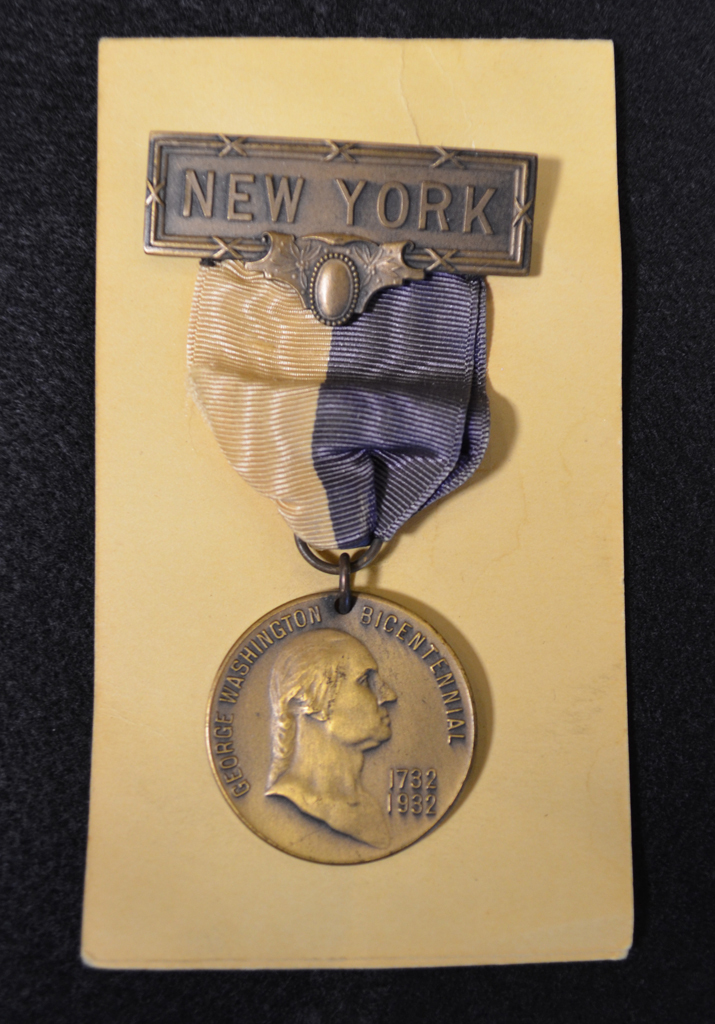
The commission additionally worked with over 250,000 local commissions to organize special events at not only a federal level but a state and city too. (The Washington Post, 1932) Special volunteers and prominent local people were often given commemorative metals as thanks for their service. We have one from the state of New York. It is a circular bronze medal attached to a blue and white ribbon. The back of the medal states, “1779 / Planned Sullivan / Clinton Campaign 1782 / Newburgh Temple Hill / Refused a crown / 1789 April 30th / New York City / Inaugurated first / President of the / United States.”
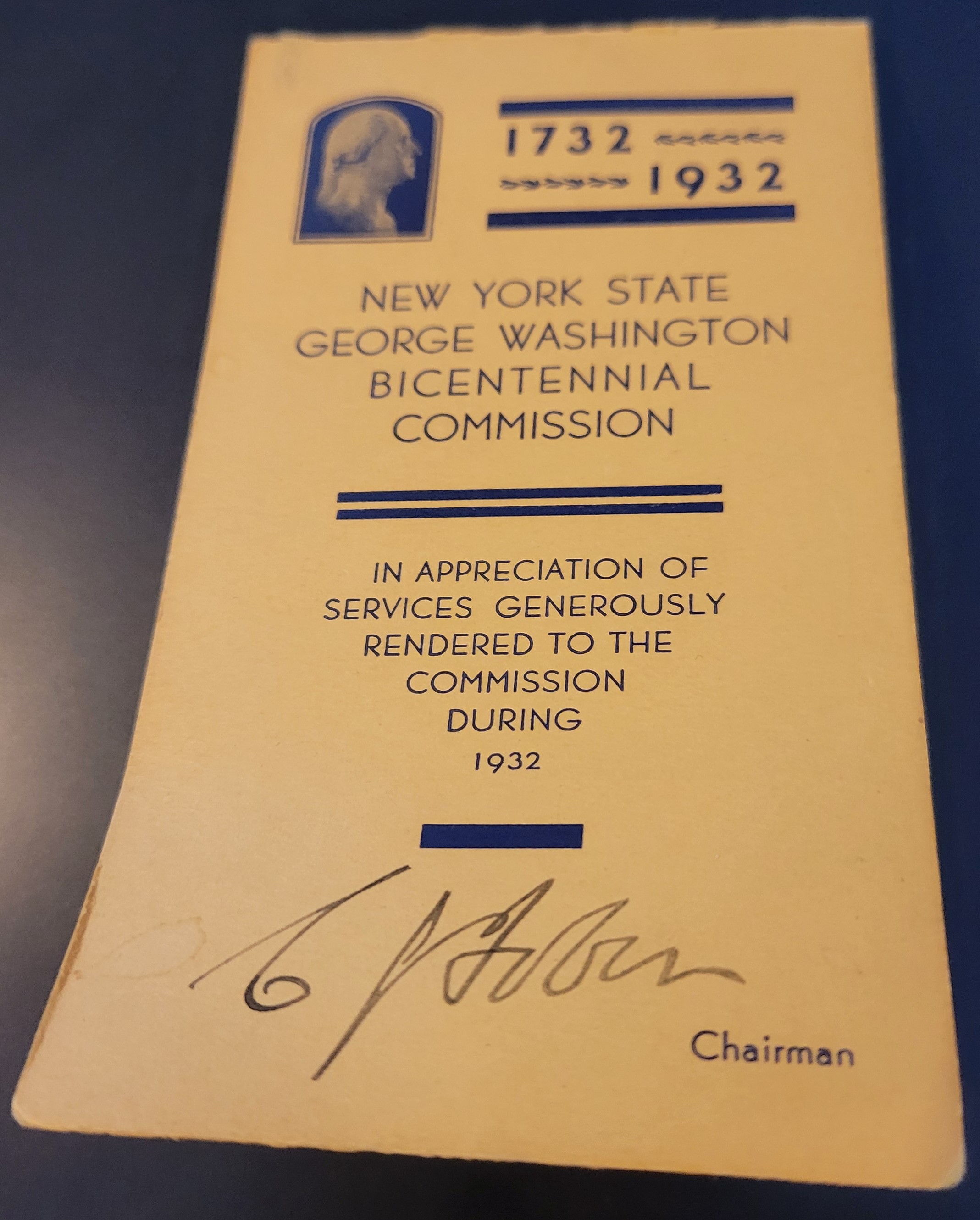
The medal is encased in a paper envelope with “New York State / George Washington Bicentennial Commission / In appreciation of / Services generously / Rendered to the / Commission / During / 1932” written on the front along with the signature Charles Tobin, chairman representing New York state on the Bicentennial Commission.
New York State George Washington Bicentennial Commission, 1932New York State George Washington Bicentennial Commission Medal, 1932New York State George Washington Bicentennial Commission Medal, 1932
Historical Context Help: The Sullivan-Clinton campaign was ordered by George Washington in response to the 1778 attacks by the Iroquois and British in central New York. Newburgh Temple Hill was a Continental Army encampment near Washington’s headquarters, where he gave a speech to quell the mass of soldiers who were getting ready to mutiny and attack Congress to get their promised back pay and pensions. Finally, in 1789, George was sworn in as President at Federal Hall in New York City.
The U.S. Post Office became involved in the commemoration of George with the release of a dozen stamps celebrating his life. The stamps were incredibly popular, and when they were first released for sale in D.C., there was a crowd of 50,000 people waiting to get their set of stamps. (The Washington Post, 1932)
Commemoration celebrating George Washington’s visit to Kenmore on April 8, 1791, as part of the birthday celebrations. Note the stamps. Commemoration of George Washington’s birth at Wakefield. Note the stamps.
Marketing George
Private companies even got in on Washington-mania by releasing all types of souvenirs like postcards, pins, coins, bottles, calendars, cigar box covers, books and pamphlets, hat stands, billheads, stationary, cartes-de-visite, playing cards, and puzzles. (Subseries 5.8. Washington’s Birthday, Bicentennial Souvenirs, 1931-1932 , 2024)
We have two bottles created for the Bicentennial celebration. The green water bottle has a likeness of George with “Washington/Bicentennial” underneath the image and 1732 and 1932 written on the sides. The water bottle was produced by the Hemingway Glass Company in Muncie, Indiana.
The clear pear-shaped bottle is embossed on one side with a cherry tree and the dates “1732 and 1932”. On the other, with a profile of Washington. It was created by the Owens-Illinois Glass Co. of Huntington, West Virginia.
Bicentennial bottle with George Washington profile. Owens-Illinois Glass Co., 1932. Bicentennial bottle with cherry tree. Owens-Illinois Glass Co., 1932
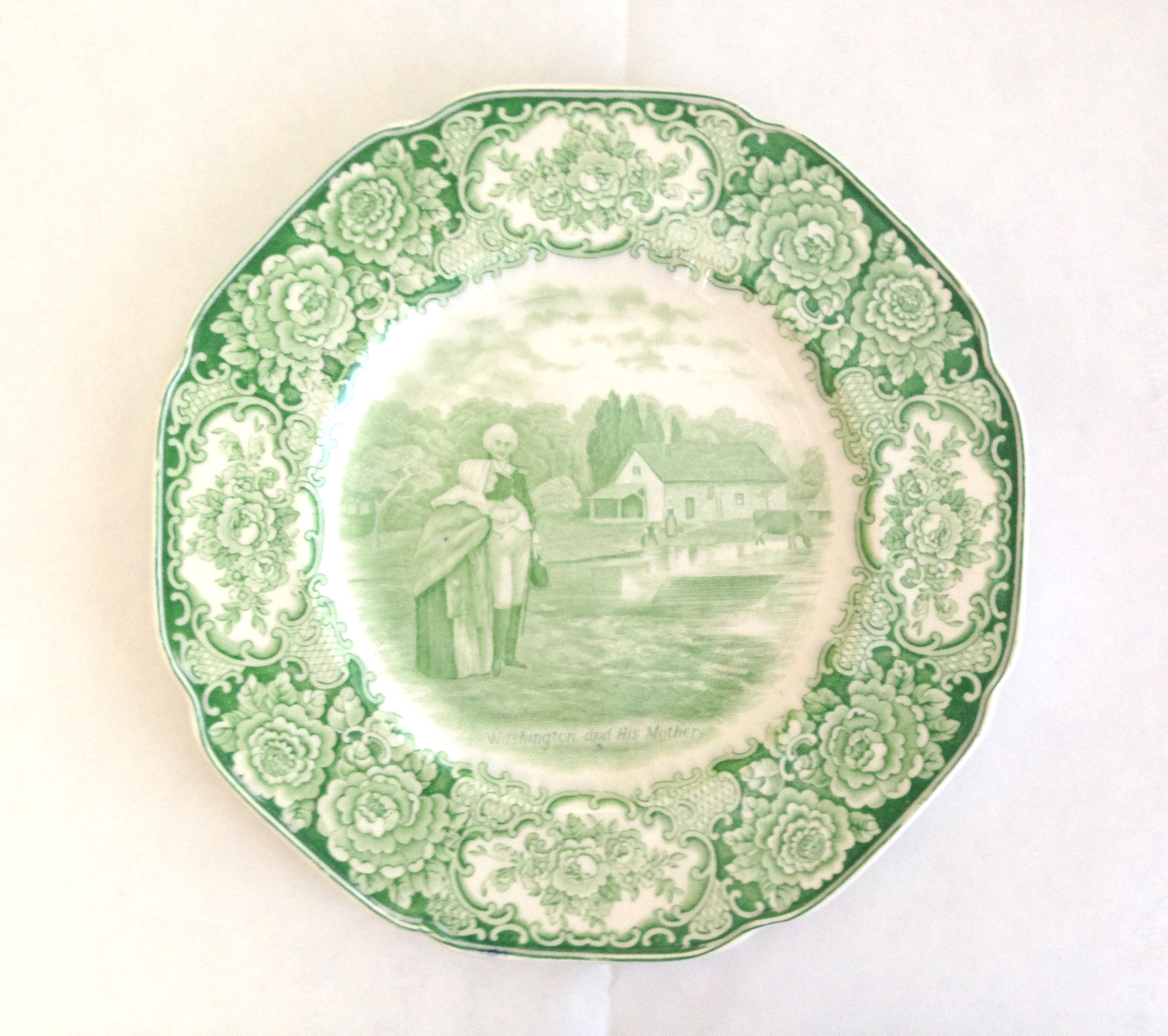
Plates were another big commemorative item. We have three plates issued by Crown Ducal, with the same scene of “Washington and his Mother” based on the print of the same name. On the back with the Crown Ducal crest, it says, “George Washington Bicentenary Memorial Plates / 1732-1932 / First in War / First in Peace / First in the hearts of his countrymen”. Crown Ducal released a series of twelve plates documenting Washington’s life. Of course, we are a little biased and like the one with his mother, Mary Ball Washington, the best.
Some companies even brought in Mrs. Martha Washington, like this set of plates from the Capital Souvenir Company. These are two round commemorative plates depicting George and Martha Washington, both with an elaborate floral gilded border.
George and Martha plate set, Capital Souvenir Company, 1932. George and Martha plate set, Capital Souvenir Company, 1932.
Fun Bicentennial Fact: On the eve of the birthday, Sears Roebuck was awarded a commission by the U.S. government to create a full-scale replica of Mount Vernon at the Exposition Coloniale Internationale in Paris. The agreed-upon price was around $75,000, and every detail of the home was reproduced from brass hardware, mantelpieces, and even cabinets. After the exposition, the house was bought by an American doctor working in Paris, and it was relocated to Vaucresson (a western suburb of Paris). It still stands today as a private residence and was even on the market in 2012 for 27 million dollars.
George Washington’s Mount Vernon in Paris, France,1932George’s Mount Vernon in Vaucresson, France today
Sears Roebuck also built the exact replica in Prospect Park, Brooklyn, NYC for the Bicentennial Commission. However, the house was not taken care of and boarded up and abandoned until it was eventually torn down. (The Brooklyn Daily Eagle, 1933)
Sears’ role in the reconstruction of Mount Vernon led to interest in their kit homes. In 1932, they offered a house in their catalog, loosely based on Mount Vernon. This model was oddly called “The Jefferson”.
Sears Roebuck house kit “The Jefferson” which strangely resembles Mount Vernon.
While we may not have as many George souvenirs, we are still putting on a big birthday party to celebrate George Washington and his time at Ferry Farm.
The party is on Monday, February 19th from 10am – 3 pm. While enjoying the grounds of Ferry Farm, you can take a selfie with “George Washington,” participate in our annual stone-throwing contest, play colonial games, and eat birthday cupcakes (while supplies last).
Additionally, guests can enjoy several educational stations, take an abbreviated Washington House tour, and talk with archaeologists, historians, and other experts to learn about Ferry Farm and the Washington Family.
Heather Baldus
Collections Manager
References
George Washington Bicentennial Commission. (1932). History of the George Washington Bicentennial Celebration. Washington D.C.
Larson, E. (2004). The Devil in the White City: Murder, Magic, and Madness at the Fair That Changed America. New York City: Knopf Doubleday Publishing Group.