Lives and Legacies

Category: Holiday History

  • 250 Years of Celebration

    250 Years of Celebration

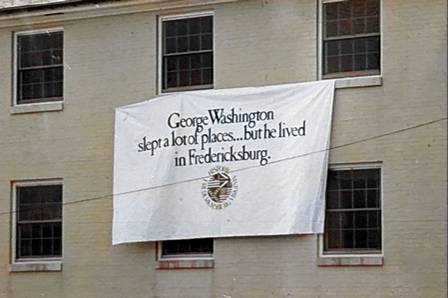
    A banner from the Market Square Fair of 1976, HFFI image collection.

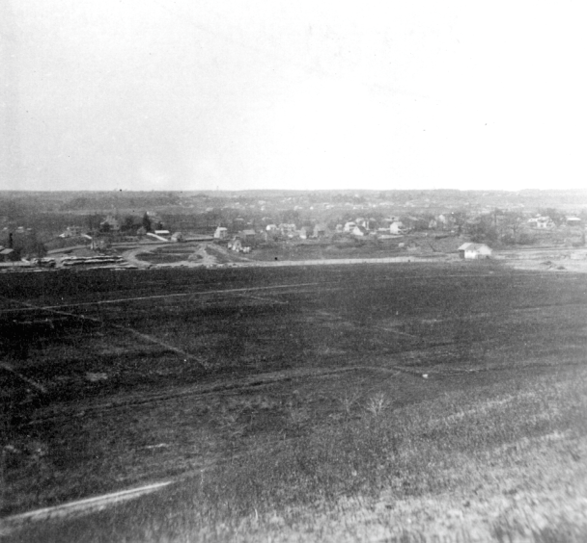
    View of Ferry Farm circa 1881. National Parks Service.

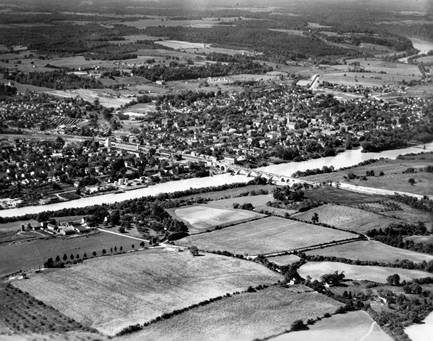
    Aerial view of Fredericksburg showing Ferry Farm in the lower left side, 1927. Fredericksburg Area Museum Collection.

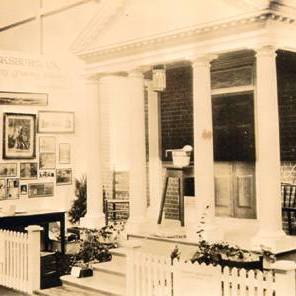
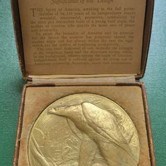
    Left: Kenmore’s exhibit at the Philadelphia Exposition, GWF Collection. Right: Kenmore’s medal of award, GWF Collection.

    American Revolution Bicentennial Logo, Wikimedia Commons.

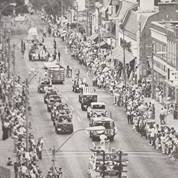
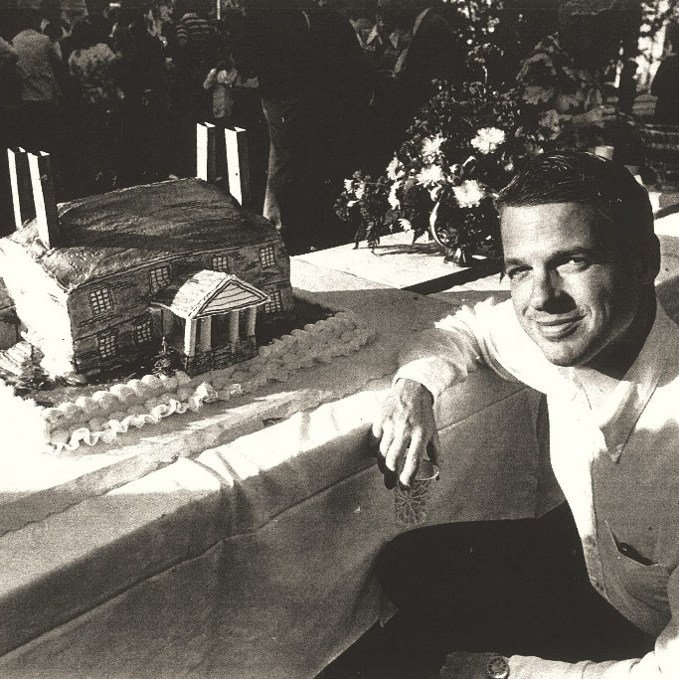
    Left: The Bicentennial Parade on Princess Anne Street, the Free Lance -Star. Right: Russell Bastedo, former director of the Kenmore Association, posing next to a Kenmore cake, Central Rappahannock Heritage Center collection.

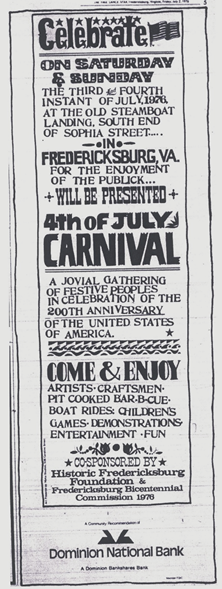
    Newspaper advertisement for the city dock carnival, The Free Lance-Star.

    America 250 logo.


    [1] (National Archives Foundation, 2025)

    [2] (The Fiftieth Anniversary of American Independence, 1826)

    [3] Mutual Assurance Society, plat for policy 4239, November or December 1822, to Samuel Gordon; plat for policy 6126, 31 December 1829, to Samuel Gordon; plat for policy 6126, 31 December 1829, to Samuel Gordon; and plat for policy 9313, 15 November 1836, to Samuel Gordon; Virginia State Library, Richmond, Virginia; reproduced in Troup, pp. 146-151.

    [4] (Chapman)

    [5] (National Archives Foundation, 2025)

    [6] (The Fourth of July, 1876, 1876)

    [8] (The Daily Star, 1926)

    [9] (Warren, 1999)

    [10] (National Archives Foundation, 2025)

    [11] (Nichols, 1976)

    [12] (Nichols, 1976)

    Special thanks to the team at Historic Fredericksburg Foundation, The Virginiana Room at the Fredericksburg Library, and Central Rappahannock Heritage Center for providing access to their collections and assisting in the research process.

     

  • What’s on your Thanksgiving table?

    Thanksgiving is next week, and families and friends across the United States will gather again to celebrate the past year’s blessings. 

    Days for giving thanks have been proclaimed throughout history for many reasons – most often to celebrate a bountiful summer or fall harvest, the end of a war, or even the beginning of a new nation. George Washington proclaimed a one-time day of Thanksgiving on Thursday, November 26, 1789, “to be devoted by the People of these States to the service of that great and glorious Being, … for the civil and religious liberty with which we are blessed, and the means we have of acquiring and diffusing useful knowledge; and in general for all the great and various favors which he hath been pleased to confer upon us.”.

    The 1769 Thanksgiving Day Proclamation by George Washington

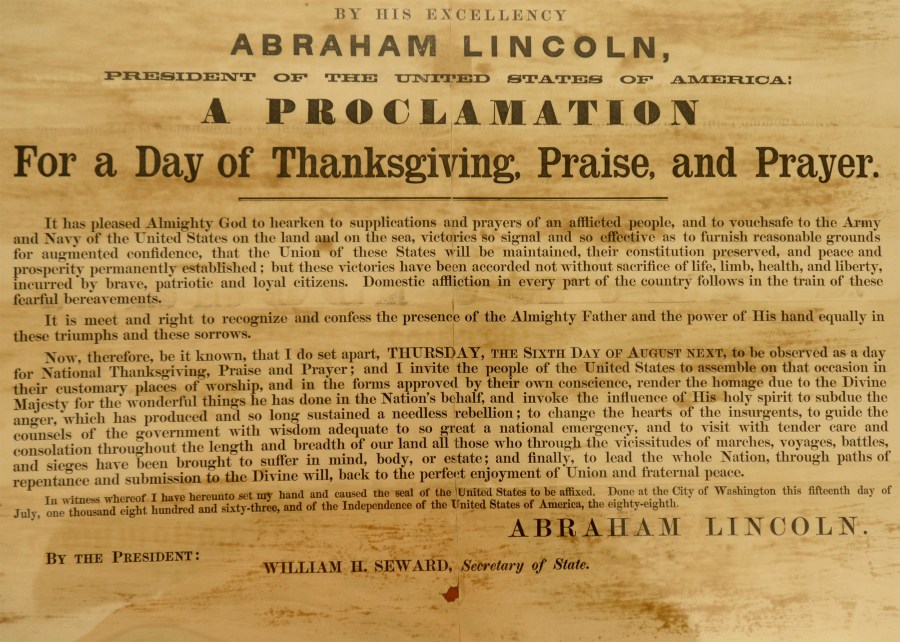
    Individual states have proclaimed specific Thanksgiving days throughout the nation’s early years. Still, it wasn’t until 1863 when President Abraham Lincoln issued a proclamation designating the last Thursday of November “as a day of Thanksgiving” to be observed by all “fellow citizens in every part of the United States.” The nation was still suffering through the Civil War. Lincoln included a remembrance of “all those who have become widows, orphans, mourners or sufferers in the lamentable civil strife in which we are unavoidably engaged, and fervently implore the interposition of the Almighty Hand to heal the wounds of the nation and to restore it as soon as may be consistent with the Divine purposes to the full enjoyment of peace, harmony, tranquillity, and Union.”

    1863 Thanksgiving Day Proclamation by President Abraham Lincoln

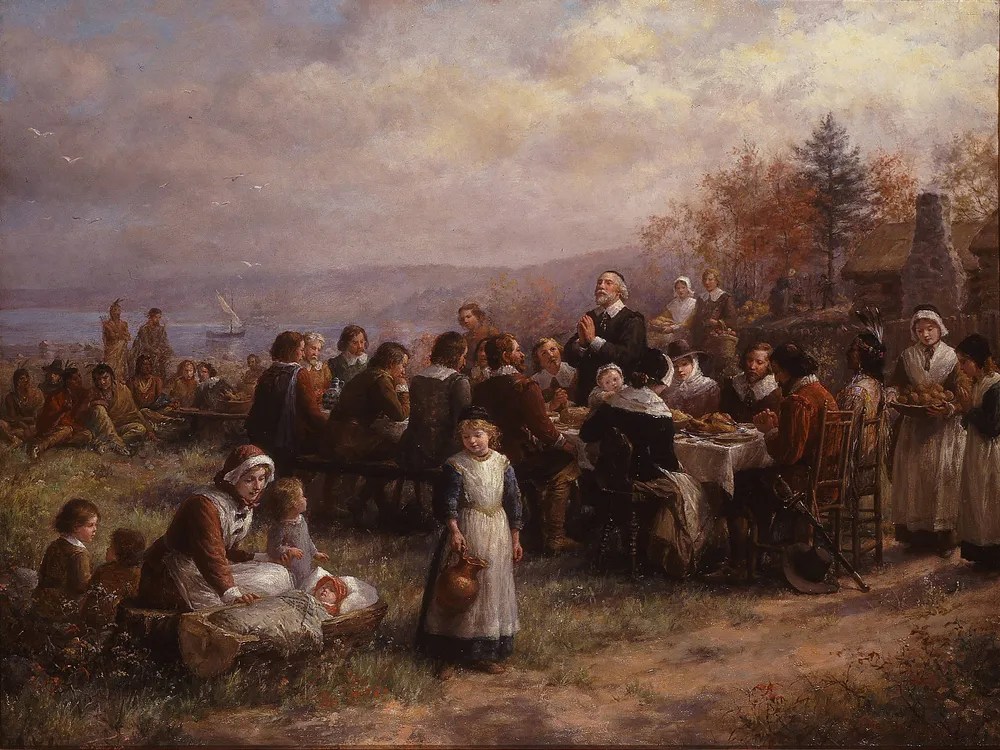
    As the traditional vision of Thanksgiving is based upon the 1621 New England harvest feast shared by the Pilgrims of Plymouth, Massachusetts, and their new friends, the Wampanoag tribe, the November holiday is associated with an abundance and display of fall harvest foods. A table laden with a wide spread of traditional foodstuffs is the norm, but what’s underneath all that food is what I’m interested in!

    Jennie Brownscombe’s 1925 very idealized version of the first Thanksgiving

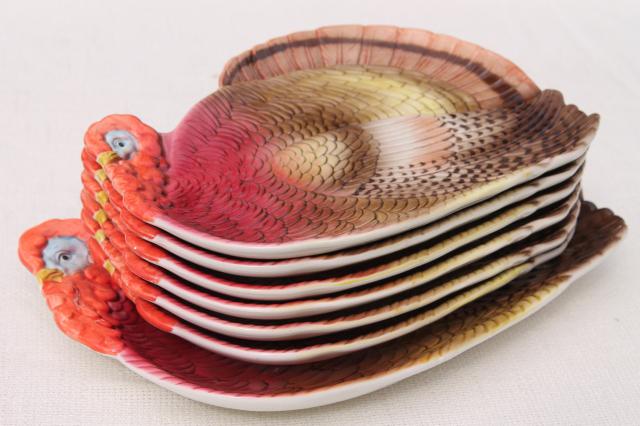
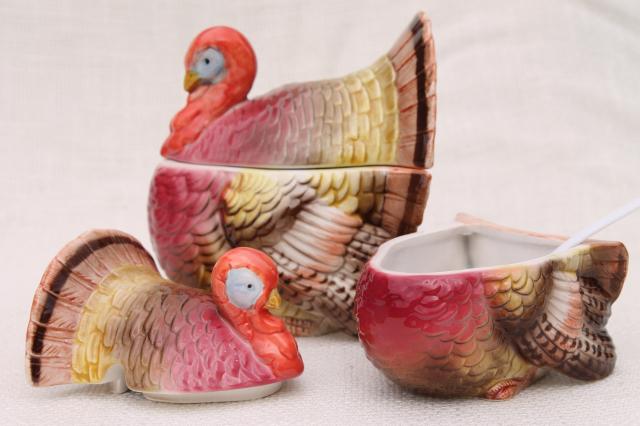
    Our best china! Sometimes, it’s Grandma’s china, brought out of the basement, dusted, and cleaned off for the occasion. Other times, it’s our wedding china, if you are of that generation that still wants or received wedding china. Other times, it’s unique dishes made and decorated for the occasion (think turkey-shaped plates!). Dinner plates, salad and butter plates, serving platters and bowls, condiment vessels, punch bowls, sauceboats for the gravy, dessert plates, tea, and coffee services, crustal wine glasses – the variety can be tremendous, and the different table wares are utilized to display and serve specific foods and finished dishes.

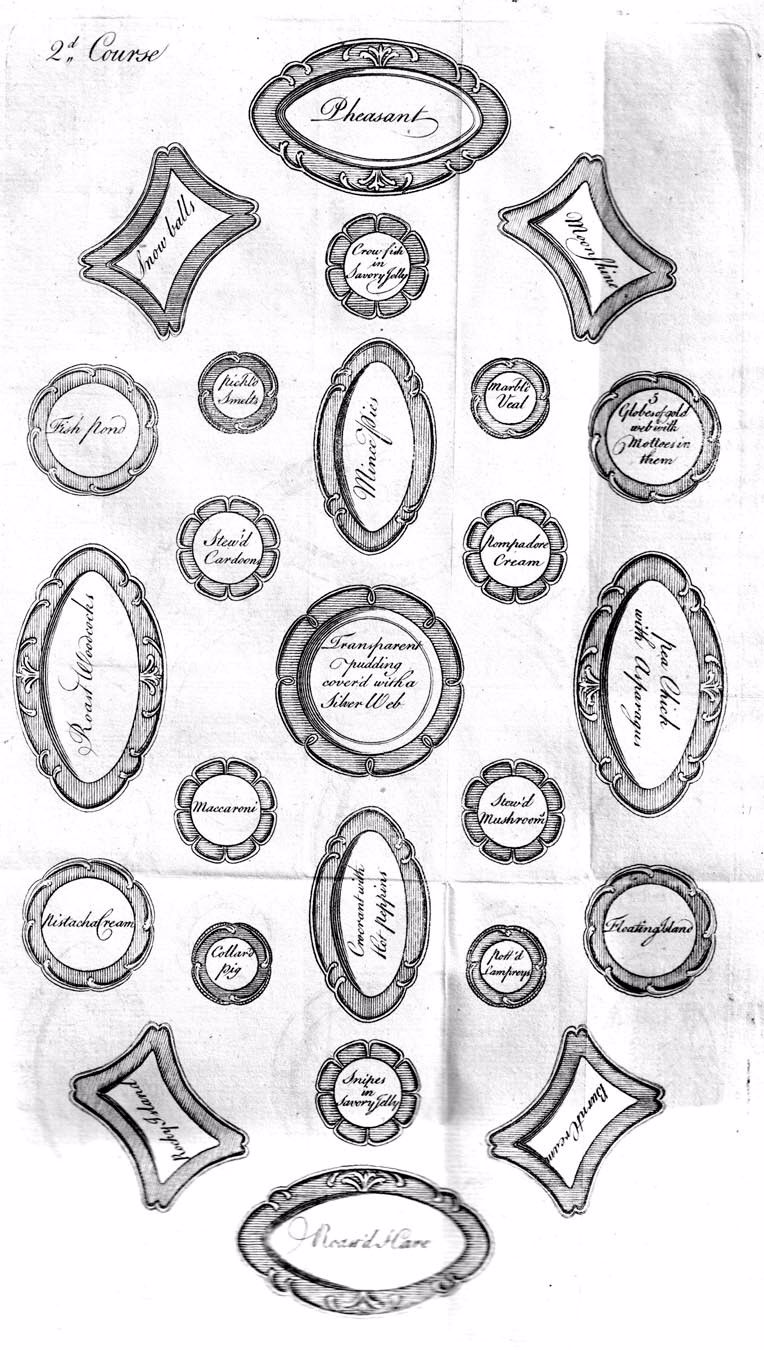
    Mary Washington, as a member of the gentry class in Colonial Virginia, would have been well-versed in setting a stylish dinner table for family and guests. Formal dining habits during the 18th century slowly evolved to dinners consisting of multiple courses of food prepared and served in a more elaborate and complicated fashion. Cookbooks of the age detailed the possible menus for different seasons and even produced drawings of how each course’s dishes were laid out on the table. Elizabeth Rafferty’s 1769 The Experienced English Housekeeper includes a copperplate drawing illustrating one such arrangement for the second course of a dinner. Hours could be spent looking up how some of her dishes were prepared, such as “Pistacha Cream,” “Potted Lampreys,” or “Transparent Pudding Covered With a Silver Web.”

    Second course dinner layout from The Experienced English Housekeeper, 1769

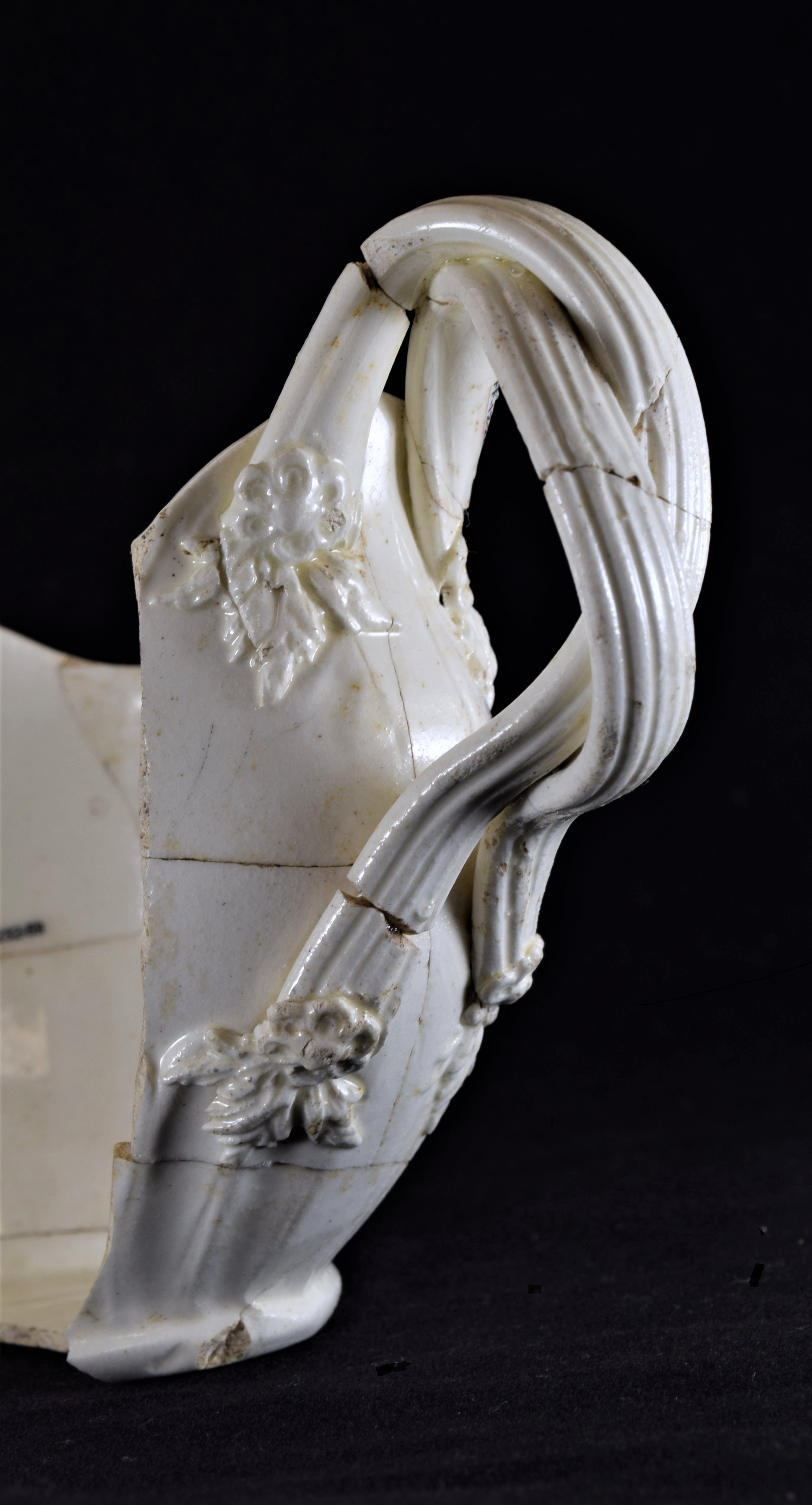
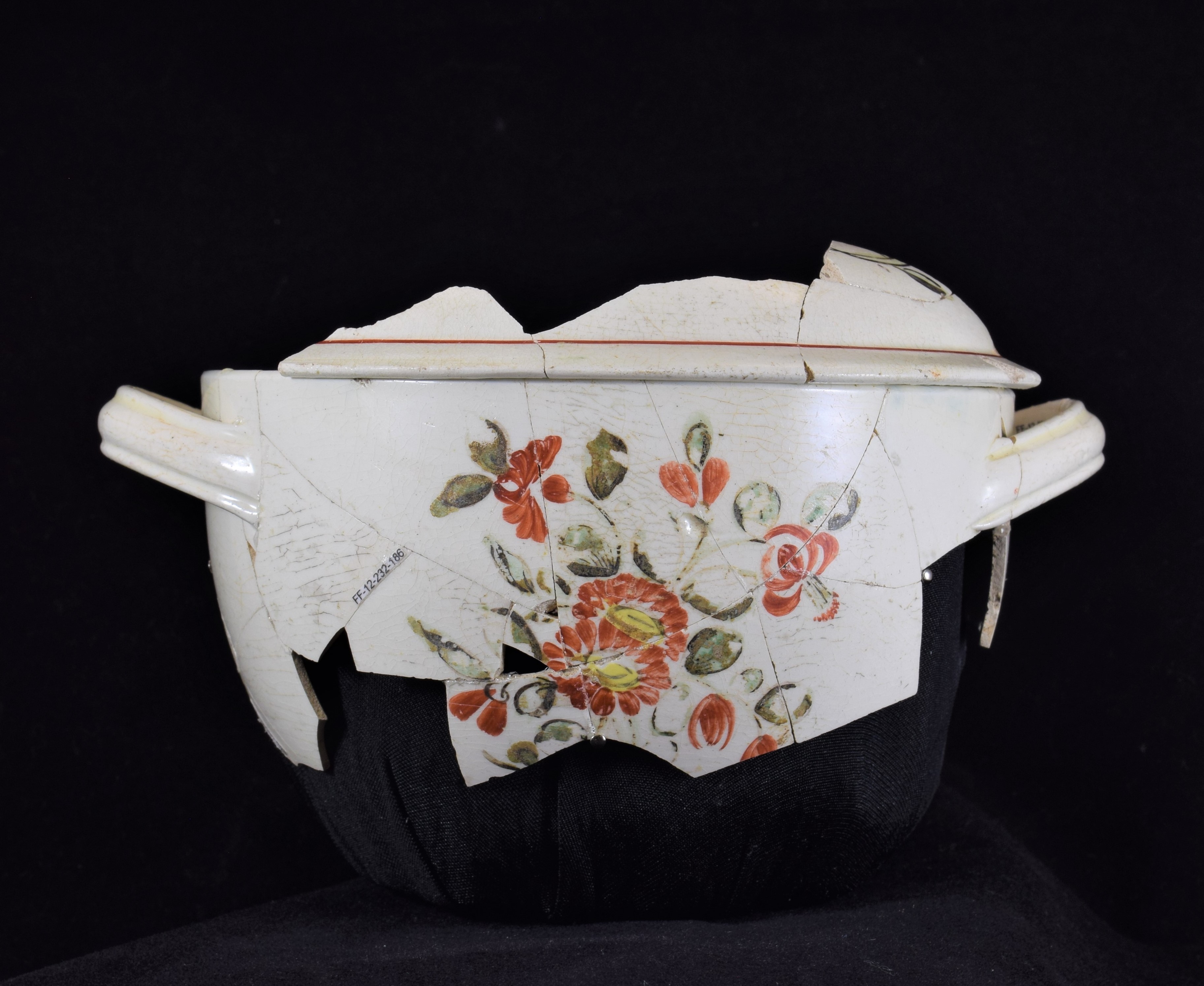
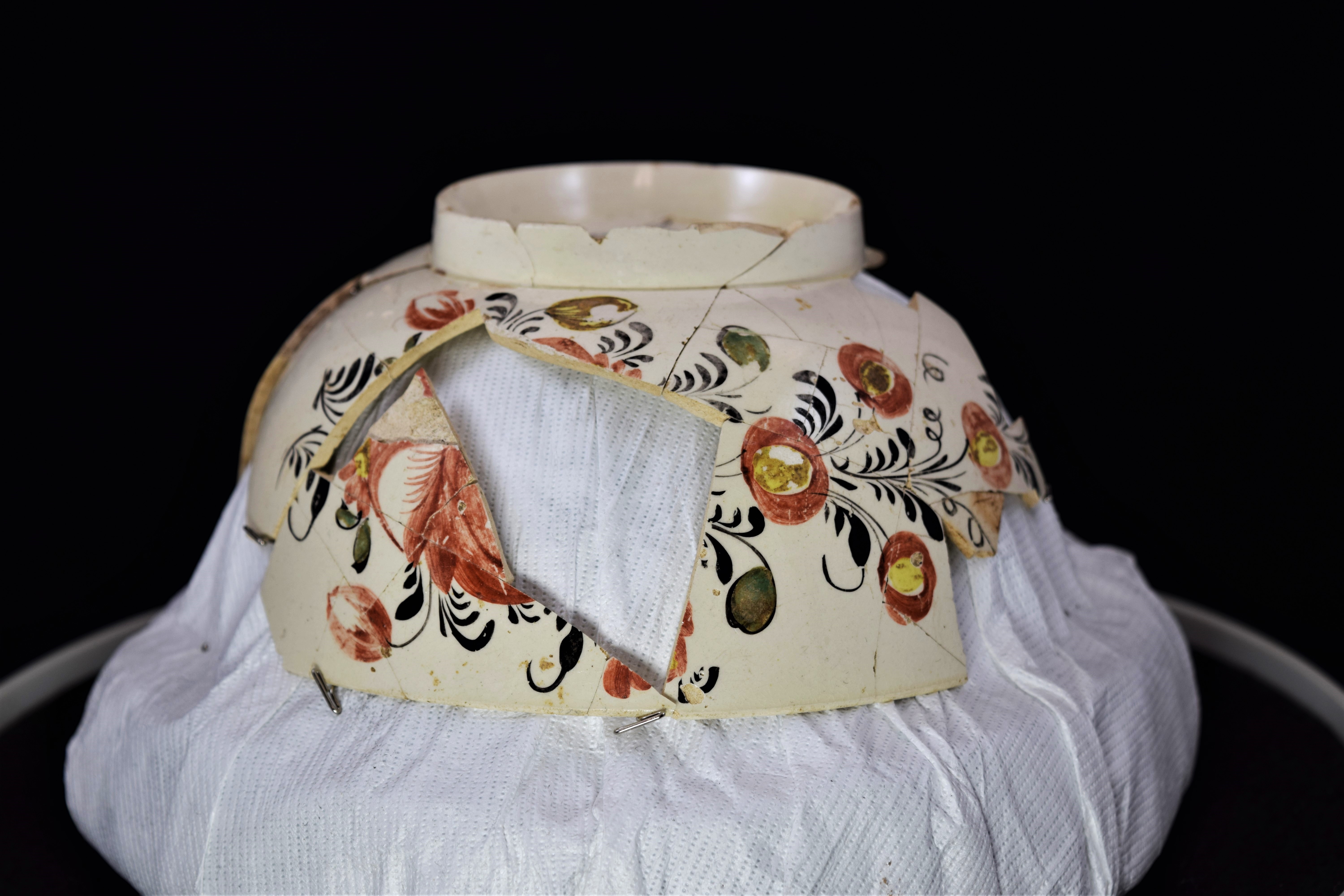
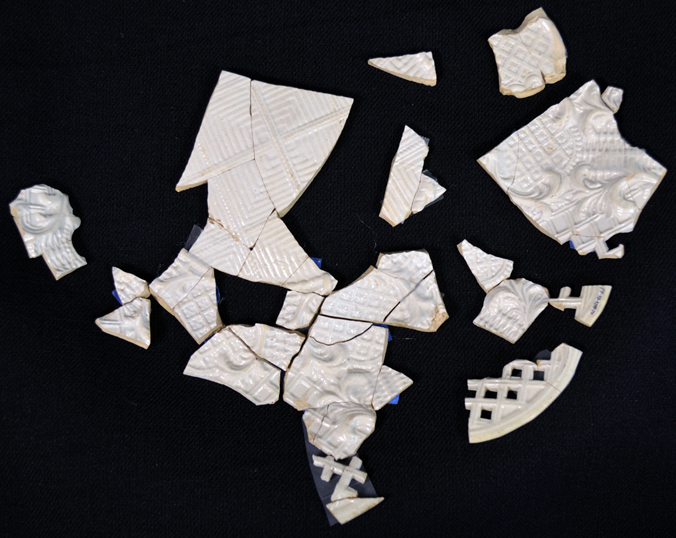
    Fragments of highly specialized ceramics excavated at Ferry Farm, the plantation Mary called home for much of her life, speak to her efforts to set a stylish table for guests. Numerous highly decorated (molded or painted) creamware vessels, including sauceboats, plates, platters, oval and round serving bowls, condiment bowls, casters, serving spoons, and tea wares, are in our collection and speak to the refinement of her table. Porcelain was the most desirous of tablewares, but its sheer expense was prohibitive for Mary except for limited items, such as teawares. Creamware, however, was within her budget and was extremely fashionable during the third quarter of the eighteenth century in English society.

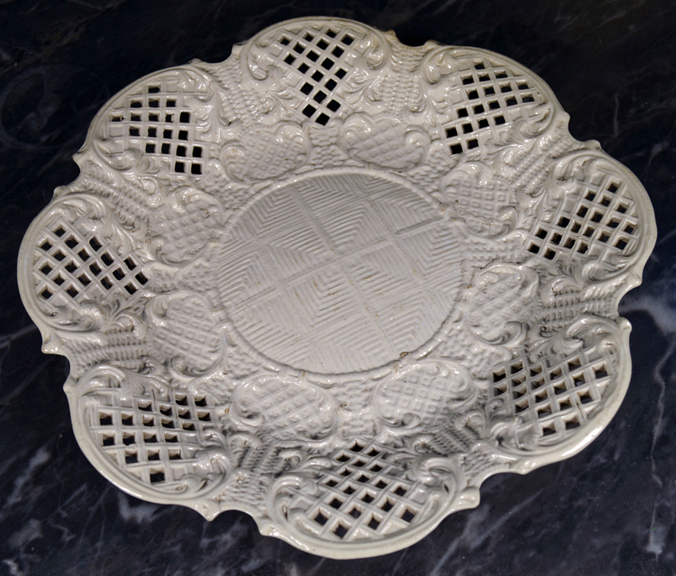
    Mary also had a fancy white salt-glazed stoneware fruit dish in her collection. This dish, and possibly an accompanying pierced bowl, would serve local and non-local produce such as grapes, figs, oranges, pineapples, apples, peaches, and pears. Fresh fruit, especially during off-season times, was expensive as it had to be shipped in from warmer climates. However, its presence on the table indicated a measure of wealth and, consequently, status within the gentry lifestyle. Mary needed to maintain her gentry status for herself, but more importantly, for her children and their future success in the stratified society in which they lived.

    So, what’s on your table this Thanksgiving?


    Judy Jobrack

    Archaeology Field Director

  • A Short and Sweet History of the Gingerbread House

    If you visit George Washington’s Ferry Farm this December, you’ll be greeted by the sweet smell of spiced gingerbread as soon as you walk through the door! During our annual Gingerbread House Contest and Exhibit, our gallery space is transformed into a showroom with entries reflecting this year’s theme: “architectural wonders of the world.” Unlike their real-life counterparts, these architectural wonders are all baked out of gingerbread and creatively decorated with icing and candies. Baking gingerbread is a great way to get in the holiday spirit, and in many cultures, gingerbread has long been associated with the holiday season. But where, exactly, did these gingerbread traditions originate?

    The Tower Bridge on display at Ferry Farm

    According to The Oxford Companion to Sugar and Sweets, the term “gingerbread” refers to a wide variety of baked goods ranging from rolled cookies to dense cakes that are “flavored with a combination of spices such as ginger, cinnamon, cloves, and nutmeg, and sweetened with honey, sugar, or molasses.” Some gingerbread variations can be traced back to antiquity, like the honey-sweetened cakes baked in ancient Egypt and Greece. Variations closer to what we consider gingerbread today (think gingerbread men and gingerbread loaves) became popular in northern Europe during the Middle Ages. Germany, in particular, became well known for its spiced gingerbreads, or lebkuchen.

    Nuremberg Lebkuchen

    German lebkuchen can trace its origins as far back as the 14th century, when gingerbread baking was associated with local monasteries and, later, professional bakers’ guilds. In Nuremberg, now world famous for its lebkuchen, honey was a locally accessible sweetener due to the city’s abundant forests and honeybee population. The medieval city was also at the crossroads of trade, which meant imported spices were readily available to Nuremberg monks and bakers. Before the invention of metal molds and cookie cutters, bakers used wooden molds carved with elaborate patterns to make and decorate gingerbread. Bakers shaped the cookies into different figures like animals and saints, and when intended as gifts for nobility, even added gilded decoration!

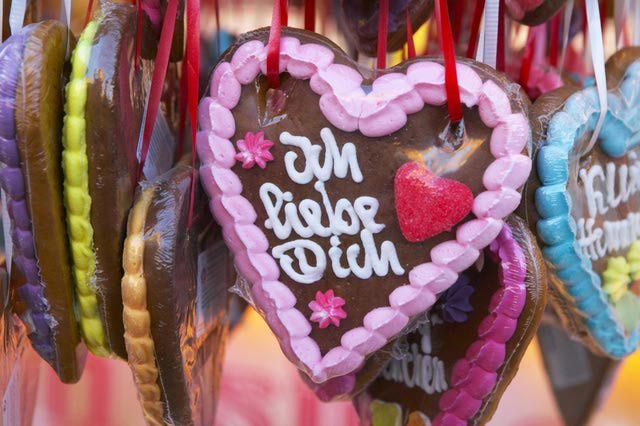
    Today, although recipes vary, lebkuchen ingredients often incorporate some variation of honey, nuts, coriander, cloves, ginger, nutmeg, and candied fruit. “Nuremberg lebkuchen” has a higher nut content than any other variety. “Lebkuchenherzen” (or “Lebkuchen hearts”) are heart-shaped gingerbread decorated with written icing inscriptions. The hearts can be hung as decoration and are often sold at Christmas markets and during Oktoberfest.

    Lebkuchenherzen on display at a market.

    By the 1800s, making gingerbread houses was a popular activity in Germany. Perhaps unsurprisingly, a tale involving a candy-coated house also began to circulate during this time. Originally published in 1812 by the brothers Jacob and Wilhelm Grimm, Hansel and Gretel tells the story of two children lost in the woods who stumble upon a witch’s house made of bread, cakes, and sugar. The evil witch captures the children when she discovers them munching on her house!

    1909 Illustration by Arthur Rackham, Hansel and Gretel encounter the witch outside her house.

    The story of Hansel and Gretel has remained popular to this day, and many different iterations of the tale exist. It’s unclear exactly which event precipitated the other (did the fairytale popularize gingerbread houses, or was an existing gingerbread house tradition simply incorporated into the story?) What is clear, however, is that gingerbread houses had become popular in Germany! When Germans immigrated to new places, they took these traditions with them, and the baking and making of gingerbread houses became popular elsewhere too. Today, whether created from a store-bought kit or handmade dough, gingerbread house-making is a popular activity for adults and children alike and is closely tied to the Christmas season.

    This “real life” witch’s house inspired by Hansel and Gretel is located in Efteling, a fairy tale theme park in the Netherlands.

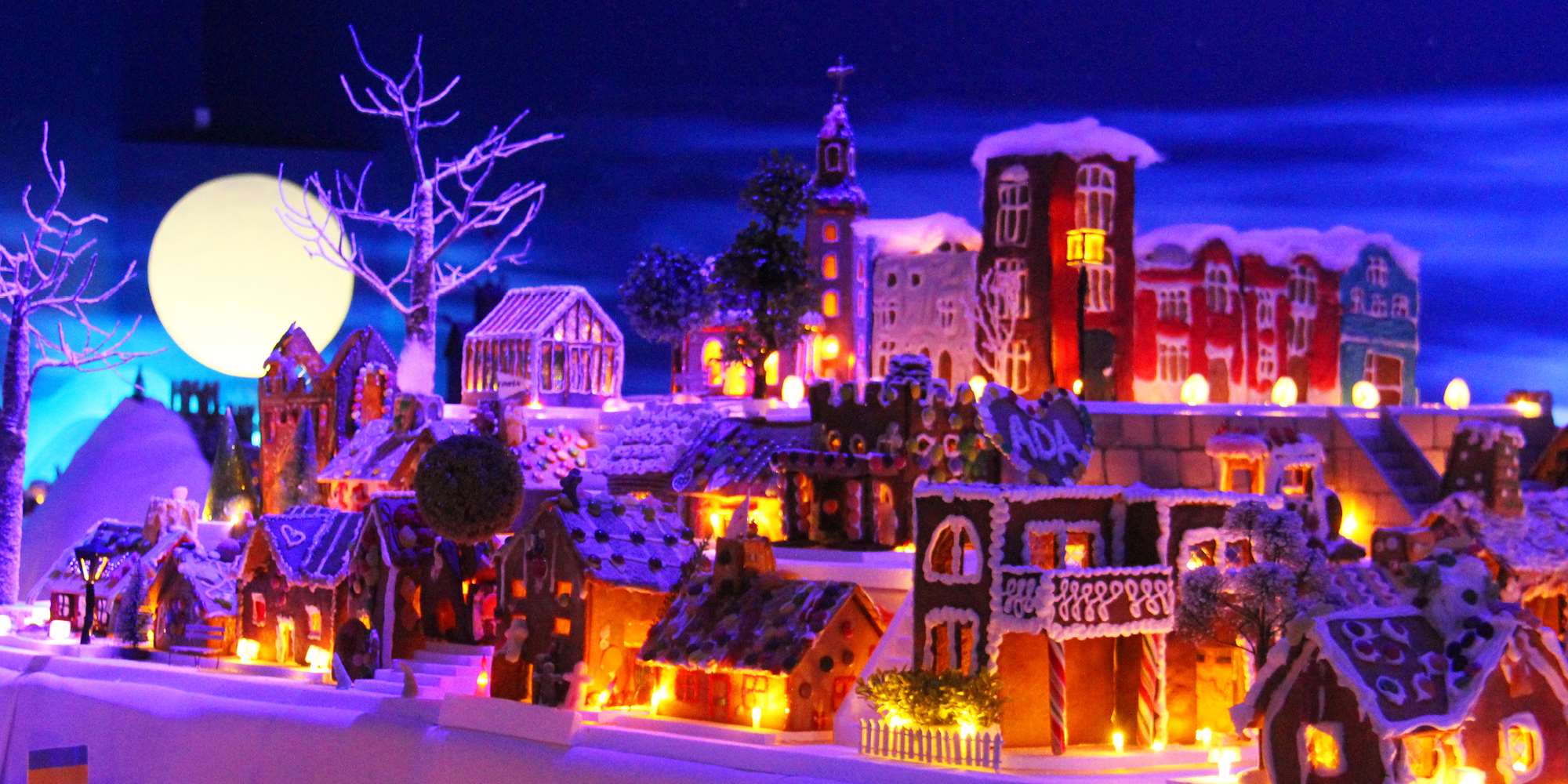
    Beginning in 1991, the city of Bergen, Norway, constructed an entire city…out of gingerbread! The display is made up of more than 2000 gingerbread houses and buildings. Called pepper cookies or “pepperkaker” in Norwegian, the “Pepperkakebyen” Gingerbread Town is made up of pieces constructed by local school children, businesses, and volunteers. The city landscape includes local landmarks, trains, cars, and even boats. While not the only gingerbread town in existence, it is certainly one of the largest and is a testament to the enduring popularity of the gingerbread house!

    The Pepperkakebyen Gingerbread Town

    If you’re interested in delving further into the history of gingerbread, check out two of our past Lives & Legacies blog posts where we’ve written about Mary Washington serving gingerbread to Lafayette and the Kenmore Association’s ties to the sweet treat. If you’re interested in seeing Ferry Farm’s own Gingerbread House Contest and Exhibit, be sure to stop in before the exhibit closes on December 30th and also vote on your favorite entry!

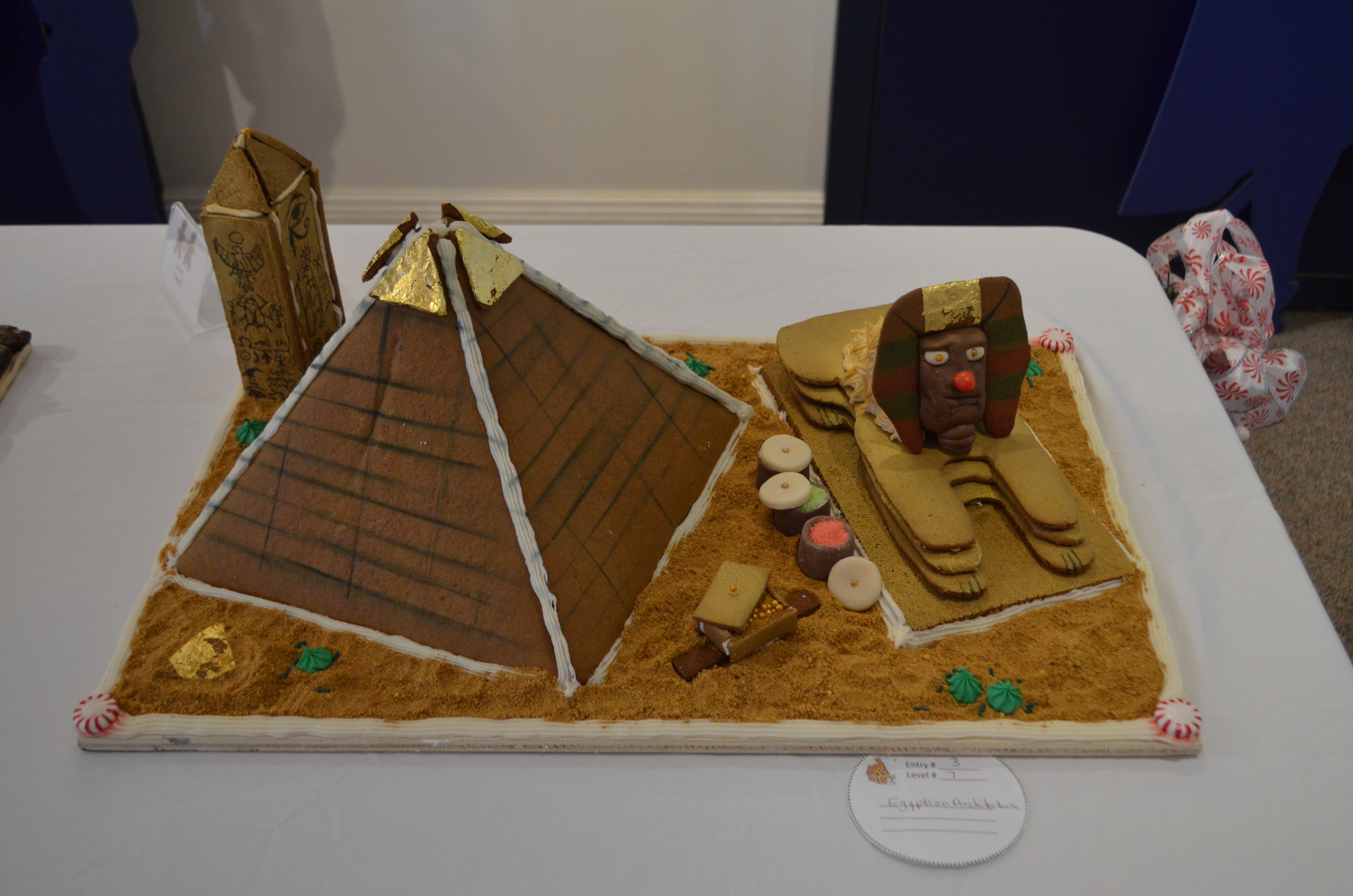
    A pyramid and sphynx made of gingerbread on display at Ferry Farm

    Further Reading: The Oxford Companion to Sugar and Sweets. (2015). United Kingdom: Oxford University Press.

    Ann Waters

    Manager of Interpretation & Visitor Services

  • What in the World is Twelfth Night?: A Visit with the Ghost of Twelfth Night Past

    Usually, at this time of year preparations are well underway for our annual Twelfth Night at Kenmore: A Dramatic Performance.  The play takes place in January 1776, during the first Christmas season celebrated at Kenmore. Unfortunately, this year’s celebration of Twelfth Night at Kenmore is canceled due to winter weather.  However, if you are familiar with the performance, or have read some of our past blog posts, you might already know a thing or two about this once popular Christmastide holiday. While traces of Twelfth Night still exist today, the celebration is much diminished, if not entirely eclipsed, by Christmas and New Year’s. Why is this, exactly? When did we stop celebrating Twelfth Night?

    There is no single, short answer as to why Twelfth Night celebrations fell out of fashion. Rather, attitudes surrounding the Christmas season changed throughout history, and old traditions were often absorbed or re-imagined into something new. A very brief look into the history of the season sheds some light on why today’s Christmas traditions rose in popularity, while Twelfth Night celebrations became part of Christmas Past.

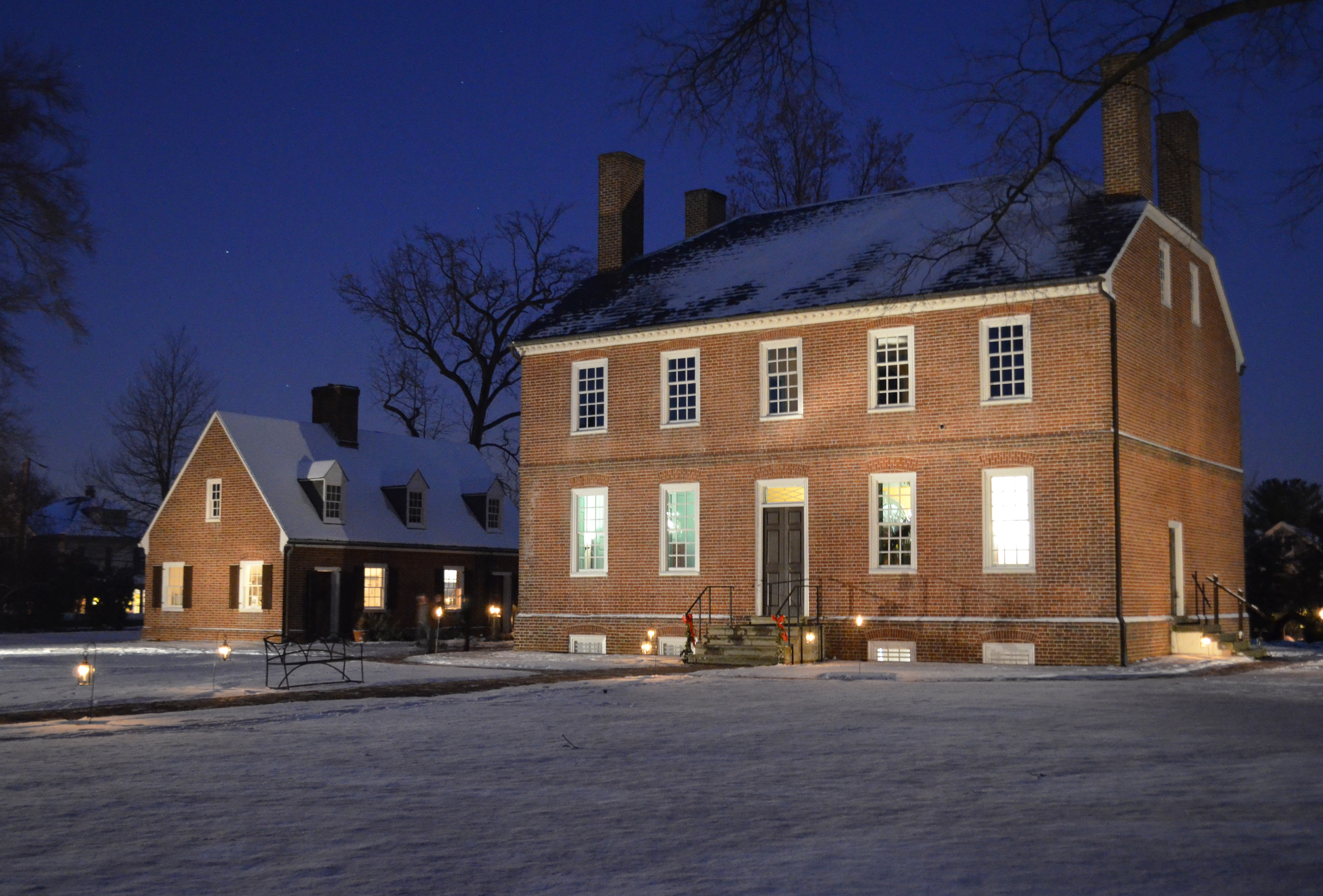
    Historic Kenmore on the eve of Twelfth Night. Credit: GWF Photo

    Many Christmas and Twelfth Night traditions are rooted in holidays celebrating the winter solstice. For example, Saturnalia, a holiday honoring the Roman god Saturn, took place in mid-December. During Saturnalia, the normal social order was temporarily overturned. Romans closed schools and businesses, held grand feasts, and in some families, a king or “Lord of Misrule” was chosen to rule over the household’s festivities.[1] In Scandinavia, people celebrated the winter solstice during the Nordic festival, Yule. Festivities included bonfires (or yule logs), evergreen decorations, and feasts. It wasn’t until the 4th century that the Roman church officially observed December 25th as Jesus’s birth date. Historians speculate that church officials chose this date precisely because so many popular winter celebrations occurred around that same time.[2]

    Saturnalia by Antoine Callet. Credit: Wikipedia

    If we fast forward in time, we see how some of these winter rituals were absorbed into the festivities of Twelfth Night. But first- what exactly is Twelfth Night? Typically celebrated on either January 5th or 6th, Twelfth Night, or Epiphany, is a Christian holiday that marks the end of the Twelve Days of Christmas and commemorates the Magi’s visit to Jesus. During the colonial era, the holiday season kicked off on December 25th and culminated on Twelfth Night. The twelve days after Christmas were full of games, music, dancing, feasts, and visiting with family and friends. Families often celebrated the season with a Twelfth Night Cake. Recipes called for a dried bean and pea to be baked into an elaborately decorated fruit filled cake. The man who found the bean was declared King for the night, while the woman who found the pea was declared Queen.

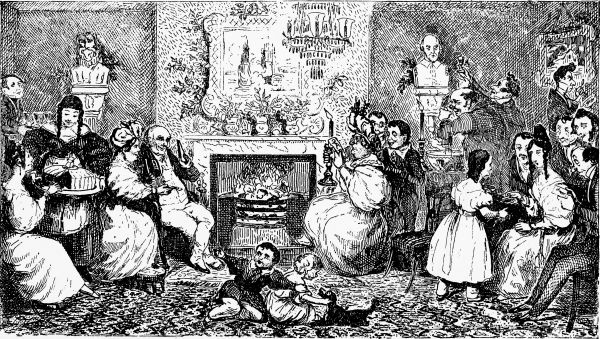
    Illustration of a Twelfth Night party by Robert Seymour. The woman on the far left serves pieces of a large Twelfth Cake. Credit: The Project Gutenberg

    Of course, there has always been debate surrounding how the Christmas season should be celebrated, and practices varied from place to place and person to person. In the 17th century, New England Puritans (echoing sentiments from Cromwellian England) viewed Christmastime celebrations as rowdy, excessive, and downright bacchanalian. Massachusetts went as far as to outlaw celebrations between 1659 and 1691.[3]

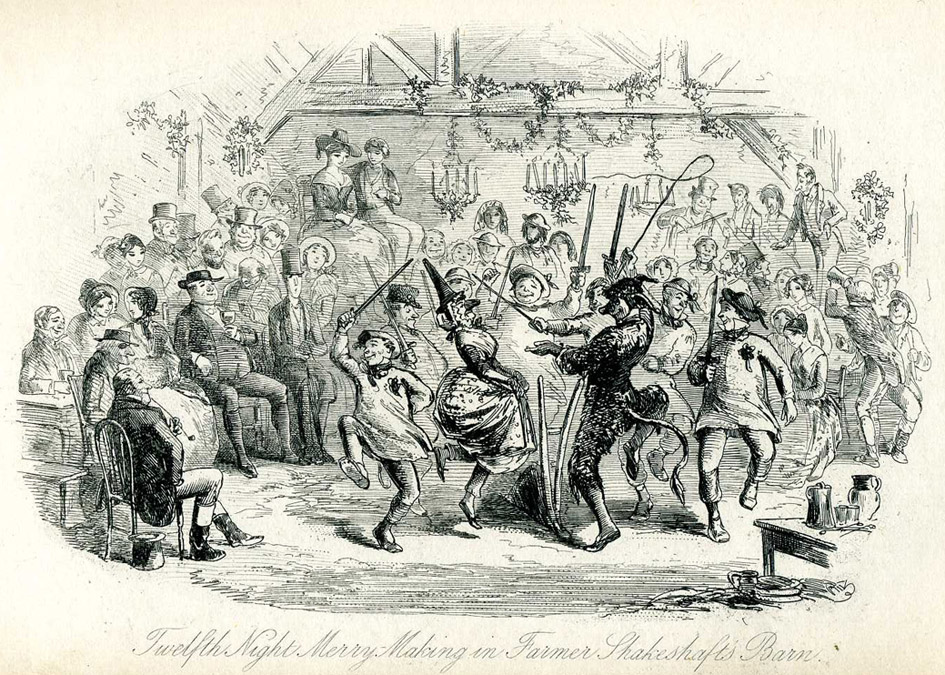
    The Twelfth Night party’s “King” and “Queen” sit on chairs overlooking the crowd. Dancing, drinking, and mumming (costumed acting) are in full swing. Puritans disapproved of these festive antics. Credit: Wikipedia

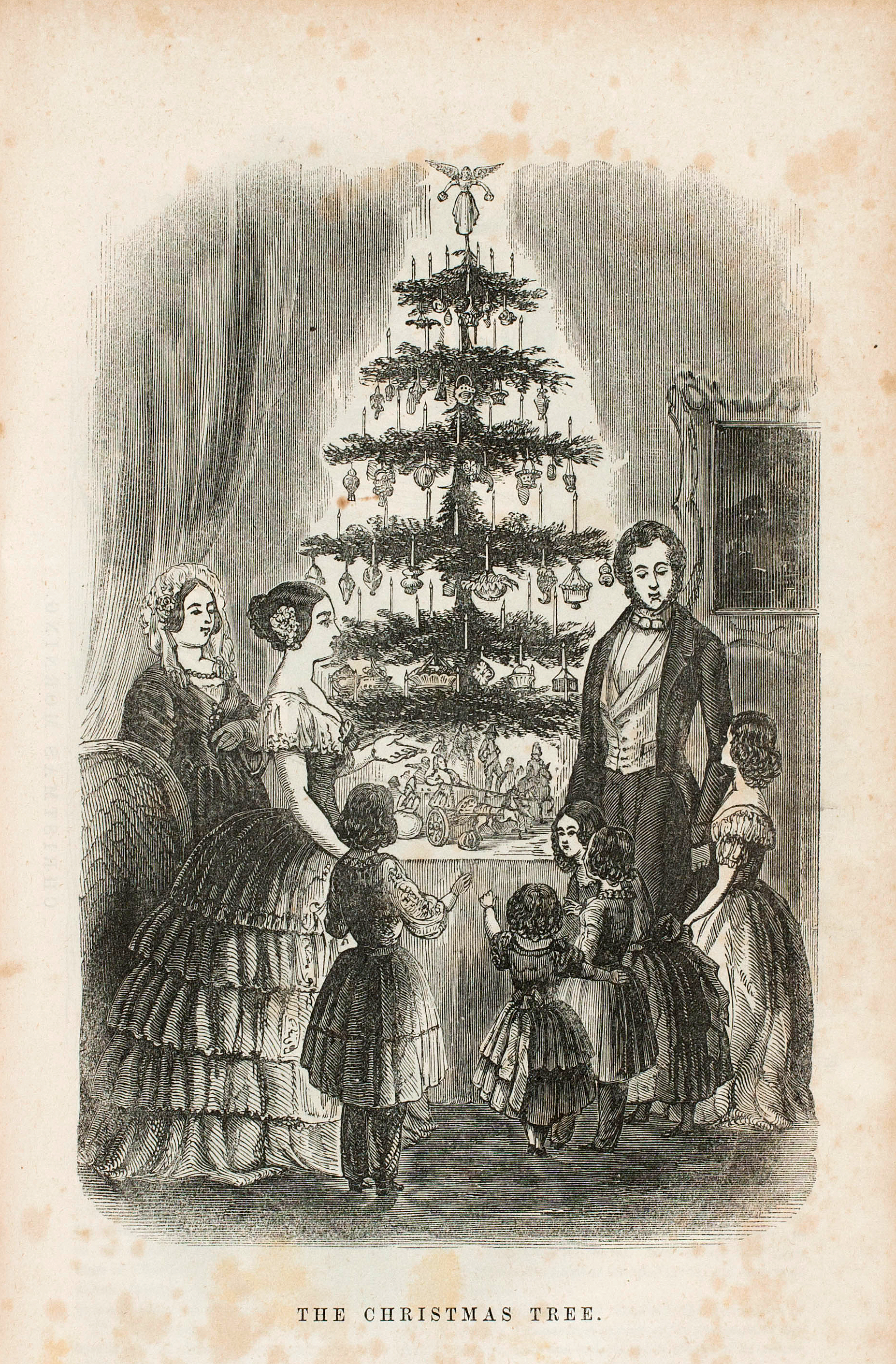
    During the 19th century, Queen Victoria influenced a shift in popular opinion towards a more family-focused Christmas season. In 1850, Godey’s Lady’s Book, a popular American magazine, published an image of the royal family gathered around a Christmas tree. While German immigrants had already introduced the Christmas tree tradition to America, this image fascinated the English and American public alike, and it further popularized the practice. In the American version of the print, editors removed Victoria’s tiara and Albert’s royal sash, and the group came to embody the ideal American family at Christmas.[4]

    Godey’s Lady’s Book illustration. Credit: Wikimedia Commons

    These changing ideals shaped the Christmas season during the Victorian era, and combined with rapid industrialization and commercialization, they sparked the beginning of a number of now familiar traditions. For example, improvements in mass printing technology popularized the practice of sending Christmas cards. In 1843, Charles Dickens published A Christmas Carol, a tale promoting charity, good will, and the virtues of a domestic family Christmas. Thomas Nast, who made popular the modern image of Santa Claus, published his first Santa cartoons in the 1863 edition of Harper’s Weekly.

    You might be asking, where then, does this leave the Twelve Days of Christmas and our Twelfth Night celebrations? As we’ve seen, changing ideals during the 19th century promoted a holiday season focused on children and family. Modern industry and commercialization further bolstered shopping and gift giving habits, and a twelve day holiday certainly didn’t fit within the parameters of the new industrialized era. The once twelve day celebration now culminated on one, and it was celebrated with visits from Santa and gifts for children, rather than with feasts and parties for adults.

    However, some Twelfth Night traditions live on during the modern Christmas season, albeit under new guises. Between Christmas and New Year’s, people may decorate their homes with greenery, raise a toast with a glass of wassail, or host extravagant parties with family and friends. If you visit New Orleans during the carnival season (beginning with Epiphany and ending on Mardi Gras) you might celebrate by eating “King Cake,” where the lucky person who finds the plastic baby figurine inside their piece of cake is crowned “king” for the day! That sounds a little familiar, doesn’t it?

    Ann Waters

    Manager of Interpretation and Visitor Services


    [1]“Saturnalia,” HISTORY, A&E Television Networks, Last modified December 18, 2020, Accessed December 22, 2021, https://www.history.com/topics/ancient-rome/saturnalia

    [2] Stephen Nissenbaum, The Battle for Christmas (New York: Knopf Doubleday Publishing Group, 2010), 4.

    [3] Bruce David Forbes,“Christmas,” In America’s Favorite Holidays: Candid Histories, 1st ed. (University of California Press, 2015), 28.http://www.jstor.org/stable/10.1525/j.ctv1wxrr3.5

    [4] Ibid., 34.

  • Making Eggnog

    Eggnog is a staple drink during the holiday season. Historians debate the exact ancestry of eggnog but most agree that it originated from early medieval “posset”, a hot, milky, ale-like drink.  Eventually, expensive and rare ingredients like eggs, sherry, brandy and Madeira were added and the drink became the trademark of the upper class.

    During the 18th century, eggnog found its way across the Atlantic to British North America.  However, since brandy and wine were heavily taxed, colonists substituted more cost-effective alcohol like rum, domestic whiskey, bourbon, and even home-made moonshine.  With access to inexpensive liquor and plenty of fresh eggs and dairy products, the popularity of eggnog soared in the colonies.

    Given his connection to numerous myths, it is unsurprising that a “George Washington’s Eggnog Recipe” falsely claimed to be written by Washington himself circulates widely on the Internet.  As popular as the drink was in the 1700s, he certainly drank it and served it to others but “no recipe penned by Washington appears in George or Martha Washingtons’ papers nor in the cookbook that Martha inherited from her first marriage nor in her personal copy of The Art of Cookery by Hannah Glasse, which was the most popular English cookbook in America in the latter half of the 18th century (published in 1747).”

    Nevertheless, we decided to make an eggnog using this mythical Washington recipe.  Given the ingredients, I think you might understand why.  Moreover, although it originally dates from the 19th century, it certainly could have been made a century earlier.

    “One quart cream, one quart milk, one dozen tablespoons sugar, one pint brandy, ½ pint rye whiskey, ½ pint Jamaica rum, ¼ pint sherry—mix liquor first, then separate yolks and whites of 12 eggs, add sugar to beaten yolks, mix well. Add milk and cream, slowly beating. Beat whites of eggs until stiff and fold slowly into mixture. Let set in cool place for several days. Taste frequently.”

    This potent mixture creates a classic colonial eggnog. Purists who argue that store-bought versions can’t hold a candle to the homemade goodness will be quite satisfied.

    Heather Baldus
    Collections Manager

  • Washington’s St. Patrick’s Day General Order

    Saint Patrick’s Day honors St. Patrick, the patron saint of Ireland, who was born in England and lived during the 5th century. Early in life, he was kidnapped, sold into slavery, and ended up living in Ireland. He is credited with converting the Irish to Christianity, as illustrated in the legendary tale that says he drove the snakes (a metaphor for pagans and druids) from Ireland.  He established many churches and was honored with a feast day in his name.

    Over time, Saint Patrick’s Day shifted from a religious holiday to a secular celebration of Irish culture and history. The first St. Patrick’s Day parade was held in Boston in 1737. By the time the Revolutionary War started, there was also a parade in New York City and the holiday had become a meaningful celebration to Irish-Americans. Subsequently, during a cold winter encampment in 1780 in Morristown, New Jersey, General George Washington, then commander-in-chief of the Continental Army, noticed his men were having a bout of particularly low morale. The soldiers were low on food, had very shabby shelters, and the winter was harsh.

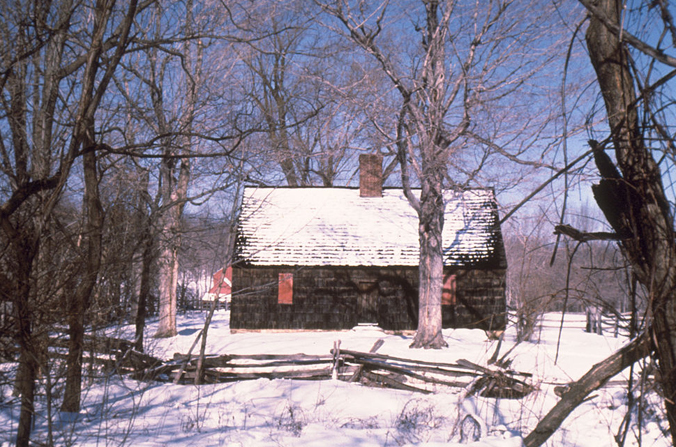
    Morristown National Historical Park
    The Wick House at Morristown National Historical Park. Credit: National Park Service/Wikipedia

    Washington, a man of many curiosities, became interested in the political goings-on in Ireland, which was also ruled by the British. He could see that Ireland, like the colonies at that time, was struggling to find common ground with the Crown in England. He found the Irish struggle relatable, and also useful. Perhaps, if England could be distracted enough by unrest in Ireland, they would falter in the war against the colonies.

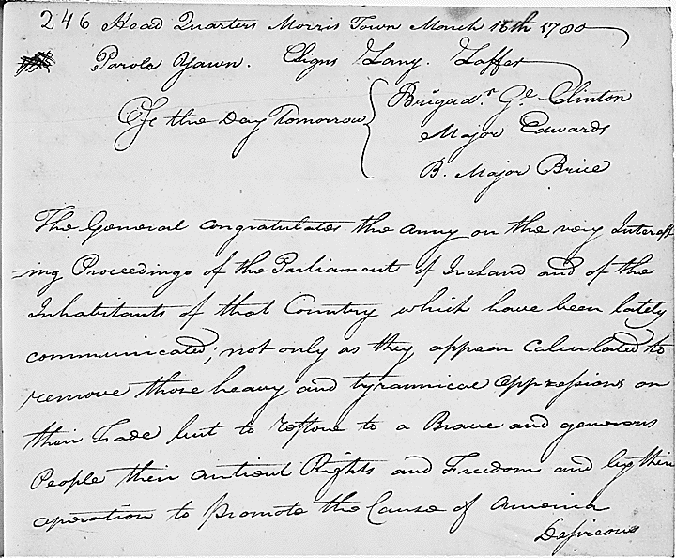
    Recognizing the need for a boost, and the opportunity to resonate with specific groups, Washington issued an order on March 16, 1780. Today, it is known as the St. Patrick’s Day General Order. It reads in full:

    Head Quarters Morris Town March 16th, 1780
    General Order

    The general congratulates the army on the very interesting proceedings of the parliament of Ireland and the inhabitants of that country which have been lately communicated; not only as they appear calculated to remove those heavy and tyrannical oppressions on their trade but to restore to a brave and generous people their ancient rights and freedom and by their operations to promote the cause of America.

     Desirous of impressing upon the minds of the army, transactions so important in their nature, the general directs that all fatigue and working parties cease for tomorrow the seventeenth, a day held in particular regard by the people of the nation. At the same time that he orders this, he persuades himself that the celebration of the day will not be attended with the least rioting or disorder, the officers to be at their quarters in camp and the troops of the state line to keep within their own encampment.

    St. Patrick's Day General Order
    Copy of Washington’s St. Patrick’s Day General Order. Credit: National Archives

    The celebration in the camp was the only day the men had off throughout the winter of 1780. According to Washington, the army was in a perilous state well into May. However, the day of rest and celebration certainly helped the troops soldier on. It seems that March 17th was meant to become a day of happenings for George Washington and his army, because 4 years previous to the Morristown order, Washington and his men watched the British retreat from Boston during the opening act of the Revolution.

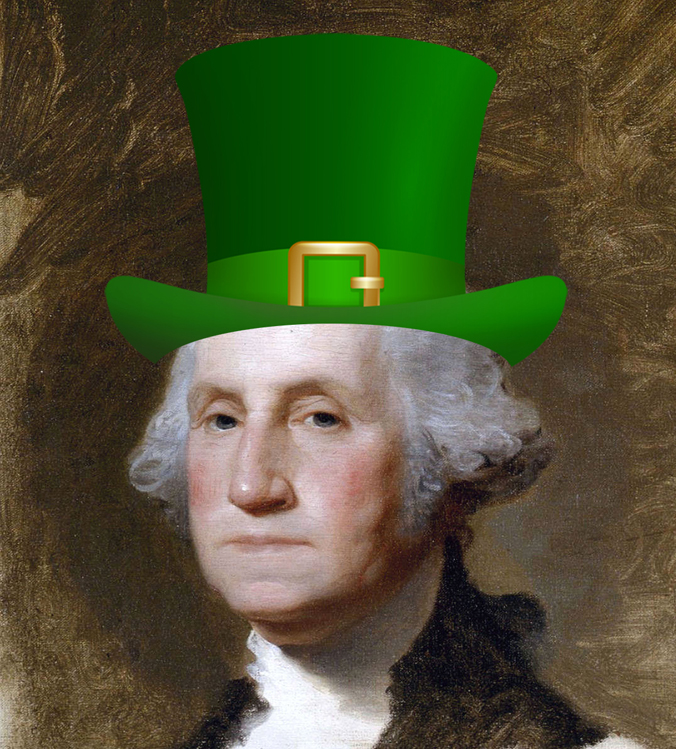
    Irish George Washington

    So, this year as you don your shamrocks and green top hats, think of: Hercules Mulligan, a spy for the continentals born in Derry, Ireland; Henry Knox, artillery master extraordinaire and a Boston-native with Irish parents; General Richard Montgomery who before “he caught a bullet in the neck in Quebec” for the cause and had a father in the Irish Parliament; and all the other Irishmen who helped create a free and independent nation here before their own nation could gain that same freedom.

    Elizabeth Hosier
    Manager of Interpretation and Visitor Services

  • A Lucky Diary Discovery

    At the end of 2019, Dr. Edward E. Moore donated a collection of family documents to Historic Kenmore.  Dr. Moore’s is the great-great grandnephew of Esther Maria Lewis Moore, who was the great granddaughter of Lawrence Lewis. Lawrence was the son of Betty and Fielding Lewis.  Among the papers donated was a small pocket diary covered in blue silk.  This diary, dating from 1826, belonged to Esther Moore’s grandmother, Esther Maria Coxe, and then to Esther Moore’s father, Henry Llewellyn Dangerfield Lewis, who received it on his sixteenth birthday in April 1859.

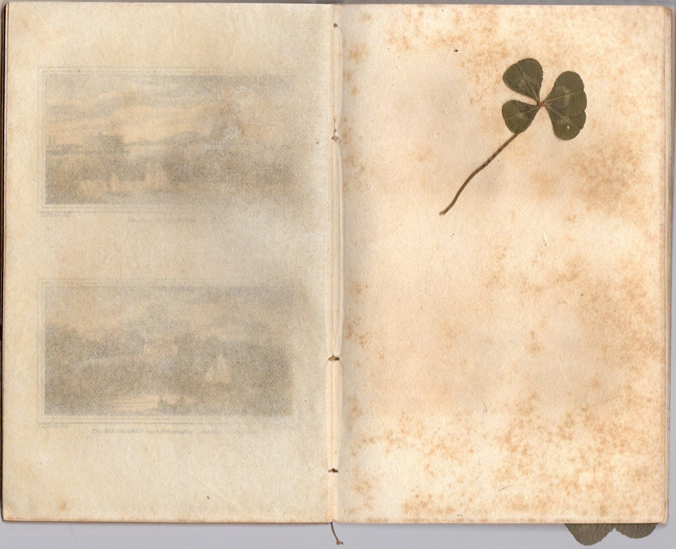
    Upon cataloguing this diary, I was surprised to find eleven four-leaf clovers pressed between the various pages.  I had never seen a four-leaf clover personally and was surprised to find the dried remains of so many in this 200-year-old book.  Besides knowing the three-leafed varieties are called shamrocks and the four-leafed varieties are considered lucky, I knew really nothing else about clover. With St. Patrick’s Day approaching and on my mind, I decided to investigate what clover is, when it became “lucky”, and what exactly is the difference between four-leaf clovers and shamrocks.  In the process, I learned how this symbol of Ireland first evolved out of the tumultuous political atmosphere of the 18th century and an Irish political group that looked to the American Revolution for inspiration?

    ms 2759-6
    Four-leaf clovers inside the Moore family diary.


    There are over 300 different types of clover but the one most associated with the “four-leaf clover” is white clover.  White clover is an allotetrapoloid, meaning it has 4 chromosomes instead of 2 like humans and most other organisms.  Additionally, each pair of white clover’s four chromosomes comes from different species.  Basically, these little plants have incredibly complicated genetic structures.

    Why some white clover sprout four leaves and some only three is not entirely clear but it is likely some combination of genetic mutation and weather.

    Similarly, the association of four-leaf clovers with “good-luck” is not entirely clear either and seems to mostly come from the fact that they are rare.  Your chances of finding one are around 1 in 5,000 three-leaf clovers.

    While there is no genetic different between a shamrock and a four-leaf clover, the shamrock is traditionally considered to have just three leaves.  It also has much more of a historical mythology or folklore, which is wrapped up tightly with St. Patrick and Ireland.  The word shamrock comes from the Irish word “seamrog,” meaning “little clover.” It is an ambiguous term that includes white clover, hop clover, red clover, and many other different types.

    The first documented mention of shamrock in the English language was in the works of Elizabethan scholar Edmund Campion in 1571. In his work Boke of the Histories of Irelande [sic], he stated the Irish ate “shamrotes, watercresses, rootes, and other herbes” and, soon enough, the shamrock became a plant associated with the Irish people.

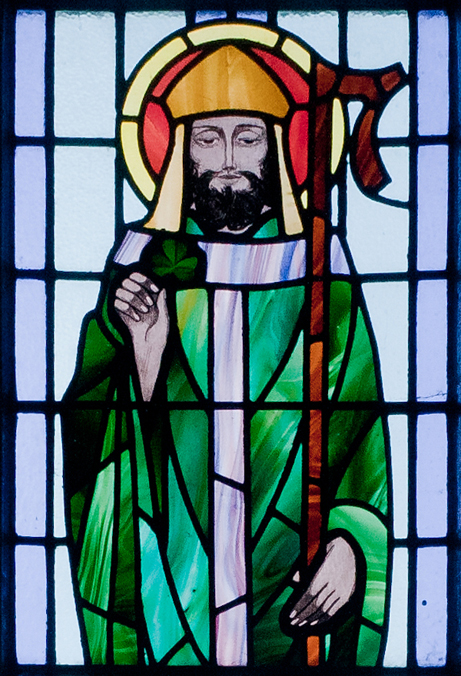
    The shamrock didn’t become associated with 5th century missionary St. Patrick, Ireland’s patron saint, until about a hundred years later.  The first thing connecting him with the shamrock was an image from around 1675 showing him holding one.  Then, about fifty years later, around 1725, the legend of St. Patrick and the shamrock was first recorded.  It says that St. Patrick used the three leaves of the clover to represent the Holy Trinity when trying to convert Ireland’s native Celts to Christianity.

    Kilbennan's St. Benin's Church window depicting St. Patrick holding a shamrock
    Window depicting St. Patrick holding a shamrock in St. Benin’s Church, Kilbennan, County Galway, Ireland. Credit: Andreas F. Borchert/Wikipedia

    Around the same time as the emergence of the St. Patrick legend, Ireland, much like the America, was in political upheaval.  At the time, the shamrock became a symbol of Irish politics.  The Irish Volunteers, a militia raised to defend Ireland from French and Spanish invasion after the British withdrew troops to fight in the war in the colonies, began using the shamrock as its symbol.[1]  Additionally, inspired by the American Revolution and its anti-monarchical goals, the Society of United Irishmen sought to get rid of the rule of the King in Ireland.  They used the iconic clover as a symbol of freedom.[2]

    Print
    The official Tourism Ireland logo is a stylized shamrock. Credit: Tourism Ireland

    Even today, the shamrock continues to be used in the emblems of many state organizations, both in the Republic of Ireland and Northern Ireland.  In fact, the traditional green shamrock is a registered trademark of the Government of Ireland and they advocate its use only to sell products that have a connection with Ireland or are Irish products.


    So at your St. Patrick’s Day party you can entertain your friends with the interesting genetics of clover, the history of the shamrock, and how Ireland’s iconic emblem evolved in turbulent political times to represent a group inspired by the American Revolution.  All thanks to the lucky find of some lucky four-leaf clovers in a centuries old diary donated to Kenmore by a descendant of Betty and Fielding Lewis.

    Heather Baldus
    Collections Manager

    [1] Allan Blackstock, Double Traitors?: The Belfast Volunteers and Yeomen, 1778-1828, Ulster Historical Foundation, 2000: pg 2

    [2] The Shamroc, [sic]. Printed by Joseph Mehain 22, Castle-street. 11 March 1799.

  • Making Ribband Jelly & Blancmange

    Kenmore Christmas Decorations 2018 (3)

    As Christmastime approaches again, it’s time to focus attention on two more forgotten favorites from the 18th century dessert table: ribband jelly and blancmange.

    Ribband Jelly

    Our first dessert is a simple Ribband Jelly that descends from an ancient dessert called white leach.[1] A white leach was a milk jelly flavored with rosewater and colored with gold to create an elaborate pattern. [2]

    Ribband jelly simply means the jelly has multi-layers of different colors.[3]  Ribband jelly was a popular dessert on the salvers of Betty Washington Lewis’s holiday table because it added some pleasing color and texture to the spread.

    We will be following a modernized version of the recipe by Hannah Glasse in her book The Art of Cookery Made Plain and Easy which was in Betty’s library.  Traditionally, the jelly is thickened with calves bones and Hartshorn, which is the shavings of the soft velvet from the antlers of young male deer, as well as with isinglass, which is dried swimming bladders from fish, particularly sturgeon. [4]

    The Ribband jelly we are making sounds similar to one written about by Thomas Jefferson during his diplomatic mission to France, where he lived from 1784 to 1789.  He wrote down a recipe for a nutmeg- and lemon-spiked “wine jelly” on what appears to be an 18th-century version of a cocktail napkin.

    However, we will be using the more modern powdered gelatin first made available in the Victorian era.[5]

    We will stick with the original coloring agents, however, using spinach for green and cochineal (the scales of the insect Dactylopius coccus) for red.

    Blancmange

    Our second dessert, blancmange or flummery, we know was popular with Betty’s brother George during his Christmastime feasts.[6]

    Initially, flummery and blancmange were two different dishes. Blancmange was a savory dish of capon or chicken in milk and was thought ideal for the sick. Flummery was a jelly made by steeping oatmeal in water overnight and boiling the strained liquor with sugar. [7]

    However, by the 18th century, flummery had become a synonym for blancmange, which had evolved into a sweet almond-flavored dish made with milk or cream and thickened with Hartshorn, isinglass, or, later, gelatin.[8] [9]

    Flummeries and blancmanges were usually made with molds to create elaborate decorative displays that served as the center piece of the party.

    For our blancmange we will be following a recipe by Hannah Glasse again. It is called “French Flummery”. [10]  As a setting agent, we will be trying the traditional isinglass as recommended. [11]

    These traditional desserts were the forerunners of today’s Jell-O molds that grace many tables during the holidays.[12]  Perhaps this year, try a traditional jelly or blancmange, similar to the ones that graced the Washington family table and enjoy a little bit of history with your holiday feast.

    Heather Baldus
    Collections Manager

    [1] Thomas Dawson, The Good Huswives Jewell (London: 1596)

    [2] https://www.historicfood.com/Jellies.htm

    [3] Ibid

    [4] Ibid; https://en.wikipedia.org/wiki/Isinglass

    [5] https://www.encyclopedia.com/science-and-technology/biochemistry/biochemistry/gelatin#2

    [6] https://www.mountvernon.org/inn/recipes/article/blancmange/

    [7] https://en.wikipedia.org/wiki/Blancmange

    [8] https://www.historicfood.com/Jellies.htm

    [9] https://en.wikipedia.org/wiki/Blancmange

    [10] Hannah Glasse, The Art of Cookery Made Plain and Easy.

    [11] http://foodhistorjottings.blogspot.com/2013/08/jaune-mange.html

    [12] Moskin, Julia. “How Jell-O Molds Claimed Their Spot on the American Table.” https://www.nytimes.com/2019/11/25/dining/jello-mold.html?smid=fb-nytimes&smtyp=cur&fbclid=IwAR3HCrnhDlqGZtsO7F_AdZxRJ8qJwlvQ57iMMs2MCiuMUKTLbOkQGCi-bZ0

  • 33rd Annual Gingerbread House Contest & Exhibit at Ferry Farm [Photos]

    It’s the 33rd year of a a long-standing holiday tradition: the Gingerbread Contest & Exhibit at George Washington’s Ferry Farm!  This year’s theme is “Holiday Songs.”


    Winners

    • Level 1: Age 2-5 First Place Ribbon ~ “Let it Snow” by Samantha Wainwright
    • Level 3: Age 11-14  First Place Ribbon ~ “Melekalikimaka” by Daniel Jackson & Noah Stusse
    • Level 3: Age 11-14 Second Place Ribbon ~ “ Sleigh Ride” by Ryan Jackson & Henry Stusse
    • Level 4: Age 15-17 First Place Ribbon ~ “Winter Wonderland” by Maggie Jackson
    • Level 4: Age 15-17 Second Place Ribbon ~ “Santa’s Musical Workshop” by Chancellor High School German Club
    • Level 5: Age 18 & Over: First Place ~ “I saw Mommy Kissing Santa Claus” by Valerie Jackson & Debbie Hicks
    • Level 6: Family Made:  First Place ~“How Many Songs” by Carol Gick & Family
    • Level 6: Family Made:  Second  Place ~ “Poor Grandma” by Hunt Family
    • Level 7: Special Needs:  First Place Ribbon ~ “Deck the Halls” by King George Country Schools Preschool: Ms. Rachel, Ms. Cindy, and Ms. Becky’s Class
    • Level 7: Special Needs:  Second Place Ribbon Tie ~ “To RAAI House we go!” by RAAI/RACSB
    • Level 7: Special Needs:  Second Place Ribbon Tie ~ “Jingle Bells Rock the House Down” by RAAI/RACSB
    • Best in Show Award Ribbon: First Place ~“How Many Songs” by Carol Gick & Family

    People’s Choice Ribbon: To Be Determined on Dec 30

    Please come visit the exhibit and vote for your favorite! Ferry Farm’s hours are Monday – Saturday from 10:00 a.m. – 4:00 p.m. and Sunday from 12:00 p.m. – 4:00 p.m. Ferry Farm is closed Christmas Eve and Christmas Day. The gingerbread exhibit ends on December 30. General admission to Ferry Farm and the exhibit is $9 adults, $4.50 students, under 6 free while admission to the exhibit only is $4.50 adults, $2.25 students, under 6 free.

    For more information, email events@gwffoundation.org, call (540) 370-0732 x24, or visit ferryfarm.org.

  • 6th Annual “A Wee Christmas at Kenmore” [Photos]

    Visit Kenmore this holiday season for an exhibit of highly detailed, replica dollhouses – including the mansion – and miniatures in the Crowninshield Museum Building. Share memories of your dollhouse with your family as you explore life in miniature! Put your mind and eye to the test with our “I Spy Miniatures” challenge – fun for young and old alike!  Here is just a sampling of the dollhouses and miniatures on display this year…

    Kenmore’s hours are Monday – Saturday from 10:00 a.m. – 4:00 p.m. and Sunday from 12:00 p.m. – 4:00 p.m. Kenmore is closed Christmas Eve and Christmas Day. Exhibit ends on December 30. Admission to Kenmore and exhibit: $12 adults, $6 students, under 6 free. Exhibit only: $6 adults, $3 students, under 6 free.

    Learn more here.