Lives and Legacies

Tag: Abigail Adams

  • Spilling the Tea: The Boston Tea Party at 250

    Author’s Note: This blog contains hyperlinks to primary documents related to the event.
    Figure 1: 250th Logo (Boston Tea Party Ships and Museum)

    Intro

    This year marks the 250th anniversary of the Boston Tea Party (Figure 1). Hailed as a defining moment in the quest for American independence and an act of patriotism, the event has inspired commemorations in many forms, and it remains a vital part of the American History curriculum. I, for one, thought it the epitome of achievement that I had the date memorized in kindergarten. Like much of our founding history, however, the story retains an element of myth. So, what exactly is the truth behind this event?  

    The Story

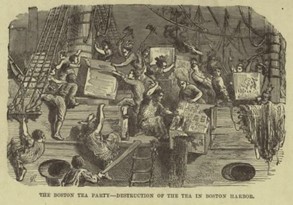
    A general account of the Boston Tea Party tells how patriotic Bostonians, angered by unfair taxes, boarded three ships in Boston Harbor on December 16, 1773. Disguised as members of the Mohawk or Narragansett tribes, Samuel Adams led the Sons of Liberty in protest by throwing crates of the King’s tea overboard. This act helped unite the colonies against Britain and started the chain of events that ended in the “Shot Heard Round the World” on Lexington Green on the morning of April 19, 1775, following Paul Revere’s ride.

    Sound familiar? In truth, this account covers the basics. It provides the “who,” “what,” “when,” “where,” and “why.” Nonetheless, it only scratches the surface of the complex event we know as the Boston Tea Party. To unpack this, let us look at what led to the event, how it happened, and the initial response.

    Truth of the Tax

    Taxes and tea sit at the heart of this story. The taxes that the colonies took issue with went into effect starting in the 1760s, with the ultimate goal of lessening the debt incurred by Britain during the Seven Years’ War. However, this set a new precedence as Britain had never taxed the colonists directly, and the passing of these tax laws occurred without consulting the colonies. The formal chant of “no taxation without representation” first appeared in 1768, and while the lack of representation presented a key reason for displeasure, the impact of taxes on merchants served as another.

    While the Tea Act of 1773 served as the catalyst for the Boston Tea Party, the Tea Tax had existed since 1767. Introduced under the Townshend Acts, the tax remained the only one in effect upon the Act’s repeal in 1770. General dislike for the tax persisted, but the Tea Act took the issue to another level. In an aim to bail out the East India Company (EIC), the Act granted a monopoly over the tea trade by opening the colonial market to the company as the sole supplier, waived their tax payment in favor of those paid by colonists, and mandated that only EIC company agents (consignees) could sell the tea (Figure 2). Many perceived this as a restriction on business, as merchants could no longer source tea from Britain and smugglers, freedom of choice and rights.  In truth, the protests against the tax and Tea Act occurred as a matter of principle since the cost of tea actually dropped, with consumers now able to buy directly from a supplier who faced no additional costs.

    Figure 2: EIC Seal (East India Company)

    Build Up

    With the Boston Tea Party story often told in a bubble, it appears as an impulsive act, but far more happened behind the scenes. By the end of 1773, displeasure with the Tea Act made attempts of preventing the unloading of tea and boycotts of its purchase common. When DartmouthBeaver, and Eleanor anchored at Griffin’s Wharf (November 28-December 15), locals had expected their arrival since October and had spent November demanding the resignations of the consignees. Many foresaw the risk of tensions coming to a head, including Abigail Adams, who, on December 5, wrote that “the Tea that bainfull weed is arrived…The flame is kindled…Great will be the devastation if not timely quenched or allayed by some more Lenient Measures.”

    After successfully chasing the consignees out of town, Bostonians urged Francis Rotch, whose family owned two of the ships, to depart without unloading the cargo. The Sons of Liberty stationed a guard at the docks to ensure that the tea remained onboard while Rotch decided. In response, Royal Governor Thomas Hutchinson ordered Rotch to unload the cargo within the standard twenty days of arrival or forfeit it and the ships. Rotch thus found himself in an impossible situation as Hutchinson and customs refused to let him leave while the Sons would accept nothing less.

    December 16th

    Many awoke on December 16, knowing the crisis would come to a head. The date marked the deadline for unloading Dartmouth’s cargo, and Rotch would make one final attempt to plead his case to both sides. Hutchinson and customs refused to budge, which further incensed Bostonians when Rotch reported that the tea would not be leaving. This announcement came as Samuel Adams headed a meeting at the Old South Meeting House (Figure 3).
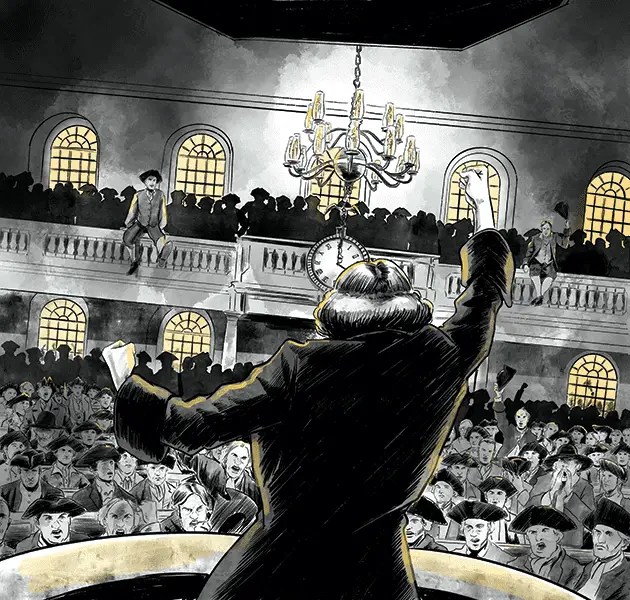
    Figure 3: Adams’ Speech at Old South (Revolutionary Spaces)

    Serving as a leading figure within the Sons of Liberty, Adams had led many of the meetings and attacks that occurred almost daily in the buildup to the 16th. This particular meeting drew 5,000-7,000 people who clamored to hear the latest developments in the tea crisis. When Rotch’s news broke, Adams stated, “This meeting can do nothing further to save the country.” While often billed as a signal to start the Tea Party, doubt remains over the statement’s significance. According to eyewitness accounts, many stayed another 15 minutes, and Adams tried to prevent people from leaving before the meeting concluded.

    Regardless of intent, hundreds of people made their way to Griffin’s Wharf. Along the way, some donned disguises that mimicked Native Americans. These disguises served both practical and symbolic purposes. First, donning a disguise shielded the identity of individuals carrying out the illegal acts, even if no one mistook them for actual tribal members. Secondly, the choice of a Native American-inspired look embraced an allegory of America and linked Indigenous resistance to colonization with the colonists’ struggle against Britain (Figure 4).
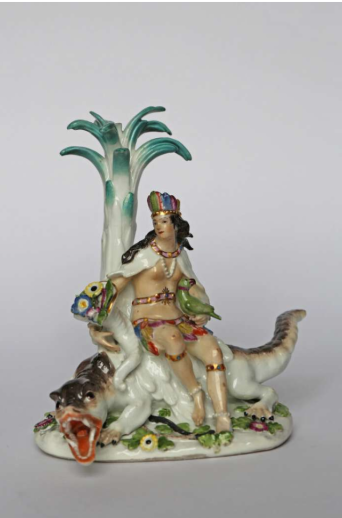
    Figure 4: “Allegory of the Continent of America,” c. 1750 (The Clark Museum)

    Interestingly, Adams never claimed or denied involvement with the Tea Party, yet, in contrast to popular depictions, he did not appear at the harbor that night. Instead, he remained at Old South. Of the participants, only the identities of 116 are known, and only one faced arrest.

    The day after, Samuel’s cousin, John Adams, described the event as “the most magnificent Movement of all. There is a Dignity, a Majesty, a Sublimity in this last Effort of the Patriots that I greatly admire. The People should never rise without doing something to be remembered—something notable And striking. This Destruction of the Tea is so bold, so daring, so firm, intrepid and inflexible, and it must have so important Consequences, and so lasting, that I cant but consider it as an Epocha in History.

    Reactions

    Despite a post-independent America enshrining the Boston Tea Party in glory, most initial reactions proved far less enthusiastic than that of John Adams. The name “Boston Tea Party” did not emerge until the 1820s, and even then, “Party” referred to a group of people rather than something celebratory. Instead, mentions of the event usually identified it by what happened, such as “the destruction of the tea” (Figure 7).
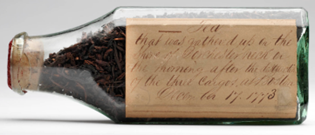
    Figure 7: “Tea that was gathered up on the shore of Dorchester Neck on the morning after the destruction of the three cargos at Boston; December 17, 1773” (MHS)

    While Parliament’s taxes made many colonists unhappy, they also valued their right to private property. In the case of the Boston Tea Party, the ships that the Sons of Liberty trespassed on belonged to Americans, while the EIC owned the destroyed tea. The King and Parliament had no direct connection to the ships or their cargo. As such, many viewed the attack as one on private property rather than a true strike against Parliament. Those who spoke out against it included Founding Fathers. Benjamin Franklin felt “truly concern’d…that there should seem to any a Necessity for carrying Matters to such Extremity, as, in a Dispute about Publick Rights, to destroy private Property.” Meanwhile, George Washington supported taking a stand against taxation and felt the cause of Boston equated to the cause of America, but ultimately could not “approve their cond[uc]t in destroyg the Tea.”

    Impact

    In the short run, the Boston Tea Party did little to fan the flames of independence. It inspired a few more boycotts (i.e., the Annapolis, Edenton, and Yorktown Tea Parties) and furthered a decline in consumption, but the British response to the event served as the primary catalyst. By punishing all of Boston, and by extension, Massachusetts Bay Colony, rather than just those responsible, the British infringed upon the rights of the colonists. Under the Coercive (nicknamed “Intolerable”) Acts, the British closed the harbor, demanded Bostonians pay damages to the EIC, imposed martial law, and required citizens to house, or quarter, members of the military on their property at their own expense (Figure 8).

    Figure 8: “The Bostonians in Distress;” 1774 Satire of the Boston Port Act (LoC)

    Those living in the twelve other colonies did not take well to this, as they feared the implementation of these acts in their homes. In response, the First Continental Congress met in Philadelphia from September to October 1774. While some delegates saw the issue as a Massachusetts one, others pressed the need to take a stand against the overreaches of Parliament and sympathized with Massachusetts. They concluded Congress by issuing their Declaration and Resolves, which listed objections to Parliament and confirmed their commitment to a trade boycott. However, when news of Lexington & Concord broke in April 1775, and Massachusetts found itself at war, the other colonies quickly had to decide which side they would take.

    Legacy

    Two hundred fifty years on, the Boston Tea Party remains an iconic event in American history and a pivotal moment in the founding of the country (Figure 9). While not wholly embraced as such upon its occurrence, the retelling of the event over time came to enshrine it in lore and leave out details that complicated the narrative. This shows that one cannot study a singular event without contextualizing it within the bigger picture. Nevertheless, John Adams’ belief that the “Destruction of the Tea” would become an epoch in history proved correct.

    Figure 9: Robinson Tea Chest – 1 of 2 surviving chests (Boston Tea Party Ships and Museum)

    Emma Schlauder

    Research Archaeologist


    Bibliography

    Adams, Abigail. Abigail Adams to Mercy Otis Warren, 5 December 1773. Letter. From National Archives, Adams Papershttps://founders.archives.gov/documents/Adams/04-01-02-0065 (accessed Nov 13, 2023).

    Adams, John. [December 1773]. Diary. From National Archives, Adams Papers. https://founders.archives.gov/documents/Adams/01-02-02-0003-0008 (accessed Nov. 13, 2023).

    “Boston Tea Party History.” Boston Tea Party Ships & Museum (website). https://www.bostonteapartyship.com/boston-tea-party-history (accessed Nov. 14, 2023).

    Cooper, Samuel. To Benjamin Franklin from Samuel Cooper, 17 December 1773. Letter. From National Archives, Franklin Papershttps://founders.archives.gov/documents/Franklin/01-20-02-0266 (accessed Nov. 13, 2023).

    “Declaration and Resolves of the First Continental Congress.” American Battlefields Trust (website). https://www.battlefields.org/learn/primary-sources/declaration-and-resolves-first-continental-congress (accessed Nov. 14, 2023).

    Franklin, Benjamin. From Benjamin Franklin to the Massachusetts House Committee of Correspondence, 2 February 1774. Letter. From National Archives, Franklin Papers. https://founders.archives.gov/documents/Franklin/01-21-02-0023 (accessed Nov. 13, 2023).

    ““Made one of the celebrated Tea Party in Boston harbor:” Remembering the Boston Tea Party in 1826.” American Battlefields Trust (website). https://www.battlefields.org/learn/primary-sources/made-one-celebrated-tea-party-boston-harbor (accessed Nov. 14, 2023).

    ““No Taxation Without Representation:” The Evolution of the Historic Phrase.” American Battlefields Trust (website). https://www.battlefields.org/learn/articles/no-taxation-without-representation (accessed Nov. 14, 2023).

    “Participants in the Boston Tea Party.” Boston Tea Party Ships & Museum (website). https://http://www.bostonteapartyship.com/participants-in-the-boston-tea-party#participant-list (accessed Nov. 14, 2023).

    Schiff, Stacy. The Revolutionary Samuel Adams. New York: Little, Brown and Company, 2022. “Tea Act.” American Battlefields Trust (website). https://www.battlefields.org/learn/primary-sources/tea-act (accessed Nov. 14, 2023).

     “The Boston Tea Party.” Massachusetts Historical Society (website). https://www.masshist.org/revolution/teaparty.php (accessed Nov 14, 2023).

    “The Final Straw.” Boston Tea Party Ships & Museum (website). https://www.bostonteapartyship.com/the-final-straw (accessed Nov 14, 2023).

    “The Intolerable Acts.” Boston Tea Party Ships & Museum (website). https://www.bostonteapartyship.com/the-intolerable-acts (accessed Nov 14, 2023).

    The Massachusetts Gazette; and the Boston Post-Boy and Advertiser. “Philadelphia, September 29. Extract of a letter from London, August 4.” From Massachusetts Historical Society. https://www.masshist.org/database/viewer.php?pid=2&old=1&mode=nav&ft+Coming% &nbsp 20of%20the%20American%20Revolution&item_id=434 (accessed Nov. 13, 2023).

    “The Secret Plan.” Boston Tea Party Ships & Museum (website). https://www.bostonteapartyship.com/the-secret-plan (accessed Nov 14, 2023).

    “Townshend Act.” American Battlefields Trust (website). https://www.battlefields.org/learn/primary-sources/townshend-act (accessed Nov. 14, 2023).

    Washington, George. From George Washington to George William Fairfax, 10–15 June 1774. Letter. From National Archives, Washington Papershttps://founders.archives.gov/documents/Washington/02-10-02-0067 (accessed November 13, 2023).

  • No Buttons for the Ladies

    Whilst I costume actors, living historians, and myself from time to time in 18th century clothing, I find myself puzzled about the stark difference between the closures and attachments of ladies’ and men’s garb.  I have to lace myself into my stays, tie on layers of padding and petticoats around my waist, and finally pin my gown closed.  Men have the enjoyment of a few buttons on their breeches and waistcoat, but that is it.  It frequently makes me grumpy how long it takes me to dress in comparison to my male counterpart.  I did not understand this phenomenon, until recently. 

    To put 18th century clothing closures into perspective, you had hooks and eyes, buttons, and ties/laces.  Thomas Hancock created elastic for gloves, suspenders, and stockings in the 1820s, but it struggled to withstand heat and last through time.  The elastic we know and love in our garments today did not come around until the early 1900s.[1]  The modern zipper was patented in 1917 and was used mainly on boots and tobacco pouches.  It took another 20 years before the technology even made it to mass produced clothing.[2]  By comparison, the button first becomes functional over decorative around 1,000 BCE in Asia.  Buttons would eventually travel the Mediterranean during the crusades into European territories around the late 11th century CE.[3]  So George Washington did not have a zipper on his pants or elastic on his socks, but he definitely had buttons on his coat.   

    A eye from a hook and eye set. Source: Ferry Farm Archaeological Collections

    Hooks and eyes were sometimes used for gown closures for women in the 18th century.  They were not used as much as pins were because of the rigidity in size it created for the garment. 

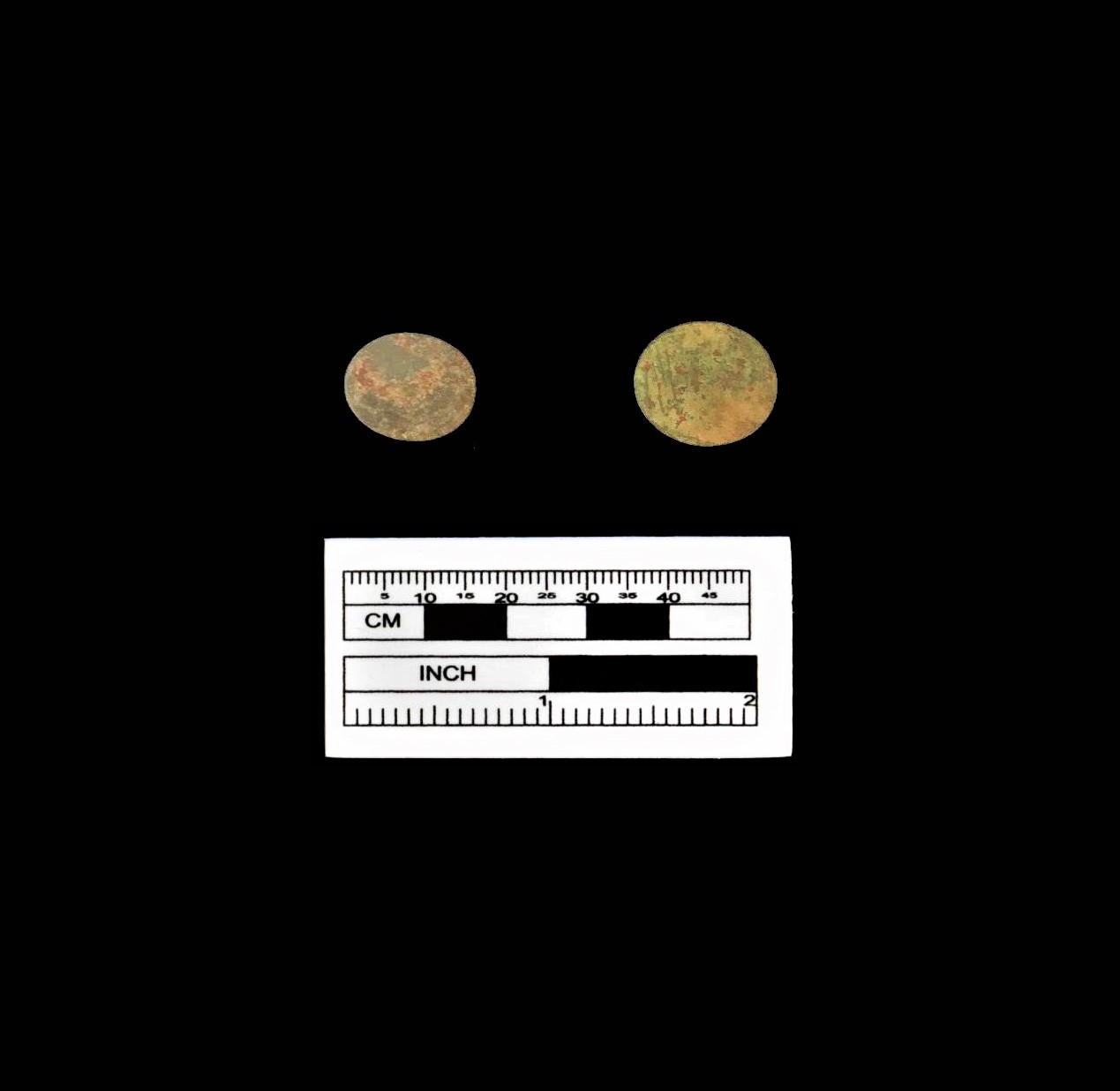
    We have buttons from men’s garments in the archaeological collections here at Ferry Farm.  We also see buttons all around male portraiture in our curatorial collection.  The ladies, however, are stuck with laces, ribbons, and pins.  And boy, do we have the pins to prove it in the archaeology collections. 

    Two metal buttons most likely from men’s garments.  Source: Ferry Farm Archaeological Collections
    Bone buttons Source: Ferry Farm Archaeological Collections
    Pins were used for pinning jackets closed and keeping caps pinned to your hair.  They were a necessary part of dressing. Source: Ferry Farm Archaeological Collections

    A small sample of the large collection of brass dress pins found at Ferry Farm.  Pins were not used for sewing, as basting before sewing was the regular practice.  Pins were used for pinning jackets closed and keeping caps pinned to your hair.  They were a necessary part of dressing.

    The answer to why this phenomenon is how it is hit me one day after rewatching a lecture given by a former staff member entitled “Betty Washington Lewis and Women’s Health.”  Dr. Kelly Brennen Arehart spoke about maternity wardrobes and how women wore their everyday clothing throughout pregnancy.  For my contemporary mind, this was shocking, but the more I thought about it the more it made sense. 

    Women go through a lot of fluctuations in body shape, weight, and proportions in their lifetime.  Between hitting puberty and development of curves, to many pregnancies, to the changes of menopause, women’s bodies go through so much.  Of course in between all of the big changes, there are also changes to the female body based on time in her menstrual cycle, metabolism fluctuations, or periods of eating more or less or different types of food that all change the body’s shape and size.  Unlike today, women of the past could not just go to the shop and buy a pair of pants in the size up.  Clothing was incredibly expensive and time consuming to make before sewing machines and mass production come into play.  In the 18th century, even the highest classes of women did not have the money or the time to go buy or have new clothing made when they gained a few pounds or got pregnant.  It was a matter of adjusting the clothing they already had.  And that is exactly what ties, pins, and laces allowed women to do. 

    The lacing, pinning, and tying made clothing far more adjustable compared to the rigidity of buttons.  Women tied their petticoats looser and simply covered the wider gap in the side with their jacket or gown.  Stays were either loosened significantly by the laces or they were left unlaced at the bottom entirely, especially in cases of late term pregnancies.  On top of the stays, jackets could be pinned further out to allow for more room in the bust and waist, or a stomacher could be added in the center opening of the jacket to expand the top even further.

    Whether these closures were intentionally created to be adjustable or if it was just a byproduct of lacking clothing technology, I am not entirely sure.  But the idea that buttons were only used on men’s not so fluctuating bodies (for the most part) says something.  A button is sewn down and cannot be easily moved or adjusted on a regular basis.  Once a button is sewn into place, there is no room for variation in body shape, unless one wanted to move the buttons every time he ate a large meal the previous day. 

    Even though Betty Washington Lewis had Charlotte, who we believe to be an enslaved woman acting as the seamstress of the Lewis household, Betty was pregnant on and off for twenty years.  If Charlotte or another enslaved seamstress had to make a maternity wardrobe for Betty every time she was with child, the seamstress would have no time to do any other tasks whatsoever.  It was not economical with precious time or expensive cloth for women to need new clothes every few weeks. 

    So to tie all this together, I am still not happy that it is so inconvenient for me to dress myself in 18th century clothing, but I understand why getting dressed was this way.  The adjustability of women’s clothing was so intentionally created to conform to their bodies in any season it was in.  It also opens my eyes to why pins were so important.  Without them, a woman could not dress. 

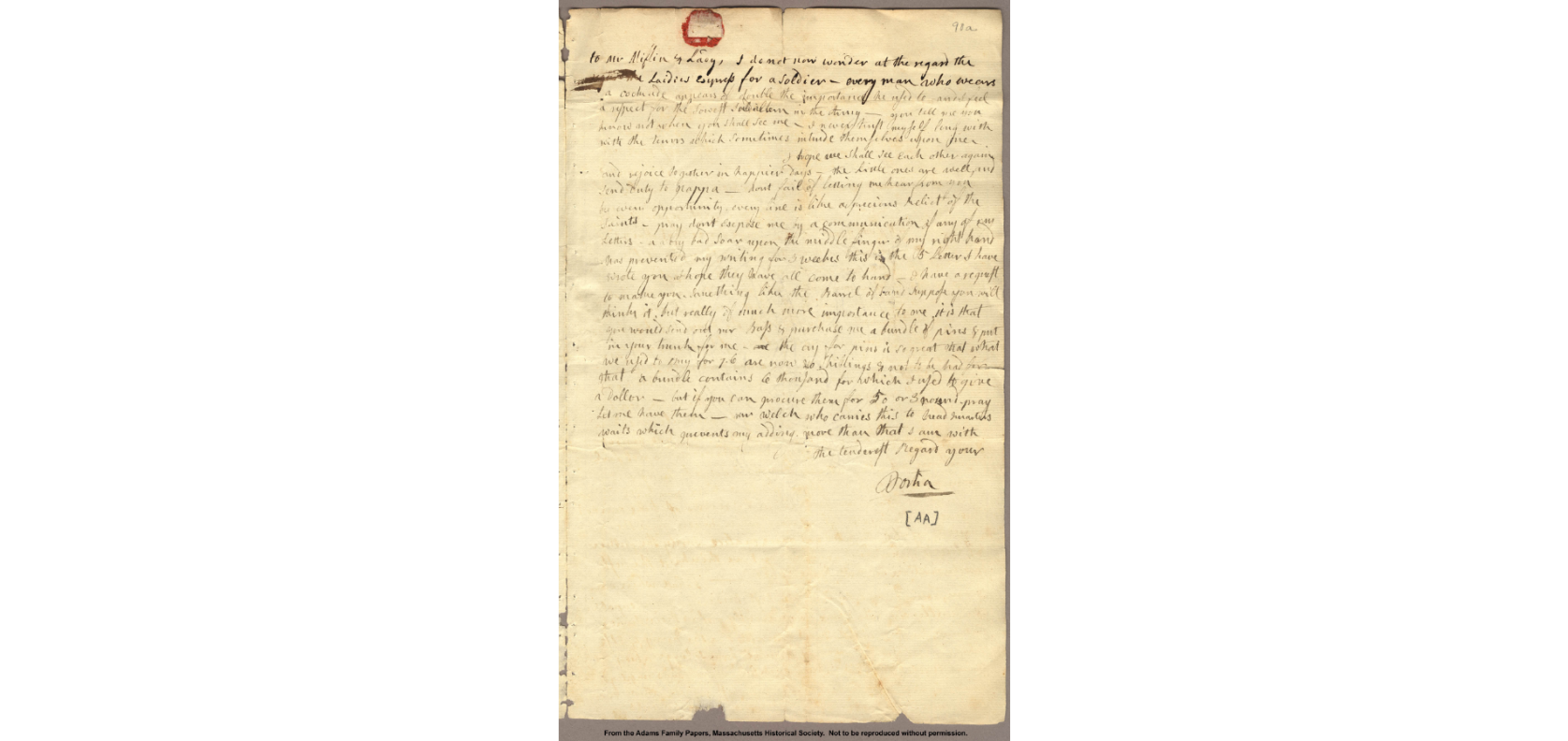
    Letter from Abigail to John Adams, June 14, 1775.  Source: Massachusetts Historical Society

    …I have a request to make you. Something like the Barrel of Sand suppose you will think it, but really of much more importance to me. It is that you would send out Mr. Bass and purchase me a bundle of pins and put in your trunk for me. The cry for pins is so great that what we used to Buy for 7.6 are now 20 Shillings and not to be had for that. A bundle contains 6 thousand for which I used to give a Dollor, but if you can procure them for 50 [shillings] or 3 pound, pray let me have them. Mr. Welch who carries this to head Quarters waits which prevents my adding more than that I am with the tenderest Regard

    your

    Portia


    Allison Ellis

    Manager of Public Programs


    [1] “Questions About Elastic,” Maggie May Clothing, Accessed July 10, 2023, https://maggiemayfashions.com/questions-about-elastic-2/.

    [2] Ninette Dean, “The Up and Down History of the Zipper,” The Smithsonian Libraries and Archives, Accessed July 10, 2023, https://blog.library.si.edu/blog/2010/05/03/the-up-an-down-history-of-the-zipper/.

    [3] Caroline Stone, “The Westward Journeys of Buttons,” AramcoWorld, Accessed July 10, 2023, https://www.aramcoworld.com/Articles/November-2020/The-Westward-Journeys-of-Buttons.

  • My Date with a Founding Figure

    The staff at the George Washington Foundation posited the idea of what it would be like to go on a date with a Founding Figure. We use the term “Founding Figure,” because a couple of dates are with the ladies of the American Revolutionary period and not just the “fathers.”  Although, fun fact, the term “Founding Father” was supposedly coined by then-Senator (later President) Warren Harding in 1916. A founding figure is a person who was instrumental during the Revolution, the creation of the Republic, and the early years of said Republic.

    While some traditional figures have been classified as “lesser-known” or the “last of,” we have chosen those who are pretty well known (and if not, should be!). Each date is set in the 21st century but is tailored to that person’s 18th and 19th-century interests. The following paragraphs are fictional, sadly, but contain threads of facts.

    Phillis Wheatley

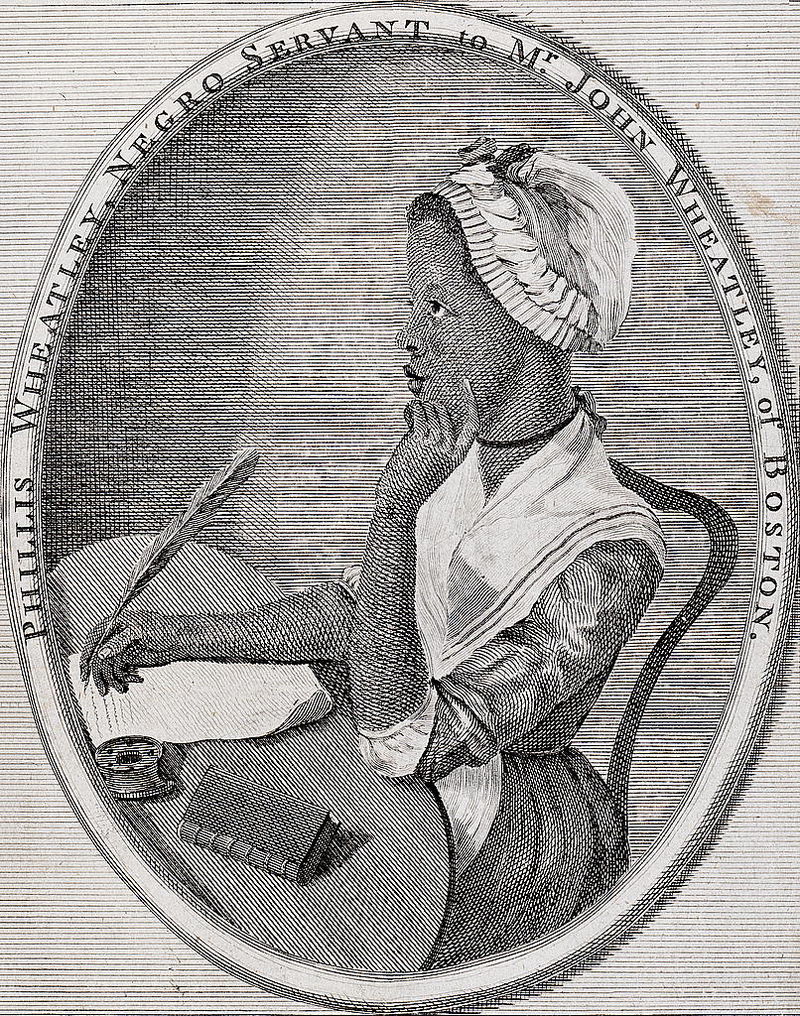
    Phillis Wheatley. Credit: Wikipedia

    My dream date with Phillis Wheatley would involve a lot of active listening on my part. I would ask her whether she remembers her time as a child in West Africa before she was enslaved and brought to the British North American Colonies. We both are familiar with Boston, so we’d talk a lot about our favorite places around that city while having tea at Hyperion in downtown Fredericksburg.

    Phillis was a great fan of General George Washington and famously wrote him a poem which resulted in George inviting her to his headquarters in Cambridge, Massachusetts, so I would offer her a tour of Ferry Farm and show her some of the artifacts we have that relate to the Washington family’s time here. From Ferry Farm, we would head to D.C. to check out the museums. I think Phillis would be interested in how history has progressed.

    Over dinner, we would talk about the Revolutionary War, a cause she adamantly supported. At the end of the evening, we would go to a late-night café and sip coffee during a poetry open mic night. Phillis would take the stage and wow everyone with her amazing talent. 

    For those interested in learning more about Phillis, take a look at the Poetry Foundation’s information on her and her work by clicking here

    -Mara Kaktins, Archaeology Lab Supervisor

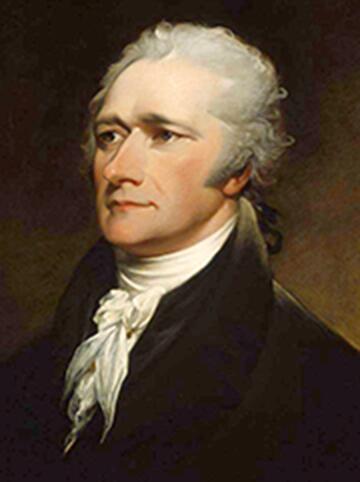
    Alexander Hamilton

    Alexander Hamilton. Credit: Wikimedia Commons

    A day-long date with Alexander Hamilton in Fredericksburg, VA would start early. First, we would head out in search of some lively morning debate at a local coffee shop. Alex is well known for his oratory and debate skills; I would enjoy listening to him engage with local folks in discussing the politics and page one issues printed in our morning newspaper. The conversation might also veer into the topic of the newspaper industry itself as Alex was a founder of the New-York Evening Post in 1801, now called the New York Post.

    After breakfast, we would take a walk following the Trail to Freedom, a Civil War-era tour that retraces the routes of freedom-seeking enslaved men, women, and children through the City of Fredericksburg and the County of Stafford. Alex opposed slavery and vocally supported abolitionist causes. He would be very interested in learning the story of John Washington, enslaved for 24 years in Fredericksburg before escaping to freedom during the Civil War.

    As a side note, we would definitely avoid going past the James Monroe Museum and Memorial Library (too bad, since it’s a great museum!). Monroe and Hamilton had a serious falling out over the public disclosure of Hamilton’s affair with Maria Reynolds and accusations of financial malfeasance. Hamilton and Monroe nearly ended up as a duel over the situation!

    Lunch is at one of two Jamaican-themed restaurants in town in honor of his Caribbean roots. Over the meal, we would discuss our afternoon plans to tour the Civil War battlegrounds in and around the city. I’d be interested to hear his views on military history and tactics. Hamilton loved all things military and even resigned as Washington’s aide-de-camp to take an active role in the Revolutionary fight.

    The day ends with dinner and good conversation at the Rising Sun Tavern. This local landmark is a suitable replacement for the George Weedon Tavern, once a popular gathering spot for patriots in Fredericksburg during the Revolutionary War. Located at the northwest corner of Caroline and William Streets, the tavern unfortunately burned down in 1807. Many important American patriots met here during the War to discuss politics and design policies. The tavern was the setting of the Peace Ball on November 11, 1781, following the defeat of Cornwallis at Yorktown. Weedon hosted many important dignitaries at this event, including George Washington himself and the Marquis de Lafayette. Alex and I would spend a pleasant evening convening with the ghosts of his compatriots of the Revolutionary War.

    -Judy Jobrack, Archaeologist, Co-Field Director

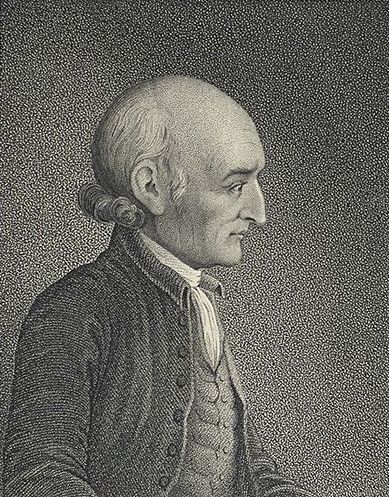
    George Wythe

    George Wythe. Credit: Wikipedia

    On my date with George Wythe, a lesser-known Founding Figure, we would spend an afternoon strolling along Duke of Gloucester Street in Colonial Williamsburg. For those of you who might not know George, he was a prominent lawyer and Williamsburg local. He taught law at the College of William & Mary (in fact, he’s considered America’s first law professor!), so perhaps we would start our day with a leisurely walk around campus and a tour of the Wren Building.

    Next, we’d stop in the aptly named Wythe Candy & Gourmet Shop (I’d probably need to explain the modern sales tax to him, though…) to buy a snack before wandering down to the capitol building. Since he was a member of the House of Burgesses and a signer of the Declaration of Independence, we might debate colonial politics while we tour the building and as we continue our walk along the Palace Green. (Maybe I could convince him to toss a Frisbee on the lawn?)

    On our drive home from the ‘Burg, we’d queue up a true-crime podcast for the road. Wythe himself had quite the connection to true crime. The events surrounding his death, namely, a suspected poisoning, caused quite the scandal in 1806. I probably shouldn’t bring that up during our date, though.

    -Ann Waters, Manager of Interpretation & Visitor Services

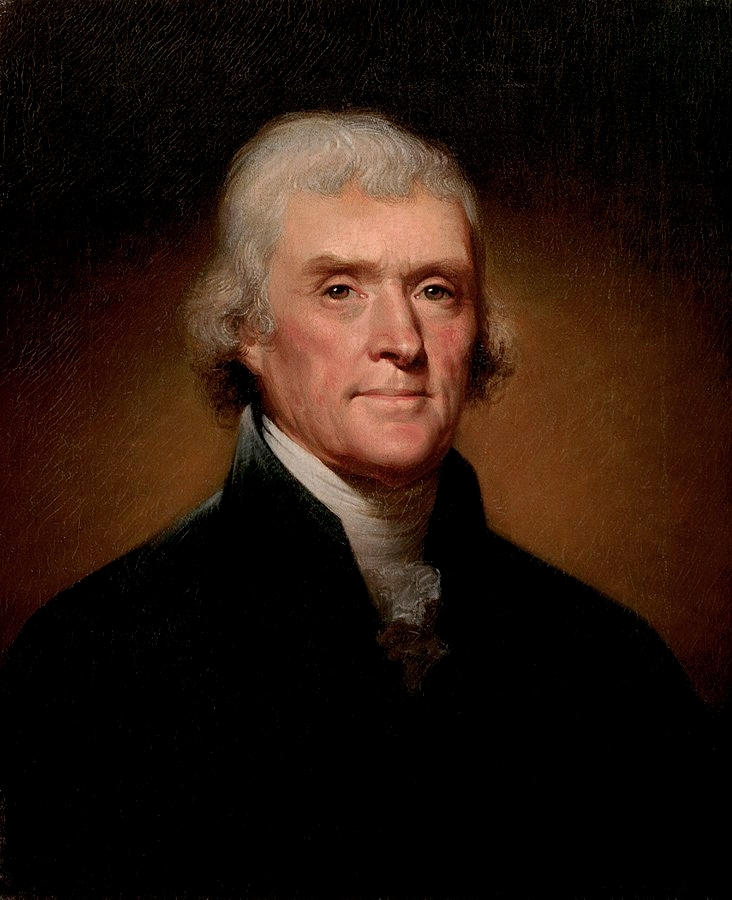
    Thomas Jefferson

    Thomas Jefferson. Credit: Wikipedia

    A date with Thomas Jefferson, the 3rd President of the United States, would be an all-day affair. How could we possibly browse bookstores and discuss literature in only a few hours? A good date must start with coffee. After stopping in Agora (in Fredericksburg, VA) and skimming their used book collection, I would insist on bringing Tom to Riverby Books. Since he was an avid reader, we would likely spend most of the day browsing their shelves. I imagine we would gather a large number of books to peruse.

    The rest of our day-date would be spent reading at the window seat in Riverby and discussing the novels we’ve found. We would leave the bookstore with a few tote bags of books and continue our conversation as we strolled down Caroline Street. The day would end with me gifting Tom a copy of Pride and Prejudice, and I doubt the author of the Declaration of Independence has that on his shelves. Though I wonder, do you think he’d appreciate a Kindle?

    -Gillian Both, University of Mary Washington Fleming-Smith Scholar 2021-22

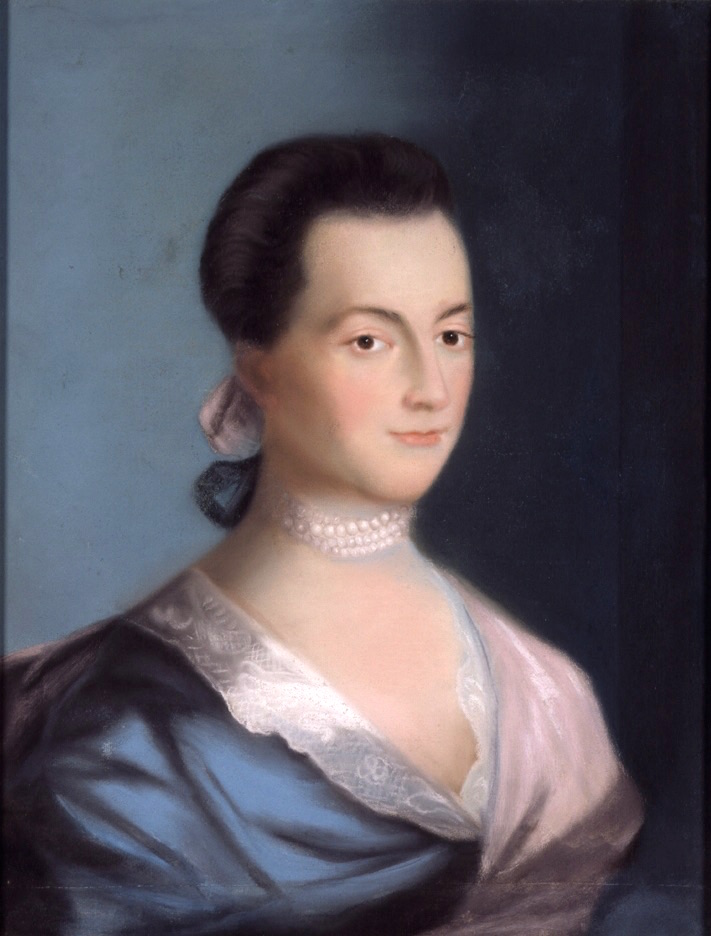
    Abigail Adams

    Abigail Adams. Credit: Wikipedia

    My date would be with Abigail Adams, but I’m hoping I get to call her “Abby.” We would probably go for tea in downtown Fredericksburg. In her letters to John during his absence on crucial government business, she often wrote about the rights of women in the new nation. One aspect of women’s rights that seems to be most important to her was the ability of women to own property and make their own money. With this in mind, I would suggest the woman-owned Freedom Society tea room for our date. Over tea, we would discuss the political progress of women’s rights since the 18th century.

    After tea, since she was also an avid reader, I’m sure she would be happy to visit Riverby bookstore where she could explore the many books unavailable to her in the 18th and 19th centuries, and then I would be happy to hear her opinions on those books, and what she thinks of 21st century Fredericksburg. 

    -Mason Shultz, Assistant Lab Archaeologist

    George Washington

    George Washington. Credit: Wikimedia Commons

    A date with George Washington, Stafford’s boy who grew up to be the 1st President of the United States, would be an evening affair of dinner, dancing, and conversation, of the most respectful sort. Dinner would be a restaurant in downtown Fredericksburg, maybe Sammy T’s? After dinner, considering the incivility of modern-day clubs, George and I would attend a prom—as overly enthusiastic chaperones.

    We would revel in bopping our heads to the D.J. while remaining a respectful 6 feet apart. Furthermore, George would take this date as an opportunity to educate the youth. He would separate students who were not dancing with the purest intentions and would read them excerpts from Rules of Civility, which, while entertaining, would also probably get us removed from future chaperone lists.

    After the prom, George would make sure that I arrived safely home. While I would certainly find George to be charming and honorable, I will forever remember the students’ groans that reverberated off the gymnasium’s walls.

    -Kaylie Schunk, School & Youth Programs Coordinator

    James Monroe

    James Monroe. Credit: Wikipedia

    Fredericksburg is the perfect setting for a date with James Monroe. Did you know? He actually had a law office in town, and his descendants turned it into a museum in the 1920s! While it would be interesting to take him to his own museum, I think we’d leave that for a second date.

    First, we would peruse newspapers for yard and garage sales. I can see us at Agora, on the back patio, sipping coffee, James with the newspapers opened, and me on my smartphone, plotting the location of the sales. James was quite the thrifty furniture finder in his day. One time, while President, he purchased furniture from the Russian ambassador who was having a sale of his things before moving back to Russia.

    After a successful morning of thrifting, we would relax over lunch at La Petite Auberge. I would ask James to tell me all about his time in France as the ambassador during George Washington’s administration. The fact that he sent his wife on a diplomatic mission during the French Revolution is something I really want to hear more about. Additionally, I also want to know more about his trips to England and Spain. Being a diplomat to many places during the late 1790s and early 1800s must have been thrilling!

    -Amy N. Durbin, Director of Education

    Marquis de Lafayette

    Marie-Joseph Paul Yves Roch Gilbert du Montier a.k.a Marquis de Lafayette. Credit: Wikipedia

    Oh, la la! What comes to mind when you think of Marie-Joseph Paul Yves Roch Gilbert du Motier? Êtes-vous confus? He’s better known by his title, Marquis de Lafayette! Our daylong date would begin mid-morning, as the Marquis would have arrived late the night before. The last time he was in the United States was 1824 so, it’s been a minute. He’s currently on the U.S. leg of his college speaking tour.

    As a person who grew up in a small town in France, traveled overseas, fought for liberty here, and also in his own country, was arrested during his home country’s Revolution, survived, sought to end slavery, and to keep the ideals of the American Revolution alive, the University jumped at the chance to have him encourage the graduating students. So, after his fiery speech to get the students ready to live their dreams, I’d present him with some donuts from Paul’s, and we’d grab some coffee from Hyperion. Taking our treats down to the waterfront, we would spend the afternoon discussing his views on the right and wrong of humankind.

    In the early evening, we’d walk through Hurkamp Park, taking in the sounds of a local band. He probably wouldn’t care to dance as he wasn’t the most graceful dancer, but it’s 2022, dance moves are whatever a person wants them to be, right? After the park, we would end the day over dinner from Juan More Taco. I think he would like how much the restaurant gives back to the community.

    -Amy N. Durbin, Director of Education

    And so, we ask you, what do a poet, an accountant, a professor, an architect, an advocate, a surveyor, a diplomat, and an idealist have in common? They all paved the way for others to also grow up and to make their mark on the world. What they accomplished, be it good, not-so-good, or even unknown to many, can still be educational. What founding figure would you date?

    -GWF Archaeology & Education Staff