Lives and Legacies

Tag: excavation

  • It’s That Time of Year Again: 2025 Dig Preview

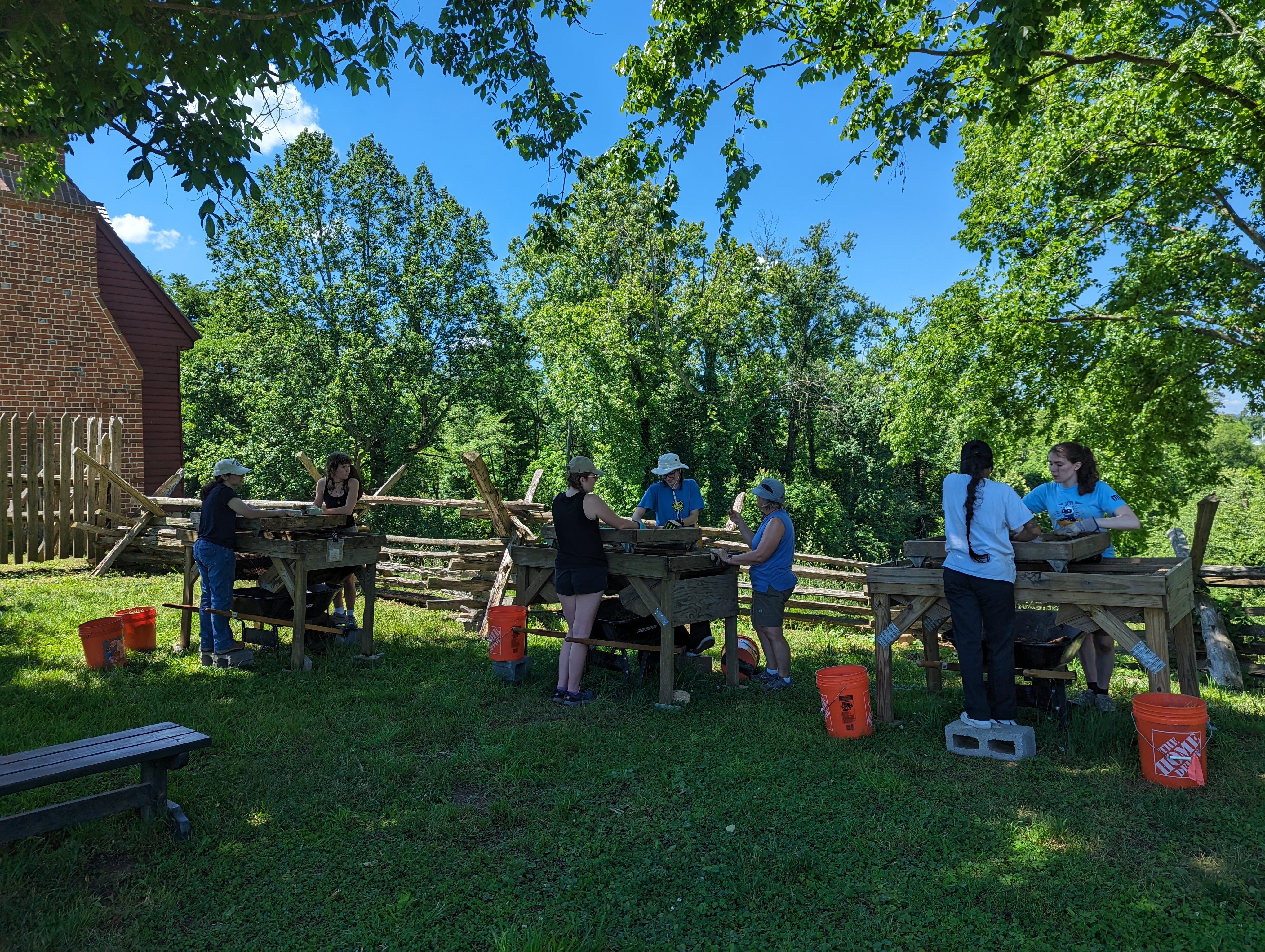
    It’s the most wonderful time of the year! There’ll be dirt out for screening, ceramics for cleaning, and lots of good cheer…. Okay, sorry, that might be a little too far. But it is a super exciting part of the year here at Ferry Farm, George Washington’s Boyhood Home. We have officially started this summer’s dig season!

    Building off of the previous two years’ exploration of the kitchen site, we are revisiting the 18th-century kitchen cellar again this year. While last year’s dig focused on locating and exposing the kitchen’s stone wall foundations, our focus this year will be excavating the fill within the cellar walls that had been deposited as a result of a fire sometime in the 1740s. The fire caused the building to collapse in on itself, filling the cellar space with ash and debris.

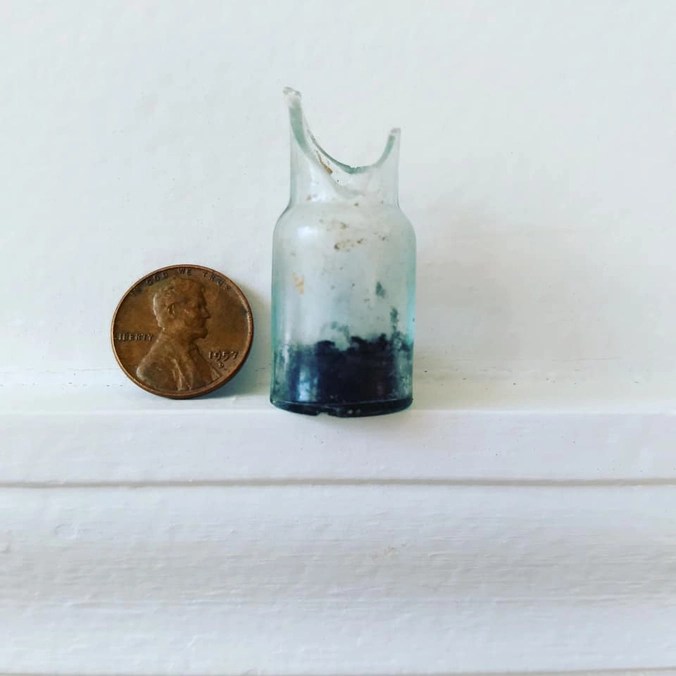
    Excavating sites like this are very exciting because they represent preserved moments in time, leaving the possibility to find artifacts left in situ or in place, when the fire occurred. It is likely that most of the artifacts excavated will have evidence of the extreme heat caused by the fire. Toasty artifacts from the 2023 preliminary kitchen exploration have been washed and catalogued, showing damage to artifacts, such as glass bottles and ceramic storage vessels, ranging from being slightly charred and burnt to being completely melted. Toasty or not, these artifacts will help us nail down the date of the fire and what was being stored in the kitchen cellar when it went up in flames.
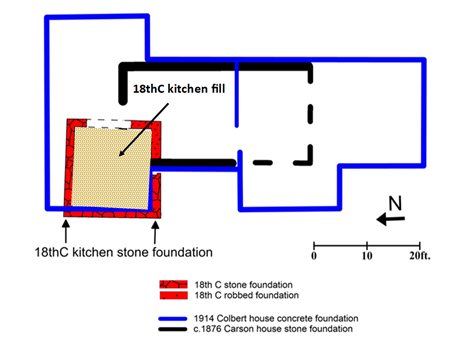
    Our 18th-century kitchen, unfortunately, lies beneath the foundations of two farmhouses with full cellars dating from the 19th and 20th centuries. The construction of these homes severely impacted the kitchen structure and its burnt cellar fill, making it difficult for our archaeologists to accurately interpret the kitchen’s architectural features. A small portion of the kitchen cellar fill was also the subject of previous archaeological excavations in the 1990s, so we are not the first team to sample the fill. But in the interest of site preservation, the kitchen remnants were covered over twenty-five years ago with protective geofabric, and the farmhouse cellars backfilled completely with sand.

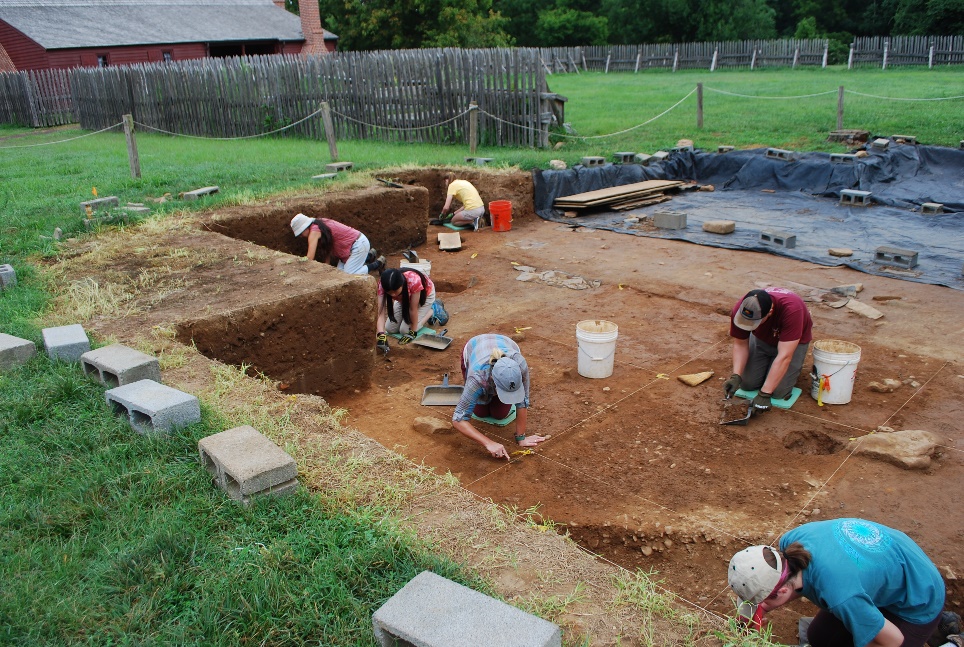
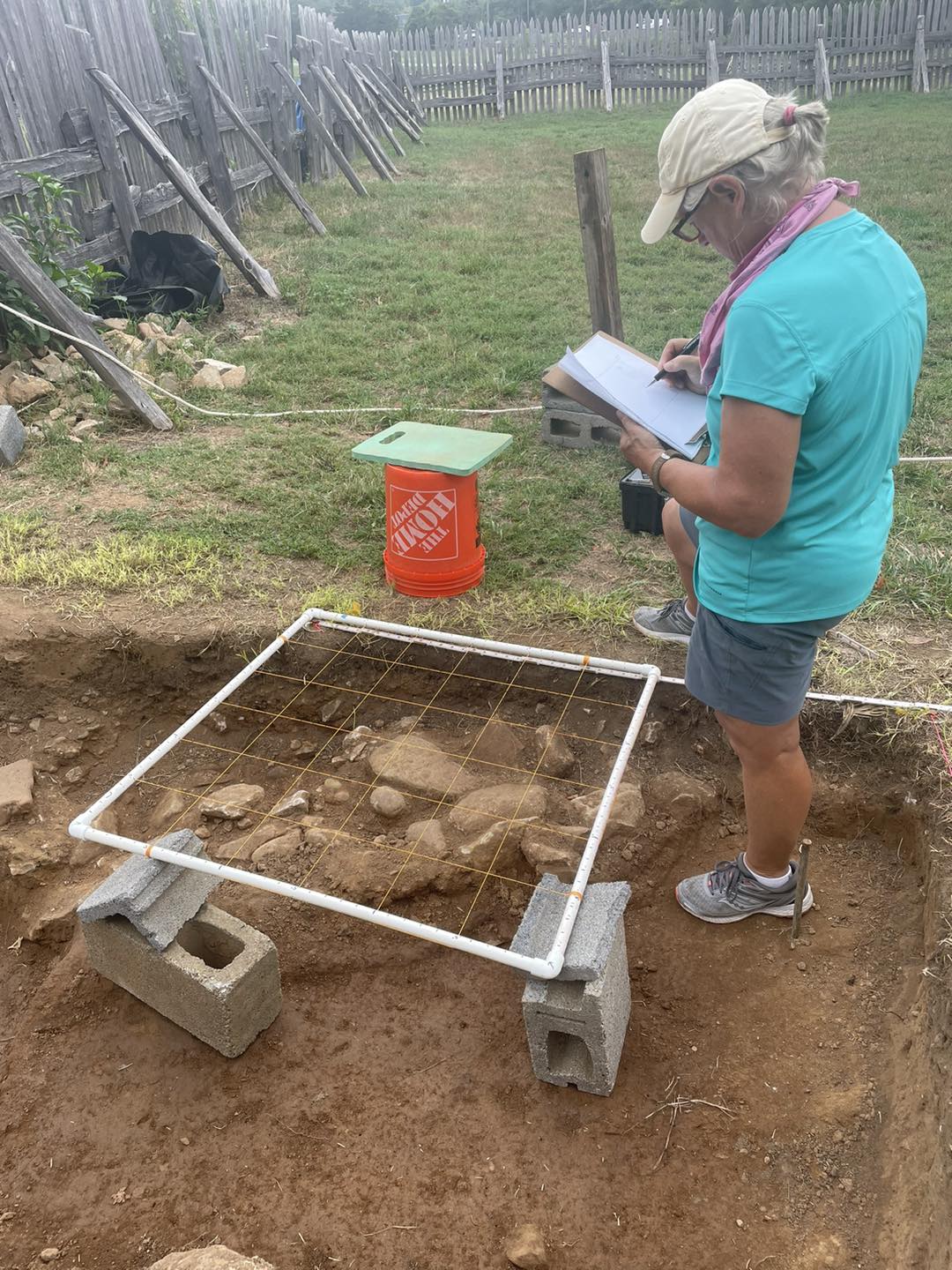
    Luckily, we had the help of an excavator at the beginning of this season to remove the five feet of protective sand covering the kitchen cellar fill so we could get to the fun stuff sooner! But our fun isn’t restricted to the cellar, as we still have multiple 5” x 5” units around the outside of the kitchen foundations to investigate. Our team is still trying to locate the midden (trash deposits) and fireplace associated with the kitchen, as well as additional architectural evidence that would give an idea of the overall form and dimensions of the complete kitchen structure.

    Every excavation year brings new and exciting finds as we sift through thousands of years of site habitation. Come visit us while we dig weekdays from opening until 3:30 pm through July 11th. Hope to see you there!


    Danielle Arens and Judy Jobrack

    GWF Archaeologists

  • Archaeology Is Not For The Faint Of Heart – But We Love It Anyway

    A lot of people have told me that they want or wanted to become archaeologists.  I always find this flattering.  Yours truly was only in my single digits when I declared the same to my family and anyone who would listen.  After reading every National Geographic magazine I could get my hands on, ‘excavating’ abandoned houses and bottle dumps on or near the property where I grew up, and too many years of schooling than I am willing to admit…. here I am today.  I am an archaeologist of 25 years.  That being said, it is not an easy profession to get into.  To wedge your way into this field, it is recommended you have an obsession with learning, stubbornness equal to a Black Friday shopper outside a Target in 20-degree temperatures at 3 am the night before, a hefty amount of luck, the willingness to obsess over dead people’s broken garbage, and just to be sure it would help if you’re at least a little bit mad. 

    Happy archeologists!

                    Now, I am an archaeology lab manager in our museum, which means I enjoy the comfort of climate control, access to bathrooms, an office, and a place to store my breakfasts and lunches.   But, like most archaeologists, I had to cut my teeth in the field (digging outside), which lacked all the above amenities.  This is where many archaeologists figure out if they genuinely want to go through with the folly they have embarked upon.  Many decide they do not and switch majors.  Good for them; they likely make more money than most archaeologists.   But could it really be that bad?  Isn’t it fun finding cool stuff?  Yes, of course.  But here are all the obstacles those noble field archaeologists face daily:

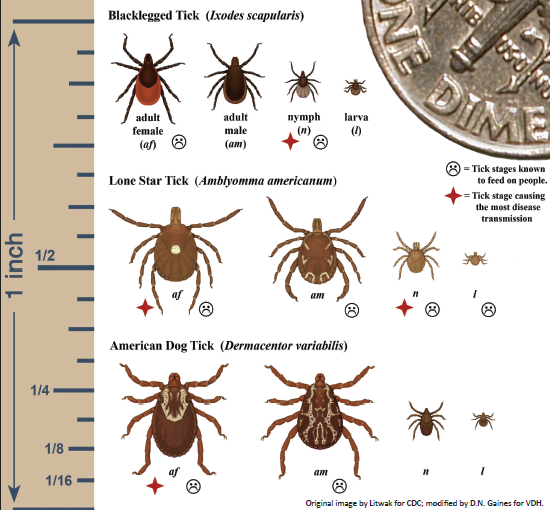
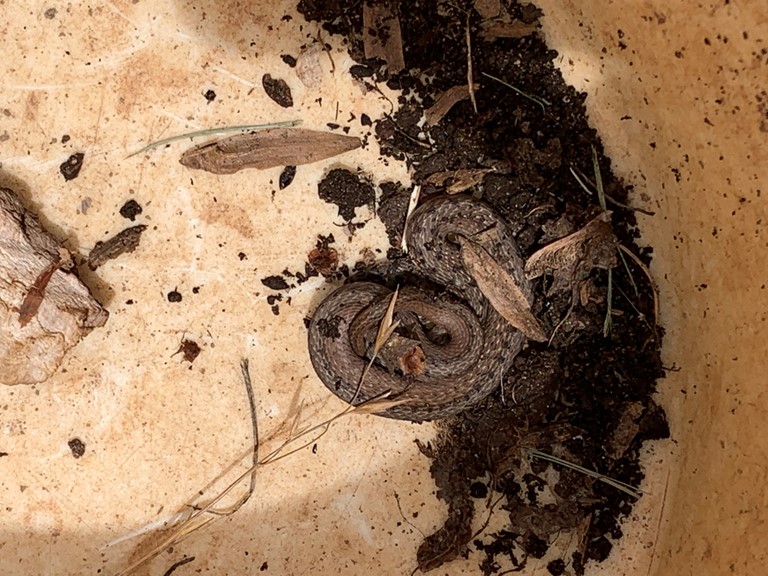
    • Bugs. Lots of them.  Bugs have taken down many of my brave colleagues.  Forget the snakes (Unlike Indiana Jones, most of us like snakes) and spiders.  I am talking about chiggers and ticks.  No one gets just one chigger bite.  They hang out in gangs of hundreds, and you will not know they have bitten you until they have had their fill of your yummy body juices and peace-ed out.  Hours later, you’ll notice around your ankles and waistband the unbelievable itching of dozens of bites that will haunt you for weeks.  Ticks are worse.  Way worse. Ticks carry diseases that can be very serious, including Lyme and Rocky Mountain Spotted Fever, both of which should be avoided at all costs. Don’t forget bees, hornets, and wasps.  No archaeologist worth their salt is without a harrowing tale of valiantly battling or running the heck away from a swam of ticked-off single-minded, murderous, flying, stingy wingy thingies.
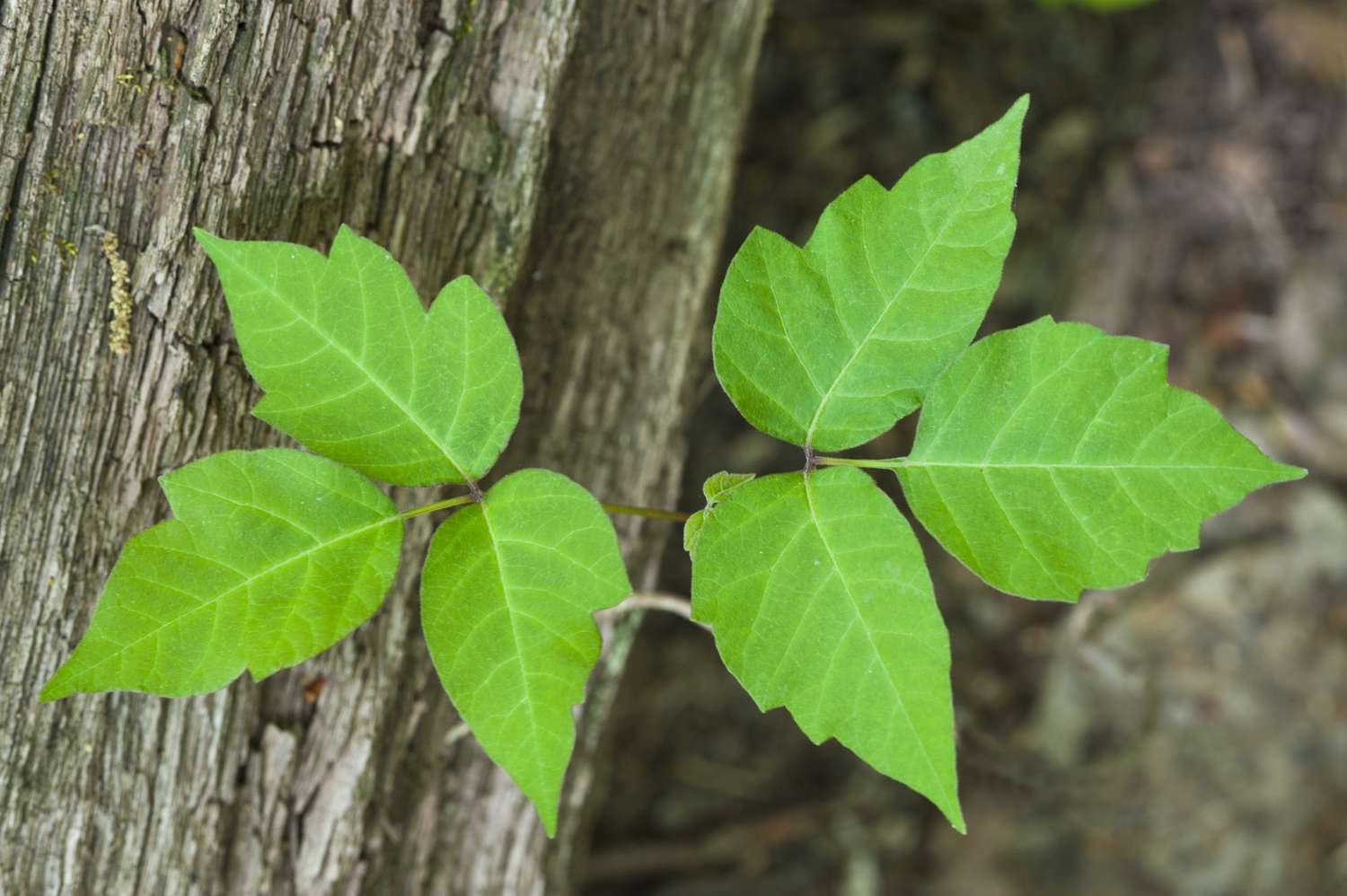
    • Plants that will make you wish you were never born.  Let’s start with some annoying and inconvenient but not diabolical plants: Those with thorns.  After being told by your crew chief that you need to hack your way through a six-foot-tall thicket of blackberries, multiflora rose, devil’s walking sticks (Yep, that’s a thing), cacti, or thistles in order to dig one tiny shovel test pit you WILL begin to question your life’s choices.  However, for those who are allergic to poison ivy, oak, and/or sumac (and it’s most of us), your field career will be a constant battle where your enemy has highly transmittable and very toxic poison juices in every single part of them (even the roots) while you are armed with a bottle of calamine lotion.  Those field archaeologists who do not get poison ivy will make fun of you and flaunt their superpowers, but just remember they’ll get theirs because the more you’re exposed to these plants, the more likely you are to feel their wrath. 
    • Ancient Curses.  No, you should NOT read that inscription on the 3,000-year-old tablet found in that tomb with all the warnings engraved on the entrance.  If I had a nickel every time I had to tell a member of my crew to drop that darn ancient idol that’s started to glow red inside and run, I’d be able to pay off my student debts.  Just kidding, that will never happen. 
    Unbroken seal of King Tut’s tomb…maybe just leave it.
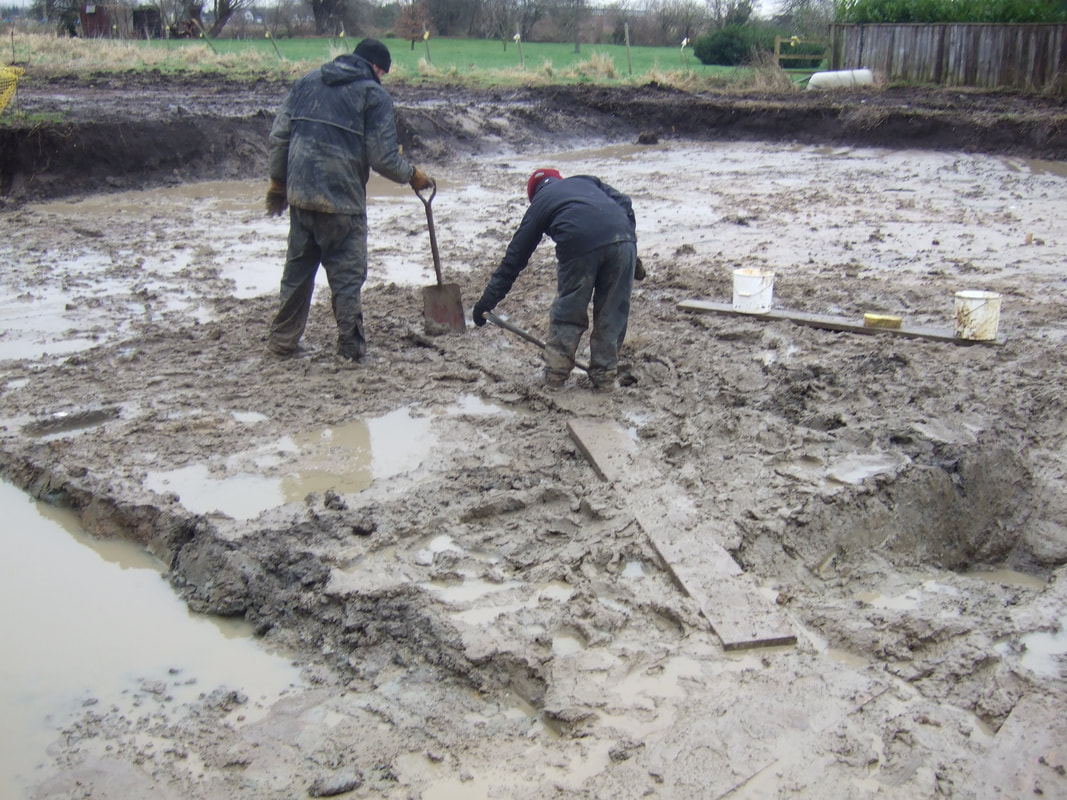
    •  This one is very serious and should never be taken lightly by anyone working outdoors because they take anyone by surprise just like that. Dehydration, heat stroke/exhaustion, sunburn, and frostbite. Field archeologists must dig in almost all conditions and all seasons.  They are wind-worn and road-weary, and you should not mess with anyone who can dig dozens of holes a day in temperatures above 100 or below freezing. 
    •  Animals.  I’m not talking just about the wild ones.  I’ve only ever seen a bear in the woods once, just a few harmless snakes and maybe a couple of bucks that gave me the side eye.  But I have had years knocked off my life by pheasants or tiny fawns exploding out of the brush a foot away from me.  For the most part, pets are not an issue, and petting a friendly dog or cat is a welcome reprieve from digging holes.  Livestock, however, would scare my crews.  I grew up on a farm, so I knew what animals didn’t want to snuggle.  Here’s the thing, though.  Cows are bored and extremely curious when something or someone spices up their daily routine.  It’s hard for someone from the city to calmly stare down a herd of Holsteins weighing 1,500 pounds each while they barrel towards you.  But all they want is to sniff you, rifle through your dig kit, and lick your equipment because it’s salty.  Annoyingly, they will also eat the plastic flagging tape that you carefully tied up to mark your transect line.  So will deer, fun fact. 
    •  Unexploded ordinance (UXO).  Gunpowder does not necessarily become so old that it won’t go boom any longer.  It actually becomes less and less stable.  Sure, that cannonball you found is cool.  Sure, it’s super old.  Stay.  Away.  From.  It. Military bases and old battlefields are ripe with potentially dangerous mortars, shells, grenades, and bullets. Unfortunately, here in Virginia, there are cases of collectors who have brought finds home from Civil War battlefields only to find out the hard way that these artifacts can still do a lot of harm. That being said, you’d be surprised at all the places archaeologists have found things that can explode.  I worked on a project in a former neighborhood, so imagine our surprise when a pit in the backyard of a house was found to contain dozens of WWII live .50 caliber antiaircraft ammunition.  One thing you learn very quickly as an archaeologist is that some people are weird, and they do weird things you will never be able to explain.  The fancy word for this is idiosyncratic behavior, and it’s one of my favorite terms.  It’s the academic way to throw up your hands and say, “I got nothing.”  So, if you find any UXO, contact local law enforcement; they know what to do with it.
    Unexploded Parrott shell, Kennesaw Mountain National Battlefield Park, Georgia
    • Collapsed excavation units. Unstable excavation walls are no joke.  I’ve personally had one collapse on me, and while I was fine, it was still frightening.  Shoring up walls and expanding out before digging deeper can mitigate these issues, but there are many types of soils, and they’re not created equal, so never overestimate the strength of your walls.  Don’t become an artifact yourself. 
    •  Soil contamination/hazardous waste. Archaeologists occasionally run into hazardous waste, which is bad—enough said. Arsenic was a major embalming ingredient in the 19th century, and since archaeologists are frequently called in to identify and remove burials, arsenic is a significant consideration.  It was also used to make a beautiful green color called Scheel’s green, which was used in dying such things as fabric, book covers, and wallpaper.  Imagine wearing a gorgeous Victorian-era dress while reading a book and sitting in a wallpapered room all dyed green with copious quantities of poison. Green is my favorite color but hold the early death, please.  Mercury was considered a type of cure and used to treat various ailments such as syphilis, toothaches, melancholy, worms, tuberculosis, constipation, and apoplexy, to name a few.  It was in perfumes, lotions, soaps, hats, etc….and just like arsenic, it doesn’t go away in the soil.  And if you’re above a certain age, you definitely remember those mercury thermometers that, when broken, produced magical fun silver balls you could roll across the floor until your mother caught you.   Another principal offender is lead.  Humans discovered how awesome lead was thousands of years ago.  Please don’t personally verify this, but somehow, the Romans found that degraded lead was sweet, so they put it in substandard wine to jazz it up a bit.  Lead was also used in cosmetics until embarrassingly recently to produce that immaculate white complexion valued by the upper crust.  YOLO.  Lead was also used in water pipes, paint, glassware, ceramic glazes, and later in plastics and gasoline.  There is so much lead in our environment now that even non-archaeologists are in danger of exposure.  I could go on and on, but it’s time to move to…
    •  Enraged locals and/or property owners.  We get it.  No one wants that pipeline/highway/gas line/sewer to go through their property.  And when it does, the archaeologists have to test that area.  But please don’t run out of your house while visibly carrying a firearm and threaten the archaeologists.  We are the lowest entity on this unpleasant totem pole and unfortunately the first people you’ll see trapsing over your land and digging holes.  This was not our idea; it was our job.  Working on these projects is the worst because people are understandably angry and want to vent, but this is not the way to do it.  Ironically, one of the only things that can stop that pipeline from going through your horse pasture is if we find some amazing archaeological site with immense cultural significance.  This will force a rerouting of the project, so your neighbors will have to deal with the headache. 
    Dealing with enraged locals is a delicate situation

    This is not by any means intended as an exhaustive list, but I’ve already greatly exceeded my word count for this blog.  You get the idea.  So why, you may ask, does anyone become an archaeologist?  Quite simply put, every job has its hassles, some more than others, but most archaeologists really (and I mean REALLY) love archaeology.  The jobs in archaeology may not fit the stereotypes (full disclosure: most of us adore Indiana Jones, though).  Archaeology is rarely glamorous; it can be dangerous or frustrating, but it is, above all else, AWESOME.  Being a part of uncovering human history and sharing information never gets old, and I wouldn’t trade my job for any other. 


    Mara Kaktins

    Archaeologist & Lab Manager


  • That’s A Wrap! Ferry Farm’s Dig Season Recap

    October just happens to be Virginia Archaeology Month, and what better way to celebrate than to recap this summer’s excavation at George Washington’s Boyhood Home at Ferry Farm.

    You might remember from our dig preview, that this year’s dig (FF-44) focused on the continued exploration of the 18th-century kitchen site located just northeast of the main house. In 2023, our limited investigations uncovered just a small section of the kitchen’s stone foundation and cellar, giving us a sneak preview of the conditions and parameters of future site work. Armed with this knowledge, our aims this year were to uncover more of the original foundation walls of the kitchen cellar, to uncover additional architectural evidence of the kitchen outbuilding, and explore the surrounding landscape for features. So, did we do it?

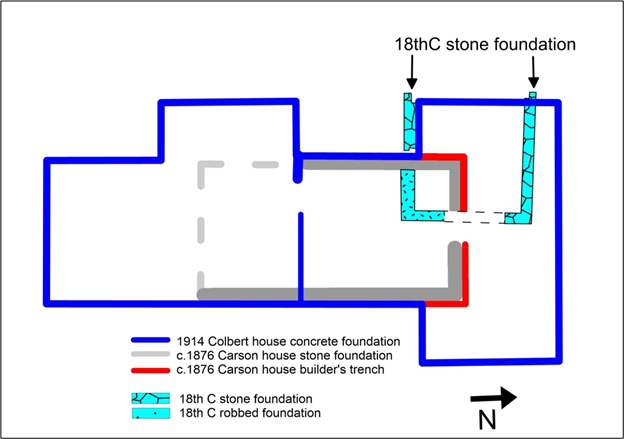
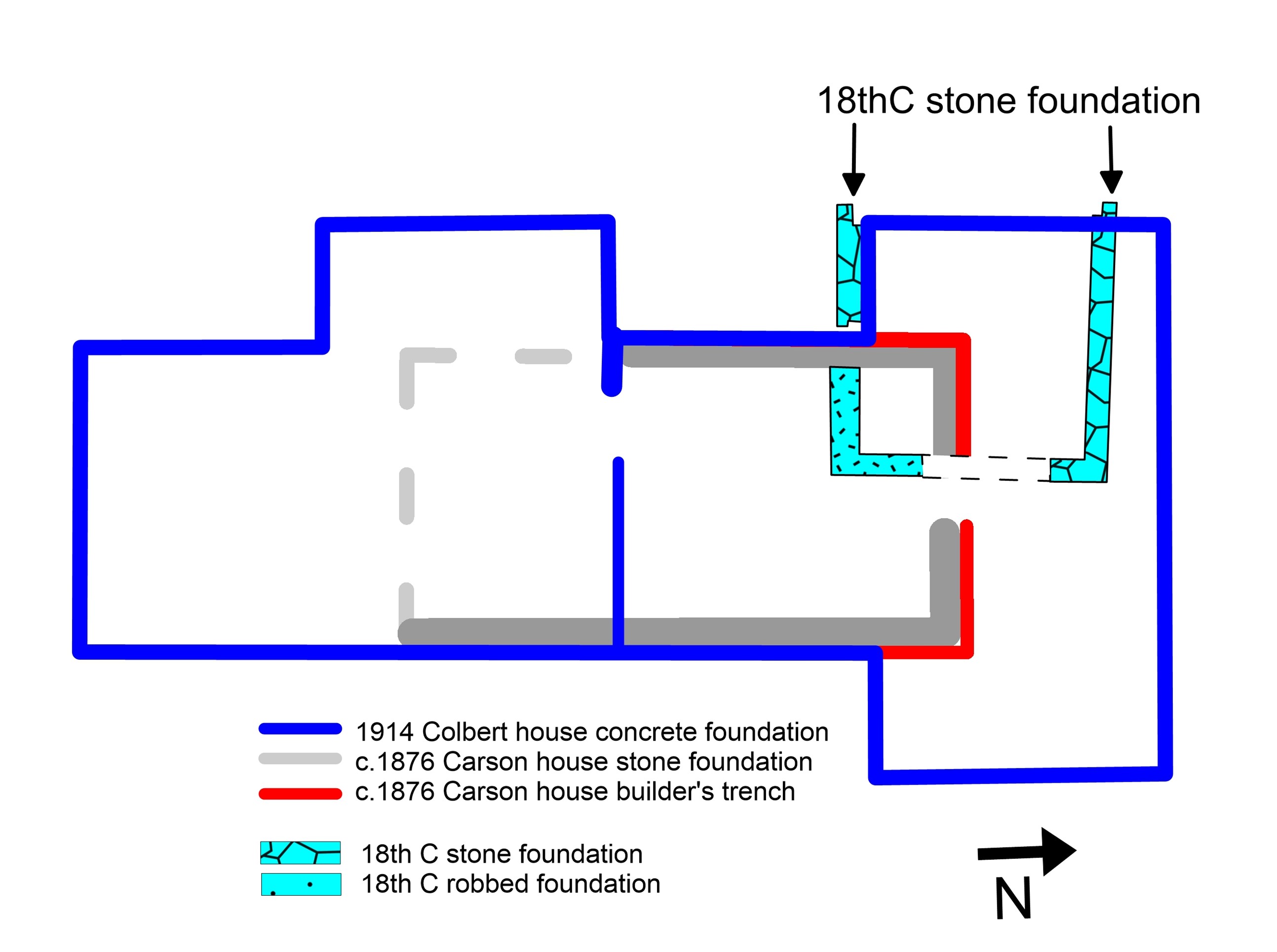
    Location of the 18th century kitchen foundation in relation to two later farmhouses dating to 1876 and 1914. 

    We did! But before we get to the fun discoveries, let’s go over how we got there. As far as sites go here at Ferry Farm, this one has been through a lot. Not only did the original 16’ by 16’ kitchen building burn and collapse in on itself in the middle of the 18th century, but it also had two subsequent farmhouses built on top of it that were either moved, damaged in a fire, or demolished all within the last 150 years. A previous archaeology project on the site introduced another element of complexity in understanding the depositional sequence of fills on the earlier 18th-century site, which had obviously been heavily disturbed by all these later events.

    All this led to an interesting excavation. Since a significant portion of the site had previously been excavated in the 1990s, a sizable amount of our site time was spent re-excavating backfilled archaeology units with the purpose of exposing unexcavated layers around the site. Not only would these unexcavated layers allow us to gather new data, but it would also give us the opportunity to better understand the findings as recorded in the earlier reports.

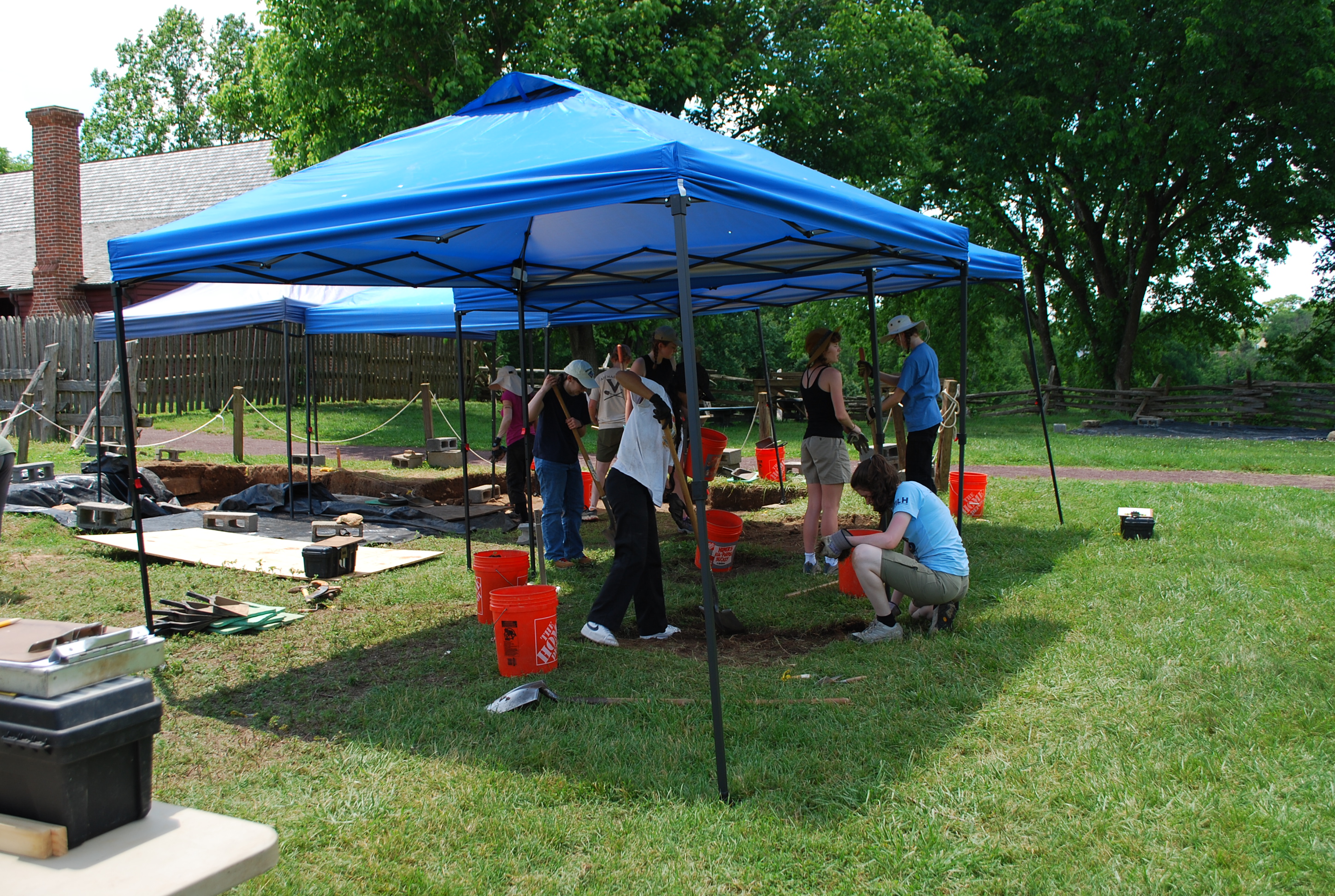
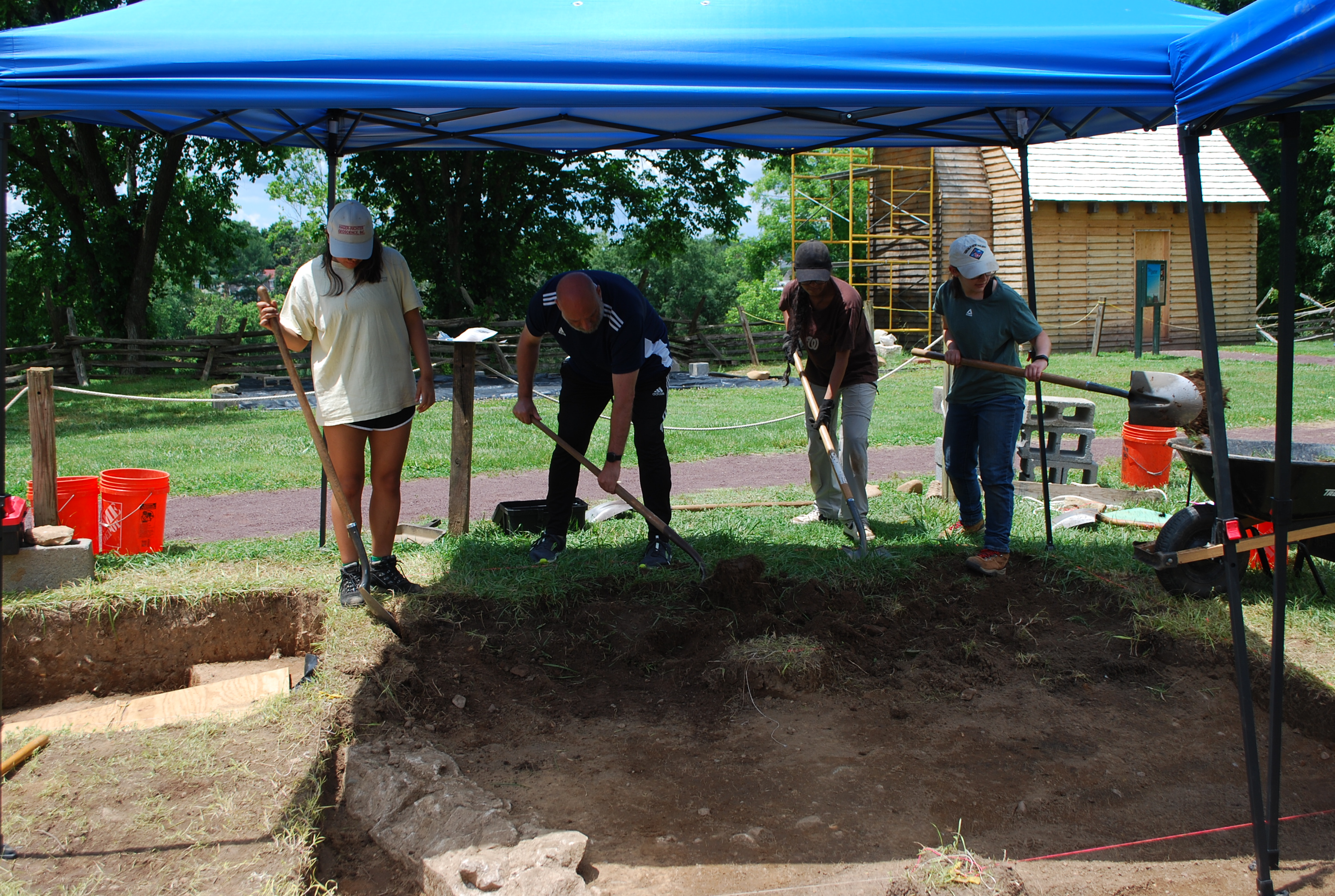
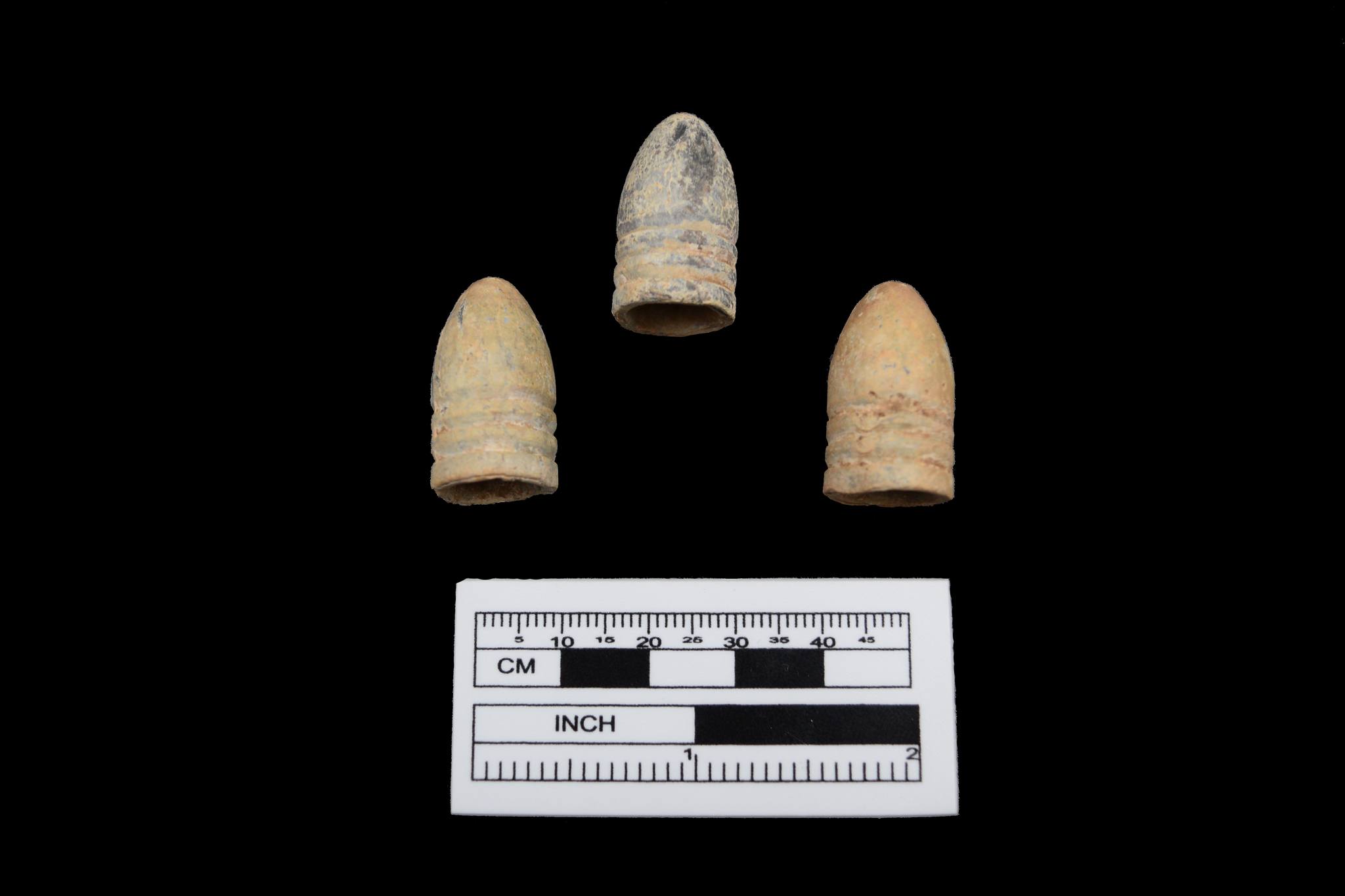
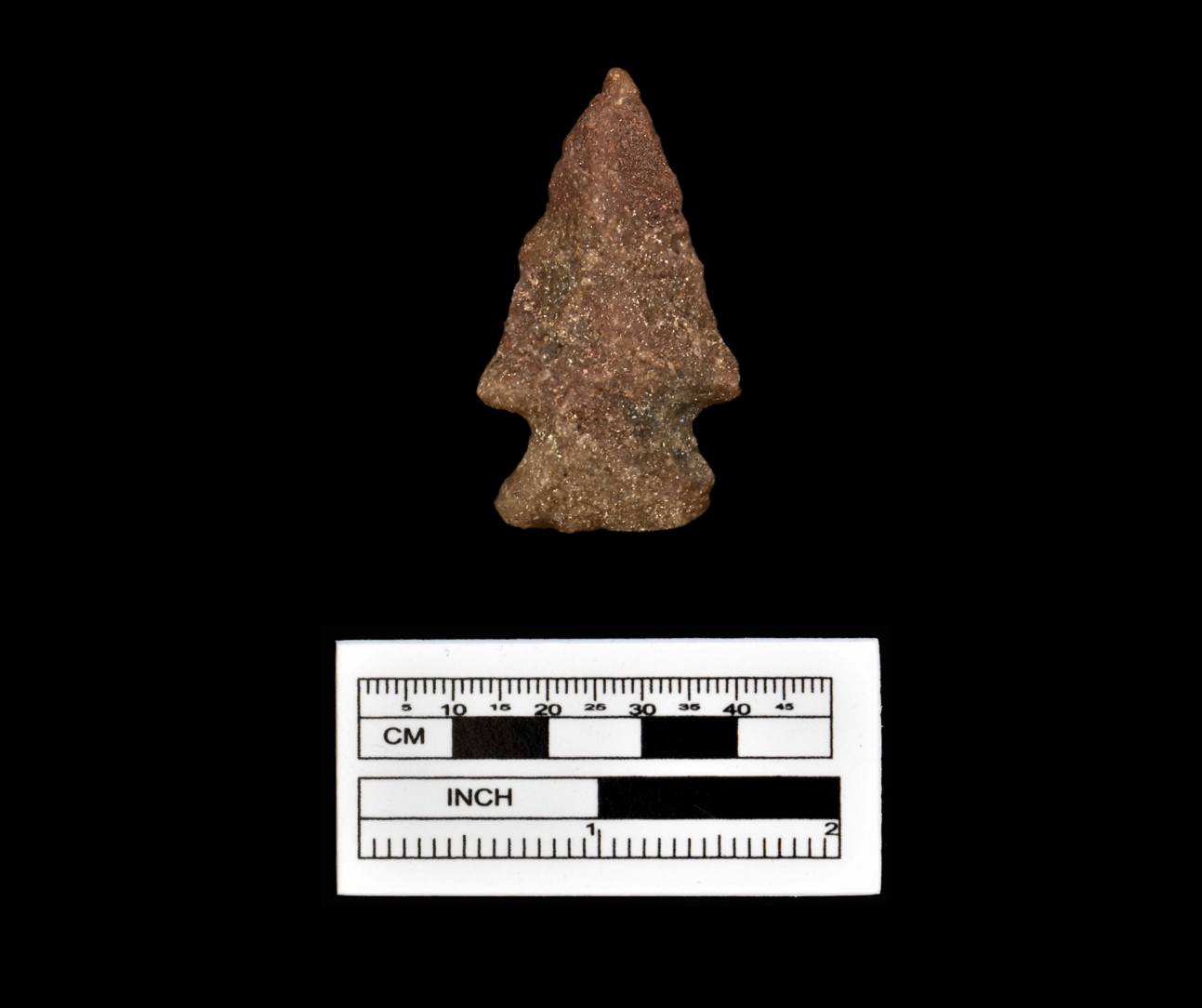
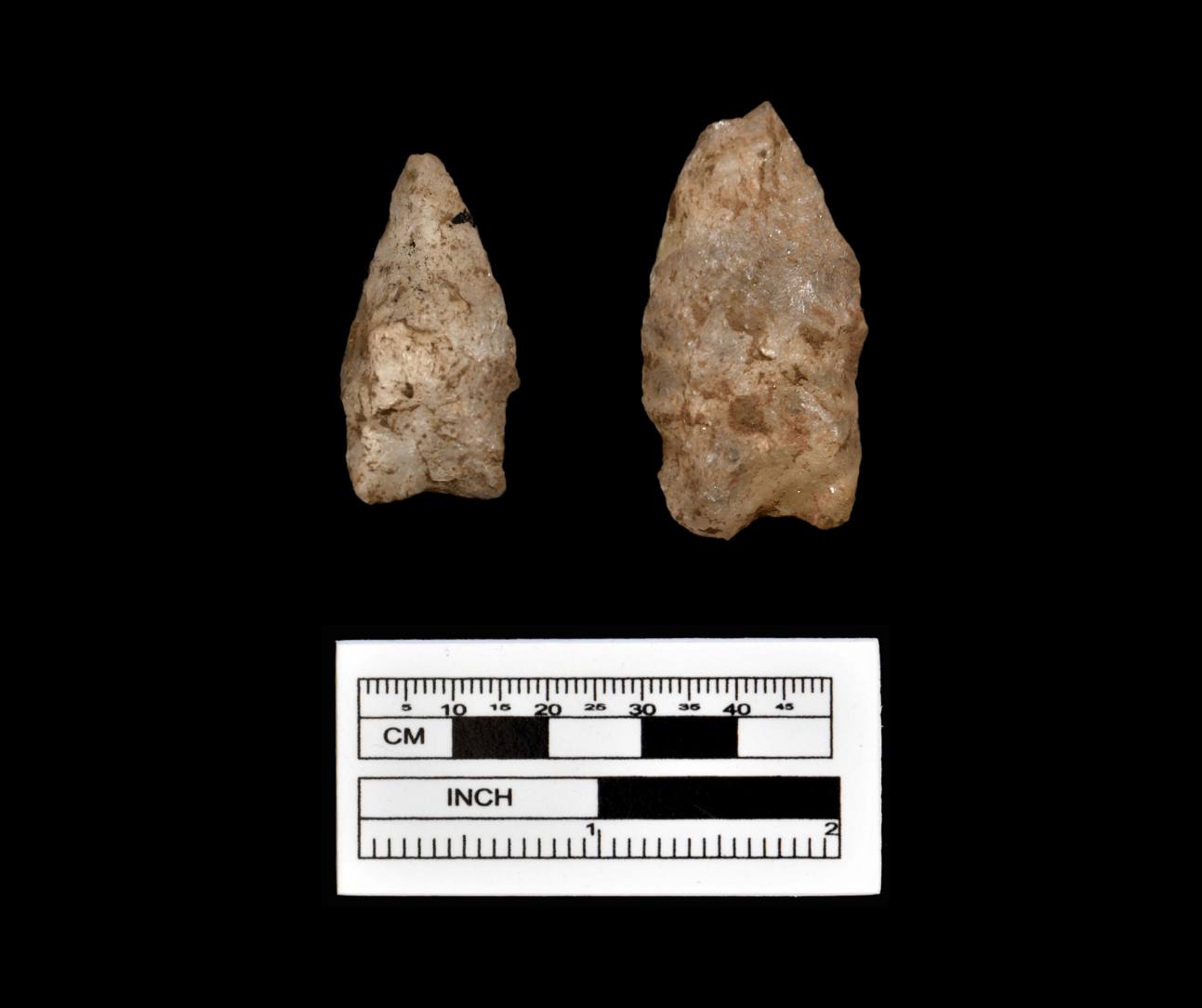
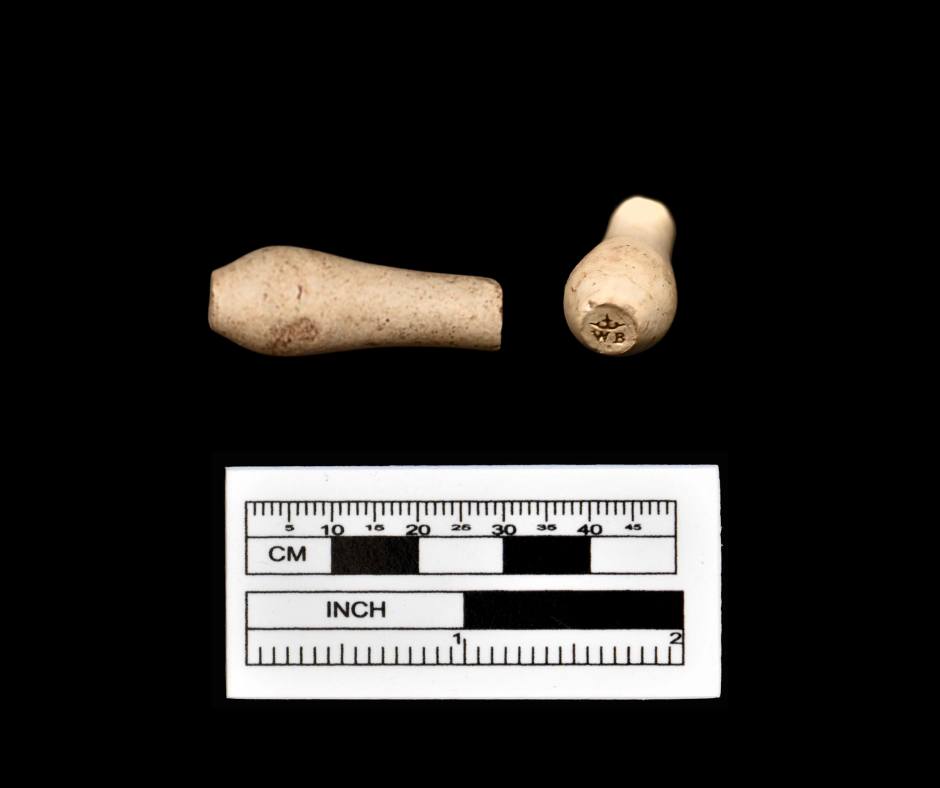
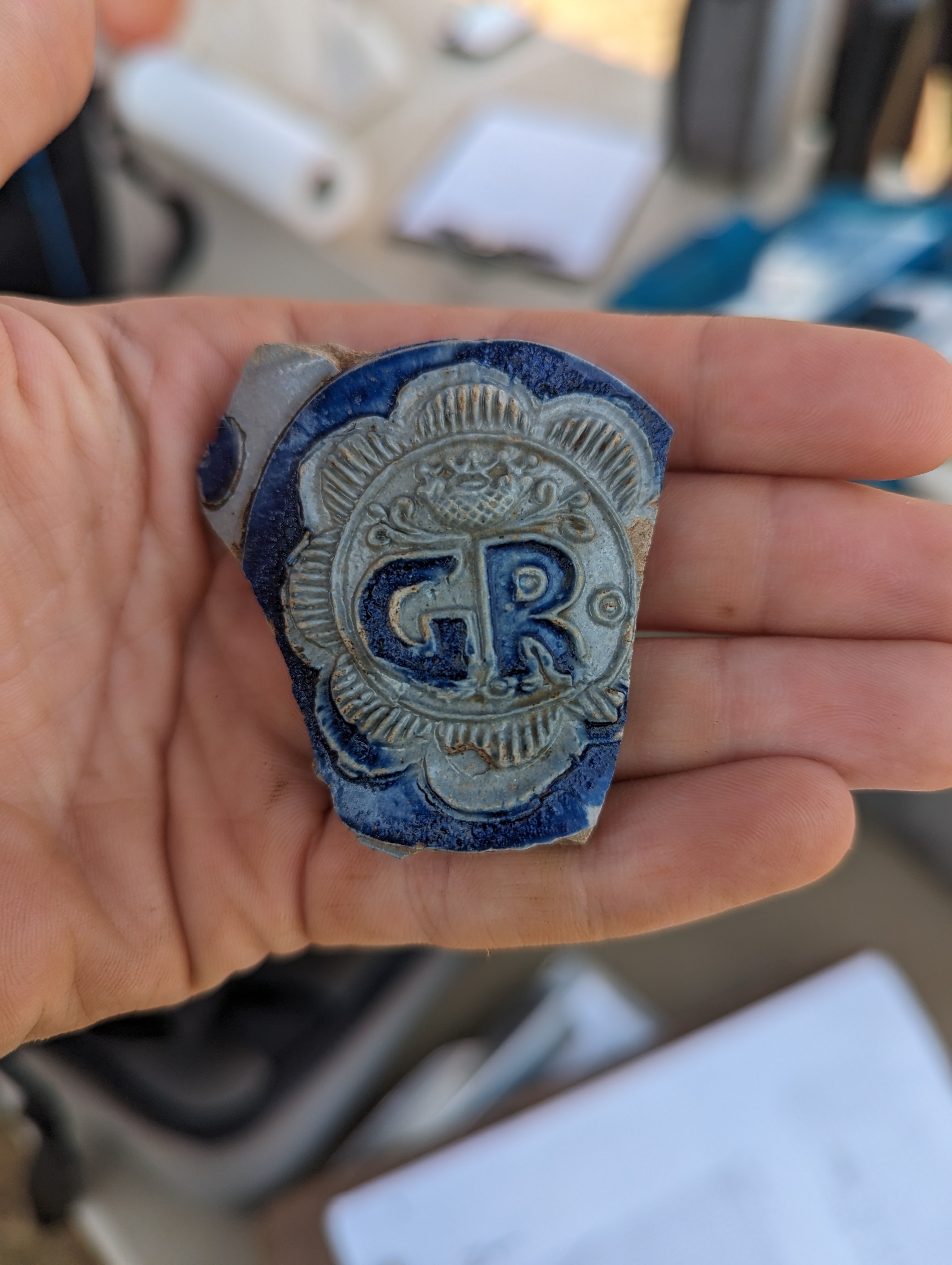
    With the help of our wonderful field school students and interns, we opened a total of twenty-seven 5’x5’ units across the kitchen site. Sifting through the dirt, hundreds of artifacts were found dating to all occupations of Ferry Farm. Super cool finds that date to the 18th-century period of use for the kitchen included tobacco pipe fragments, wine bottle sherds, and a variety of ceramics, including English stoneware, Chinese porcelain, and a German Westerwald ‘GR’ sherd. The prehistoric Native American occupations of the site were represented by an unusually high number of projectile points found (8 and counting!), dating to both the Early Archaic (8000 BC – 6500 BC) and Early Woodland (1100 BC – 500 BC) periods.  Civil War bullets came up in our screens, of course, as did 20th-century plastic, tools, toys, and bottle caps.

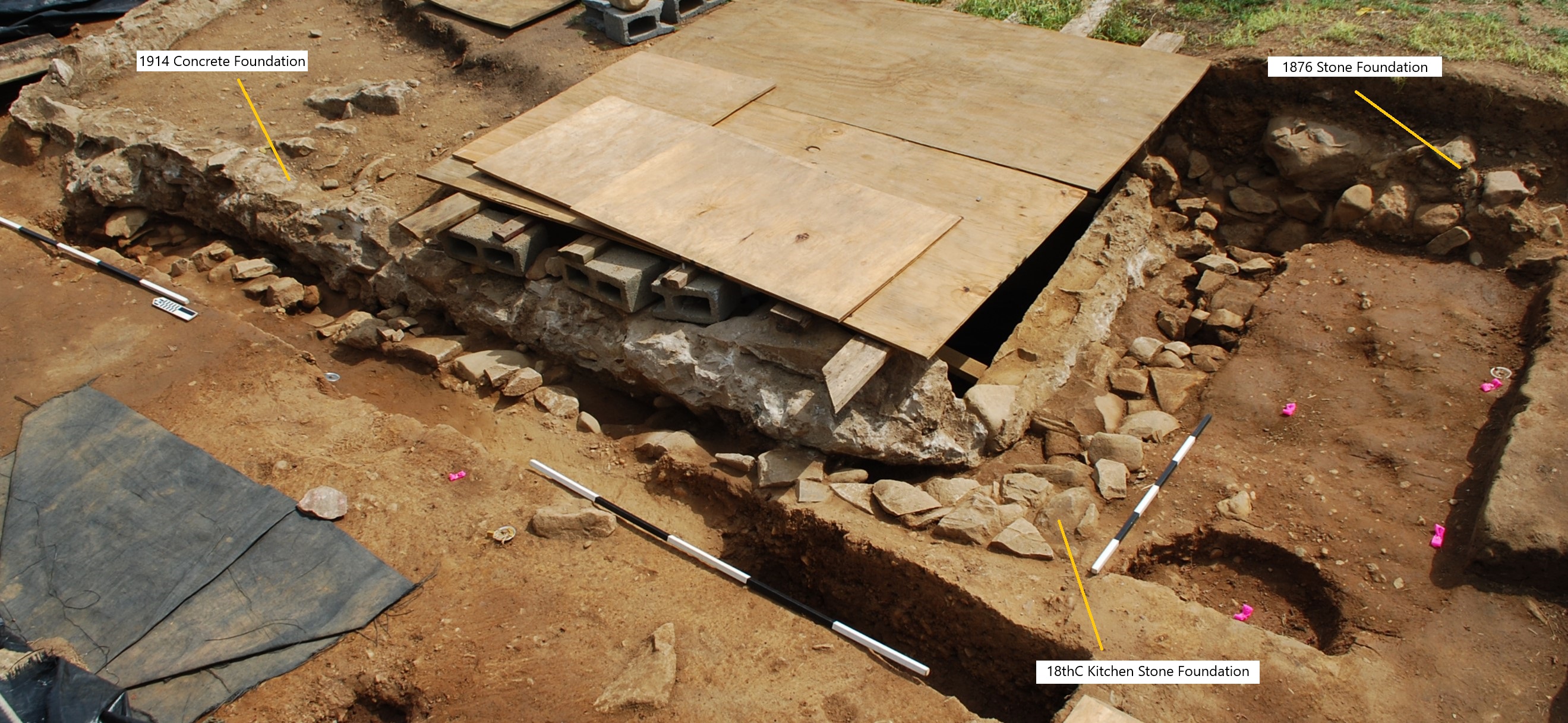
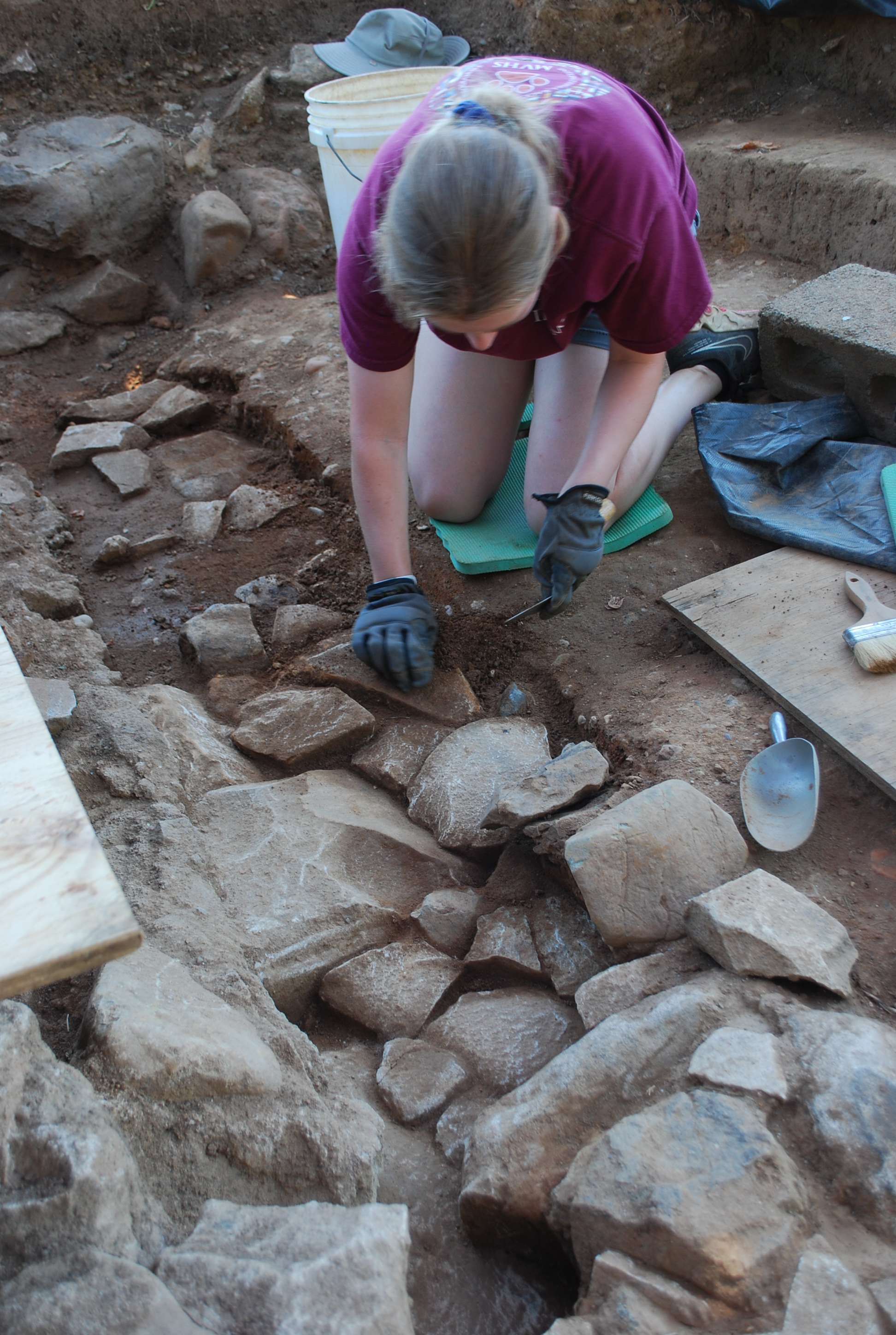
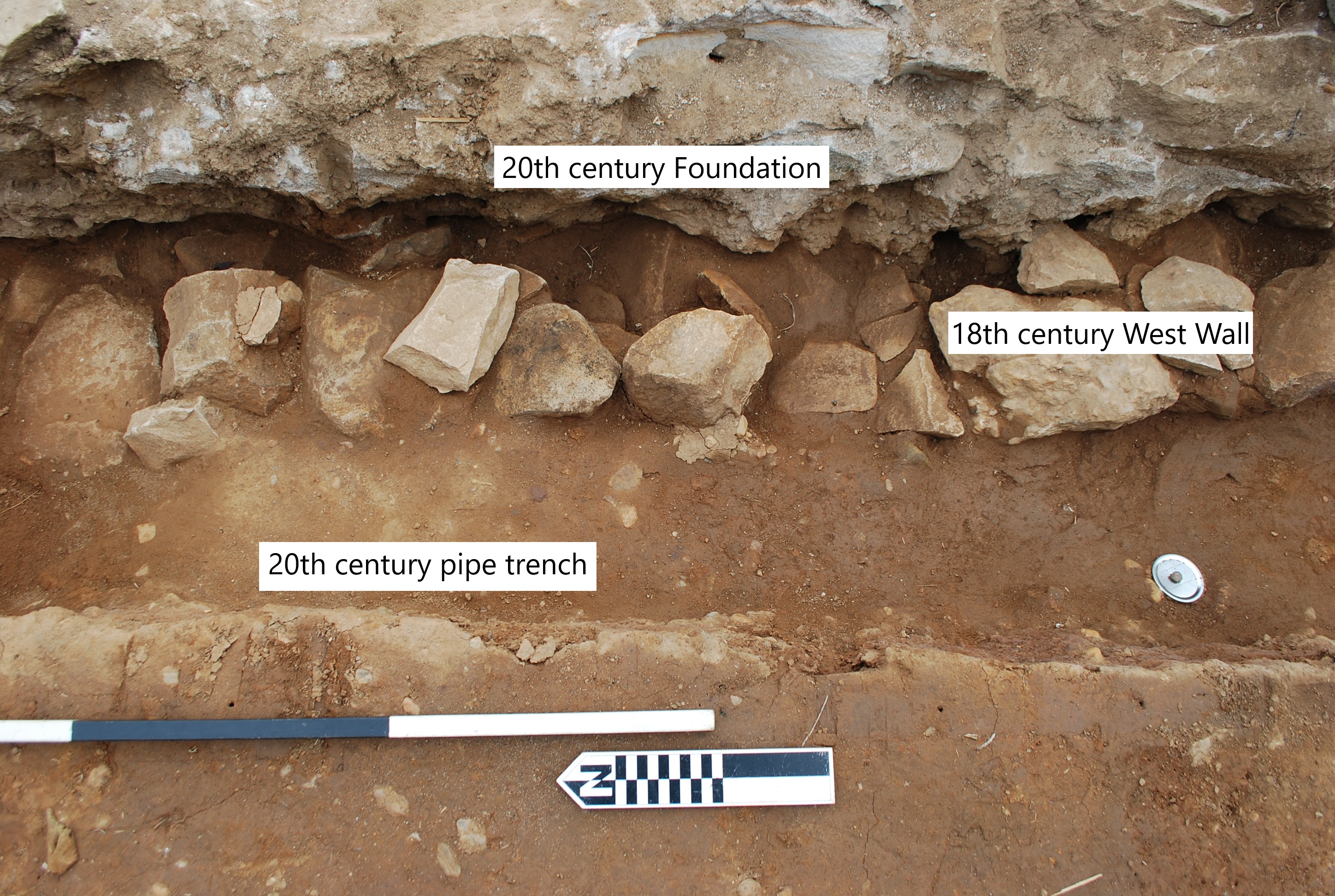
    But when it comes to finds, our most exciting discovery did not turn up in our sifting screens.  In fact, it was discovering that the western foundation wall of the kitchen cellar, thought to have been demolished, still survived!  During the 1990s excavations, the archaeologists did not see this portion of the stone foundation and assumed the construction of the 1914 Colbert house had destroyed it. Fortunately for us, it was hiding under a 20th century utility pipe and trench and lay directly adjacent to the Colbert concrete foundation. Now we have all four foundation walls that we hope to fully uncover next year.

    Exposed south and west stone walls of the colonial kitchen lie adjacent to and just outside of the 1914 concrete foundation wall.  
    West wall of colonial kitchen that was hiding under the pipe trench

    Our excavation units surrounding the kitchen foundation have not, as of yet, exposed additional building features associated with the kitchen outbuilding, such as foundations or fireplaces. That search will continue next year as we continue taking those units down and expanding our site area. Features exposed in the 1990s dig, but not excavated by them or us, such as possible post holes and trash middens, also await our return in 2025, when we plan on finishing their excavation.

    Each year’s excavation is built on the work accomplished in the previous years.  With the incredible amount of work done this past summer of exposing the original kitchen foundation, as well as the later farmhouse foundations, removing old fill, and opening up the adjacent landscape, we are looking forward to expanding our investigations of the kitchen site next year.  Stay tuned as we unravel the mysteries that are here at Ferry Farm, George Washington’s Boyhood Home.


    Danielle Arens and Judy Jobrack

    GWF Archaeology Field Directors

  • 2024 Dig Preview!

    Spring is in the air. The weather is warming up, flowers are blooming, bees are buzzing, and of course the dig season is about to start here at Ferry Farm, George Washington’s Boyhood Home.

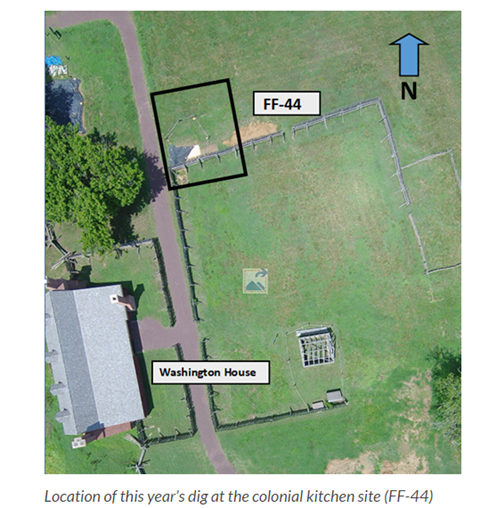
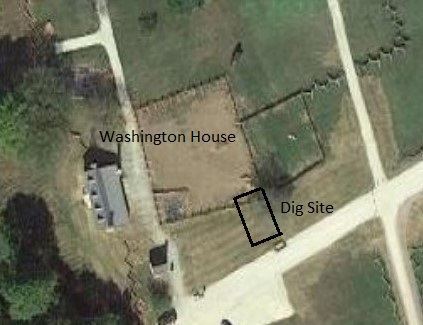
    As part of the 2023 dig season, our team revisited the site of a colonial-era kitchen that had experienced a particularly destructive fire sometime in the middle of the 18th century. The kitchen’s foundation, as well as the surrounding landscape, had been compromised by the construction, and subsequent destruction, of two farmhouses that were built directly on top of everything. This site (FF-44) is located about 50 feet from the northeast corner of the Washington House.

    Location of this year’s dig at the colonial kitchen site (FF-44)

    The 18thC kitchen site was initially explored as part of an archaeological assessment of the Ferry Farm historic property in the early 1990s. The structure and its contents were originally interpreted as a house, but a reevaluation of the excavation notes and artifacts several years later reinterpreted this site as a kitchen, not a primary domestic dwelling. But research queries still exist, such as narrowing down the dates of construction and destruction of the structure, as well as determining the possibility that meaningful artifact deposits and landscape features that might help bolster the interpretation of the building still exist outside of the foundation.

    Location of the 18thC kitchen in relation to later 19th and 20thC farmhouses

    With these questions in mind, our efforts last summer focused on working out a game plan for reexamining the site for our future excavations.  During our dig, we uncovered the southwest corner of the original kitchen as well as the foundation of the 20th-century farmhouse overlaying it. Re-locating the site and evaluating the amount and extent of fill were our primary goals. That completed, this year we will concentrate on investigating the landscape surrounding the foundation and reexamining the burnt fill within.

    Last year’s excavation. Red arrow points to area inside of the kitchen, white arrow points to area outside of the building. The stone and concrete wall is part of the 1914 farmhouse foundation, which sits atop the colonial kitchen fill.
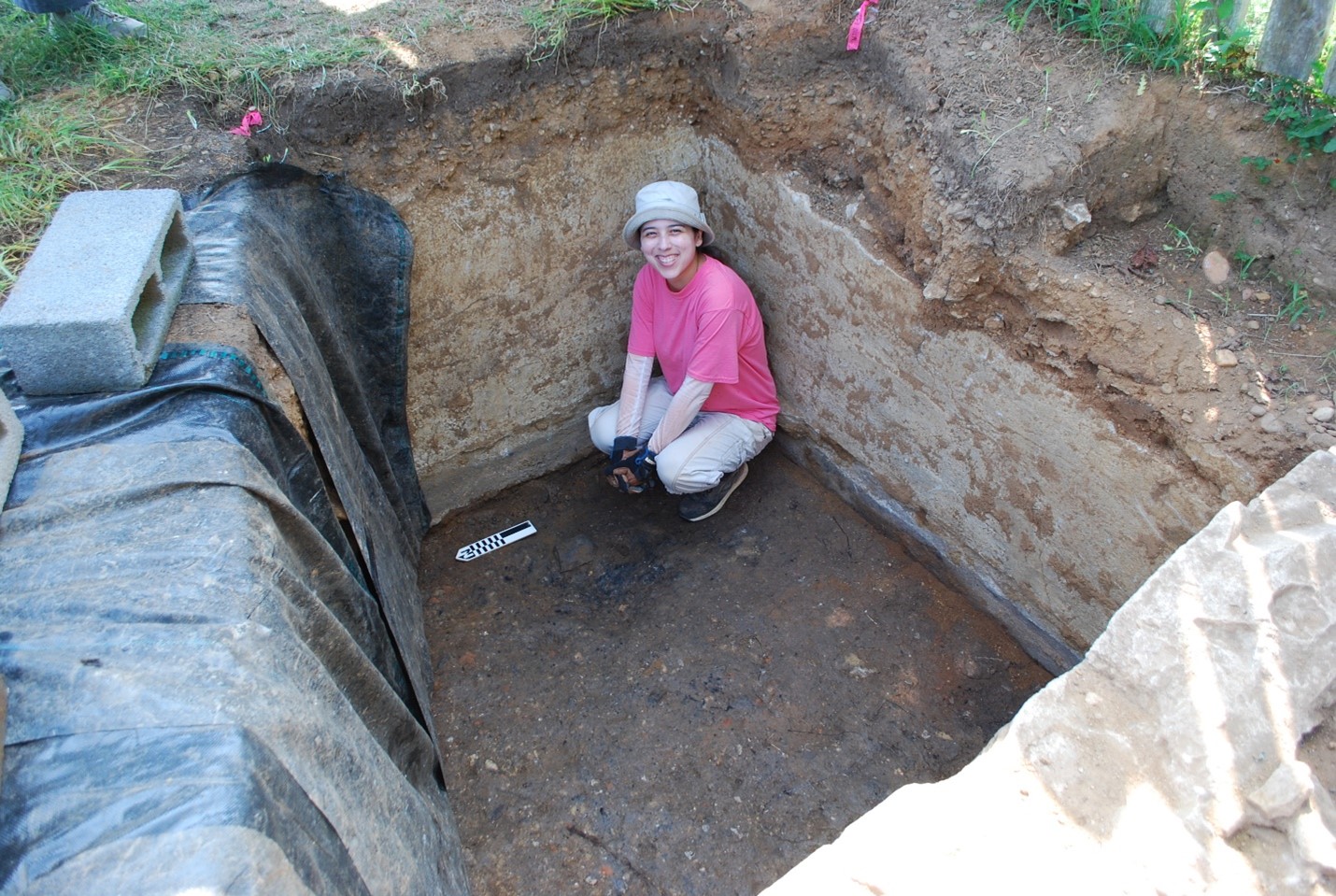
    Lead excavator Sarah on floor of kitchen cellar

    An honest question you might ask would be why would we want to learn more about what was outside of the foundation? Isn’t all the important stuff inside? In the archaeological world, a lot of valuable information can be learned from these outlying areas. Eighteenth-century trash middens are often found outside of a building because garbage was being thrown off of the porches and out the doors and windows. Studying this everyday disposal of trash can tell us how and when a building was being used, as well as traffic patterns by those using the building.

    Another interesting feature that can be found outside of a foundation is a builder’s trench. These trenches were dug by the individuals building the foundation, and as they worked and backfilled these trenches, items they were currently using were accidentally left behind. These artifacts can be excellent dating material and can really nail down a construction date.

    Other items we will be looking for are possible supplementary building features, such as post-in-the ground foundations and fences. Additionally, taking a second look at the site will help us better understand the previous archaeology that was done over thirty years ago.

    As for the exciting second site we started excavating last year, Feature 321, we are putting that project on hold for now and concentrating our efforts on the kitchen site. But work continues in the lab on all the interesting artifacts recovered during last summer’s dig.

    This year’s dig begins April 29thand ends July 12th.  Archaeologists are working on site from 8 am until 4 pm, Monday through Friday, and we gladly welcome questions from our site visitors.  So be sure to stop by and see what exciting things we uncover!

    Danielle Arens and Judy Jobrack

    George Washington Foundation Archaeologists


  • Wrap Up of 2022 Dig!

    At the beginning of our 2022 dig, we were working with the assumption that a colonial-era building was located at the edge of our excavation site at Ferry Farm, the Boyhood Home of George Washington. At the southeastern edge of the work yard, four post-holes had been found and excavated during previous projects. All were similar in size, shape, and depth, and each one was 10 feet apart from another, forming a single line. 

    Figure 1. Location of the 2022 excavations at Ferry Farm.

    We presumed these features represented one side of a building and not a fence, mainly because of their size and distance from one another. Our objective was to find the rest of this structure and figure out what kind of building it was.

    Figure 2. Four post holes at the beginning of 2022 excavations, prompting us to look towards the south for the other side of the building.

    Our first goal was to ascertain if our -hole line extended further towards the east or west. Re-examination of previously excavated units to the west and the excavation of new units to the east revealed no additional posts, which meant our building was confirmed at 30 feet long on one side.

    The second objective was to find a parallel wall to our post-hole line, as would be expected if this line represented the remains of a structure. Because previous excavations in this area (2019, 2020, and 2021) showed no relatable line of posts to the north of our four post holes, we opened up new units and reopened previously excavated units to the south.

    What we found was not another line of post holes but a large stone pier and what appears to be two robbed stone pier features to the south of our four post-holes. This line of stone pier/robbed piers was located approximately 20 feet south of the post hole line. They were also spaced approximately 10 feet apart, and each corresponded with the placement of three of the four post-holes. 

    Figure 3. Alignment of four post-holes and three stone pier features on the site.

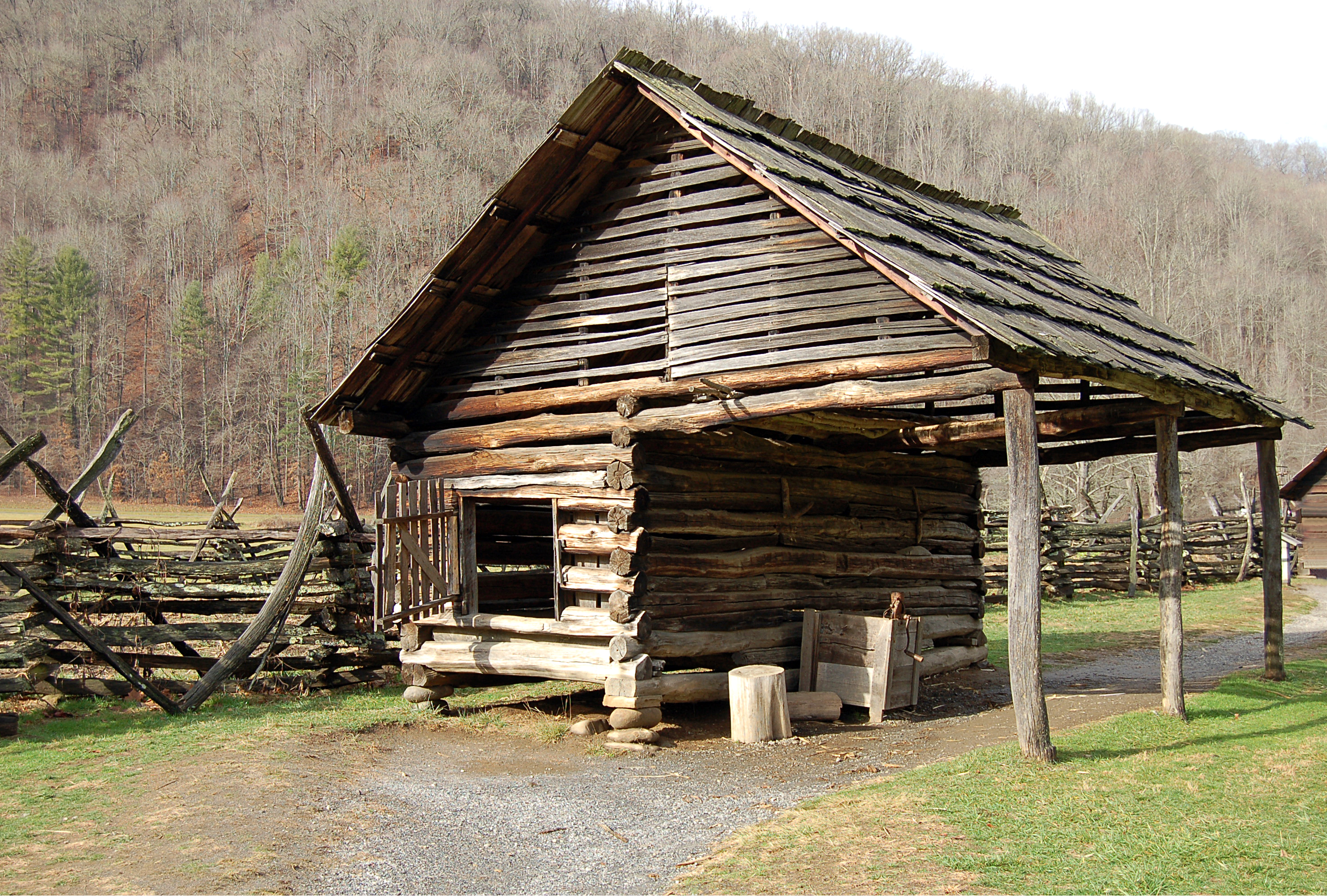
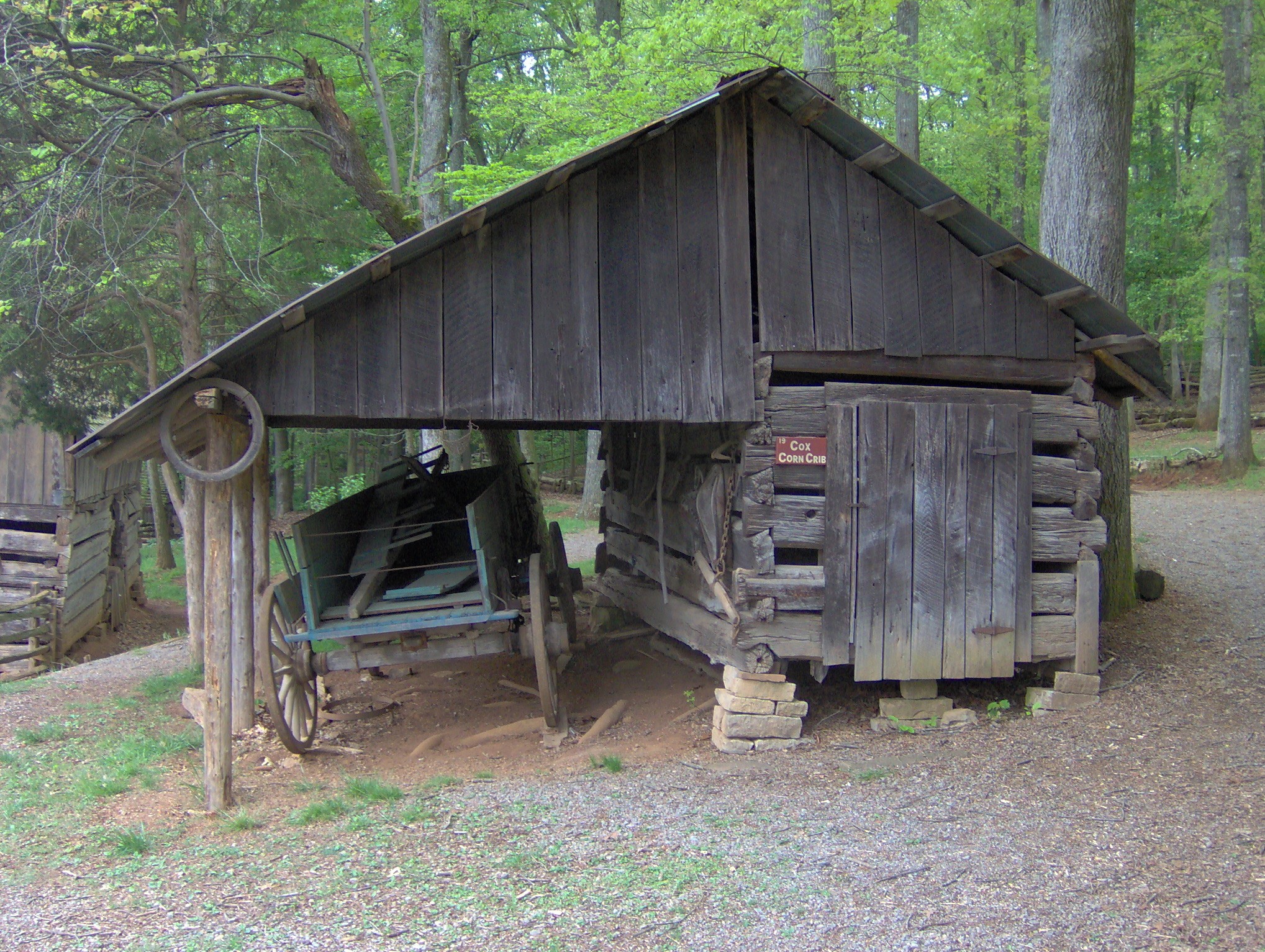
    We believe we have uncovered the partial remains of an agricultural building that employed a unique combination of wooden posts in the ground and stone piers for the foundation. A corn crib – a building found on every farm or plantation in every century – is such a structure that uses a combination of post in ground beams and stone piers in their construction. Stone piers would be used for the storage portion of the structure, and post in ground supports for the overhanging shed roof that affords protection to wagons offloading corn into the building. The corn crib examples below illustrate the use of two different foundation styles.

    Figure 4. An example of an old Corn Crib (North Carolina) using the same foundation system uncovered at Ferry Farm. The foundation features stone piers for the storage portion of the structure, with wooden post in ground beams that make up the protective shed roof that covered wagons being unloaded. (Wikimedia Commons)
    Figure 5. Corn Crib in Tennessee that uses post in ground supports for the shed portion of the building as well as stone piers for the storage portion of the structure. (Wikimedia Commons)

    The excavation of the entire structure, particularly the southernmost wall of the storage shed, was hindered by the existence of the emergency access road that was installed at Ferry Farm in 2018. So while we have the entire open shed portion of the corn crib, only half of the storage portion has been uncovered – the rest remains below the current entrance road.  

    Figure 6. Interpreted location of the corn crib on the site.

    Artifacts from this area have not yet been processed in our lab, but their preliminary analysis support the interpretation of this structure dating to the Washington period. 

    From historical documents, we know the Washington family was growing corn on their property, thus necessitating at least one, if not more, corn cribs on the farm. For example, in 1750, Mary Washington is paid £10 for selling corn to the Accokeek Furnace, a business originally started by her husband but then overseen by her stepson, Augustine Jr. Also, Washington’s survey of Ferry Farm in 1771 specifically mentions a cornfield on the property.

              Efforts of the last two dig seasons have centered around uncovering this building and determining its function. Having gone as far as we can in the field, our outside work on this structure is done. Work continues inside, processing the artifacts in the lab and refining our interpretation of this exciting new addition to the Washington landscape. 

    There will be another dig season this year at Ferry Farm, starting mid-May. Our focus will switch to different areas of the site, so be sure to visit this summer and allow us to tell you about our new projects. 

    Judy Jobrack
    Archaeology Field Director