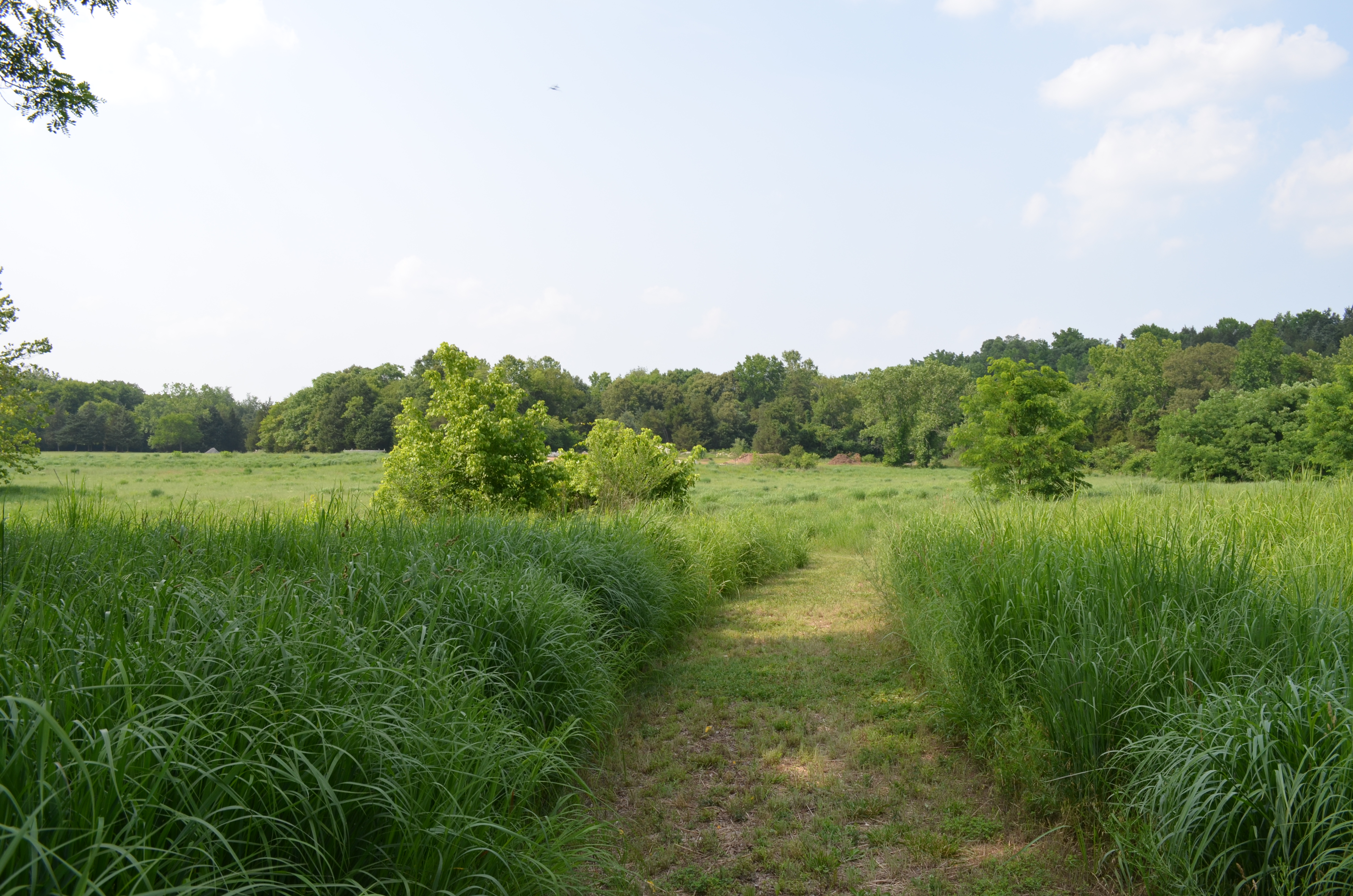
Step onto the grounds of George Washington’s boyhood home and, notwithstanding its famous connection, there’s no mistaking the feeling of being in a special place. A National Historic Landmark, Ferry Farm stretches along the Rappahannock River across from downtown Fredericksburg’s City Dock. The land is varied and rich, with native woodlands, a native grass meadow, walking trails, riverbeds, springs, a garden, and scenic Virginia rail fences. It has seen a significant share of American history from the activities of Native Peoples, to the colonial inhabitants, to Civil War Union encampments, and more.

Historically significant land such as this ought to be carefully maintained and stewarded – and it is. With its variety of features, maintenance can become a challenge, as there is always the threat of erosion, the caring for trees, the need to ensure the grounds are safe and passable for visitors, and finding economical ways to use and reuse what’s available. Also, we cannot forget the residents that have first rights to be here – Ferry Farm’s numerous critters.

“We try to keep a balanced ecosystem by only introducing native plants that would not interrupt the natural beauty of the site,” explains John Carmichael, Buildings and Grounds Director. “The land is kept as natural as possible to maintain a primitive ecosystem native to the area. Forests are kept healthy by mitigating the growth of invasives. Grasslands are maintained with tough turf, mainly natural growth. We’re not looking to keep up a pretty green lawn with no weeds; we maintain how it would have looked in Washington’s day, with natural growth, clover, and field grasses.”
The grass in front of the House leading to the riverfront gets mowed sparingly in order to protect all of the embankments from erosion. Growing large strong roots helps keep the soil in place. Underbrush on the riverbank remains in place, for the same reasons, and fencing keeps visitors off of the area since it is unsafe footing.

The entire flat nearest the water was created by the Corps of Engineers shortly after the conclusion of the Civil War. Sediment from erosion was threatening to make the river too shallow to navigate. To relieve the problem, the Corps built wooden retaining walls along the river’s edge and then dredged a channel to allow ships to resume operating on the river. They used the sand from the dredge to fill in behind the wooden retaining walls. With sand not being optimal land for growing trees, trees that happen to grow there are left because they’ve already proven their hardiness.
Since no commercial fertilizers and minimal weed killers are used at Ferry Farm, composting and mulching are an essential part of stewardship. Large limbs, trimmings, and small branches are placed at the edges of woods to decompose and provide shelter for animals. Tree trimming partners will mulch downed limbs which in turn get spread onto walking paths and parking lots.
Composting at Ferry Farm is a three-year process. New grass clippings, greens, weeds, manure, wood ash, and leaves go into an initial pile for decomposition. In year two, everything gets turned and sifted regularly. By the third season, it’s ready to be spread throughout gardens and flower beds. Green and cost-effective, composting keeps useable nutrients out of the landfill.
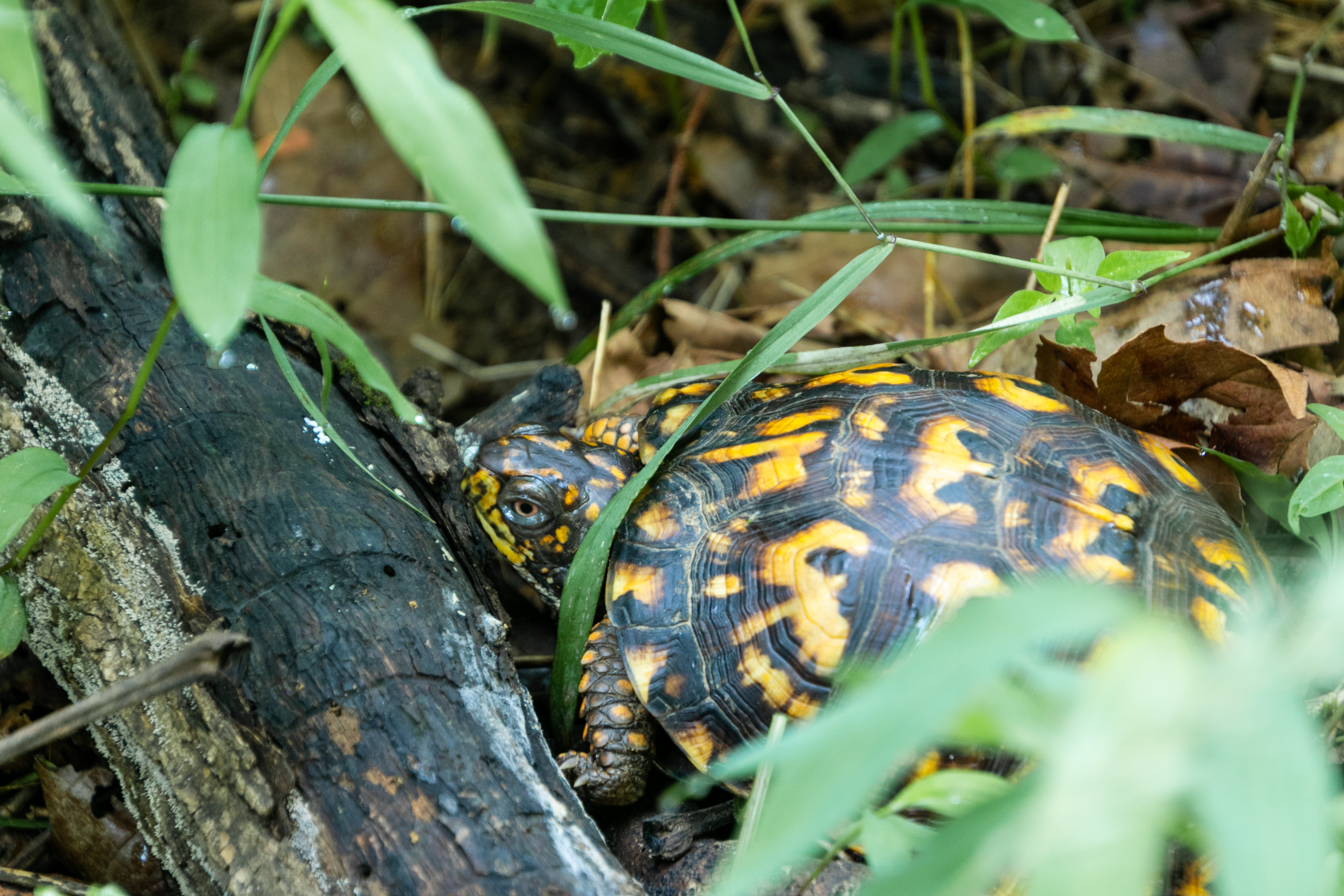
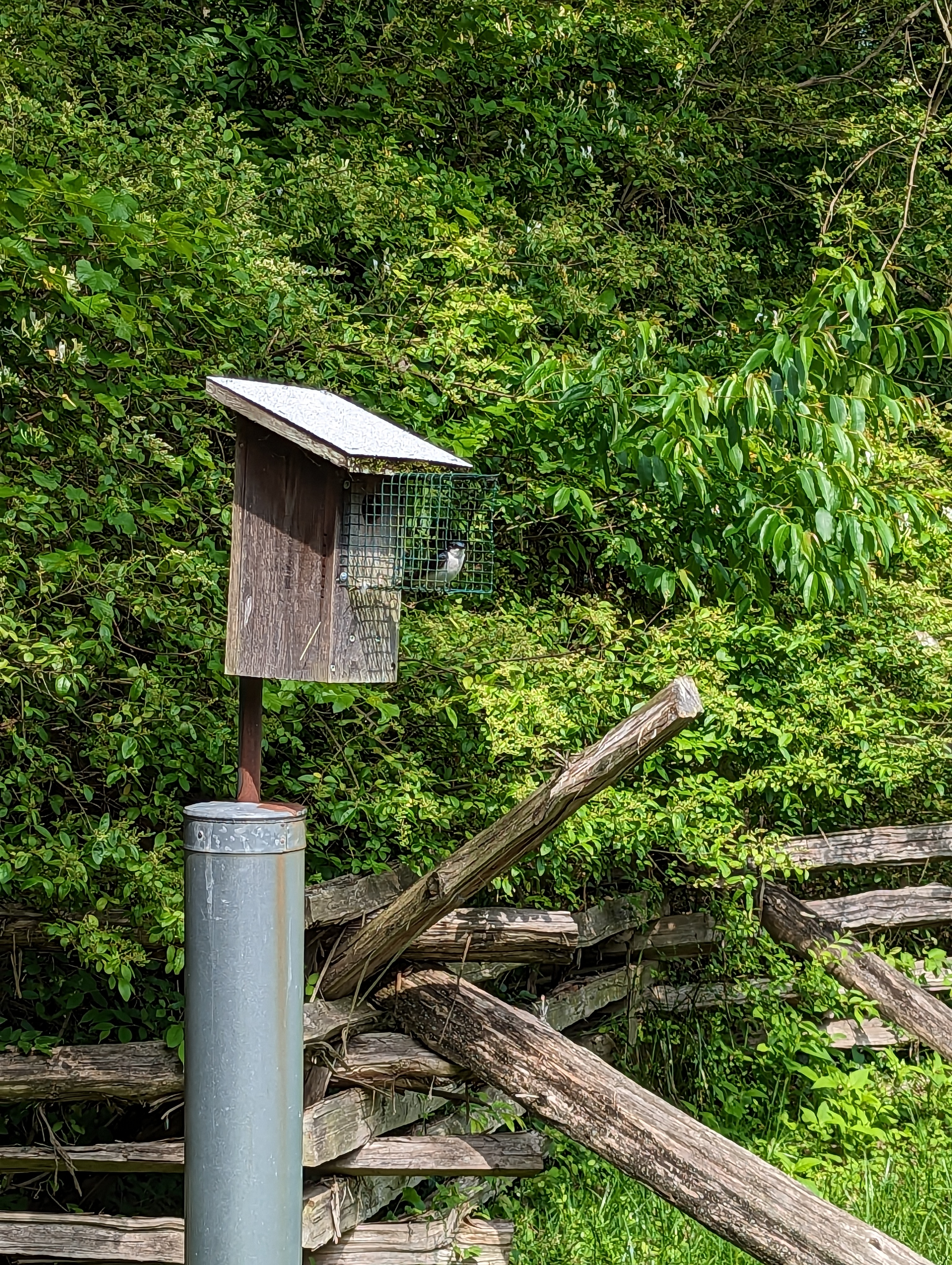
Surrounded by busy roads on two sides, Ferry Farm is a wild animal sanctuary for deer, rabbits, groundhogs, red and grey foxes, hawks, bald eagles, herons, opossums, raccoons, black and garter snakes, box turtles, bats, and hundreds of bird species. Leaving natural habitats for flora and fauna promotes a healthy ecosystem. The back meadow receives rejuvenate mowing in early spring to encourage it back to good health. It’s a birders’ paradise dotted with bluebird boxes along a mowed walking path. Over 125 different species of birds have been identified on the property over the years. Look closely, and flat patches of grass indicate where a deer has bedded for the night. Critters are welcome here. “As long as it poses no threat, it has a right to be here,” says Chris Lynn, Buildings and Grounds Technician.
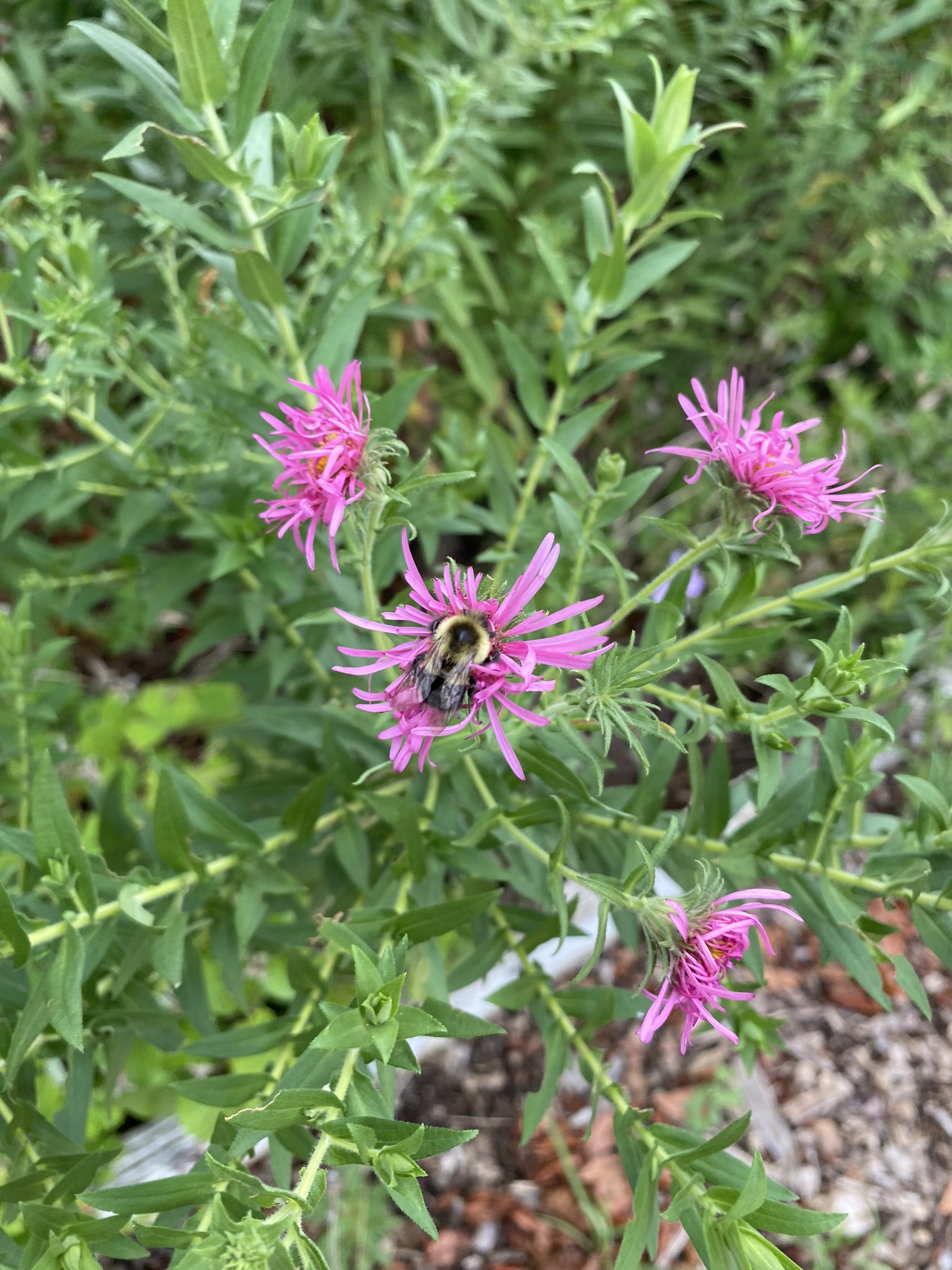
The flowers in the garden attract pollinators to the herbs and vegetables; fruit-bearing trees and shrubs do their part to attract as well. Gardens grow with the three sisters – corn, squash and beans – as well as tobacco, cotton, potatoes, and more.
Ferry Farm’s beauty conjures up days of natural grasslands, mature forests, and living in harmony with the land’s resources. Knowing that the “Father of our Country” spent his childhood here evokes moments of contemplation. Absorbing the sights and smells of wild flora and fauna while walking where young George walked is a step back in time, where the present awakens the past.
Lori Scott Pikkaart,
Marketing & Communications Manager