In 1824, the United States was approaching its national jubilee—50 years of independence. President James Monroe, looking to create a wave of patriotism and celebration, invited the last surviving General of the American Revolutionary War, an American hero and icon, to take a grand tour of the country revitalizing the “spirit of 1776.” That American hero was…a French aristocrat with a painfully long name of Marie-Joseph Paul Yves Roch Gilbert du Motier de La Fayette, the Marquis de Lafayette.
1824 portrait of Lafayette by Ary Scheffer is currently in the U.S. House of Representatives
I won’t go into General Lafayette’s exploits, heroism, and leadership during his time in the Continental Army, but the young man was impressive and quickly became an adopted countryman.
Lafayette being heroic at the Battle of Brandywine, artist Charles Henry Jeens
However, we will talk about his American tour, particularly his stop in Fredericksburg.
Lafayette arrived in New York on August 15, 1824, after setting sail on a merchant packet Cadmus from Le Havre with much disapproval from Louis XVIII, the King of France. But royal condemnation from Louis XVI (Louis XVIII’s elder brother) hadn’t stopped him from setting sail for America in 1777, and it didn’t stop him in 1824.
Lafayette arrived in Fredericksburg on the evening of November 20th. He was first received at the parade grounds by two companies of Riflemen, the Washington Guards, and the whole Marine Band from Washington. Then they all commenced in a long column toward town, gaining excited townspeople on horses as they continued down Hanover Street toward Caroline. (Merchant, 1824) (Levasseur, 1829)
Cover page of the book by Rufus B. Merchant documenting Lafayette visit, 1825
The procession made it to the Town Hall, which was festooned with evergreens and flowers. There, it was met by a battalion of little boys called Lafayette Cadets, dressed in sharp white uniforms with red trim. After a quick welcome speech from the mayor, the general was led into the Hall, where he was greeted by a group of garlanded young girls singing his praises.
Fredericksburg’s Town Hall, 1814-1816
The general was then whisked off to his accommodations provided by Mr. James Ross to enjoy refreshments and a “handsome” dinner. At nine o’clock, Lafayette, the Mayor, and Colonel Mercer were taken to the Farmer’s Hotel (west corner of Caroline and Hanover Streets) to partake in a grand welcome ball for a few hours until he retired, presumably exhausted from the day’s activities. (Merchant, 1824) (Crookshanks, 2018)
On Sunday, the general, his son, and Mr. La Vasseur visited the Freemasons at the Fredericksburg Lodge, No. 4. In addition to observing the solemn and profound ceremonies, Lafayette was elected an honorary member in the Old Lodge Room. (Masonic Lodge No. 4, 2024)
Masonic punch bowl used during the reception for the GeneralMasonic Lodge No. 4, about a hundred years after Lafayette’s visit.
The assemblage of Masonic Brethren, civil authorities, military officers, Lafayette, and company was escorted to St. George’s Episcopal Church to enjoy an excellent discourse delivered by the Reverend Edward C. McGuire, also a Mason.
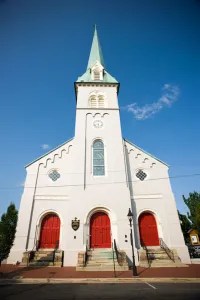
Interior of St. George’s Episcopal ChurchSt. George’s Episcopal Church, Established 1720
The general then spent the evening in the company of Washington relatives at Captain Robert Lewis’s, then retired to his lodging early at 9 o’clock. As Monday morning arrived, Lafayette was paraded to the town hall in a chariotee drawn by four white horses, where he was greeted by a crowd of ladies who occupied his time until he was led away for a sumptuous dinner at Mr. Gray’s Tavern. After a few hours of delicious food, songs, and speeches, the general was loaded into a carriage for the final time as he continued his journey to Washington. (Dovetail Cultural Resource Group, 2006)
Foundation of Mr. Gray’s tavern (Indian Queen Tavern) located on the current Marriott Hotel site.
Lafayette’s time in Fredericksburg might have been short this trip, but it gave the city a last chance to thank and honor a valued friend who had been a champion for America and helped fight for this country’s freedom.
The city will again celebrate General Lafayette’s visit with a Commemoration Weekend on November 23rd and 24th. The weekend will open with a recreation of Lafayette’s arrival at the Old Town Hall, including period music and costumed participants. A reception line with the General will follow it. There will also be a Lafayette Ball on Saturday night, where participants can dress in their finest Regency garb and dance the night away (until 9 p.m.) with the General and President Monroe.
Additional Saturday events include tours of the historic Masonic Lodge No. 4. Learn about the history of George Washington’s Mother Lodge and the fraternity’s importance to the general and see rare artifacts like the original punch bowl used during Lafayette’s visit. For more information and tour hours, visit the Masonic Lodge No. 4 website.
Sunday will start with recreating Lafayette’s Masonic welcome, with historical speeches and a unique ceremony. There will be additional Lodge tours from 1 to 4 p.m. At noon, a historic church service at St. George’s Episcopal Church will be reminiscent of that performed by Rev Edward McGuire. Lastly, back at the Masonic Lodge from 2 to 3 p.m., historian Chris Ruli will give a lecture discussing his forthcoming book, “Brother Lafayette,” which examines the Marquis’ connection to the ancient fraternity.
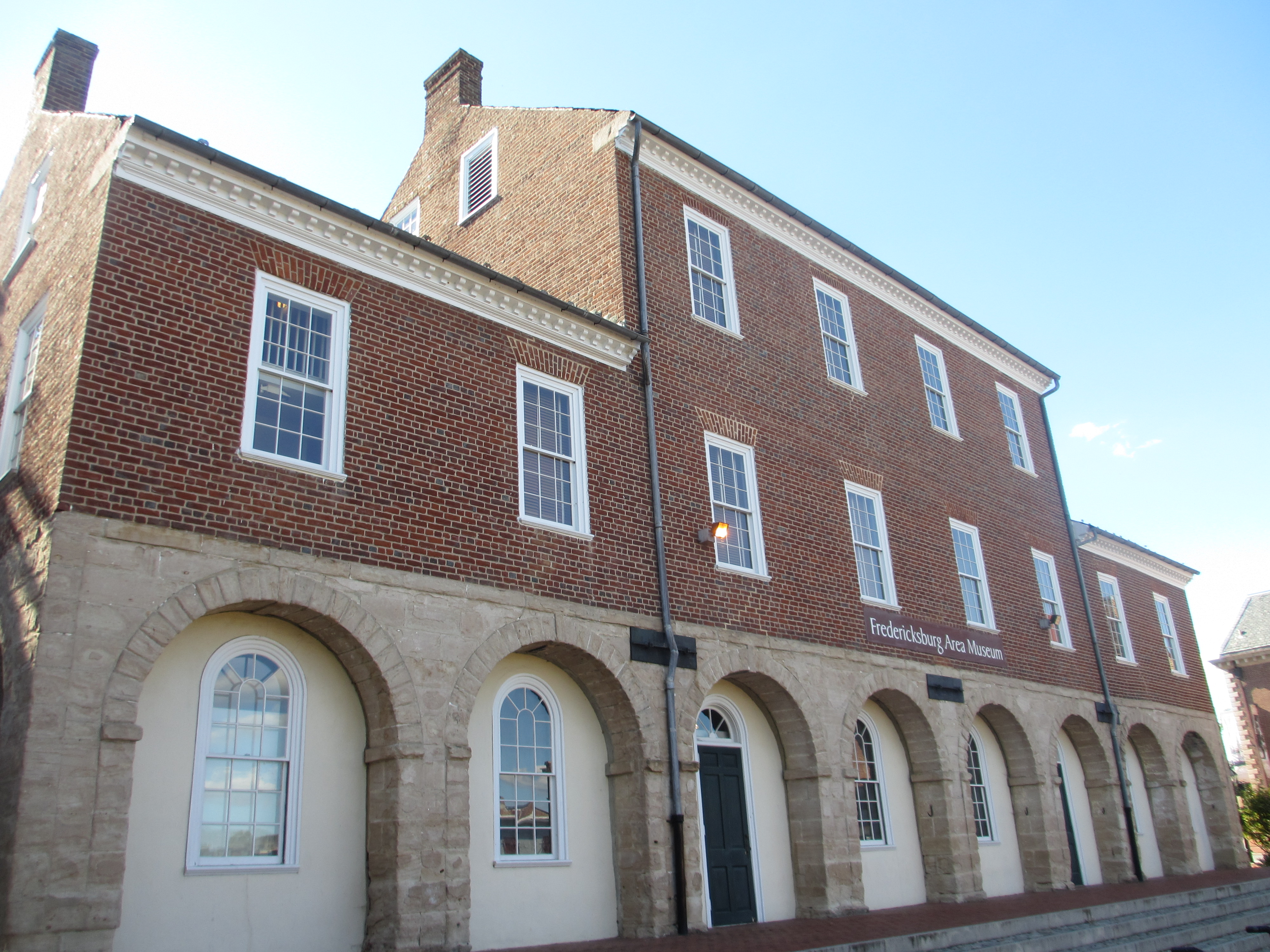
Finally, if you have some extra time on the weekend, stop by the Fredericksburg Area Museum and see their exhibit “Lafayette’s World: Revolutionary Ideals and the Limits of Freedom,” which explores Lafayette’s ideas on freedom, democracy, and abolitionism.
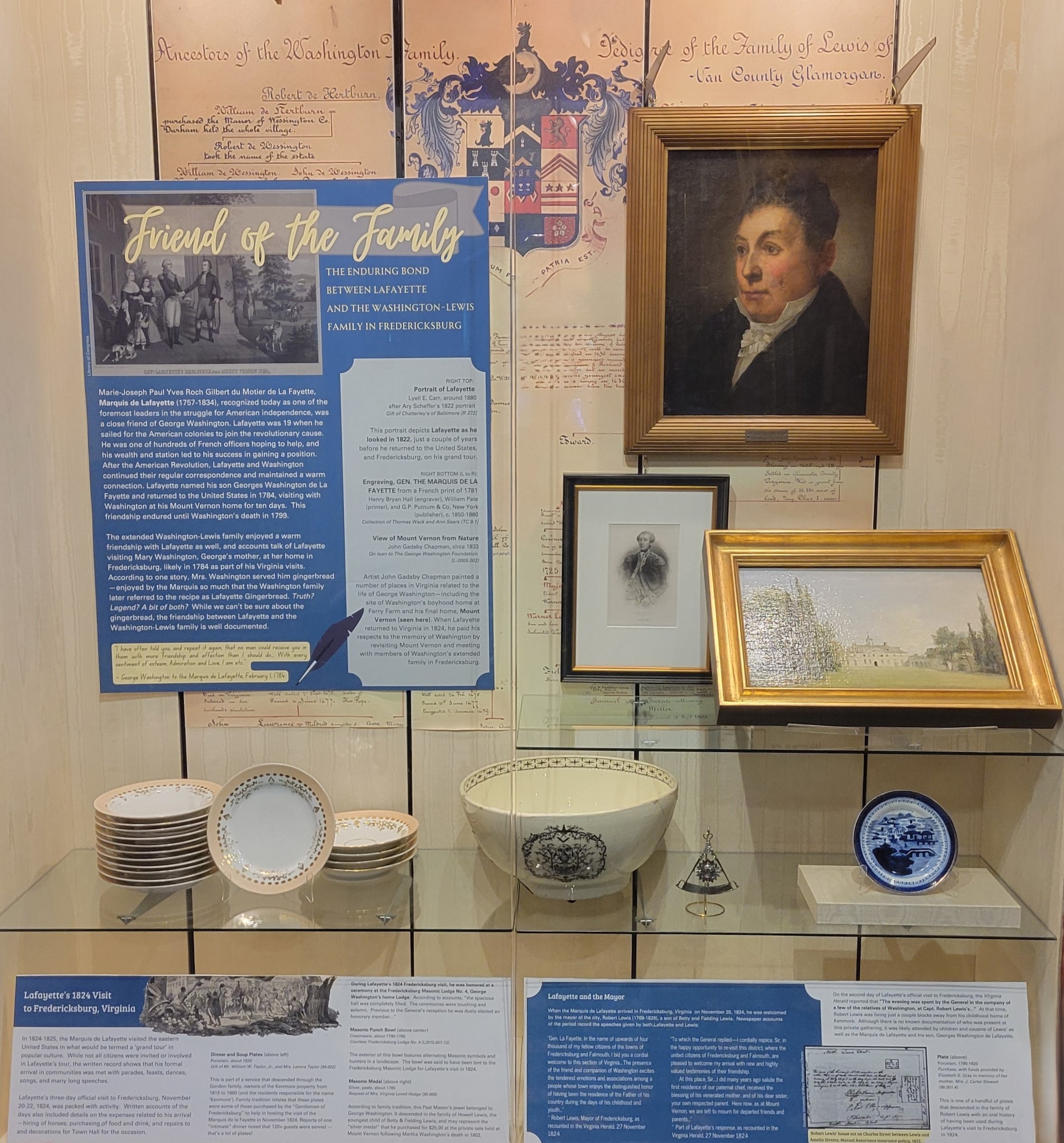
If you can’t attend the weekend events but still want to see exclusive artifacts related to Lafayette’s visit, including the extraordinary punch bowl of Masonic Lodge No. 4, stop by the Kenmore Visitor’s Center, check out our new exhibit, take a tour of the house and learn all about Fielding and Betty Lewis.
Friend of the Family – Lafayette’s Visit to America, Kenmore Visitor’s Center
The staff at the George Washington Foundation posited the idea of what it would be like to go on a date with a Founding Figure. We use the term “Founding Figure,” because a couple of dates are with the ladies of the American Revolutionary period and not just the “fathers.” Although, fun fact, the term “Founding Father” was supposedly coined by then-Senator (later President) Warren Harding in 1916. A founding figure is a person who was instrumental during the Revolution, the creation of the Republic, and the early years of said Republic.
While some traditional figures have been classified as “lesser-known” or the “last of,” we have chosen those who are pretty well known (and if not, should be!). Each date is set in the 21st century but is tailored to that person’s 18th and 19th-century interests. The following paragraphs are fictional, sadly, but contain threads of facts.
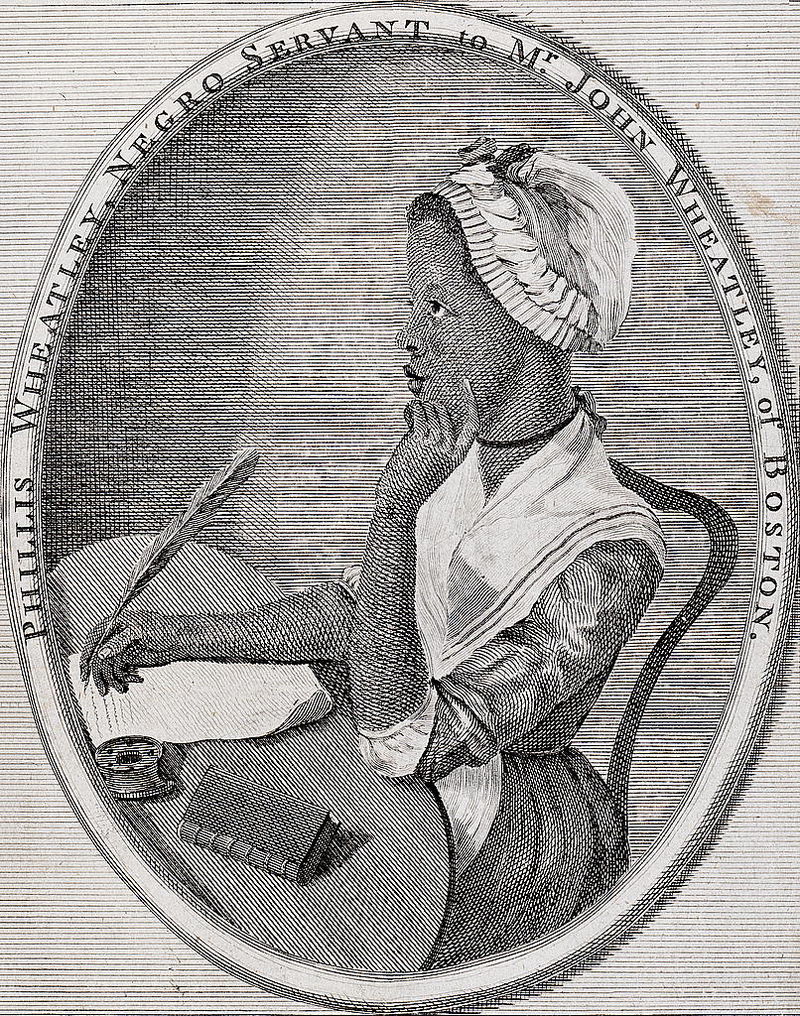
My dream date with Phillis Wheatley would involve a lot of active listening on my part. I would ask her whether she remembers her time as a child in West Africa before she was enslaved and brought to the British North American Colonies. We both are familiar with Boston, so we’d talk a lot about our favorite places around that city while having tea at Hyperion in downtown Fredericksburg.
Phillis was a great fan of General George Washington and famously wrote him a poem which resulted in George inviting her to his headquarters in Cambridge, Massachusetts, so I would offer her a tour of Ferry Farm and show her some of the artifacts we have that relate to the Washington family’s time here. From Ferry Farm, we would head to D.C. to check out the museums. I think Phillis would be interested in how history has progressed.
Over dinner, we would talk about the Revolutionary War, a cause she adamantly supported. At the end of the evening, we would go to a late-night café and sip coffee during a poetry open mic night. Phillis would take the stage and wow everyone with her amazing talent.
For those interested in learning more about Phillis, take a look at the Poetry Foundation’s information on her and her work by clicking here.
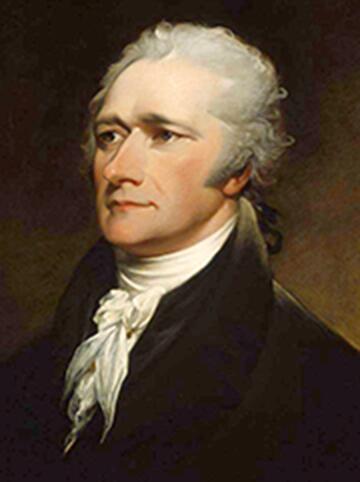
A day-long date with Alexander Hamilton in Fredericksburg, VA would start early. First, we would head out in search of some lively morning debate at a local coffee shop. Alex is well known for his oratory and debate skills; I would enjoy listening to him engage with local folks in discussing the politics and page one issues printed in our morning newspaper. The conversation might also veer into the topic of the newspaper industry itself as Alex was a founder of the New-York Evening Post in 1801, now called the New York Post.
After breakfast, we would take a walk following the Trail to Freedom, a Civil War-era tour that retraces the routes of freedom-seeking enslaved men, women, and children through the City of Fredericksburg and the County of Stafford. Alex opposed slavery and vocally supported abolitionist causes. He would be very interested in learning the story of John Washington, enslaved for 24 years in Fredericksburg before escaping to freedom during the Civil War.
As a side note, we would definitely avoid going past the James Monroe Museum and Memorial Library (too bad, since it’s a great museum!). Monroe and Hamilton had a serious falling out over the public disclosure of Hamilton’s affair with Maria Reynolds and accusations of financial malfeasance. Hamilton and Monroe nearly ended up as a duel over the situation!
Lunch is at one of two Jamaican-themed restaurants in town in honor of his Caribbean roots. Over the meal, we would discuss our afternoon plans to tour the Civil War battlegrounds in and around the city. I’d be interested to hear his views on military history and tactics. Hamilton loved all things military and even resigned as Washington’s aide-de-camp to take an active role in the Revolutionary fight.
The day ends with dinner and good conversation at the Rising Sun Tavern. This local landmark is a suitable replacement for the George Weedon Tavern, once a popular gathering spot for patriots in Fredericksburg during the Revolutionary War. Located at the northwest corner of Caroline and William Streets, the tavern unfortunately burned down in 1807. Many important American patriots met here during the War to discuss politics and design policies. The tavern was the setting of the Peace Ball on November 11, 1781, following the defeat of Cornwallis at Yorktown. Weedon hosted many important dignitaries at this event, including George Washington himself and the Marquis de Lafayette. Alex and I would spend a pleasant evening convening with the ghosts of his compatriots of the Revolutionary War.
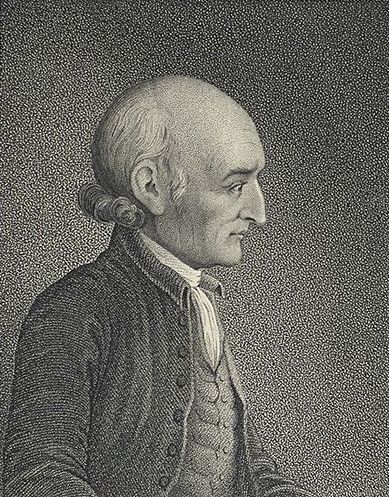
On my date with George Wythe, a lesser-known Founding Figure, we would spend an afternoon strolling along Duke of Gloucester Street in Colonial Williamsburg. For those of you who might not know George, he was a prominent lawyer and Williamsburg local. He taught law at the College of William & Mary (in fact, he’s considered America’s first law professor!), so perhaps we would start our day with a leisurely walk around campus and a tour of the Wren Building.
Next, we’d stop in the aptly named Wythe Candy & Gourmet Shop (I’d probably need to explain the modern sales tax to him, though…) to buy a snack before wandering down to the capitol building. Since he was a member of the House of Burgesses and a signer of the Declaration of Independence, we might debate colonial politics while we tour the building and as we continue our walk along the Palace Green. (Maybe I could convince him to toss a Frisbee on the lawn?)
On our drive home from the ‘Burg, we’d queue up a true-crime podcast for the road. Wythe himself had quite the connection to true crime. The events surrounding his death, namely, a suspected poisoning, caused quite the scandal in 1806. I probably shouldn’t bring that up during our date, though.
-Ann Waters, Manager of Interpretation & Visitor Services
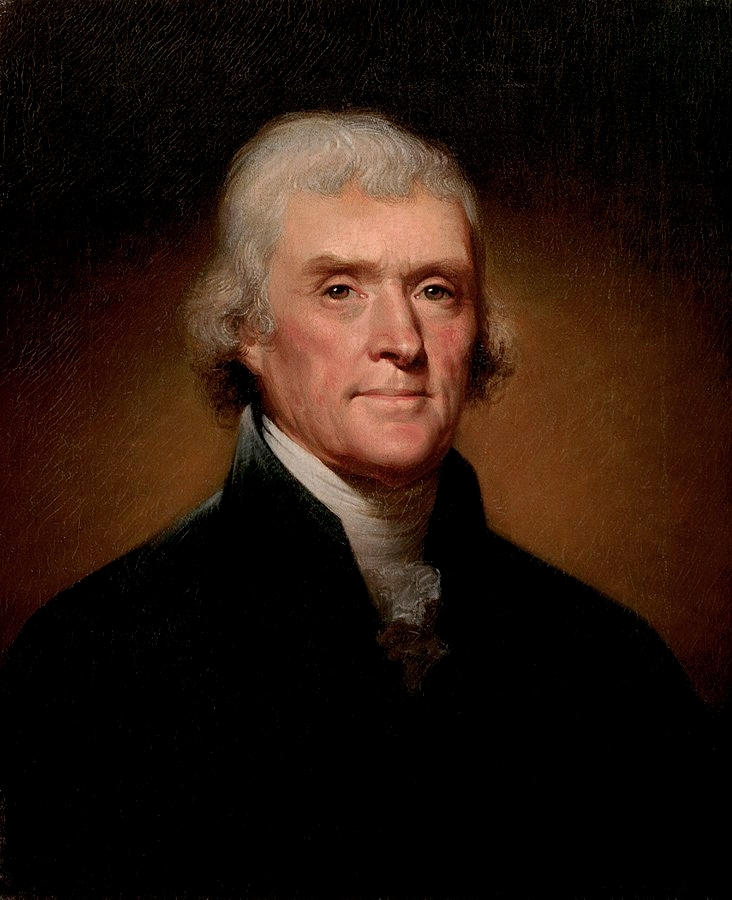
A date with Thomas Jefferson, the 3rd President of the United States, would be an all-day affair. How could we possibly browse bookstores and discuss literature in only a few hours? A good date must start with coffee. After stopping in Agora (in Fredericksburg, VA) and skimming their used book collection, I would insist on bringing Tom to Riverby Books. Since he was an avid reader, we would likely spend most of the day browsing their shelves. I imagine we would gather a large number of books to peruse.
The rest of our day-date would be spent reading at the window seat in Riverby and discussing the novels we’ve found. We would leave the bookstore with a few tote bags of books and continue our conversation as we strolled down Caroline Street. The day would end with me gifting Tom a copy of Pride and Prejudice, and I doubt the author of the Declaration of Independence has that on his shelves. Though I wonder, do you think he’d appreciate a Kindle?
-Gillian Both, University of Mary Washington Fleming-Smith Scholar 2021-22
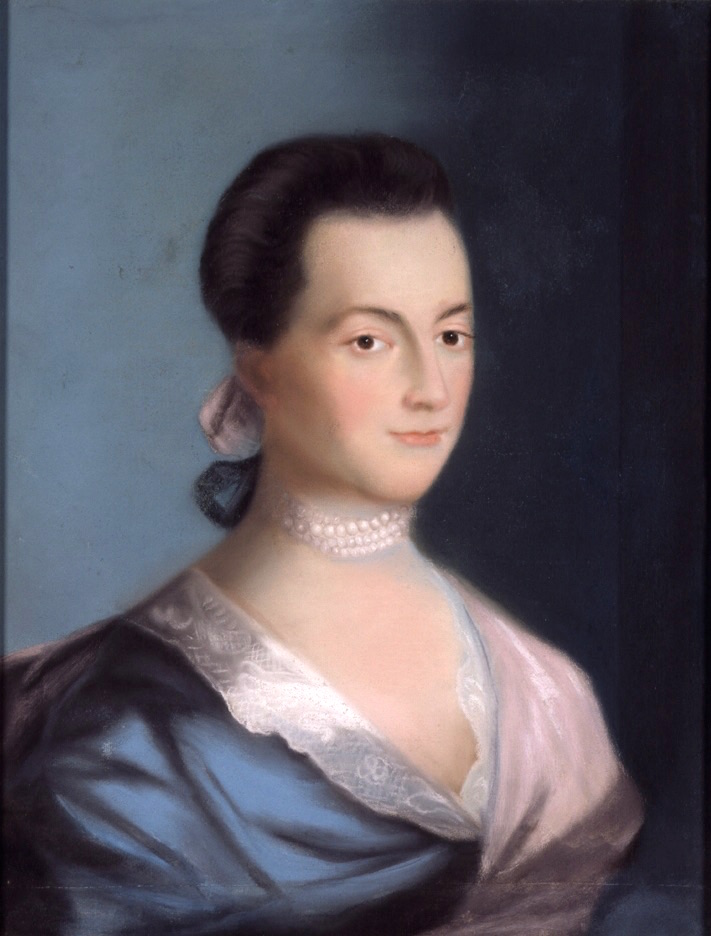
My date would be with Abigail Adams, but I’m hoping I get to call her “Abby.” We would probably go for tea in downtown Fredericksburg. In her letters to John during his absence on crucial government business, she often wrote about the rights of women in the new nation. One aspect of women’s rights that seems to be most important to her was the ability of women to own property and make their own money. With this in mind, I would suggest the woman-owned Freedom Society tea room for our date. Over tea, we would discuss the political progress of women’s rights since the 18th century.
After tea, since she was also an avid reader, I’m sure she would be happy to visit Riverby bookstore where she could explore the many books unavailable to her in the 18th and 19th centuries, and then I would be happy to hear her opinions on those books, and what she thinks of 21st century Fredericksburg.
A date with George Washington, Stafford’s boy who grew up to be the 1st President of the United States, would be an evening affair of dinner, dancing, and conversation, of the most respectful sort. Dinner would be a restaurant in downtown Fredericksburg, maybe Sammy T’s? After dinner, considering the incivility of modern-day clubs, George and I would attend a prom—as overly enthusiastic chaperones.
We would revel in bopping our heads to the D.J. while remaining a respectful 6 feet apart. Furthermore, George would take this date as an opportunity to educate the youth. He would separate students who were not dancing with the purest intentions and would read them excerpts from Rules of Civility, which, while entertaining, would also probably get us removed from future chaperone lists.
After the prom, George would make sure that I arrived safely home. While I would certainly find George to be charming and honorable, I will forever remember the students’ groans that reverberated off the gymnasium’s walls.
-Kaylie Schunk, School & Youth Programs Coordinator
Fredericksburg is the perfect setting for a date with James Monroe. Did you know? He actually had a law office in town, and his descendants turned it into a museum in the 1920s! While it would be interesting to take him to his own museum, I think we’d leave that for a second date.
First, we would peruse newspapers for yard and garage sales. I can see us at Agora, on the back patio, sipping coffee, James with the newspapers opened, and me on my smartphone, plotting the location of the sales. James was quite the thrifty furniture finder in his day. One time, while President, he purchased furniture from the Russian ambassador who was having a sale of his things before moving back to Russia.
After a successful morning of thrifting, we would relax over lunch at La Petite Auberge. I would ask James to tell me all about his time in France as the ambassador during George Washington’s administration. The fact that he sent his wife on a diplomatic mission during the French Revolution is something I really want to hear more about. Additionally, I also want to know more about his trips to England and Spain. Being a diplomat to many places during the late 1790s and early 1800s must have been thrilling!
-Amy N. Durbin, Director of Education
Marquis de Lafayette
Marie-Joseph Paul Yves Roch Gilbert du Montier a.k.a Marquis de Lafayette. Credit: Wikipedia
Oh, la la! What comes to mind when you think of Marie-Joseph Paul Yves Roch Gilbert du Motier? Êtes-vous confus? He’s better known by his title, Marquis de Lafayette! Our daylong date would begin mid-morning, as the Marquis would have arrived late the night before. The last time he was in the United States was 1824 so, it’s been a minute. He’s currently on the U.S. leg of his college speaking tour.
As a person who grew up in a small town in France, traveled overseas, fought for liberty here, and also in his own country, was arrested during his home country’s Revolution, survived, sought to end slavery, and to keep the ideals of the American Revolution alive, the University jumped at the chance to have him encourage the graduating students. So, after his fiery speech to get the students ready to live their dreams, I’d present him with some donuts from Paul’s, and we’d grab some coffee from Hyperion. Taking our treats down to the waterfront, we would spend the afternoon discussing his views on the right and wrong of humankind.
In the early evening, we’d walk through Hurkamp Park, taking in the sounds of a local band. He probably wouldn’t care to dance as he wasn’t the most graceful dancer, but it’s 2022, dance moves are whatever a person wants them to be, right? After the park, we would end the day over dinner from Juan More Taco. I think he would like how much the restaurant gives back to the community.
-Amy N. Durbin, Director of Education
And so, we ask you, what do a poet, an accountant, a professor, an architect, an advocate, a surveyor, a diplomat, and an idealist have in common? They all paved the way for others to also grow up and to make their mark on the world. What they accomplished, be it good, not-so-good, or even unknown to many, can still be educational. What founding figure would you date?
Since its transformation into a historic site, Kenmore has drawn its share of prominent and recognizable visitors including a vice president, a congressman, and numerous First Ladies of the United States. Indeed, the ladies of the Kenmore Association, who worked to save, restore, and operate the historic home during the 20th century, made it a point to reach out to First Ladies and, in turn, several of those First Ladies visited the auspicious brick home of Patriot merchant Fielding Lewis and wife Betty Washington Lewis, sister of George Washington. For that matter, even during the days that Fielding and Betty lived in the home during the late 1700s, important figures in colonial Virginia and of the Patriot cause occasionally came to Kenmore. Here is a list of “Ten Well-Known Visitors to Historic Kenmore.”
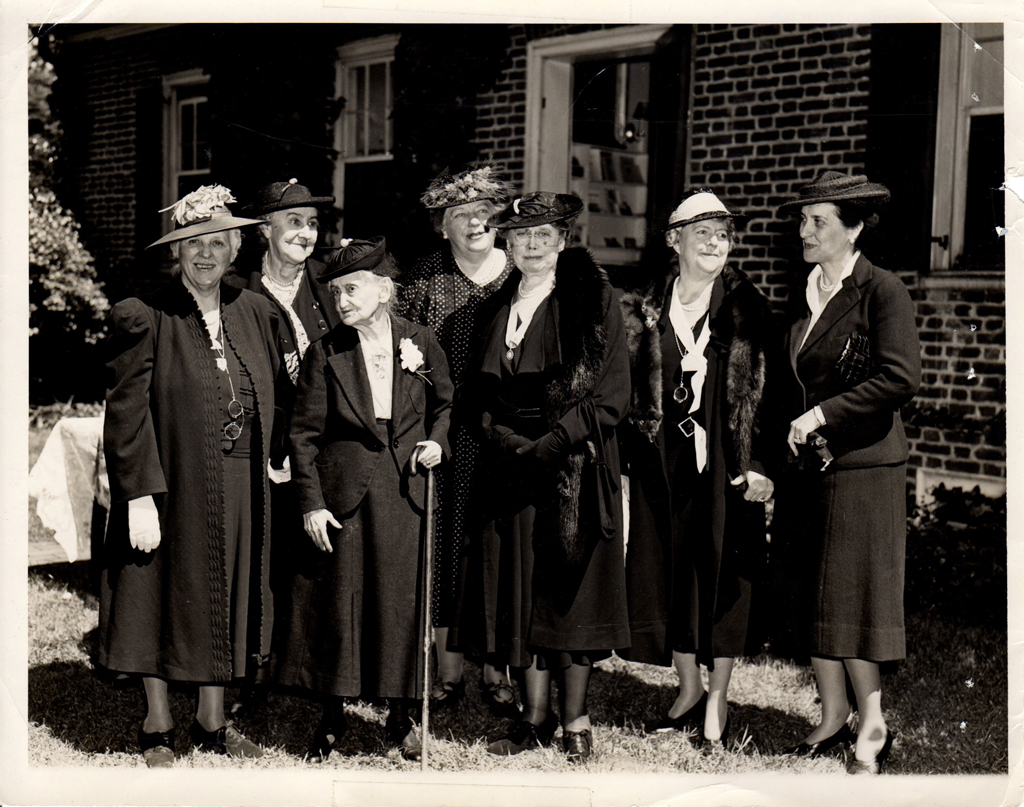
10. Louise du Pont Crowninshield (1877-1958)
Louise du Pont Crowninshield surrounded by other members of the Kenmore Association.
Louise du Pont Crowninshield was president and chairman of the board of trustees of the Kenmore Association from 1940 to 1954. An active historic preservationist, she was also a founding trustee of the National Trust for Historic Preservation. Mrs. Crowninshield was born into the prominent Du Pont family and grew up at Winterthur, the family estate in Delaware. The home is now a museum and holds some of most important collections of Americana in the United States. She helped save and restore Kenmore and visited many times during her term as president.
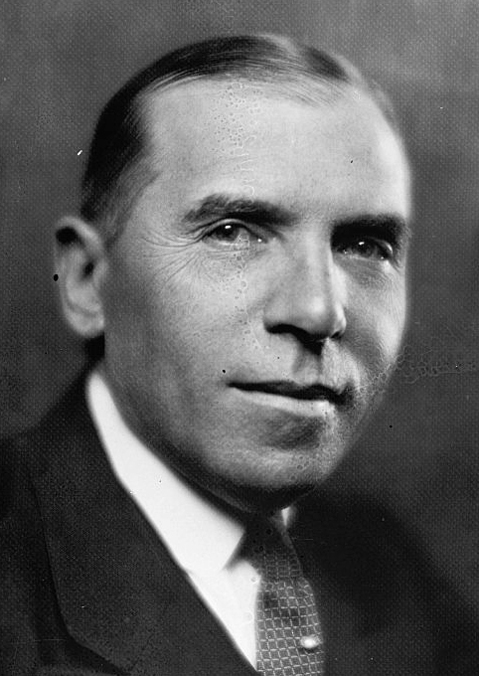
Sol Bloom in 1923. Credit: Library of Congress / Wikipedia
9. Sol Bloom (1870-1949) Sol Bloom was an entertainer, music publisher, and congressman from New York. He was the biggest producer of sheet music in the U.S. before taking up politics. Bloom was associate director of the United States George Washington Bicentennial Commission and came to Kenmore for a luncheon with Emily White Fleming and the Kenmore Association. In 1936, Bloom made a $10,000 bet with Walter “Big Train” Johnson, former Washington Senator’s star pitcher, that Johnson could not throw a silver dollar across the Rappahannock River as legend said George Washington had done. Bloom lost but refused pay the money.
Sol Bloom with Emily Smith Fleming, a driving force behind the Kenmore Association.
Walter “Big Train” Johnson poses for the press on the day he threw a silver dollar across the Rappahannock River… twice.
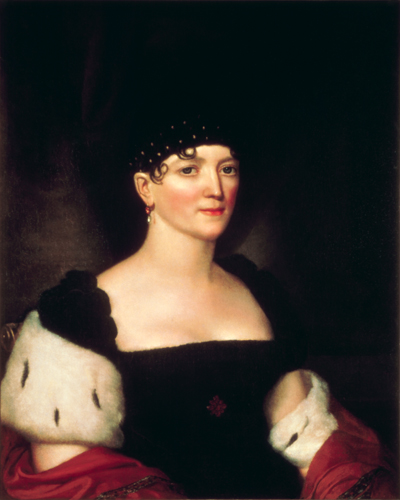
Elizabeth Monroe, unknown date and artist. Public domain. Credit: John Vanderlyn / Wikipedia
8. Elizabeth Monroe (1768-1830) Elizabeth Kortright Monroe was First Lady of the United States from 1817 to 1825. Elizabeth was born in New York City and married James Monroe in 1786. She spent time in France and Britain during her husband’s ambassadorship and was even invited to be part of the American delegation that attended Napoleon Bonaparte’s coronation. Mrs. Monroe actually lived at Kenmore shortly after her marriage to James. Her husband left town on business and, since they had not yet set up a home in Fredericksburg, she stayed with Betty Lewis until James returned.
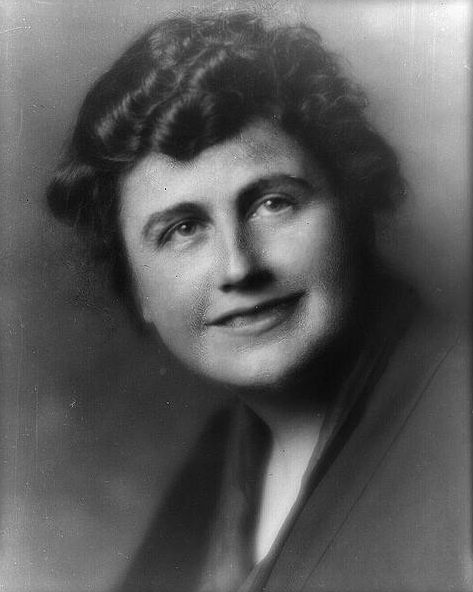
Edith Wilson. Credit: Library of Congress / Wikipedia
7. Edith Wilson (1872-1961) Edith Bolling Wilson was the second wife of President Woodrow Wilson and served as First Lady of the United States from 1915 to 1921. Some historians argue that Mrs. Wilson became the de facto president after her husband’s stroke in 1919. She did, it seems, act as the only conduit to and from the president and decided which matters important enough to bring to her husband’s attention while relaying his decisions to those who needed to know. Long after her time in the White House, Mrs. Wilson came to Kenmore for a luncheon in October 1946.
Edith Wilson accepts an invitation to lunch with the Kenmore Association.
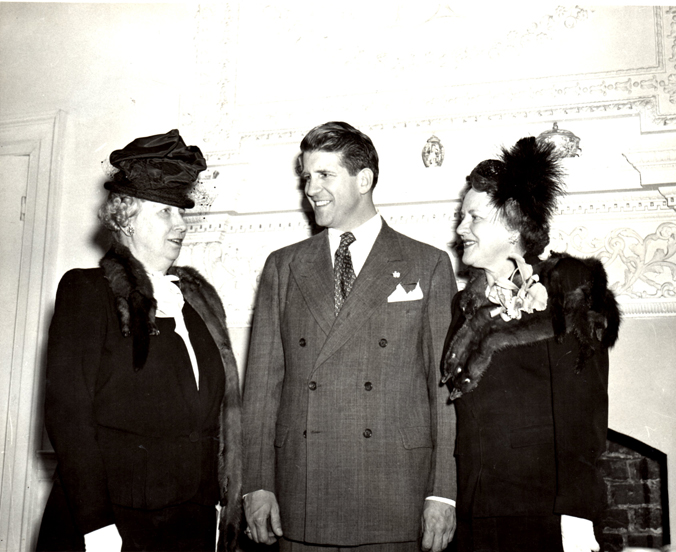
6. Elizabeth Virginia “Bess” Truman (1885-1982)
Bess Truman in front of the fireplace in Kenmore’s dining room with Robert Porterfield, founder of the Barter Theatre, and an unidentified woman.
Elizabeth Virginia “Bess” Truman was First Lady of the United States from 1945 to 1953. Elizabeth Wallace was born in Independence, Missouri and had known Harry Truman, her future husband, since they were children. They married in 1919. Mrs. Truman detested the lack of privacy and disliked the social and political scene of Washington, D.C. She was relieved to move back to Missouri. Mrs. Truman visited Kenmore multiple times and was pictured in front of the mantel in the Dining Room with Robert Porterfield, founder of Barter Theatre, the State Theatre of Virginia, in Abingdon.
Thank you note from Mrs. Truman praising her visit to Kenmore and promising to bring other family members in the future..
5. Lou Hoover (1874-1944)
Lou Hoover. Credit: Library of Congress / Wikipedia
Letter to Mrs. Hoover to thank her for visiting Kenmore.
Lou Henry Hoover was First Lady of the United States from 1929 to 1933. Lou Henry was born in Iowa in 1874 and married Herbert Hoover in 1899. She majored in Geology at Stanford University, was fluent in Chinese and Latin, assisted in the Belgian relief during WWI, and worked a great deal with the Girl Scouts of America. Mrs. Hoover, as First Lady, toured Kenmore in September 1930.
4. Colonel Sanders (1890-1980)
Colonel Sanders leaving the house after his tour.
Colonel Sanders in Kenmore’s drawing room.
Colonel Harland David Sanders founded the restaurant chain Kentucky Fried Chicken (KFC) in 1930. Sanders was born in Indiana in 1890 and, after a number of jobs, he started selling fried chicken at a roadside restaurant in Corbin, Kentucky during the Great Depression. The restaurant, Kentucky Fried Chicken, was a success and, in 1952, he started franchising across the country. In 1964, Sanders sold the company and used his stock holdings to create several charitable organizations. He promote these organizations as well as KFC by touring the country dressed as the Colonel. He came to Kenmore and took a tour in the summer of 1977.
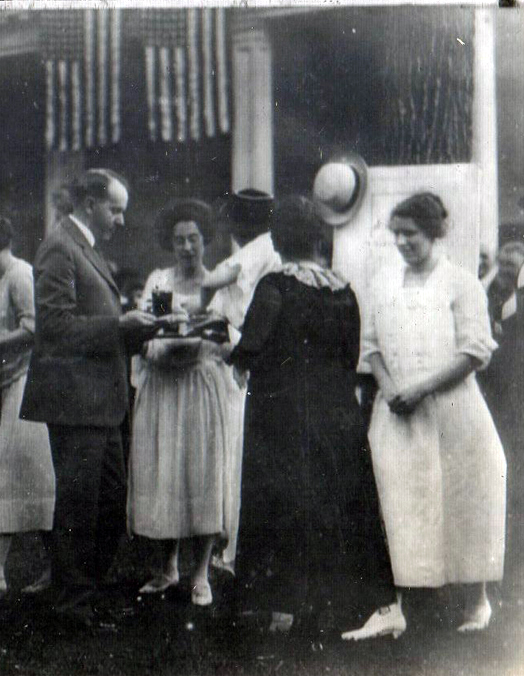
Calvin Coolidge (left) enjoys gingerbread at Kenmore.
3. Calvin Coolidge (1872-1933) Calvin Coolidge was born in Vermont in 1872. After college, he became a lawyer and went into politics becoming the governor of Massachusetts from 1919 to 1921. He was the 29th vice president under Warren Harding and the 30th President of the United States from 1923 to 1929. Vice President Coolidge came to Kenmore in July 1922 to launch a fundraising campaign aimed at raising money to purchase the house and make it a historic site. He enjoyed some gingerbread during his visit.
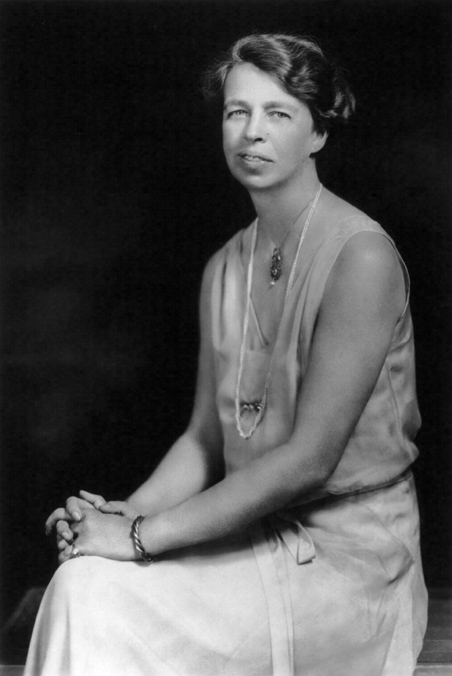
Eleanor Roosevelt in 1932. Credit: Library of Congress / Wikipedia.
2. Eleanor Roosevelt (1884-1962) Eleanor Roosevelt was First Lady of New York from 1929 to 1933 and First Lady of the United States from 1933 to 1945. She was born in New York City to the socially prominent Roosevelt and Livingston families and married Franklin D. Roosevelt in March 1905. After her time in the White House, she chaired the United Nations Commission on Human Rights in the late 1940s and early 1950s and John F. Kennedy’s Presidential Commission on the Status of Women. When she was First Lady of New York, Mrs. Roosevelt visited Kenmore on several occasions with various groups who came from the New York state capital of Albany.
Letter from Eleanor Roosevelt inquiring about bringing a group to visit Kenmore.
Thank you note from Eleanor Roosevelt in appreciation of her visit to Kenmore. She included a donation.
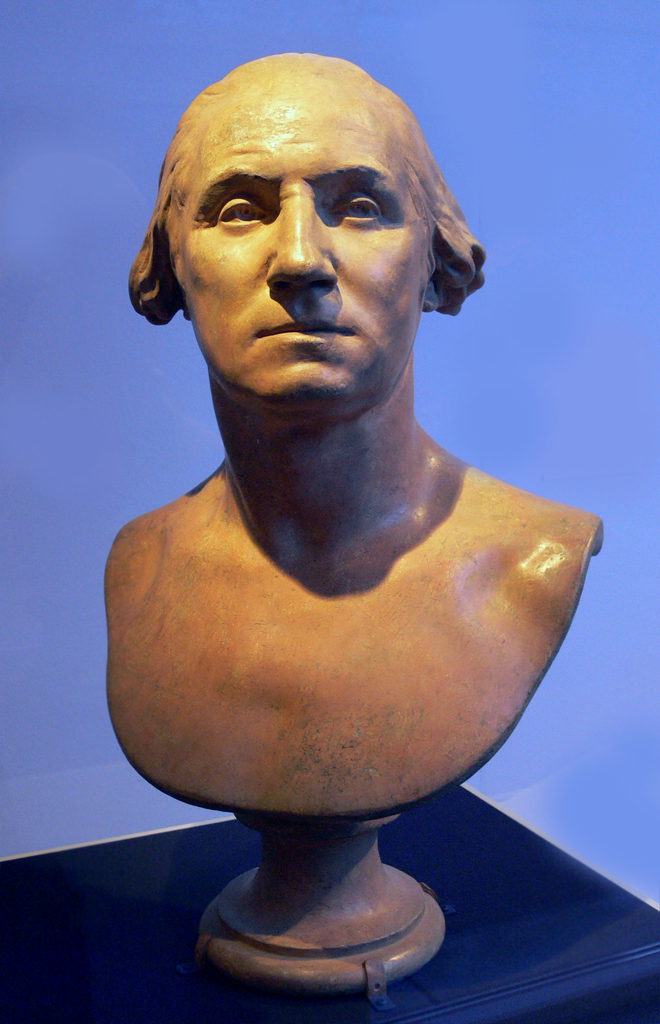
1. George Washington (1731-1799)
Bust of George Washington (c. 1786) by Jean-Antoine Houdon and based on a life mask of Washington. Public domain. Credit: Dallas Museum of Art / Wikipedia.
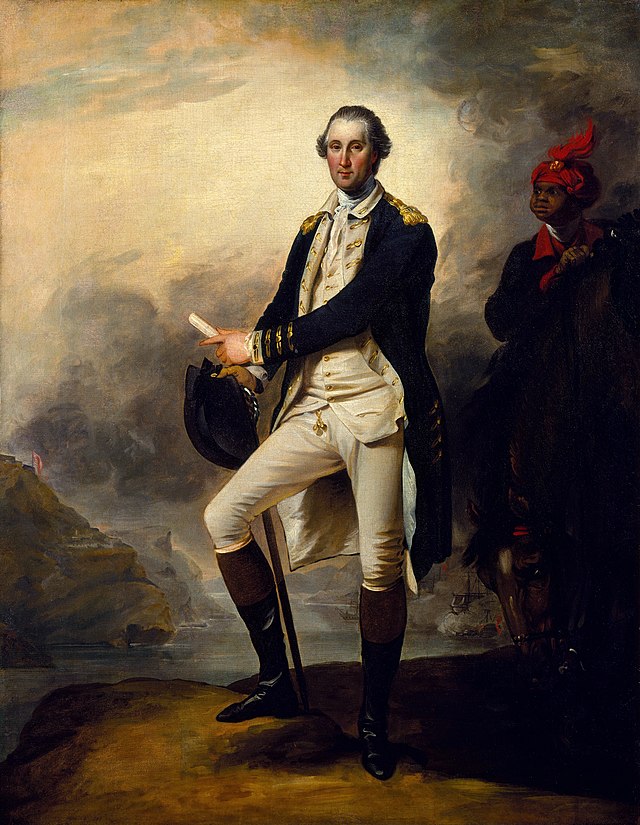
George Washington was the first President of the United States (1789-1797) and the older brother of Betty Washington Lewis. Construction of Kenmore was complete late in 1775. George would not stay in the house until 1784. Including this 1784 visit, Washington stayed at Kenmore at different times during the years 1785, 1787, 1788, and 1791. The final visits in April and June 1791 were the only times he stayed at Kenmore while serving as president.[1]
Heather Baldus
Collections Manager
[1] Paula Felder, Fielding Lewis and the Washington Family: A Chronicle of 18th Century Fredericksburg. The American History Company, 1998: 216.


















.jpg)