Lives and Legacies

Tag: neoclassical

  • The Women of Silver: 18th-century English Silversmiths

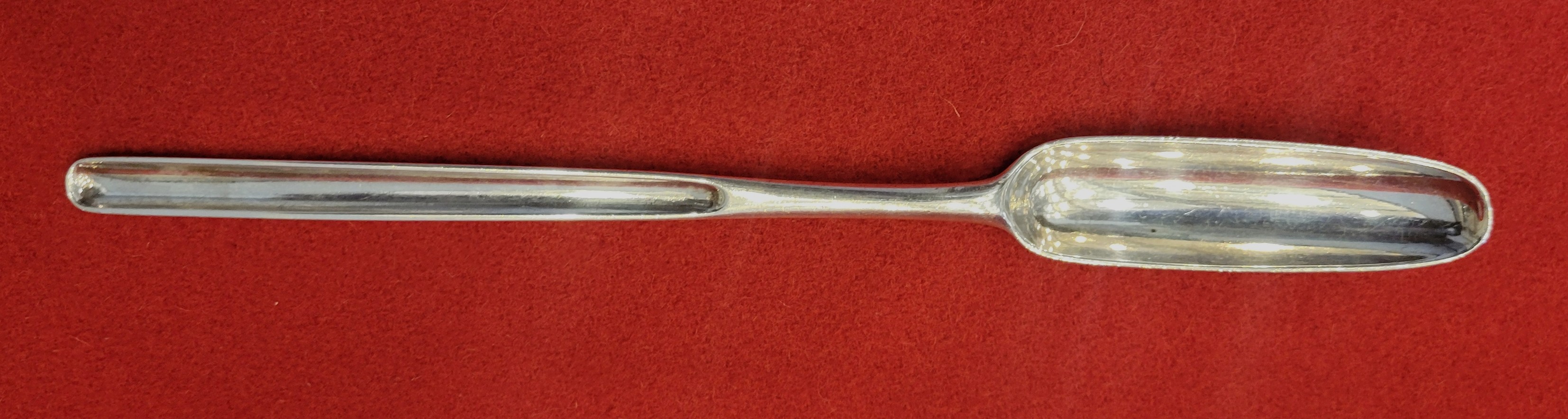
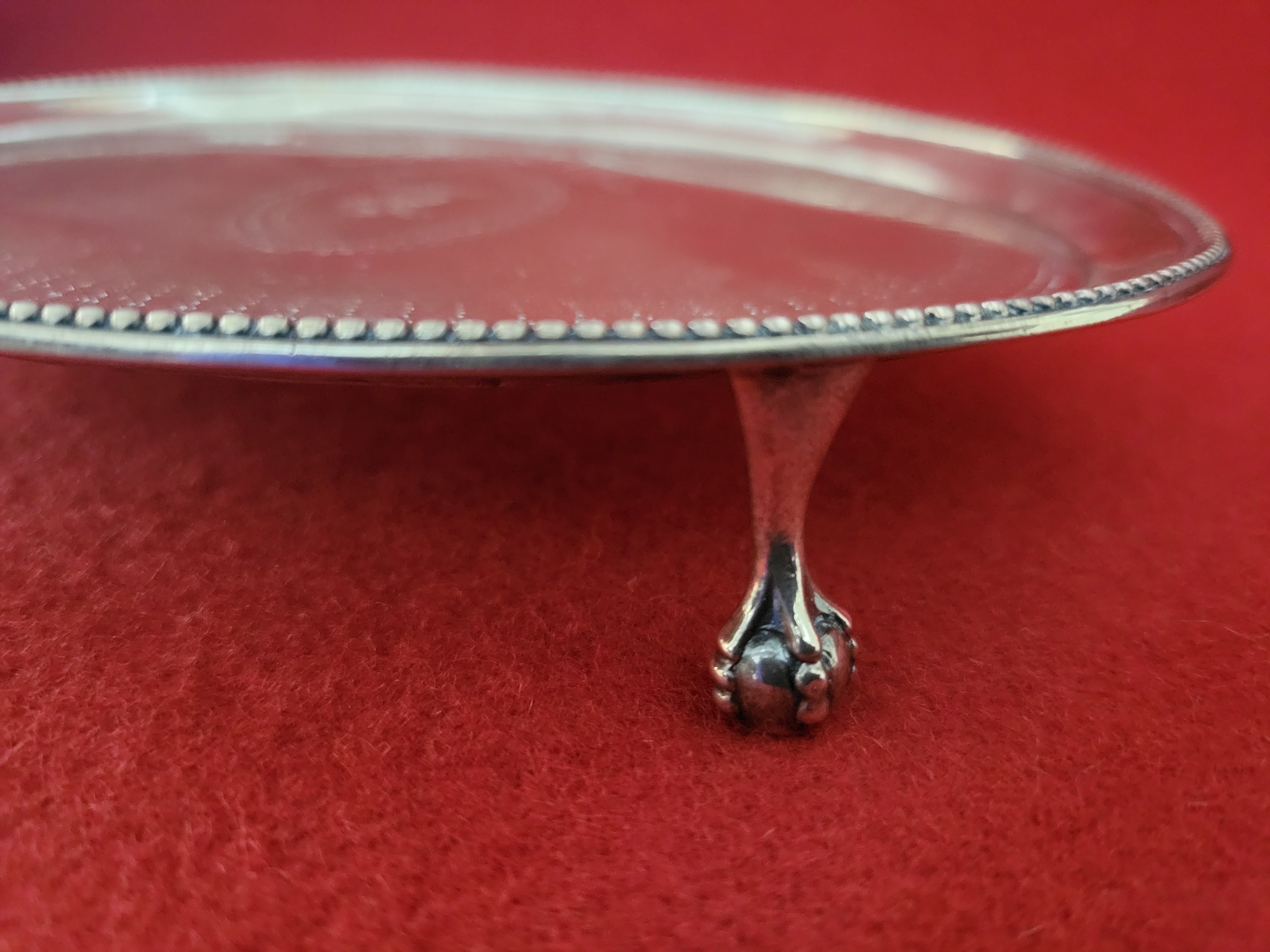
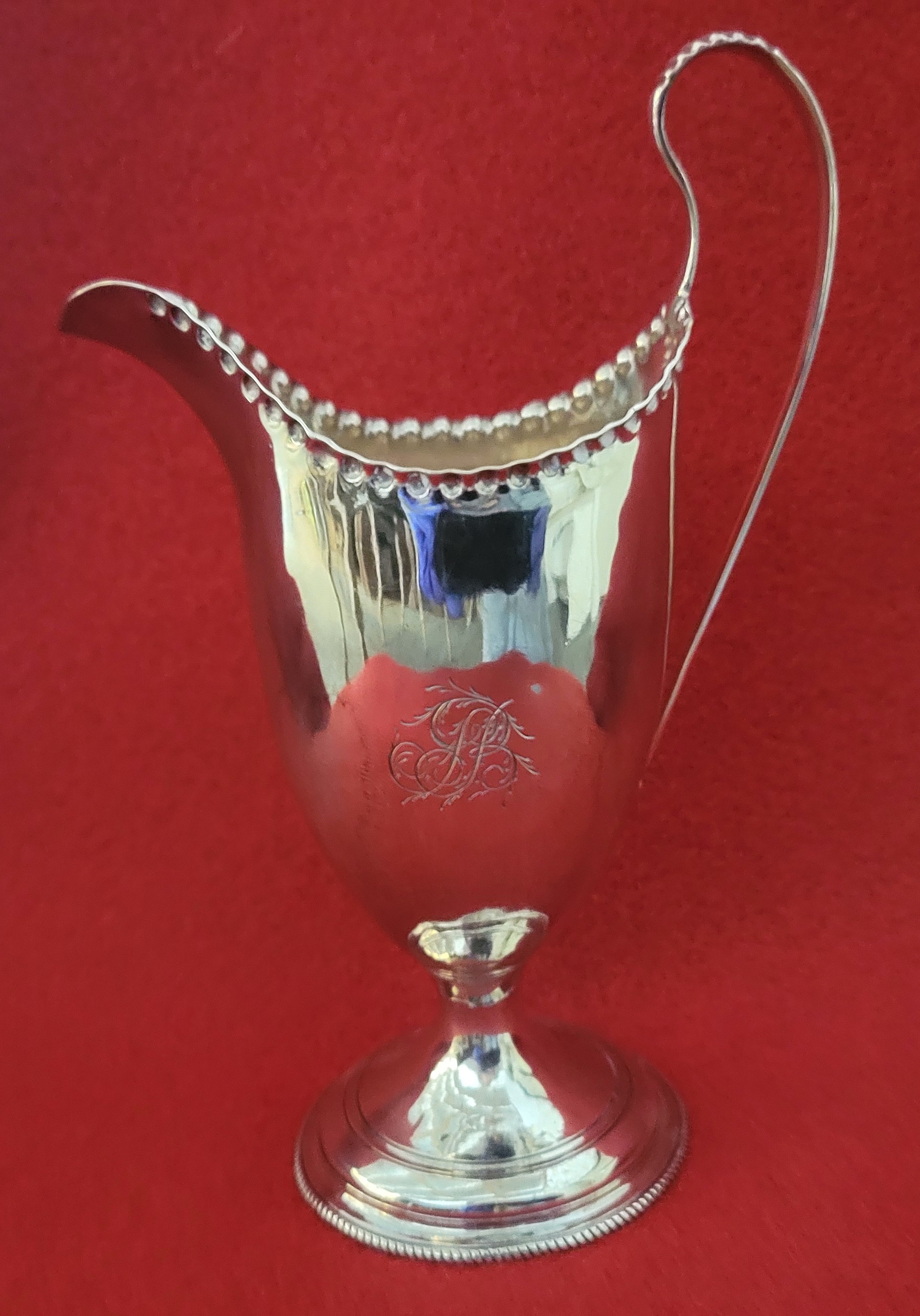
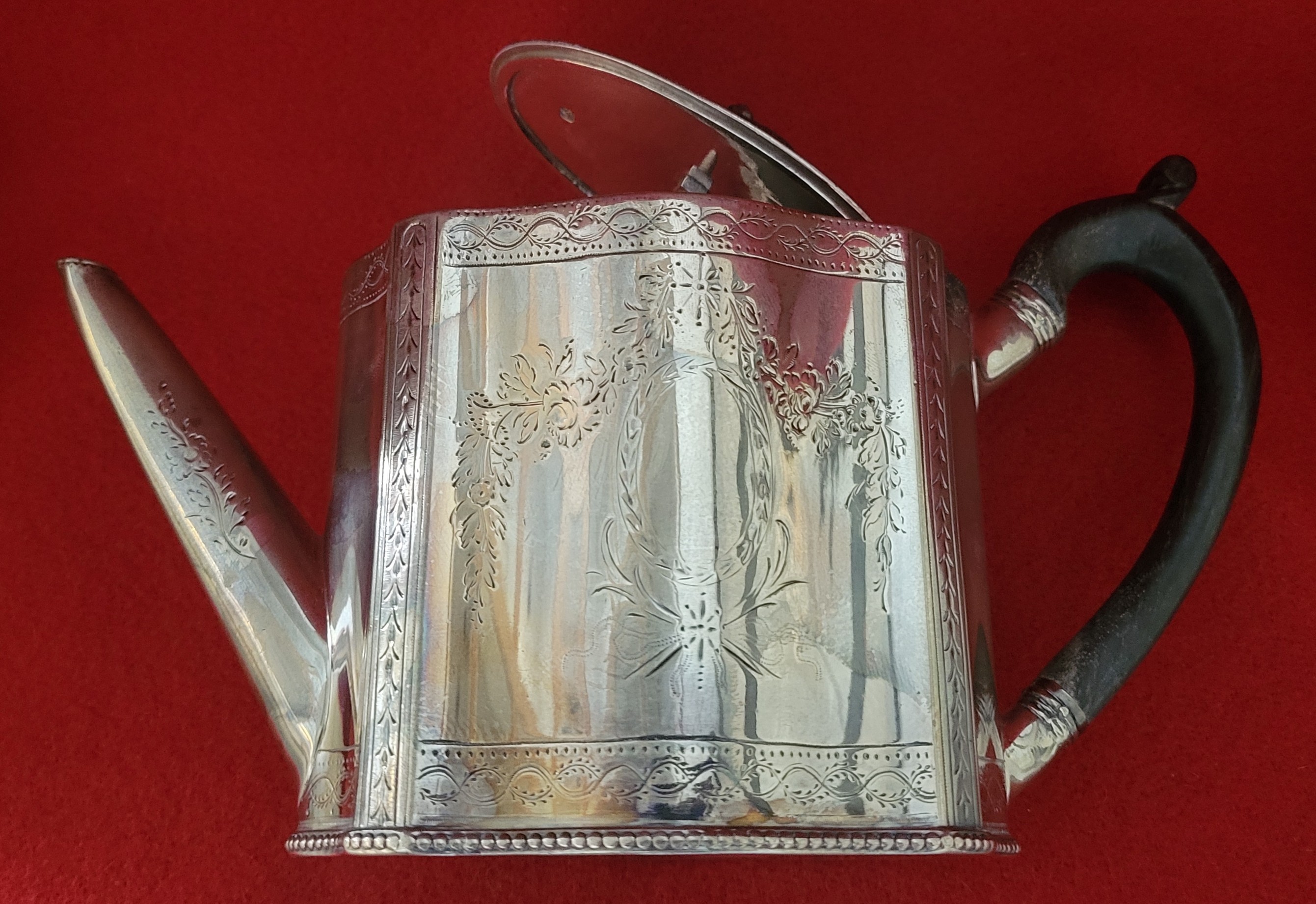
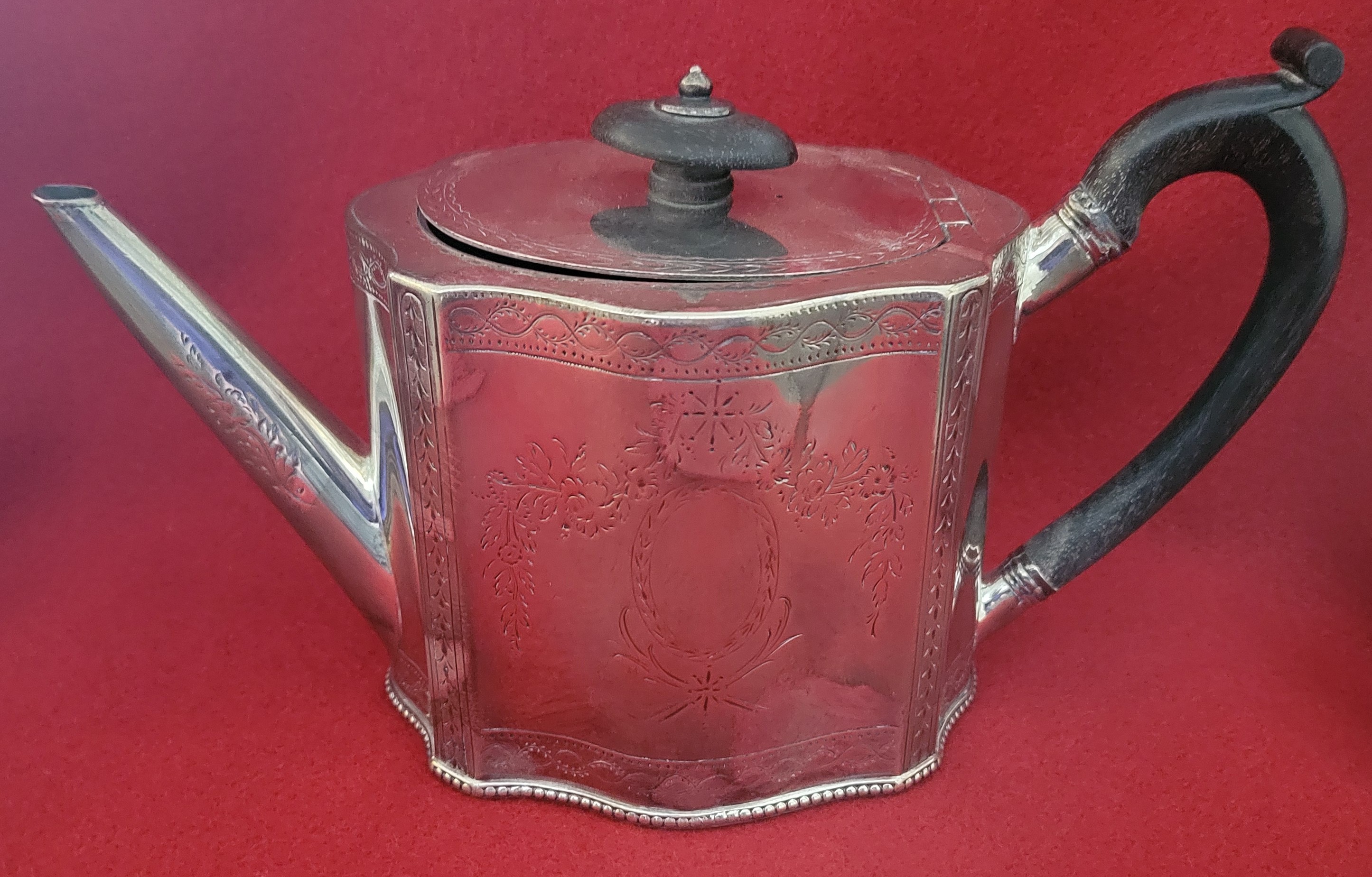
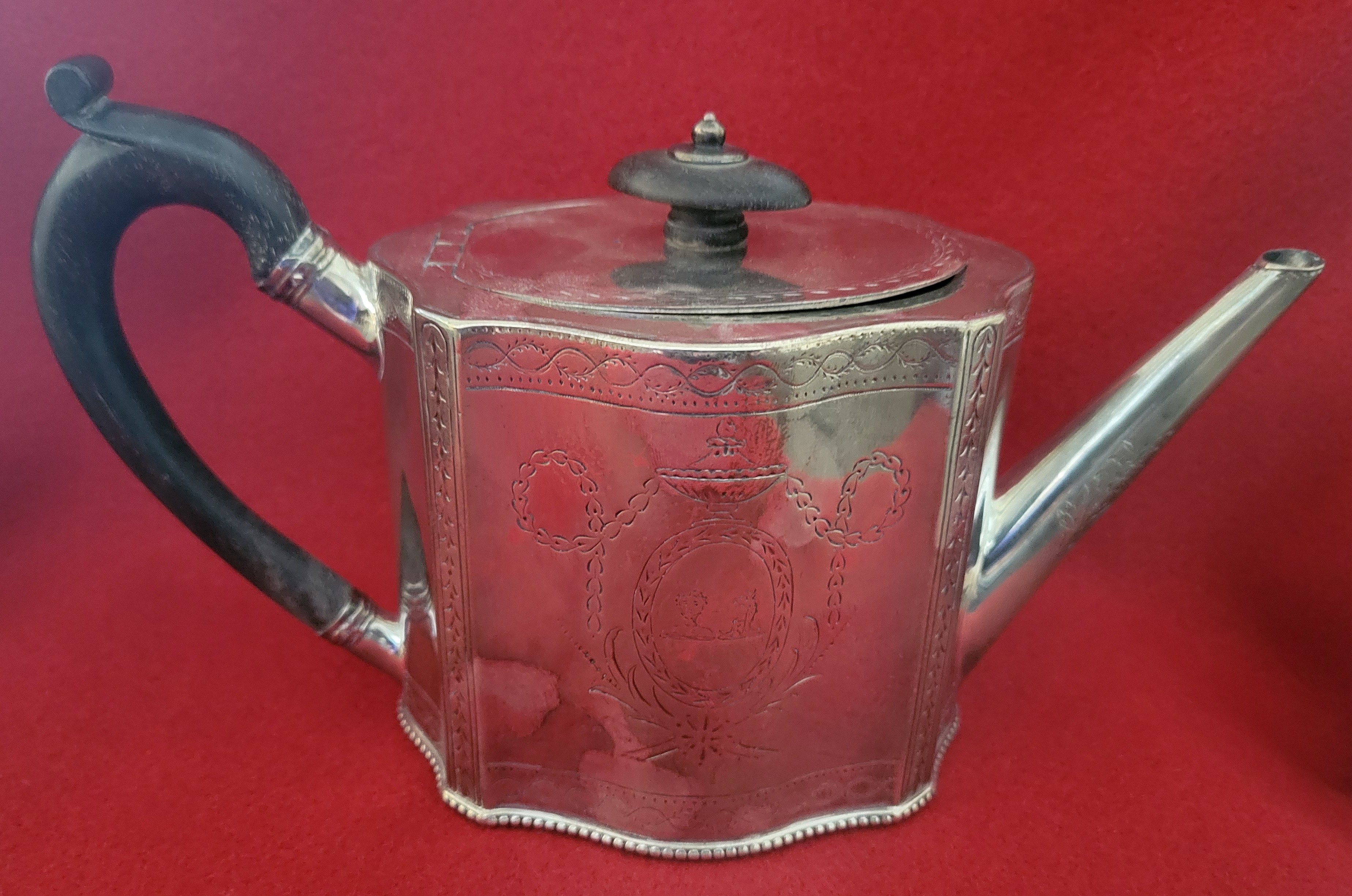
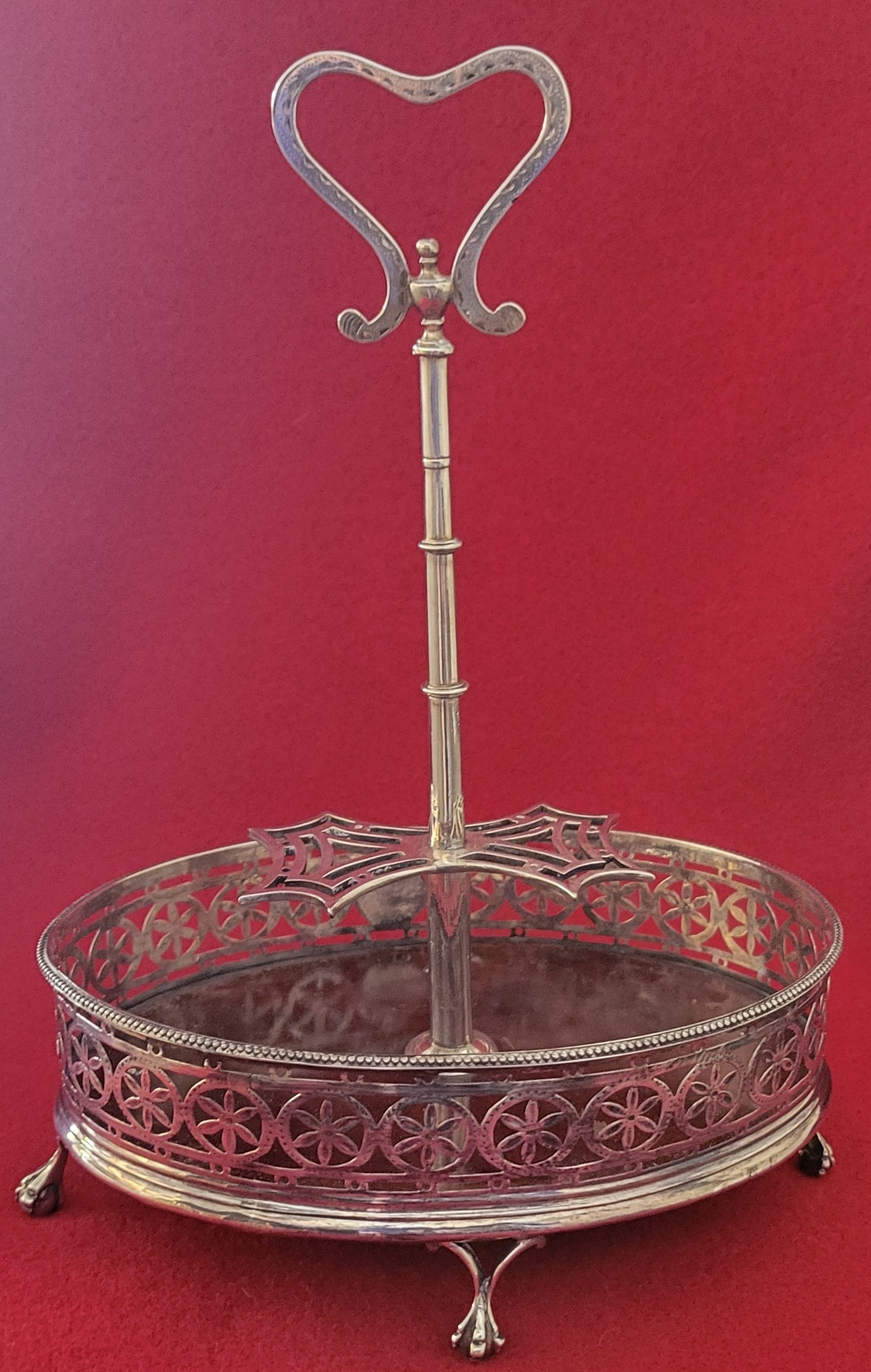
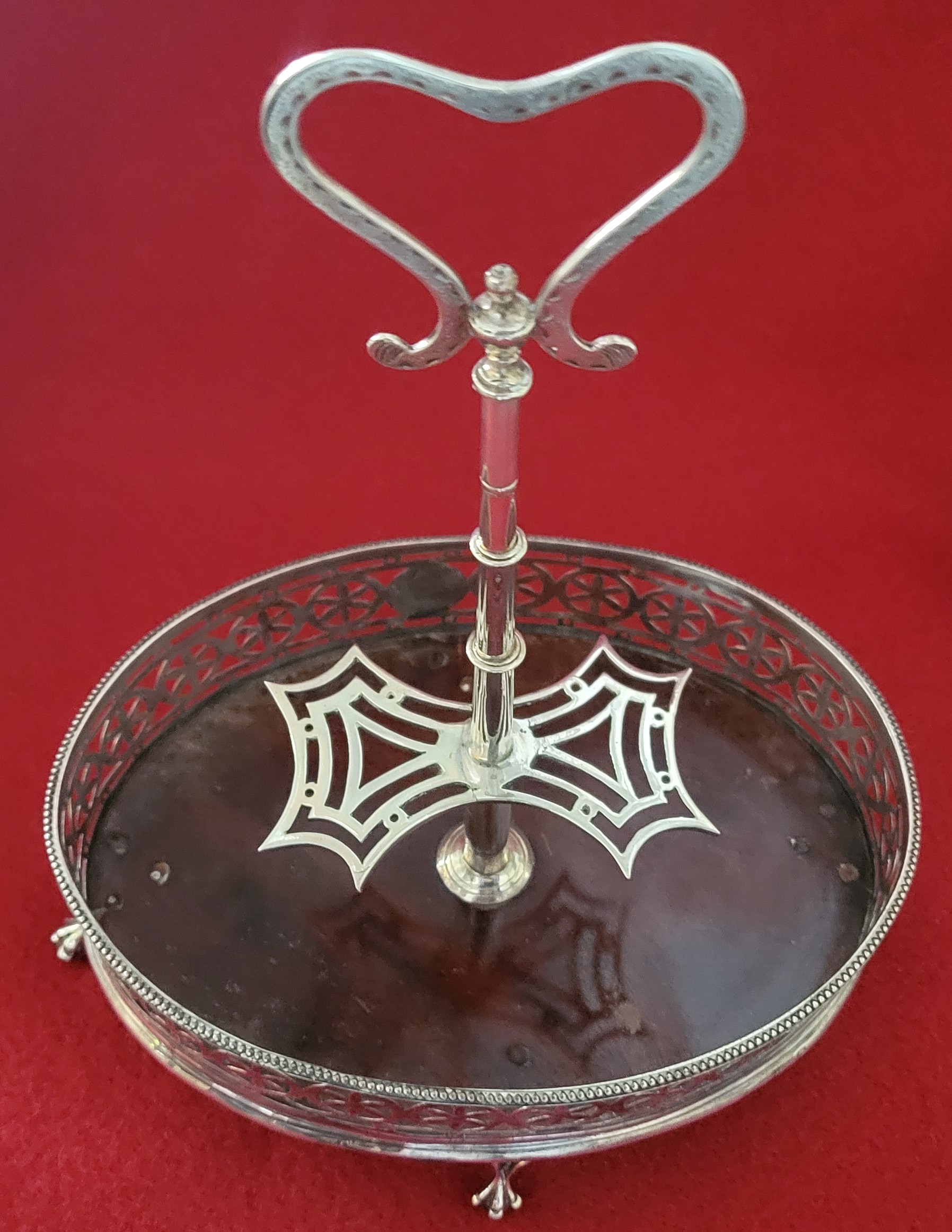
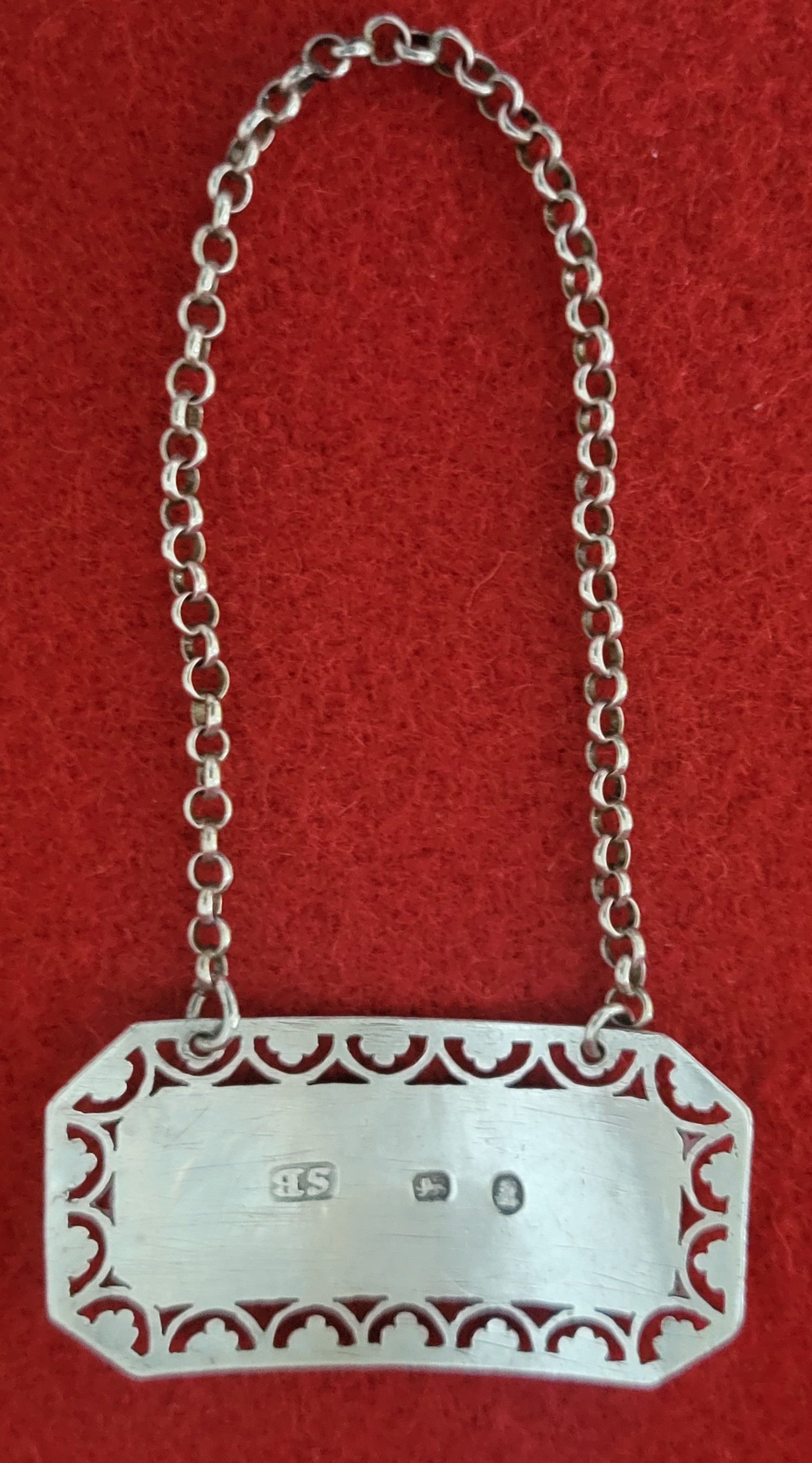
    We have a lot of silver in our collections, ranging from candlesticks to teapots to spoons.  With all the silver, I have become familiar with eighteenth-century silversmith marks, but I have never explored the artisans behind the marks. 

    I was pleasantly surprised to find at least four women silversmiths represented through various pieces.  These four women were all London-based traders within an active community of women artisans in luxury trades.  I wanted to discover how these women entered this male-dominated trade and registered their marks. (City Women, 2025)

    First, we need a little background to understand how the silversmith trade worked in eighteenth-century England. 

    The Trade

    In the eighteenth century, English silversmiths were much more regulated than American silversmiths due to having around a four-hundred-year head start in establishing trade organization.  However, no one on either side of the ocean would have been considered a master craftsman without a long multi-year apprenticeship. 

    Silver plating workshop from Diderot’s Encyclopédie

    While this was a rare path for girls, these four women were introduced to silversmith work through their families without formal apprenticeships.  However, that doesn’t mean they didn’t spend years becoming expert artisans and learning to run a successful business from their fathers, brothers, and husbands. 

    When a silversmith obtained their “free” status, it meant they could sell their ware in the city of London.  To earn this status, the silversmith had to be granted a hallmark from a Livery, like the Goldsmith’s Company.  Women were only granted a mark if they were the widows of a silversmith. (Rue Pigalle, 2025)
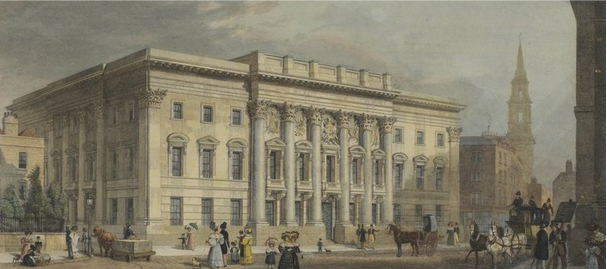
    Worshipful Company of Goldsmith in the city of London, current building in late 19th century. The company has been occupying this spot since 1339.

    The Marks

    In eighteenth-century England, the silversmith could sell the articles they made only after the pieces had been assayed and stamped with appropriate hallmarks. (Ford, 2018)
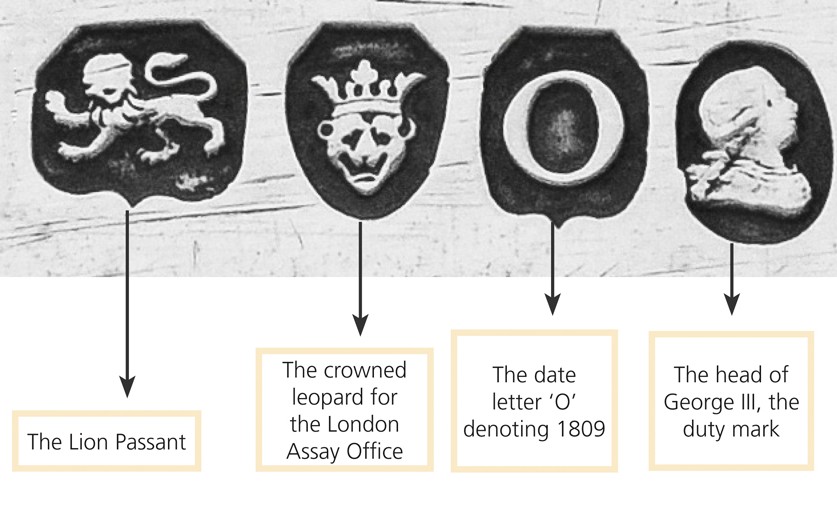
    Explanation of silver marks

    One hallmark is the symbol of the guildhall where it was assayed.  Each location had a different image, like a London goldsmith guild’s head of a leopard, and has been used for over seven centuries. 

    Another is the maker’s mark, which has been required since 1363.  This mark is now always the marker’s initials, but one was more often a trade symbol.

    The mark of English sterling standard fineness—a lion passant—has been used since 1544 to certify that the metal is 92.5 percent pure silver. (Ford, 2018)

    There is also a date mark indicated by a letter representing a year.

    Finally, duty marks on silver from 1784 to 1890 reflect the tax on precious metals with the profile of George III or Victoria.  (Arkell, 2025)

    The Silversmiths

    Hester Bateman

    One of the most well-known eighteenth-century London silversmiths is Hester Bateman.  She became the matriarch of the renowned Bateman family silversmithing company. 

    She was born Hester Nedem in London in 1708. She grew up poor with little formal education.  In 1732, she married John Bateman, a goldsmith and chain maker.  John died in 1760 of tuberculosis and left Hester his tools in his will.  Hester took over the shop located at 107 Bunhill Row and registered her mark at London Goldsmith’s Hall on April 16, 1761. (Bly, 2008)
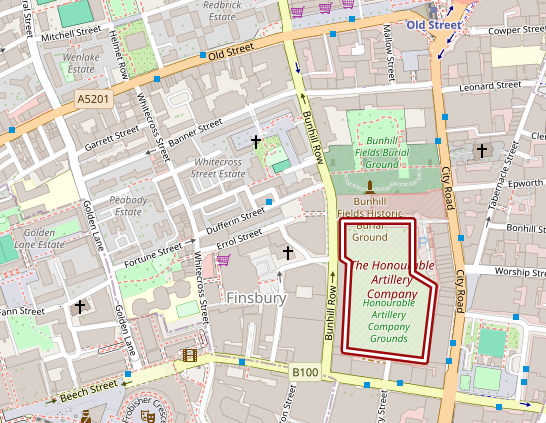
    Hester Bateman’s shop was located at 107 Bunhill Row, Islington, London

    She continued to run the business for over thirty years, bringing two sons, one daughter (Letitia Clarke), and a daughter-in-law (Ann Bateman) into it. (Eagle and Pearl, 2025)  The Bateman silversmith company specialized in household silver, such as flatware, cruet stands, and fashionable tea and coffee sets. (Slavid, 2021)  The company’s work is characterized by bright-cut engraving and piercing in the neoclassical style.

    The key to Hester’s success was adopting and integrating modern technologies, taking advantage of new cost-effective manufacturing processes to supply elegant wares to the middle class. (Slavid, 2021)  One of the new cost-effective processes they used was the “Sheffield Plate,” developed in the 1740s.  It is a fusion of copper and sterling silver to create gauge sheet silver, which can be punched and pierced by machines and is cheaper to produce than solid silver.  (Campbell, 2006)

    Hester retired in 1790 and was succeeded by her sons, who registered their hallmarks in December 1790.  The Bateman family company continued for another fifty years, closing under William Bateman in 1843. (Campbell, 2006)

    Ann Bateman

    One of the renowned Bateman silversmith family members was Ann Bateman, daughter-in-law of Hester, who was married to her son Jonathan. 

    Better look at maker’s mark by Peter and Ann Bateman

    She registered her first mark in 1791, the year her husband died. She then worked in partnership with her brother-in-law Peter and eventually her son in 1800.  Her works were popular tableware in fashionable neoclassical styles. (Bly, 2008)

    Elizabeth Godfrey

    Elizabeth was born in London, the daughter of Simon Pantin, a prominent silversmith.  She was believed to have been trained in her father’s workshop.  She married two silversmiths; her first husband was Abraham Buteux, a French goldsmith.
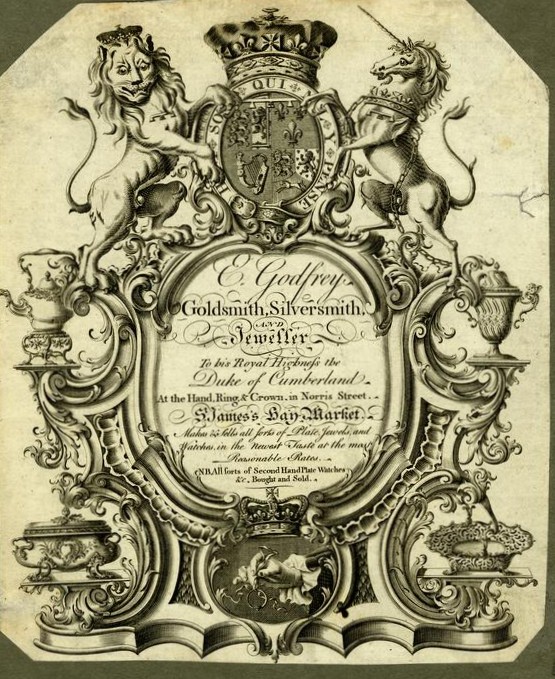
    Abraham died in 1731, and she registered her first mark as Elizabeth Buteux for her shop in Norris Street.  She continued her first husband’s business until her marriage to Benjamin Godfrey in 1732.  Upon Benjamin’s death in 1741, she registered a second mark as Elizabeth Godfrey. (Arts, 2025)  She is described on her trade card as “Goldsmith, Silversmith, Jeweller, [who] makes and sells all sorts of plates, jewels, and watches, in the newest taste at the most reasonable rates.” (Mrkusic, 2014)

    After her second husband’s death, she took charge of the company and began producing silver pieces in the fashionable Rococo style.  This earned her many loyal patrons, including the Duke of Cumberland.  (Skerry, 2018)
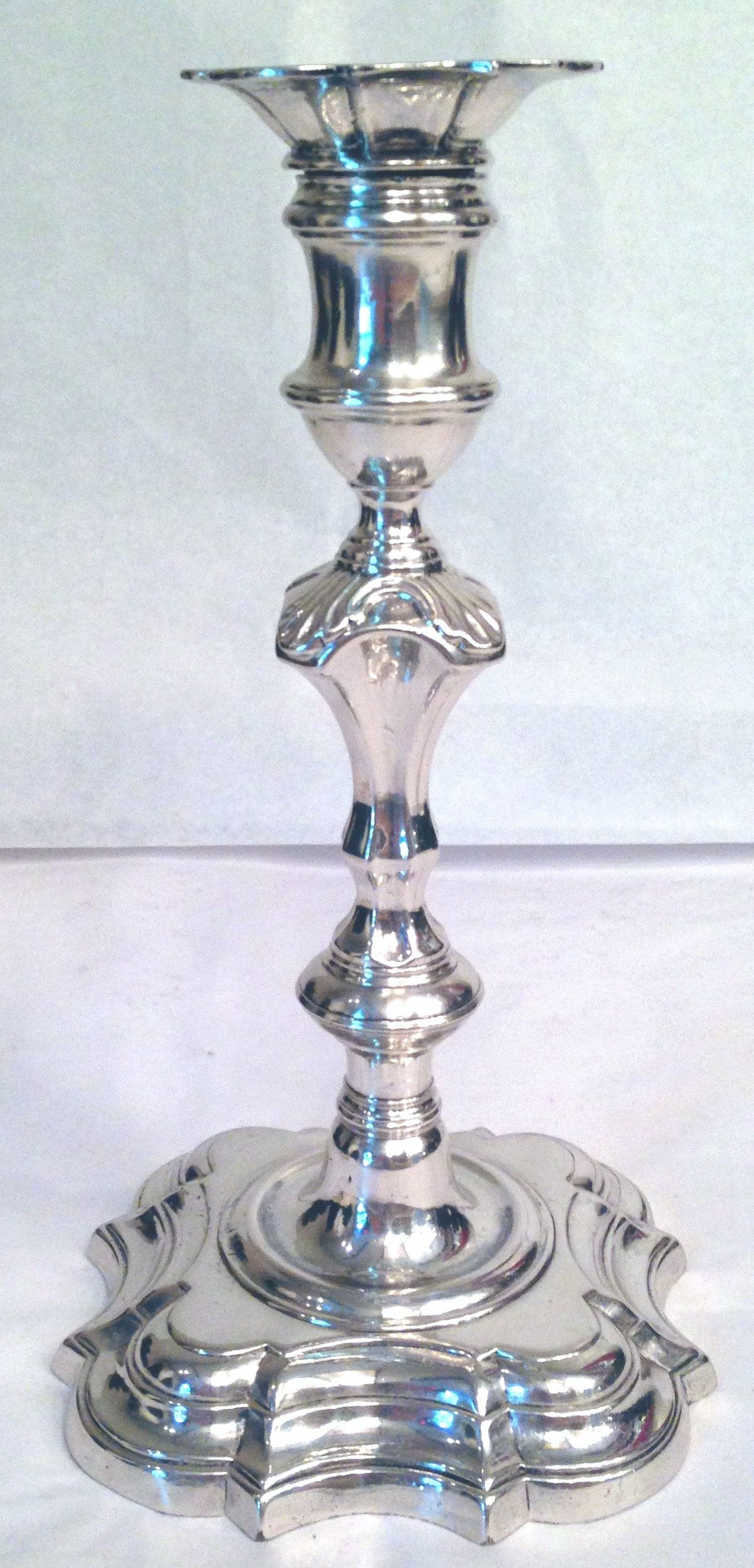
    Elizabeth Godfrey passed away in London around 1758. (NMWA, 2025)

    Susanna Barker

    Our last silversmith is Susanna Barker.  Unfortunately, little information about her life exists, and only a few museums have her works.  Barker was classified as a small worker, which means she produced small-scale pieces of precious metals. (The Goldsmiths’ Centre, 2025)

    She worked at 29 Gutter Lane and registered her first mark on 25 June 1778, second on 12 August 1789, and third on 26 August 1778.

    Women’s work throughout history has sometimes been overshadowed, undervalued, or not recorded.  However, with these solid silver markings, the ladies cemented themselves into the history of the arts. 

    If you want to learn more about women in the arts, visit the National Museum of Women in the Arts.

    Heather Baldus

    Collections Manager


    Bibliography

    Arkell, R. (2025, January 22). Hallmarks. Retrieved from Antiques Trade Gazette: http://www.antiquestradegazette.com

    Arts, N. M. (2025, January 21). Elizabeth Godfrey. Retrieved from National Museum of Women in the Arts: https://nmwa.org

    Bly, J. (2008). Discovering Hallmarks on English Silver. London: Shire Publications.

    Campbell, G. (2006). The Gove Encyclopedia of Decorative Arts, Volume 1. Oxford: Oxford University Press.

    City Women. (2025, January 21). City Women in the 18th Century: An Outdoor Exhibition of Women Traders in Cheapside. Retrieved from City Women: https//citywomen.hist.cam.ac.uk

    Eagle and Pearl. (2025, January 21). Our Story. Retrieved from Eagle and Pearl: http://www.eagleandpearl.com

    Ford, T. K. (2018). The Silversmith in Eighteenth Century Williamsburg. Williamsburg: Colonial Williamsburg.

    Mrkusic, P. (2014, July 7). Antiques Today. Retrieved from The South African Antique, Art & Design Association: http://www.saada.co.za/antiques-today-september-2011/

    NMWA. (2025, January 22). Elizabeth Godfrey. Retrieved from National Museum of Women in the Arts: https://nmwa.org/art/artists/elizabeth-godfrey/

    Rue Pigalle. (2025, January 21). Goldsmith’s Jewelry Series Part 2: The Women of Silversmithing. Retrieved from Rue Pigalle: https://www.ruepigalle.ca/blog-posts/goldsmiths-jewelry-series-part-2-sophia-tobin

    Skerry, J. E. (2018). Beyond the working dates: reconstructing the life and career of Elizabeth Patin Buteux Godfrey. Silver Studies. The Journal of the Silver Society, 75-88.

    Slavid, S. (2021, April 16). Hester Bateman: Domestic Silver in 18th Century England. Retrieved from Bonhams Skinner: https://www.skinnerinc.com/news/blog/hester-bateman-domestic-silver-in-18th-century-england/

    The Goldsmiths’ Centre. (2025, January 22). Smallworker. Retrieved from The Goldsmiths’ Centre: http://www.goldsmiths-centre.org

  • The Man on the Ceiling: Neoclassical Decorating at Kenmore

    As with many things at Historic Kenmore, the reasoning behind the choices Fielding and Betty Lewis made for their masterpiece of a house remain a mystery to us.  Why are Aesop’s Fables the subject of the decorative plaster overmantel in the Dining Room? Why is there an old-fashioned paneled wall in the Chamber? Why did they cover the expensive Drawing Room wallpaper with artwork but didn’t hang any art in the Dining Room? We’ll probably never know why they made most of these choices…but it’s pretty fun to speculate!

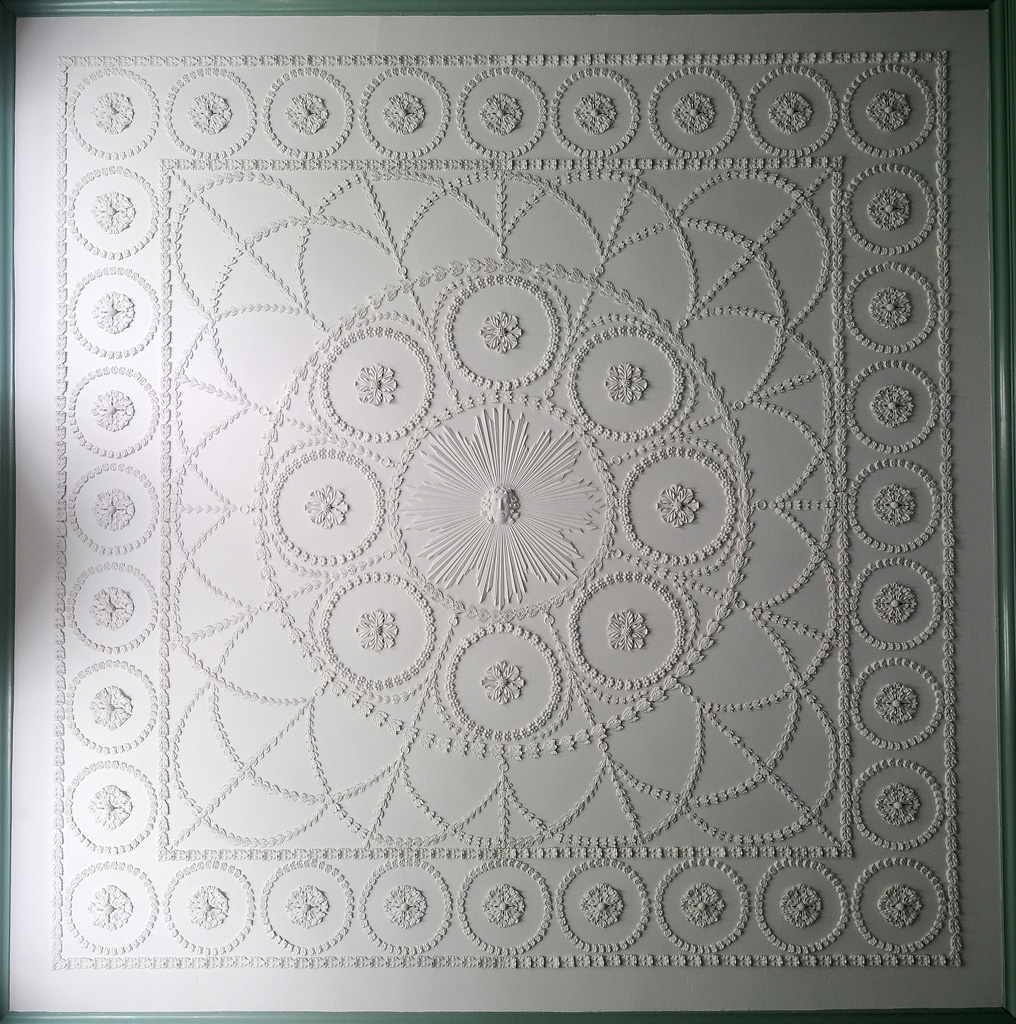
    One such stylistic choice is at the center of the plasterwork ceiling in the master bedchamber.  Visitors to Kenmore may recall the man’s face surrounded by rays or beams of light depicted there.  It is believed that this man is Apollo, the Greek god, and that the light beams emanating from his head, in this case, indicate that he is being depicted as Apollo the Sun God (one of many titles attributed to him).

    apollo-on-chamber-ceiling
    Apollo on the ceiling of the master bedchamber at Historic Kenmore.

    chamber-ceiling
    The entire bedchamber ceiling with Apollo at the center.

    When asked, we usually give visitors a fairly simple explanation for his position on the ceiling, something along the lines of “Apollo was a common symbol of the neoclassical style which was a popular decorating theme at the time.” That’s very true.  In the mid to late 18th century, the neoclassical style was all the rage throughout England and France, and much of the rest of Europe, as well.  As the story goes, the discoveries of the ruined ancient cities of Herculaneum and Pompeii created a fascination with the ancient world that showed up in everything from window curtains to tea pots.  Although the fashion arrived in the American colonies a bit later than in Europe, and despite far fewer options for incorporating it into their homes, the gentry tried to bring the neoclassical flare to their houses, as well.

    However, this explanation for Apollo’s presence in the Kenmore bedchamber may be a bit oversimplified.  After all, Apollo’s face is really the only identifiable neoclassical symbol in the entire house.  Why would Fielding and Betty choose to place this one symbol in this one room, and then completely ignore the neoclassical esthetic in the rest of the house?

    Much has been made of the mysterious craftsman who created Kenmore’s famous plaster ceilings – could the Stucco Man simply have chosen Apollo imagery at random for the bedchamber? Or, could there be another, less obvious, meaning behind the depiction? Maybe we should be looking at the 18th century concept of Apollo himself, rather than his use as a decorative motif.

    raleigh-tavern
    Exterior of the reconstructed Raleigh Tavern in Colonial Williamsburg. Credit: Maggie McCain/Wikipedia

    apollo-room
    Raleigh Tavern’s Apollo Room in Benson Lossing’s The Pictorial Field-Book of the Revolution published in 1860. Lossing visited the tavern in the late 1850s just prior to a renovation (thus the depiction of tools in the room’s center). The tavern was destroyed by fire in 1859. Public domain. Credit: Wikipedia.

    Kenmore’s bedchamber isn’t the only place that Apollo shows up in 18th century Virginia.  In fact, Apollo’s name is fairly common in the colony…especially in taverns.  Many inns and taverns had a room known as the Apollo Room.[1]  The most famous of these Apollo Rooms is probably the one at the Raleigh Tavern in Williamsburg, which was a well-known meeting space and the scene of large public gatherings, like balls or dinners.  When the House of Burgesses was disbanded by the royal governor in 1773, the burgesses simply moved themselves down the street to the Raleigh Tavern and conducted their business in the Apollo Room, drafting the non-importation act and other “treasonous” acts.  There is some thought that the Apollo Room in Williamsburg, and the other various Apollo Rooms in Virginia taverns, were named in honor of the Apollo Room at Hercules Pillars (or Pillars of Hercules, depending on who you talk to) in London.

    pillars-of-hercules
    The Pillars of Hercules pub as it appears today in Soho, London. Credit: Ewan Munro/Wikipedia

    The Hercules was a tavern established sometime before 1709, and is actually still in business today.  The Hercules was a leader among the several taverns in London that catered to the gentlemen’s “clubs” that were so popular at the time.  Much like modern-day college fraternities, these clubs were often known for one thing or another – some focused on scientific discourse, some were patrons of the arts, some met to read poetry, some were political in nature, some were more raucous than others, but they were all essentially drinking clubs.  For their monthly dues, members could meet at their club’s tavern and imbibe or enjoy a good meal, and take part in good conversation.  At the Hercules, the club met in the Apollo Room.[2]  Although it was a bit of a disconnect, Apollo was used in this case as a symbol of refined culture and knowledge, as opposed Bacchus, a god who symbolized wild partying and debauchery.  Whatever the reality, the Apollo Room was intended to be a place for polite discourse and companionship.

    Now, in a previous post on this blog, we discussed some archaeological evidence that Fielding may have had ties to a fraternal organization (that was essentially a drinking club, too) in England known as the Right Honorable Society of Bucks, and we know definitively that he was a member of the Fredericksburg masonic lodge, another fraternal, social organization.  Could that be the idea that Fielding was trying to express in putting Apollo’s head on the ceiling in the bedchamber – Apollo as a symbol of fraternity and knowledge? It would make sense, especially in light of the fact that Fielding was clearly trying to create the household of a proper English gentlemen when designing Kenmore.  Membership in these social clubs was probably prevalent among Fielding’s business associates in England, and certainly masonic membership was important for businessmen in Virginia.  Perhaps Fielding was subtly creating his own “Apollo Room.”

    chamber
    Kenmore’s master bedchamber

    Alas, there is a glitch in this theory.  If Fielding is trying to create his own Apollo Room, or at least convey the idea of an Apollo Room, why did he choose the bedchamber for it? As visitors to Kenmore have no doubt learned on tour, the master bedchamber in an 18th century household was considered an entertaining space, so that’s not the issue – people other than Betty and Fielding spent time there.  It’s more that the bedchamber is typically the domain of the lady of the house.  It was Betty’s command central, she spent most of her day there, running the household, keeping tabs on the enslaved servants and tending to her children.  If there were visitors to be entertained there, they were most likely Betty’s visitors.  The bedchamber tends to have a feminine connotation.  If Fielding wanted to make his business associates and social guests aware of his culturally refined and knowledgeable status, wouldn’t he put the Apollo symbol in the Dining Room or the Drawing Room?

    As I stated at the beginning of this post, there are many aspects of Kenmore that we might never fully understand, and the man on the ceiling is one of them.

    Meghan Budinger
    Aldrich Director of Curatorial Operations

    [1] Study of Taverns in Virginia in the 18th Century. Department of Research, Colonial Williamsburg Foundation, 1990.

    [2] Club Life of London with Anecdotes of the Clubs, Coffee-Houses and Taverns of the Metropolis, During the 17th, 18th and 19th Centuries, Vol. II. John Timbs, 1866.