Lives and Legacies

Tag: plasterwork

  • Wish You Were Here: Historical Documentation Through Postcards

    Postcards were a staple of vacations.  Collected and sent back to friends and family so they could be part of your adventures. Many of us can remember trying to pick up postcards on the first day of vacation to get them in the mail quickly so they would arrive back home before you. 

    Postcards were created in the mid-nineteenth century, and through the decades, they were mass-produced with popular scenic images and were inexpensive, so many people picked up postcards to document their vacations rather than taking pictures.    Their popularity and collectability mean that boxes and boxes of old postcards can be found in antique stores and flea markets. 

    While postcards are amusing souvenirs and a source of nostalgia, they can also offer us important insights into the evolution of historic sites and cities.  Postcards of Kenmore have helped us document the restoration of the house, the development of the property, and past interpretations, even providing documentation of collection items for which we may not have records.

    For your enjoyment, I’ve selected some of my favorite postcards to showcase how they’ve documented the historical restoration and interpretation of Kenmore.

    Exterior: Pre-Restoration

    Kenmore has always been quite the showpiece, even when it was privately owned.  One of the earliest postcards of Kenmore’s exterior is dated 1908, as indicated by the postmark.  The Howard family owned the house until it was acquired by E.G. Heflin around 1914. 

    The postcard shows the house from the Washington Avenue side (west elevation) and provides a glimpse of the properties before any restoration work.  The old kitchen can be seen on the north side of the house, while the exact date it was built is unknown; we know it was built in the late 1880s or early 1890s.  It was torn down in 1929. 
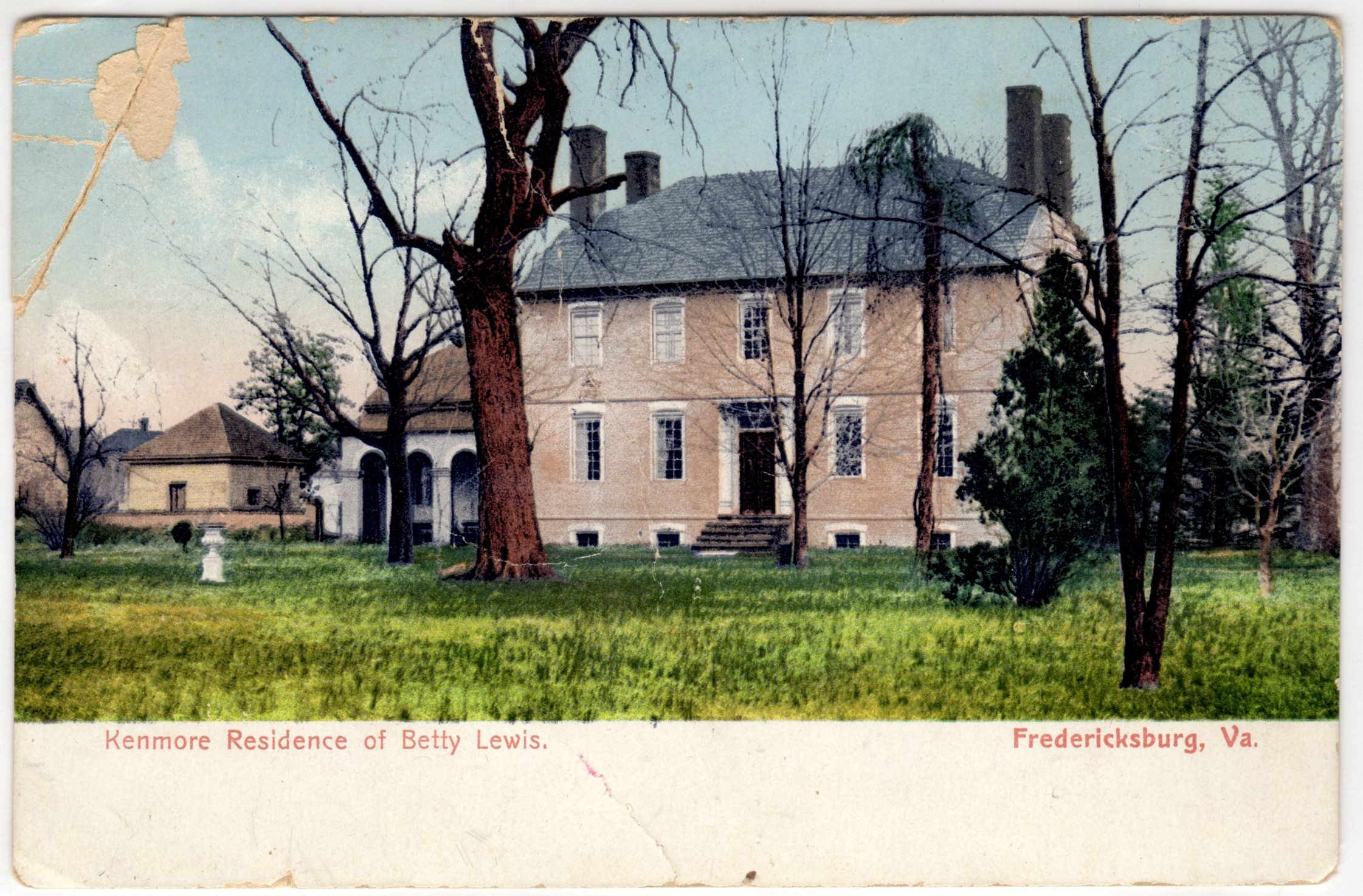
    Additionally, the exterior brick has been painted, along with the lintel, which was removed in 1929. We can see the paintwork better in the second color postcard. 

    Interior

    Entrance Hall

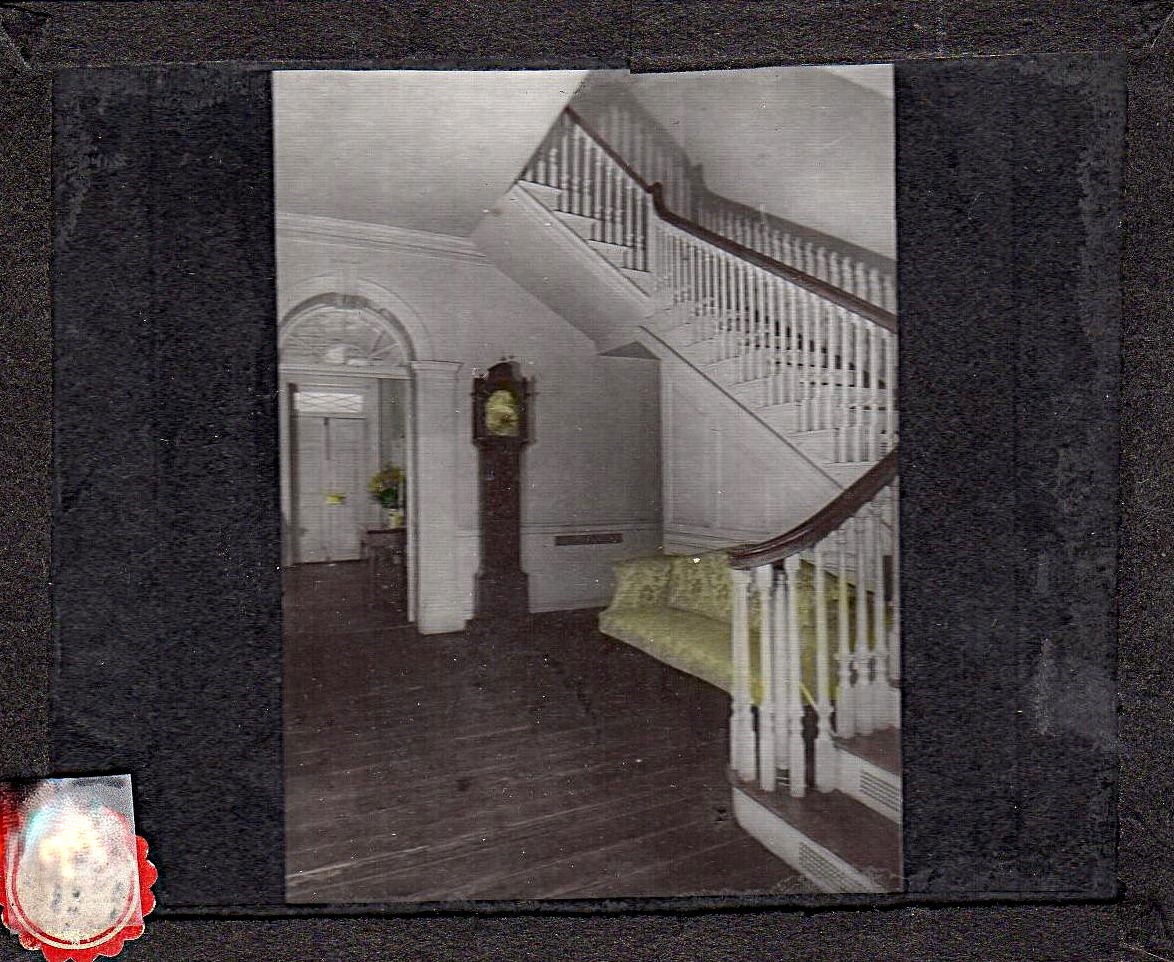
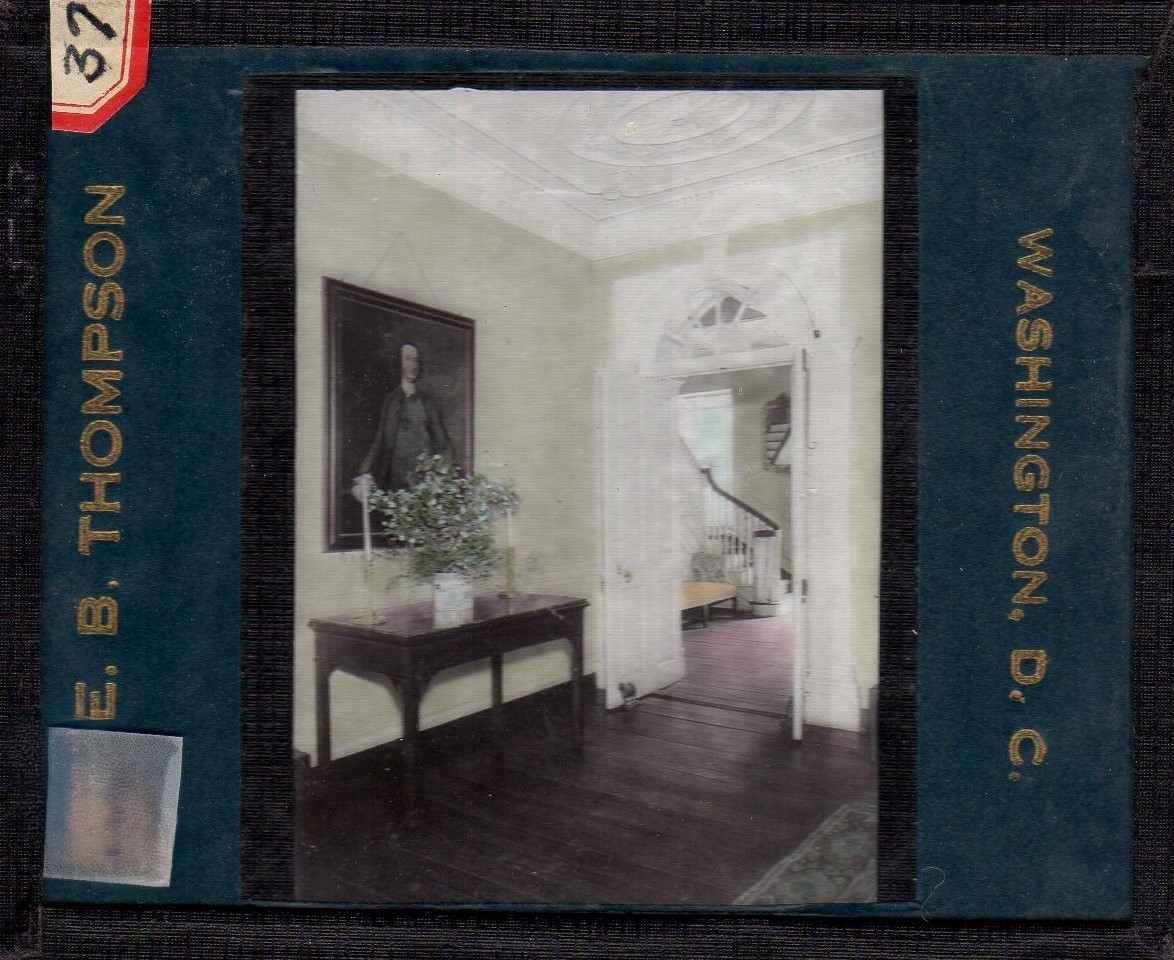
    One of the earliest postcards we have of the entrance hall, around 1923.    One of the most notable things is the plasterwork on the ceiling.  If you see current pictures of the entrance, you will notice that this plasterwork no longer exists.  The plasterwork was done by former resident William Key Howard, Jr., when he was restoring the original ceiling in the other rooms.    In 1930, the Association decided to remove the plasterwork because it was not original to the Lewis family.  Mr. Howard Jr. was not happy when he found out that the plasterwork had been destroyed and called it an act of vandalism. 

    Additionally, we can see next to the tall case clock a door that leads into the drawing room, which no longer exists.  It was decided that this was not the original placement, and the door was moved directly across from the office door in 1930. 

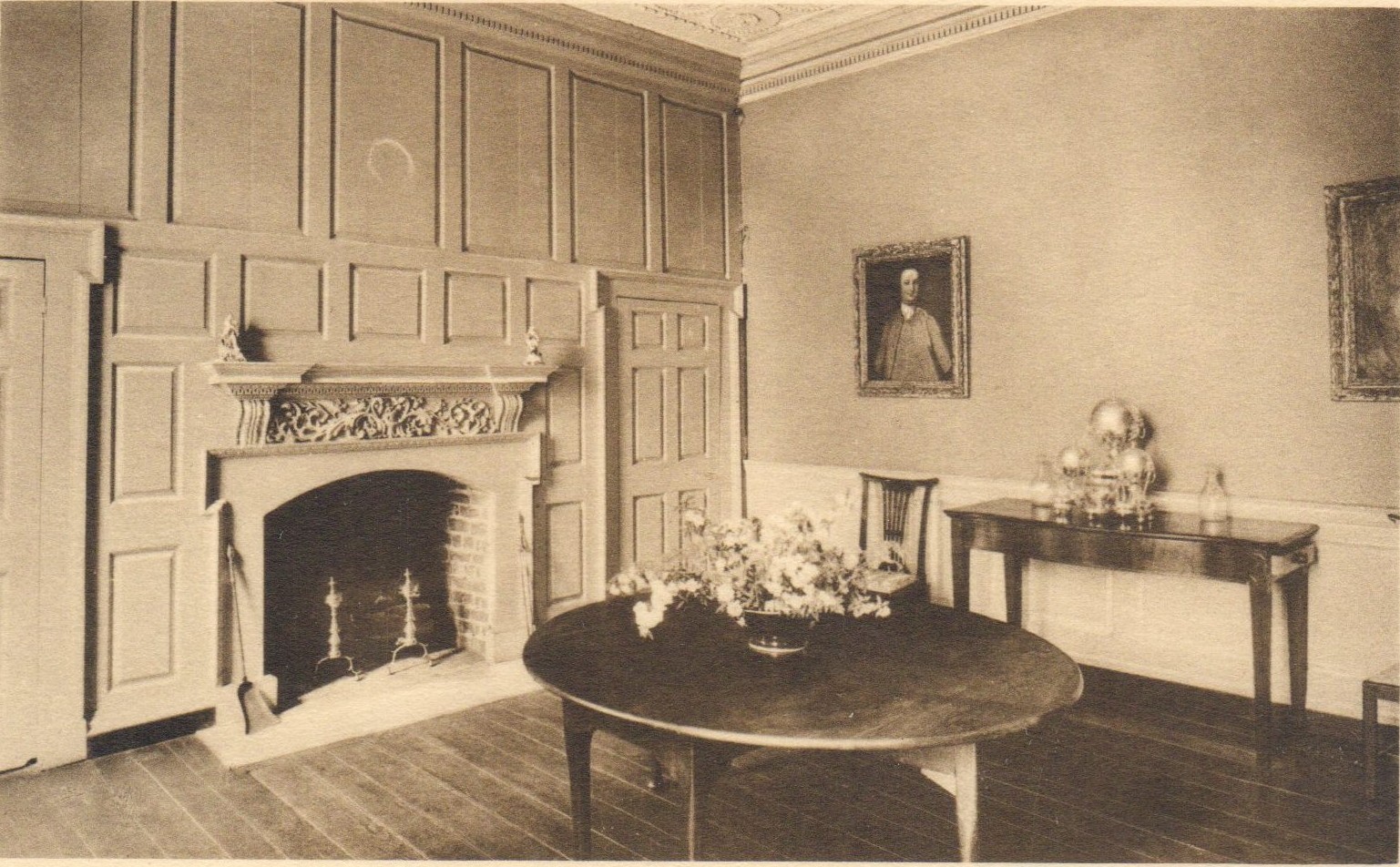
    Chamber/NW room, first floor

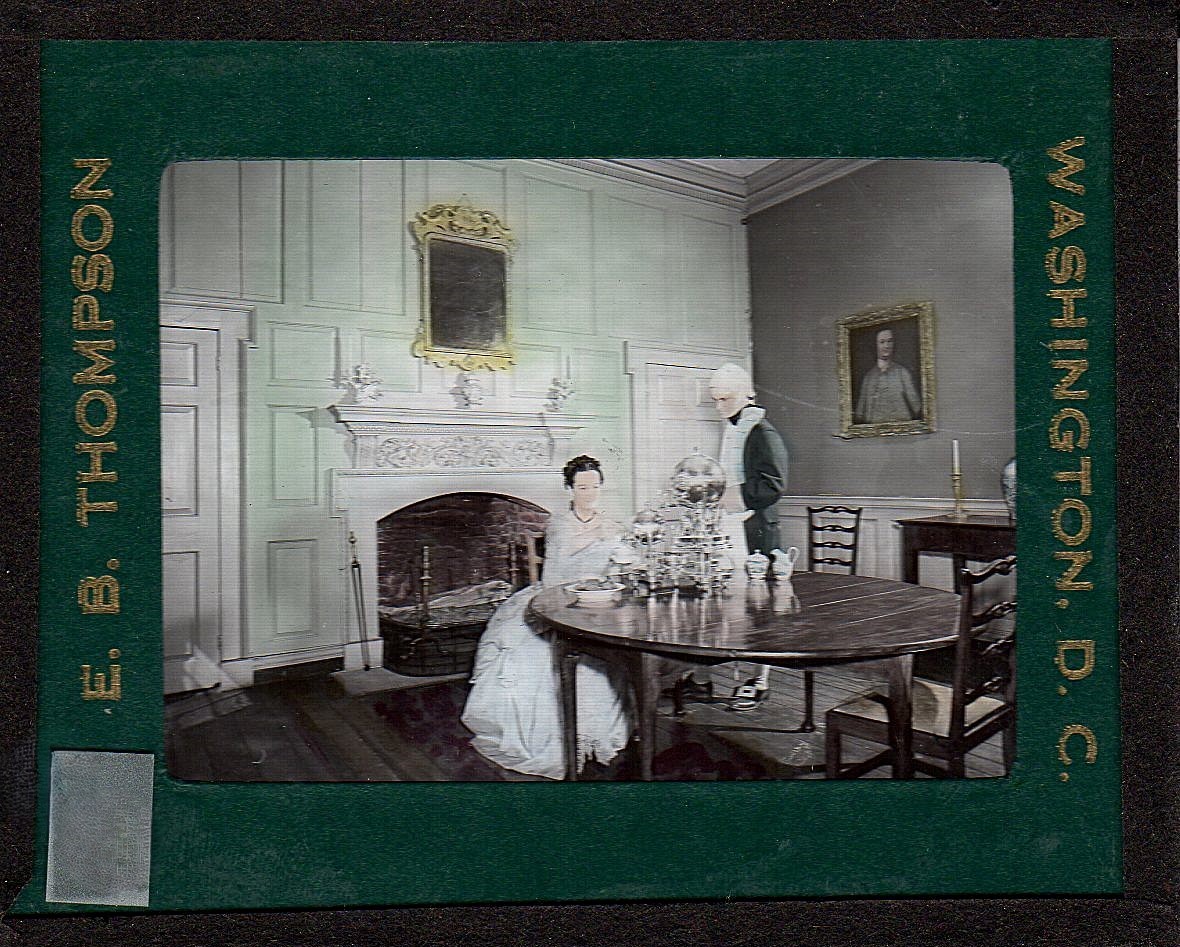
    While we currently interpret the NW room on the first floor as the chamber, the ladies referred to it as the Dining Room. We can see a round table, a sideboard, two chairs, and two portraits, plus a large silver tea urn.   The postcard dates from the late 1930s because we know from our records that most of these pieces were donated in 1935.  We still have all these objects in the collection, but the only things currently on display to the public are the round table in the dining room and the chairs in the drawing room.  All other pieces are in storage. 
    Dining Room/NE room, first floor

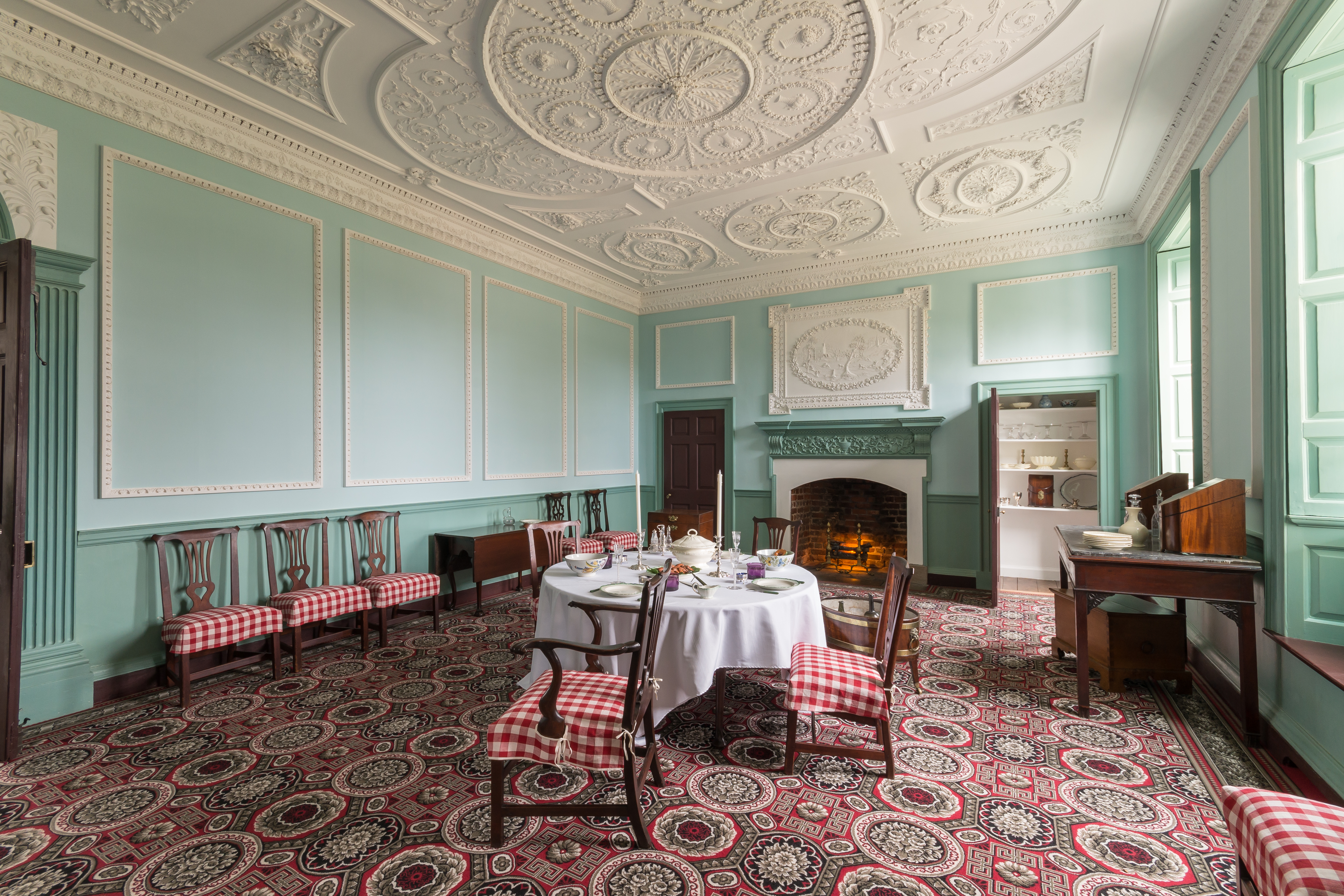
    We currently refer to the NE room on the first floor as the dining room.  It has undergone many changes, with Gothic arches added to the closets during the 19th century, and has been restored to its original shape.   Not everything in the postcard is still in our collection, but you can see the square table still on display in the dining room, and Betty’s portrait is now in the drawing room. 

    On the left is the Dining Room during the Howard occupation around the 1890s, and on the right, the Dining Room today
    The Dining Room after the Kenmore Association’s restoration, c. 1940s

    Drawing Room/SE room, first floor

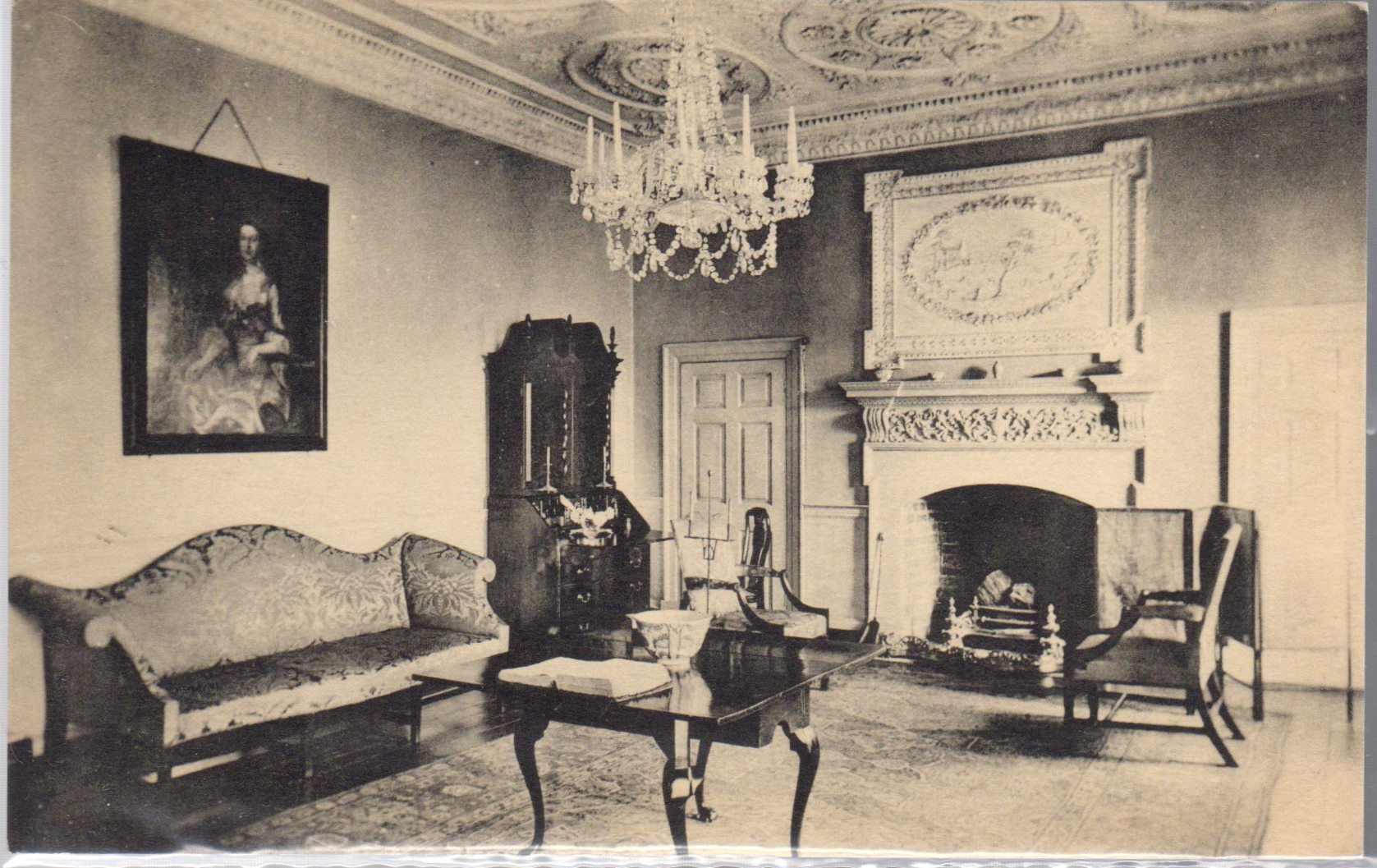
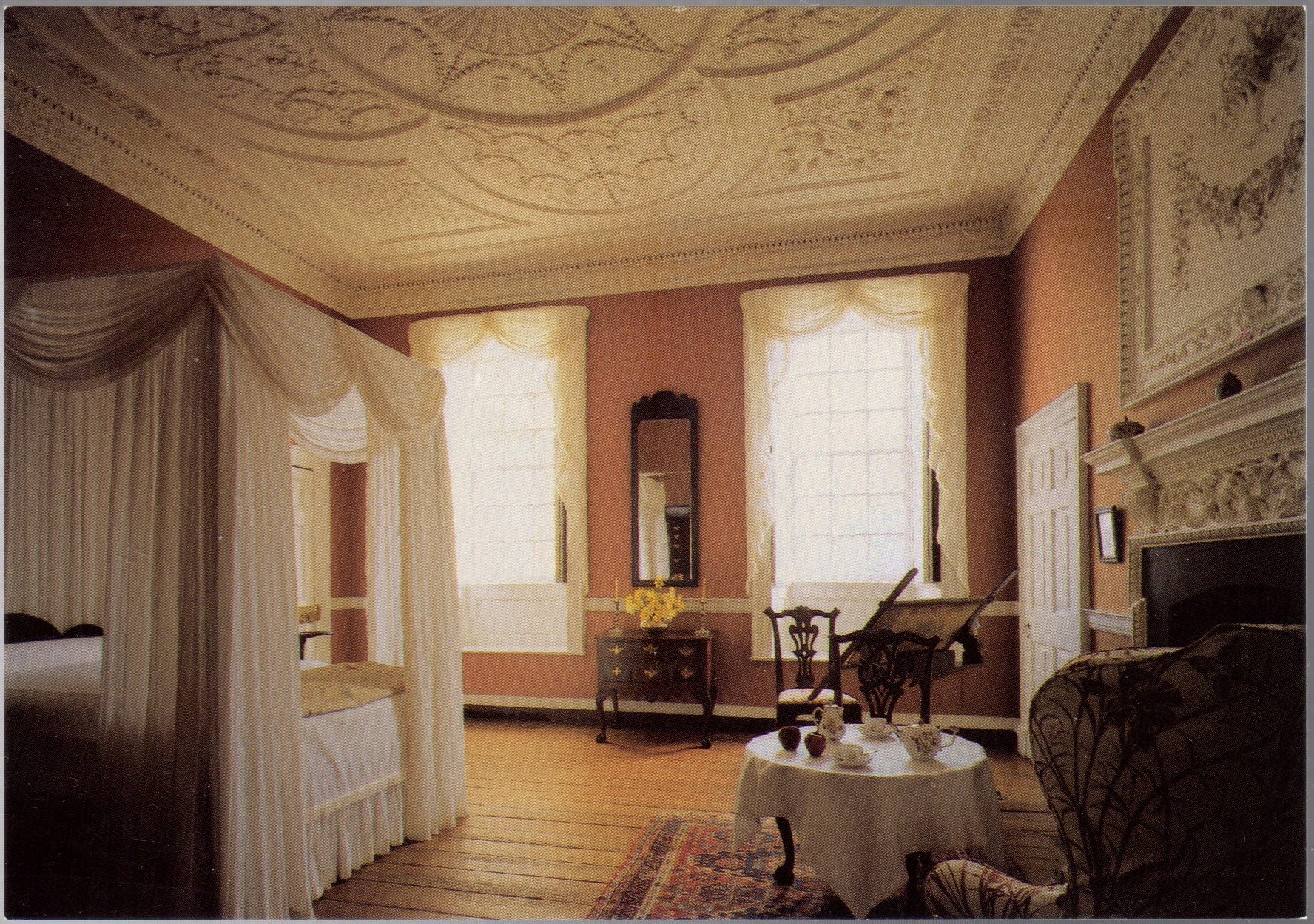
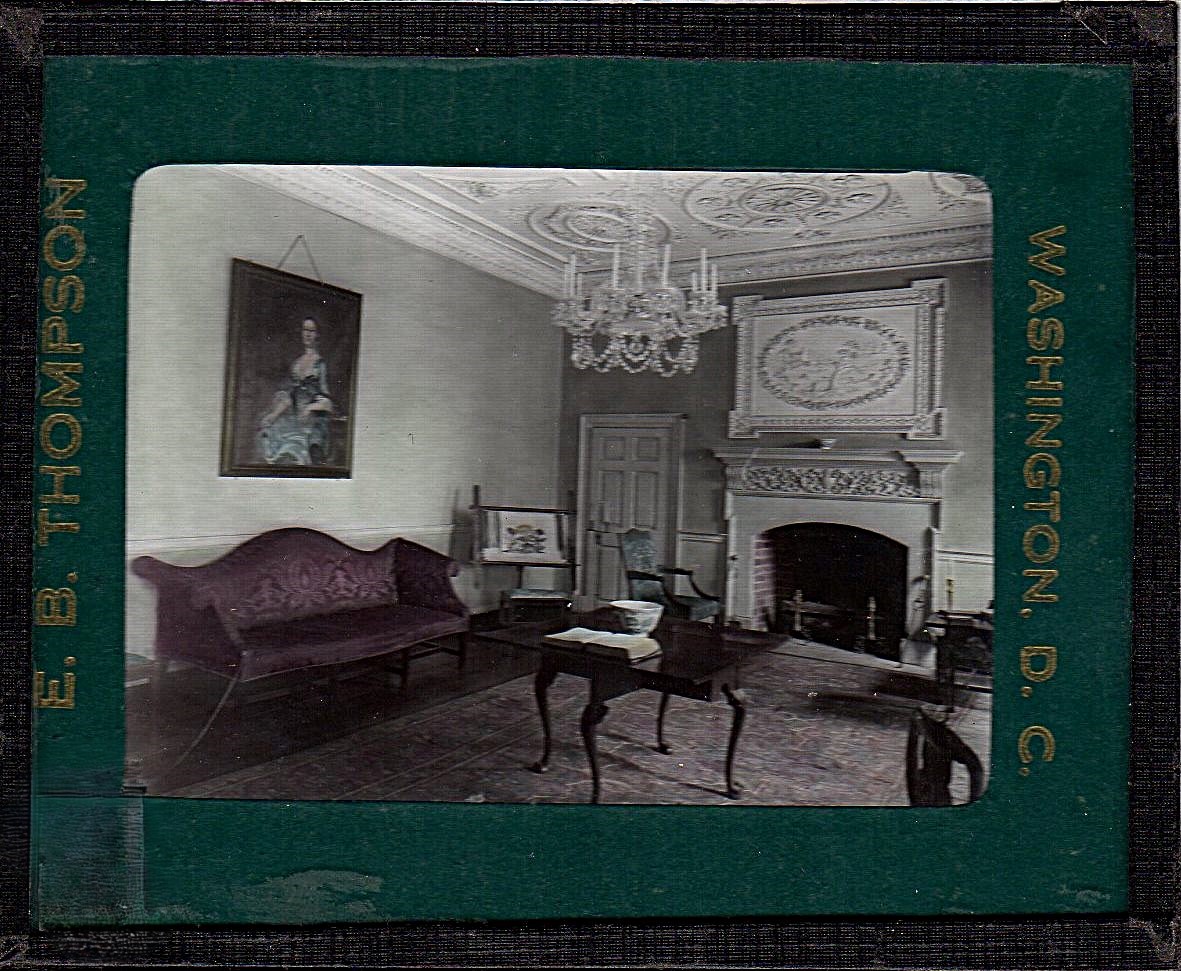
    The drawing room was previously known as the library and also served as a chamber for a while in the 1980s.  By the window, you can see Betty’s desk in the older postcard (c.1940s), which is still on display, but in the chamber.  We still have the tea set on display where it was in the chamber, but it is currently in storage.

    On the left is the Drawing Room during the Howard occupation around the 1890s, and on the right is the Drawing Room now

    Office/SW room, first floor

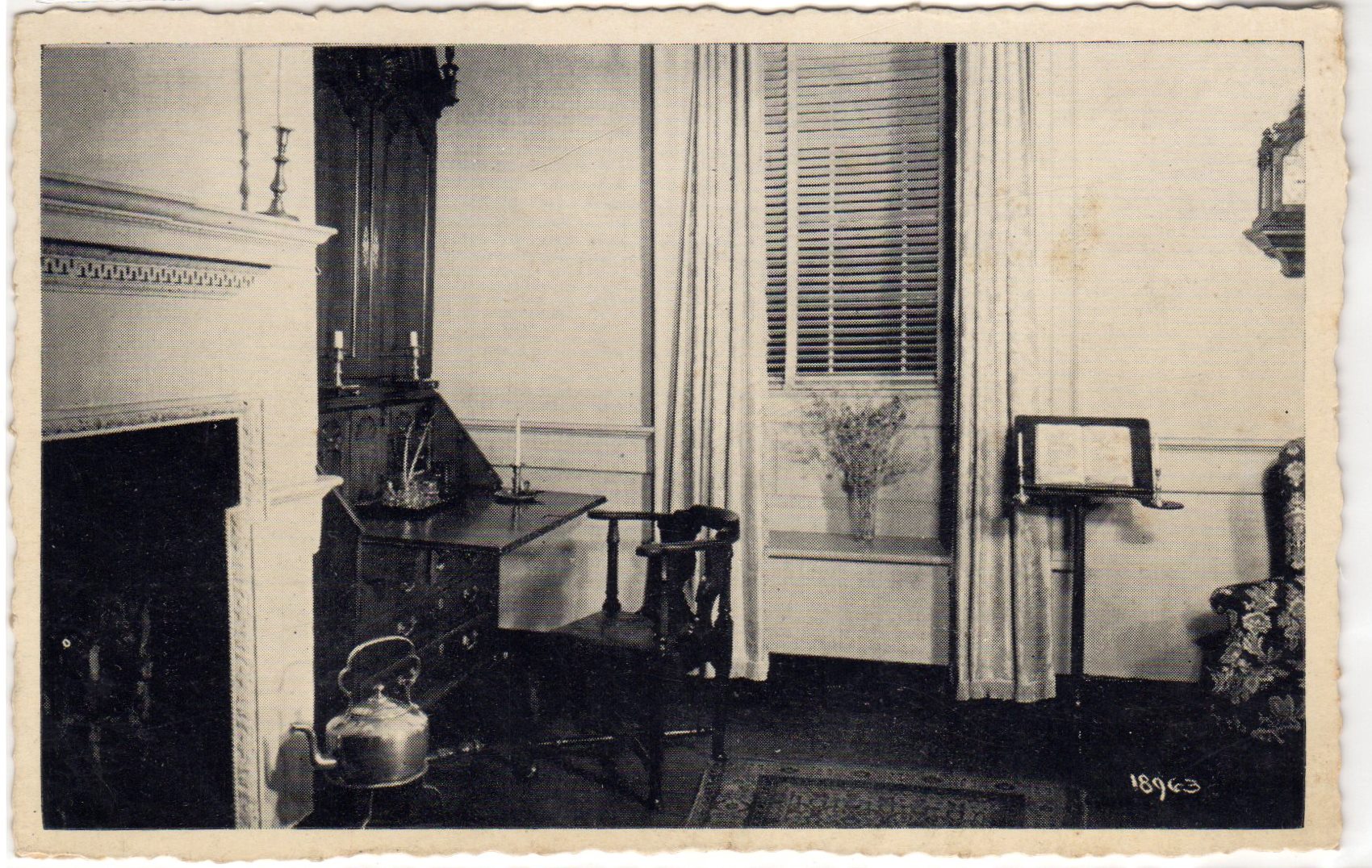
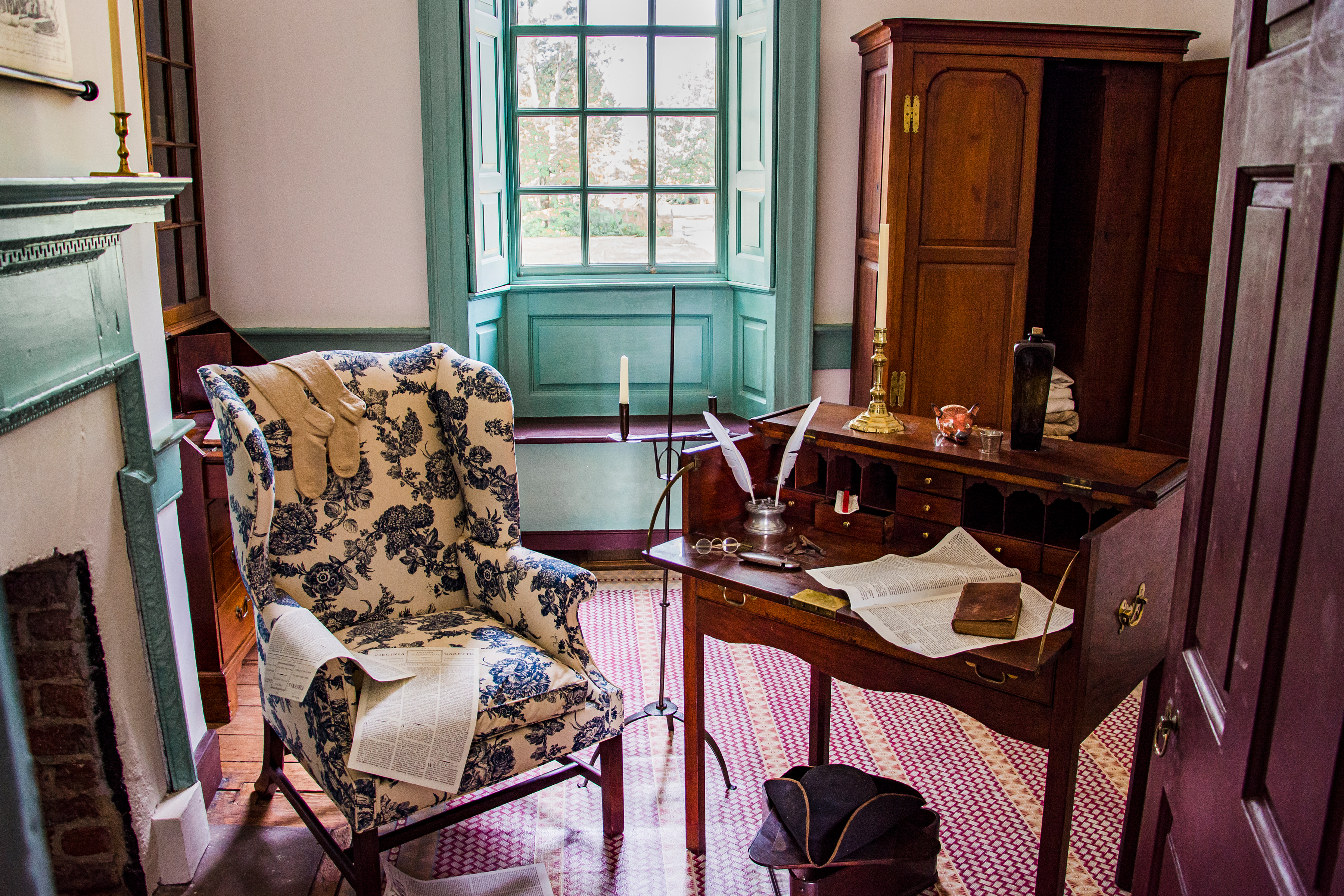
    Fielding’s office has been displayed as a sitting room and a kids’ room.  We don’t have many of the objects in the postcards still in the collection, except the corner chair, which now has a check seat, and the music stand, which is too fragile at the moment for display.
    2nd floor

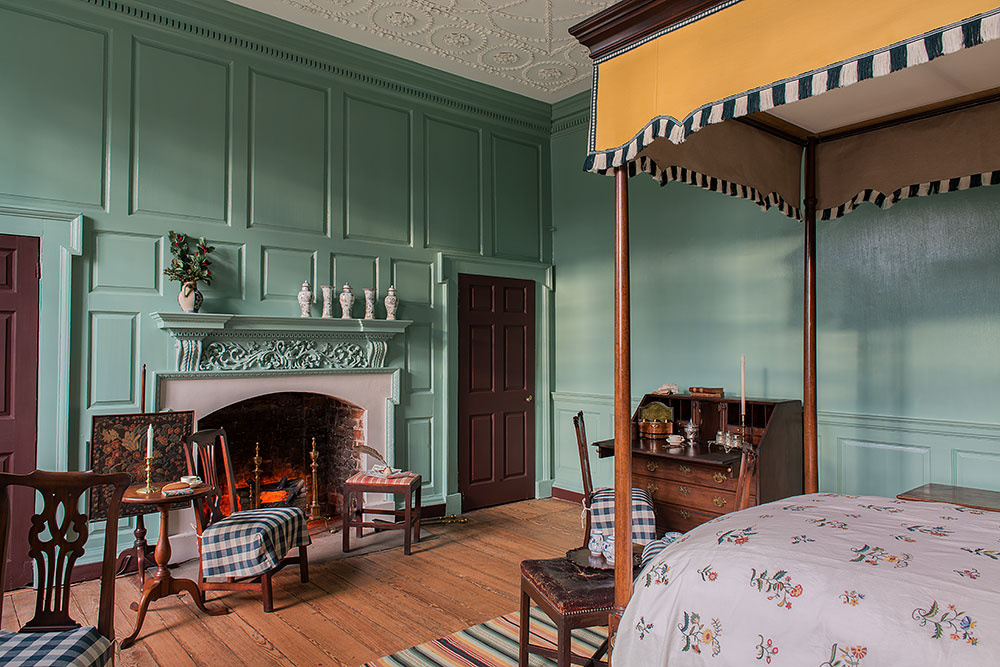
    We currently do not offer tours of the upstairs area because we don’t put too much stress on our lovely plaster ceilings.  The Kenmore Association interpreted the upstairs as individual bedrooms for the family, which is not the most historically accurate version.

    Hallway/ 2nd floor

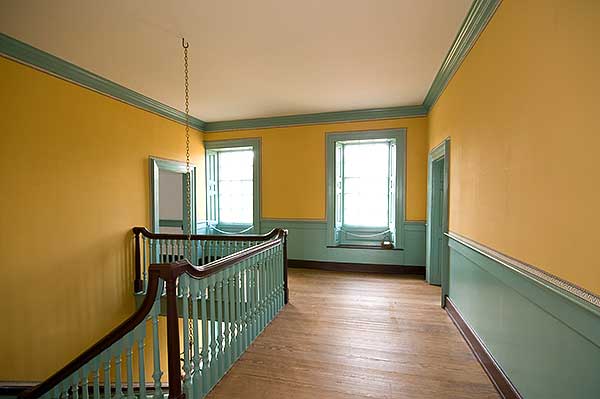
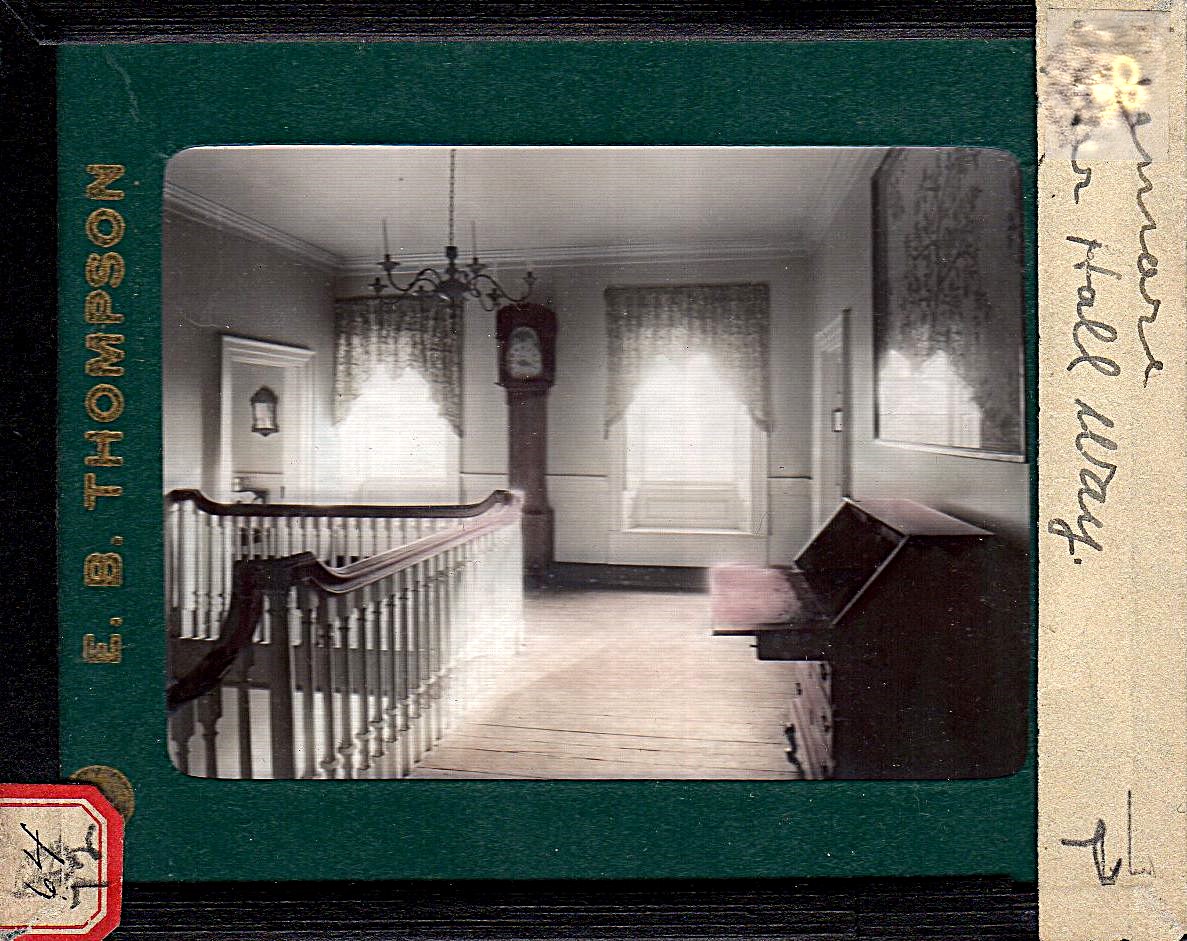
    Besides the paint color, the hallways upstairs remain structurally the same.  The ladies have Betty’s desk on display, with the Hammond quilt above.  We still have the Hammond quilt; fortunately, we removed it from the frame, but it is a massive quilt and is not currently on display. However, it is in excellent condition.  As for the tall case clock, chandelier, and curtains, they have been lost to history.

    “Mary Washington Bedroom”/NE room/2nd floor

    We have no evidence that Mary ever had a dedicated bedroom at Betty’s house, and it seems unlikely with the size of the Lewis family.  We do still have some of the pieces in the collection. The tea box is currently on display in the chamber, and the yellow tea set has been displayed intermittently over the years.  The two calendar prints hung on the wall are now downstairs in the drawing room.  Lastly, the chaise lounge was loaned to the foundation by the Metropolitan Museum of Art in the 1930s (subsequently purchased in 1968) and is currently in storage, as there is no evidence that the Lewis family owned many northern furniture pieces.
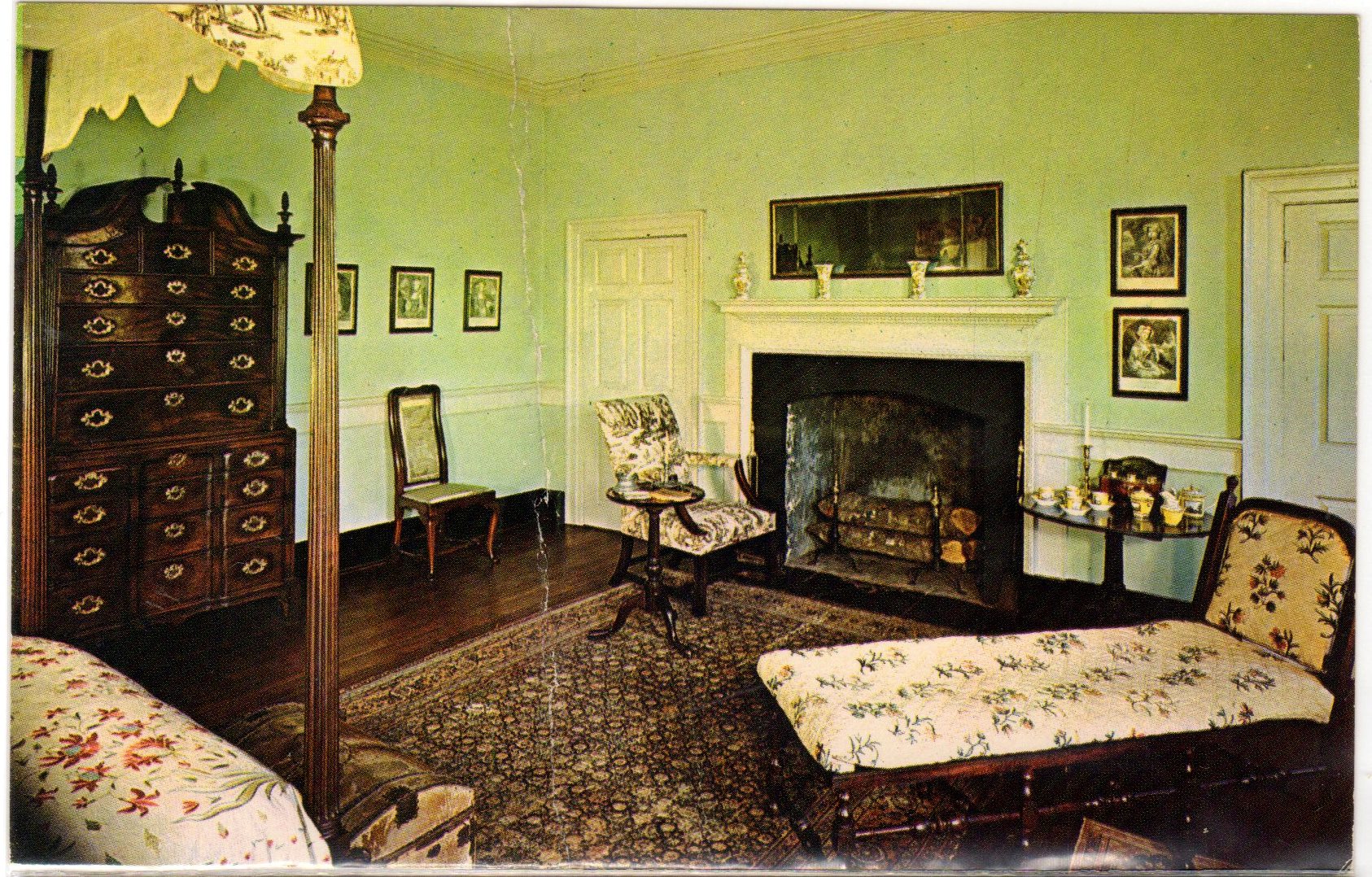
    “Mary’s Bedroom” is currently storage with temporary covering to protect the original floors.

    “Guest Bedroom”/NW room/2nd floor

    Much like “Mary’s bedroom,” it is very unlikely that the Lewis family had a “guest room,” with as large as the family was, it would have been a waste of space.  The bed still resides in our collection, disassembled and in storage. 

    “Betty’s bedroom”/SE room/2nd floor

    Again, during the Lewis occupation in the 18th century, individual bedrooms were not common, except for the head of the family.  Not many of the objects in the postcard are still in our collection, except for the bed, which is now in the chamber downstairs, and the William Walker, Jr. armchair, which is currently off display, but we do have another one in the dining room.
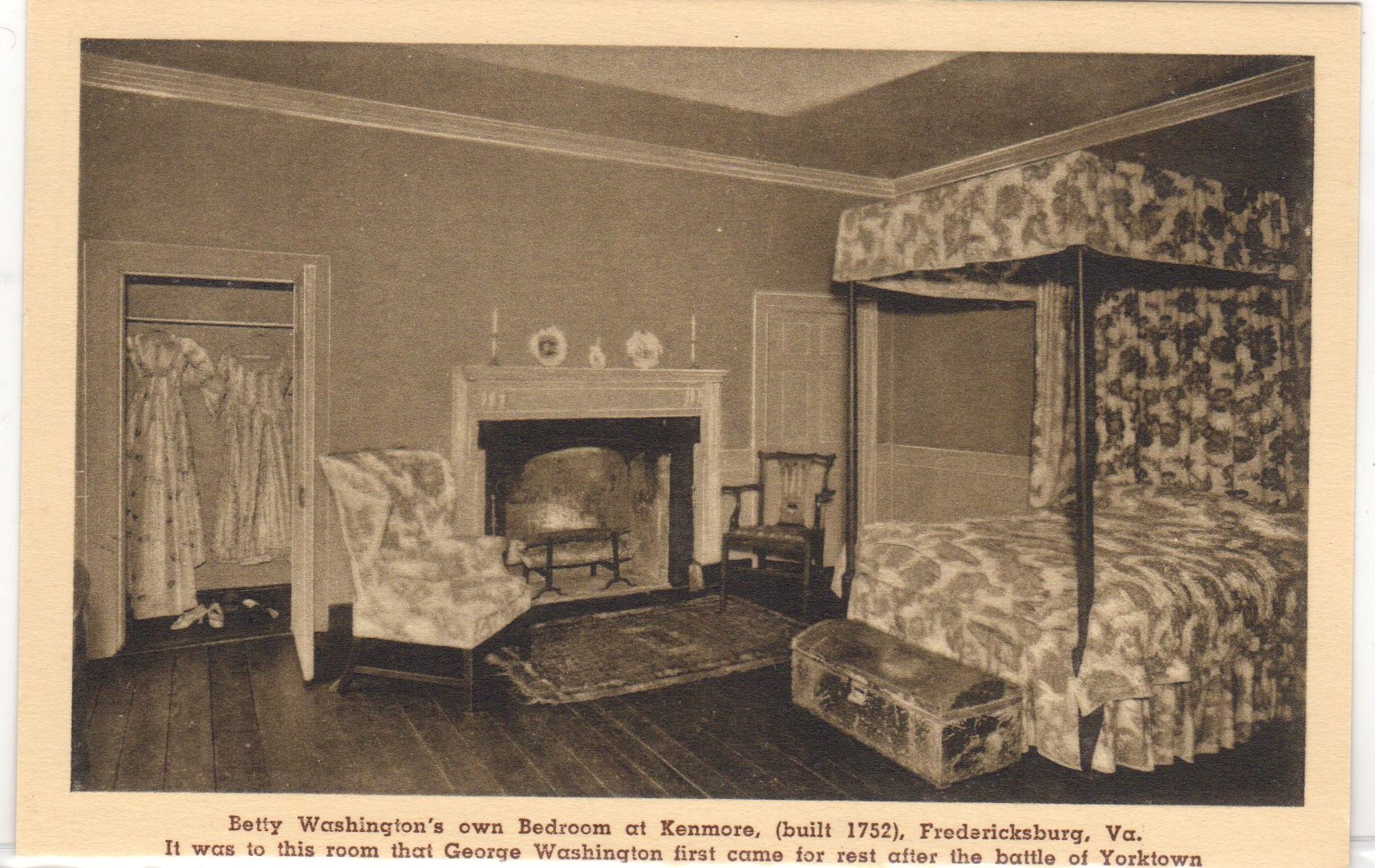
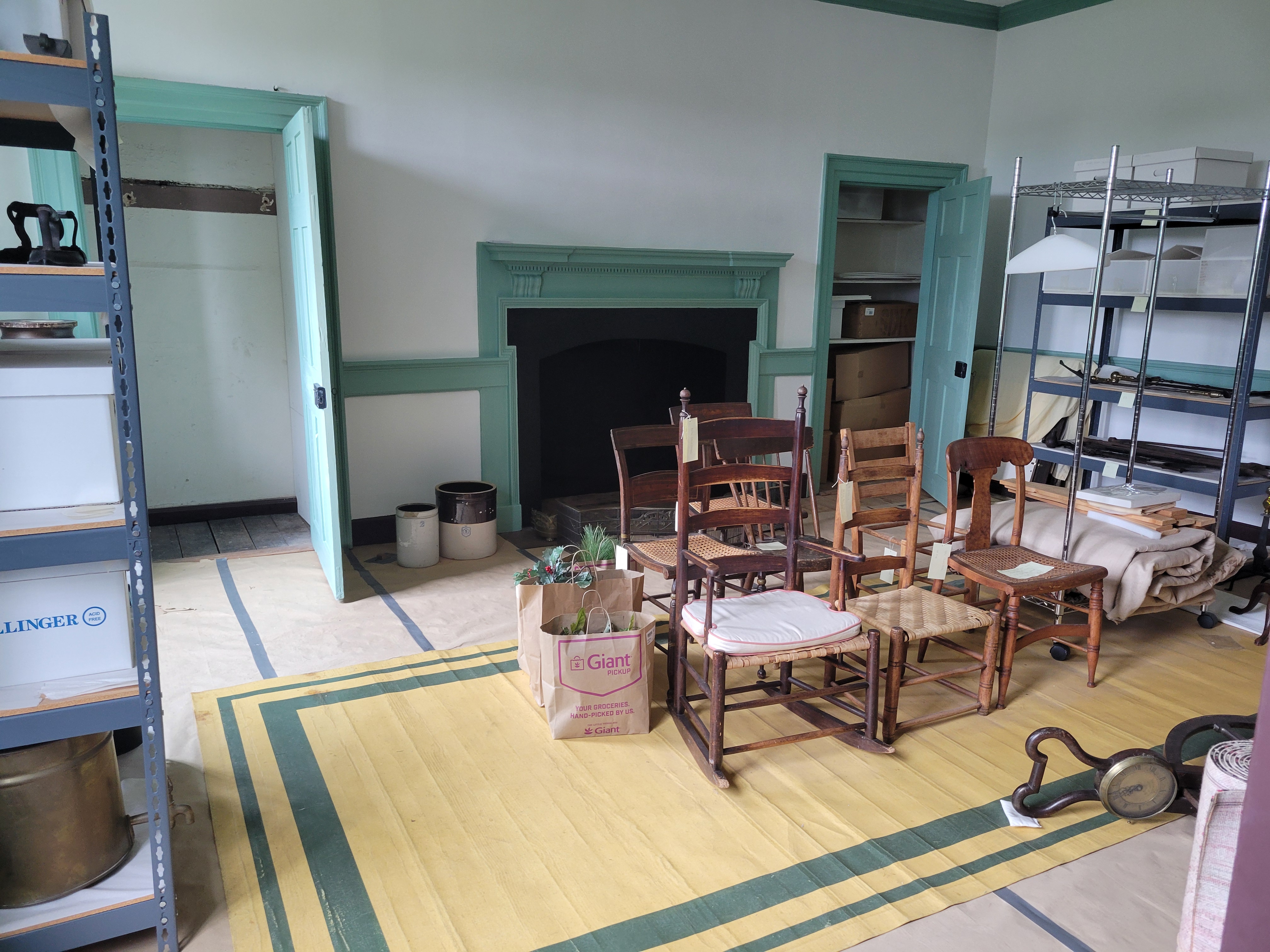
    “Betty’s bedroom (2nd floor SE) is currently used as storage…and some Twelfth Night decorations

    “Boy’s Room”/SW room/2nd floor

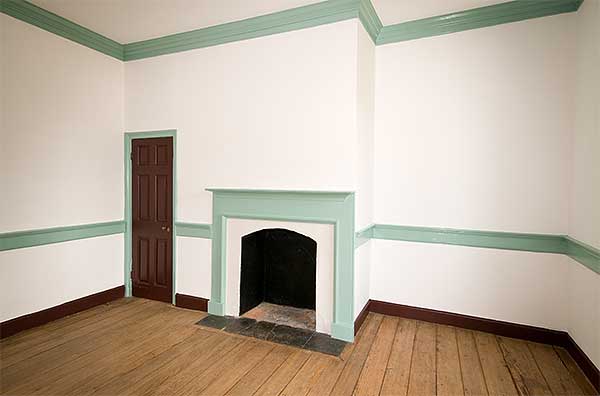
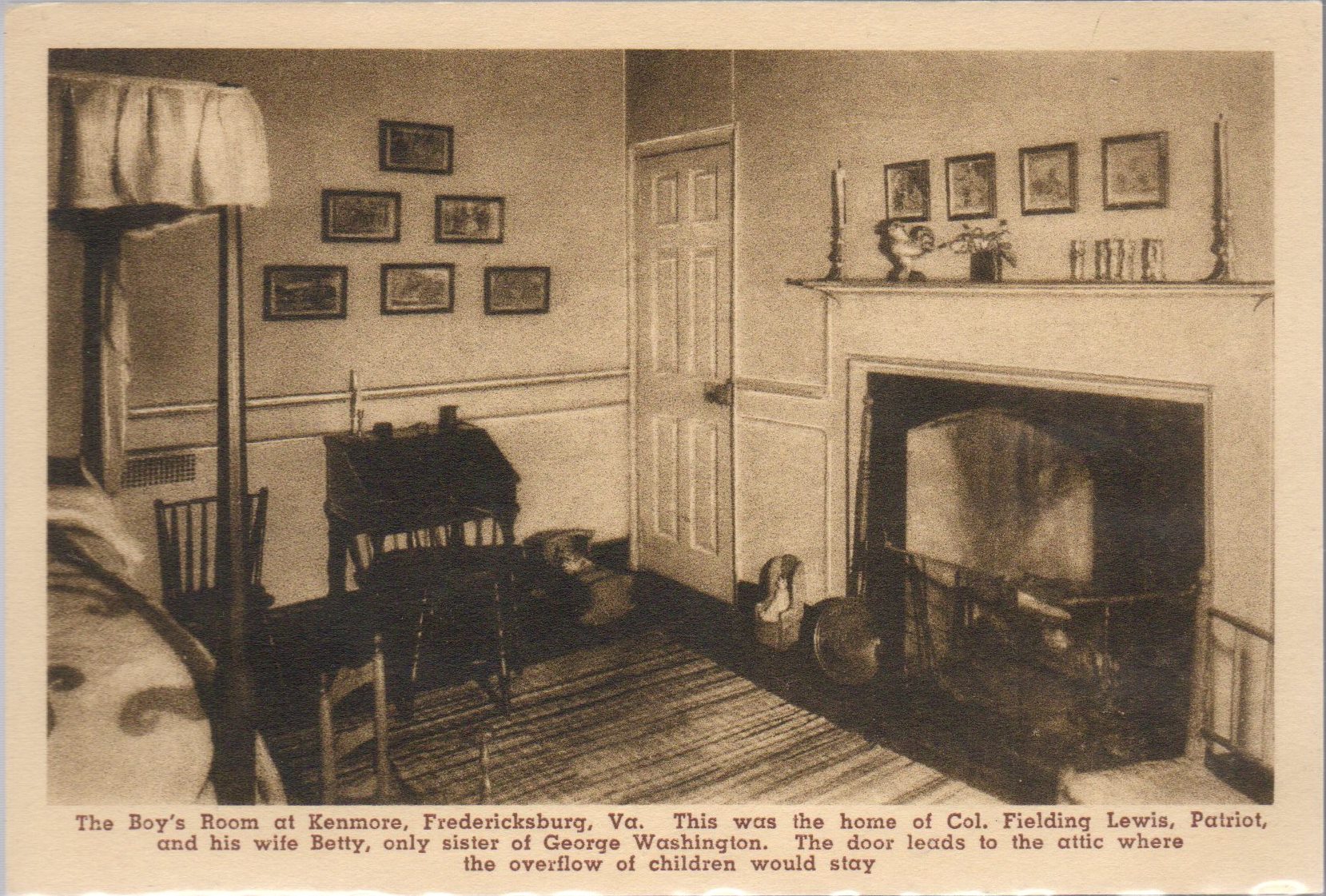
    The last room upstairs is smaller than the other rooms and has access to the attic.  The ladies used this as the boys’ room, but as we discussed, with the other rooms, it is unlikely that this was accurate.  We do still have many of the pieces’ pictures, but the only one currently on display is the slant-top desk in the Visitors Center. 

    Heather Baldus

    Collections Manager
  • Slides That Saved Kenmore

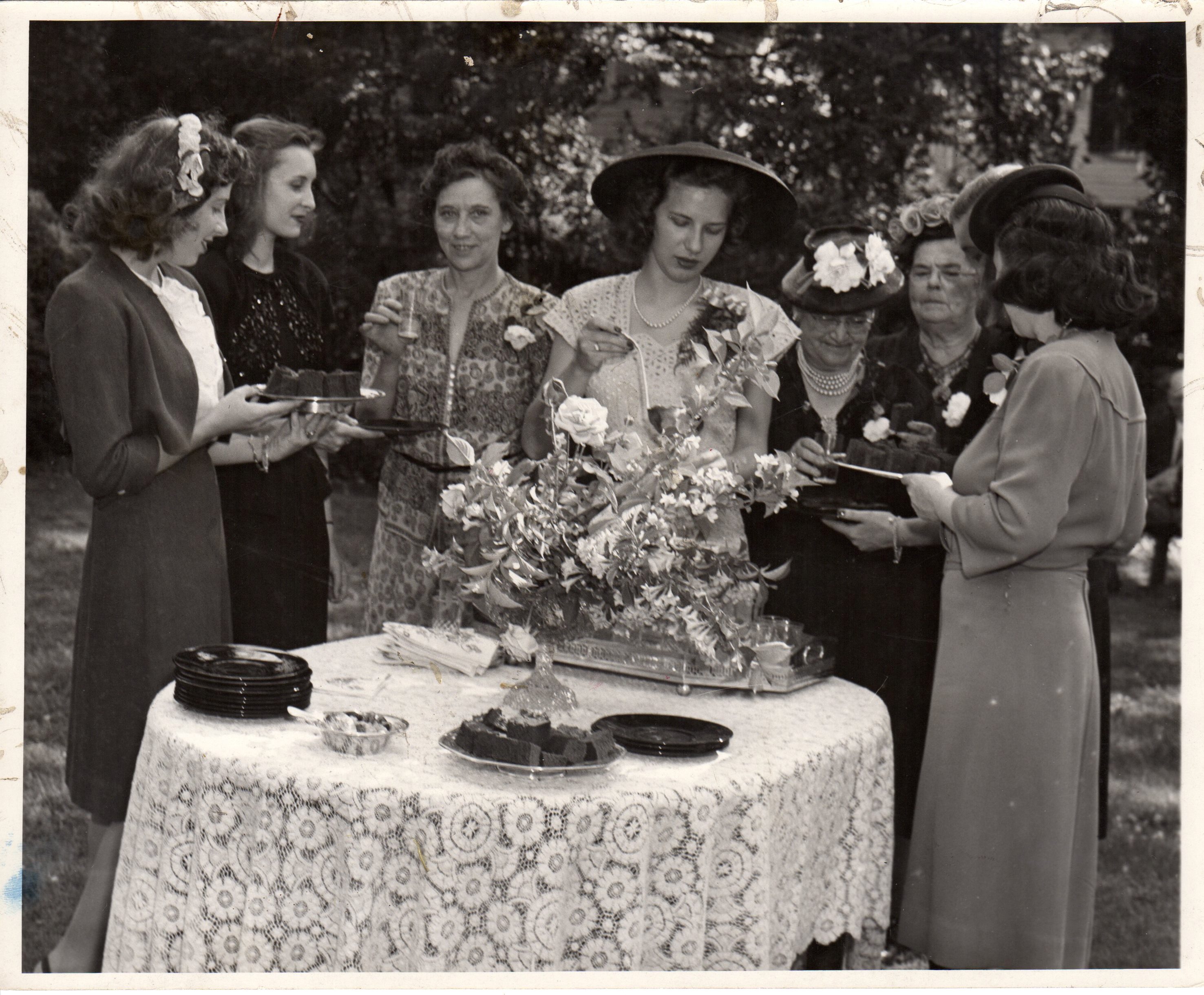
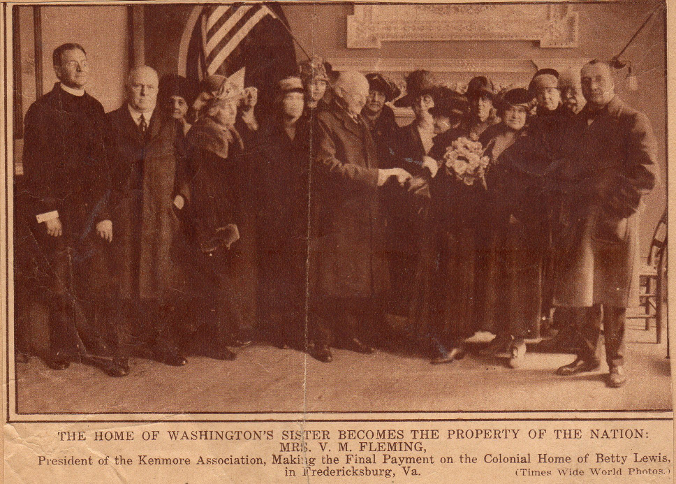
    On January 1, 1925, a group of well-dressed women in hats and long fur coats assembled at Kenmore to hand over the final $1,000 payment and gain full possession of the house and land.  This meeting was the culmination of thirty-two months of persistent work and determination by the ladies of The Kenmore Association to save the historic property from destruction.

    The incredible work in saving Kenmore was beginning for the ladies. Undoubtedly, a house as large and old as Kenmore would require a substantial amount of money for restoration and upkeep.   Until the sale to the Kenmore Association, the house had been a residence for several different families, each leaving a unique imprint on the building.  Unfortunately, these alterations needed to be reversed to restore Kenmore to its original state when Fielding and Betty Lewis first inhabited the house around 1775.

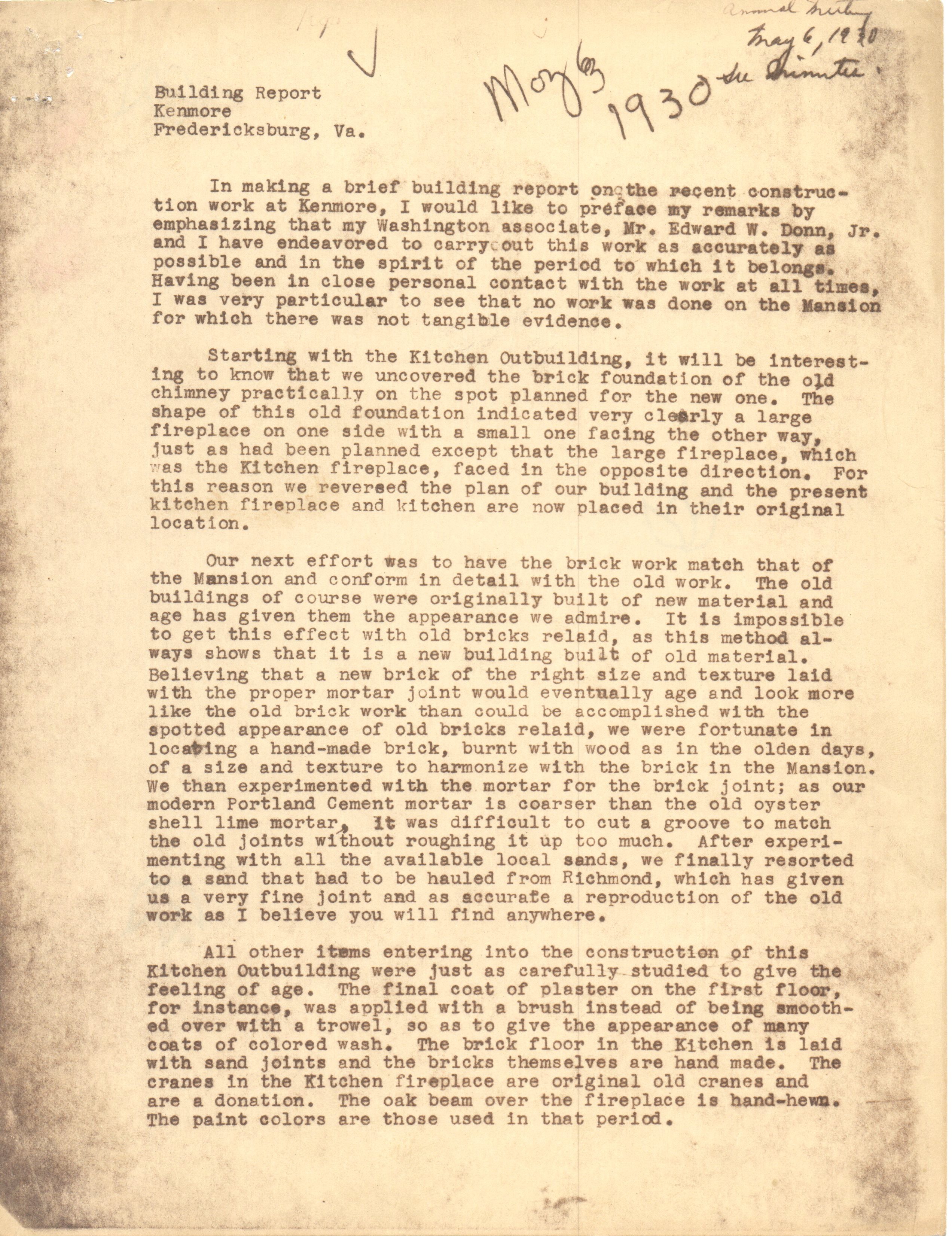
    By 1930, the Kenmore Association had made significant progress in restoring Kenmore. Major projects included removing the modern attached kitchen, updating wiring and plumbing, and restoring windows, brickwork, and ornamental plasterwork, all completed for $19,372.57. (Mesick, 1992) This figure did not include the ongoing refurnishing of the house, highlighting the scale of the task.

    How was the Kenmore Association able to finance this costly restoration and refurnishing? These ladies knew how to raise money. In 1927, they established a restoration fund and began soliciting contributions.  

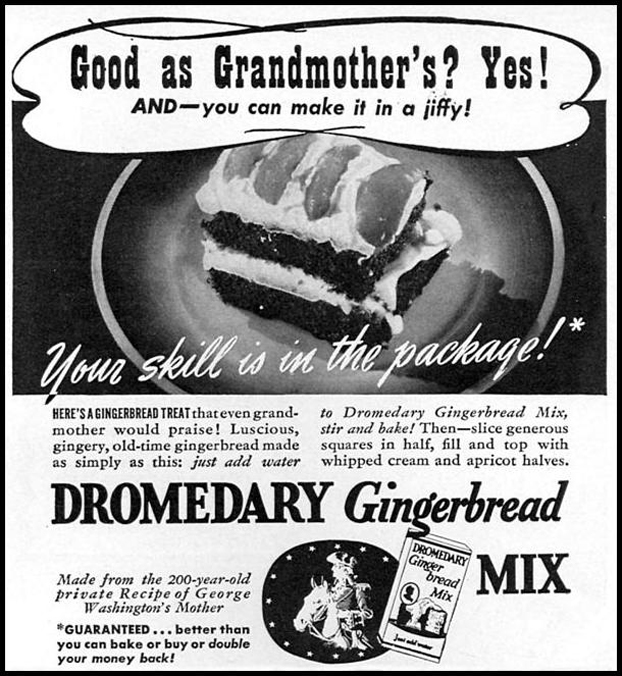
    We previously discussed the amazing partnership between Mrs. Smith secured with the Dromedary Cake Mix Company and their boxed gingerbread.   The arrangement allowed Dromedary to produce gingerbread mixes based on Mary Washington’s recipe.  In exchange, the Kenmore Association got all the gingerbread they could serve to visitors.  The company also donated mixes to be sold by the Association and various chapters of the Daughters of the American Revolution (DAR) for 25 cents a box.  The Association got half the money realized from these sales minus the shipping costs. 

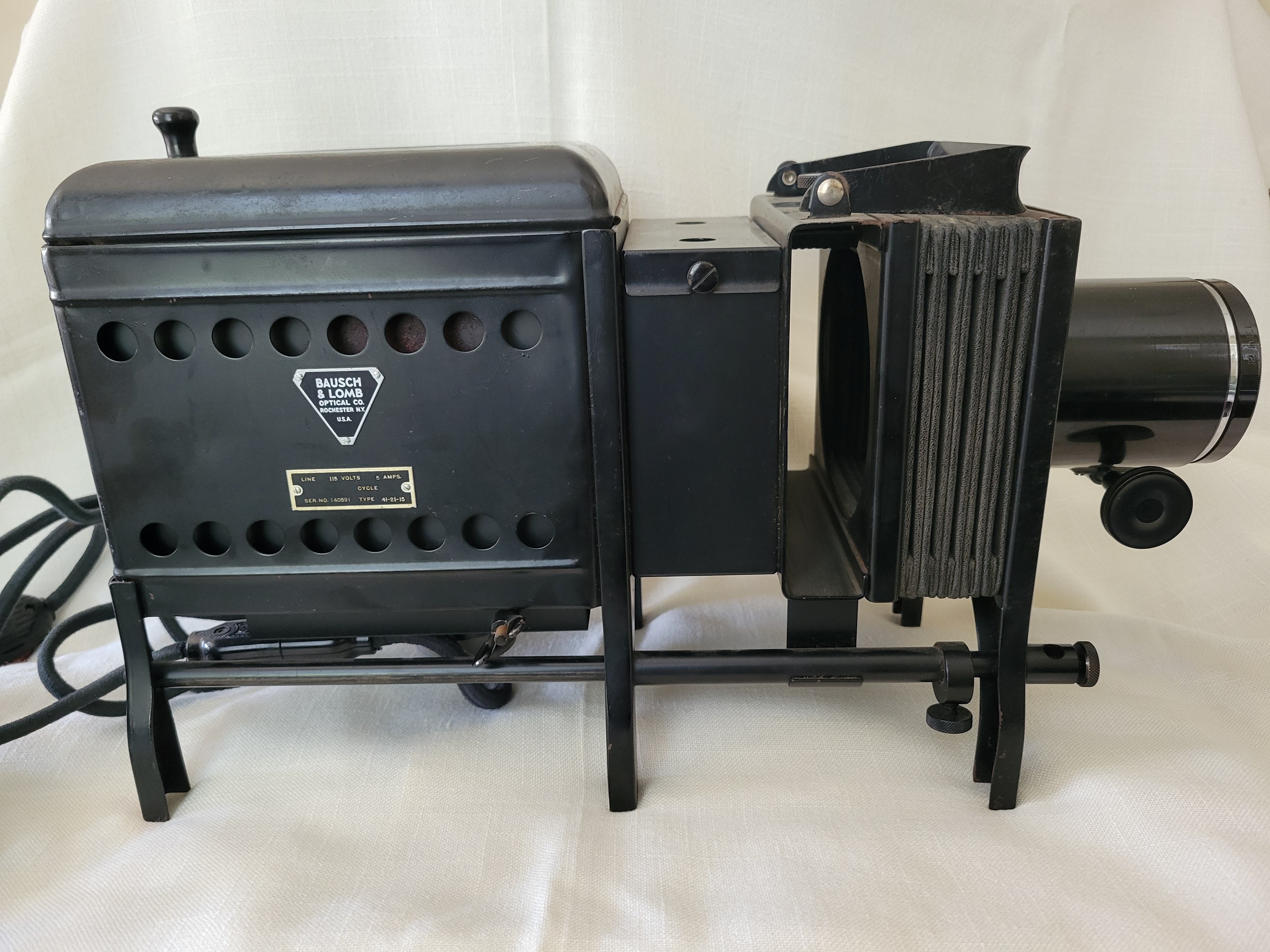
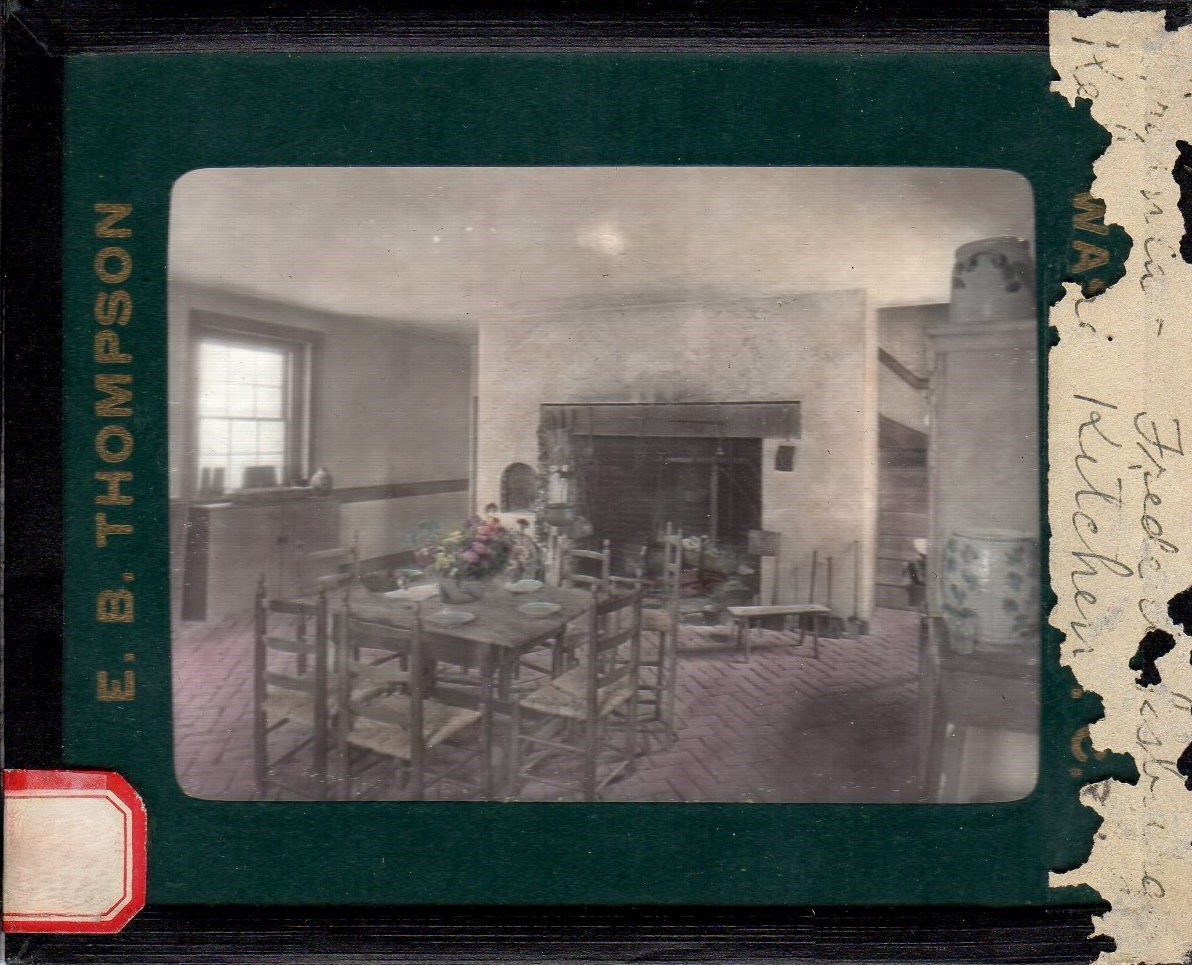
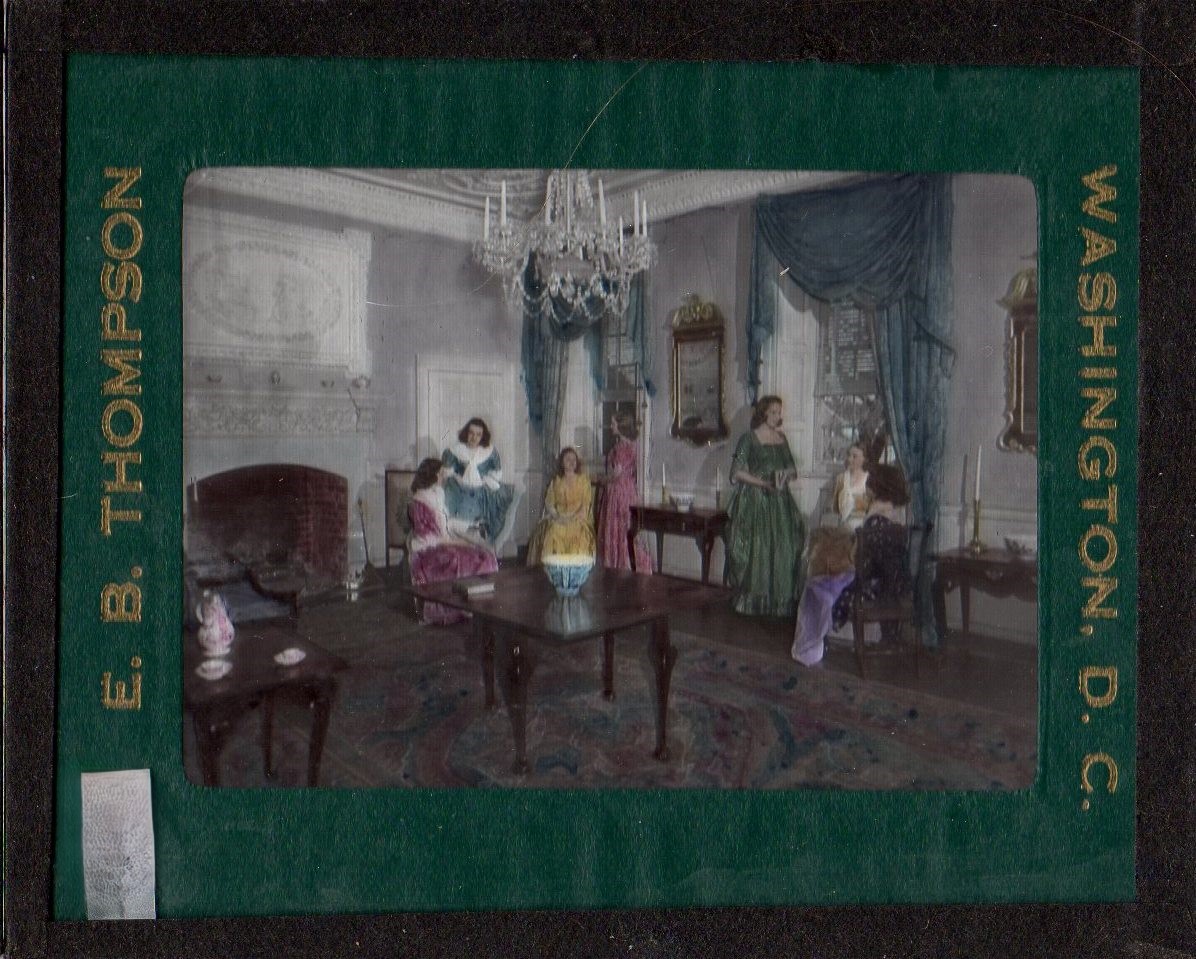
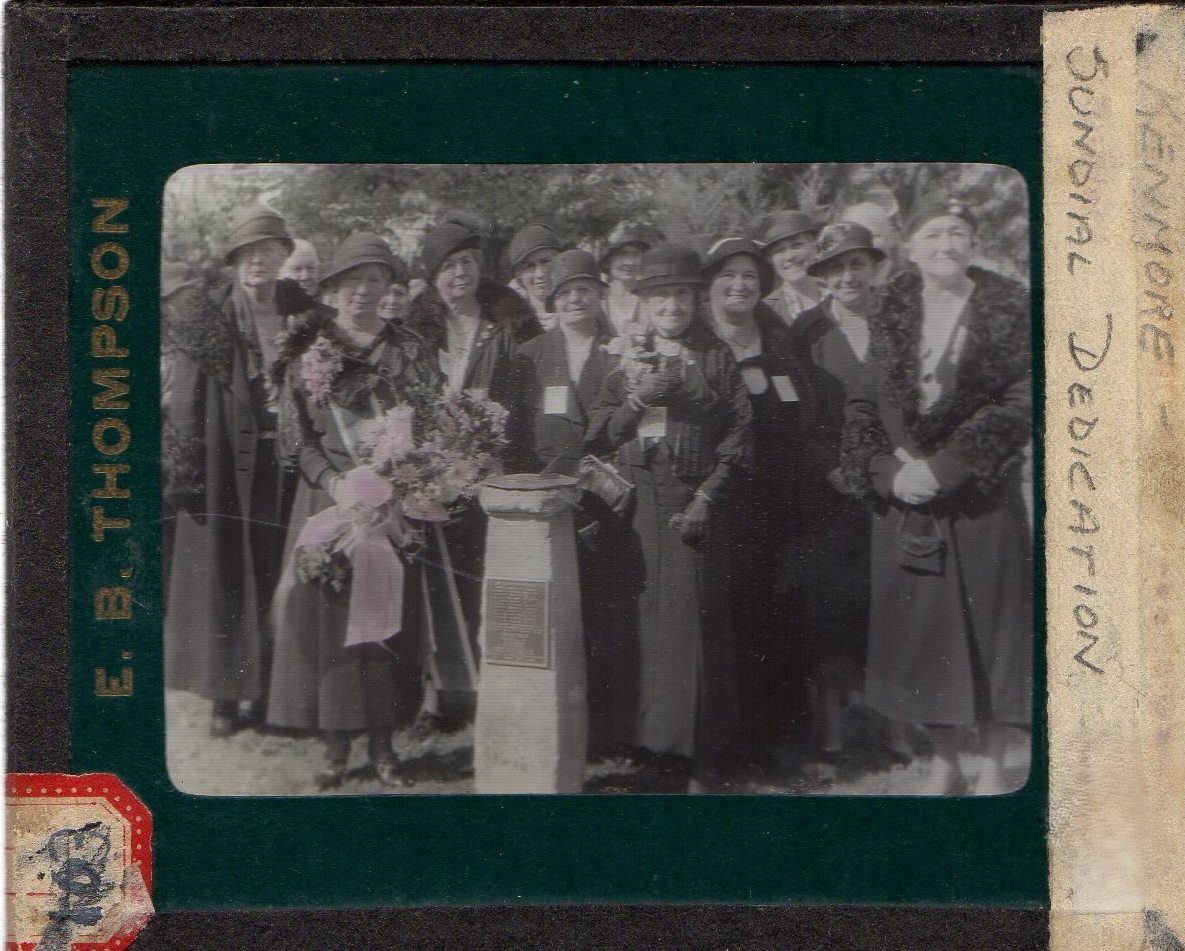
    To help the various DAR chapters across the U.S. sell gingerbread, the Kenmore Association developed a visual program using the Bauch & Lomb Balopticon and trays of glass slides. Mrs. Smith worked with Mrs. Louise du Pont Crowninshield to select various photographers to assist in the project, including the well-known E.B. Thompson of Washington, D.C.  This was no inexpensive program to develop with balopticons running around $77 a piece and slides costing $1 to $3 per slide of which we have over three hundred. 

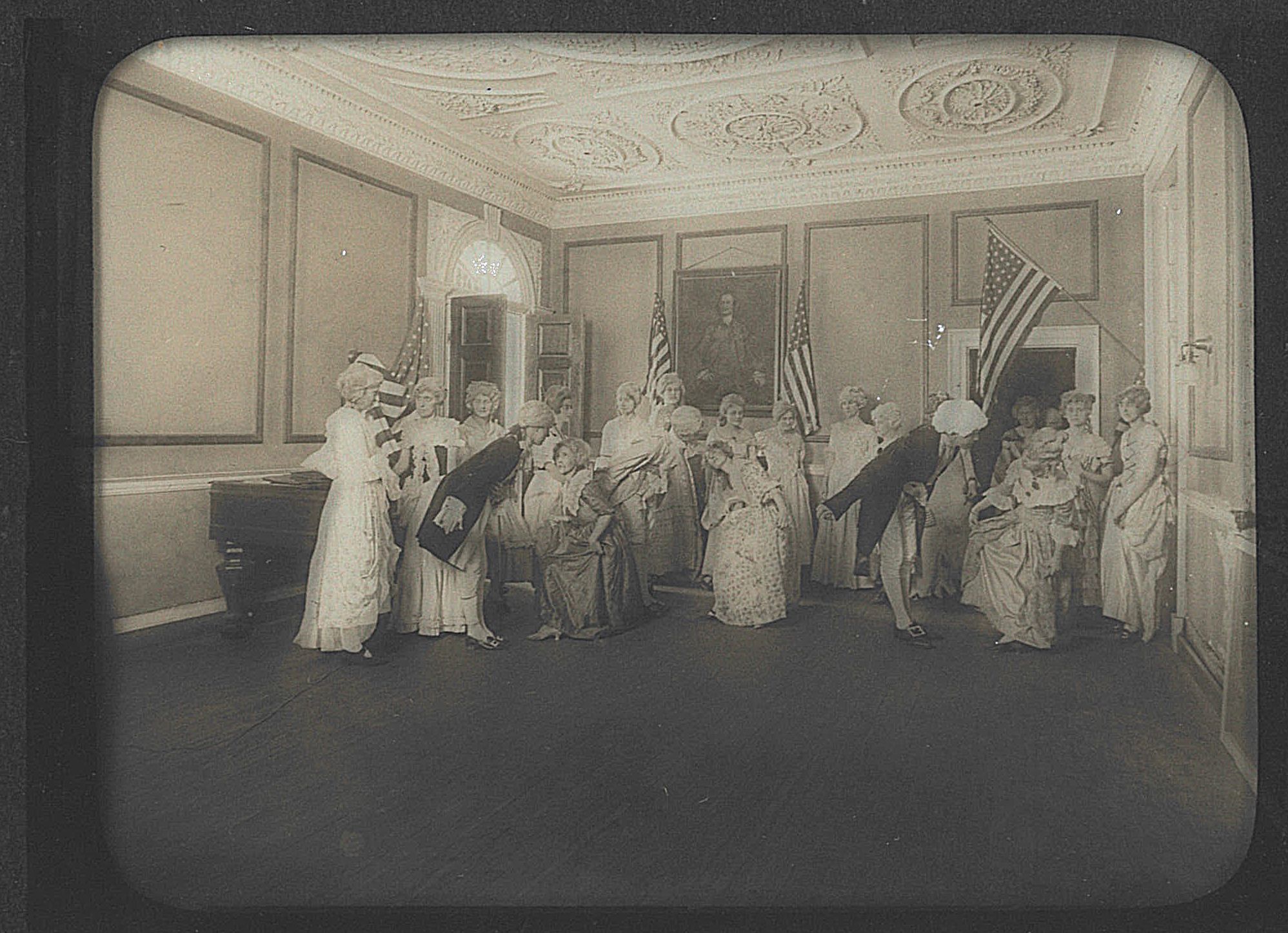
    This program featured black-and-white and colored glass slides documenting the restoration and refurnishing of Kenmore and its gardens. Its goal was twofold. First, it showed the groups the product of their previous fundraising efforts, and second, it gave them an understanding of the house, property, and its goals for the future. Groups from all over the country wrote to Mrs. Smith requesting that she send out the program, which consisted of the balopticon and a set of glass slides for their meetings.  Sometimes, Mrs. Smith would even join the program herself, presenting and answering questions about upcoming projects. 

    These glass slide presentations were eventually updated into paper guidebooks, films, and postcards featuring up-to-date Kenmore images. The slides were packed away in the closet for the last eighty-plus years, and now offer us a great source of documentation for the early years of The Kenmore Association and the restoration of Kenmore.

    Heather Baldus

    Collections Manager


    Sources

    Mesick, C.W. (1992). Kenmore Historic Structure Report. Albany

  • The Howards of Kenmore

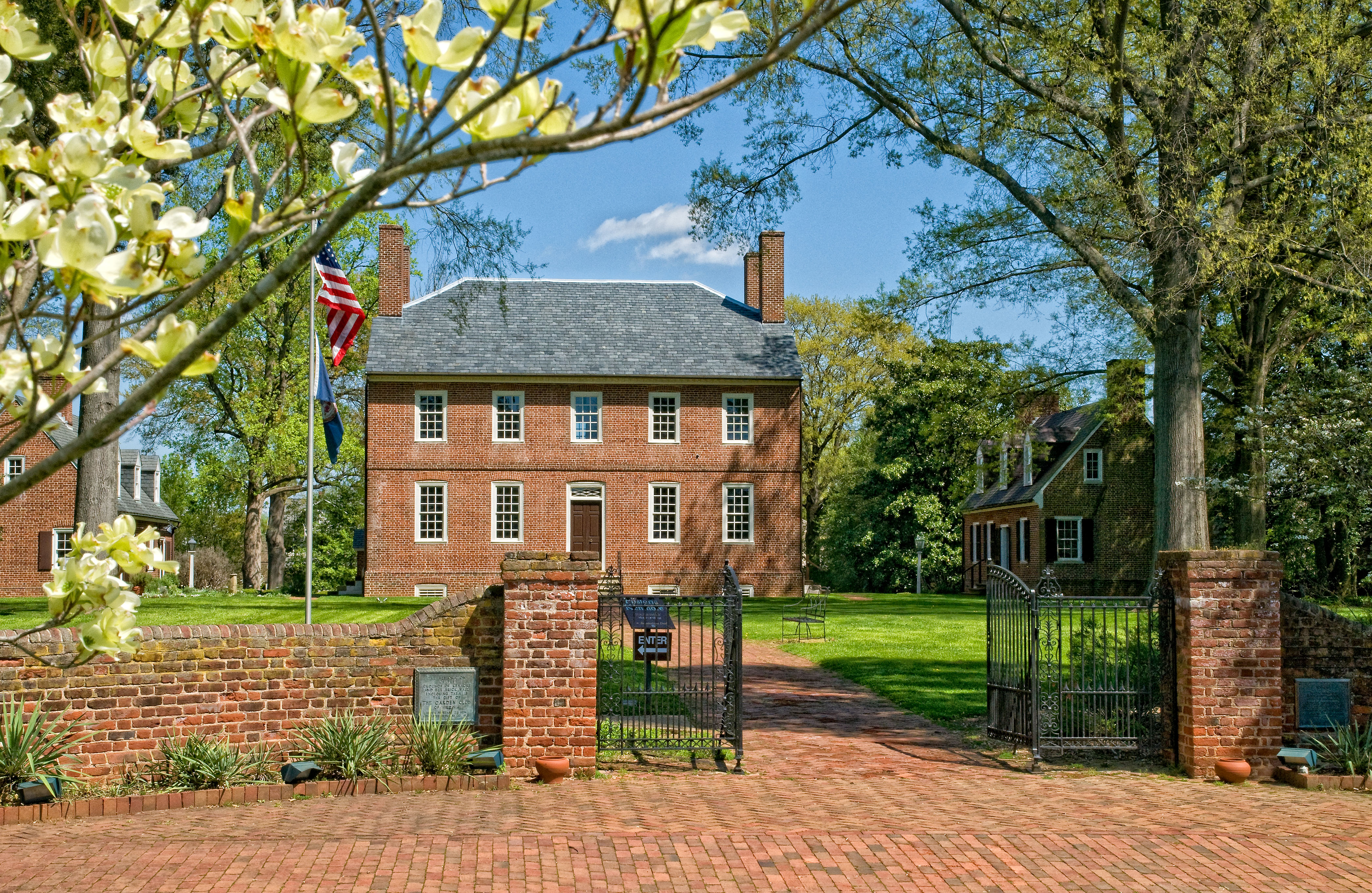
    Many families have called Historic Kenmore “home” over its more than two centuries of existence.  In late 19th century, the Howards lived in the grand brick home and one Howard in particular left an everlasting mark on the house and its history.

    William Key Howard, Sr. was born in Maryland in 1829 (and was related to Francis Scott Key).  Howard Sr. married twice, first to Agnes Schley and then to Clara Randolph.  He and Clara had three sons: William Jr., Allan, and Clarence.

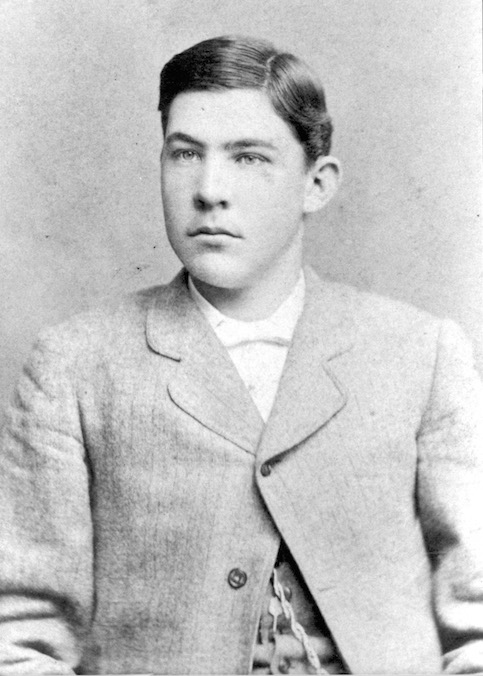
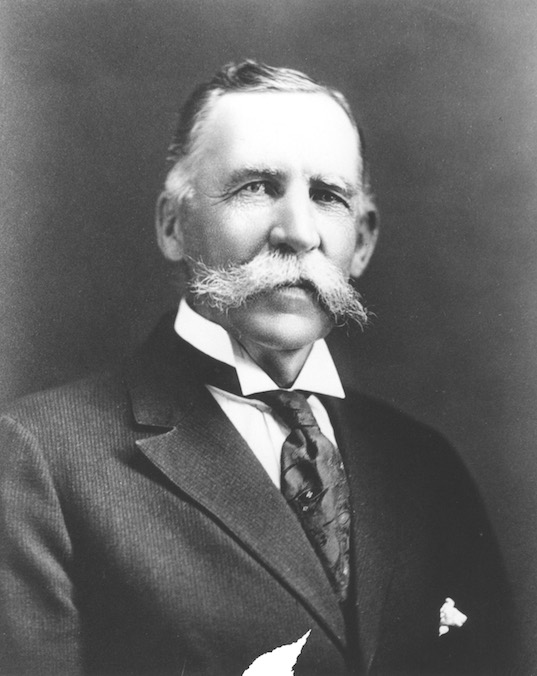
    William Key Howard, Jr., the eldest son and the most important Howard in Kenmore’s history, was born on December 11, 1861 in Richmond but the family lived in Baltimore during his early years.

    WKHowardJryouth
    A young William Key Howard, Jr.

    According to Howard, Jr’s obituary, during the Civil War, both of his parents were accused of being Confederate spies and jailed. Junior successfully appealed for his mother’s release. Another source states that Howard, Sr. joined the Confederate Army in 1861, was captured and imprisoned at Elmira, NY in 1864, and then paroled at war’s end.

    After the Civil War, the family moved to an estate near Fredericksburg called “Altoona” and Junior received a private education in Fredericksburg and in Hanover County.

    Howard, Sr. purchased Kenmore in 1881.  The Howards found the house’s plasterwork so damaged that Senior considered removing the ceilings.  Howard, Jr. convinced his father to let him restore them instead, even though Junior was restricted to a cast to correct a spinal problem.

    William Key Howard, Jr. worked on the ceilings for nearly all of 1882. He lay on his back on scaffolding, used homemade tools to clean off dirt and debris, and injected hide glue behind loose plasterwork.  An adept woodcarver, Howard Jr. enjoyed creating items like a walnut-shaped ring box, a goblet with rings around the stem all made for a single piece of wood, and another goblet carved from a coconut.

    When it came time to replace specific decorative plater pieces, Howard Jr. was well-suited to carving the new molds to copy and remake the original plaster shapes.  With great foresight, he also used tinted plaster so future generations could know they were not original pieces.

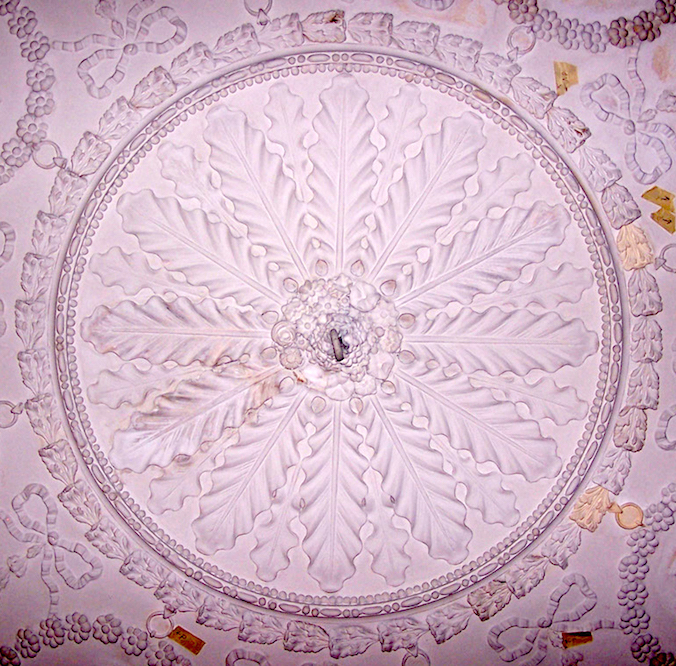
    Ceiling-Hook
    The central portion of the Dining Room ceiling at Kenmore. To the extreme left are two plaster leaf replacement pieces made by William Key Howard, Jr.

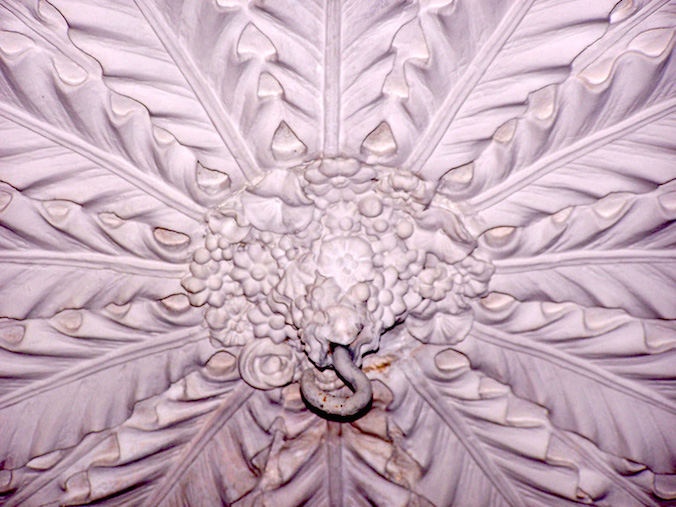
    Ceiling-Hook-detail
    A hook and surrounding flowers in the center of Kenmore’s Dining Room ceiling date from William Key Howard, Jr.’s restoration efforts and has been left, in part, as a memorial to his work to save the ceilings.

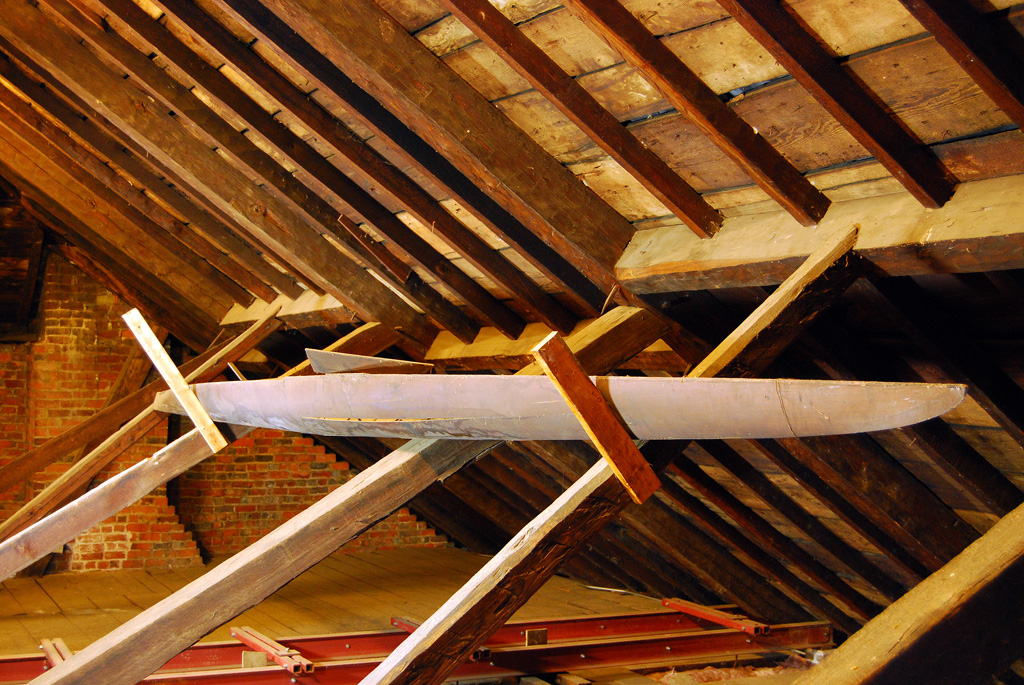
    Along with the ceilings, William Key Howard, Jr. left his mark on Kenmore in one other unusual way. He and the Howard family in general were boating enthusiasts.  Howard Jr. enjoyed rowing in a racing scull on the Rappahannock River regularly. His racing scull is still in Kenmore’s attic today. At the time that Junior was rowing, there was a large tree growing on the south side of the house.  He rigged a rope and pulley system in the tree so that he could hoist his scull up high enough to swing it through the attic window and store it there in the off-season. Unfortunately, the scull was still in the attic years later when the tree came down.  The only other way to reach Kenmore’s attic is up a very narrow, twisty staircase – too narrow and twisty for a racing scull.  And so, the scull remains in the attic to this day, a reminder of Howard Jr.’s life at Kenmore.

    kenmore-behind-the-scenes-8
    William Key Howard, Jr.’s rowing scull in the attic at Kenmore.

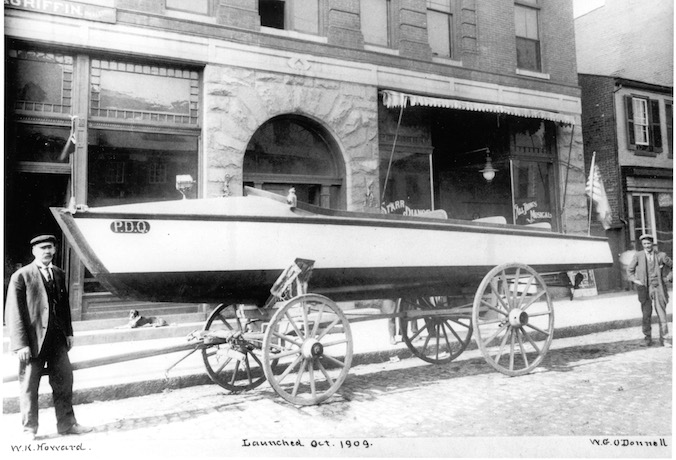
    HowardBoatPDQ
    The Howard family were boating enthusiasts and owned a variety of boats over the years, included the “PDQ”.

    In 1887, Howard, Sr. conveyed Kenmore to Howard Jr. for $4,000 to hold in trust.  It appears that both Senior and Clara continued to live at Kenmore while Howard, Jr. took an interest in electrical engineering and headed south to build power plants.  In Georgia, he married Florence Lamar Moore of Griffin about 1895.  They had 4 children: John, Clara, Francis, Agnes (Betsy).

    William Key Howard, Sr. died on February 10, 1899.

    Howard, Jr. returned to Virginia in 1902 to build an ice plant in Urbanna. Three years later, the Howard family together conveyed Kenmore to youngest brother, Clarence. The 1910 census, however, still lists Clara as head of the household. Living with her were Clarence, then 39, a merchant; his wife of ten years, Mary F., aged 31, a nephew, Clarence Harrison, 30; an aging boarder and a 7-year-old boy.  By March 1914, the Howards decided to further subdivide and sell the property, apparently to settle debts owed to the Conway, Gordon & Garnett National Bank of Fredericksburg.

    WKHowardJr
    An older William Key Howard, Jr.

    Junior finally returned to Fredericksburg (but not to Kenmore) in 1909 to be the superintendent of the municipally-owned electric light plant.  Then, he went to South Boston to work at another light plant until his retirement in 1931.  Once more he returned to Fredericksburg, where he died on December 28, 1934. He was buried in the family plot at Hollywood Cemetery in Richmond.

    Zac Cunningham
    Manager of Educational Programs

  • Mickey Owen Was Found in the Plaster!: A Look at Some Curious Inclusions Found in Plaster from Historic Kenmore

    Historic Kenmore is known for the unique decorative plasterwork seen on many of its ceilings. However, some of its most unusual pieces of plaster were discovered during repair work being done in 1989. These were pieces of plaster that contained large clumps of animal hair and newspaper. An inspection of this plaster, considering an architectural artifact, in the Archaeology Lab has led to several theories about the reasons for these unconventional inclusions. But before we discuss these, it is important to first understand how historic plaster was made and used.

    chamber-ceiling
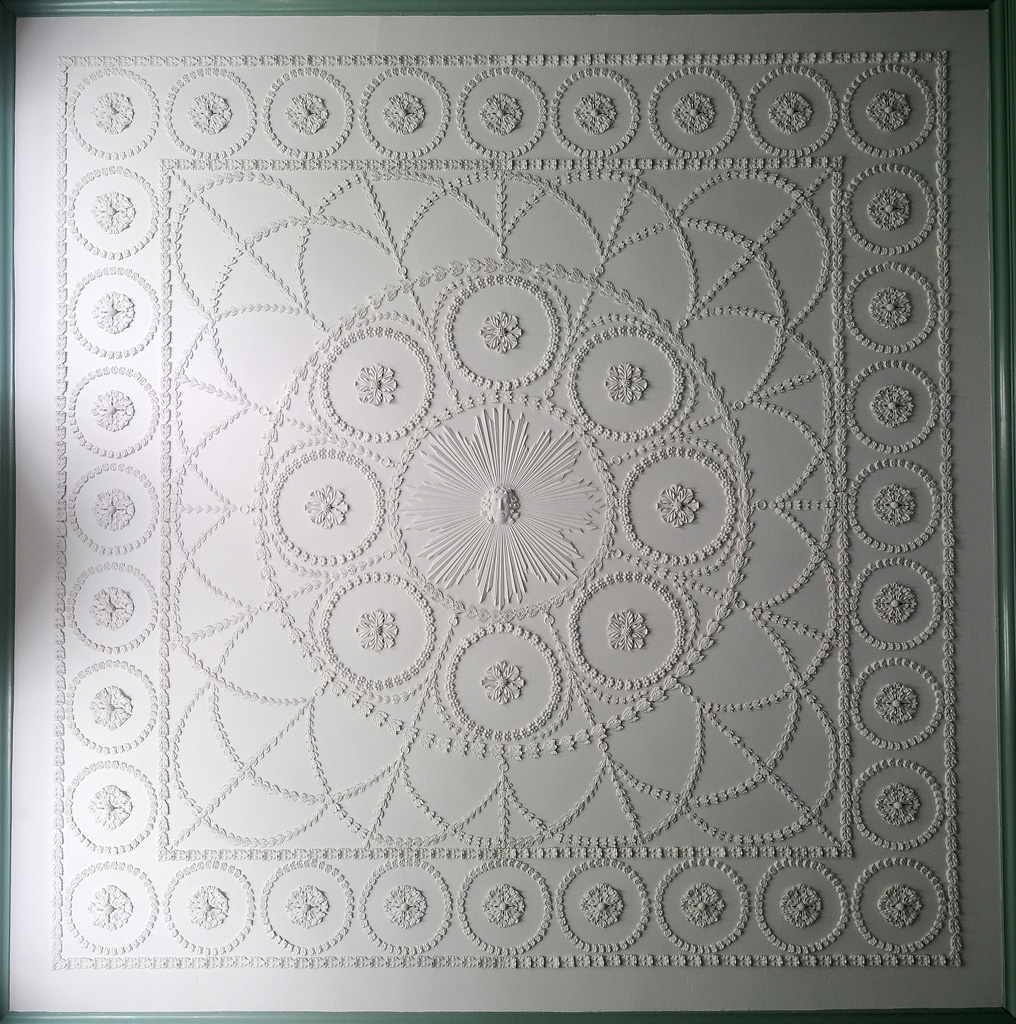
    Decorative plasterwork ceiling in the bed chamber at Historic Kenmore.

    Plaster was one of the main finishes for interior walls in the United States until the introduction of drywall in the mid-20th century. The two main types produced were lime plaster and gypsum plaster. Lime plaster was made of water, lime, sand, and a fibrous material. The lime could be derived from limestone or oyster shells. The plaster found in Kenmore was probably made from oyster shells from the Rappahannock River, instead of limestone which is not native to this region. The fibrous material was some sort of animal hair such as horsehair, cow hair, hog hair, or even yak hair.[1] Gypsum plaster was introduced in the early 19th century and was often used in conjunction with lime plaster. Gypsum plaster did not require a fibrous binder and would eventually replace lime plaster as a finish coat.

    Plaster was applied in a three-coat process. First was the scratch coat, which had the highest hair content of the three coats. This coat was applied to lathe board causing the plaster to ‘key’ (adhere) into the spaces between the lathes. Next, was the brown coat, which was dark in color due to its high content of sand. The last coat to be applied was the finish coat. This coat contained no hair, little sand, and a slightly higher lime content to create a smooth white finish.[2]

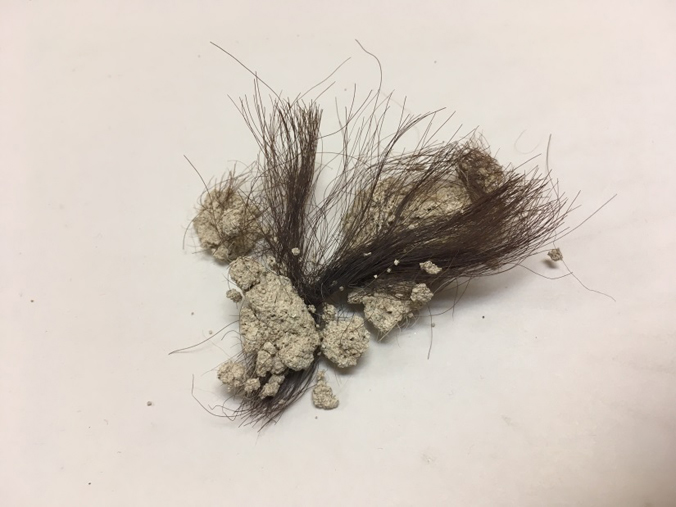
    Now that we have a better understanding of how plaster is produced, let’s take a closer look at the unique pieces found at Kenmore. As discussed earlier, it is not unusual to find animal hair in plaster; however, the pieces pulled from Kenmore have exceptionally large clumps of hair not normally seen. Hair was added to plaster to act as a binder. It helped to hold the plaster together, reduce shrinkage, and improve strength.[3] Contrary to what one may believe, the process for obtaining hair for plaster was very selective. The hair had to be long, freshly cut, clean, non-greasy, and dry in order to be used in plaster. It also does not appear that people used hair from their own animals; instead, they bought hair from a tanner’s yard or a merchant. When choosing a hair type, horsehair was favored for its length and strength compared to cow or hog hair. [4]  However, horsehair was probably the most expensive and difficult to obtain out of the three.

    Plaster 01
    A piece of Kenmore plaster that contains a large clump of animal hair.

    Once the hair was acquired, it was mixed with the plaster. During this process, it was important to evenly distribute the hair throughout the plaster.[5] This was where the tradesmen making the plaster pieces found at Kenmore made a mistake. They did not distribute the hair properly causing the large clumps that we see. This caused problems when applying the plaster as well as limited the plaster’s strength.[6] Therefore, it can be concluded that the person making this plaster may not have been trained in plasterwork or was a worker under a tradesman who did not follow directions properly. Perhaps this is some experimental plaster made by William Key Howard, Jr. before he started his restoration of the decorative plasterwork on the ceilings of Kenmore in the post-Civil War period.

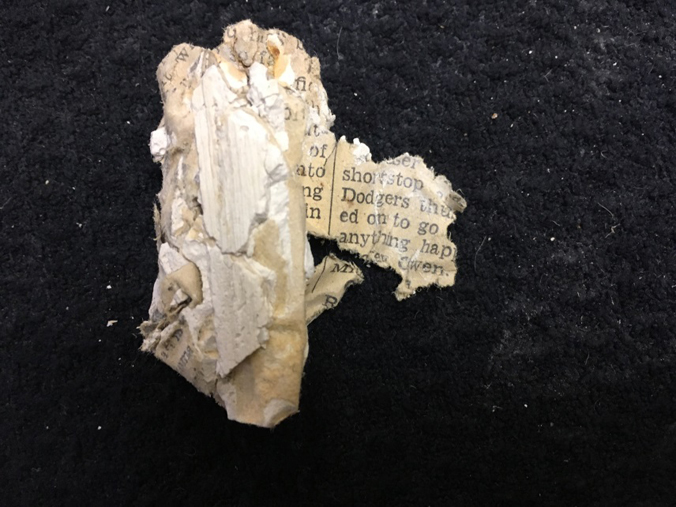
    The next interesting inclusion found in the Kenmore plaster was pieces of newspaper. Newspaper was not used historically for the manufacture of plaster; however, a dozen or so pieces of plaster pulled from Kenmore included newspaper fragments. The newspaper appears to have been torn or balled up and then covered in plaster. A skilled tradesman would not have made or applied plaster in this way. From this, we can conclude that whoever applied this plaster was not trained.

    Plaster 02
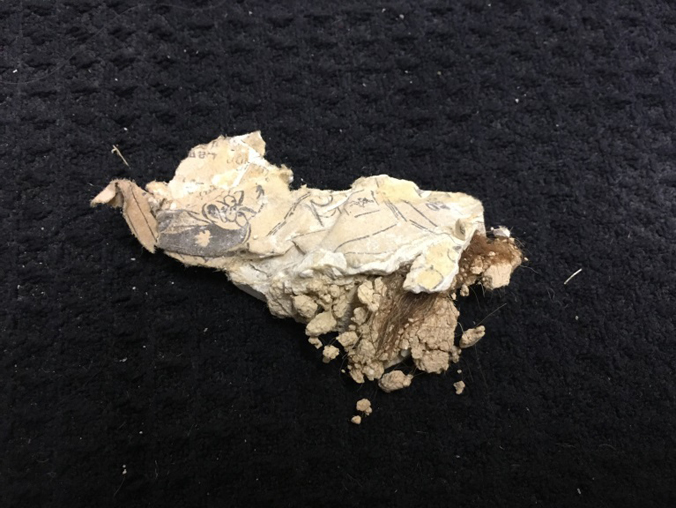
    A piece of Kenmore plaster that contains both animal hair and newspaper.

    From inspection of the newspaper, perhaps we can learn a little more about who may have done this. Unfortunately, no dates can be found on the newspaper pieces to give a specific time frame. However, from careful inspection of the incomplete newspaper pieces, it appears that many of the pieces are from the comics or the sports section. On one of the small pieces the words Dodgers, shortstop, and Mickey Owen can be identified. From this, it can be assumed that the paper dates between 1941-1945, the years in which Mickey Owen played for the Brooklyn Dodgers baseball team. The Brooklyn Dodgers experienced winning seasons in both 1941 and 1942, due to the skill of Mickey Owen and his teammates.[7] Therefore, it is likely that the newspaper article came from one of these two years. The time frame can also be limited to the months encompassing baseball season (April to October).

    Plaster 03
    Kenmore plaster bit containing newspaper that mentions Mickey Owen playing for the Dodgers.

    With a probable date range for the plaster pieces, we can begin to look at who occupied Kenmore at the time and why they might have made plaster in this way. In 1922, Kenmore was purchased by the Kenmore Association and was operating as a museum by the 1940s. In the early ‘40s, the Kenmore Association was concluding one of its restorations. A possible theory for the inclusion of newspaper in the plaster is that this plaster was used to patch a hole during the restoration. The small amount of plaster found with newspaper inclusions and the way the newspaper is distributed throughout the plaster, with most of the newspaper layered on the bottom and consecutive layers of plaster seen on top, does point to a possible patch job,.

    From the Kenmore 1941 correspondence records, a few references to repair work inside the house were found. In June of 1941, there is a reference to rewiring being done in the house. There is also mention of fire alarms being installed so that they do not show. Finally, the interior walls and ceilings were painted. On the receipt, the painter lists that some of the walls had to be mended. This is the most probable repair in which the newspaper would have been used as a patch. The hired painter was likely not trained in making/repairing historic plaster. This tradesman probably wanted a quick fix and layered newspaper over the spot and plastered over that in order to finish the paint job.

    While plaster may not be the most exciting building material to study, it can give a lot of useful insight into the construction and repair of a house. Conclusions about the people commissioning and conducting the work can be derived from the composition and application of plaster. With a little investigation, even unusual inclusions in the plaster can lead to some surprising discoveries about the people who lived and worked at Kenmore and about the life story of Kenmore itself.

    Tessa Honeycutt, UMW Student
    Fleming Smith Scholar

    [1] Henry, Allison, and John Stewart. Practical Building Conservation: Mortars, Plasters and Renders. Ashgate, 2009.

    [2] Practical Building Conservation

    [3] Practical Building Conservation

    [4] Hodgson, Frederick Thomas. Plaster and Plastering: Mortars and Cements, How to Make and How to Use. New York: The Industrial Publication Company, 1901

    [5] Ibid.

    [6] Practical Building Conservation

    [7] Ibid.

  • I Cannot Tell a Lie But I Can Tell a Fable: Aesop’s Fables and the Cherry Tree Tale

    If you’ve been to Historic Kenmore, you’ve likely been awestruck at the beauty of the plaster ceilings throughout the first floor. Although the identity of “The Stucco Man” is lost to history, he left behind a lesson above the fireplace in the Dining Room. The plaster work inlay there depicts several stories from Aesop’s fables, easiest to recognize is “The Fox and The Crow.”

    Aesop's Fox and Crow in Dining Room
    Plaster inlay depicting the Aesop’s Fable “The Fox and The Crow” above the fireplace in Kenmore’s Dining Room.

    Fables are as old as time itself. A type of story passed down in folklore, the fable appears all over the world and is often the stuff of myth, legend, or flat out falsehood. When exactly people began telling fables can’t be pinpointed. They appear in ancient Egypt, India, Rome, Greece, and many other early civilizations.

    Fables appear across religious boundaries too. They are prevalent in Christianity, Judaism, and Islam. These stories lend themselves to religious teachings because throughout history, fables were used to teach lessons and morals to children by pointing to a flaw or weakness in human behavior. These stories usually have characters who are not human; mainly animals that speak and behave like humans.

    Aesop, one of the most famous authors of fables, came from Ancient Greece and his fables have become so widely published that the man himself has become sort of legend. Aesop lived sometime around the 6th century BCE. There are over 700 stories accredited to him today, but we can’t truly be sure if he actually wrote any of them.

    Aesop has become a sort of fable himself. What little information about Aesop we have comes from an episodic called The Aesop Romance. According to this work of fiction, he was a Greek slave who was very clever. People like Aristotle wrote about Aesop’s cleverness being so great that he was able to overcome his enslavement and position himself in the company of kings.

    The stories known as Aesop’s Fables have changed a lot over the centuries.  They have been published countless times, each version a bit different than the last. Many editions have a completely different set of stories. This is because, again, no one is really sure what is or isn’t an Aesop’s fable.

    That has not stopped his stories from being used by almost every generation since to teach children moral lessons. In fact, a lot of familiar phrases come from the morals of Aesop’s fables. Anyone who has listened to the soundtrack from the Broadway musical Hamilton might recognize the line “I swear your pride will be the death of us all. Beware, it goeth before the fall.” This is the lesson from “The Eagle and the Cockerels,” a fable about two roosters who fought constantly. When it looked as though one had finally beaten the other, he crowed to tell the world of his victory, but an Eagle swooped down and took him. The once defeated rooster was now the king of the farm.  There are also stories that we all have learned that are attributed to Aesop that you may not realize, like: “The Tortoise and the Hare”; “The Ants and the Grasshopper”; and “The Wolf in Sheep’s Clothing.”

    Aesop’s fables were used during George Washington life to teach children as well. In fact, Aesop’s Fables by Sir Roger L’Estrange appears in two different inventories of Washington’s books, once in 1759, and again in 1764. Moreover, when doing the inventory in 1759, the book is listed twice meaning that George Washington owned a copy as did his step-son John “Jacky” Parke Custis.

    When inventory was done again in 1783, both copies are gone. Jacky’s copy was probably at his own estate, Abingdon, which was destroyed but would have rested on the property of Reagan National Airport today. Jacky died in 1781 from a camp disease he contracted at Yorktown and his probate inventory lists his copy of the fables, showing it was still part of his library at his death. Conversely, we do not know where George Washington’s copy went.

    While George learned much of his genteel behavior from his famous penmanship exercise of The Rules of Civility and Decent Behavior, we can also guess the lessons of Aesop’s fables impacted his life. Certainly, these fables were read and taught throughout his childhood in school and at home. The Rules of Civility focused more on proper physical behavior whereas the fables focused on moral behavior.

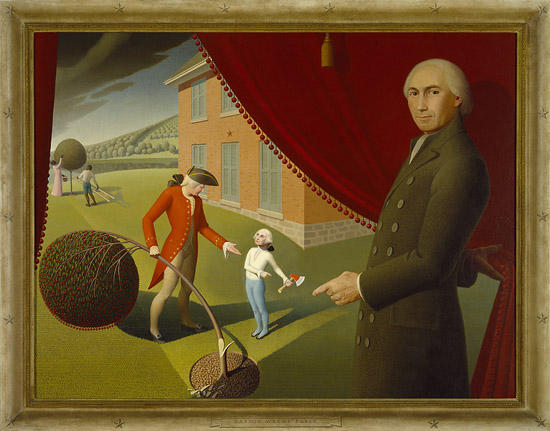
    Later in his life, as Washington grew from boy to man to legend, he too became inspiration for myths and parables that would teach lessons to others. The most famous of these stories was created by Parson Mason Weems about young George cutting down a cherry tree.  Even today visitors to Ferry Farm are sometimes surprised to hear this story is a made up tale to teach children not to lie.

    Parson Weems' Fable
    “Parson Weems’ Fable” (1939) by Grant Wood. Credit: Amon Carter Museum of American Art / Wikipedia

    Interestingly, an Aesop’s fable entitled “Mercury and the Woodman” has the same lesson. In this story, a woodman loses his axe in a pool of water. The Greek god Mercury comes and pulls a golden axe from the water, but the Woodman tells the god that it is not his axe. Mercury then pulls a silver axe from the water; again the Woodman denies owning such an axe. Finally, Mercury pulls the ordinary axe from the water and the Woodman takes the axe as his own. Mercury is impressed with the Woodman’s honesty and lack of greed, so as a reward; he gives the Woodman the gold and silver axes.

    The Woodman’s story spreads through town and several others attempt to summon Mercury by losing their axes. When they all greedily claim the golden axe, Mercury hits them over their heads and refuses to give any of them their own axes back.  As you can see, not only does this fable have the same moral (honesty is the best policy) as the cherry tree myth, Weems even used the same hand tool! Perhaps, this Aesop’s fable was the real muse for writing the cherry tree tale?

    Elizabeth Hosier
    Manager of Interpretation and Visitor Services


    References and Further Reading:

    “19 Everyday Expressions That Came from Aesop.” Mental Floss. September 03, 2014. Accessed January 18, 2019. http://mentalfloss.com/article/58530/19-everyday-expressions-came-aesop.
    An Ornate, 1551 Edition of Aesop’s Fables. Accessed January 18, 2019. https://wlu.edu/office-of-lifelong-learning/online-programs/from-the-collections/aesops-fables.

    Carlson, Greg. “Fables.” Creighton University. Accessed January 18, 2019. https://www.creighton.edu/aesop/.

    Clayton, Edward W. “Aesop’s Fables.” Internet Encyclopedia of Philosophy. Accessed January 18, 2019. https://www.iep.utm.edu/aesop/.

    “Custis, John Parke of Fairfax, VA 2/20/1782 — Elite.” GUNSTON HALL PLANTATION PROBATE INVENTORY DATABASE. Accessed January 18, 2019. http://www.gunstonhall.org/library/probate/wbvaxxtl.htm

    “Founders Online: Appendix D. Inventory of the Books in the Estate, C.1759.” National Archives and Records Administration. Accessed January 18, 2019. https://founders.archives.gov/documents/Washington/02-06-02-0164-0026#GEWN-02-06-02-0164-0026-fn-0002

    “Founders Online: List of Books at Mount Vernon, 1764.” National Archives and Records Administration. Accessed January 18, 2019. https://founders.archives.gov/documents/Washington/02-07-02-0216#GEWN-02-07-02-0216-fn-0008.

    “Search Results for Aesop.” Library of Congress. Accessed January 18, 2019. https://www.loc.gov/search/?in=&q=Aesop&new=true&st=

    Weems, Mason Locke, and Peter S. Onuf. The Life of Washington. Armonk, NY: M.E. Sharpe, 1996.

  • Video: William Key Howard, Jr. – Saving Kenmore’s Ceilings

    In this video, learn about William Key Howard, Jr., who lived in Kenmore with his family in the years following the Civil War and repaired damage to the house’s plaster ceilings in the first restoration of Kenmore.

    You can learn more about William Key Howard, Jr. and why his boat is still in the attic while visiting rarely seen rooms and spaces during a special behind-the-scenes tour at Historic Kenmore on October 22-23. Reservations required. Details at http://kenmore.org/events.html.