Lives and Legacies

Tag: teapot

  • The Women of Silver: 18th-century English Silversmiths

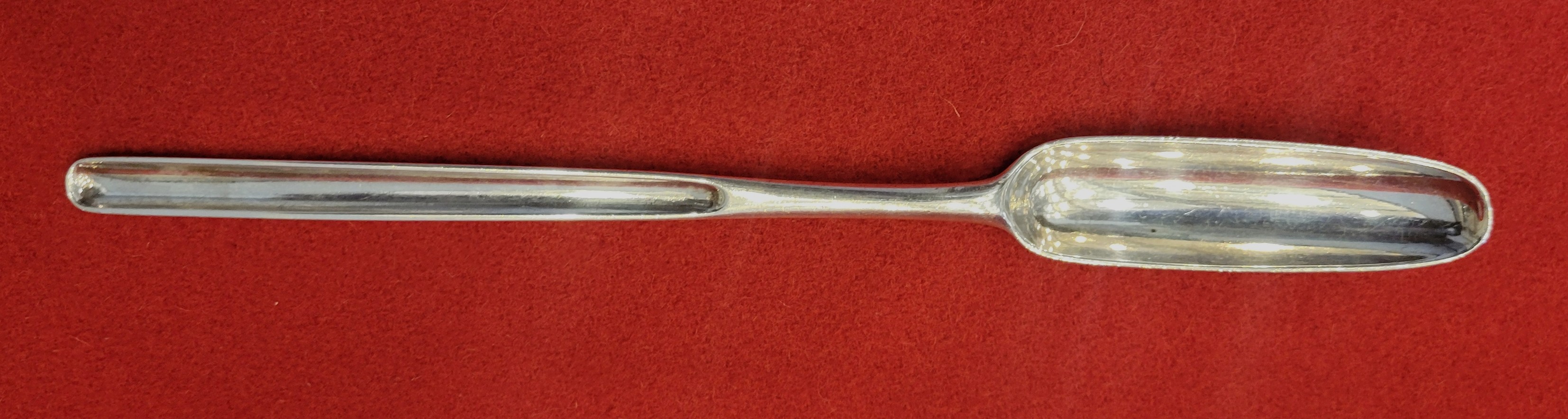
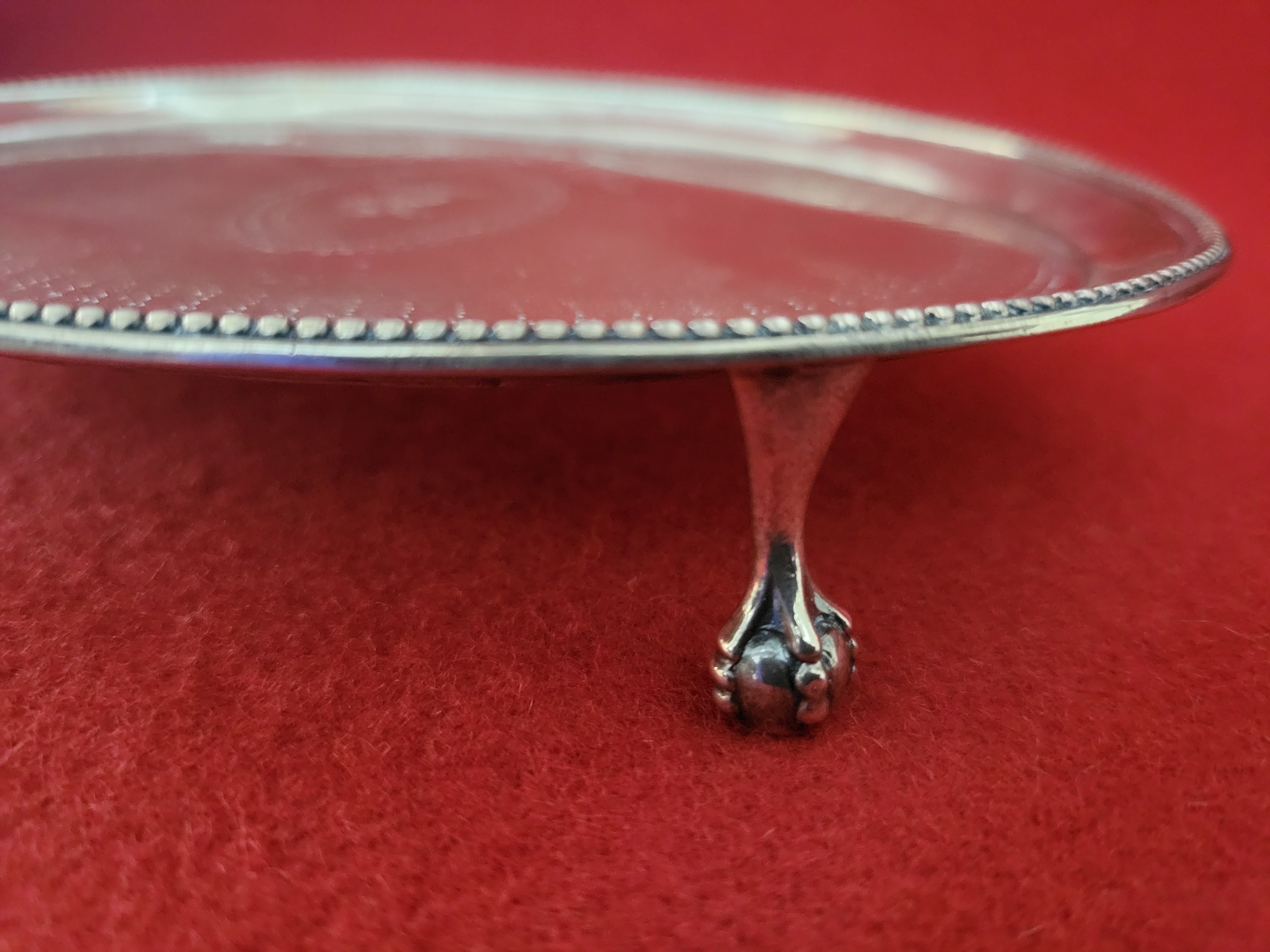
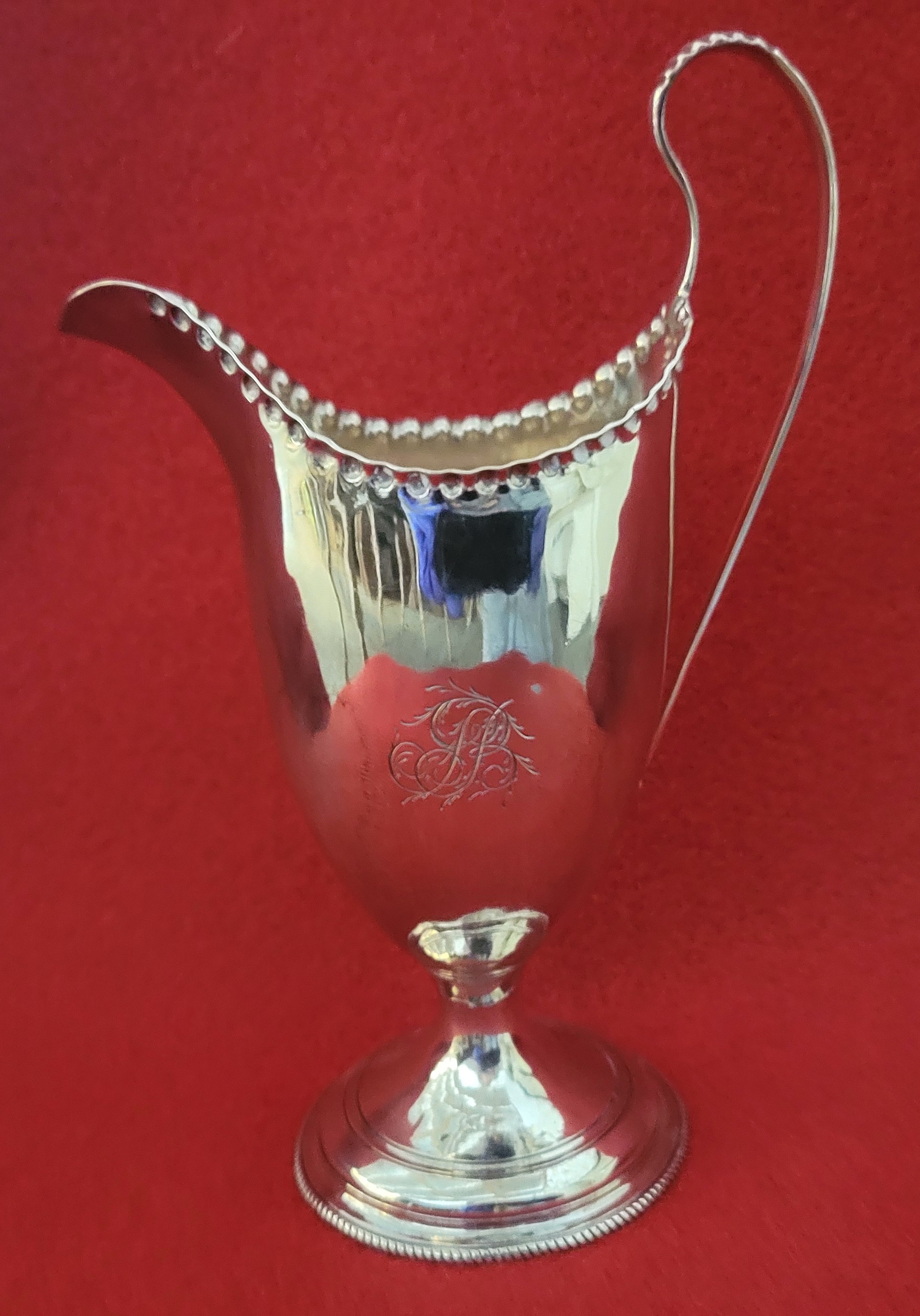
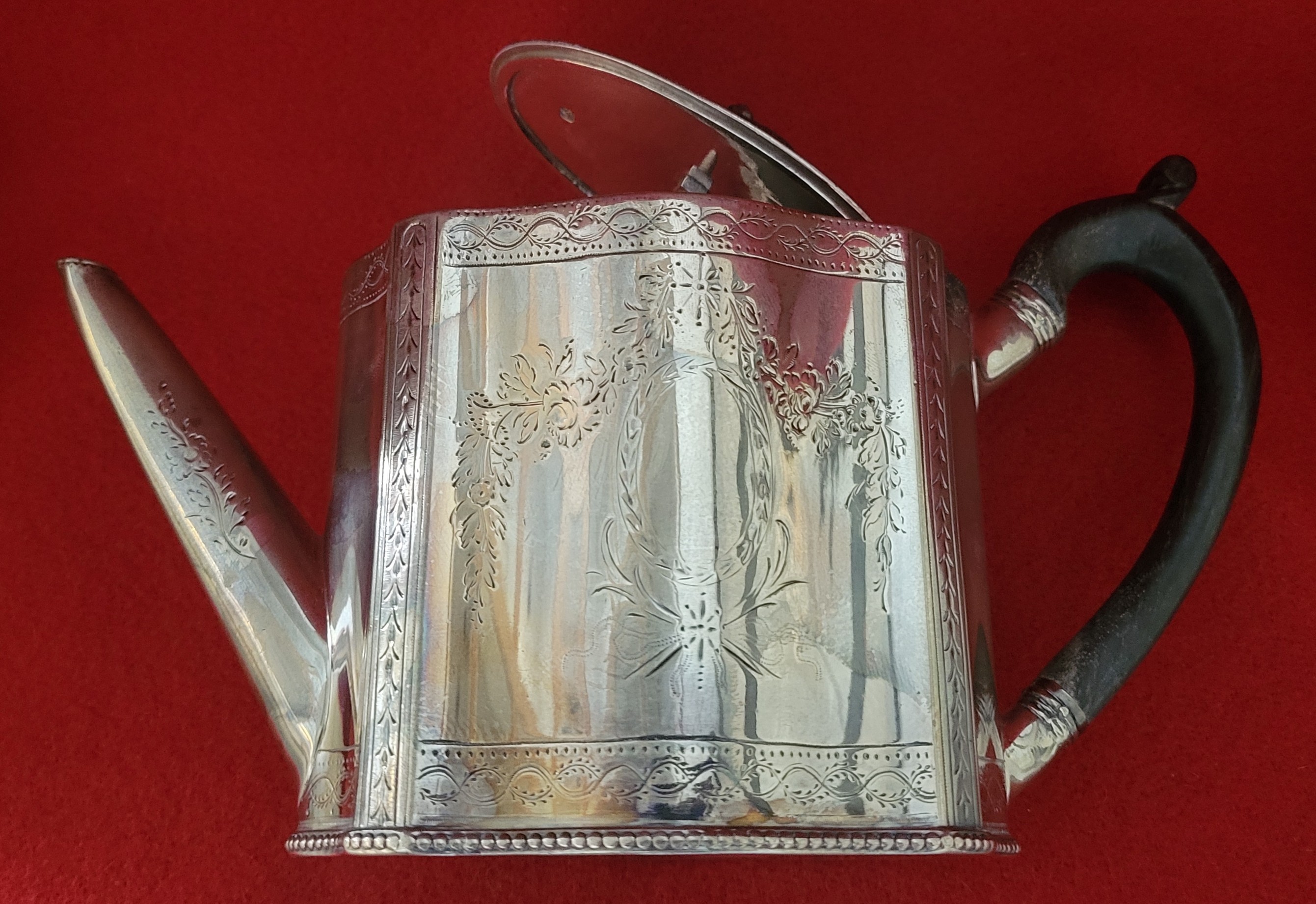
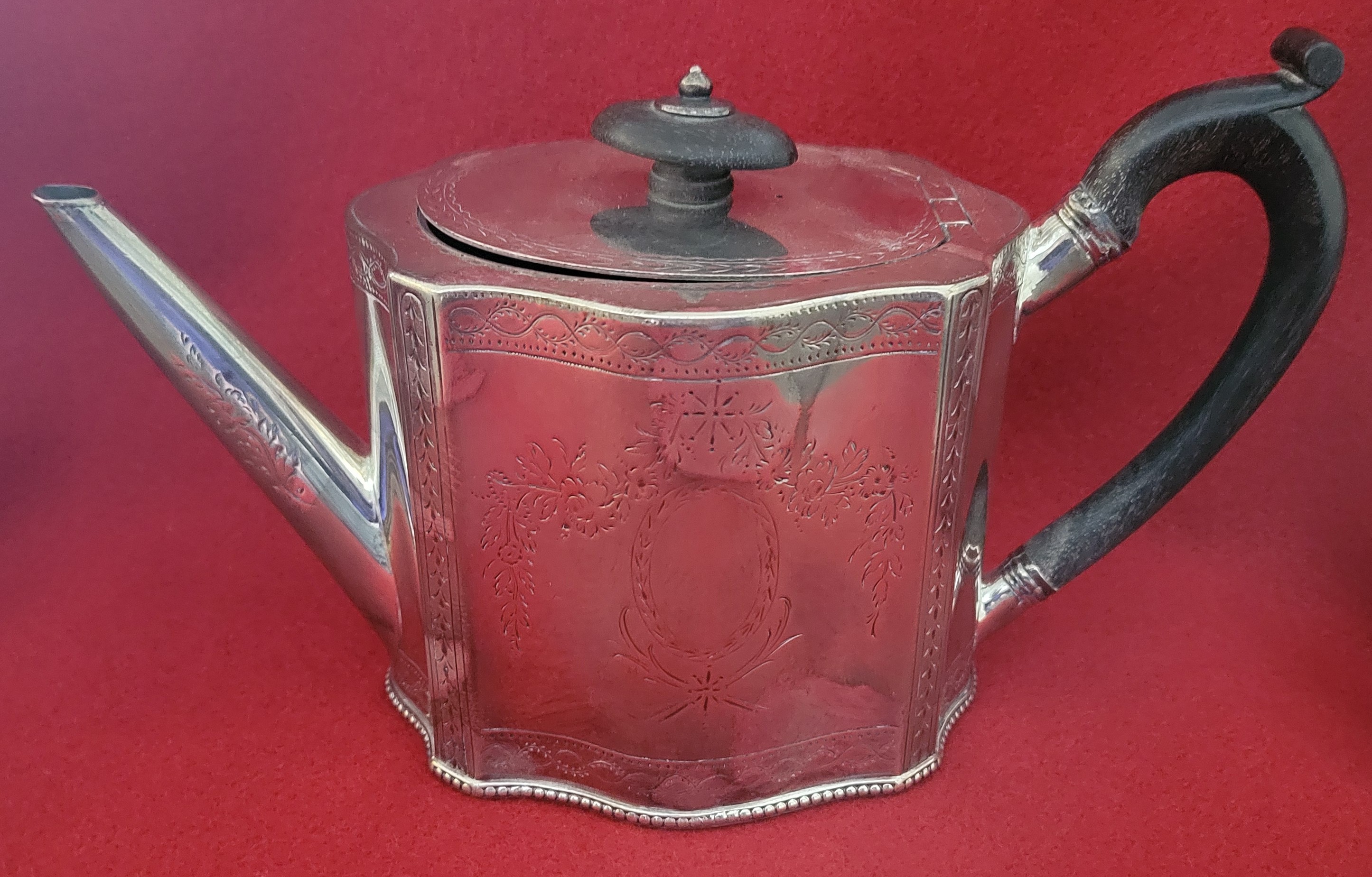
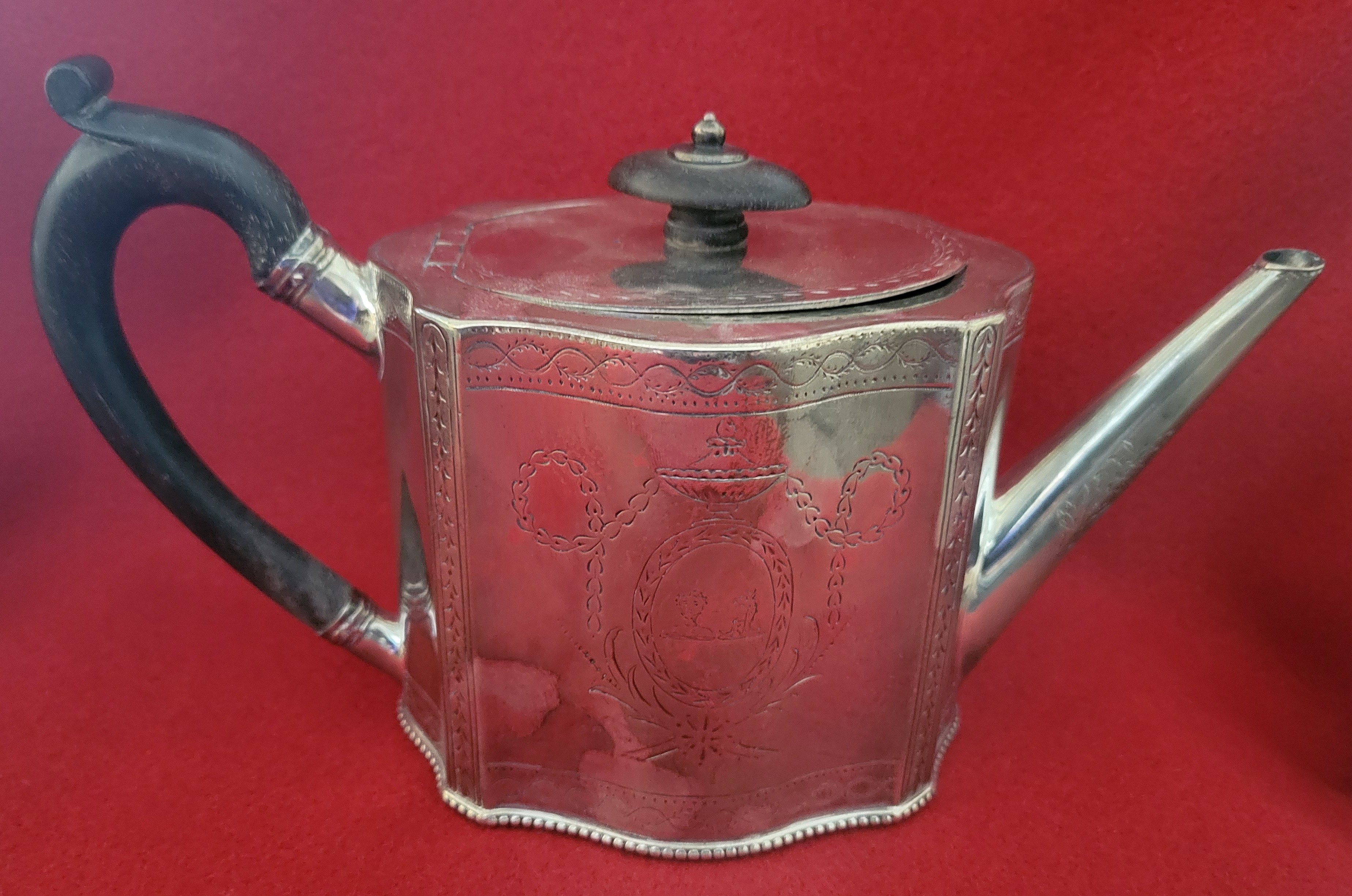
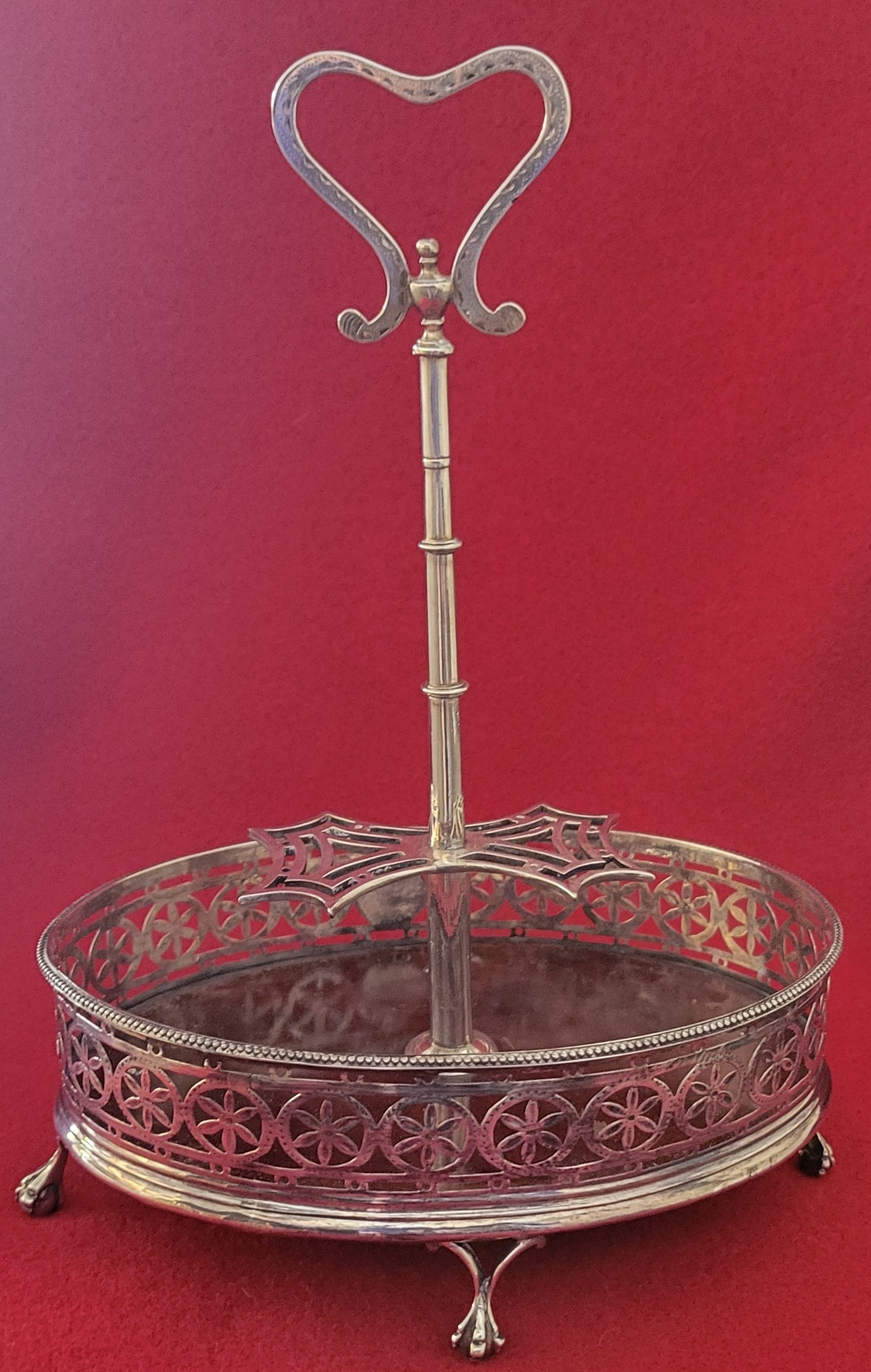
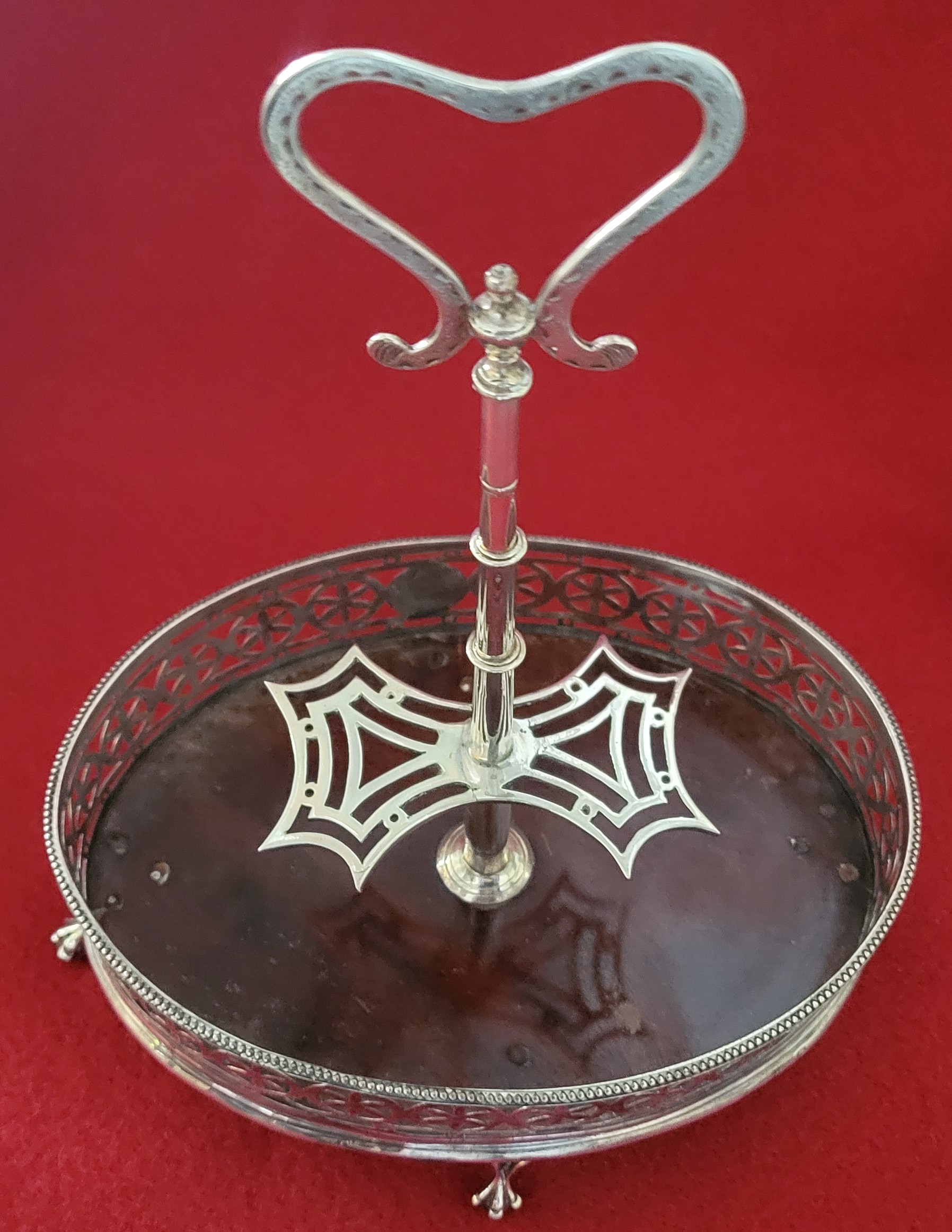
    We have a lot of silver in our collections, ranging from candlesticks to teapots to spoons.  With all the silver, I have become familiar with eighteenth-century silversmith marks, but I have never explored the artisans behind the marks. 

    I was pleasantly surprised to find at least four women silversmiths represented through various pieces.  These four women were all London-based traders within an active community of women artisans in luxury trades.  I wanted to discover how these women entered this male-dominated trade and registered their marks. (City Women, 2025)

    First, we need a little background to understand how the silversmith trade worked in eighteenth-century England. 

    The Trade

    In the eighteenth century, English silversmiths were much more regulated than American silversmiths due to having around a four-hundred-year head start in establishing trade organization.  However, no one on either side of the ocean would have been considered a master craftsman without a long multi-year apprenticeship. 

    Silver plating workshop from Diderot’s Encyclopédie

    While this was a rare path for girls, these four women were introduced to silversmith work through their families without formal apprenticeships.  However, that doesn’t mean they didn’t spend years becoming expert artisans and learning to run a successful business from their fathers, brothers, and husbands. 

    When a silversmith obtained their “free” status, it meant they could sell their ware in the city of London.  To earn this status, the silversmith had to be granted a hallmark from a Livery, like the Goldsmith’s Company.  Women were only granted a mark if they were the widows of a silversmith. (Rue Pigalle, 2025)
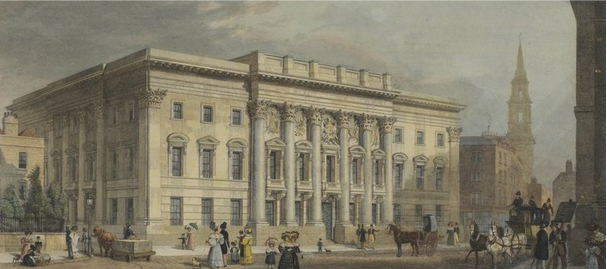
    Worshipful Company of Goldsmith in the city of London, current building in late 19th century. The company has been occupying this spot since 1339.

    The Marks

    In eighteenth-century England, the silversmith could sell the articles they made only after the pieces had been assayed and stamped with appropriate hallmarks. (Ford, 2018)
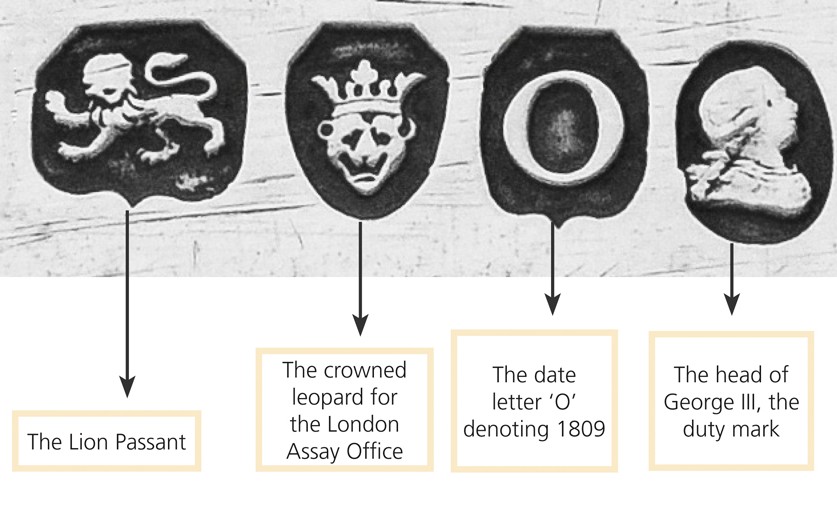
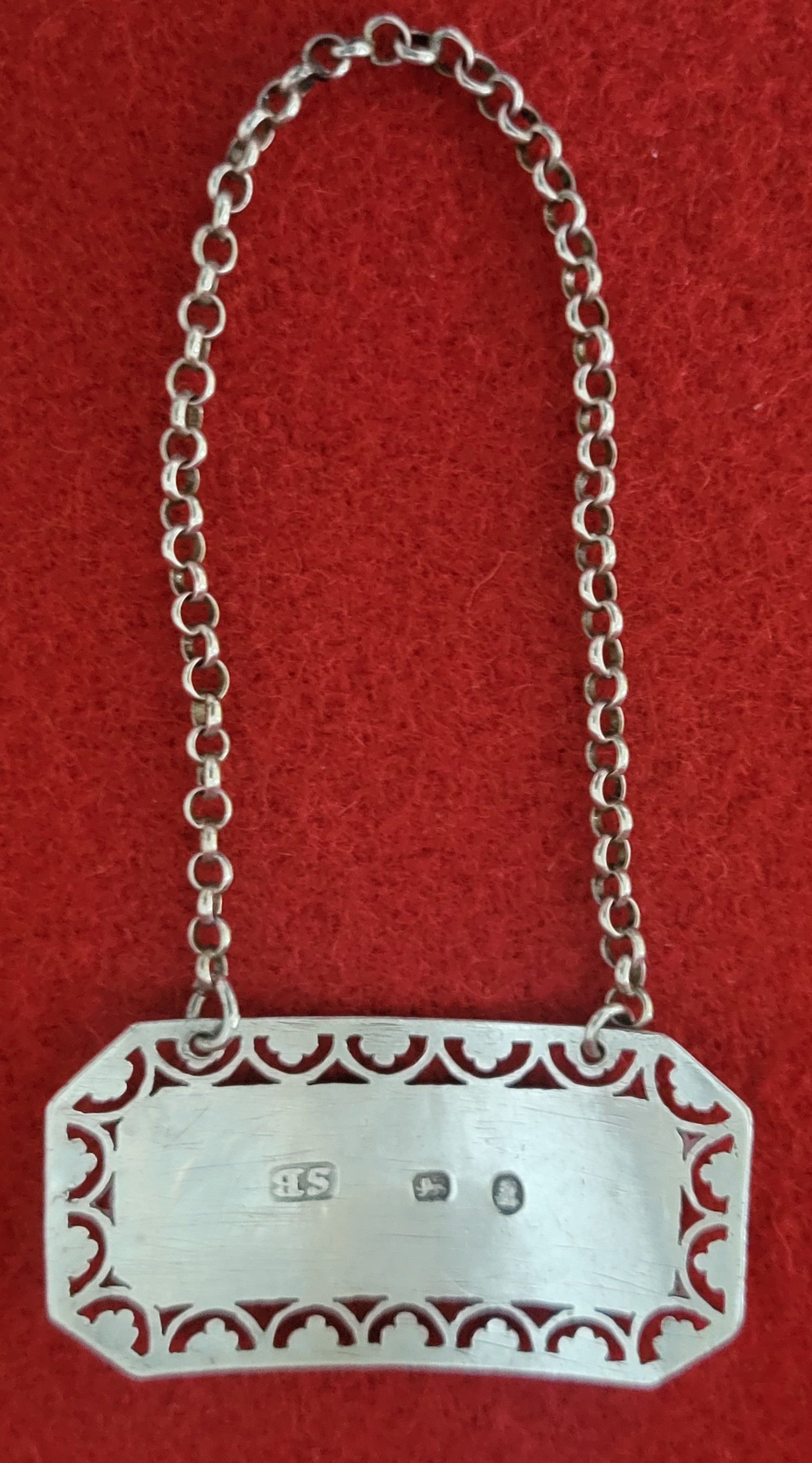
    Explanation of silver marks

    One hallmark is the symbol of the guildhall where it was assayed.  Each location had a different image, like a London goldsmith guild’s head of a leopard, and has been used for over seven centuries. 

    Another is the maker’s mark, which has been required since 1363.  This mark is now always the marker’s initials, but one was more often a trade symbol.

    The mark of English sterling standard fineness—a lion passant—has been used since 1544 to certify that the metal is 92.5 percent pure silver. (Ford, 2018)

    There is also a date mark indicated by a letter representing a year.

    Finally, duty marks on silver from 1784 to 1890 reflect the tax on precious metals with the profile of George III or Victoria.  (Arkell, 2025)

    The Silversmiths

    Hester Bateman

    One of the most well-known eighteenth-century London silversmiths is Hester Bateman.  She became the matriarch of the renowned Bateman family silversmithing company. 

    She was born Hester Nedem in London in 1708. She grew up poor with little formal education.  In 1732, she married John Bateman, a goldsmith and chain maker.  John died in 1760 of tuberculosis and left Hester his tools in his will.  Hester took over the shop located at 107 Bunhill Row and registered her mark at London Goldsmith’s Hall on April 16, 1761. (Bly, 2008)
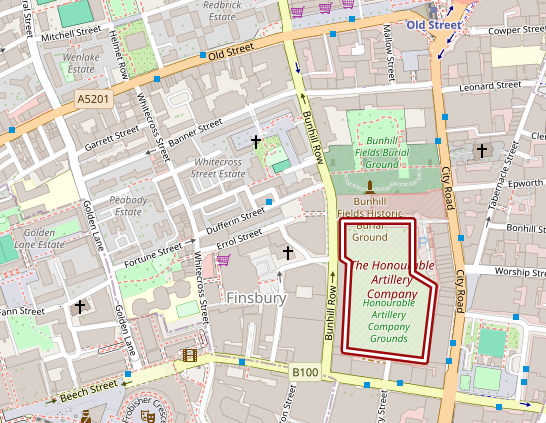
    Hester Bateman’s shop was located at 107 Bunhill Row, Islington, London

    She continued to run the business for over thirty years, bringing two sons, one daughter (Letitia Clarke), and a daughter-in-law (Ann Bateman) into it. (Eagle and Pearl, 2025)  The Bateman silversmith company specialized in household silver, such as flatware, cruet stands, and fashionable tea and coffee sets. (Slavid, 2021)  The company’s work is characterized by bright-cut engraving and piercing in the neoclassical style.

    The key to Hester’s success was adopting and integrating modern technologies, taking advantage of new cost-effective manufacturing processes to supply elegant wares to the middle class. (Slavid, 2021)  One of the new cost-effective processes they used was the “Sheffield Plate,” developed in the 1740s.  It is a fusion of copper and sterling silver to create gauge sheet silver, which can be punched and pierced by machines and is cheaper to produce than solid silver.  (Campbell, 2006)

    Hester retired in 1790 and was succeeded by her sons, who registered their hallmarks in December 1790.  The Bateman family company continued for another fifty years, closing under William Bateman in 1843. (Campbell, 2006)

    Ann Bateman

    One of the renowned Bateman silversmith family members was Ann Bateman, daughter-in-law of Hester, who was married to her son Jonathan. 

    Better look at maker’s mark by Peter and Ann Bateman

    She registered her first mark in 1791, the year her husband died. She then worked in partnership with her brother-in-law Peter and eventually her son in 1800.  Her works were popular tableware in fashionable neoclassical styles. (Bly, 2008)

    Elizabeth Godfrey

    Elizabeth was born in London, the daughter of Simon Pantin, a prominent silversmith.  She was believed to have been trained in her father’s workshop.  She married two silversmiths; her first husband was Abraham Buteux, a French goldsmith.
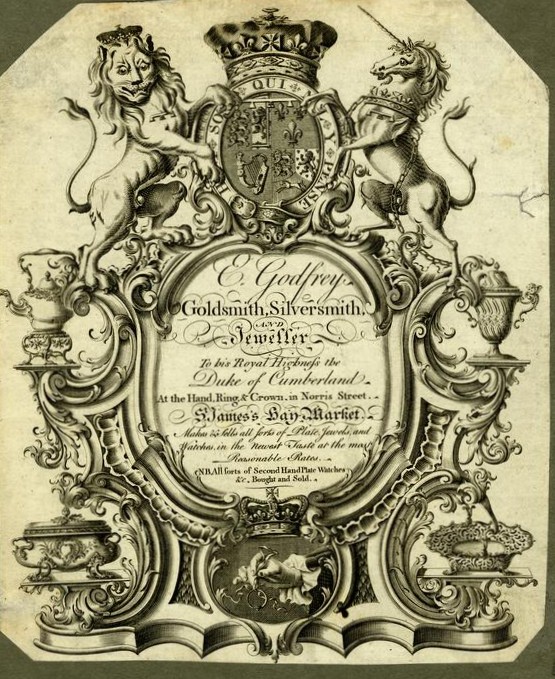
    Abraham died in 1731, and she registered her first mark as Elizabeth Buteux for her shop in Norris Street.  She continued her first husband’s business until her marriage to Benjamin Godfrey in 1732.  Upon Benjamin’s death in 1741, she registered a second mark as Elizabeth Godfrey. (Arts, 2025)  She is described on her trade card as “Goldsmith, Silversmith, Jeweller, [who] makes and sells all sorts of plates, jewels, and watches, in the newest taste at the most reasonable rates.” (Mrkusic, 2014)

    After her second husband’s death, she took charge of the company and began producing silver pieces in the fashionable Rococo style.  This earned her many loyal patrons, including the Duke of Cumberland.  (Skerry, 2018)
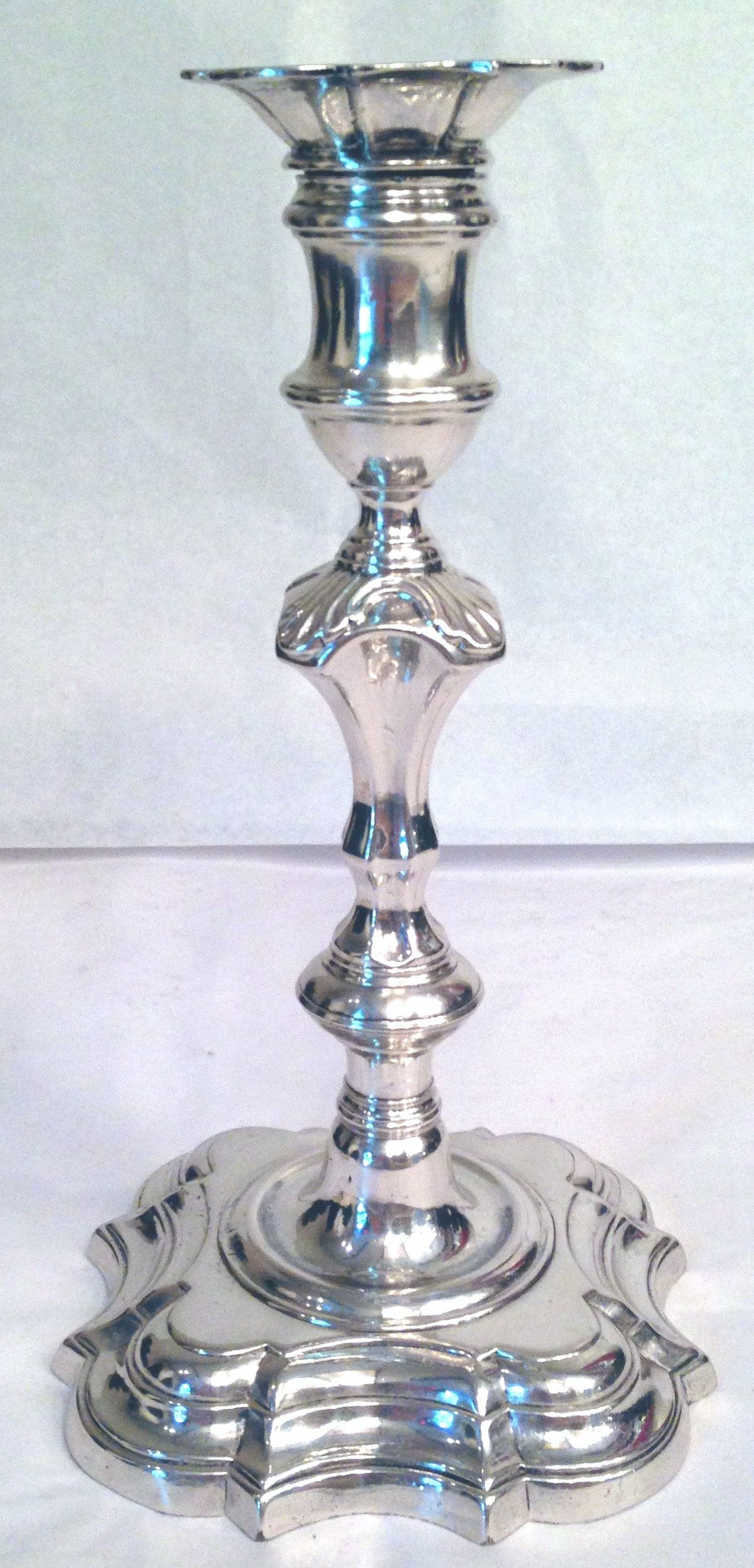
    Elizabeth Godfrey passed away in London around 1758. (NMWA, 2025)

    Susanna Barker

    Our last silversmith is Susanna Barker.  Unfortunately, little information about her life exists, and only a few museums have her works.  Barker was classified as a small worker, which means she produced small-scale pieces of precious metals. (The Goldsmiths’ Centre, 2025)

    She worked at 29 Gutter Lane and registered her first mark on 25 June 1778, second on 12 August 1789, and third on 26 August 1778.

    Women’s work throughout history has sometimes been overshadowed, undervalued, or not recorded.  However, with these solid silver markings, the ladies cemented themselves into the history of the arts. 

    If you want to learn more about women in the arts, visit the National Museum of Women in the Arts.

    Heather Baldus

    Collections Manager


    Bibliography

    Arkell, R. (2025, January 22). Hallmarks. Retrieved from Antiques Trade Gazette: http://www.antiquestradegazette.com

    Arts, N. M. (2025, January 21). Elizabeth Godfrey. Retrieved from National Museum of Women in the Arts: https://nmwa.org

    Bly, J. (2008). Discovering Hallmarks on English Silver. London: Shire Publications.

    Campbell, G. (2006). The Gove Encyclopedia of Decorative Arts, Volume 1. Oxford: Oxford University Press.

    City Women. (2025, January 21). City Women in the 18th Century: An Outdoor Exhibition of Women Traders in Cheapside. Retrieved from City Women: https//citywomen.hist.cam.ac.uk

    Eagle and Pearl. (2025, January 21). Our Story. Retrieved from Eagle and Pearl: http://www.eagleandpearl.com

    Ford, T. K. (2018). The Silversmith in Eighteenth Century Williamsburg. Williamsburg: Colonial Williamsburg.

    Mrkusic, P. (2014, July 7). Antiques Today. Retrieved from The South African Antique, Art & Design Association: http://www.saada.co.za/antiques-today-september-2011/

    NMWA. (2025, January 22). Elizabeth Godfrey. Retrieved from National Museum of Women in the Arts: https://nmwa.org/art/artists/elizabeth-godfrey/

    Rue Pigalle. (2025, January 21). Goldsmith’s Jewelry Series Part 2: The Women of Silversmithing. Retrieved from Rue Pigalle: https://www.ruepigalle.ca/blog-posts/goldsmiths-jewelry-series-part-2-sophia-tobin

    Skerry, J. E. (2018). Beyond the working dates: reconstructing the life and career of Elizabeth Patin Buteux Godfrey. Silver Studies. The Journal of the Silver Society, 75-88.

    Slavid, S. (2021, April 16). Hester Bateman: Domestic Silver in 18th Century England. Retrieved from Bonhams Skinner: https://www.skinnerinc.com/news/blog/hester-bateman-domestic-silver-in-18th-century-england/

    The Goldsmiths’ Centre. (2025, January 22). Smallworker. Retrieved from The Goldsmiths’ Centre: http://www.goldsmiths-centre.org

  • Behind the Glass of the Archaeology Lab: Creating an Exhibit

    It can be daunting to look at a blank space and realize you are in charge of filling it. And not just filling it, you need to create something that will leave a lasting impression on the public. The process of creating an exhibit is much more complicated than it seems. From the initial idea to the final product, there are many steps that require careful attention.

    With countless artifacts in the Archaeology Lab, finding inspiration for a topic was easy. Once I settled on 18th Century tea practices, everything seemed to fall into place. There were many subjects I could have focused on from this topic. In order to connect the idea to Ferry Farm and the Washington legacy, I chose to focus on Betty Washington and what she would have learned from her mother growing up at Ferry Farm.

    This inspiration came from an archaeologically excavated pewter teaspoon handle with the initials ‘BW’ stamped into it. It is clear that Miss Betty Washington was the owner of this spoon. The spoon was likely part of a children’s tea set that Betty was given in order to teach her the intricacies of the American Tea Ceremony. This education was Mary’s legacy for Betty; it taught her how to be a proper gentry lady and interact with the upper-class circles in Virginia.

    Teaspoon handle with “BW” initials.

    Once I picked my topic, it was time to begin researching. Research is the backbone of any exhibit, though it might not be the most exciting part. I was able to obtain an understanding of the Tea Ceremony from my research that I applied to my specific topic. The biggest question on my mind throughout my research was: Why was this important for Betty?

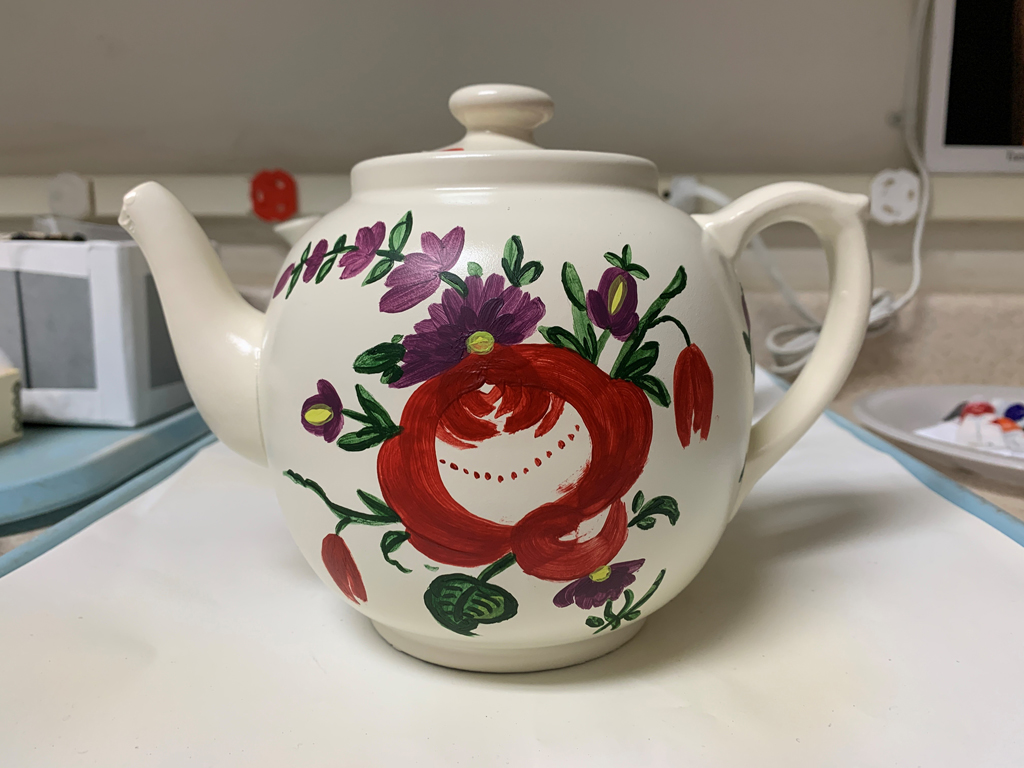
    While working on research, I was simultaneously creating a reproduction 18th Century creamware teapot. With the help of the Archaeology Lab Forgeries Department, I quickly transformed a Goodwill find into delicate creamware with a rose motif. The pot is the centerpiece of the exhibit on 18th Century tea practices. Many scholars wrote that the teapot is the literal and figurative center of the ceremony, bringing people together and initiating the ceremony. This concept inspired my placement of the teapot for the exhibit.

    Hand painting of reproduction teapot.

    After concluding my research, writing the signs for the exhibit, and finishing the replica pot, I had to choose the artifacts to include in the exhibit. Throughout this process, I kept my thoughts on Betty. The BW teaspoon handle was set aside for the exhibit as well as the replica teapot. Including teaware from Ferry Farm and Kenmore displayed the continuity of Betty’s gentry practices throughout her life. A slop bowl excavated from Kenmore, as well as a teacup and a saucer excavated from Ferry Farm were both chosen for the exhibit in order to support that point.

    Once this was all completed, the excitement truly began. I saw my work come to fruition when I set up the display in the conservation window of the Archaeology Lab. Being able to share what I had learned with the public was an excited prospect. The exhibit is currently on display and can be seen in the Ferry Farm Visitor Center.

    Intern Gillian Both standing behind her exhibit.

    This process has taught me a lot about exhibit design and the research process. I couldn’t have completed the exhibit without the Archaeology Lab staff helping me along every step of the way. I encourage you to go and visit the lab to see the exhibit and learn more about archaeology at Ferry Farm.

    Gillian Both

    Fleming Smith Scholar, UMW Class of 2022

  • A Gift Across the Seas: Betty Washington’s Silver Tea Set from Her Uncle Joseph Ball

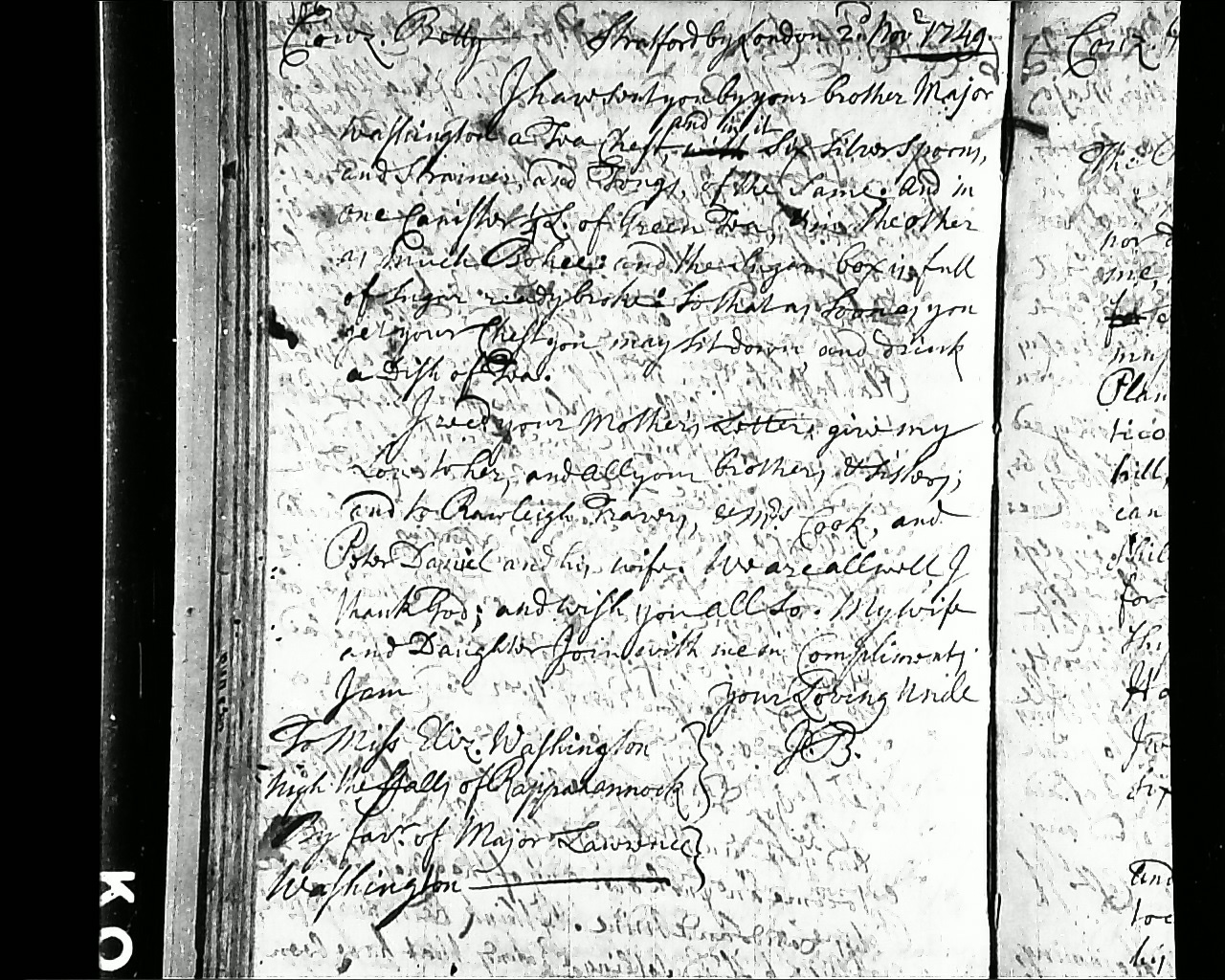
    Couz. Betty                                                     Stratford by London 2nd [Nov] 1749
                I have sent you by your brother Major Washington a Tea Chest; and in it Six Silver Spoons, and Strainer, and Tongs, of the Same. And in one Canister 1/2 L. [pound] of Green Tea, in The other a Pinch Bohee: and the Sugar box is full of Sugar ready broke: So that as Soon as you get your Chest you may Sit down and drink a Dish of Tea.
                I read your Mother’s letter, give my Love to her, and all your brothers, & sisters; and to Rawleigh Travers, & Mrs. Cook, and Peter Daniel and his wife. We are all well I thank God; and wish you allso. My wife and Daughter Join with me in Compliments.
    I am                                                                                                               Your Loving Uncle
                                                                                                                                  J.B
    To Miss Eliz. Washington                                                                                                                              
    nigh the Falls of Rappahannock
    By [fav.] of Major Lawrence Washington

    In 1749, one year before her marriage to Fielding Lewis, Betty Washington received a valuable gift – a silver tea set and other tea equipment – from her Uncle Joseph Ball in England. Tea equipment at this time was still expensive and the tea ceremony was reserved for upper class individuals. By providing Betty with equipment for such an important ceremony, Joseph Ball was helping prepare his niece for success in the gentry class. He provided silver teaspoons, a strainer, tongs, and a tea canister– four of the necessary pieces of equipment for the tea ceremony. Other items needed for the ceremony included a teapot, slop bowl, milk or cream container, sugar container, cups, and saucers.[i] Mary Washington provided these pieces for Betty while she lived at Ferry Farm, using them to teach her daughter how to host the important ceremony.

    The tea ceremony was a popular social event in 18th-century American culture. First and foremost, hosting or attending a tea party was a symbol of class.[ii] It was typical for gentry class individuals to participate in this leisure activity as a way to deepen or forge relationships within their community. Only an individual who was part of this class could afford the time and money required to learn the social graces and equip the table for the ceremony. The Washingtons worked hard to project an image of gentility through their material consumption. Participation in the tea ceremony was essential for this image. Mary took the time to “bequeath gentry-level domestic culture and etiquette to her children,” keeping them in leisure class circles.[iii]

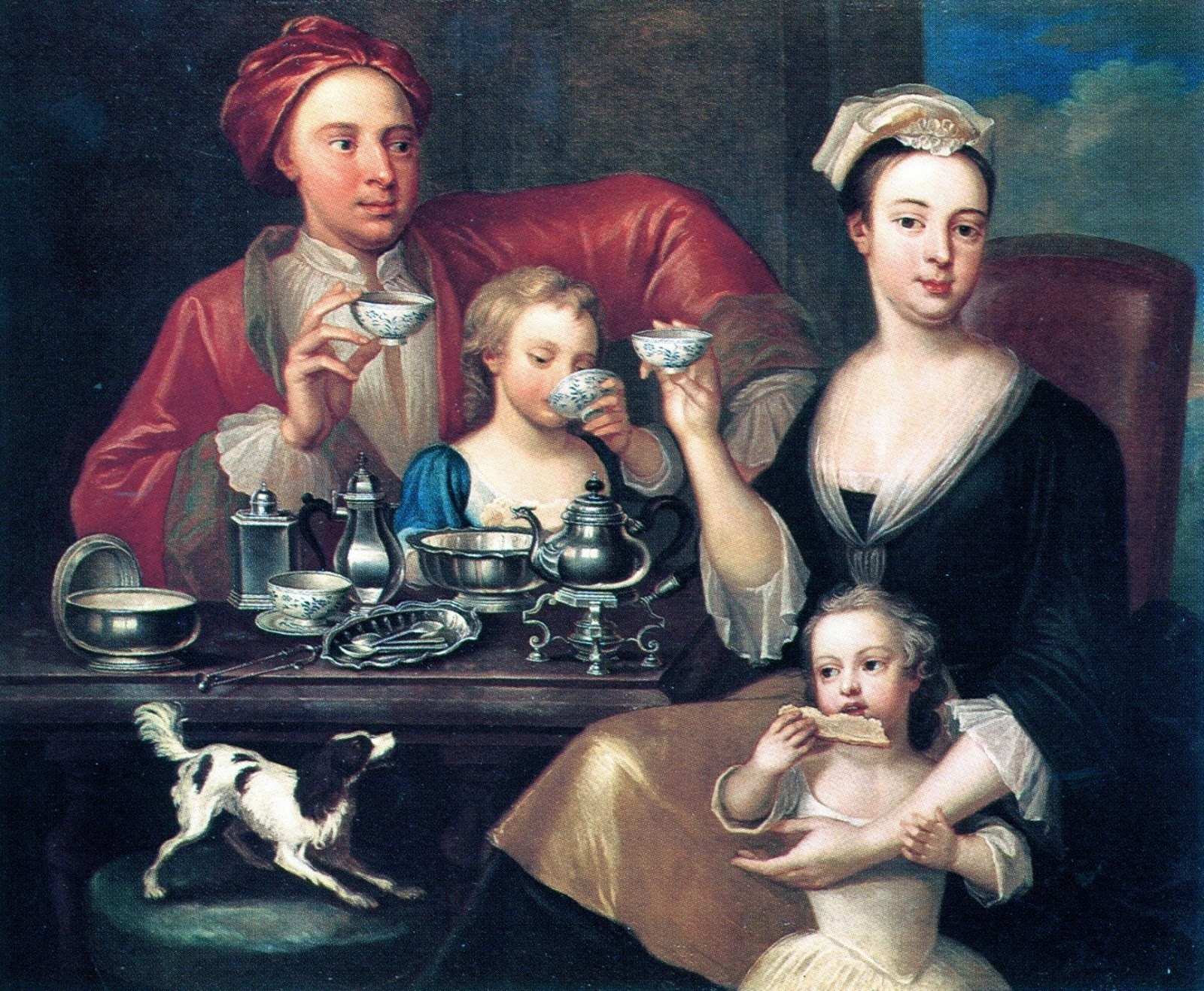
    An English Tea Party (c. 1730) by Joseph Van Aken. Credit: Wikipedia

    Within the leisure class the tea ceremony was considered, “as much an instrument of sociability as was a bit of music or conversation.”[iv] With its rules that dictated everything from table arrangement and conversation to order of events, the ceremony was complex. Mastery of the ceremony, especially for women, was key to one’s reputation within social circles. Mary and Betty Washington used the intricate event to maintain the family’s social standing and to interview suitors for Betty. As the oldest daughter, Betty was trained for this ceremony from a young age. She would likely have been the host of numerous tea parties at Ferry Farm before her marriage. Perhaps even using the silver tea set from her uncle during some of the events.

    Replica teapot.

    The social custom of the tea ceremony revolved around the teapot, thus earning it a spot at the center of the tray or tea table.[v] The archaeology department at Ferry Farm recently produced a replica teapot for display in an upcoming exhibit on 18th-century tea practices. This replica will serve as the centerpiece for the exhibit and be surrounded by archaeological artifacts and contemporary examples representative of the Washington family’s tea practices. The exhibit can be viewed through one of the windows into the Archaeology Lab starting December 1. Add George Washington’s Ferry Farm to your list of places to visit during the holiday season to see this small tea exhibit!

    Gillian Both, UMW ‘22
    Fall Fleming Smith Scholar


    [i] Rodris Roth, Tea Drinking in 18th-Century America: Its Etiquette and Equipage (Washington: Tea Trade Mart Publishing Co., 2017), 24.

    [ii] Ibid., 1.

    [iii] Laura J. Galke, “The Mother of the Father of Our Country: Mary Ball Washington’s Genteel Domestic Habits,” in Northeast Historical Archaeology 38 (2009): 33.

    [iv] Roth, 23.

    [v] Roth, 49.