Archaeologists tend to have strong feelings about ceramics. Ceramics can play a major role in interpreting a site, as their materials often reflect their function. This can be helpful when determining how a site was used. For instance, finding an abundance of redwares and stonewares could indicate a primarily utilitarian site like what would have been used in our Cellar House whereas porcelain and refined earthenwares may reflect a more domestic space. So, it really isn’t surprising that we feel some type of way about these artifacts.
Redware and stoneware storage vessels Porcelain and refined earthenware tablewares
But don’t let that fool you. Archaeologists have feelings about ceramics based solely on their appearance as well. It has come to my attention that Whieldon Ware just might hold the title as the most polarizing ceramic type as of late. These feelings were made very apparent during our recent acquisition of some Whieldon Ware pieces. Most either love or hate it; rarely is there an in-between. Before we get into the ceramic and its distinct look that conjures images of either vomit or a work of art (depending on whom you ask), let’s go over a little background on its creator, Thomas Whieldon.
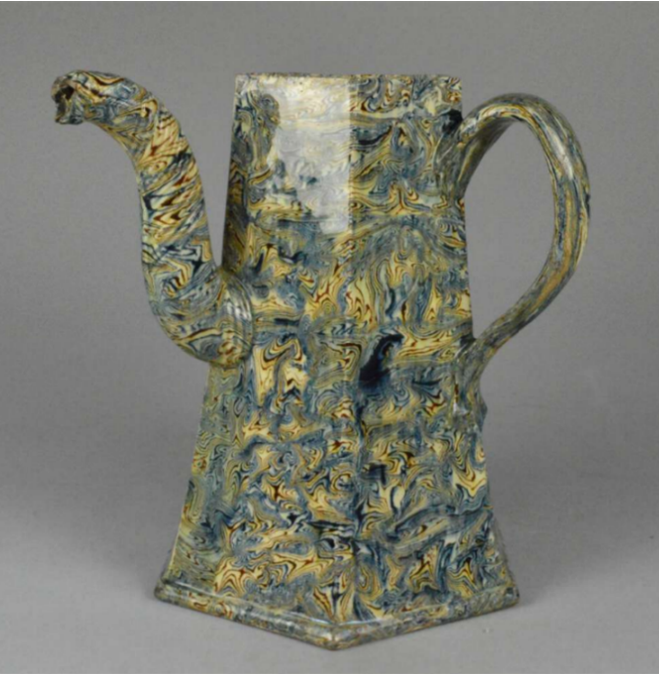
Thomas Whieldon was an influential English potter producing examples of early creamware beginning in the mid-18th century. He gained popularity for his innovative shapes and decoration, which can be seen on various figurines, dishes, and other vessels. Whieldon is also well known for his partnership with the MVP of the ceramics world, Josiah Wedgwood, Mr. Creamware himself. Together, they developed advances in the realm of refined earthenware, like the perfecting of the green glaze as seen on the pineappleware we have found at Ferry Farm (Wedgwood & Ormsbee, 1947).
Whieldon agate ware coffee pot. Source: British MuseumWhieldon figurine. Source: The British Museum.
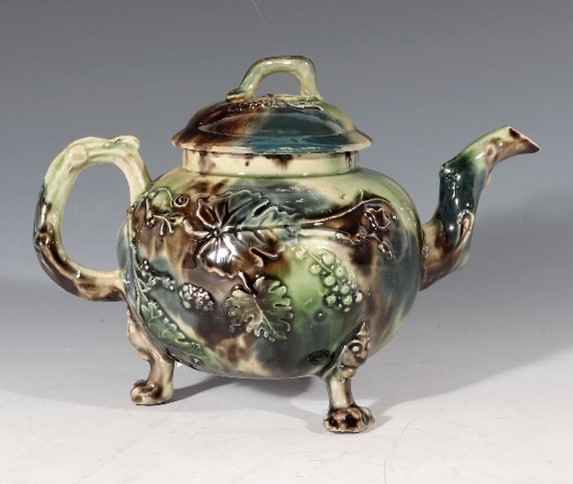
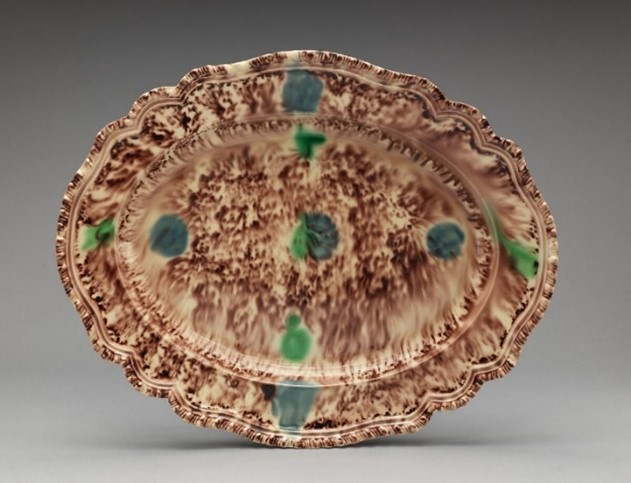
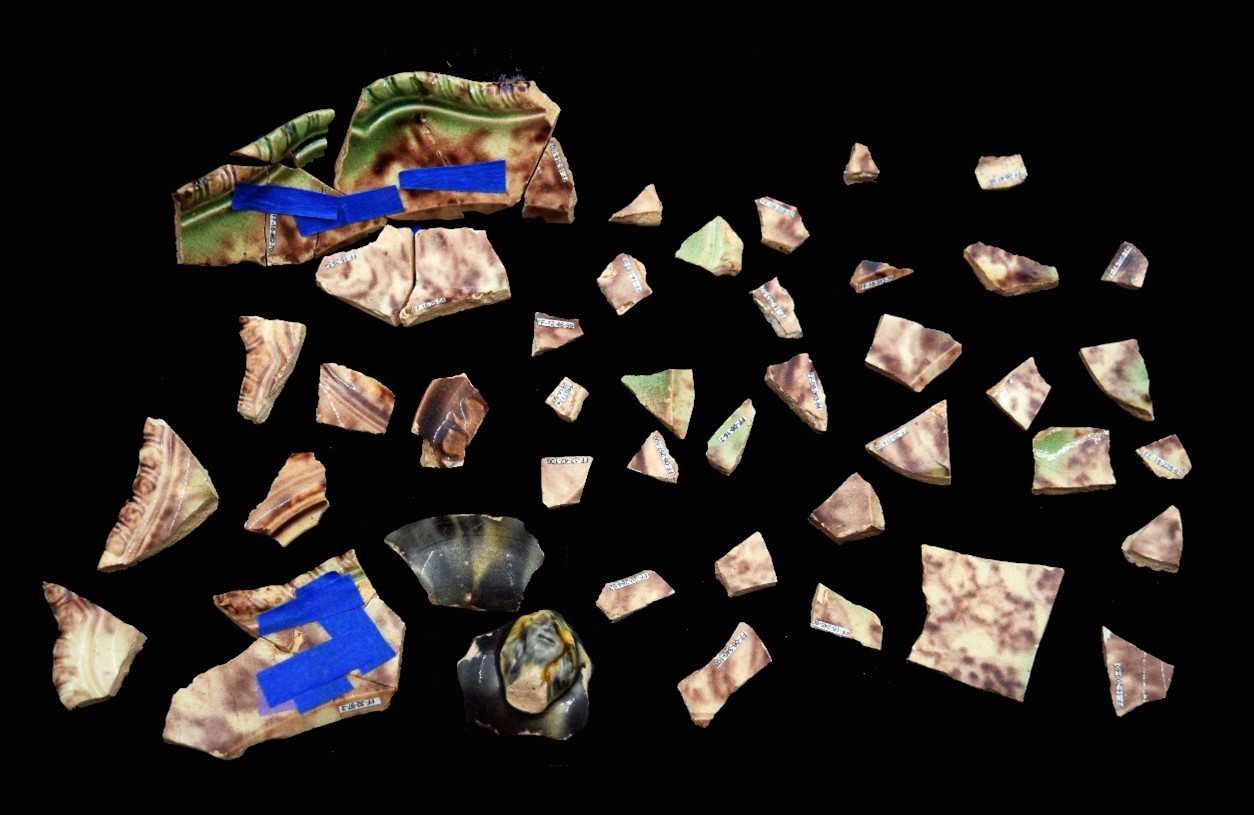
With that said, what we commonly think of when referring to Whieldon Ware is Whieldon’s tortoiseshell or clouded wares. These were created by sponging metal oxides on cream-colored earthenware and then adding a clear lead glaze. The mixing of the metal oxides with the liquid glaze caused the colors to blend and streak, creating splotches of green, yellow, purple, blue, and brown, depending on the types of metal oxides used (Gallagher, 2015). This resulted in a clouded or tortoiseshell decoration. Due to the nature of the technique, no two pieces look exactly the same. For Whieldon lovers like myself, the uniqueness of each piece gives it its charm.
Examples of Whieldon’s tortoiseshell/clouded ware with similar decoration to sherds found at Ferry Farm – Teapot. Source: Earle D. Vandekar of Knightsbridge, IncExamples of Whieldon’s tortoiseshell/clouded ware with similar decoration to sherds found at Ferry Farm – Platter. Source: Met Museum
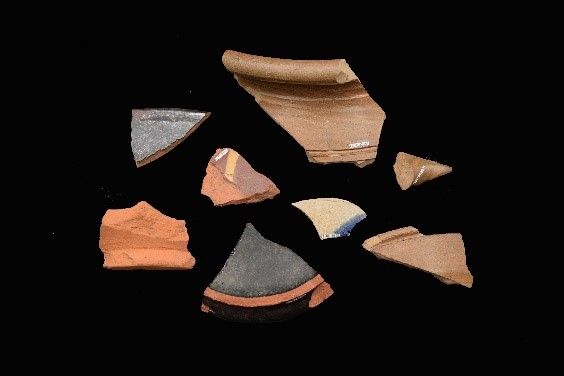
Now that we know more about Whieldon Ware and how some of us feel about it today, let’s talk about how Mary Washington may have felt about it. I firmly believe that she was not team Vomit Ware and instead found the decoration quite desirable. Our excavations have found evidence of at least four Whieldon Ware plates, a teapot, teacup, and other medium-sized holloware vessels at Ferry Farm. Considering the short-lived popularity of the type, lasting only from 1740-1775, we can be quite certain that it was Mary who was buying these items.
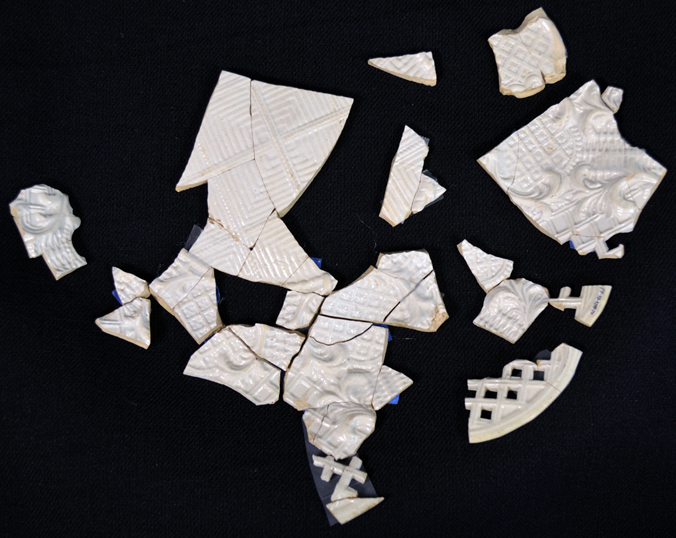
Some Whieldon Ware vessel mends and sherds excavated at Ferry Farm
Toward the end of the 1770’s, Whieldon Ware quickly went out of style and was replaced by Wedgwood’s new, improved creamware and its more subtle decoration. While it may have gone out of style, potters continued to replicate the technique for many years, which makes it difficult to attribute all examples of the type to Whieldon himself. After 1780, he retired from the business, demolished his factory, built an ornamental garden in its place, and spent the rest of his years as a sheriff (Hildyard, 2005; The London Gazette, 1785).
So, there you have it, the very brief story of Whieldon and his wares.
While Mary Washington and a couple of us in the lab are Team Whieldon all day, every day (or at least the days concerning Whieldon), the majority are a hard pass. Where do you stand? Are you Team Whieldon or team Whieldout?
Danielle Arens
GWF Archaeologist
References
Gallagher, B. (2015). British Ceramics 1675-1825: The Mint Museum. Charlotte: The Mint Museum.
Hildyard, R. (2005). English Pottery 1620-1840. London: V&A Publications.
The London Gazette. (1785, November 12). The London Gazette(12699), p. 522.
Wedgwood, J., & Ormsbee, T. H. (1947). Staffordshire Pottery. New York: Robert M. McBride & Company.
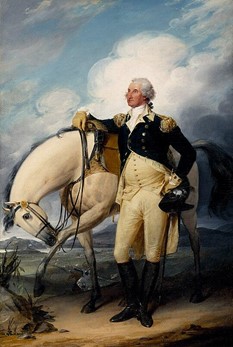
Think about a portrait or painting of George Washington. What is a common element in the paintings? His uniform, yes, he is indeed painted quite a bit in his impressive military uniform. But how about a horse? George is often painted riding beautiful horses with a quiet dignity and noble appearance we expect from the father of our country.
Washington at Verplanck’s Point by John Trumbull, Source: Winterthur
However, the horses in these paintings are not mere symbols of wealth or power. They are depicted with George because, from a tender age, his life has been intertwined with these creatures. As a surveyor, soldier, landowner, farmer, gentry, commander-in-chief, and president, he was inextricably linked with horses, not just as a mode of transportation but as a vital part of his daily life.
And it all started at Ferry Farm…
George moved to Ferry Farm around 1738 at the age of six. His father, Augustine Washington, was a member of the “planter class,” or Colonial American gentry. This meant he was a prominent member of society, involved in politics, and owned lots of land. Augustine purchased 150 acres across the river from Fredericksburg and later added an additional 450-acre parcel. In total, he owned Little Hunting Creek, Pope’s Creek, and the Ferry Farm properties.
The point? Augustine needed help because there were places to be, people to see, and fields to farm. So, horses were a fundamental necessity for the Washington family, and George would have grown up around them, taking care of them and learning to ride.
We have two great sources that give us some understanding of the horse situation at Ferry Farm. First, in 1743, the Washington patriarch died, leaving behind a widow, an 11-year-old George, and a probate inventory. On page two of the inventory, three horses and one mare are listed.
Augustine Washington Probate Inventory, 1743
Secondly, some pretty cool horse tack dating from the Washington occupation has been found during various archeological digs.
The Finds
One of the most universally known horse tack, essential for all horse maintenance – is the horseshoe. The horseshoe was used to protect the hooves because “…being rendered subservient to the use of man…applied to severe and continued labour, and compelled to tread frequently…on the irregular and stony surface of the roads, it became necessary to secure his feet from ruin by strengthening them with the iron band which we call a shoe” (Vial de Saint Bel, 1793). These shoes were handmade with no standardization across makers in shape, narrowness, or thickness. (Hume, 2001). This makes it difficult to pinpoint and assign a time on shape alone.
Our horseshoe was found in the second cellar of the Washington Home. It is quite wide between the branches (the curving sides), and the toe seems to straighten a bit at the center. The crease (the groove that runs down the sides) gives enough depth to allow the shoe to be firmly attached to the hoof with six nails (which we found a few originals). (University of Zurich, 2024) This find illustrates that there was active shoeing and horse maintenance going on at the farm. Additionally, these horses were ridden or used for farm work because shoes were used to protect the hooves from the wear and tear of hard roads, distribute the horse’s weight evenly on uneven ground, and provide traction on various surfaces.
Horseshoe with original nails
Another artifact found in the cellar of the Washington Home, the stirrup, further demonstrates horse riding as a family necessity. (Cofield, 2014)
Stirrup
The stirrups are used as foot support for the rider, and they hang from a saddle on straps known as stirrup leathers. Basic stirrups are made of three parts the eyes for the stirrup leathers to attach the stirrup to the saddle, a platform or base where the rider places their foot, and arms which connect the eye to the base. (Cofield, 2014)
Examples of Stirrup Forms Source: Diagnostic Artifacts in Maryland
Horseback riding master and author VS Littauer described the Forward Seat as a stirrup-centric approach versus traditional riding’s seat-centric. He argued riding without stirrups taught people to grip with the knee, which he considered a dangerous habit and likely to stiffen the rider. With stirrups, you can ride with a looser knee, letting your weight flow PAST your knee and into the stirrup. That is a more secure approach than riding with the thigh and knee. (Littauer, 1962)
Captain Vladimir Littauer – Forward Seat Riding,1947
Stirrups allow the rider’s legs to absorb up/down motion by allowing them to stand in matching balance with the horse, which makes riding longer distances more comfortable. Augustine certainly had to travel a great distance to check on his properties and perform his civic duties, like serving as a justice of the peace and sheriff for the county of Westmoreland.
One final utilitarian bit of horse tack found again in the cellar is a mullen mouth bit or snaffle bit. This bit consists of two rings on each side of a half-moon-shaped bar with no joint. The bit applies even pressure on the horse’s tongue and bars (gums) and allows the horse’s lips to feel the pressure from the bit and side rings. The bit, bridle, and reins function to create communication between the rider and the horse.
Mouth Bit
The Washington children would have used bits to learn to control. They would have learned how to work with the horse in a cooperative way that would create an effortless and seamless ride. George used this skill of communication and intuition to become a great rider. As Thomas Jefferson reminisced in a letter in 1814, “his person, you know, was fine, his stature exactly what one would wish, his deportment easy, erect, and noble; the best horseman of his age, and the most graceful figure that could be seen on horseback.” (National Archives, n.d.)
Lastly, just south of “The Quarter,” we uncovered around twenty leather ornaments. They were used to decorate the leather straps, nosebands, harnesses, and reins of horses. We wrote a post about them earlier explaining their purpose, which was purely aesthetic. Horse tack could be made without these pieces, but where is the fun in that? These flashy accessories were a great way to grab the attention of the public and hint at how fashionable and elegant you were as you trotted through town.
Ferry Farm leather ornaments dating from the 1700sThis copper-alloy mount dates from the mid-to-late 1700s
These artifacts illustrate that not only were horses actively used by the family, but it also fostered an environment where young George would have taken his first steps into learning about horsemanship. This knowledge and skill would help him in his future careers of surveying the Shenandoah Valley, as a lieutenant colonel during the French and Indian War, as a farmer and landowner at Mount Vernon, as a representative in the House of Burgesses, as commander-and-chief of the Continental Army and finally President of the United States.
Come see our new pop-up exhibit at Ferry Farm, where all these wonderful artifacts are displayed and put together with the help of our Fleming-Smith scholar, Sarah Moore.
Spring is in the air. The weather is warming up, flowers are blooming, bees are buzzing, and of course the dig season is about to start here at Ferry Farm, George Washington’s Boyhood Home.
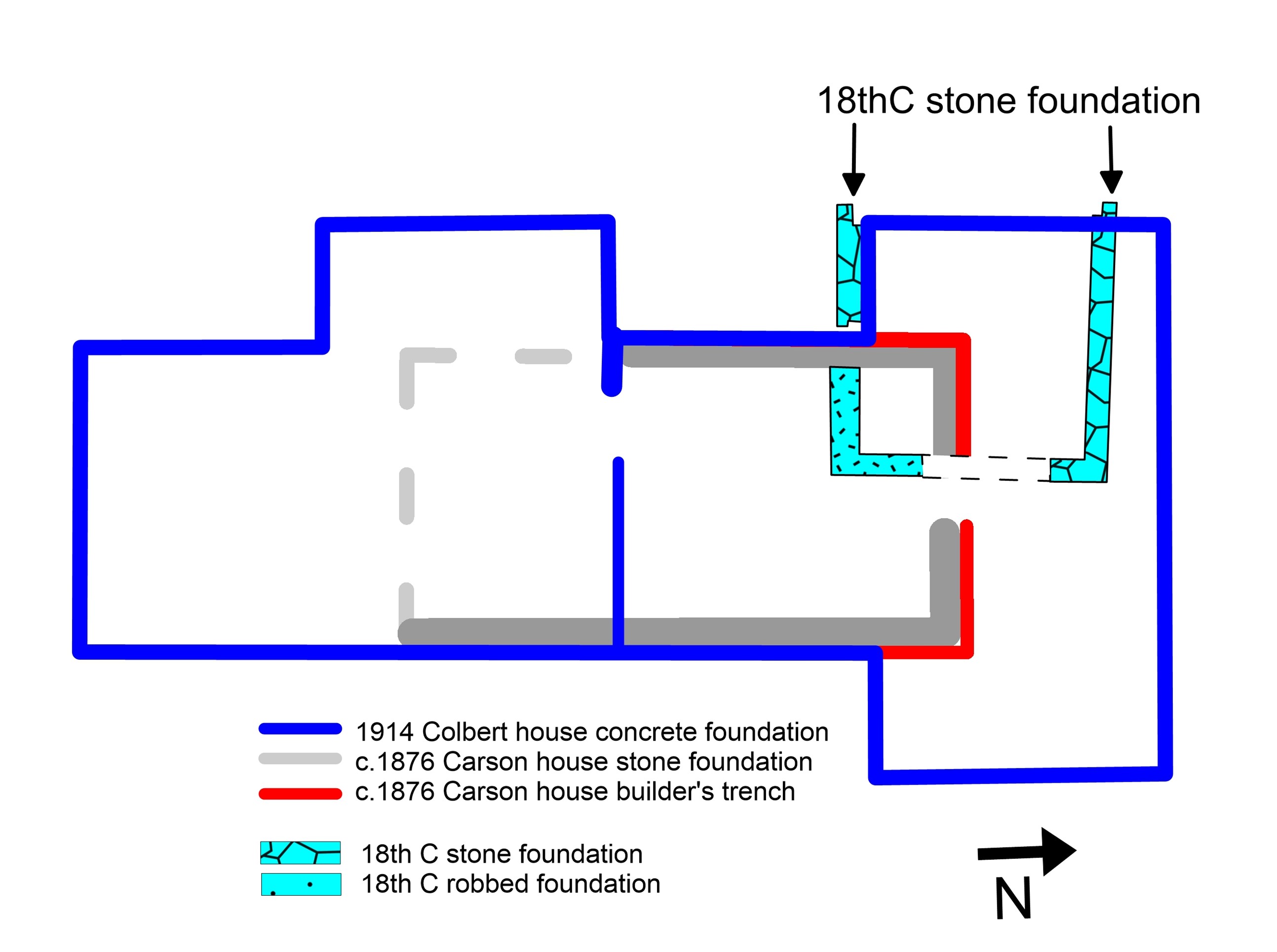
As part of the 2023 dig season, our team revisited the site of a colonial-era kitchen that had experienced a particularly destructive fire sometime in the middle of the 18th century. The kitchen’s foundation, as well as the surrounding landscape, had been compromised by the construction, and subsequent destruction, of two farmhouses that were built directly on top of everything. This site (FF-44) is located about 50 feet from the northeast corner of the Washington House.
Location of this year’s dig at the colonial kitchen site (FF-44)
The 18thC kitchen site was initially explored as part of an archaeological assessment of the Ferry Farm historic property in the early 1990s. The structure and its contents were originally interpreted as a house, but a reevaluation of the excavation notes and artifacts several years later reinterpreted this site as a kitchen, not a primary domestic dwelling. But research queries still exist, such as narrowing down the dates of construction and destruction of the structure, as well as determining the possibility that meaningful artifact deposits and landscape features that might help bolster the interpretation of the building still exist outside of the foundation.
Location of the 18thC kitchen in relation to later 19th and 20thC farmhouses
With these questions in mind, our efforts last summer focused on working out a game plan for reexamining the site for our future excavations. During our dig, we uncovered the southwest corner of the original kitchen as well as the foundation of the 20th-century farmhouse overlaying it. Re-locating the site and evaluating the amount and extent of fill were our primary goals. That completed, this year we will concentrate on investigating the landscape surrounding the foundation and reexamining the burnt fill within.
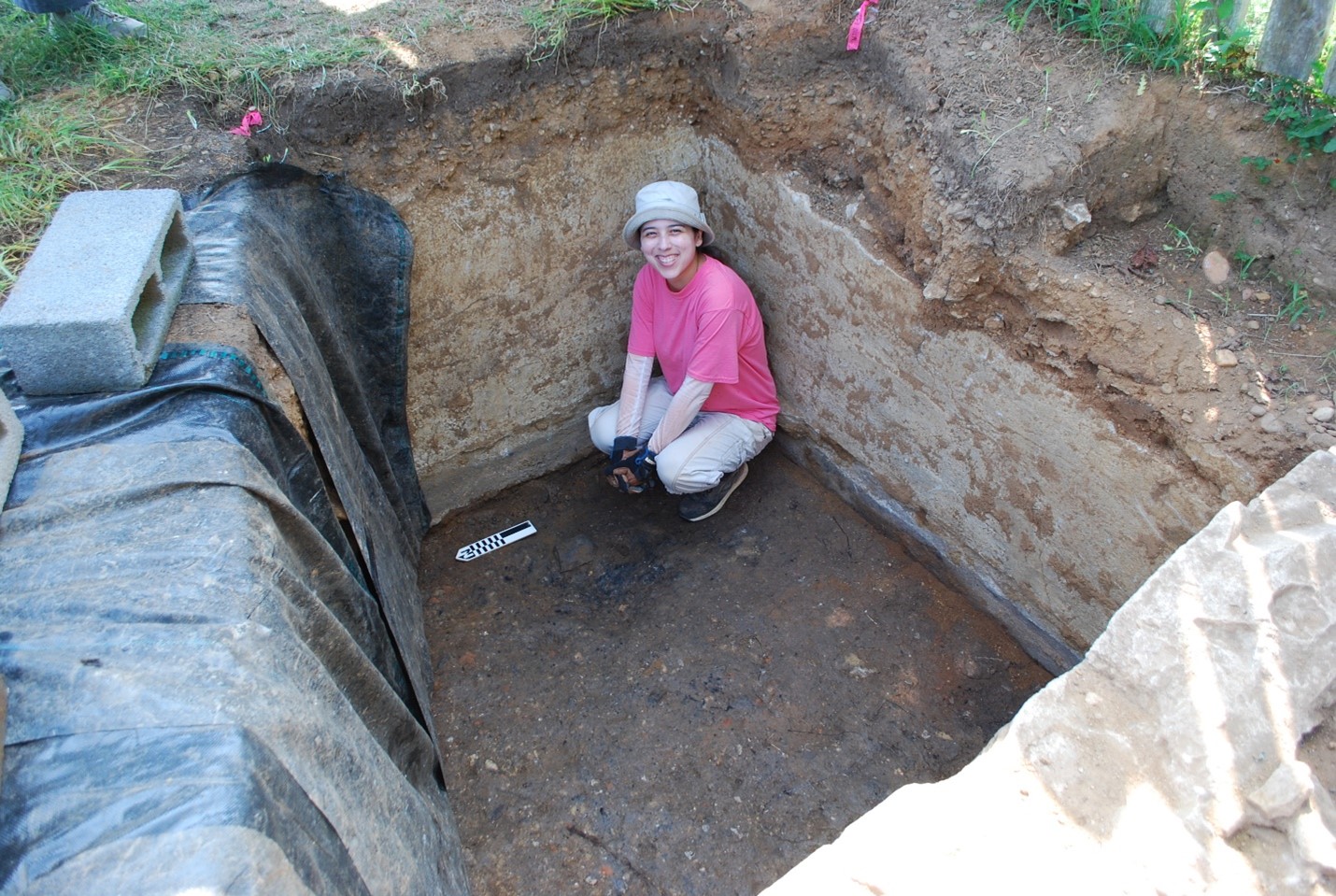
Last year’s excavation. Red arrow points to area inside of the kitchen, white arrow points to area outside of the building. The stone and concrete wall is part of the 1914 farmhouse foundation, which sits atop the colonial kitchen fill.Lead excavator Sarah on floor of kitchen cellar
An honest question you might ask would be why would we want to learn more about what was outside of the foundation? Isn’t all the important stuff inside? In the archaeological world, a lot of valuable information can be learned from these outlying areas. Eighteenth-century trash middens are often found outside of a building because garbage was being thrown off of the porches and out the doors and windows. Studying this everyday disposal of trash can tell us how and when a building was being used, as well as traffic patterns by those using the building.
Another interesting feature that can be found outside of a foundation is a builder’s trench. These trenches were dug by the individuals building the foundation, and as they worked and backfilled these trenches, items they were currently using were accidentally left behind. These artifacts can be excellent dating material and can really nail down a construction date.
Other items we will be looking for are possible supplementary building features, such as post-in-the ground foundations and fences. Additionally, taking a second look at the site will help us better understand the previous archaeology that was done over thirty years ago.
As for the exciting second site we started excavating last year, Feature 321, we are putting that project on hold for now and concentrating our efforts on the kitchen site. But work continues in the lab on all the interesting artifacts recovered during last summer’s dig.
This year’s dig begins April 29thand ends July 12th. Archaeologists are working on site from 8 am until 4 pm, Monday through Friday, and we gladly welcome questions from our site visitors. So be sure to stop by and see what exciting things we uncover!
A quick refresher from part one of the TD marked pipe saga – Clay tobacco pipes with the mark TD are a ubiquitous item at historical archaeology sites dating from the mid-18th through the 20th century. While at one point the mark represented a specific maker, it later became a mark synonymous with clay tobacco pipes themselves. So, it’s not surprising that archaeologists and historians have been looking to identify the origin of the mark for years. These efforts led to the naming of Thomas Dormer as the maker most likely to have begun the rise of the TD mark, though this identification was less than certain (Walker, 1966).
Now that we are all caught up, let’s pick up the quest once again.
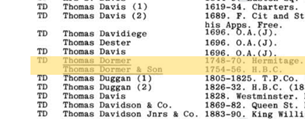
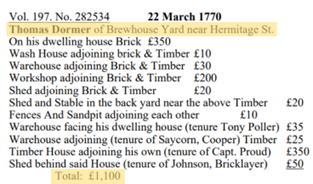
Adrian Oswald’s (1975) index of pipe makers lists Thomas Dormer as one of the only London-based pipe makers with the initials TD trading with the Hudson’s Bay Company (HBC) in the years 1748-1770. HBC records also mention that Dormer went into business with his son for a brief time from 1754-1756. Oswald built on this by looking at the insurance policies of pipe makers of the time, which shows that the value of Thomas Dormer’s estate was nearly five times that of other pipe makers (Alexander, 1978). In the 18th century, pipe makers and the pipe making industry were often relegated to the lower class and the poorer parts of town (Walker, 1981). Dormer’s large estate implies he stood out at the time.
So, we know that Thomas Dormer produced and imported his pipes into North America around the time TD marked pipes started popping up at sites, and that he was doing well for himself. We can call it a day and say Thomas Dormer was the original TD, right? While that does sound pretty enticing, there still needs to be more evidence supporting Dormer’s claim to the TD mark. At the time of the previous research there was very little historical documentation of Dormer and his life available, which left some questions unanswered: Why did Dormer stop exporting pipes in 1770? What is the reason behind the brief mention of this son in the mid 1750’s? And why did these pipes continue to be produced beyond 1770 with the TD mark, if not by Dormer himself? These questions made it difficult to confirm that Thomas Dormer was the TD.
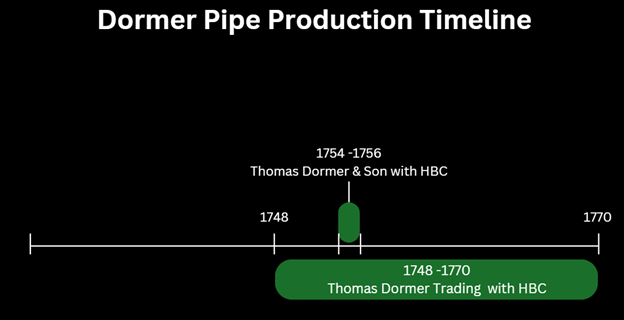
Previous timeline of Dormer pipe production
This opens the door for my research as I attempt to fill in the blanks surrounding Dormer and his life. Since a trip to London to begin my research was off the table, much of my investigation was done through online archival research. Yay for digitization efforts and increased access to information!
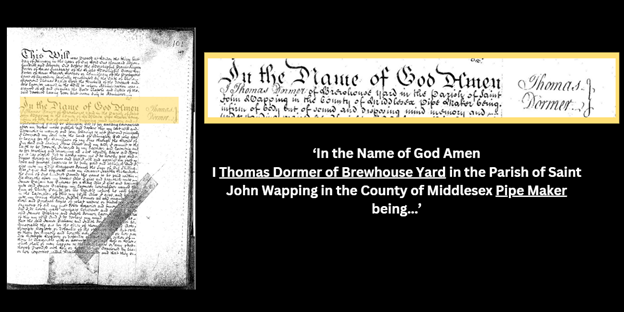
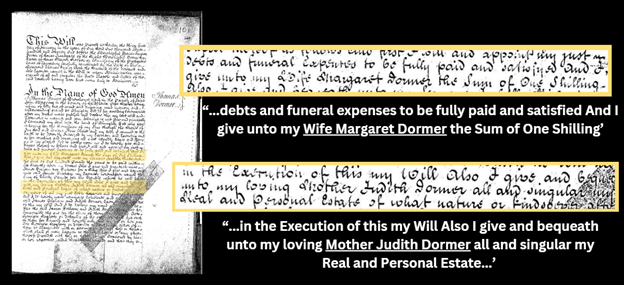
One of the first items identified was Thomas Dormer’s will dated January 1771 (National Archives). It gives his occupation as a pipe maker and his location at Brewhouse Yard, confirming this to be the correct Thomas Dormer. Finding this document provided information that would further the investigation including a probable death date and the names of family members.
Thomas Dormer’s will 1771 (National Archives)
Speaking of family members, Thomas Dormer chose to leave the entirety of his vast estate to his “loving mother Judith.” On the other hand, he left his wife Margaret one single shilling. Hold up, just one shilling? This led me down a mini rabbit hole where I found that Thomas and Margaret had been married for 11 years. Indeed, long enough for her to have a fair share of the estate. Additionally, it wasn’t uncommon for wives to take over their husband’s pipe making business after their death, yet Dormer left things to his mother instead. Ouch!
Dormer’s division of his estate (National Archives)
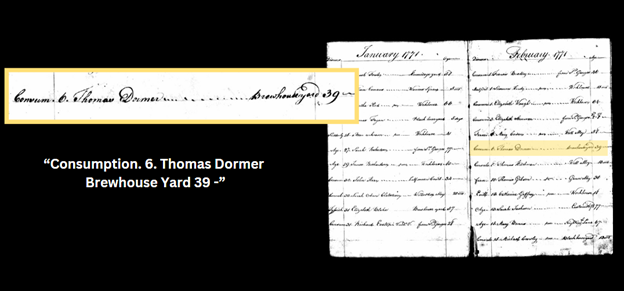
Anyway, back to the investigation. Using 1771 as a probable death date I was able to find a Burial Notice dated February 1771 stating Thomas Dormer died at the age of 39 due to consumption, or tuberculosis as we know it today (London Metropolitan Archives [LMA]). An age at death gave me the ability to estimate his birthday to sometime around 1731 or 1732 and identified a Christening Record for Dormer dated 1731(LMA). It lists his mother as Judith Dormer which fits with previous records, and it also lists his father who is, wait for it, Thomas Dormer, a pipe maker. This uncovers the fact that there were two Thomas Dormers producing pipes in 18th century London, father and son.
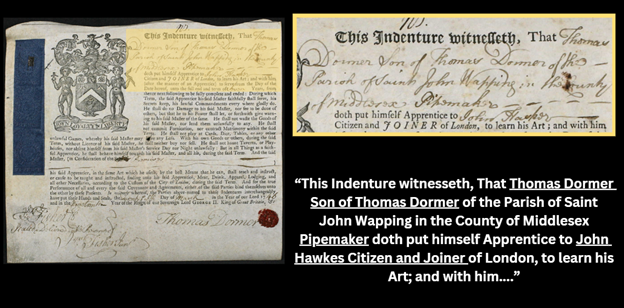
After finding that fun fact I switched gears to see if I could find information about Thomas Dormer Sr. Given the birthdate of Thomas Jr., I figured Thomas Sr. was probably born some time in the early 1700s. Using that date, I identified his Burial Notice dated December 1756. It listed Thomas Dormer Sr. dying at the age of 56 due to asthma (LMA). Additionally, an apprenticeship indenture for Thomas Jr. was located (LMA). Dated 1746, it lists his seven-year apprenticeship under John Hawkes. Now, an apprenticeship in itself isn’t too exciting, but this was an apprenticeship for a joiner, not a pipe maker. Considering Jr. did go on to be a pipe maker, and a popular one at that, makes his previous foray into joinery an unexpected plot twist.
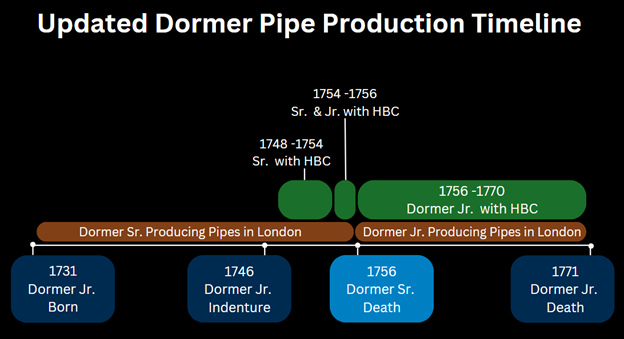
Let’s put all of this information together. Cue the timeline! The newly discovered documentary evidence now allows me to create an updated chronology of the Dormer pipe production. Thomas Dormer Sr. began producing pipes in the London area some time prior to 1731. By 1748 Dormer Sr. was doing well enough in the business to begin exporting pipes into North America. Indenture records suggest that Dormer Jr. was not always intending to take over the business, but perhaps his father’s health prompted this, or the incoming wealth from overseas changed his mind. Nonetheless, sometime in the year 1754, or the years leading up to it, Thomas Dormer Jr. came into the family business. This partnership was short lived due to Thomas Dormer Sr.’s death in 1756, explaining the brief mention of their partnership in the HBC records. Following Dormer Sr.’s death, his son Thomas Dormer Jr., continued to produce and export pipes to North America until his death in 1771.
Updated Dormer pipe production timeline with newinformation
This timeline helps put all the previous information into context and more fully supports Thomas Dormer Sr. and then Jr. as the originators of the TD mark.
But wait there’s more! I also located Judith Dormer’s (Thomas Jr.’s mom) will dated 1782 (LMA). In her will she mentions her properties and its association with Tidy & Evans pipe makers (LMA). During my look into the HBC records I found that Tidy & Evans take over the London pipe export a few years after Dormer Jr.’s death. Now remember, Jr gave her all his estate which included his warehouse and workshop (LMA). Perhaps Tidy & Evans occupied his workshop and continued making TD marked pipes using Dormer’s molds after his death. Using the molds of other pipe makers was not unheard of at the time (Walker, 1981). But why would they want to make pipes with a mark other than their own?
Mention of Tidy & Evans in HBC records and Judith’s will
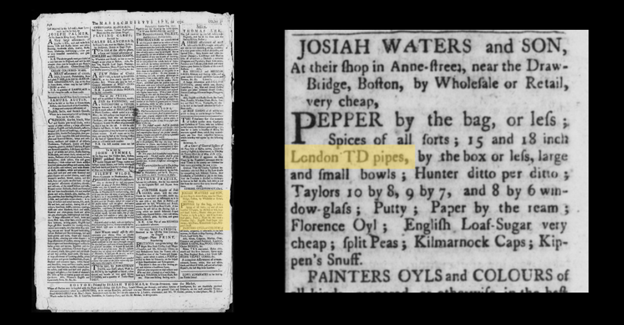
Well, a search on the Library of Congress’s Chronicling America located a 1771 Massachusetts Spy advertisement that specifically lists London TD pipes (LOC). Not only does this solidify that TD pipes were based out of London, it also supports that the popularization of these pipes occurred during the Dormers’ lifetimes. For these pipes to be advertised by name it can be assumed that their popularity had already been established by this point. Whether this popularity had to do with the quality or the quantity of Dormer’s pipes being imported into North America remains unknown. The resulting name recognition may have caused a continued demand for these pipes, leading Tidy & Evans and others to continue producing them.
1771 Massachusetts Spy article (LOC)
These new findings present a solid case for Thomas Dormer being the originator of the TD mark. We can now see that TD pipes were based out of London and popularized during the period when Dormer produced and exported pipes. After 1771 the TD mark stopped representing pipes made by Dormer, and the mark was then used by other makers, perhaps Tidy & Evans, representing tobacco clay pipes themselves rather than a specific maker.
Research such as this illustrates the importance of revisiting past theories. Whether it be trying to answer questions about a mark representing nearly 300 years of tobacco smoking culture, or looking to find interesting insight into the life of the pipe maker that created it, there is more information out there, we just need to keep looking.
So, what do you think? Did I solve the mystery of the man behind the mark?
Danielle Arens
GWF Archaeologist
References
Alexander, L. T. (1978) ‘Clay Tobacco Smoking Pipes from the Caleb Pusey House, The Archaeological Society of Delaware, 9, 35pp.
London Metropolitan Archives; London, England; London Church of England Parish Registers; Reference Number: P69/Gis/A/002/Ms06419/016
London Metropolitan Archives; London, England; London Church of England Parish Registers; Reference Number: P93/JN2/025
London Metropolitan Archives; London, England; London Church of England Parish Registers; Reference Number: P93/JN2/026
London Metropolitan Archives; London, England; London Church of England Parish Registers; Reference Number: P93/JN2/026
London Metropolitan Archive; Reference Number: COL/CHD/FR/02/0778-0-785
National Archives, Kew, Will of Thomas Dormer, Pipe Maker of Saint John Wapping , Middlesex, PROB 11/963/352
Oswald, A. (1975) Clay Pipes for the Archaeologist, British Archaeological Reports, British Series 14, Oxford, 207pp
Walker, I. (1966, June). TD Pipes – A Preliminary Study. Quarterly Bulletin Archeological Society of Virginia, pp. 86-102.
Walker, S. (1981). The Clay Pipe Industry of the Parish of St Olave’s Southwark, in P Davey, The Archaeology of the Clay Tobacco Pipe 6, Pipes and Kilns in the London Region, B97, 173–82
Woollard, P, (2001) Some Clay Tobacco Pipemakers with Fire Insurance Policies in the Sun Assurance Company 1710-1844, The Society for Clay Pipe Research, 62
Because of this, the motifs and marks on tobacco pipes can tell us a lot about the people who used them.
Tobacco pipes can also be valuable tools for dating a site by using pipe bore diameters, typologies, and maker’s marks. This last one helps set the stage for our question of the hour.
Some makers would mark their pipes to indicate a product as theirs. These marks can be found on different parts of a pipe, such as the bowl, heel, or stem. Finding a pipe with a maker’s mark can be very exciting as it allows a pipe to be attributed to a specific pipe maker and, thus, a time period. But that is not always the case. One of the more common maker’s marks in many archaeological sites is the mark “TD.” Remember the two we found during last summer’s dig?
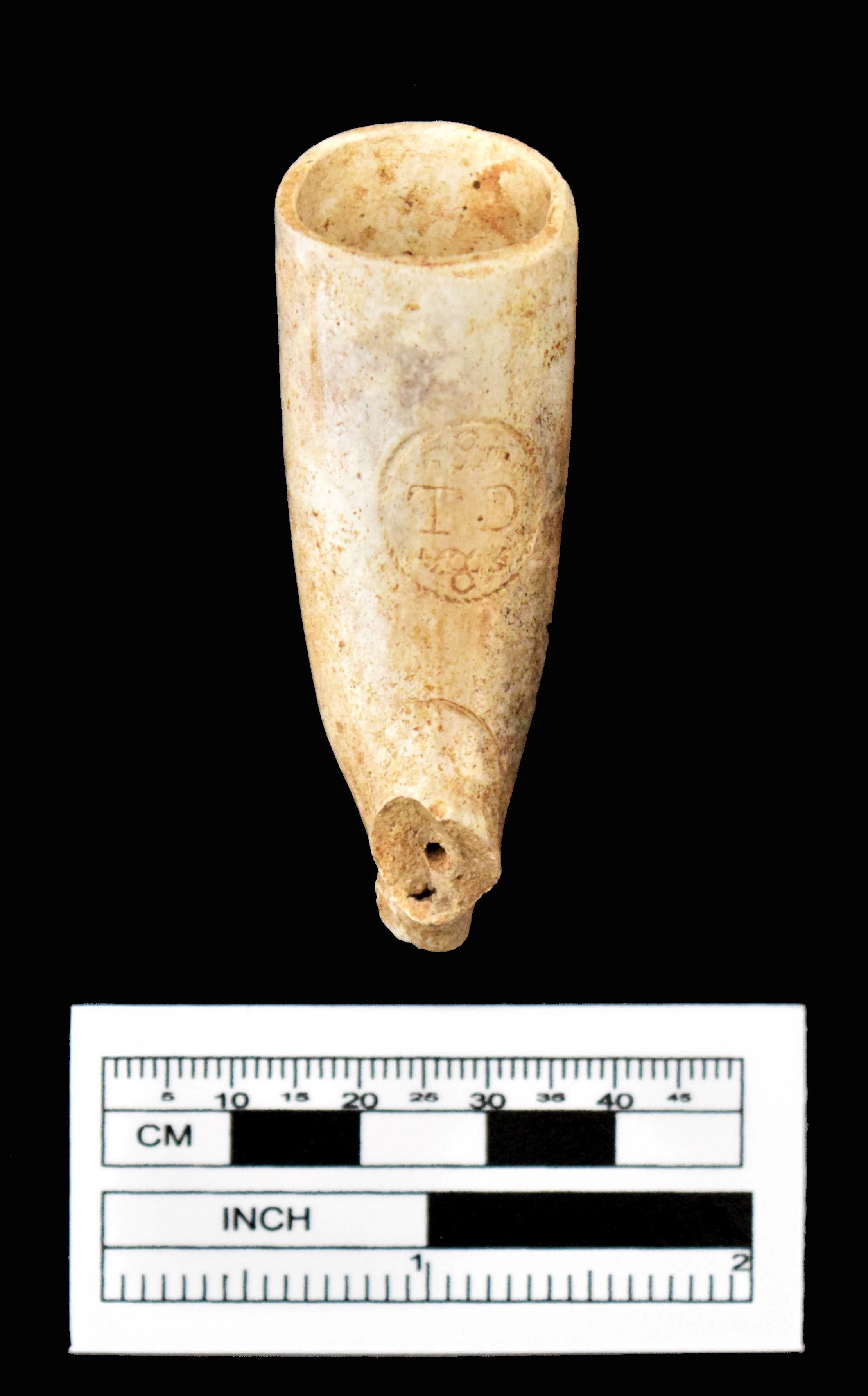
Figure 2: Diagram of a tobacco pipe National Pipe Archive Figure 3: TD pipe bowls in Ferry Farm collection Figure 4: TD pipe bowl from 2023 dig
So, you’re probably thinking, what’s the question again? Just go look up a pipe maker with the initials TD, and you will have your maker. Well, unfortunately, it’s not always that easy.
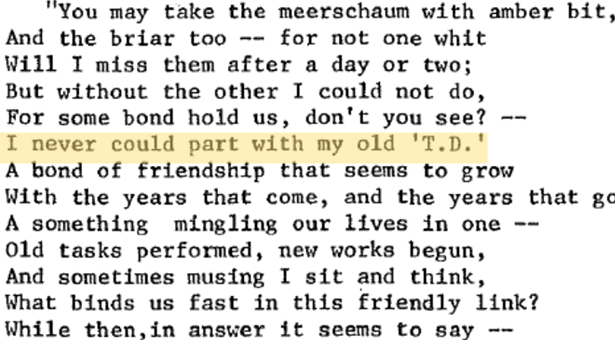
There are multiple pipe makers with those initials, and the pipes with variations of the TD mark have been found at sites with occupation dates suggesting the mark was being produced from the mid-18th century all the way into the 20th century. At some point, the mark stopped representing a single maker and instead became a symbol used on pipes throughout the years, reflecting clay tobacco pipes themselves. Think of it as the Kleenex or Q-tip of its time. TD became synonymous with clay tobacco pipes. This can be seen in written records like a catalog from 1892 that touts their rendition of “the Celebrated “T.D.” pipe” (Zorn). An early 20th-century song referencing “the Old TD” also supports the lasting influence of the mark (Cooper, 1907, as cited by Walker, 1966).
Figure 5: George Zorn & Co.’s “T.D.” pipe advertisement 1892 Figure 6: Early 20th-century smoking song, no known date or author, Cooper 1907 as cited by Walker 1966
Since there is no solid end date to help frame who the possible maker could be, archaeologists and historians have focused on looking at beginning dates to help find the original maker of the TD pipes, settling on a date in the middle of the 18th century. Archaeologists Adrian Oswald and Iain Walker are often cited as laying the foundations of the current TD lore. The combination of their findings identifies 18th-century London-based pipemaker Thomas Dormer as the most likely originator of the TD mark (Walker, 1966). With that said, Walker (1966) states that more information will have to be found to definitively give Dormer credit for originating the mark.
So, that brings us to the start of my research and a revisiting of the foundation of this theory, which was laid out as early as the 1930s. Who is Thomas Dormer, and is he the original TD? Why were TD pipes so popular that they were copied and made for centuries? And can we find new information to crack the case of the elusive TD mark?
The first step of the investigation is reviewing the literature and identifying current thoughts on TD pipes and their maker. One of the earliest deep dives into TD pipe origins can be found in the article “A Theory Regarding TD pipes” in the November 1937 printing of Antiques magazine. In this article, Alfred Hopkins expresses the mystery surrounding the mark and suggests its possible meaning. At the time, Hopkins (1937) and his contemporaries were unable to find potential pipe makers with the initials TD that would indicate the mark was referring to a maker. Instead, he states that it was a trademark of sorts to identify a quality product (Hopkins, 1937). He also mentions that TD may represent the beginning of the Christian hymn Te Deum Laudamus (Hopkins, 1937). Now remember, folks, this was written in the 1930s, and at the time, they didn’t have easy access to information. While more information has since been shared, we now know that there were indeed pipe makers with these initials and look more toward a maker rather than a hymn; Hopkins’ article plays an integral part in our quest by illustrating that there was an interest in the TD mark as early as the 1930s.
Figure 7: 1937 Alfred Hopkins article
Moving away from the 1930s and into the 1960s, Adrian Oswald compiled an index of pipe makers, which Iain Walker (1966) refined to find three possible English pipe makers that could be the originator of the mark: Thomas Dennis, Thomas Darkes, and Thomas Dormer. Walker (1966) continued this search and identified London-based pipemaker Thomas Dormer as the most likely of the three. Nailing down their sources became the next part of the puzzle in an attempt to confirm this information through primary source research and examination of any sources referred to in support of the theory.
This is where the quest to find new information about Thomas Dormer begins. Through this investigation, I was able to identify the “OG TD,” some juicy 18th-century family drama, and the possible first plagiarizers of the TD mark. There are twists, turns, and, unfortunately, too much to tell you in just one blog, so be sure to check out part two, where we get to the bottom of this mystery that began nearly 100 years ago.
Danielle Arens
GWF Archaeologist
References
(2022). Retrieved from George-M-Woodward-mavcor.yale.edu.jpg
The archaeology and curatorial departments for The George Washington Foundation have long worked together to furnish the reproduced Washington house with historically accurate items that resemble as closely as possible the ones that George and his family would have lived with daily. These pieces are not originals, which means visitors touring the house can handle them.
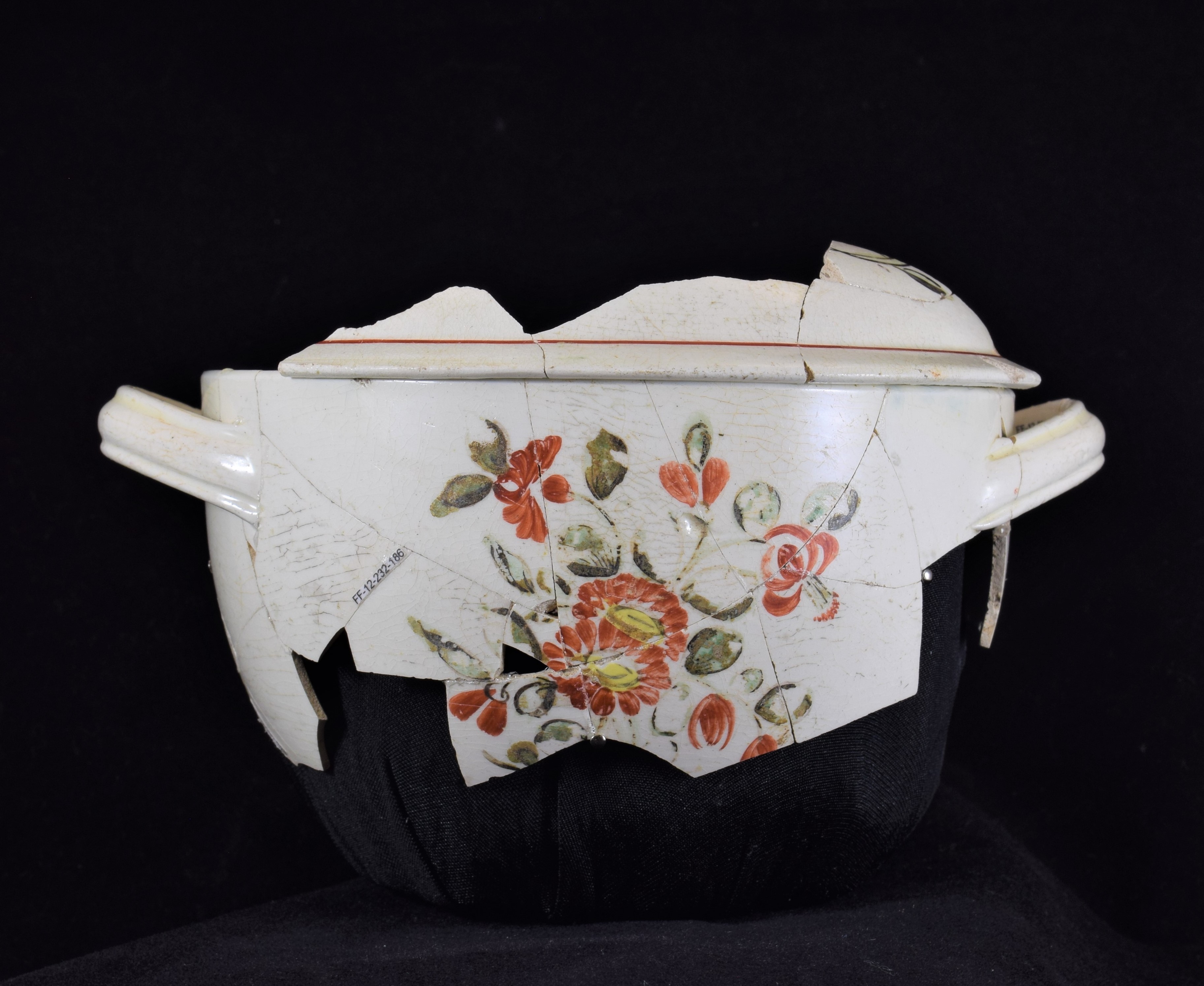
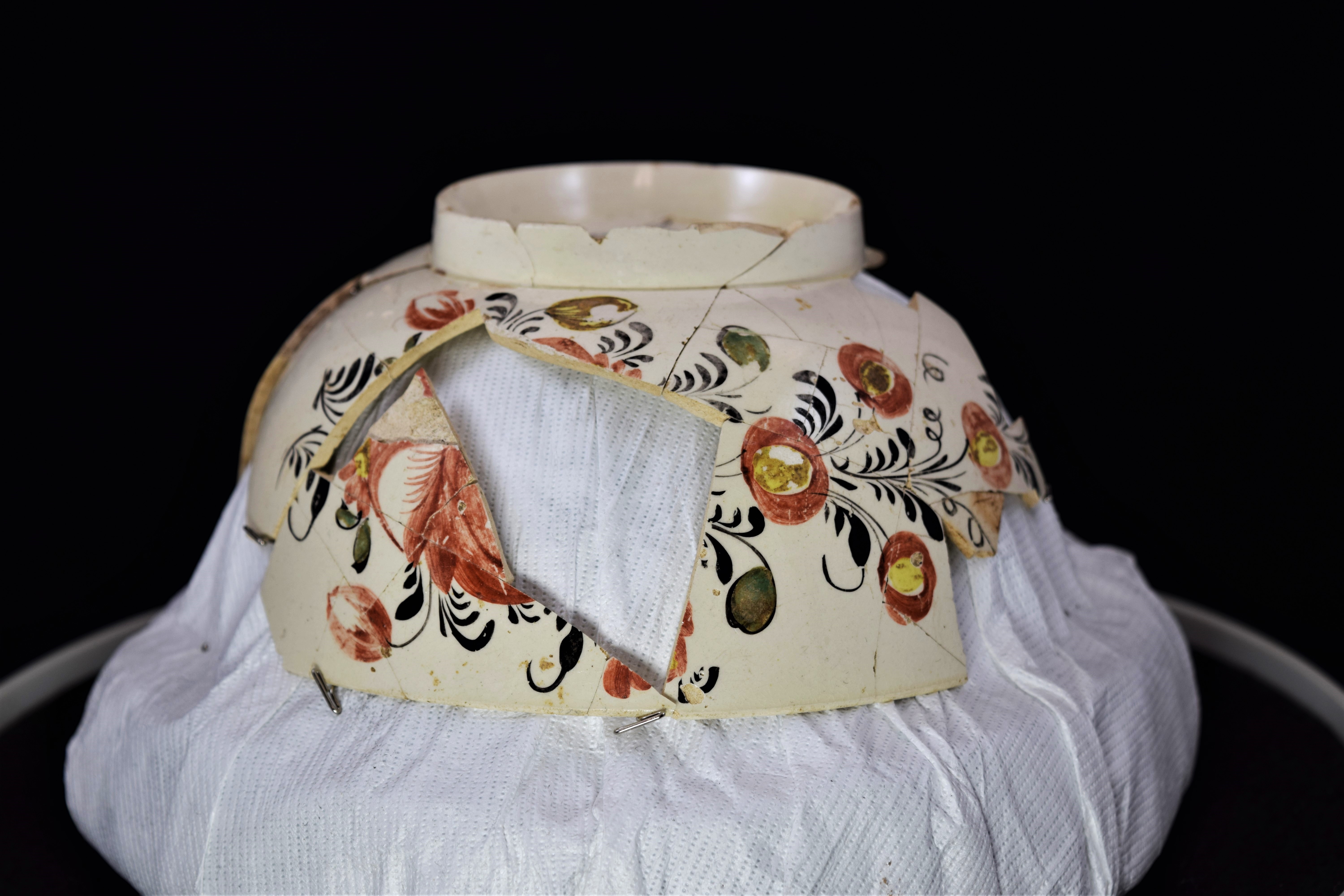
In our latest collaboration we’ve been examining sherds of ceramic vessels owned by the Washington’s to obtain actual eighteenth-century dishes. We want to display these dishes in our gallery to give visitors an idea of what the whole vessels looked like. Four such ceramics have recently been acquired at auctions by the Foundation and you can see them first here along with the excavated remnants they resemble.
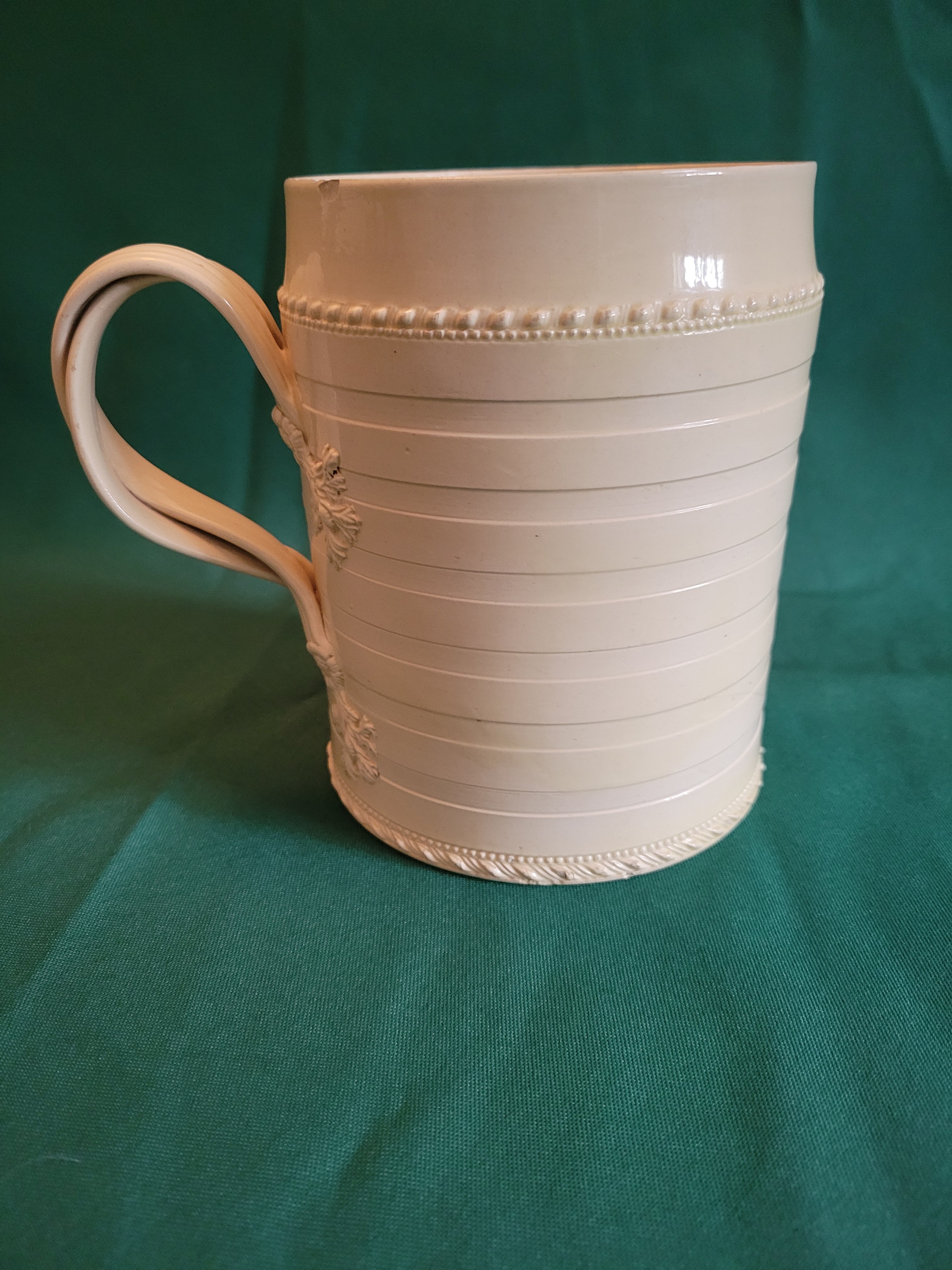
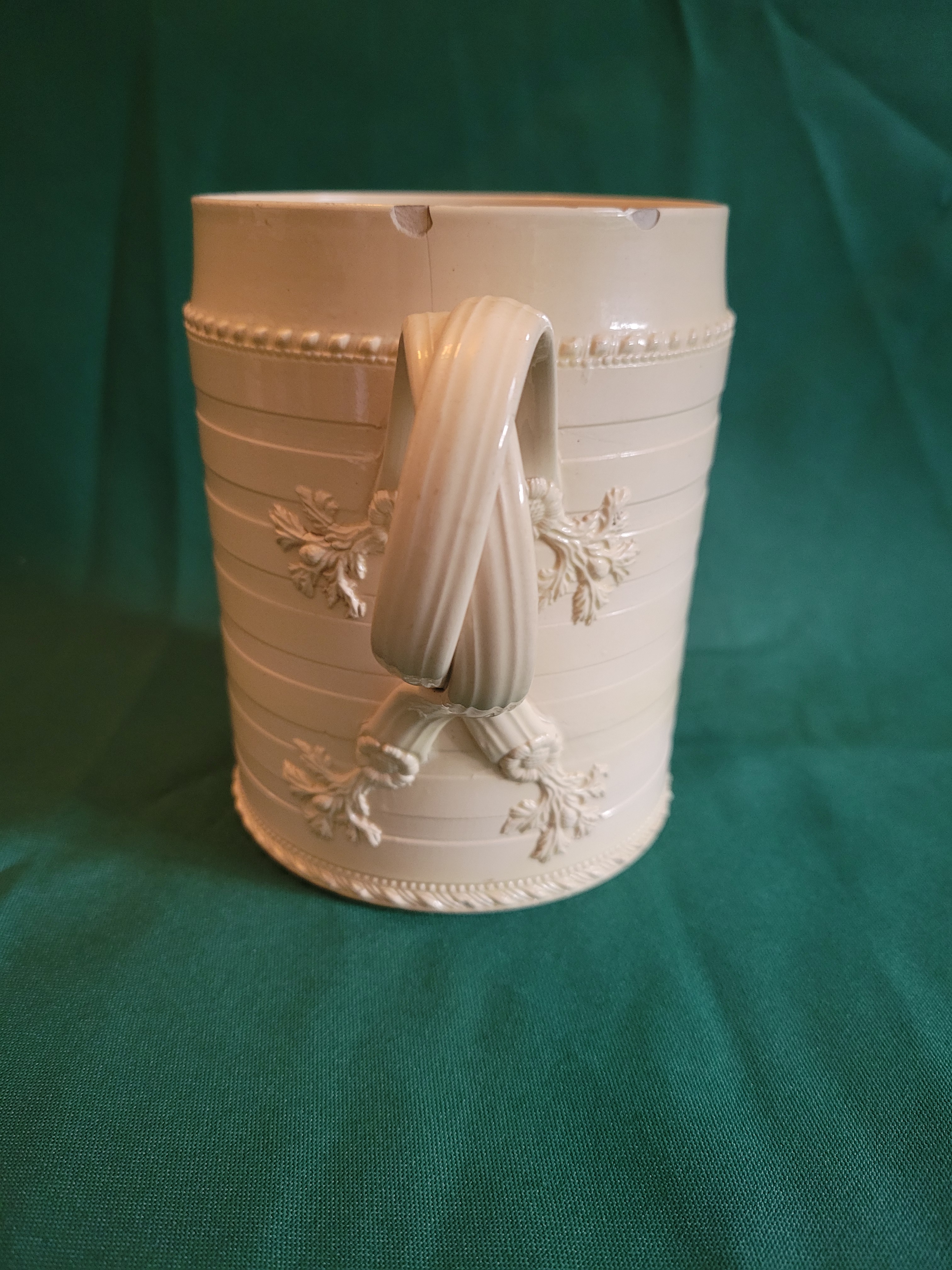
Creamware tankard with strawberry terminals and twisted reeded handles, ca. 1750-1800Creamware tankard with strawberry terminals and twisted reeded handles, ca. 1750-1800Creamware jug with strawberry terminals and twisted reed handles; face below the spout of the jug. ca. 1750-1800 Creamware sauceboat with curved handle which terminate with strawberry flowers. Moulded detail finials
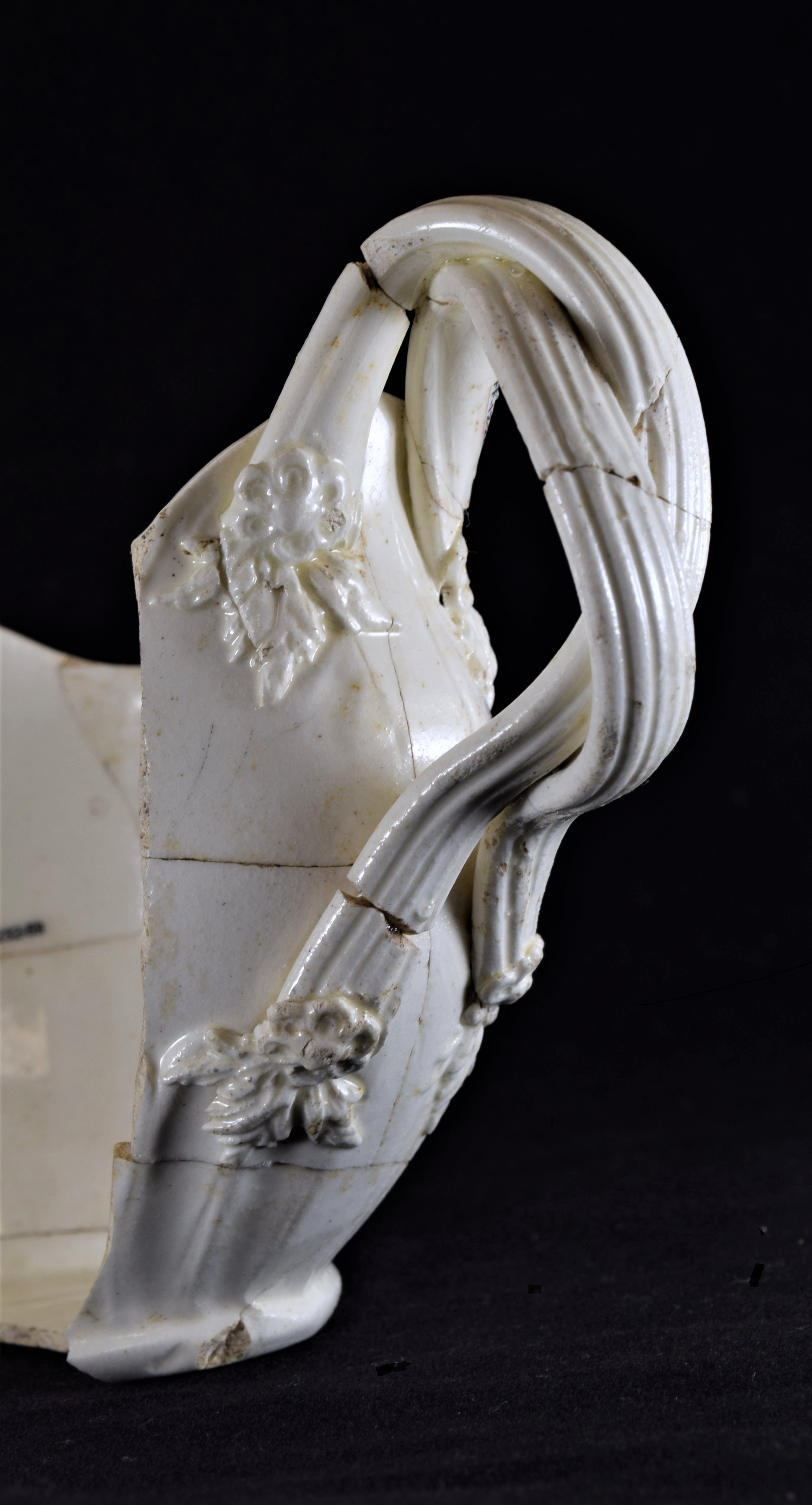
Three of our acquisitions are a type of English ceramic called ‘creamware,’ which was invented in the early 1760’s and was very popular with George’s mother, Mary. Both this lovely pitcher and mug exhibit decorative elements represented by our excavated ceramics. Most prominent are the elegantly curved handles that terminate in delicate strawberry flowers. At least two vessels with these types of handles have been recovered at Ferry Farm. The first is a highly decorative creamware sauce boat and the second a petite teacup, both of which were considered quite fashionable for the time. The jug and teacup also share a common form of decoration called a ‘beaded rim.’
Creamware jug with strawberry terminals and twisted reed handles; face below the spout of the jug, ca. 1750-1800Creamware jug with strawberry terminals and twisted reed handles; face below the spout of the jug. ca. 1750-1800Creamware sherd with “beaded rim”Creamware teacup sherd with “beaded rim”
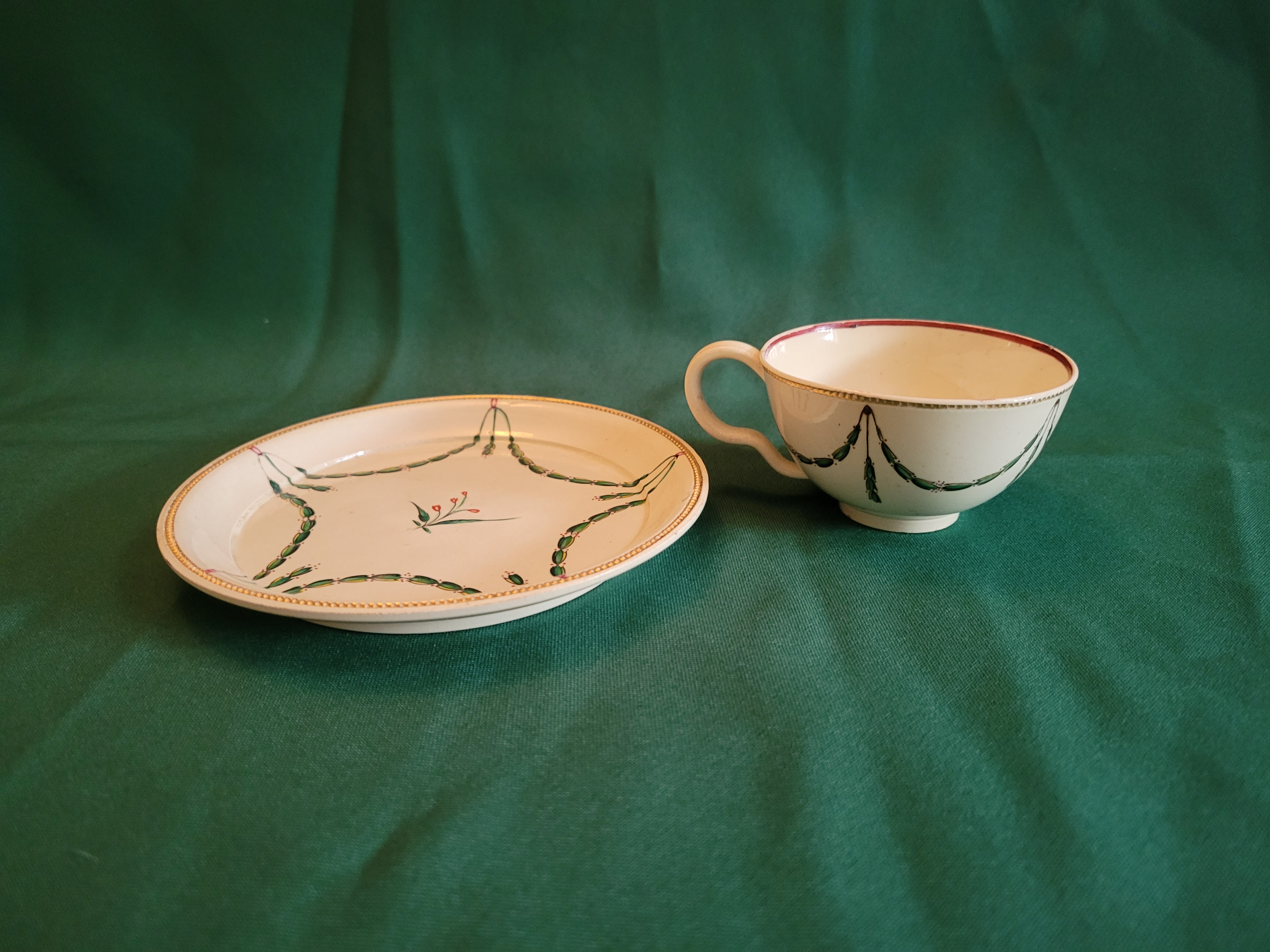
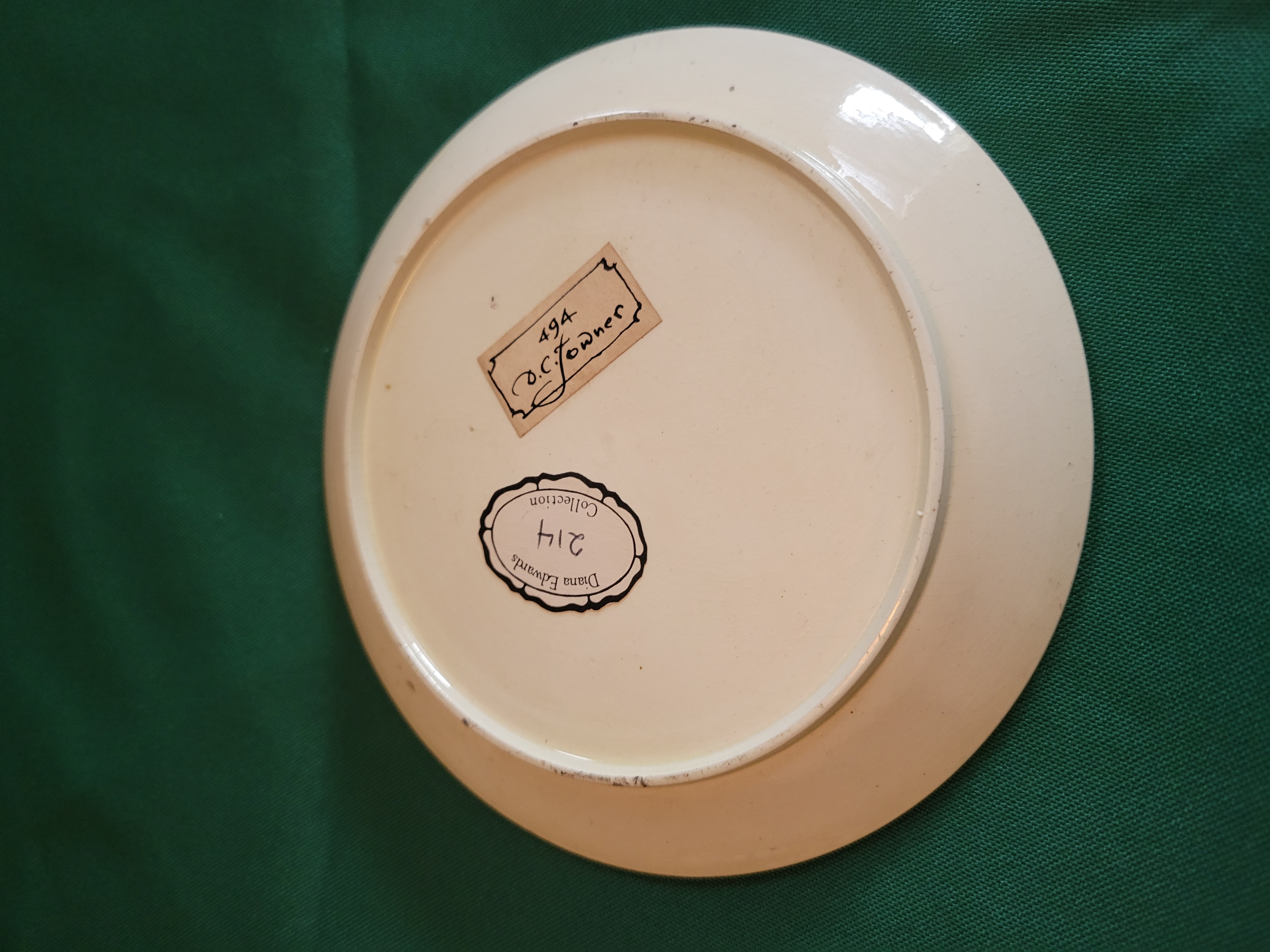
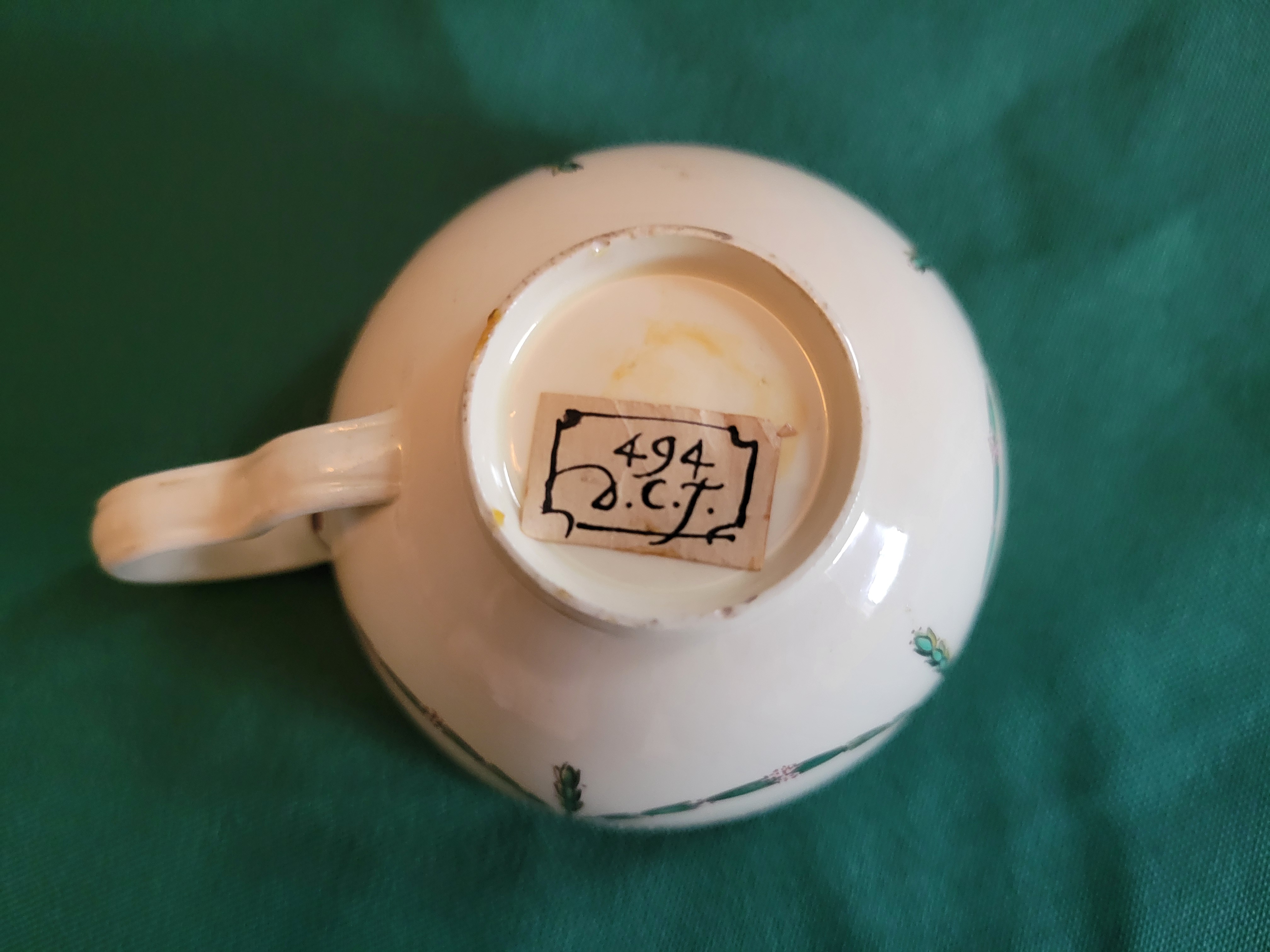
Another teacup owned by Mary was this beautiful piece hand-painted with a detailed swag motif. But from the sherds it’s difficult to really appreciate how graceful this decoration is. Luckily, our curators hunted down a similar cup and saucer with the same decoration, which is unusual. The saucer also features a beaded rim that has been filled in with gold gilding, although we believe the gold to be a later addition to the piece. The cup and saucer also have handwritten tags affixed to the bases which indicate they had the distinction of having been in the collection of a well-known (at least to ceramics geeks like yours truly) collector of creamware. This man by the name of Donald Towner had written extensively on the topic of English ceramics and over his career had amassed a large study collection, of which this was one. His book on the Leeds Pottery in England features a catalogue from the pottery that includes many of the decorative elements and shapes discussed above (Towner, 1965).
English Creamware Cup and Saucer, ca. 1775-1780English Creamware Saucer, ca. 1775-1780. Formerly in Donald Tower Collection, 1968, A Belton, 1988 and Diana Edwards MurnaghanTeacup from Donald Towner Collection, 1968.Teacup sherd with swag motif
But my favorite is this delightfully potbellied creamer with three legs featuring lion’s heads and paws for feet. The ceramic type in question is called Whieldon and started to come on the market in England around 1749. Of note is the raised molded leaf decoration which resembles one sherd from our collection. While we may never know the exact type of vessel our leaf came from, the complete creamer gives one a better idea of how the decoration was placed and looked. Mary’s choice of ceramics played a large part in emphasizing her and her children’s place among the Virginia Gentry and we’re very pleased to have some whole examples now to help illustrate to visitors just how lovely some of these dishes were!
Whieldon ware sherd, ca. 1740-1770Staffordshire Mottled Creamware Milk Jug, c. 1755-1765Staffordshire Mottled Creamware Milk Jug, c. 1755-1765
Mara Kaktins, Archaeologist & Lab Manager
Bibliography
Towner, Donald. The Leeds Pottery, 1965. Taplinger Publishing Co., Inc., New York.
Thanksgiving is next week, and families and friends across the United States will gather again to celebrate the past year’s blessings.
Days for giving thanks have been proclaimed throughout history for many reasons – most often to celebrate a bountiful summer or fall harvest, the end of a war, or even the beginning of a new nation. George Washington proclaimed a one-time day of Thanksgiving on Thursday, November 26, 1789, “to be devoted by the People of these States to the service of that great and glorious Being, … for the civil and religious liberty with which we are blessed, and the means we have of acquiring and diffusing useful knowledge; and in general for all the great and various favors which he hath been pleased to confer upon us.”.
The 1769 Thanksgiving Day Proclamation by George Washington
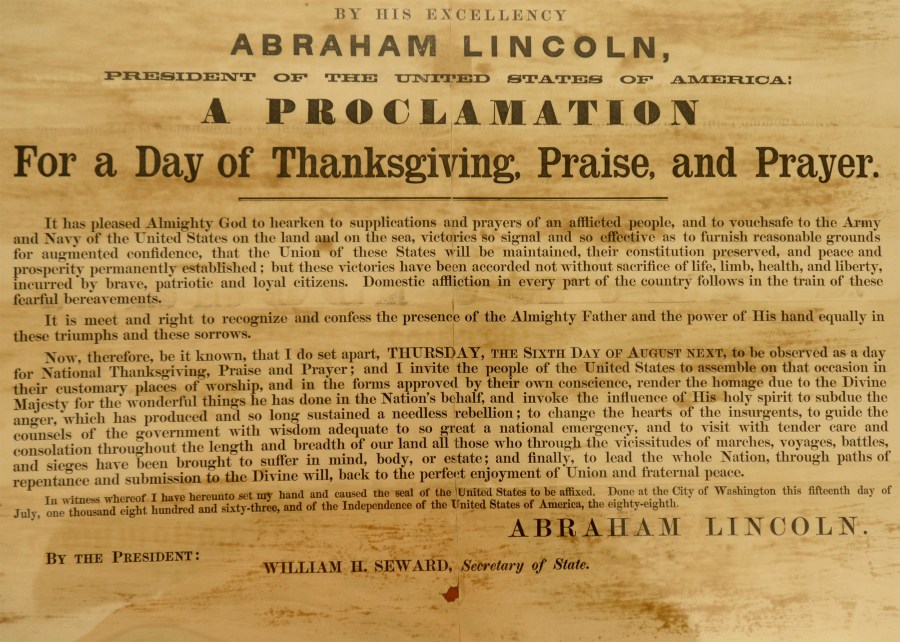
Individual states have proclaimed specific Thanksgiving days throughout the nation’s early years. Still, it wasn’t until 1863 when President Abraham Lincoln issued a proclamation designating the last Thursday of November “as a day of Thanksgiving” to be observed by all “fellow citizens in every part of the United States.” The nation was still suffering through the Civil War. Lincoln included a remembrance of “all those who have become widows, orphans, mourners or sufferers in the lamentable civil strife in which we are unavoidably engaged, and fervently implore the interposition of the Almighty Hand to heal the wounds of the nation and to restore it as soon as may be consistent with the Divine purposes to the full enjoyment of peace, harmony, tranquillity, and Union.”
1863 Thanksgiving Day Proclamation by President Abraham Lincoln
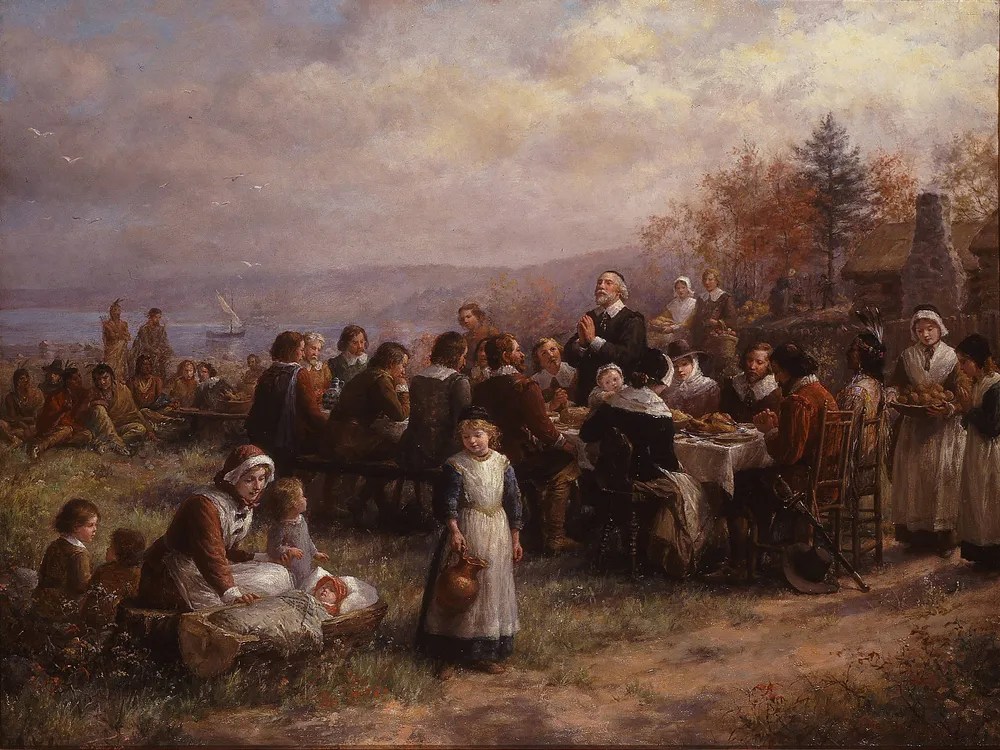
As the traditional vision of Thanksgiving is based upon the 1621 New England harvest feast shared by the Pilgrims of Plymouth, Massachusetts, and their new friends, the Wampanoag tribe, the November holiday is associated with an abundance and display of fall harvest foods. A table laden with a wide spread of traditional foodstuffs is the norm, but what’s underneath all that food is what I’m interested in!
Jennie Brownscombe’s 1925 very idealized version of the first Thanksgiving
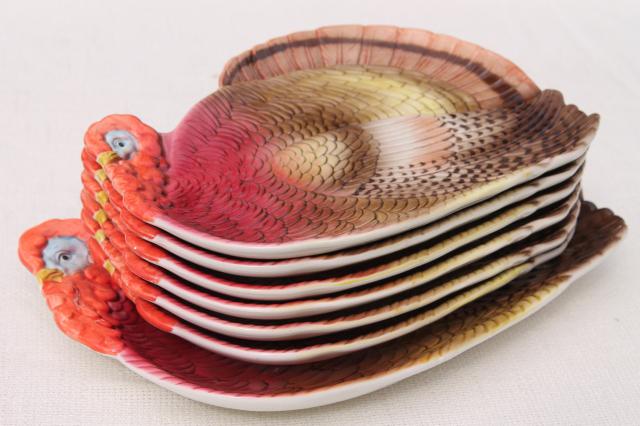
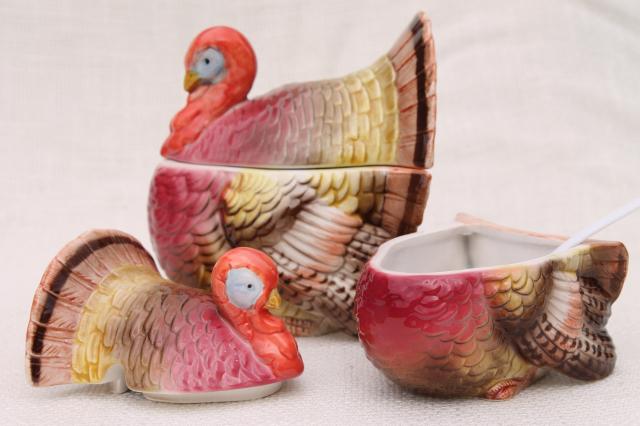
Our best china! Sometimes, it’s Grandma’s china, brought out of the basement, dusted, and cleaned off for the occasion. Other times, it’s our wedding china, if you are of that generation that still wants or received wedding china. Other times, it’s unique dishes made and decorated for the occasion (think turkey-shaped plates!). Dinner plates, salad and butter plates, serving platters and bowls, condiment vessels, punch bowls, sauceboats for the gravy, dessert plates, tea, and coffee services, crustal wine glasses – the variety can be tremendous, and the different table wares are utilized to display and serve specific foods and finished dishes.
Turkey Plate if that’s your thing.Turkey shaped gravy boat and cranberry sauce dish…an absolute necessity on a Thanksgiving table
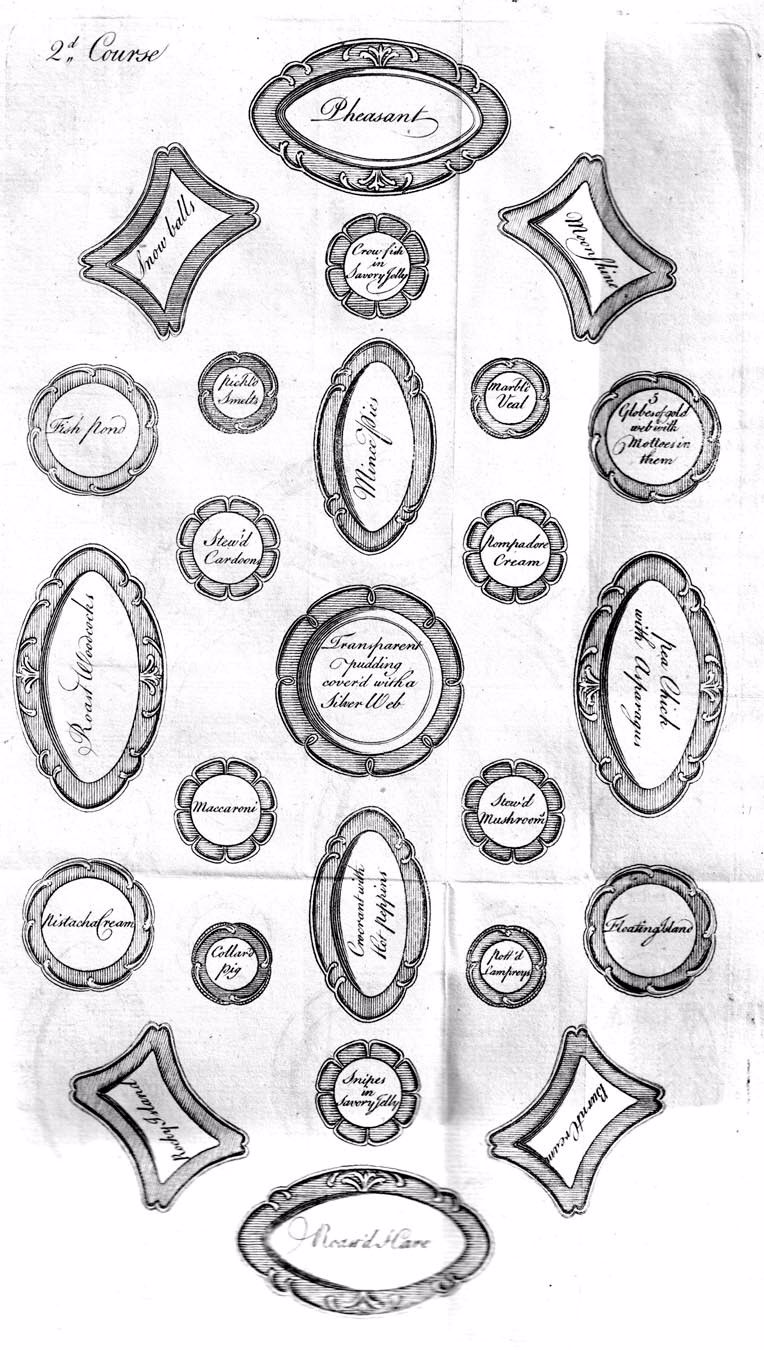
Mary Washington, as a member of the gentry class in Colonial Virginia, would have been well-versed in setting a stylish dinner table for family and guests. Formal dining habits during the 18th century slowly evolved to dinners consisting of multiple courses of food prepared and served in a more elaborate and complicated fashion. Cookbooks of the age detailed the possible menus for different seasons and even produced drawings of how each course’s dishes were laid out on the table. Elizabeth Rafferty’s 1769 The Experienced English Housekeeperincludes a copperplate drawing illustrating one such arrangement for the second course of a dinner. Hours could be spent looking up how some of her dishes were prepared, such as “Pistacha Cream,” “Potted Lampreys,” or “Transparent Pudding Covered With a Silver Web.”
Second course dinner layout from The Experienced English Housekeeper, 1769
Fragments of highly specialized ceramics excavated at Ferry Farm, the plantation Mary called home for much of her life, speak to her efforts to set a stylish table for guests. Numerous highly decorated (molded or painted) creamware vessels, including sauceboats, plates, platters, oval and round serving bowls, condiment bowls, casters, serving spoons, and tea wares, are in our collection and speak to the refinement of her table. Porcelain was the most desirous of tablewares, but its sheer expense was prohibitive for Mary except for limited items, such as teawares. Creamware, however, was within her budget and was extremely fashionable during the third quarter of the eighteenth century in English society.
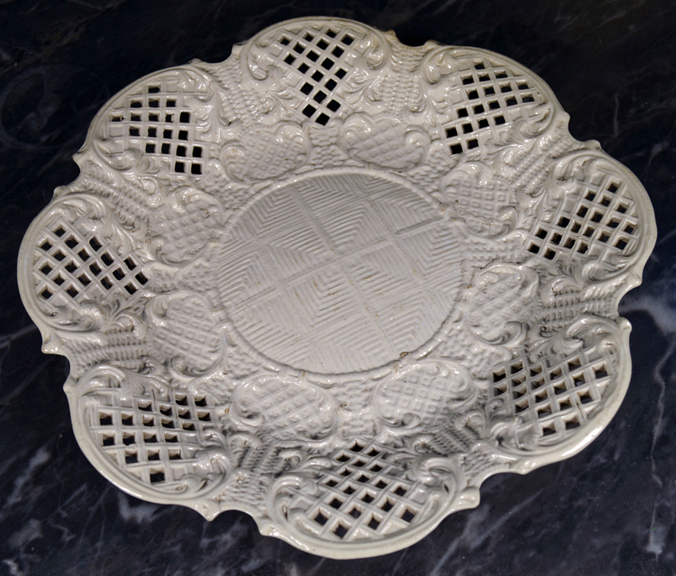
Mary also had a fancy white salt-glazed stoneware fruit dish in her collection. This dish, and possibly an accompanying pierced bowl, would serve local and non-local produce such as grapes, figs, oranges, pineapples, apples, peaches, and pears. Fresh fruit, especially during off-season times, was expensive as it had to be shipped in from warmer climates. However, its presence on the table indicated a measure of wealth and, consequently, status within the gentry lifestyle. Mary needed to maintain her gentry status for herself, but more importantly, for her children and their future success in the stratified society in which they lived.
Dish, 1760-1775 in Kenmore Collection
Fragments of a white salt-glazed fruit dish excavated at Ferry Farm
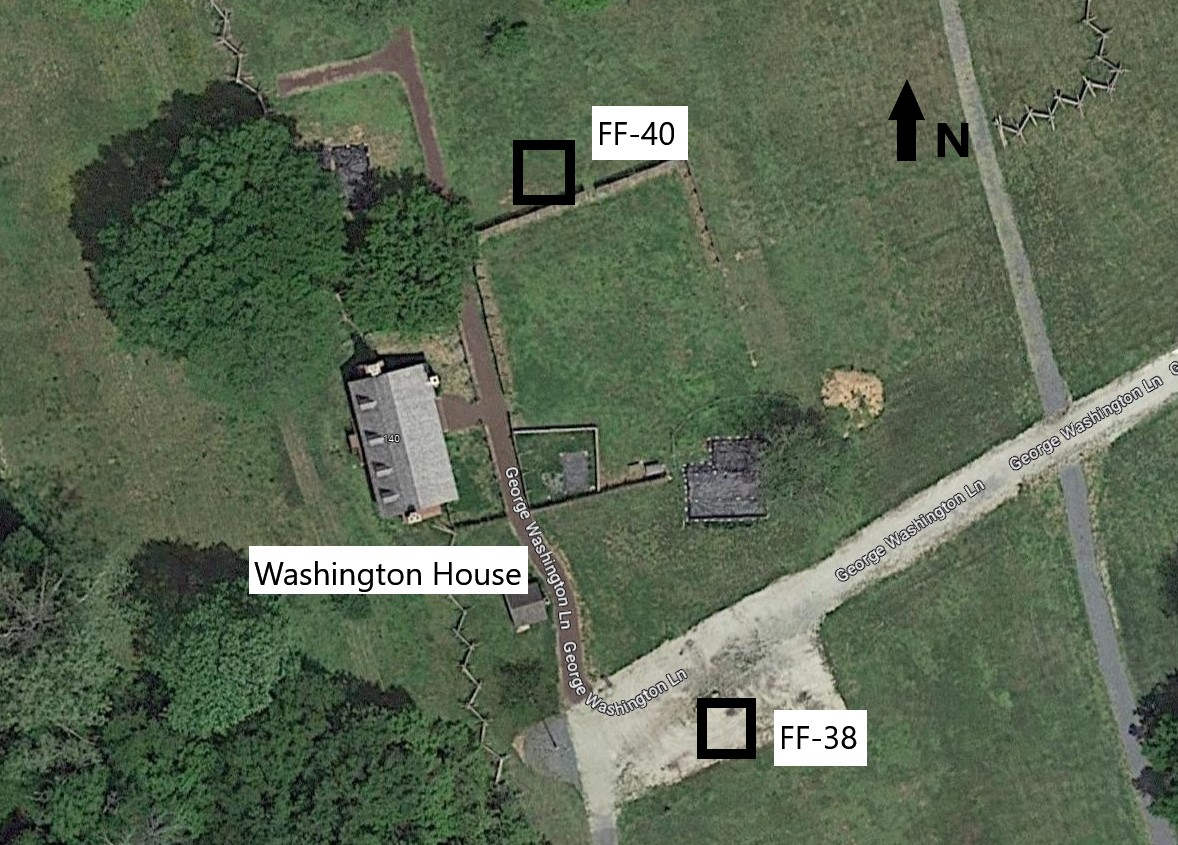
It’s that time again! As we welcome Fall and the beautiful cool weather it brings, let’s take a look back at our Summer 2023 dig season here at Ferry Farm, George Washington’s Boyhood Home. This year’s dig actually involved excavating two separate areas, designated FF-38 and FF-40, within the historic area.
Location of the archaeological projects FF-38 and FF-40 at Ferry Farm.
Project FF-38
The FF-38 area contained a large, dark, soil stain that was discovered by accident during the monitoring of a utility trench in 2016. Only a portion of this feature was visible at that time as it continued beneath the south wall of the trench. We had clues as to the approximate date of this partially-exposed feature, but we still needed to fully uncover the entire feature to establish its total dimensions and determine its age, function, and how it relates to the surrounding landscape.
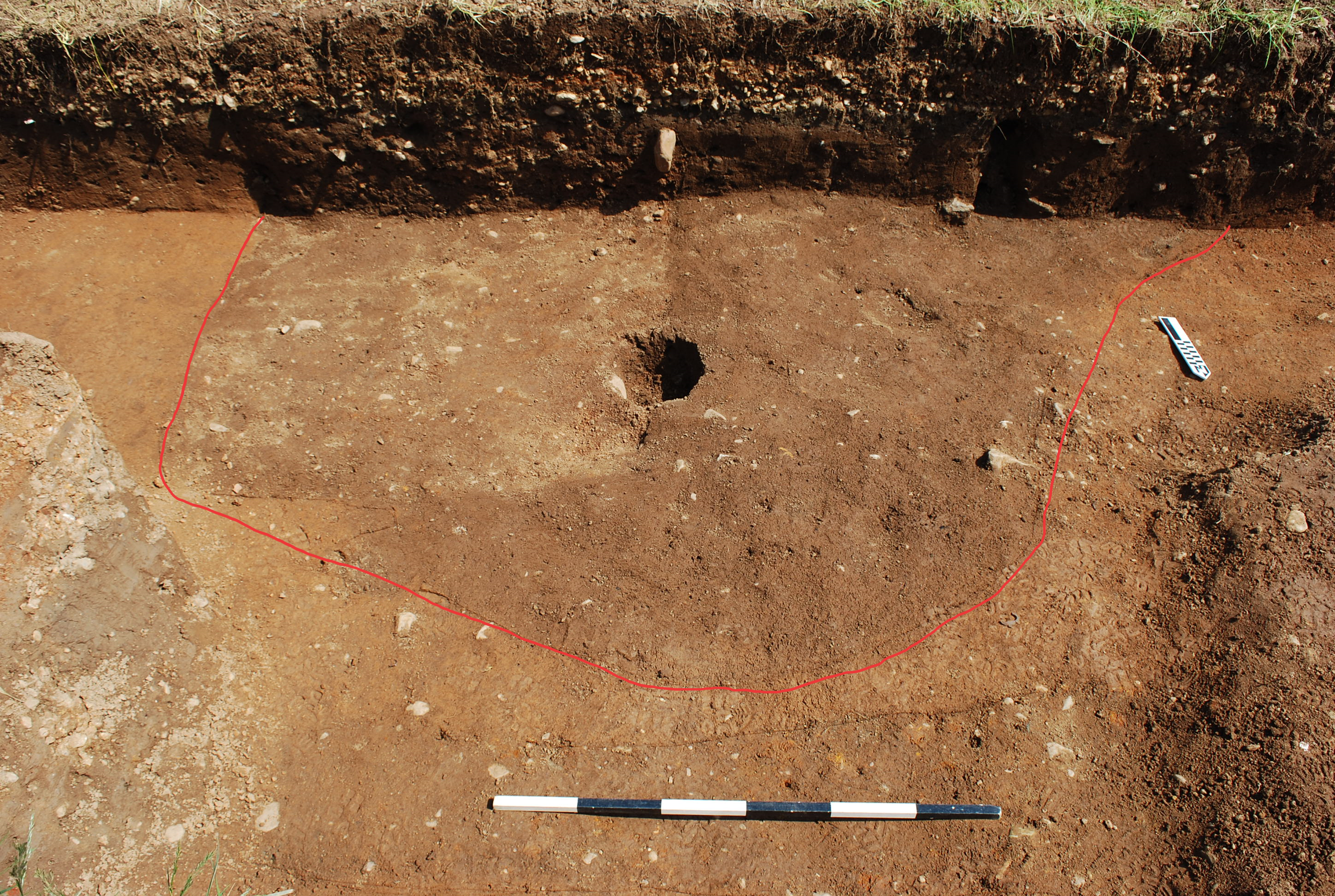
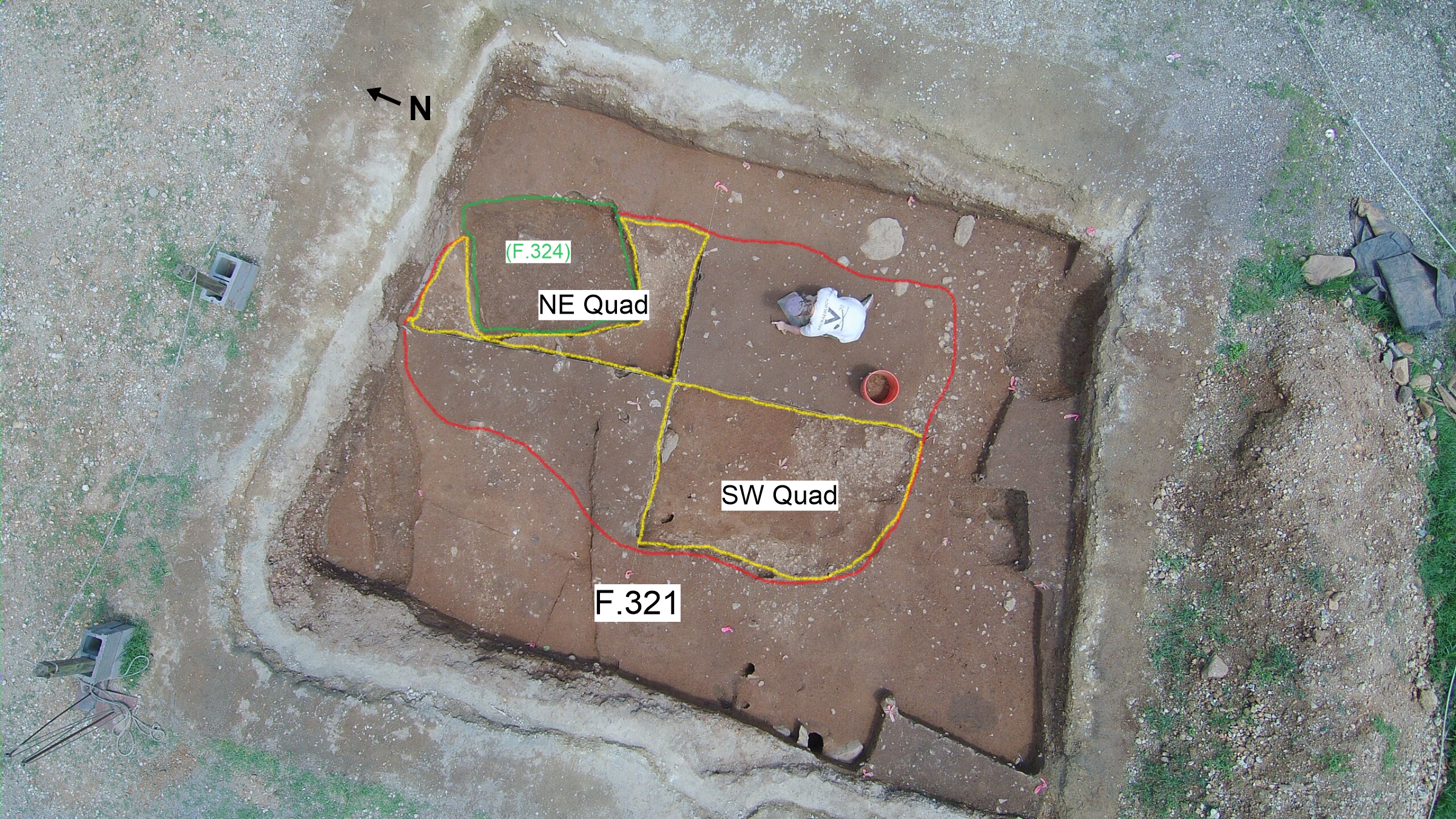
F.321 as seen in 2016 within the utility trench. Only the northern portion of the feature was exposed at this time. F.321 is outlined in red, and is intruded by a square, lighter-colored 19th-century feature (F. 324).
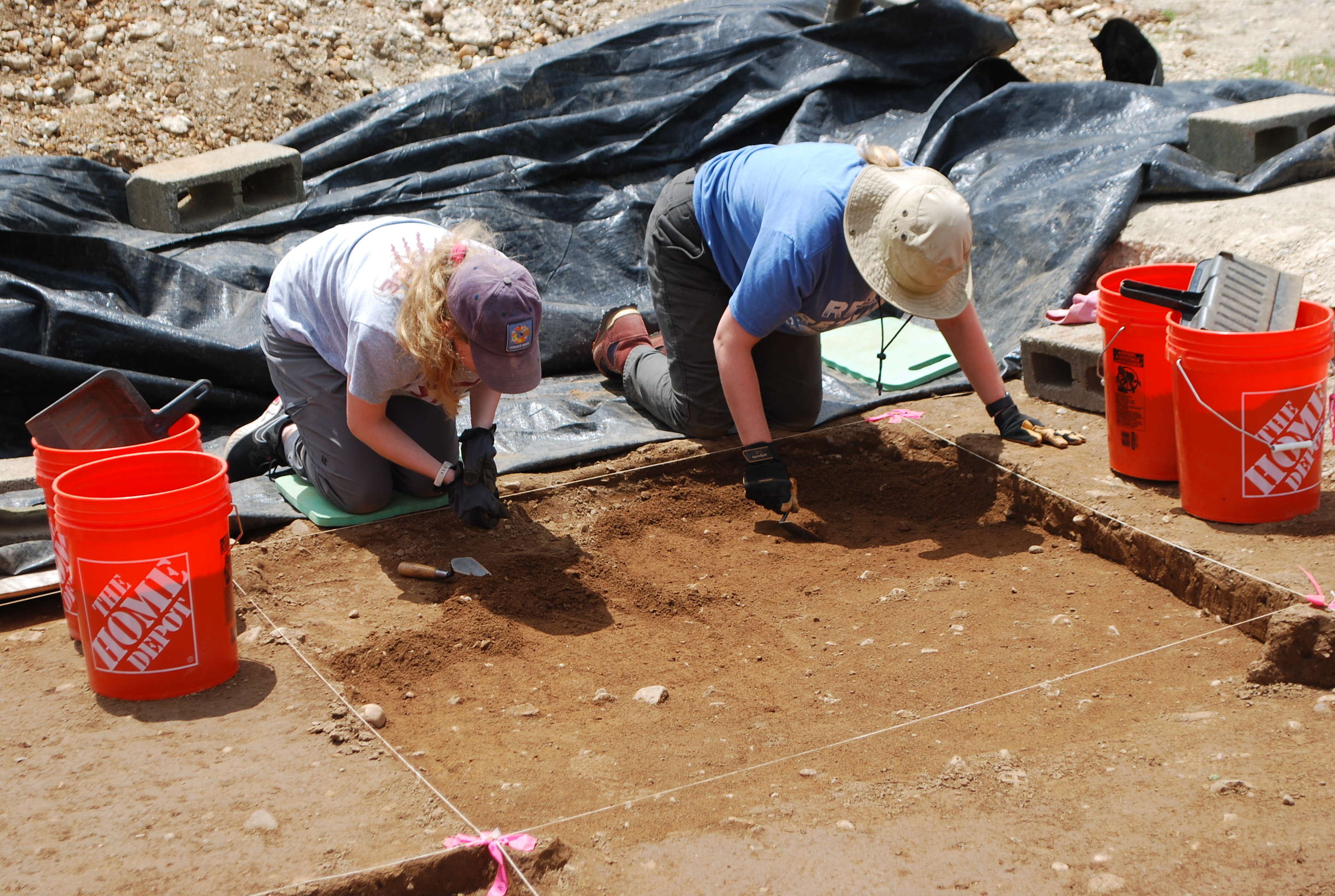
Our excavation began by the machine removal of two modern layers of gravel that overlay a thick 19th-century layer of plowed soil. The excavation area measured approximately 16 ft. by 20 ft. Our crew of archaeologists then slowly excavated down through the plowed layer until we could identify the boundaries of Feature 321. Fully uncovered, the exciting discoveries began.
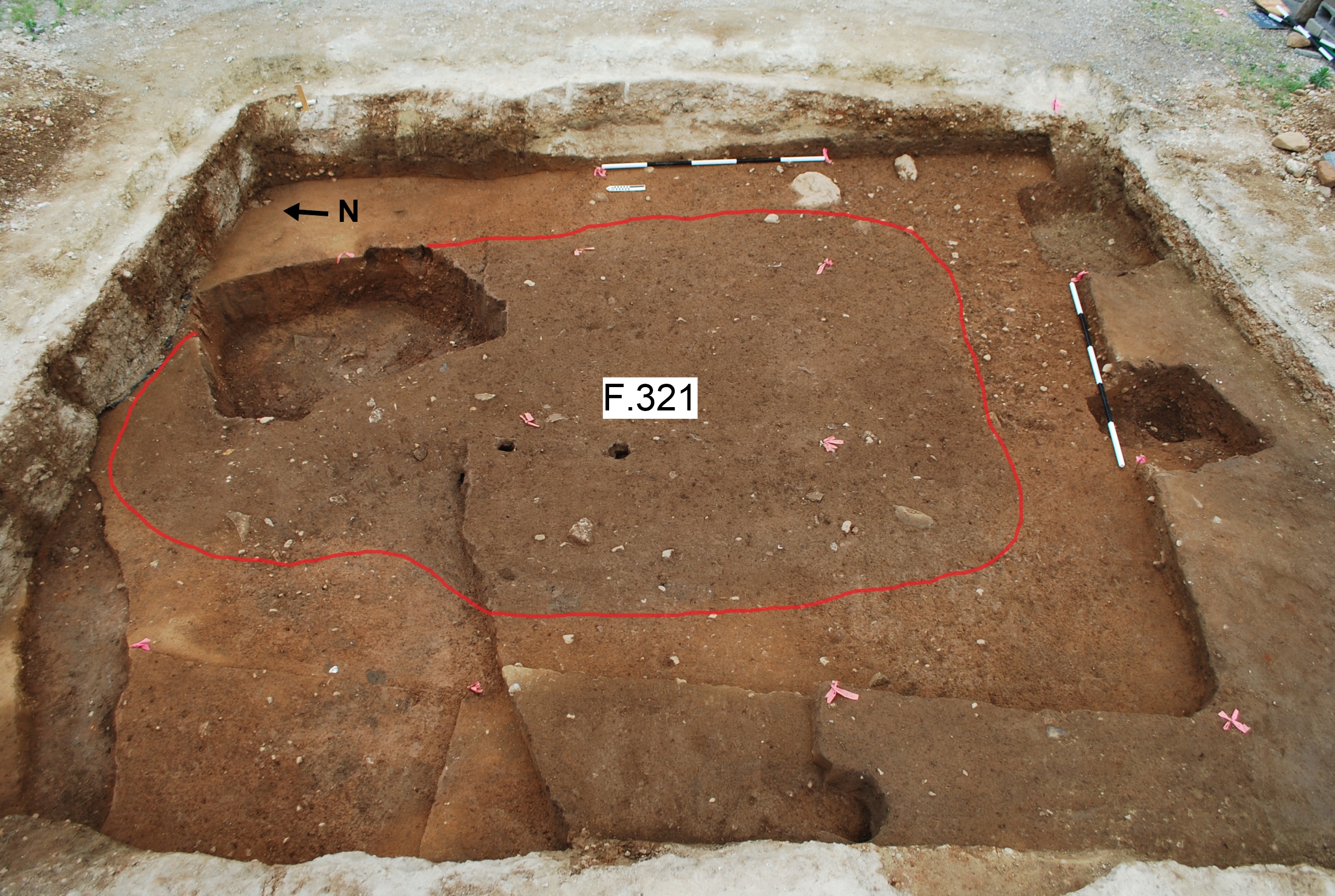
First and foremost, we discovered the feature was much bigger than originally thought! What initially appeared in 2016 to be a 5’x7’ roundish feature turned out to be the northern tip of a large rectangle measuring 10’ by 16’. The size and shape alone of the feature shifted our interpretation from a small pit to something larger.
F.321 fully exposed before excavation (outlined in red). The intrusive feature, F. 324, has been partially dug out at the north end of the site.
Feature 321 was divided into four sections and our crew excavated both southwest and northeast quadrants. This excavation approach allowed us to determine that the feature was roughly 1’ deep at the center, with gently sloping sides, and filled with successive layers of soil and ash-filled deposits. These soil layers provided us with an awesome mix of artifacts which were used to nail down the feature’s end date to the middle of the 18th century. But establishing a date is only part of the process: artifacts can further help us identify the function of the feature as well.
F.321 after the southwest and northeast quadrants were excavated. Intrusive Feature 324 is outlined in green.
That being said, we are still unsure of what this feature actually is. Here is what we know so far. There is no hearth of chimney remains. Lack of a fireplace suggests it wasn’t a domestic dwelling, but it could be another type of plantation outbuilding, such as a storage building, shed, or barn. The edges are almost vertical, and the floor is relatively flat. There is no silt so the pit was covered while it was open. It is too regular to be a quarry pit used to harvest clay as a building material.
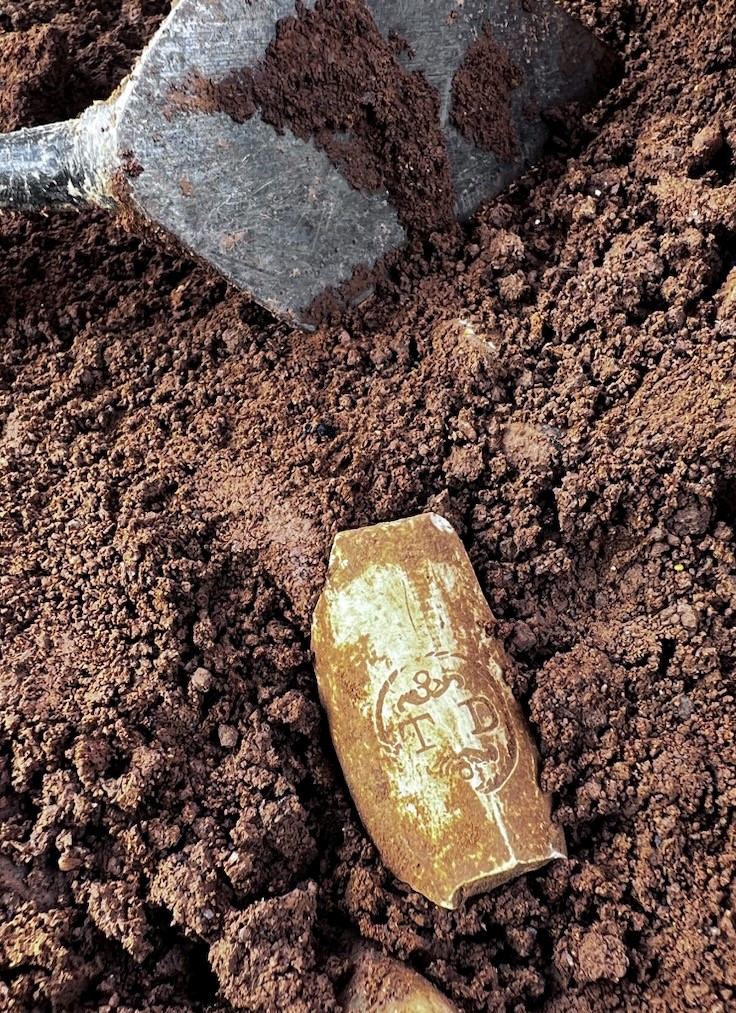
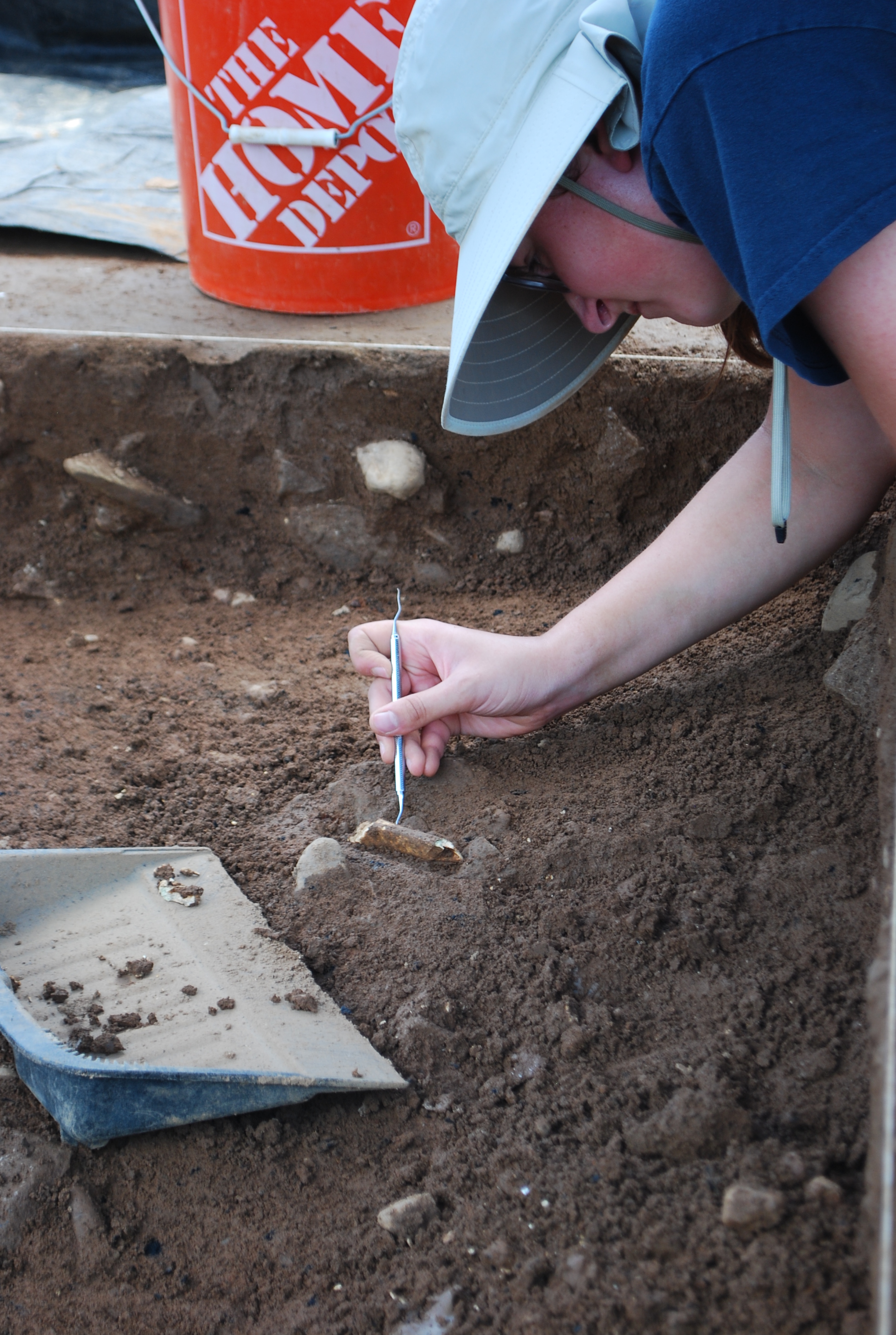
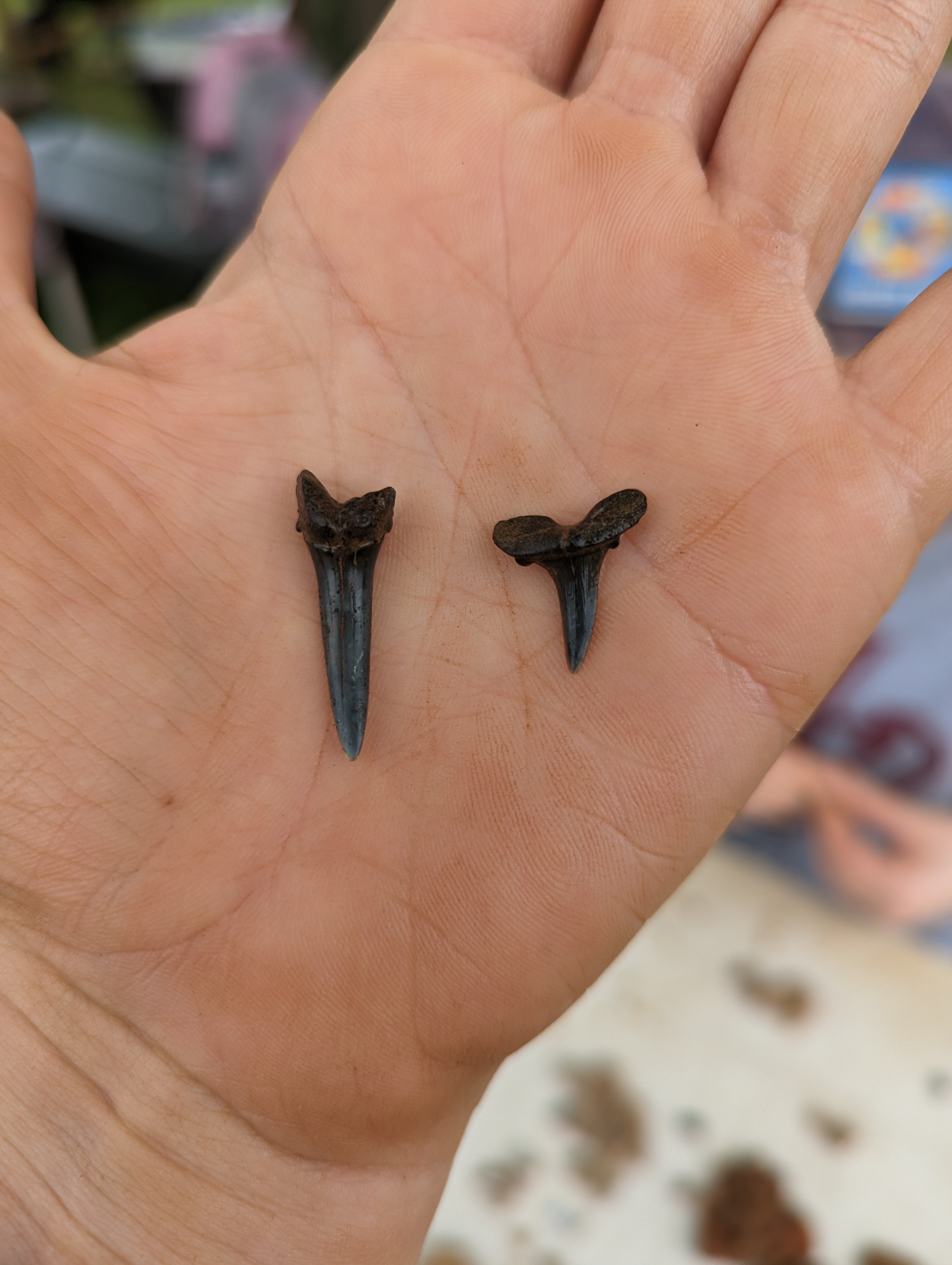
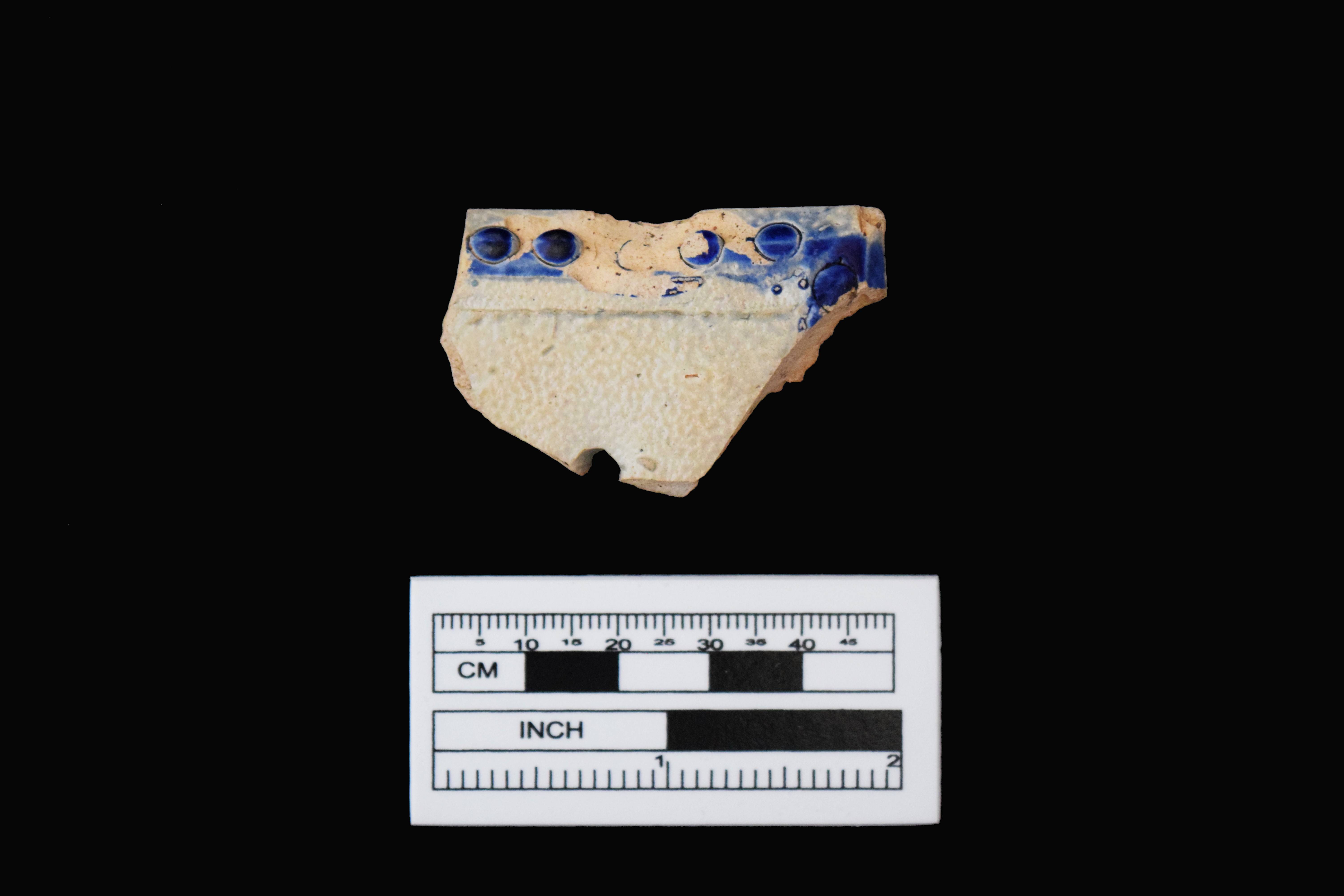
Even though we are still in the early days of analyzing the artifacts, that doesn’t mean we can’t talk about a few great things we found. This feature had a little bit of everything: personal items, food-related items, architectural debris, domestic items, etc. The crowning glory of the excavation (in our humble opinion) would have to be the complete pipe bowl that was stamped with a maker’s mark that featured the letters “TD.” Other exciting finds include a clipped Spanish coin, sherds to a Westerwald ink well, shark teeth, and prehistoric pottery, just to name a few. This feature also contained a layer of ash that preserved delicate artifacts such as bone, fish scales, and straight pins – items that often don’t survive in the archaeological record.
So what does this all mean? Well, this means that we will definitely be returning to the FF-38 site next season. While we have gathered a lot of information during this dig, there is still much left to find. Expanding our excavation beyond the limits of the feature and excavating one of the remaining two quadrants will help us interpret the feature’s function and how it relates to the 18th-century farm landscape of the Washington family.
FF-40
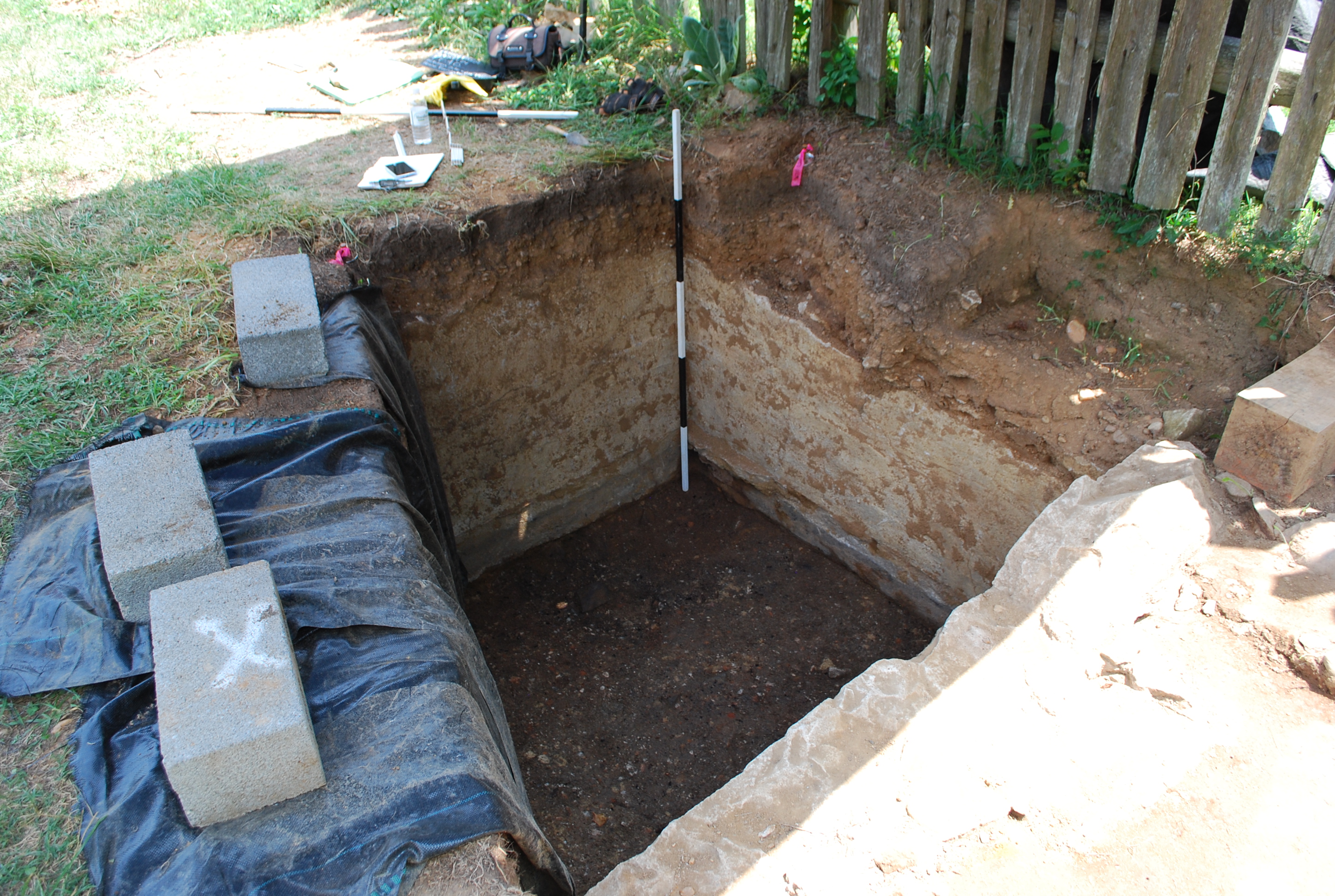
Wait, that’s not all for this year’s dig. Don’t forget that we had two excavation areas this year. Our second area was FF-40, which was the remains of an 18th century kitchen had experienced an intense fire. This kitchen was partially excavated in the 1990s, so this year’s excavation had more of an exploratory excavation designed to help us establish a game plan for future excavation. We knew the kitchen remains were below the foundations of two later farmhouses, and that the foundation walls of these farmhouses were still extant. Additionally, the interior of the foundations was filled with sand to protect the kitchen site. Our excavations confirmed the location of the farmhouse foundations and the existence of a protective layer of sand! Once our crew were able to get through this sandy fill, a quick clean of the kitchen fill uncovered artifacts that were absolutely toasty. Okay, toasty isn’t a technical term, but the artifacts showed evidence of a fire that burned at extremely high temperatures. This included a high number of architectural artifacts as well as charred ceramics and melted glass. Findings from this year will help guide the excavation in the future.
The burned kitchen site is located beneath these concrete house foundations dating to 1914. This picture was taken after protective sand fill was removed within the excavation unit.
Phew, that was a lot! That sums up our 12-week dig season. We answered a lot of our initial questions and found many more questions to investigate. Archaeologists will be in the lab the rest of the year processing artifacts, researching our findings, planning next season’s dig, and enjoying the A/C. Stop by the lab in the Visitor’s Center and take a peek at what’s happening. See you all in the field next May!
A pest is a broad term for any organism that spreads disease, causes destruction, or is generally a nuisance. In the 21st century, we still constantly battle pests from squirrels who chew through your internet cables or spiders who set up house in the high corner of the ceiling, watching and judging you to evil mosquitoes that ruin outdoor activities and leave you with itchy red welts that no amount of calamine lotion will help. It is a fight as old as time.
I wanted to investigate one pest in particular: rodents. Why were mice and rats present in colonial homes? Why this was an issue? What were some of the methods the Washington’s would have used to combat these furry creatures? And how we know without a doubt that Kenmore and Mount Vernon had rodent tenants.
The Suspects
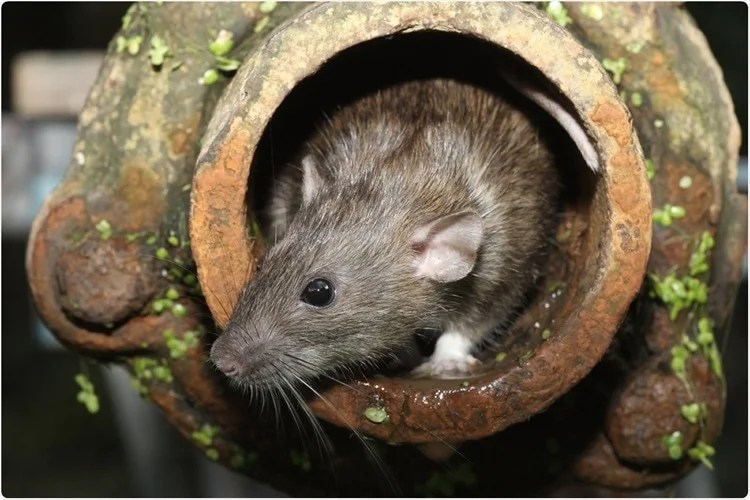
House MouseBlack Rat aka Roof RatsBrown Rat aka Sewer Rat
The house mouse, or Mus Musculus, originating on the Asian and Indian subcontinent, has become the most successful invasive species in recent history. [1] They arrived in this country with the trading ships and settlers that came to the New World in the 16th century. [2][3]
Similarly, the black rat, aka roof rat, boarded ships for their westward journey around the same time as the seafaring mouse. [4] Their presence is noted by the residents of Jamestown in November of 1608, stating, “When the shippes departed al the provision of the store but that the President had gotten was so rotten with the last somers rain, and eaten with rats and wormes” [5] The notorious brown rat or sewer rat, who seems to currently enjoy the cities of Chicago, Los Angeles, and New York, arrived a little later than their brethren setting foot in the new country around the 1750s.[6]
America, the land of plenty…of garbage
There is no nice way to say it, but living in colonial America was usually gross. Housing wasn’t always the greatest, sometimes being very rudimentary. Food storage was typically simple and easily accessible. But one of the biggest problems (or benefits if you are a rodent) was the lack of systematic waste disposal. [7][8] Garbage (including human waste) was a personal problem often solved by opening the window and chucking out.
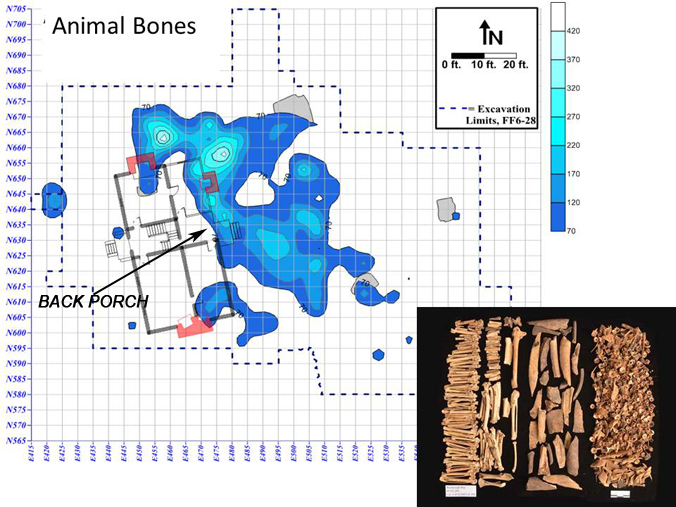
We have abundant archeological information from Ferry Farm and Kenmore that supports these habits. A large part of Ferry Farm has been excavated over the decades, leaving clear evidence that the Washington family and their enslaved workers disposed of waste right in the backyard…off the porch. Large amounts of artifacts were discovered and mapped, showing the proximity to the house, meaning the garbage was close, and rodents love trash.
Map showing the concentration of animal bones excavated from the midden at the rear of the Washington house at Ferry Farm.
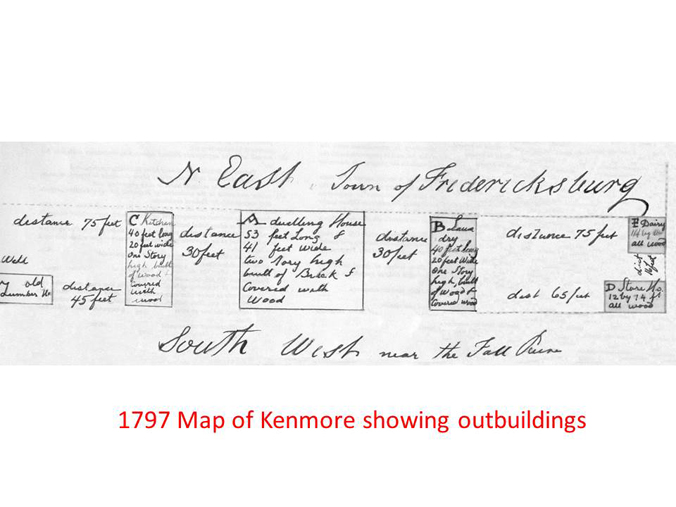
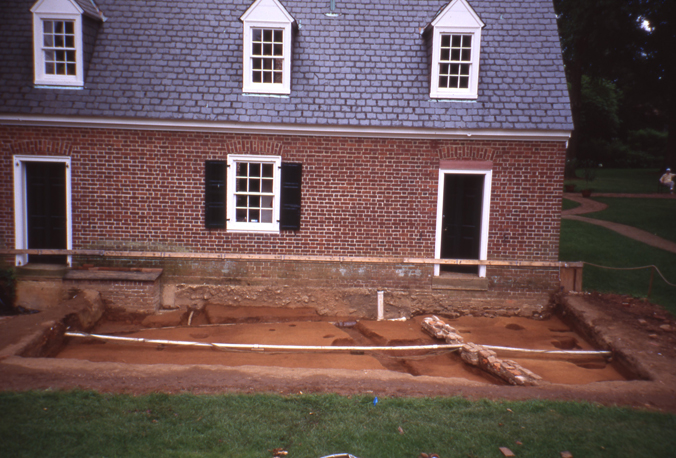
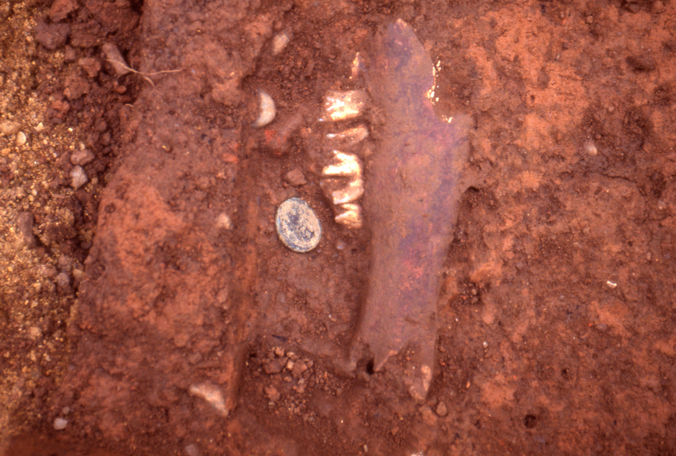
At Kenmore, the garbage situation seemed to be a little more regulated because the grounds and buildings were planned. The main house was made of brick, surrounded by two wood-built structures containing the kitchen and laundry. During excavations of the kitchen yard (between the house and kitchen), there were minimal artifacts, but a dump site was found west of the kitchen. The location could be accessed by the window or by walking around the side of the building and contained a pig jaw, animal bones, bone-handled knife, and other objects. The kitchen is about 30 feet from the house, with the slave passage doors opening right onto the kitchen yard…plenty close enough for an enterprising rat or mouse.
Bad House-guests
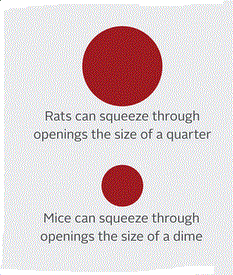
So, why are rodents bad to have in your house? Disease, contamination, destruction, smells, and lots of poop. [9] Rats can squeeze through an opening the size of a quarter. Mice only need the size of a dime…so they will be everywhere in your house and will bring friends. [10] Rats and mice are spreaders of disease from rat-bite fever that spreads through bacteria in the rodent’s saliva, urine, or droppings to the bubonic plague transmitted by the lice hitching a ride on their fluffy friend.[11][12] While today, rodents are relatively low on the list of dangerous disease spreaders in an era of limited medical knowledge and treatments, it could be a matter of life or death.
Contamination and destruction are these creatures’ modus operandi. They get into everything, period. They will eat almost any human food, chewing through any storage system, leaving behind chaos; they have even been known to eat soap and glue. [13] While venturing through the house, they are constantly urinating and pooping, which is smelly, can create mold growth, and should never be consumed. [14] In their quest for food, they often destroy household items, eating books, chewing clothes, gnawing on mattresses, and even nesting in furniture. All of which is not only annoying but expensive to fix or replace. [15][16]
But one of the most offensive things a mouse or rat can do is die in your walls. Take it from Colonel Landon Carter, who had to deal with a rat dying behind his wainscoting, informing everyone, “Wainscoted rooms have their conveniences [inconveniences?] as a dead rat has been stinking behind mine in the hall at least six days and is now intolerable in spite of burning tar…this dead rat stunk prodigiously.” [17]
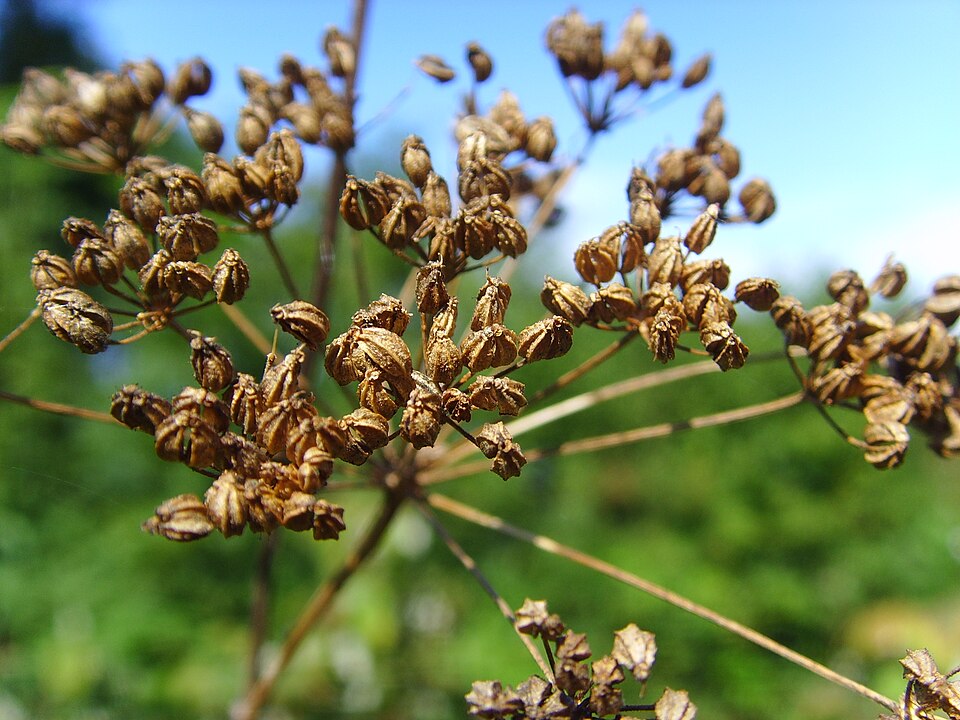
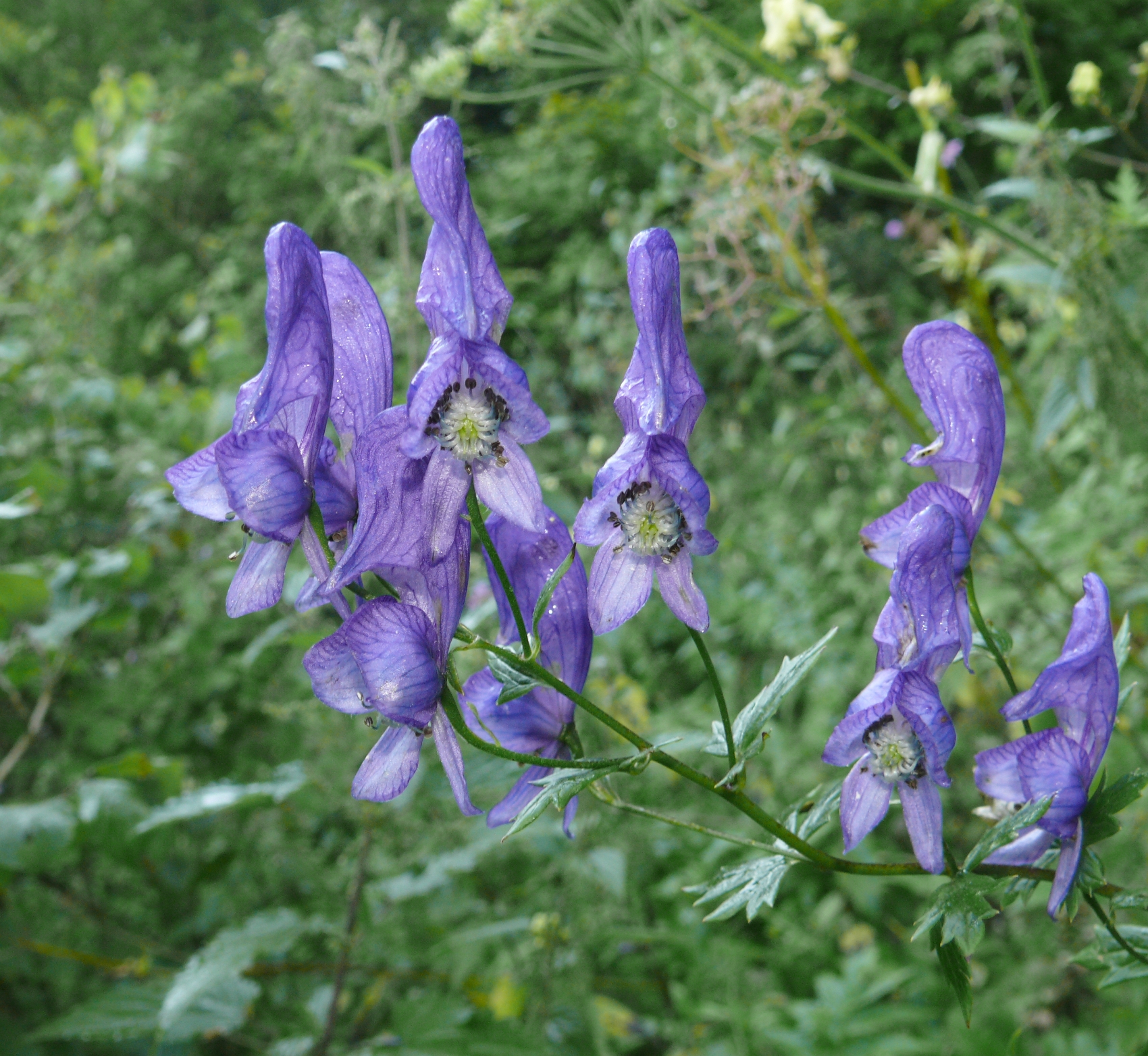
Surprisingly, colonists used many of the same techniques we do today to eliminate these pests. Pesticides or chemical warfare was widespread, with many recommendations and recipes dating back to the 15th century. I found recipes containing helliberry leaves, bitter almonds, “seade of wild cowcumbers,” colluentida, hemlock seed, aconite or wolfsbane, and arsenic.[18] I don’t know many of those ingredients, but apparently, they kill rodents nicely.
Hemlock seed, the notorious plant which was used to execute Socrates for impiety and corruption of the youth.Wolfsbane an extremely poisonous plant that should be handled with care.
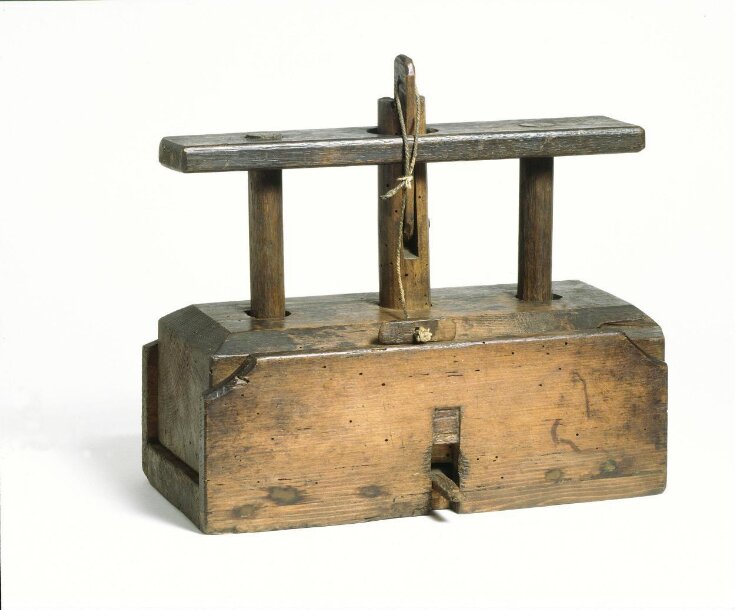
Another method was traps, which are common today. They were pretty popular, and there were many advertisements in the Virginia Gazette from sellers touting that their mouse traps just arrived from England. [19] There are also many instructions for building easy mouse traps like the “deadfall” or “noose” traps, which are as horrible as you imagine. [20][21]
Deadfall mouse trap, c. 1800-1850 Source: V&A Collection
Lastly, one method that is making a comeback is animals, both cats and dogs.[22][23] Cats have been used for ages as rodent killers and are good at their job. [24] A 14th-century manual suggests that if you have problems with vermin, “have as a good supply of cats.”[25] The famous diarist Samuel Pepys wrote in December 1660, “my boy taking a catt home with him from my Lord’s, which Sarah hath given him for my wife, we being much troubled with mice.”[26] There are even modern programs like Barn Buddies that save feral and skittish cats and adopt them out as “rodent control technicians.”[27]
And dogs, mainly terriers, have been used to clear mice and rat infestations for centuries, just like cats. Ever the dog lover, George Washington had terriers at Mount Vernon, which probably helped immensely around the plantation.[28] Today, cities like Chicago and New York use these canines in modern rat hunts.[29] It seems the skills of the terrier will always be in demand.
Little Historians
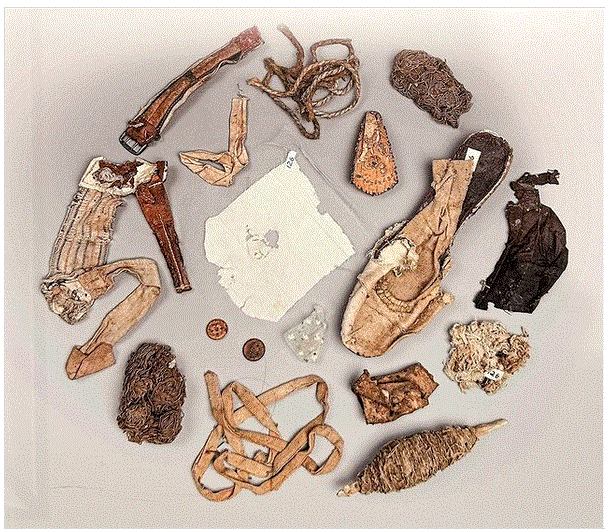
Lastly, how do we, without a doubt, know that there were rodents at Kenmore and Mount Vernon? Rat nests. Rat nests are usually found in walls or under floorboards, and they not only prove these guys resided in the houses as long as the families themselves, but also provide a fascinating historical glimpse into the material lives of the occupants.
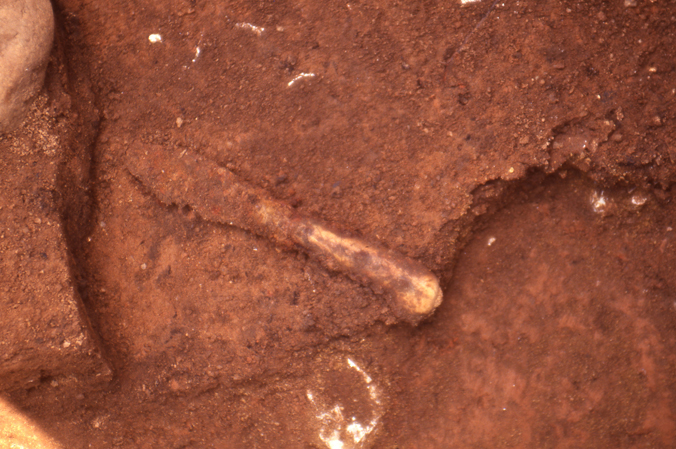
Mount Vernon documented the finding of a rat nest in 1949 behind the wall in Washington’s bedchamber. When dissected, it included buttons, paper, rope, yarn, a whole woman’s shoe, and fabric matching Washington’s bed curtains.[30]
Similarly, in 1989, a rat nest was found in Kenmore while investigating the walls and floorboards. We recently picked apart the bundle to find fabrics, fibers, thread, yarn, newspapers, bones, nutshells, and wood splinters. The remnants in the nest were dated no later than the early 20th century due to dates on newspaper fragments and the absence of plastics.
In conclusion, rats and mice have been a constant annoyance since they first set foot in this country; unfortunately, that is still somewhat true. These enterprising rodents have adopted America as their own and we as fellow citizens must learn to live together despite our often distaste for each other.
Fun Fact – We don’t want to malign rats more than they have been throughout history so we would like to add that rats make good pets. They are quick learners, highly trainable, very clever, and have excellent memories. They are now being trained to detect land mines, diseases like tuberculosis, and even rescue earthquake survivors.
Heather Baldus
Collections Manager
[1] Agwamba, K. D., & Nachman, M. W. (2023). The demographic history of house mice (Mus musculus domesticus) in eastern North America. G3 Genes|Genomes|Genetics, 13(2). https://doi.org/February 2023
[4] Newman, M. H. (2001). The vermin -killers: Pest control in the early Chesapeake [Doctoral Dissertation, Willam & Mary University]. https://scholarworks.wm.edu/etd/1539623387/, pg 111.
[30] Mount Vernon [mount_vernon]. “In 1949, preservation staff removed a rat’s nest from behind a wall in the Washingtons’ bedchamber..”* Instagram, May 19, https://www.instagram.com/p/CsbIc9sOO_2/.
Editor’s Note: As the two-hundred-sixty-ninth anniversary of the skirmish of Jumonville Glen approaches this Sunday, May 28th, some recent and exciting discoveries have occurred at the battlefield. The National Park Service (NPS) released an announcement this week stating that after a four-week archeological investigation, objects have been found to verify the location of the first skirmish, Jumonville Glen, of the French and Indian War. Archeologists found a multitude of artifacts, including several eighteenth-century musket balls.
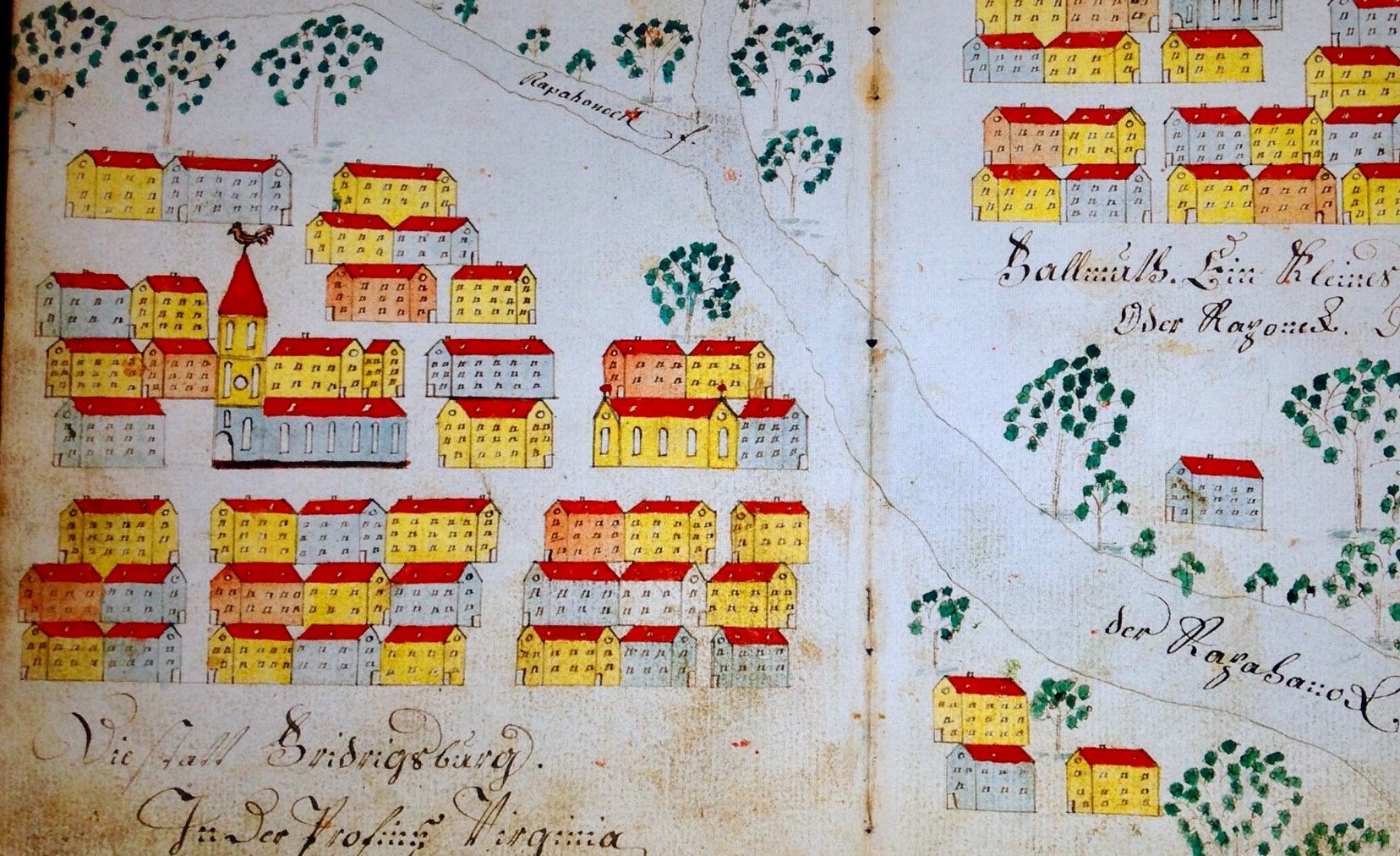
Figure 1. Detail of a highly stylized depiction of Fredericksburg, VA by Fench soldier Georg Daniel Flohr, who visited in 1782. Despite the use of artistic license, the illustration conveys Flohr’s perception of the 18th Century town as a “rather large” port with “intense boat traffic.” Source: Account of the Land and Sea Expedition in America of the Acclaimed DeuxPonts Regiment from 1780 to 1784
Crowding out the fresh spring air of a wooded countryside, the acidic scent of aerosolized gunpowder began to sting the interior of a nervous 22-year-old’s nostrils. His ears rang from the shock of dozens of nearby explosions. Smoke clouded his vision, and sensory overload likely clouded his judgment. Soon-to-be-familiar sounds followed rapidly: scurried movement, intense chatter, and groans of agony. Yet, the inexperienced youth had to make decisions on behalf of the crowd around him. He found himself at the center of a new form of chaos: the opening volleys of a world war.
Lieutenant Colonel George Washington’s Virginia soldiers had just fired into a French military camp near the Monongahela River in western Pennsylvania at a moment (May 28th, 1754) when peace among European empires and Native American nations sat at a precarious equilibrium. Over the past several months, French forces had been busy erecting Fort Duquesne at the Forks of the Ohio River (the site of modern-day Pittsburgh, PA). Royal Governor Robert Dinwiddie of Virginia considered this commercially and strategically significant location part of the British Empire and sent Washington to the area to help re-establish British control. This was the context in which Washington’s Virginians and a party of Mingo warriors came upon the ill-fated French camp in a ravine soon to be known by the infamous moniker of “Jumonville’s Glen.”[1]
After the first shots rang out around the glen, things only got worse. Washington’s cocommander, Tannagrison (a Seneca politician leading the party of Mingos), summarily executed the French officer in command, Ensign Joseph Coulon de Villiers, Sieur de Jumonville, and events escalated from there. In fact, this frontier skirmish grew into a world war that would not only give rise to the North America of the Revolutionary Era, but would forever alter the power dynamics of entire globe. Consider the growth of the British Empire, two centuries of exploitation and resistance in India, the birth of the United States, the creation of independent republics in Latin America, the French Revolution, English colonization of Australia, the American Civil War, the Assassination of Archduke Ferdinand, the rise of the Axis Powers, the Vietnamese independence movements of the 20th Century, and even the War on Terror. The conflict that Washington and Tannagrison started at Jumonville’s Glen, known as the“Seven Years’ War” or the “French and Indian War” (1754-1763), shaped all these events, along with countless others. And as residents of the Fredericksburg region, the Washingtons and Lewises sat at a crossroads of this worldwide upheaval.
As the 250th anniversary of American nationhood approaches, understanding the Seven Years’ War’s social, martial, and political context is perhaps more important than ever. In anticipation of future posts related to this subject, I hope what is below will introduce you to how the stories of those associated with Kenmore and Ferry Farm intertwined with the larger story of the war.
We’ll start with George. As an officer commissioned in the provincial (colonial) Virginia Regiment, George Washington not only helped initiate the Seven Years’ War but saw his first real military service at places like Fort Necessity or as a volunteer aid-de-camp in the ill-fated Braddock Expedition of 1755, where he nearly died during the famous British defeat at Battle of the Monongahela. Of course, historians have worn countless pens, pencils, and keyboards recording Washington’s involvement in the early stages of the war and documenting the future Commander-in-Chief’s first brushes with combat. However, George’s duties increasingly involved more independent responsibility after 1755. These events came on the heels of George’s formal relocation from his mother, Mary Washington’s, residence at Ferry Farm to his late half-brother’s estate at Mount Vernon.
The two years that followed George Washington’s more well-known deeds at the Monongahela produced circumstances similar to those he would contend with during the American War for Independence (1775-1783). Throughout 1756 and 1757, the Virginia Regiment had to defend a string of small, isolated forts along Virginia’s vulnerable frontier to the west of the Blue Ridge Mountains.[3] The task of managing poorly-supplied posts that stretched from Winchester, VA, to the vicinity of modern-day Martinsville, VA, presented George with the opportunity to develop three aspects of leadership that would define his work in future years: military administration over vast geographical territory, long-term strategic planning, and the sustaining of volunteer troops despite strained logistical resources.
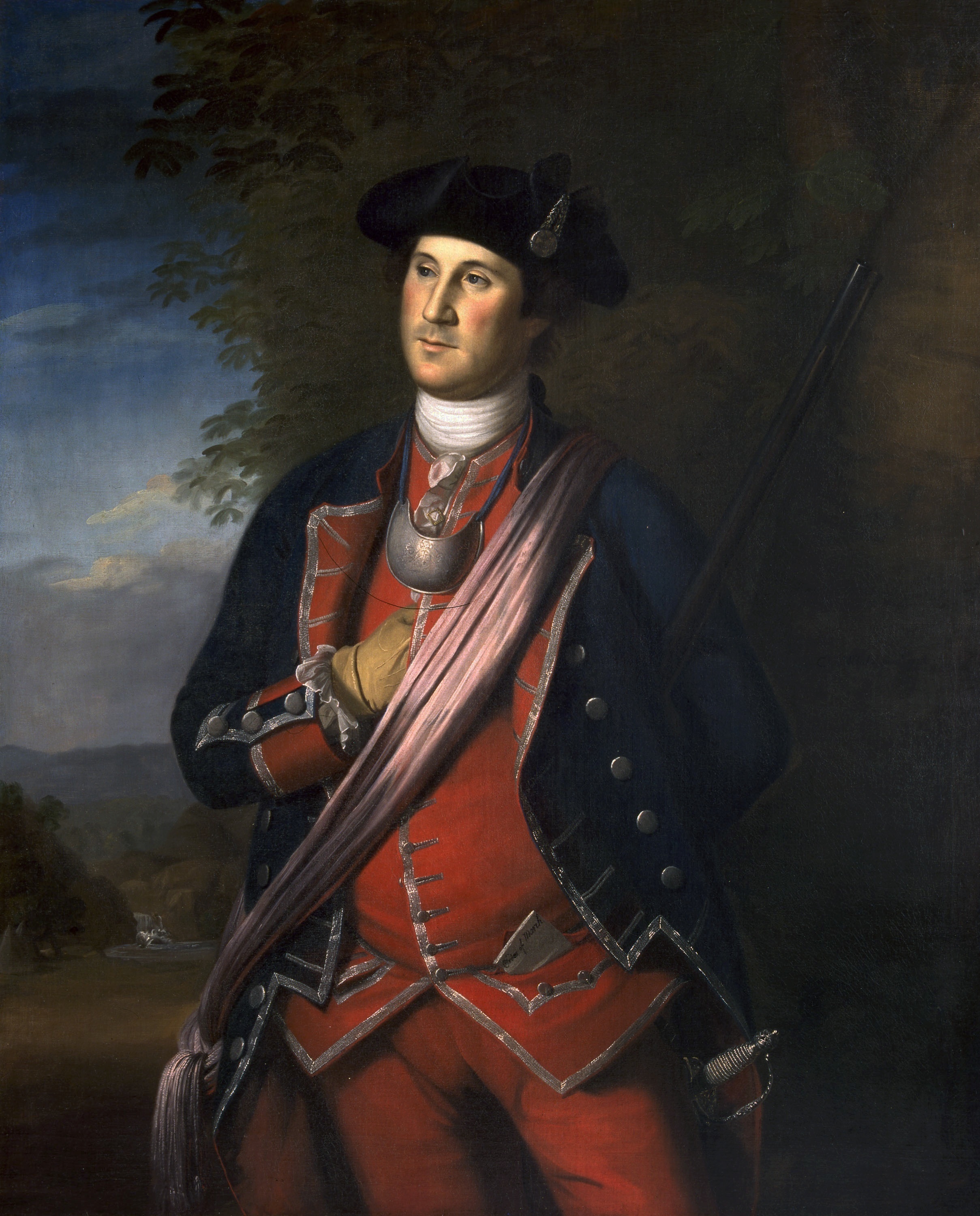
Figure 2: a 1772 portrait Charles Wilson Peal depicting Washington in a uniform similar to those worn by officers of the Virginia Regiment Source:Washington and Lee University
During a tour of Virginia’s frontier forts, the “bad regulation of the militia; the disorderly proceedings of the Garrisons; and the unhappy circumstances of the Inhabitants” shocked the young officer.[4] Washington filled his correspondence of this era with phrases such as “inconceivable trouble” and “unhappy Juncture” as he recorded innumerable instances of paucity, civilian death, and desertion.[5]
Washington’s struggles continued into 1758 when the Virginia Regiment became involved in the Forbes Expedition, a laborious campaign that eventually resulted in the British capture of Fort Duquesne. Around that time, the needs of sick veterans of the past three years of fighting, marching, and garrison duty presented further challenges. None other than Fielding Lewis, a young Fredericksburg merchant and husband of George’s sister Betty, agreed to contract with his brother-in-law to provide for Virginia’s ill. That June, for instance, Lewis sent the material for 60 blankets to “Colo. Washington for the Country Dr.”[6]
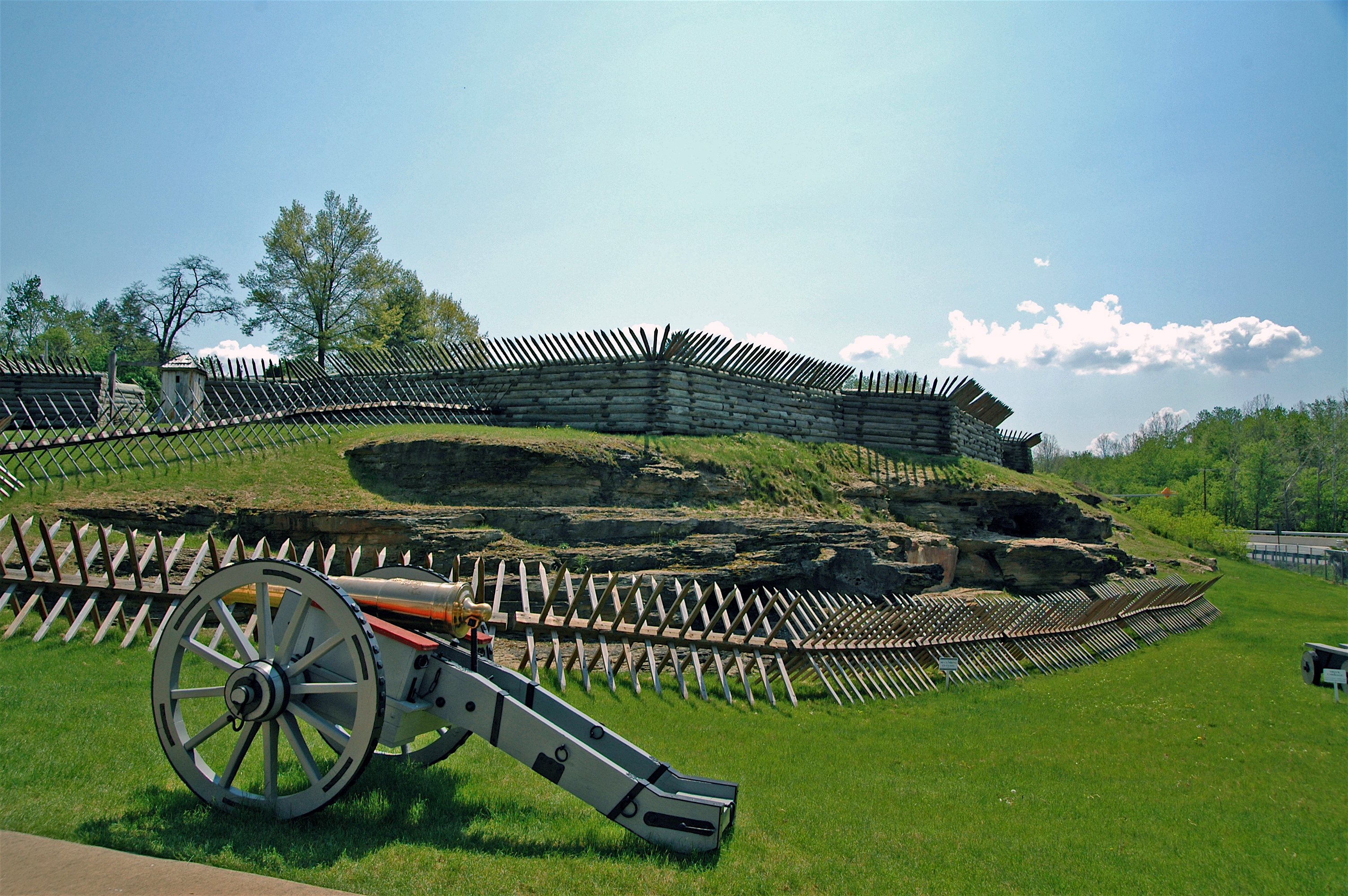
Figure 3: View of reconstructed fortifications at Fort Ligonier, the centerpiece of the 1758 Battle of Loyalhanna, an important part of the Forbes Expedition. Source: Jeff Kubina via flickr
As a businessman with a growing family, Fielding Lewis must have had more reason than most to fear the potential adverse effects of world war upon his trans-Atlantic commercial ventures. However, as British fortunes began to change for the better, Lewis reaped the benefits of citizenship in a growing empire. Before the war’s end, he was conducting a lucrative speculation business at a fair in Fredericksburg.[7] Lewis’s success eventually provided the means to commission the construction of Historic Kenmore.
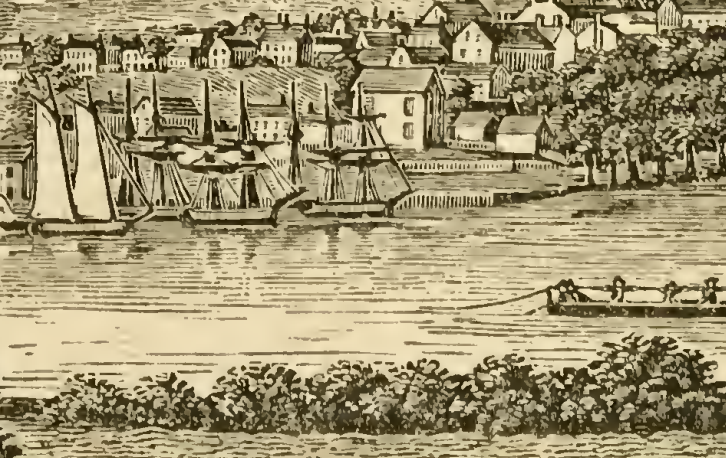
Figure 4: Detail of an 1845 illustration of Fredericksburg as seen from Ferry Farm, showing tall ships by the town’s wharves.. Fielding and his father John invested in several merchant vessels, the towering masts of which were once common parts of Fredericksbrug’s cityscape. Source: Internet Archive
Of course, learning about wealthy and influential men like Washington and Lewis is easy. However, countless individuals of all social standings played a part in the drama of the Seven Years’ War. Part II of this post will explore how those on the Homefront coped with world war and how the conflict transformed the community of Fredericksburg in ways still visible today.
Stay tuned.
Ethan Knick,
School and Youth Programs Manager
[1]David Lee Preston, Braddock’s Defeat: The Battle of the Monongahela and the Road to Revolution (Oxford University Press, 2015), 26-28.
Fred Anderson, Crucible of War: The Seven Years’ War and the Fate of Empire in British North America, 1754-1766 (Knopf Doubleday Publishing Group, 2007), 18-23.