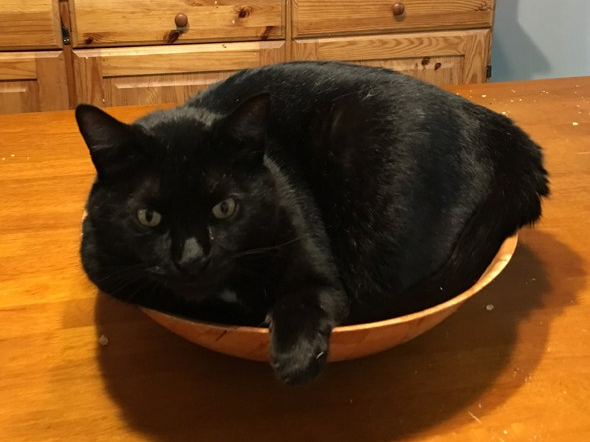
A pest is a broad term for any organism that spreads disease, causes destruction, or is generally a nuisance. In the 21st century, we still constantly battle pests from squirrels who chew through your internet cables or spiders who set up house in the high corner of the ceiling, watching and judging you to evil mosquitoes that ruin outdoor activities and leave you with itchy red welts that no amount of calamine lotion will help. It is a fight as old as time.
I wanted to investigate one pest in particular: rodents. Why were mice and rats present in colonial homes? Why this was an issue? What were some of the methods the Washington’s would have used to combat these furry creatures? And how we know without a doubt that Kenmore and Mount Vernon had rodent tenants.
The Suspects

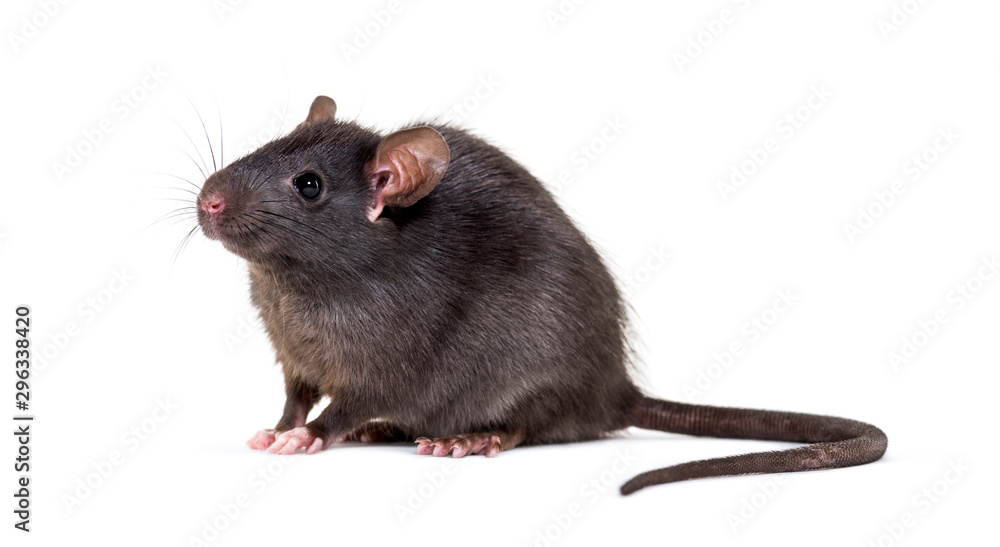
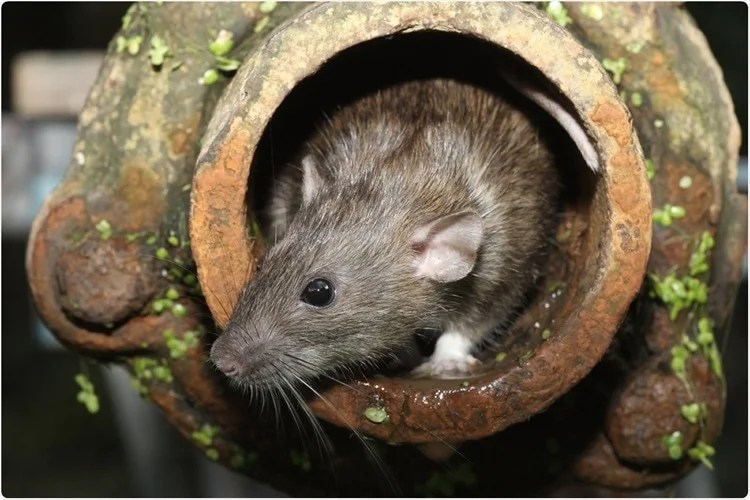
The house mouse, or Mus Musculus, originating on the Asian and Indian subcontinent, has become the most successful invasive species in recent history. [1] They arrived in this country with the trading ships and settlers that came to the New World in the 16th century. [2][3]
Similarly, the black rat, aka roof rat, boarded ships for their westward journey around the same time as the seafaring mouse. [4] Their presence is noted by the residents of Jamestown in November of 1608, stating, “When the shippes departed al the provision of the store but that the President had gotten was so rotten with the last somers rain, and eaten with rats and wormes” [5] The notorious brown rat or sewer rat, who seems to currently enjoy the cities of Chicago, Los Angeles, and New York, arrived a little later than their brethren setting foot in the new country around the 1750s.[6]
America, the land of plenty…of garbage
There is no nice way to say it, but living in colonial America was usually gross. Housing wasn’t always the greatest, sometimes being very rudimentary. Food storage was typically simple and easily accessible. But one of the biggest problems (or benefits if you are a rodent) was the lack of systematic waste disposal. [7] [8] Garbage (including human waste) was a personal problem often solved by opening the window and chucking out.
We have abundant archeological information from Ferry Farm and Kenmore that supports these habits. A large part of Ferry Farm has been excavated over the decades, leaving clear evidence that the Washington family and their enslaved workers disposed of waste right in the backyard…off the porch. Large amounts of artifacts were discovered and mapped, showing the proximity to the house, meaning the garbage was close, and rodents love trash.
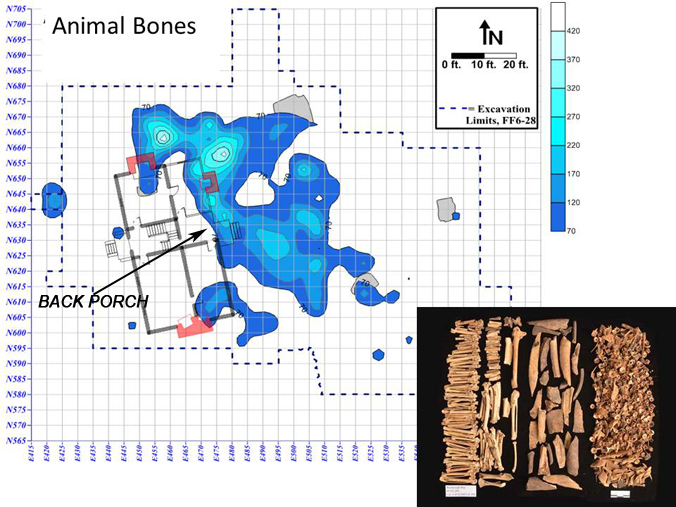
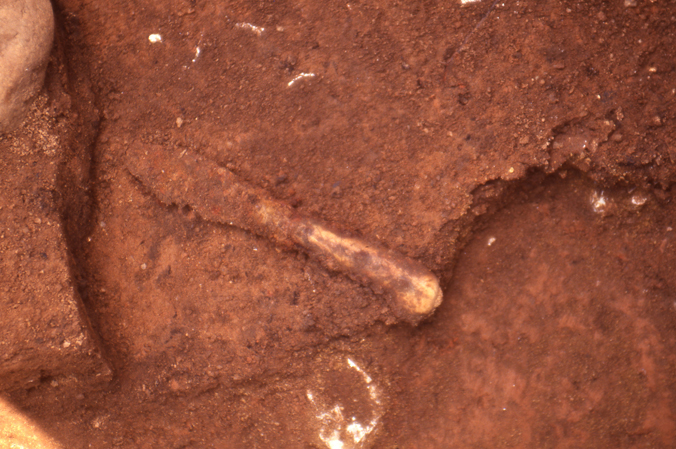
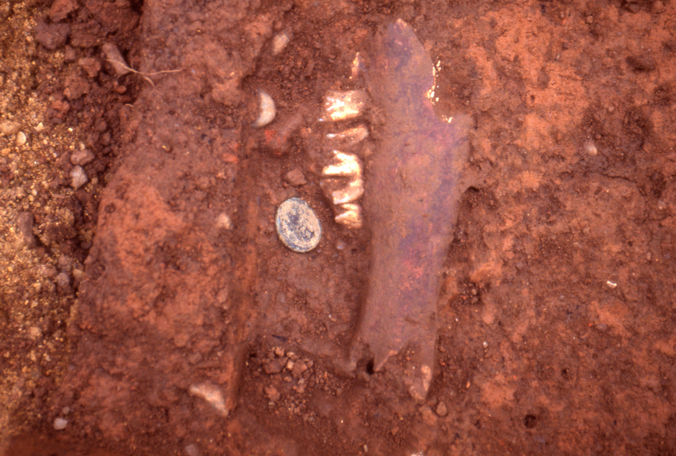
At Kenmore, the garbage situation seemed to be a little more regulated because the grounds and buildings were planned. The main house was made of brick, surrounded by two wood-built structures containing the kitchen and laundry. During excavations of the kitchen yard (between the house and kitchen), there were minimal artifacts, but a dump site was found west of the kitchen. The location could be accessed by the window or by walking around the side of the building and contained a pig jaw, animal bones, bone-handled knife, and other objects. The kitchen is about 30 feet from the house, with the slave passage doors opening right onto the kitchen yard…plenty close enough for an enterprising rat or mouse.


Bad House-guests
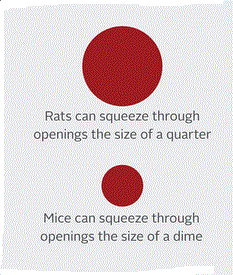
So, why are rodents bad to have in your house? Disease, contamination, destruction, smells, and lots of poop. [9] Rats can squeeze through an opening the size of a quarter. Mice only need the size of a dime…so they will be everywhere in your house and will bring friends. [10] Rats and mice are spreaders of disease from rat-bite fever that spreads through bacteria in the rodent’s saliva, urine, or droppings to the bubonic plague transmitted by the lice hitching a ride on their fluffy friend.[11][12] While today, rodents are relatively low on the list of dangerous disease spreaders in an era of limited medical knowledge and treatments, it could be a matter of life or death.
Contamination and destruction are these creatures’ modus operandi. They get into everything, period. They will eat almost any human food, chewing through any storage system, leaving behind chaos; they have even been known to eat soap and glue. [13] While venturing through the house, they are constantly urinating and pooping, which is smelly, can create mold growth, and should never be consumed. [14] In their quest for food, they often destroy household items, eating books, chewing clothes, gnawing on mattresses, and even nesting in furniture. All of which is not only annoying but expensive to fix or replace. [15][16]
But one of the most offensive things a mouse or rat can do is die in your walls. Take it from Colonel Landon Carter, who had to deal with a rat dying behind his wainscoting, informing everyone, “Wainscoted rooms have their conveniences [inconveniences?] as a dead rat has been stinking behind mine in the hall at least six days and is now intolerable in spite of burning tar…this dead rat stunk prodigiously.” [17]

Fighting Back
Surprisingly, colonists used many of the same techniques we do today to eliminate these pests. Pesticides or chemical warfare was widespread, with many recommendations and recipes dating back to the 15th century. I found recipes containing helliberry leaves, bitter almonds, “seade of wild cowcumbers,” colluentida, hemlock seed, aconite or wolfsbane, and arsenic.[18] I don’t know many of those ingredients, but apparently, they kill rodents nicely.
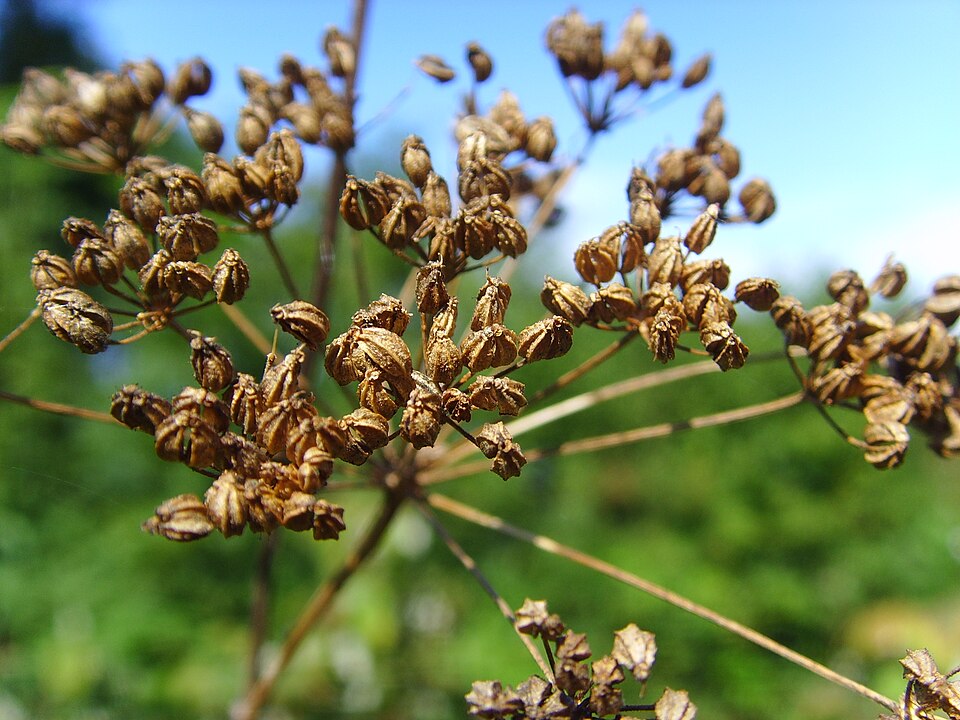

extremely poisonous plant that should be handled with care.
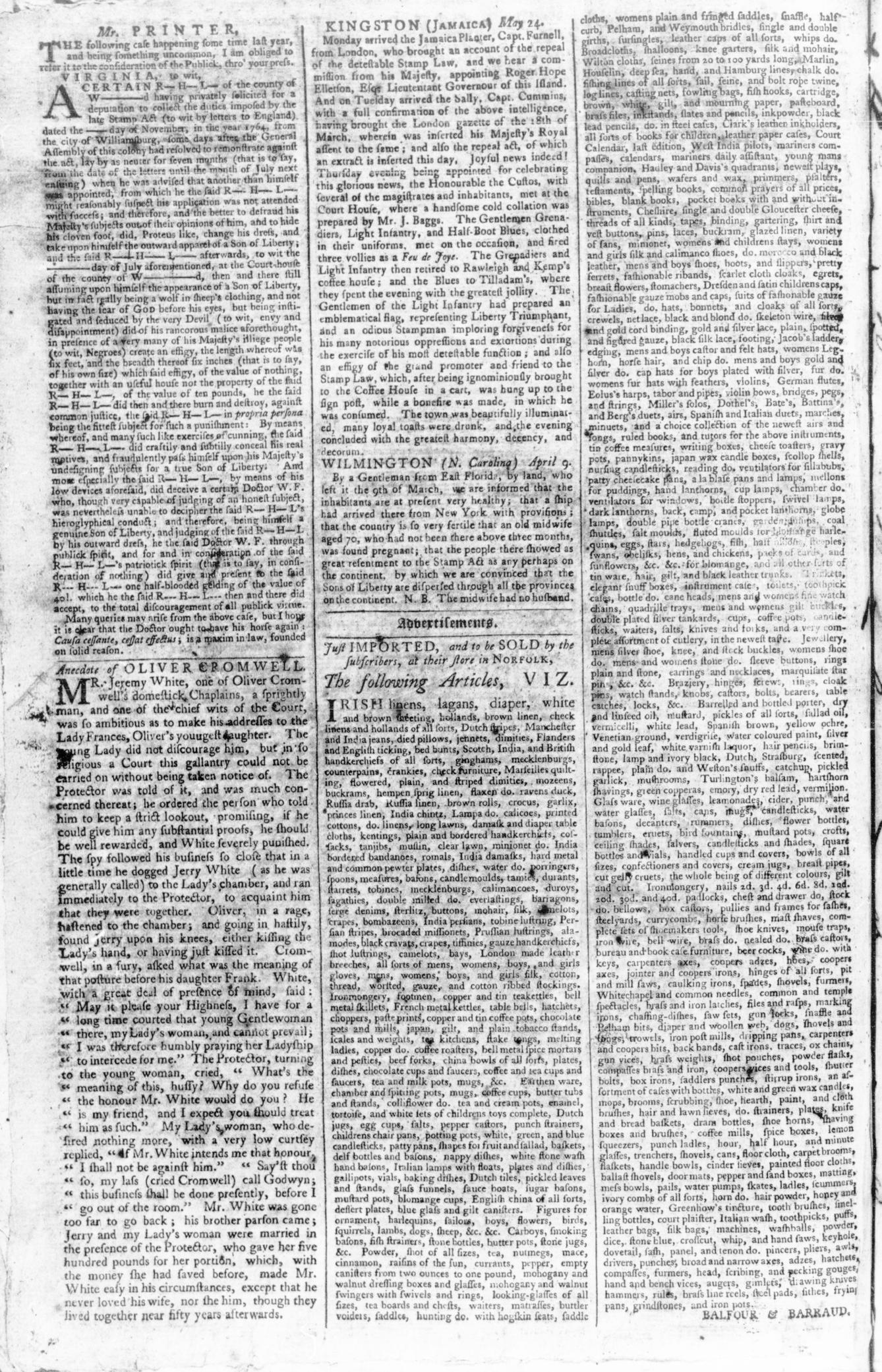
Another method was traps, which are common today. They were pretty popular, and there were many advertisements in the Virginia Gazette from sellers touting that their mouse traps just arrived from England. [19] There are also many instructions for building easy mouse traps like the “deadfall” or “noose” traps, which are as horrible as you imagine. [20][21]

Lastly, one method that is making a comeback is animals, both cats and dogs.[22][23] Cats have been used for ages as rodent killers and are good at their job. [24] A 14th-century manual suggests that if you have problems with vermin, “have as a good supply of cats.”[25] The famous diarist Samuel Pepys wrote in December 1660, “my boy taking a catt home with him from my Lord’s, which Sarah hath given him for my wife, we being much troubled with mice.”[26] There are even modern programs like Barn Buddies that save feral and skittish cats and adopt them out as “rodent control technicians.”[27]
And dogs, mainly terriers, have been used to clear mice and rat infestations for centuries, just like cats. Ever the dog lover, George Washington had terriers at Mount Vernon, which probably helped immensely around the plantation.[28] Today, cities like Chicago and New York use these canines in modern rat hunts.[29] It seems the skills of the terrier will always be in demand.
Little Historians
Lastly, how do we, without a doubt, know that there were rodents at Kenmore and Mount Vernon? Rat nests. Rat nests are usually found in walls or under floorboards, and they not only prove these guys resided in the houses as long as the families themselves, but also provide a fascinating historical glimpse into the material lives of the occupants.
Mount Vernon documented the finding of a rat nest in 1949 behind the wall in Washington’s bedchamber. When dissected, it included buttons, paper, rope, yarn, a whole woman’s shoe, and fabric matching Washington’s bed curtains.[30]
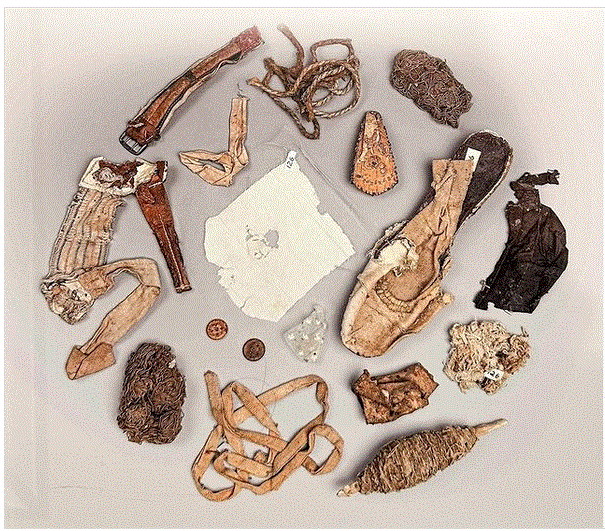
Similarly, in 1989, a rat nest was found in Kenmore while investigating the walls and floorboards. We recently picked apart the bundle to find fabrics, fibers, thread, yarn, newspapers, bones, nutshells, and wood splinters. The remnants in the nest were dated no later than the early 20th century due to dates on newspaper fragments and the absence of plastics.
In conclusion, rats and mice have been a constant annoyance since they first set foot in this country; unfortunately, that is still somewhat true. These enterprising rodents have adopted America as their own and we as fellow citizens must learn to live together despite our often distaste for each other.
Fun Fact – We don’t want to malign rats more than they have been throughout history so we would like to add that rats make good pets. They are quick learners, highly trainable, very clever, and have excellent memories. They are now being trained to detect land mines, diseases like tuberculosis, and even rescue earthquake survivors.
Heather Baldus
Collections Manager
[1] Agwamba, K. D., & Nachman, M. W. (2023). The demographic history of house mice (Mus musculus domesticus) in eastern North America. G3 Genes|Genomes|Genetics, 13(2). https://doi.org/February 2023
[2] Agwamba, K.D., & Nachman, M.W. (2023)
[3] Agwamba, K.D., & Nachman, M.W. (2023)
[4] Newman, M. H. (2001). The vermin -killers: Pest control in the early Chesapeake [Doctoral Dissertation, Willam & Mary University]. https://scholarworks.wm.edu/etd/1539623387/, pg 111.
[5] Newman, M.H. (2001), pg. 47.
[6] Tapia, A. (2021, October 23). America’s 10 Most Rat-Infested Cities. Newsweek. Retrieved September 7, 2023, from https://www.newsweek.com/americas-10-most-rat-infested-cities-1638136
[7] Newman, M.H. (2001), pg. 17.
[8] Newman, M.H. (2001), pg. 46.
[9] (2014, January 6). Of Mice and Men: Rodent Infestations Plague Nearly A Third of Americans. National Pest Management Association. Retrieved September 7, 2023, from https://www.pestworld.org/news-hub/press-releases/of-mice-and-men-rodent-infestations-plague-nearly-a-third-of-americans/
[10] (2014, January 6). Of Mice and Men.
[11] (2019, January 18). Transmission. Centers for Disease Control and Prevention. Retrieved September 7, 2023, from https://www.cdc.gov/rat-bite-fever/transmission/index.html
[12] (2019, July 31). Ecology & Transmission. Centers for Disease Control and Prevention. Retrieved September 7, 2023, from https://www.cdc.gov/plague/transmission/index.html
[13] Introduced Species Summary Project
[14] (2022, December 27). How a Mouse Infestation Can Cause You Thousands in Damage. Spidexx. Retrieved September 7, 2023, from https://www.spidexx.com/blog/2022/december/5-things-you-need-to-know-about-mouse-infestatio/
[15] Newman, M.H. (2001), pg. 17.
[16] (2022, December 27). How a Mouse Infestation Can Cause You Thousands in Damage
[17] Newman, M.H. (2001), pg. 84.
[18] W, W. (1680). The Vermin-Killer (pp. 4-9). London: Samuell Lee.
[19] Unknown, U. (1766, July 25). Just Imported and to be Sold by the subscribers at their store in Norfolk. Virginia Gazette. https://research.colonialwilliamsburg.org/CWDLImages/VA_GAZET/Images/PD/1766/0084hi.jpg
[20] Newman, M.H. (2001), pg. 119.
[21] Feild, Rachael. 1984. Irons in the Fire: A History of Cooking Equipment. Ramsbury,
Marlborough, Wiltshire: The Cromwood Press
[22] Pasley, J. (2023, March 18). How the rat population in New York City grew by 800% and infested the city in less than 65 years. Yahoo News. Retrieved September 7, 2023, from https://news.yahoo.com/rat-population-york-city-grew-143000754.html
[23] Cass, J. (2017, November 10). Chicago needs good dogs to handle the rat epidemic The Chicago Way. Chicago Tribune. Retrieved September 7, 2023, from https://www.chicagotribune.com/columns/john-kass/ct-met-rats-terriers-kass-1112-story.html
[24] Newman, M.H. (2001), pg. 115.
[25] Bayard, T. (1991). A Medieval Home Companion Housekeeping in the Fourteenth Century (1st ed., pp. 97-98). Harper Collins Publishers.
[26] Pepys, S. (1983). The diary of Samuel Pepys : A new and complete transcription (p. 325). London: Bell.
[27] (n.d.). Adopt a Barn Cat. Barn Cat Buddies. https://www.barncatbuddies.org/
[28] (n.d.). Dogs. George Washington’s Mount Vernon. http/www.mountvernon.org/library/digitalhistory/digital-encyclopedia/article/dogs/
[29] Cass, J. (2017, November 10). Chicago needs good dogs to handle the rat epidemic The Chicago Way. Chicago Tribune. Retrieved September 7, 2023, from https://www.chicagotribune.com/columns/john-kass/ct-met-rats-terriers-kass-1112-story.html
[30] Mount Vernon [mount_vernon]. “In 1949, preservation staff removed a rat’s nest from behind a wall in the Washingtons’ bedchamber..”* Instagram, May 19, https://www.instagram.com/p/CsbIc9sOO_2/.