Lives and Legacies

Tag: Chinese porcelain

  • That’s A Wrap! Ferry Farm’s Dig Season Recap

    October just happens to be Virginia Archaeology Month, and what better way to celebrate than to recap this summer’s excavation at George Washington’s Boyhood Home at Ferry Farm.
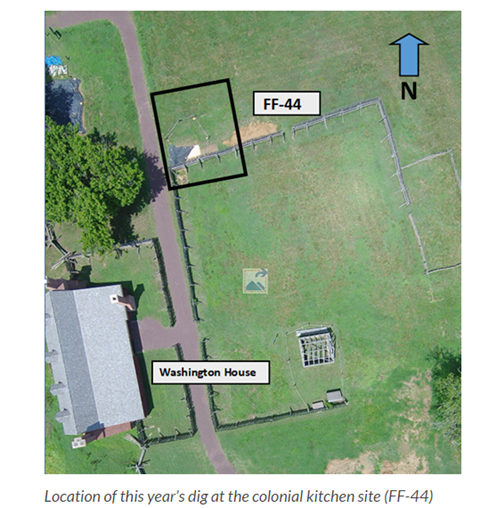
    You might remember from our dig preview, that this year’s dig (FF-44) focused on the continued exploration of the 18th-century kitchen site located just northeast of the main house. In 2023, our limited investigations uncovered just a small section of the kitchen’s stone foundation and cellar, giving us a sneak preview of the conditions and parameters of future site work. Armed with this knowledge, our aims this year were to uncover more of the original foundation walls of the kitchen cellar, to uncover additional architectural evidence of the kitchen outbuilding, and explore the surrounding landscape for features. So, did we do it?
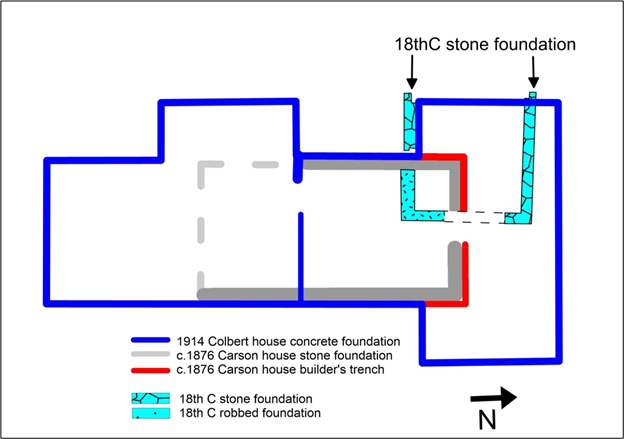
    Location of the 18th century kitchen foundation in relation to two later farmhouses dating to 1876 and 1914. 

    We did! But before we get to the fun discoveries, let’s go over how we got there. As far as sites go here at Ferry Farm, this one has been through a lot. Not only did the original 16’ by 16’ kitchen building burn and collapse in on itself in the middle of the 18th century, but it also had two subsequent farmhouses built on top of it that were either moved, damaged in a fire, or demolished all within the last 150 years. A previous archaeology project on the site introduced another element of complexity in understanding the depositional sequence of fills on the earlier 18th-century site, which had obviously been heavily disturbed by all these later events.

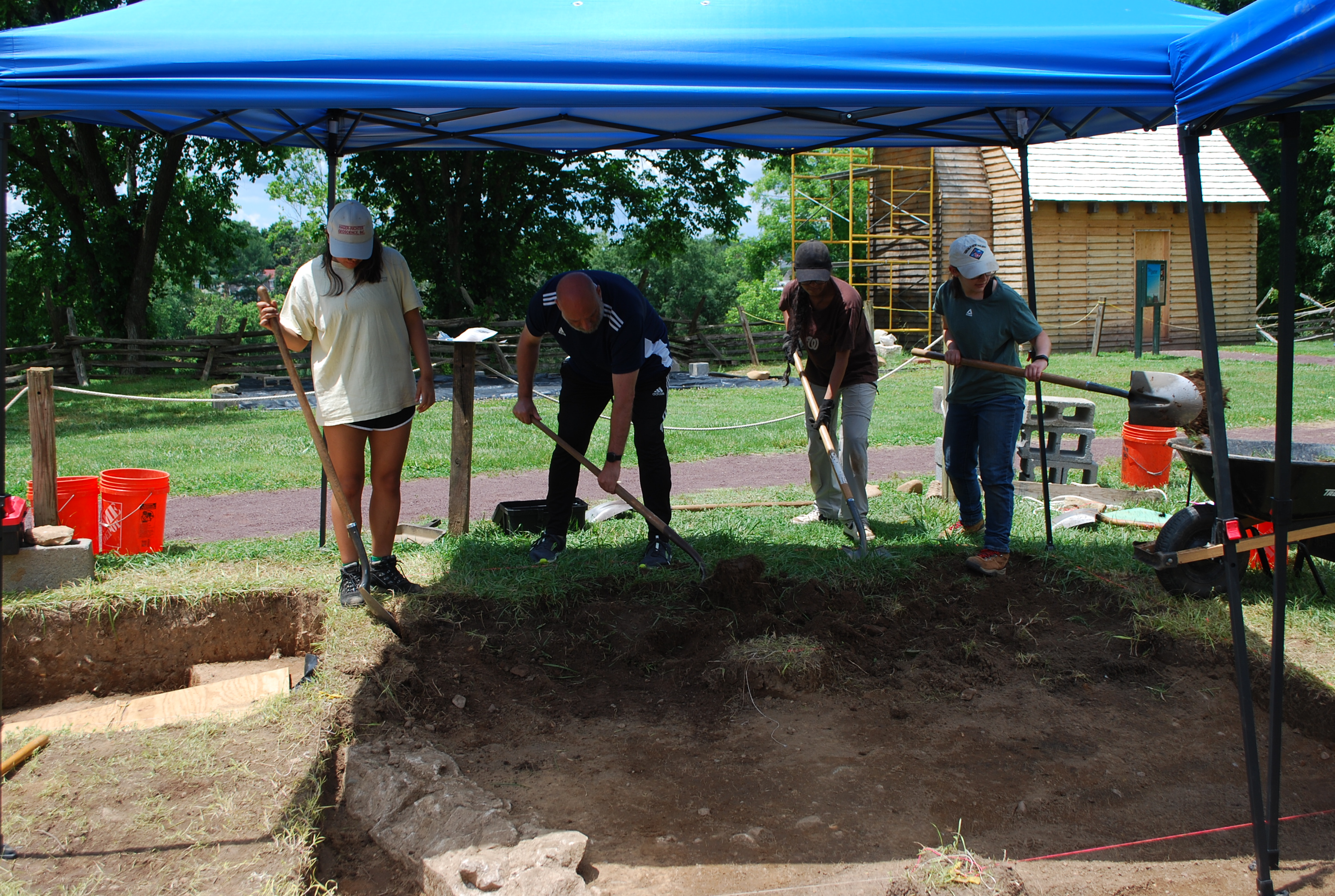
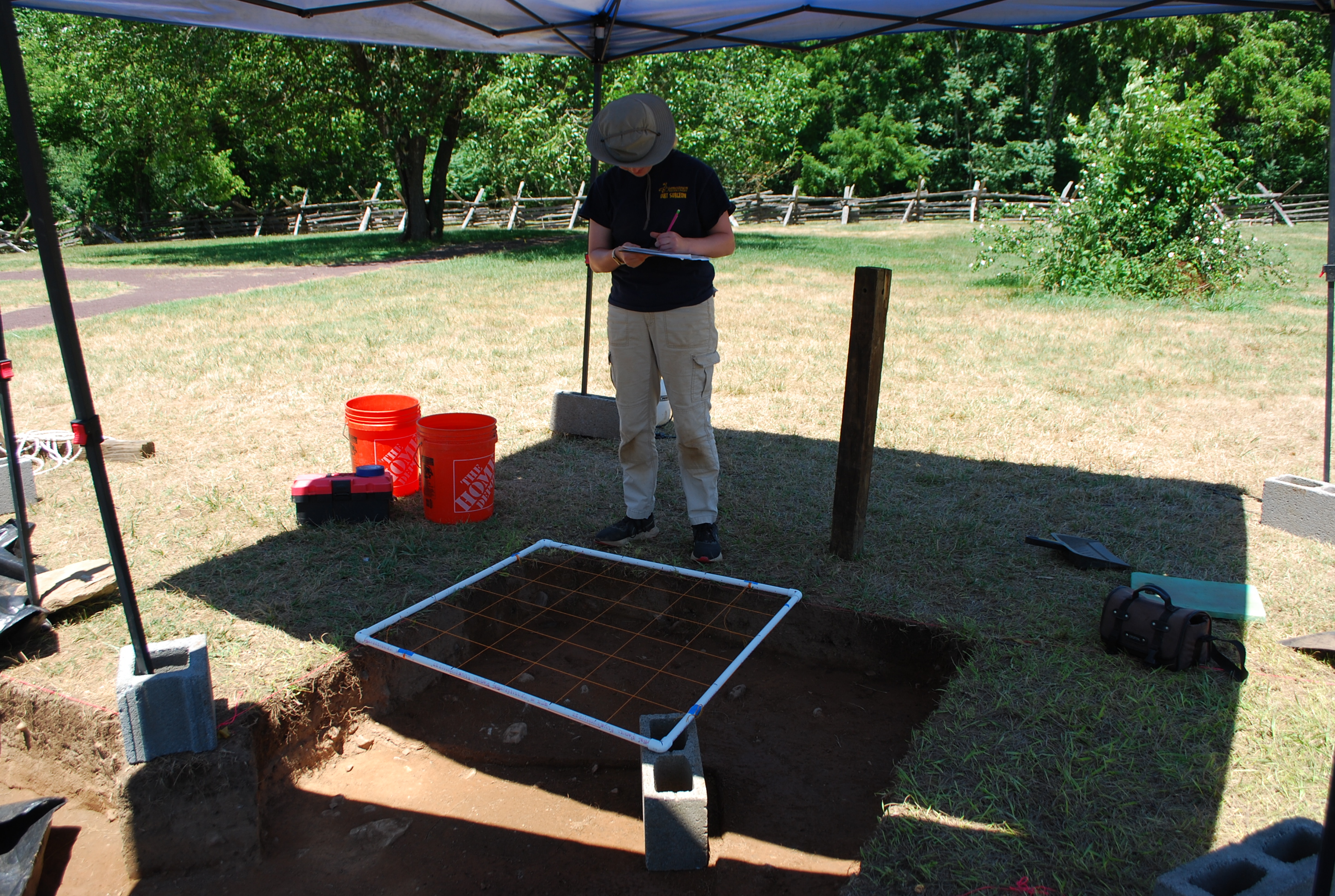
    All this led to an interesting excavation. Since a significant portion of the site had previously been excavated in the 1990s, a sizable amount of our site time was spent re-excavating backfilled archaeology units with the purpose of exposing unexcavated layers around the site. Not only would these unexcavated layers allow us to gather new data, but it would also give us the opportunity to better understand the findings as recorded in the earlier reports.
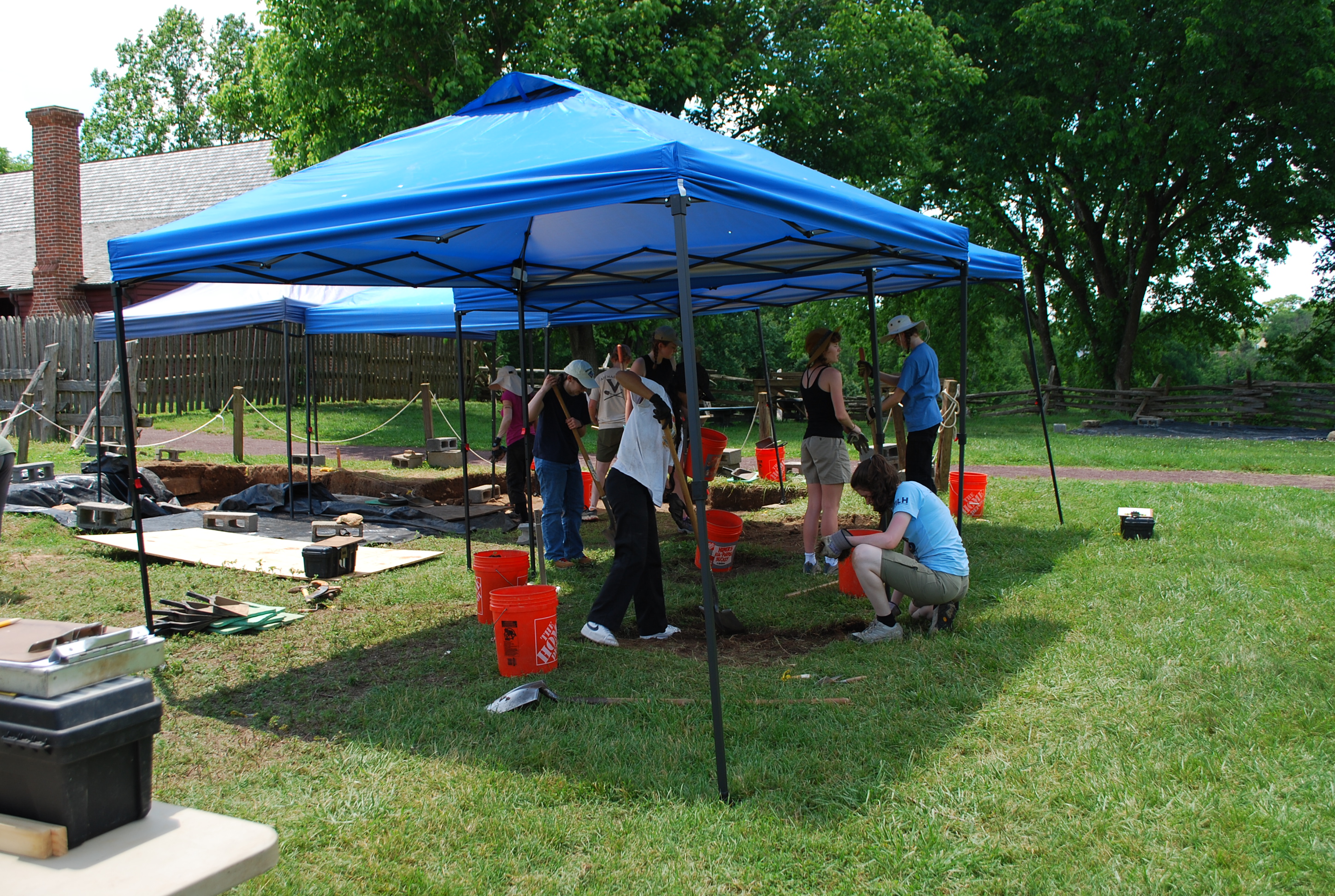
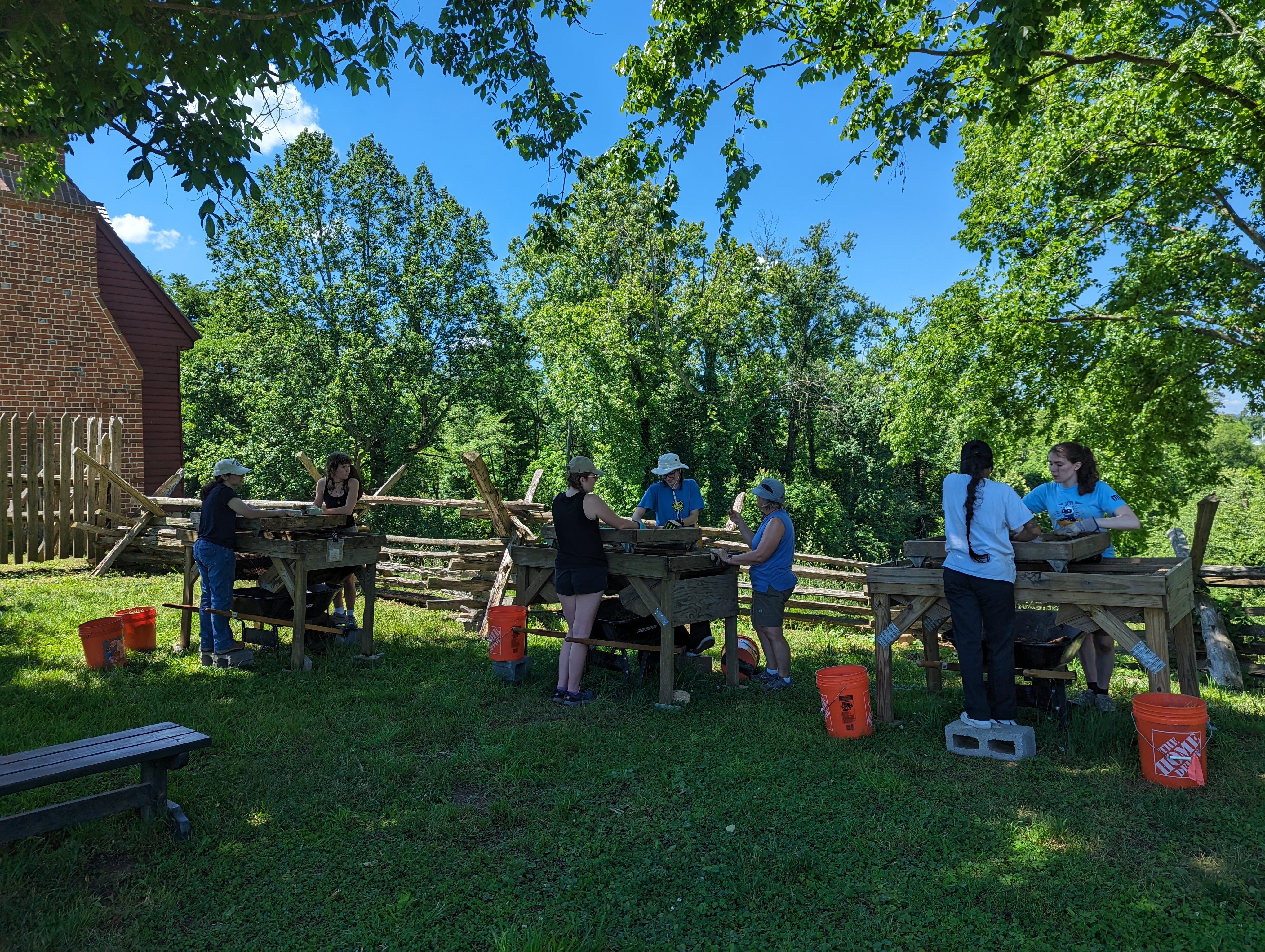
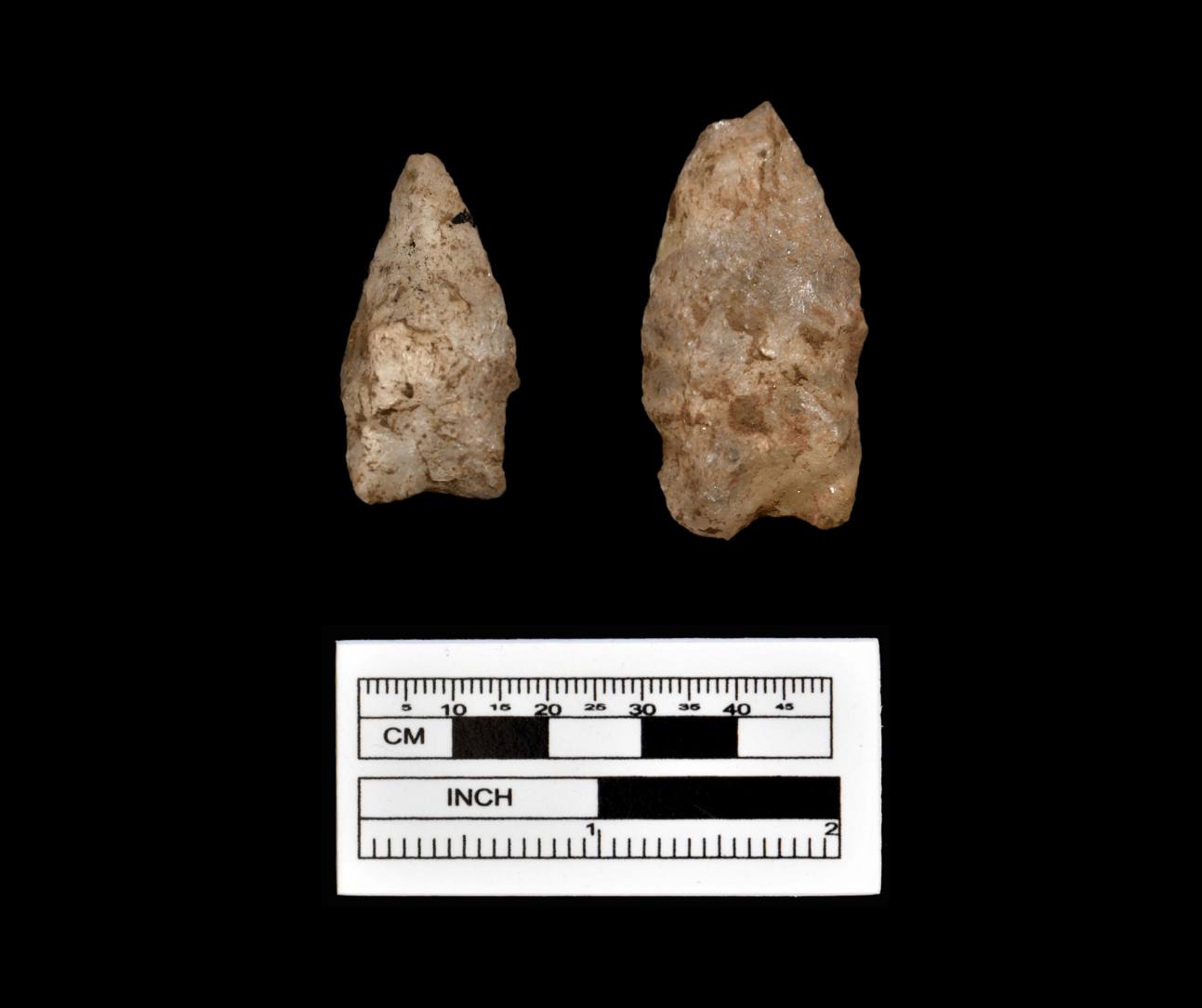
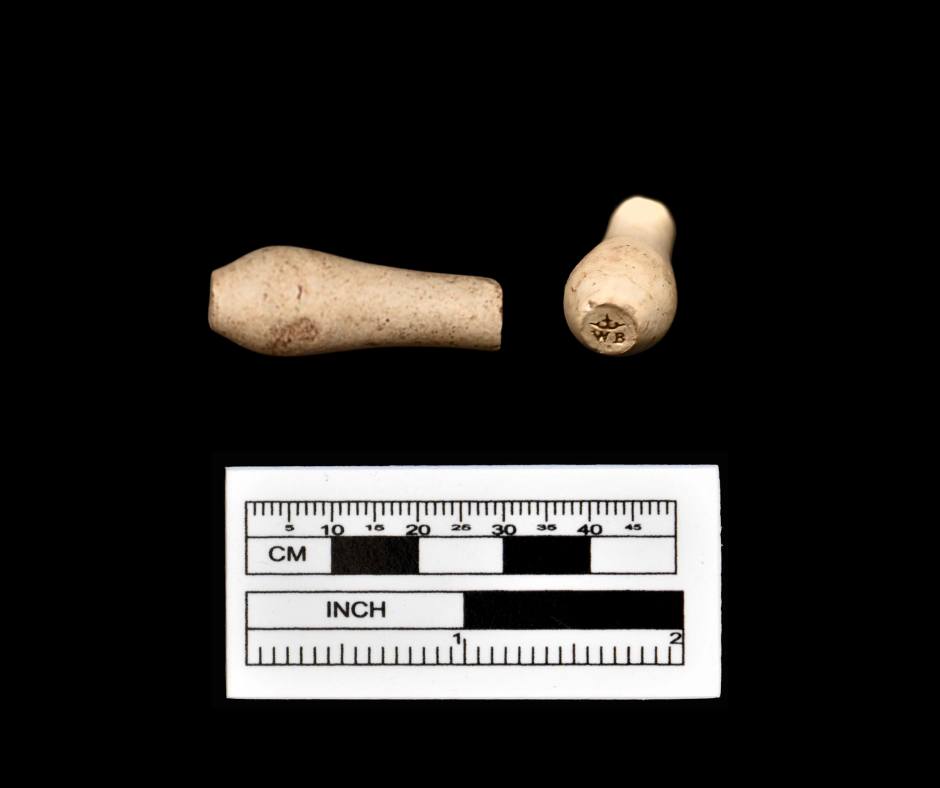
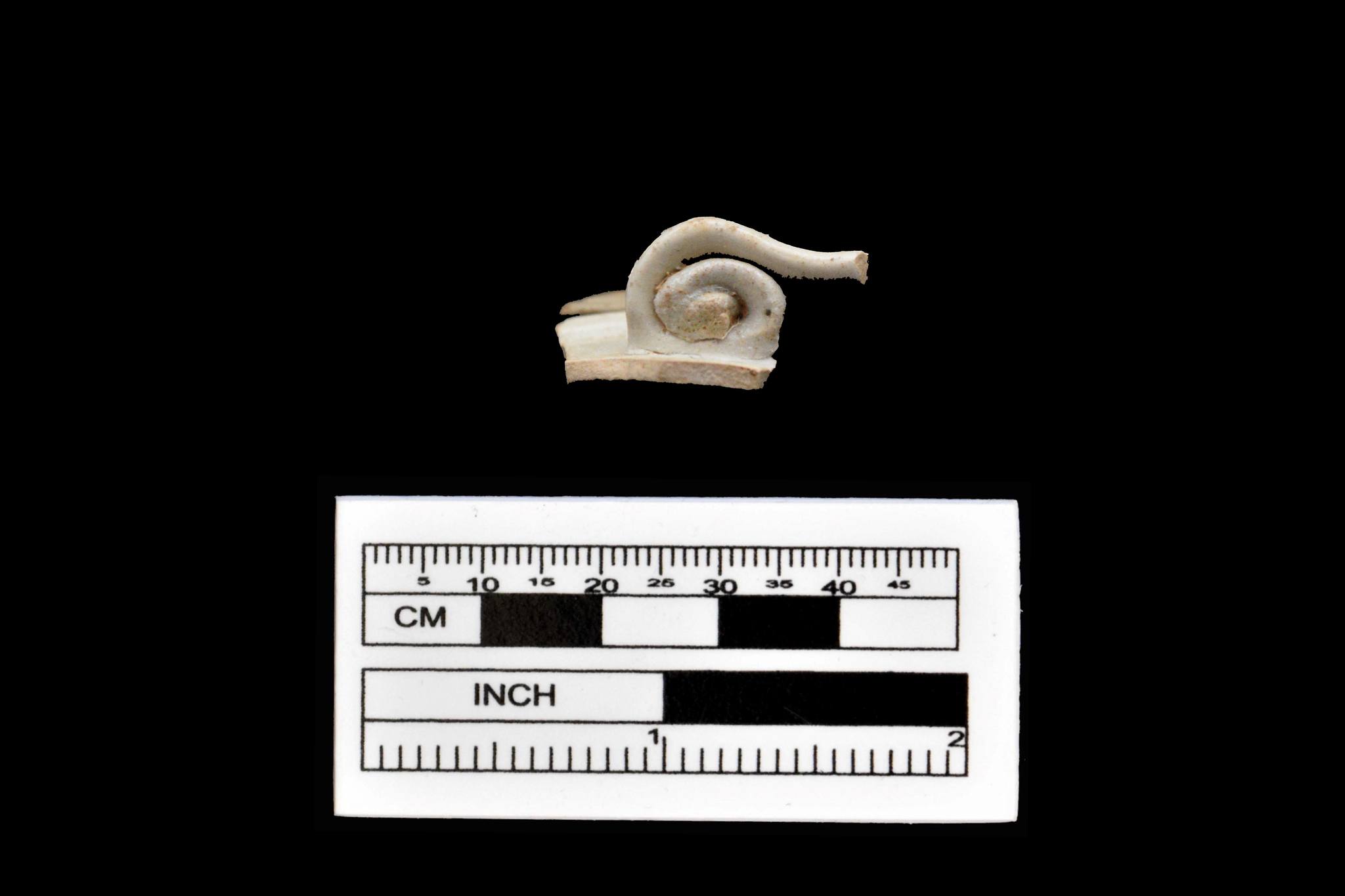
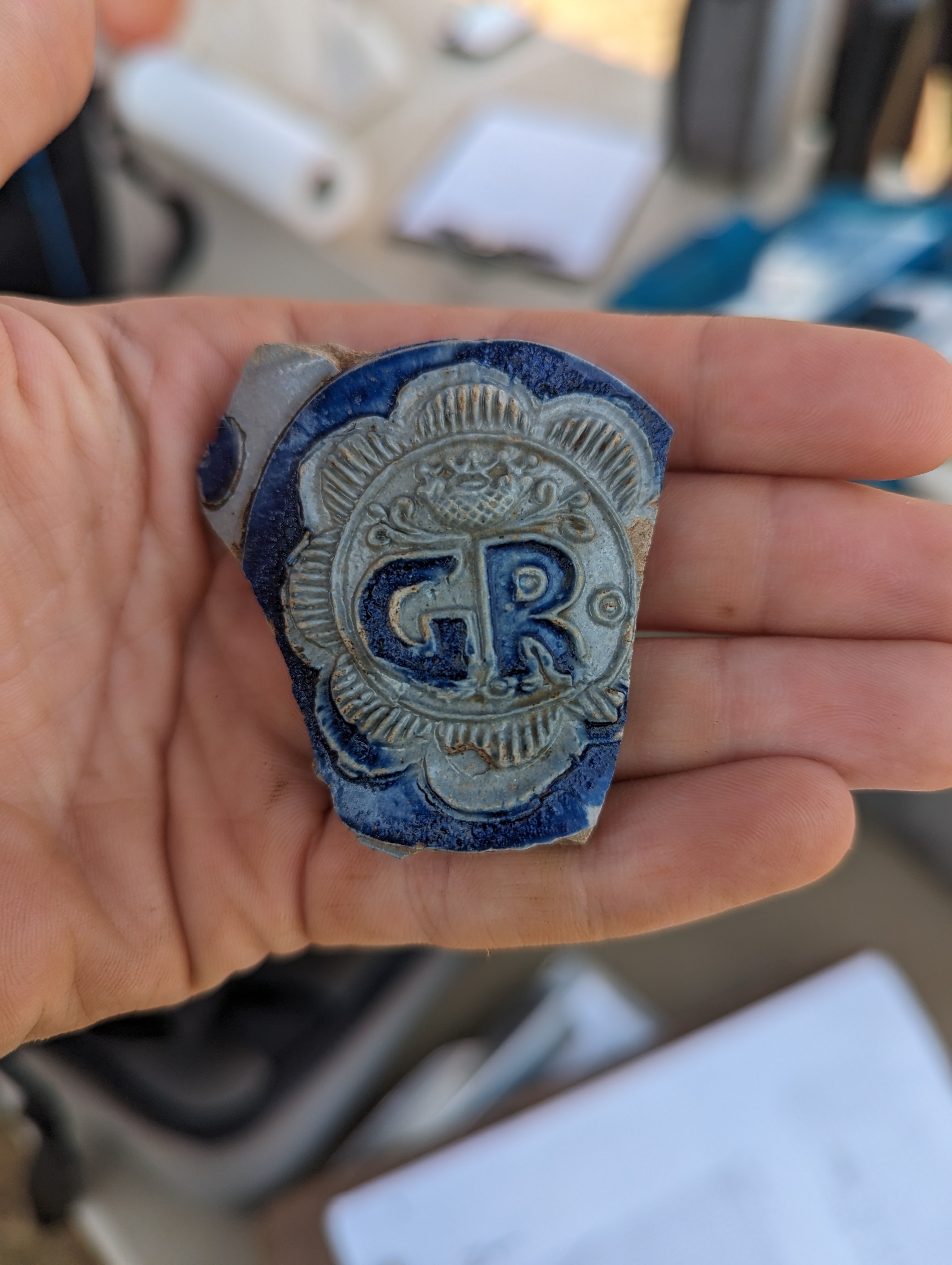
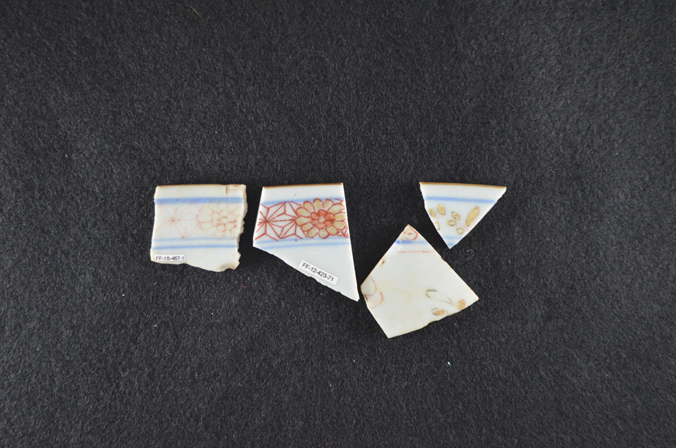
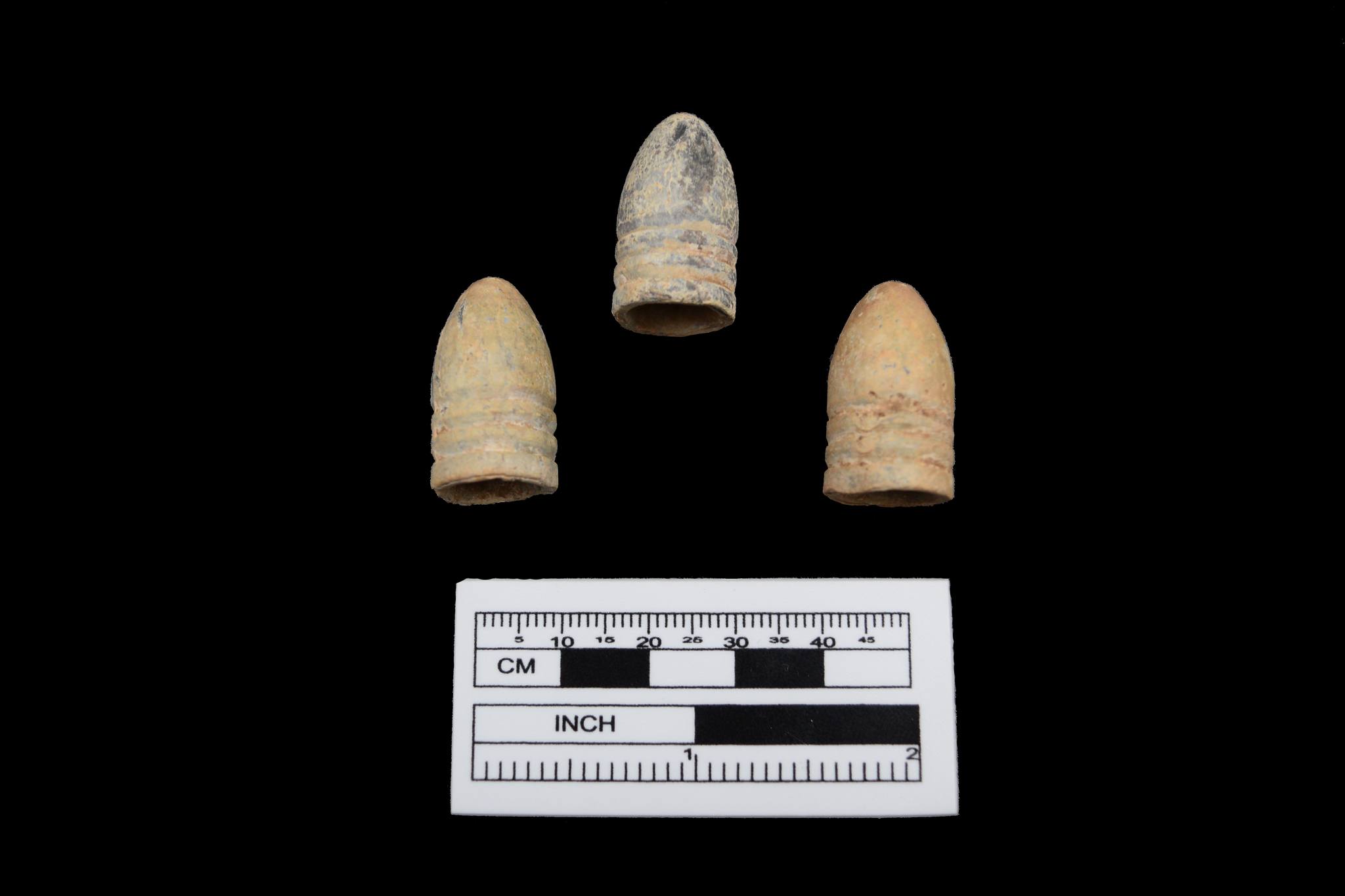
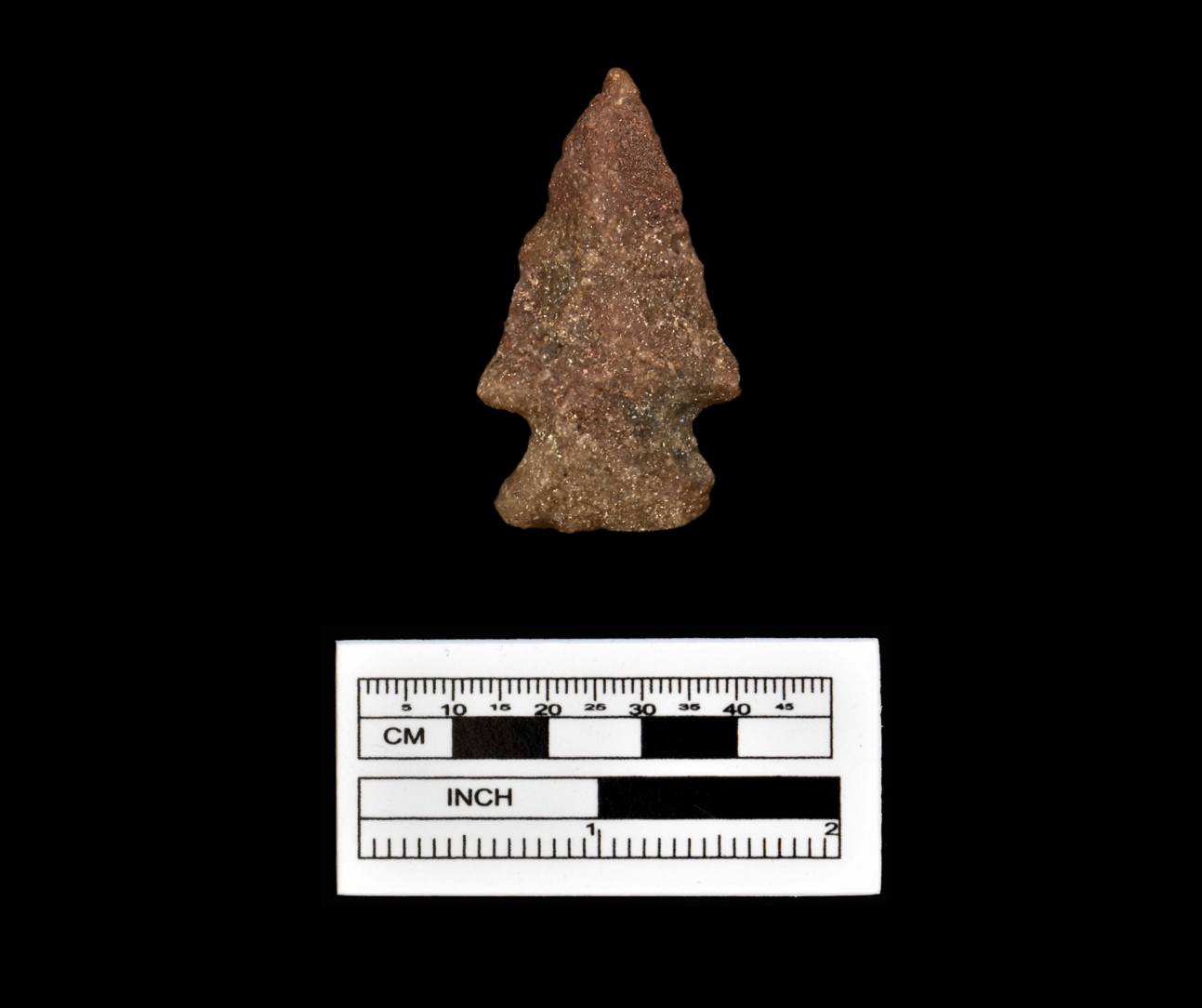
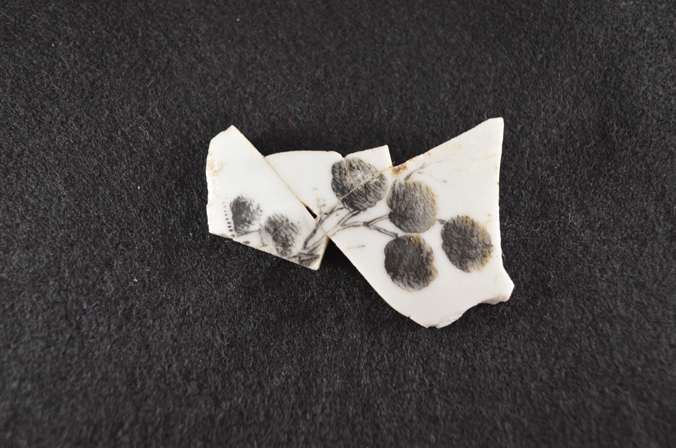
    With the help of our wonderful field school students and interns, we opened a total of twenty-seven 5’x5’ units across the kitchen site. Sifting through the dirt, hundreds of artifacts were found dating to all occupations of Ferry Farm. Super cool finds that date to the 18th-century period of use for the kitchen included tobacco pipe fragments, wine bottle sherds, and a variety of ceramics, including English stoneware, Chinese porcelain, and a German Westerwald ‘GR’ sherd. The prehistoric Native American occupations of the site were represented by an unusually high number of projectile points found (8 and counting!), dating to both the Early Archaic (8000 BC – 6500 BC) and Early Woodland (1100 BC – 500 BC) periods.  Civil War bullets came up in our screens, of course, as did 20th-century plastic, tools, toys, and bottle caps.
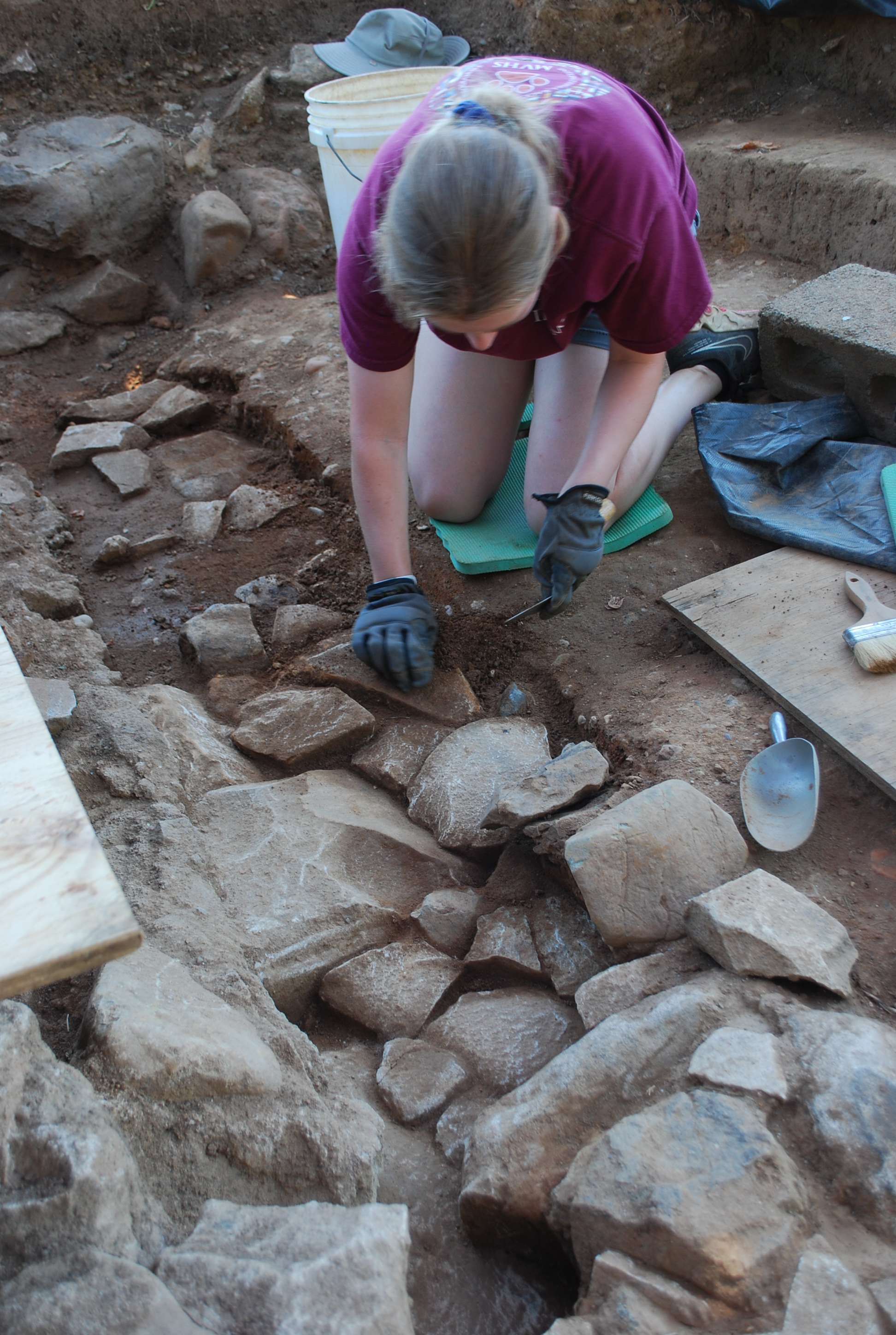
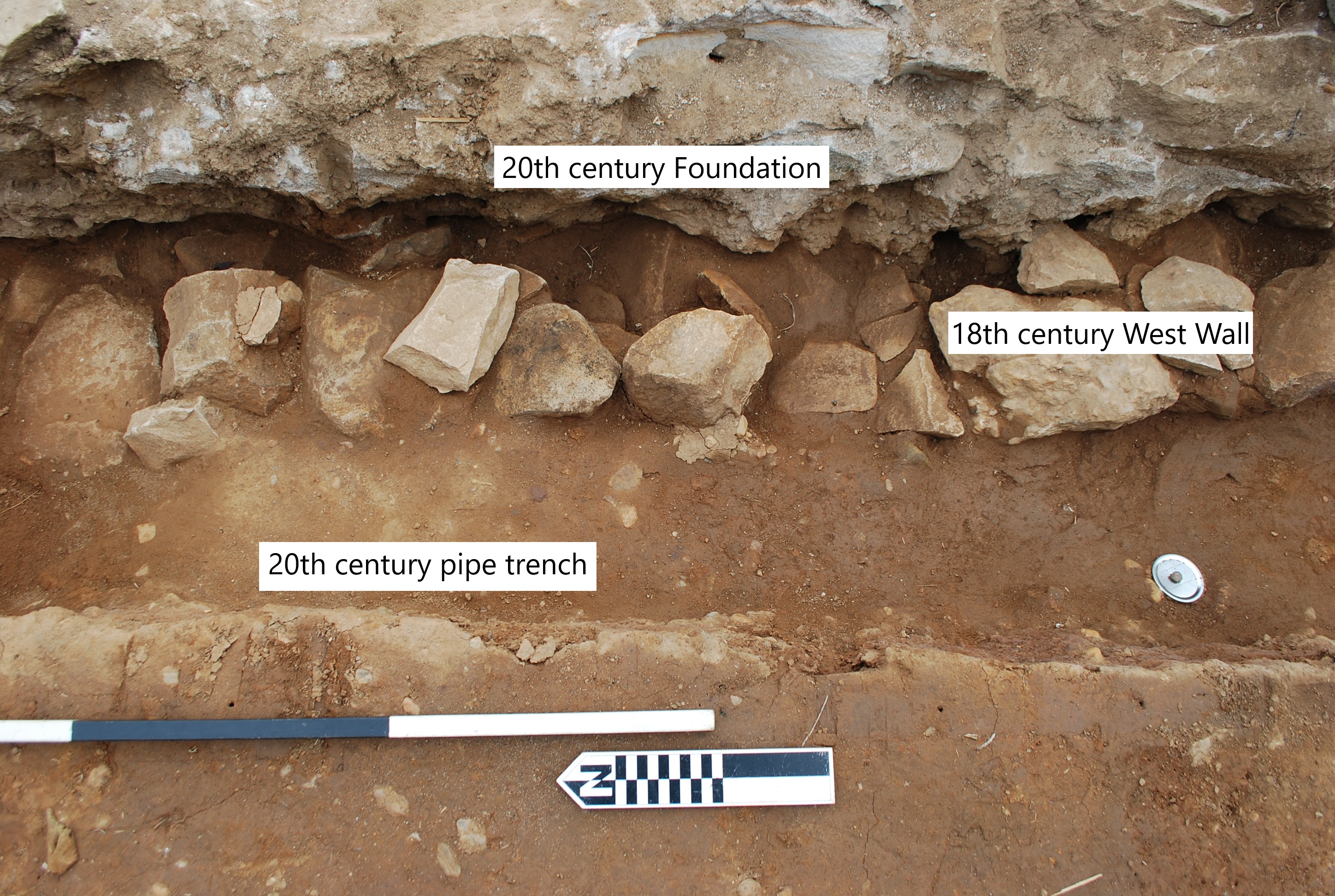
    But when it comes to finds, our most exciting discovery did not turn up in our sifting screens.  In fact, it was discovering that the western foundation wall of the kitchen cellar, thought to have been demolished, still survived!  During the 1990s excavations, the archaeologists did not see this portion of the stone foundation and assumed the construction of the 1914 Colbert house had destroyed it. Fortunately for us, it was hiding under a 20th century utility pipe and trench and lay directly adjacent to the Colbert concrete foundation. Now we have all four foundation walls that we hope to fully uncover next year.
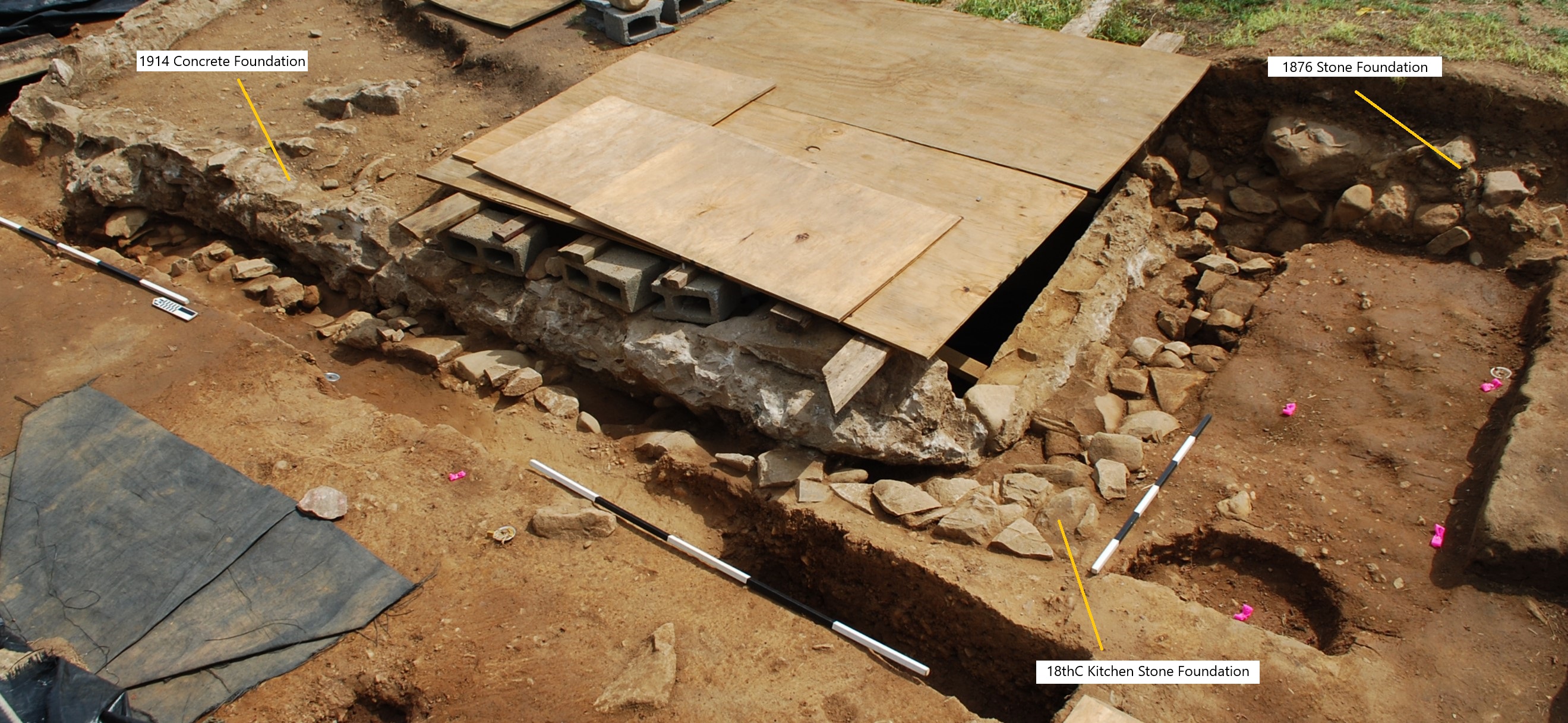
    Exposed south and west stone walls of the colonial kitchen lie adjacent to and just outside of the 1914 concrete foundation wall.  
    West wall of colonial kitchen that was hiding under the pipe trench

    Our excavation units surrounding the kitchen foundation have not, as of yet, exposed additional building features associated with the kitchen outbuilding, such as foundations or fireplaces. That search will continue next year as we continue taking those units down and expanding our site area. Features exposed in the 1990s dig, but not excavated by them or us, such as possible post holes and trash middens, also await our return in 2025, when we plan on finishing their excavation.
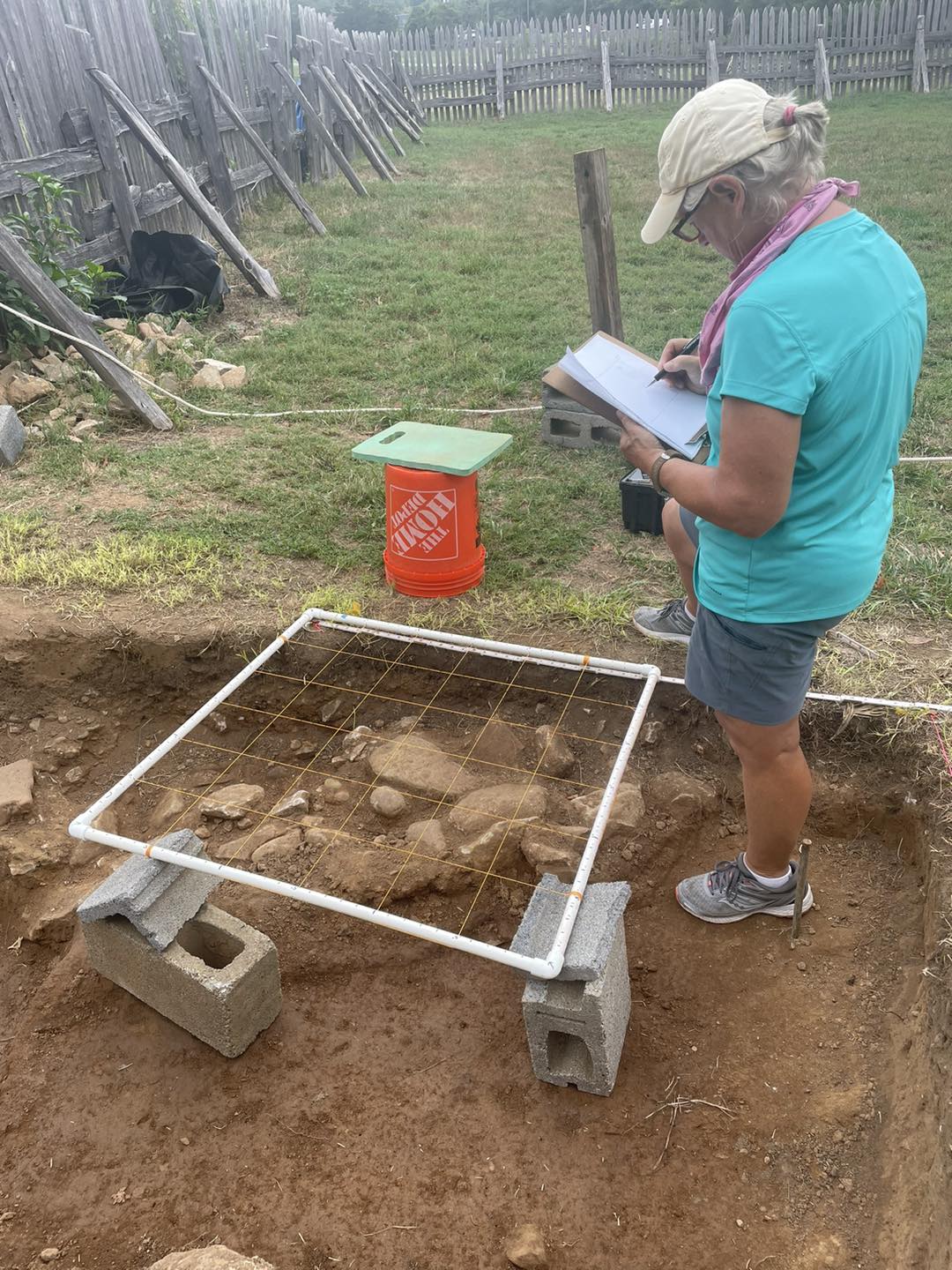
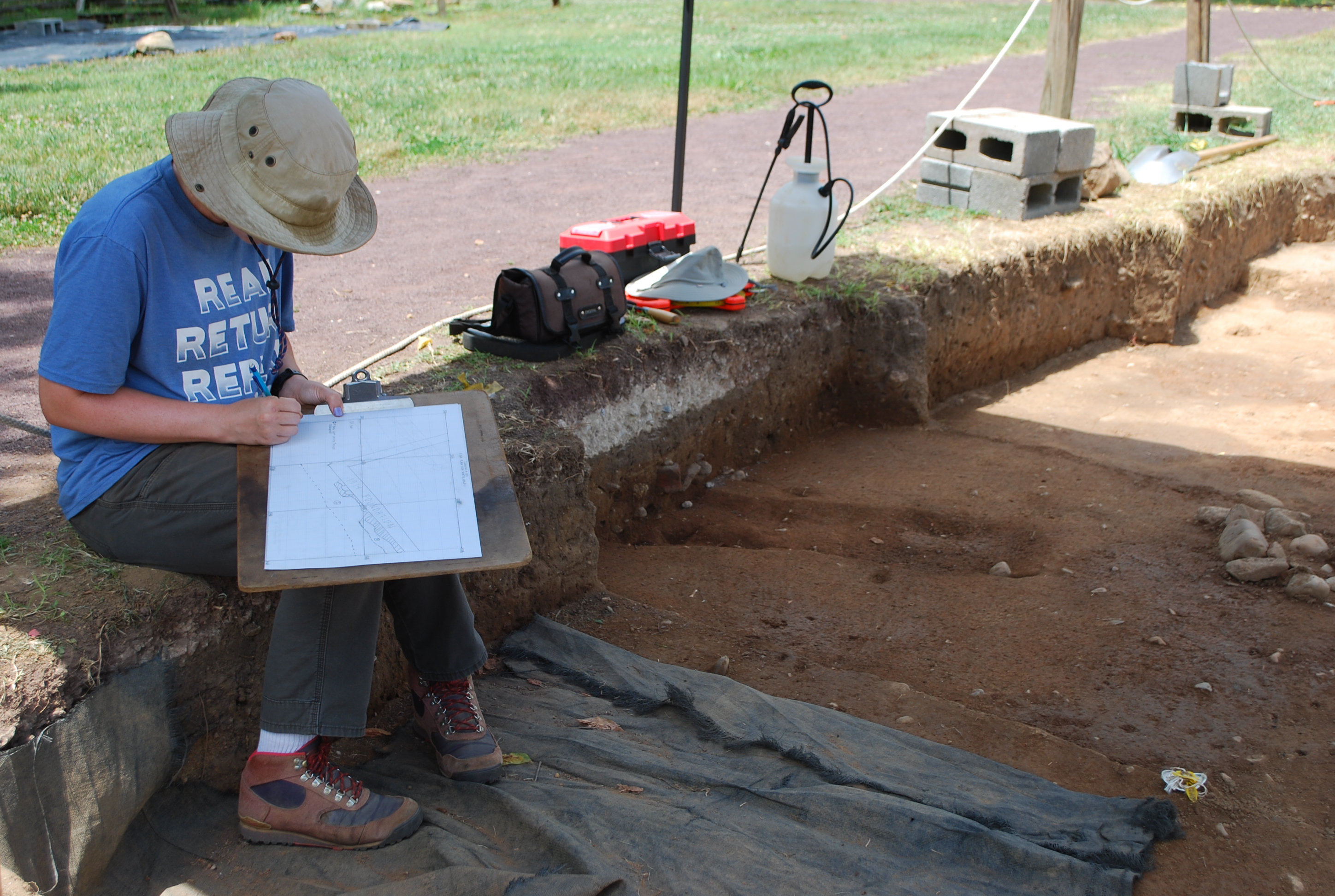
    Each year’s excavation is built on the work accomplished in the previous years.  With the incredible amount of work done this past summer of exposing the original kitchen foundation, as well as the later farmhouse foundations, removing old fill, and opening up the adjacent landscape, we are looking forward to expanding our investigations of the kitchen site next year.  Stay tuned as we unravel the mysteries that are here at Ferry Farm, George Washington’s Boyhood Home.


    Danielle Arens and Judy Jobrack

    GWF Archaeology Field Directors
  • Mary’s Dishes [Video]

    In this video, archaeologist Mara Kaktins shares bits of Mary Washington’s dishes excavated at Ferry Farm and explains their significance.

    Read more about Mary’s dishes in this blog post.

  • Thievery, Espionage, and Fancy Dishes: Why Porcelain Was a Big Deal for the Washington Family

    Porcelain is the king of all ceramics.  As resilient as it is beautiful, porcelain has long fascinated many people.  During the Ming Dynasty (1368-1644 AD), the Chinese began exporting porcelain to Europeans, who coveted the precious dishes to the point that porcelain became more valuable than gold.  Europeans obsessed over how it was produced and various countries sent spies, attempted to kidnap those with the knowledge, and sought to steal texts describing the process.  The Chinese closely guarded the secret, however, and the recipe for the clays and how to get the firing temperature high enough (between 2,200, and 2,600 degrees Fahrenheit) remained a mystery.  The Chinese had been making hard-paste porcelain (as opposed to soft-paste porcelain, which was considered less desirable) for over a thousand years.  That’s a well-kept secret, folks.

    Porcelain (1)
    Tea canister with hand painted landscape motif.

    In the 16th century, the first Europeans attempted to make porcelain in Florence but without success.  Following that, Portuguese traders returned from China with kaolin, a clay found to be key in making porcelain, but they didn’t know what else to add to it so it would survive the high firing.  Then, around 1700, a teenage alchemy apprentice with poor judgement named Johann Friedrich Böttger boasted that he knew the secret of the Philosopher’s Stone, a substance that would turn base metals into gold.   Word got out and he was kidnapped first by Frederick I of Prussia and then Augustus II the Strong of Poland.  Augustus locked him up in Dresden and ordered him to make good on his claim.  Obviously he couldn’t and to avoid being killed by the increasingly impatient king, he reluctantly partnered in 1707 with Ehrenfried Walther von Tschirnhaus, a scientist working on developing porcelain.  Combining their efforts resulted in the first hard-paste porcelain manufactured in Europe and resulted in the establishment of the Meissen porcelain factory in 1710.

    Porcelain (2)
    Saucer fragment (rim and body) with hand painted landscape motif and gilding

    But the intrigue doesn’t end there.  In 1712, Father Francois Xavier d’Entrecolles, a French Jesuit, learned the secrets of how the Chinese manufactured porcelain with the help of Chinese he had converted to Catholicism.  He published a letter detailing the process, in what was arguably an act of industrial espionage, and it began circulating through Europe.  To further complicate matters, Samuel Stölzel, an employee of the Meissen factory, which fought hard to prevent its employees from blabbing about their secret for making porcelain, fled the factory’s oppressive conditions in 1719. He made it to Vienna, where he promptly spilled the aforementioned secret.  Within a few decades, porcelain was being produced widely across Europe.  Although Chinese porcelain was still highly valued, their exports began to drop off.

    Porcelain (3)
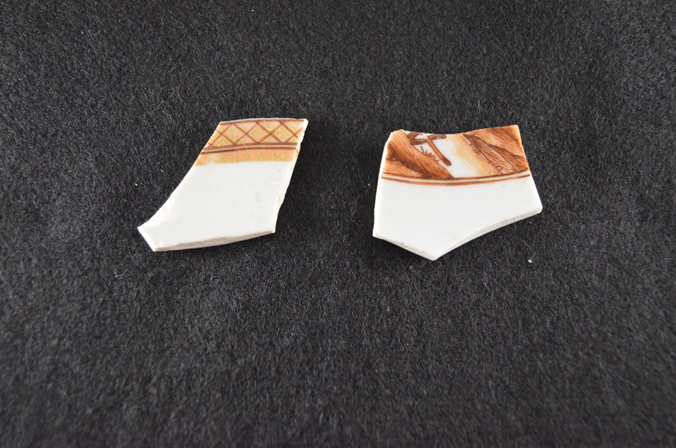
    Rim sherds from a hand painted teacup.

    As evidenced by all this thievery and espionage, porcelain was a big deal.  Owning porcelain was a sign of status and refinement.  If you were of the European upper class, it was imperative that you own these fancy dishes AND show them off whenever possible.  It was no less imperative for the gentry class in British North America.  Archaeological analysis of the Washington family’s porcelain illustrates that they were very much a part of this culture of conspicuous consumption when they lived at Ferry Farm.

    Porcelain (4)
    Rim and body sherds from a hand painted punch bowl in the Imari palette.

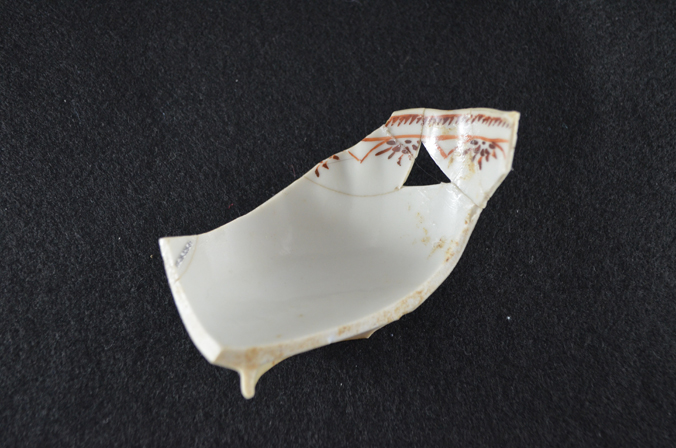
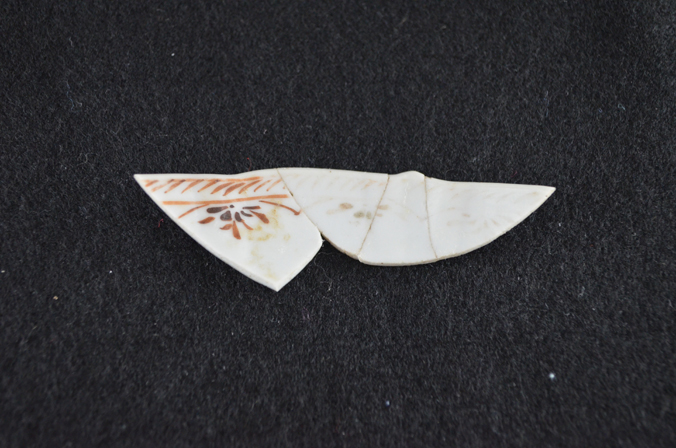
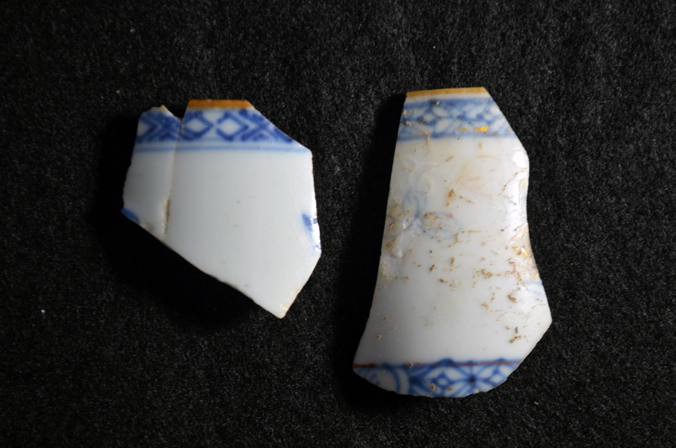
    Our current mending project, piecing together porcelain sherds recovered from Ferry Farm, revealed dozens of distinct dishes once owned by the family.  George Washington’s mother Mary owned porcelain predominantly from China.  Interestingly, all were teawares as opposed to dinner wares.  While dinner was definitely a time to show off one’s ‘good china’, colonial tea time was arguably an even better opportunity.  Serving tea in the 18th century had a large ceremonial aspect and was an opportunity for those participating to show off how cultured they were while serving a beverage (also from the distant locale of China as well as India) linked closely to high status.  Perhaps Mary, a widow on a budget, decided to put her limited resources into more conspicuous teawares rather than dinner plates and bowls.  Previous analysis in our archaeology lab indicates that Mary preferred a ceramic called white salt-glazed for her dinner dishes.

    Porcelain (5)
    Hand painted partial teacup with scalloped rim.

    Porcelain (6)
    Matching saucer for teacup for teacup immediately above.

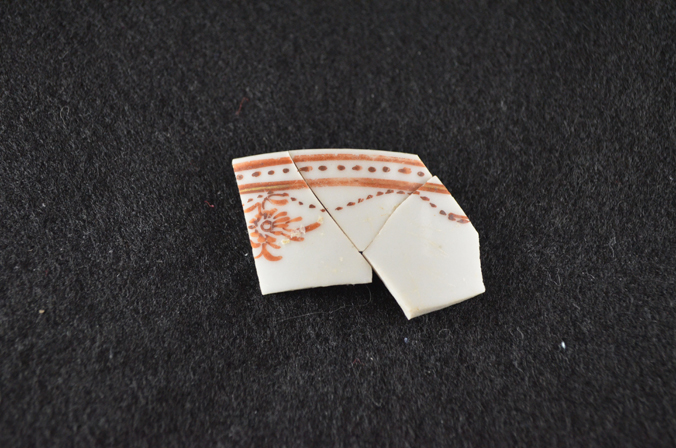
    It has also been interesting to discover the china patterns that Mary favored, which include landscape scenes, abstract geometrical designs, and floral patterns.  While she did not appear to own ‘sets’ of china she did have cups that matched saucers, a further illustration of refinement.  As complete sets of china were not common in the middle of the 18th century, one could attempt to match up similar color palettes.  Although we’ve identified dozens of motifs in our collection, there is little evidence for Mary matching the palettes of her porcelains.  Her table, as with most colonial households, was a lot more varied in colors and patterns than we expect in the modern day.  Mary’s porcelains were delicate and skillfully hand-painted with brushes sometimes containing no more than a few bristles.  Many of the teawares are also gilded, which was a premium type of decoration for the time.

    Porcelain (7)
    Two chocolate/coffee style cups. Hand painted and likely gilded.

    In addition to teacups and saucers, our archaeologists have identified one tea canister and a few coffee or chocolate style cups, which tend to have taller and straighter sides and be of a smaller diameter.

    With this mending experiment under our belt it’s on to the next one in our never ending quest to learn as much as we can about the Washington family!

    Mara Kaktins, Archaeologist
    Archaeology Lab Supervisor