Lives and Legacies

Tag: fauna

  • Caring for Ferry Farm’s Flora and Fauna

    Step onto the grounds of George Washington’s boyhood home and, notwithstanding its famous connection, there’s no mistaking the feeling of being in a special place. A National Historic Landmark, Ferry Farm stretches along the Rappahannock River across from downtown Fredericksburg’s City Dock. The land is varied and rich, with native woodlands, a native grass meadow, walking trails, riverbeds, springs, a garden, and scenic Virginia rail fences. It has seen a significant share of American history from the activities of Native Peoples, to the colonial inhabitants, to Civil War Union encampments, and more.

    View of Fredericksburg from Ferry Farm

    Historically significant land such as this ought to be carefully maintained and stewarded – and it is. With its variety of features, maintenance can become a challenge, as there is always the threat of erosion, the caring for trees, the need to ensure the grounds are safe and passable for visitors, and finding economical ways to use and reuse what’s available. Also, we cannot forget the residents that have first rights to be here – Ferry Farm’s numerous critters.

    Leaving natural habitats for flora and fauna promotes a healthy ecosystem

    “We try to keep a balanced ecosystem by only introducing native plants that would not interrupt the natural beauty of the site,” explains John Carmichael, Buildings and Grounds Director. “The land is kept as natural as possible to maintain a primitive ecosystem native to the area. Forests are kept healthy by mitigating the growth of invasives. Grasslands are maintained with tough turf, mainly natural growth. We’re not looking to keep up a pretty green lawn with no weeds; we maintain how it would have looked in Washington’s day, with natural growth, clover, and field grasses.”

    The grass in front of the House leading to the riverfront gets mowed sparingly in order to protect all of the embankments from erosion. Growing large strong roots helps keep the soil in place. Underbrush on the riverbank remains in place, for the same reasons, and fencing keeps visitors off of the area since it is unsafe footing.

    Grasses are kept long in front of the Washington House and along the Rappahannock River to protect the embankment from erosion.

    The entire flat nearest the water was created by the Corps of Engineers shortly after the conclusion of the Civil War. Sediment from erosion was threatening to make the river too shallow to navigate. To relieve the problem, the Corps built wooden retaining walls along the river’s edge and then dredged a channel to allow ships to resume operating on the river. They used the sand from the dredge to fill in behind the wooden retaining walls. With sand not being optimal land for growing trees, trees that happen to grow there are left because they’ve already proven their hardiness.

    Since no commercial fertilizers and minimal weed killers are used at Ferry Farm, composting and mulching are an essential part of stewardship. Large limbs, trimmings, and small branches are placed at the edges of woods to decompose and provide shelter for animals. Tree trimming partners will mulch downed limbs which in turn get spread onto walking paths and parking lots.

    Composting at Ferry Farm is a three-year process. New grass clippings, greens, weeds, manure, wood ash, and leaves go into an initial pile for decomposition. In year two, everything gets turned and sifted regularly. By the third season, it’s ready to be spread throughout gardens and flower beds. Green and cost-effective, composting keeps useable nutrients out of the landfill.
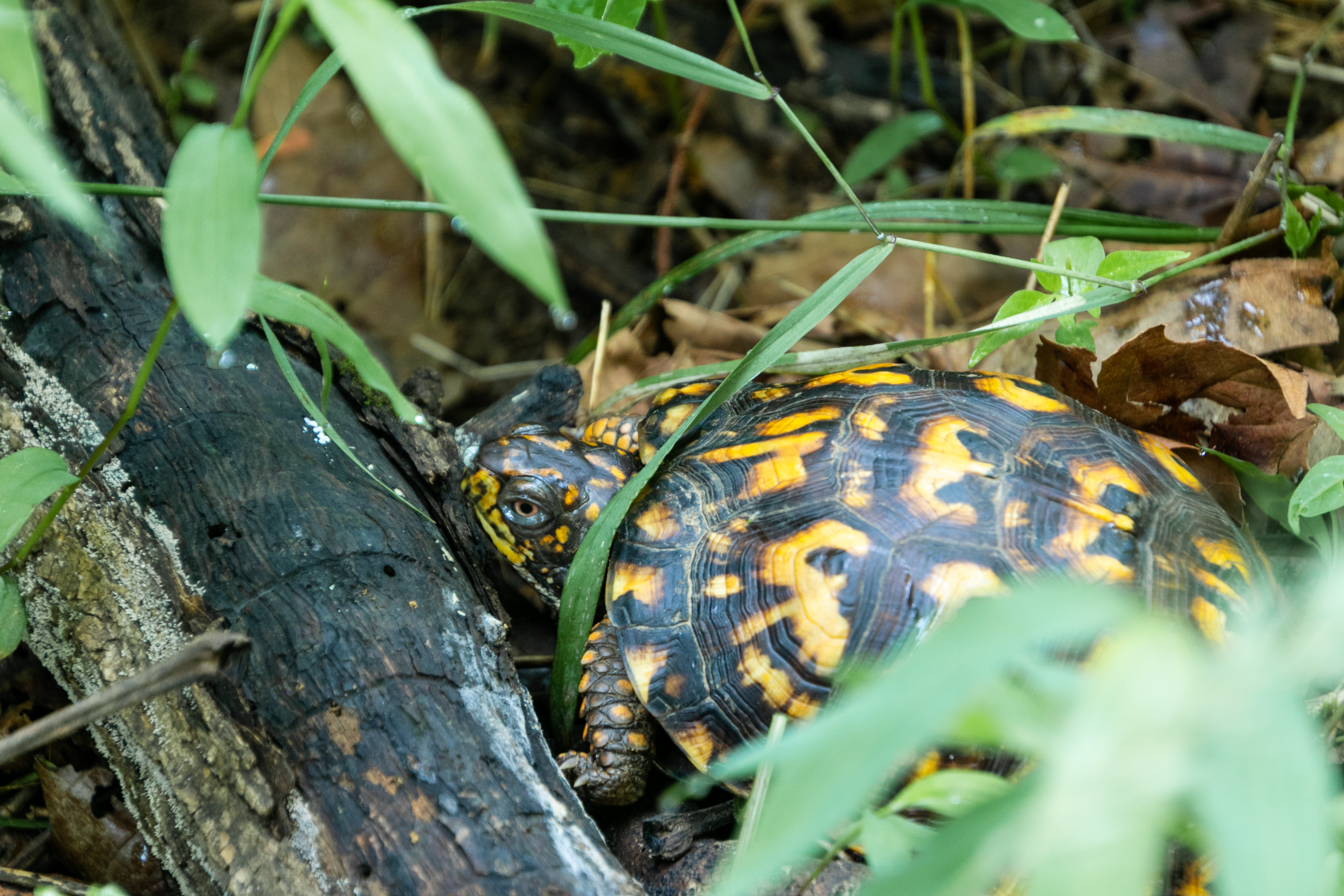
    Box turtles thrive in tall grasses in front of the Washington House. Source: Sharon Houston

    Surrounded by busy roads on two sides, Ferry Farm is a wild animal sanctuary for deer, rabbits, groundhogs, red and grey foxes, hawks, bald eagles, herons, opossums, raccoons, black and garter snakes, box turtles, bats, and hundreds of bird species. Leaving natural habitats for flora and fauna promotes a healthy ecosystem. The back meadow receives rejuvenate mowing in early spring to encourage it back to good health. It’s a birders’ paradise dotted with bluebird boxes along a mowed walking path. Over 125 different species of birds have been identified on the property over the years. Look closely, and flat patches of grass indicate where a deer has bedded for the night. Critters are welcome here. “As long as it poses no threat, it has a right to be here,” says Chris Lynn, Buildings and Grounds Technician.

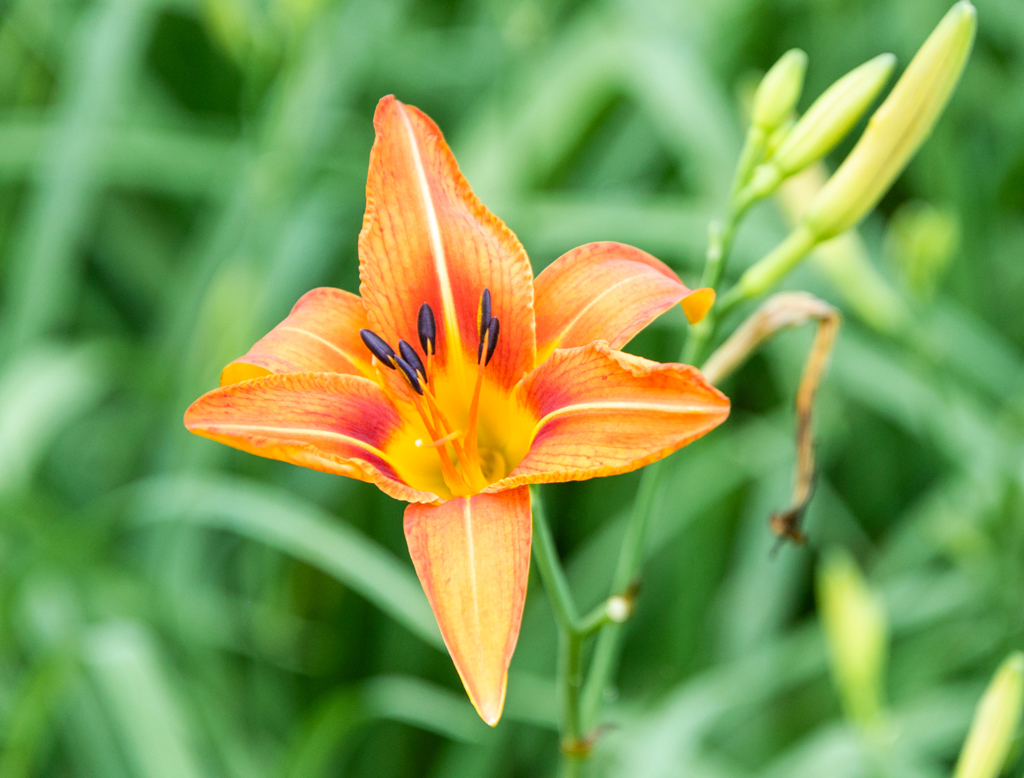
    The flowers in the garden attract pollinators to the herbs and vegetables; fruit-bearing trees and shrubs do their part to attract as well. Gardens grow with the three sisters – corn, squash and beans – as well as tobacco, cotton, potatoes, and more.
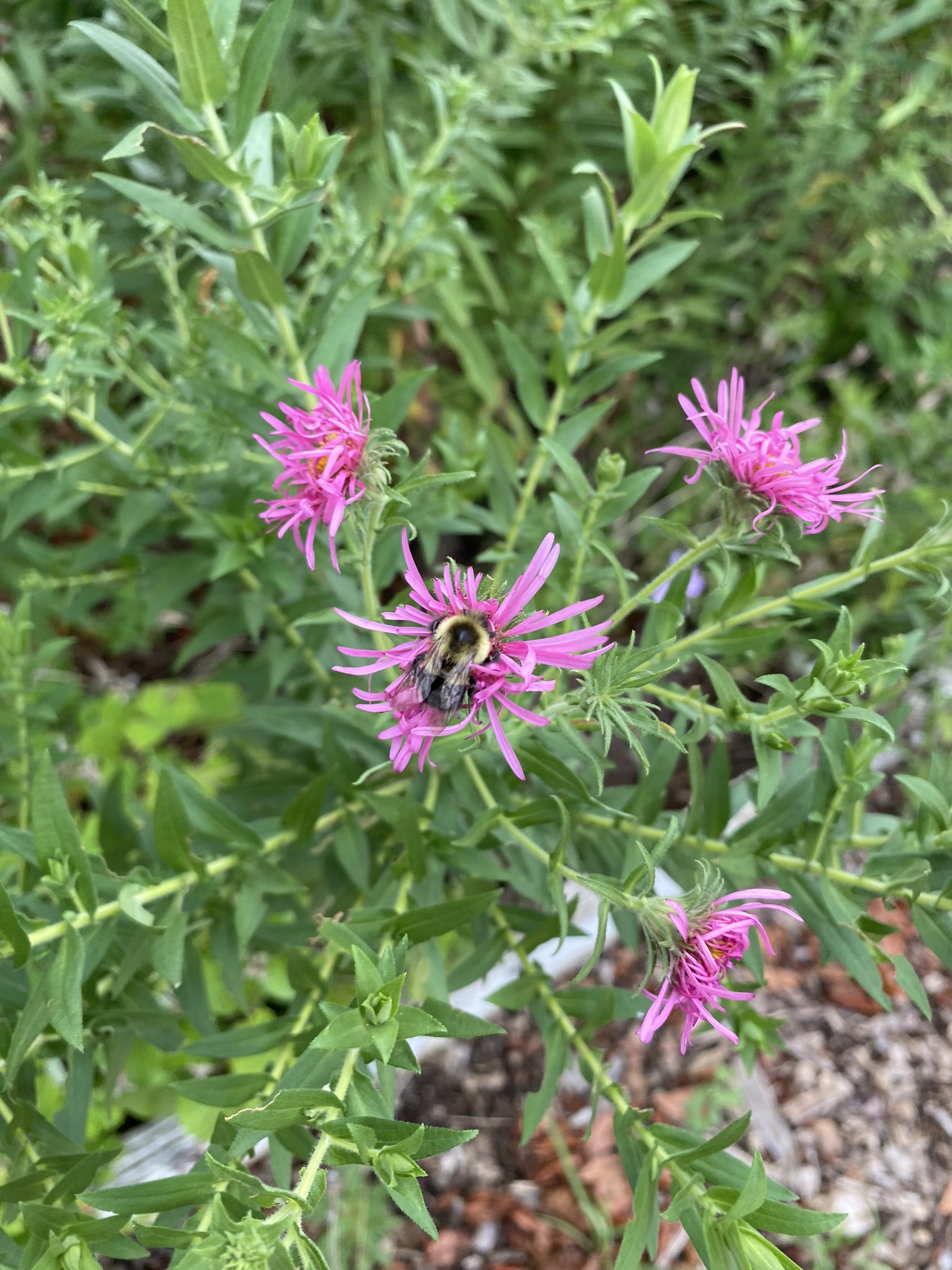
    A flower in the garden bed serves to attract pollinators for herbs and vegetables

    Ferry Farm’s beauty conjures up days of natural grasslands, mature forests, and living in harmony with the land’s resources. Knowing that the “Father of our Country” spent his childhood here evokes moments of contemplation. Absorbing the sights and smells of wild flora and fauna while walking where young George walked is a step back in time, where the present awakens the past.

    Lori Scott Pikkaart,

    Marketing & Communications Manager

  • The Flora and Fauna of Ferry Farm [Photos]

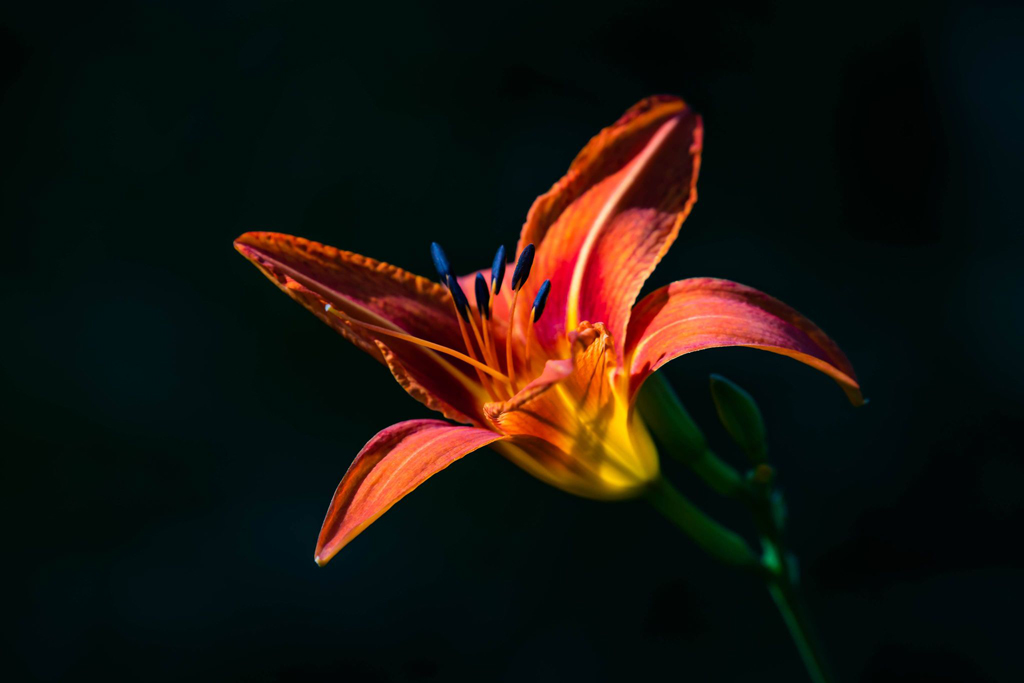
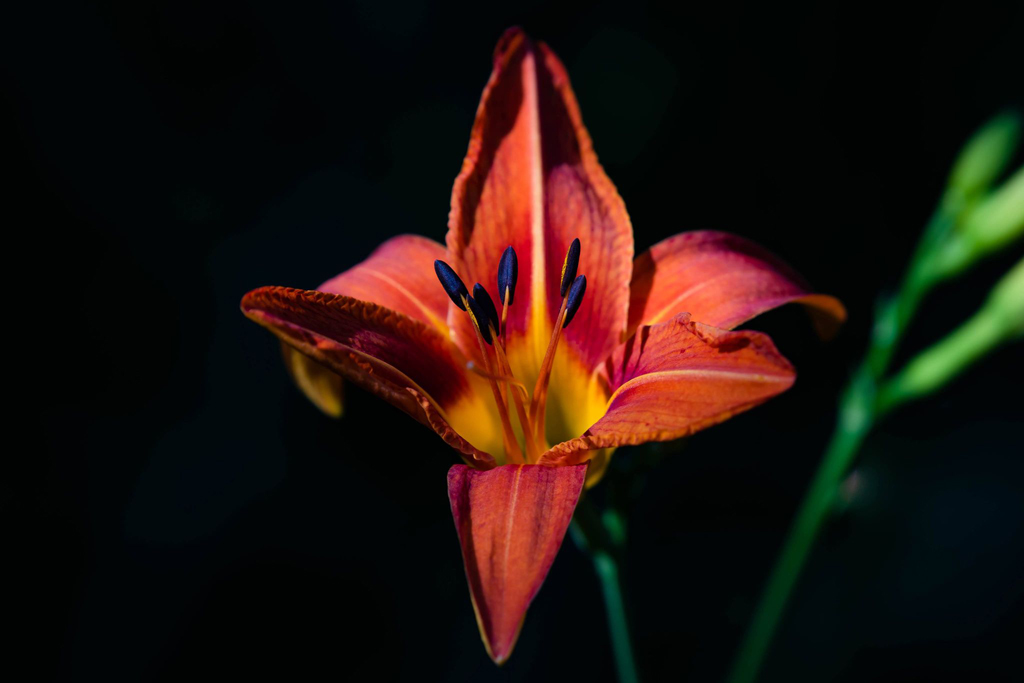
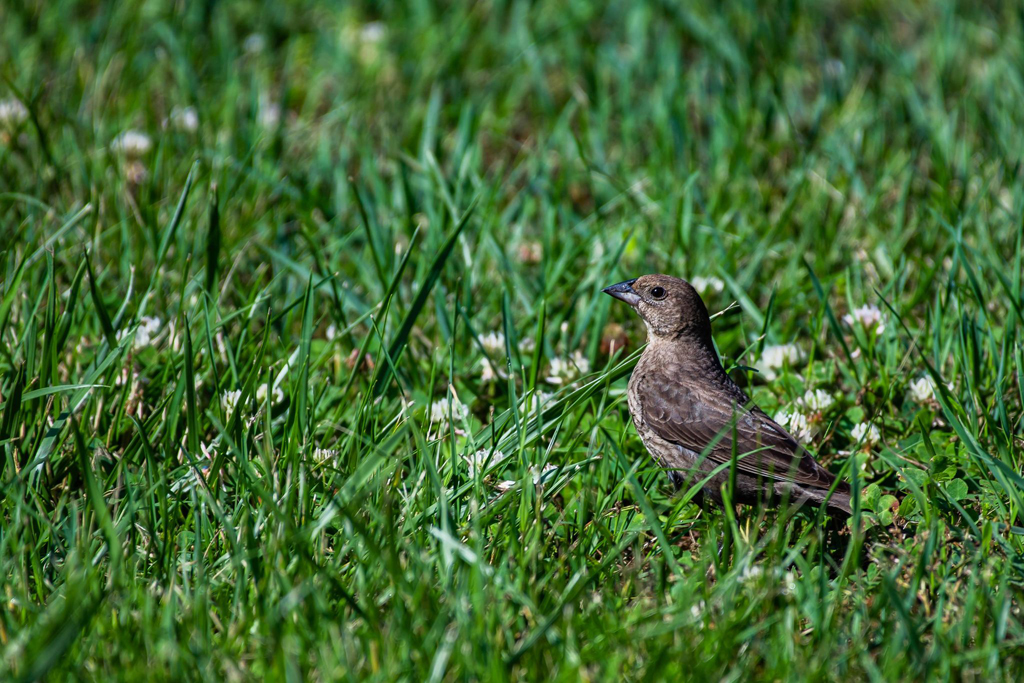
    On a recent summer Saturday morning, a group of photographers came to George Washington’s Ferry Farm for a hike on the trails around the property. A lot of wildlife call Ferry Farm home, and we hoped to capture some of it. We saw many birds, a turtle, and a rabbit eating breakfast in the grass as well as plenty of beautiful flowers. Unfortunately, many animals – including the doe and fawn that have been spotted frequently on the property this year – seemed shy that morning, but we are planning another wild photography session at Ferry Farm in the fall.

    If you’d like to explore wilds of Ferry Farm yourself, you can purchase a self-guided grounds only tour upon arrival at the Ferry Farm Visitor Center. Ferry Farm is currently open from 10 a.m. to 5 p.m., Monday-Saturday and from Noon to 5 p.m., Sunday.

    Jessica Burger
    Manager of Marketing, Communications, and Information Technology

  • The Wild Game on the Washingtons’ Table

    The holiday season is beginning!  No matter how you celebrate the next several weeks, you’re likely spending extra time thinking about food. We archaeologists are no different, only we also want to know what the Washingtons and their enslaved laborers ate, whether at the harvest, the holiday season, or simply a regular meal. Historians know about the past because people wrote things down in diaries, letters, receipts, legal records, and other documents.  Of course, not everything was written down, especially when the things as mundane as what people ate for dinner. To find out more about the diets of those living at George Washington’s Ferry Farm in the 18th century, along with research in historical documents, we also turn to archaeological analysis.

    We previously published a blog post detailing floral remains excavated in 2015 from a storehouse cellar abandoned in the mid-1700s. This cellar feature contained floral remains (seeds and wood) which were analyzed by a microbotanical expert.  We are currently using this information to recreate the Washington era landscape and to plant in our garden examples of what the Washingtons grew.

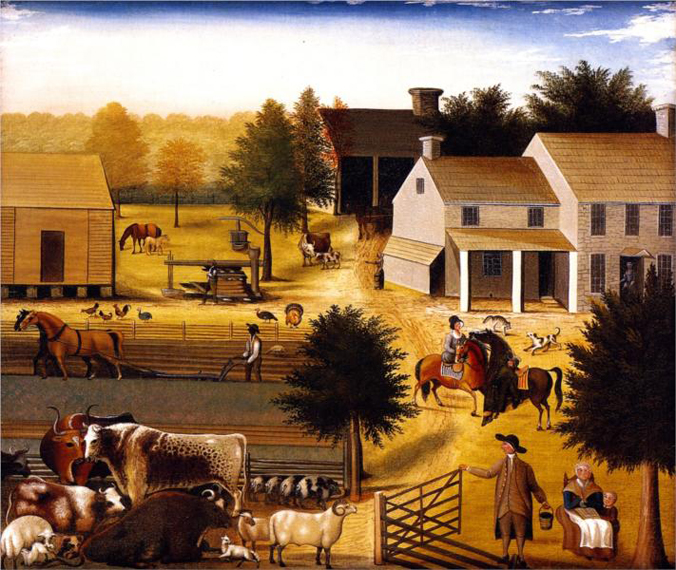
    Historical documents, namely the probate inventory of Augustine Washington compiled in July 1743, show that the livestock owned by the Washingtons included 6 oxen, 29 cattle, 19 pigs, and 11 sheep. Rather than consume this livestock themselves, however, the Washingtons most likely raised most of these animals for market.  Many of them would be butchered by enslaved workers, the meat loaded onto small ocean-going vessels ported at Fredericksburg, and then shipped to the British West Indies or even to England.

    The Residence of David Twining, 1785 by Edward Hicks
    “The Residence of David Twining, 1785′ by Edward Hicks. Although Twining’s farm was located near Newtown, Pennsylvannia, this painting includes great example images of livestock typically found on a colonial farm or even on a plantation like Ferry Farm. Credit: The WikiArt Visual Art Encyclopedia

    To add to the probate inventory’s livestock picture, we also explored a root cellar feature under the Washingtons’ house as well as a root cellar feature associated with a nearby enslaved laborer’s dwelling.  In these cases, we hoped to determine what kinds of animals – or fauna – each group actually ate. These diets would be revealed by archeologically recovered animal remains, usually bones, called “faunal remains.” Then, we had an expert in faunal remains analyze what came out of these two root cellars.

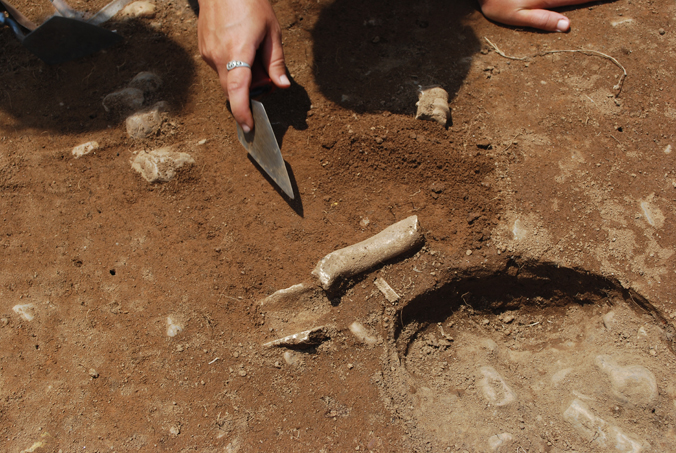
    Excavated Bone
    Archaeologist excavating an animal bone at George Washington’s Ferry Farm.

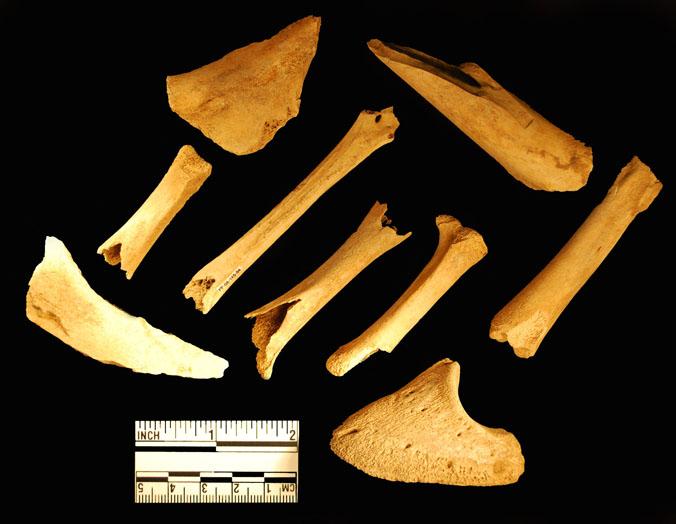
    Assortment of Faunal Remains
    An assortment of faunal remains excavated at Ferry Farm.

    The results for Ferry Farm were unusual compared to other 18th century sites.  The Washingtons weren’t only dining on typical domestic livestock like cows and pigs, they ate a variety of wild game and in much higher amounts than expected. Results from other studies show that typical 18th century Virginia households consumed a little under 4% wild game on average. Another study of planter households in Maryland and Virginia showed faunal remains only ranging from 4-15% wild game. The percentage of wild game recovered from the Washington house root cellar was a whopping 25%.

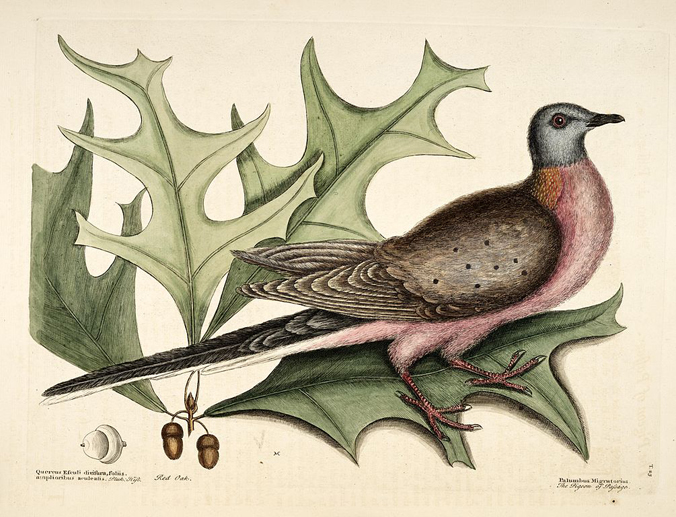
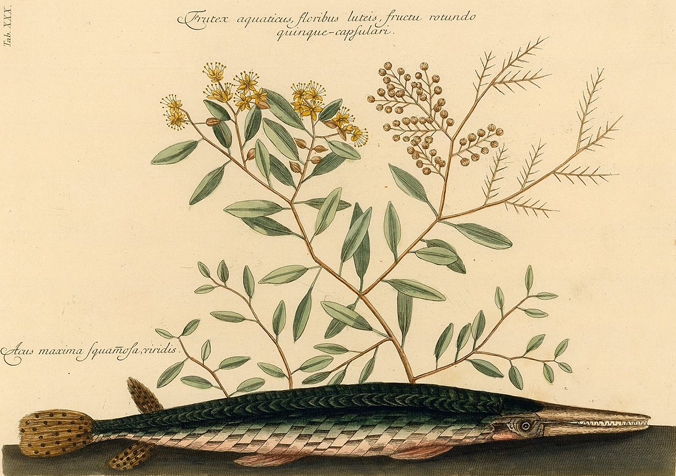
    Mammal remains recovered from the Washington family root cellar include cows, pigs, sheep, rabbits, raccoon, white-tailed deer, fox squirrels, and grey squirrels.  Birds that were prepared and eaten include chicken, turkey, Canada geese, mallards and other ducks, bobwhite, and the now-extinct passenger pigeon. Fish eaten include longnose gar, stripped bass or rockfish, white perch, yellow perch, and carp. Shellfish consumed include oysters and crabs. The Washingtons also ate turtles, which were 18th century delicacies.

    Passenger Pigeon by Mark Catesby
    Passenger Pigeon by Mark Catesby from his famed Natural History of Carolina, Florida and the Bahama Islands published 1729-1747. Credit: Wikipedia

    Longnose Gar by Mark Catesby
    Longnose Gar by Mark Catesby from his famed Natural History of Carolina, Florida and the Bahama Islands published 1729-1747. Credit: Wikipedia

    The species recovered from the slave quarter root cellar include cow, pig, chicken, possum, four types of fish, and an unidentified bird. Beef and pork account for almost 78% of the faunal remains.  What meat Ferry Farm’s enslaved people consumed came in the form of mostly beef, pig, and chicken. The relative absence of wild animals, with the exception of fish, shows that the occupants of the slave quarter did not significantly supplement their diet using hunting or trapping.  No lead shot, gunflints, or fish hooks were recovered in the slave quarter, the lack of which supports this conclusion. The enslaved laborers however were providing food for themselves by raising chickens, which account for over 7% of the meat recovered in the slave dwelling.

    The prevalence of wild animals being served on the Washington table may be related to the makeup of the four Washington boys: George, Samuel, John Augustine, and Charles.  The youngest Washington male, Charles, left home around 1761, meaning that the Washington boys hunted, fished, and trapped for up to 23 years at Ferry Farm. Farm life meant there were also frequent opportunities requiring the dispatching of varmints. At the time, hunting and fishing were considered fun and great practice for adult gentry life. There was also an economic benefit to provisioning one’s table with game. This supplemental meat source replaced domestic animals that could be steered toward the market, increasing the profits of selling livestock and poultry.

    Elyse Adams, Archaeologist
    Co-Field Director / Archaeology Lab Technician