
Typically, when modern Americans think of summer barbecue food, they think of meat grilled over an open flame. While that would certainly appeal to an eighteenth century audience, it is not necessarily what they considered ‘typical’ summer fare. Large livestock like pigs and cattle were usually slaughtered and butchered in the late fall/early winter when the weather was far more conducive to task. This meant that large roasts (like mentioned in our earlier blog) were not the norm in the warmer months. Instead, people of the 18th century looked to the seasonality of ingredients to inspire their summer time fare.
Eighteenth century diets were very dependent on the growing seasons. Summer was a bounty of fruits, vegetables, greens, herbs, and anything else that could not be had in the dead of winter. Much like today, there were a variety of methods, styles, and recipes used to please the numerous palates.
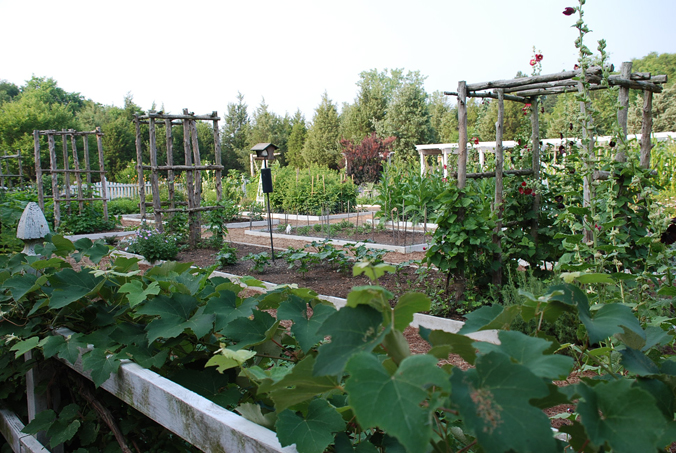
With today’s weekend farmers markets and roadside stands, a salad seems the ubiquitous summer option. But what would our forefathers have thought of raw vegetables tossed in oil and vinegar? They certainly had all of the elements available to them but their tastes were different than ours. After all, we still have oysters and ice cream but most of us no longer enjoy oyster ice cream.
While the oldest references to salad come from ancient Rome (usually referred to as sallet) it was not ubiquitous in English summer cuisine. While there are some references in cookbooks and menus of the time that called for ‘salad herbs’ like lettuce and spinach to be served raw, most of their English recipes called for cooking the vegetables in some way.
The modern stereotype of English cooking insists that greens be boiled until no real flavor or texture remains. And while many of 18th century recipes for vegetables include boiling (and some for quite some time) there is also this warning in Hannah Glasse’s The Art of Cookery Made Plain and Easy.

There was a clear appreciation for fresh vegetables even if they were prepared in some manner. An appreciation that extended into George Washington’s own household. One recipe included in Martha Washington’s cookbook was for a ‘Lettis Tart’ which called for ‘cabbage lettis’ and prunes to be put in a crust with cinnamon and ginger and then baked like a pie.
In addition to recipes calling for fresh fruits and vegetables, early Americans were very familiar with numerous preservation methods in order to enjoy vegetables and fruit out of season. In the summer they would pickle vegetables, dry herbs, and make preserves with fruits so they could enjoy them all year long.
In September 1784, George Washington traveled west of the Allegany Mountains. He recorded some of his supplies in his diary and includeed a canteen filled with ‘Chery Bounce’. This was a drink made from cherries preserved in brandy and was a way for Washington to take the taste of Virginia summer with him on his travels.

This summer when you are contemplating your patriotic picnic options for your July Fourth festivities, don’t pass up the greener options. They have far more in common with the summer options of our founding fathers than you may have originally believed.
Joe Ziarko
Manager of Interpretation & Visitor Services


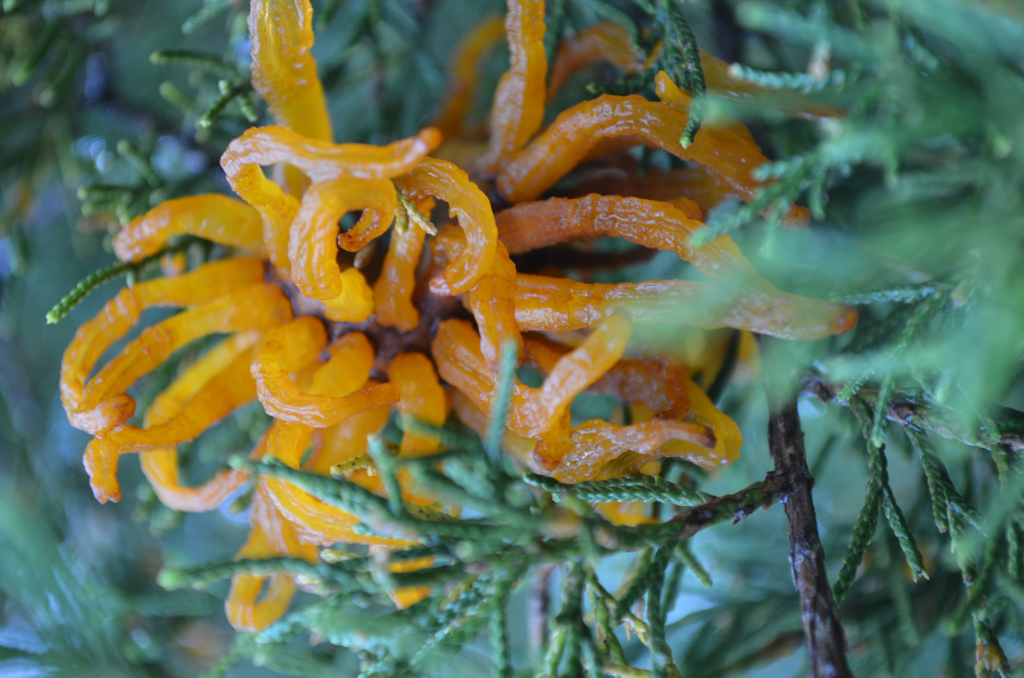


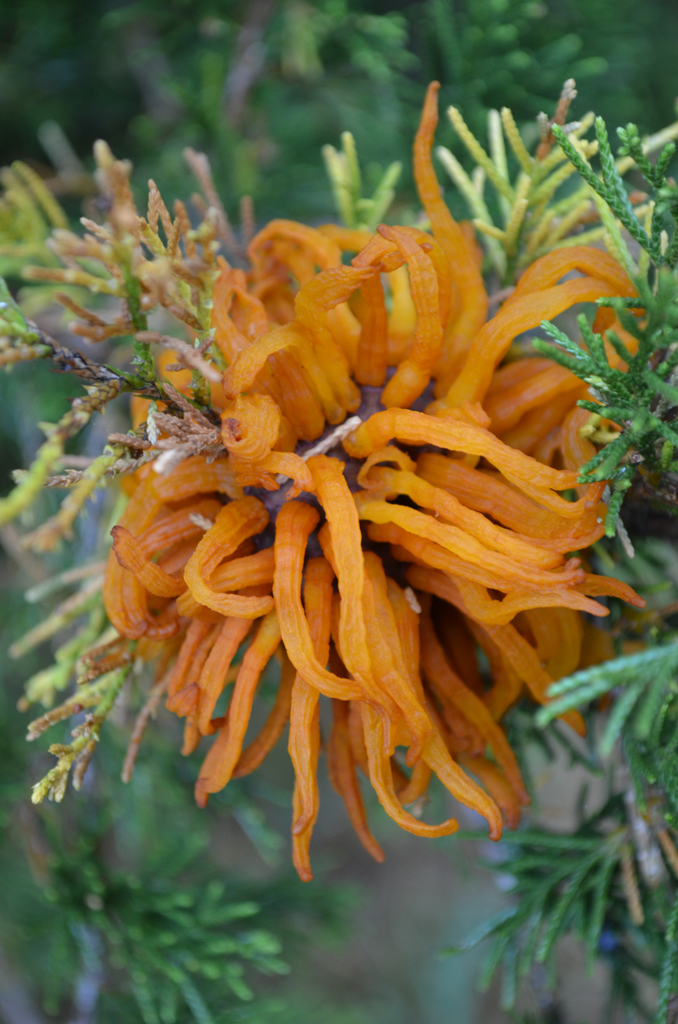 This disease had the potential to devastate colonial-era apple crops. Although wild crabapple varieties were native to the Americas, European immigrants quickly introduced domesticated apples to the New World and widely cultivated the fruit. Baked into pies and puddings, dried, turned into preserves, and even added to savory dishes, apples were very popular. Not just prized as a food, the delicious fruit was also commonly converted into hard cider, which could be stored much longer than fresh apples and rivaled beer in popularity with colonials. In years of abundant crops, excess apples could even be used to finish livestock prior to butchering. As such, most colonial households grew at least a few apple trees. The loss of some or all of this fruit would have been tragic. Native Americans also suffered the loss of indigenous crabapples, which provided food for them and for animals they hunted and relied on.
