Lives and Legacies

Tag: tuberculosis

  • Bane of the Washingtons: Deaths in the Next Generation and Amongst the Enslaved

    Welcome back to our 3-Part Blog charting tuberculosis (TB) in the extended Washington Family. If you are new to this series, Part I examined how the disease works, charted its history and explained standard courses of treatments in the 1700s. Part II looked at victims from George’s generation, including his brothers Lawrence and Samuel and brother-in-law Fielding Lewis. You can find those blogs here and here. In our final entry, we will continue to look at individuals who suffered from the disease and see more evidence of how the disease stayed within a family. 

    George Steptoe Washington (1771-1809, aged 37)

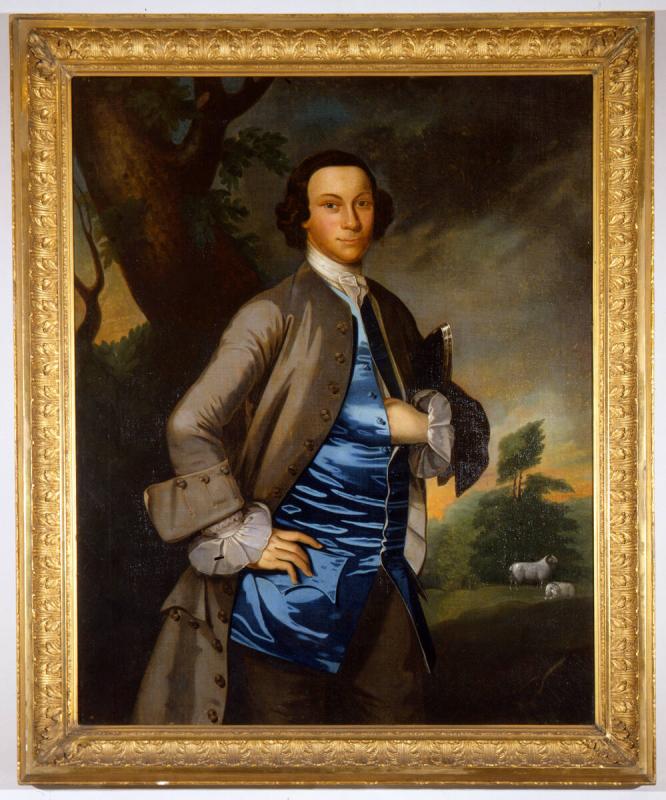
    George Steptoe Washington Source: MESDA

    As covered in Part 2, George’s brother Samuel died of tuberculosis, as did several of his sons, including George Steptoe Washington. A product of his father’s fourth marriage to Anne Steptoe, George Steptoe became an orphan at age ten. He and his siblings then fell under the care of their uncle, George Washington. George Steptoe would go on to marry Lucy Payne, the sister of Dolly Madison. Like his father, the point of infection cannot be determined but is likely derived from a family member. George Steptoe certainly faced exposure to TB via his father from the moment of his birth but may have caught it later in life. Regardless, his health experienced a serious decline sometime after 1800, and he ultimately traveled to Augusta, Georgia, in search of health benefits. He died there on January 10, 1809.

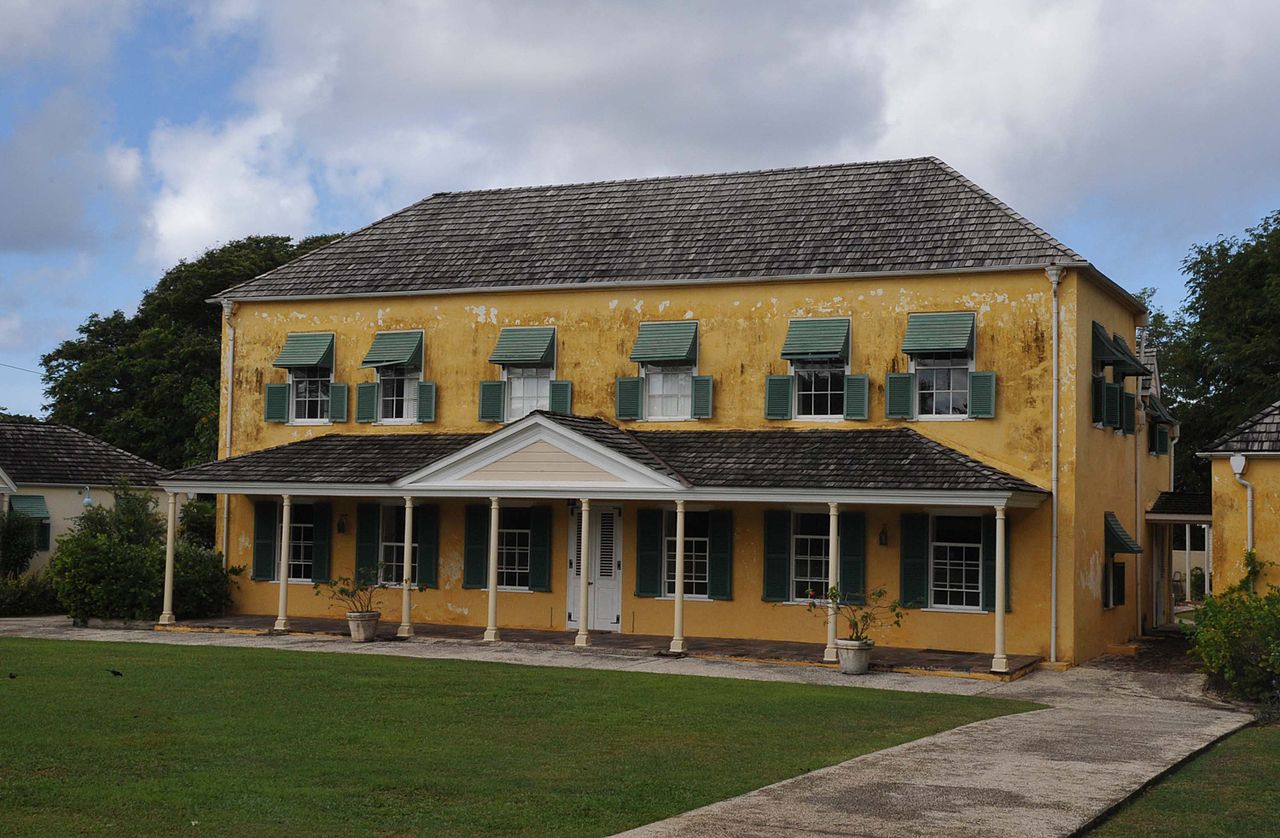
    George Augustine Washington (1759-1793, aged 34) & Frances “Fanny” Bassett (1767-1796, aged 29): George Augustine was another nephew of George Washington through his youngest brother Charles and quickly became his uncle’s favorite. He joined the Mount Vernon household in the early 1780s but had already experienced several periods of ill health that forced him to take leaves of absence from the battlefield. A diagnosis of tuberculosis soon came, leading George Washington to take an involved interest in his nephew’s health. Despite having witnessed the lack of improvement made by his brother Lawrence during such ventures, George funded trips to Berkeley Springs, Barbados, and Bermuda for George Augustine. He returned in May 1785 “in better health than when he set out, but not quite recovered.”1
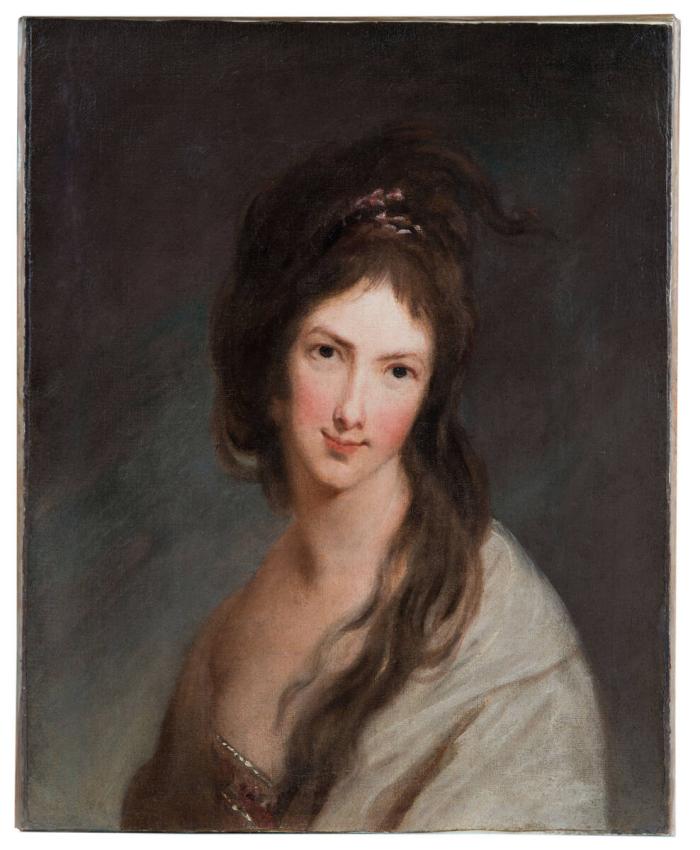
    Fanny Bassett Source: Mount Vernon

    During George Augustine’s absence, Frances “Fanny” Bassett, Martha Washington’s favorite niece, officially joined the household. Upon his return, the two quickly formed an attachment and married on October 15, 1785. George Augustine later became the manager of Mount Vernon, but his health steadily declined, leading his uncle to describe him as “a shadow of what he was.”2 Despite barely being able to ride, George Augustine traveled to Berkeley Springs in October 1791 but would be bedridden and coughing up blood by August 1792. After battling the disease for over ten years, he finally succumbed in 1793. His death “had been long expected,”3 but nevertheless caused his uncle to feel “it very keenly.”4

    The death of her husband left Fanny a young widow with three very young children. Unlike many in that situation, she retained a comfortable lifestyle. As the beloved niece of George and Martha, she always had a home at Mount Vernon and frequently served as an additional hostess. Regardless, she did not remain a widow for long and married Tobias Lear, secretary to her uncle, in August 1795. Sadly, she passed less than a year later, in March 1796, with Lear lamenting, “The Partner of my life is no more!”5 Thought to have died of TB, Fanny likely contracted it from George Augustine during their marriage.

    Charlotte (~1770-unknown, aged 27+): Charlotte served as an enslaved seamstress at Kenmore and later at Betty Washington’s final home, Millbrook. She first appears, aged eleven, in the 1781 probate inventory following the death of Fielding Lewis. Few details about her life exist apart from the record of a son, George, and another baby in a document from 1797. However, Charlotte clearly held an important position within Betty Washington’s household, given the medical records we have.

    Bill for Charlotte’s medical treatments

    Charlotte took ill at Millbrook in 1796 with some form of respiratory complaint. Rather than care for Charlotte personally, Betty sent for the doctor seven times over the year. Charlotte underwent throat examinations and notably received treatment with mercury tablets and ammonia liniment for the chest. The former served as a common cure, which “purged” the body of any imbalances, while the latter mimicked early Vicks VapoRub by opening the airways. None of these treatments would have been pleasant, and the mercury certainly did more harm than good, but Charlotte recovered nonetheless. However, Betty Washington Lewis’ death in 1797 prompted the division of her enslaved staff. In an all-too-common occurrence, Charlotte and her son went to different properties (no mention of the baby exists). They likely saw little of each other after this or never met again. At age twenty-seven, we know Charlotte resided on a property owned by Charles Carter in Frederick County, Virginia. After this, she disappears from the record.

    The true nature of Charlotte’s illness remains a mystery. She certainly suffered from a respiratory ailment and received treatment in line with that given to tuberculosis patients. Nevertheless, we cannot conclusively diagnose it as TB or determine if it ever affected her again. Despite this, her story reflects an important aspect of life in eighteenth-century Virginia and a failing of history. An interest in keeping the enslaved healthy enough to work existed, but the actual health of an enslaved individual often went undocumented. We only know of Charlotte’s illness due to the bill sent by the doctor listing dates and treatments. Even this reflects a rarity as the lady of the household generally oversaw medical treatment for the enslaved rather than a physician. Considering the widespread nature of TB, its higher prominence in poor and minority communities, enslaved living and working conditions, and the high death rates recorded amongst Philadelphia’s free Black population in the early 1800s, the disease likely accounted for a high number of deaths within Virginia’s enslaved population. Sadly, we may never know how many individuals died of the disease or its impact on their lives.

    You can read the full details of Charlotte’s treatment and life here.

    Hercules Posey (~1754-1812, aged roughly 64)
    Hercules Posey Source: Mount Vernon

    One Black individual known to have died of tuberculosis was Hercules Posey. Hercules came to Mount Vernon in 1767 after his previous enslaver, John Posey, failed to pay a mortgage owed to Washington. Having served as a ferryman for Posey, Hercules initially took up the same position. By 1786, he had moved on to the position of cook, for which he is best known. Highly skilled in his culinary abilities, Hercules counted amongst the nine enslaved individuals the Washingtons brought with them to Philadelphia in 1790. Early 1797, however, found Hercules working as a laborer at Mount Vernon, and he acted to self-emancipate in February. In doing so, Hercules left behind at least three children, Richmond, Evey, and Delia, who he shared with his late wife, Alice. Due to Alice’s status as a dower slave, none of their children would receive their freedom in Washington’s will.

    After his escape, Hercules made his way to New York City, where he again worked as a chef. He died on May 15, 1812, with the cause given as TB, and his grave lies in the Second African Burying Ground in Lower Manhattan. Given the span of time between his escape to freedom and death, he possibly contracted the disease after leaving Mount Vernon. Then again, it remains entirely possible that he became ill while enslaved in Virginia or Philadelphia. In this case, he either suffered with an active case for many years, with periods of waxing and waning or had a dormant case that reactivated later in life.

    Others: Additional members of the extended Washington family contracted the disease as time went on, and the same goes for the enslaved. However, an interesting aspect of tuberculosis is that far more individuals may have had it but remained unaware. As covered in Part I, TB can go dormant by walling itself off in the lungs. Minor symptoms would have appeared at the time of infection, but those pauses when the disease goes dormant. Depending on how long it remained active and how severe, the TB may have gone unnoticed or been misdiagnosed. If the disease never reactivated, a person could live a full life and never know they had it.

    Today, we diagnose tuberculosis through symptom analysis and testing. Multiple successful treatments additionally exist to help people overcome the disease. For the 1700s, however, symptoms alone provided the diagnosis, and the dormant phase served as the only successful reprieve from the disease. The fact that our modern technology and medical knowledge would have saved many of the people covered in this 3-part blog appears evident. Nonetheless, it remains unclear just how many people in the extended Washington family actually contracted TB. This then raises the question, if TB testing had existed in the 1700s, would individuals such as George and Betty Washington have turned up positive?

    Emma Schlauder

    Research Archaeologist


    Bibliography

    Anderson, Alicia K. & Lynn A. Price (editors) 2018     George Washington’s Barbados Diary: 1751-52. University of Virginia Press, Charlottesville, VA.

    Budinger, Meghan & Mara Kaktins 2020    Charlotte and the Mercury Pills. Lives & Legacies Blog, The George Washington Foundation <https://livesandlegaciesblog.org/2020/06/17/charlotte-and-the-mercury-pills/&gt;. Accessed April 11 2023.

    Chernow, Ron 2010     Washington: A Life. Penguin Books Ltd, London, UK.

    5 Eliassen, Meredith, Tobias Lear. Digital Encyclopedia of George Washington’s Mount Vernon, George Washington’s Mount Vernon < https://www.mountvernon.org/library/digitalhistory/digital-encyclopedia/article/tobias-lear/&gt;. Accessed April 11 2023.

    1-4 Fore, Samuel K. George Augustine Washington (ca. 1759-1793). Digital Encyclopedia of George Washington’s Mount Vernon, George Washington’s Mount Vernon < https://www.mountvernon.org/library/ digitalhistory/digital-encyclopedia/article/george-augustine-washington-ca-1759-1793/>. Accessed April 11 2023.

    Glen, Justin 2014     The Washingtons: A Family History, Vol 1, Seven Generations of the Presidential Branch. Savas Beatie LLC, El Dorado Hills, CA.

    Lenhart, Chelsea  Hercules. Digital Encyclopedia of George Washington’s Mount Vernon, George Washington’s Mount Vernon < https://www.mountvernon.org/library/digitalhistory/digital-encyclopedia/ article/hercules/>. Accessed 11 April 2023.

    Rankin-Hill, Lesley M.  1997     A Biohistory of 19th-Century Afro-Americans: The Burial Remains of a Philadelphia Cemetery. Bergin & Garvey, Westport, CT.
  • Bane of the Washingtons Part II: The Deaths of Lawrence, Fielding, and Samuel

    Welcome back to our 3-Part Blog charting tuberculosis in the extended Washington Family. If you are new to this series, Part I examined how the disease works, charted its history, and explained standard courses of treatments in the 1700s. You can find the blog here, and we encourage a review of the “Treatment” section. In Part II, we will begin to look at the family members who suffered from the disease and how this impacted their lives and those around them.

    Lawrence Washington (1718-1752, aged 33/34):

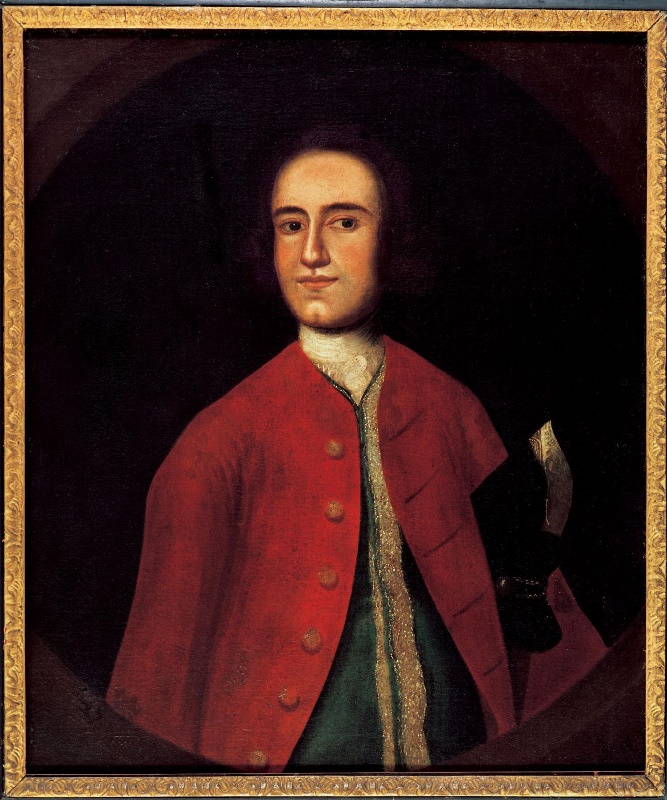
    Lawrence Washington Source: Mount Vernon

    Perhaps the best-known case of tuberculosis in the Washington family pertains to Lawrence Washington. George’s eldest half-brother, credited as serving as a role model, died of the disease in 1752, which subsequently laid the foundations for George to inherit Mount Vernon and become the Father of His Country. Behind this, however, lies one of the more clear timelines for the devastation the disease.

                Lawrence may have contracted tuberculosis during his service in the War of Jenkins’ Ear (served 1740-1742) or after his return to Virginia in 1742. Certainly, he had developed severe enough symptoms, particularly a cough, by the end of 1748, to cause him to take a leave of absence from the House of Burgesses. He resumed his duties in the spring of 1749, but his illness forced him home for a final time in May. That same month, George wrote hoping for news that his brother’s cough had improved and that he had “given over the thoughts of leaving Virginia.”1 Lawrence could not provide his brother with the news he desired, and sailed to England in the summer of that year to consult with physicians. Lawrence returned in November with little encouragement, but set out for Berkeley Springs in July 1750, to take the waters. George accompanied his brother on this venture, but they did not stay long.

    By 1751, Lawrence had exhausted any hope of finding a cure at home and his doctors recommended visiting a warmer climate. Following this advice, Lawrence and George sailed for Barbados on 25 September and arrived on 2 November. Shortly after their arrival, George recorded that a doctor came “to pass his opinion on [his] brother’s disorder, which he did in a favorable light, giving great assurances that…a cure might be effectually made.”2 George mentions little else of Lawrence’s condition in his journal, a month of course went undocumented as George had smallpox, and he returned to Virginia alone in December.

    Lawrence, having not found the relief he hoped for, decided to try Bermuda and journeyed there after George left. In an April 1752, letter to a friend, Lawrence referred to Bermuda as his “last refuge, where [he] must receive [his] final sentence.”3 Describing himself as “a criminal condemned, though not without hopes of a reprieve,”4 Lawrence followed his doctor’s treatment plan by “abstaining from flesh of every sort, all strong liquors, and by riding as much [he] could bear.”5 His doctor advised to take what benefit he could from the climate as another winter in Virginia would surely kill him. While Lawrence remained somewhat hopeful in this letter, he soon wrote again about his “unhappy state of health”6 and expressed the belief that, if it should worsen, he would “hurry home to [his] grave.”7 Evidently, Lawrence soon resigned himself to his impending death as he returned to Mount Vernon and set his affairs in order with the aid of his half-siblings and stepmother. He died on 26 July 1752.

    Upon Lawrence’s death, he left behind his wife Anne Fairfax and daughter Sarah. Three other children had already died all under the age of two. Infant mortality frequently occurred in the 1700s, so it proves impossible to know what caused each death. However, it remains a possibility that they contracted tuberculosis from their father, which then killed them quicker due to their age and weaker immune systems, or left them vulnerable to secondary infections. Sarah would suffer a similar fate in 1754, aged four, and her mother, having married into the Lee family, would die in 1761, aged thirty-three. These deaths allowed George to inherit Mount Vernon.

    Fielding Lewis (1725-1781, aged 56):

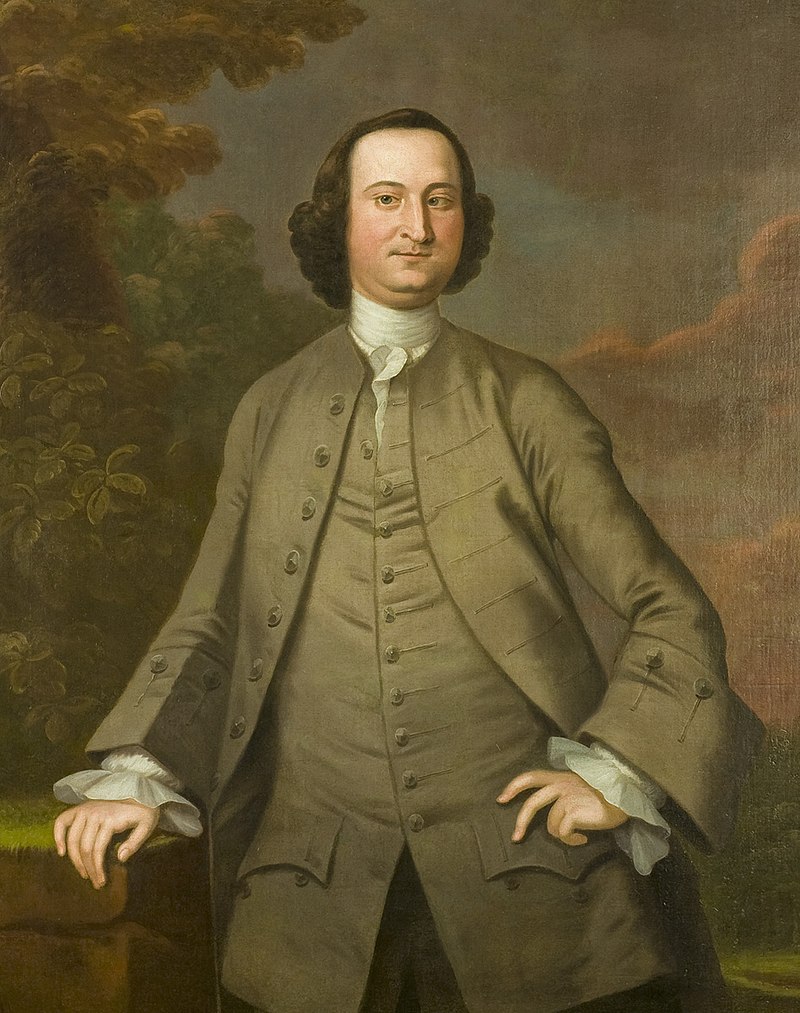
    Fielding Lewis

    The husband of Betty Washington and the mind behind Kenmore, Fielding Lewis served his country during the war by funding various supply and defense lines. One of the richest men in Virginia, Fielding had the ability to provide aid and, as the brother-in-law of the commander-in-chief, could hardly stay out of the conflict. While his efforts did much for the cause, Fielding drew the short straw by spending nearly all of his money. Accounts of Fielding Lewis’ death often insinuate a connection to the stress of losing his fortune. While this certainly put him under strain, and would not have helped his health, Fielding’s case of tuberculosis meant that he would have died regardless of his financial status.

    Tracing tuberculosis in Fielding’s life proves more difficult than that of Lawrence. Mentions of Fielding as ailing exist for several years prior to his death. However, with no description, one can hardly say if this references tuberculosis or some other affliction. Like many, he frequented Berkeley Springs and even purchased property there. Fielding recorded little of his visits, but his interests lay in the spring’s supposed medicinal benefits and, to that end, undertook an annual August trip from 1772 onwards. Throughout the war, Fielding held the rank of colonel and, though he never received a formal posting, oversaw Fredericksburg’s gun manufactory and the defense of the Rappahannock. This position required no military action and had strong connections to his background as a merchant. However, the choice of assignment may have derived from knowledge that he would never be well enough to effectively command troops. Then again, Fielding was in his fifties and had no military experience. In any case, the position reflected a strategic choice that played to Fielding’s strengths and lessened the impact of field inexperience and ill health.

    If Fielding hoped for a peaceful death, he would not receive it. In the summer of 1781, with the British encroaching on Fredericksburg, the Lewis household and Mary Washington fled. At this stage, Fielding’s health had significantly deteriorated, leaving him an invalid confined to his home. A sudden evacuation by carriage would have done little to ease his discomfort as the household hurried to another property in Frederick County, Virginia. Once there, Fielding focused on putting his affairs in order and likely did not have the strength to visit nearby Berkeley Springs. The news of the Yorktown victory undoubtedly brought some emotional respite, but it proved short-lived as Fielding died mid-December 1781. The location of his burial site on the Frederick County property remains unknown. Fielding’s death brought immense grief to his widow, Betty Washington, who had lost her brother Samuel to the same disease only three months earlier.   

    Samuel Washington (1734-1781, aged 46):

     Samuel Washington Source: Mount Vernon

    The second son of Augustine Washington and Mary Ball, Samuel grew up at Ferry Farm with his full-siblings. Said to have suffered from tuberculosis for most of his life, it remains unknown where, when, and from whom he contracted it. However, by visiting Lawrence in July 1752, to help put his half-brother’s affairs in order, seventeen-year-old Samuel certainly faced exposure. Samuel died at his home Harewood, near Charles Town, West Virginia, in September 1781, shortly before the victory at Yorktown. The home itself lies conveniently close to Berkeley Springs, which may indicate that its location and Samuel’s move from Stafford County, Virginia, derived from a desire for easy access to the springs and their reputed health benefits.

    Despite dying just shy of age forty-seven, Samuel famously married five times. His final wife, Susannah Perrin Holden (1753–1783, m. 1778), survived him, and the fourth, Anne Steptoe (1737–1777, m. 1764), died of complications from a smallpox inoculation. However, the deaths of his first three wives, Jane Champe (1724–1755, m. 1754), Mildred Thornton (roughly 1741–1762, m. 1756), and Lucy Chapman (1743–1763, m. 1762), have long been associated with tuberculosis.

    All three experienced rapid declines in health after their marriages to Samuel, and in correlation with several pregnancies. Pregnancy and childbirth proved extremely dangerous during this period, so these deaths could simply be tragic examples. However, as pregnancy exacerbates tuberculosis, the common interpretation remains that the women contracted the disease from Samuel, saw it worsen at an alarming rate due to pregnancy, and the strain of one or more births on top of the disease made it impossible to recover. Regarding his children, several died quite young, which may mirror the fate of Lawrence’s children, and three of his sons who reached adulthood would ultimately die of the disease. 

    Coming Up

                In our final blog on tuberculosis, we will be taking a look at how the disease impacted the next generation of the extended Washington family and those they enslaved. This will be coming out on June 28th.

    Emma Schlauder

    Research Archaeologist


    Bibliography

    2-7 Anderson, Alicia K. & Lynn A. Price (editors) 2018     George Washington’s Barbados Diary: 1751-52. University of Virginia Press, Charlottesville, VA.

    1 Chernow, Ron 2010     Washington: A Life. Penguin Books Ltd, London, UK.

    Felder, Paula S. 1998     Fielding Lewis and the Washington Family: A Chronicle of 18th Century Fredericksburg. The American History Company.

    Glen, Justin 2014     The Washingtons: A Family History, Vol 1, Seven Generations of the Presidential Branch. Savas Beatie LLC, El Dorado Hills, CA.

  • Bane of the Washington Family Part I: The Disease

    Epidemics and pandemics loom large in history. Few have not heard of the Black Death or Spanish Flu, and Covid-19 still affects our lives. Short, two to three-year outbreaks of these diseases kill quickly and in staggering numbers, but what about the diseases that have stuck around throughout history and brought about death in a much slower fashion?

    Tuberculosis (TB) represents one disease that humanity has never managed to shake. A devastating illness marked by a cough and wasting of the body, it has infiltrated all corners of the world, killing more than any other microbial pathogen. The 1700s proved no exception, and the level of contagion associated with the disease meant that once it entered a family, it proved hard to eliminate. Sadly, this became the fate of many members in two generations of the Washington and Lewis families and, undoubtedly others who came in close contact with them. In Part I of this examination of TB in the Washington family, we will examine the disease itself.

    Watercolor of a TB Victim by R. Cooper, ca. 1912 (Wellcome Collection)

    Brief History of TB

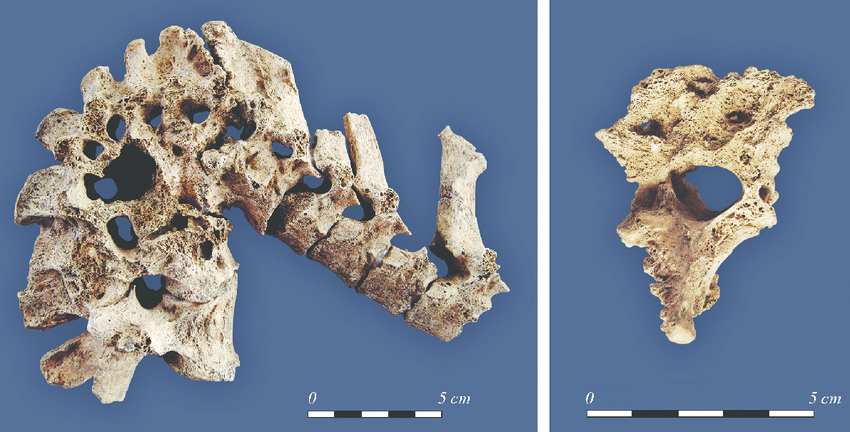
    Tuberculosis originated in East Africa, possibly around 3 million years ago, and evolved into our modern strains between 250-1000 years ago. This makes it one of the oldest diseases still in existence. While primarily a disease of the lungs, TB has the potential to infect most tissues and organs. Skeletal deformities caused by certain strains make it identifiable in the archaeological record, which help to date the disease. As humans migrated across the world, they brought the disease with them. Evidence even exists to suggest that TB thrived in parts of the Americas before the arrival of Europeans. Its presence makes it one of the rare diseases that Europeans did not introduce, though encroachment on indigenous groups and confinement of them to specific areas did lead to a rise in cases. Various names have applied to the disease, but in the Western World, the most common historical names include “consumption,” “White Plague,” and “phthisis.”

    Highly contagious, the disease could strike anyone, with those living in cramped and unhygienic conditions experiencing a higher risk of infection. Cities, therefore, had more cases than the countryside. However, the true rate of infection for the 1700s remains unknown as the recording of disease cases did not start until the early 1800s. Once this practice got underway, TB ranked as the leading cause of death in places such as Philadelphia, where it accounted for nearly 15% of all deaths in two separate periods (1807-1826: 7,972 deaths or 15.04%; 1831-1840: 6,093 deaths or 14.23%). From statistics such as this, estimates for previous eras can occur with TB likely causing 25% of all deaths in Europe from the 1600s-1800s and similar numbers occurring in North America.

    With such a high rate of infection, and its tendency to spread within families, some came to interpret the disease as inherited, while others continued to support the theory of miasma. A more radical thought blamed vampires, leading to several periods of panic in New England during the 1800s. Today, we understand germ theory, but this would not become mainstream until late 1800s and early 1900s—nevertheless, suggestions of TB’s true contagious nature date to at least 1546. German scientist Robert Koch put the debate to rest when he identified Mycobacterium tuberculosis as the causative agent behind the disease in 1882. The rod-shaped bacteria thus gave the disease its common name. This discovery helped lead to the realization that several strains and forms of the disease exist. While M. tuberculosis spreads via the air and droplets, the zoonotic form of the disease, Mycobacterium bovis, thrives in cattle and their relatives before jumping to humans. This occurs through the consumption of contaminated dairy products and produces a near identical infection to M. tuberculosis.  

    Mycobacterium tuberculosis (NIH)

    Despite the pathogen’s deadliness, though also in part of it, TB took on a romantic and fashionable nature. Many a character would suffer from the disease in 19th-century literature, with it running as rampant in the novels of the Brontë sisters as it did in their family, and Lord Byron once lamented his good health since a case of TB would make his appearance more interesting to women. The pale, slim, feverish appearance of the infected fit the ideal female body image that emerged between the late 1700s and mid-1800s. On the extreme end of things, some individuals purposefully exposed themselves to the disease in the hopes of achieving this appearance. A more manageable level saw fashion attempt to mimic the symptoms with corsets and skirts creating the illusion of slim waists while makeup lightened the skin and tinted the cheeks.

    Sickness

                As with every disease, the onset, severity, and progress of the infection varies depending on the health of the infected individual. For instance, tuberculosis could burn through very young children before anyone identified the disease in the 1700s. Likewise, someone with a stronger immune system might fall ill for a longer period before all the symptoms came to together to provide a diagnosis. Nevertheless, TB has several key identifiers.

    The disease develops in two basic forms, pulmonary and extrapulmonary. The former sees the infection restricted to the lungs and serves as the most common manifestation. Typical symptoms included a cough, which produces blood at a progressed stage, extreme weight loss, decline in appetite, sweats, fever, fatigue, and paleness. The disease can occur over several attacks, interrupted by brief respites, which worsen with time. As the disease progresses, it leaves holes in the lung tissue giving it an appearance akin to Swiss cheese. Extrapulmonary cases pertain to TB that has spread to an organ or tissue outside of the lungs. The standard symptoms remain in addition to physical indications in the impacted areas. This may include enlarged lymph nodes, sores, and spinal deformities that develop over time. Two forms include Pott’s Disease, TB of the spine, and Scrofula, TB of cervical lymph nodes.        

    While TB can affect all age groups, historically, it has most often struck the young. In Ancient Greece, Hippocrates noted, “phthisis makes its attacks chiefly between the age of eighteen and thirty-five.”1 Higher rates of death amongst those in their twenties and thirties added to the tragedy of the disease, though hope of relief did exist. TB has a unique ability to go dormant during which it walls itself up in the lungs or simply pauses in other parts of the body. While this latent state can reverse at any point, meaning a victim could have years between symptoms and still die of it, the disease may never reactivate. In this scenario, a person would test positive under modern examinations, but suffer no impact to their health or prove contagious to others.  

    All active cases, however, lead to a decline in the sufferer’s immune system and leaves them open to secondary infections. Cases of pneumonia, as well as meningitis, prove common. A letter from a Fredericksburg woman, dated March 1867, perfectly illustrates the disease. Her son, who had just passed, suffered an “attack of Hemorrhage of the Lungs” first in 1865 and again in “the summer of ’66.” She reported that he recovered from both attacks, but became ill with the mumps in February of 1867 followed by “the symptoms of fell consumption being clearly developed.”2 The boy ultimately lost the strength to rise and found himself confined to a makeshift bed a few months prior to his death.

    Treatment

    No cure or successful management plan for tuberculosis existed in the 1700s. As such, roughly 66% of cases resulted in death within the first five years of infection. However, lack of success did not stop doctors from prescribing a standard course of treatment that originated in ancient times. To anyone familiar with medical practices of the eighteenth century, the use of emetics, such as mercury and bloodletting, will come as no surprise. Both treatments aimed to purge the body of an affliction, and doctors applied this to nearly every ailment. In truth, these “cure all’s” did more harm than good, with mercury poisoning the patient and bloodletting weakening them. Still, other prescription medicines may have brought some symptomatic relief or, at the very least, not harmed the patient further.

    Other forms of treatment involved lifestyle changes in the form of diet and exercise. Viewing items such as meat and alcohol as harmful in large quantities or too difficult for the body to process, doctors instructed TB patients to eliminate them from their diet. Instead, they should consume plenty of milk, preferably from a donkey, and vegetables. On top of this, the patient should increase fast-paced exercise or travel, such as horse riding, to the extent that their strength allowed. This would ideally force clean air into the lungs. While well-intentioned, neither change could treat a bacterial infection.

    Other changes involved relocation. Some may be familiar with the phrase “taking the waters” The belief that natural springs, particularly hot ones, provide health benefits dates to prehistory and exists in multiple cultures. Some truth lies in this, but no spring could cure TB beyond the warm waters and steam providing some relief to a weakened, cough-ridden body. Nevertheless, doctors frequently instructed patients to visit springs, giving rise to Berkeley Springs in Colonial Virginia. A destination for wealthy Virginians starting in the mid-1700s, some visited for general health benefits and the social scene, while others went specifically for TB. If none of these treatments worked, doctors would prescribe a course of action that everyone knew served as a last resort: relocating to a warmer climate. In Colonial America, some patients went to the southern colonies while others elected to try the Caribbean (Figure 6). They found no cure in these locations, but the belief in springs and warmer or dryer climates providing relief for TB victims would continue into the 1900s.  

    Bane of the Washingtons

                All forms of tuberculosis mentioned above existed in the 1700s, but which one did the Washingtons have? Parts II & III of our Tuberculosis Blog will closely examine individuals connected to the Washington and Lewis families that had the disease, but we can make a few conclusions. Regarding contraction of the disease, the number of people afflicted, and their close relations to one another, it remains highly probable that they passed it to each other. Of the eight people identified across two generations, none developed a spinal deformity, and no mention of enlarged lymph nodes appear. This implicates pulmonary TB as the likely suspect in all cases.

    Nevertheless, we cannot forget M. bovis. With no knowledge of the disease or methods of pasteurization, the frequent consumption of dairy products and presence of cows on farms made it a key source of potential exposure. The Probate Inventory taken in 1743 after Augustine’s death records an inactive dairy building at Ferry Farm. Whether the Washingtons ever used it for dairy remains unknown, but they certainly obtained and consumed dairy products regularly. We will never know what vector the disease took in entering the Washington Family or when each individual first contracted it, but we can piece together how it affected their lives and ultimately ended them. Stay tuned for Parts II and III: The Victims.

    Emma Schlauder

    Research Archaeologist

    Bibliography

    Barberis, Ilaria, Nicola Bragazzi, Lucia Galluzzo, & Mariano Martini 2017     The History of Tuberculosis: From the First Historical Records to the Isolation of Koch’s Bacillus. Journal of Preventive Medicine and Hygiene 58: 9-12.

    Brown, Kathleen M. 2009     Foul Bodies: Cleanliness in Early America. Yale University Press, New Haven, CT.

    Buchan, William 1772     Domestic medicine; or, The family physician: being an attempt to render the medical art more generally useful, by shewing people what is in their own power both with respect to the prevention and cure of diseases. Chiefly calculated to recommend a proper attention to regimen and simple medicines. Evans Early American Imprint Collection, University of Michigan < https://quod.lib.umich.edu/cgi/t/text/text-idx?c=evans;cc=evans;q1=Gout;rgn=main;view=text; idno=N09695.0001.001>. Accessed 11 April 2023.

    CDC History of World TB Day. CDC < https://www.cdc.gov/tb/worldtbday/history.htm#:~:text= Johann%20Schonlein%20coined%20the%20term,%E2%80%9Cschachepheth%E2%80%9D%20in%20ancient%20Hebrew.>. Accessed 11 April 2023.

    CDC Symptoms of Pulmonary and Extrapulmonary TB Disease. The Division of Tuberculosis Elimination, CDC < https://www.cdc.gov/tb/webcourses/Course/chapter4/4_ diagnosis_of_tb_ disease_4_clinical_practices_symptoms_of_pulmonary_and_extrapulmonary_tb_disease.html>. Accessed 11 April 2023.  

    2 Conway, Mary Catherine Washington Henry 1867     “Letter to Jane ?, Cabin Mill – March 22, 1867.” Access granted by Suzanne Leigh Peake (owner) and Wyatt Falcone,                        

    1 Daniel, Thomas M. 2006     The History of Tuberculosis. Respiratory Medicine 100: 1862-1870.

    Mackowiak, Philip A., Vera Tiesler Blos, Manuel Aguilar, & Jane E. Buikstra 2005     On the Origin of American Tuberculosis. Clinical Infectious Diseases 41(4): 515-518.

    Mullin, Emily                                                                                                                                            2016     How Tuberculosis Shaped Victorian Fashion. Smithsonian Magazine, Smithsonian < https://www.smithsonianmag.com/science-nature/how-tuberculosis-shaped-victorian-fashion-180959029/&gt;. Accessed 11 April 2023.

    Nardell, Edward A.  2022     Extrapulmonary Tuberculosis (TB). Merck Manual < https://www.merckmanuals.com/ professional/infectious-diseases/mycobacteria/extrapulmonary-tuberculosis-tb>. Accessed 11 April 2023.

    National Jewish Health  2013     Tuberculosis: History. National Jewish Health < https://www.nationaljewish.org/ conditions /tuberculosis-tb/history>. Accessed 11 April 2023.

    Otis, Edward O.  1909     The Great White Plague. Thomas Y. Crowell & Co., New York.

    Palmer, Mitchell V.  2011     Bovine Tuberculosis and the Establishment of an Eradication Program in the United States: Role of Veterinarians. Veterinary Medicine International

    Rankin-Hill, Lesley M. 1997     A Biohistory of 19th-Century Afro-Americans: The Burial Remains of a Philadelphia Cemetery. Bergin & Garvey, Westport, CT.
    White, Tim D., Michael T. Black, & Pieter A. Folkens  2012     Human Osteology, 3rd edition. Elsevier Inc., Burlington, MA.