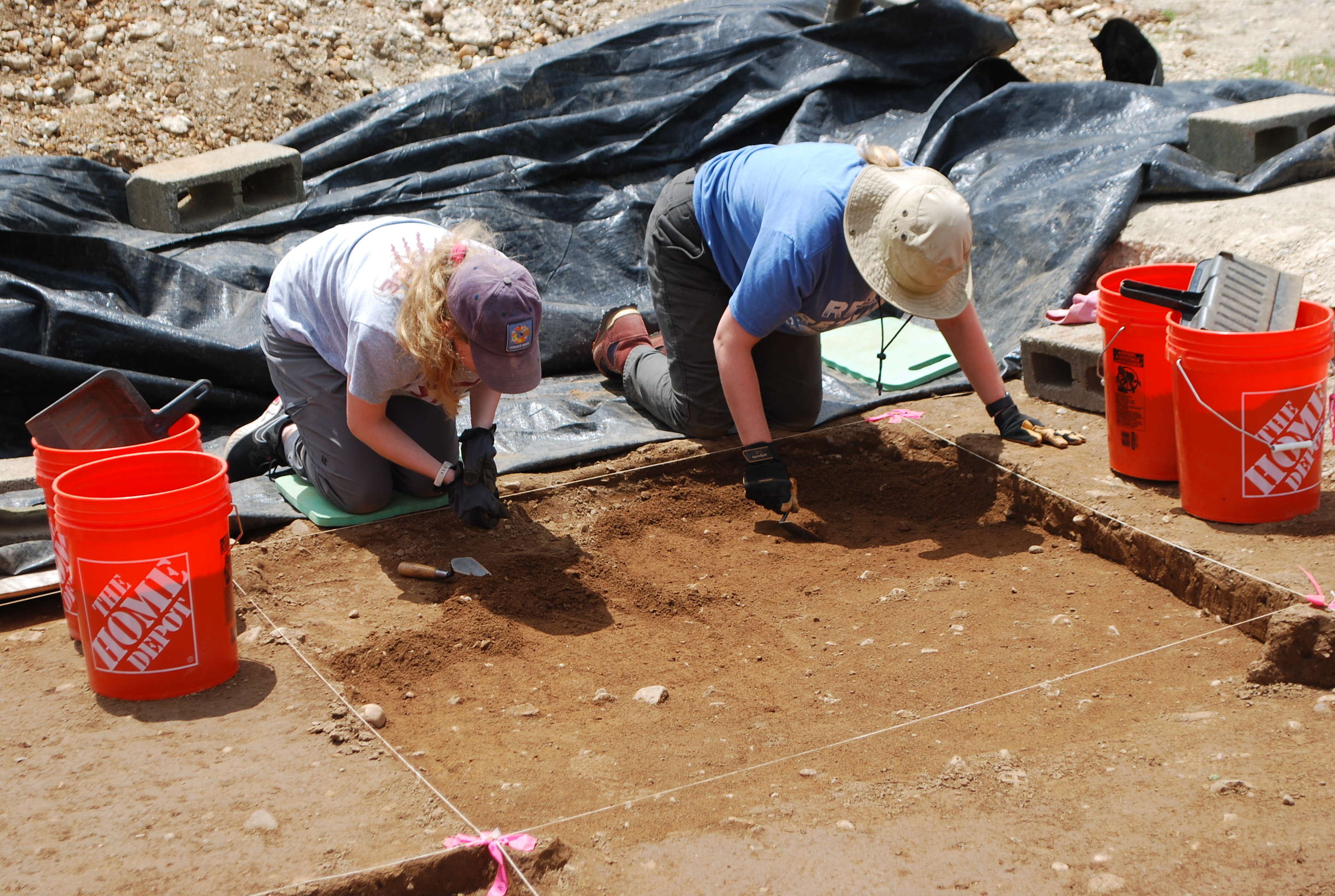
We are heading into the final stretch of this year’s exploration of the 18th-century kitchen at George Washington’s Ferry Farm, and it definitely hasn’t disappointed! The finds are getting bigger and better as we continue excavating deeper into the cellar and expand our look into the surrounding area. We have made a ton of progress that wouldn’t have been possible without the help of our crew of the George Washington Foundation staff, interns, and University of South Florida field school students. While there are still a few weeks before the official end of the dig on July 11. Just in case you missed them, here are some quick introductions and fun finds from the 2025 field school and crew.
Left to right: Judy, Danielle, Abby, Sarah, Alaina, Alaina S., Sofia, Addie
Field School
“Hi, my name is Alaina Scapicchio, and I am a Ph.D. candidate in the Department of History at the University of South Florida. This is my third summer digging at Ferry Farm. My favorite moment of the summer was excavating a partially intact pig jaw!”
-Alaina
“Hi! My name is Addie, I am a history and anthropology student at the University of South Florida. My favorite artifact to find are the animal bones.”
-Addie
“Hi, my name is Alaina. I am studying history at USF. My favorite part of the field school was digging in the kitchen because of how many cool artifacts we found. My favorite artifact was the piece of the Bartmann jug!”
-Alaina
“Sofia Almeida is a first-year History PhD student at the University of South Florida. Her research focuses on historic cemeteries, public history, and memory. One of her favorite parts of field school was digging in the kitchen cellar. One of her favorite artifacts this season was a decorated fragment of Staffordshire ceramic.”
-Sofia
GWF Interns
“Hey! My name is Abby! I am a recent graduate from UVA and am planning to pursue a career in archaeology. I enjoy reading and playing Ultimate Frisbee in my free time. My favorite artifact that I helped find this season was a projectile point with jagged edges.”
-Abby
“Hey all, my name’s Max Puckett. I’m a senior at the University of Mary Washington, currently pursuing a BA in Historic Preservation. In my spare time, I like to cook, research, and read. I’ve really loved this field season so far- we are pulling out a ton of interesting and exciting artifacts.”
-Max
Sarah came to Ferry Farm as a VCU student in the summer of 2014 and has been in over half a dozen summer digs since then. This year’s dig is very special to her because it is focused on the cellar of the Washington kitchen. Her favorite artifacts from this dig are the ones that can actually be paired and mended with each other because much of what collapsed in the kitchen fire was left in place and not scattered or missing.
-Sara
GWF Staff
I have been involved with the Ferry Farm Archaeology Department since 2012, when my youngest twins graduated from high school. I started out as a volunteer but then took on a part-time position cataloguing artifacts from the summer digs, which then turned into a full-time job as a lab assistant. I have been co-field director since 2019. I have a BA in Anthropology and an MA in Historical Archaeology, with past jobs in cultural resource management and historic sites, such as Mount Vernon. Though I really enjoy pulling out the handfuls of wine bottle necks and bases, I do find it more awe-inspiring when we pick out the tiniest and fragile eggshell fragments among the rubble and debris inside the kitchen cellar.
-Judy Jobrack
“Hello! I’m Danielle, and I have been at Ferry Farm since 2022, first as an intern and then lab assistant and co-field director. As a UMW Historic Preservation alum, I love all things old, both above ground and below, so this year’s dig has been particularly exciting with all the architectural bits we have been finding. With that said, I think my favorite artifact so far has been a brass/copper button –metal with verdigris is just so cool!”
-Danielle Arens
Though some of our crew is leaving, the rest of us will be digging every weekday until July 11, so be sure to come say hi and see what new things we have uncovered!
A Personal Look At Civil War Soldiers As Told Through Artifacts
Ferry Farm is most well-known as the Boyhood home of George Washington. While our primary emphasis of interpretation and research has focused on young George and his family’s life on this farm, Ferry Farm has many other stories to tell. The American Civil War had a major impact on the Ferry Farm community, changing both the landscape and the lives of those who lived here. This blog will look at how our archaeological efforts have brought to light artifacts that reflect the experiences of the soldiers that were stationed on the “old Washington Farm.”
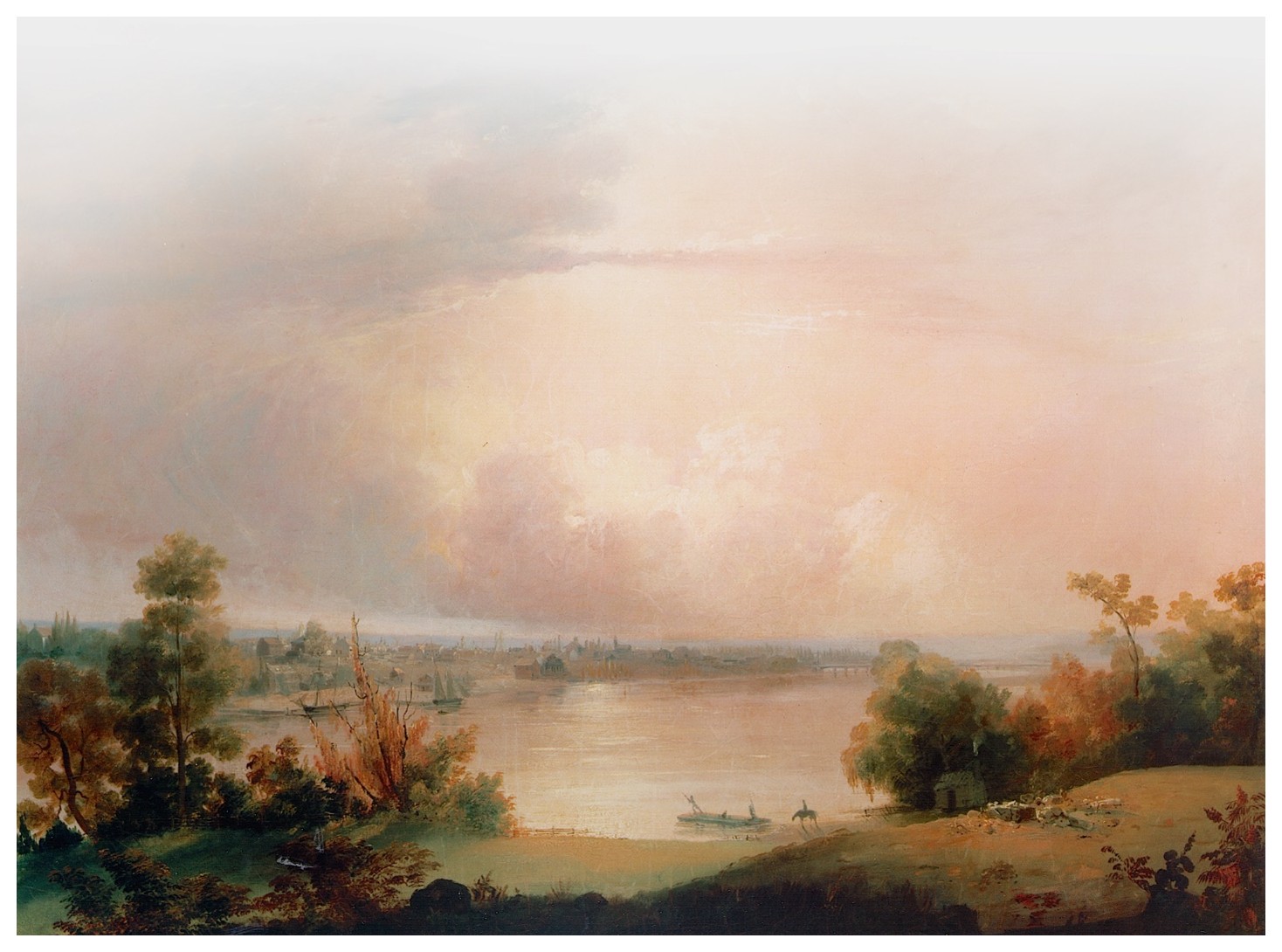
Washington House at Ferry Farm“The Old Mansion of the Washington Family” (1833) by John Gadsby Chapman shows the foundation stones of the house where George grew up at Ferry Farm and trees along the riverbank.
The Washington house and its outbuildings gradually fell into disrepair until by the mid-1830s there was no trace of them on the landscape. But the soldiers still knew the significance of the site. In April 1862, the Civil War came full force to Fredericksburg and to Ferry Farm. Federal Forces took over and occupied the City of Fredericksburg behind the retreating Confederate Army. Encampments and gun emplacements were established all along our side of the river and throughout Stafford County as the army set about maintaining control of the city across the river. Engineers were set to the task of rebuilding the railroad bridge and erecting pontoon bridges, including one at the end of Ferry Road.
Looking over Fredericksburg by Alfred R. Waud
This spring deployment and the military occupation of Ferry Farm was relatively quiet and uneventful. There is no evidence of a large, formal camp at Ferry Farm, but soldiers were stationed here to protect one of the pontoon bridges that ran from the bottom land of Ferry Farm across to the city of Fredericksburg. In August of 1862, the army suddenly retreated from the city and the surrounding countryside to defend Washington, D.C.
In November of the same year, the full force of the Union Army returned to Stafford County in preparation for the retaking of Fredericksburg and their expected march to take over Richmond. Instead, the Federals suffered a devastating defeat at the Battle of Fredericksburg in December and retreated to the north side of the river for winter camp. Now, Ferry Farm was being used more actively as a staging ground for multiple troop movements, bivouacs for soldiers guarding the pontoon bridges, and as a defensive line for the Federal troops.
A defensive trench, or rifle pit, with an adjoining berm to protect soldiers from gunfire originating on the Fredericksburg side of the river, was dug across the edge of the upper river terrace, stretching north-south from the edge of the stream gully through the remains of the Washington house. A small extension on the south end of the trench was dug out to connect it to the now-exposed cellar.
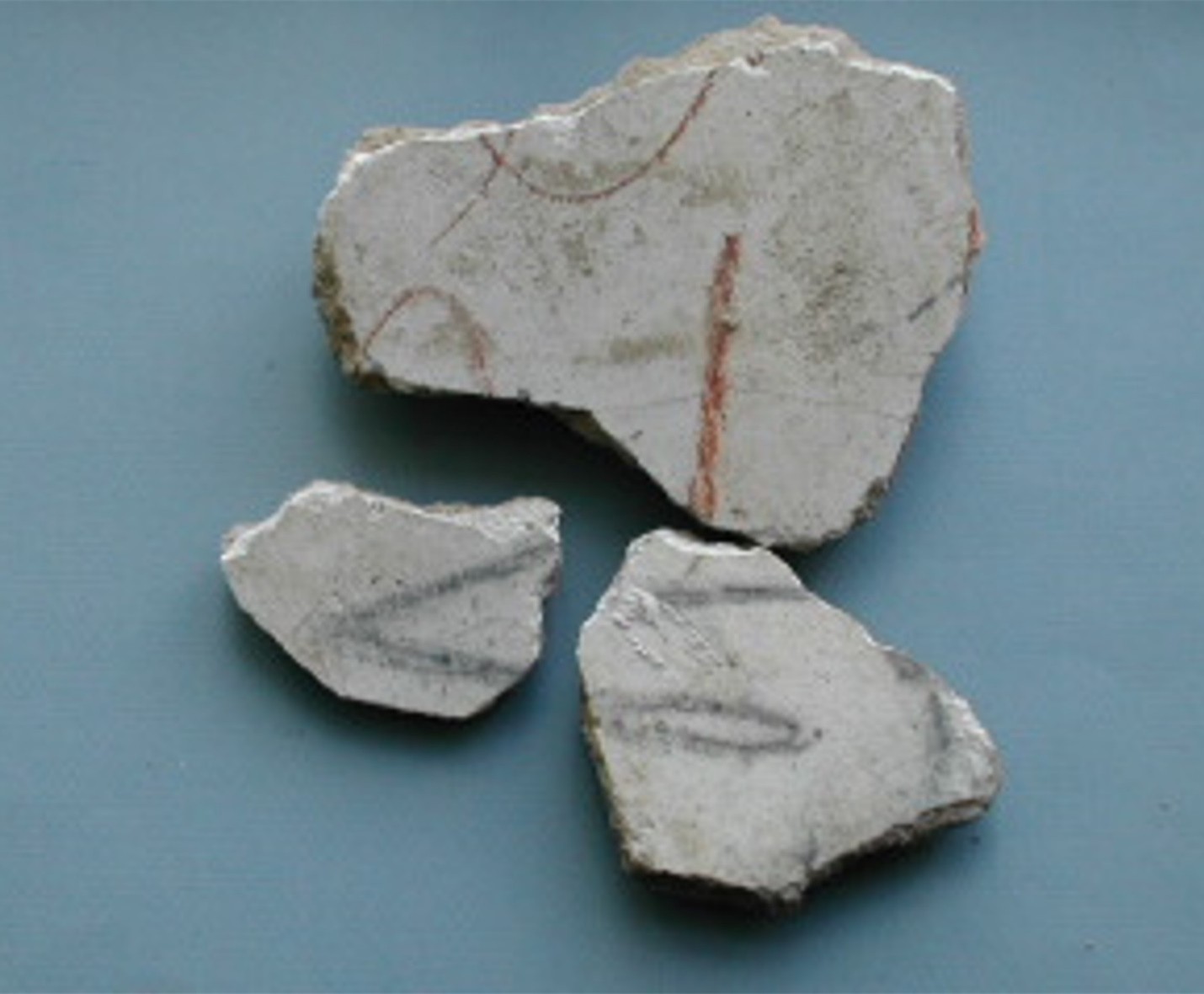
Artifacts found within the cellar trench fill reflect the extensive use of the house ruins by soldiers during both occupations. In the spring and summer, they used the farmhouse as their headquarters, writing on the plaster walls and leaving graffiti in pencil and charcoal on hundreds of plaster fragments that have been excavated and preserved.
Plaster fragments with graffiti
Various artifacts were abandoned when they left, including canteens, bullets, gun parts, and writing tools. But this blog isn’t about buttons, bullets, and buckles. It’s about the items the soldiers found more dear. Objects they made or relied on for small comforts.
So, on a more personal level, what was everyday life like for the Union soldiers stationed here during the Civil War? When they weren’t directly experiencing the brutal and intense combat fighting on the front, it was a routine-filled life of constant drilling, standing watches, maintaining equipment, and finding imaginative ways to entertain themselves in the camps. But camp life had its own struggles and hardships. Poor shelter, food, and hygiene, along with low immunity rates to communicable diseases, all contributed to high rates of sickness and disease. Add to that boredom and homesickness, and camp life was a private’s first test of survival.
It was very important for the soldiers to recognize that they were standing on the very ground that their hero, George Washington, once stood on. Those sentiments were expressed in a speech by Private Edwin Jones of the 6th Wisconsin when he said, “We are assembled on sacred soil…It was while living on this plantation, under the direction and blessed with the teaching of a noble mother, that George Washington learned those lessons…fitting him for leadership in war and peace, to lay the foundation of the mighty Nation that we today are fighting to preserve.”
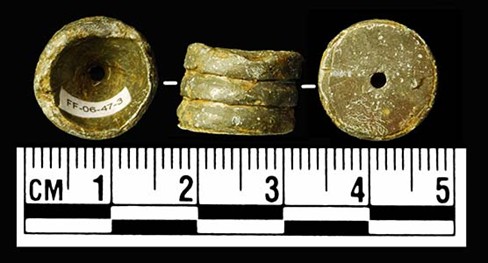
On a more personal note, we know soldiers spent a lot of idle time playing games among themselves. Dice, card games, chess, checkers, and gambling were all very popular, and remnants of these activities are found on all Civil War sites. At Ferry Farm, we have a collection of gaming pieces, including this bone die and a gaming piece crafted from a Minié ball, which could have been used to play chess, checkers, or as markers in a game of chance.
Bone die, one of the many gaming pieces uncoveredGaming pieces crafted from a Minié ball
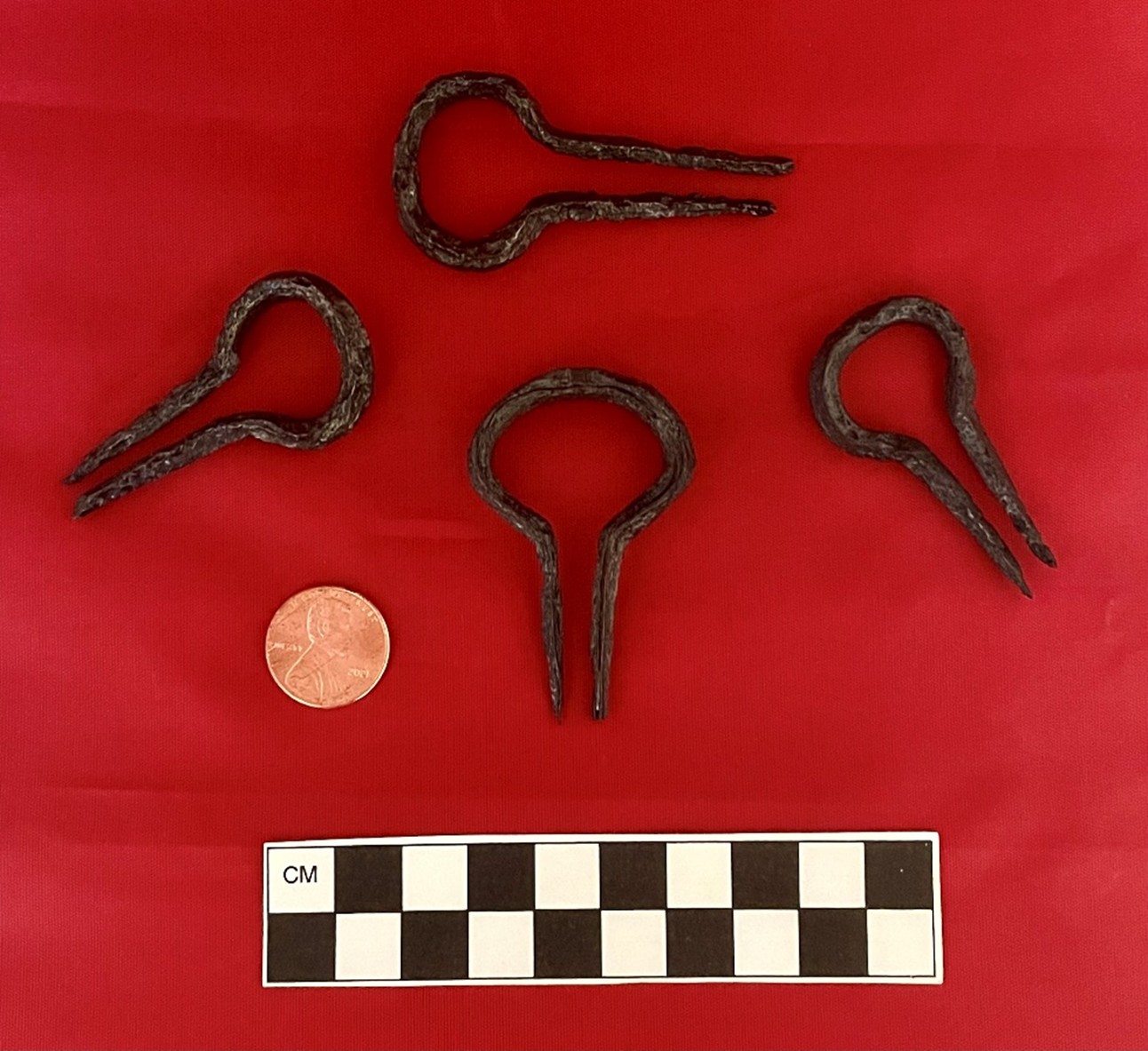
And we can’t forget about the importance of music in camp life. Music was a common and welcome pastime activity for troops. Fiddles, guitars, fifes, harmonicas, and accordions all came out at night to entertain the soldiers who relished listening to songs about home and the worries of war. Jaw harps were inexpensive and easily portable, which made them very popular with soldiers. Our jaw harps, one of which was recovered from the civil war trench, is of the style known as a Gloucester type, one of the most common designs in America during Colonial times and after the Revolution.
“Gloucester type” jaw harp
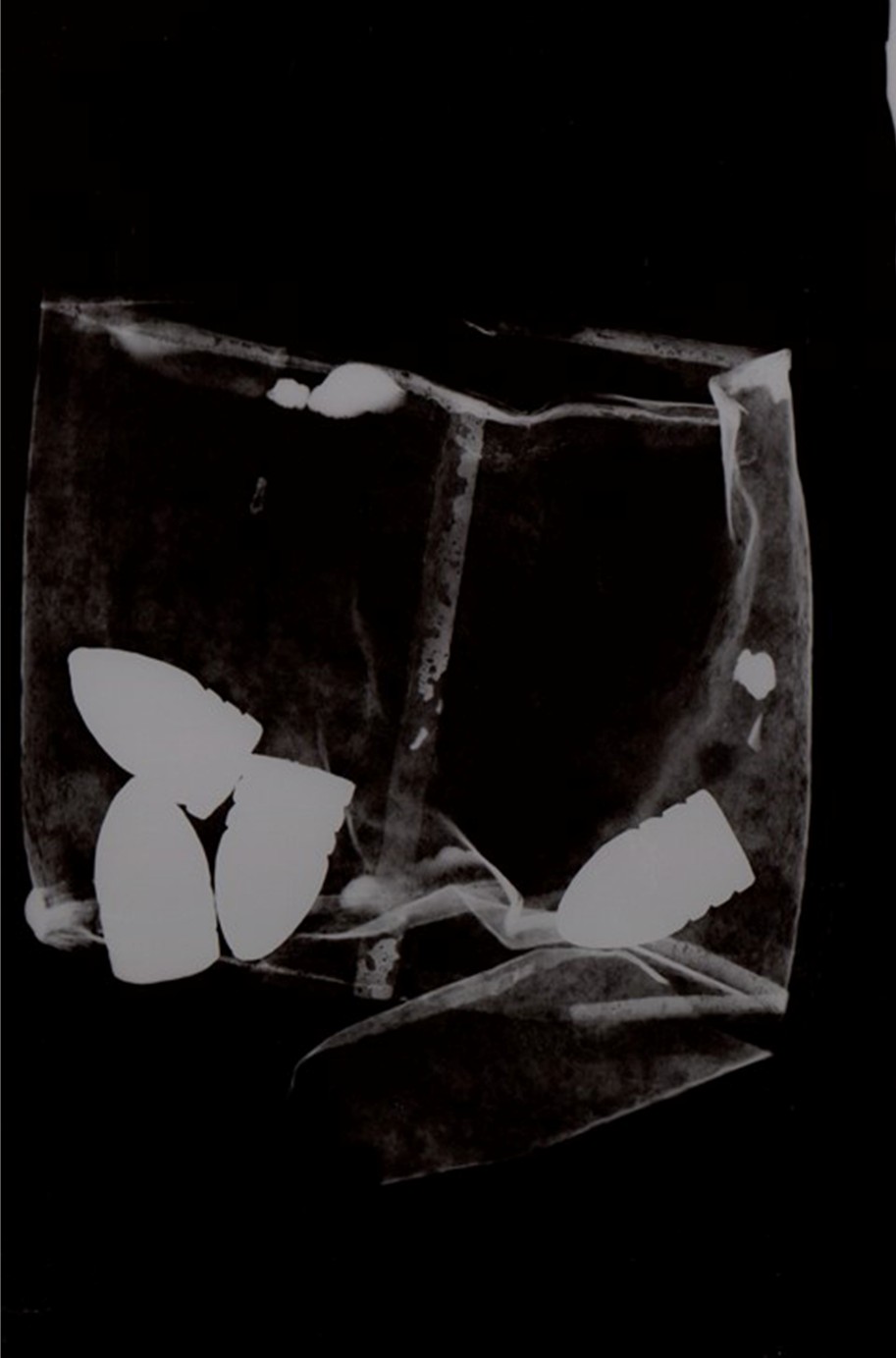
Nothing is normal about wartime. Many people were forced to improvise, and it’s very hard to determine why a soldier placed four unfired Minié balls in this tin can, which was revealed through X-ray. Did he lose his ammo case? Was it just idle behavior? Were these bullets saved to be turned into gaming pieces? This is the type of artifact that raises more questions than answers.
A tin can filled with four unfired Minié balls, X-Ray of tin can with four unfired Minié balls
Literacy – Ink Bottle/Pen nib:
Literacy among Civil War soldiers was very high, and much of what we know about daily camp life comes from the letters written and received by the soldiers themselves. Letter-writing to loved ones at home allowed the soldier to keep up with local news, forward monetary and business instructions to those left running the household or farm, and relay war news to their family.
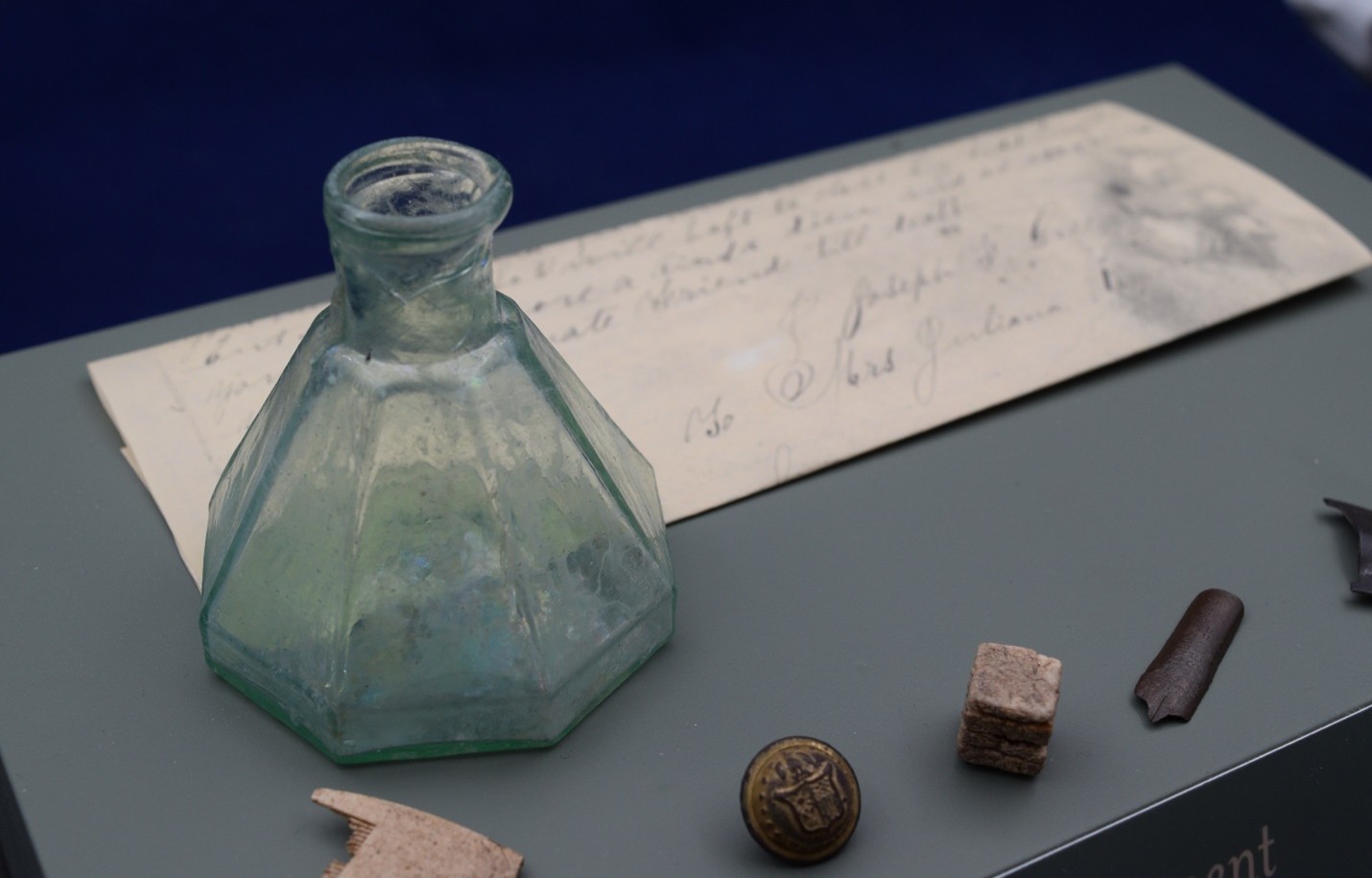
A complete ink bottle and pen nib recovered from the site evidences the desire for correspondence, both official and personal. The ink bottle itself was found in the Bray cellar hole, which the Union soldiers used as a defensive dugout to avoid Confederate sharp shooters. We can just picture a group of soldiers huddled down inside the cellar, building a small campfire to stay warm, and writing letters home to their families. Was it a hasty departure that left this bottle in the cellar, or perhaps the owner expected to return but didn’t. As archaeologists, we can’t answer all these questions, but we know it was used during the Civil War by a Union soldier and was found in a location many soldiers never wanted to be stuck in.
This particular ink bottle is an ‘umbrella’ shape, one of the most ubiquitous ink bottle forms from this era. The bottle was typically meant for single use and would have been made in one of the numerous American glasshouses present during the 19th century. It was then filled with ink, affixed with a label, and marketed for single use.
“umbrella” shaped ink bottle and small pen nib
This small pen nib is stamped with a maker’s mark and style name. The Esterbrook Company started making nibs, including the “Relief” style, in 1858 in Camden, New Jersey, and became one of the largest manufacturers of this product in the US. The nib was part of a dip pen, which consisted of a handle made of various materials and the replaceable nib.
The first evidence of self-care in the trenches takes the form of a small double-sided bone comb. Combs were made from an assortment of materials, including bone, ivory, gutta perch, and steel, and were used for grooming the moustache and hair. But their fine teeth were also handy in capturing the pesky lice that were endemic to camp life among men marching and living together in close quarters. This comb would have been an essential component of any soldier’s personal kit.
small double-sided bone comb
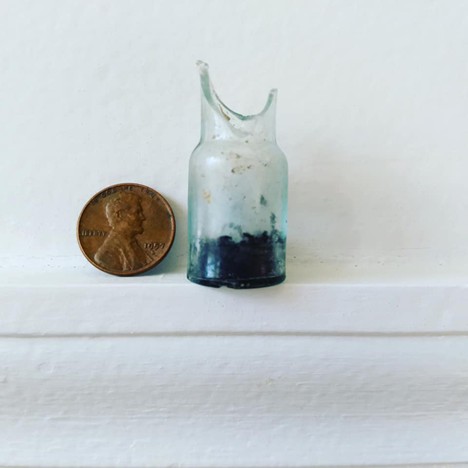
Our second evidence of self-care is this intriguing bottle. It is not so much interesting because of what it is – it’s a very common medicine style bottle for the mid-19th century– but rather what’s inside. Clearly visible within the bottle is a hard black substance, and for years, we’ve wondered what the substance may be.
Mercury bottle, mercury was used for a variety of medicinal reasons at the time
So we chipped off a little fragment of the substance and sent it to Ruth Ann Armitage, our chemist friend at Eastern Michigan University. The sample was analyzed using scanning electron microscopy to map out specifically what elements were present in the sample. Our sample was also run through DART (direct in real time) mass spectrometry. This technique is good at detecting organic components within a substance.
Almost immediately, Dr Armitage responded, and we weren’t disappointed: “Did you know there’s mercury in this?” Nope, we did not.
However, this discovery was not too surprising given the use of mercury in many medicines for thousands of years. Nowadays, it’s common knowledge that you shouldn’t drink mercury…or touch it…or inhale it, but for a long time, mercury was seen as a potent healing metal, and it was readily rubbed on skin, consumed, and vaporized for immediate effect on the lungs.
And while all these treatments using mercury did little to address the body’s underlying medical problem, mercury did cause an immediate bodily response, which convinced people it was working to cure their ailments. When applied topically, it burned. When introduced into the body, it caused a person to sweat, salivate, and have diarrhea. The mucous membranes also went into overdrive, leading many to believe that the bad stuff in your system making you sick was being purged by the mercury. The reality, of course, was that the body was trying desperately to rid itself of poison.
So, if the residue inside our bottle was medicine, what was its exact formula? All we can say at this point is that it was mercury-based and that it could have been in either liquid or pill form. Common Civil War-era uses for mercury-based medicines were for treating skin sores and lacerations, internal and external parasite infections, syphilis, and constipation, to name but a few. On a side note, an almost identical bottle also containing mercury was found across the river in Fredericksburg at a site that was well known to be a Union field hospital. It was found in a knapsack discarded in a trench that included amputated limbs.
Lastly, we’d like to highlight one of our favorite artifacts, a tiny hatchet about two and a half inches long, recovered from the bottom of the Civil War trench. For such a diminutive object, it speaks quite loudly to our local history in Fredericksburg, Virginia. Initially, earlier archaeologists at Ferry Farm assumed it was a pewter toy souvenir given out or sold in 1932, when our country and Fredericksburg celebrated the 200th anniversary of George’s birth. Indeed, cheap pewter toys were very popular during this time period.
Lead toy hatchet found in Civil War-era trench with traces of tin and nickel. Lead toy hatchet found in Civil War-era trench with traces of tin and nickel.
A recent reexamination of all the artifacts from the context where the hatchet was found revealed that nothing from that stratum had any 20th-century artifacts in it, nor did the two strata above it. In fact, the youngest artifacts from these strata were all mid-19th century. Additionally, although the archaeologists who excavated the hatchet didn’t know it at the time, the excavation unit from which the hatchet came sat right inside the Civil War-era trench.
This revelation shut the door on our ‘it’s a 20th-century souvenir’ narrative but opened the door to an even cooler one. A close examination of the hatchet showed that it didn’t have mold seams, which are always present on cast pewter toys. Furthermore, for some reason, it had one smooth side and one textured side, leading us to believe that it was handmade, not machine-cast. This was supported by a thorough internet search to find an identical toy hatchet, which came up empty, further supporting our new theory that this piece was a one of a kind. The textured side resembled the grain of wood, so we surmised it had been cast in a simple hand-carved wooden mold. All of these clues, combined with its location within a Civil War trench, made us suspect that the hatchet was crafted by a soldier, likely from a lead Minié ball. The hatchet is likely ‘trench art’, which is defined as objects of art either made by soldiers, POWs, or by civilians to create mementos of the war experience.
To further support our identification of the hatchet as trench art, we took the artifact to the Virginia Department of Historic Resources, where Katherine Ridgeway analyzed it using XRF, or X-ray fluorescence analysis. This non-destructive technique determines the composition of metal. We also brought along a few Minié balls recovered from the same unit for comparison. It turned out that what we thought was a pewter hatchet was actually a lead hatchet with a similar compositional profile to Minié balls, which are mostly lead with trace amounts of other metals such as tin and nickel.
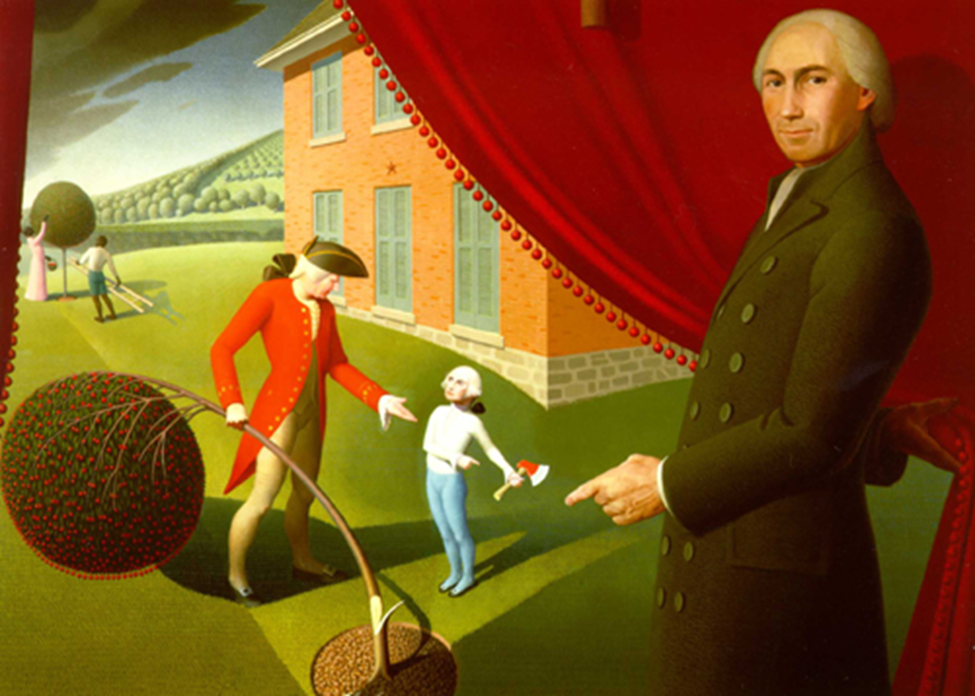
One can just imagine a bored Union soldier whittling the mold and then melting down some of his bullets to pour into it. He likely chose the hatchet form because of the famous cherry tree story, in which young George Washington owned up to hacking his father’s cherry tree with a hatchet by proclaiming, ‘I cannot tell a lie.’ The soldier would have been well-versed in the Washington cherry tree myth at Ferry Farm, created by Mason Locke Weems in his first biography of Washington, published in 1800. By the 1860s, the story was nationally known. Additionally, letters Union soldiers wrote while encamped at Ferry Farm indicate they knew the site’s connection to Washington. They even went so far as to send home cherry seeds for their families.
Grant Wood — Parson Weems’ Fable (1939)
While the identification of the hatchet is now secured, we have so many more questions. Who was this soldier? How many hatchets did he make, and why did this one come to be left behind in his trench? Was it a souvenir for himself, or did he send one home to his family, or share with fellow soldiers? Did he survive the war? Unfortunately, these are mysteries that will likely never be solved, but that make for great pondering.
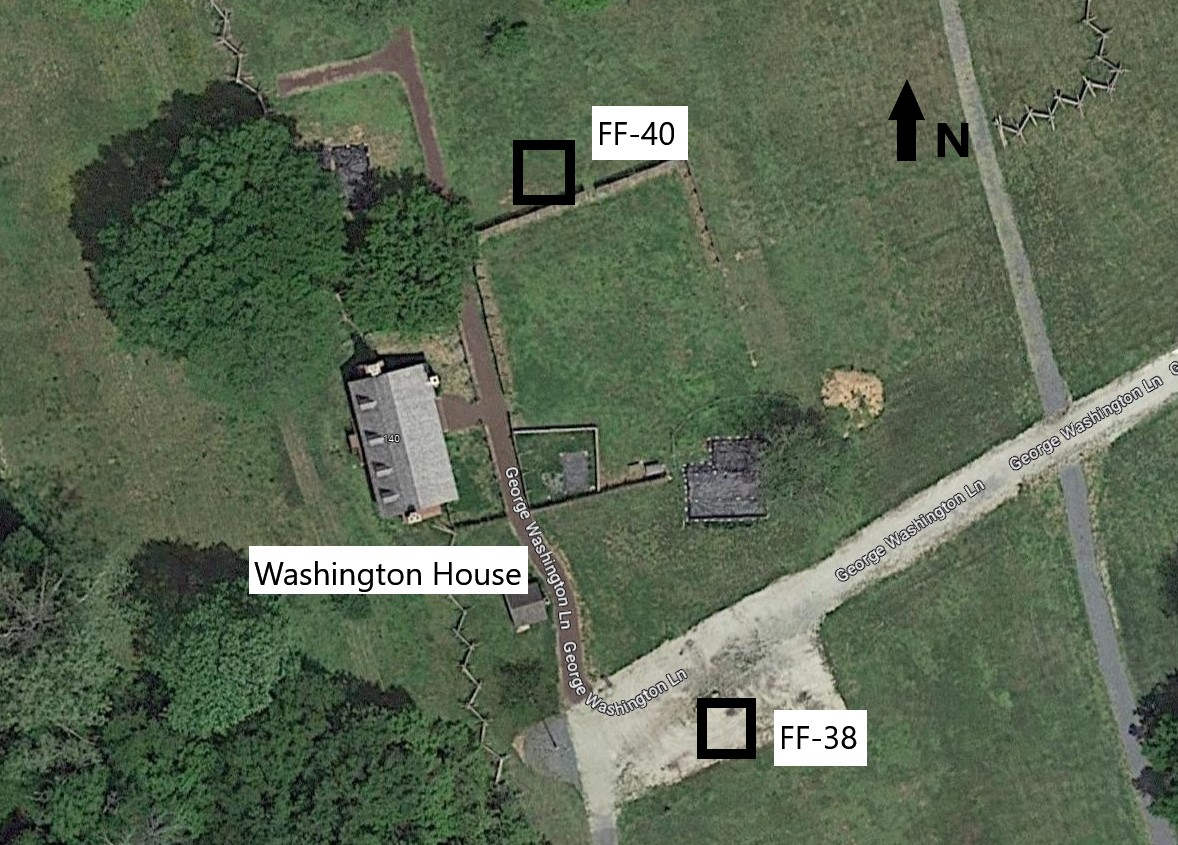
It’s that time again! As we welcome Fall and the beautiful cool weather it brings, let’s take a look back at our Summer 2023 dig season here at Ferry Farm, George Washington’s Boyhood Home. This year’s dig actually involved excavating two separate areas, designated FF-38 and FF-40, within the historic area.
Location of the archaeological projects FF-38 and FF-40 at Ferry Farm.
Project FF-38
The FF-38 area contained a large, dark, soil stain that was discovered by accident during the monitoring of a utility trench in 2016. Only a portion of this feature was visible at that time as it continued beneath the south wall of the trench. We had clues as to the approximate date of this partially-exposed feature, but we still needed to fully uncover the entire feature to establish its total dimensions and determine its age, function, and how it relates to the surrounding landscape.
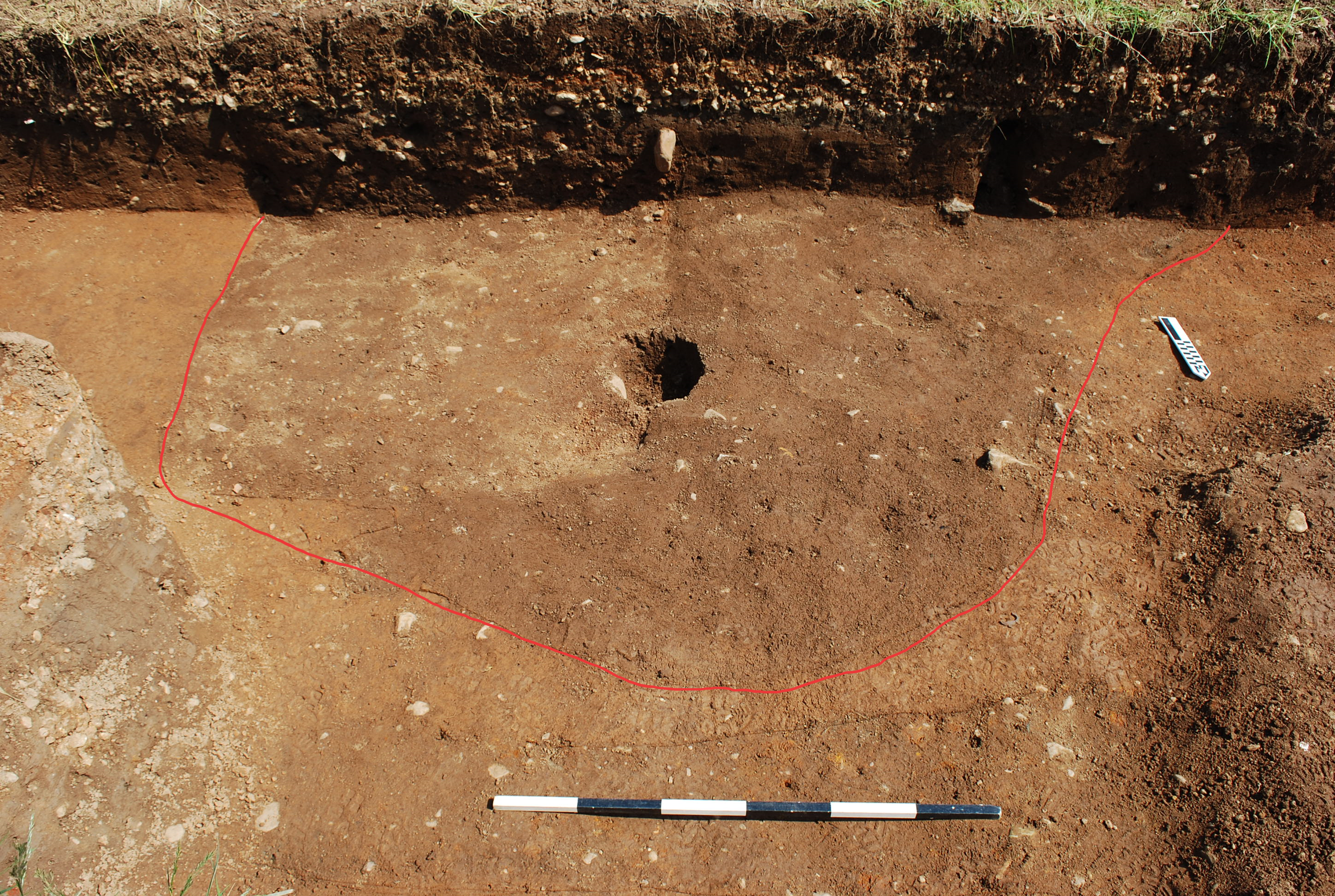
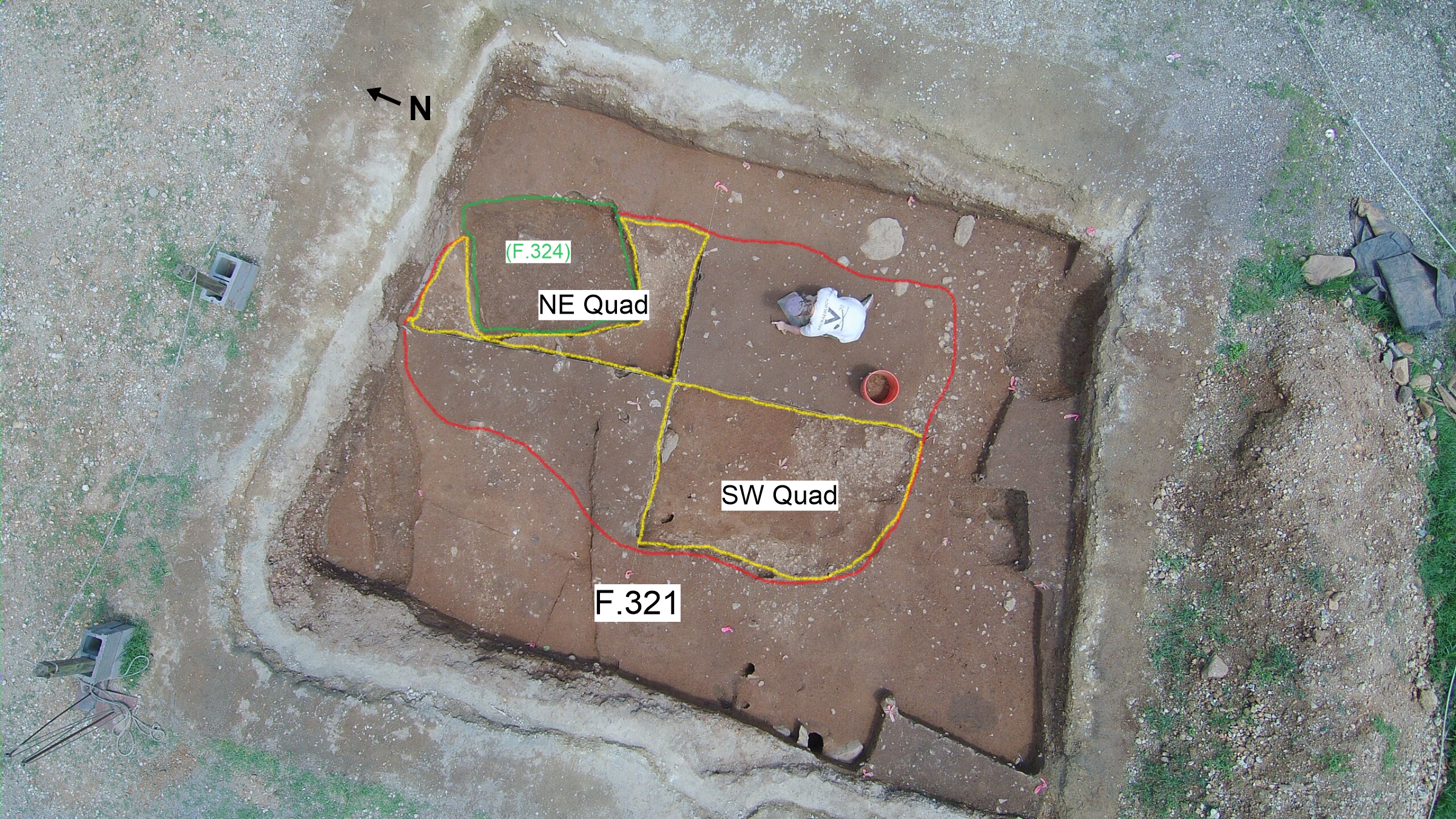
F.321 as seen in 2016 within the utility trench. Only the northern portion of the feature was exposed at this time. F.321 is outlined in red, and is intruded by a square, lighter-colored 19th-century feature (F. 324).
Our excavation began by the machine removal of two modern layers of gravel that overlay a thick 19th-century layer of plowed soil. The excavation area measured approximately 16 ft. by 20 ft. Our crew of archaeologists then slowly excavated down through the plowed layer until we could identify the boundaries of Feature 321. Fully uncovered, the exciting discoveries began.
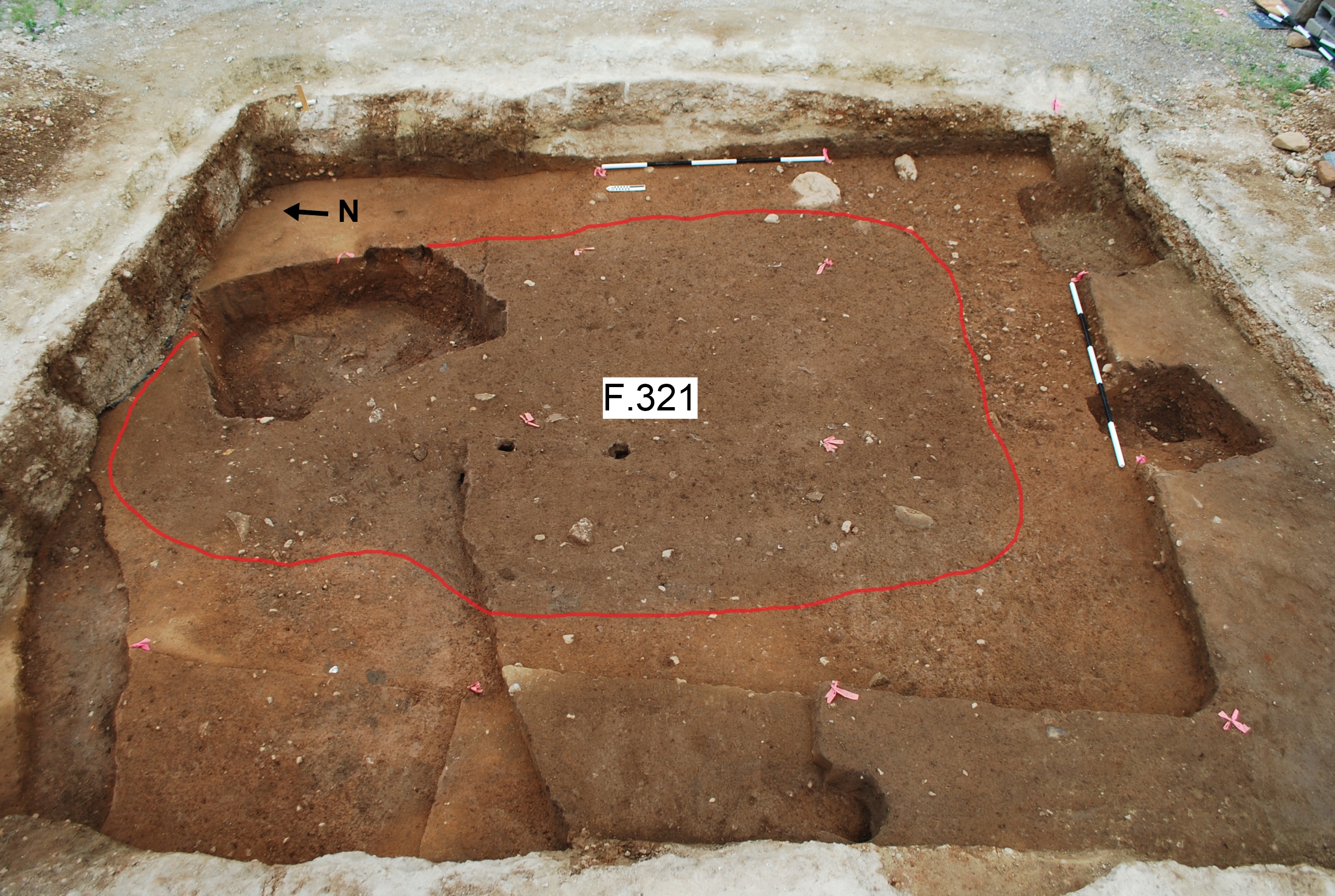
First and foremost, we discovered the feature was much bigger than originally thought! What initially appeared in 2016 to be a 5’x7’ roundish feature turned out to be the northern tip of a large rectangle measuring 10’ by 16’. The size and shape alone of the feature shifted our interpretation from a small pit to something larger.
F.321 fully exposed before excavation (outlined in red). The intrusive feature, F. 324, has been partially dug out at the north end of the site.
Feature 321 was divided into four sections and our crew excavated both southwest and northeast quadrants. This excavation approach allowed us to determine that the feature was roughly 1’ deep at the center, with gently sloping sides, and filled with successive layers of soil and ash-filled deposits. These soil layers provided us with an awesome mix of artifacts which were used to nail down the feature’s end date to the middle of the 18th century. But establishing a date is only part of the process: artifacts can further help us identify the function of the feature as well.
F.321 after the southwest and northeast quadrants were excavated. Intrusive Feature 324 is outlined in green.
That being said, we are still unsure of what this feature actually is. Here is what we know so far. There is no hearth of chimney remains. Lack of a fireplace suggests it wasn’t a domestic dwelling, but it could be another type of plantation outbuilding, such as a storage building, shed, or barn. The edges are almost vertical, and the floor is relatively flat. There is no silt so the pit was covered while it was open. It is too regular to be a quarry pit used to harvest clay as a building material.
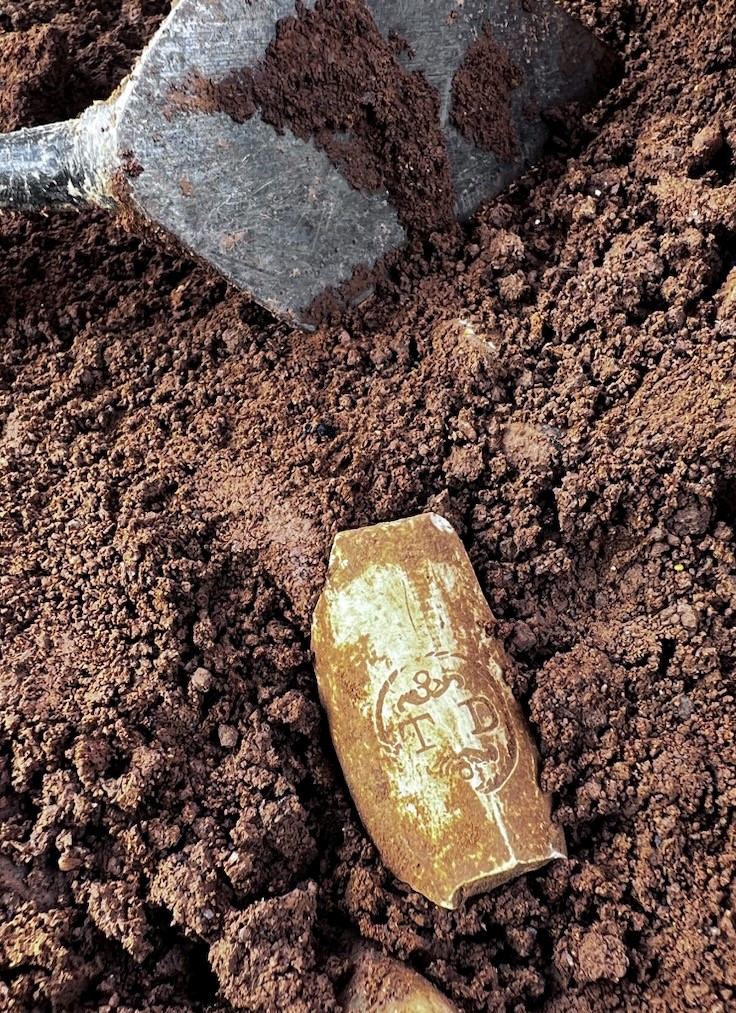
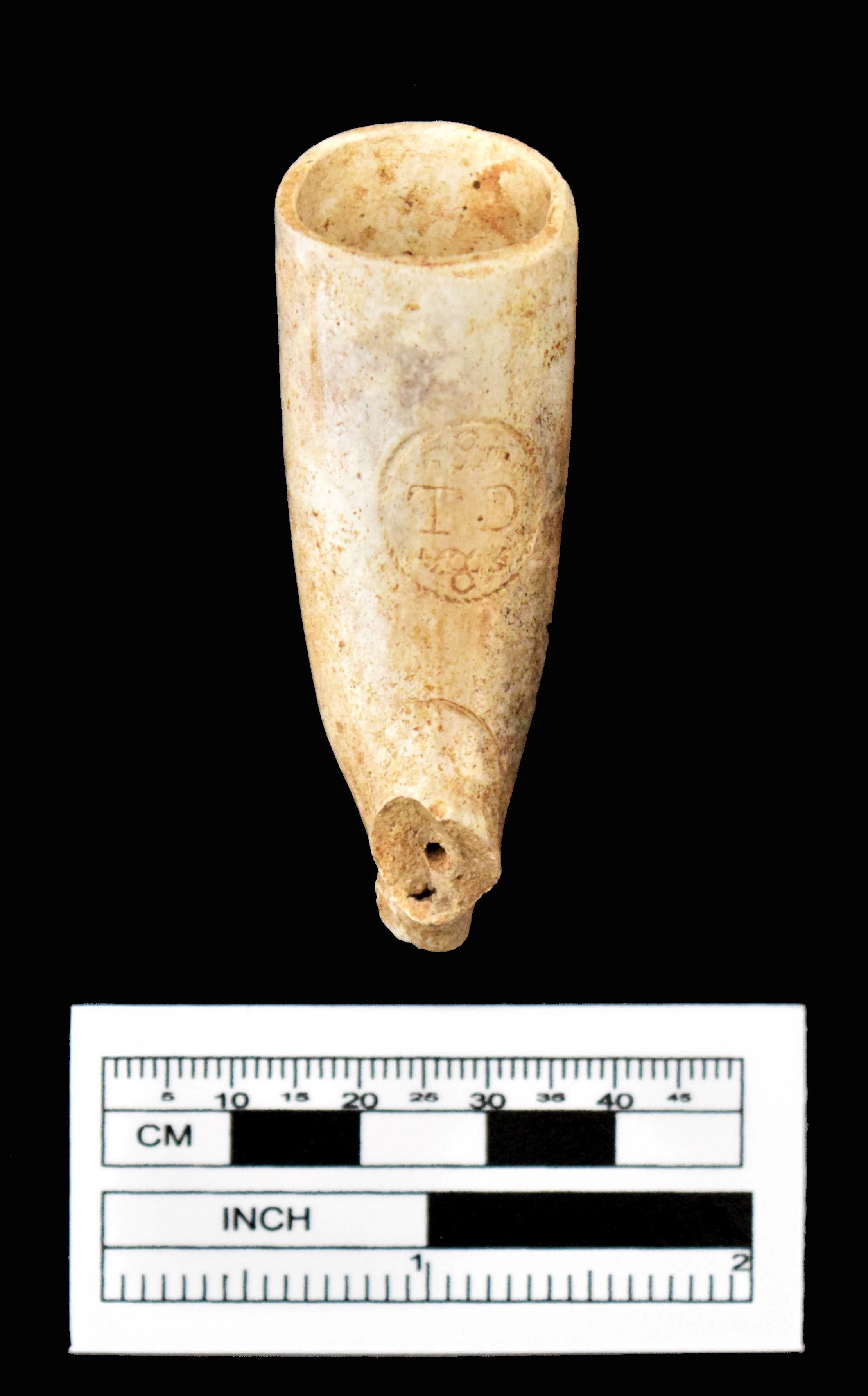
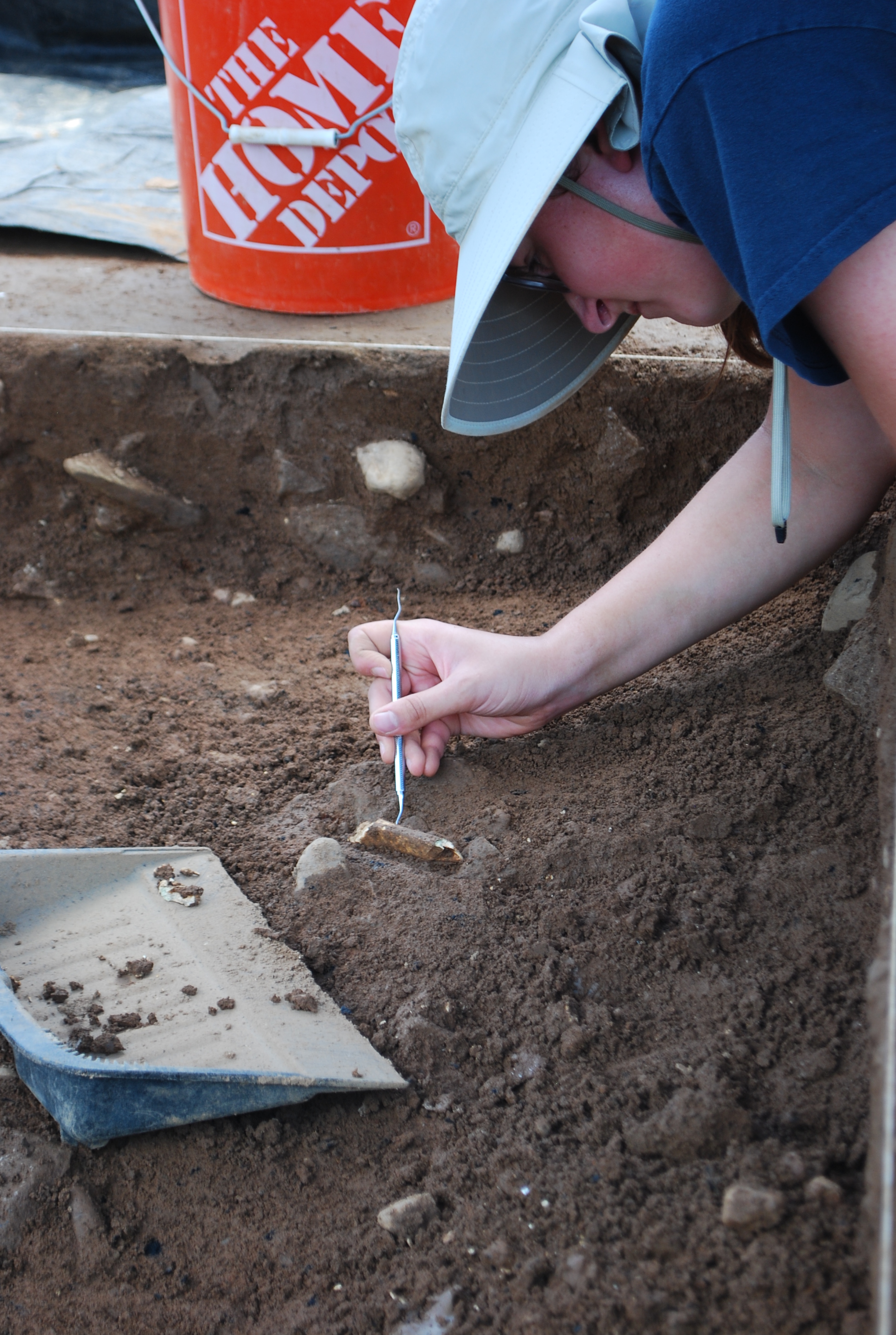
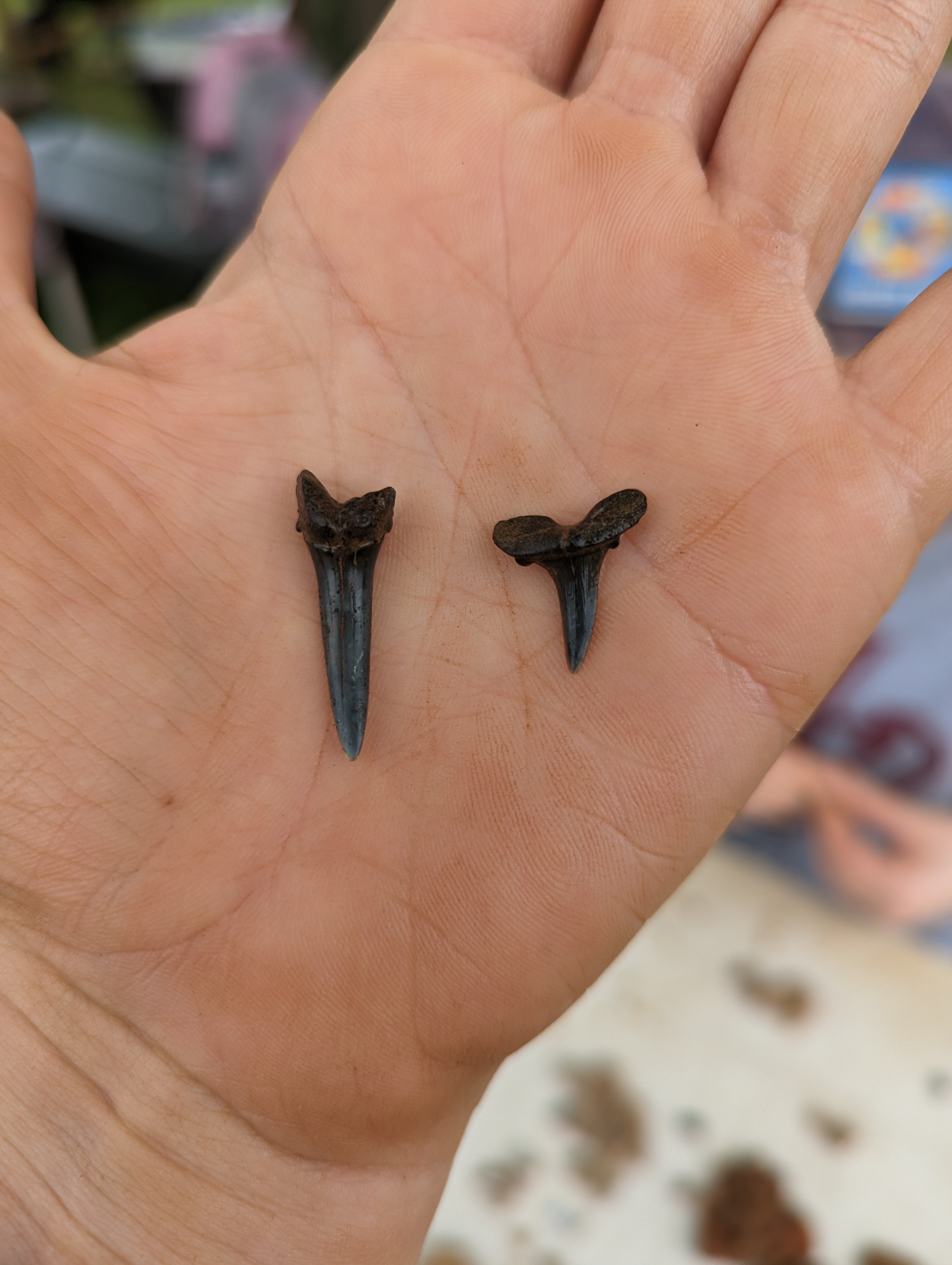
Even though we are still in the early days of analyzing the artifacts, that doesn’t mean we can’t talk about a few great things we found. This feature had a little bit of everything: personal items, food-related items, architectural debris, domestic items, etc. The crowning glory of the excavation (in our humble opinion) would have to be the complete pipe bowl that was stamped with a maker’s mark that featured the letters “TD.” Other exciting finds include a clipped Spanish coin, sherds to a Westerwald ink well, shark teeth, and prehistoric pottery, just to name a few. This feature also contained a layer of ash that preserved delicate artifacts such as bone, fish scales, and straight pins – items that often don’t survive in the archaeological record.
So what does this all mean? Well, this means that we will definitely be returning to the FF-38 site next season. While we have gathered a lot of information during this dig, there is still much left to find. Expanding our excavation beyond the limits of the feature and excavating one of the remaining two quadrants will help us interpret the feature’s function and how it relates to the 18th-century farm landscape of the Washington family.
FF-40
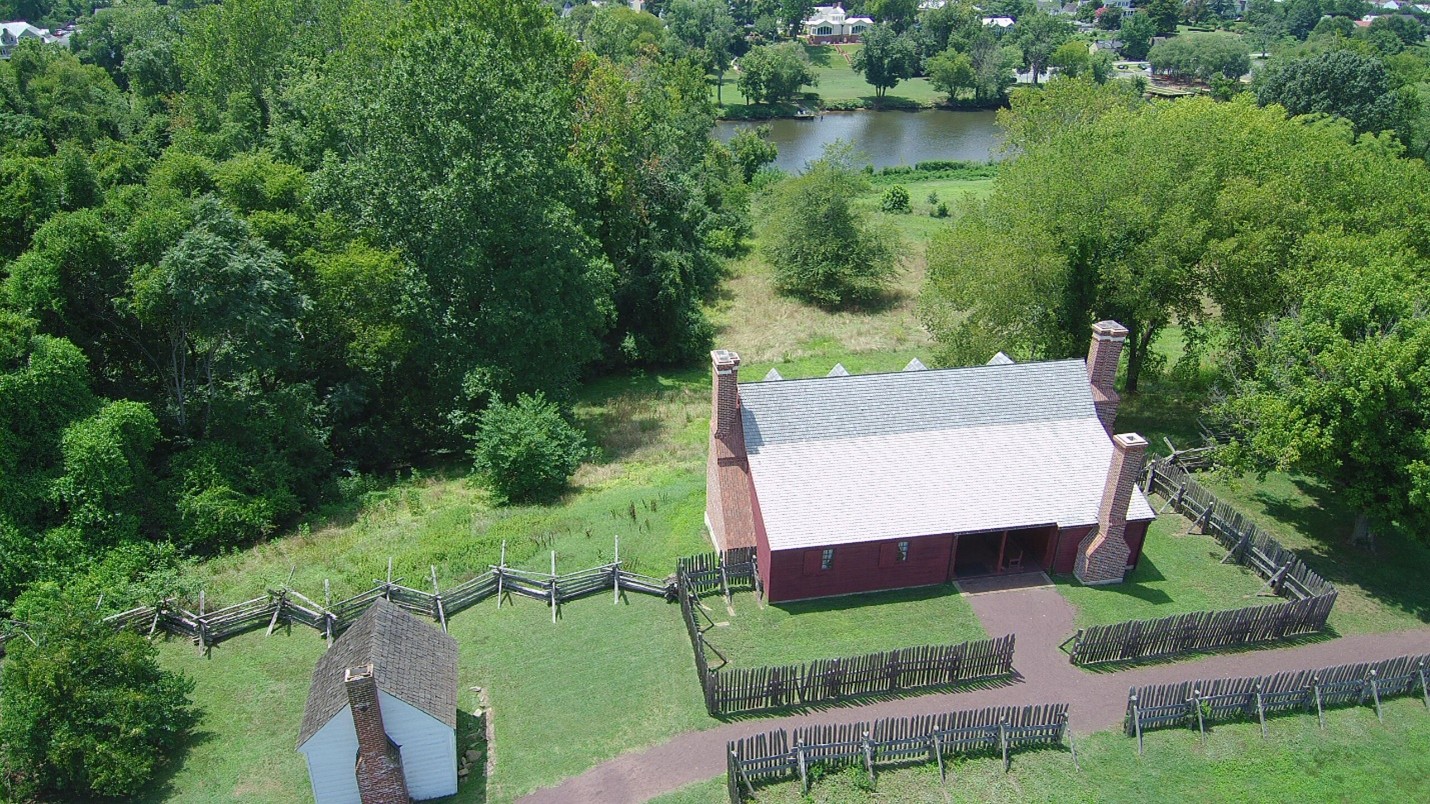
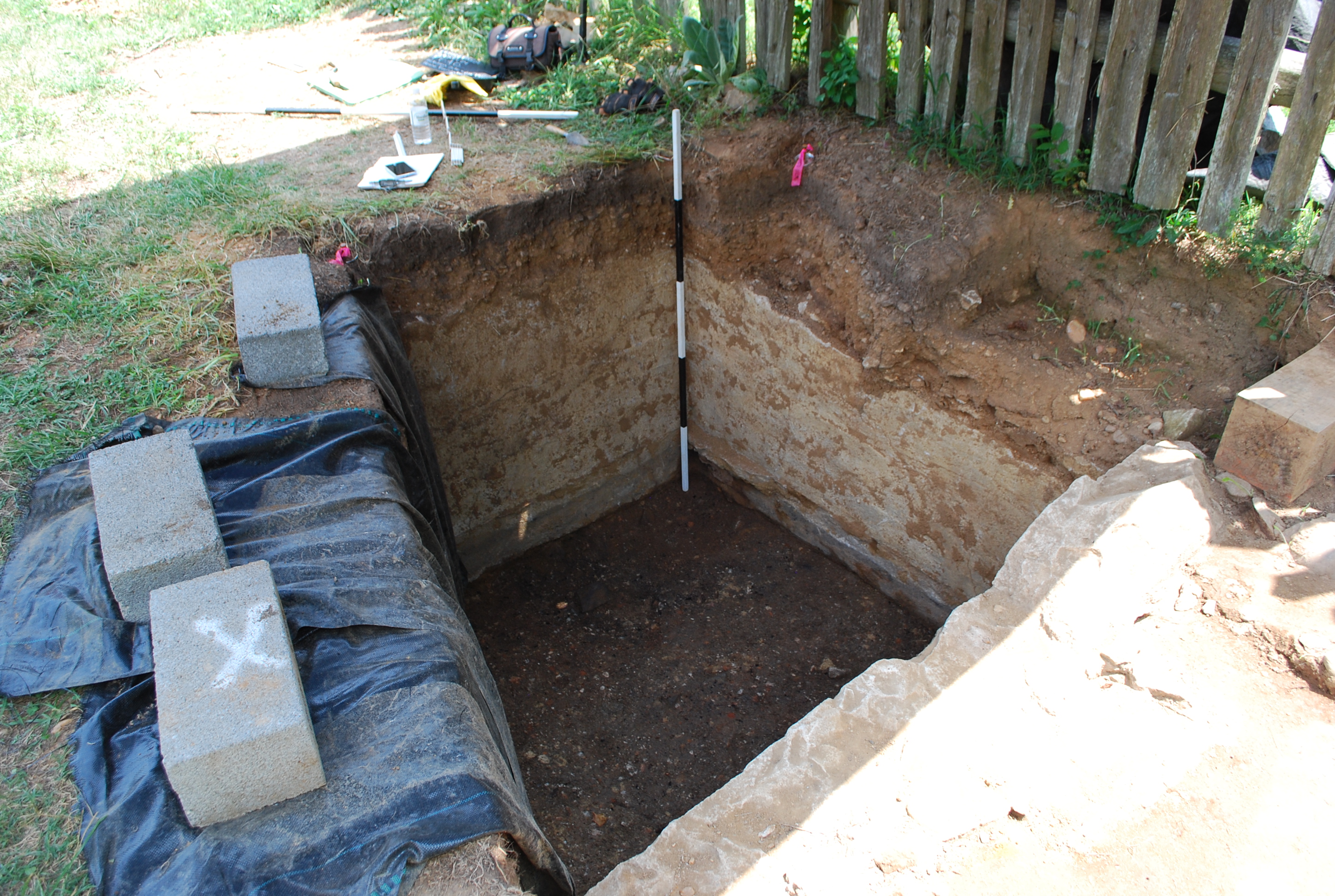
Wait, that’s not all for this year’s dig. Don’t forget that we had two excavation areas this year. Our second area was FF-40, which was the remains of an 18th century kitchen had experienced an intense fire. This kitchen was partially excavated in the 1990s, so this year’s excavation had more of an exploratory excavation designed to help us establish a game plan for future excavation. We knew the kitchen remains were below the foundations of two later farmhouses, and that the foundation walls of these farmhouses were still extant. Additionally, the interior of the foundations was filled with sand to protect the kitchen site. Our excavations confirmed the location of the farmhouse foundations and the existence of a protective layer of sand! Once our crew were able to get through this sandy fill, a quick clean of the kitchen fill uncovered artifacts that were absolutely toasty. Okay, toasty isn’t a technical term, but the artifacts showed evidence of a fire that burned at extremely high temperatures. This included a high number of architectural artifacts as well as charred ceramics and melted glass. Findings from this year will help guide the excavation in the future.
The burned kitchen site is located beneath these concrete house foundations dating to 1914. This picture was taken after protective sand fill was removed within the excavation unit.
Phew, that was a lot! That sums up our 12-week dig season. We answered a lot of our initial questions and found many more questions to investigate. Archaeologists will be in the lab the rest of the year processing artifacts, researching our findings, planning next season’s dig, and enjoying the A/C. Stop by the lab in the Visitor’s Center and take a peek at what’s happening. See you all in the field next May!
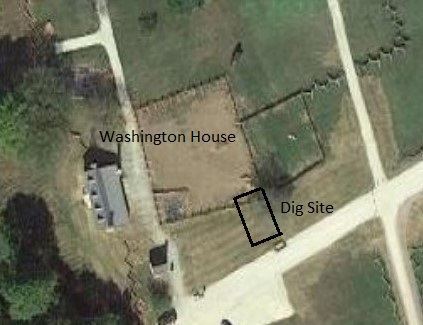
At the beginning of our 2022 dig, we were working with the assumption that a colonial-era building was located at the edge of our excavation site at Ferry Farm, the Boyhood Home of George Washington. At the southeastern edge of the work yard, four post-holes had been found and excavated during previous projects. All were similar in size, shape, and depth, and each one was 10 feet apart from another, forming a single line.
Figure 1. Location of the 2022 excavations at Ferry Farm.
We presumed these features represented one side of a building and not a fence, mainly because of their size and distance from one another. Our objective was to find the rest of this structure and figure out what kind of building it was.
Figure 2. Four post holes at the beginning of 2022 excavations, prompting us to look towards the south for the other side of the building.
Our first goal was to ascertain if our -hole line extended further towards the east or west. Re-examination of previously excavated units to the west and the excavation of new units to the east revealed no additional posts, which meant our building was confirmed at 30 feet long on one side.
The second objective was to find a parallel wall to our post-hole line, as would be expected if this line represented the remains of a structure. Because previous excavations in this area (2019, 2020, and 2021) showed no relatable line of posts to the north of our four post holes, we opened up new units and reopened previously excavated units to the south.
What we found was not another line of post holes but a large stone pier and what appears to be two robbed stone pier features to the south of our four post-holes. This line of stone pier/robbed piers was located approximately 20 feet south of the post hole line. They were also spaced approximately 10 feet apart, and each corresponded with the placement of three of the four post-holes.
Figure 3. Alignment of four post-holes and three stone pier features on the site.
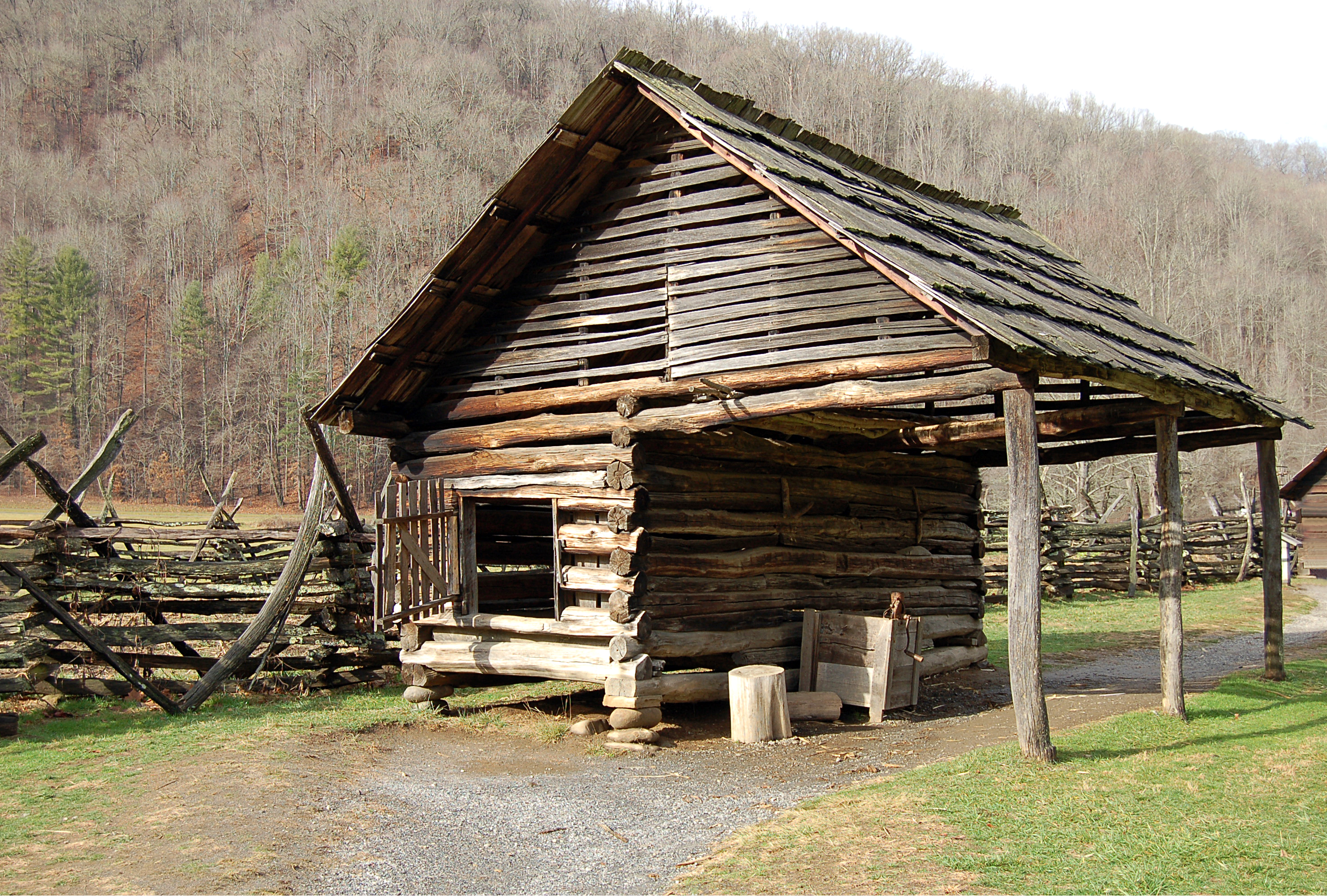
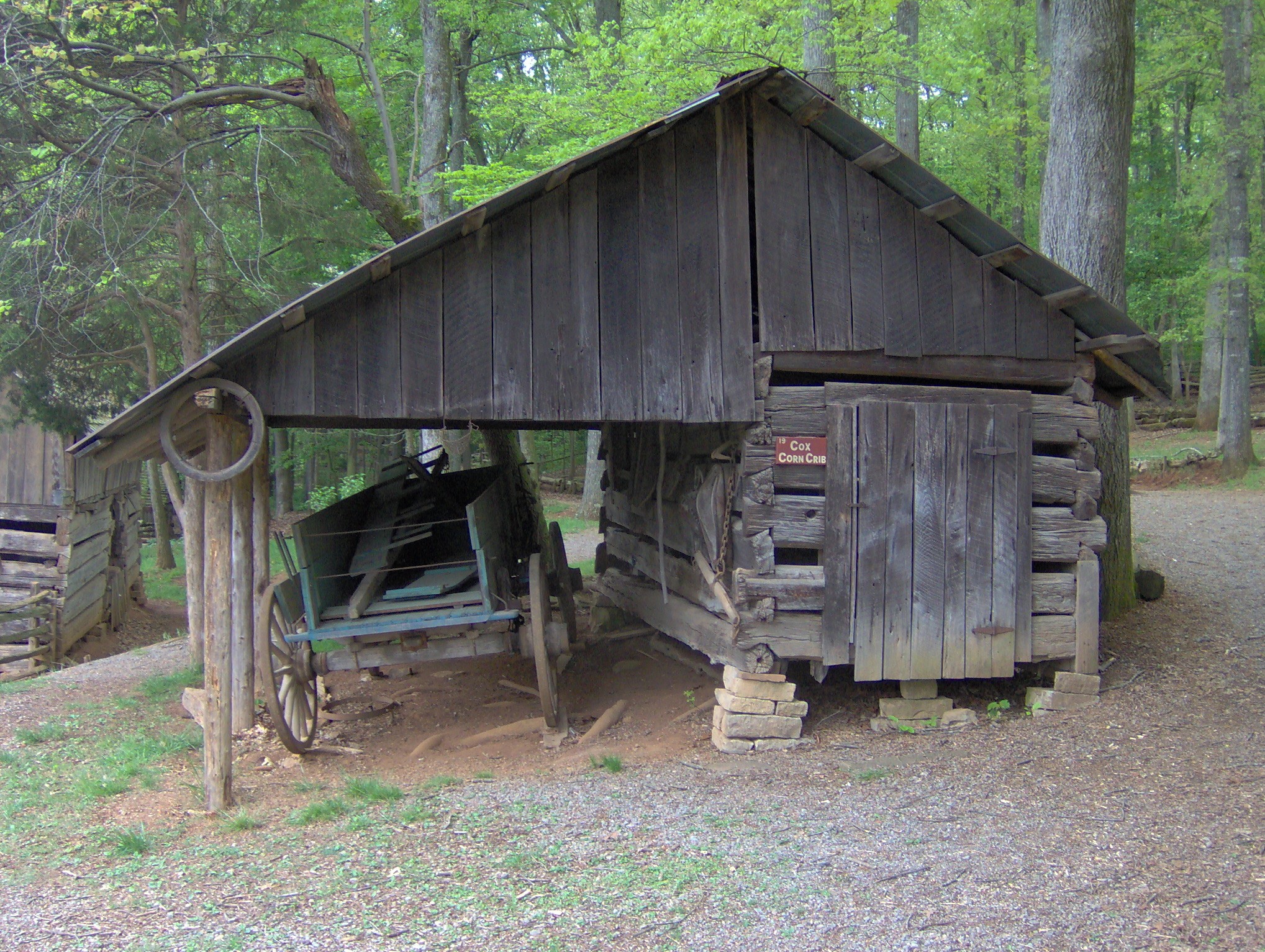
We believe we have uncovered the partial remains of an agricultural building that employed a unique combination of wooden posts in the ground and stone piers for the foundation. A corn crib – a building found on every farm or plantation in every century – is such a structure that uses a combination of post in ground beams and stone piers in their construction. Stone piers would be used for the storage portion of the structure, and post in ground supports for the overhanging shed roof that affords protection to wagons offloading corn into the building. The corn crib examples below illustrate the use of two different foundation styles.
Figure 4. An example of an old Corn Crib (North Carolina) using the same foundation system uncovered at Ferry Farm. The foundation features stone piers for the storage portion of the structure, with wooden post in ground beams that make up the protective shed roof that covered wagons being unloaded. (Wikimedia Commons)Figure 5. Corn Crib in Tennessee that uses post in ground supports for the shed portion of the building as well as stone piers for the storage portion of the structure. (Wikimedia Commons)
The excavation of the entire structure, particularly the southernmost wall of the storage shed, was hindered by the existence of the emergency access road that was installed at Ferry Farm in 2018. So while we have the entire open shed portion of the corn crib, only half of the storage portion has been uncovered – the rest remains below the current entrance road.
Figure 6. Interpreted location of the corn crib on the site.
Artifacts from this area have not yet been processed in our lab, but their preliminary analysis support the interpretation of this structure dating to the Washington period.
From historical documents, we know the Washington family was growing corn on their property, thus necessitating at least one, if not more, corn cribs on the farm. For example, in 1750, Mary Washington is paid £10 for selling corn to the Accokeek Furnace, a business originally started by her husband but then overseen by her stepson, Augustine Jr. Also, Washington’s survey of Ferry Farm in 1771 specifically mentions a cornfield on the property.
Efforts of the last two dig seasons have centered around uncovering this building and determining its function. Having gone as far as we can in the field, our outside work on this structure is done. Work continues inside, processing the artifacts in the lab and refining our interpretation of this exciting new addition to the Washington landscape.
There will be another dig season this year at Ferry Farm, starting mid-May. Our focus will switch to different areas of the site, so be sure to visit this summer and allow us to tell you about our new projects.
In this video, Fredericksburg, Virginia-based furniture maker Steve Dietrich discusses two of the techniques he used to create a blanket chest for the reconstructed Washington house at Ferry Farm.
Watch other videos and read more about rebuilding the Washington house here.
In this video, we visit with Tom Snyder and Astrid Smith of Williamsburg Art Conservation to see how they upholstered the leather bottom chairs in the hall of the Washington house replica.
Watch other videos and read more about rebuilding the Washington house here.
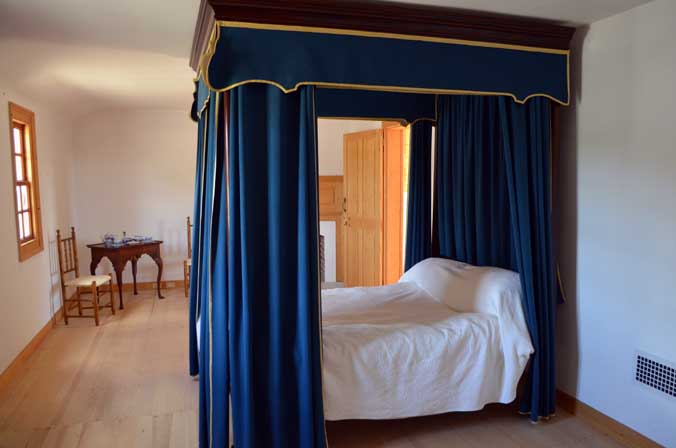
In July, we were very excited to see the culmination of at least a year’s worth of research and work when the “best bed” was installed in the Hall Back Room (the master bedchamber) of the Washington House. Between its imposing size (it nearly touches the ceiling) and it’s bright blue bed curtains in a house where there was very little color, the best bed is one of the most memorable pieces in the house, both today and when the Washington family resided at Ferry Farm.
The “best bed” in the Hall Back Room of the replica Washington house at Ferry Farm.
The “best bed” in a colonial gentry home like the Washington’s was intended to be a showstopper, and a visual statement to visitors about the prosperity of the family that owned it. It was one of the reasons that the bedchamber in which the best bed stood was usually considered a public entertaining room – all the better to have people see the bed.
But how do we know what the Washington best bed looked like? In this case, we had several clues from historic documents and archaeological finds that we pieced together with what we know about life in early 18th century Virginia households.
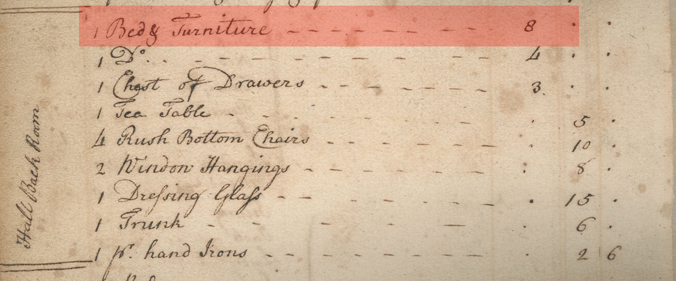
The first question we had to answer was what type of bed was it? Augustine Washington’s 1743 probate inventory describes the bed simply as “1 Bed & Furniture…..£8.” At first glance, this scant information doesn’t seem to tell us much (other than this bed is indeed the most valuable single item in the entire Washington household at £8). But, the mention of “furniture” along with the bed is actually quite useful.
“1 Bed & Furniture” valued at £8 listed on the probate inventory of Augustine Washington’s personal property done after his death in 1743.
In this context, “furniture” refers to all the textile accessories associated with the bed, including bed curtains. In order for a bed to have bed curtains, it must be an expensive tall-post bed, rather than low-post. While we refer to the Washingtons as being among the gentry class, meaning they were able to furnish their home with higher end furnishings, this was actually a question for some time. At this early point in the 18th century, being gentry might not actually mean living in the luxury that we associate with homes like Kenmore or Mount Vernon of the century’s later decades. Simply owning a bedstead – of any variety – put you well ahead of the vast majority of colonial Virginians. The traditional view of George Washington’s childhood is one of a very simple, primitive lifestyle. Our archaeological findings at Ferry Farm have begun to change that view. In actuality, the Washington family owned and used a wide variety of imported luxury goods in their home.
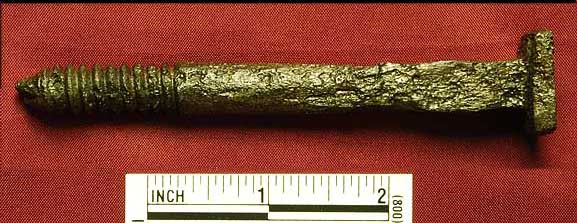
Bed bolts are one artifact changing the old view and pertain directly to the level of bed in the house. Bed bolts were long, heavy screws inserted through the lower ends of the tall bed posts to hold them to the side rails of the bed. Their presence at Ferry Farm proves the existence of tall-post beds. So, this line item in the probate inventory actually serves to bolster the idea that the Washingtons were living a relatively high lifestyle – they had a tall-post bed with curtains in the Hall Back Room.
Bed bolt excavated by archaeologists at Ferry Farm.
Once we determined the style of bed, we had to decide what the bed curtains and bed covering would look like. The probate inventory was not overly helpful on this front – almost no descriptive information of any textile in the house is given. However, there are several other documents related to Mary Washington’s estate that we could consult.
The first was her will, which was recorded in 1788, the year before her death. This document details a number of her household goods, and which of her family members they were to go to. While the list of items is not nearly as complete as a probate inventory, it does provide more descriptive information. Among other textiles, a blue and white quilt, a white counterpane, purple bed curtains and “Virginia cloth” bed curtains are mentioned.
In another document, a list of household items sold at vendu (a public sale of personal property, sort of like a yard sale today) after Mary’s death in 1789, reference is made to blue and white coverlets, a blue and white counterpane, and several blue or white bed coverings, one of which is called “ye best.” Several sets of bed curtains are mentioned, but they are not described.
The best bed with its summertime white coverlet.
Although both of these documents date to more than 40 years after the time period that we are interpreting at Ferry Farm, we can surmise that much of Mary’s bed textiles were blue and white and that this color combination was a particular favorite of hers. As bed curtains and bedding such as quilts and counterpanes represented major financial investments in an 18th century household, it’s not unlikely that many of the finer textiles in the Washington house at Ferry Farm were still in use at the time of Mary’s death many years later, when she was living across the river in downtown Fredericksburg. Because of these documents, we decided to depict the best bed at Ferry Farm with blue and white bedcoverings (a quilt for winter, and a matelessé counterpane for summer) and blue bedcurtains.
As with all the furnishings in the Washington house, we hope that Mary would recognize her bed if she were set foot inside the room today.
Meghan Budinger
Aldrich Director of Curatorial Operations
The replica Washington house is open at George Washington’s Ferry Farm but furnishing is still ongoing. We traveled to Richmond to visit furniture maker Harrison Higgins and he told us about the furniture that he and his crew have made for the Washington house.
Watch other videos and read more about rebuilding the Washington house here.
Today, we revisit the Chinese Export Porcelain (CEP) reproduction ceramics now displayed or to be displayed in the future in the Washington house replica at George Washington’s Ferry Farm. We’re examining the artifacts recovered at Ferry Farm, the complete 18th century objects those artifacts represent, and the reproduction pieces inspired by these artifact sherds as well as by the complete originals. This is the final post in this three week series and in it we’ll take a look at two special styles of CEP known as imari and famille rose.
Imari artifact excavated at Ferry Farm.
Famille rose artifact excavated at Ferry Farm.
These sherds are CEP like the blue and white porcelains we wrote about in part 1 but they are in different colorways, namely “imari” (blue, red, orange and occasionally some gilt accents) and “famille rose” (pink, orange and some green). Sometimes, the exterior of teacups, bowls and saucers were painted an opaque brown, which is a style known as “Batavian.” Our fragments suggest some Batavian pieces were in use in the Washington house, as well as some that show gilding.
Imari bowl in the Historic Kenmore collection.
Famille rose plate. Credit: Guest & Grey Antiques
Buildings, people and fish were all popular motifs in imari and famille rose palettes. Famille rose was one of the earliest of the CEP decorative styles, dating as early as the 1720s. If a colonial American family managed to obtain a piece of famille rose CEP, it would be a treasured possession for generations.
Imari reproduction plate in the Washington house.
Famille rose reproduction plate in the Washington house.
Again, we have located individual pieces in period-correct shapes, that are decorated in colors and motifs that belong to the imari and famille rose palettes. While interest in all things Asian may have reached its height in 18th century Europe, the style had several resurgences over the ensuing years, including in the early 20th century, which helped us greatly in our hunt for suitable reproductions of CEP. During that time, Japanese potters began to churn out massive quantities of porcelain decorated in what became known as the “geisha girl” style, using green, orange and pink enamels. The decorations depicted geishas in gardens near buildings. While geishas may be a Japanese cultural theme, the colors, the delicate ceramic, and the inclusion of buildings and flowers all reference Chinese famille rose.
These pieces were intended for the Western market, and were often found in American dime stores, or given away as premiums in packages of tea. They were produced from the 1890s, through World War II and even during the Allied occupation of Japan. As a result, they’ve become highly collectable and we were able to find several different forms to add to our collection of stand-ins for famille rose tea wares.
Meghan Budinger
Aldrich Director of Curatorial Operations
Today, we continue our look at the different ceramics displayed or soon to be displayed in the Washington house at George Washington’s Ferry Farm. We’re examining the artifacts recovered at Ferry Farm, the complete 18th century objects those artifacts represent, and the reproduction pieces inspired by these artifact sherds as well as by the complete originals. Last week, we learned about the blue and white Chinese Export Porcelain reproductions gracing the house. This week, in the second post of this series, will investigate the white salt-glaze stoneware and the Westerwald stoneware.
These fragments are from white salt-glazed (WSG) stoneware dinner plate rims, and show two different styles of molded decoration. The pattern in the above photo on the left was known as “dot/diaper/basket” and the pattern in the above photo on the right was known as “royal rim.”
Molded WSG came into existence in the 1740s, so the Washington family was right on trend. A few decades later, creamware would replace it as popular dinnerware, but the rim patterns found on WSG were often very similar to those used on later creamware.
During the height of the Colonial Revival decorating style in mid-20th century America, the patterns used on WSG and creamware back in the 18th century had a major resurgence. Several American potteries started producing white stoneware table wares, similar to WSG, with glossy surfaces similar to creamware, using molded rim decorations that were almost exactly like their 18th century predecessors. The Canonsburg Pottery outside of Pittsburgh, Pennsylvania, produced dot/diaper/basket plates under the pattern name of American Traditional from the early 20th century through the company’s closure in 1978. The Red Cliff Company pottery in Chicago produced plates with a rim pattern taken from the “royal” rim style on 18th century creamware (which was similar to an earlier WSG rim) under the pattern name Heirloom from the 1950s until their closure in 1977. Similarly, Sears sold an almost identical plate under the pattern name American Federalist until the mid-1980s. Luckily for us, all of these 20th century patterns are collectible and we found many of them in stores and on-line.
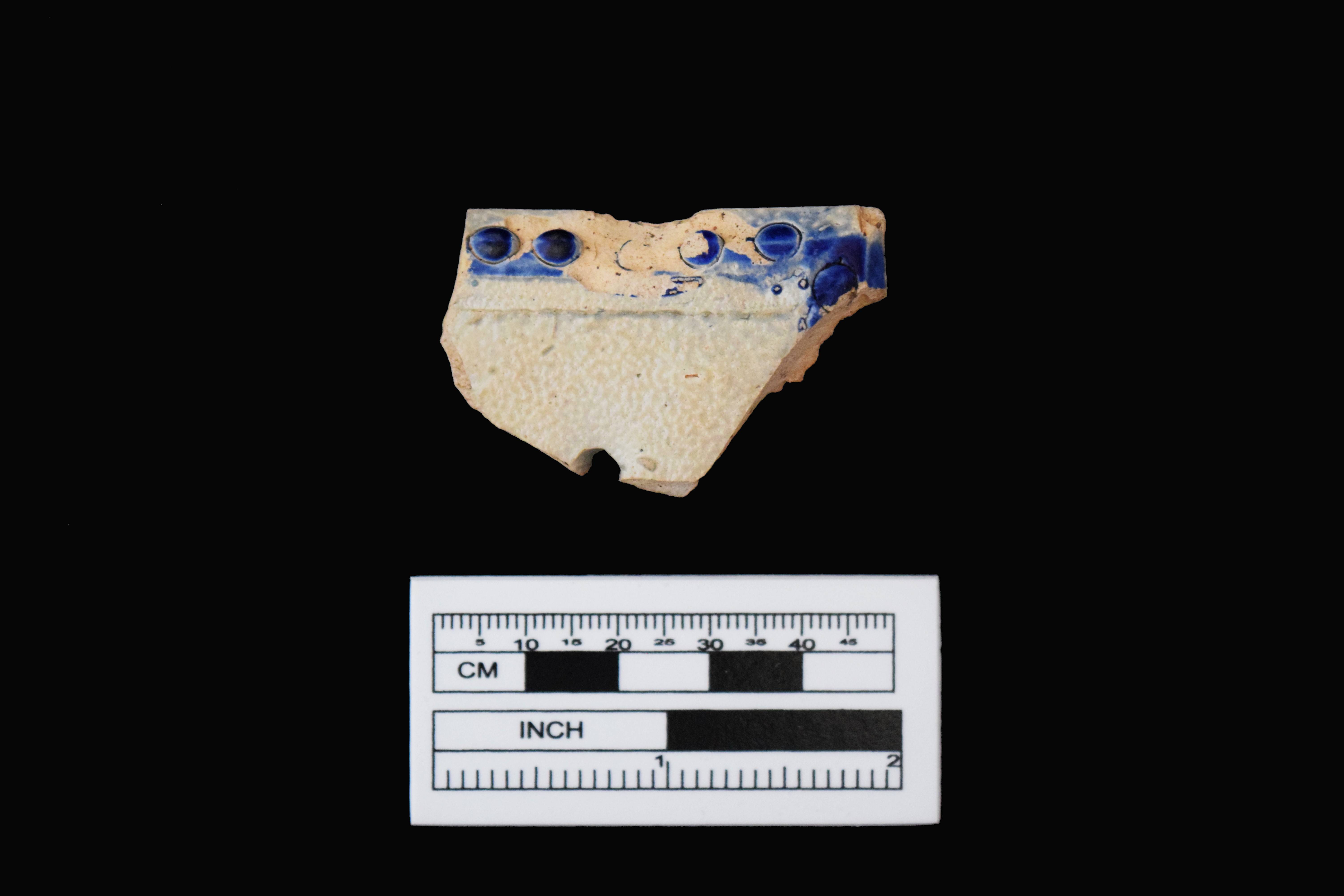
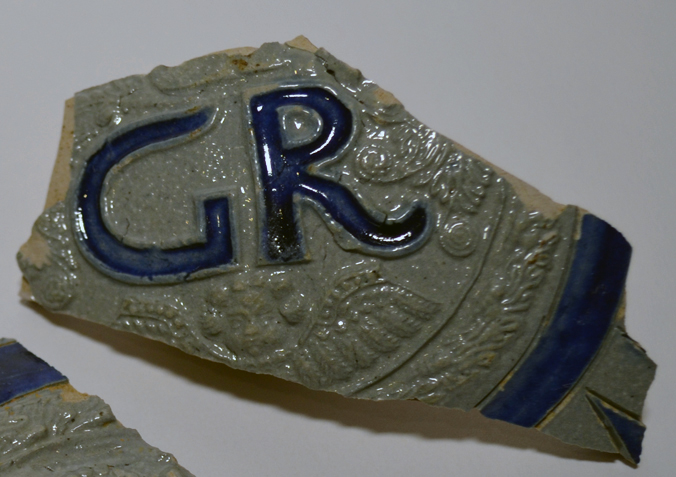
The above fragment came from either a mug or a jug made from grey stoneware decorated with cobalt blue glaze, known as Westerwald. The Washington family owned quite a bit of Westerwald ceramic, as did the Lewis family at Kenmore.
Westerwald pottery originated in 17th century Germany, and it is still produced there today. It was a popular style for traditional German steins, often with pewter lids attached. In the 18th century, it was often made for export to England and was therefore decorated with the “GR” emblem, referencing Georgius Rex (King George).
During one of our treks through a thrift store, we came across this lidded Westerwald mug, and we were amazed at how similar to our 18th century fragments it was. So amazed, in fact, that we questioned whether or not it might actually be an antique piece (that somehow remained in pristine condition)! A look at the bottom revealed a very 20th century maker’s mark, however, but it also spurred a desire to find out more about the company that was producing such excellent Westerwald. The mark indicated that the piece was “Original Gerzit,” and some internet research revealed that the Gerzit Company in Höhr-Grenzhausen, Germany, was originally the pottery founded by Simon Peter Gerz in 1857. The family owned and continued to operate the pottery through World War II, at which time they changed the name to Gerzit. By German law established in 1887, Westerwald produced for export has to be marked Made in Germany. Westerwald produced for sale in Germany doesn’t have to carry a mark at all. Any Westerwald produced after World War II for export has to specify whether it was made in East or West Germany. Putting all of that together, and comparing it to the mark on our newly acquired mug, shows us that it was produced sometime between 1949 (when the company name changed) and 1997 (when the company closed) and was originally intended for sale within Germany. How it ended up in a thrift store in Virginia is anyone’s guess, but it was a very lucky find for us!
In part 3, we’ll revisit Chinese Export Porcelains to see imari and famille rose artifacts, originals, and reproductions that will go in the Washington house.
Meghan Budinger
Aldrich Director of Curatorial Operations













 In this video, Fredericksburg, Virginia-based furniture maker Steve Dietrich discusses two of the techniques he used to create a blanket chest for the reconstructed Washington house at Ferry Farm.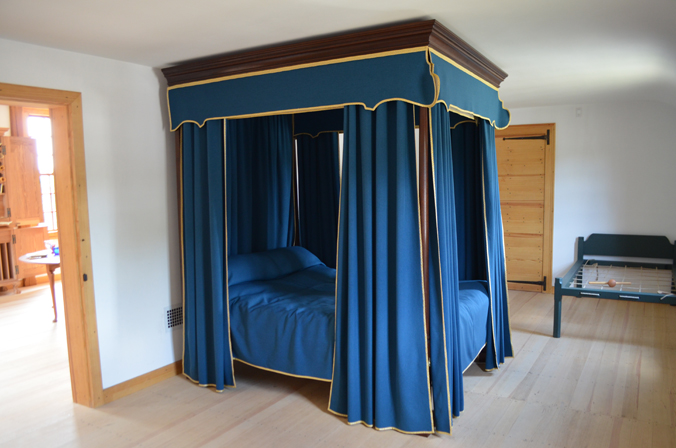



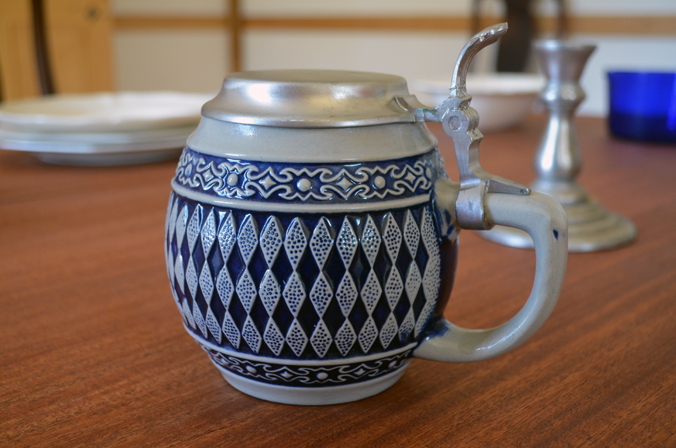
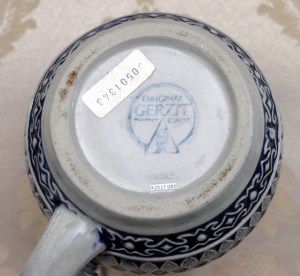 piece was “Original Gerzit,” and some internet research revealed that the Gerzit Company in Höhr-Grenzhausen, Germany, was originally the pottery founded by Simon Peter Gerz in 1857. The family owned and continued to operate the pottery through World War II, at which time they changed the name to Gerzit. By German law established in 1887, Westerwald produced for export has to be marked Made in Germany. Westerwald produced for sale in Germany doesn’t have to carry a mark at all. Any Westerwald produced after World War II for export has to specify whether it was made in East or West Germany. Putting all of that together, and comparing it to the mark on our newly acquired mug, shows us that it was produced sometime between 1949 (when the company name changed) and 1997 (when the company closed) and was originally intended for sale within Germany. How it ended up in a thrift store in Virginia is anyone’s guess, but it was a very lucky find for us!


