Lives and Legacies

Category: Natural History

  • Of Mice and Men: A brief exploration of rodents’ history in America

    A pest is a broad term for any organism that spreads disease, causes destruction, or is generally a nuisance. In the 21st century, we still constantly battle pests from squirrels who chew through your internet cables or spiders who set up house in the high corner of the ceiling, watching and judging you to evil mosquitoes that ruin outdoor activities and leave you with itchy red welts that no amount of calamine lotion will help. It is a fight as old as time. 

    I wanted to investigate one pest in particular: rodents. Why were mice and rats present in colonial homes? Why this was an issue? What were some of the methods the Washington’s would have used to combat these furry creatures? And how we know without a doubt that Kenmore and Mount Vernon had rodent tenants.

    The Suspects

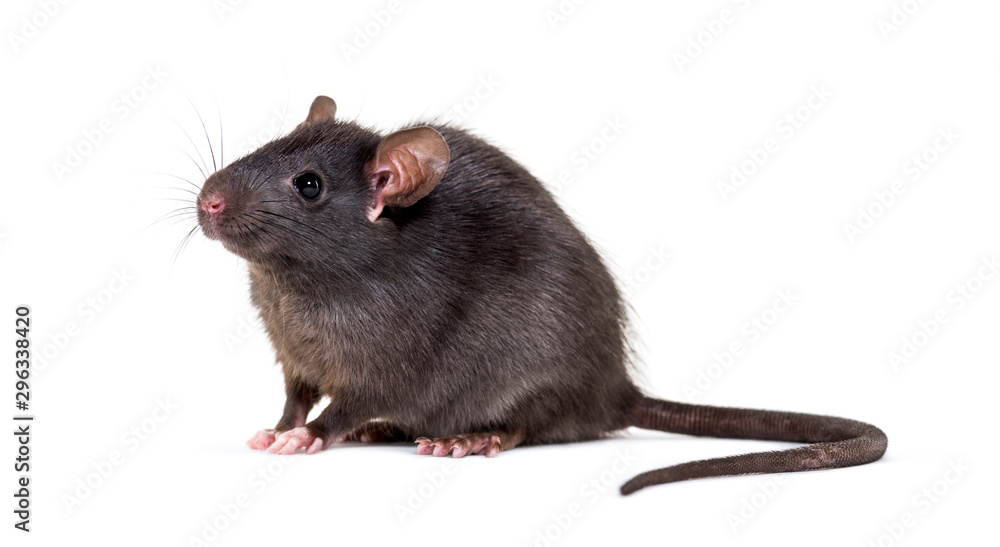
    The house mouse, or Mus Musculus, originating on the Asian and Indian subcontinent, has become the most successful invasive species in recent history. [1] They arrived in this country with the trading ships and settlers that came to the New World in the 16th century. [2][3]

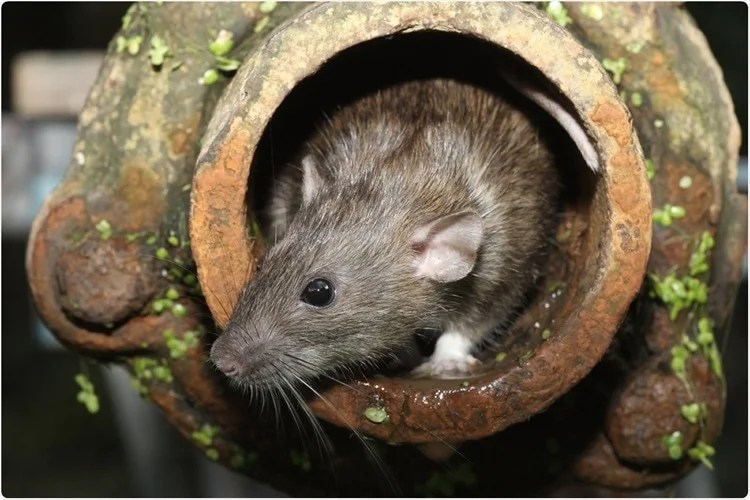
    Similarly, the black rat, aka roof rat, boarded ships for their westward journey around the same time as the seafaring mouse. [4]  Their presence is noted by the residents of Jamestown in November of 1608, stating, “When the shippes departed al the provision of the store but that the President had gotten was so rotten with the last somers rain, and eaten with rats and wormes” [5] The notorious brown rat or sewer rat, who seems to currently enjoy the cities of Chicago, Los Angeles, and New York, arrived a little later than their brethren setting foot in the new country around the 1750s.[6]

    America, the land of plenty…of garbage

    There is no nice way to say it, but living in colonial America was usually gross. Housing wasn’t always the greatest, sometimes being very rudimentary. Food storage was typically simple and easily accessible. But one of the biggest problems (or benefits if you are a rodent) was the lack of systematic waste disposal. [7] [8] Garbage (including human waste) was a personal problem often solved by opening the window and chucking out.

    We have abundant archeological information from Ferry Farm and Kenmore that supports these habits. A large part of Ferry Farm has been excavated over the decades, leaving clear evidence that the Washington family and their enslaved workers disposed of waste right in the backyard…off the porch.    Large amounts of artifacts were discovered and mapped, showing the proximity to the house, meaning the garbage was close, and rodents love trash.
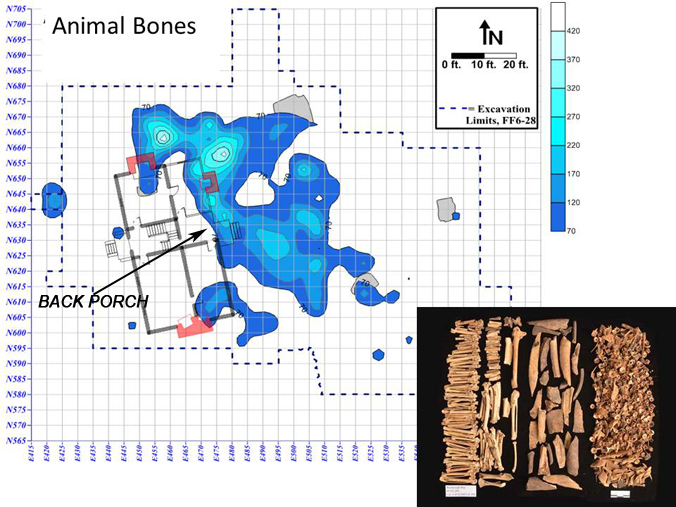
    Map showing the concentration of animal bones excavated from the midden at the rear of the Washington house at Ferry Farm.

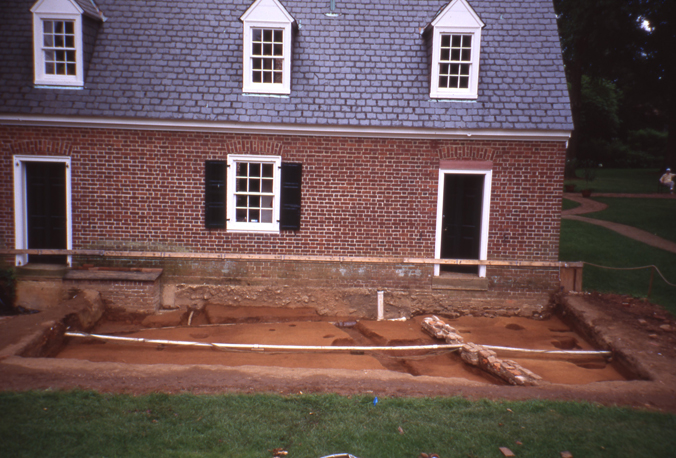
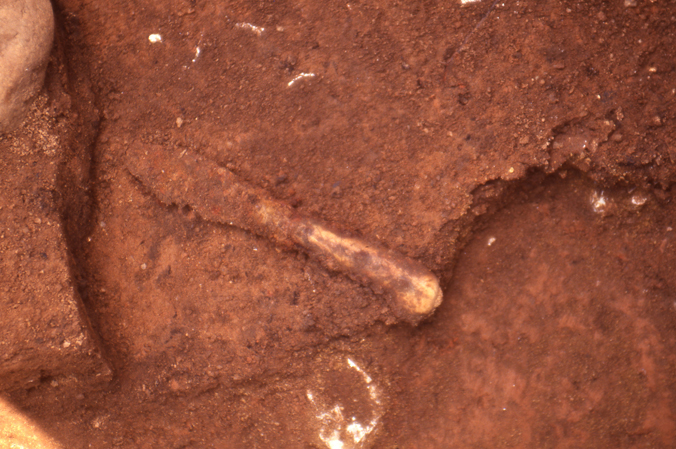
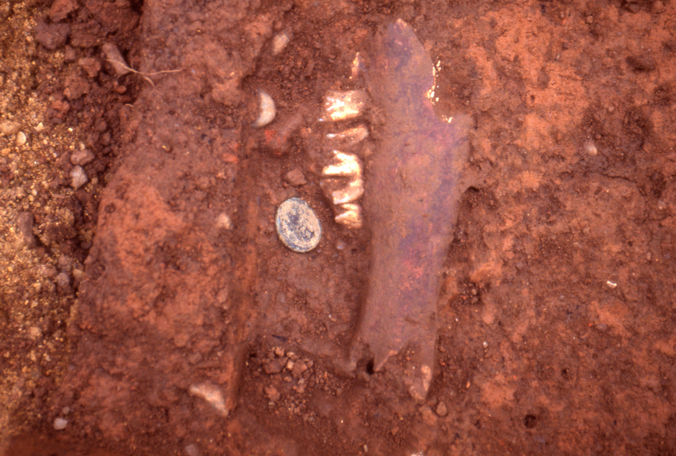
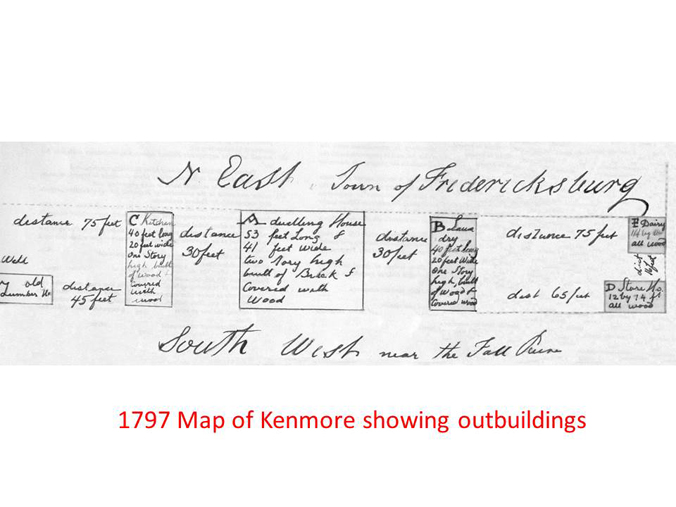
    At Kenmore, the garbage situation seemed to be a little more regulated because the grounds and buildings were planned. The main house was made of brick, surrounded by two wood-built structures containing the kitchen and laundry. During excavations of the kitchen yard (between the house and kitchen), there were minimal artifacts, but a dump site was found west of the kitchen. The location could be accessed by the window or by walking around the side of the building and contained a pig jaw, animal bones, bone-handled knife, and other objects. The kitchen is about 30 feet from the house, with the slave passage doors opening right onto the kitchen yard…plenty close enough for an enterprising rat or mouse. 
    Bad House-guests

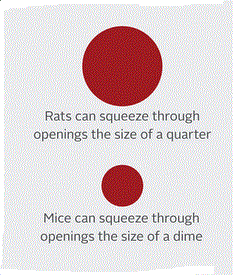
    So, why are rodents bad to have in your house? Disease, contamination, destruction, smells, and lots of poop. [9]  Rats can squeeze through an opening the size of a quarter. Mice only need the size of a dime…so they will be everywhere in your house and will bring friends. [10] Rats and mice are spreaders of disease from rat-bite fever that spreads through bacteria in the rodent’s saliva, urine, or droppings to the bubonic plague transmitted by the lice hitching a ride on their fluffy friend.[11][12]  While today, rodents are relatively low on the list of dangerous disease spreaders in an era of limited medical knowledge and treatments, it could be a matter of life or death.
    Contamination and destruction are these creatures’ modus operandi. They get into everything, period. They will eat almost any human food, chewing through any storage system, leaving behind chaos; they have even been known to eat soap and glue. [13]  While venturing through the house, they are constantly urinating and pooping, which is smelly, can create mold growth, and should never be consumed. [14] In their quest for food, they often destroy household items, eating books, chewing clothes, gnawing on mattresses, and even nesting in furniture. All of which is not only annoying but expensive to fix or replace. [15][16]

    But one of the most offensive things a mouse or rat can do is die in your walls. Take it from Colonel Landon Carter, who had to deal with a rat dying behind his wainscoting, informing everyone, “Wainscoted rooms have their conveniences [inconveniences?] as a dead rat has been stinking behind mine in the hall at least six days and is now intolerable in spite of burning tar…this dead rat stunk prodigiously.” [17] 

    Colonel Landon Carter, not too fond of rats. Source: Wikipedia

    Fighting Back

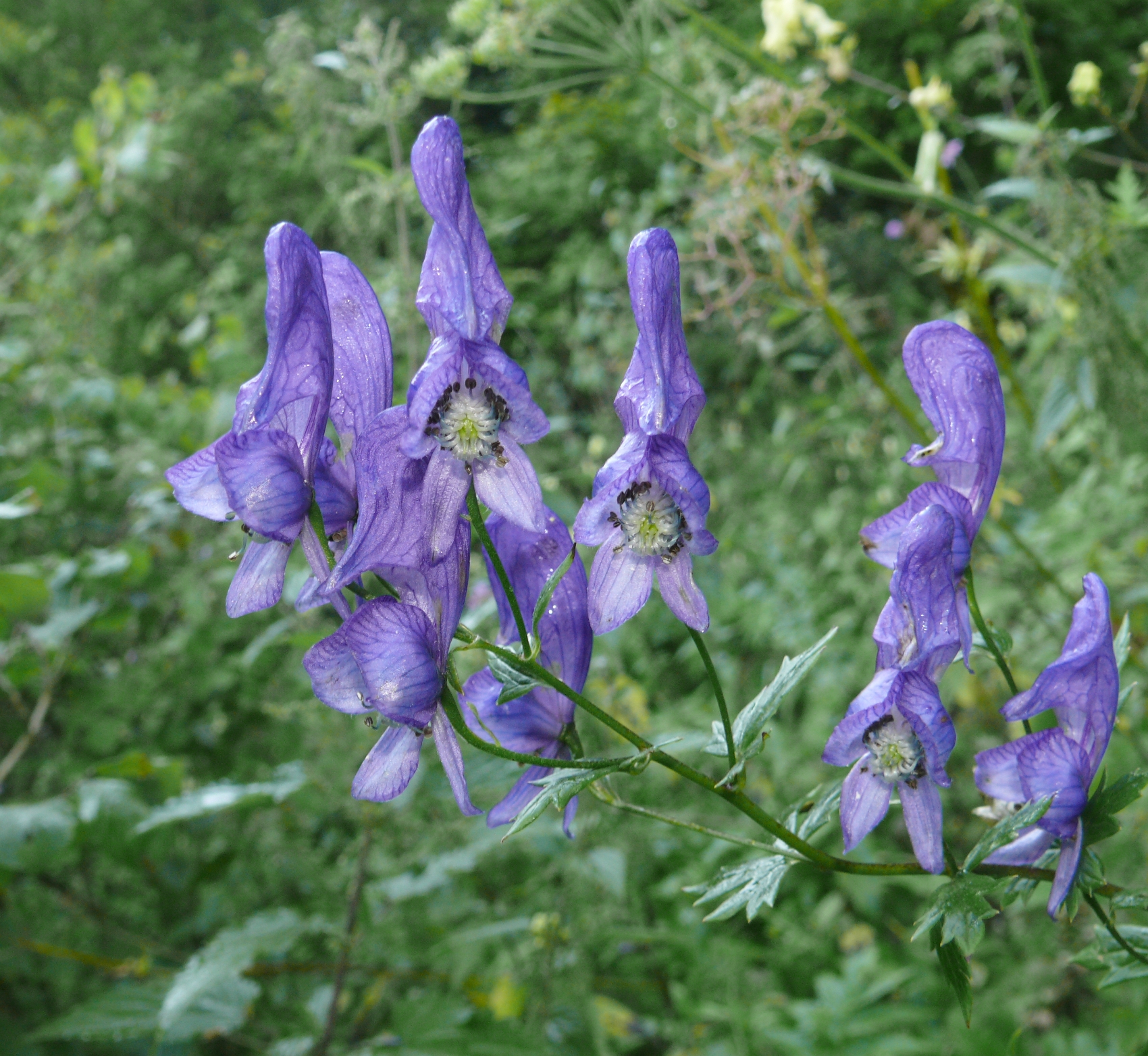
    Surprisingly, colonists used many of the same techniques we do today to eliminate these pests. Pesticides or chemical warfare was widespread, with many recommendations and recipes dating back to the 15th century. I found recipes containing helliberry leaves, bitter almonds, “seade of wild cowcumbers,” colluentida, hemlock seed, aconite or wolfsbane, and arsenic.[18]   I don’t know many of those ingredients, but apparently, they kill rodents nicely. 
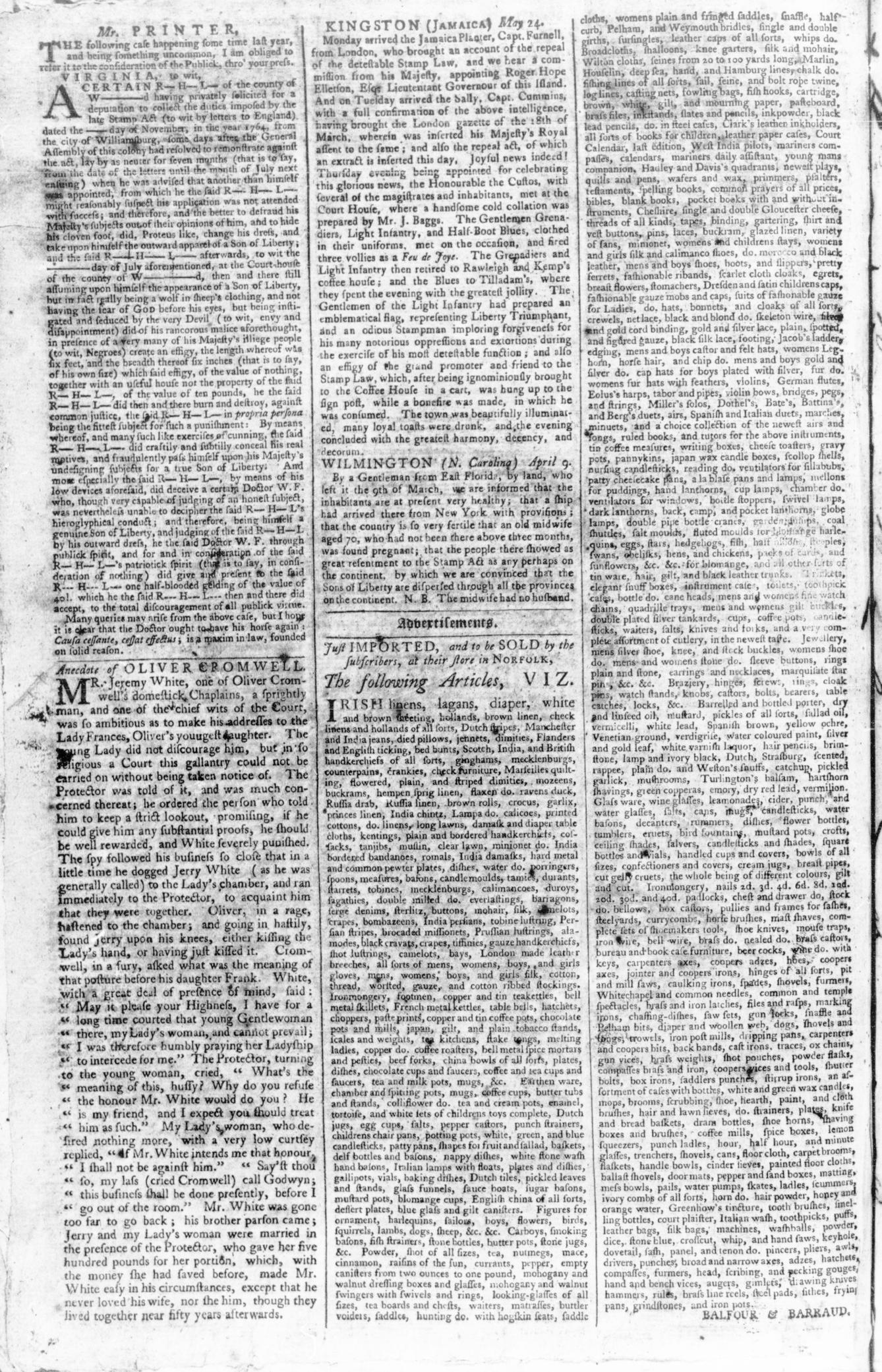
    Another method was traps, which are common today. They were pretty popular, and there were many advertisements in the Virginia Gazette from sellers touting that their mouse traps just arrived from England. [19] There are also many instructions for building easy mouse traps like the “deadfall” or “noose” traps, which are as horrible as you imagine. [20][21]
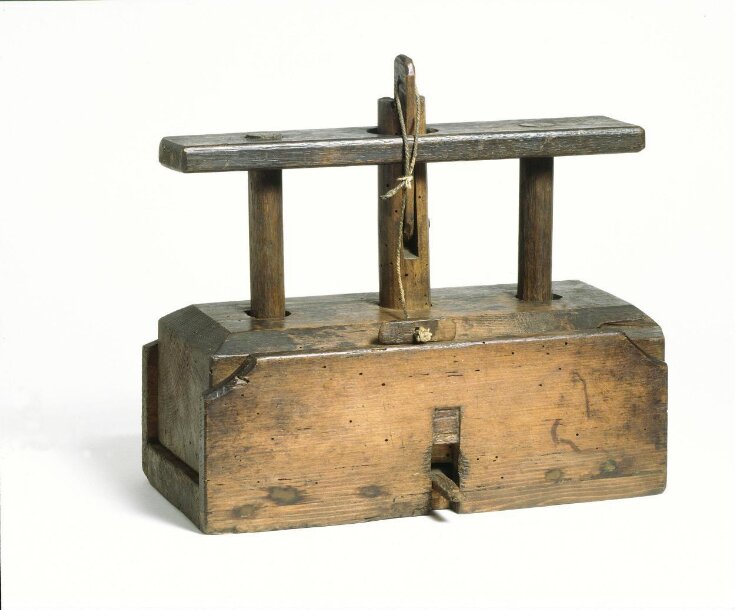
    Deadfall mouse trap, c. 1800-1850 Source: V&A Collection

    Lastly, one method that is making a comeback is animals, both cats and dogs.[22][23] Cats have been used for ages as rodent killers and are good at their job. [24]  A 14th-century manual suggests that if you have problems with vermin, “have as a good supply of cats.”[25]  The famous diarist Samuel Pepys wrote in December 1660, “my boy taking a catt home with him from my Lord’s, which Sarah hath given him for my wife, we being much troubled with mice.”[26]  There are even modern programs like Barn Buddies that save feral and skittish cats and adopt them out as “rodent control technicians.”[27]

    And dogs, mainly terriers, have been used to clear mice and rat infestations for centuries, just like cats. Ever the dog lover, George Washington had terriers at Mount Vernon, which probably helped immensely around the plantation.[28]  Today, cities like Chicago and New York use these canines in modern rat hunts.[29] It seems the skills of the terrier will always be in demand. 

    Little Historians

    Lastly, how do we, without a doubt, know that there were rodents at Kenmore and Mount Vernon? Rat nests. Rat nests are usually found in walls or under floorboards, and they not only prove these guys resided in the houses as long as the families themselves, but also provide a fascinating historical glimpse into the material lives of the occupants.

    Mount Vernon documented the finding of a rat nest in 1949 behind the wall in Washington’s bedchamber. When dissected, it included buttons, paper, rope, yarn, a whole woman’s shoe, and fabric matching Washington’s bed curtains.[30]  
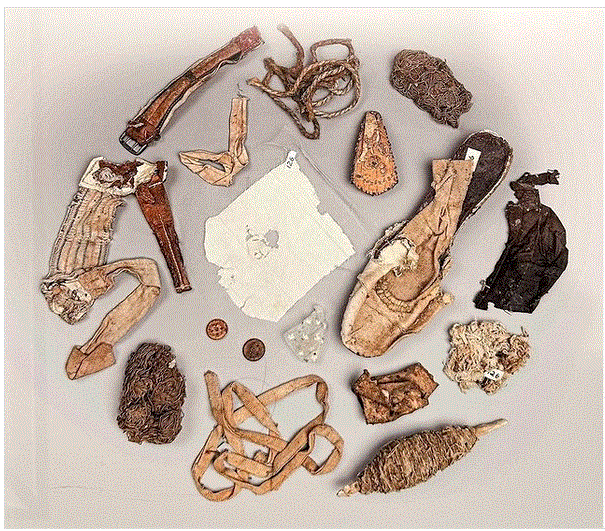
    Objects from rat nest found in the wall of Washington’s bedchamber, 1949. Source: Mount Vernon Instagram

    Similarly, in 1989, a rat nest was found in Kenmore while investigating the walls and floorboards. We recently picked apart the bundle to find fabrics, fibers, thread, yarn, newspapers, bones, nutshells, and wood splinters. The remnants in the nest were dated no later than the early 20th century due to dates on newspaper fragments and the absence of plastics.

    In conclusion, rats and mice have been a constant annoyance since they first set foot in this country; unfortunately, that is still somewhat true. These enterprising rodents have adopted America as their own and we as fellow citizens must learn to live together despite our often distaste for each other.

    Fun Fact – We don’t want to malign rats more than they have been throughout history so we would like to add that rats make good pets.  They are quick learners, highly trainable, very clever, and have excellent memories.  They are now being trained to detect land mines, diseases like tuberculosis, and even rescue earthquake survivors.


    Heather Baldus

    Collections Manager


    [1] Agwamba, K. D., & Nachman, M. W. (2023). The demographic history of house mice (Mus musculus domesticus) in eastern North America. G3 Genes|Genomes|Genetics, 13(2). https://doi.org/February 2023

    [2] Agwamba, K.D., & Nachman, M.W. (2023)

    [3] Agwamba, K.D., & Nachman, M.W. (2023)

    [4] Newman, M. H. (2001). The vermin -killers: Pest control in the early Chesapeake [Doctoral Dissertation, Willam & Mary University]. https://scholarworks.wm.edu/etd/1539623387/, pg 111.

    [5] Newman, M.H. (2001), pg. 47.

    [6] Tapia, A. (2021, October 23). America’s 10 Most Rat-Infested Cities. Newsweek. Retrieved September 7, 2023, from https://www.newsweek.com/americas-10-most-rat-infested-cities-1638136

    [7] Newman, M.H. (2001), pg. 17.

    [8] Newman, M.H. (2001), pg. 46.

    [9] (2014, January 6). Of Mice and Men: Rodent Infestations Plague Nearly A Third of Americans. National Pest Management Association. Retrieved September 7, 2023, from https://www.pestworld.org/news-hub/press-releases/of-mice-and-men-rodent-infestations-plague-nearly-a-third-of-americans/

    [10] (2014, January 6). Of Mice and Men.

    [11] (2019, January 18). Transmission. Centers for Disease Control and Prevention. Retrieved September 7, 2023, from https://www.cdc.gov/rat-bite-fever/transmission/index.html

    [12] (2019, July 31). Ecology & Transmission. Centers for Disease Control and Prevention. Retrieved September 7, 2023, from https://www.cdc.gov/plague/transmission/index.html

    [13] Introduced Species Summary Project

    [14] (2022, December 27). How a Mouse Infestation Can Cause You Thousands in Damage. Spidexx. Retrieved September 7, 2023, from https://www.spidexx.com/blog/2022/december/5-things-you-need-to-know-about-mouse-infestatio/

    [15] Newman, M.H. (2001), pg. 17.

    [16] (2022, December 27). How a Mouse Infestation Can Cause You Thousands in Damage

    [17] Newman, M.H. (2001), pg. 84.

    [18] W, W. (1680). The Vermin-Killer (pp. 4-9). London: Samuell Lee.

    [19] Unknown, U. (1766, July 25). Just Imported and to be Sold by the subscribers at their store in Norfolk. Virginia Gazette. https://research.colonialwilliamsburg.org/CWDLImages/VA_GAZET/Images/PD/1766/0084hi.jpg

    [20] Newman, M.H. (2001), pg. 119.

    [21] Feild, Rachael. 1984. Irons in the Fire: A History of Cooking Equipment. Ramsbury,

    Marlborough, Wiltshire: The Cromwood Press

    [22] Pasley, J. (2023, March 18). How the rat population in New York City grew by 800% and infested the city in less than 65 years. Yahoo News. Retrieved September 7, 2023, from https://news.yahoo.com/rat-population-york-city-grew-143000754.html

    [23] Cass, J. (2017, November 10). Chicago needs good dogs to handle the rat epidemic The Chicago Way. Chicago Tribune. Retrieved September 7, 2023, from https://www.chicagotribune.com/columns/john-kass/ct-met-rats-terriers-kass-1112-story.html

    [24] Newman, M.H. (2001), pg. 115.

    [25] Bayard, T. (1991). A Medieval Home Companion Housekeeping in the Fourteenth Century (1st ed., pp. 97-98). Harper Collins Publishers.

    [26] Pepys, S. (1983). The diary of Samuel Pepys : A new and complete transcription (p. 325). London: Bell.

    [27] (n.d.). Adopt a Barn Cat. Barn Cat Buddies. https://www.barncatbuddies.org/

    [28] (n.d.). Dogs. George Washington’s Mount Vernon. http/www.mountvernon.org/library/digitalhistory/digital-encyclopedia/article/dogs/

    [29] Cass, J. (2017, November 10). Chicago needs good dogs to handle the rat epidemic The Chicago Way. Chicago Tribune. Retrieved September 7, 2023, from https://www.chicagotribune.com/columns/john-kass/ct-met-rats-terriers-kass-1112-story.html

    [30] Mount Vernon [mount_vernon]. “In 1949, preservation staff removed a rat’s nest from behind a wall in the Washingtons’ bedchamber..”* Instagram, May 19, https://www.instagram.com/p/CsbIc9sOO_2/.

  • The Flora and Fauna of Ferry Farm [Photos]

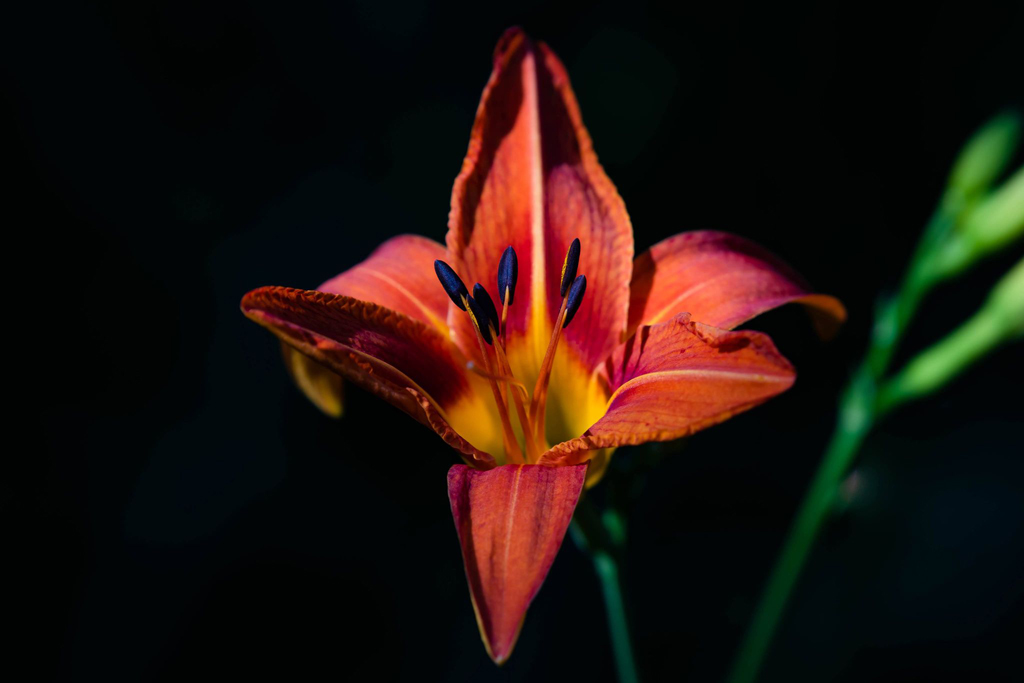
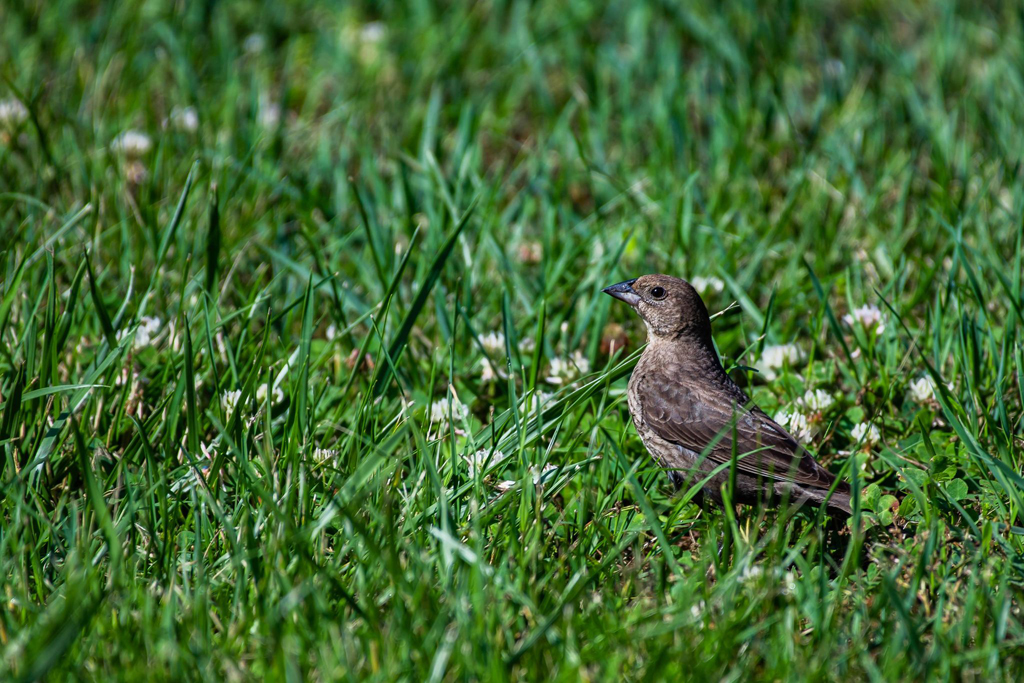
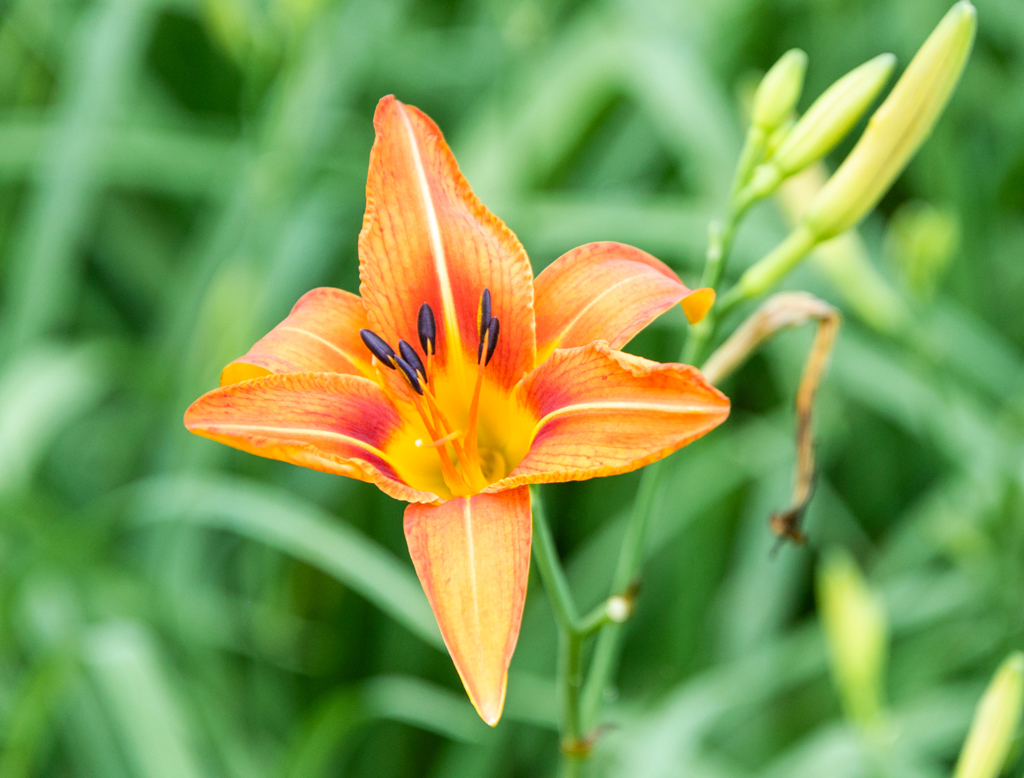
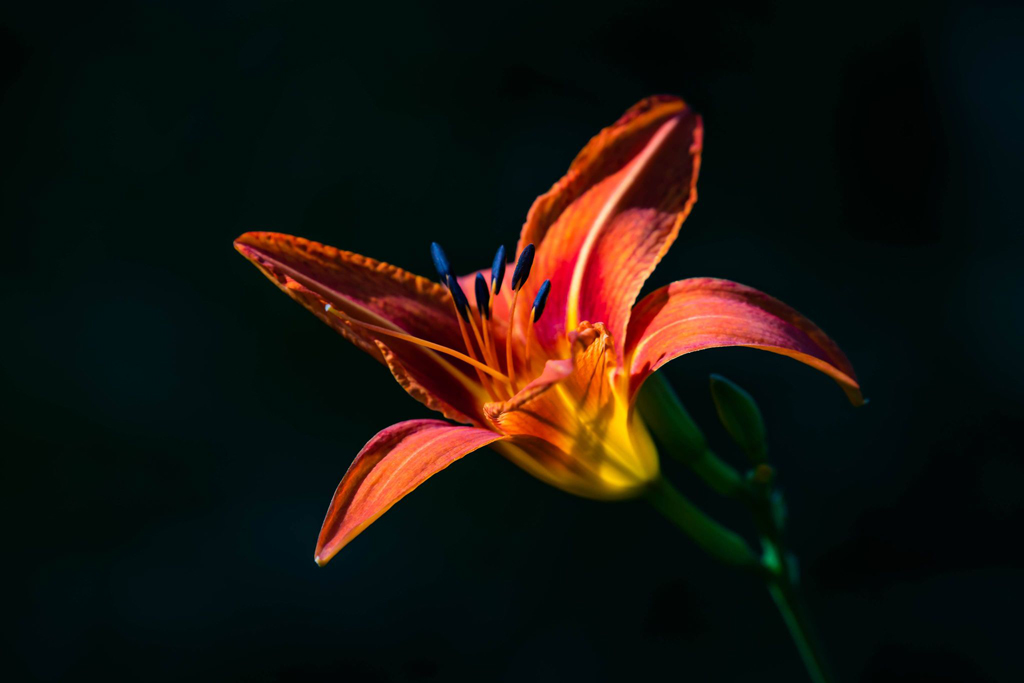
    On a recent summer Saturday morning, a group of photographers came to George Washington’s Ferry Farm for a hike on the trails around the property. A lot of wildlife call Ferry Farm home, and we hoped to capture some of it. We saw many birds, a turtle, and a rabbit eating breakfast in the grass as well as plenty of beautiful flowers. Unfortunately, many animals – including the doe and fawn that have been spotted frequently on the property this year – seemed shy that morning, but we are planning another wild photography session at Ferry Farm in the fall.

    If you’d like to explore wilds of Ferry Farm yourself, you can purchase a self-guided grounds only tour upon arrival at the Ferry Farm Visitor Center. Ferry Farm is currently open from 10 a.m. to 5 p.m., Monday-Saturday and from Noon to 5 p.m., Sunday.

    Jessica Burger
    Manager of Marketing, Communications, and Information Technology

  • The Fossils of Ferry Farm

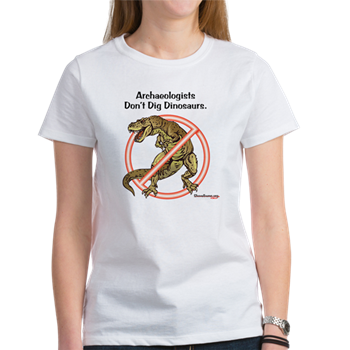
    Archaeologists have one pretty big hang up, and that is when people ask us if we dig for dinosaurs.  We’re so obsessed with making sure that people know we don’t dig dinosaurs that you can find shirts, coffee mugs, keychains, and other merchandise that all say “Archaeologists Don’t Dig Dinosaurs.” But we get it: dinosaurs and other prehistoric animals are super cool- just ask my 4-and-a-half-year-old son or my nine-year-old nephew.  Still, we archaeologists go to great lengths to emphasize that archaeology and paleontology are pretty different.  Archaeologists study historic and pre-historic human cultures by examining the artifacts they left behind.  Basically, we obsess over dead people’s broken stuff. Paleontologists, however, study ancient plants and animals using the fossil record.  Now, that being said, archaeologists do frequently happen to uncover fossils while excavating for artifacts. We’ve made our share of fossil finds while digging at George Washington’s Ferry Farm and we’re going to share some of those finds with you today.

    Archaeologists Don’t Dig Dinosaurs T-Shirt. Credit: cafepress

    First, it should be noted that what we call Virginia today looked a lot different when the creatures our fossil finds represent were alive.  During the Cretaceous and early Paleogene periods, which lasted from 145 to around 56 million years ago, much of this part of Virginia was at times completely underwater as part of the newly formed Atlantic Ocean, while inland areas were very swampy with high temperatures and humidity (Yes, even more so than today’s notorious Virginia climate. Back then, it got up to around 100 degrees most days).  Hence, most of the fossils we recover are from marine environments or swamps.

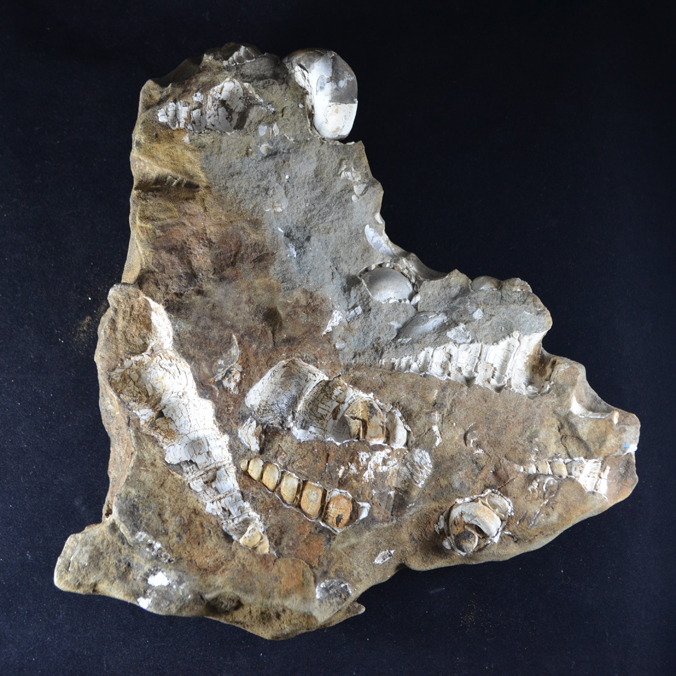
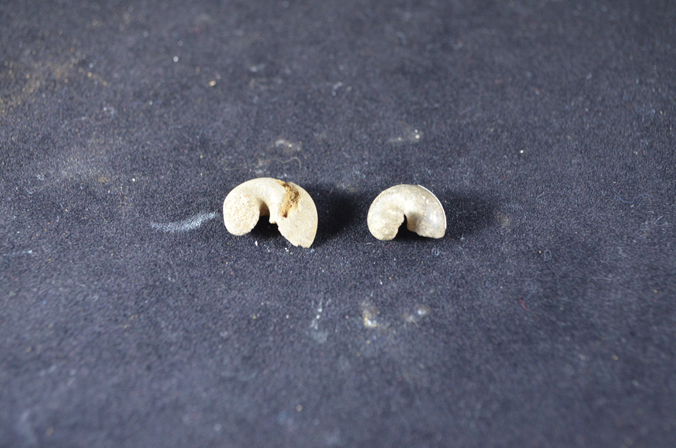
    Let’s start with one of my favorites: the turritella, a species of spiral-shaped gastropods or mollusks that still exist today. The turritella we find at Ferry Farm, however, are around 50 million years old.  We don’t usually find the shell, but rather the ‘cast’ which forms when sediment fills the inside of a dead mollusk’s shell and then turns to stone, leaving an impression of the inside of the animal.  The resulting fossil cast resembles a corkscrew.  They’re pretty common in this area.  In this picture, you can see a turritella that still has its shell and fragments of the interior case.  Usually they can be found in clusters, representing mass die-off events in which a lot of the turritella met their demise all at once.

    Conglomerate of turritella fossils.

    Bits of turritella excavated at Ferry Farm.

    Turritella casts from the author’s collection.

    Other marine fossils we’ve found include pelecypods.  These bivalves resemble modern day scallops and are estimated to be around 60 million years old.  We have two fragments found at Ferry Farm next to a whole example unearthed by my husband Joe Blondino, who is also an archaeologist, while on another excavation.  We believe these to be Chesapecten jeffersonius pelecypods, which is the Virginia state fossil. Tuck that back in your brain for future trivia nights!

    Fragments of Chesapecten jeffersonius found at Ferry Farm (foreground) next to whole examples from the author’s collection.
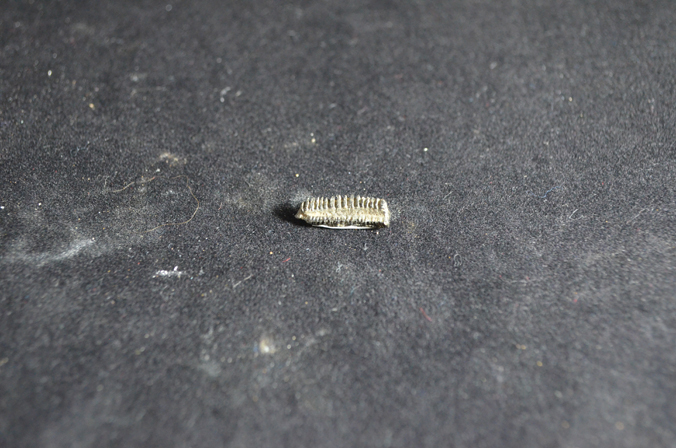
    Ray mouth plate fragment excavated at Ferry Farm.

    This little guy above is another one of my favorites.  It may not look like much, but this is a ray mouth plate fragment.  Rays, which also still exist today, used these specialized ‘teeth’ plates to crush the shells of their favorite prey.  It may have shared the waters with some of this fossilized coral, of which we’ve excavated only a few tiny pieces that are as yet unidentified with regard to species.

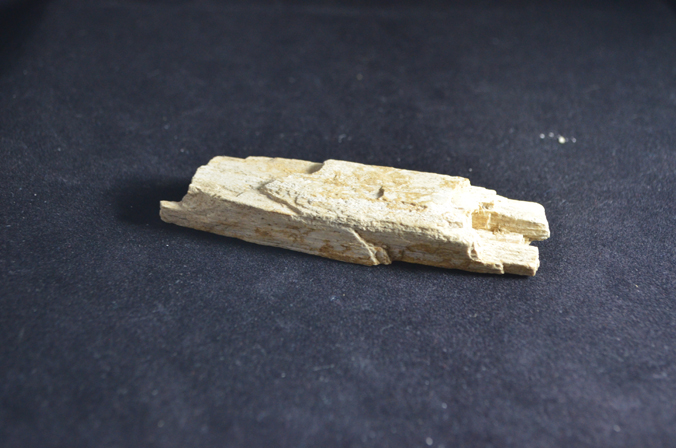
    We also uncover quite a bit of petrified wood.  These trees would have lived during the periods of the Cretaceous when Virginia was a hot and humid swamp.  After falling into the waters, they were covered and, over millions of years, petrified as the trees’ organic tissues were slowly replaced by minerals.  This example is our largest specimen.

    Petrified wood excavated at Ferry Farm.

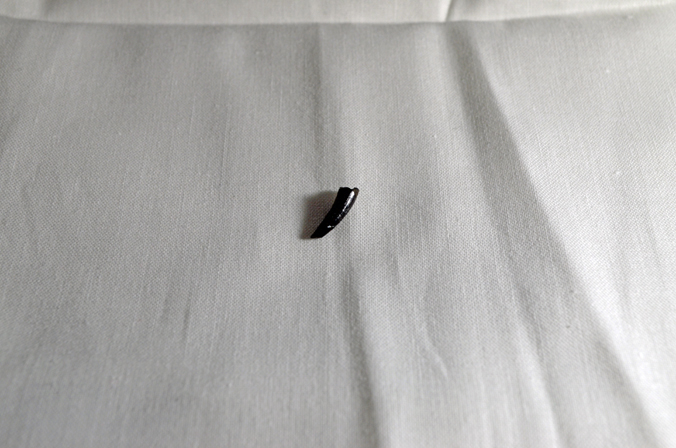
    Crocodiles also swam where the George Washington’s boyhood home replica now stands when the land was covered in a warm, shallow sea.  We think the tooth pictured below belongs to one of those crocs, although likely a juvenile one.  Unlike a shark tooth, it is conical, with a depression at the top.

    Crocodile tooth, like from a juvenile, found at Ferry Farm.

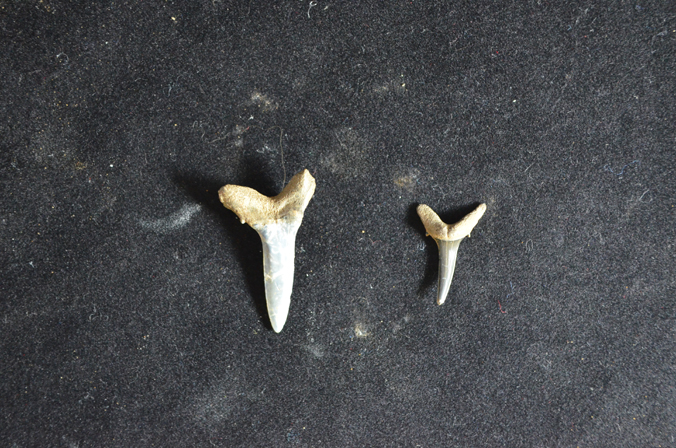
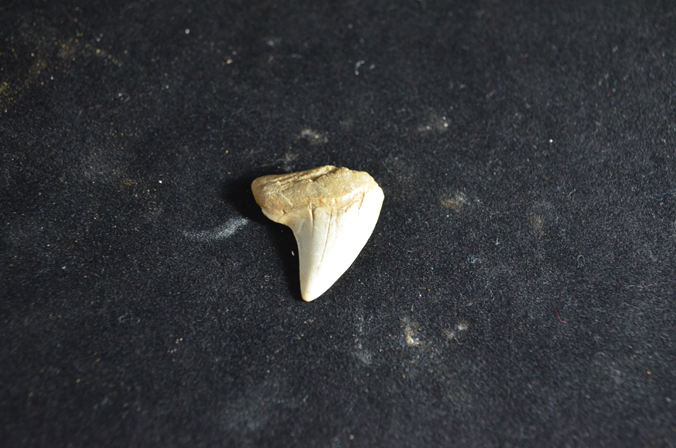
    We’ll end with everyone’s favorite: shark teeth!  They’re the most common fossil found at Ferry Farm due in no small part to the fact that sharks continuously shed their teeth throughout their lifetime. Some sharks go through up to 50,000 teeth in their lifetimes!  Most of our shark teeth belong to a species of sand tiger shark, which still exists today (they’re also called the gray nurse shark).  Starting at the beginning of the Cenozoic Era, approximately 66 million years ago, sand tiger sharks swam near the coast in the warm shallow sea waters that covered this part of Virginia.  Their teeth are not large, but quite numerous. They have a distinctive shape with a long very ‘pointy’ crown, small sharp bumps called cusplets on either side, and relatively long root lobes.  The only shark’s tooth we have that doesn’t resemble the sand tiger at all is one we think may be from a species of white shark (related to the great white).

    Sand tiger shark teeth excavated at Ferry Farm.
    Possible giant white shark’s tooth excavated at Ferry Farm.

    Even though archaeologists do not dig for dinosaurs, we certainly do find fossils in our excavations. Since we are obsessively focused on the human cultures of the past, these fossils are not our primary interest. We do not dig for dinosaurs but maybe we actually do sort of DIG them and all fossils from ancient times in a “Wow, fossils are really cool!” sort of way.

    Mara Kaktins, Archaeologist
    Archaeology Lab Supervisor

  • Flowers of Kenmore [Photos]

    While Historic Kenmore remains closed temporarily because of the COVID-19 coronavirus pandemic, nature’s seasons move forward as normal.  One of the highlights of spring in Kenmore’s gardens is the first blooms of our tulips and other flowers.  Since visitors cannot see the beauty of these flowers in person, we wanted to share some photos for everyone to enjoy.


  • The Wild Game on the Washingtons’ Table

    The holiday season is beginning!  No matter how you celebrate the next several weeks, you’re likely spending extra time thinking about food. We archaeologists are no different, only we also want to know what the Washingtons and their enslaved laborers ate, whether at the harvest, the holiday season, or simply a regular meal. Historians know about the past because people wrote things down in diaries, letters, receipts, legal records, and other documents.  Of course, not everything was written down, especially when the things as mundane as what people ate for dinner. To find out more about the diets of those living at George Washington’s Ferry Farm in the 18th century, along with research in historical documents, we also turn to archaeological analysis.

    We previously published a blog post detailing floral remains excavated in 2015 from a storehouse cellar abandoned in the mid-1700s. This cellar feature contained floral remains (seeds and wood) which were analyzed by a microbotanical expert.  We are currently using this information to recreate the Washington era landscape and to plant in our garden examples of what the Washingtons grew.

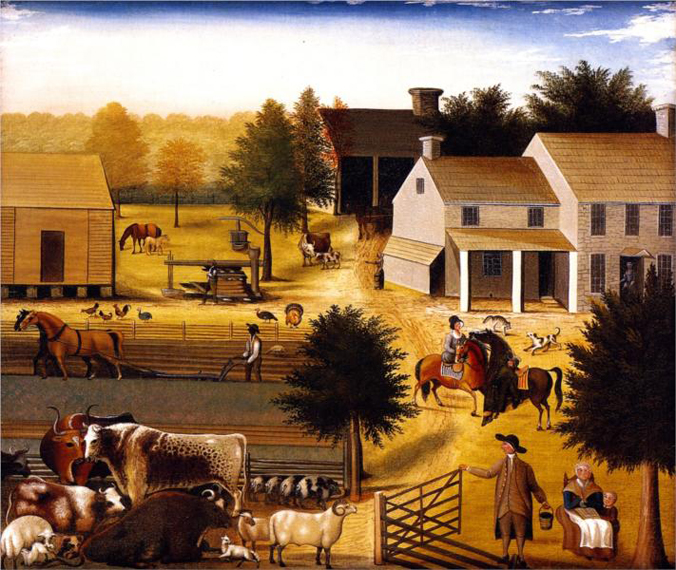
    Historical documents, namely the probate inventory of Augustine Washington compiled in July 1743, show that the livestock owned by the Washingtons included 6 oxen, 29 cattle, 19 pigs, and 11 sheep. Rather than consume this livestock themselves, however, the Washingtons most likely raised most of these animals for market.  Many of them would be butchered by enslaved workers, the meat loaded onto small ocean-going vessels ported at Fredericksburg, and then shipped to the British West Indies or even to England.

    The Residence of David Twining, 1785 by Edward Hicks
    “The Residence of David Twining, 1785′ by Edward Hicks. Although Twining’s farm was located near Newtown, Pennsylvannia, this painting includes great example images of livestock typically found on a colonial farm or even on a plantation like Ferry Farm. Credit: The WikiArt Visual Art Encyclopedia

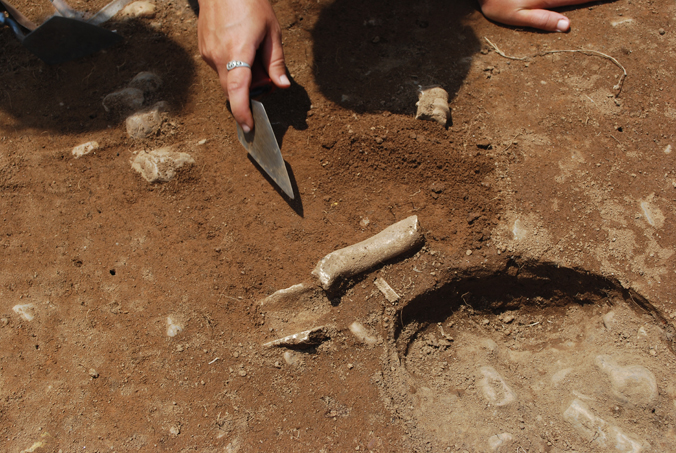
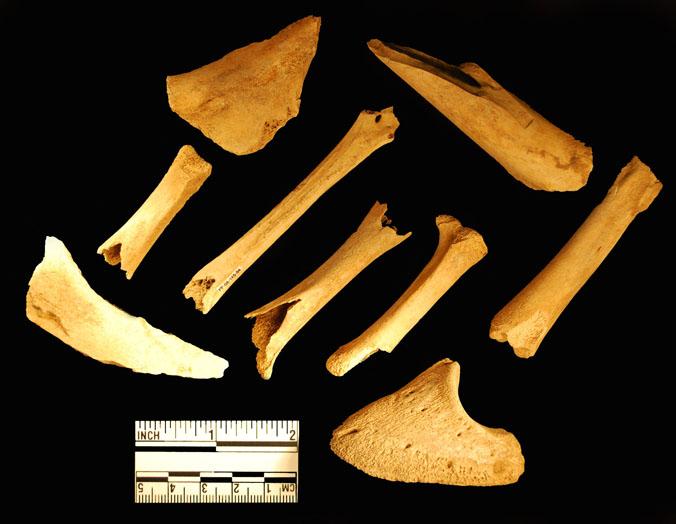
    To add to the probate inventory’s livestock picture, we also explored a root cellar feature under the Washingtons’ house as well as a root cellar feature associated with a nearby enslaved laborer’s dwelling.  In these cases, we hoped to determine what kinds of animals – or fauna – each group actually ate. These diets would be revealed by archeologically recovered animal remains, usually bones, called “faunal remains.” Then, we had an expert in faunal remains analyze what came out of these two root cellars.

    Excavated Bone
    Archaeologist excavating an animal bone at George Washington’s Ferry Farm.

    Assortment of Faunal Remains
    An assortment of faunal remains excavated at Ferry Farm.

    The results for Ferry Farm were unusual compared to other 18th century sites.  The Washingtons weren’t only dining on typical domestic livestock like cows and pigs, they ate a variety of wild game and in much higher amounts than expected. Results from other studies show that typical 18th century Virginia households consumed a little under 4% wild game on average. Another study of planter households in Maryland and Virginia showed faunal remains only ranging from 4-15% wild game. The percentage of wild game recovered from the Washington house root cellar was a whopping 25%.

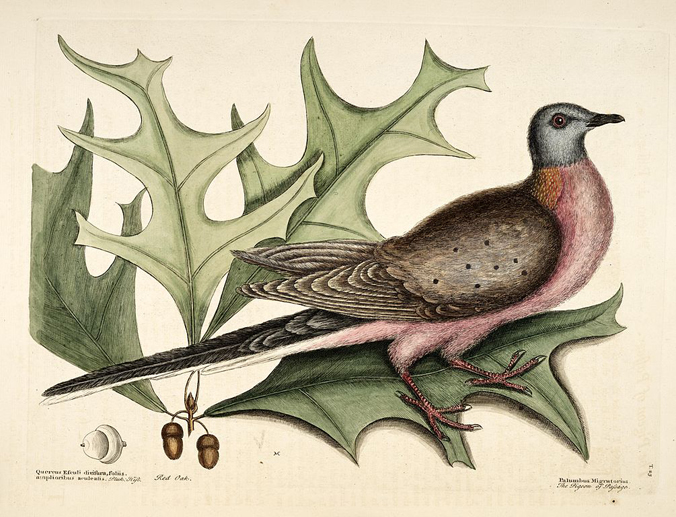
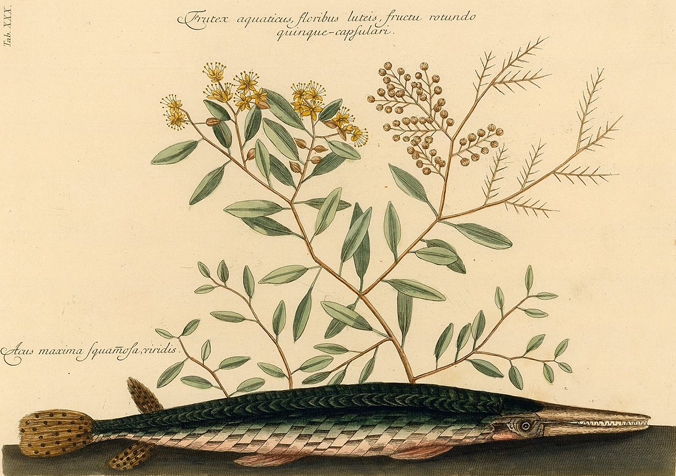
    Mammal remains recovered from the Washington family root cellar include cows, pigs, sheep, rabbits, raccoon, white-tailed deer, fox squirrels, and grey squirrels.  Birds that were prepared and eaten include chicken, turkey, Canada geese, mallards and other ducks, bobwhite, and the now-extinct passenger pigeon. Fish eaten include longnose gar, stripped bass or rockfish, white perch, yellow perch, and carp. Shellfish consumed include oysters and crabs. The Washingtons also ate turtles, which were 18th century delicacies.

    Passenger Pigeon by Mark Catesby
    Passenger Pigeon by Mark Catesby from his famed Natural History of Carolina, Florida and the Bahama Islands published 1729-1747. Credit: Wikipedia

    Longnose Gar by Mark Catesby
    Longnose Gar by Mark Catesby from his famed Natural History of Carolina, Florida and the Bahama Islands published 1729-1747. Credit: Wikipedia

    The species recovered from the slave quarter root cellar include cow, pig, chicken, possum, four types of fish, and an unidentified bird. Beef and pork account for almost 78% of the faunal remains.  What meat Ferry Farm’s enslaved people consumed came in the form of mostly beef, pig, and chicken. The relative absence of wild animals, with the exception of fish, shows that the occupants of the slave quarter did not significantly supplement their diet using hunting or trapping.  No lead shot, gunflints, or fish hooks were recovered in the slave quarter, the lack of which supports this conclusion. The enslaved laborers however were providing food for themselves by raising chickens, which account for over 7% of the meat recovered in the slave dwelling.

    The prevalence of wild animals being served on the Washington table may be related to the makeup of the four Washington boys: George, Samuel, John Augustine, and Charles.  The youngest Washington male, Charles, left home around 1761, meaning that the Washington boys hunted, fished, and trapped for up to 23 years at Ferry Farm. Farm life meant there were also frequent opportunities requiring the dispatching of varmints. At the time, hunting and fishing were considered fun and great practice for adult gentry life. There was also an economic benefit to provisioning one’s table with game. This supplemental meat source replaced domestic animals that could be steered toward the market, increasing the profits of selling livestock and poultry.

    Elyse Adams, Archaeologist
    Co-Field Director / Archaeology Lab Technician

  • George Washington Slept Here… Twice!

    Watching the Fire

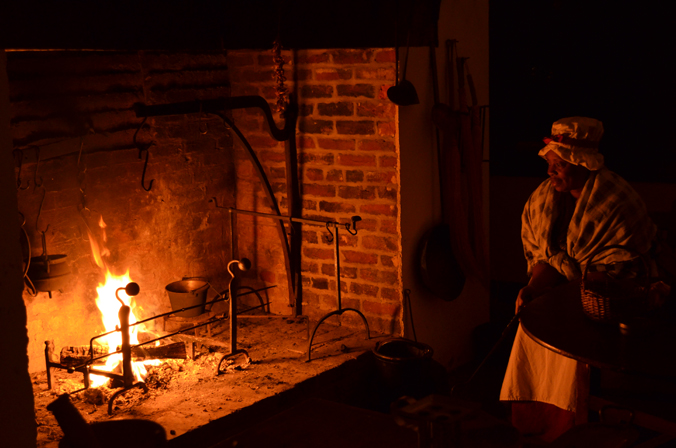
    The black darkness of night — before electric lights – is hard for us to imagine today. We assume life simply stopped as our ancestors awaited day’s return, though historical research suggests it did not.  People cleaned, cooked, plowed, prayed, and even visited neighbors in the dead of night. In one instance, George Washington wrote John Hancock, saying “From the hours allotted to Sleep, I will borrow a few moments to convey my thoughts on sundry important matters to Congress.”  Night did not necessarily mean sleep for early Americans.

    Historian Roger Ekirch of Virginia Tech has found substantial documentary evidence that, before the Industrial Revolution, people “experienced two major intervals of sleep bridged by up to an hour or more of quiet wakefulness.”  This ‘segmented sleep’ was referred to as first sleep, watch or watching, and second or morning sleep.[1]  It seems that people of the 18th century did not immediately go to bed with the onset of darkness.  They waited until about two hours after dusk.  Once they went to bed, they slept for four hours but, not long after midnight, they awoke and remained awake for an hour or two. Eventually, they fell back asleep, slept for about four more hours, and awoke around dawn.

    The idea of segmented sleep has been supported by some scientific studies, the most notable of which was conducted by psychiatrist Thomas Wehr. In the study, Wehr removed electric light from people’s lives.  After a four-week adjustment period, the study’s subjects moved away from sleeping for eight uninterrupted hours and actually reverted to sleeping for four hours, being awake for one or two, and then sleeping for four more hours. How many of us who suffer with ‘insomnia’ might simply be hanging on to an older sleeping pattern altered by the relatively new technology of electric light?

    Segmented sleep, however, may not even be the oldest human sleeping pattern. Research published in Current Biology in 2015 raises the possibility that, in actuality, eight hours of uninterrupted sleep is an even older sleeping pattern than segmented sleep.  Scientists studied some of Earth’s last remaining groups of hunter-gatherers and found that all three groups slept for 7 to 8.5 hours per night without a period of wakefulness.  The study’s primary author, Jerome Siegel of UCLA, “doesn’t dispute Ekirch’s analysis; he just thinks that the old two-block pattern was preceded by an even older single-block one.” Siegel speculates that segmented sleep arose when humans moved away from the equator into latitudes with longer periods of darkness.

    So during the many centuries that humans followed the segmented sleep pattern, what did people do during watch, that time in the middle of the night between first and second sleeps?  The short answer is almost anything!  Most people seem to have simply remained quietly in bed, perhaps pondering their dreams or even praying.  They may have talked with their bedmate, who was not just a spouse but could have have been another servant in the household or another traveler overnighting at the tavern. Beds were often used to full capacity, even if that meant sleeping with a stranger.

    If people rose from bed during watch, it might have been to use the chamber pot or privy.

    Work took place too, since fires might need tending or the next day’s baking started.  The ancient Roman poet Virgil even mentions women servants spinning yarn during watch.

    On farms, a full moon could practically turn night into day. Work schedules changed to take advantage of the light.  “For several nights every September,” writes Ekirch, “light from the full moon nearest the autumnal equinox is more prolonged than usual because of the small angle of the moon’s orbit.  Well known in England as the ‘harvest moon’ . . . farmers on both sides of the Atlantic benefited from the moonlight to gather crops. ‘Sometimes,’ Jasper Charlton wrote in 1735, ‘the harvest people work all night at their hay or corn.’  Nearly as useful was the ‘hunter’s moon’ in October, when a full moon next appeared. ‘The moon of September,’ declared a writer, ‘shortens the night. The moon of October is hunter’s delight.’”[2]

    If there was no moon or work to do, night brought a respite from the hard routine and strict rules of the workday for laborers, tradesmen, servants and slaves.  Enslaved people especially relished night as a time to run away, to sneak away and visit family on other plantations, to gather together for celebrations, to earn money through extra work, or simply to do whatever personal chores had piled up while working for master or mistress.

    Hogarth's Night
    “Night” by William Hograth, one painting from his Four Times of the Day series completed in 1736, depicts “disorderly activities under the cover of night” on Charing Cross Road in London. For the fascinating details about what is happening in the painting, visit Four Times of the Day on Wikipedia. Public domain.

    The darkness of watch afford ne’er-do-wells opportunity to steal and poach.  Even Washington noted how night was a time for thieving when he complained about slaves using dogs to “aid them in their night robberies” of his sheep.

    Because of segmented sleep, night, at least in George Washington’s day, seems to have been a surprisingly active time.  People were awake for a couple of hours each night and during that time did almost anything imaginable from personal errands and household chores to farm labor and crime to prayer and meditation.  The 18th century may have literally been a darker time but it was not necessarily a time for more sleep.

    This Saturday, September 14, experience an 18th century night during Night in Washington’s Day at Historic Kenmore!  Explore the night sky’s history through constellation stories well-known to early Americans, learn about eighteenth-century lighting inside Kenmore’s candlelit dining room, and witness two enslaved women using night to plan an escape in a dramatic theater scene. This special hour-long guided tour departs Kenmore’s visitor center at 8:00pm.  After the guided tour, visitors can gaze at the full moon through a telescope, make a night sky-themed craft to take home, and enjoy cookies and cider.  The event will take place rain or shine.

    $12.00 adults | $6.00 students | free, ages 3 and under.
    Reservations recommended. Call 540-370-0732 x24 or email events@gwffoundation.org.

    Zac Cunningham
    Manager of Educational Programs

    [1] A. Roger Ekirch, At Day’s Close: Night in Times Past, New York: W.W. Norton, 2005: 300-1.

    [2] Ekirch, 171.

  • History in the Night Sky

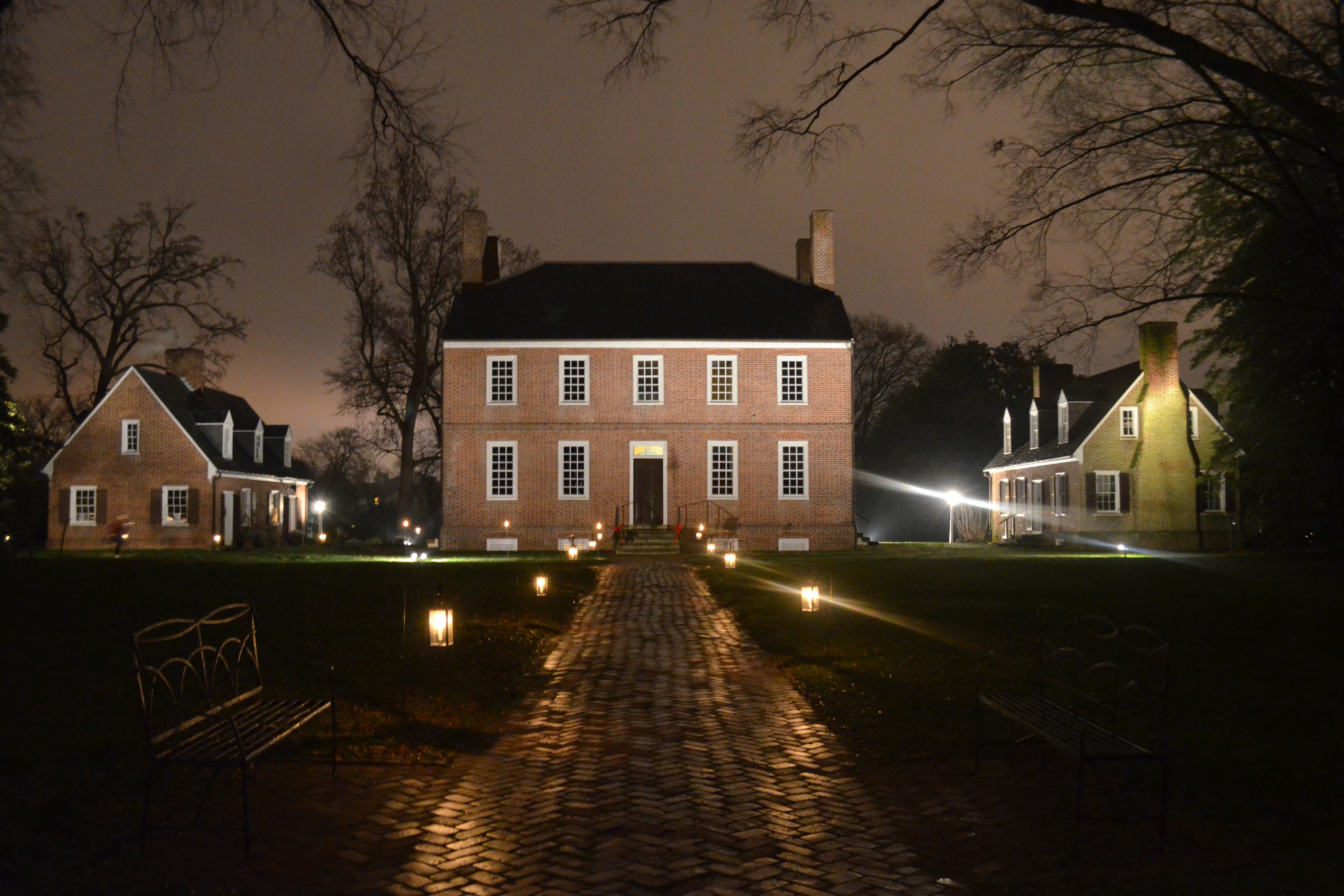
    Historic Kenmore at night.
    Historic Kenmore at night.

    The night sky is the astronomer’s workspace, the explorer’s final frontier, and, perhaps surprisingly, the historian’s library of epic tales, myths, and legends.  This library of stars connects us to the cultures and civilizations of our past in a uniquely special way.  The Ancient Greeks, Native Americans, enslaved Africans, British colonists of the 18th century, and even George Washington himself all looked up at essentially the same night sky we can see two centuries later.

    Inspired by stories, myths, and legends, our ancestors gazed into the sky and connected the stars together into patterns they imagined were familiar objects, fierce animals, great heroes, or powerful gods. We call these patterns ‘constellations’ and the stories or ‘star lore’ they tell are as old as humanity itself.

    Imagine a clear, crisp early November night.  George Washington and his brother-in-law Fielding Lewis are walking home from a nearby tavern.  George is enjoying another of his occasional visits with his sister and her husband in Fredericksburg.  During their journey home, the two men’s path is lit only by the small flame in the glass lantern they carry. Once in a while, they see a feeble candle through a house window.  Otherwise, the Fredericksburg they walk through is far darker than we could imagine today.  Consequently, George and Fielding see millions of sparkling pinpoints of light over their heads.

    As educated men, George and Fielding could identify and name numerous constellations created by these pinpoints of light.  On their imaginary November walk, the two men no doubt spotted Orion, Cassiopeia, Bootes, and, of course, the distinctive Big Dipper pattern that forms part of the constellation Ursa Major or “The Great Bear.”

    Great Bear Big Dipper
    This map of the constellation Ursa Major. the “Great Bear,” highlights the asterism known as the Big Dipper. An asterism is a star pattern that can be found within an officially-recognized constellation. So, technically, the Big Dipper is not actually a constellation but is simply part of the Ursa Major constellation. The International Astronomical Union (IAU) officially designates which star patterns are constellations. Map by Rursus,

    They would have known the Greek myths attached to each of these constellations.  For example, the myth behind the Great Bear says that the goddess Hera turned Callisto, a maiden desired by Hera’s husband, the god Zeus, into a bear.  Zeus then lifted the bear into the sky by its tail, causing the tail to stretch. The three stars of the dipper’s handle represent this elongated tail.  Another Greek tale says Hercules threw a troublesome bear into the sky by grabbing its tail, swinging it above his head, and flinging it up to join the stars.  Probably even more familiar to plantation owners like George and Fielding was the idea – common throughout Britain – that the stars of the Dipper actually form a plow.

    In the basements, attics, and kitchens of some of the houses George and Fielding passed, enslaved men, women, and children slept. Brought in chains from their African homelands, they looked up at the night sky above the land of their enslavement and were reminded of home by the constellations they saw.  Some of these Africans may have seen what they termed “The Drinking Gourd.”  Indeed, there is speculation that our common use of the Big Dipper as the name for this distinct pattern comes directly from the African idea that the stars form a hollowed out gourd used for collecting and drinking water.  In the 1800s, the drinking gourd formed the basis of the African American folksong “Follow the Drinking Gourd,” which, it is claimed, contained thinly veiled instructions for enslaved people to follow when running north to seize their freedom.  The Dipper pattern can indeed assist someone navigating by the stars to find the North Star.

    Before George, Fielding, and their slaves lived in Fredericksburg, Native Americans occupied the land along the Rappahannock River.  Interestingly, like the Greeks, certain Algonquian-speaking nations, also saw the Big Dipper as a bear.  Instead of a long tail, however, the three stars of the Dipper’s handle were three hunters who chased the bear across the sky.  This chase lasted until autumn when the hunters killed the bear and its blood fell to Earth and caused the leaves to change color.

    It is increasingly difficult for today’s Americans to see the library of epic tales, myths, and legends in our night sky.  The glow from streetlights, security lights, lighted signs, and other outdoor lighting is blotting out the stars from view.  Indeed, 2/3 of Americans – over 200 million people – can’t see the Milky Way from their own homes.  In 1994, an earthquake knocked out all the power to Los Angeles.  Many anxious residents phoned authorities to report a “giant, silvery cloud” in the dark sky.  They were seeing the Milky Way, normally obliterated by the urban sky glow.

    Light pollution
    Milky Way from Mount Saint Helens with light pollution from Portland, Oregon. Photo by Ray Terrill

    If we can’t see the stars, we may ultimately forget the stories they tell and even more tragically our ancestors – the Greeks, Africans, and Native Americans – who created those stories.  More and more, we are no longer looking up at the same night sky that George and Fielding beheld on their imagined walk home from the tavern.  The same sparkling stars are still there.  We just can’t see for the light.

    On Saturday, September 14, learn more star lore during Night in Washington’s Day at Historic Kenmore!  Explore the night sky’s history through constellation stories well-known to early Americans, learn about eighteenth-century lighting inside Kenmore’s candlelit dining room, and witness two enslaved women using night to plan an escape in a dramatic theater scene. This special hour-long guided tour departs Kenmore’s visitor center at 8:00pm.  After the guided tour, visitors can gaze at the full moon through a telescope, make a night sky-themed craft to take home, and enjoy cookies and cider.

    $12.00 adults | $6.00 students | free, ages 3 and under.
    Reservations recommended. Call 540-370-0732 x24 or email events@gwffoundation.org.

    Zac Cunningham
    Manager of Educational Programs

  • What’s Growing in Ferry Farm’s Garden?

    As many of you know, the Washington house replica at George Washington’s Ferry Farm was reconstructed and furnished as accurately as possible using historic documents, paintings, letters, and, of course, archaeology. Now that the challenge of getting the house built and open to visitors has passed, it’s time to turn to the rest of our plan for interpreting Ferry Farm’s landscape. This will eventually include constructing outbuildings, finishing the work yard, and improving the garden.

    Even though the present garden is located at Ferry Farm’s Visitor Center and not yet near the Washington house replica, we used archaeological discoveries to decide what goes into the garden this spring. Using data from past excavations on Washington-era contexts, we drew some conclusions on what the Washington family and their enslaved workers cultivated here. While most organic material left behind over 250 years ago is long gone, as archaeologists, we sometimes get lucky and find biological and botanical remains that have withstood the time in the ground. We get especially lucky when we do find botanical remains like seeds and wood because, depending on the elements, they usually decompose easier and faster than bone.

    Visitor often ask how we find some of our tiniest artifacts such as seeds. For important contexts and Washington era features, we don’t want to miss a single (tiny) thing, so we use a water screen. Instead of the usual quarter-inch screen we use for dry sifting dirt, we use a gentle stream of water from a garden hose and spray away the dirt through a window screen. We then use tweezers to pick out the tiny artifacts left behind.  Objects like the straight pin in the photo below and seeds could otherwise fall through the standard quarter-inch screen.

    GWF_FF20-Waterscreen-Cate-Courtney-24May2013H
    Water screening

    GWF_FF20-Waterscreen-16May2013
    Picking out the artifacts after water screening.

    GWF_FF20-Waterscreen-StraightPin-17May2013
    Straight pin

    In 2015, we had flora remains from a mid-18th century storehouse cellar feature that had been captured by our fine mesh water screens sent to Justine McKnight, an archaeobotanical consultant for analysis.  Without getting extremely technical, I will say that we gained some very useful data to use to plant our garden this year. Seed specimens discovered archaeologically and used in cultivation consisted  of peas, green beans, wheat, and corn. Seeds included hackberry and, of course, cherry. The only nut uncovered was a hazelnut shell.

    Along with this archaeological evidence, we also know that some tobacco was grown on the Washington farm because of court records. In the 17th and 18th centuries, tobacco was Virginia’s premier export and most valuable cash crop but places along the Rappahannock River like Ferry Farm were not great tobacco land.  In these areas, as our excavated seeds show, planters moved onto corn, wheat, and other crops, knowing they would never get rich on tobacco.

    Using all of this information, we planted similar crops in the demonstration garden along with other crops widely grown in 18th century colonial America.

    While seemingly insignificant at first glance, these tiny charred remains of flora give us a snapshot in time of the diets of the Washington family and enslaved workers at Ferry Farm. These definitely are not the only plants they were eating, but we do know via archaeology that these were stored by the family in the mid-18th century. Using the other archival resources listed above, we will continue to fill in the gaps and enhance our garden and landscape according to the historical and archaeological records.

    Elyse Adams, Archaeologist
    Archaeology Lab Technician

  • LiberTEA

    With hindsight, the events of history often seem inevitable.  America was destined for independence from Britain.  All colonists were patriots who saw themselves as a nation and a people separate from the mother country.  This was absolutely not the case.  Colonists’ views on the appropriateness of independence evolved with events.  Over time, British identity gave way to American identity.

    US and UK flags
    The American Stars and Stripes and British Union Jack, the present-day flags of the United States and the United Kingdom. Credit: Hellerick / Wikipedia

    We have written several blog posts about how colonists, including members of the Washington family, clung to their Englishness.  They expressed this identity through Westerwald mugs emblazoned with ‘G.R.’ for Georgius Rex in homage to three British kings named George, including George III who would be the foe of the American independence movement. They expressed their English identity through pipe bowls emblazoned with the British royal coat of arms.  Even as protests against their lack of representation in Parliament increased, colonists still hung onto their English roots through, in the Washingtons’ case, wearing cuff links emblazoned with an image of King William III, who “came to represent the right of subjects to resist a king who was abusing power.”

    The shift from a British identity to an American identity took time as colonists gave up aspects of British culture while they resisted, first, governmental overreach and, then, ultimately embraced full national independence.

    Tea was one aspect of English culture given up as a political act to protest British rule and to show support for the American cause.  Abstention from tea drinking began with the Tea Act of 1773.  Parliament passed the Tea Act to bailout the financially troubled East India Company (EIC).[1]  The government told the Company that it could ship tea directly to the colonies, duty-free.  The EIC could get rid of loads of tea piling up in their London storerooms.  Colonists could get tea that was cheaper than the illegal stuff smuggled in.  Everyone should have been happy.  But everyone wasn’t.  The tea the Company sold to the colonists was to be taxed under the Townshend Acts.  If colonists purchased it, they indirectly accepted Parliament’s right to tax them without representation.[2]

    Tea became an emblem of British oppression and a boycott of the drink became a revolutionary act.  John Adams wrote to his wife Abigail that “Tea must be universally renounced and I must be weaned, and the sooner the better.”  Rejecting British culture, patriotic associations gave less than hospitable “tea parties” in Boston and Yorktown for merchants who continued to sell the politically incorrect brew.[3]  Less well-known was a tea party of sorts organized by the women of Edenton, North Carolina, who came together on October 25, 1774 and pledged to boycott tea and other British goods.  Whether politicians or housewives, Americans up and down the colonies joined these protests and vowed to never serve tea in their homes.[4]

    A Society of Patriotic Ladies
    “A society of patriotic ladies, at Edenton in North Carolina” printed for R. Sayer & J. Bennett on March 25, 1775 in London. This satirical print shows American women pledging to boycott English tea in response to Continental Congress resolution in 1774 to boycott English goods. Credit: Library of Congress.

    By at least May of 1774, Virginians near Fredericksburg had given up their tea.   Philip Vickers Fithian, tutor to the Carter family at Nomini Hall, visited some neighbors on May 19 and noted in his diary that he “Drank Coffee at four, they are now too patriotic to use tea.”[5] Indeed, as Fithan indicates and as we’ve previously explored in this post, coffee became Americans’ go-to substitute for tea.

    Fithian did not seem all that enthusiastic about the tea boycott, however. A few months later, he got very excited when “Something in our palace this Evening, very merry happened—Mrs Carter made a dish of Tea. At Coffee, she sent me a dish—& the Colonel both ignorant—He smelt, sipt—look’d—At last with great gravity he asks what’s this?—Do you ask Sir—Poh!—And out he throws it splash a sacrifice to Vulcan” [meaning the Roman god of fire, of course, and not Spock’s homeworld on Star Trek].[6]  While “the Colonel” Robert Carter III “did not volunteer for political or military service during the Revolution. He did, however, sign the Virginia loyalty oath and supported the non-importation agreements drawn up by the First Continental Congress.”  He patriotically did not partake of the British beverage but Fithian clearly missed his tea.

    For those who disliked coffee or simply still wanted tea, there was a black market to provide one with British tea but there were also American-grown substitutes that adhered to the boycott and came to be known as “Liberty Teas.”  Dr. Leonard Perry, extension professor at the University of Vermont, provides an excellent summary of tea substitutes used by early Americans during their tea boycotts…

    “One of the most common substitutes was the native American shrub New Jersey tea (Ceanothus americanus), also known then as Indian tea or Walpole tea.  Leaves of raspberry also were commonly used for these colonial teas, as were sweet fern and spicebush. Bark from some trees such as sassafras and willow were used.

    Common flowers used for the Liberty teas were sweet goldenrod (Solidago odora), red clover, chamomile, and violets.  Leaves of herbaceous plants such as bergamot (bee balm or Oswego tea), lemon balm, and mints were brewed as many are today.  Many herbs were brewed in the 18th century including parsley, thyme, marjoram, rosemary, and sage. Native Americans introduced the colonists to many of these plants which they often brewed to use medicinally.  Even some fruits were used in colonial teas, including those of dried strawberries, blueberries and apples.  Rosehips, rich in vitamin C and used today in teas, were used then as well.  “Indian lemonade tea” was made from boiling the berries of the red sumac.

    Often ingredients were combined, such as a common tea recipe of that time including equal parts sweet goldenrod, betony, clover, and New Jersey tea.”

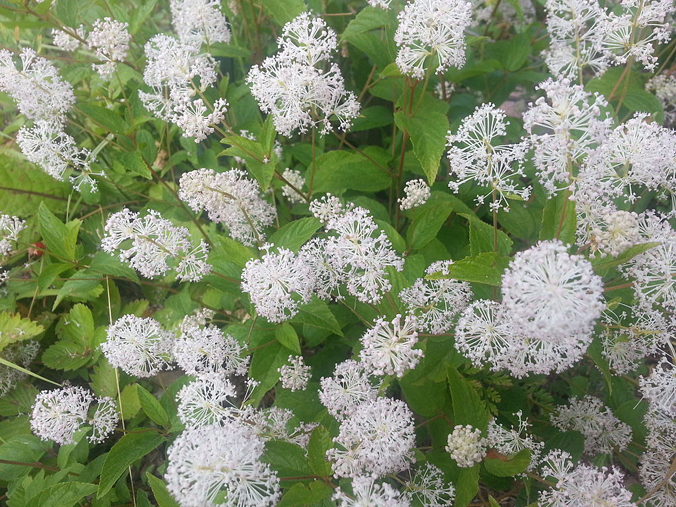
    New Jersey tea (Ceanothus americanus)
    New Jersey tea (Ceanothus americanus). Credit: John Oyston / Wikipedia.

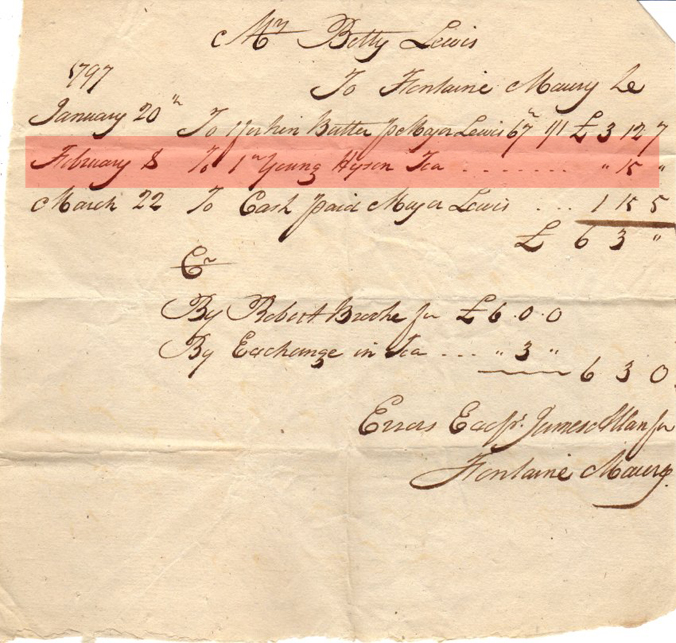
    Tea would return to American tables following the successful War for Independence.  There are several receipts from the 1790s that show Betty Washington Lewis purchasing tea, including a type of imported Chinese green tea, at Kenmore.  But, for the most part, these imported teas as well as the herbal liberty teas were ultimately eclipsed by coffee, which became, like tea for the British, the drink synonymous with American culture.

    Betty Lewis receipt for tea copy
    Receipt showing Betty Washington Lewis’ purchase of some “young hyson tea,” a type of Chinese green tea, on February 8, 1797.

    Visit Historic Kenmore on Saturday, May 4 for “Tea and Tour: The Ladies of Kenmore” focusing on the many generations of ladies who have called Kenmore home! Enjoy Kenmore tea and gingerbread while experiencing eighteenth-century tea service first hand. See the first floor of the mansion, learning the history of the grand 1775 home through vignettes, and meet a few of the extraordinary ladies of Kenmore along the way as part of this dramatic tour.

    Event admission is $20 Adults and $10 under 17.  Reservations required and there are only a very few spaces left. For more information and reservations, please call (540) 370-0732 ext. 24 or email events@gwffoundation.org.

    Zac Cunningham
    Manager of Educational Programs

    Heather Baldus
    Collections Manager


    [1] Breen, T. H., The Marketplace of Revolution, Oxford: University Press, 2004: 298-301.

    [2] Breen, 235-239.

    [3] Clark, F, “Chocolate and other Colonial Beverages” in Chocolate: History, Culture, and Heritage, 2009 (eds L. E. Grivetti and H.-Y. Shapiro), John Wiley & Sons, Inc., Hoboken, NJ: 276.

    [4] Root, Waverly et al., Eating in America, New York: Ecco, 1981: 127

    [5] Diary entry, May 19 1774 by Philip Vickers Fithian, Journal & Letters of Philip Vickers Fithian, 1773-1774: A Plantation Tutor of the Old Dominion, Williamsburg, VA: Colonial Williamsburg, 1943, 147.

    [6] Diary entry, September 26, 1774 by Fithian, 257.

  • Ferry Farm’s Bird Life: An Update

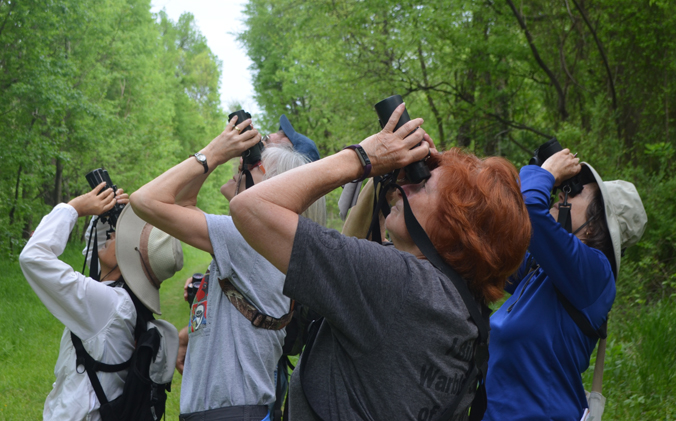
    Fredericksburg Birding Club
    Members of the Fredericksburg Birding Club at George Washington’s Ferry Farm.

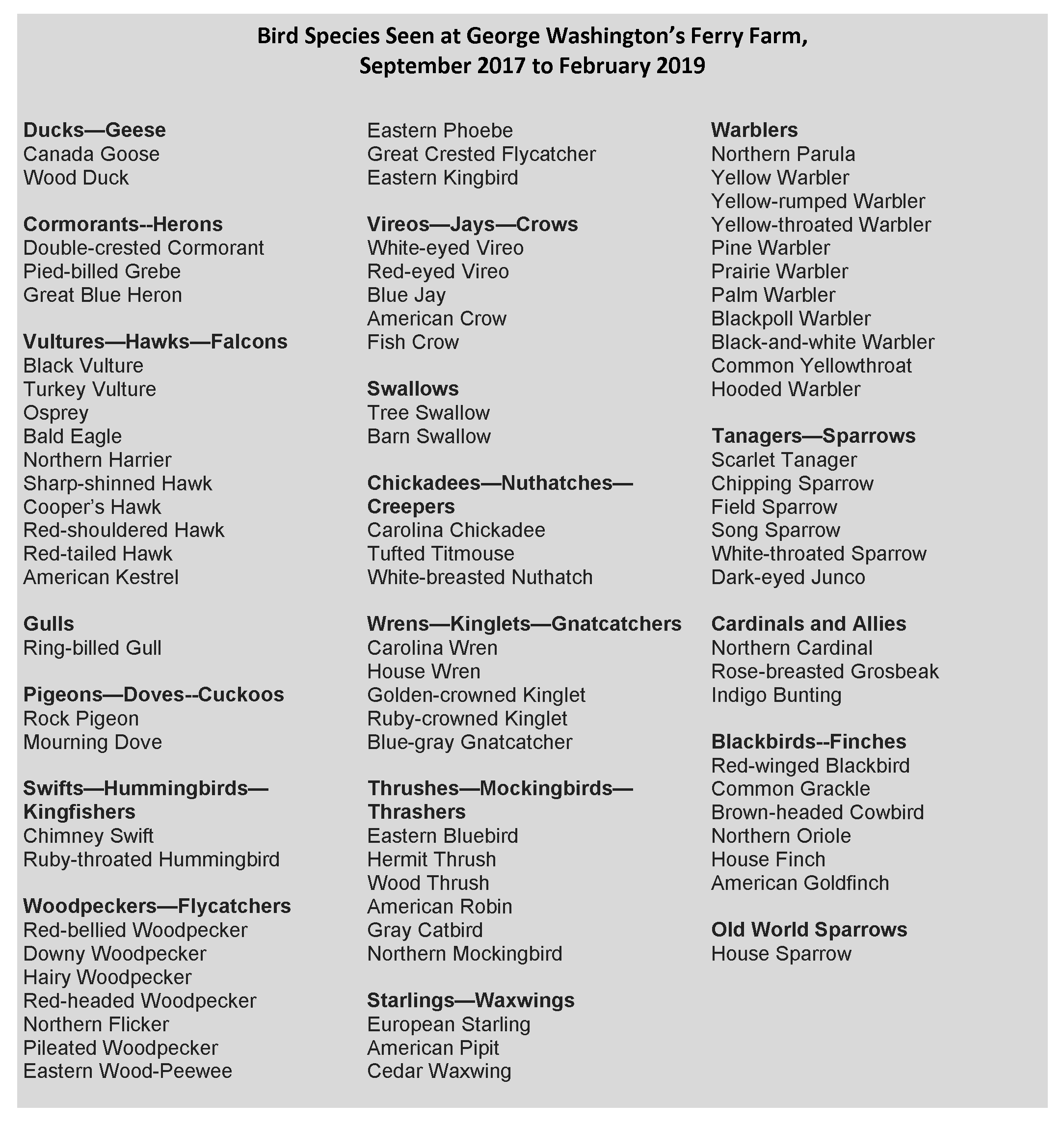
    Between September 2017 and February 2019, the Fredericksburg Birding Club (FBC) conducted 12 bird surveys at George Washington’s Ferry Farm.  We did three in spring, one in summer, three in fall, and five in winter.  During that time, we saw 78 of the 136 species listed in the “Checklist of Birds at Ferry Farm” pamphlet and saw 3 new species for a total of 81 species spotted.  All observations were recorded at ebird.org.[i] A full list of species observed by the FBC during this time follows.

    The chart below compares species listed in the “Checklist of Birds” with those seen by the FBC by abundance designations. Some species vary in abundance with season and, in those cases, these species were given the designation used during their most abundant season.  For example, Catbirds are uncommon in spring, common in summer and fall, and rare in winter.  Nonetheless, in the chart, they were designated as common because summer and fall are when they are encountered most, spring sightings are the “earlybirds” anxious for warm weather, and winter sightings are out-of-habit occurrences.

    Designation Definition # of species on “Checklist of Birds” # seen on FBC surveys
    Abundant


    Very numerous 16 16
    Common Likely to be seen or heard in suitable habitat 23 23
    Uncommon Present, but not certain to be seen 44 29
    Occasional Seen only a few times during a season 40 8
    Rare May be present but not every year 13 2
    New Not listed in checklist (3) 3


    Total


    139


    81

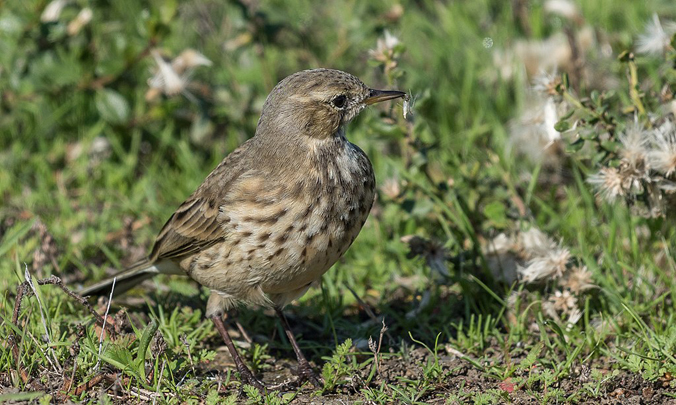
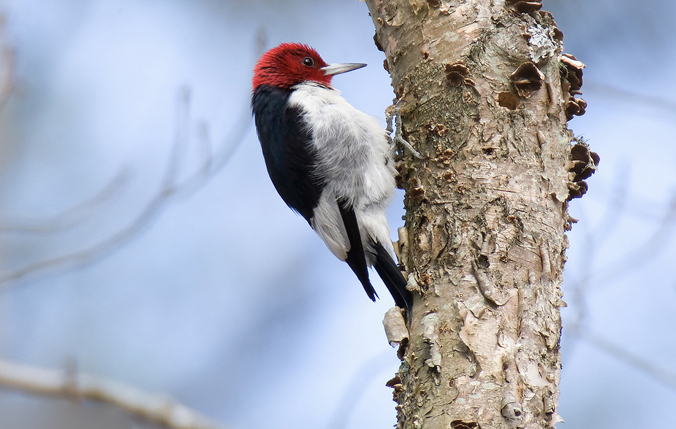
    As you can see, we observed all birds listed as abundant or common. In addition, we saw 29 of 44 listed as uncommon; eight of 40 species listed as occasional; and two of 13 as rare.  We also sighted three species not listed: the American Pipit, Red Headed Woodpecker, and Pied-billed Grebe.  These sightings bring the total of rare birds at Ferry Farm up to 16 and the total number of bird species seen to 139.

    American Pipit
    American Pipit. Credit: Becky Matsubara / Wikipedia

    Red-headed Woodpecker
    Red-headed Woodpecker. Credit: William J. Majoros / Wikipedia

    Pied-billed Grebe
    Pied-billed Grebe. Credit: Mdf / Wikipedia

    We don’t think the low numbers of uncommon, occasional or rare species indicate a trend as we are comparing 12 field days over 18 months with former Ferry Farm staff member Paul Nasca’s eight years of intense observation.

    However, we noted two differences in frequency of sightings compared with the “Checklist of Birds.”  We only sighted one Catbird and they are listed as common in spring and summer.  In contrast, we have seen Bald Eagles on five of our 12 outings and they are listed as occasional.  Again, at this point in our surveys, these are just interesting observations to follow, not necessarily trends. This year, we expect to pick up more uncommon species and hopefully some occasional species. We’ll see if any of rare ones show up.

    Bird Species List

    Four of the surveys were conducted during the breeding season — spring through summer — and that data was entered into the Virginia Breeding Bird Atlas 2 (VABBA2) database.  This atlas is the second for Virginia, the first being compiled from data collected between 1985 and 1989. VABBA2 will document breeding birds throughout the Commonwealth with data collected over five breeding seasons from 2016-2020.

    The VABBA2 database notes specific behavior observations that indicate breeding.  By those criteria, we confirmed breeding of four species: Tree Swallow, Northern Cardinal, Chipping Sparrow, and House Finch.  We also observed probable breeding of four additional species: American Crow, Eastern Bluebird, Common Yellowthroat, and Carolina Chickadee.  While we know these and other species breed at Ferry Farm, we have to observe behaviors or actual juvenile birds to document the breeding.

    Highway noise from State Route 3 and the Blue-Gray Parkway at the south end of the property may be a factor in bird observations for both birds and birders.  Studies have documented birds abandoning nesting areas or changing breeding songs so they can be heard.  Additionally, highway noise makes it difficult for birders to hear songs, which affects observations of both bird presence and breeding activity.

    The club’s major goal this year is to increase field days in the spring and summer both to document bird presence, particularly of uncommon and occasional species and to observe breeding behavior for VABBA2, increasing the number of confirmed breeding species at Ferry Farm.

    Maureen Daly Hamm
    Fredericksburg Birding Club

    [i] During the non-breeding season, all birding data is entered directly into ebird.org at “George Washington’s Ferry Farm” hotspot.  During the breeding season, the data must be entered through https://ebird.org/atlasva/home.  VABBA2 has split Virginia into geographical blocks and the breeding data must be entered in the block where the birds are observed. Unfortunately, Ferry Farm falls into two different blocks. The southern field area is in block 0380277C4SW, and the remainder of the property is block 0380277C4CW.  We submit data for the southern field area as “George Washington’s Ferry Farm 038077c4SW” The block 0380277C4CW data encompassing the majority of Ferry Farm property is listed simply as “George Washington’s Ferry Farm.”  We will investigate ways to make the data simpler to access, but it may not be possible until the breeding bird survey is complete.