As archaeologists, we focus on studying the past by examining the items previous humans have left behind. Anything that has been made or changed by someone in the past is therefore considered to be an artifact.
When you think of stone artifacts, the first thing that usually comes to mind are arrowheads. Arrowheads and spearheads are referred to by archaeologists as projectile points. In addition to projectile points, archaeologists also find a wide variety of other stone tools, including awls, scrapers, knives, axe heads, grinding stones, and fishing weights. All of these tools, and others, were used to procure and process food and for preparing items of clothing, storage, and shelter.
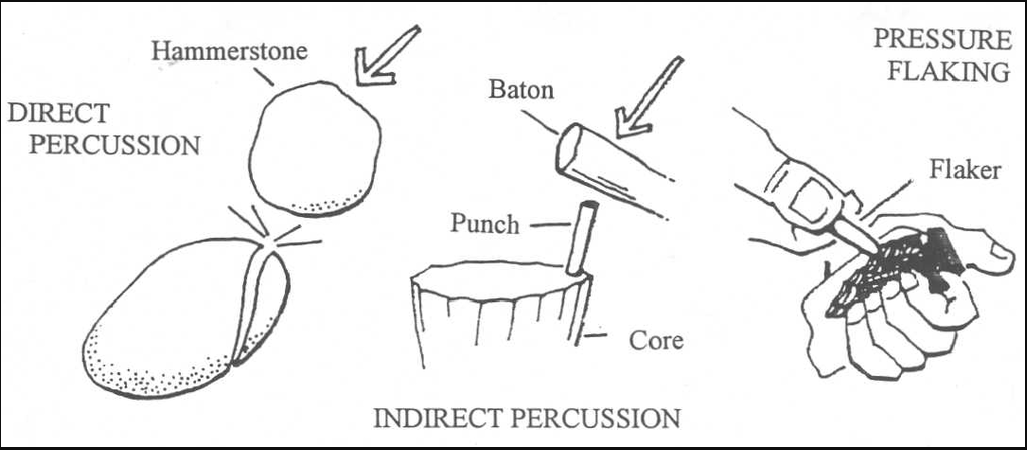
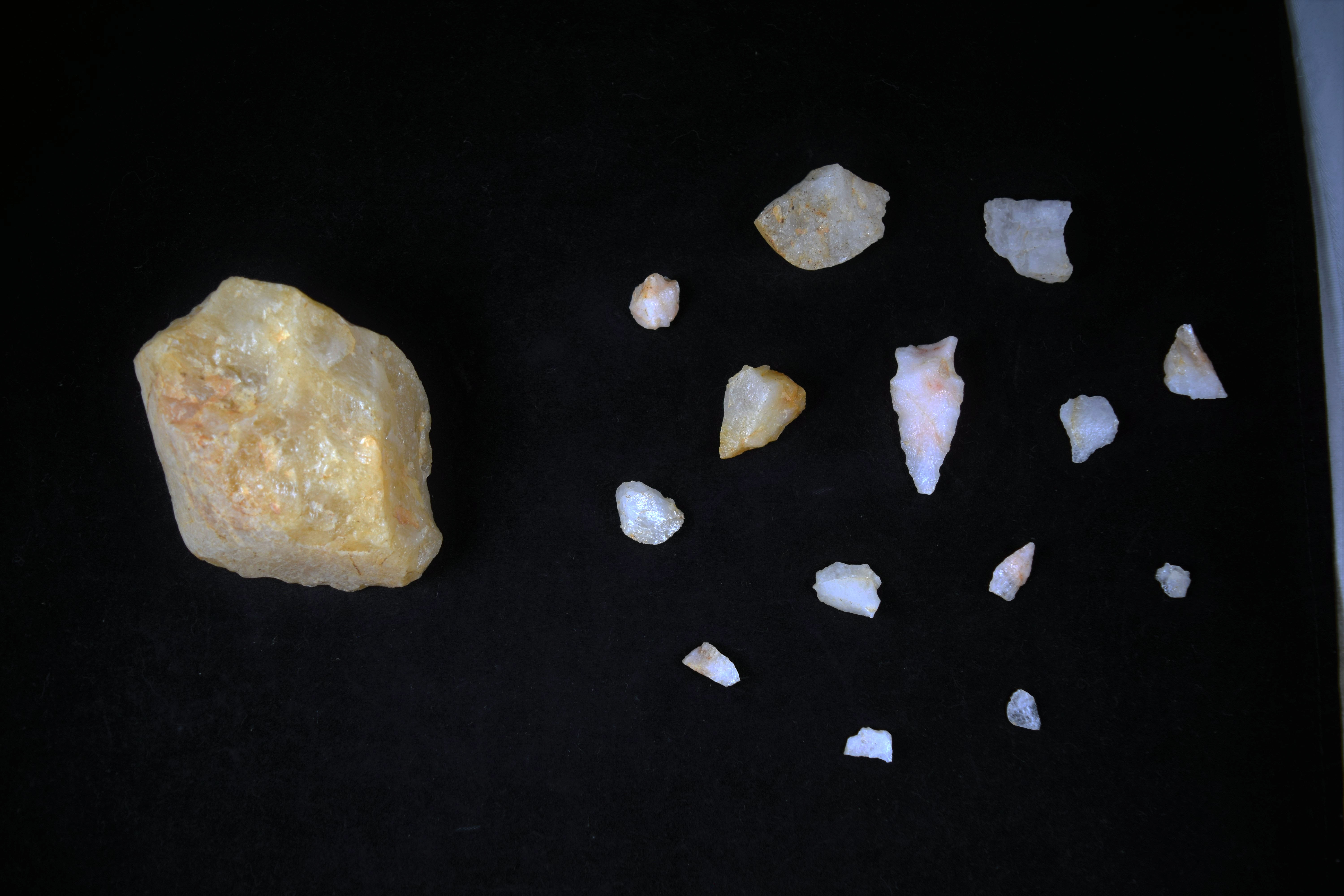
Complete tools, however, are not the only evidence Native Americans left behind. Stone artifacts called flakes, shatter, and cores are evidence of the production of stone tools and are found in abundance on prehistoric Native American sites. A core is the first stage of lithic reduction, where the rock is considered an artifact. Typically a natural rock is broken into one or more lithic cores, which will be reduced to usable flakes and tools. Flakes are relatively thin shards of stone precisely removed from a stone core. Shatter consists of chunks of stone that come off the core in unintended or less predictable ways. To make a stone tool, flakes are removed from a core by striking them off with a hammerstone or antler baton. This is called percussion flaking. Each core would then be reduced through percussion flaking to a rough preform of the intended tool. Once that is complete, a lithic tool will be reduced to a finished shape and then sharpened. This is done through a process called pressure flaking. While percussion flaking makes bigger lithic flakes, pressure flaking makes very small flakes. Instead of hitting the stone, a narrow piece of bone or antler is firmly pressed against the side of the stone, breaking off a small flake and leaving a sharp and more robust edge.The best lithic tools are made from stones that break in predictable patterns. This quality is found in rocks that have a cryptocrystalline structure. Some examples of rock types we find lithic tools made from are: chert, flint, jasper, and quartz.
Three methods of lithic reduction.Examples of lithics found at Ferry Farm, a core on the left and on the right a projectile point surrounded by flakes and shatter.
While archaeologists can learn much from artifacts such as projectile points and tools, we are also interested in a category of stone artifacts called fire-cracked rock. Fire cracked rock, commonly abbreviated to FCR, is a byproduct of cooking at a time primarily before the creation and widespread use of ceramics more than 3000 years ago. In order to boil water for cooking, they would heat rocks in a fire and drop them into pots of water made from animal hides or wood. After doing this multiple times, the rocks would permanently turn red from the heat of the fire and shatter into small pieces from the rapid cooling and heating. By finding FCR here at Ferry Farm, we can deduce that people were cooking meals here before ceramic technology was widespread.
Fire Cracked Rock found at Ferry Farm. Note the red color on the exterior caused by the heat of a fire.
When lithic flakes and shatter are found, we know that at some point, someone made a stone tool there. By examining the type of stone, it is possible to determine where that material came from. Sometimes the local material available isn’t the best for making tools, and people would travel or trade for better materials. This is the case at Ferry Farm, where most of the lithics we find are made of quartz, but sometimes we find jasper or chert flakes that indicate travel or trade.
There’s even more, we can learn from projectile points and some tools. Projectile points changed in shape, size, and form over time. These changes could be due to a change in purpose of the point or a change in maker. Archaeologists have grouped points together to create types that were made in a certain region during a given date range. We can use these groups to match points we find in our excavations and determine where it came from and when it could have been made.
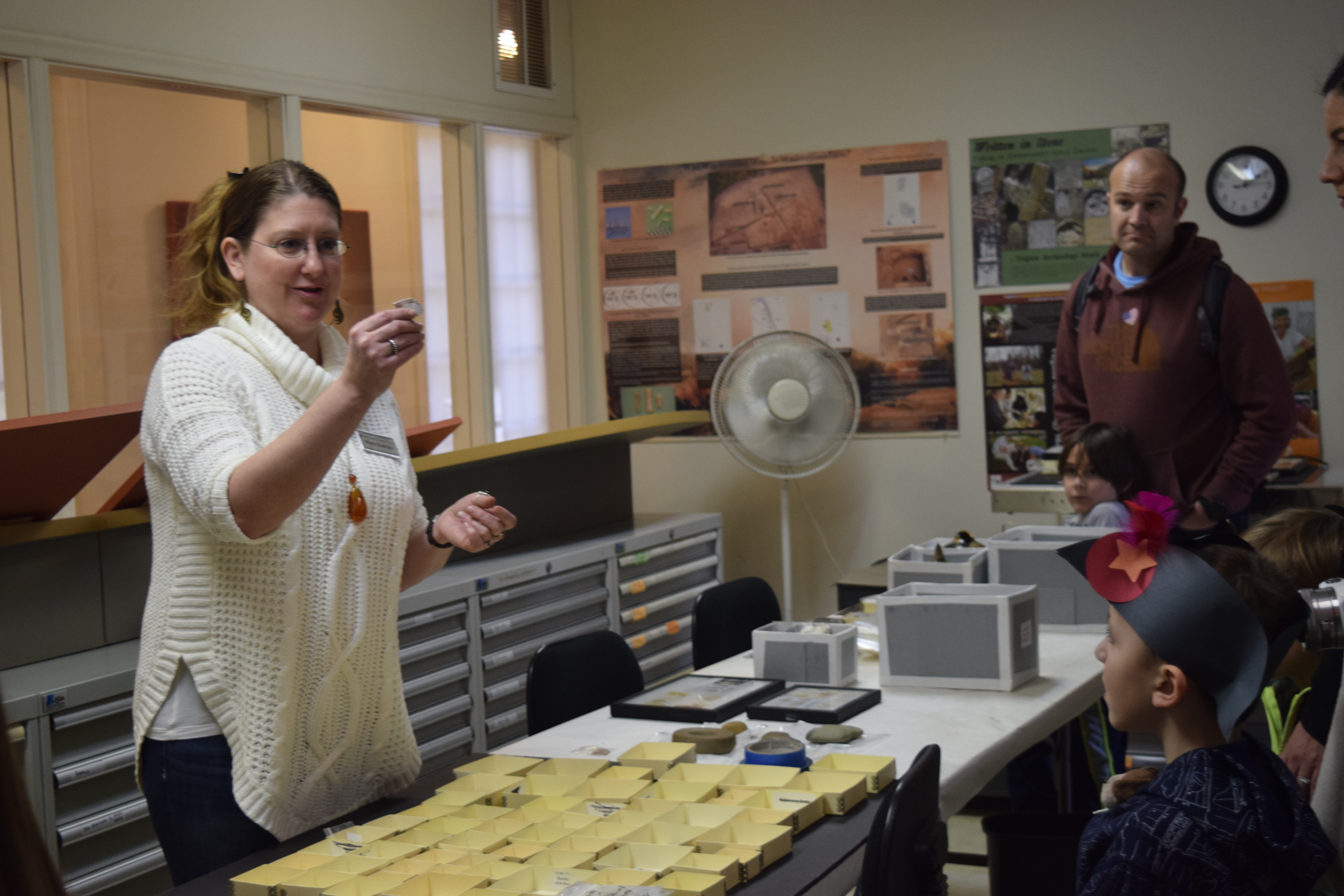
Native Peoples lived in the Rappahannock area, including what would become Ferry Farm, for thousands of years before Europeans arrived. The projectile points, tools, FCR, and lithic debris they left behind are some of the only artifacts that were able to survive until today. Being able to tell the difference between them and a natural rock becomes an important skill for archaeologists. Have you ever found a lithic?[1][2][3]
Top and Bottom images: Examples of different types of points and the various materials they can be made from. All excavated at Ferry Farm.
Ask someone to list traditional summertime activities, and they will probably mention picnics, family reunions, beach vacations, mountain getaways, and baseball games. Their list is likely to include going to the fair as well. The fair as a summer pastime is a long tradition and, like many American traditions, can be traced back to the age of Washington.
In 1738, Augustine Washington moved his wife Mary and their five children, including six-year-old George, to Ferry Farm on the Rappahannock River opposite Fredericksburg, Virginia. Coincidentally, in the same year, the colony’s General Assembly authorized two fairs to be held each year in Fredericksburg.[1] This act built on an earlier ordinance passed in 1705, allowing for ‘markets and fairs’ as a necessary and civilizing element of early Virginian society.
Although other cities held fairs, Fredericksburg was one of the few that had a fair in June. Sometimes called June Fair, it was one of the oldest and largest in the colony. June Fair and other fairs were “first and foremost a market ‘for the sale and vending of all manner of cattle, victuals, provisions, goods, wares, and merchandizes.’ Prizes, ‘or bounties,’ were sometimes offered for the best stock and poultry”.[2]
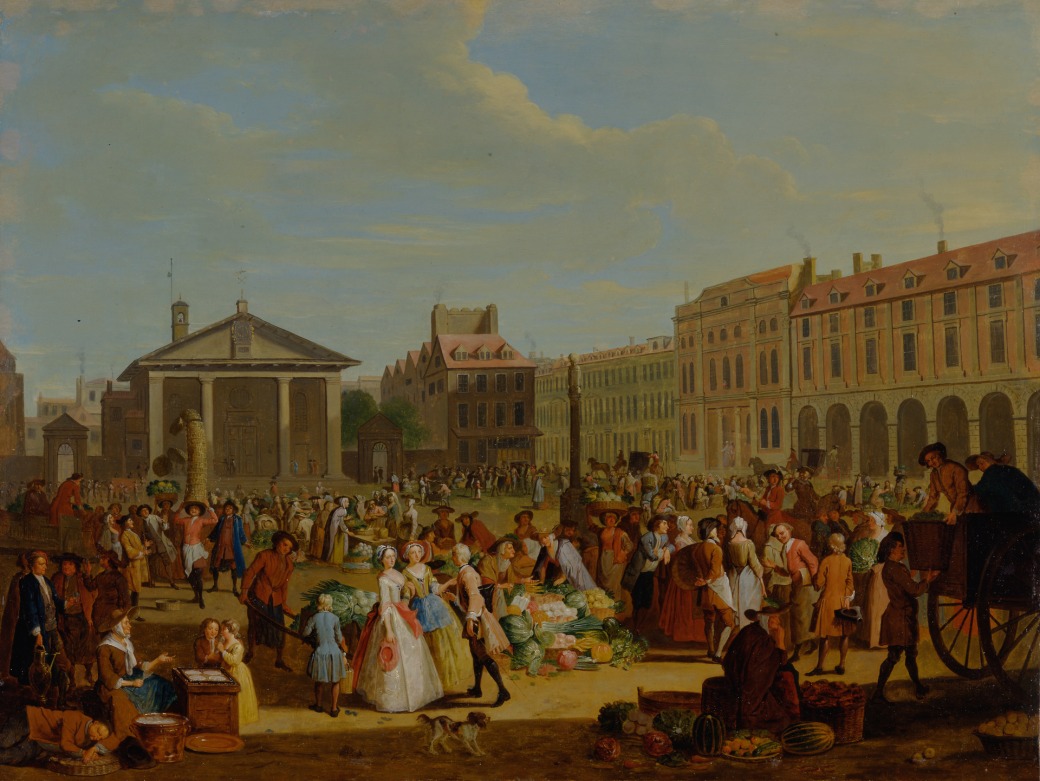
Although this painting depicts a busy London agricultural market in the early 1700s, a similar hustle and bustle likely filled Fredericksburg during June Fair. Covent Garden (1726) by Pieter Angillis, 1685–1734, Flemish, active in Britain (from ca. 1715), Oil on copper. Pubic domain. Credit: Yale Center for British Art, Paul Mellon Collection.
Fairs were about more than agriculture, however. The importance of a summer fair was its ability to gather people from all over the surrounding counties to a single central location to conduct business and government and offer social interactions and entertainment. In an agricultural colony such as Virginia, homes and plantations were very distant. People hardly saw anyone besides their immediate neighbors and family members for much of the year. Most colonial Virginians traveled no more than fifty miles from home in their lifetimes. This made for an isolated existence focused on the constant attendance of crops. However, during natural seasonal breaks, farmers traveled to a town to sell those crops at the fair.
Fairs were not just for farmers to sell. Court sessions, also known as ‘Public Times,’ often coincided with fairs. Soon merchants and entertainers saw the opportunity in the large numbers of people gathered together at the fair. Many people got paid or, more likely, an increase in credit and ready money made the fair a natural time to celebrate, entertain, gamble, and socialize.
Among the amusements common to colonial-era fairs, “contests for prizes . . . in cudgeling, wrestling, manual-exercises, foot-racing, dancing, singing, violin-playing, greased-pig-chasing, etc. Prizes were offered to the most beautiful maid. In towns large enough to warrant their attention, companies of actors sometimes arranged to give plays during fairs. Such plays, however, were held at the local playhouse or theatre, and not on the market square, where the fair usually took place”.[3]
For example, in 1752, an acting troupe known as “THE Company of COMEDIANS, from the new Theatre at Williamsburg, propose[d] … to proceed to Fredericksburg, to play during the Continuance of June Fair.” The troupe hoped “That all Gentlemen and Ladies, who are Lovers of Theatrical Entertainments, will favour us with their Company.”[4]
Advertisement in The Virginia Gazette announcing the appearance of the Company of Comedians at June Fair in 1752.
The fair brought people together to conduct more than agricultural business. Indeed, “the fair was also a place where men met to make and pay debts. Land, houses, storehouses, and personal property were offered for sale at fairs — privately and by public auction”.[5]
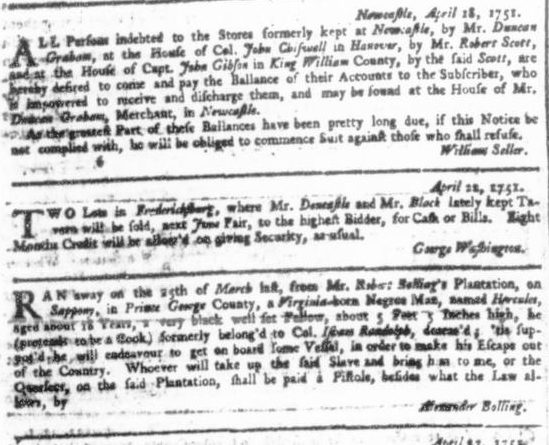
During June Fair in 1751, 19-year-old George Washington auctioned off two of his lots in Fredericksburg. His announcement of the sale in The Virginia Gazette offered the lots, “where Mr. Doncastle and Mr. Black lately kept Tavern, next June Fair, to the highest Bidder, for Cash or Bills. Eight Months Credit will be allow’d on giving Security, as usual” and was signed “George Washington.”[6]
Announcement placed in The Virginia Gazette by George Washington announcing his intention to auction off two lots of his land in Fredericksburg at June Fair in 1751.
A decade later, at June Fair in 1760, George’s account ledger shows him paying Fielding Lewis £40. Furthermore, just a few days before paying his debt to brother-in-law Fielding, George also race, both popular fair activities. [7]
Indeed, “the most popular attractions of the fairs in Virginia and Maryland were the horse-races . . . held at race-tracks near the town. Purses were subscribed, and many gentlemen, who had no interest in the other activities, would attend the races”.[8]
Gambling at the fair, mainly in the form of lotteries, even supported more noble pursuits. At June Fair in 1769, a lottery was undertaken to raise £450 for building a new church and for purchasing an organ for that church. The drawing was to take place on “the 7th day of JUNE next (being the first day of the Fredericksburg fair) at the town-house” and was supervised and supported by a host of the town’s luminaries including Charles Dick, Hugh Mercer, Charles Washington (George’s brother), George Weedon, and Fielding Lewis. [9]
June Fair was a community event attended by Virginians from across the colony and brought George Washington back to his boyhood home on more than one occasion. At the fair, Virginians sold farm goods and land, settled debts and tried court cases, enjoyed a play, and gambled on the horses. June Fair, much like today’s summer pastimes, was a moment in the year to enjoy the summer weather and the company of neighbors, friends, and family before returning to isolated plantations and farms and the unending work of plowing, planting, and harvesting.
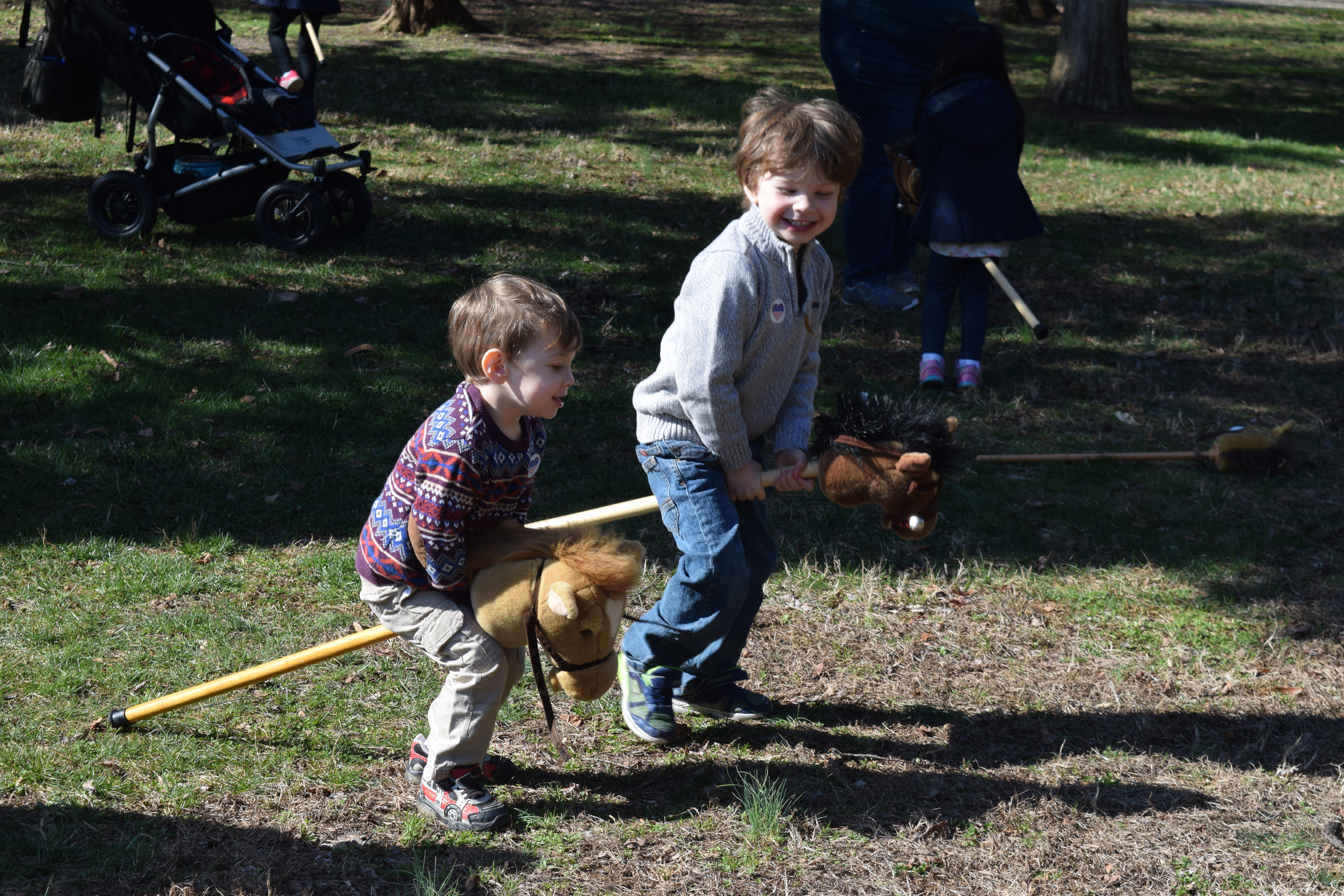
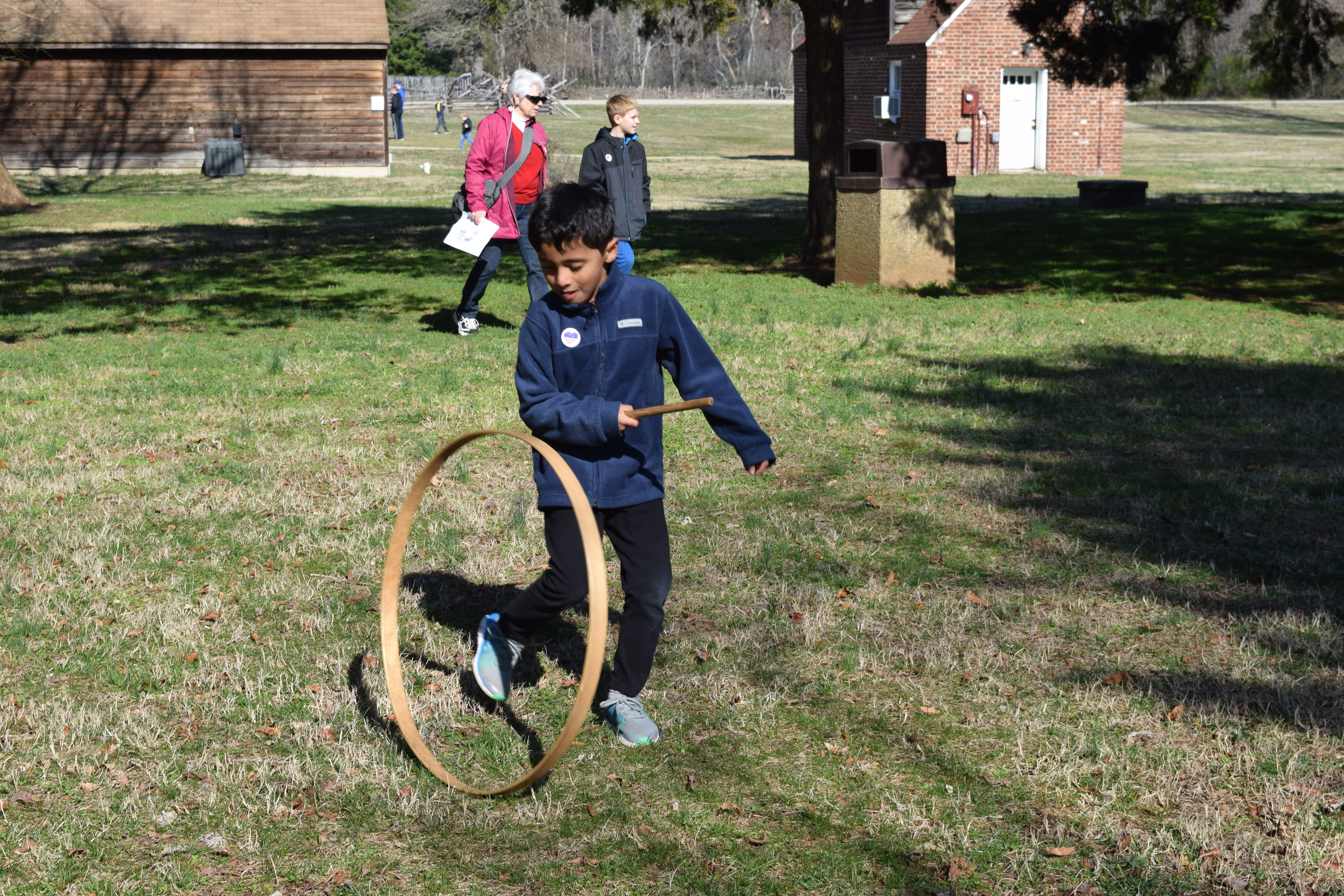
Come and join our 18th-century colonial fair on Saturday, June 11, from 10:00 a.m. to 3:00 p.m. There will be magic, medicine, music, and more with Dr. Balthasar’s Marvelous Miracle Medicine Show, music by Colonial Fare, colonial games, and craft activities for the kids. Admission includes access to the grounds, performances, activities, and walk-through tours of the Kenmore House. Tickets are $5 for ages five and up, and under five are free.
Zac Cunningham, School Programs Educator, Hampton Roads Naval Museum at Naval History and Heritage Command
Joe Ziarko, Actor Interpreter at Colonial Williamsburg Foundation
As a Historic Preservation major at the University of Mary Washington, I spend a lot of time studying objects from the past. Through my courses, I have learned that common, everyday objects are often able to reflect the values of the people that created and used them. I kept this in mind during my internship in the Archaeology Lab at Ferry Farm this semester. While looking through the collection, I came across one of these everyday items, an item that I use every day, the Mason Jar.
Though there are many uses for Mason jars today, these glass jars were originally designed for home canning and have been preserving food in America for over 150 years. Using the idea that everyday objects such as the Mason jar are able to reflect the values of the people using them, let’s take a look at the evolution of home canning and the Mason jar throughout its 150-year history to see how the value of the Mason jar may have changed.
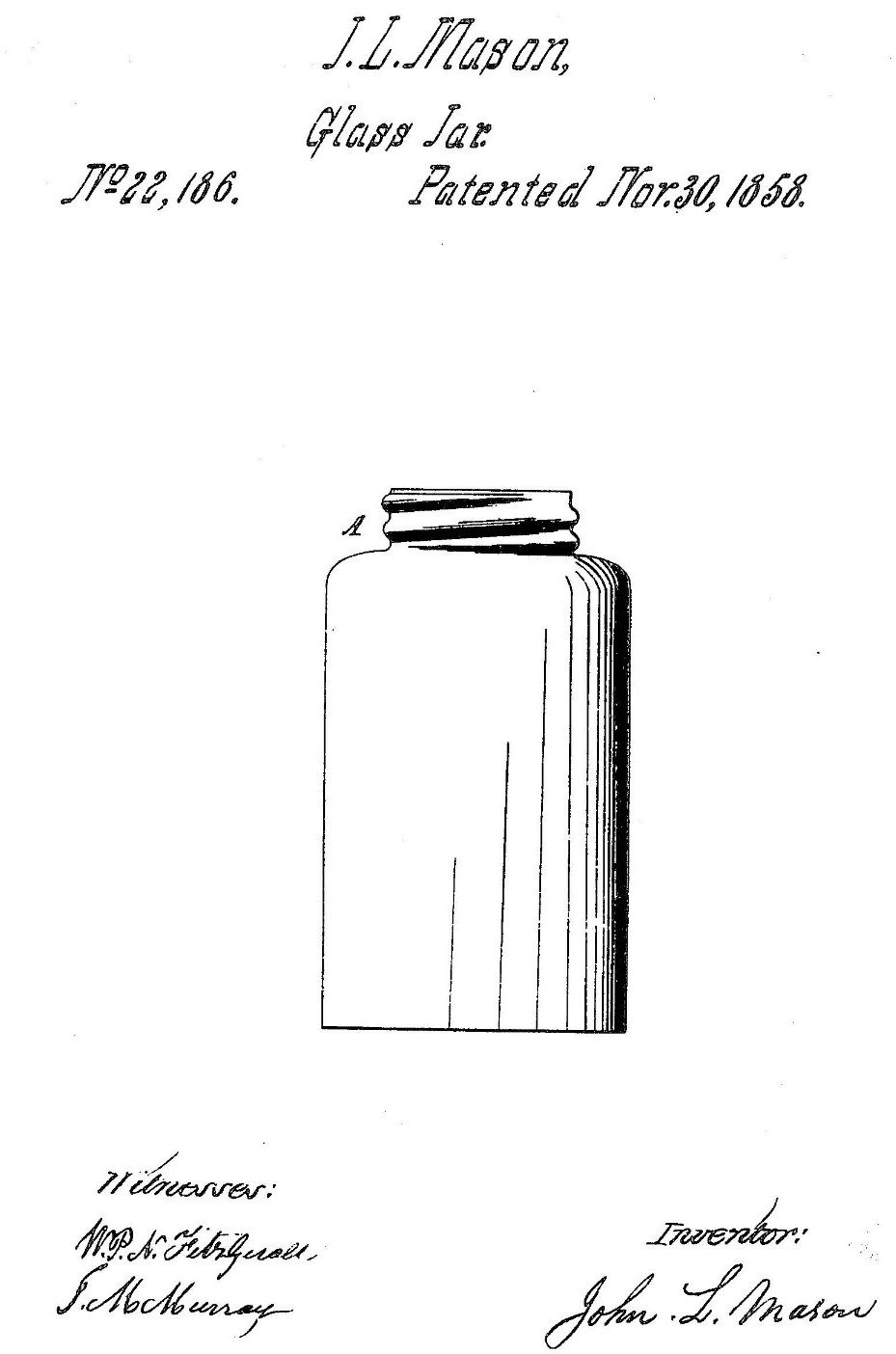
The 1850s marked the beginning of home canning’s popularity in America, and the glass canning jar as we know it today was first patented by John Landis Mason in 1858.[1] Mason’s first jars were sealed using a zinc screw-on lid. With this design, the zinc was able to come into contact with the contents of the jar, affecting the food’s taste.[2] This issue was remedied in 1869 when Mason sold his patents to Lewis Boyd the creator of milk glass lid liners.[3] Together Mason’s glass jar and screw-on lid with Lewis Boyd’s patented milk glass lid liner created an affordable canning jar that was able to be sealed without interfering with taste. Here at Ferry Farm, we have a few examples of these milk glass lid liners in our collection.
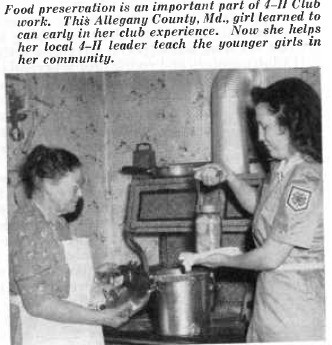
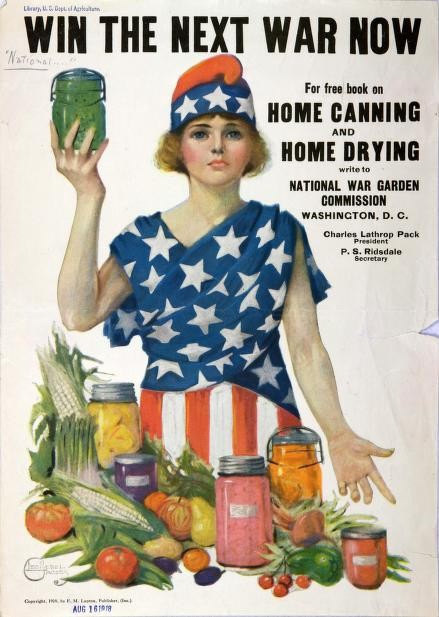
While canning food during this early period served as a practical way to preserve surplus food, during the early 20th century its value shifted to something a bit more patriotic. During World War I and World War II, home canning became a way for American’s, primarily women, to support their country and troops on the home front.[4] By growing and preserving food at home in their ‘war gardens’ (or ‘victory gardens’ as they were called after the war), they were ensuring that the available food supplies were able to get to the troops.[5] This also became a way for communities to band together and help support one another during periods of rationing food supplies.[6]
After World War II, canning at home decreased in popularity due to the increased accessibility of home refrigeration and the rise of the supermarket.[7] Though it may have lost its widespread popularity, canning continued to serve as a way for gardeners to preserve their pickles, jams, and other produce. During the beginning of the 21st century, the Mason jar became widely popular once again, but for its looks rather than its use in canning.[8] It became the symbol for the ‘rustic farmhouse’ aesthetic and a popular do-it-yourself crafting item for everything from wedding decor to light fixtures. Mason jars also became a more sustainable, economic replacement for plastic food storage and even drinkware.
Recently we have seen a revival in home canning in response to the pandemic. As people had more time at home, and supply issues caused produce scarcity in supermarkets, many turned to their gardens once again. The popularity of the Mason jar may ebb and flow, but it is an object that has been a staple for many Americans for over 150 years. Do you have a Mason jar at home? What do these canning jars mean to you?
As spring approaches in the Middle Atlantic and Northeastern states, we welcome the chance to spend more time outdoors in the fresh air instead of cooped up in our houses – getting sick. Ailments such as colds and flu are contractible anytime, but we usually associate them with the wintertime as that’s when they seem to be more prevalent.
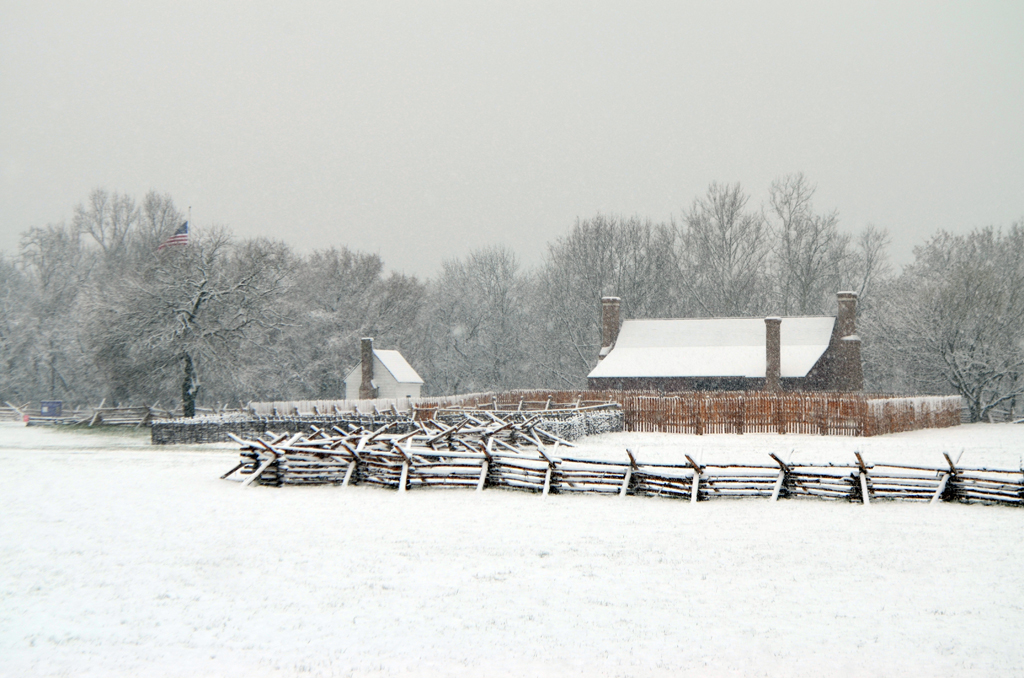
Ferry Farm during winter storm
With modern medicine, we can easily treat and overcome these and other more serious illnesses that rise up during the colder months. People living in the eighteenth century, however, did not have the luxury of our scientific knowledge of modern medicines, and so what is easily treatable today could be, and often was, deadly during their lifetime. They had to deal with serious diseases, such as dysentery, measles, mumps, smallpox, rickets, typhus, typhoid, tuberculosis, and yellow fever, without the benefit of antibiotics.
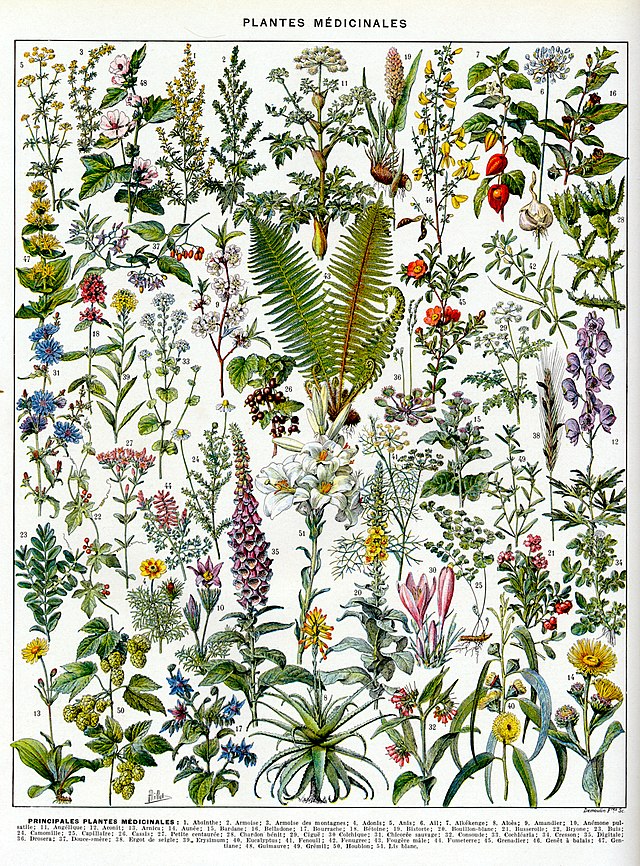
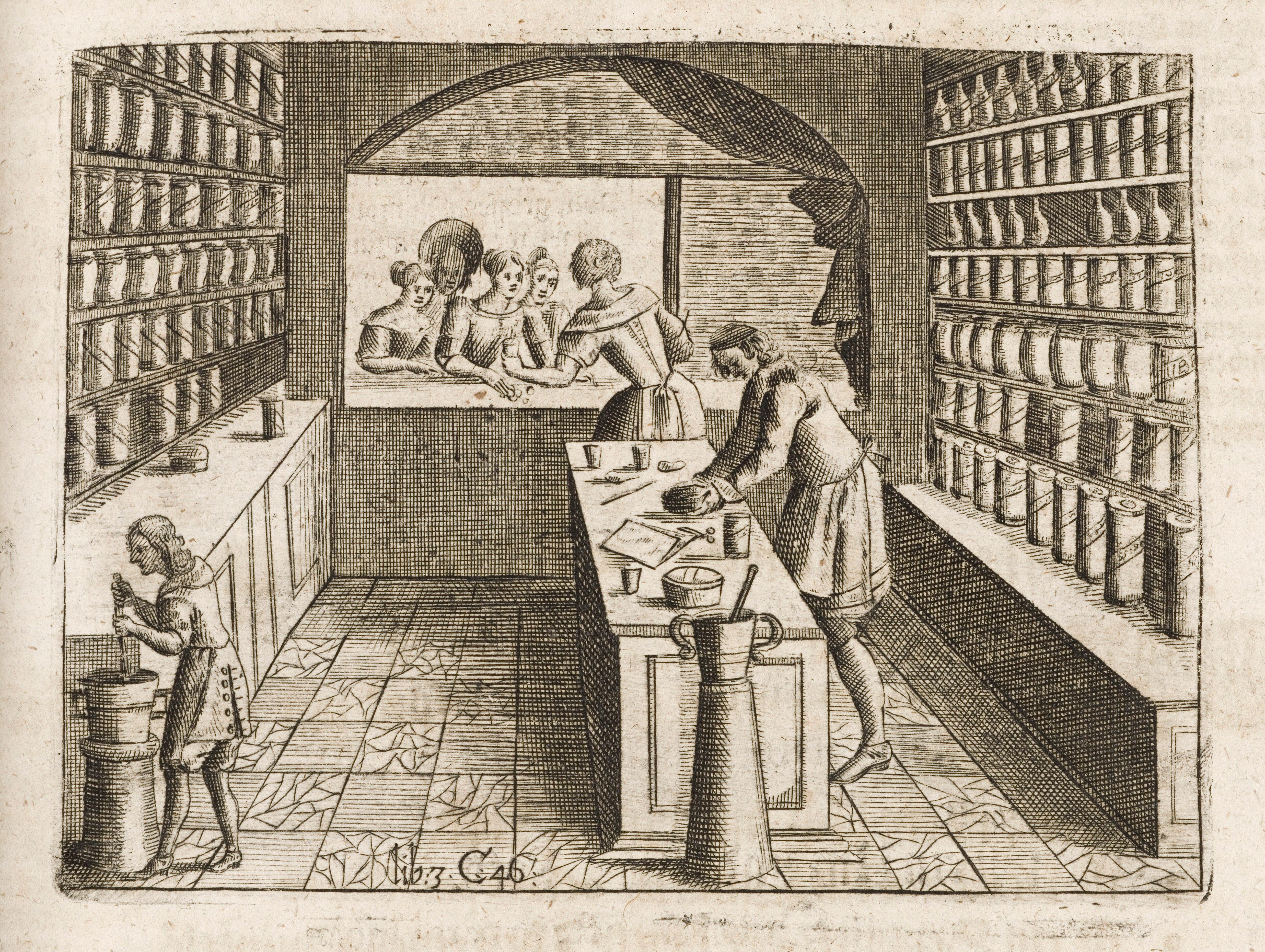
Medical treatments for dealing with illnesses in the eighteenth century were primarily herbal remedies and traditions passed down over the centuries in medical books or as local knowledge. People like the Washington family probably relied on local healers, apothecaries, physicians, or midwives in the Fredericksburg area to prepare the medicines and treat their illnesses. It is also very likely that Mary Washington would have had the knowledge herself to oversee the formulation of cough syrups, laxatives, and other tinctures using the herbs and flowers in her own garden. Betty Washington Lewis, Mary’s daughter, owned a copy of Eliza Smith’s 1739 The Compleat Housewife: or, Accomplished Gentlewoman’s Companion, a cookbook, in which are explicit medicinal recipes for dealing with hysterics, the vapours, pain from stones, the plague, upset stomachs, a cancerous breast, consumption, and for ‘preserving the lungs,’ among other things.[1] The chances are pretty good her mother Mary also had access to this same recipe book.
We do not have any historical information on the childhood diseases or winter ailments that were present in the Washington home, but here are two that they might have experienced.
Pneumonia
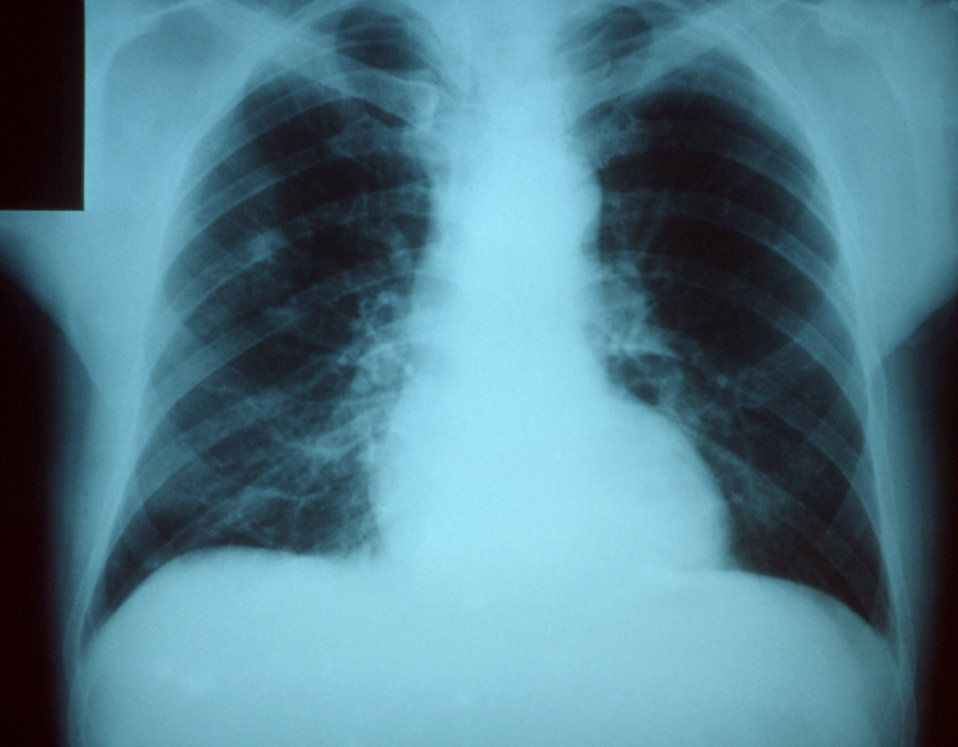
Anteroposterior chest x-ray revealed right upper lobe pneumonia. Credit: Public Domain Files
Pneumonia, a bacterial infection of the lungs, also known as ‘Winter Fever’, was a great concern in colonial Virginia. Although it was not known as a disease in and of itself but rather a symptom of other illnesses until much later, the presence of this respiratory ailment was noted by colonists.
Pneumonia and many other such illnesses were prevalent in the winter months when conditions forced people inside with closed windows and doors. Prior to modern home climate-control technology, windows and doors were opened in good weather to create a breeze that cooled down a house but also served to air it out. Additionally, many activities we perform indoors today took place outside, such as laundry and food processing, which got people out in the open more. When the weather turned cold, however, people were stuck inside with little ventilation and essentially stewing in their own germs. As such, pneumonia spread rampantly throughout the winter, and with no antibiotics, it was often deadly especially for the young and elderly.
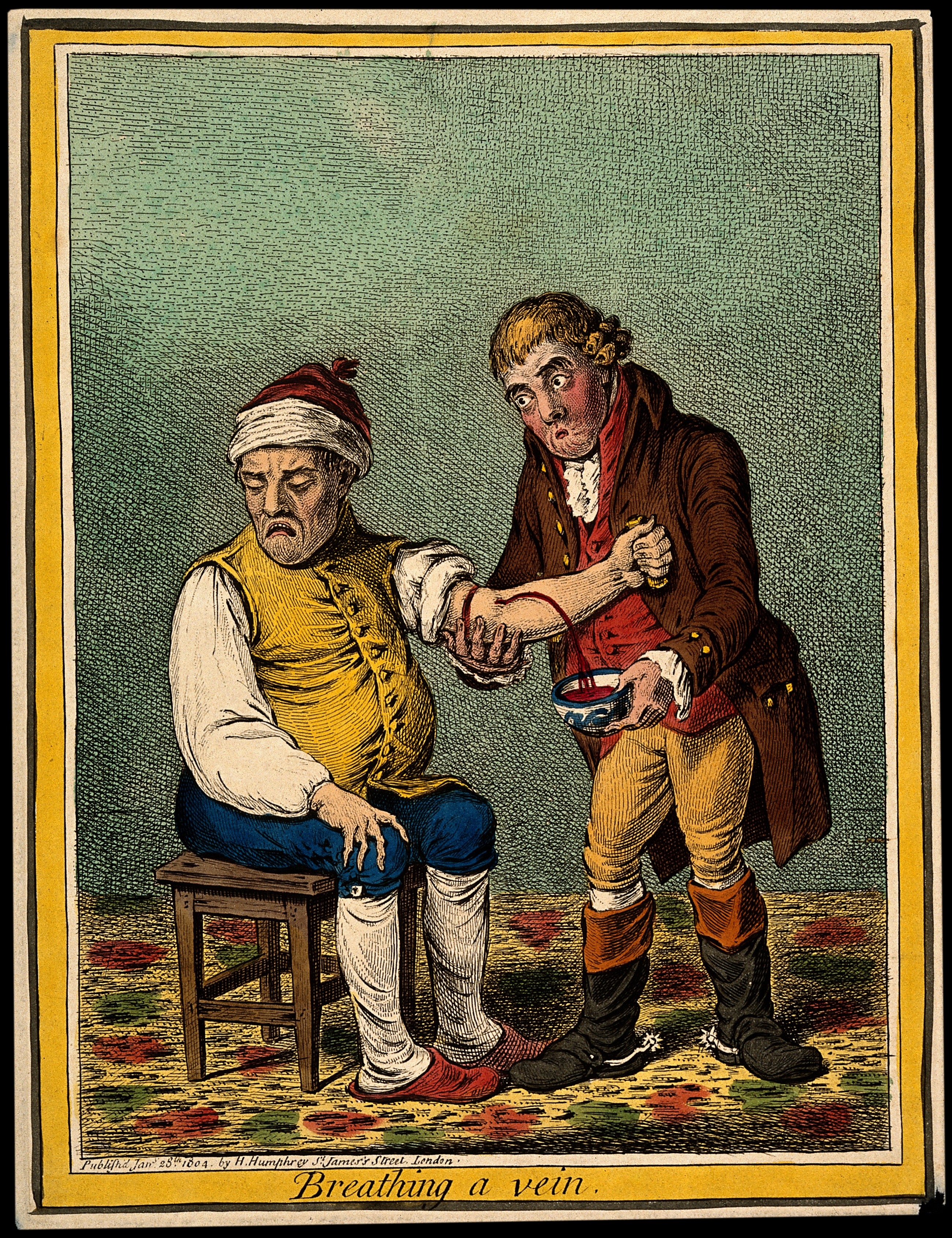
An ill man who is being bled by his doctor.Credit: Wikimedia Commons
The commonly incorrect assumption at the time was that many illnesses resulted from bad smells or miasma. Bloodletting, laxatives, and emetics were justified treatments for almost anything wrong with you because it was essential to purge and expel the bad blood and humours from one’s body. In general, these treatments did more harm than good and, in some cases, killed the patient.
In addressing the symptoms of pneumonia (fever, cough, inflammation of the lungs), a mixture of treatments would have been proscribed for the patient. Cough syrups recipes were many and concocted from a wide variety of aromatic herbs infused in flavored waters, honey, or liquor. Opium in the form of poppy leaves was also a common ingredient. Additional treatments included bloodletting “8 to 10 ounces if strong 12 ounces” and applying ‘blisters’ on the back of their neck to promote sweating and to help with a headache.[2] Blistering was an aggressive treatment to the skin and essentially created pain in one spot to counteract pain elsewhere. A blistering agent, such as mustard, capsicum, or Spanish Fly, was applied in a poultice to the skin, causing redness and, in extreme cases, a raised pus-filled blister.[3] The cure might have been worse than the disease!
Scientists have since made great breakthroughs in treating pneumonia, including the invention of penicillin by Alexander Fleming in 1928. Yay science!
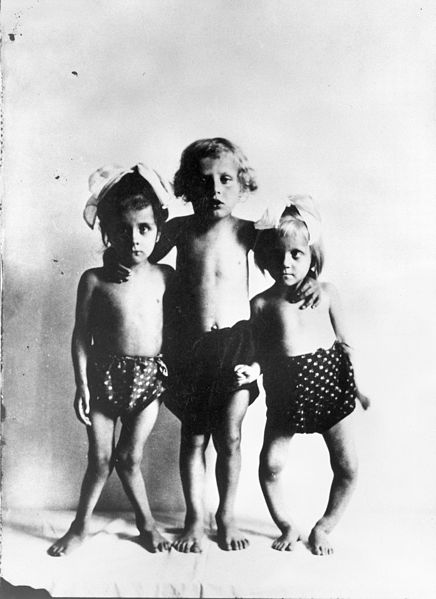
Bowed legs, thickened wrists and ankles, low weight, and deformities of the skull and pelvis are all signs of Rickets, a common disease of the 18th century and prevalent during the winter months. Rickets is caused by a lack of Vitamin D in a child’s diet, leading to soft, weak bones that don’t mineralize properly. The symptoms of rickets usually appear between the ages of 3 to 18 months, and if caught early, the disease is reversible by ensuring a proper diet of Vitamin D-rich foods (fatty fish, egg yolks, fish oil) and exposure to sunlight.
Eighteenth-century physicians knew about the disease and discussed the symptoms and possible remedies in their medical books, but they didn’t understand the actual cause (Vitamin D deficiency) and, therefore, how to cure it. And although Rickets is often associated with children living in poverty with limited diets or restricted to sunless living and working conditions, it affected children of all socio-economic levels.
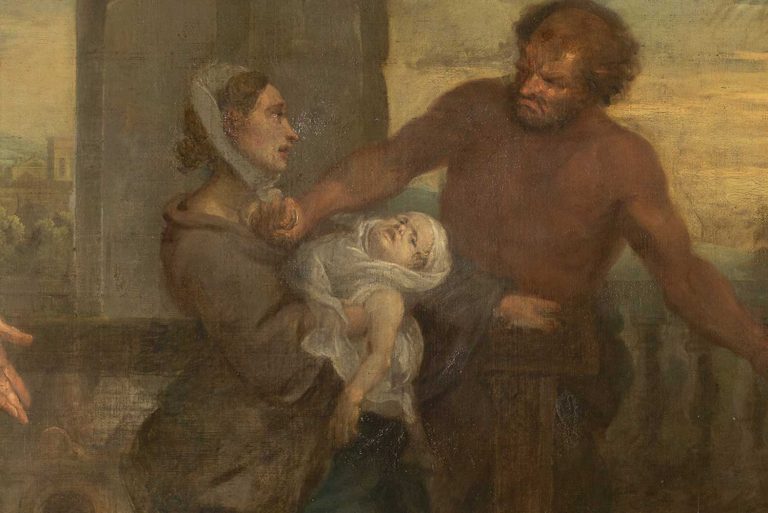
Mother holding a child with symptoms of rickets in Christ at the Pool of Bethesda by William Hogarth (1697–1764) Credit: Barts Heritage
John Freke, in his 1748 book “An Essay on the Art of Healing,” felt that the diet of the children affected by Rickets was “in general too luxuriant” and should be scaled back to a more austere diet than ordinary.[4] “Care should be taken to send this sort of Children into a sharp Air,” and “rousing their Blood by shaking and tossing them often, giving them now-and-then a little red Wine, and dipping them every Morning in cold Water.” He was spot on to suggest letting them play outside in the sun, but restricting their diet would certainly have had a deleterious effect on the patient.
The 1710 Book of Physick was a recipe book of natural remedies using plants and minerals to cure the everyday ills and complaints of the sick.[5] The first step incurring rickets was to administer a “purge,” which was a drink that flushes everything out of your digestive system by either vomiting or diarrhea. Purgatives were seen as a cure-all for many diseases because the prevailing thought was you had to expel whatever was making you sick out of your body.
The recommended purge was made of a long list of plants, including liverwort, speedwell, and yarrow, mixed with fruits such as figs and raisins, all slowly simmered together in water. Dosage was three spoonful’s every morning and night for 14 days.
Next on the list was bloodletting, of course! Just a prick on the ear would do the job, or leeches behind the ears! What is interesting is that this instruction was immediately followed by a reference to the page on how “to staunch bleeding.”
Not all remedies had to come from physician’s books but could be found in publications geared towards laymen. The Servants Directory, Improved; or House-Keepers Companion, published in1762, was an instruction manual on all things household, ranging from how to kill rats, clean furniture, wash silk stockings to the best way to cook parsnips. Included in a chapter on the care of small children was a cure for a Rickety child. The first suggestion was to give the child three doses of a gentle physic, or purge, similar to the 1710 Phisick book. Next, rub the child with a concoction of smashed garden snails and liquor every day for a month. Outside exercise was also recommended, thank goodness![6]
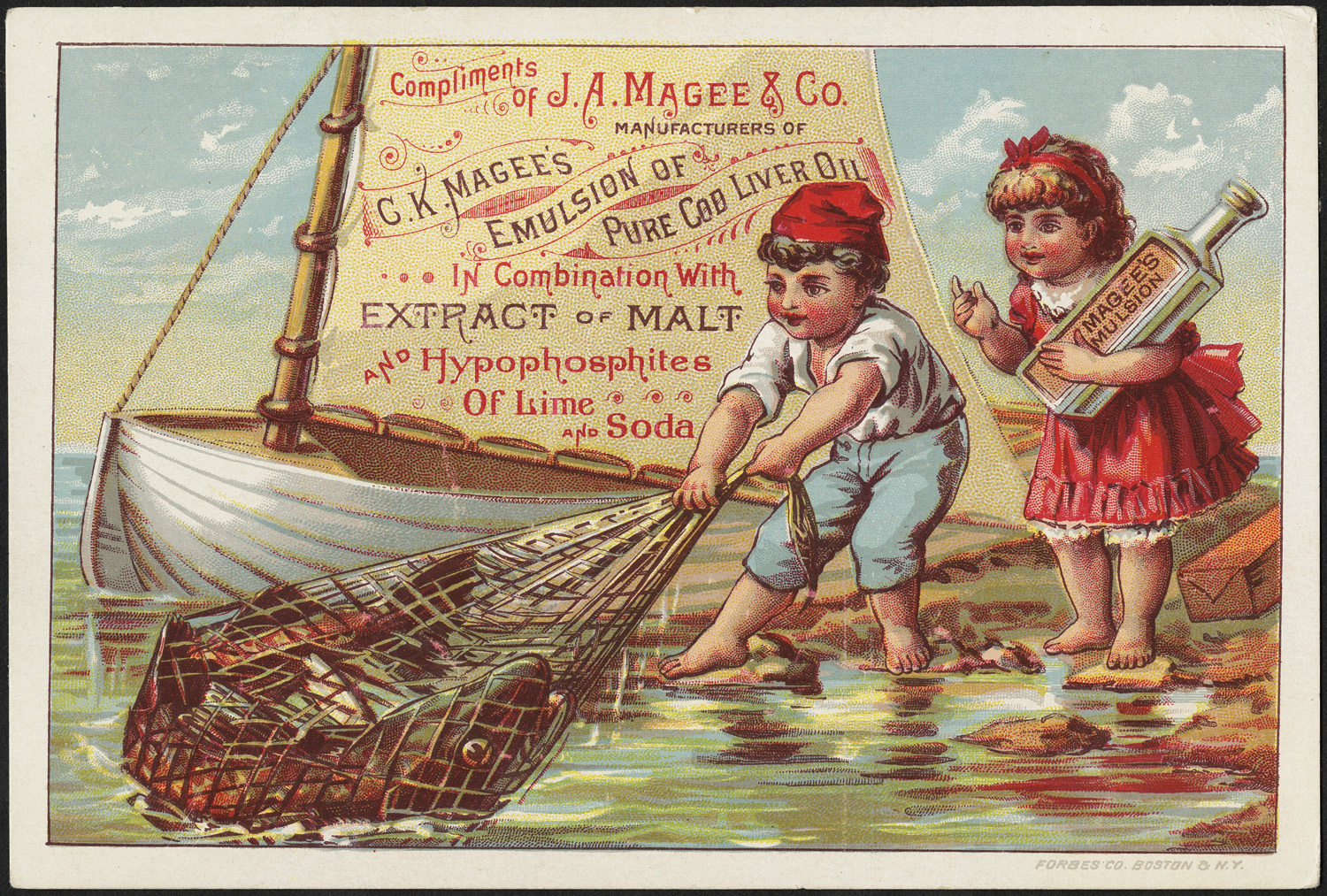
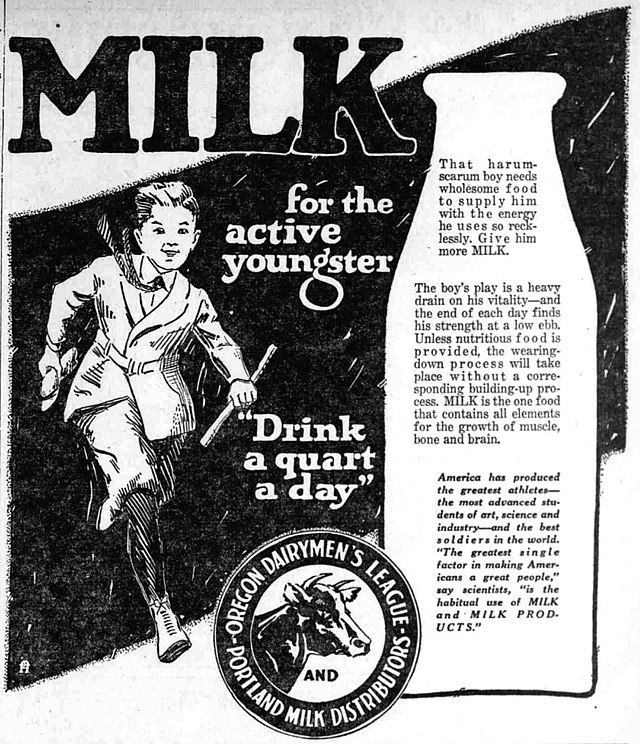
If the 18th century rickety child could survive multiple purges, bloodletting, a restrictive diet, vigorous body rubs with bug juice, and occasional sun exposure, who’s to say which treatment was the one that was most effective (Just kidding)! Progress in studying the causes and treatments of Rickets culminated in the early 20th century when it was clearly shown the benefits of using sources of Vitamin D, such as cod liver oil and sun exposure, in curing rickets.[7]
[6] The Servants Directory, Improved; or, House-Keepers Companion. H. Glass. Fourth Edition, 1762. Reprinted 2001 by United States Historical Research Service.
The sending of a letter in Colonial America was more challenging than today. The concept of post offices and regularly scheduled mail arrivals and departures evolved slowly in the colonies. Colonial mail faced many obstacles. Geography, political opposition, and a general lack of interest hindered a national system that serviced all the colonies.
How to Get a Letter Sent
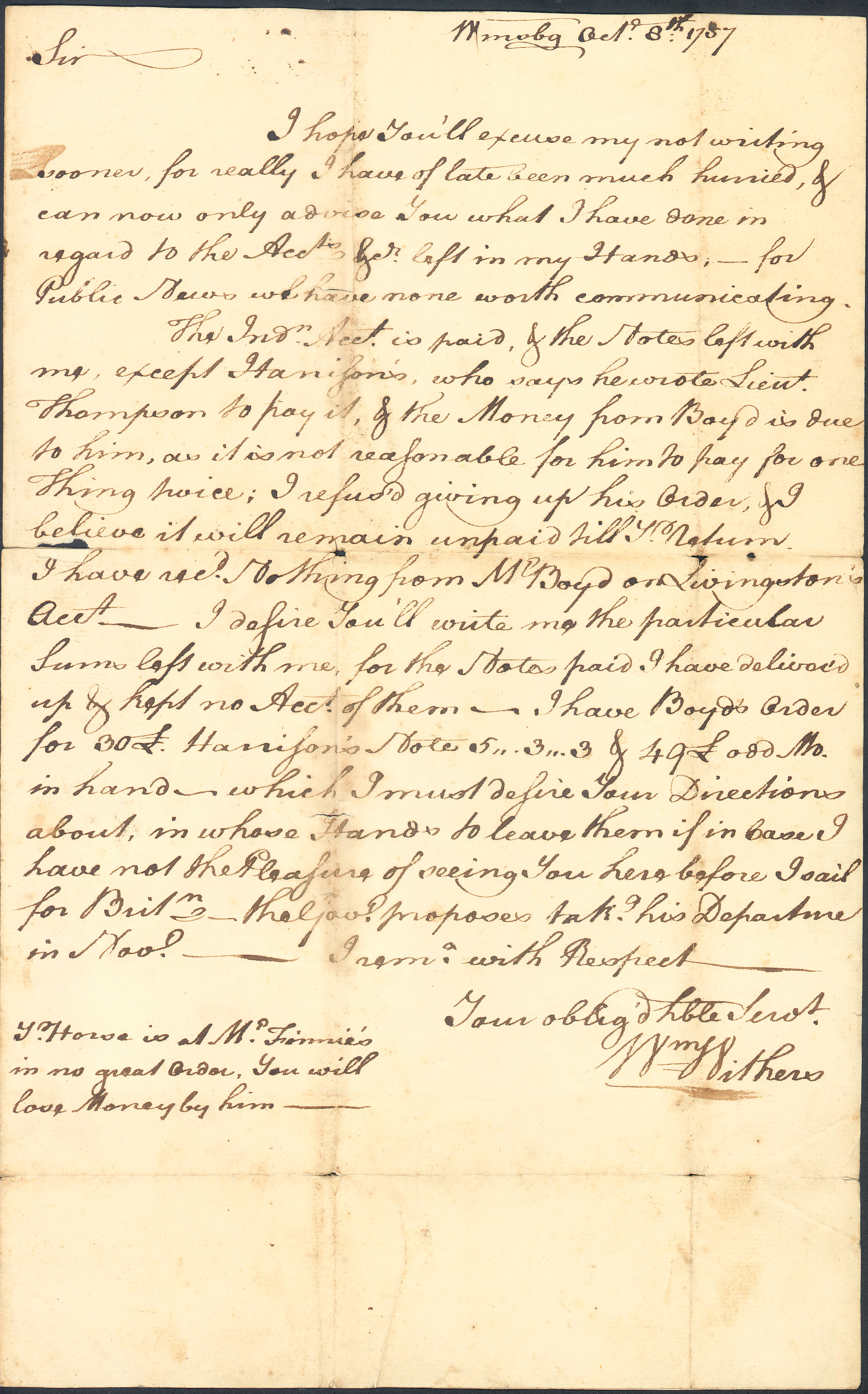
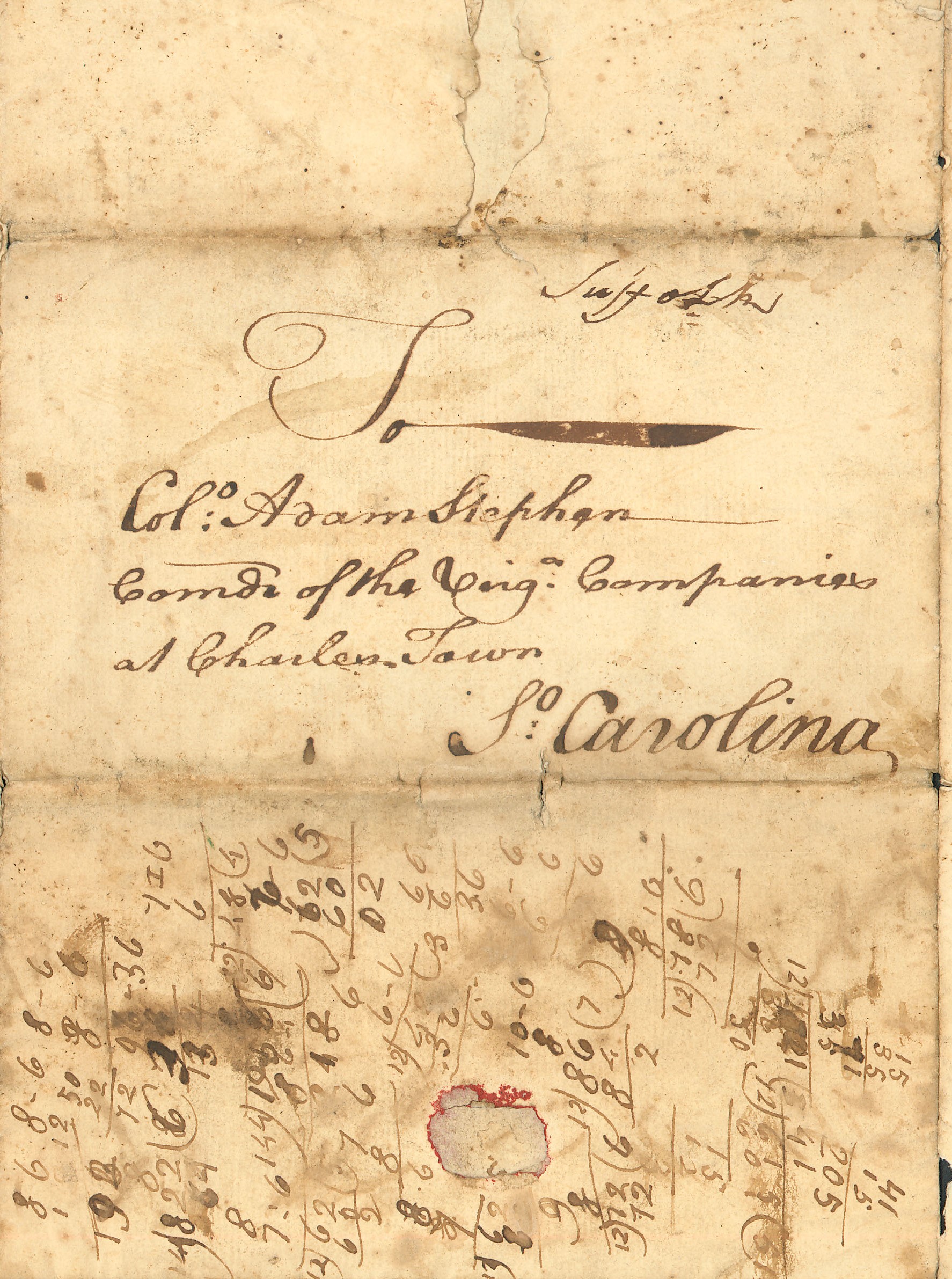
While not impossible to get a letter sent, the question was, would it arrive? There were two main ways to send your letter: send someone you know or pay someone else to deliver your correspondence for you.
We will call these two types of mail delivery private and public systems. A private system means that the sender and the recipient knew the mailing source. For example, you might entrust your letter to be delivered by an acquaintance, family member, or servant. You would put your mail in the hands of someone you knew who happened to be traveling in the direction of the addressee, be it across town or the colonies. In such cases, the letter was delivered free of charge.[1]
A public system consisted of a letter being passed through a series of people unknown to the sender, with postage paid by the sender. This was an informal arrangement where strangers, for a fee, carried letters for people to specific destinations. This would eventually evolve into what we now recognize as the postal system.
Artist Lloyd Branson depicts a colonial mail carrier in this partial view from his painting “Transporting Mail”.Credit: Smithsonian’s National Postal Museum
English Colonies
The history of mail service in America is complicated. It took over one hundred years to evolve into a true American Postal System. In the beginning, the English government established the “Royal Mail” in 1660.[2] Under the Act of 1660, the price to send a single letter was two pence for “fower score English miles,” or threepence for greater distances.[3] The colonies did not have an official postal service until King William and Queen Mary appointed Thomas Neale to create one in 1691. This patent established an officially-designated letter depot or post office, but there was no inter-colony service until later.
Mail in Virginia
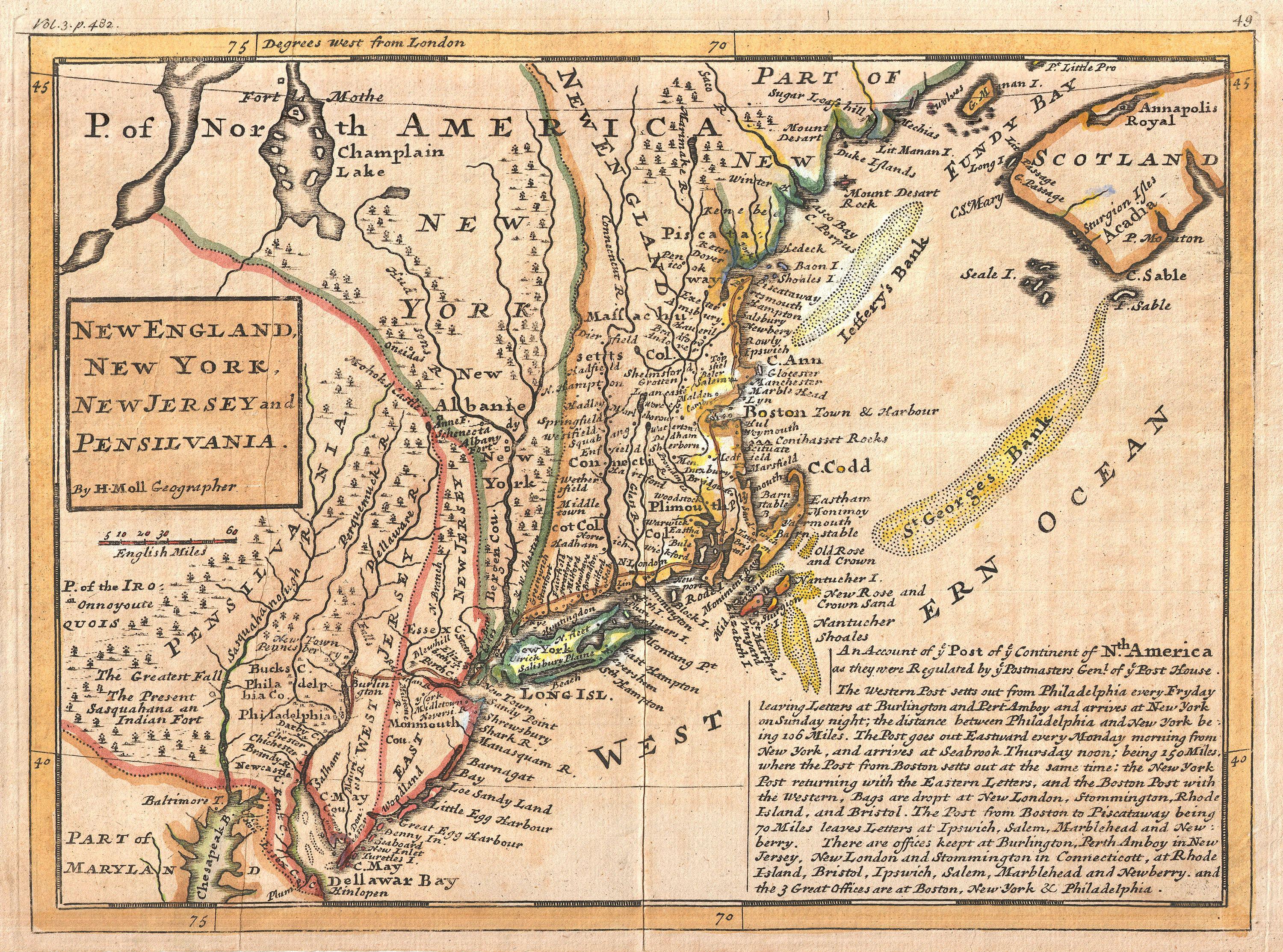
Shortly after his appointment Thomas Neale chose Andrew Hamilton of New Jersey as a resident deputy. Hamilton established regular service in the North between Boston, New York, and Philadelphia.[4]
1729 Moll Map of New York, New England, and Pennsylvania (First Postal Map of New England). Credit: Wikimedia Commons
Hamilton was eager to continue establishing service to the Southern states of Virginia and Maryland. However, his application to extend the post to Virginia was not accepted with enthusiasm. Virginia didn’t find a need to link up to a more costly overland inter-colonial mail service because their mail could travel by the schooners and tobacco ships.[5]
Lieutenant governor Alexander Spotswood persisted in starting a post-service in Virginia. In 1717, Spotswood announced that post offices had been “settled” throughout Virginia and that fortnightly (two weeks) post was established between Philadelphia and Williamsburg.[6] However, Spotswood’s works were not appreciated by many Virginians, particularly politicians, and there was still considerable resistance to the service. [7] The people’s main concern was that the postal service would become a monopoly where prices were controlled by the owner rather than by competition.[8]
When the Assembly met in the spring of 1718, many counties complained about this postal monopoly. The Burgesses and the (Governor’s) Council united in passing a bill that prevented the execution of the Act of Parliament establishing a mail service in the colony. Spotswood subsequently blocked this bill, but the bill’s proponents were successful and promptly suspended official service in Virginia. Because of this lack of co-operation as late as 1727, Annapolis was still the southern terminus for regular postal service.[9]
In 1730, Spotswood took over the position of Deputy Post Master General after the resignation of John Hamilton for failing to turn a profit for the post office and suffering accusations of excessive spending.[10] His goal was to establish a better route between Annapolis and Williamsburg and eventually push that further south. He succeeded and, by 1739, had created a route from Williamsburg to Charles Town, South Carolina. Spotswood’s post office was called “General Post Office at New Post” and was located near the Rappahannock River in Fredericksburg on land he owned. After Spotswood’s death in 1740, the post office was maintained in New Post, Virginia, until Benjamin Franklin took office in 1753 and moved headquarters to his native Pennsylvania.[11]
Revolution
The postal system in the Colonies continued growing until British Parliament passed the Stamp Act of 1765. The Stamp Act placed an official stamp on all printed material, including legal documents, magazines, playing cards, newspapers, and other types of paper used throughout the colonies. [12]
Unsurprisingly, the Stamp Act was very unpopular among the colonists as many considered it a violation of their rights as Englishmen not to be taxed without their consent. With the significant uproar and protests, the act was quickly repealed in March of 1766. Still, Parliament continued to declare its power to legislate the colonies by passing the Declaratory Act. Additionally, a new series of taxes and regulations were introduced, which fostered resentment to British rule and was the beginning of what would become a revolution in America. [13]
The post office symbolized British power, and a new system would have to be established if the colonists wished to overthrow the government and create an independent country. The colonist began their postal service, the Constitutional Post, in May 1775 with Benjamin Franklin as the new postmaster general. Subsequently, the Crown’s postal service in the colonies ceased by Christmas of the same year.[14]
By July 1775, the Second Continental Congress ordered The United States Post Office (USPO) with Franklin overseeing its creation as department head. In 1789, George Washington appointed Samuel Osgood as the first American postmaster general. More than 75 official post offices and more than 2,000 miles of post roads.[15]
Over America’s development as a new country, its postal system has continued to grow to accommodate its populations and postal needs. Today, the United States Post Office has over 30,000 offices and delivers around 150 billion pieces of mail a year.[16]
We are excited to be celebrating George Washington’s 290th birthday (although it’s the day before his actual birth date) on President’s Day! On February 22, 1732, George was born in Westmoreland County, Virginia. Some interesting facts are associated with his birth-date and the subsequent birthday celebrations he would have as an adult. For instance, did you know that he technically has two birthdays? It’s true! Under the Julian calendar, his birth date would have been February 11, 1731. This means that his birthday was actually earlier in the month until the calendar switched to the Gregorian calendar in 1752. The Gregorian calendar added 11 days and one year to his date of birth!
Just when did his birthday become so popular to celebrate? The earliest known date of his birthday being recognized (beyond his family) was actually during the American Revolution. It was the winter of 1778, and the soldiers were desperate to keep warm at their headquarters in Valley Forge, Pennsylvania. General Henry Knox planned the event. Clearly, General Knox did more than coordinate the movement of cannons from Canada to Boston; he apparently could also list “party planner” upon his resume.
The festivities of this inaugural birthday bash included a parade from an artillery band consisting of drums and fifes. Around this time, George was also becoming known as the “Father of his Country,” replacing King George III at every chance. For instance, the King’s birthday would no longer be listed in the Almanac. Instead, you would find the birth-date of George Washington. However, that doesn’t quite answer the question of when his birthday became an annual event on a broader scale.
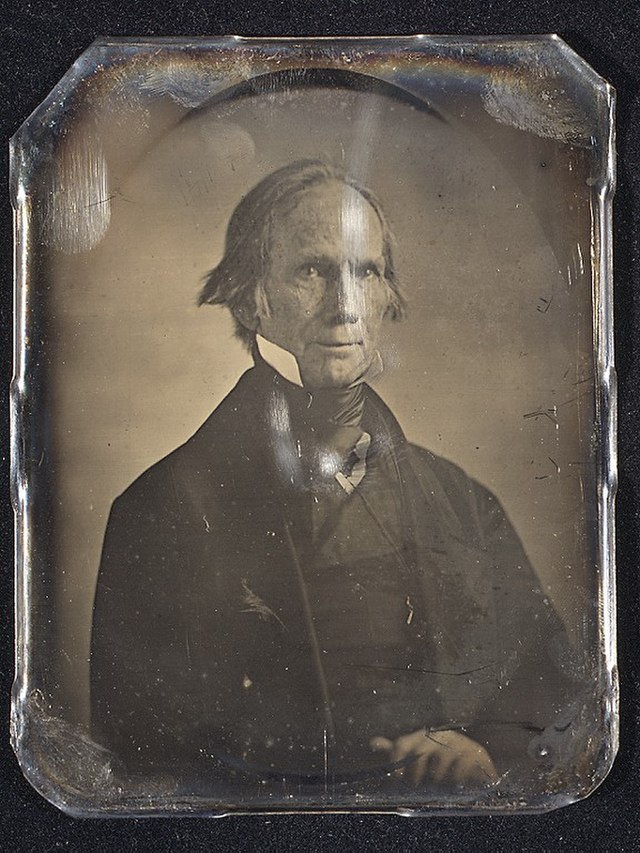
For that, we turn to everyone’s favorite statesman, whose most significant accomplishment was never being elected President of the United States despite the number of times he ran for that office. The one, the only…Henry Clay. Senator Clay was part of a joint Congressional committee that wanted to recognize the centennial of George’s birth. They decided to do this by giving themselves the day off and adjourning Congress on February 22, 1832. While not the celebration you might have imagined, it did get the ball rolling for an expanded holiday that we celebrate today.
As the years went by, cities, states, and even Congress realized they had to do more to commemorate George’s contribution to the Nation. In 1862, yes, in the midst of the Civil War, the Senate began to read Washington’s Farewell Address each year on his birthday. In 1879, Congress made the date a federal holiday for federal employees ONLY IN DC. Though this caused confusion among those employees as some were paid for that holiday and others were not… This discrepancy was amended in 1885 when the holiday became a paid one for all DC federal workers.
Almost 100 years after the Senate began their annual tradition of reading the Farewell Address on February 22, Congress passed the Monday Holiday law to make federal holidays more uniform. So instead of celebrating George’s birthday on February 22, it was recognized on the third Monday of the month. There are two interesting things about this law when applied to George’s birthday. First, because of February’s shortened number of days, there is no possible way for the federally observed holiday to fall on his actual birthday. Second, the holiday we all know as “President’s Day” doesn’t actually exist. It has yet to be formally changed by Congress or the President from being first recognized as “Washington’s Birthday,” which is pretty fascinating!
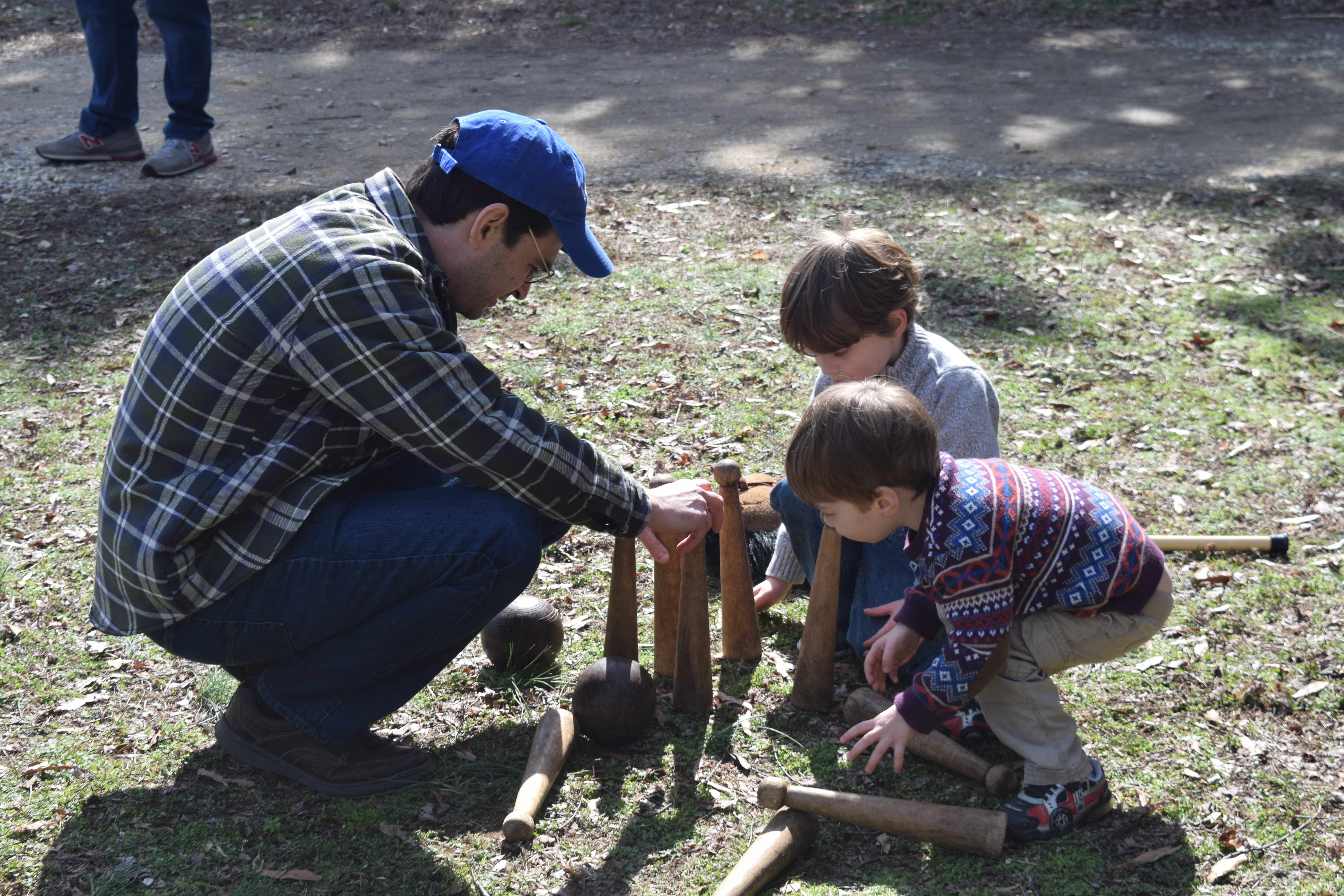
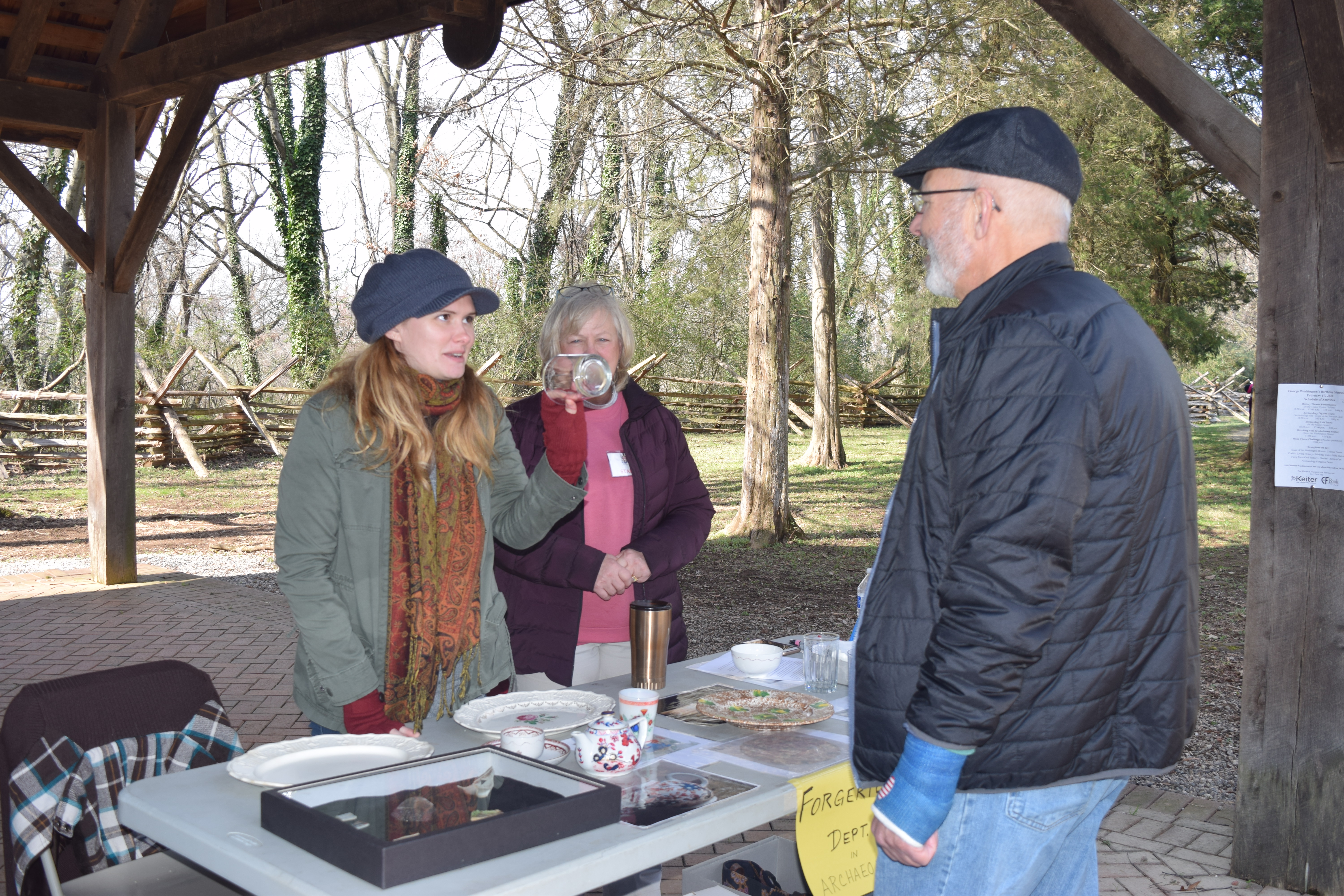
If you’re looking for a fun way to celebrate George’s birthday this year, I encourage you to check out our event at Ferry Farm. For the event, we are offering tours of the reconstructed Washington House, new (and returning) crafts, a chance to meet real archeologists and learn about what they’ve found at the site, the opportunity to see if you can throw a stone as far as George supposedly could, and obviously, we’re having cupcakes because it’s a birthday party!
This year’s event will be held on Monday, February 21, from 10 am to 3 pm, and tickets can be purchased by visiting our website. Tickets are $5 per adult (age 18+) and FREE for children (17 & unders). We encourage you to purchase your tickets in advance.
The staff at the George Washington Foundation posited the idea of what it would be like to go on a date with a Founding Figure. We use the term “Founding Figure,” because a couple of dates are with the ladies of the American Revolutionary period and not just the “fathers.” Although, fun fact, the term “Founding Father” was supposedly coined by then-Senator (later President) Warren Harding in 1916. A founding figure is a person who was instrumental during the Revolution, the creation of the Republic, and the early years of said Republic.
While some traditional figures have been classified as “lesser-known” or the “last of,” we have chosen those who are pretty well known (and if not, should be!). Each date is set in the 21st century but is tailored to that person’s 18th and 19th-century interests. The following paragraphs are fictional, sadly, but contain threads of facts.
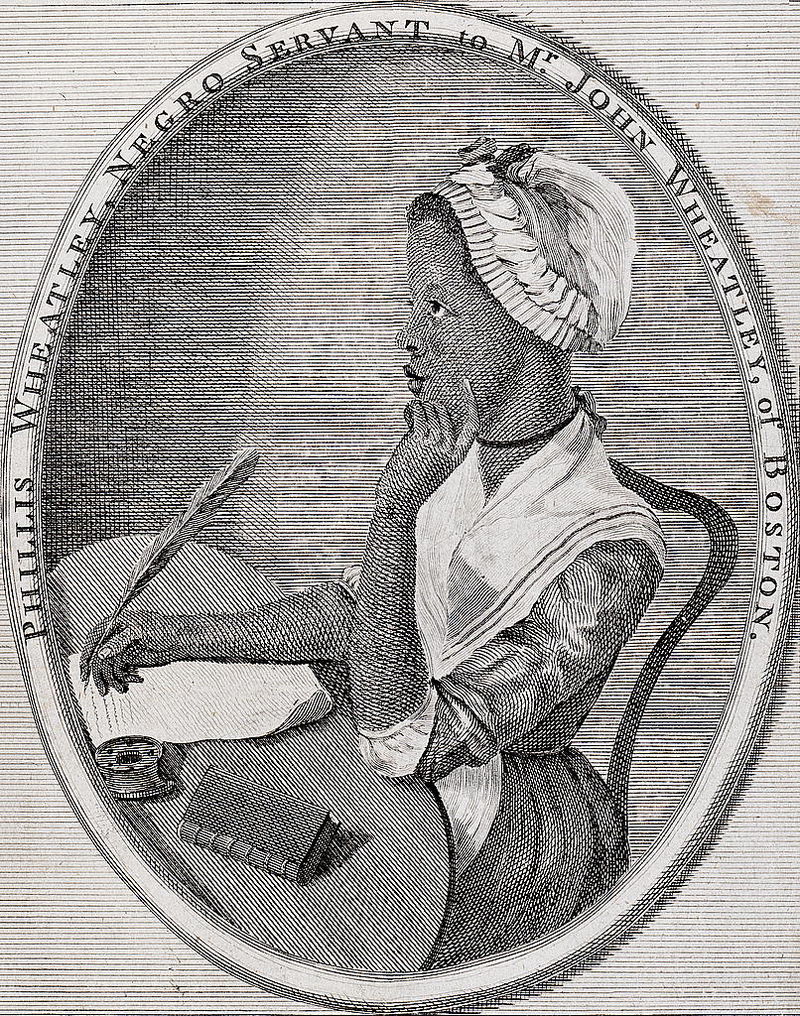
My dream date with Phillis Wheatley would involve a lot of active listening on my part. I would ask her whether she remembers her time as a child in West Africa before she was enslaved and brought to the British North American Colonies. We both are familiar with Boston, so we’d talk a lot about our favorite places around that city while having tea at Hyperion in downtown Fredericksburg.
Phillis was a great fan of General George Washington and famously wrote him a poem which resulted in George inviting her to his headquarters in Cambridge, Massachusetts, so I would offer her a tour of Ferry Farm and show her some of the artifacts we have that relate to the Washington family’s time here. From Ferry Farm, we would head to D.C. to check out the museums. I think Phillis would be interested in how history has progressed.
Over dinner, we would talk about the Revolutionary War, a cause she adamantly supported. At the end of the evening, we would go to a late-night café and sip coffee during a poetry open mic night. Phillis would take the stage and wow everyone with her amazing talent.
For those interested in learning more about Phillis, take a look at the Poetry Foundation’s information on her and her work by clicking here.
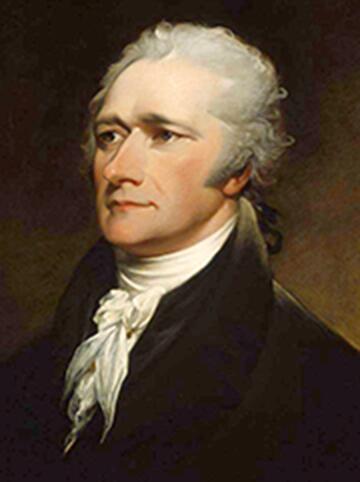
A day-long date with Alexander Hamilton in Fredericksburg, VA would start early. First, we would head out in search of some lively morning debate at a local coffee shop. Alex is well known for his oratory and debate skills; I would enjoy listening to him engage with local folks in discussing the politics and page one issues printed in our morning newspaper. The conversation might also veer into the topic of the newspaper industry itself as Alex was a founder of the New-York Evening Post in 1801, now called the New York Post.
After breakfast, we would take a walk following the Trail to Freedom, a Civil War-era tour that retraces the routes of freedom-seeking enslaved men, women, and children through the City of Fredericksburg and the County of Stafford. Alex opposed slavery and vocally supported abolitionist causes. He would be very interested in learning the story of John Washington, enslaved for 24 years in Fredericksburg before escaping to freedom during the Civil War.
As a side note, we would definitely avoid going past the James Monroe Museum and Memorial Library (too bad, since it’s a great museum!). Monroe and Hamilton had a serious falling out over the public disclosure of Hamilton’s affair with Maria Reynolds and accusations of financial malfeasance. Hamilton and Monroe nearly ended up as a duel over the situation!
Lunch is at one of two Jamaican-themed restaurants in town in honor of his Caribbean roots. Over the meal, we would discuss our afternoon plans to tour the Civil War battlegrounds in and around the city. I’d be interested to hear his views on military history and tactics. Hamilton loved all things military and even resigned as Washington’s aide-de-camp to take an active role in the Revolutionary fight.
The day ends with dinner and good conversation at the Rising Sun Tavern. This local landmark is a suitable replacement for the George Weedon Tavern, once a popular gathering spot for patriots in Fredericksburg during the Revolutionary War. Located at the northwest corner of Caroline and William Streets, the tavern unfortunately burned down in 1807. Many important American patriots met here during the War to discuss politics and design policies. The tavern was the setting of the Peace Ball on November 11, 1781, following the defeat of Cornwallis at Yorktown. Weedon hosted many important dignitaries at this event, including George Washington himself and the Marquis de Lafayette. Alex and I would spend a pleasant evening convening with the ghosts of his compatriots of the Revolutionary War.
On my date with George Wythe, a lesser-known Founding Figure, we would spend an afternoon strolling along Duke of Gloucester Street in Colonial Williamsburg. For those of you who might not know George, he was a prominent lawyer and Williamsburg local. He taught law at the College of William & Mary (in fact, he’s considered America’s first law professor!), so perhaps we would start our day with a leisurely walk around campus and a tour of the Wren Building.
Next, we’d stop in the aptly named Wythe Candy & Gourmet Shop (I’d probably need to explain the modern sales tax to him, though…) to buy a snack before wandering down to the capitol building. Since he was a member of the House of Burgesses and a signer of the Declaration of Independence, we might debate colonial politics while we tour the building and as we continue our walk along the Palace Green. (Maybe I could convince him to toss a Frisbee on the lawn?)
On our drive home from the ‘Burg, we’d queue up a true-crime podcast for the road. Wythe himself had quite the connection to true crime. The events surrounding his death, namely, a suspected poisoning, caused quite the scandal in 1806. I probably shouldn’t bring that up during our date, though.
-Ann Waters, Manager of Interpretation & Visitor Services
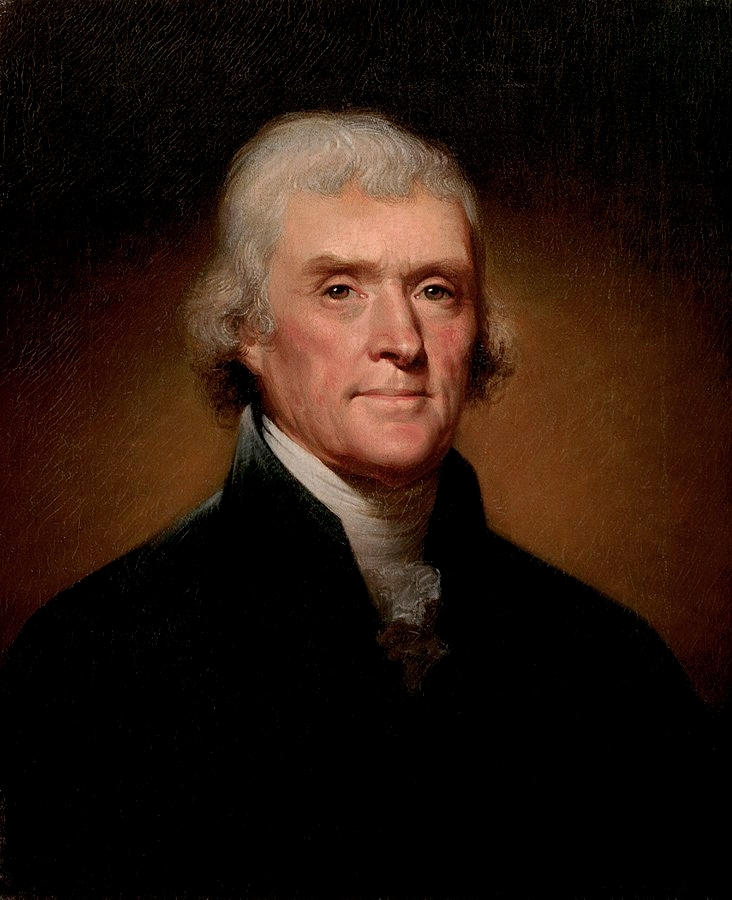
A date with Thomas Jefferson, the 3rd President of the United States, would be an all-day affair. How could we possibly browse bookstores and discuss literature in only a few hours? A good date must start with coffee. After stopping in Agora (in Fredericksburg, VA) and skimming their used book collection, I would insist on bringing Tom to Riverby Books. Since he was an avid reader, we would likely spend most of the day browsing their shelves. I imagine we would gather a large number of books to peruse.
The rest of our day-date would be spent reading at the window seat in Riverby and discussing the novels we’ve found. We would leave the bookstore with a few tote bags of books and continue our conversation as we strolled down Caroline Street. The day would end with me gifting Tom a copy of Pride and Prejudice, and I doubt the author of the Declaration of Independence has that on his shelves. Though I wonder, do you think he’d appreciate a Kindle?
-Gillian Both, University of Mary Washington Fleming-Smith Scholar 2021-22
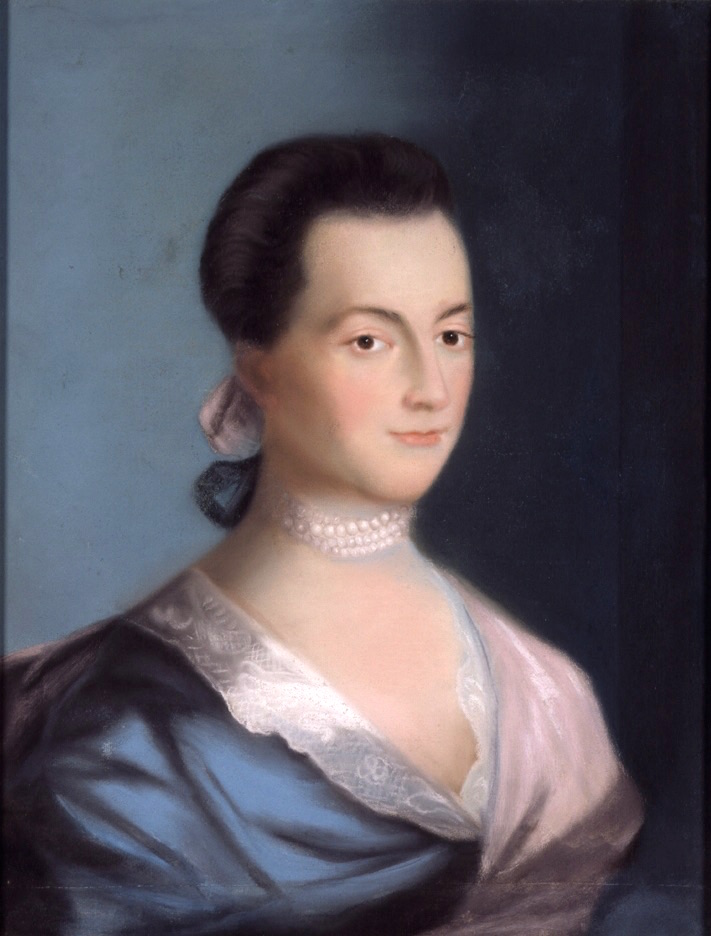
My date would be with Abigail Adams, but I’m hoping I get to call her “Abby.” We would probably go for tea in downtown Fredericksburg. In her letters to John during his absence on crucial government business, she often wrote about the rights of women in the new nation. One aspect of women’s rights that seems to be most important to her was the ability of women to own property and make their own money. With this in mind, I would suggest the woman-owned Freedom Society tea room for our date. Over tea, we would discuss the political progress of women’s rights since the 18th century.
After tea, since she was also an avid reader, I’m sure she would be happy to visit Riverby bookstore where she could explore the many books unavailable to her in the 18th and 19th centuries, and then I would be happy to hear her opinions on those books, and what she thinks of 21st century Fredericksburg.
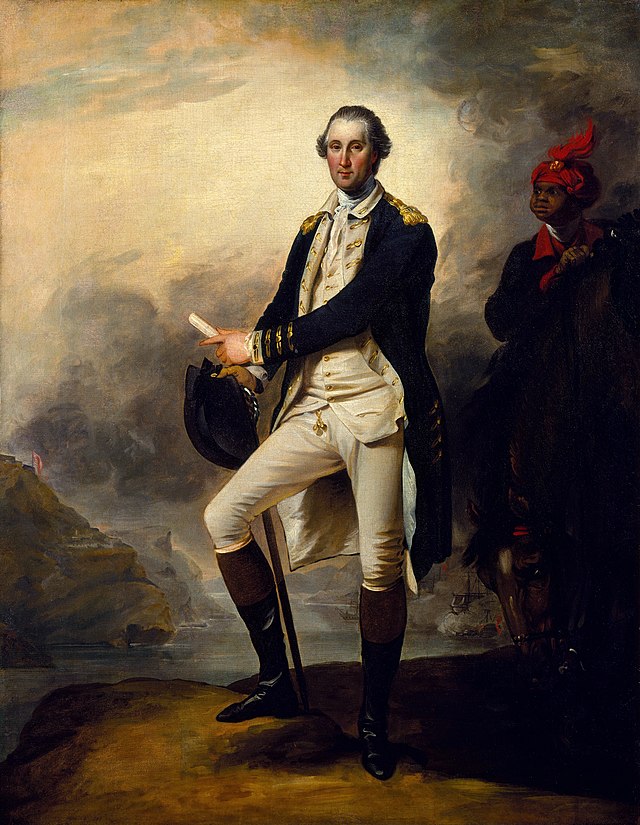
A date with George Washington, Stafford’s boy who grew up to be the 1st President of the United States, would be an evening affair of dinner, dancing, and conversation, of the most respectful sort. Dinner would be a restaurant in downtown Fredericksburg, maybe Sammy T’s? After dinner, considering the incivility of modern-day clubs, George and I would attend a prom—as overly enthusiastic chaperones.
We would revel in bopping our heads to the D.J. while remaining a respectful 6 feet apart. Furthermore, George would take this date as an opportunity to educate the youth. He would separate students who were not dancing with the purest intentions and would read them excerpts from Rules of Civility, which, while entertaining, would also probably get us removed from future chaperone lists.
After the prom, George would make sure that I arrived safely home. While I would certainly find George to be charming and honorable, I will forever remember the students’ groans that reverberated off the gymnasium’s walls.
-Kaylie Schunk, School & Youth Programs Coordinator
Fredericksburg is the perfect setting for a date with James Monroe. Did you know? He actually had a law office in town, and his descendants turned it into a museum in the 1920s! While it would be interesting to take him to his own museum, I think we’d leave that for a second date.
First, we would peruse newspapers for yard and garage sales. I can see us at Agora, on the back patio, sipping coffee, James with the newspapers opened, and me on my smartphone, plotting the location of the sales. James was quite the thrifty furniture finder in his day. One time, while President, he purchased furniture from the Russian ambassador who was having a sale of his things before moving back to Russia.
After a successful morning of thrifting, we would relax over lunch at La Petite Auberge. I would ask James to tell me all about his time in France as the ambassador during George Washington’s administration. The fact that he sent his wife on a diplomatic mission during the French Revolution is something I really want to hear more about. Additionally, I also want to know more about his trips to England and Spain. Being a diplomat to many places during the late 1790s and early 1800s must have been thrilling!
-Amy N. Durbin, Director of Education
Marquis de Lafayette
Marie-Joseph Paul Yves Roch Gilbert du Montier a.k.a Marquis de Lafayette. Credit: Wikipedia
Oh, la la! What comes to mind when you think of Marie-Joseph Paul Yves Roch Gilbert du Motier? Êtes-vous confus? He’s better known by his title, Marquis de Lafayette! Our daylong date would begin mid-morning, as the Marquis would have arrived late the night before. The last time he was in the United States was 1824 so, it’s been a minute. He’s currently on the U.S. leg of his college speaking tour.
As a person who grew up in a small town in France, traveled overseas, fought for liberty here, and also in his own country, was arrested during his home country’s Revolution, survived, sought to end slavery, and to keep the ideals of the American Revolution alive, the University jumped at the chance to have him encourage the graduating students. So, after his fiery speech to get the students ready to live their dreams, I’d present him with some donuts from Paul’s, and we’d grab some coffee from Hyperion. Taking our treats down to the waterfront, we would spend the afternoon discussing his views on the right and wrong of humankind.
In the early evening, we’d walk through Hurkamp Park, taking in the sounds of a local band. He probably wouldn’t care to dance as he wasn’t the most graceful dancer, but it’s 2022, dance moves are whatever a person wants them to be, right? After the park, we would end the day over dinner from Juan More Taco. I think he would like how much the restaurant gives back to the community.
-Amy N. Durbin, Director of Education
And so, we ask you, what do a poet, an accountant, a professor, an architect, an advocate, a surveyor, a diplomat, and an idealist have in common? They all paved the way for others to also grow up and to make their mark on the world. What they accomplished, be it good, not-so-good, or even unknown to many, can still be educational. What founding figure would you date?
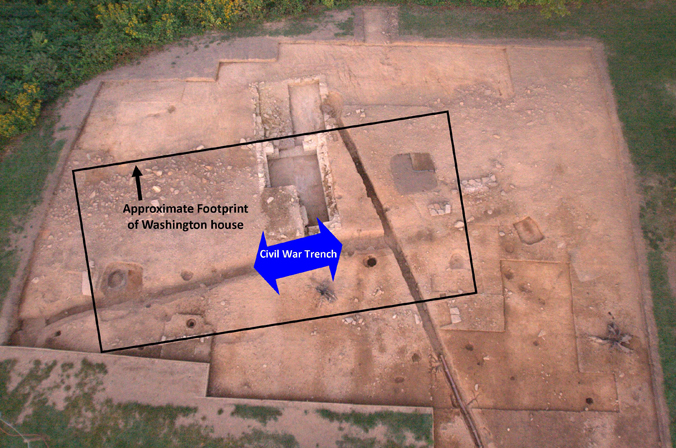
During the Civil War, George Washington’s Ferry Farm was the site of Union Army encampments that included some defensive works like a trench dug into the crest of the ridge overlooking the river. In that trench and throughout Ferry Farm’s landscape, Union soldiers lost and threw away a wide array of military gear and personal belongings, which our archaeologists frequently excavate.
Excavated area containing the footprint of the 18th century Washington house at Ferry Farm and showing a 19th century Civil War trench running the length of the house and beyond.
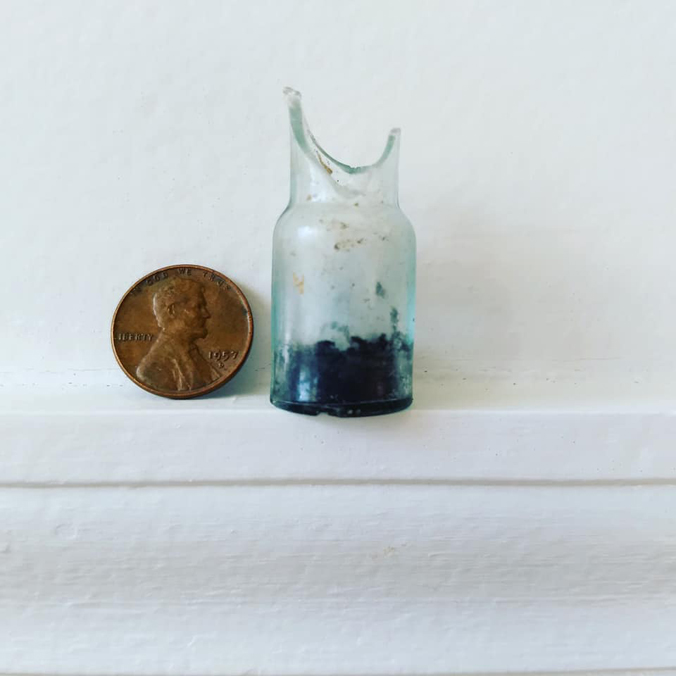
This blog post highlights an intriguing artifact excavated from the trench: a diminutive glass bottle. This bottle is not so much interesting because of what it is – it’s a very common medicine style bottle for the mid-19th century– but rather what’s inside. Clearly visible within the bottle is a hard black substance and for years we’ve wondered what the substance may be.
Medicine bottle excavated by archaeologists at George Washington’s Ferry Farm and containing an mystery residue.
Enter Ruth Ann Armitage, our amazing chemist friend from Eastern Michigan University. Over the years, she and her colleagues have generously used their extremely fancy equipment to analyze many of the residues we’ve recovered archaeologically. So we chipped off a little fragment of the substance in the bottle and sent it to her lab.
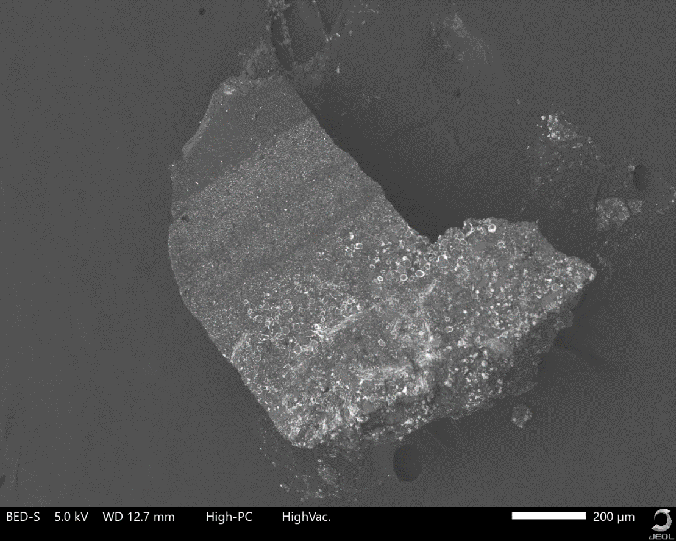
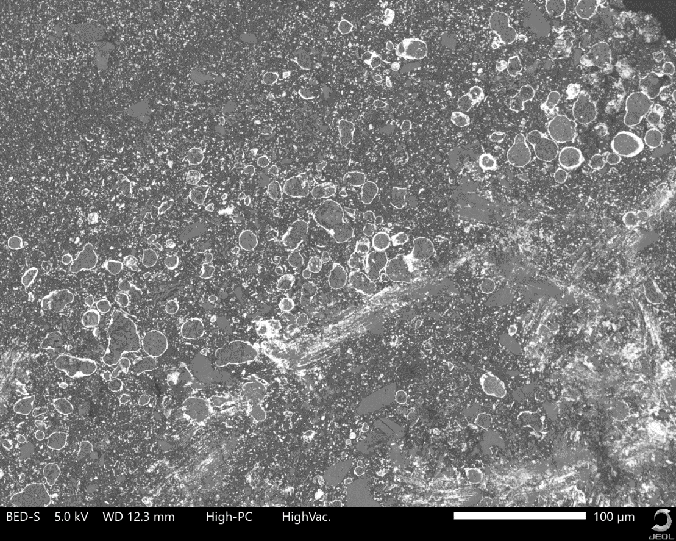
The sample was analyzed using scanning electron microscopy (SEM). SEM works by shooting a beam of electrons at the sample, which gives you an image of its surface topography. Backscattered electrons (BSE), collected in a different detector, tell you about the elemental composition. In a BSE image, the contrast in the image is related to the atomic number of the material, with brighter areas showing high number elements (usually metals) and darker areas representing low number elements (like carbon). X-rays are also produced when the electron beam hits the sample, so an x-ray detector allows the chemist to do energy dispersive x-ray spectroscopy (EDS) to map out specifically what elements are present in the sample. To put it simply, all of these techniques are good at alerting the chemist to the elements within a residue.
Our sample was also run through DART (direct in real time) mass spectrometry. This technique is good at detecting organic components within a substance. It’s important to note here that this is not an episode of CSI and a reading does not automatically tell you what is in the bottle.
A magnified image BED of sample, which is clearly stratified with darker low atomic number elements such as carbon at the top. The brighter areas represent higher atomic number elements, in this case, mercury.
That being said, almost immediately, Ruth Ann responded and we weren’t disappointed: “Did you know there’s mercury in this?” Nope, we did not.
However, this discovery was not too surprising given the use of mercury in many medicines for thousands of years. Now a days it’s common knowledge that you shouldn’t drink mercury…or touch it…or inhale it. Believe it or not many people did not accept mercury’s dangers until well into the 20th century. Some people born in the 1980s and before might even remember playing with the little balls of mercury from a broken thermometer, am I right? As weird as it seems this wasn’t that dangerous because mercury is not toxic in such small concentrations. However, if you were born a little further back you may remember a substance called calomel (mercury chloride), which was marketed as a cure all. Perhaps most tragically, it was as a common teething medication for children until the 1950s. For a long time, mercury was seen as a potent healing metal and it was readily rubbed on skin, consumed, and vaporized for immediate effect on the lungs.
And while all of these treatments using mercury did little to address the body’s medical problem, mercury still caused an immediate bodily response, which convinced people it was working to cure their ailments. When applied topically, it burned. When introduced into the body, it caused a person to sweat, salivate, and have diarrhea. The mucous membranes also went into overdrive, leading many to believe that the bad stuff in your system making you sick was being purged by the mercury. The reality, of course, was that the body was trying desperately to rid itself of poison, the mercury. That being said, mercury does actually have a place in the medical world and can be useful, it just took a little while for people to learn how to properly utilize it.
So, if the residue inside our bottle was medicine, what medicine was it? Initially our archaeology lab thought it was calomel but the chemical analysis didn’t show any chlorine. The most interesting components were mercury and sulfur, which could possibly indicate cinnabar, the ore from which mercury is obtained. The image below is a close up of the mercury and shows the sulfur (dark circles) surrounded by the brighter mercury.
Other elements detected include carbon, oxygen, and trace amounts of iron, silica, and aluminum. A closer look at the DART analysis suggests that the mercury compound might be in the dried remains of a fat or oil based on the presence of substances that form when fats decompose over time.
What does all this mean? Unfortunately, without more research, it’s hard to say what was in the bottle other than the basic components already detected. Because it’s a medicine bottle, our assumption is that the residue it contains was a treatment of some sort in which case we’re dealing with a soldier who had an ailment. Common Civil War-era uses for mercury-based medicines were treating skin sores and lacerations, internal and external parasite infections, syphilis, and constipation, to name but a few.
What is even more interesting is that a nearly identical bottle which also contained a hefty amount of mercury was recovered across the river just a few years ago by Dovetail Cultural Resource Group from another Civil War context. Read more about their discovery here.
Soldiers throughout history are known to have carried their own medicines with them so it’s very cool to see actual physical evidence of that. As to the exact medicine, perhaps we’ll know someday but for now let’s just say it was definitely bad medicine.
Mara Kaktins, Archaeologist
Archaeology Lab Supervisor
In this video, curator Meghan Budinger and archaeologist Laura Galke discuss how small things like eating utensils recovered archaeologically reveal big things about the Washington family.
There truly is a National Day for absolutely everything and even a National Underwear Day! That’s right! Undergarments have their own appreciation day and, to be precise, it was August 5. At first glance, National Underwear Day may seem rather silly but actually we probably don’t give enough thought to the importance of underwear. Before August ends, we want to remedy that by taking a look at underwear from a historical perspective. Have you ever wondered why there are so many names for our various undergarments? It turns out that all the names we have for underwear today are rooted in the past.
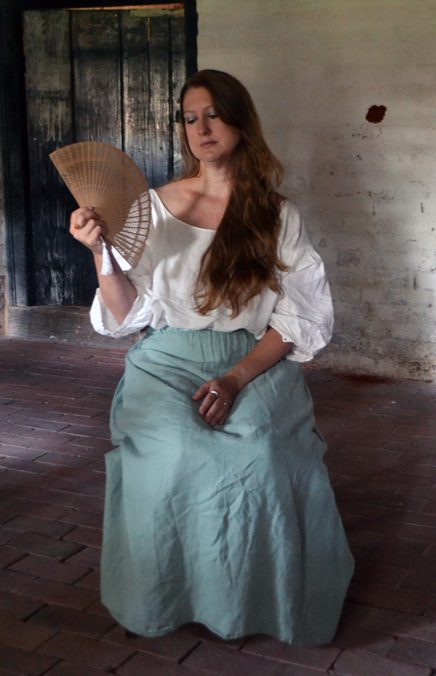
Woman in a shift and petticoat.
Underwear as we know it today didn’t really get its start until the 1800s. Prior to that, people like the Washingtons and the Lewises actually didn’t wear much at all under their numerous layers of clothing. Women wore nothing under their shifts (which were loose-fitting, waistless dresses that acted as the first layer of a woman’s wardrobe and were sometimes the outer layer in hot weather or workday situations). Men’s shirts were initially similar to shifts in that they were all-purpose – base layer, outer layer, sleep shirts, etc. But, men were actually the ones who began the trend toward true undergarments.
In Washington’s day, men wore breeches on the outside, but they also wore a similar lighter weight garment underneath, which came to be known as “drawers.” Why drawers, you ask? The prevailing theory is that the name comes from the fact that early versions of this undergarment were actually two separate legs that had to be “drawn” up and tied in place, hence why we still refer to underwear as “pairs” even though they are single garments now – “a pair of drawers”, “a pair of underwear.”
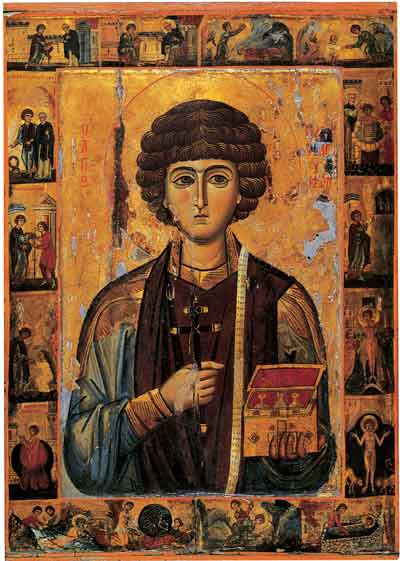
Icon of saint Panteleimon (Saint Catherine’s Monastery, Mount Sinai) dating from the 13th century. Credit: Wikipedia
Eventually, women adopted men’s undergarments for themselves, with some modifications. This is the point where the ubiquitous term “pants” has its beginnings. “Pantaloons”, “pants”, and “panties” all come from the same remarkable origin, a Catholic saint, martyred in the 1st century A.D. named Saint Pantaleon. Now, Saint Pantaleon had nothing to do with pants himself but centuries after his death, he became a focus of religious zealotry in Venice, Italy, where many men wore a peculiar type of breeches that were rather poofy. Because the men who were also a part of the cult of Saint Pantaleon wore these same poofy breeches, they came to be known as “pantalones.” Additionally, because of their rather flamboyant behavior and dress, pantalones became the stereotypical way to depict Venetian characters in comedic plays, which travelled across Europe. Eventually the most distinctive characteristic of these comedic characters, the poofy breeches, became iconic and took on the name “pantaloons.”
Interestingly, pantaloons became a popular fashion accessory among women in France, as an undergarment that was intentionally meant to be seen under slightly shorter dresses. When the fashion reached England, it was primarily among men, and eventually the word “pantaloons” was shortened to “pants” and applied to any outerwear bottoms generally. Among women, they remained undergarments, which got continually shorter and smaller as the centuries passed, and are now referred to with the diminutive “panties.”
“The Italian Comedians” (c1720) by Antoine Watteau shows several characters in costumes with pantaloons typical of commedia dell’arte theater popular in European from the 16th to the 18th centuries. Credit: National Gallery of Art
Portrait of Alice Manfield (Guide Alice) (1878-1960), mountain guide, naturalist, chalet owner, photographer, and early feminist figure based at Mt Buffalo, Victoria, Australia. Photographer: Unknown. Credit: State Library of Victoria.
And now the term “knickers.” Although this name for both male and female underwear got its start in the United States, its current usage is much more common in Great Britain. In 1809, Washington Irving wrote AHistory of New York under the pen name Dietrich Knickerbocker. Knickerbocker was depicted in newspaper illustrations wearing loose-fitting, almost baggy, breeches tied or buckled at the knee. This style of knee breeches had become highly fashionable among young men in America, and the press surrounding the book and Knickerbocker himself added to the trend. Eventually, the style became known as “knickerbockers” but the breeches weren’t an undergarment. Men wore them to play sports (one of the first professional baseball teams was called the New York Knickerbockers, and knickerbockers were standard baseball uniforms well into the 20th century) and for casual wear.
Once again, though, women saw a handy piece of clothing, and altered it for their own purposes. At this point in women’s fashion, hoops and cages were being used to hold skirts out and add volume. Things were a bit drafty under those cages, and knickerbockers seemed like the perfect solution. In order to capitalize on this trend, manufacturers had to differentiate the bottoms that men were wearing for manly pursuits from the bottoms that ladies were wearing under their hoop skirts, and so “knickers” were born. Much like pantaloons, knickers kept getting shorter and smaller until they were basically the same thing as panties.
And there you have our brief history of underwear for National Underwear Day!
Meghan Budinger, Aldrich Director of Curatorial Operations



















_-_Geographicus_-_NewEnglandNewYork-moll-1729.jpg)

.jpg)