Category: George Washington’s Ferry Farm
-
Playing Around: 20th Century Die-Cast Toys Excavated at Ferry Farm
A lot of people don’t realize how many 20th century artifacts we excavate at George Washington’s Ferry Farm. Up until the 1990s, families lived and farmed on the property, leaving tens of thousands of artifacts behind. Some of our favorite modern artifacts are the toys we recover, whether marbles, plastic army and cowboy figurines, doll parts, or miniature tea sets. In this blog, we look at three die-cast toys left behind by the many children who played on the same ground where young George Washington grew up.
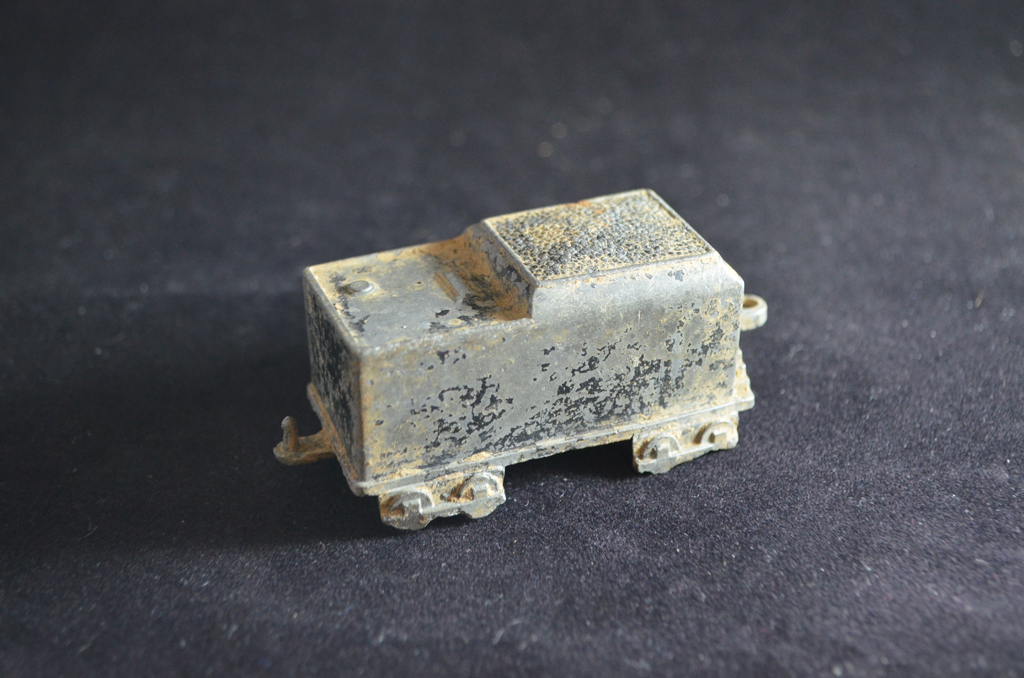
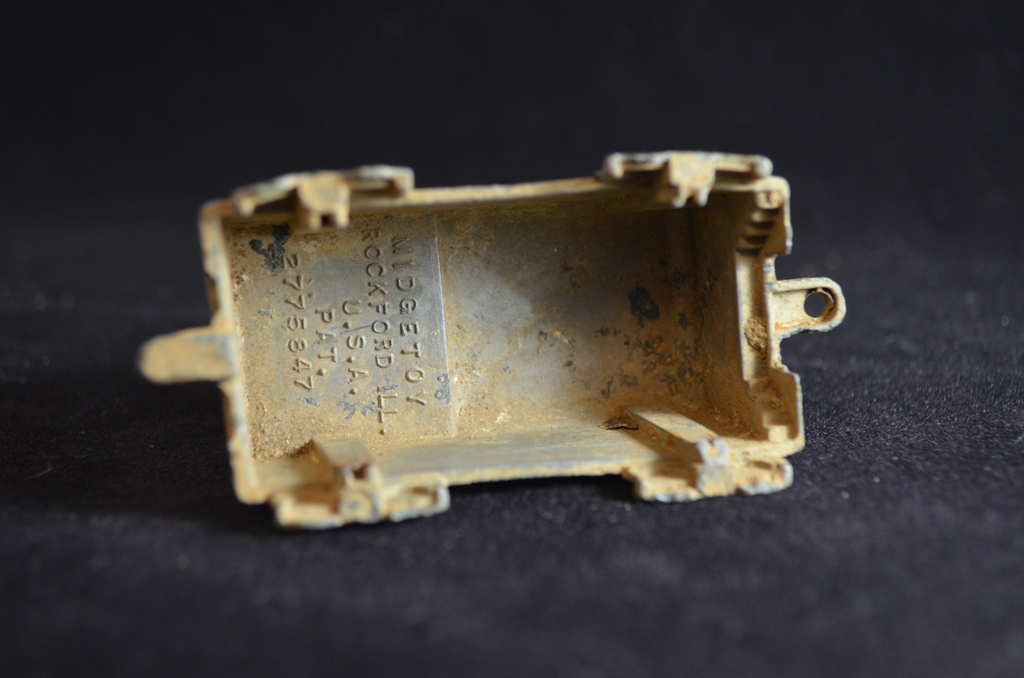
The first is a small die-cast coal car almost completely intact, except for its missing rubber wheels. In archaeology terms, we call this artifact ‘talky’. It makes an archaeologist’s research so much easier when “Midgetoy / Rockford, Ill / U.S.A. / PAT. / 2775847” is embossed on the underside of the car. However, we still need a date range for this particular toy. The patent number is a huge help. After an Internet search, we discovered the patent for this toy was taken out in 1954 by the A&E Tool and Gage Company. The patent specified an improvement in the wheels to make them rotate more smoothly. To find the date after which this toy was no longer manufactured, we researched the toy company, Midgetoy, since the patent suggests the toy’s manufacturer started out under a different name. A&E Tool and Gage was started in 1943 by Alvin and Earl Herdklotz as a defense-based precision tool-and-die business. After the Second World War, they changed their business model to toy making with the goal of creating low-priced die-cast toys. Thus, Midgetoy was born. The company stopped producing toys in the late 1970s or early 1980s, which represent the approximate end date for this die-cast coal car.


Our next toy is a fully intact purple die-cast car. With “Tootsietoy Dragster / USA / 3” embossed on the underside, it’s another talky artifact! Much like Midgetoy, Tootsietoy Corporation started off as something completely different. Two die casting companies of the Dowst and Shure Brothers were established around the same time in the 1890s. The companies merged and, in 1909, produced their first model cars: a limousine and Model T Ford. ‘Tootsietoy’ became a registered trademark in 1924. The dragster was not produced until much later, however. The company didn’t just make cars either It made charms for Cracker Jack boxes as well as die cast dollhouse furniture. It also produced promotional cars used by dealerships to sell full scale models. Our dragster has a wedge body with a rear engine, which wasn’t invented until 1974, so this particular toy dates to the mid ‘70s or ‘80s.


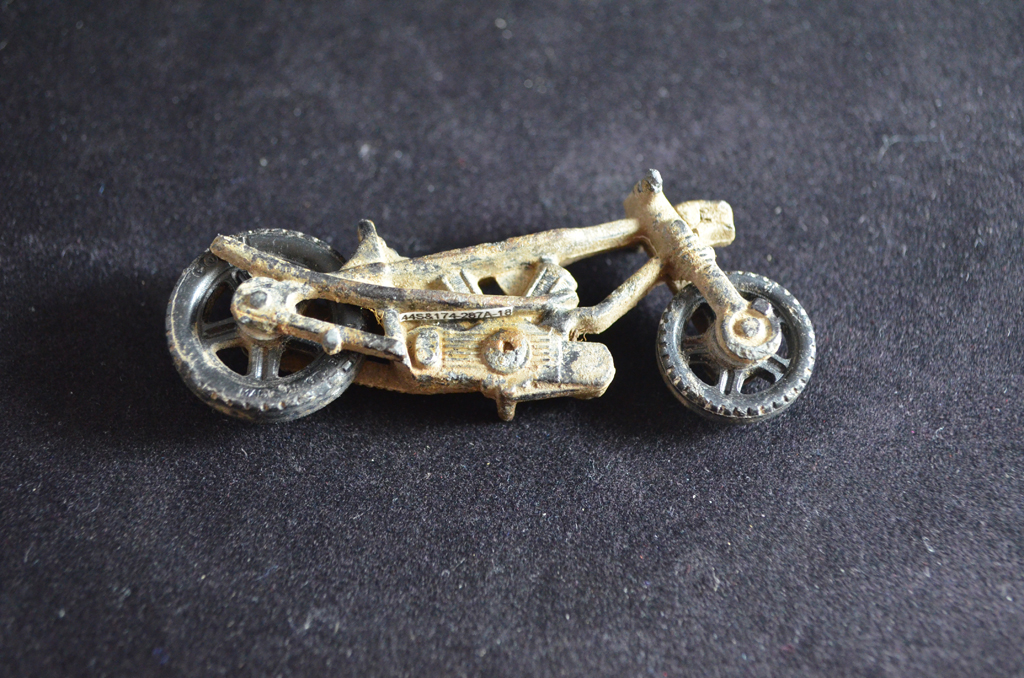
The last toy is one of my favorites, a funky motorcycle. When it was first discovered, our lab staff thought it looked a lot like a motorcycle from the First World War. It has an elongated metal body with hard black plastic tires. Admittedly, our archaeology department knows very little about motorcycles so we started to do some research. Initially, it appeared as though the toy had no identifying marks. Closer inspection under magnification ultimately revealed that the larger back tire had ‘Corgi’ and ‘Made in Gt. Britain’ faintly embossed on it. Our initial assessment of the toy being modeled after a World War I motorcycle was completely off. Although, the toy looked complete to us, the bike was actually missing some parts. Roughly modeled after a racing bike, it would have had a plastic front piece and a rider figurine. In this case, either Batman, Spiderman, or (our favorite) the Pink Panther, which we would love to recover in a future excavation.

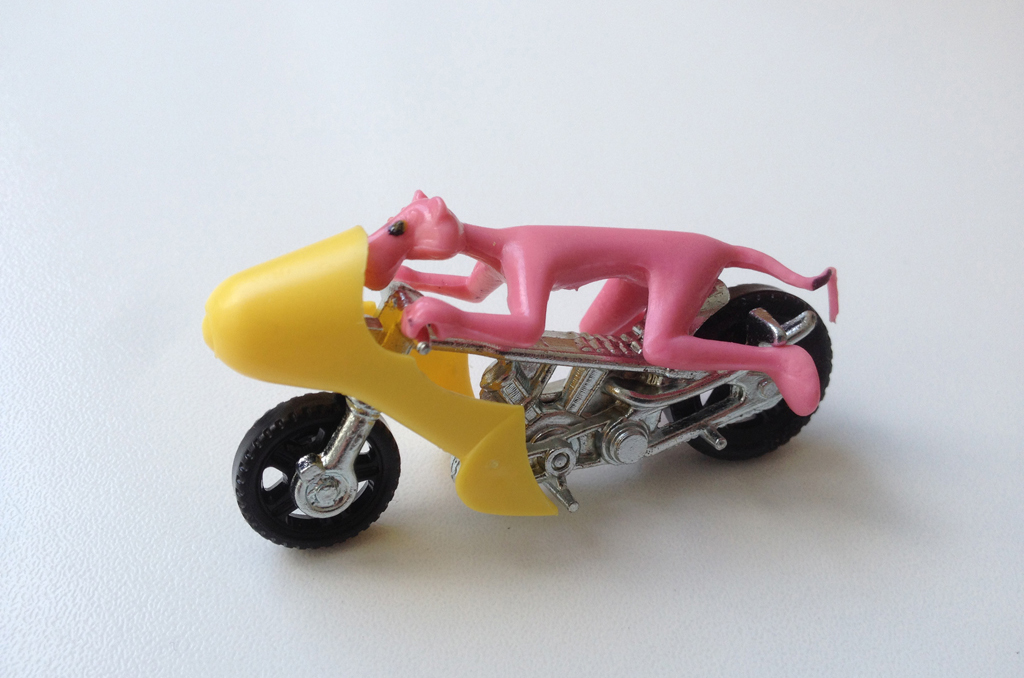
Aside from these toys being fun to research while occasionally rolling across our desks as we make ‘vrooooom’ noises, they are also poignant reminders of the kids who played here. The truth is that aside from the Washington children, we don’t know very much about the youth of Ferry Farm. In many cases, the only record of them living on this landscape are the toys they left behind. I often wonder who owned these little treasures and how they got lost. Were the toys missed? Would any of the adults who grew up at Ferry Farm remember them? When he’s washing a toy, Robert Bailey, a lab volunteer who lived here as a child, often wonders if it was one of his toys. Regardless, these toys are a nice reminder of the young ones who once played on the same landscape as little George, and that’s pretty cool.
Mara Kaktins, Archaeology
Archaeology Lab Supervisor -
“Have you found anything today?”: A Review of the 2021 Archaeological Excavation at Ferry Farm
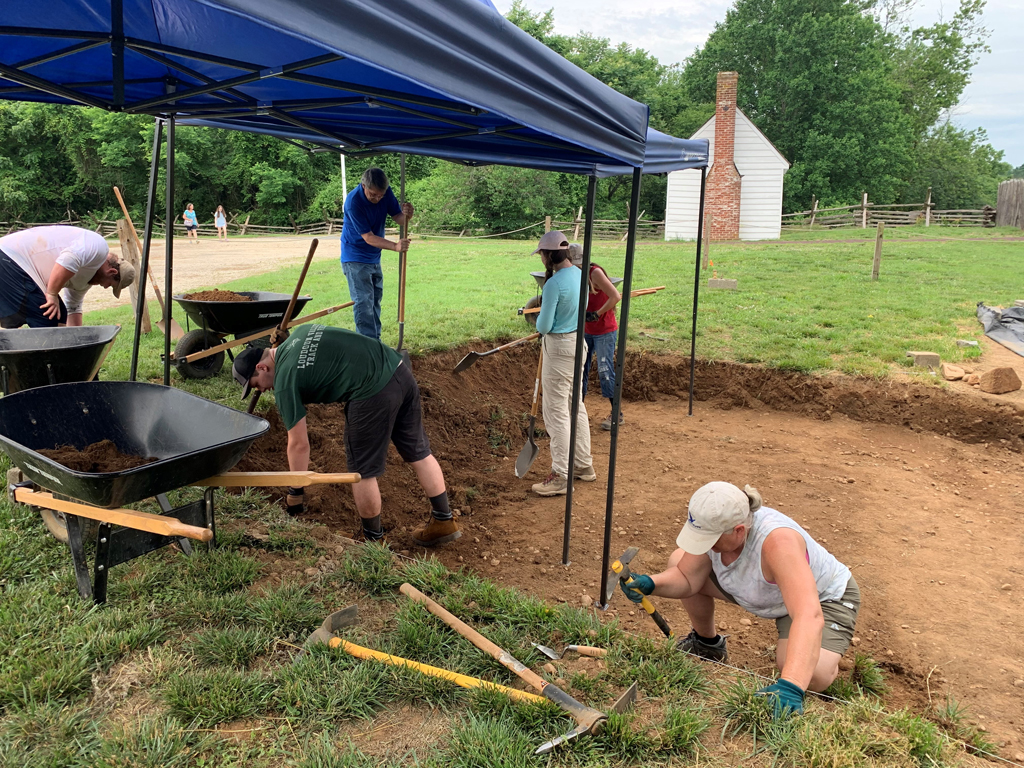
“Have you found anything today?” was (and always is) the most-asked question posed by our daily visitors who stopped by our archaeological site at George Washington’s Ferry Farm this summer. Everyone wants to understand what is going on in the very large square hole we have made in the lawn. “Yes, we find something every day,” our crew happily answered, while showing the visitors all the small bits of ceramics, glass, metals, and other artifacts sifted out of the dirt that day. Not only did we find hundreds of artifacts during the course of the summer dig, but we also hope we found a building!
This year’s archaeological dig at Ferry Farm began on June 7 and ended on August 21. We opened twelve new 5-foot by 5-foot square units and reopened six previously excavated units just south of and adjacent to last year’s excavation site. Our site is located within the Washington house work yard, where activities such as food preparation and cooking, washing laundry, animal husbandry, dairying, household storage and wig maintenance took place.
The direction of this year’s dig was prompted by the discovery during last season’s excavation of two large rectangular postholes with similar alignments and measuring ten feet from each other.

Two postholes about 10-feet apart at the end of last year’s excavation. Finding additional postholes of similar size and properly distanced from each other would enable us to determine if our postholes were part of a fence line or one side of a post-in-the-ground building.
After a lot of hard work, we uncovered two similar postholes on the same line as the first two. Unfortunately, we did not find a parallel line of postholes representing the opposite side of a building within the limits of our dig.

Four postholes in a line at the end of this year’s excavations. The abundance of artifacts found on the north side of the posthole line, and the contrasting lack of artifacts to the south of them, indicates the presence of some physical barrier substantial enough to create a division preventing artifacts from passing. Our plan for next season is to hopefully expand the excavation block to the south and the west because that is where associated posts would be located. If there are no matching posthole features, we know we have a fence. If it is a building, we want to get the proper dimensions of that structure, which in turn will help determine its function on the landscape.
Now that this year’s dig is over, our staff and volunteers are busy in the lab washing and cataloging the artifacts we found this season. As usual, we collected artifacts ranging from present day plastics to thousand-year-old prehistoric tools. Although our total artifact count was not as numerous as in former dig years, we did manage to find some interesting items.
Our total wig curler count of over 200 continues to grow with the addition of seven wig curler fragments this year. This may not necessarily sound like a lot, but the amount of curlers found this season alone surpasses the number most other domestic colonial sites have in Virginia. Thirty wig curler fragments have been found within the 30-foot by 45-foot excavation block dug between from the years 2019 to 2021 in the work yard.
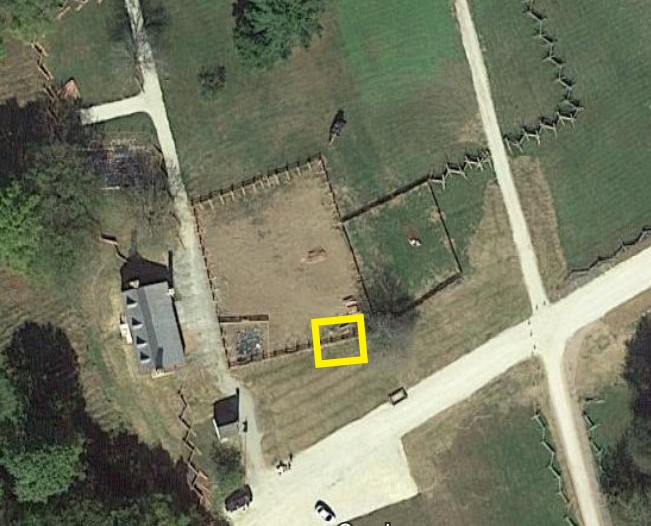
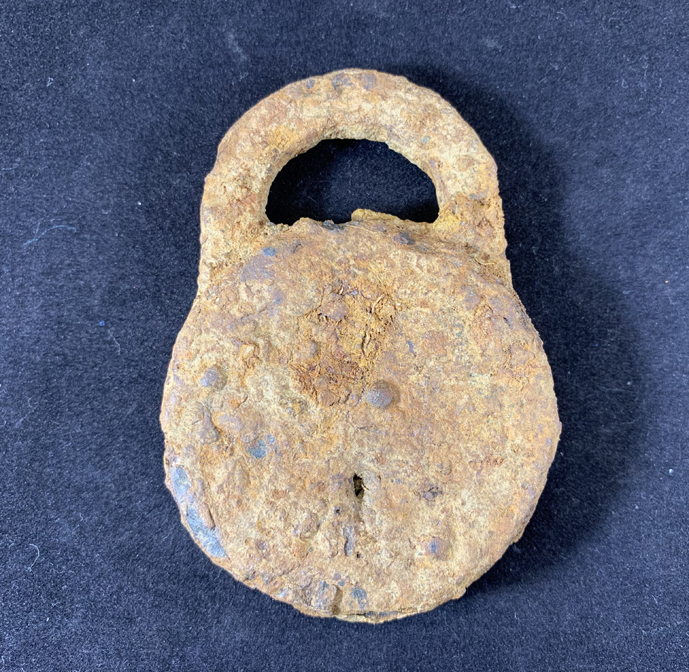
Approximate Ferry Farm work yard area excavated between 2019 and 2021. Other artifacts of interest include a bone-handled toothbrush, children’s toys, a round rusty lock, delicate Chinese porcelain cup fragments, projectile points, buttons, and the rim of an alphabet plate.




The prettiest artifact prize goes to our blue paste gem button. Research has not yet started on this little gem, but we suspect it dates to the 18th century.

Blue paste gem button For now, the excavation site is once again covered with tarp for protection against the winter elements until we open it again next year. Here on Lives & Legacies, we’ll keep you up-to-date about what we found this summer as we spend the next several months researching these 2021 artifacts in the lab.
Judy Jobrack, Archaeologist
Elyse Adams, Archaeologist
Co-Field Directors -
A Day in the Life of a Historic Interpreter at Ferry Farm [Video]
In this video, we meet historic interpreter Gary Haynes and follow him during his workday at George Washington’s Ferry Farm.
-
A Day at the Dig at George Washington’s Ferry Farm [Video]
In this video, spend a day with the archaeologists digging at George Washington’s Ferry Farm this summer.
-
The Flora and Fauna of Ferry Farm [Photos]
On a recent summer Saturday morning, a group of photographers came to George Washington’s Ferry Farm for a hike on the trails around the property. A lot of wildlife call Ferry Farm home, and we hoped to capture some of it. We saw many birds, a turtle, and a rabbit eating breakfast in the grass as well as plenty of beautiful flowers. Unfortunately, many animals – including the doe and fawn that have been spotted frequently on the property this year – seemed shy that morning, but we are planning another wild photography session at Ferry Farm in the fall.

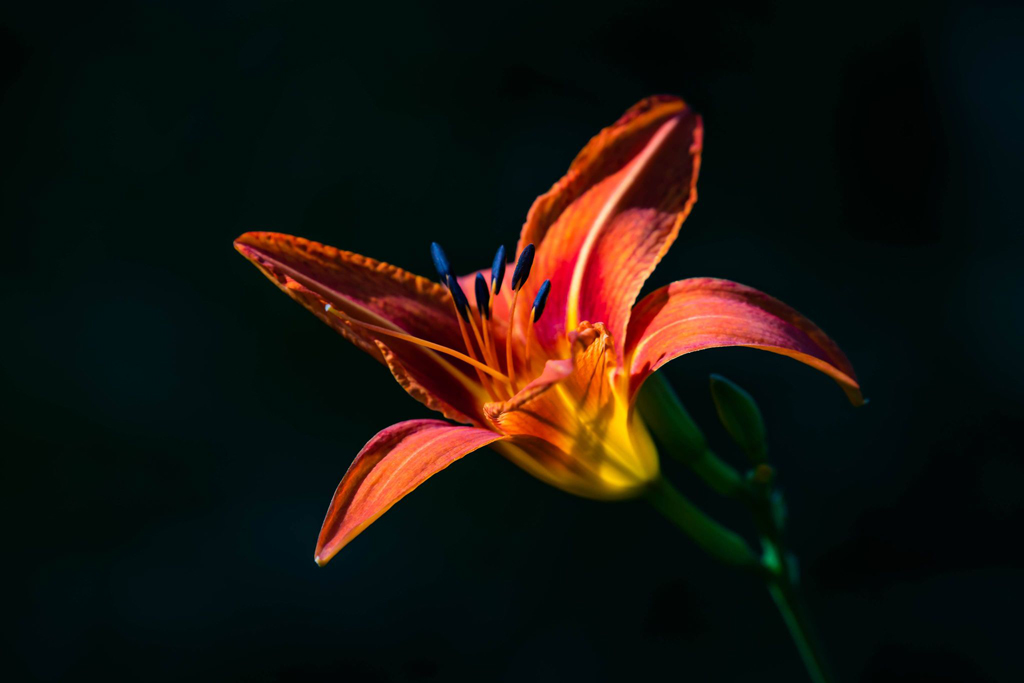
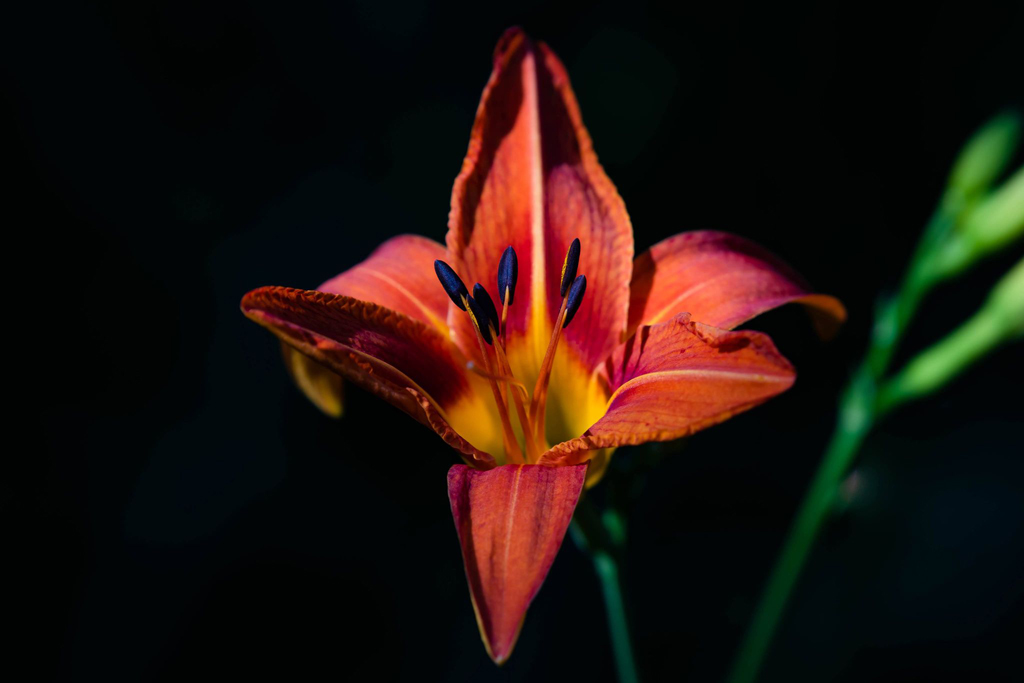

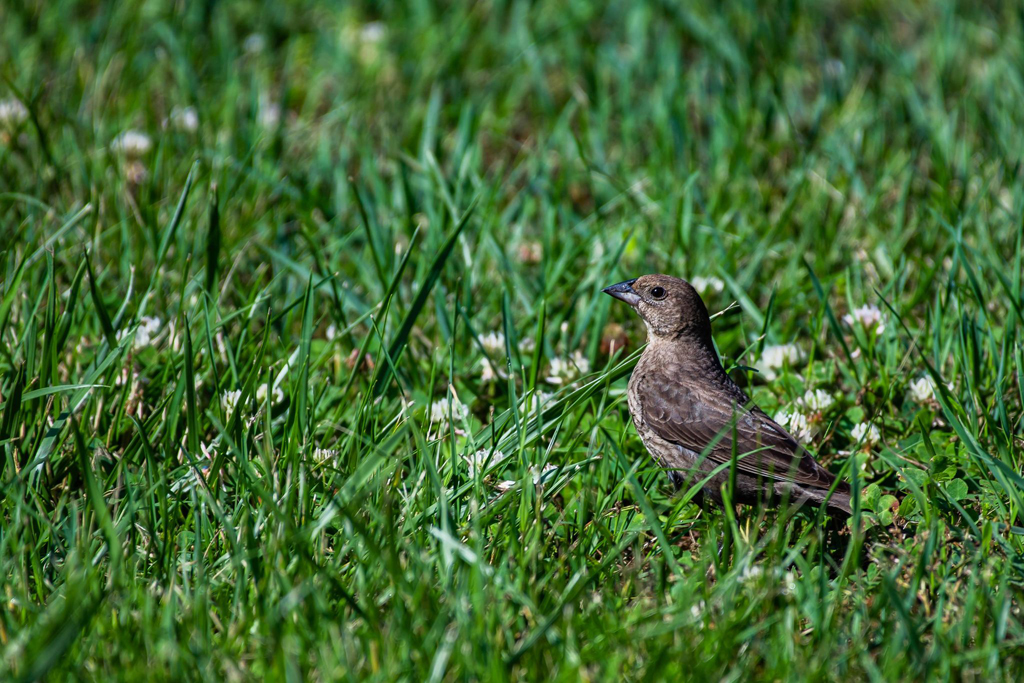


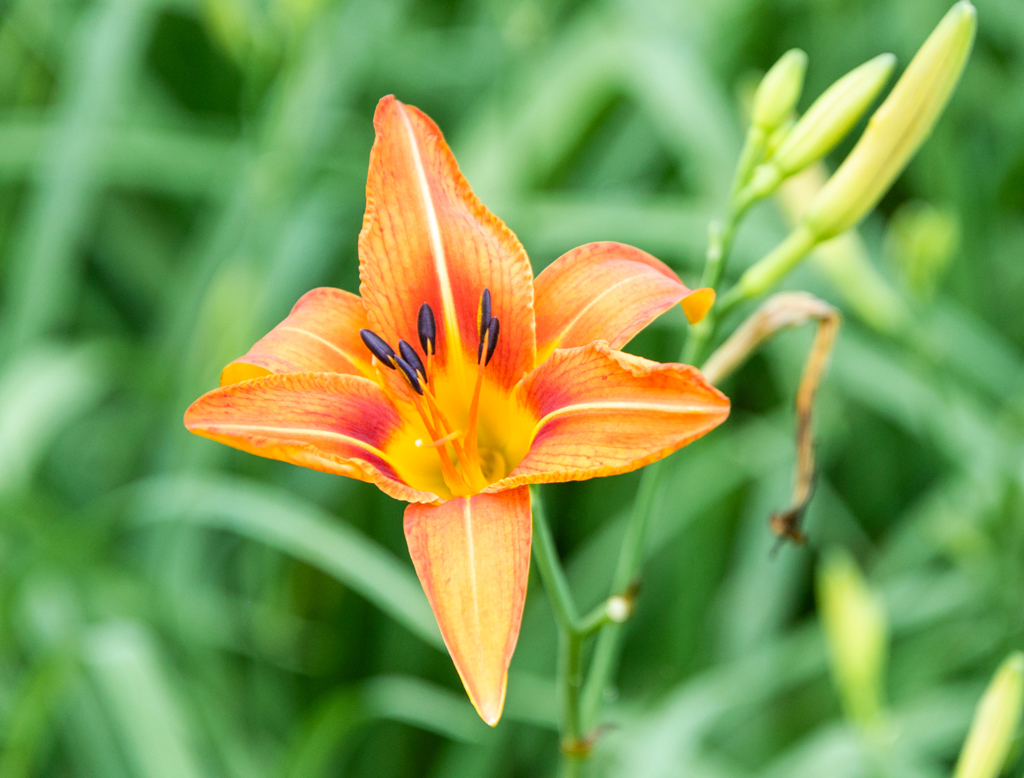


If you’d like to explore wilds of Ferry Farm yourself, you can purchase a self-guided grounds only tour upon arrival at the Ferry Farm Visitor Center. Ferry Farm is currently open from 10 a.m. to 5 p.m., Monday-Saturday and from Noon to 5 p.m., Sunday.
Jessica Burger
Manager of Marketing, Communications, and Information Technology -
We’re Still Digging!: An Update on 2021’s Archaeological Excavation at Ferry Farm [Photos]
The 2021 archaeological dig season at George Washington’s Ferry Farm is over two-thirds complete. Here’s a collection of photos taken in the field of a few artifacts discovered thus far. You can read an overview of our expectations and goals for this year’s dig here. Visitors can ask archaeologists questions and observe their work Monday through Friday at Ferry Farm. The dig continues until August 20.

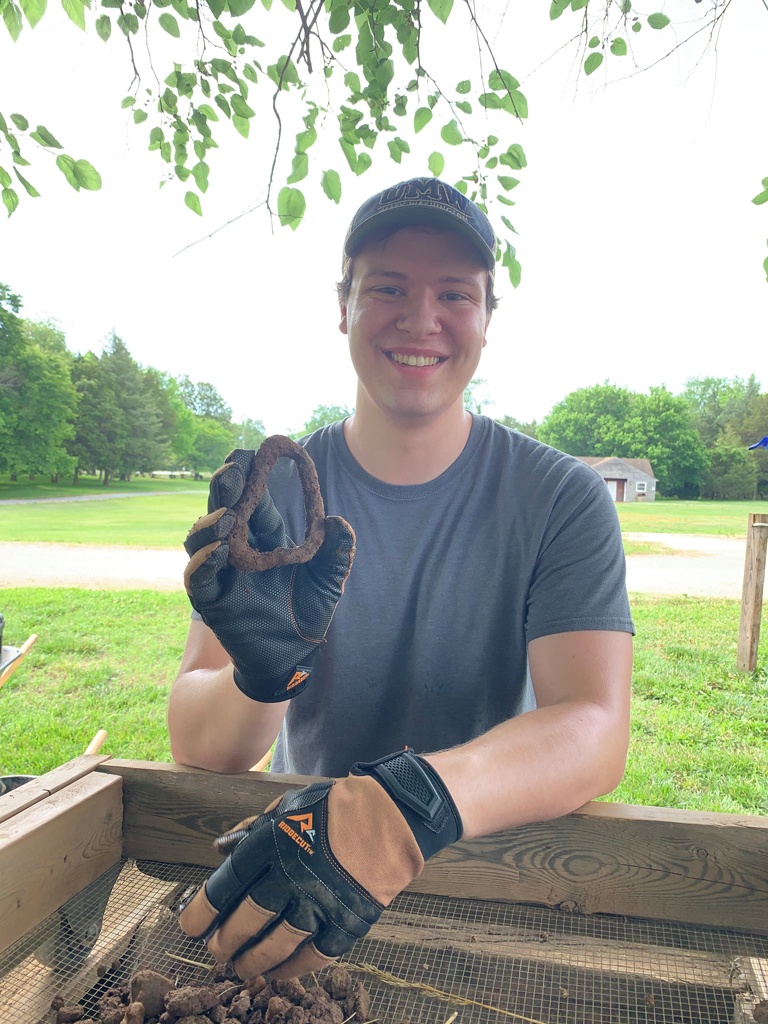
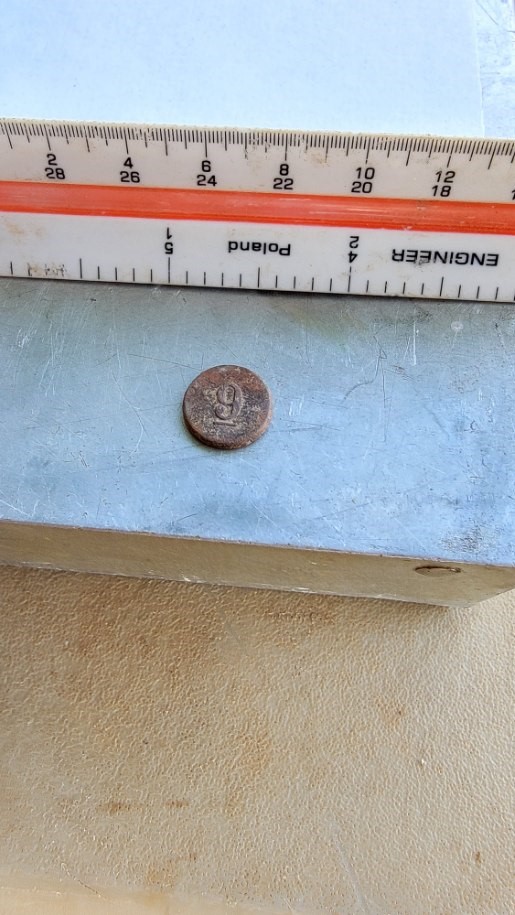
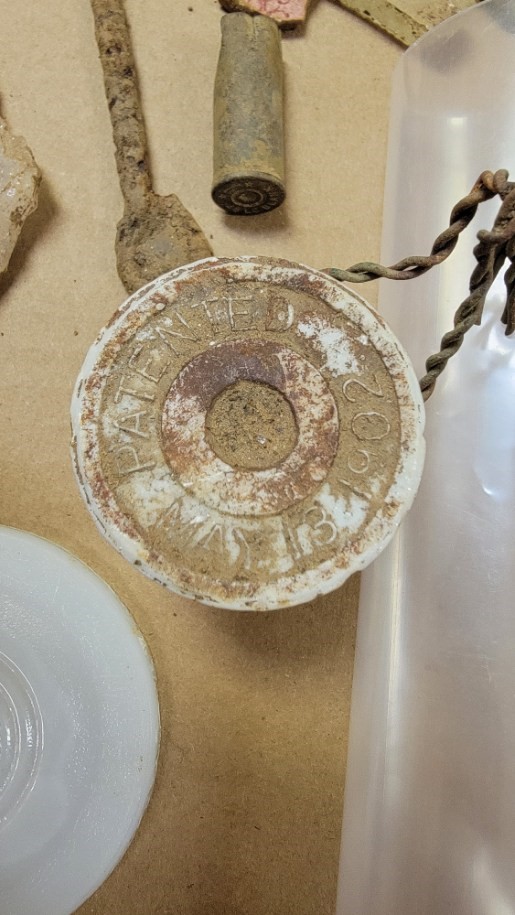
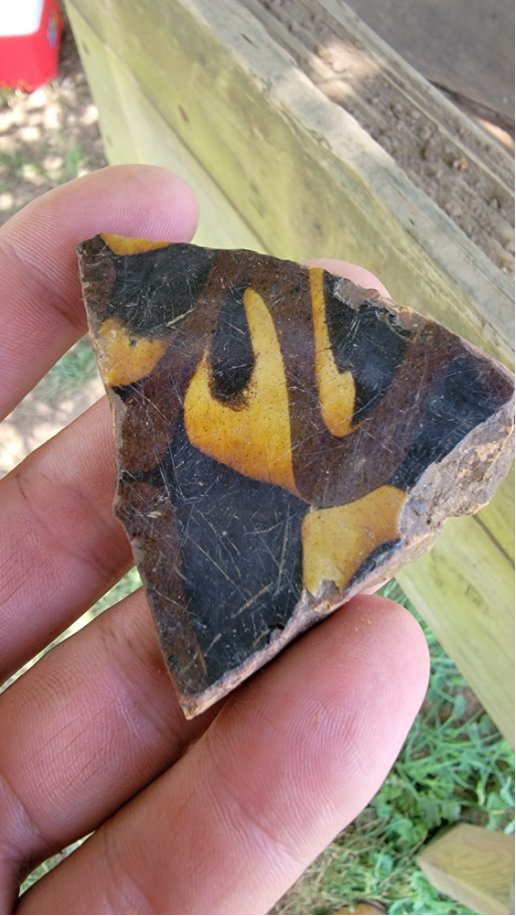
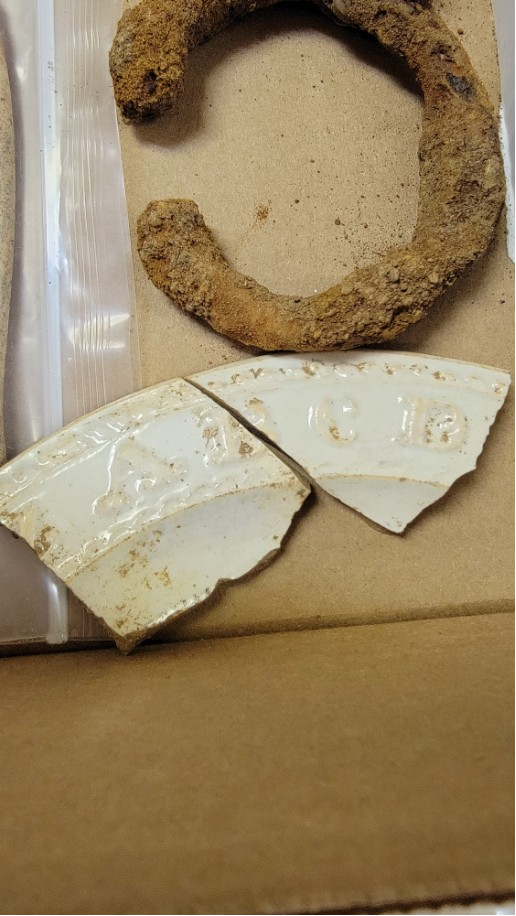
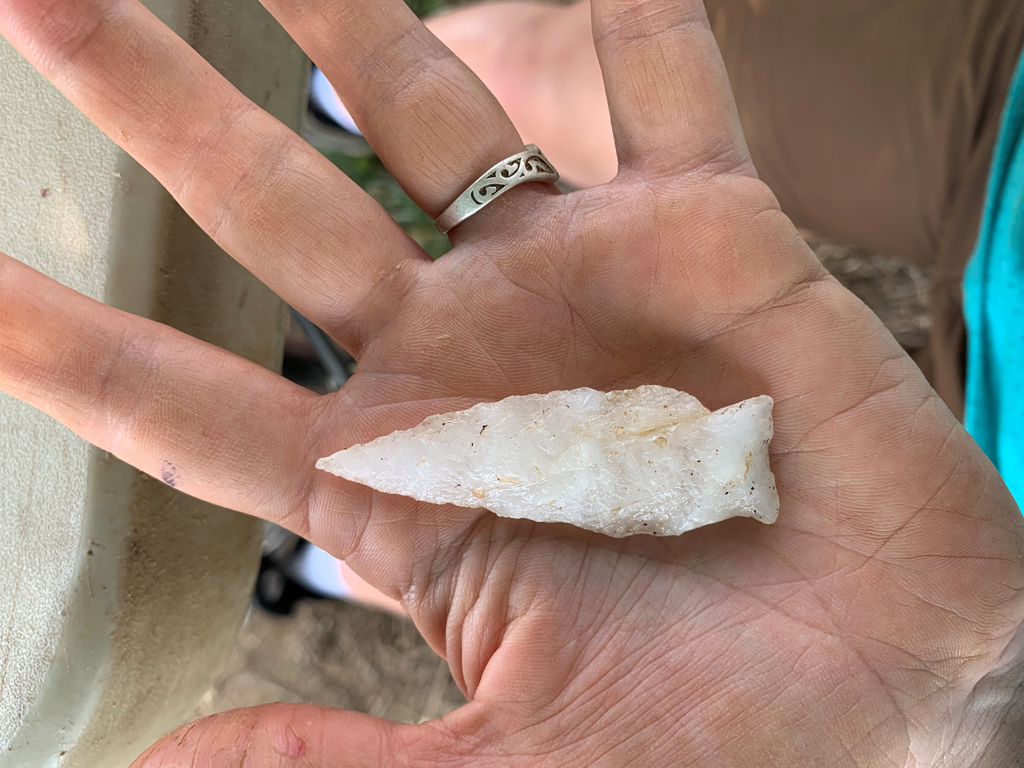
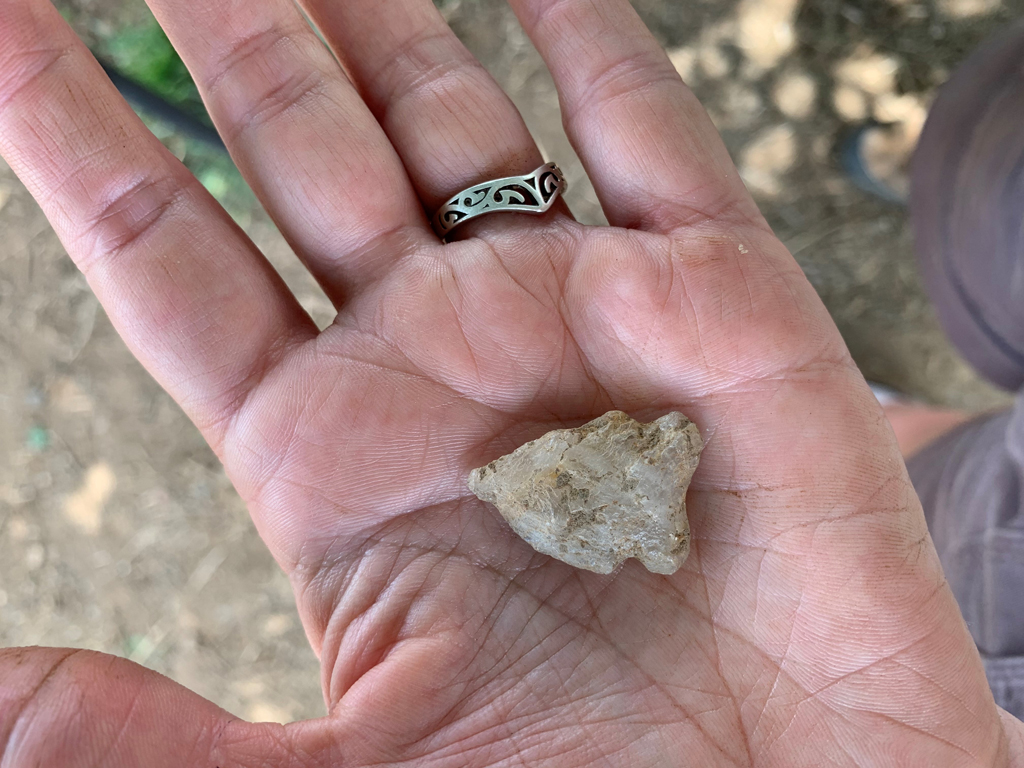
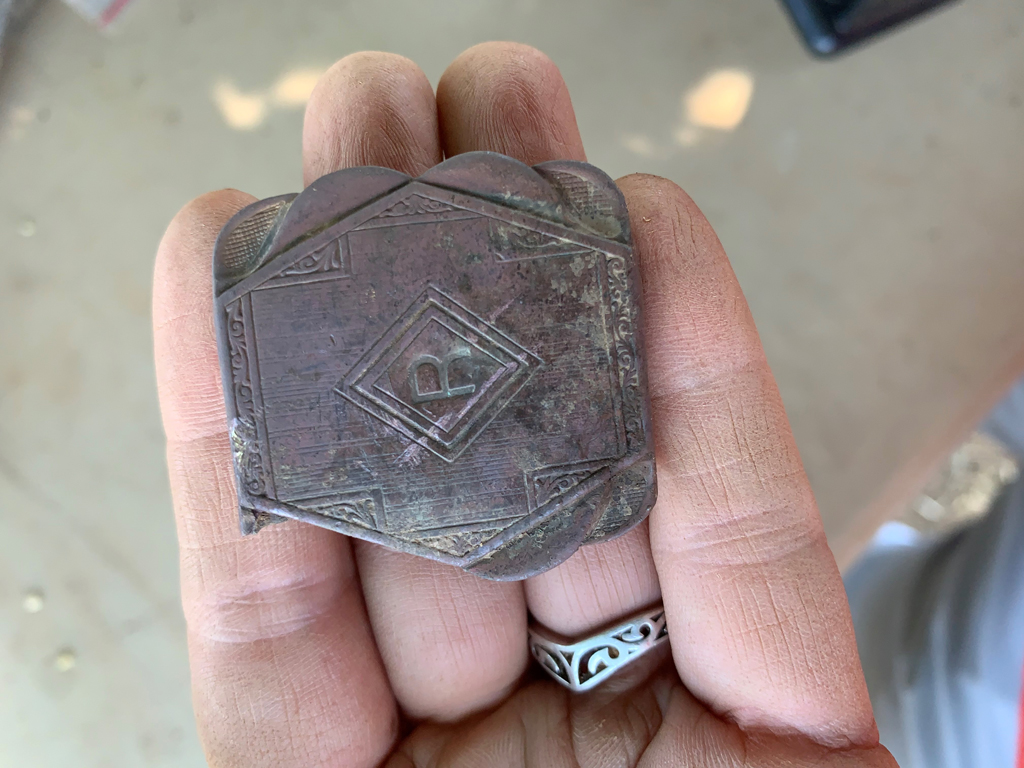
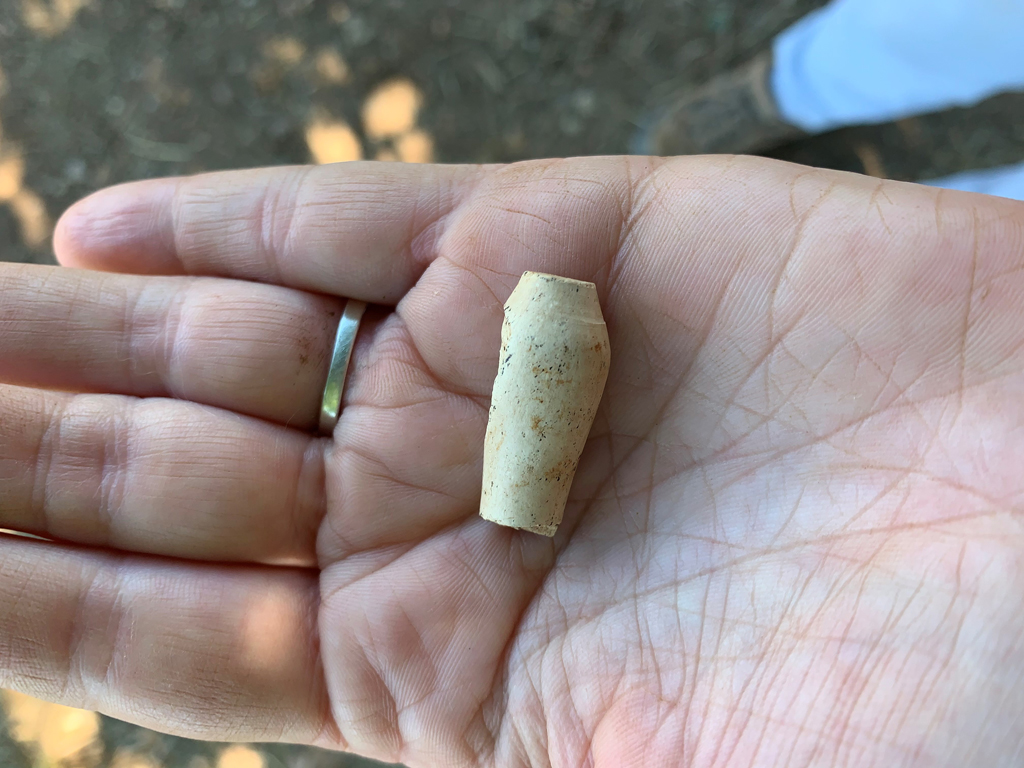
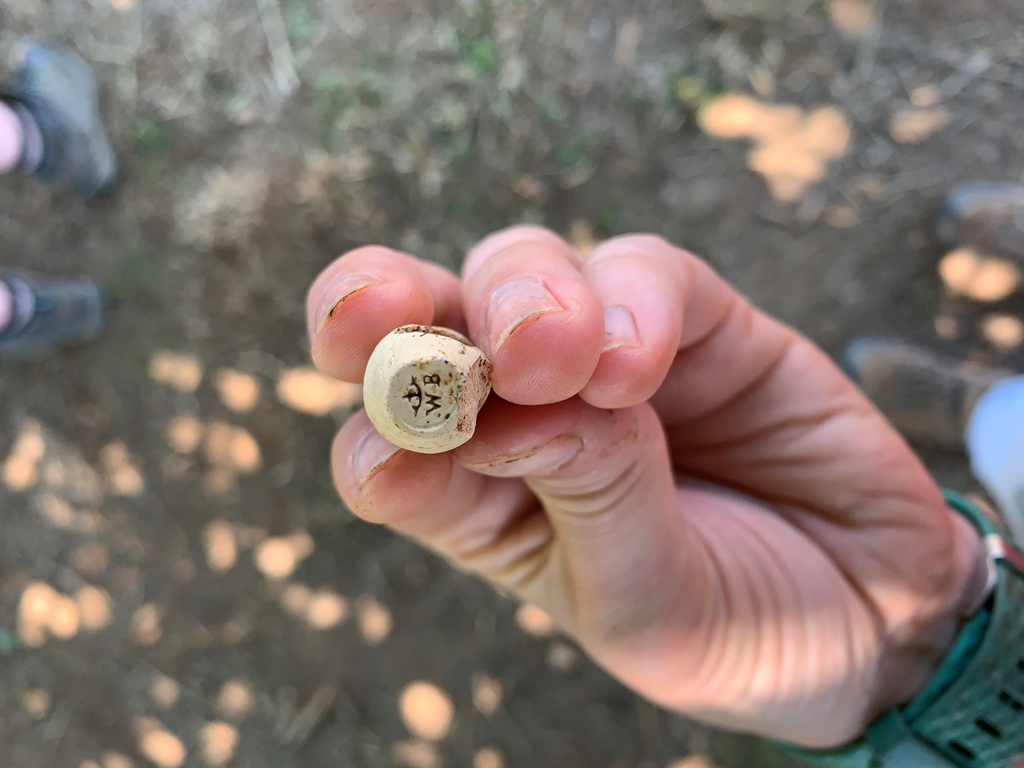
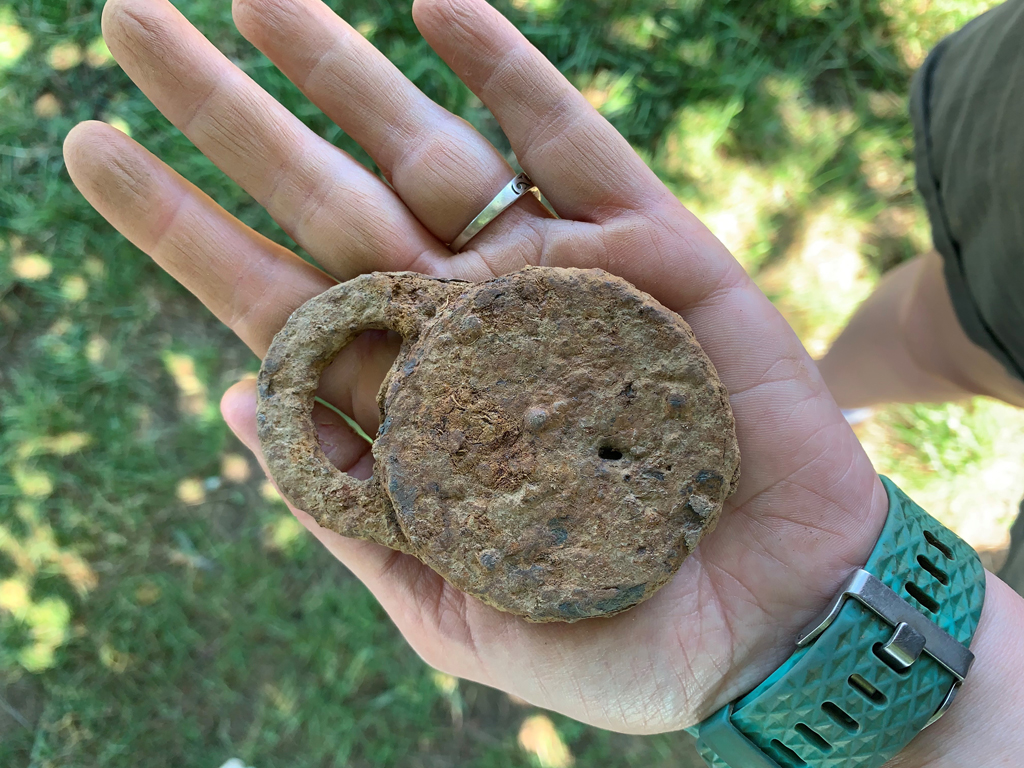
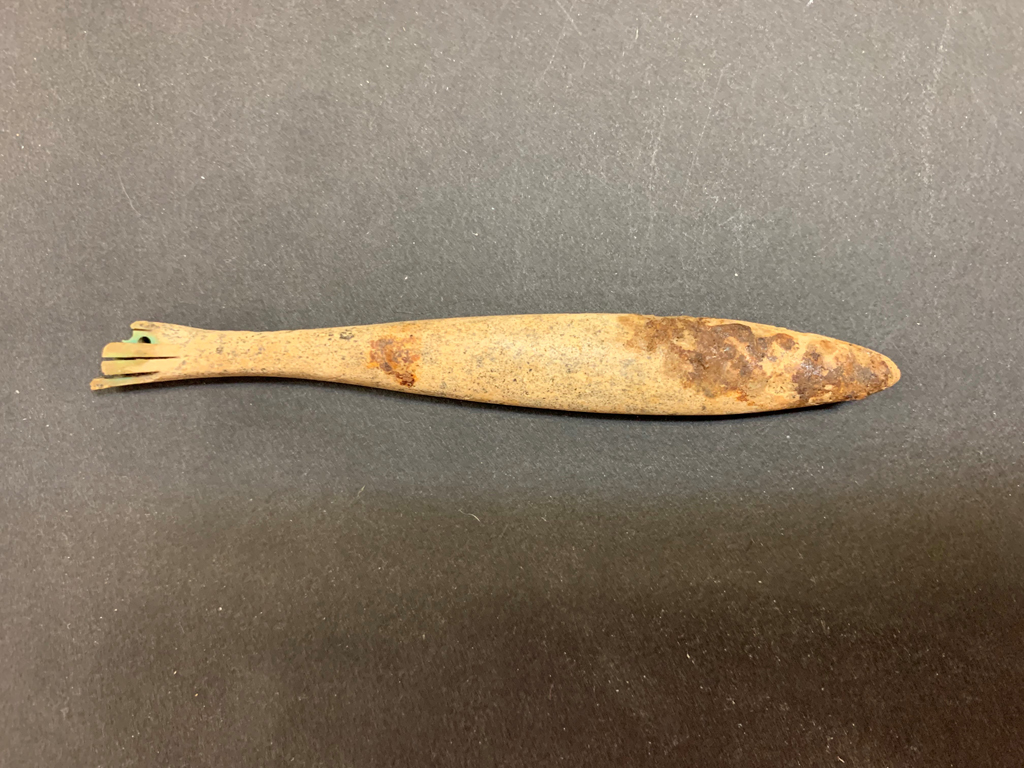

Elyse Adams, Archaeologist
Co-Field Director -
National Parks, National Historic Landmarks, and the National Register of Historic Places, Oh My!
Throughout my time as a museum professional, I have worked at several different museums each with different classifications, rules, and operating procedures. Before entering the museum world, I used to think that most museums operated in a similar way. However, that could not be further from the truth. One of the most common questions I have gotten since leaving the National Park Service for the private sector has been some variation of: “Why can’t I use my National Park Pass here?” It is an understandable question that I am here to answer.
Museums can be categorized by many different subjects. For example, there are art museums, history museums, science museums, zoos, gardens and more! There are also different categories on how museums operate, fundraise, and are preserved. For example, George Washington’s Ferry Farm and Historic Kenmore are both historic house museums. They are owned by The George Washington Foundation, a private, non-profit organization that is charged with caring for the properties. Ferry Farm and Kenmore are funded by your donations, admission fees, and fundraising events. However, the Washington Monument in Washington, D.C. is a National Park Service (NPS) property, operated by the government and funded, in part, with tax-payer dollars.
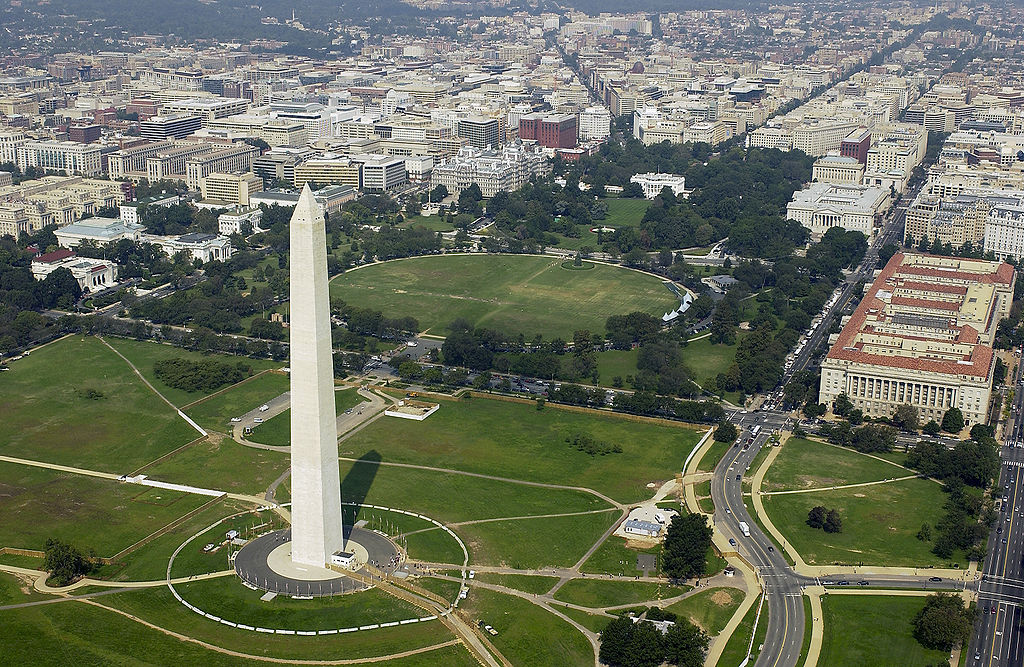
Aerial view of the Washington Monument In addition to the NPS sites, the United States government also created the National Register of Historic Places. The National Register of Historic Places is a list of places that are worthy of preservation but are not necessarily and, in fact, are not usually operated by the U.S. government. Sites on this list are able to apply for certain grants and funding through the NPS. They also receive certain tax breaks and can work towards becoming a National Park Site. Fun fact, there are almost 100,000 properties listed on the National Register of Historic Places!
Of those 100,000 National Register properties, some also have the distinction of being National Historic Landmarks. Landmarks are sites that are again, not necessarily government-run, but have been recognized by the federal government as being nationally significant, meaning they correlate to a significant part of our nation’s history. These properties are also able to apply for certain grants and tax breaks. Not all properties on the National Register of Historic Places and not all properties listed as National Historic Landmarks are museums and not all of them are open for public visitation. However, being on these lists adds a layer of protection should the owners of that property need assistance in preserving the site.
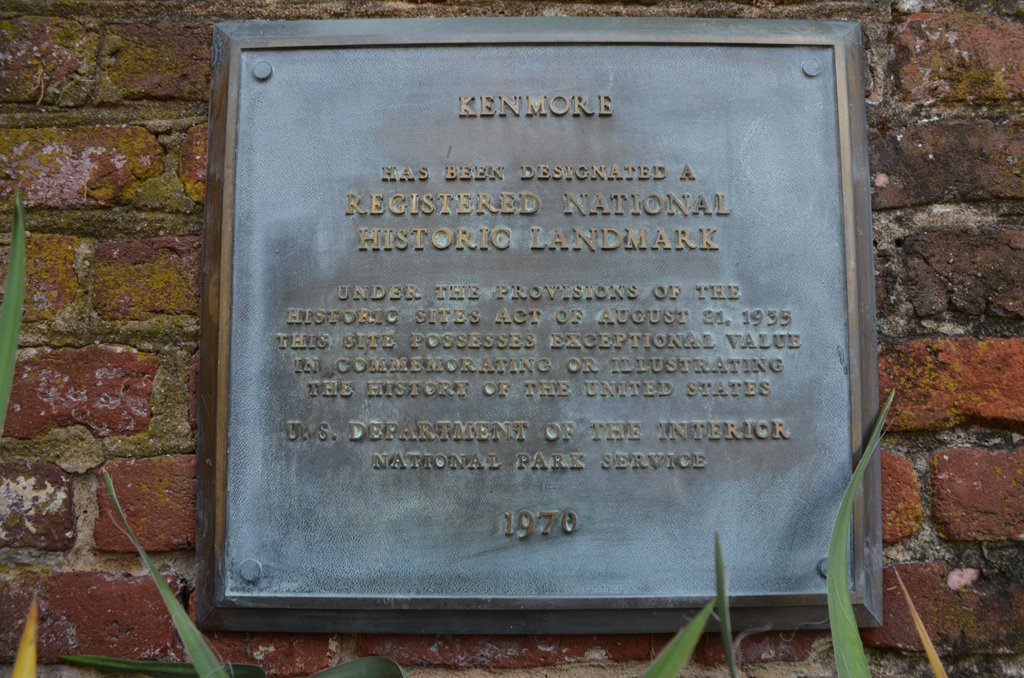
Marker noting Historic Kenmore’s designation as a National Historic Landmark in 1970. 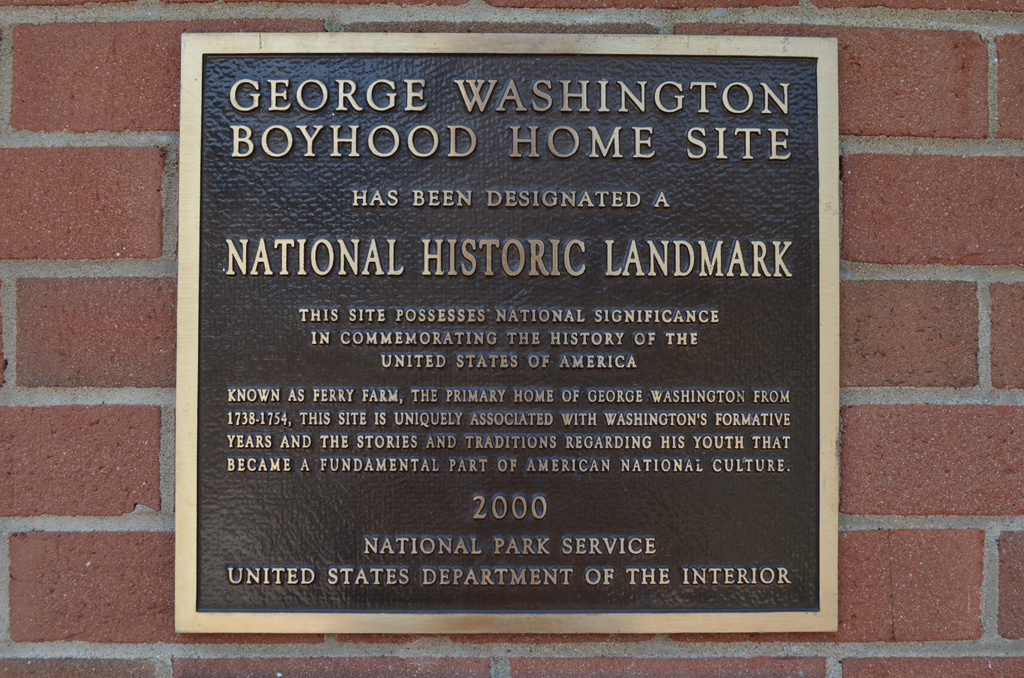
Marker noting George Washington Ferry Farm’s designation as a National Historic Landmark in 2000. Along with National Register and National Historic Landmark status, there are also several types of Easements that can be put in place to protect historic sites. Two types of easements often used in the museum world are Conservation Easements and Preservation Easements. These easements are agreements between the government and a property’s stewardship organization that allow for the government to step in and take over the operation of a property if the private owners are not caring for it properly or it becomes endangered in some fashion. Easements also allow the government to have approval over major changes to the properties to ensure they maintain their historic or natural significance. Private easements can also be created between two parties such as a historic site and a local conservation organization to protect the natural areas of a historic site.
The George Washington Foundation is a 503(c) (3) non-profit. This designation gives our organization certain tax exemptions. We are a private foundation that operates the two historic sites. These sites are not National Park Service sites and do not receive direct taxpayer funding from local, state, or federal governments. Both Historic Kenmore and George Washington’s Ferry Farm are on the National Register of Historic Places and also are both National Historic Landmarks. Additionally, Ferry Farm is under a conservation easement with the National Park Service. All of this means that while we still operate as a private foundation, there are several layers of protection to ensure these treasured historic properties are preserved and protected for decades to come.
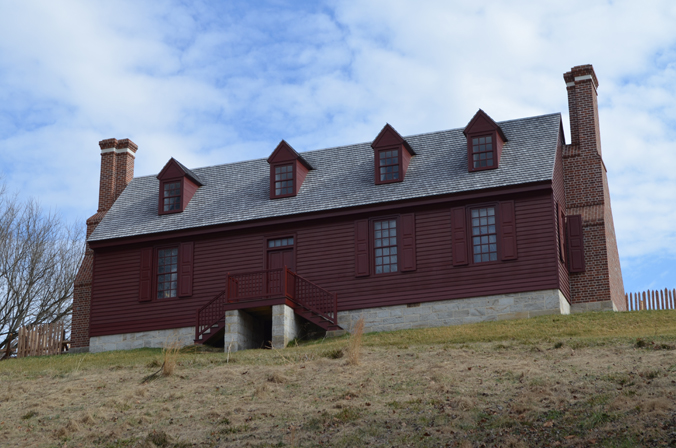
Ferry Farm 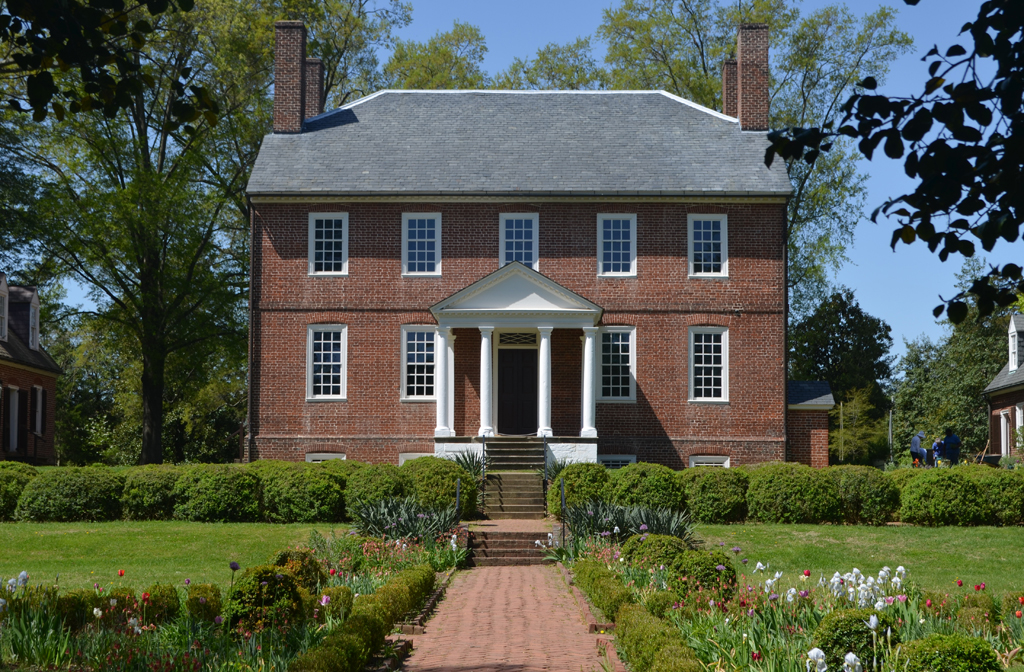
Kenmore As a private organization, we rely on admission fees and your generous donations to fund our sites. We are not part of any National Park or state park pass system. Your ticket purchase helps preserve and promote the legacies of these two sites. Perhaps that is why we are so appreciative for each and every guest who visits. If you would like to support The George Washington Foundation, please consider a donation. We hope to see you at the National Historic Landmarks of Historic Kenmore and George Washington’s Ferry Farm soon!
Elizabeth Hosier
Manager of Interpretation and Visitor Services -
The Fifes & Drums of York Town at George Washington’s Ferry Farm [Video]
The Fifes & Drums of York Town played and marched today at George Washington’s Ferry Farm. The group will also perform on the lawn at Historic Kenmore this Sunday, June 27. There will be three 15 minute performances between 12:30pm and 1:30pm. No admission required, but we encourage you to make a day of it and purchase a guided tour of Historic Kenmore. Buy tour tickets at kenmore.org/visit-kenmore.
-
We’re Digging!: A Preview of 2021’s Archaeological Excavation at Ferry Farm
Visitors to George Washington’s Ferry Farm will once again be able to meet and talk to our staff archaeologists as they work at our archaeological dig this summer. The dig opened this past Monday, June 7 and runs through Friday, August 20. Archaeologists dig Monday through Friday.
Approximate location of the 2021 archaeological dig at Ferry Farm. The dig is located on the east side of the Washington house in the work yard. The work yard is where the everyday activities associated with the running of an 18th-century household took place. These activities including food preparation, cooking and cleaning, washing laundry, animal husbandry, dairying, household storage and wig maintenance. Eventually showing and interpreting these activities as well as incorporating our findings into Ferry Farm’s history are the reasons we dig.
We are looking for the remains of outbuildings in this area of the site. Luckily for us, last fall we uncovered a large post mold and hole which we suspect is a structural part of one such outbuilding. This first week we are opening up multiple 5’x5’ units to the south of our posthole feature in anticipation of finding more of this structure.

Large post mold and hole located at the southern edge of the 2020 site. Our crew will consist of four paid interns in addition to Elyse Adams and myself as co-site directors. COVID-19 has again eliminated the possibility of university archaeology students joining us for a six-week field school this year, but we hope they can finally return next year.

The 2021 dig will be located directly beneath our visitor’s feet in this photo. Over the next 12 weeks, we’ll post some of our more interesting discoveries during on Ferry Farm’s Facebook and Instagram so everyone can stay up-to-date our progress. When you visit Ferry Farm, please stop by the excavation site to ask questions and watch us at work. We are happy to share our daily findings and explain the process of digging into the Washington family’s past!
Judy Jobrack, Archaeologist
Co-field Director