Lives and Legacies

Tag: George Washington

  • Oyster Ice Cream: The Enigma

    This past week the curatorial and archaeology departments came together to fulfill a long-held dream to make oyster ice cream. Many people asked “why?” others said “gross,” and many just shook their heads at our endeavor. But we are not easily put off by odd things in history. In fact, many of us seek them out, and oyster ice cream is indeed an oddity.

    But before we dive into oysters and ice cream, there are some common myths that need to be cleared up. Oyster ice cream was not mentioned in The Adventures of Tom Sawyer. Dolley Madison did not serve it during her time in the White House. Oyster ice cream was not served at the “first” Thanksgiving. And finally, no, it was not George Washington’s favorite creamy treat; in fact, there is no connection between the two.[1]

    Now that we are all on the same page, let us begin because this will be a long one.

    History of Oysters

    Oysters have been an easy and plentiful source of protein for humans since humans began. Prehistoric middens have been found in Australia containing the remnant of oysters used for food. They have been cultivated in Japan since at least 2000 BCE, and farming beds have been found in England since Roman times.[2]  The period between the eighteenth and nineteenth centuries was known as the Golden Age of Oysters as an increase in production made them extremely affordable for the working class in the US and Europe.[3][4]
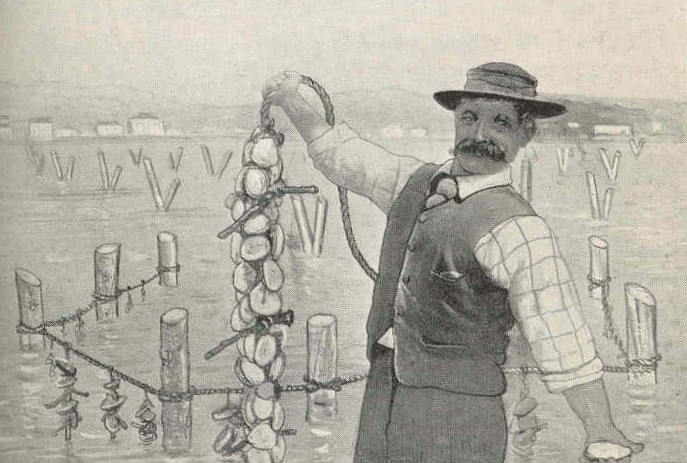
    Oyster Culture in the Bay of Spezia, Italy. Wikicommons

    The invention of railroad transportation, canning, and refrigeration in the nineteenth century meant that oysters could now be shipped to markets all over Europe and the US. With the growth in production oysters became a cheap source of protein compared to the pricier meat, poultry and fish. Soon cities like New York City, Philadelphia, Baltimore and New Orleans became hubs of large oyster markets.[5]

    Oyster stands in Fulton Market. Wikicommons

    History of Ice Cream

    The history of ice cream is a bit obscure, but ice cream, as we would know, was not possible until the discovery of the endothermic effect. The endothermic effect is where a substance, like cream, can be made to freeze by immersing or surrounding it with a mixture of ice and salt. Surrounding the cream with ice alone only chills but does not freeze the cream. Adding salt to ice lowers the melting point and draws the heat out of the cream causing it to freeze. This process was described as early as the thirteenth century by Arab medical historian Ibn Abu Usaybia.[6] But it wasn’t until the latter part of the seventeenth century that Europeans made soberts and ice cream using this process.[7]

    The first English recipe for ice cream was published in Mrs. Mary Eale’s Receipts in London in 1718[8]. It was again published in our blog’s favorite cookbook, The Art of Cookery made Plain and Easy, by Hannah Glasse.[9]  How and when it came to America can be debated, but the Found Fathers regularly enjoyed it, with Washington, in the summer of 1790, purchasing around $200 worth of ice cream.[10]  This did not mean that the common man or woman in the street would necessarily enjoy the frozen treat as it was still time-consuming and expensive to make, needing ice to be cut and stored in winter for use in summer.

    By the nineteenth century, developments in ice cream production, like the hand-cranked churn and industrial refrigeration, allowed manufacturers to produce ice cream on a large scale. Mass production lowered the cost of ice cream, and its popularity has soared ever since.   

    So oyster ice cream, where did that come from?

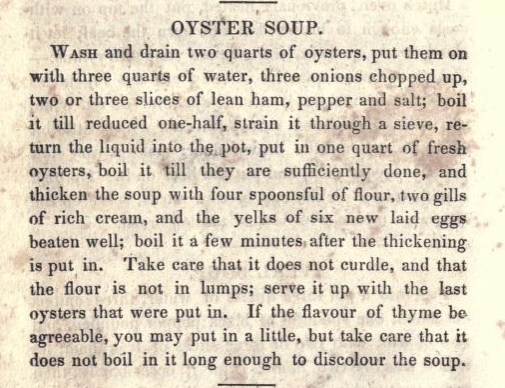
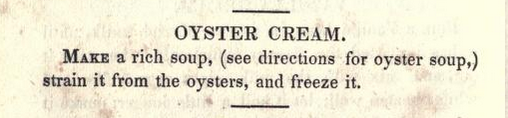
    The first and only recipe for oyster ice cream was printed in Mrs. Randolph’s book The Virginia Housewife, published in 1824. The Virginia Housewife was a singular work focused on Virginia produce and cooking practice. It became a model of nineteenth-century Southern American cookery.[11] But the publication of the recipe and the subsequent disappearance of it from history has confused historians for ages. No one is sure why oyster ice cream or where it would be served during dinner. Was it a dessert or a palette cleanser, was it served in place of soup? Was it popular, and if not, then why include it in the cookbook?

    Those are questions that will probably never be answered. However, through our little experiment, we could at least answer a few, like is it easy to make, what does it taste like, and should this be revived for our modern palettes?   Note: we did pare down the recipe because, unfortunately, oysters are not as cheap as they once were, and we didn’t want gallons of oyster ice cream. 
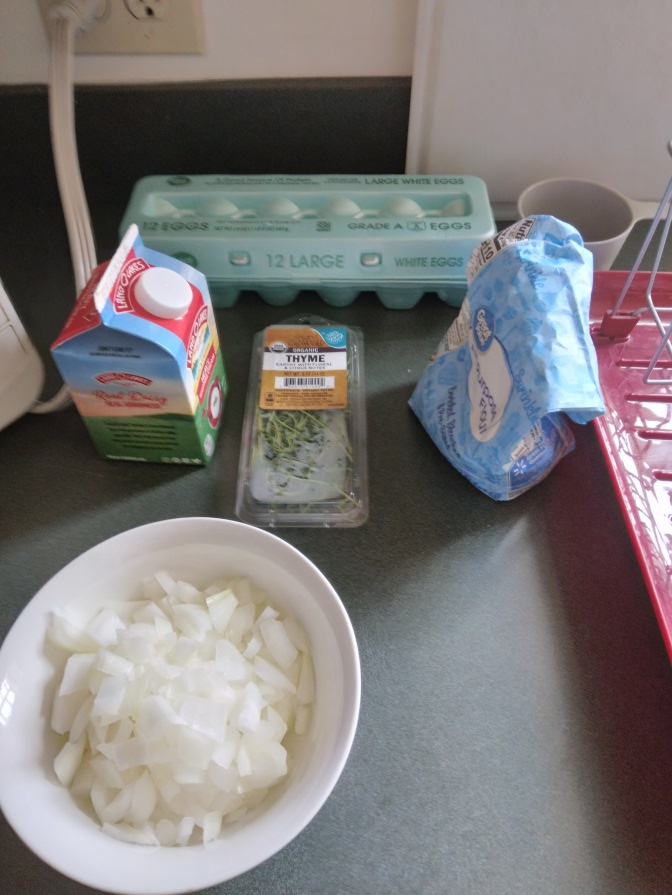
    First Step: we gathered our ingredients, including onions, cream, flour, eggs, and oysters
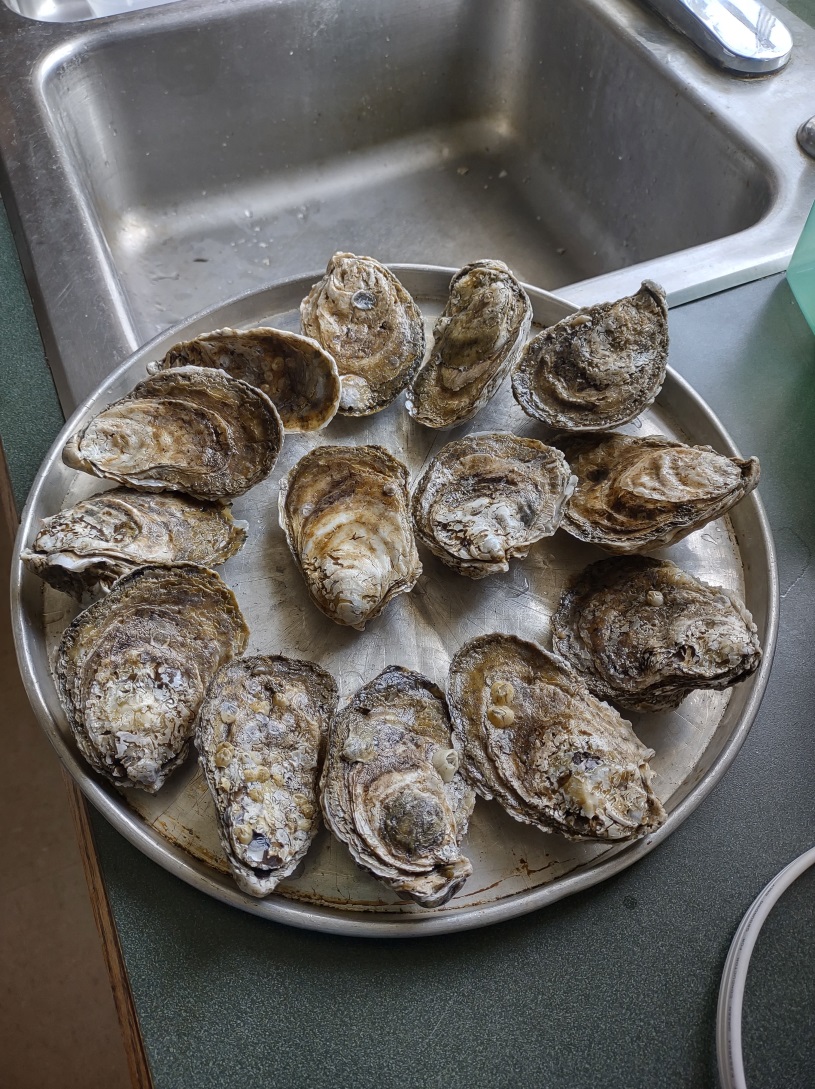
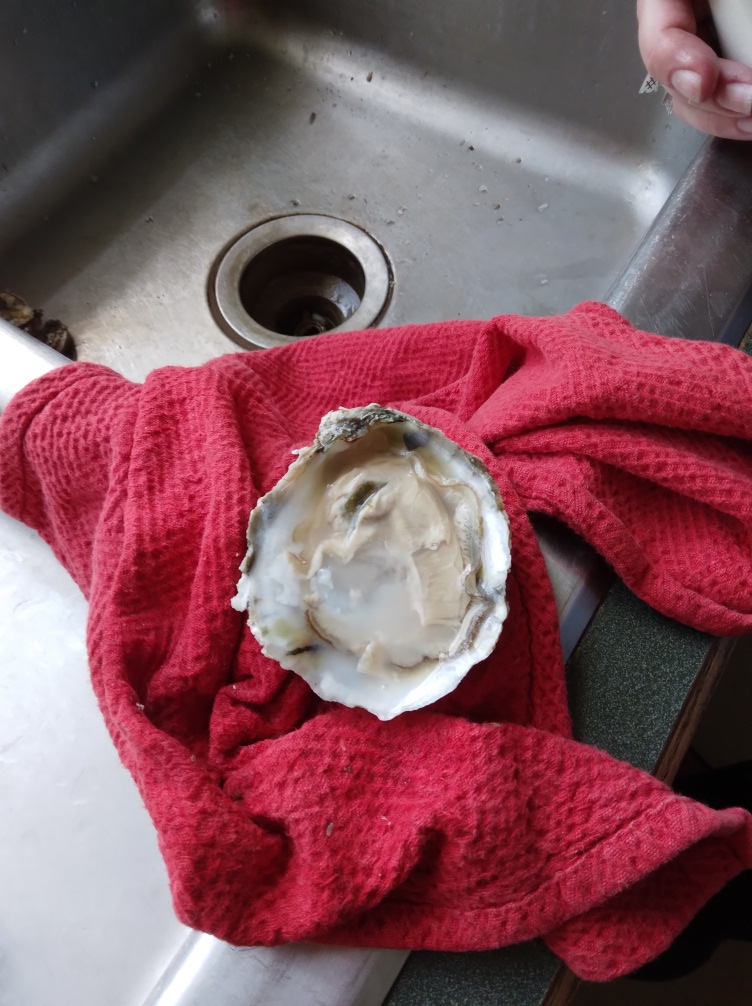
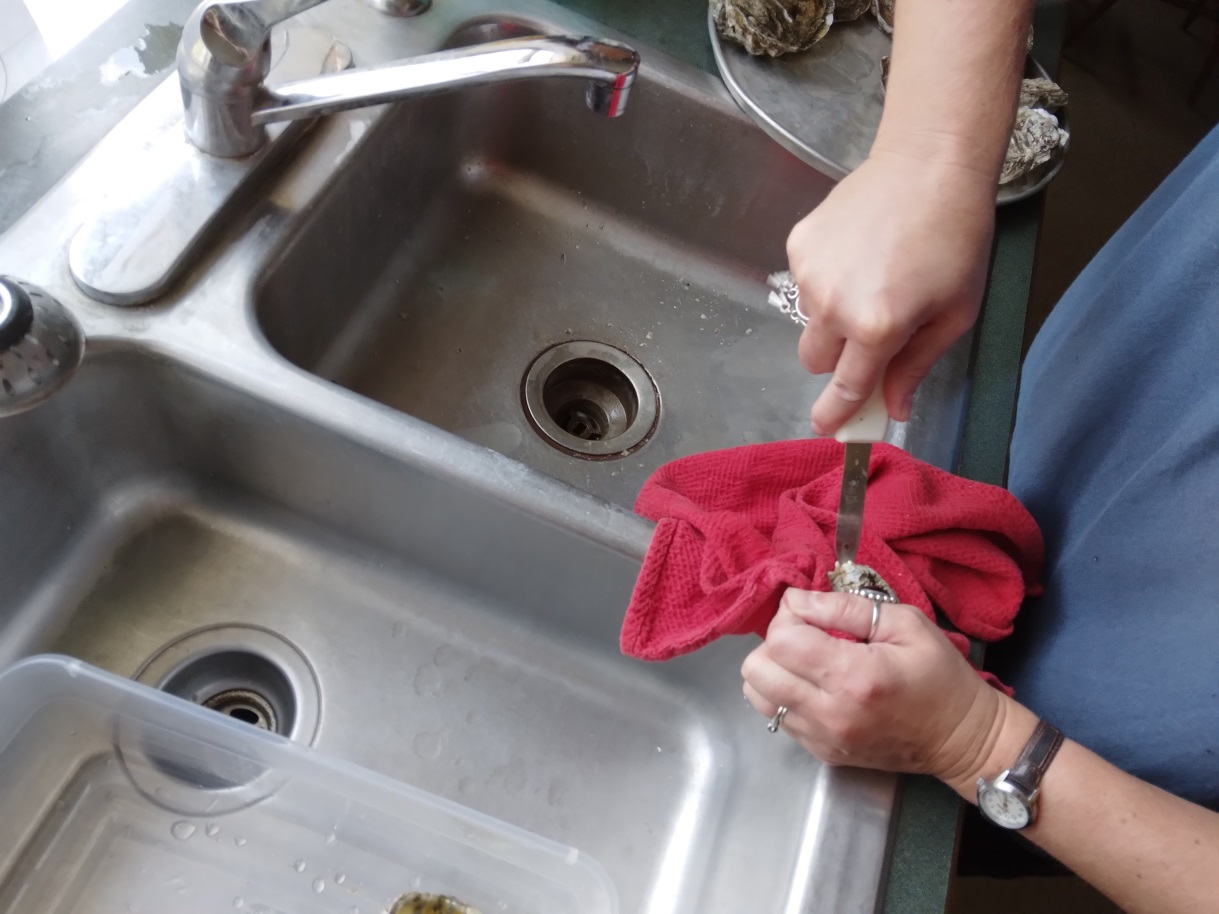
    Second Step: shuck oysters. Luckily our fearless Archaeology Lab Manager and super fan of oysters, Mara Kaktins, and her deft hands were able to shuck the oysters in minutes.  
    Third Step: We put 2/3 of the oysters in a boiling pot of water with ½ a yellow onion and let that simmer until the water was reduced by ½.
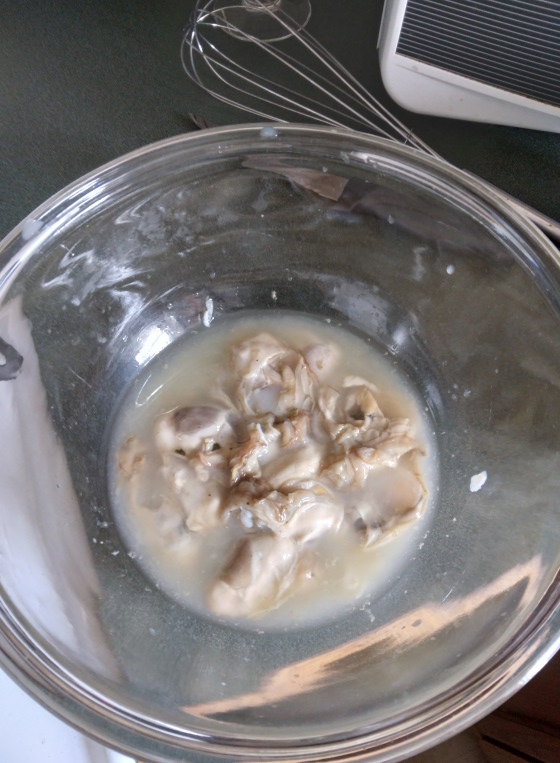
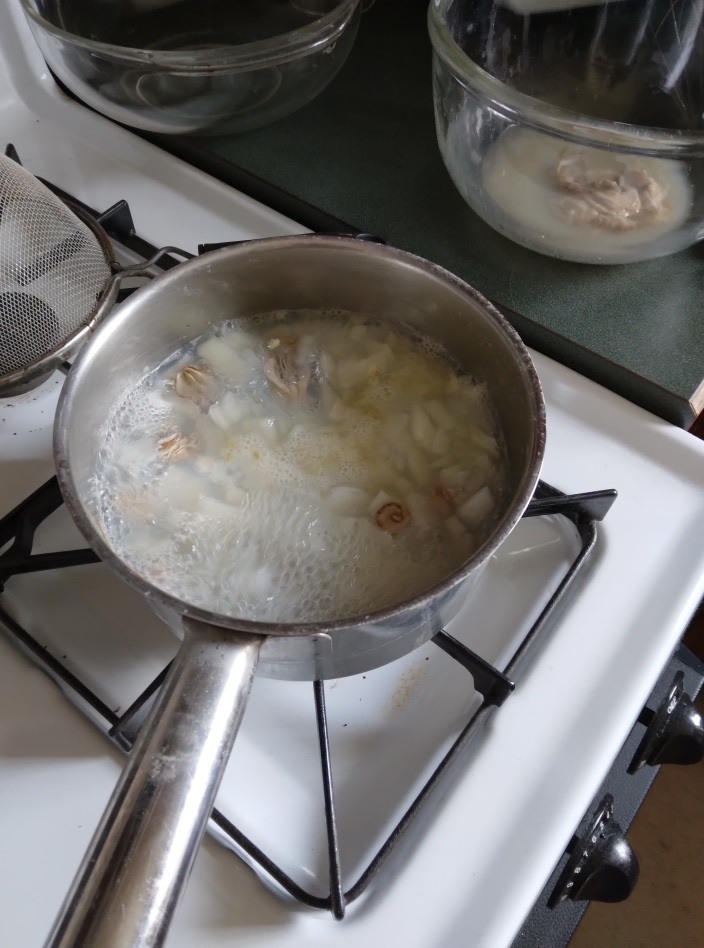
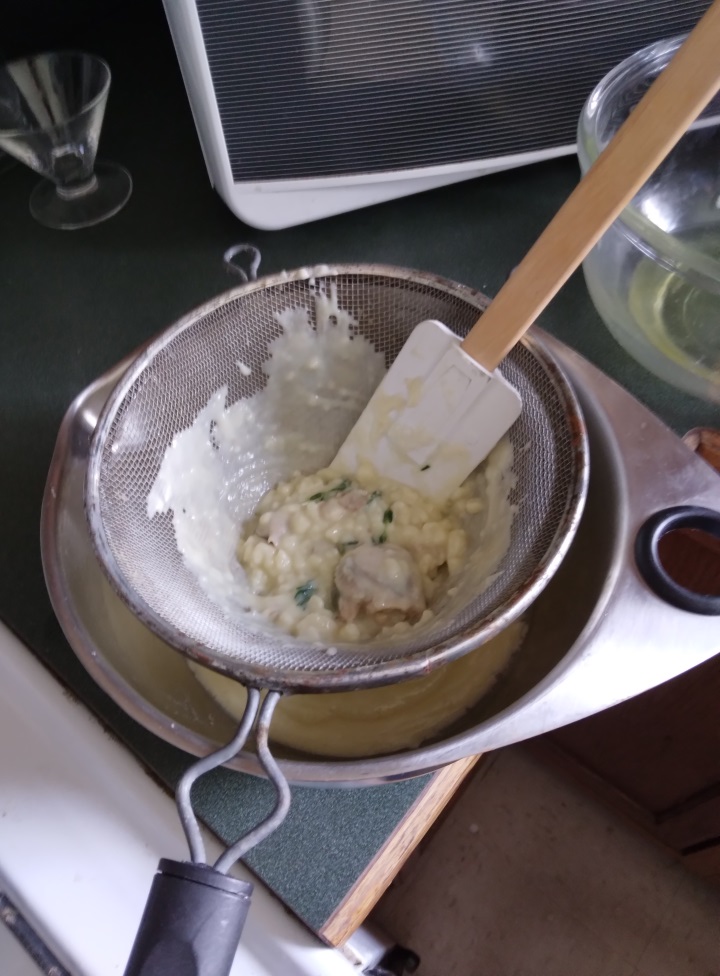
    Fourth Step: Drain liquid, removing cooked oysters and chopped onions. Keep liquid and return it to the pot for the next Step.
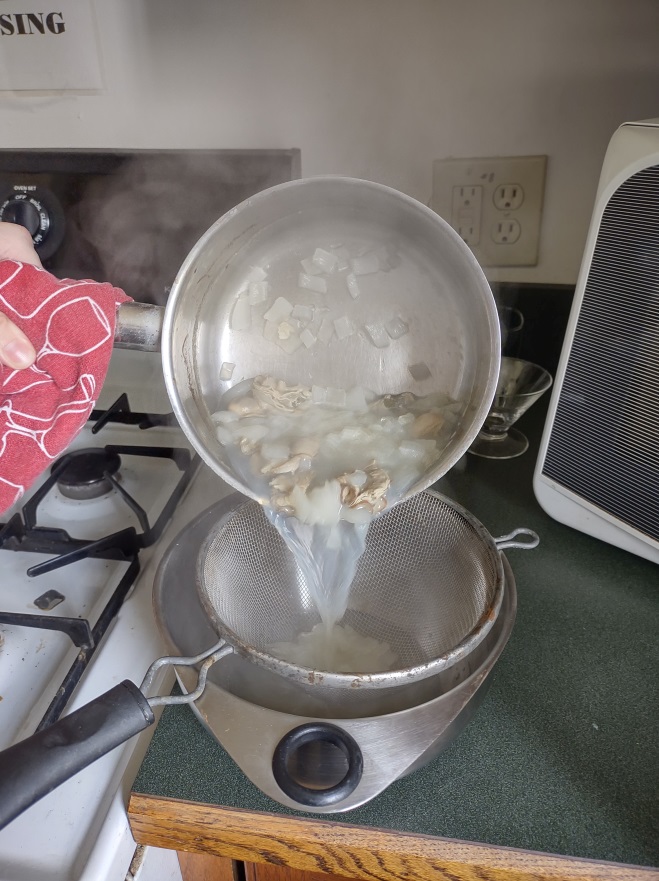
    Straining oysters and onion mix

    Fifth Step: add the other 1/3 of the oysters to the liquid, along with a few tablespoons of flour, eggs, and cream. Simmer until it thickens but make sure not to burn or let it curdle.
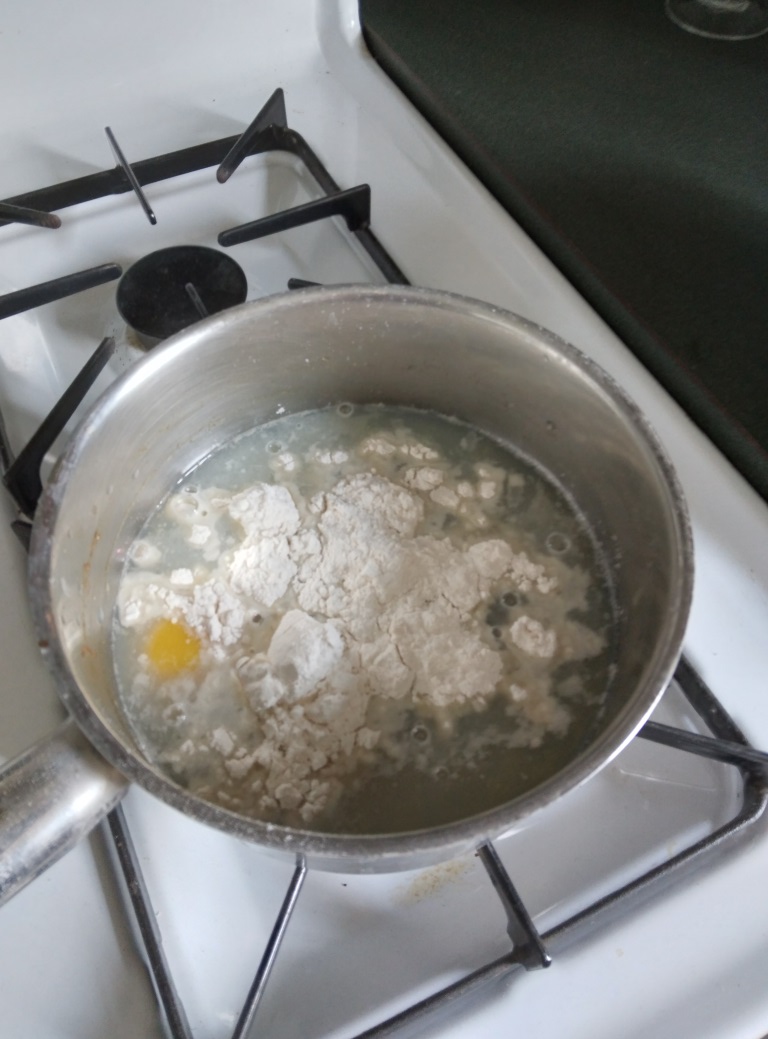
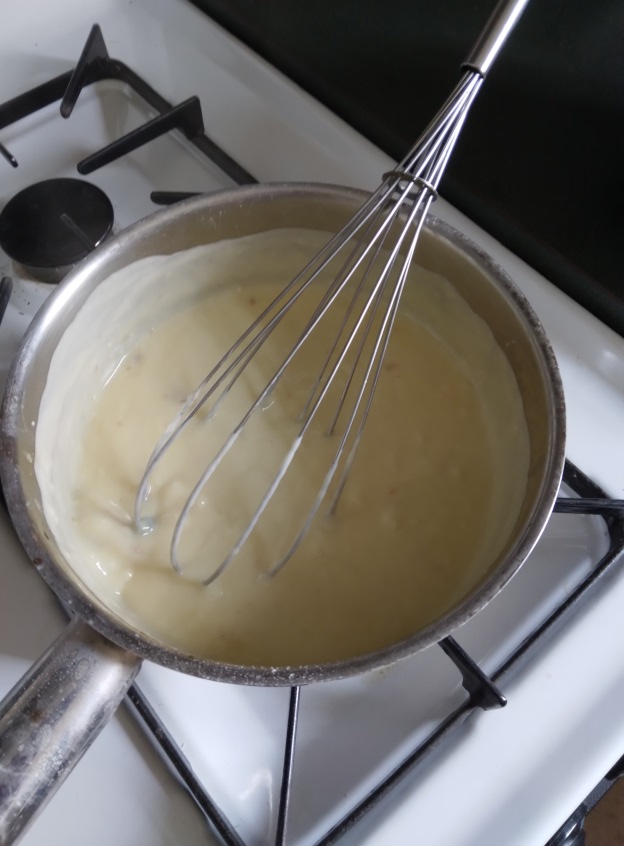
    Sixth Step: Sieve the creamy soup, remove the last of the oysters and put into glasses, and freeze for a few hours.
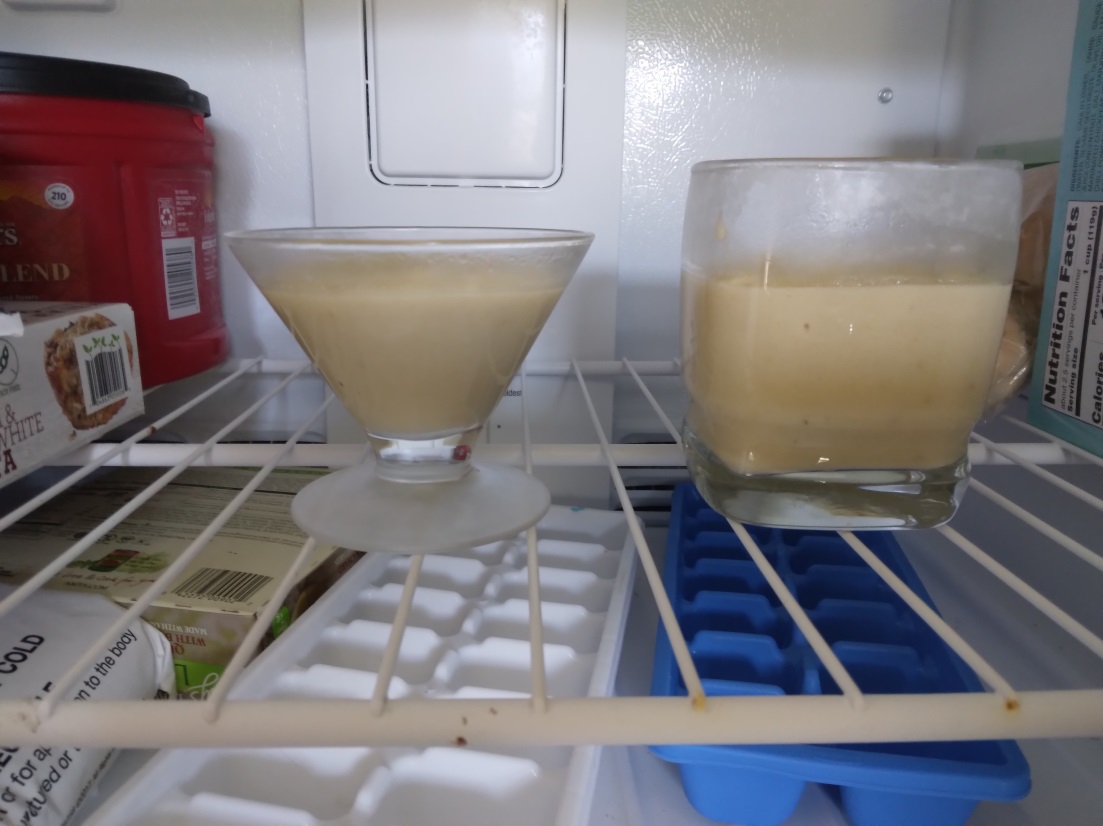
    Last Step: remove from freezer and enjoy?        
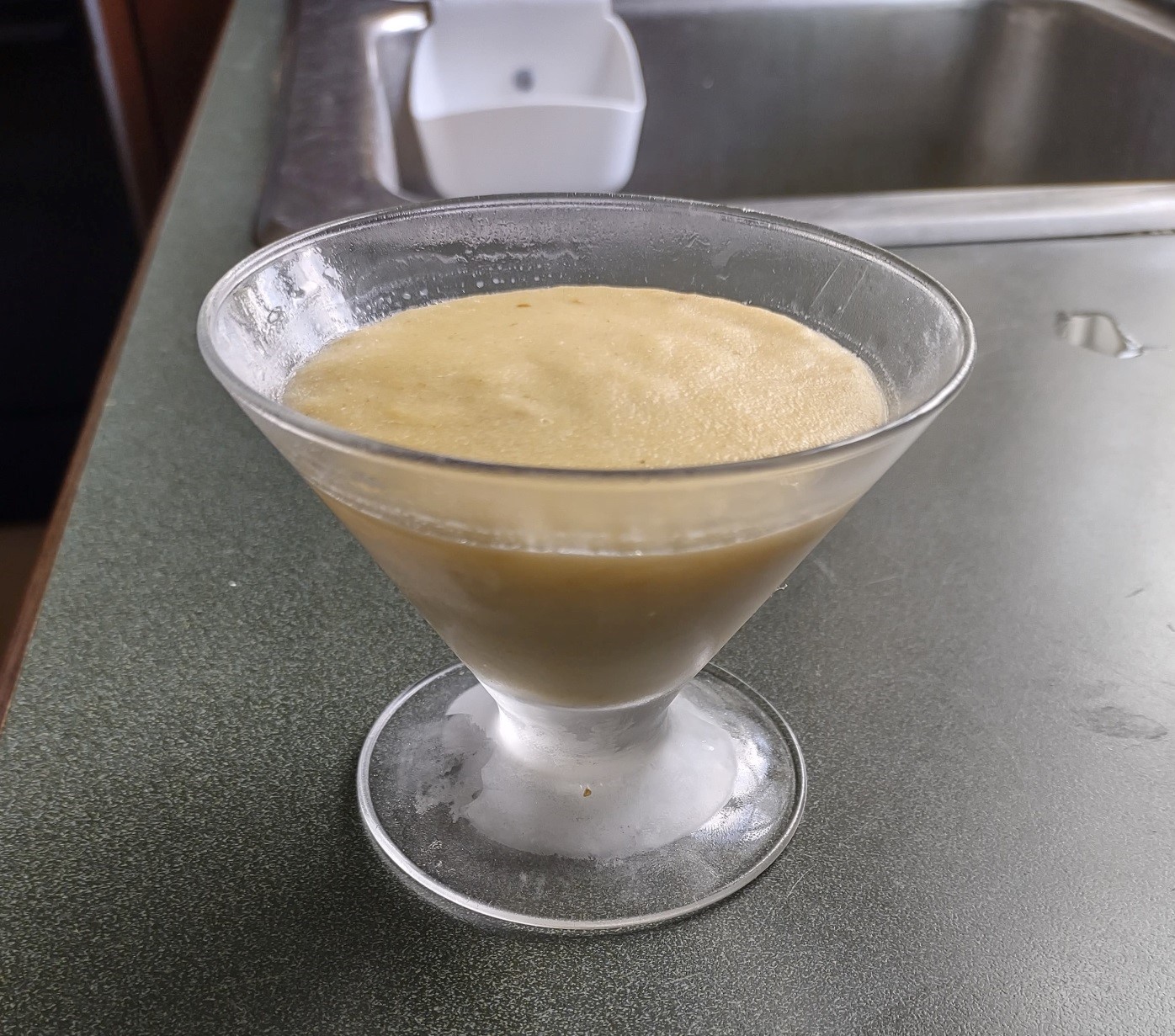
    Finished ice cream

    Needless to say, after it was ready, we proceeded to run around the offices, and made everyone try a bit. Surprisingly, the reviews were mixed and pretty even, with slightly positive reviews at four and negative reviews at 4.   Positive reviews overwhelmingly stated that “it was not as bad as I thought it would be” or “it’s not awful but would be better as a warm soup.” The negative reviews were a little more critical, with “ew, it tastes like oysters” being the primary feedback. 

    So what have we learned from this experiment? What were our conclusions? We discovered that it is easy, if expensive, to make. It requires neither specialty tools nor any particularly rare ingredients. We also concluded that it indeed tasted like frozen oyster soup, which many would have actually preferred. Not surprisingly, if the person did not like fresh oysters, they weren’t too keen on them frozen. But the most important question is, should this be revived for modern palettes? Does the world need oyster ice cream? I believe we answered that with a resounding “No.” It seemed to most that the ice cream basically ruined some delicious fresh oysters or spoiled a warm, comforting oyster stew.

    Oyster ice cream will always be an enigma; it combines two things people enjoy: oysters and ice cream. But, while it may have worked for peanut butter and chocolate, sometimes two wonderful things just shouldn’t be mixed. And with that, we bid a fond farewell to oyster ice cream hoping that Mrs. Randolph’s The Virginia Housewife is the last we will ever see of this peculiar concoction.

    Mara Kaktins, Archaeologist & Lab Manager

    Heather Baldus, Collections Manager


    [1] Swerdloff, Alex. “The Long, Weird History and Mythology of Oyster Ice Cream.” Vice Magazine, November 18 2016.  https://www.vice.com/en/article/nzkewm/the-long-weird-history-and-mythology-of-oyster-ice-cream

    [2] Unknown. “Oyster Industry in NSW”. https://web.archive.org/web/20151222111017/http://www.dpi.nsw.gov.au/fisheries/aquaculture/publications/oysters/industry/oyster-industry-in-nsw

    [3] Swerdloff, Alex. “The Long, Weird History and Mythology of Oyster Ice Cream.” Vice Magazine, November 18 2016.  https://www.vice.com/en/article/nzkewm/the-long-weird-history-and-mythology-of-oyster-ice-cream

    [4] Unknown. “The History of Oysters: Its Rise as a Delicacy and a Staple Food Beloved by Many.” Food Worth Writing For, July 31 2018. https://foodworthwritingfor.com/2018/07/31/the-history-of-oysters-its-rise-as-a-delicacy-and-a-staple-food-beloved-by-many/

    [5] Ibid

    [6] Goldstein, Darra. The Oxford Companion to Sugar and Sweets. Oxford University Press, 2015.

    [7] Day, Ivan. Cooking In Europe 1650-1850. Greenwood Press. 2009.

    [8] Eales, Mary. Mrs. Mary Eale’s receipts. J. Brindley. 1733

    [9] Glasse, Hannah. The Art of Cookery, made plain and easy. A. Millar, and J. and R. Tonson, 1765

    [10] Jacob, Matthew. “America’s Unwavering Passion for Ice Cream.” Huffington Post, May 25 2011. https://www.huffpost.com/entry/americas-unwavering-passi_b_652268

    [11] Egerton, John. Southern Food: At Home, on the Road, in History. The University of North Carolina Press, 1987, pg 19

  • Catherine of Braganza: How the copy of a 17th-century plate tells the story of design, consumer consumption, and the Washington Family

    The concept of buying items to remember certain events or travels is commonplace today. Who goes abroad without bringing back a trinket naming the location? Is it possible to go antiquing without seeing an item that commemorates the wedding of Charles and Diana? Even the smallest item has the ability to tell a story through what it depicts. In our world of mass consumption, these items prove commonplace and relatively easy to obtain, but the concept is not new.

    Charles & Diana memorabilia

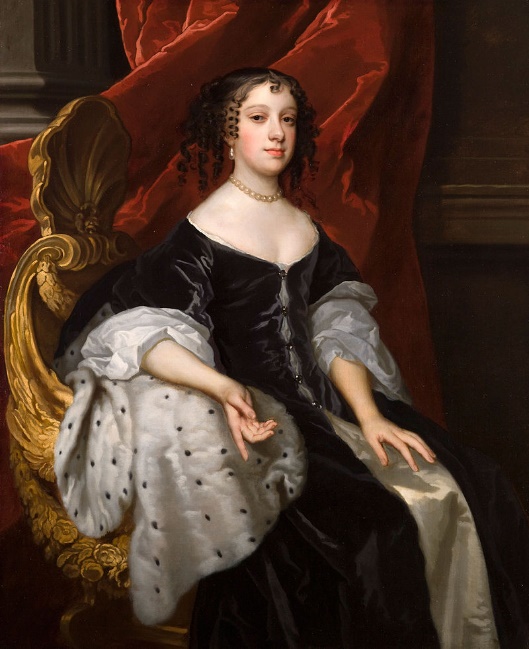
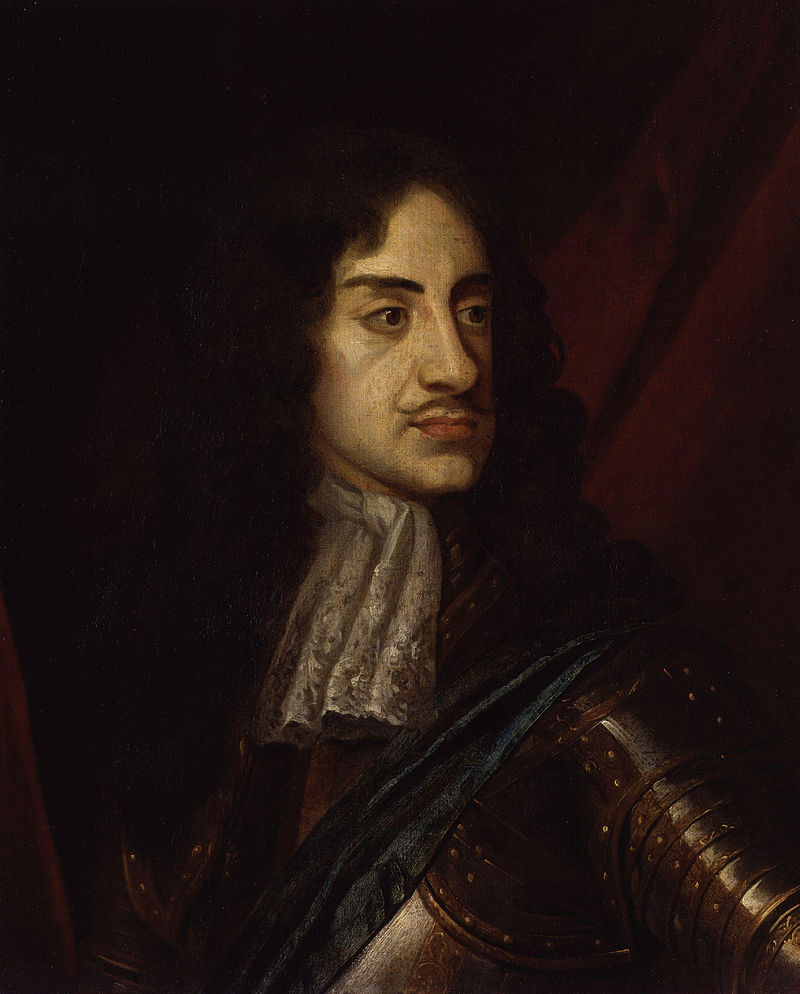
    Back in the mid to late 1600s, a potter by the name of Thomas Toft (d.1689) produced a series of plates depicting Charles II and his wife Catherine of Braganza. When Cromwell’s strict Puritan regime ended in 1660, the people of Great Britain rejoiced at the restoration of the monarchy. Charles II was an active king who enjoyed the arts and a good time. His marriage to Catherine, a Portuguese princess, in 1662 was a cause for further celebration, even if her Catholic faith raised concerns. Regardless, Toft had his market.

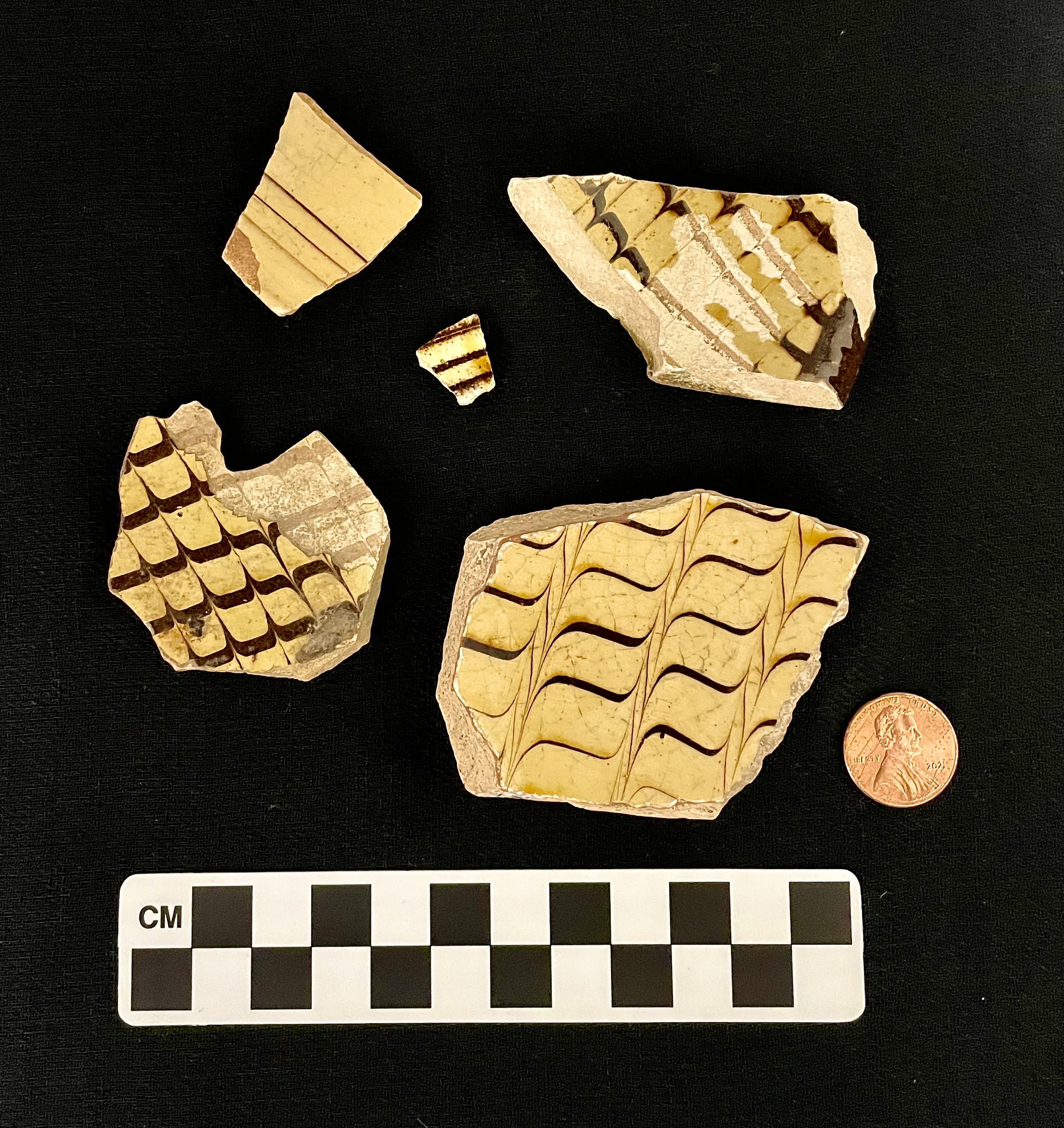
                A Scandinavian immigrant, Toft lived in Staffordshire, England, and specialized in slipware. Slipware involved the use of clay slips and a lead glaze to decorate a piece. Typically, a white clay slip, which is essentially, watered-down clay, covered the upper surface of a piece before the artist drew on the design. Dark brown and orange-red clay slips then helped bring the design to life. To complete the piece, the artist utilized a lead glaze to enrich the colors and seal it. Toft became one of the most famous slipware potters of the time due in part to his habit of prominently signing his works at the base of his cross-hatching border, which was unusual in the 17th century. He produced plates depicting the royals throughout his career. Toft’s pieces may not have undergone the mass production that they would today, but they fed a market that desired commemorative memorabilia.

    Slipware plate by Thomas Toft depicting Charles II and the Royal Oak

    You may be asking how talk of royals and artists from the 1660s connect to Ferry Farm? The answer comes from the desire to add a slipware plate to the house. As many will know, the items in the Washington house are replicas inspired by archaeological finds on site and pieces dating to the period. Until now, the slipware style did not appear in the house. Aiming to fix this, I went about choosing a design that would not only serve the desired purpose but also tell a story. In the end, I found a Toft plate that depicted Catherine, and the idea came to me.

    Pieces of slipware found at Ferry Farm

    John Washington (1631-1677), George’s great-grandfather, immigrated to Virginia in 1657. Motivation for this possibly derived from hardships faced by the Washington family after Cromwell came to power since the family had sided with the monarchy during the English Civil War (1642-1651) and business ties. With the restoration of the monarchy three years after their arrival, it seems likely that this would have been a cause for celebration in the Washington household. We know from finds at Ferry Farm and Kenmore that the Washington and Lewis families owned items depicting royal motifs up until the Revolution. So not only would the Washingtons of the 1660s have raised a toast to the King and later his bride, but they may have acquired items celebrating them. While we do not have evidence for the Washingtons’ owning a piece with this specific theme, items pass through generations, and we know the family brought older items with them to Ferry Farm in 1738.

    In making the replica, I aimed to keep it as close to the original as I could, though the cross-hatching border proved impossible to keep as tight. The imagery itself prompts the telling of the Washington-Royalist-immigration story, so nothing major needed changing. Keen viewers, looking at the images below, will notice the addition of a “Q” and a “K” to help identify Catherine. While Toft’s work rarely included royal monograms, they did appear on other designs of the time, making it a simple and fitting addition. In these other pieces, Catherine’s first initial always appears as a “K.” While we may spell Catherine’s name with a “C,” there was no standard of spelling in the 1600s, and this may have occurred since her husband’s name also starts with a “C.” After prepping the plate with a base coat of paint, I sketched the desired design and painted over it in a way that mimicked slipware techniques. A clear coat of spray paint then sealed the design in place of the lead glaze.

      The plate will go on display in the Visitor’s Center, where we display and explore the topics of our blog. Next time you visit, be sure to keep your eyes peeled and let Catherine tell you her story.

    Emma Schlauder

    Research Archaeologist

  • Marbled Paper – The (Secret) Art and Function of Paint Blobs

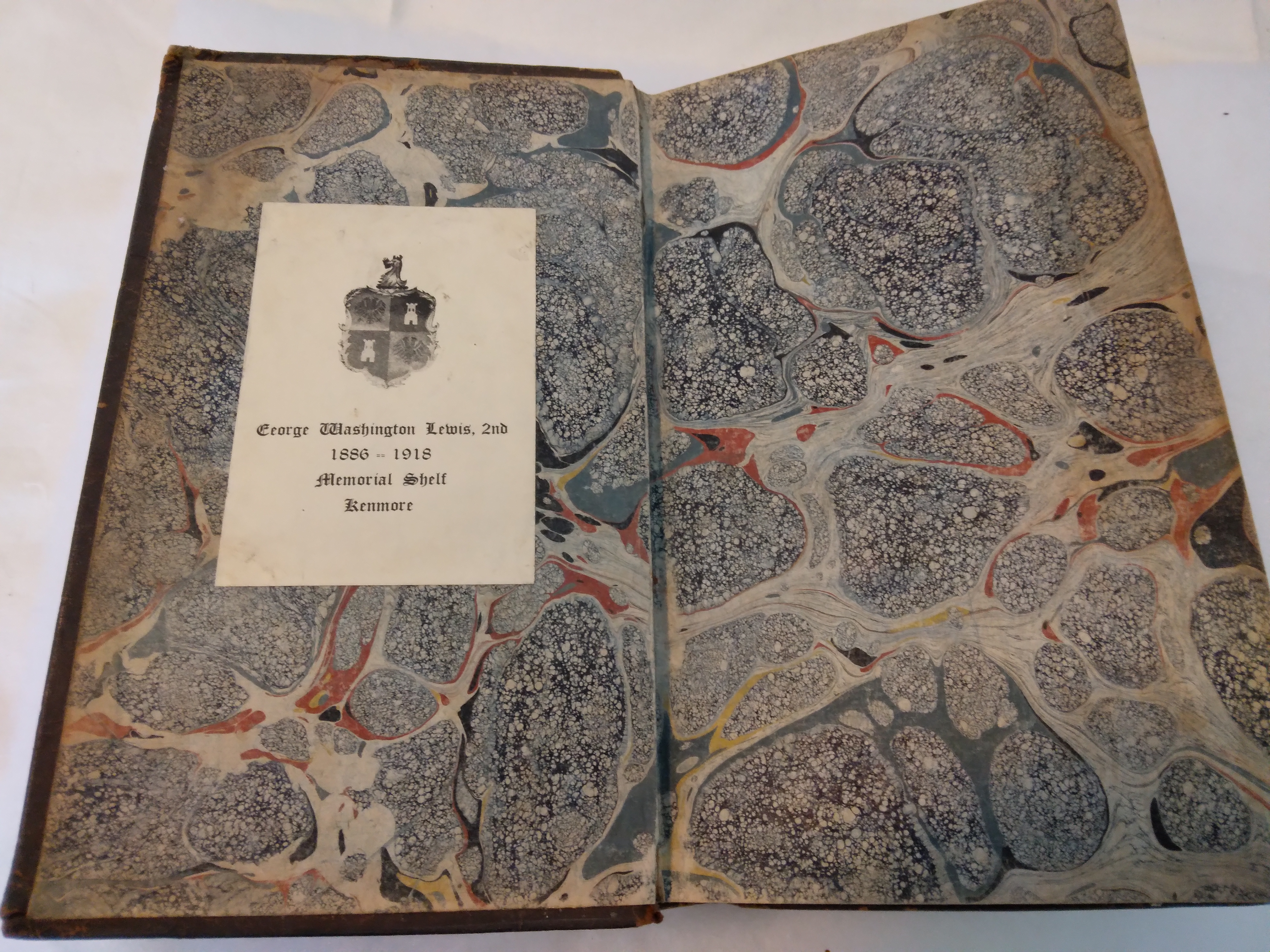
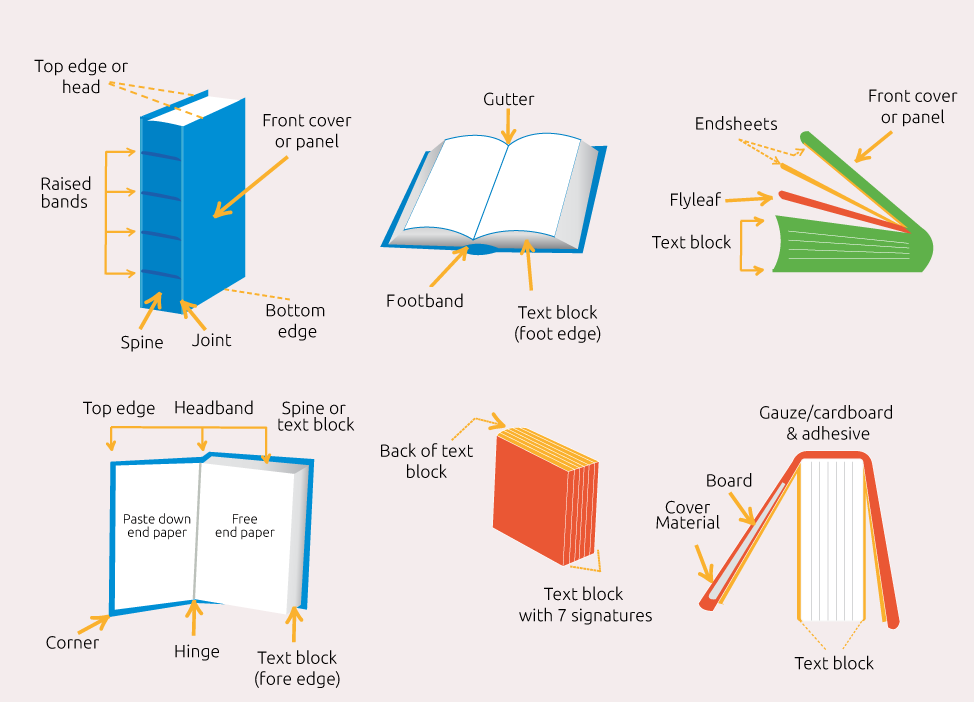
    The design of books today is an art form. Think about it. What will catch the reader’s eye? What cover art will convey the theme or subject of the pages inside? If you’ve ever pulled an older book off a shelf, say one owned or used by George Washington (or a descendant of the family), you might notice a somewhat drab cover with the title stamped on the front, but otherwise very nondescript. You might notice if the bindings holding the pages together are tight or loose if there’s a crease in the spine (heaven forbid!), or even if there’s a bookplate denoting the ownership of said book.

    Look at this book in our collection.

    The Life of George Washington by John Marshall, 1807 owned by George Washington Lewis, 2nd

    Do you see all the parts mentioned? Great! However, what about those paint blobs? What is that, and why do so many older books have those kinds of endpapers?

    Parts of a book

    These papers are art in and of themselves. They are typically called “marbleized” paper (the process is “paper marbling”), and the earliest known use of the technique was in 10th century Japan. The process in Japan is known as Suminagashi, which literally translates to “floating ink”.[1] The process migrated to Turkey, where artisans began using paint rather than ink. Eventually, the art form arrived in Western Europe after the Crusades and took hold in France, the Netherlands, and Germany.[2] Most historians credit the French for taking this art form to the next level, using it for books. Imagine that fancy, leather-covered book without marbled end pages…what could possibly cover the strings and glue that holds the book together? Plain paper? Non, c’est horrible!

    The art form rose to such a skill level that a specific guild was created to keep the secret from others. For those unfamiliar, a guild is an association that oversees a specific craft or trade. It is what our modern-day professional associations are to those in previous centuries. In this case, however, the marbling guild took great pains to keep their trade a secret since the technique was highly valued by bookbinders who wanted to streamline (read: make less expensive) the process. While the guild kept the process a secret for over a century, eventually, someone decided to publish a how-to guide. That person was Charles W. Woolnaugh, and his book is The Art of Paper Marbling.[3] The cat was effectively let out of the bag at this point (1851), and Woolnaugh followed up with a second book on the practice about 30 years after the first one.

    The most interesting aspect of marbled paper is that no two designs are alike. There can be many similarities from the color scheme to a feathered design, but it is almost impossible to create the same image each time. When you think about it, it is neat because each endpaper is unlike any other.

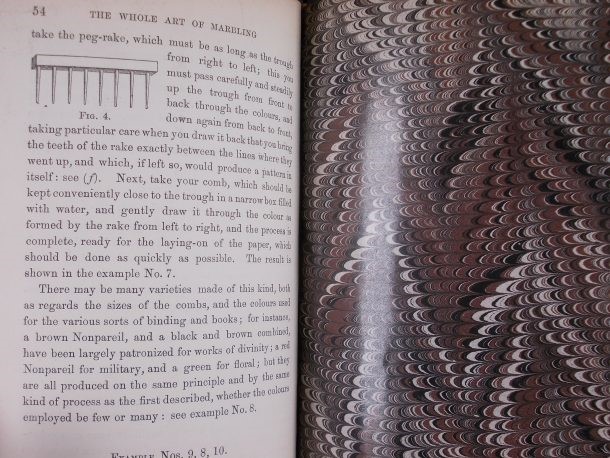
    Victoria & Albert Museum, The Whole Art of Marbling

    This image was created by using a comb (also shown) that, when gently pulled through the paint (which is floating on top), creates this arches. For single, larger arches, or even a more feathery technique, a quill or sharp-pointed device (a nail, for instance) could be used to gently manipulate the paint into a particular design. To transfer the image to paper, one would lay the paper on top of the floating paint, touch the four corners to ensure the entire surface made contact, and then gently pull up from one of the corners, letting the residual liquid drain back into the pan.

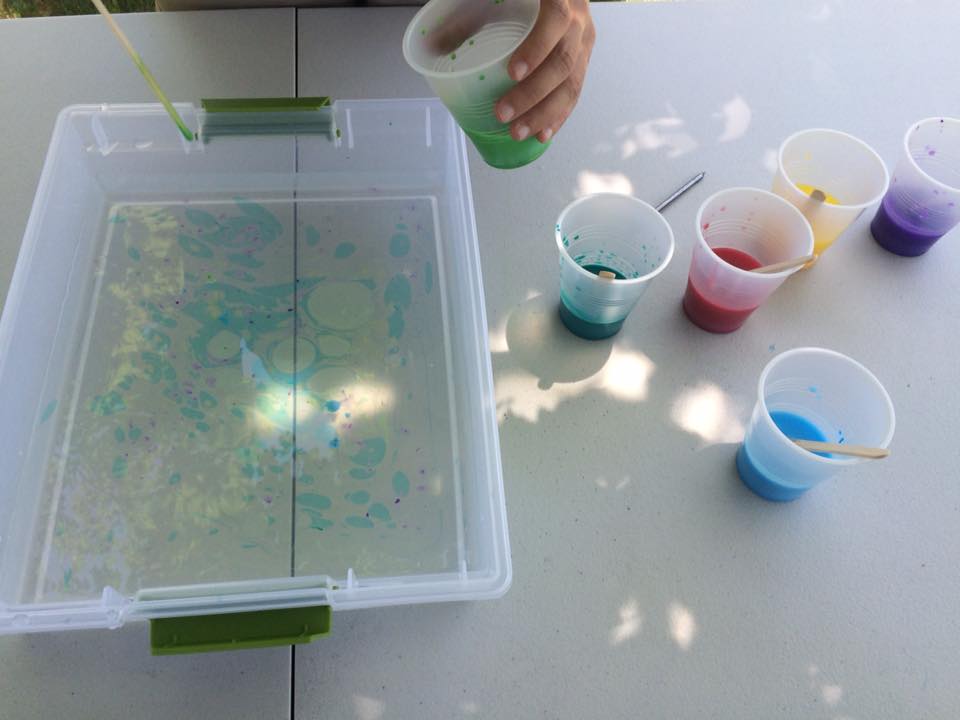
    Want to try your hand at paper marbling? Join us for our annual Fabulous Fourth at Ferry Farm event on Monday, July 4, from 10 am to 4 pm. We will be using water, carrageenan (seaweed extract), and acrylic paint to recreate the marbleizing process. You can try the comb and feather technique in red, white, and blue hues. The product will result in a bookmark with the added bonus of one of GW’s “Rules of Civility” printed on it too. Fun fact: To practice his penmanship, GW copied those rules from a French etiquette book! However, one might wonder, did his book have marbled end pages? We can only hope.

    Amy N. Durbin

    Director of Education


    [1] Ryan, L. (2021, February 18). Marbled Papers: A Brief History of an Endagered Bookcraft. UDC Library Cultural Heritage Collections. Retrieved June 21, 2022, from https://ucdculturalheritagecollections.com/2021/02/18/marbled-papers-a-brief-history-of-an-endangered-bookcraft/

    [2] Berry, G. (n.d.). Some History of Marbling. The Ancient Art of Marbling on Paper and Fabric. Retrieved June 20, 2022, from https://marbleart.us/SomeHistory.htm

    [3] Revell, S. (2016, November 2). Divers oiled colours: Exploring the history of marbled paper in the National Art Library •. V&A Blog. Retrieved June 20, 2022, from https://www.vam.ac.uk/blog/museum-life/divers-oiled-colours-exploring-the-history-of-marbled-paper-in-the-national-art-library

  • Summertime Fun: Colonial June Fair

    Ask someone to list traditional summertime activities, and they will probably mention picnics, family reunions, beach vacations, mountain getaways, and baseball games. Their list is likely to include going to the fair as well.  The fair as a summer pastime is a long tradition and, like many American traditions, can be traced back to the age of Washington.

    In 1738, Augustine Washington moved his wife Mary and their five children, including six-year-old George, to Ferry Farm on the Rappahannock River opposite Fredericksburg, Virginia.  Coincidentally, in the same year, the colony’s General Assembly authorized two fairs to be held each year in Fredericksburg.[1]  This act built on an earlier ordinance passed in 1705, allowing for ‘markets and fairs’ as a necessary and civilizing element of early Virginian society.

    Although other cities held fairs, Fredericksburg was one of the few that had a fair in June.  Sometimes called June Fair, it was one of the oldest and largest in the colony.  June Fair and other fairs were “first and foremost a market ‘for the sale and vending of all manner of cattle, victuals, provisions, goods, wares, and merchandizes.’ Prizes, ‘or bounties,’ were sometimes offered for the best stock and poultry”.[2]

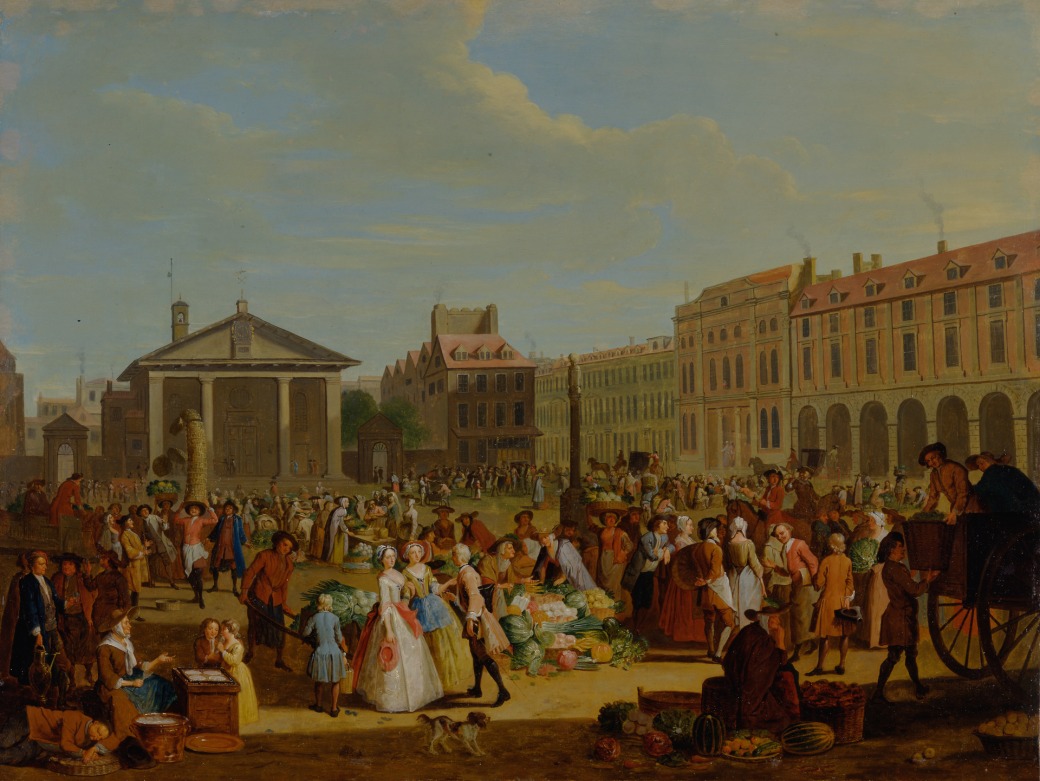
    Although this painting depicts a busy London agricultural market in the early 1700s, a similar hustle and bustle likely filled Fredericksburg during June Fair.  Covent Garden (1726) by Pieter Angillis, 1685–1734, Flemish, active in Britain (from ca. 1715), Oil on copper. Pubic domain. Credit: Yale Center for British Art, Paul Mellon Collection.

    Fairs were about more than agriculture, however. The importance of a summer fair was its ability to gather people from all over the surrounding counties to a single central location to conduct business and government and offer social interactions and entertainment.  In an agricultural colony such as Virginia, homes and plantations were very distant. People hardly saw anyone besides their immediate neighbors and family members for much of the year.  Most colonial Virginians traveled no more than fifty miles from home in their lifetimes. This made for an isolated existence focused on the constant attendance of crops. However, during natural seasonal breaks, farmers traveled to a town to sell those crops at the fair.

    Fairs were not just for farmers to sell. Court sessions, also known as ‘Public Times,’ often coincided with fairs. Soon merchants and entertainers saw the opportunity in the large numbers of people gathered together at the fair. Many people got paid or, more likely, an increase in credit and ready money made the fair a natural time to celebrate, entertain, gamble, and socialize.

    Among the amusements common to colonial-era fairs, “contests for prizes . . . in cudgeling, wrestling, manual-exercises, foot-racing, dancing, singing, violin-playing, greased-pig-chasing, etc. Prizes were offered to the most beautiful maid.  In towns large enough to warrant their attention, companies of actors sometimes arranged to give plays during fairs. Such plays, however, were held at the local playhouse or theatre, and not on the market square, where the fair usually took place”.[3]

    For example, in 1752, an acting troupe known as “THE Company of COMEDIANS, from the new Theatre at Williamsburg, propose[d] … to proceed to Fredericksburg, to play during the Continuance of June Fair.” The troupe hoped “That all Gentlemen and Ladies, who are Lovers of Theatrical Entertainments, will favour us with their Company.”[4]

    Advertisement in The Virginia Gazette announcing the appearance of the Company of Comedians at June Fair in 1752.

    The fair brought people together to conduct more than agricultural business.  Indeed, “the fair was also a place where men met to make and pay debts. Land, houses, storehouses, and personal property were offered for sale at fairs — privately and by public auction”.[5]

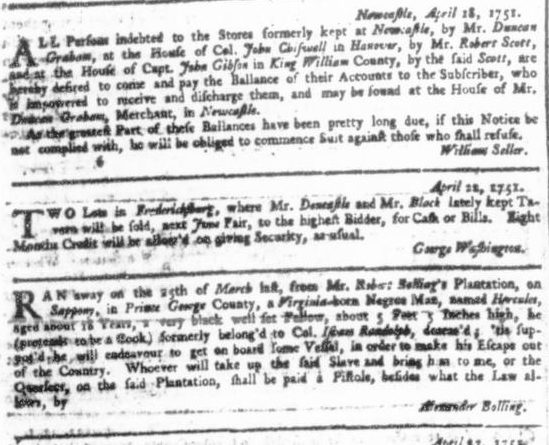
    During June Fair in 1751, 19-year-old George Washington auctioned off two of his lots in Fredericksburg.  His announcement of the sale in The Virginia Gazette offered the lots, “where Mr. Doncastle and Mr. Black lately kept Tavern, next June Fair, to the highest Bidder, for Cash or Bills. Eight Months Credit will be allow’d on giving Security, as usual” and was signed “George Washington.”[6]

    Announcement placed in The Virginia Gazette by George Washington announcing his intention to auction off two lots of his land in Fredericksburg at June Fair in 1751.

    A decade later, at June Fair in 1760, George’s account ledger shows him paying Fielding Lewis £40.  Furthermore, just a few days before paying his debt to brother-in-law Fielding, George also race, both popular fair activities. [7]

    Indeed, “the most popular attractions of the fairs in Virginia and Maryland were the horse-races . . . held at race-tracks near the town. Purses were subscribed, and many gentlemen, who had no interest in the other activities, would attend the races”.[8]

    Gambling at the fair, mainly in the form of lotteries, even supported more noble pursuits.  At June Fair in 1769, a lottery was undertaken to raise £450 for building a new church and for purchasing an organ for that church.  The drawing was to take place on “the 7th day of JUNE next (being the first day of the Fredericksburg fair) at the town-house” and was supervised and supported by a host of the town’s luminaries including Charles Dick, Hugh Mercer, Charles Washington (George’s brother), George Weedon, and Fielding Lewis. [9]

    June Fair was a community event attended by Virginians from across the colony and brought George Washington back to his boyhood home on more than one occasion.  At the fair, Virginians sold farm goods and land, settled debts and tried court cases, enjoyed a play, and gambled on the horses.  June Fair, much like today’s summer pastimes, was a moment in the year to enjoy the summer weather and the company of neighbors, friends, and family before returning to isolated plantations and farms and the unending work of plowing, planting, and harvesting.

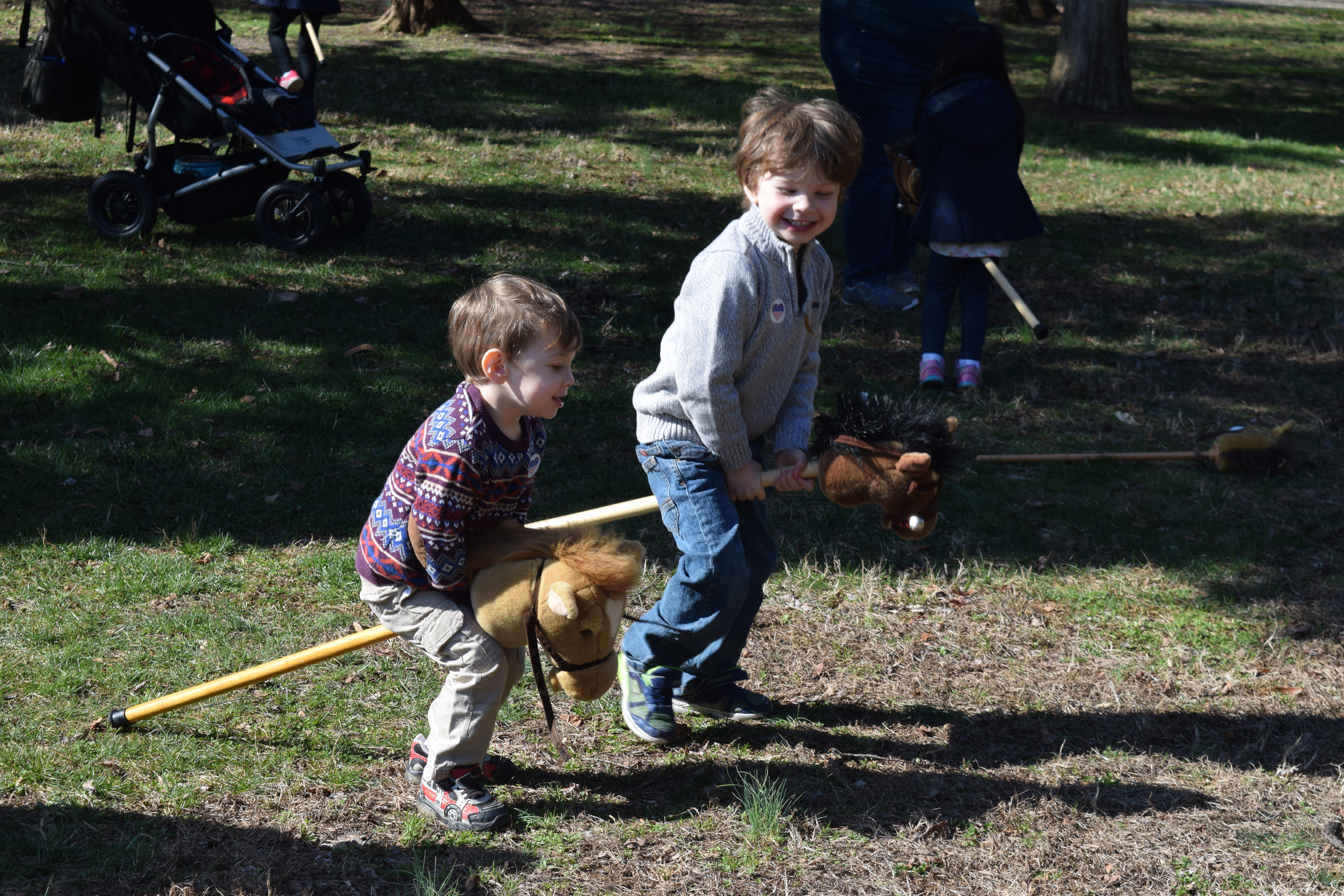
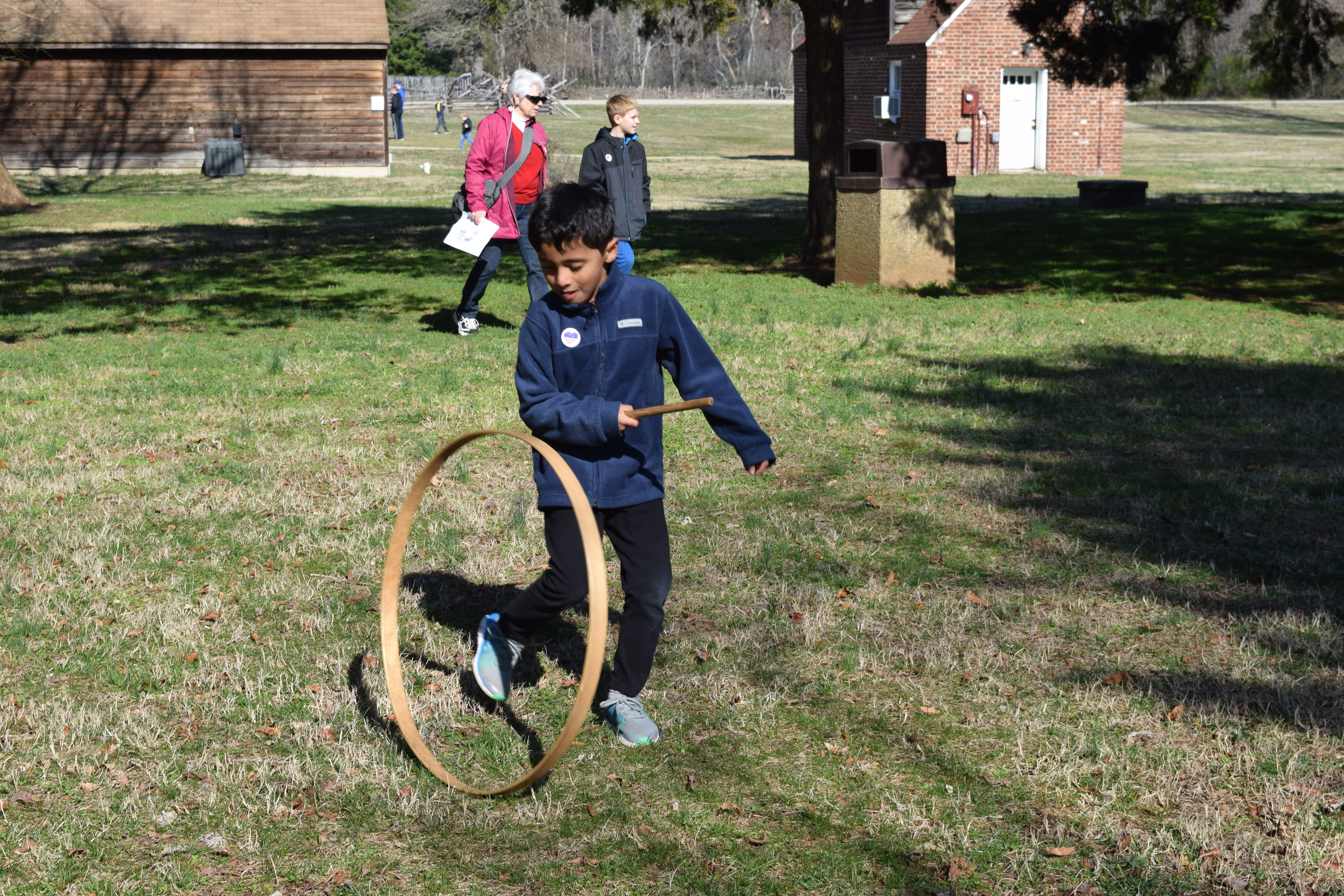
    Come and join our 18th-century colonial fair on Saturday, June 11, from 10:00 a.m. to 3:00 p.m. There will be magic, medicine, music, and more with Dr. Balthasar’s Marvelous Miracle Medicine Show, music by Colonial Fare, colonial games, and craft activities for the kids. Admission includes access to the grounds, performances, activities, and walk-through tours of the Kenmore House. Tickets are $5 for ages five and up, and under  five are free.

    Zac Cunningham, School Programs Educator, Hampton Roads Naval Museum at Naval History and Heritage Command


    Joe Ziarko, Actor Interpreter at Colonial Williamsburg Foundation


    [1] Eighteenth Century Fairs. Colonial Williamsburg Digital Library https://research.colonialwilliamsburg.org/DigitalLibrary/view/index.cfm?doc=ResearchReports%5CRR0069.xml, pg 35. Accessed 6 June 2022

    [2] Ibid, pg 18

    [3] Ibid, pg 19
    [4] The Virginia Gazette, April 30 1752.

    [5] Eighteenth Century Fairs. Colonial Williamsburg Digital Library https://research.colonialwilliamsburg.org/DigitalLibrary/view/index.cfm?doc=ResearchReports%5CRR0069.xml, pg 18. Accessed 6 June 2022

    [6] The Virginia Gazette, 1751.

    [7] Cash Accounts, May 1760.National Archives and Records Administration https://founders.archives.gov/documents/Washington/02-06-02-0226. Accessed 6 June 2022

    [8] Eighteenth Century Fairs. Colonial Williamsburg Digital Library https://research.colonialwilliamsburg.org/DigitalLibrary/view/index.cfm?doc=ResearchReports%5CRR0069.xml, pg 19. Accessed 6 June 2022

    [9] The Virginia Gazette, 1751.

  • Camp George v. George: A Summer Camp to Travel Back to Colonial Virginia

    School is out for summer…almost! Students are counting down the days until they are free from homework, but the learning does not have to stop!. The George Washington Foundation has been busy preparing fun-filled summer camps to encourage critical thinking through exploring the past.

    In our Camp George v. George, students will be asked, “Would you be an American patriot or a British loyalist?” as they learn about George Washington and his family’s experience living under the rule of King George III.

    The camp will alternate between George Washington’s Ferry Farm, his boyhood home, and Historic Kenmore, his sister’s later-in-life house. George lived at Ferry Farm from six years old until 22 years old. This was where George learned how to survey, dance, and petitioned for his first military office at Ferry Farm. His time at Ferry Farm shaped him into the man who navigated the battlefield and the political arena to pursue the American cause.

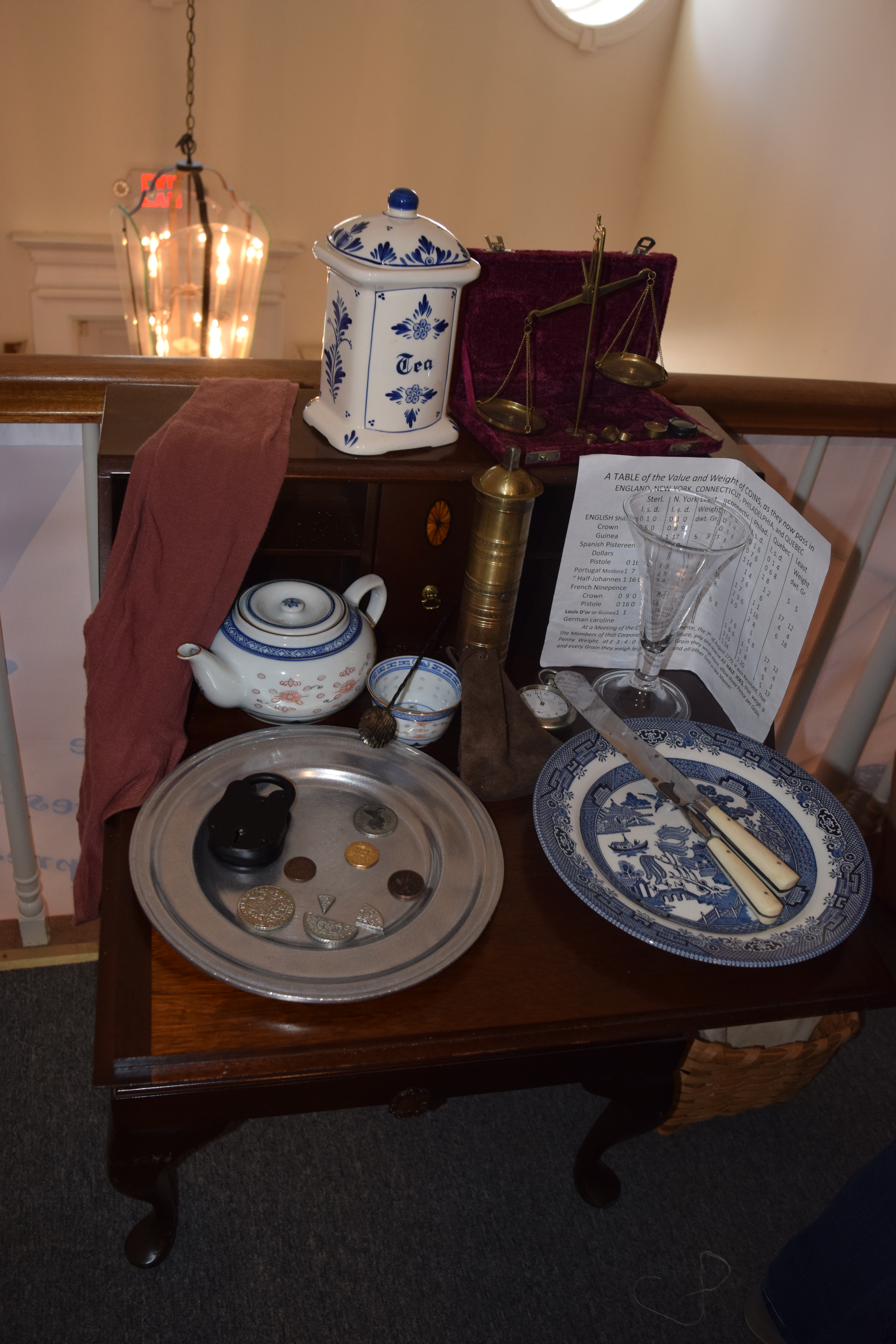
    Similarly, George’s sister, Betty Washington Lewis, was shaped by her time at Ferry Farm. She was instructed in the customs of gentility, which included the tea ceremony.[1] While at Ferry Farm, her uncle, Joseph Ball, gifted a silver tea set and other tools so Betty could refine her skills as a future lady of the house. During this time, Betty was taught the expectations for young women in colonial Virginia.

    Washington’s Ferry Farm

    While Betty’s experience at Ferry Farm was significant, her story does not end there. The skills she acquired at Ferry Farm equipped her to marry Fielding Lewis, a wealthy merchant in town. Twenty-five years later, they moved into their new home at Kenmore in 1775. Fielding and Betty envisioned the mansion as the site of lavish social events filled with tea, dancing, and awe from their guests. However, that dream was never realized, and the couple sacrificed greatly for the American cause. Betty managed the household and attended to the needs of the Washington family, including her mother, Mary. Fielding could not fight in the war, but he voluntarily gave up his trading business with British merchants, donated supplies to the war effort, and financially supported a gunnery in Fredericksburg.[2] Fielding also collected debts and handled several land deals for his brother-in-law.[3] The stress of the financial strain took its toll on Fielding, and he passed on December 7, 1781. Betty struggled financially for the rest of her life due to Lewis’ sacrifices for the Patriot cause.

    Historic Kenmore and Ferry Farm will be the sites where campers will learn about life in colonial America. Archaeologists, socialites, dancers, surveyors, and soldiers are just a few of the roles that the campers will embody as they explore the cultural, social, and military life of colonists during the Revolutionary War era. Activities will include a mock archaeological dig, a surveying hike, dancing lessons, militia drills, and more! This experience will provide insight into life before, during, and after the American Revolution. George, Betty, and Fielding, along with many others, had their lives transformed by society, government, and friendships. What would you do in such instances? That is the question campers will think about during their experiences, but don’t worry, plenty of fun, games, and activities will be included!

    Camp George v. George will be offered in two sessions for families’ convenience. Session A will be June 13 – 17 from 9 am to 12 pm, and Session B will be from July 25 – 29 from 9 am to 12 pm. Please see our events page at Kenmore.org/events for more information!
    Kaylie E. Schunk

    Manager of School & Youth Programs


    [1] Laura J. Galke, “The Mother of the Father of Our Country: Mary Ball Washington’s Genteel Domestic Habits,” in Northeast Historical Archaeology 38 (2009): 33.

    [2] “Fielding Lewis;” Palmer, and McRae, eds. Calendar of Virginia State Papers, 456, 502-3; Duke, Kenmore and the Lewises, 94-96; Fleming, Story of Kenmore, 9; “To George Washington from Fielding Lewis, 14 November 1775,” Founders Online, National Archives, Source: The Papers of George Washington, Revolutionary War Series, vol. 2, 16 September 1775?–?31 December 1775, ed. Philander D. Chase (Charlottesville: University Press of Virginia, 1987), 371–373.

    [3] “From George Washington to Fielding Lewis, 20 April 1773,” Founders Online, National Archives, Source: The Papers of George Washington, Colonial Series, vol. 9, 8 January 1772?–?18 March 1774, ed. W. W. Abbot and Dorothy Twohig (Charlottesville: University Press of Virginia, 1994), 221–224; “To George Washington from Fielding Lewis, 8–9 May 1773,” Founders Online, National Archives, Source: ibid., 229–230. “To George Washington from Fielding Lewis, 24 May 1773,” Founders Online, National Archives, Source: ibid., 235.

  • Happy Birthday, George!

    We are excited to be celebrating George Washington’s 290th birthday (although it’s the day before his actual birth date) on President’s Day! On February 22, 1732, George was born in Westmoreland County, Virginia. Some interesting facts are associated with his birth-date and the subsequent birthday celebrations he would have as an adult. For instance, did you know that he technically has two birthdays? It’s true! Under the Julian calendar, his birth date would have been February 11, 1731. This means that his birthday was actually earlier in the month until the calendar switched to the Gregorian calendar in 1752. The Gregorian calendar added 11 days and one year to his date of birth!

    Just when did his birthday become so popular to celebrate? The earliest known date of his birthday being recognized (beyond his family) was actually during the American Revolution. It was the winter of 1778, and the soldiers were desperate to keep warm at their headquarters in Valley Forge, Pennsylvania. General Henry Knox planned the event. Clearly, General Knox did more than coordinate the movement of cannons from Canada to Boston; he apparently could also list “party planner” upon his resume.

    General Henry Knox aka “Party Planner”. Source: Wikimedia Commons

    The festivities of this inaugural birthday bash included a parade from an artillery band consisting of drums and fifes. Around this time, George was also becoming known as the “Father of his Country,” replacing King George III at every chance. For instance, the King’s birthday would no longer be listed in the Almanac. Instead, you would find the birth-date of George Washington. However, that doesn’t quite answer the question of when his birthday became an annual event on a broader scale.

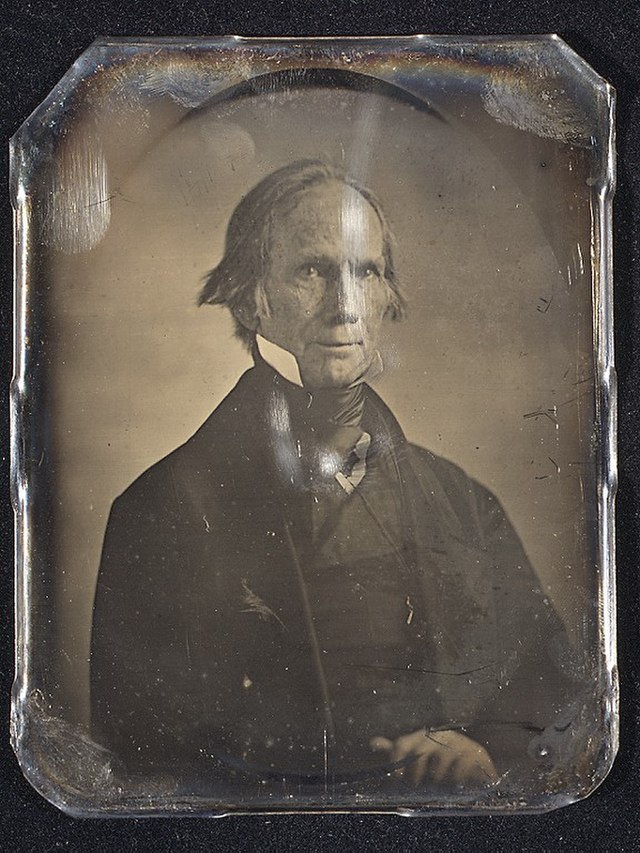
    For that, we turn to everyone’s favorite statesman, whose most significant accomplishment was never being elected President of the United States despite the number of times he ran for that office. The one, the only…Henry Clay. Senator Clay was part of a joint Congressional committee that wanted to recognize the centennial of George’s birth. They decided to do this by giving themselves the day off and adjourning Congress on February 22, 1832. While not the celebration you might have imagined, it did get the ball rolling for an expanded holiday that we celebrate today.

    Senator Henry Clay. Source: Wikimedia Commons

    As the years went by, cities, states, and even Congress realized they had to do more to commemorate George’s contribution to the Nation. In 1862, yes, in the midst of the Civil War, the Senate began to read Washington’s Farewell Address each year on his birthday. In 1879, Congress made the date a federal holiday for federal employees ONLY IN DC. Though this caused confusion among those employees as some were paid for that holiday and others were not… This discrepancy was amended in 1885 when the holiday became a paid one for all DC federal workers.

    Almost 100 years after the Senate began their annual tradition of reading the Farewell Address on February 22, Congress passed the Monday Holiday law to make federal holidays more uniform. So instead of celebrating George’s birthday on February 22, it was recognized on the third Monday of the month. There are two interesting things about this law when applied to George’s birthday. First, because of February’s shortened number of days, there is no possible way for the federally observed holiday to fall on his actual birthday. Second, the holiday we all know as “President’s Day” doesn’t actually exist. It has yet to be formally changed by Congress or the President from being first recognized as “Washington’s Birthday,” which is pretty fascinating!

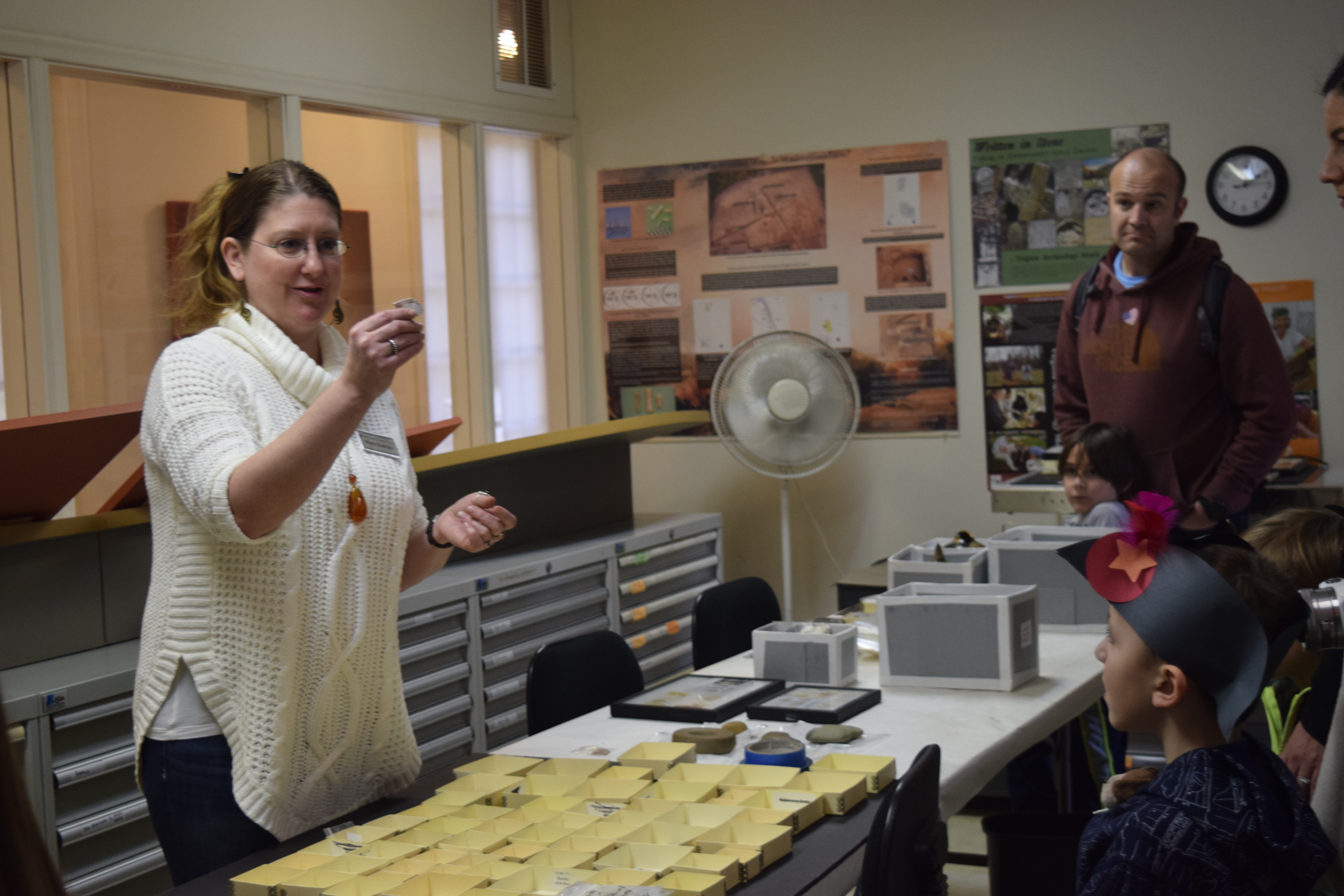
    If you’re looking for a fun way to celebrate George’s birthday this year, I encourage you to check out our event at Ferry Farm. For the event, we are offering tours of the reconstructed Washington House, new (and returning) crafts, a chance to meet real archeologists and learn about what they’ve found at the site, the opportunity to see if you can throw a stone as far as George supposedly could, and obviously, we’re having cupcakes because it’s a birthday party!

    This year’s event will be held on Monday, February 21, from 10 am to 3 pm, and tickets can be purchased by visiting our website. Tickets are $5 per adult (age 18+) and FREE for children (17 & unders). We encourage you to purchase your tickets in advance.

    -Amy N. Durbin, Director of Education

  • My Date with a Founding Figure

    The staff at the George Washington Foundation posited the idea of what it would be like to go on a date with a Founding Figure. We use the term “Founding Figure,” because a couple of dates are with the ladies of the American Revolutionary period and not just the “fathers.”  Although, fun fact, the term “Founding Father” was supposedly coined by then-Senator (later President) Warren Harding in 1916. A founding figure is a person who was instrumental during the Revolution, the creation of the Republic, and the early years of said Republic.

    While some traditional figures have been classified as “lesser-known” or the “last of,” we have chosen those who are pretty well known (and if not, should be!). Each date is set in the 21st century but is tailored to that person’s 18th and 19th-century interests. The following paragraphs are fictional, sadly, but contain threads of facts.

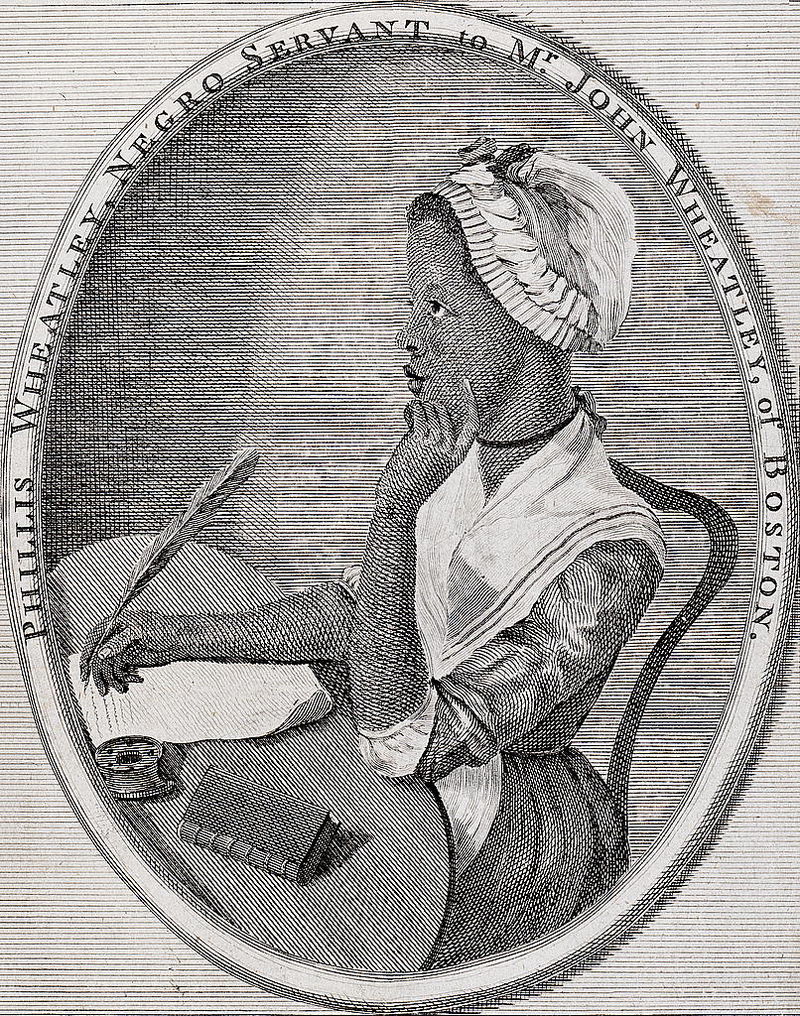
    Phillis Wheatley

    Phillis Wheatley. Credit: Wikipedia

    My dream date with Phillis Wheatley would involve a lot of active listening on my part. I would ask her whether she remembers her time as a child in West Africa before she was enslaved and brought to the British North American Colonies. We both are familiar with Boston, so we’d talk a lot about our favorite places around that city while having tea at Hyperion in downtown Fredericksburg.

    Phillis was a great fan of General George Washington and famously wrote him a poem which resulted in George inviting her to his headquarters in Cambridge, Massachusetts, so I would offer her a tour of Ferry Farm and show her some of the artifacts we have that relate to the Washington family’s time here. From Ferry Farm, we would head to D.C. to check out the museums. I think Phillis would be interested in how history has progressed.

    Over dinner, we would talk about the Revolutionary War, a cause she adamantly supported. At the end of the evening, we would go to a late-night café and sip coffee during a poetry open mic night. Phillis would take the stage and wow everyone with her amazing talent. 

    For those interested in learning more about Phillis, take a look at the Poetry Foundation’s information on her and her work by clicking here

    -Mara Kaktins, Archaeology Lab Supervisor

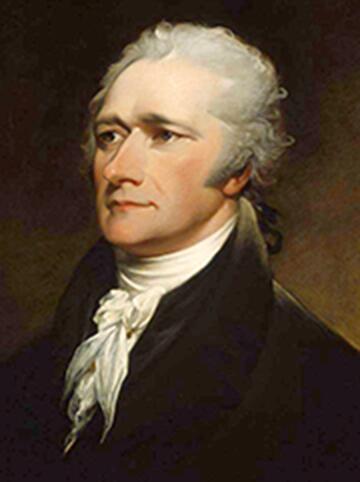
    Alexander Hamilton

    Alexander Hamilton. Credit: Wikimedia Commons

    A day-long date with Alexander Hamilton in Fredericksburg, VA would start early. First, we would head out in search of some lively morning debate at a local coffee shop. Alex is well known for his oratory and debate skills; I would enjoy listening to him engage with local folks in discussing the politics and page one issues printed in our morning newspaper. The conversation might also veer into the topic of the newspaper industry itself as Alex was a founder of the New-York Evening Post in 1801, now called the New York Post.

    After breakfast, we would take a walk following the Trail to Freedom, a Civil War-era tour that retraces the routes of freedom-seeking enslaved men, women, and children through the City of Fredericksburg and the County of Stafford. Alex opposed slavery and vocally supported abolitionist causes. He would be very interested in learning the story of John Washington, enslaved for 24 years in Fredericksburg before escaping to freedom during the Civil War.

    As a side note, we would definitely avoid going past the James Monroe Museum and Memorial Library (too bad, since it’s a great museum!). Monroe and Hamilton had a serious falling out over the public disclosure of Hamilton’s affair with Maria Reynolds and accusations of financial malfeasance. Hamilton and Monroe nearly ended up as a duel over the situation!

    Lunch is at one of two Jamaican-themed restaurants in town in honor of his Caribbean roots. Over the meal, we would discuss our afternoon plans to tour the Civil War battlegrounds in and around the city. I’d be interested to hear his views on military history and tactics. Hamilton loved all things military and even resigned as Washington’s aide-de-camp to take an active role in the Revolutionary fight.

    The day ends with dinner and good conversation at the Rising Sun Tavern. This local landmark is a suitable replacement for the George Weedon Tavern, once a popular gathering spot for patriots in Fredericksburg during the Revolutionary War. Located at the northwest corner of Caroline and William Streets, the tavern unfortunately burned down in 1807. Many important American patriots met here during the War to discuss politics and design policies. The tavern was the setting of the Peace Ball on November 11, 1781, following the defeat of Cornwallis at Yorktown. Weedon hosted many important dignitaries at this event, including George Washington himself and the Marquis de Lafayette. Alex and I would spend a pleasant evening convening with the ghosts of his compatriots of the Revolutionary War.

    -Judy Jobrack, Archaeologist, Co-Field Director

    George Wythe

    George Wythe. Credit: Wikipedia

    On my date with George Wythe, a lesser-known Founding Figure, we would spend an afternoon strolling along Duke of Gloucester Street in Colonial Williamsburg. For those of you who might not know George, he was a prominent lawyer and Williamsburg local. He taught law at the College of William & Mary (in fact, he’s considered America’s first law professor!), so perhaps we would start our day with a leisurely walk around campus and a tour of the Wren Building.

    Next, we’d stop in the aptly named Wythe Candy & Gourmet Shop (I’d probably need to explain the modern sales tax to him, though…) to buy a snack before wandering down to the capitol building. Since he was a member of the House of Burgesses and a signer of the Declaration of Independence, we might debate colonial politics while we tour the building and as we continue our walk along the Palace Green. (Maybe I could convince him to toss a Frisbee on the lawn?)

    On our drive home from the ‘Burg, we’d queue up a true-crime podcast for the road. Wythe himself had quite the connection to true crime. The events surrounding his death, namely, a suspected poisoning, caused quite the scandal in 1806. I probably shouldn’t bring that up during our date, though.

    -Ann Waters, Manager of Interpretation & Visitor Services

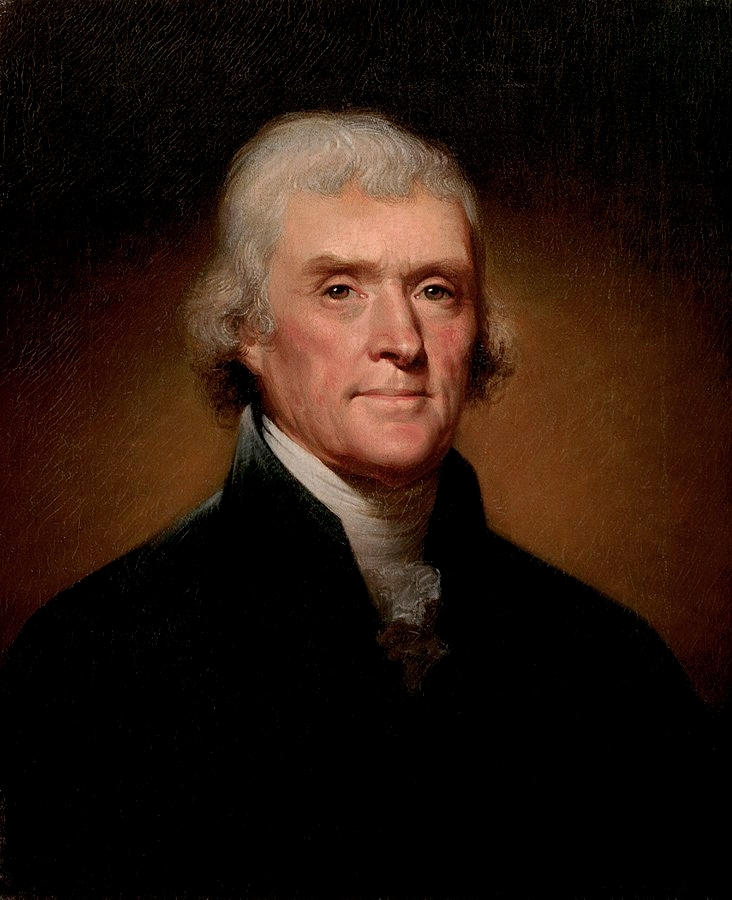
    Thomas Jefferson

    Thomas Jefferson. Credit: Wikipedia

    A date with Thomas Jefferson, the 3rd President of the United States, would be an all-day affair. How could we possibly browse bookstores and discuss literature in only a few hours? A good date must start with coffee. After stopping in Agora (in Fredericksburg, VA) and skimming their used book collection, I would insist on bringing Tom to Riverby Books. Since he was an avid reader, we would likely spend most of the day browsing their shelves. I imagine we would gather a large number of books to peruse.

    The rest of our day-date would be spent reading at the window seat in Riverby and discussing the novels we’ve found. We would leave the bookstore with a few tote bags of books and continue our conversation as we strolled down Caroline Street. The day would end with me gifting Tom a copy of Pride and Prejudice, and I doubt the author of the Declaration of Independence has that on his shelves. Though I wonder, do you think he’d appreciate a Kindle?

    -Gillian Both, University of Mary Washington Fleming-Smith Scholar 2021-22

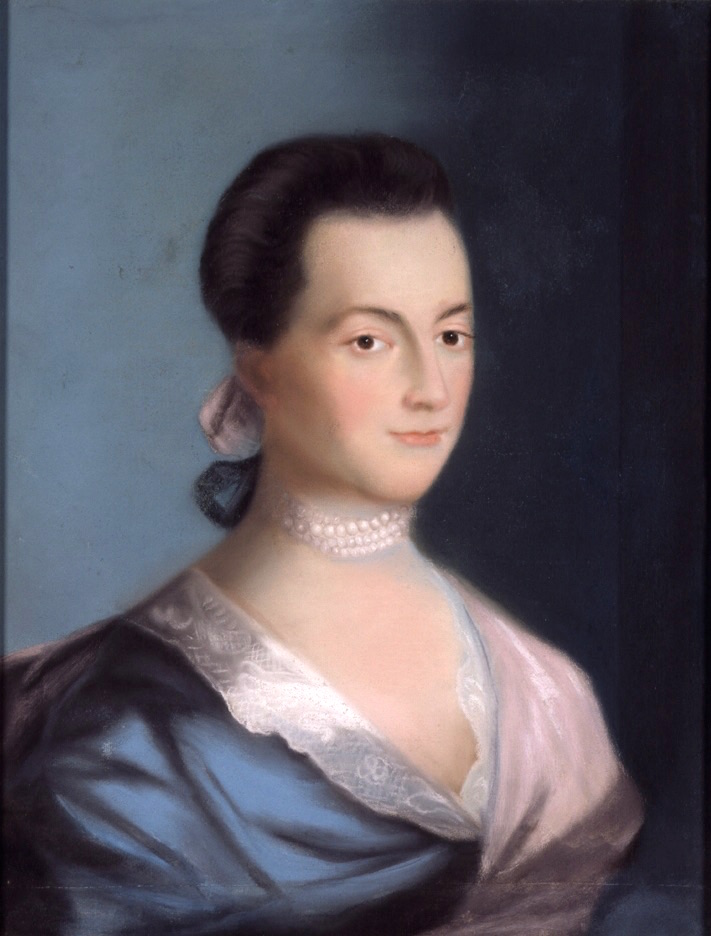
    Abigail Adams

    Abigail Adams. Credit: Wikipedia

    My date would be with Abigail Adams, but I’m hoping I get to call her “Abby.” We would probably go for tea in downtown Fredericksburg. In her letters to John during his absence on crucial government business, she often wrote about the rights of women in the new nation. One aspect of women’s rights that seems to be most important to her was the ability of women to own property and make their own money. With this in mind, I would suggest the woman-owned Freedom Society tea room for our date. Over tea, we would discuss the political progress of women’s rights since the 18th century.

    After tea, since she was also an avid reader, I’m sure she would be happy to visit Riverby bookstore where she could explore the many books unavailable to her in the 18th and 19th centuries, and then I would be happy to hear her opinions on those books, and what she thinks of 21st century Fredericksburg. 

    -Mason Shultz, Assistant Lab Archaeologist

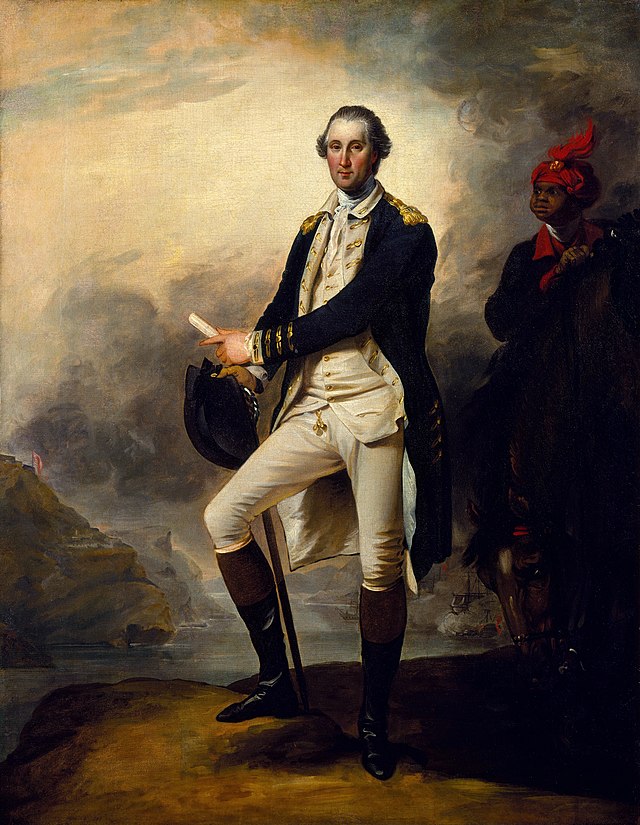
    George Washington

    George Washington. Credit: Wikimedia Commons

    A date with George Washington, Stafford’s boy who grew up to be the 1st President of the United States, would be an evening affair of dinner, dancing, and conversation, of the most respectful sort. Dinner would be a restaurant in downtown Fredericksburg, maybe Sammy T’s? After dinner, considering the incivility of modern-day clubs, George and I would attend a prom—as overly enthusiastic chaperones.

    We would revel in bopping our heads to the D.J. while remaining a respectful 6 feet apart. Furthermore, George would take this date as an opportunity to educate the youth. He would separate students who were not dancing with the purest intentions and would read them excerpts from Rules of Civility, which, while entertaining, would also probably get us removed from future chaperone lists.

    After the prom, George would make sure that I arrived safely home. While I would certainly find George to be charming and honorable, I will forever remember the students’ groans that reverberated off the gymnasium’s walls.

    -Kaylie Schunk, School & Youth Programs Coordinator

    James Monroe

    James Monroe. Credit: Wikipedia

    Fredericksburg is the perfect setting for a date with James Monroe. Did you know? He actually had a law office in town, and his descendants turned it into a museum in the 1920s! While it would be interesting to take him to his own museum, I think we’d leave that for a second date.

    First, we would peruse newspapers for yard and garage sales. I can see us at Agora, on the back patio, sipping coffee, James with the newspapers opened, and me on my smartphone, plotting the location of the sales. James was quite the thrifty furniture finder in his day. One time, while President, he purchased furniture from the Russian ambassador who was having a sale of his things before moving back to Russia.

    After a successful morning of thrifting, we would relax over lunch at La Petite Auberge. I would ask James to tell me all about his time in France as the ambassador during George Washington’s administration. The fact that he sent his wife on a diplomatic mission during the French Revolution is something I really want to hear more about. Additionally, I also want to know more about his trips to England and Spain. Being a diplomat to many places during the late 1790s and early 1800s must have been thrilling!

    -Amy N. Durbin, Director of Education

    Marquis de Lafayette

    Marie-Joseph Paul Yves Roch Gilbert du Montier a.k.a Marquis de Lafayette. Credit: Wikipedia

    Oh, la la! What comes to mind when you think of Marie-Joseph Paul Yves Roch Gilbert du Motier? Êtes-vous confus? He’s better known by his title, Marquis de Lafayette! Our daylong date would begin mid-morning, as the Marquis would have arrived late the night before. The last time he was in the United States was 1824 so, it’s been a minute. He’s currently on the U.S. leg of his college speaking tour.

    As a person who grew up in a small town in France, traveled overseas, fought for liberty here, and also in his own country, was arrested during his home country’s Revolution, survived, sought to end slavery, and to keep the ideals of the American Revolution alive, the University jumped at the chance to have him encourage the graduating students. So, after his fiery speech to get the students ready to live their dreams, I’d present him with some donuts from Paul’s, and we’d grab some coffee from Hyperion. Taking our treats down to the waterfront, we would spend the afternoon discussing his views on the right and wrong of humankind.

    In the early evening, we’d walk through Hurkamp Park, taking in the sounds of a local band. He probably wouldn’t care to dance as he wasn’t the most graceful dancer, but it’s 2022, dance moves are whatever a person wants them to be, right? After the park, we would end the day over dinner from Juan More Taco. I think he would like how much the restaurant gives back to the community.

    -Amy N. Durbin, Director of Education

    And so, we ask you, what do a poet, an accountant, a professor, an architect, an advocate, a surveyor, a diplomat, and an idealist have in common? They all paved the way for others to also grow up and to make their mark on the world. What they accomplished, be it good, not-so-good, or even unknown to many, can still be educational. What founding figure would you date?

    -GWF Archaeology & Education Staff

  • What in the World is Twelfth Night?: A Visit with the Ghost of Twelfth Night Past

    Usually, at this time of year preparations are well underway for our annual Twelfth Night at Kenmore: A Dramatic Performance.  The play takes place in January 1776, during the first Christmas season celebrated at Kenmore. Unfortunately, this year’s celebration of Twelfth Night at Kenmore is canceled due to winter weather.  However, if you are familiar with the performance, or have read some of our past blog posts, you might already know a thing or two about this once popular Christmastide holiday. While traces of Twelfth Night still exist today, the celebration is much diminished, if not entirely eclipsed, by Christmas and New Year’s. Why is this, exactly? When did we stop celebrating Twelfth Night?

    There is no single, short answer as to why Twelfth Night celebrations fell out of fashion. Rather, attitudes surrounding the Christmas season changed throughout history, and old traditions were often absorbed or re-imagined into something new. A very brief look into the history of the season sheds some light on why today’s Christmas traditions rose in popularity, while Twelfth Night celebrations became part of Christmas Past.

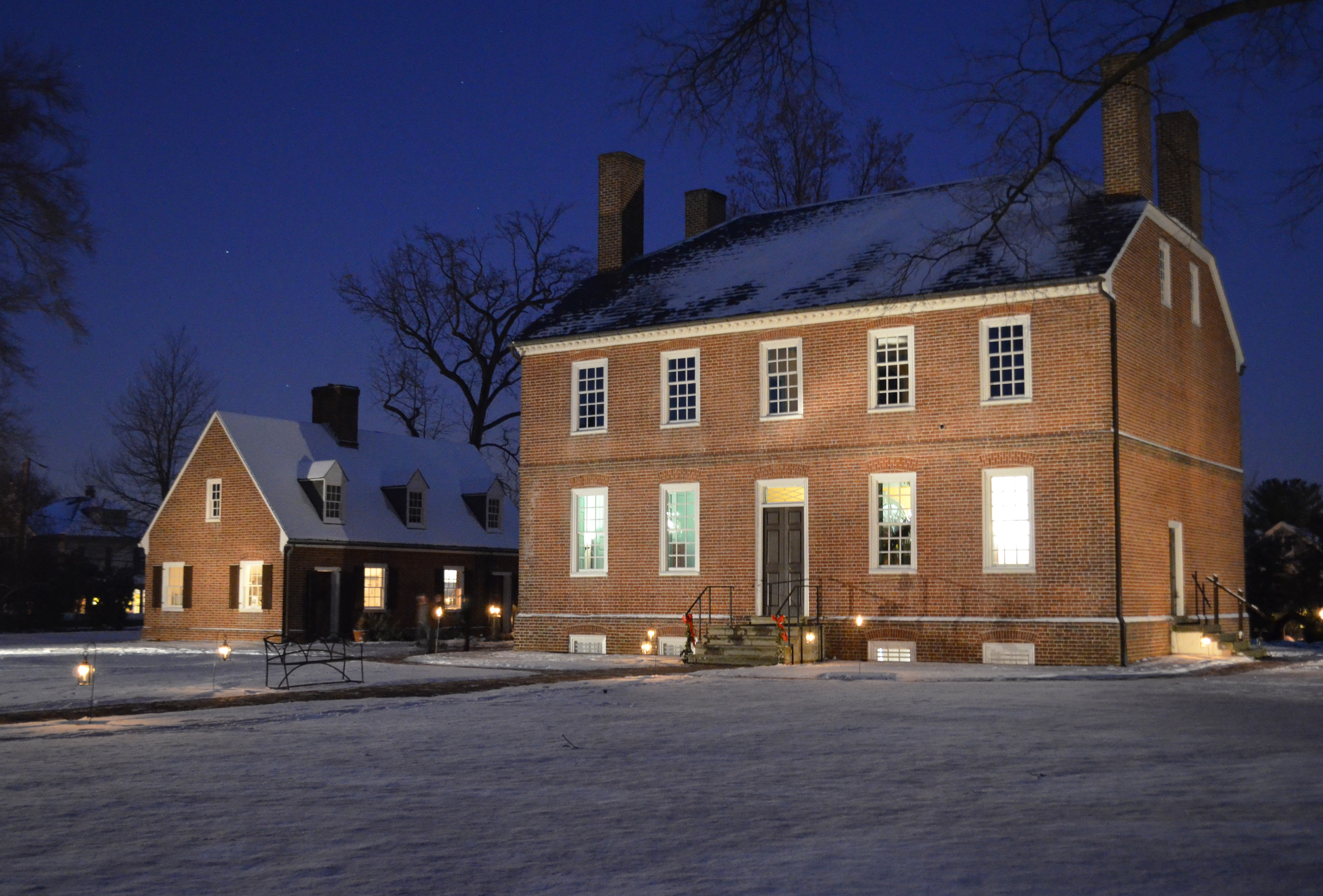
    Historic Kenmore on the eve of Twelfth Night. Credit: GWF Photo

    Many Christmas and Twelfth Night traditions are rooted in holidays celebrating the winter solstice. For example, Saturnalia, a holiday honoring the Roman god Saturn, took place in mid-December. During Saturnalia, the normal social order was temporarily overturned. Romans closed schools and businesses, held grand feasts, and in some families, a king or “Lord of Misrule” was chosen to rule over the household’s festivities.[1] In Scandinavia, people celebrated the winter solstice during the Nordic festival, Yule. Festivities included bonfires (or yule logs), evergreen decorations, and feasts. It wasn’t until the 4th century that the Roman church officially observed December 25th as Jesus’s birth date. Historians speculate that church officials chose this date precisely because so many popular winter celebrations occurred around that same time.[2]

    Saturnalia by Antoine Callet. Credit: Wikipedia

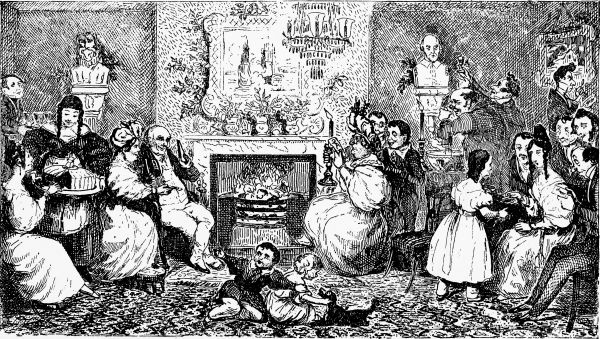
    If we fast forward in time, we see how some of these winter rituals were absorbed into the festivities of Twelfth Night. But first- what exactly is Twelfth Night? Typically celebrated on either January 5th or 6th, Twelfth Night, or Epiphany, is a Christian holiday that marks the end of the Twelve Days of Christmas and commemorates the Magi’s visit to Jesus. During the colonial era, the holiday season kicked off on December 25th and culminated on Twelfth Night. The twelve days after Christmas were full of games, music, dancing, feasts, and visiting with family and friends. Families often celebrated the season with a Twelfth Night Cake. Recipes called for a dried bean and pea to be baked into an elaborately decorated fruit filled cake. The man who found the bean was declared King for the night, while the woman who found the pea was declared Queen.

    Illustration of a Twelfth Night party by Robert Seymour. The woman on the far left serves pieces of a large Twelfth Cake. Credit: The Project Gutenberg

    Of course, there has always been debate surrounding how the Christmas season should be celebrated, and practices varied from place to place and person to person. In the 17th century, New England Puritans (echoing sentiments from Cromwellian England) viewed Christmastime celebrations as rowdy, excessive, and downright bacchanalian. Massachusetts went as far as to outlaw celebrations between 1659 and 1691.[3]

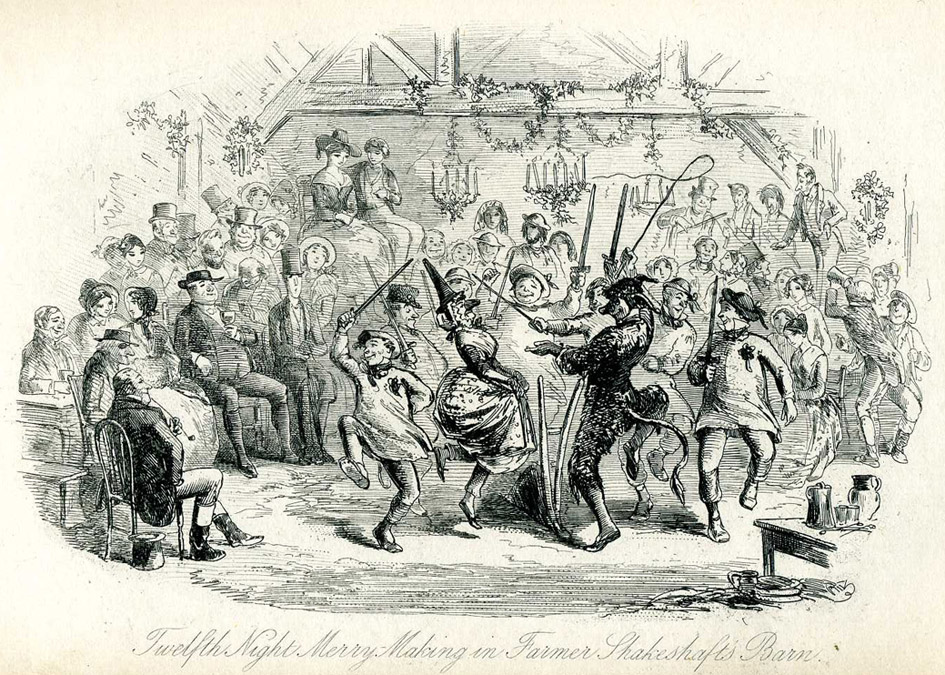
    The Twelfth Night party’s “King” and “Queen” sit on chairs overlooking the crowd. Dancing, drinking, and mumming (costumed acting) are in full swing. Puritans disapproved of these festive antics. Credit: Wikipedia

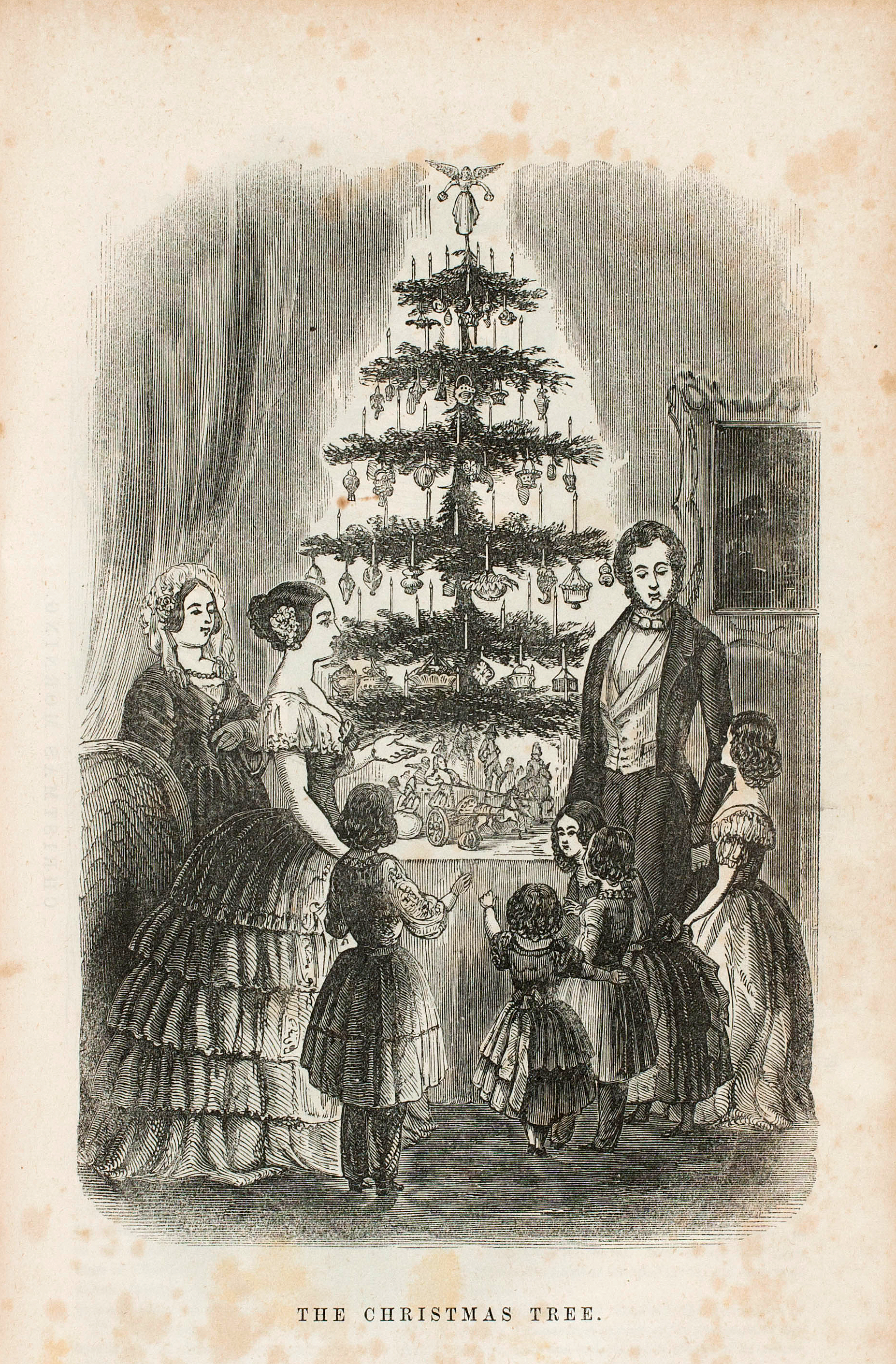
    During the 19th century, Queen Victoria influenced a shift in popular opinion towards a more family-focused Christmas season. In 1850, Godey’s Lady’s Book, a popular American magazine, published an image of the royal family gathered around a Christmas tree. While German immigrants had already introduced the Christmas tree tradition to America, this image fascinated the English and American public alike, and it further popularized the practice. In the American version of the print, editors removed Victoria’s tiara and Albert’s royal sash, and the group came to embody the ideal American family at Christmas.[4]

    Godey’s Lady’s Book illustration. Credit: Wikimedia Commons

    These changing ideals shaped the Christmas season during the Victorian era, and combined with rapid industrialization and commercialization, they sparked the beginning of a number of now familiar traditions. For example, improvements in mass printing technology popularized the practice of sending Christmas cards. In 1843, Charles Dickens published A Christmas Carol, a tale promoting charity, good will, and the virtues of a domestic family Christmas. Thomas Nast, who made popular the modern image of Santa Claus, published his first Santa cartoons in the 1863 edition of Harper’s Weekly.

    You might be asking, where then, does this leave the Twelve Days of Christmas and our Twelfth Night celebrations? As we’ve seen, changing ideals during the 19th century promoted a holiday season focused on children and family. Modern industry and commercialization further bolstered shopping and gift giving habits, and a twelve day holiday certainly didn’t fit within the parameters of the new industrialized era. The once twelve day celebration now culminated on one, and it was celebrated with visits from Santa and gifts for children, rather than with feasts and parties for adults.

    However, some Twelfth Night traditions live on during the modern Christmas season, albeit under new guises. Between Christmas and New Year’s, people may decorate their homes with greenery, raise a toast with a glass of wassail, or host extravagant parties with family and friends. If you visit New Orleans during the carnival season (beginning with Epiphany and ending on Mardi Gras) you might celebrate by eating “King Cake,” where the lucky person who finds the plastic baby figurine inside their piece of cake is crowned “king” for the day! That sounds a little familiar, doesn’t it?

    Ann Waters

    Manager of Interpretation and Visitor Services


    [1]“Saturnalia,” HISTORY, A&E Television Networks, Last modified December 18, 2020, Accessed December 22, 2021, https://www.history.com/topics/ancient-rome/saturnalia

    [2] Stephen Nissenbaum, The Battle for Christmas (New York: Knopf Doubleday Publishing Group, 2010), 4.

    [3] Bruce David Forbes,“Christmas,” In America’s Favorite Holidays: Candid Histories, 1st ed. (University of California Press, 2015), 28.http://www.jstor.org/stable/10.1525/j.ctv1wxrr3.5

    [4] Ibid., 34.

  • Dig These Dishes! We Recreate an 18th Century Table Setting Using Only Artifacts.

    Dig These Dishes! We Recreate an 18th Century Table Setting Using Only Artifacts.

    On a typical day at George Washington’s Boyhood Home at Ferry Farm, visitors experiencing the house tour are ushered into the main hall upon which a dining table is set out before them with 18th-century reproductions of plates, glassware, wine bottles, and serving dishes. This setting creates an interactive experience for our visitors, transporting them back in time to the mid-18th century when the Washington family lived here on site.

    Last month, however, an unexpected sight greeted a tour group as they entered the hall. The dining table was set, not with reproductions, but actual plates, jugs, and serving dishes that could very well have graced the Washington family’s dinner table over 250 years ago.  The principal difference is that nothing on the table was complete – all were fragmented versions of the originals. 

    Dining table in Hall set up for dinner.

    The setting was a special photoshoot for The George Washington Foundation and an occasion to display and highlight the array of vessels, many mended, residing in the Archaeology Department’s collection.  Everything on the table was archaeologically recovered from either Ferry Farm or Historic Kenmore and represent vessels that date to the Washington family’s occupation of Ferry Farm or Betty Washington Lewis’ time at Kenmore. 

    The Archaeology Department at Ferry Farm has been mending vessels over the past couple of years for our museum displays at the Ferry Farm and Kenmore Visitor Centers. This mending was also done for research purposes as the curatorial department worked to furnish the replica house with accurate, period-relevant household items.

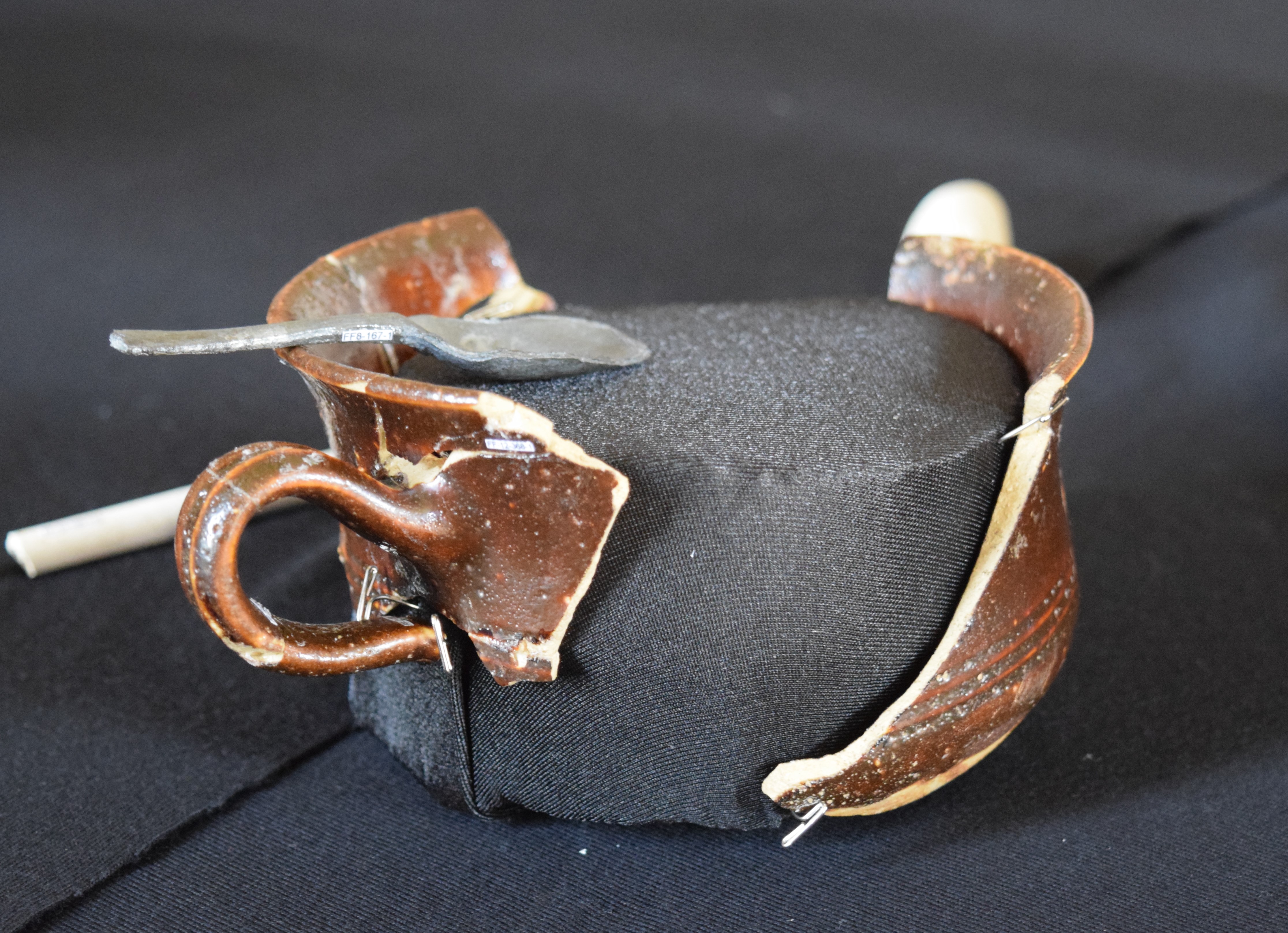
    So what is on the table? Creamware and white salt-glazed plates and serving dishes, glass tumblers and wine glasses, German stoneware jugs, dark green glass wine bottles, a porcelain teacup, coarse earthenware porringers, forks and knives with bone handles, silver spoons, and Mary Washington’s creamware enamel-painted punch bowl.  Many of the ceramic tablewares and a few of the glass tumblers were mended using archival glue.  Some of the objects were able to stand on the table unaided, while others needed mounts for support, such as the wine glass.

    Fragments of dinner and glasswares

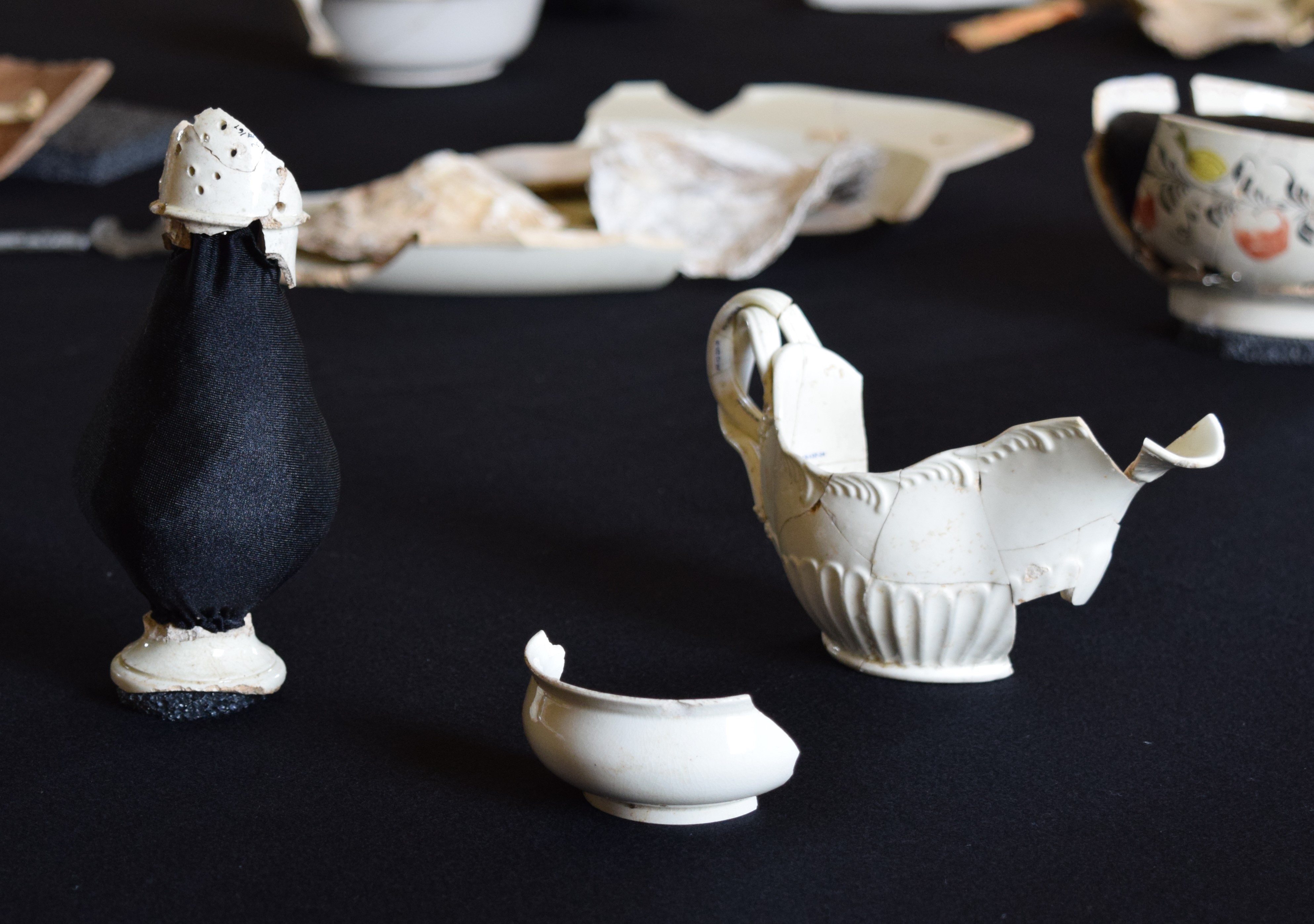
    To help envisage the original shape of some of the fragmented vessels and make them recognizable, we first sculpted their shapes out of foam, covered them with fabric, and then attached the incomplete vessel fragments in their correct positions. This process allowed us to present a more “complete” and familiar view of some of the tablewares, such as the two large stoneware jugs, the creamware pepper pot, the glass tumbler, and the two wine bottles. All of these items would have been very difficult to display simply using the fragments themselves. 

    Having such an array of different ceramic styles on the table is more a function of what we have mended in our collection versus what Mary might have actually had on her table.  But for our purposes, we are happy showcasing all of the different ceramic types presently in our possession.

    Welcome to the Washington dining table! Enjoy!

    Judy Jobrack, Archaeologist
    Co-Field Director

  • [Infographic] Ten Pivotal Moments of George Washington’s Boyhood

    You can also read the original blog post with a few more details here.