Lives and Legacies

Tag: London

  • The Women of Silver: 18th-century English Silversmiths

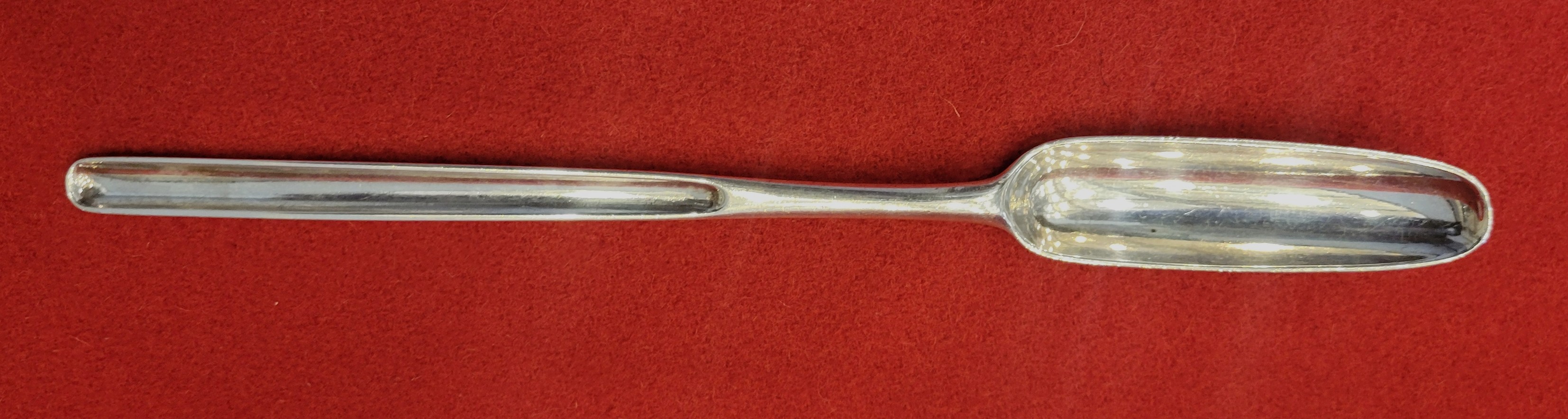
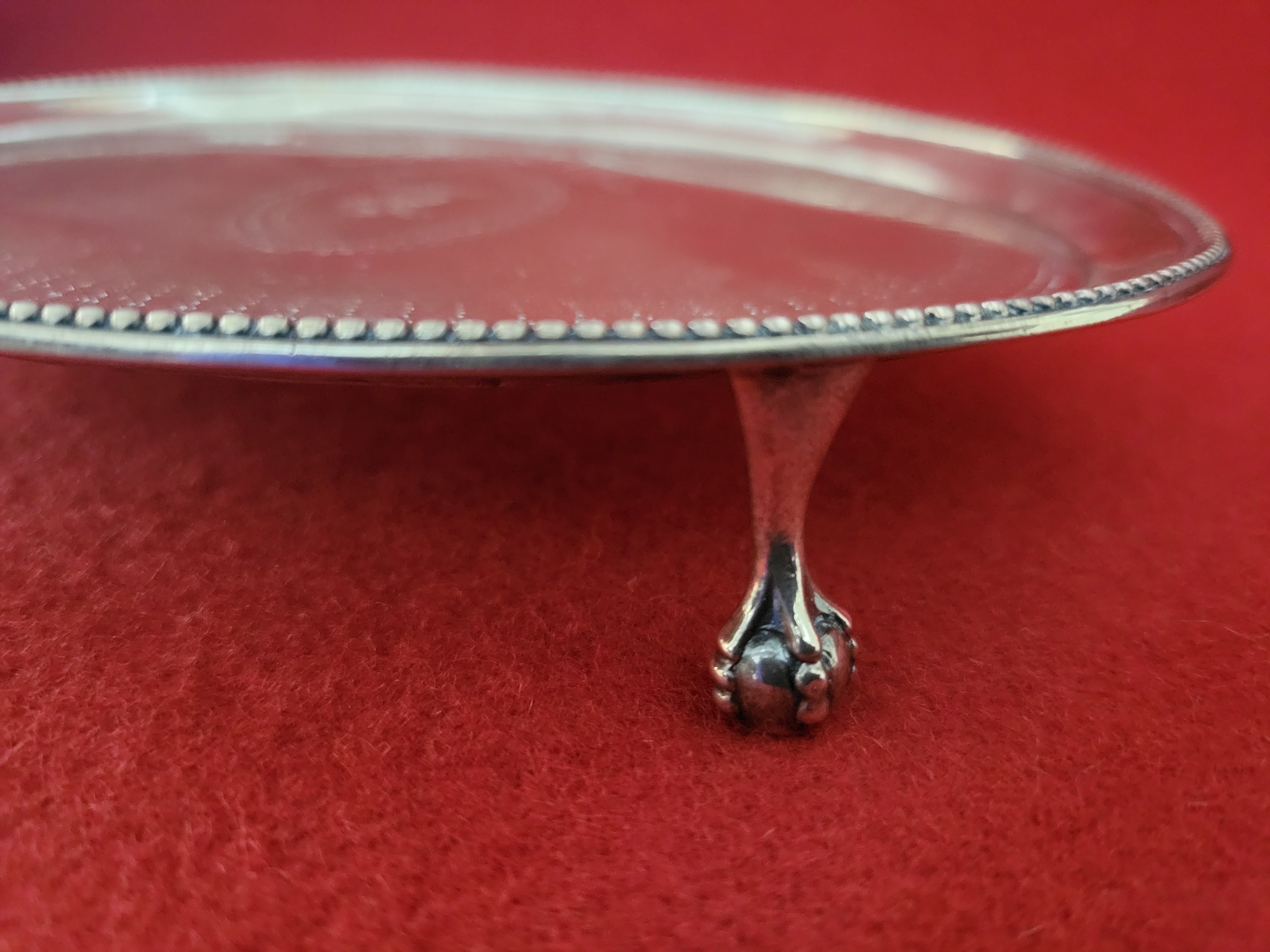
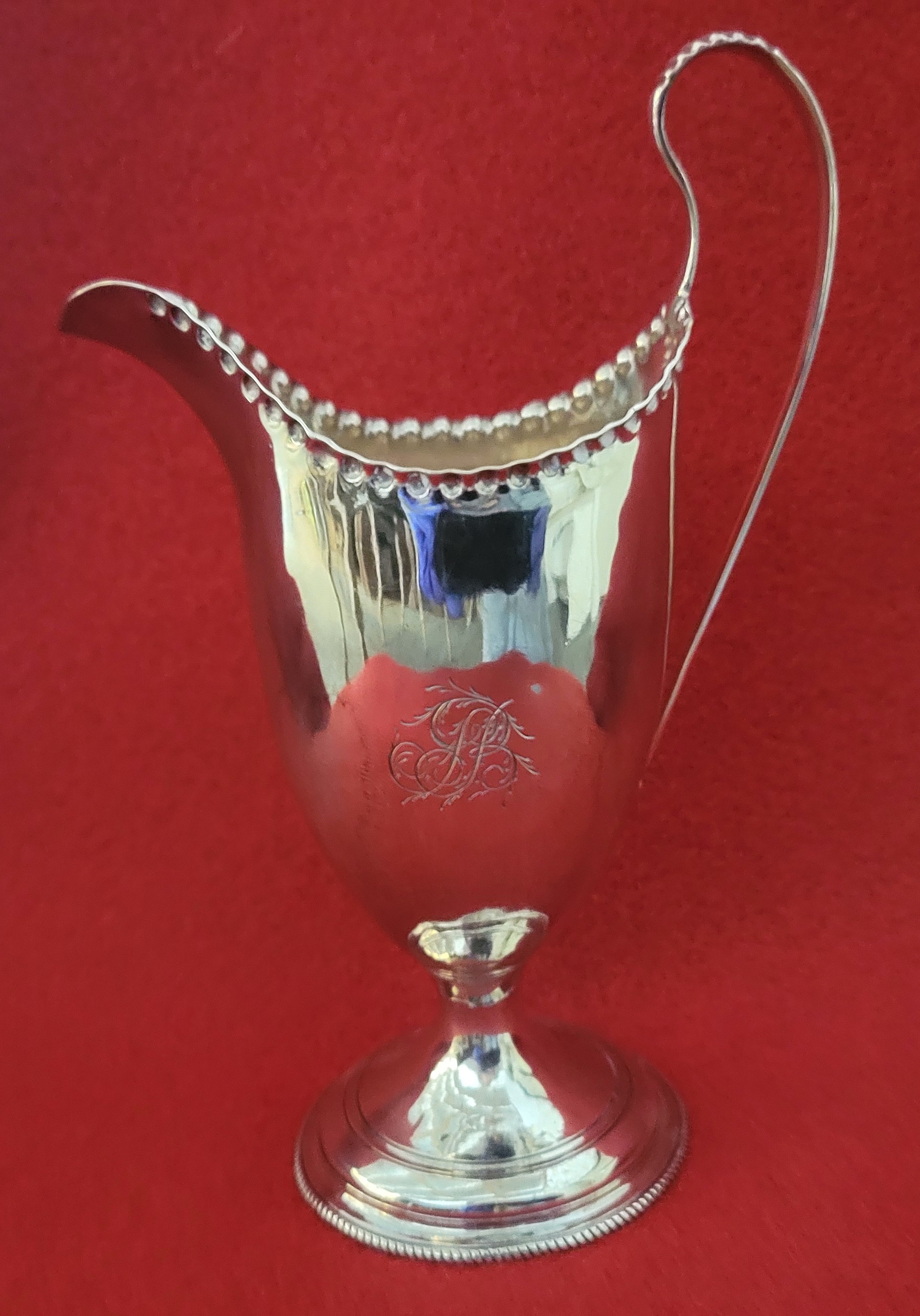
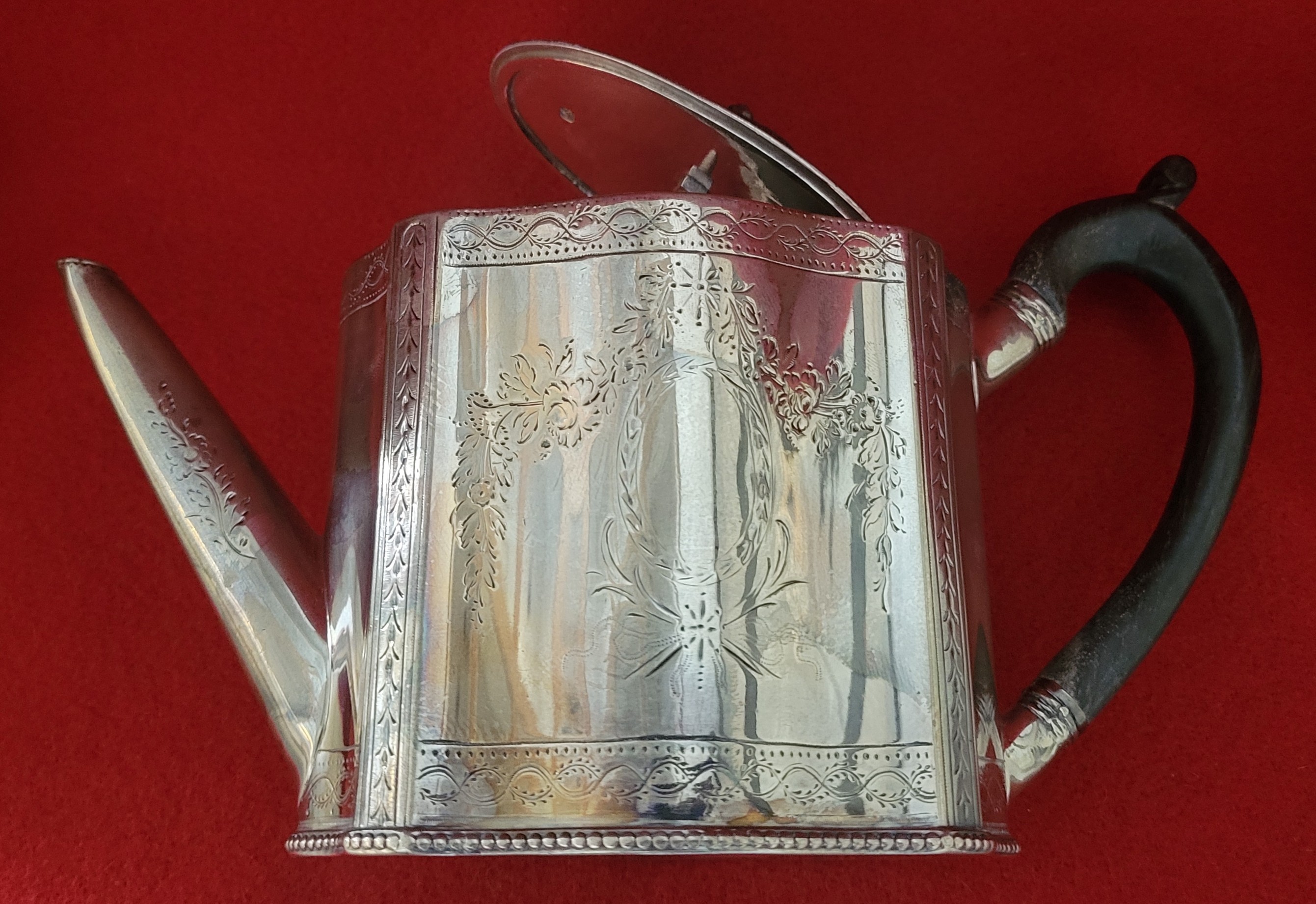
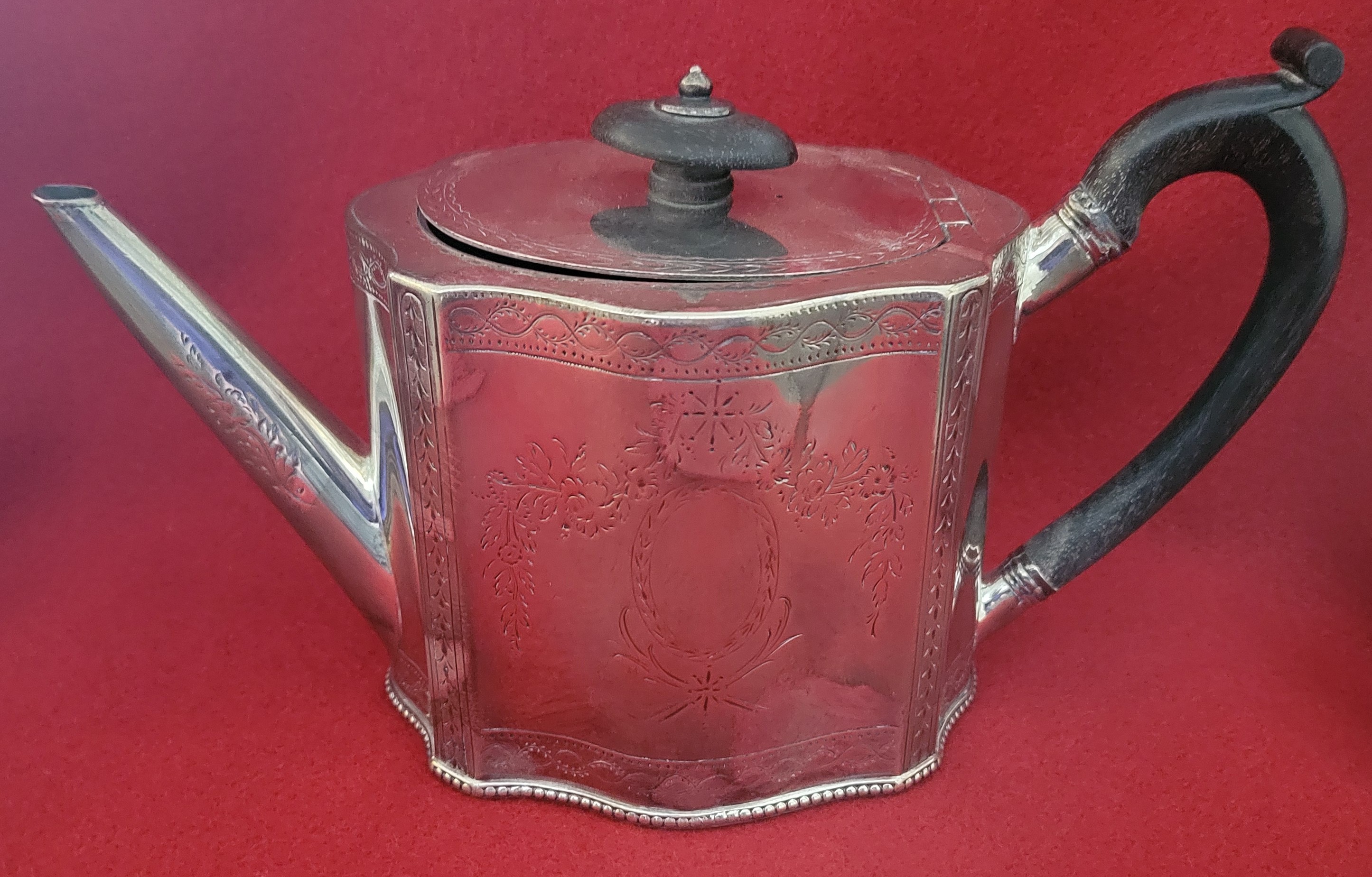
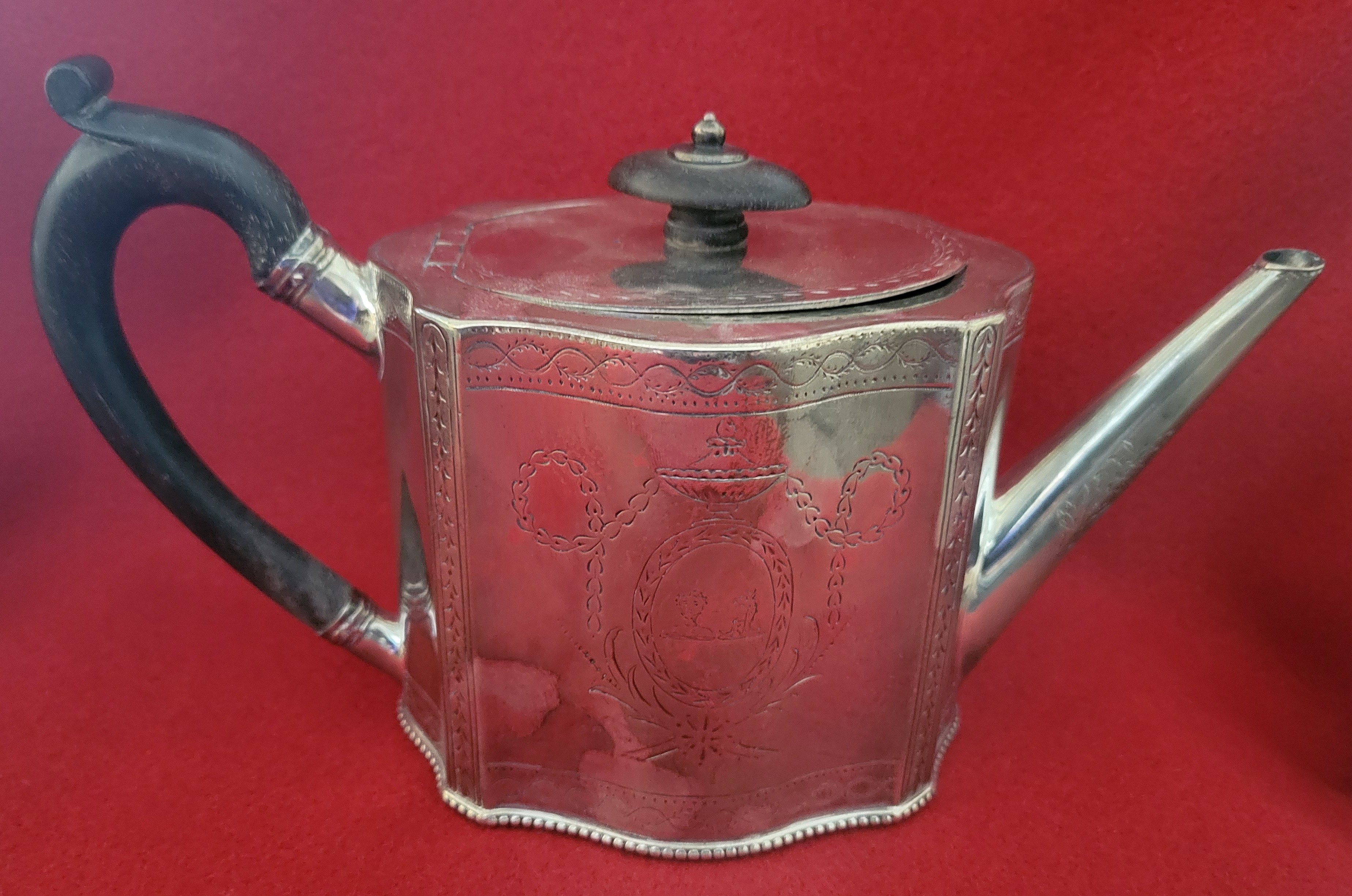
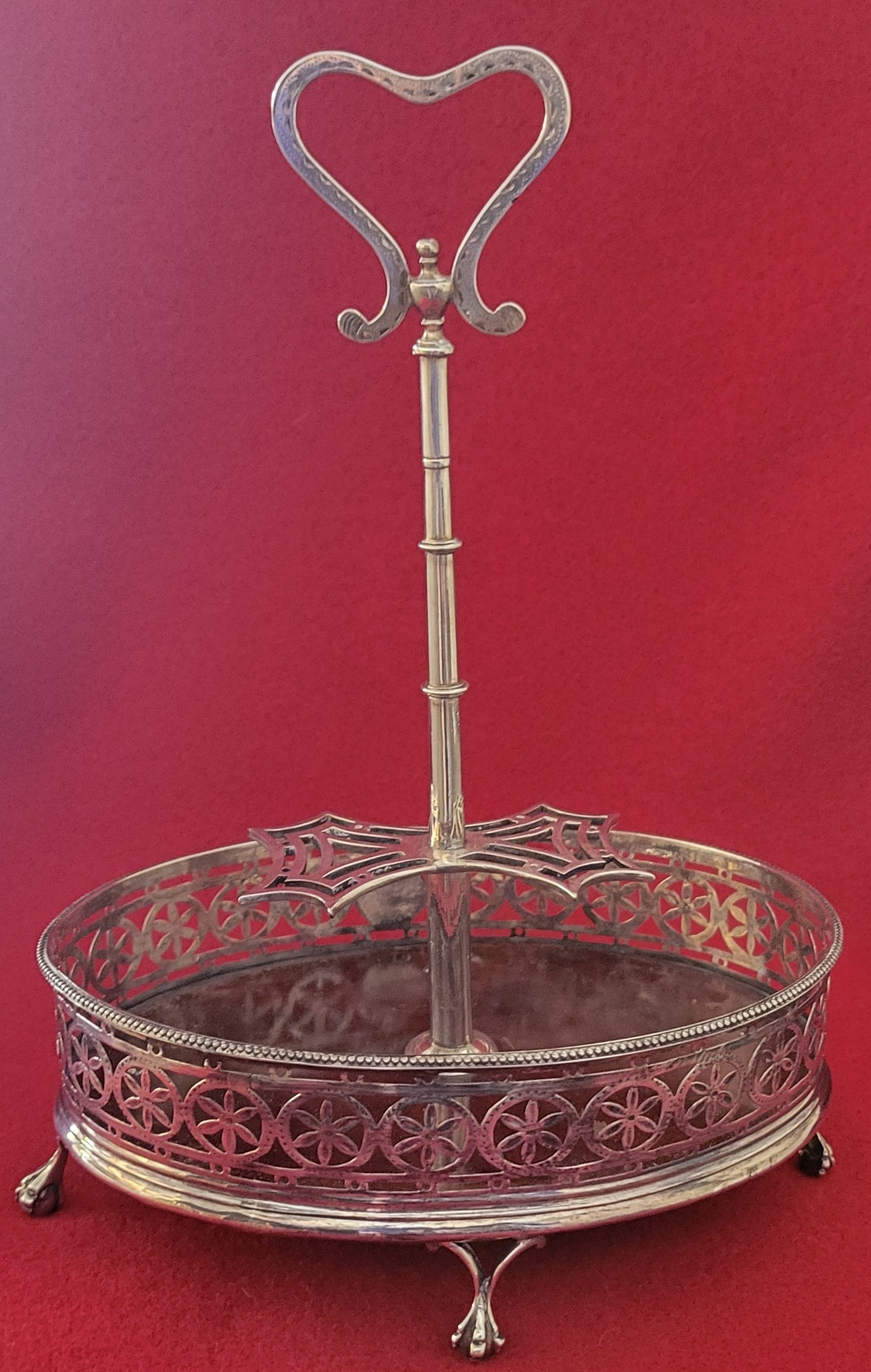
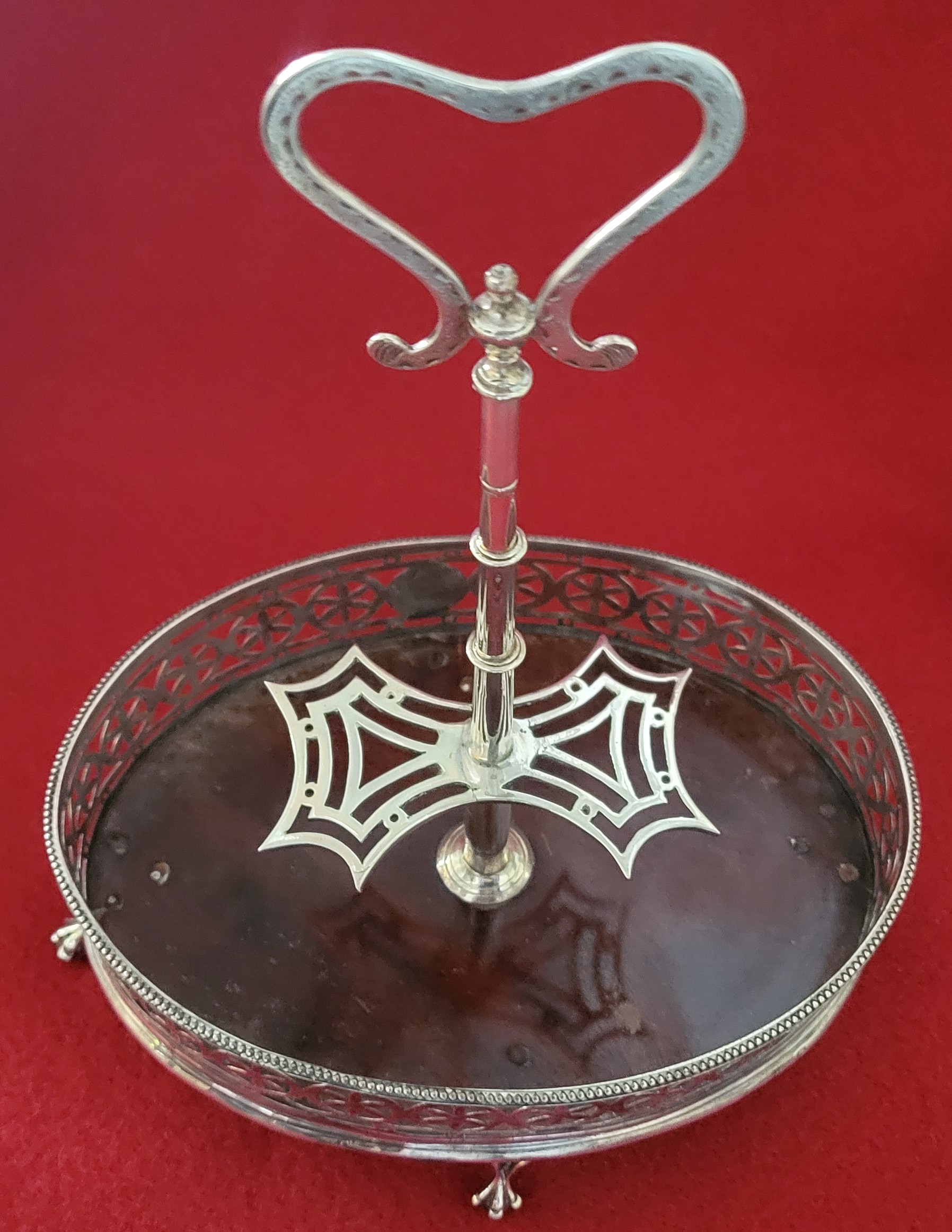
    We have a lot of silver in our collections, ranging from candlesticks to teapots to spoons.  With all the silver, I have become familiar with eighteenth-century silversmith marks, but I have never explored the artisans behind the marks. 

    I was pleasantly surprised to find at least four women silversmiths represented through various pieces.  These four women were all London-based traders within an active community of women artisans in luxury trades.  I wanted to discover how these women entered this male-dominated trade and registered their marks. (City Women, 2025)

    First, we need a little background to understand how the silversmith trade worked in eighteenth-century England. 

    The Trade

    In the eighteenth century, English silversmiths were much more regulated than American silversmiths due to having around a four-hundred-year head start in establishing trade organization.  However, no one on either side of the ocean would have been considered a master craftsman without a long multi-year apprenticeship. 

    Silver plating workshop from Diderot’s Encyclopédie

    While this was a rare path for girls, these four women were introduced to silversmith work through their families without formal apprenticeships.  However, that doesn’t mean they didn’t spend years becoming expert artisans and learning to run a successful business from their fathers, brothers, and husbands. 

    When a silversmith obtained their “free” status, it meant they could sell their ware in the city of London.  To earn this status, the silversmith had to be granted a hallmark from a Livery, like the Goldsmith’s Company.  Women were only granted a mark if they were the widows of a silversmith. (Rue Pigalle, 2025)
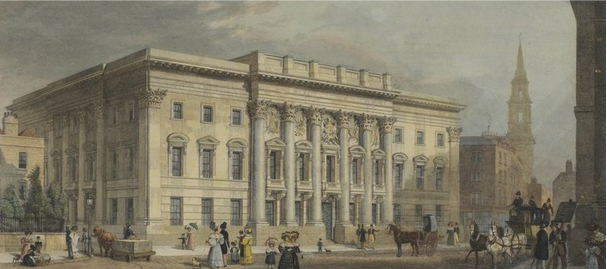
    Worshipful Company of Goldsmith in the city of London, current building in late 19th century. The company has been occupying this spot since 1339.

    The Marks

    In eighteenth-century England, the silversmith could sell the articles they made only after the pieces had been assayed and stamped with appropriate hallmarks. (Ford, 2018)
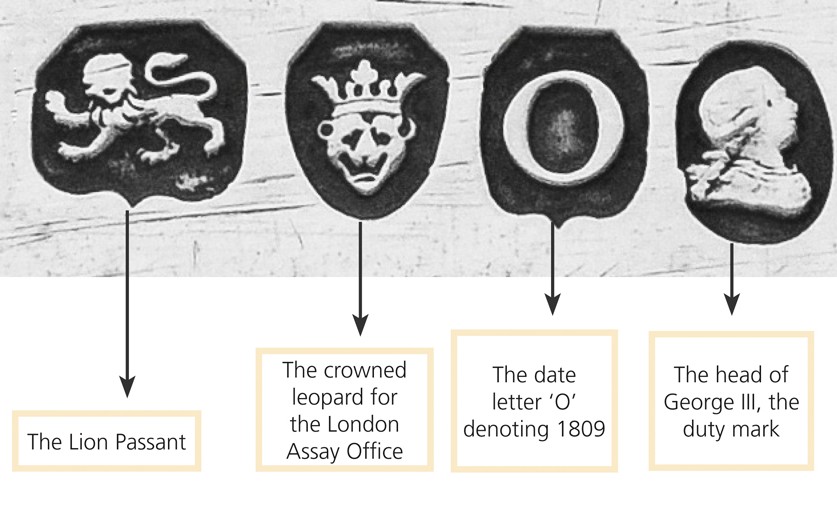
    Explanation of silver marks

    One hallmark is the symbol of the guildhall where it was assayed.  Each location had a different image, like a London goldsmith guild’s head of a leopard, and has been used for over seven centuries. 

    Another is the maker’s mark, which has been required since 1363.  This mark is now always the marker’s initials, but one was more often a trade symbol.

    The mark of English sterling standard fineness—a lion passant—has been used since 1544 to certify that the metal is 92.5 percent pure silver. (Ford, 2018)

    There is also a date mark indicated by a letter representing a year.

    Finally, duty marks on silver from 1784 to 1890 reflect the tax on precious metals with the profile of George III or Victoria.  (Arkell, 2025)

    The Silversmiths

    Hester Bateman

    One of the most well-known eighteenth-century London silversmiths is Hester Bateman.  She became the matriarch of the renowned Bateman family silversmithing company. 

    She was born Hester Nedem in London in 1708. She grew up poor with little formal education.  In 1732, she married John Bateman, a goldsmith and chain maker.  John died in 1760 of tuberculosis and left Hester his tools in his will.  Hester took over the shop located at 107 Bunhill Row and registered her mark at London Goldsmith’s Hall on April 16, 1761. (Bly, 2008)
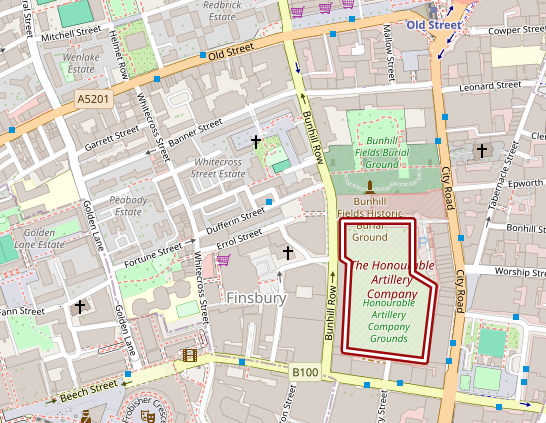
    Hester Bateman’s shop was located at 107 Bunhill Row, Islington, London

    She continued to run the business for over thirty years, bringing two sons, one daughter (Letitia Clarke), and a daughter-in-law (Ann Bateman) into it. (Eagle and Pearl, 2025)  The Bateman silversmith company specialized in household silver, such as flatware, cruet stands, and fashionable tea and coffee sets. (Slavid, 2021)  The company’s work is characterized by bright-cut engraving and piercing in the neoclassical style.

    The key to Hester’s success was adopting and integrating modern technologies, taking advantage of new cost-effective manufacturing processes to supply elegant wares to the middle class. (Slavid, 2021)  One of the new cost-effective processes they used was the “Sheffield Plate,” developed in the 1740s.  It is a fusion of copper and sterling silver to create gauge sheet silver, which can be punched and pierced by machines and is cheaper to produce than solid silver.  (Campbell, 2006)

    Hester retired in 1790 and was succeeded by her sons, who registered their hallmarks in December 1790.  The Bateman family company continued for another fifty years, closing under William Bateman in 1843. (Campbell, 2006)

    Ann Bateman

    One of the renowned Bateman silversmith family members was Ann Bateman, daughter-in-law of Hester, who was married to her son Jonathan. 

    Better look at maker’s mark by Peter and Ann Bateman

    She registered her first mark in 1791, the year her husband died. She then worked in partnership with her brother-in-law Peter and eventually her son in 1800.  Her works were popular tableware in fashionable neoclassical styles. (Bly, 2008)

    Elizabeth Godfrey

    Elizabeth was born in London, the daughter of Simon Pantin, a prominent silversmith.  She was believed to have been trained in her father’s workshop.  She married two silversmiths; her first husband was Abraham Buteux, a French goldsmith.
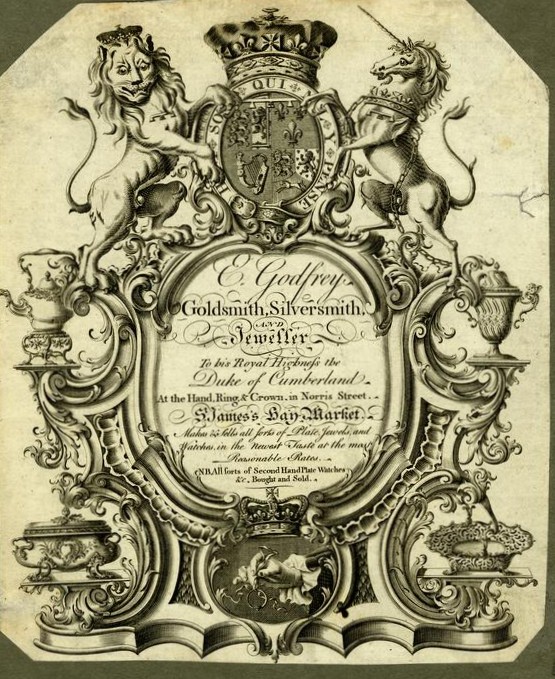
    Abraham died in 1731, and she registered her first mark as Elizabeth Buteux for her shop in Norris Street.  She continued her first husband’s business until her marriage to Benjamin Godfrey in 1732.  Upon Benjamin’s death in 1741, she registered a second mark as Elizabeth Godfrey. (Arts, 2025)  She is described on her trade card as “Goldsmith, Silversmith, Jeweller, [who] makes and sells all sorts of plates, jewels, and watches, in the newest taste at the most reasonable rates.” (Mrkusic, 2014)

    After her second husband’s death, she took charge of the company and began producing silver pieces in the fashionable Rococo style.  This earned her many loyal patrons, including the Duke of Cumberland.  (Skerry, 2018)
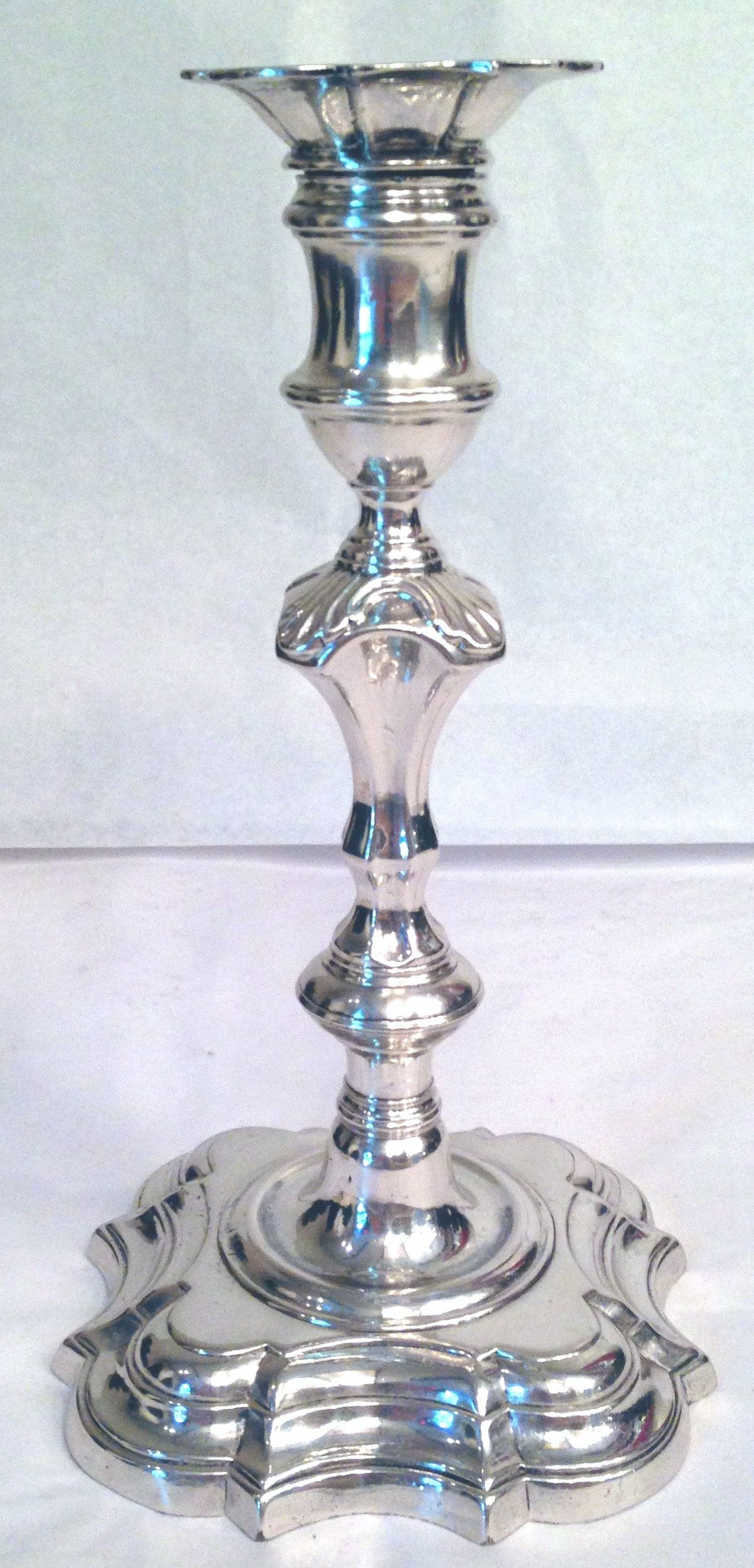
    Elizabeth Godfrey passed away in London around 1758. (NMWA, 2025)

    Susanna Barker

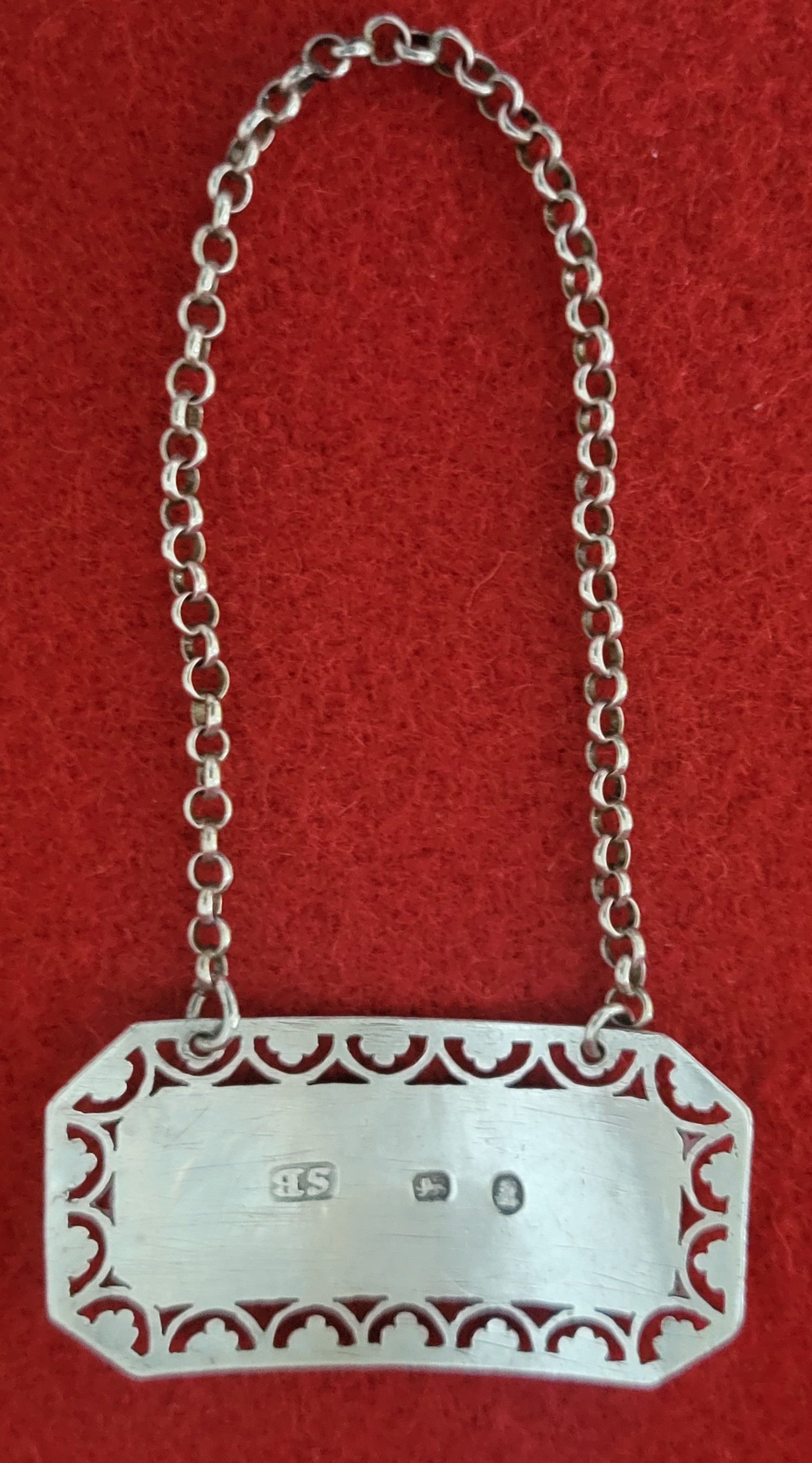
    Our last silversmith is Susanna Barker.  Unfortunately, little information about her life exists, and only a few museums have her works.  Barker was classified as a small worker, which means she produced small-scale pieces of precious metals. (The Goldsmiths’ Centre, 2025)

    She worked at 29 Gutter Lane and registered her first mark on 25 June 1778, second on 12 August 1789, and third on 26 August 1778.

    Women’s work throughout history has sometimes been overshadowed, undervalued, or not recorded.  However, with these solid silver markings, the ladies cemented themselves into the history of the arts. 

    If you want to learn more about women in the arts, visit the National Museum of Women in the Arts.

    Heather Baldus

    Collections Manager


    Bibliography

    Arkell, R. (2025, January 22). Hallmarks. Retrieved from Antiques Trade Gazette: http://www.antiquestradegazette.com

    Arts, N. M. (2025, January 21). Elizabeth Godfrey. Retrieved from National Museum of Women in the Arts: https://nmwa.org

    Bly, J. (2008). Discovering Hallmarks on English Silver. London: Shire Publications.

    Campbell, G. (2006). The Gove Encyclopedia of Decorative Arts, Volume 1. Oxford: Oxford University Press.

    City Women. (2025, January 21). City Women in the 18th Century: An Outdoor Exhibition of Women Traders in Cheapside. Retrieved from City Women: https//citywomen.hist.cam.ac.uk

    Eagle and Pearl. (2025, January 21). Our Story. Retrieved from Eagle and Pearl: http://www.eagleandpearl.com

    Ford, T. K. (2018). The Silversmith in Eighteenth Century Williamsburg. Williamsburg: Colonial Williamsburg.

    Mrkusic, P. (2014, July 7). Antiques Today. Retrieved from The South African Antique, Art & Design Association: http://www.saada.co.za/antiques-today-september-2011/

    NMWA. (2025, January 22). Elizabeth Godfrey. Retrieved from National Museum of Women in the Arts: https://nmwa.org/art/artists/elizabeth-godfrey/

    Rue Pigalle. (2025, January 21). Goldsmith’s Jewelry Series Part 2: The Women of Silversmithing. Retrieved from Rue Pigalle: https://www.ruepigalle.ca/blog-posts/goldsmiths-jewelry-series-part-2-sophia-tobin

    Skerry, J. E. (2018). Beyond the working dates: reconstructing the life and career of Elizabeth Patin Buteux Godfrey. Silver Studies. The Journal of the Silver Society, 75-88.

    Slavid, S. (2021, April 16). Hester Bateman: Domestic Silver in 18th Century England. Retrieved from Bonhams Skinner: https://www.skinnerinc.com/news/blog/hester-bateman-domestic-silver-in-18th-century-england/

    The Goldsmiths’ Centre. (2025, January 22). Smallworker. Retrieved from The Goldsmiths’ Centre: http://www.goldsmiths-centre.org
  • Stop Collaborate and Listen TD is Back with a Brand New Edition

    A quick refresher from part one of the TD marked pipe saga – Clay tobacco pipes with the mark TD are a ubiquitous item at historical archaeology sites dating from the mid-18th through the 20th century. While at one point the mark represented a specific maker, it later became a mark synonymous with clay tobacco pipes themselves. So, it’s not surprising that archaeologists and historians have been looking to identify the origin of the mark for years. These efforts led to the naming of Thomas Dormer as the maker most likely to have begun the rise of the TD mark, though this identification was less than certain (Walker, 1966).

    Now that we are all caught up, let’s pick up the quest once again.

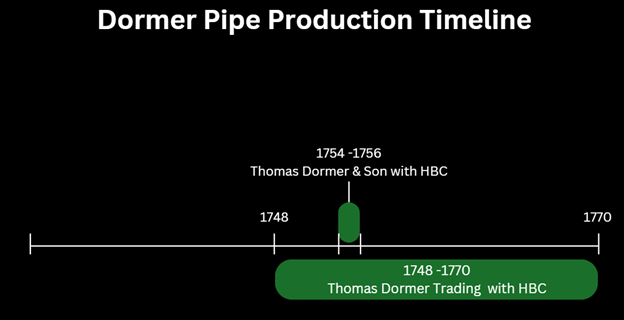
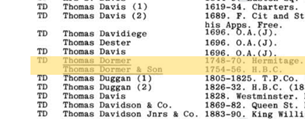
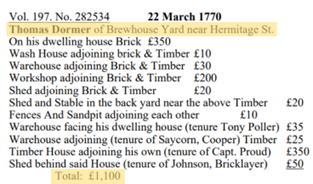
    Adrian Oswald’s (1975) index of pipe makers lists Thomas Dormer as one of the only London-based pipe makers with the initials TD trading with the Hudson’s Bay Company (HBC) in the years 1748-1770. HBC records also mention that Dormer went into business with his son for a brief time from 1754-1756. Oswald built on this by looking at the insurance policies of pipe makers of the time, which shows that the value of Thomas Dormer’s estate was nearly five times that of other pipe makers (Alexander, 1978). In the 18th century, pipe makers and the pipe making industry were often relegated to the lower class and the poorer parts of town (Walker, 1981). Dormer’s large estate implies he stood out at the time.

    So, we know that Thomas Dormer produced and imported his pipes into North America around the time TD marked pipes started popping up at sites, and that he was doing well for himself. We can call it a day and say Thomas Dormer was the original TD, right? While that does sound pretty enticing, there still needs to be more evidence supporting Dormer’s claim to the TD mark. At the time of the previous research there was very little historical documentation of Dormer and his life available, which left some questions unanswered: Why did Dormer stop exporting pipes in 1770? What is the reason behind the brief mention of this son in the mid 1750’s? And why did these pipes continue to be produced beyond 1770 with the TD mark, if not by Dormer himself? These questions made it difficult to confirm that Thomas Dormer was the TD.

    Previous timeline of Dormer pipe production

    This opens the door for my research as I attempt to fill in the blanks surrounding Dormer and his life. Since a trip to London to begin my research was off the table, much of my investigation was done through online archival research. Yay for digitization efforts and increased access to information!

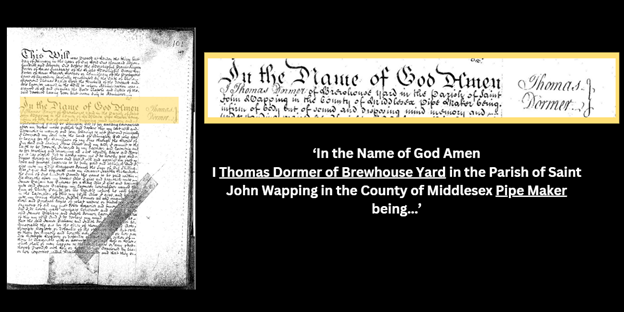
    One of the first items identified was Thomas Dormer’s will dated January 1771 (National Archives). It gives his occupation as a pipe maker and his location at Brewhouse Yard, confirming this to be the correct Thomas Dormer. Finding this document provided information that would further the investigation including a probable death date and the names of family members.

    Thomas Dormer’s will 1771 (National Archives)

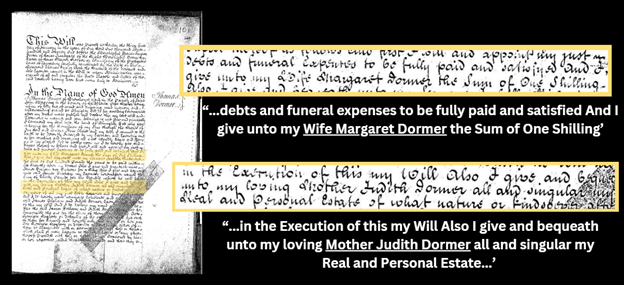
    Speaking of family members, Thomas Dormer chose to leave the entirety of his vast estate to his “loving mother Judith.” On the other hand, he left his wife Margaret one single shilling. Hold up, just one shilling? This led me down a mini rabbit hole where I found that Thomas and Margaret had been married for 11 years. Indeed, long enough for her to have a fair share of the estate. Additionally, it wasn’t uncommon for wives to take over their husband’s pipe making business after their death, yet Dormer left things to his mother instead. Ouch!

    Dormer’s division of his estate (National Archives)

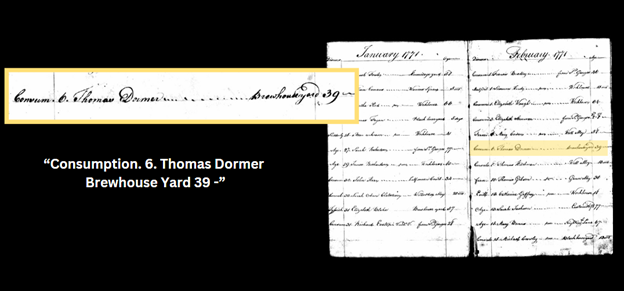
    Anyway, back to the investigation. Using 1771 as a probable death date I was able to find a Burial Notice dated February 1771 stating Thomas Dormer died at the age of 39 due to consumption, or tuberculosis as we know it today (London Metropolitan Archives [LMA]). An age at death gave me the ability to estimate his birthday to sometime around 1731 or 1732 and identified a Christening Record for Dormer dated 1731(LMA). It lists his mother as Judith Dormer which fits with previous records, and it also lists his father who is, wait for it, Thomas Dormer, a pipe maker. This uncovers the fact that there were two Thomas Dormers producing pipes in 18th century London, father and son.

    Dormer’s Burial Notice 1771 (London Metropolitan Archives)
    Dormer’s Christening Record 1731 (London Metropolitan Archives)

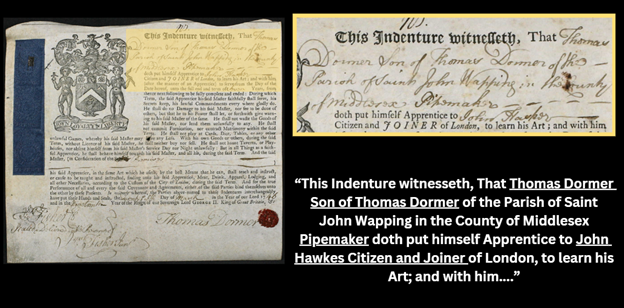
    After finding that fun fact I switched gears to see if I could find information about Thomas Dormer Sr. Given the birthdate of Thomas Jr., I figured Thomas Sr. was probably born some time in the early 1700s. Using that date, I identified his Burial Notice dated December 1756. It listed Thomas Dormer Sr. dying at the age of 56 due to asthma (LMA). Additionally, an apprenticeship indenture for Thomas Jr. was located (LMA). Dated 1746, it lists his seven-year apprenticeship under John Hawkes. Now, an apprenticeship in itself isn’t too exciting, but this was an apprenticeship for a joiner, not a pipe maker. Considering Jr. did go on to be a pipe maker, and a popular one at that, makes his previous foray into joinery an unexpected plot twist.

    Dormer Sr.’s Burial Notice 1756 (London Metropolitan Archives)
    Dormer Jr.’s Indenture Record 1746 (London Metropolitan Archives)

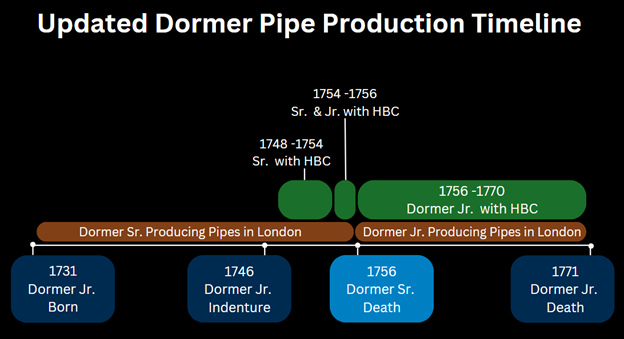
    Let’s put all of this information together. Cue the timeline! The newly discovered documentary evidence now allows me to create an updated chronology of the Dormer pipe production. Thomas Dormer Sr. began producing pipes in the London area some time prior to 1731. By 1748 Dormer Sr. was doing well enough in the business to begin exporting pipes into North America. Indenture records suggest that Dormer Jr. was not always intending to take over the business, but perhaps his father’s health prompted this, or the incoming wealth from overseas changed his mind. Nonetheless, sometime in the year 1754, or the years leading up to it, Thomas Dormer Jr. came into the family business. This partnership was short lived due to Thomas Dormer Sr.’s death in 1756, explaining the brief mention of their partnership in the HBC records. Following Dormer Sr.’s death, his son Thomas Dormer Jr., continued to produce and export pipes to North America until his death in 1771.  

    Updated Dormer pipe production timeline with new information

    This timeline helps put all the previous information into context and more fully supports Thomas Dormer Sr. and then Jr. as the originators of the TD mark.

    But wait there’s more! I also located Judith Dormer’s (Thomas Jr.’s mom) will dated 1782 (LMA). In her will she mentions her properties and its association with Tidy & Evans pipe makers (LMA). During my look into the HBC records I found that Tidy & Evans take over the London pipe export a few years after Dormer Jr.’s death. Now remember, Jr gave her all his estate which included his warehouse and workshop (LMA). Perhaps Tidy & Evans occupied his workshop and continued making TD marked pipes using Dormer’s molds after his death. Using the molds of other pipe makers was not unheard of at the time (Walker, 1981). But why would they want to make pipes with a mark other than their own?

    Mention of Tidy & Evans in HBC records and Judith’s will

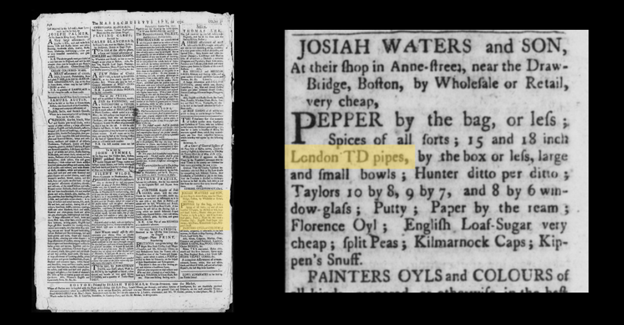
    Well, a search on the Library of Congress’s Chronicling America located a 1771 Massachusetts Spy advertisement that specifically lists London TD pipes (LOC). Not only does this solidify that TD pipes were based out of London, it also supports that the popularization of these pipes occurred during the Dormers’ lifetimes. For these pipes to be advertised by name it can be assumed that their popularity had already been established by this point. Whether this popularity had to do with the quality or the quantity of Dormer’s pipes being imported into North America remains unknown. The resulting name recognition may have caused a continued demand for these pipes, leading Tidy & Evans and others to continue producing them.

    1771 Massachusetts Spy article (LOC)

    These new findings present a solid case for Thomas Dormer being the originator of the TD mark. We can now see that TD pipes were based out of London and popularized during the period when Dormer produced and exported pipes. After 1771 the TD mark stopped representing pipes made by Dormer, and the mark was then used by other makers, perhaps Tidy & Evans, representing tobacco clay pipes themselves rather than a specific maker.

    Research such as this illustrates the importance of revisiting past theories. Whether it be trying to answer questions about a mark representing nearly 300 years of tobacco smoking culture, or looking to find interesting insight into the life of the pipe maker that created it, there is more information out there, we just need to keep looking.

    So, what do you think? Did I solve the mystery of the man behind the mark?

    Danielle Arens

    GWF Archaeologist


    References

    Alexander, L. T. (1978) ‘Clay Tobacco Smoking Pipes from the Caleb Pusey House, The Archaeological Society of Delaware, 9, 35pp.

    London Metropolitan Archives; London, England; London Church of England Parish Registers; Reference Number: P69/Gis/A/002/Ms06419/016

    London Metropolitan Archives; London, England; London Church of England Parish Registers; Reference Number: P93/JN2/025

    London Metropolitan Archives; London, England; London Church of England Parish Registers; Reference Number: P93/JN2/026

    London Metropolitan Archives; London, England; London Church of England Parish Registers; Reference Number: P93/JN2/026

    London Metropolitan Archive; Reference Number: COL/CHD/FR/02/0778-0-785

    Manitoba Archives. Merchandise exported to HBC posts [microfilm]. H1-16-2 ( A.25/2 )

    National Archives, Kew, Will of Thomas Dormer, Pipe Maker of Saint John Wapping , Middlesex, PROB 11/963/352

    Oswald, A. (1975) Clay Pipes for the Archaeologist, British Archaeological Reports, British Series 14, Oxford, 207pp

    Walker, I. (1966, June). TD Pipes – A Preliminary Study. Quarterly Bulletin Archeological Society of Virginia, pp. 86-102.

    Walker, S. (1981). The Clay Pipe Industry of the Parish of St Olave’s Southwark, in P Davey, The Archaeology of the Clay Tobacco Pipe 6, Pipes and Kilns in the London Region, B97, 173–82

    Woollard, P, (2001) Some Clay Tobacco Pipemakers with Fire Insurance Policies in the Sun Assurance Company 1710-1844, The Society for Clay Pipe Research, 62

  • Little George’s Grand Tour of Europe [Photos]

    A staff member who works at George Washington’s Ferry Farm and Historic Kenmore vacationed in England, Austria, and Hungary last September and October.  Little George accompanied her and enjoyed seeing new sites and delving into the history of Europe.  As the real George Washington left the shores of North America only once to accompany his ailing brother Lawrence to Barbados, this was a chance for Little George to experience an abbreviated version of the traditional Grand Tour of Europe popular in the 18th century.

    The first stop was London, where George’s Revolutionary War nemesis King George III once lived, and where Little George already spent some time last summer.  On this return trip for Little George, we saw the usual sites, such as the Tower of London, Parliament, and Big Ben (which was covered in scaffolding), but also mixed in a little ancient history, iconic pubbing, and English football.

    01
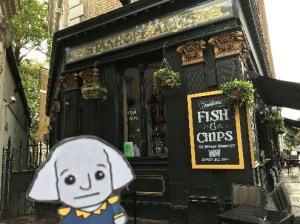
    Little George outside the Stanhope Arms.

    Upon arrival, we immediately had to have the nation’s favorite dish, some traditional Fish and Chips! The Stanhope Arms, a pub built in 1853, used to have a private jazz club upstairs and was visited often by the author during her college junior year abroad (1979-1980).

    At Chelsea Football Club’s home field of Stamford Bridge, we watched Liverpool Football Club win the match from the nosebleed section of the stadium. Look closely and you can see Little George participating in the opening ceremonies!

    02
    Stamford Bridge, home field of Chelsea Football Club.

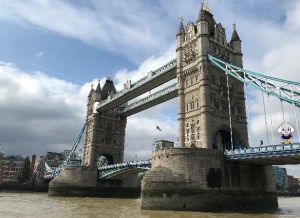
    On a river cruise we passed beneath the iconic Tower Bridge over the River Thames. Built between 1886 and 1894 in the Gothic style, the bridge stills opens to river traffic.  Little George is waiting in line to enter the exhibition inside the Tower.

    03
    Tower Bridge over the River Thames.

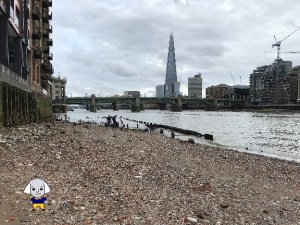
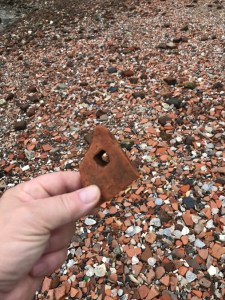
    Mudlarking along the Thames’s foreshore can reveal centuries of history hidden among the cobbles on the riverbank. Fragments of medieval and modern pottery, glass and ceramic bottles, tobacco pipe stems, buckles and buttons are all mixed in with 1st century roman roofing tiles, prehistoric tools, World War II shrapnel and spent shells from the Blitz. Little George was very helpful in spying things as he was so close to the ground! During our search of the shore, we found what may have been a Roman roofing tile (below right) from when the Romans ruled Britain between 43 and 410 AD.

    0405

    06
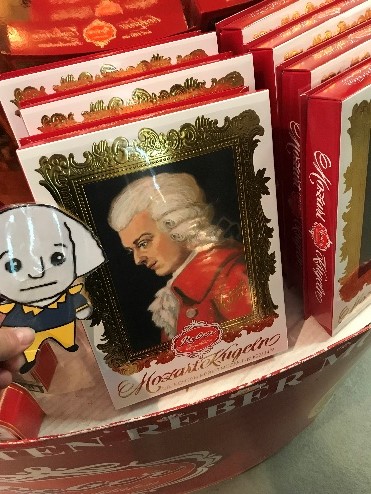
    Chocolate with Mozart’s image is in every confectioner’s window in Salzburg.

    After London, we headed for the Continent to begin our Grand Tour-inspired travels.  Our first European stop was Salzburg, Austria, the birth place of Wolfgang Amadeus Mozart, a classical pianist and composer who lived from 1756 to 1791.  Mozart and other contemporaries, such as Haydn, were extremely popular and well-known during their lifetimes, and copies of their compositions were present in Washington’s personal musical collection.  Mozart and Washington would never meet, but one can imagine George and his family enjoying Mozart’s music after hosting a dinner party.

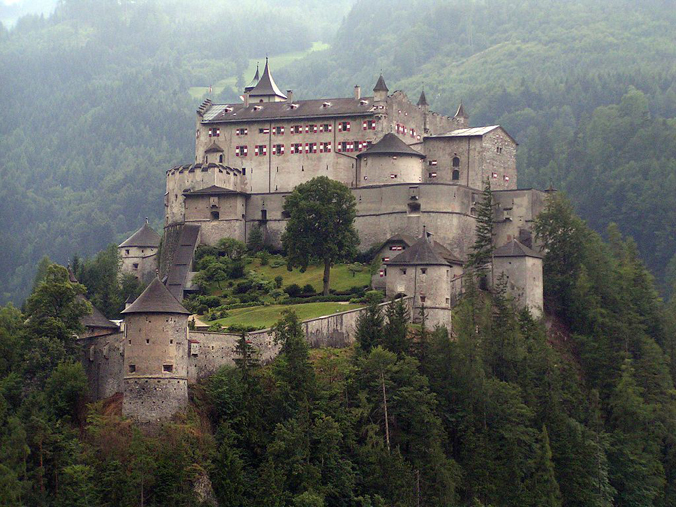
    A side trip to Festung Hohenwerfen, a medieval castle where the popular 1968 World War II film “Where Eagles Dare” was filmed, included a fascinating falconry exhibition.  We watched as a falcon was released, flew around in a huge arc over the castle valley, and then swooped back to the handler, just missing our heads. Little George would have been easy prey for these hunters so, although always fascinated by anything to do with hunting, he kept his distance.

    09
    A falconer holds aloft a falcon as he prepares to demonstrate how to hunt small prey using the birds.

    08 (Wikipedia)
    Castle Hohenwerfen, where the war movie “Where Eagles Dare”, starring Clint Eastwood and Richard Burton, was filmed in 1968. Credit: Memorator / Wikipedia

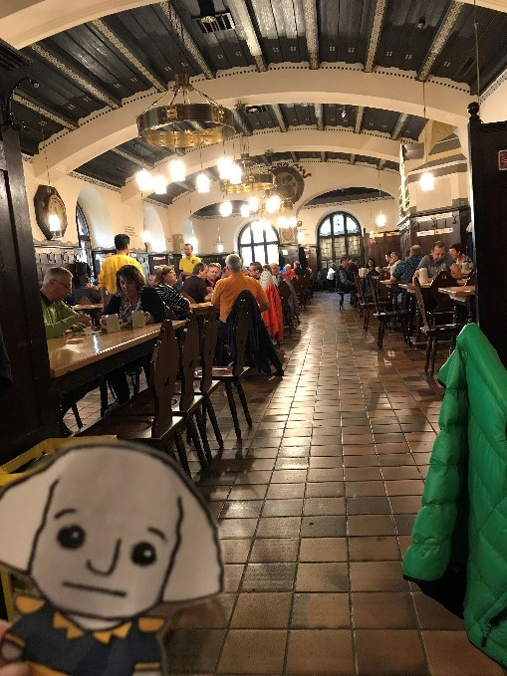
    After walking the streets and alleys of Salzburg’s old city and crossing the river to stroll through the world famous Mirabell Gardens and Palace, we retired for a late afternoon respite in a local beer hall, the Augustiner Brau. This brewery has been serving beer since 1621 and is Austria’s largest.  We sat in one of several halls inside the brewery and tried our best to have a conversation with a local using high school German and an English-German dictionary.  During the 18th century, whether in the colonies or Europe, beer was drunk daily since water was looked upon as unsafe, which it often was.  As a child, George Washington drank “small beer,” which contained almost no alcohol. In later times, Washington built a whiskey distillery at Mount Vernon. In 1799, his distillery produced almost 11,000 gallons of whiskey.

    10
    Augustiner Brau beer hall in Salzburg.

    11
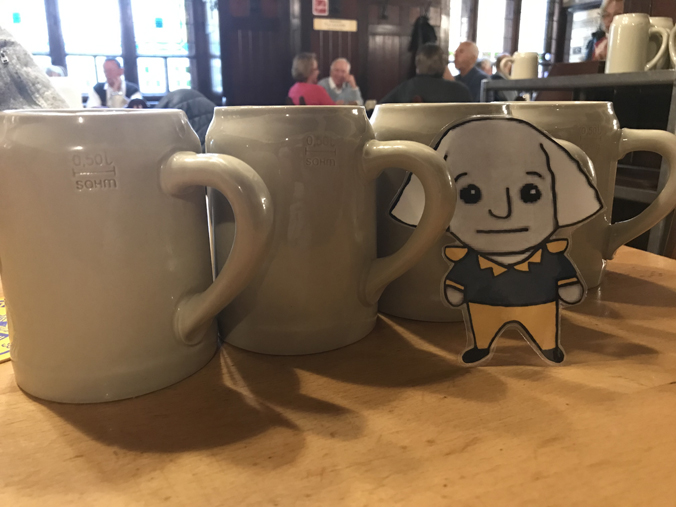
    Little George enjoying a big mug of beer.

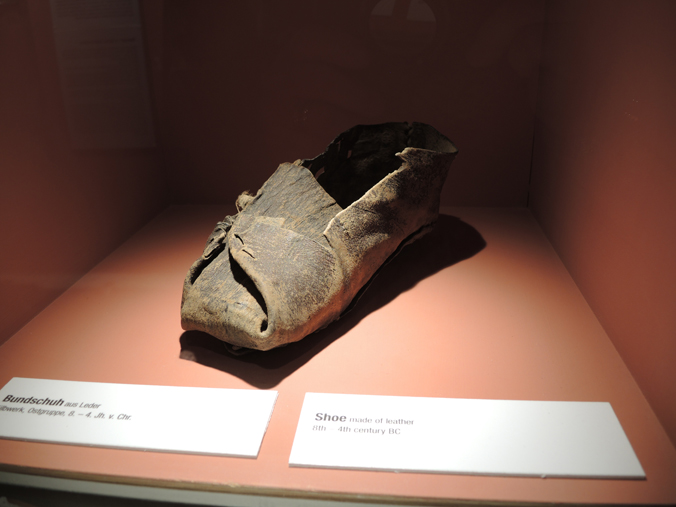
    In Halstatt, Austria, we enjoyed walking this picturesque town, a UNESCO World Heritage site, and visiting the famous bronze-age salt mine and graveyard in the mountains above the village. The unique preservative qualities of salt and sealed caves allowed the preservation of two thousand-year-old leather goods, such as the sandals pictured below. In contrast, acidic soil conditions at Ferry Farm and Kenmore do not allow the preservation of 200-year-old leather items.

    The 19th century excavation of the Halstatt’s bronze-age cemetery and its thousands of funerary goods led to the designation of the epoch from the 8th to the 5th century BC as the “Halstatt Culture.”

    12
    Halstatt, Austria, a UNESCO World Heritage site.

    13
    4th Century BC leather shoe found in the salt mines

    14
    Bronze Age Grave goods


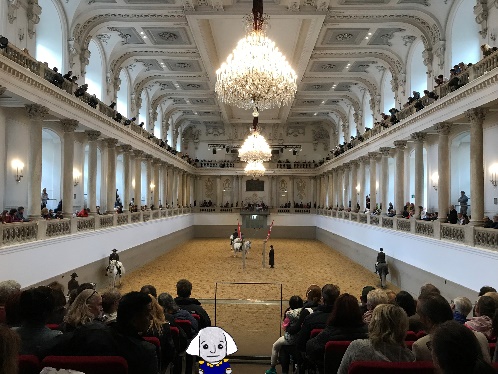
    Of the many sites we visited at our next stop in Vienna, Austria’s capital, our time spent at the world famous Spanish Riding School was perhaps the highlight of Little George’s trip.  Here at the Winter Riding School located in the Hofburg Palace, we watched the famed Lipizzaners and their riders perform their morning exercises to classical Viennese waltzes.  George Washington himself was an excellent horseman and would have appreciated the dedication these riders demonstrated towards learning their lessons.
    15
    Little George enjoying the Lipizzaners at the Hofburg Palace.

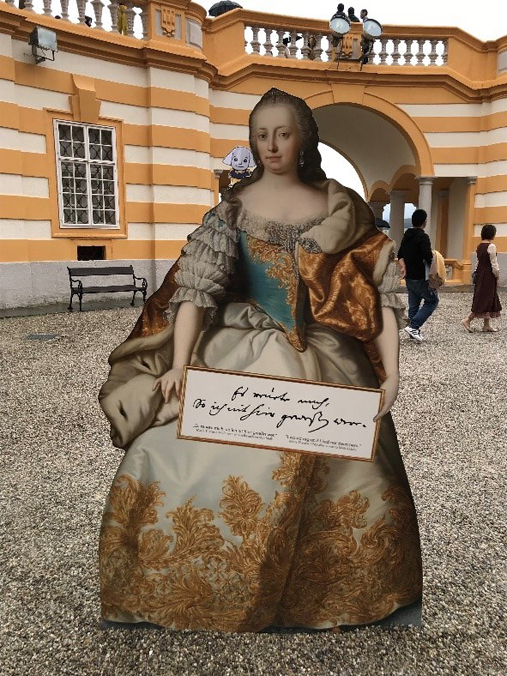
    On a side trip to Melk Abbey, a Benedictine abbey in the town of Melk overlooking the Danube River, Little George had the pleasure of meeting up with a contemporary of his, Empress Maria Theresa, a member of the Hapsburg dynasty and Queen of Austria and Hungary. Maria Theresa reigned from 1740 to 1780. They had much to talk about, as she was the first and only female Hapsburg ruler, and George was the first American president.

    18
    Little George and Maria Theresa having a private chat at Melk Abbey.

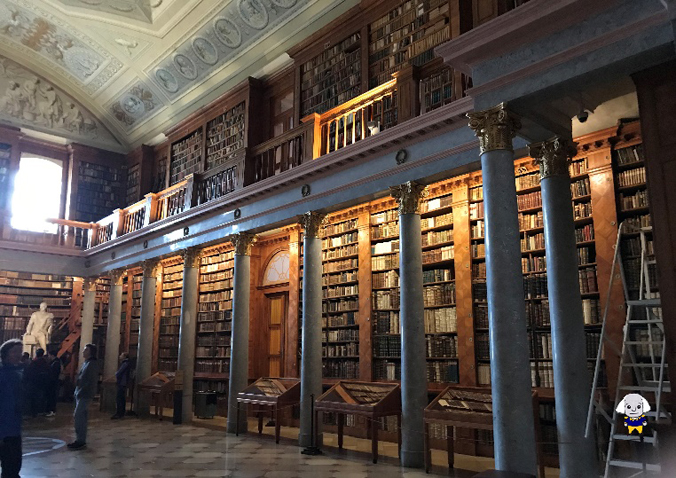
    Melk Abbey is noted for its extensive library containing hundreds of medieval manuscripts. George himself did not have the classical education in an English school that his older half-brothers had, but he spent his life reading as much as he could and enjoyed amassing a library of his own at Mount Vernon.

    19
    The library at Melk Abbey.

    After a short stay in Sopron, Hungary, our last stop was Budapest, the capital of Hungary.  We spent five days here, exploring and learning about the ancient and modern history of the city, walking around the castle on top of the hill, taking road trips outside the city to visit more castles, and taste testing the new fall Hungarian wines.

    21
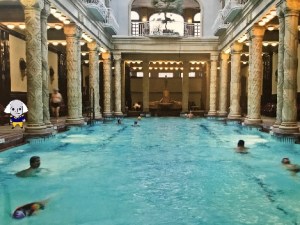
    St. Gellert Thermal Bath and Swimming Pools.

    One of the last things we did in Budapest was visit the famous St. Gellert Thermal Bath and Swimming Pools.  It is a natural hot spring spa housed in a beautiful building with additional outdoor pools and relaxing spa treatments.  George Washington was certainly no stranger to the healing powers of hot springs, as he visited and enjoyed the warm springs in present-day Berkeley Springs, WV, and eventually purchased property in the town, which in his day was called Bath.

    Then it was time to head back home.  Little George had a wonderful time exploring the archaeology and history of our host cities, meeting contemporary persons of fame, relaxing in the spas, cafes, pubs, and restaurants, and trying new foods.

    Judy Jobrack
    Archaeology Lab Assistant and Co-Field Director

  • Little George Goes to London [Photos]

    A staff member who works at George Washington’s Ferry Farm and Historic Kenmore recently vacationed in London.  Little George accompanied her and visited places related in some fashion to George Washington and his era as well as the city’s most popular tourist sites.  Here is a collection of photos documenting Little George’s travels!

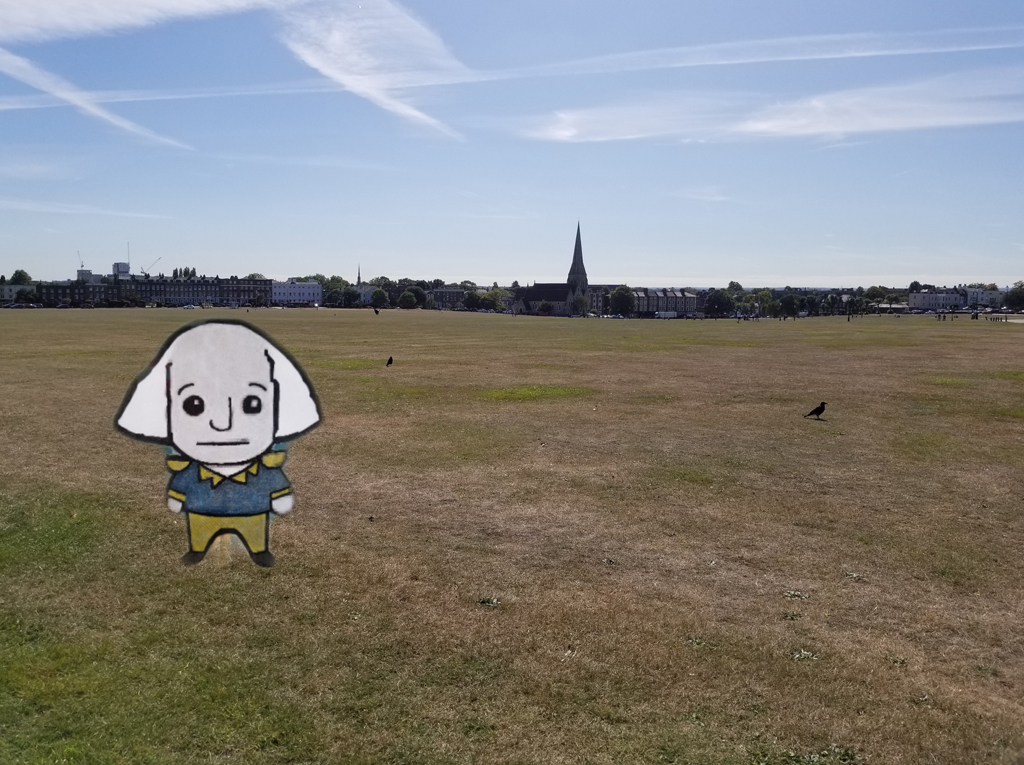
    GW on Blackheath

    GW at Greenwich

    Little George stayed with a friend in Blackheath, straddling the Boroughs of Greenwich and Lewisham.  Blackheath is famed for its heath, or large field, while nearby Greenwich Park boasts impressive views of London.

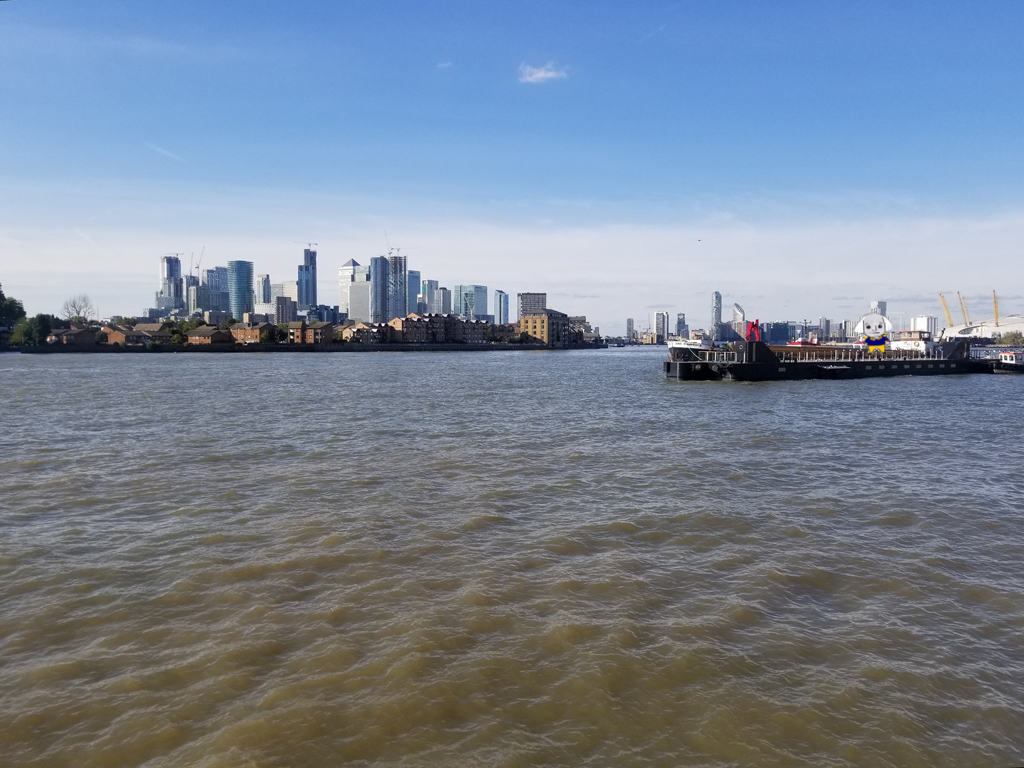
    GW on Thames

    Little George views the Thames River at Greenwich.

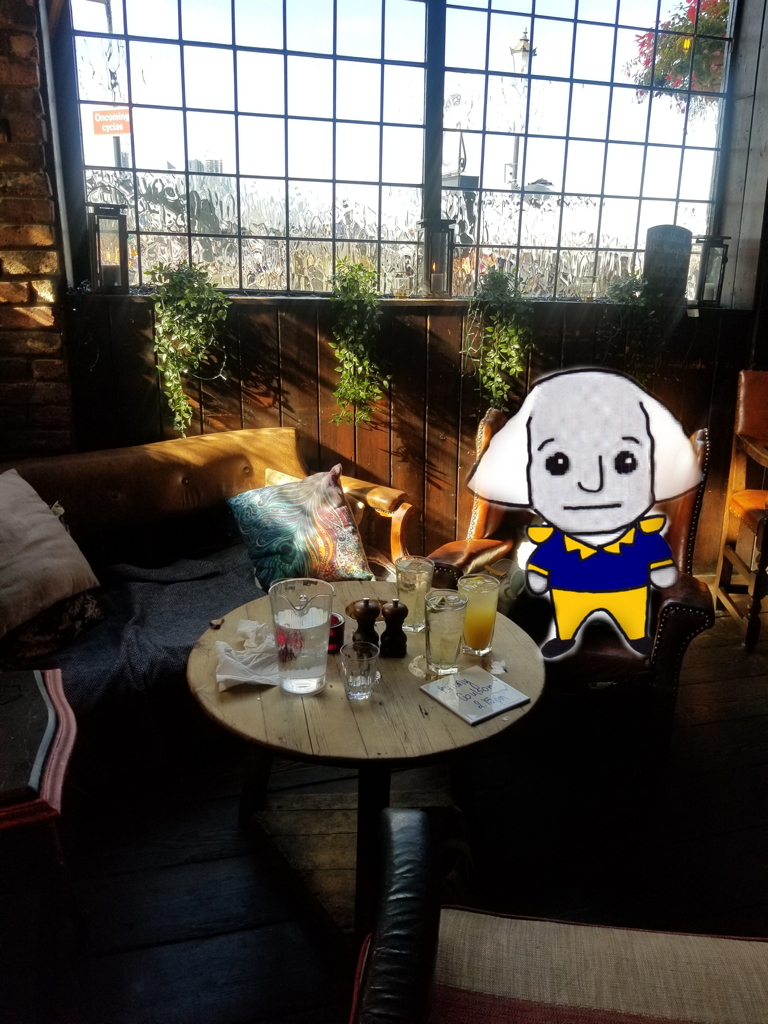
    GW at Cutty Shark

    Little George relaxes at the Cutty Sark, an old pub in Greenwich built in the early 1800s on the spot of an even older pub that catered to sailors.

    GW at Hatfield 1

    GW at old Hatfield

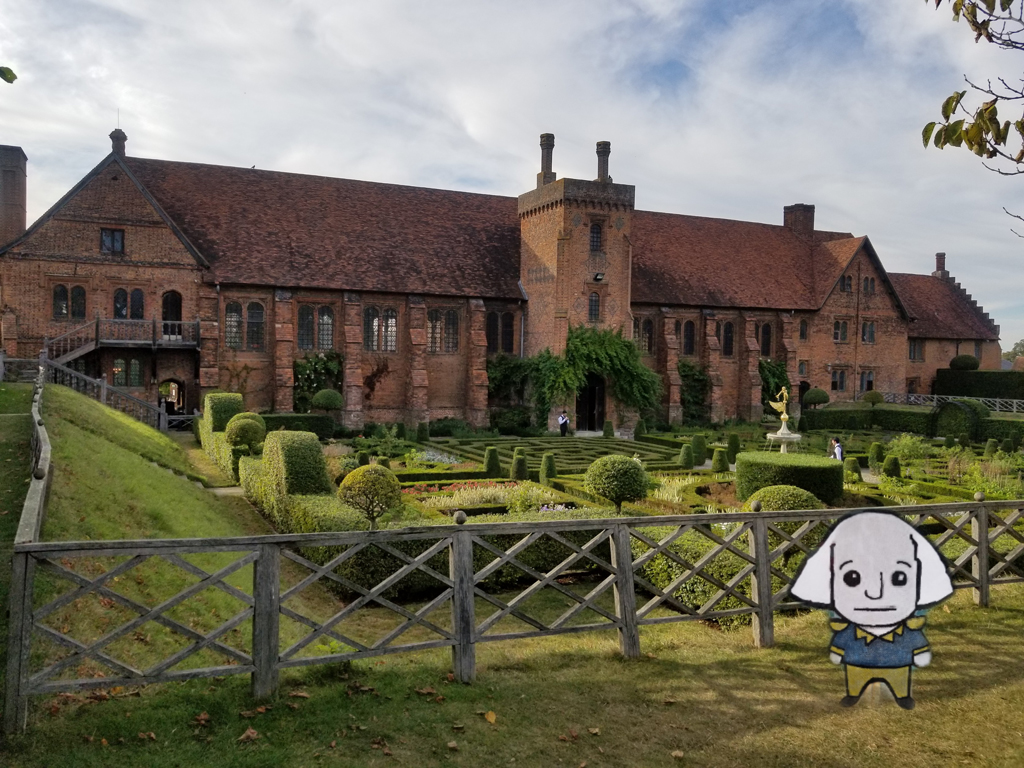
    Little George visits old Hatfield House (above top), which was the home of Elizabeth I before she became Queen in 1558.  The “new” Hatfield House (above bottom), a Jacobean house built around 1611, is the seat of the Cecil Family, the Marquises of Salisbury.

    GW and St. Pauls

    Little George near Saint Paul’s Cathedral. The site of a church since CE 640, the current cathedral was built by Sir Christopher Wren after the Great Fire of London in 1666 destroyed the previous church.

    GW at Old Royal Navy College

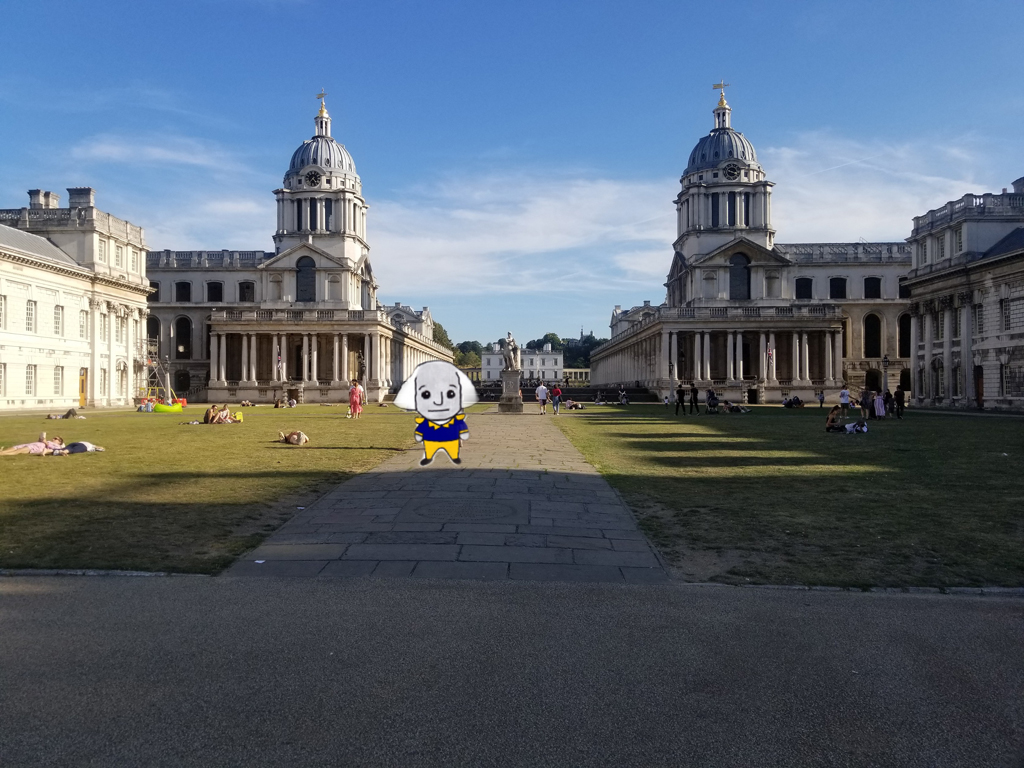
    Little George at Old Royal Navy College, a UNESCO World Heritage Site, established in 1692 as the Royal Hospital for Seamen at Greenwich. Then, in 1873, it became a training site for the Royal Naval.  George himself nearly joined the Royal Navy as we’ve written about here.

    GW at Pillars of Hercules

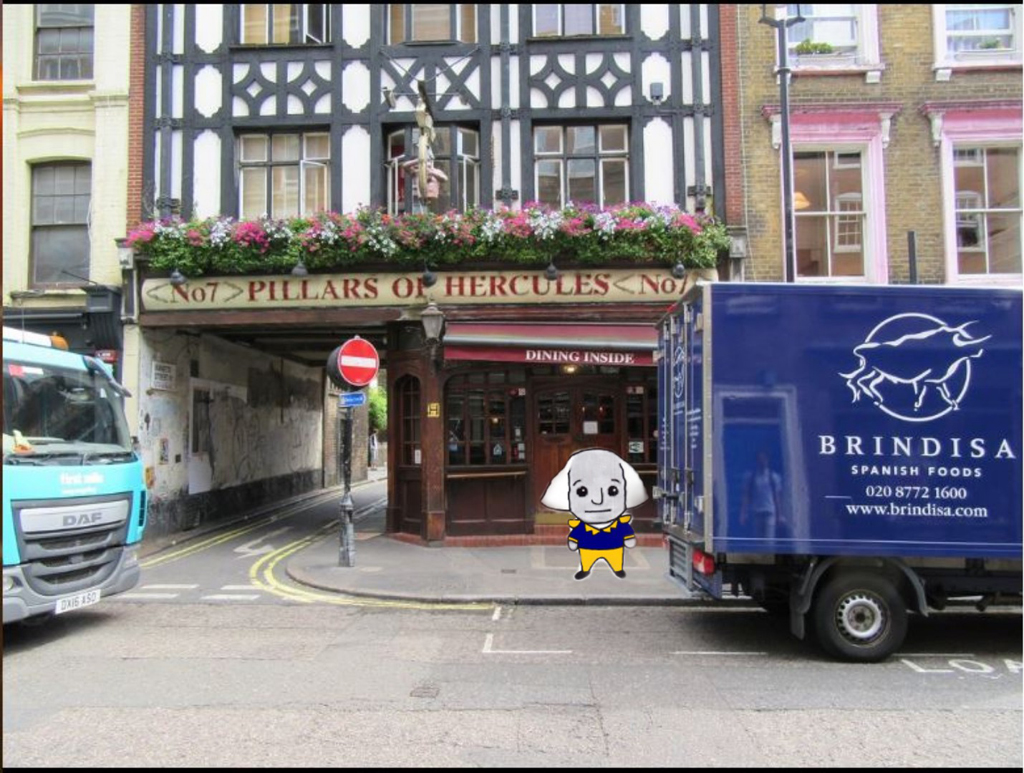
    Little George outside the Pillars of Hercules pub in Soho, which we’ve actually written about on the blog.

    GW at British Museum

    Anti-colonial propaganda British Museum

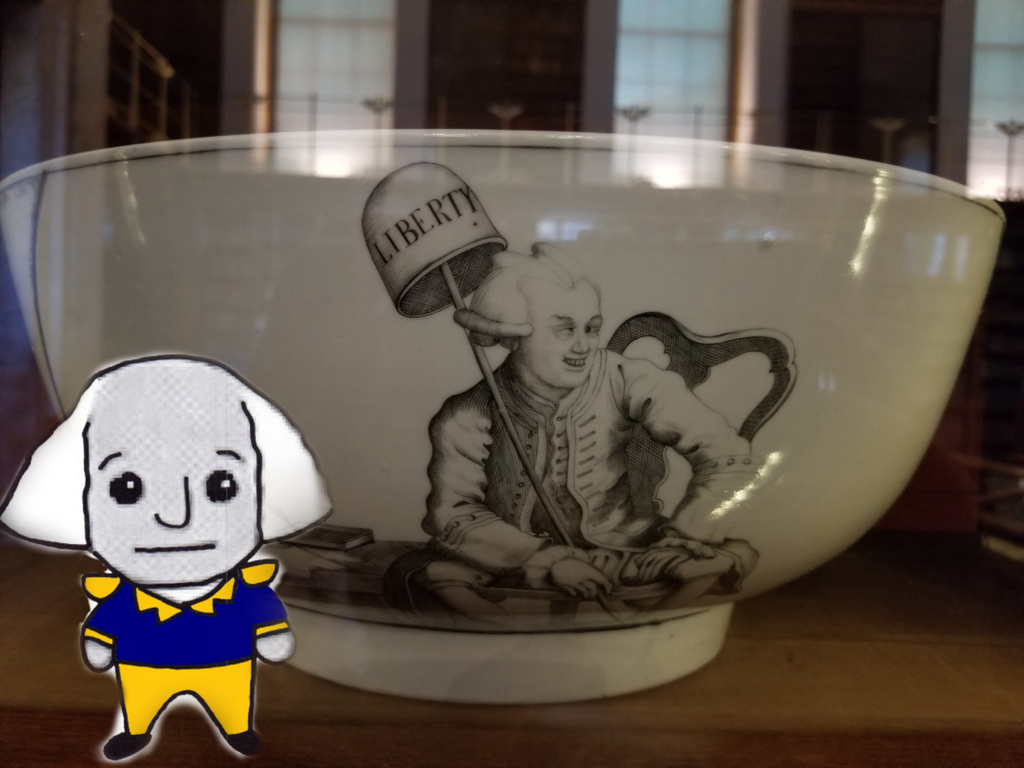
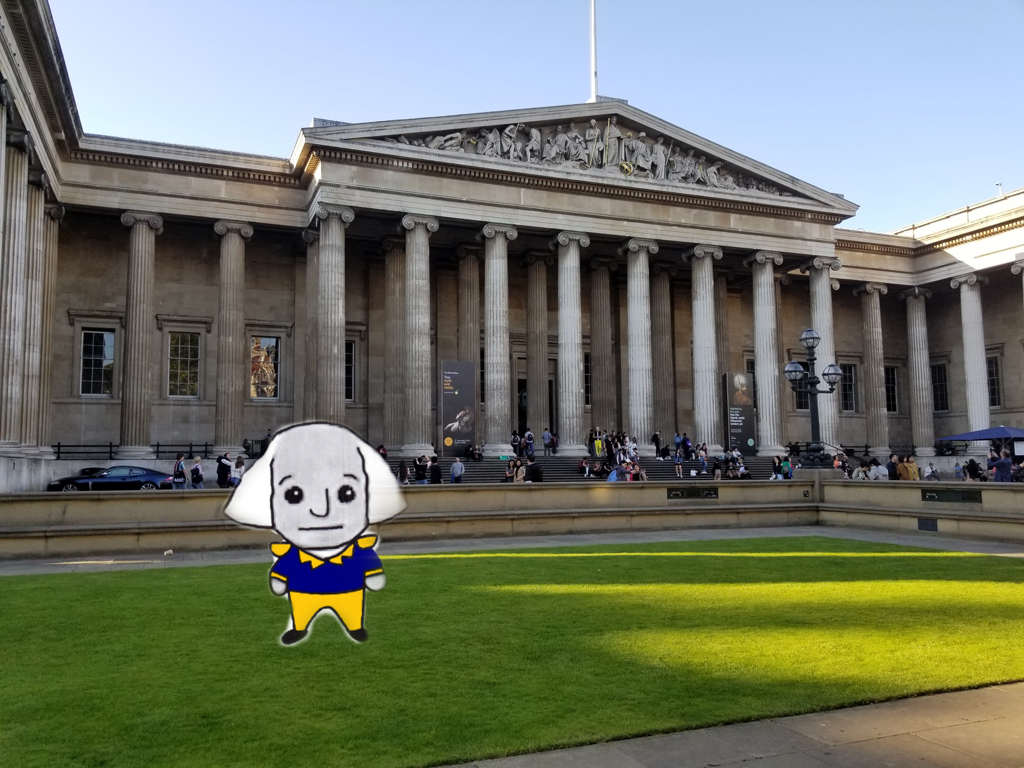
    Little George toured the British Museum, founded in 1753, and saw an ceramic bowl decorated with an anti-colonial propaganda.  Personal objects often carried or were endowed with political symbolism. Read about the 18th century political significance of ceramics, cuff links, and pipes.

    GW at BF house

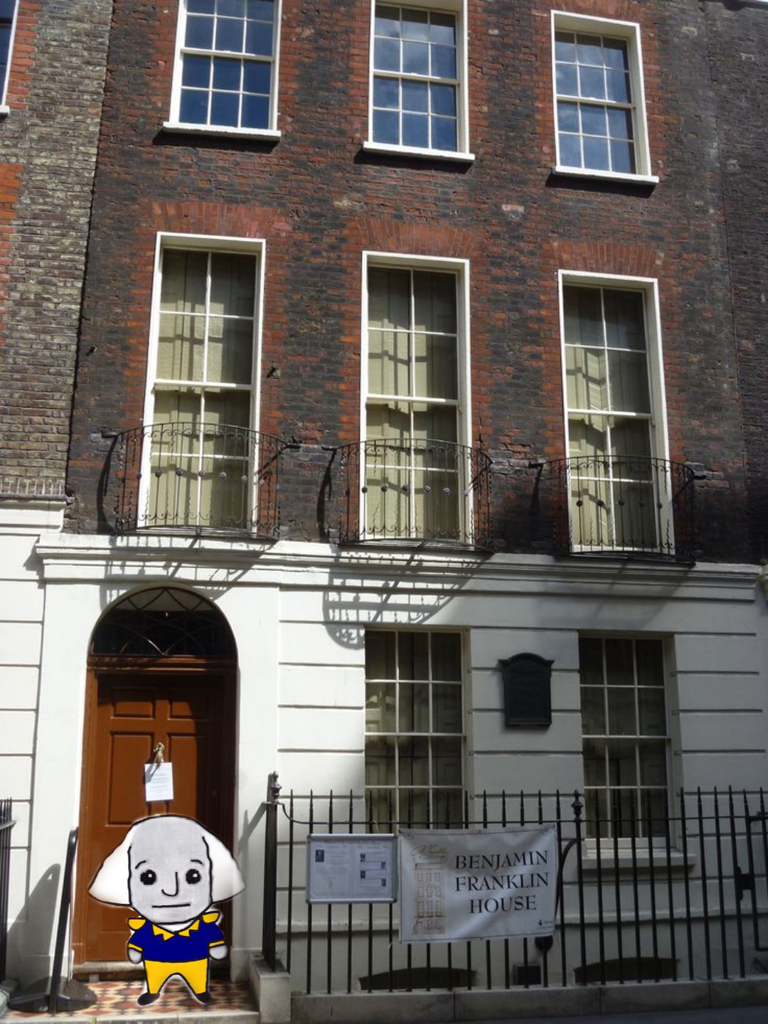
    Little George at the door to Benjamin Franklin House, where Franklin, the colonies’ representative before the Crown, lived and worked for sixteen years from 1757 to 1775.

    GW Buckingham Palace

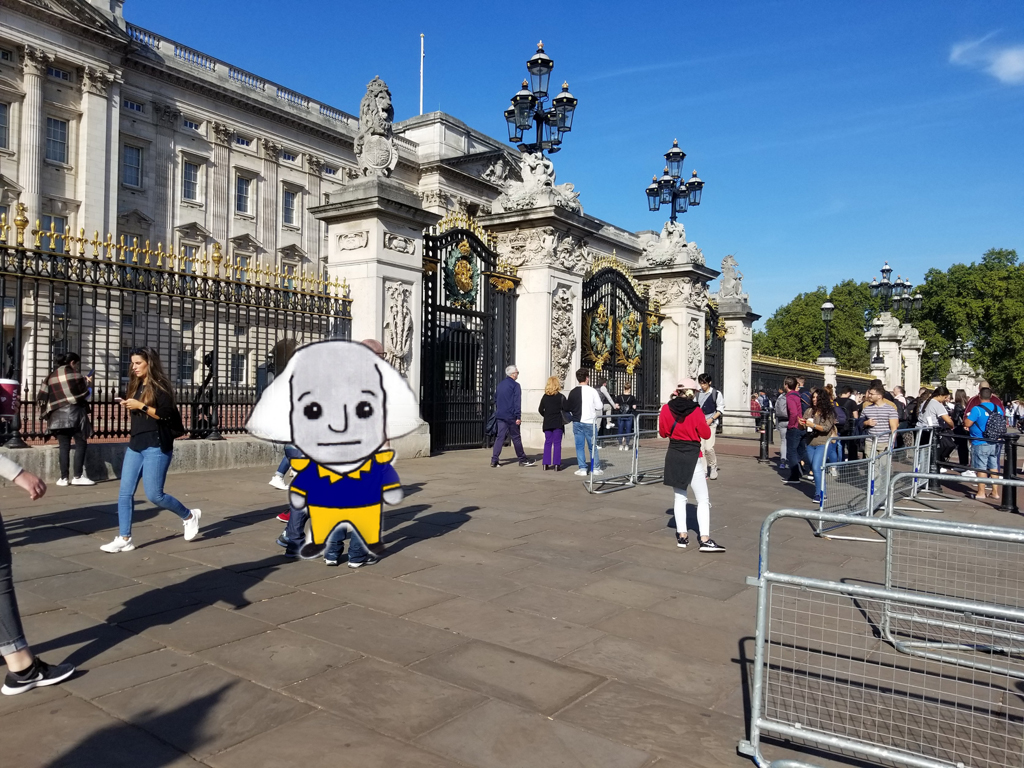
    Little George outside Buckingham Palace, built by the Duke of Buckingham and acquired by King George III in 1761.  It is the main official residence of the present-day British monarch.

    GW and dentures

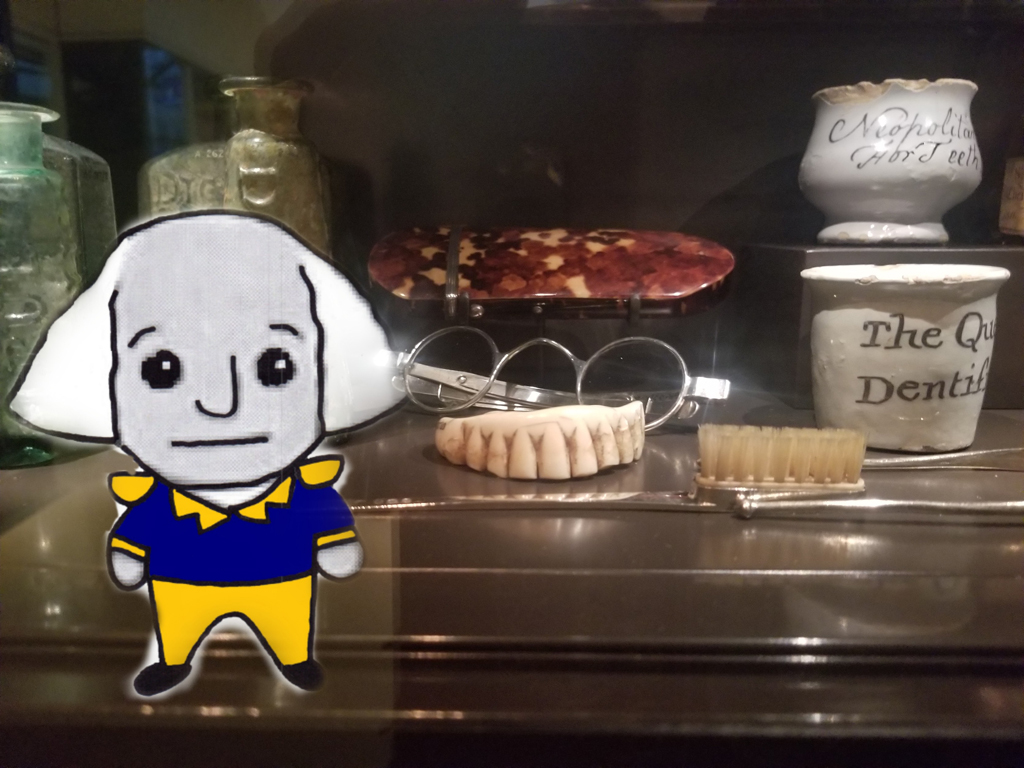
    At the Museum of London, Little George looks at a nice pair of 18th century dentures that he probably wished he could have had instead of his painful dentures of cows, donkey, and human teeth encased in lead.  Read about George’s infamous teeth troubles here.

    GW with Tarleton Painting

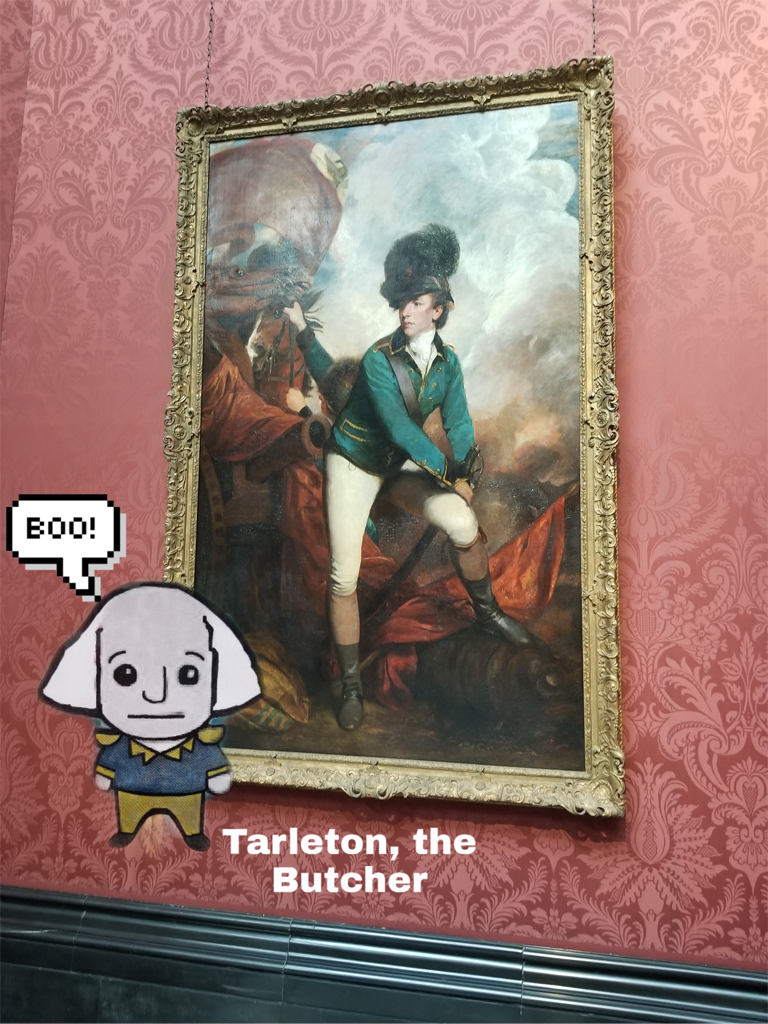
    Little George with Tarleton, The Butcher.  Tarleton was a colonel in command of the British Legion, a contingent of Loyalist cavalry and light infantry. At the Battle of Waxhaws in South Carolina on May 29, 1780, Tarleton’s force ignored the white surrender flag of some Virginia Continentals led by Colonel Abraham Buford and killed 133 soldiers, severely wounded 150 others, and captured 203, earning his infamous nickname.  Tarleton also undertook some raids into Virginia and, for a time, it was feared he might come as far north as Fredericksburg or Mount Vernon to abduct George’s mother Mary, his sister Betty, or even his wife Martha.

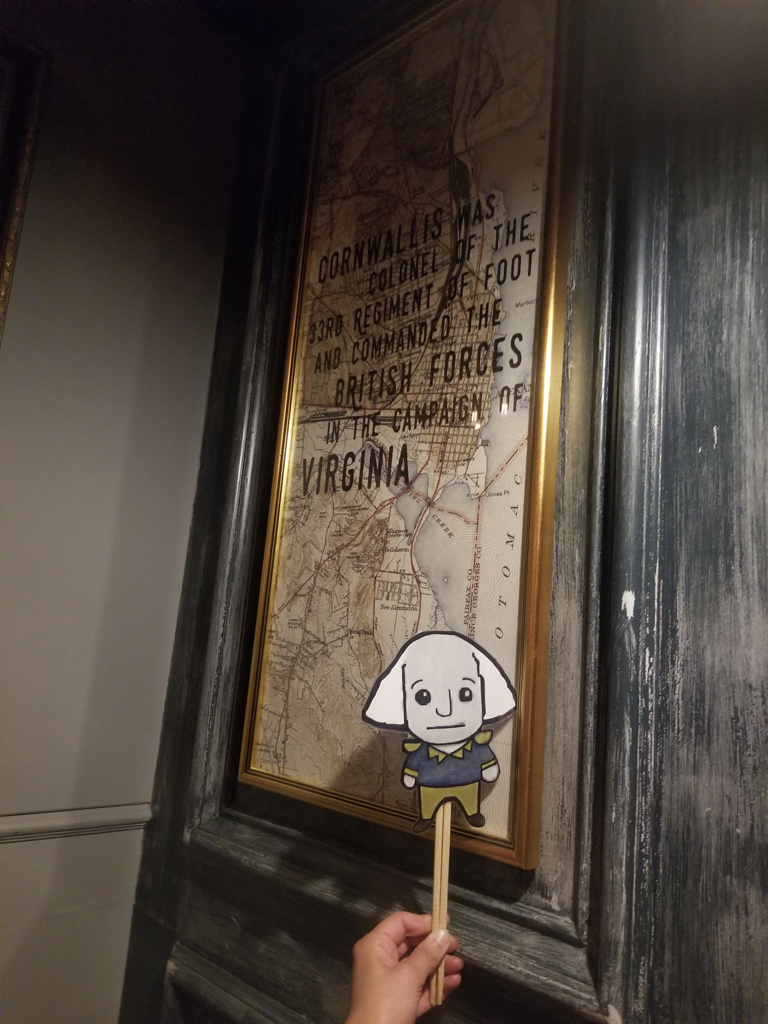
    Cornwallis Pub

    Little George at The Marquis Cornwallis, a pub in Bloomsbury, London.  Charles Cornwallis was a general in the British Army during the American Revolution whose surrender to George Washington in 1781 ended the Siege of Yorktown and ultimately the war in America.

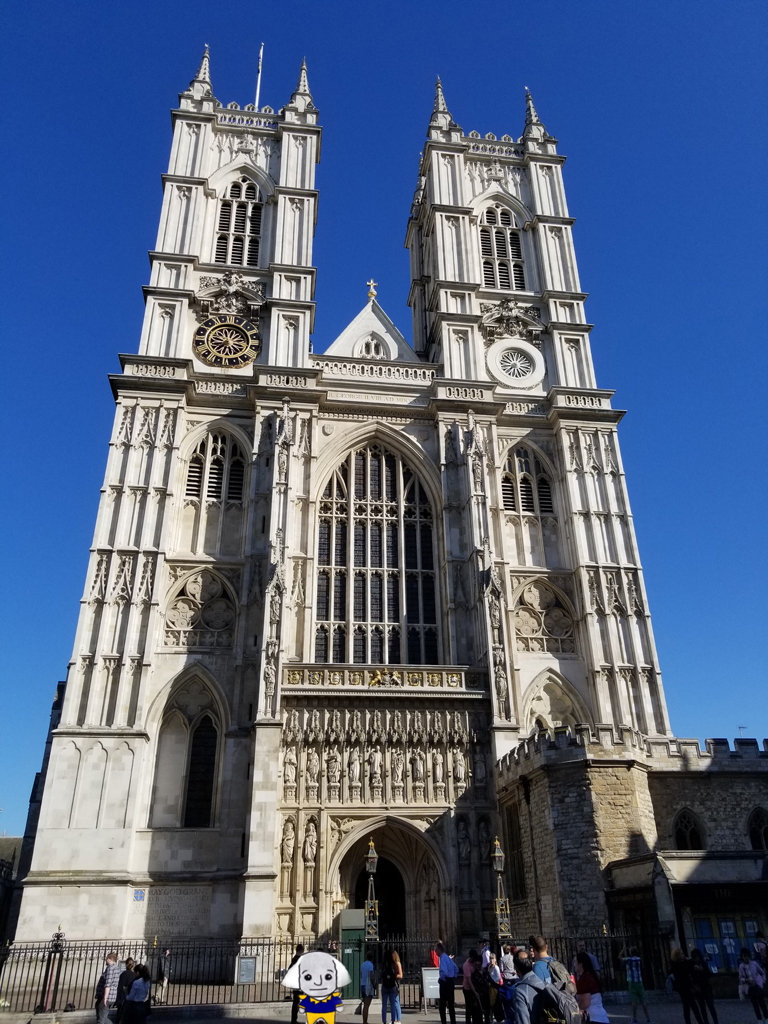
    GW at Westminster Abbey

    Little George at the famed Westminster Abbey, coronation and burial site of numerous English and British kings and queens.

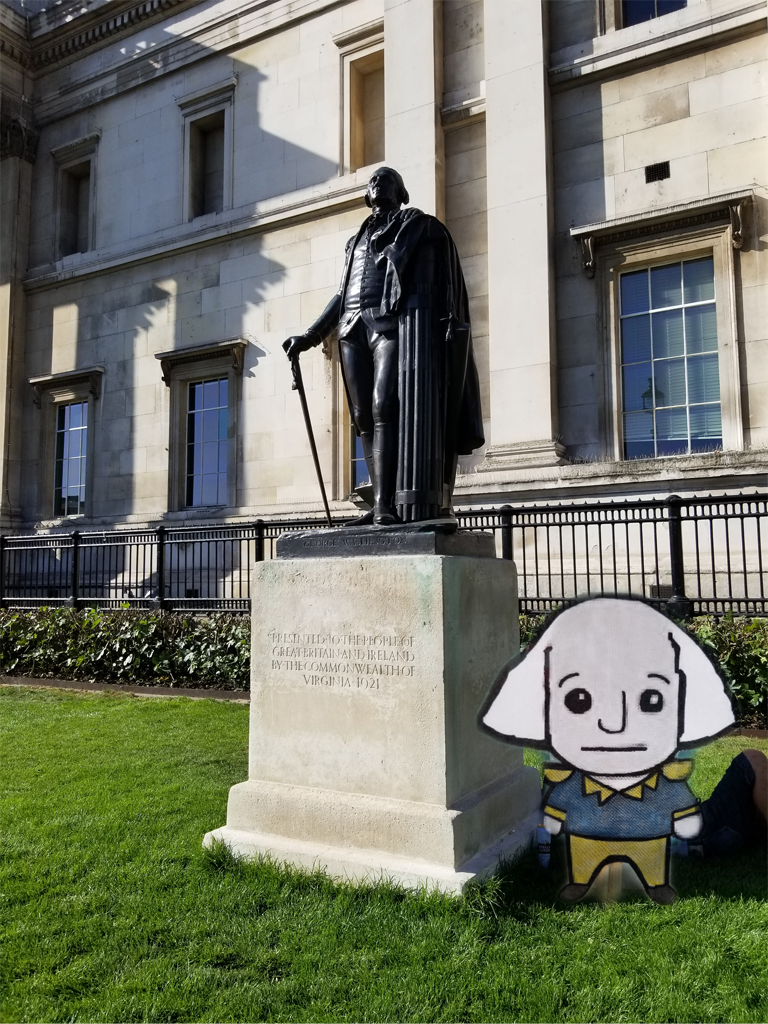
    GW with GW at National Gallery.png

    Little George stands next to a statue of himself outside The National Gallery.  The Commonwealth of Virginia gave the statue to Great Britain and Ireland and it was erected in 1921 on a square of American soil.  It is based on Jean Antoine Houdon’s marble statue in the rotunda of the Virginia State Capitol in Richmond.

    GW on Tube

    Little George rides the London Underground, which first opened in 1863, only 64 years after George Washington’s death. While the Tube was not around in his time, Little George approved of it as a great way to get around the city.