In April 1738, an advertisement in the Virginia Gazette described the 100 acres of land later purchased by Augustine Washington as “a beautiful situation” with “a very handsome dwelling house.” Located about 2 miles below the falls of the Rappahannock and near the public ferry, this unique landscape became George Washington’s boyhood home.
“The Old Mansion of the Washington Family” (1833) by John Gadsby Chapman shows the foundation stones of the Washington house and the surrounding river landscape.
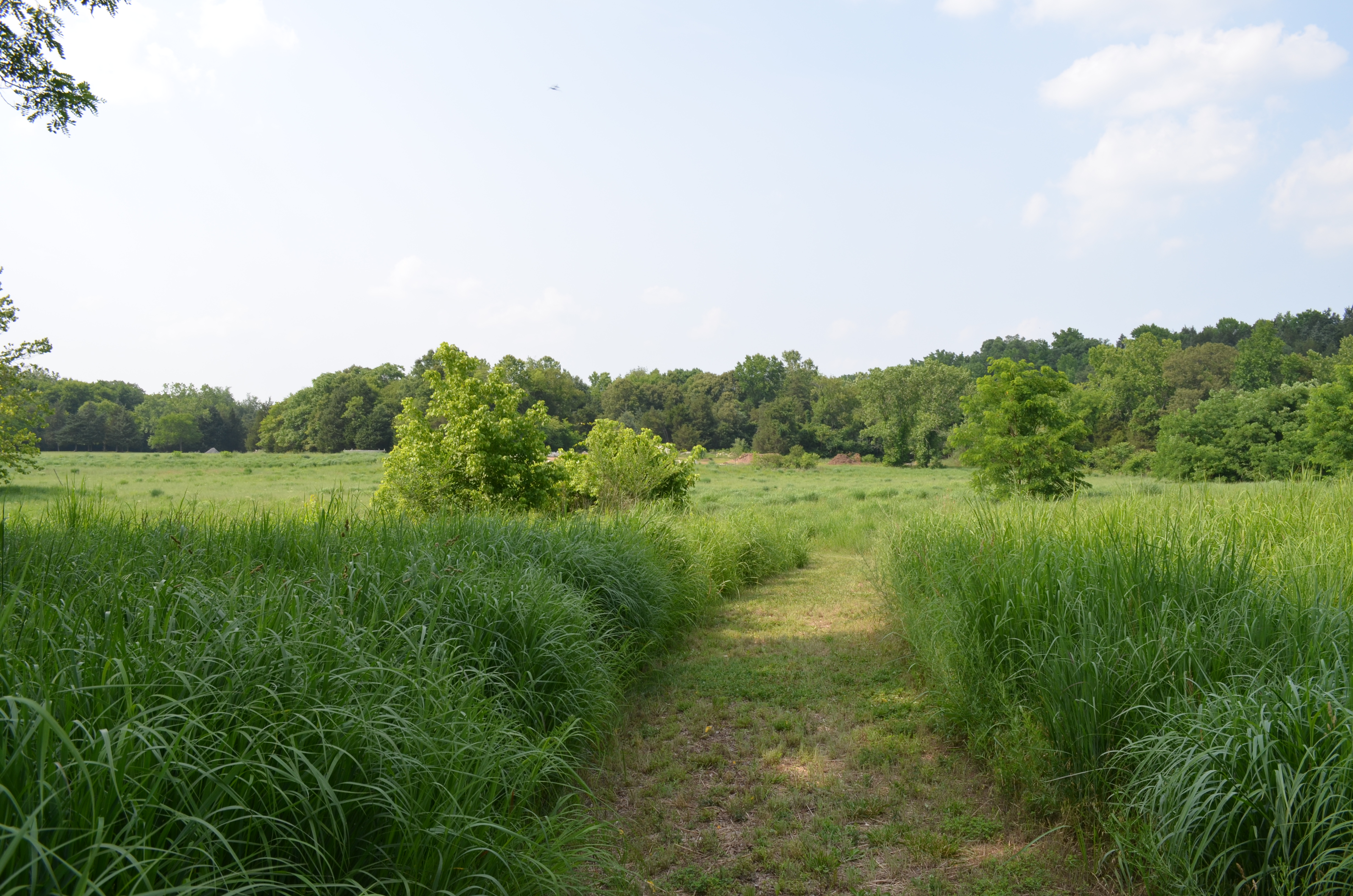
Steeped in the legends of our nation’s first Founding Father, Ferry Farm is of course a popular destination for those looking to immerse themselves in history and walk in young George’s footsteps. At the same time, visitors to Ferry Farm have the unique opportunity to explore the natural landscape and learn more about local wildlife. Whether you are meandering along the wooded river trails, traipsing through the demonstration garden, or observing the drama of the Rappahannock from the river bluff, visitors can understand why this location was once described as a “beautiful situation.”
The front door of the Washington House overlooks the river flood plain on a sunny summer day.
Visitors to Ferry Farm can traverse through a variety of habitats during their visit, including the open lawns surrounding the Washington House, native plant and wildflower meadows, and hardwood bottomlands (ie. river swamps). These trails and natural features are home to a menagerie of wildlife, including commonly spotted critters like deer, groundhogs, foxes, and bald eagles.
While bald eagles may be the most patriotic bird swooping over our property, Ferry Farm is a prime birding location for all kinds of species. Over the years, several local birding groups have surveyed the property. (Read more about past bird surveys at Ferry Farm here and here.) At Ferry Farm, we are lucky to also have a bluebird trail maintained by The Virginia Bluebird Society. While walking the grounds, guests can enjoy the sights and sounds of Eastern Bluebirds and other native bird species as they flit about the bluebird boxes.
The Virginia Bluebird Society (VBS) was founded in 1996 to help promote, protect, and support native cavity bird species in Virginia. What originally began as 3 trails and 47 nest boxes expanded to a network of trails that, in 2020, encompassed 431 trails and 4,752 nest boxes.VBS trains a dedicated force of volunteers who monitor the boxes and record invaluable data. From April to August, volunteers walk the Ferry Farm trails checking on our 10 boxes and monitoring nest activity. In addition to bluebirds, other native cavity nesters such as tree swallows, chickadees, and house wrens may also make their home in these boxes. Last year at Ferry Farm, 28 bluebirds and 8 tree swallows fledged. We are incredibly grateful to the Virginia Bluebird Society for all their hard work and are excited to see how many birds fledge at Ferry Farm this year!
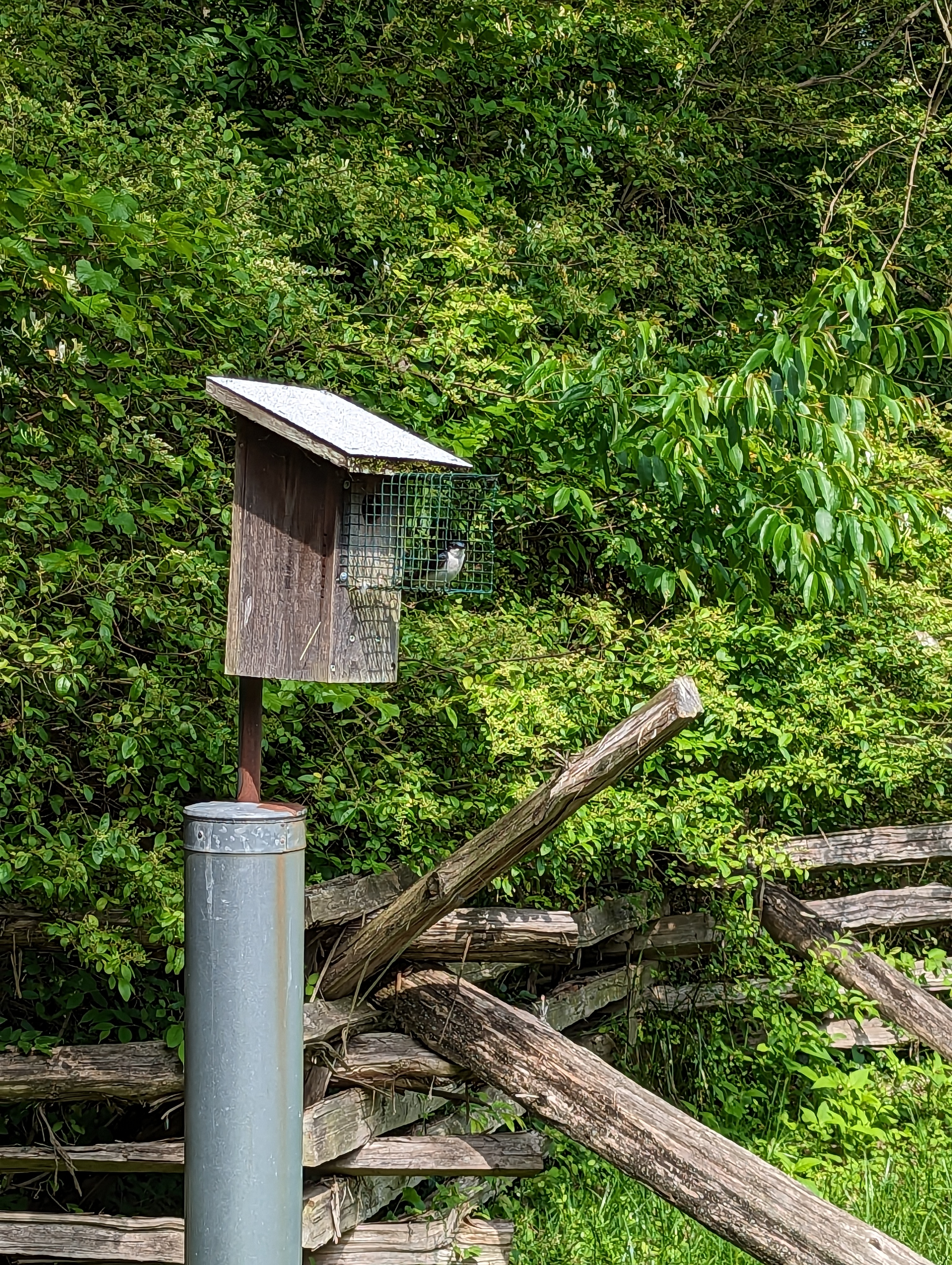
Look closely and you’ll spot a tree swallow perched outside a Ferry Farm nest box! Two predator guards, a Snake Guard and a Cat/Raccoon Guard, are installed to help prevent predators from accessing the boxes. The metal mesh on the front of the box makes it harder for curious paws to reach inside the nest, and the metal cylinder covering the mounting post prevents snakes from scaling the post.
If you visit Ferry Farm this summer, make sure to bring your bird book and binoculars and keep an eye on the sky as you explore the natural landscape!
Welcome back to our 3-Part Blog charting tuberculosis in the extended Washington Family. If you are new to this series, Part I examined how the disease works, charted its history, and explained standard courses of treatments in the 1700s. You can find the blog here, and we encourage a review of the “Treatment” section. In Part II, we will begin to look at the family members who suffered from the disease and how this impacted their lives and those around them.
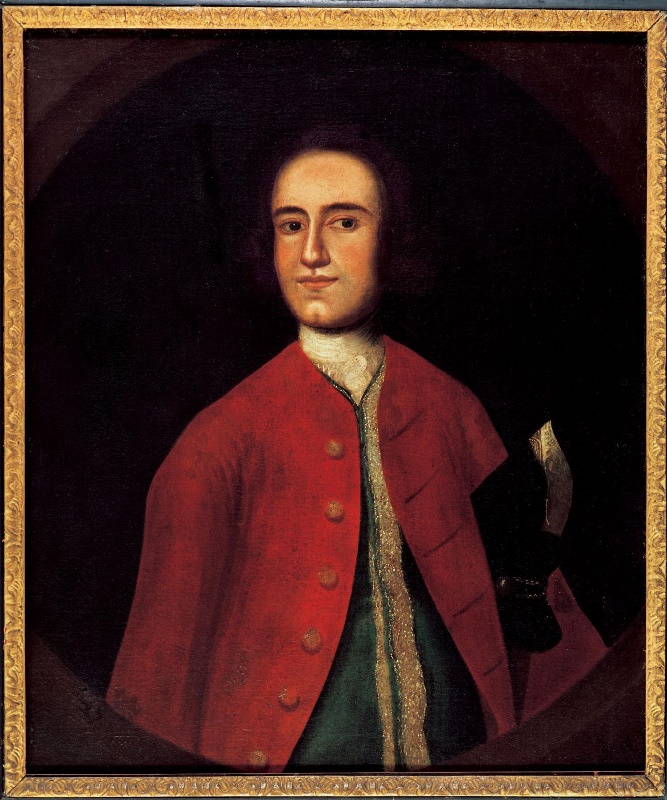
Perhaps the best-known case of tuberculosis in the Washington family pertains to Lawrence Washington. George’s eldest half-brother, credited as serving as a role model, died of the disease in 1752, which subsequently laid the foundations for George to inherit Mount Vernon and become the Father of His Country. Behind this, however, lies one of the more clear timelines for the devastation the disease.
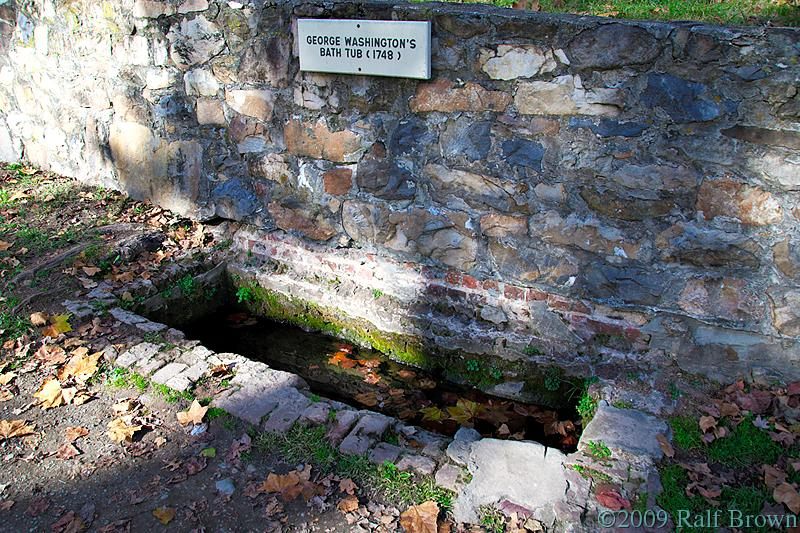
Lawrence may have contracted tuberculosis during his service in the War of Jenkins’ Ear (served 1740-1742) or after his return to Virginia in 1742. Certainly, he had developed severe enough symptoms, particularly a cough, by the end of 1748, to cause him to take a leave of absence from the House of Burgesses. He resumed his duties in the spring of 1749, but his illness forced him home for a final time in May. That same month, George wrote hoping for news that his brother’s cough had improved and that he had “given over the thoughts of leaving Virginia.”1 Lawrence could not provide his brother with the news he desired, and sailed to England in the summer of that year to consult with physicians. Lawrence returned in November with little encouragement, but set out for Berkeley Springs in July 1750, to take the waters. George accompanied his brother on this venture, but they did not stay long.
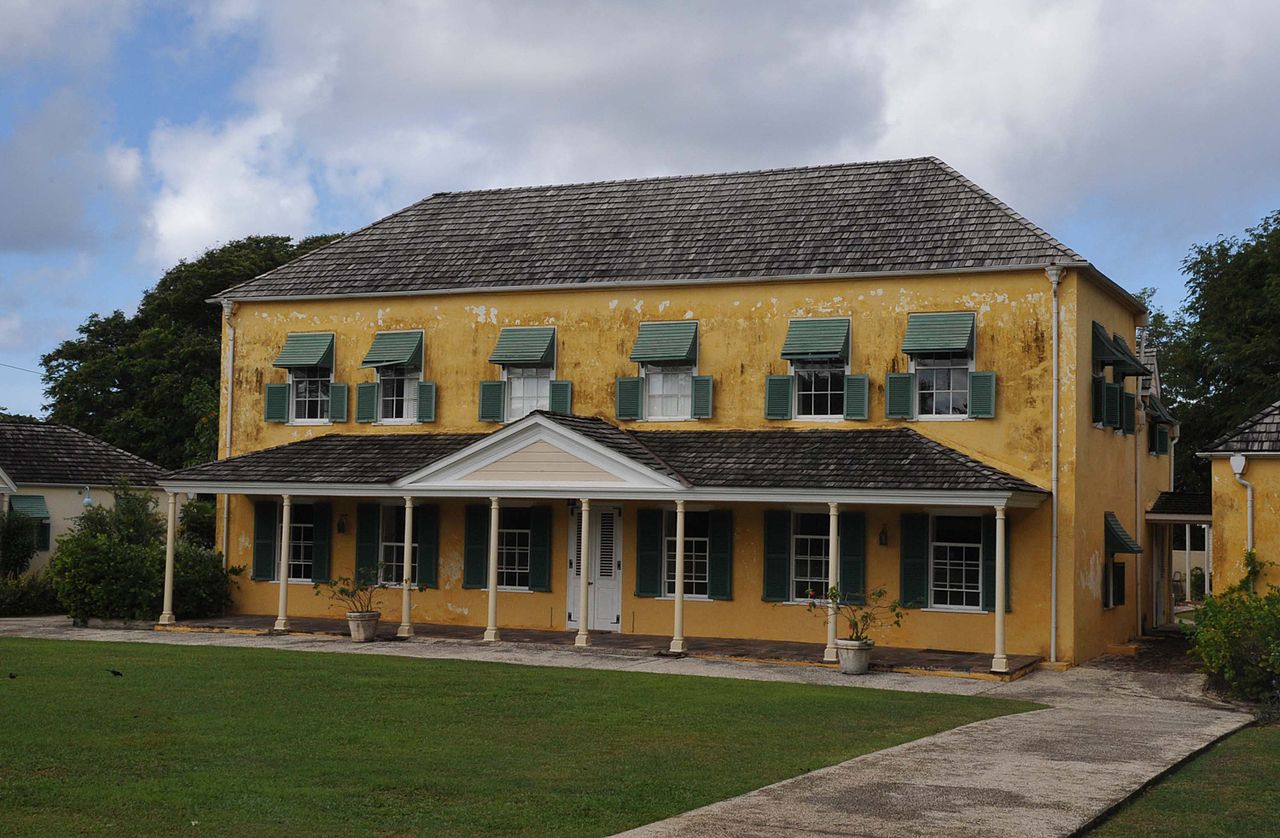
By 1751, Lawrence had exhausted any hope of finding a cure at home and his doctors recommended visiting a warmer climate. Following this advice, Lawrence and George sailed for Barbados on 25 September and arrived on 2 November. Shortly after their arrival, George recorded that a doctor came “to pass his opinion on [his] brother’s disorder, which he did in a favorable light, giving great assurances that…a cure might be effectually made.”2 George mentions little else of Lawrence’s condition in his journal, a month of course went undocumented as George had smallpox, and he returned to Virginia alone in December.
Lawrence, having not found the relief he hoped for, decided to try Bermuda and journeyed there after George left. In an April 1752, letter to a friend, Lawrence referred to Bermuda as his “last refuge, where [he] must receive [his] final sentence.”3 Describing himself as “a criminal condemned, though not without hopes of a reprieve,”4 Lawrence followed his doctor’s treatment plan by “abstaining from flesh of every sort, all strong liquors, and by riding as much [he] could bear.”5 His doctor advised to take what benefit he could from the climate as another winter in Virginia would surely kill him. While Lawrence remained somewhat hopeful in this letter, he soon wrote again about his “unhappy state of health”6 and expressed the belief that, if it should worsen, he would “hurry home to [his] grave.”7 Evidently, Lawrence soon resigned himself to his impending death as he returned to Mount Vernon and set his affairs in order with the aid of his half-siblings and stepmother. He died on 26 July 1752.
Upon Lawrence’s death, he left behind his wife Anne Fairfax and daughter Sarah. Three other children had already died all under the age of two. Infant mortality frequently occurred in the 1700s, so it proves impossible to know what caused each death. However, it remains a possibility that they contracted tuberculosis from their father, which then killed them quicker due to their age and weaker immune systems, or left them vulnerable to secondary infections. Sarah would suffer a similar fate in 1754, aged four, and her mother, having married into the Lee family, would die in 1761, aged thirty-three. These deaths allowed George to inherit Mount Vernon.
The husband of Betty Washington and the mind behind Kenmore, Fielding Lewis served his country during the war by funding various supply and defense lines. One of the richest men in Virginia, Fielding had the ability to provide aid and, as the brother-in-law of the commander-in-chief, could hardly stay out of the conflict. While his efforts did much for the cause, Fielding drew the short straw by spending nearly all of his money. Accounts of Fielding Lewis’ death often insinuate a connection to the stress of losing his fortune. While this certainly put him under strain, and would not have helped his health, Fielding’s case of tuberculosis meant that he would have died regardless of his financial status.
Tracing tuberculosis in Fielding’s life proves more difficult than that of Lawrence. Mentions of Fielding as ailing exist for several years prior to his death. However, with no description, one can hardly say if this references tuberculosis or some other affliction. Like many, he frequented Berkeley Springs and even purchased property there. Fielding recorded little of his visits, but his interests lay in the spring’s supposed medicinal benefits and, to that end, undertook an annual August trip from 1772 onwards. Throughout the war, Fielding held the rank of colonel and, though he never received a formal posting, oversaw Fredericksburg’s gun manufactory and the defense of the Rappahannock. This position required no military action and had strong connections to his background as a merchant. However, the choice of assignment may have derived from knowledge that he would never be well enough to effectively command troops. Then again, Fielding was in his fifties and had no military experience. In any case, the position reflected a strategic choice that played to Fielding’s strengths and lessened the impact of field inexperience and ill health.
If Fielding hoped for a peaceful death, he would not receive it. In the summer of 1781, with the British encroaching on Fredericksburg, the Lewis household and Mary Washington fled. At this stage, Fielding’s health had significantly deteriorated, leaving him an invalid confined to his home. A sudden evacuation by carriage would have done little to ease his discomfort as the household hurried to another property in Frederick County, Virginia. Once there, Fielding focused on putting his affairs in order and likely did not have the strength to visit nearby Berkeley Springs. The news of the Yorktown victory undoubtedly brought some emotional respite, but it proved short-lived as Fielding died mid-December 1781. The location of his burial site on the Frederick County property remains unknown. Fielding’s death brought immense grief to his widow, Betty Washington, who had lost her brother Samuel to the same disease only three months earlier.
The second son of Augustine Washington and Mary Ball, Samuel grew up at Ferry Farm with his full-siblings. Said to have suffered from tuberculosis for most of his life, it remains unknown where, when, and from whom he contracted it. However, by visiting Lawrence in July 1752, to help put his half-brother’s affairs in order, seventeen-year-old Samuel certainly faced exposure. Samuel died at his home Harewood, near Charles Town, West Virginia, in September 1781, shortly before the victory at Yorktown. The home itself lies conveniently close to Berkeley Springs, which may indicate that its location and Samuel’s move from Stafford County, Virginia, derived from a desire for easy access to the springs and their reputed health benefits.
Despite dying just shy of age forty-seven, Samuel famously married five times. His final wife, Susannah Perrin Holden (1753–1783, m. 1778), survived him, and the fourth, Anne Steptoe (1737–1777, m. 1764), died of complications from a smallpox inoculation. However, the deaths of his first three wives, Jane Champe (1724–1755, m. 1754), Mildred Thornton (roughly 1741–1762, m. 1756), and Lucy Chapman (1743–1763, m. 1762), have long been associated with tuberculosis.
All three experienced rapid declines in health after their marriages to Samuel, and in correlation with several pregnancies. Pregnancy and childbirth proved extremely dangerous during this period, so these deaths could simply be tragic examples. However, as pregnancy exacerbates tuberculosis, the common interpretation remains that the women contracted the disease from Samuel, saw it worsen at an alarming rate due to pregnancy, and the strain of one or more births on top of the disease made it impossible to recover. Regarding his children, several died quite young, which may mirror the fate of Lawrence’s children, and three of his sons who reached adulthood would ultimately die of the disease.
Coming Up
In our final blog on tuberculosis, we will be taking a look at how the disease impacted the next generation of the extended Washington family and those they enslaved. This will be coming out on June 28th.
Emma Schlauder
Research Archaeologist
Bibliography
2-7 Anderson, Alicia K. & Lynn A. Price (editors) 2018 George Washington’s Barbados Diary: 1751-52. University of Virginia Press, Charlottesville, VA.
1 Chernow, Ron 2010 Washington: A Life. Penguin Books Ltd, London, UK.
Felder, Paula S. 1998 Fielding Lewis and the Washington Family: A Chronicle of 18th Century Fredericksburg. The American History Company.
Glen, Justin 2014 The Washingtons: A Family History, Vol 1, Seven Generations of the Presidential Branch. Savas Beatie LLC, El Dorado Hills, CA.
Editor’s Note: As the two-hundred-sixty-ninth anniversary of the skirmish of Jumonville Glen approaches this Sunday, May 28th, some recent and exciting discoveries have occurred at the battlefield. The National Park Service (NPS) released an announcement this week stating that after a four-week archeological investigation, objects have been found to verify the location of the first skirmish, Jumonville Glen, of the French and Indian War. Archeologists found a multitude of artifacts, including several eighteenth-century musket balls.
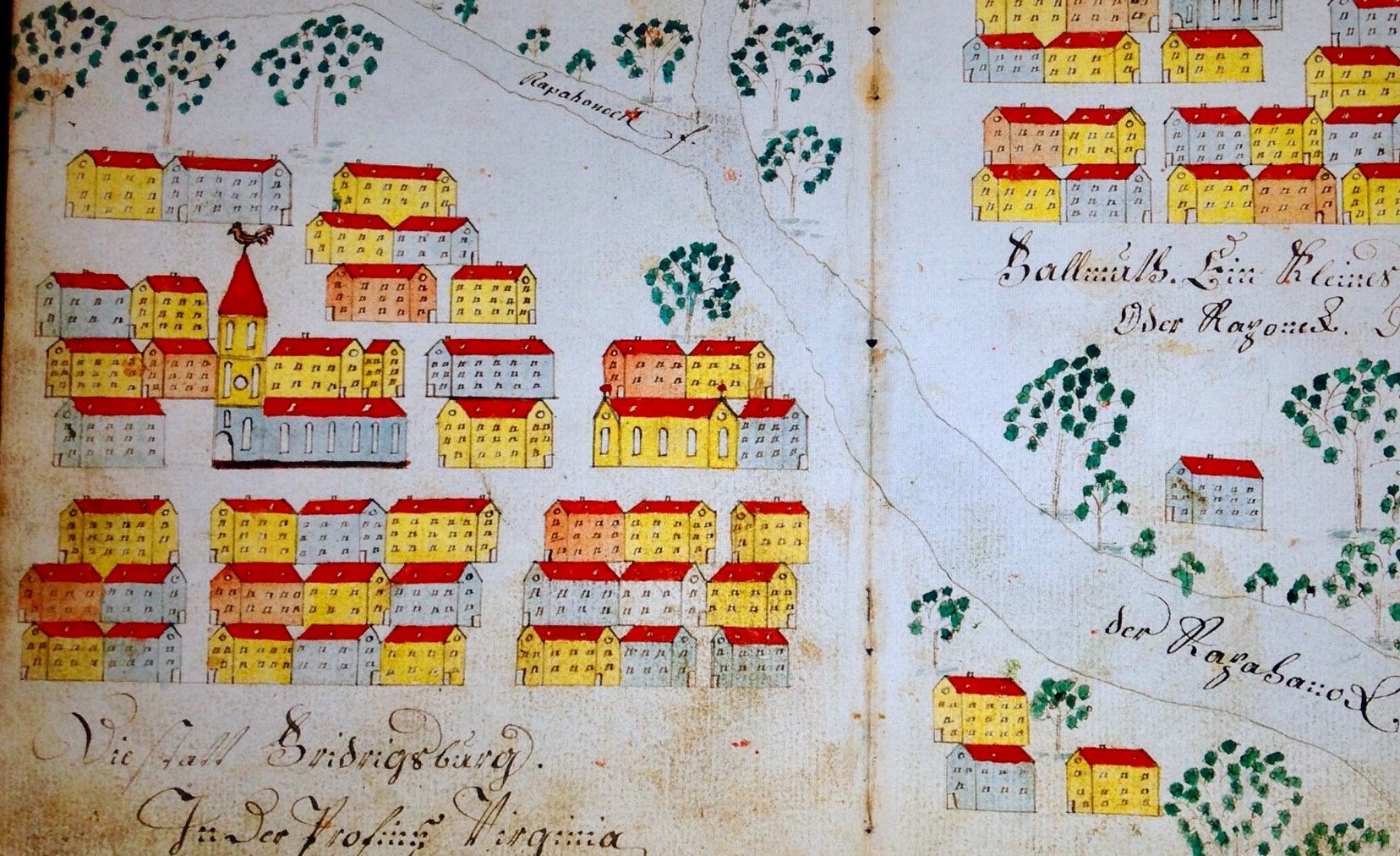
Figure 1. Detail of a highly stylized depiction of Fredericksburg, VA by Fench soldier Georg Daniel Flohr, who visited in 1782. Despite the use of artistic license, the illustration conveys Flohr’s perception of the 18th Century town as a “rather large” port with “intense boat traffic.” Source: Account of the Land and Sea Expedition in America of the Acclaimed DeuxPonts Regiment from 1780 to 1784
Crowding out the fresh spring air of a wooded countryside, the acidic scent of aerosolized gunpowder began to sting the interior of a nervous 22-year-old’s nostrils. His ears rang from the shock of dozens of nearby explosions. Smoke clouded his vision, and sensory overload likely clouded his judgment. Soon-to-be-familiar sounds followed rapidly: scurried movement, intense chatter, and groans of agony. Yet, the inexperienced youth had to make decisions on behalf of the crowd around him. He found himself at the center of a new form of chaos: the opening volleys of a world war.
Lieutenant Colonel George Washington’s Virginia soldiers had just fired into a French military camp near the Monongahela River in western Pennsylvania at a moment (May 28th, 1754) when peace among European empires and Native American nations sat at a precarious equilibrium. Over the past several months, French forces had been busy erecting Fort Duquesne at the Forks of the Ohio River (the site of modern-day Pittsburgh, PA). Royal Governor Robert Dinwiddie of Virginia considered this commercially and strategically significant location part of the British Empire and sent Washington to the area to help re-establish British control. This was the context in which Washington’s Virginians and a party of Mingo warriors came upon the ill-fated French camp in a ravine soon to be known by the infamous moniker of “Jumonville’s Glen.”[1]
After the first shots rang out around the glen, things only got worse. Washington’s cocommander, Tannagrison (a Seneca politician leading the party of Mingos), summarily executed the French officer in command, Ensign Joseph Coulon de Villiers, Sieur de Jumonville, and events escalated from there. In fact, this frontier skirmish grew into a world war that would not only give rise to the North America of the Revolutionary Era, but would forever alter the power dynamics of entire globe. Consider the growth of the British Empire, two centuries of exploitation and resistance in India, the birth of the United States, the creation of independent republics in Latin America, the French Revolution, English colonization of Australia, the American Civil War, the Assassination of Archduke Ferdinand, the rise of the Axis Powers, the Vietnamese independence movements of the 20th Century, and even the War on Terror. The conflict that Washington and Tannagrison started at Jumonville’s Glen, known as the“Seven Years’ War” or the “French and Indian War” (1754-1763), shaped all these events, along with countless others. And as residents of the Fredericksburg region, the Washingtons and Lewises sat at a crossroads of this worldwide upheaval.
As the 250th anniversary of American nationhood approaches, understanding the Seven Years’ War’s social, martial, and political context is perhaps more important than ever. In anticipation of future posts related to this subject, I hope what is below will introduce you to how the stories of those associated with Kenmore and Ferry Farm intertwined with the larger story of the war.
We’ll start with George. As an officer commissioned in the provincial (colonial) Virginia Regiment, George Washington not only helped initiate the Seven Years’ War but saw his first real military service at places like Fort Necessity or as a volunteer aid-de-camp in the ill-fated Braddock Expedition of 1755, where he nearly died during the famous British defeat at Battle of the Monongahela. Of course, historians have worn countless pens, pencils, and keyboards recording Washington’s involvement in the early stages of the war and documenting the future Commander-in-Chief’s first brushes with combat. However, George’s duties increasingly involved more independent responsibility after 1755. These events came on the heels of George’s formal relocation from his mother, Mary Washington’s, residence at Ferry Farm to his late half-brother’s estate at Mount Vernon.
The two years that followed George Washington’s more well-known deeds at the Monongahela produced circumstances similar to those he would contend with during the American War for Independence (1775-1783). Throughout 1756 and 1757, the Virginia Regiment had to defend a string of small, isolated forts along Virginia’s vulnerable frontier to the west of the Blue Ridge Mountains.[3] The task of managing poorly-supplied posts that stretched from Winchester, VA, to the vicinity of modern-day Martinsville, VA, presented George with the opportunity to develop three aspects of leadership that would define his work in future years: military administration over vast geographical territory, long-term strategic planning, and the sustaining of volunteer troops despite strained logistical resources.
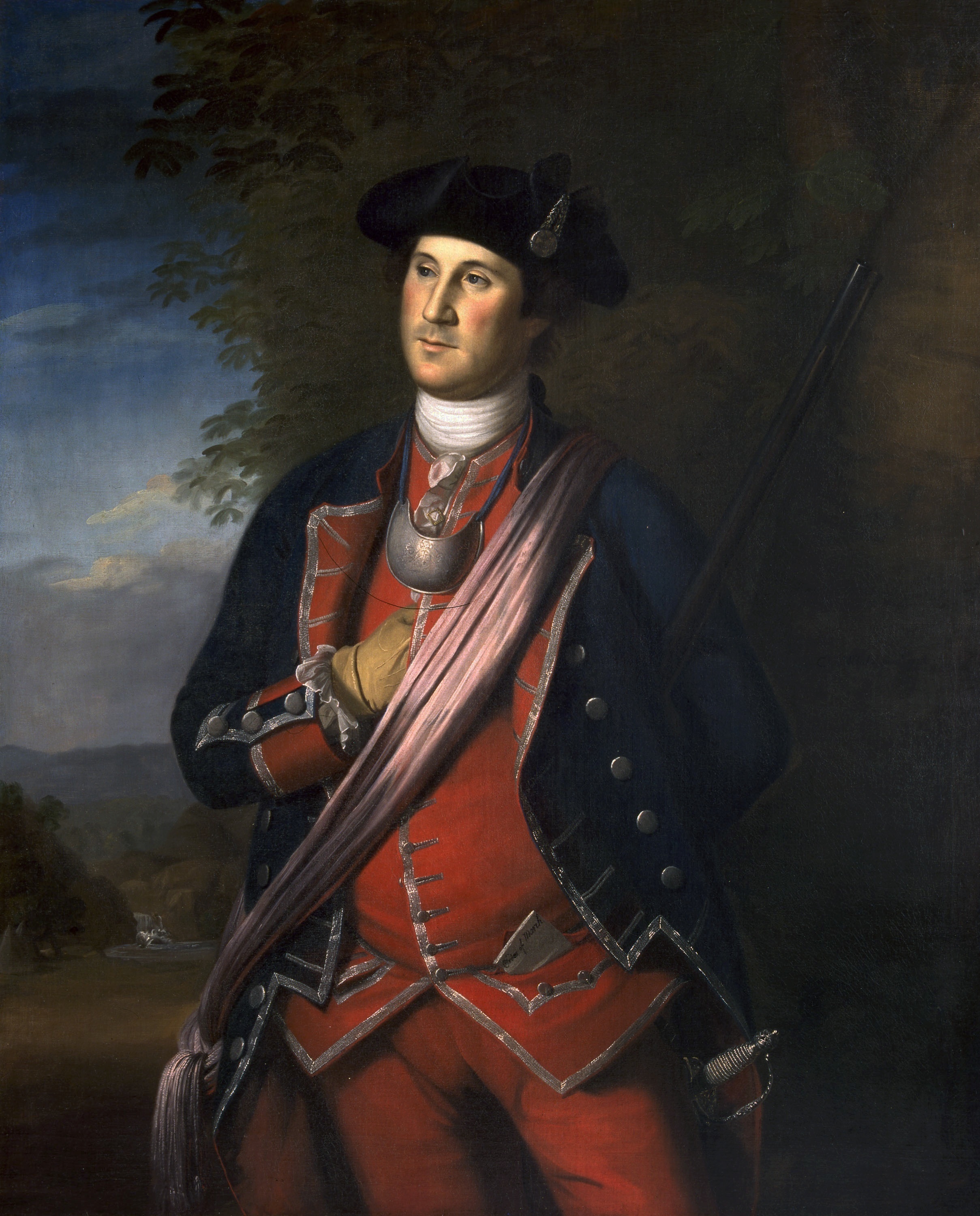
Figure 2: a 1772 portrait Charles Wilson Peal depicting Washington in a uniform similar to those worn by officers of the Virginia Regiment Source:Washington and Lee University
During a tour of Virginia’s frontier forts, the “bad regulation of the militia; the disorderly proceedings of the Garrisons; and the unhappy circumstances of the Inhabitants” shocked the young officer.[4] Washington filled his correspondence of this era with phrases such as “inconceivable trouble” and “unhappy Juncture” as he recorded innumerable instances of paucity, civilian death, and desertion.[5]
Washington’s struggles continued into 1758 when the Virginia Regiment became involved in the Forbes Expedition, a laborious campaign that eventually resulted in the British capture of Fort Duquesne. Around that time, the needs of sick veterans of the past three years of fighting, marching, and garrison duty presented further challenges. None other than Fielding Lewis, a young Fredericksburg merchant and husband of George’s sister Betty, agreed to contract with his brother-in-law to provide for Virginia’s ill. That June, for instance, Lewis sent the material for 60 blankets to “Colo. Washington for the Country Dr.”[6]
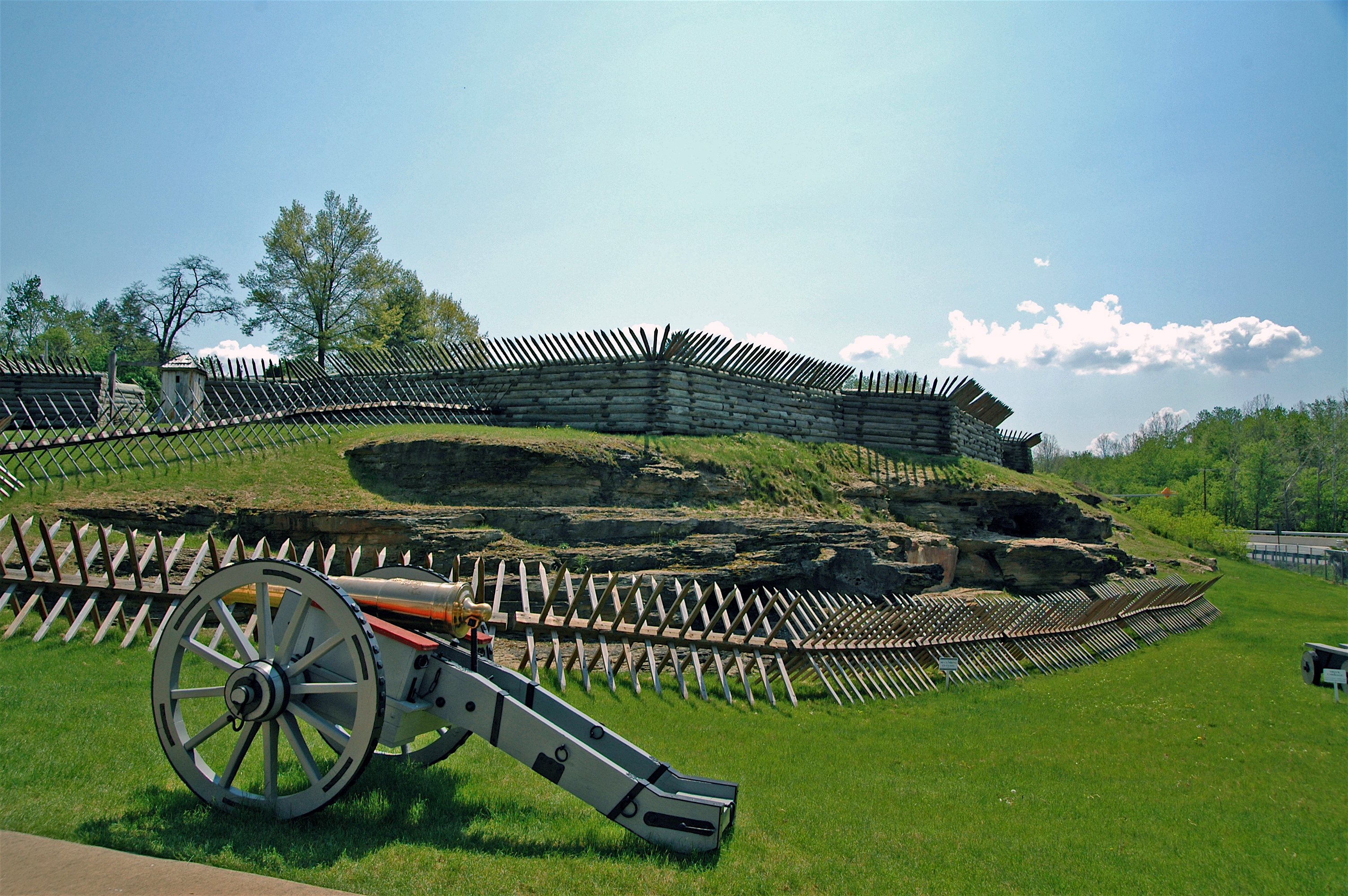
Figure 3: View of reconstructed fortifications at Fort Ligonier, the centerpiece of the 1758 Battle of Loyalhanna, an important part of the Forbes Expedition. Source: Jeff Kubina via flickr
As a businessman with a growing family, Fielding Lewis must have had more reason than most to fear the potential adverse effects of world war upon his trans-Atlantic commercial ventures. However, as British fortunes began to change for the better, Lewis reaped the benefits of citizenship in a growing empire. Before the war’s end, he was conducting a lucrative speculation business at a fair in Fredericksburg.[7] Lewis’s success eventually provided the means to commission the construction of Historic Kenmore.
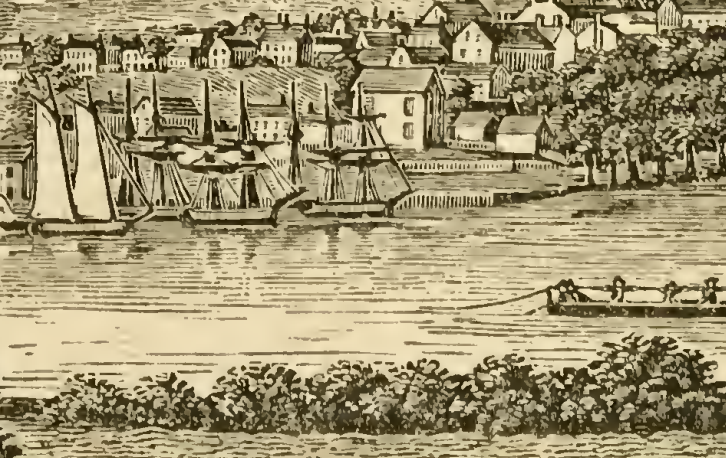
Figure 4: Detail of an 1845 illustration of Fredericksburg as seen from Ferry Farm, showing tall ships by the town’s wharves.. Fielding and his father John invested in several merchant vessels, the towering masts of which were once common parts of Fredericksbrug’s cityscape. Source: Internet Archive
Of course, learning about wealthy and influential men like Washington and Lewis is easy. However, countless individuals of all social standings played a part in the drama of the Seven Years’ War. Part II of this post will explore how those on the Homefront coped with world war and how the conflict transformed the community of Fredericksburg in ways still visible today.
Stay tuned.
Ethan Knick,
School and Youth Programs Manager
[1]David Lee Preston, Braddock’s Defeat: The Battle of the Monongahela and the Road to Revolution (Oxford University Press, 2015), 26-28.
Fred Anderson, Crucible of War: The Seven Years’ War and the Fate of Empire in British North America, 1754-1766 (Knopf Doubleday Publishing Group, 2007), 18-23.
Spring is here, which means another season of exciting archaeological work at Ferry Farm is about to begin! Ferry Farm, the boyhood home of George Washington, has been conducting archaeological investigations for over 30 years with the aim of recreating and analyzing the 18th-century farm landscape that shaped George Washington during his formative years as a young man. Every season brings new discoveries, and this year will be no different.
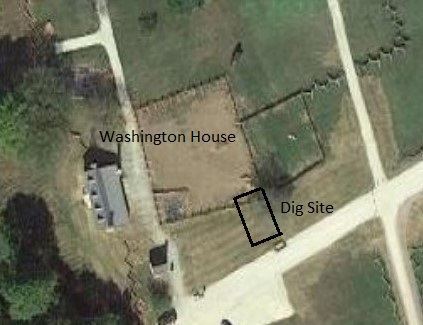
This season we will be investigating two separate areas within the historic site. The first (FF-38) is a feature discovered in 2018 when we monitored the excavation of a utilities trench for the reproduction Washington house. This large feature, approximately 5’ x 7’ and over 2.5’ deep, is filled with dark brown organic soil and contains 18th-century artifacts, including a wig curler, a signature find for our site. Our excavations will expose the entire plan view of the feature and how it relates to other possible features in the surrounding area.
Figure 1. The location of our two summer projects in the historic area.
The second area of investigation (FF-40) is the site of a colonial-era kitchen that burned early in the Washington family tenure of the farm. Though the building’s remains were the subject of previous archaeological studies in the 1990s, we are going to open the site up again to have a second look. Since we have been unable, so far, to locate the kitchen that would have replaced this one after it was destroyed in a very hot fire, we want to continue examining the one we do know about!
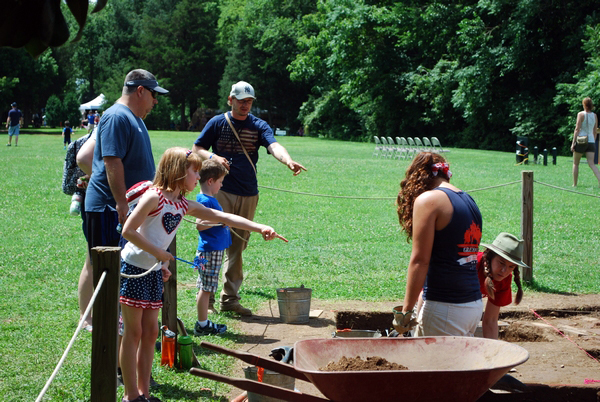
The dig begins the week of May 8th and ends July 21st. The crew will be on-site Monday through Friday, 8 am to 4 pm. We are more than happy to answer questions about our work and show our visitors the artifacts that we find. Assistance is always welcome at our sifting screens, so come by and get your hands just a little bit dirty as we search for answers in the ground!
Epidemics and pandemics loom large in history. Few have not heard of the Black Death or Spanish Flu, and Covid-19 still affects our lives. Short, two to three-year outbreaks of these diseases kill quickly and in staggering numbers, but what about the diseases that have stuck around throughout history and brought about death in a much slower fashion?
Tuberculosis (TB) represents one disease that humanity has never managed to shake. A devastating illness marked by a cough and wasting of the body, it has infiltrated all corners of the world, killing more than any other microbial pathogen. The 1700s proved no exception, and the level of contagion associated with the disease meant that once it entered a family, it proved hard to eliminate. Sadly, this became the fate of many members in two generations of the Washington and Lewis families and, undoubtedly others who came in close contact with them. In Part I of this examination of TB in the Washington family, we will examine the disease itself.
Tuberculosis originated in East Africa, possibly around 3 million years ago, and evolved into our modern strains between 250-1000 years ago. This makes it one of the oldest diseases still in existence. While primarily a disease of the lungs, TB has the potential to infect most tissues and organs. Skeletal deformities caused by certain strains make it identifiable in the archaeological record, which help to date the disease. As humans migrated across the world, they brought the disease with them. Evidence even exists to suggest that TB thrived in parts of the Americas before the arrival of Europeans. Its presence makes it one of the rare diseases that Europeans did not introduce, though encroachment on indigenous groups and confinement of them to specific areas did lead to a rise in cases. Various names have applied to the disease, but in the Western World, the most common historical names include “consumption,” “White Plague,” and “phthisis.”
Highly contagious, the disease could strike anyone, with those living in cramped and unhygienic conditions experiencing a higher risk of infection. Cities, therefore, had more cases than the countryside. However, the true rate of infection for the 1700s remains unknown as the recording of disease cases did not start until the early 1800s. Once this practice got underway, TB ranked as the leading cause of death in places such as Philadelphia, where it accounted for nearly 15% of all deaths in two separate periods (1807-1826: 7,972 deaths or 15.04%; 1831-1840: 6,093 deaths or 14.23%). From statistics such as this, estimates for previous eras can occur with TB likely causing 25% of all deaths in Europe from the 1600s-1800s and similar numbers occurring in North America.
With such a high rate of infection, and its tendency to spread within families, some came to interpret the disease as inherited, while others continued to support the theory of miasma. A more radical thought blamed vampires, leading to several periods of panic in New England during the 1800s. Today, we understand germ theory, but this would not become mainstream until late 1800s and early 1900s—nevertheless, suggestions of TB’s true contagious nature date to at least 1546. German scientist Robert Koch put the debate to rest when he identified Mycobacterium tuberculosis as the causative agent behind the disease in 1882. The rod-shaped bacteria thus gave the disease its common name. This discovery helped lead to the realization that several strains and forms of the disease exist. While M. tuberculosis spreads via the air and droplets, the zoonotic form of the disease, Mycobacterium bovis, thrives in cattle and their relatives before jumping to humans. This occurs through the consumption of contaminated dairy products and produces a near identical infection to M. tuberculosis.
Despite the pathogen’s deadliness, though also in part of it, TB took on a romantic and fashionable nature. Many a character would suffer from the disease in 19th-century literature, with it running as rampant in the novels of the Brontë sisters as it did in their family, and Lord Byron once lamented his good health since a case of TB would make his appearance more interesting to women. The pale, slim, feverish appearance of the infected fit the ideal female body image that emerged between the late 1700s and mid-1800s. On the extreme end of things, some individuals purposefully exposed themselves to the disease in the hopes of achieving this appearance. A more manageable level saw fashion attempt to mimic the symptoms with corsets and skirts creating the illusion of slim waists while makeup lightened the skin and tinted the cheeks.
Sickness
As with every disease, the onset, severity, and progress of the infection varies depending on the health of the infected individual. For instance, tuberculosis could burn through very young children before anyone identified the disease in the 1700s. Likewise, someone with a stronger immune system might fall ill for a longer period before all the symptoms came to together to provide a diagnosis. Nevertheless, TB has several key identifiers.
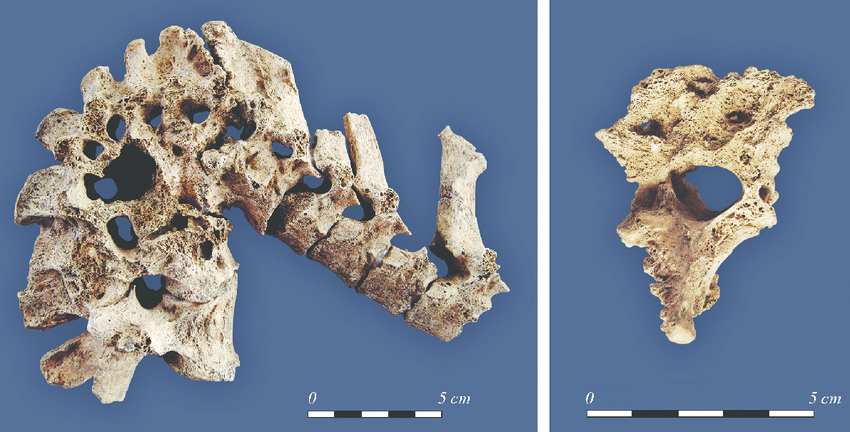
The disease develops in two basic forms, pulmonary and extrapulmonary. The former sees the infection restricted to the lungs and serves as the most common manifestation. Typical symptoms included a cough, which produces blood at a progressed stage, extreme weight loss, decline in appetite, sweats, fever, fatigue, and paleness. The disease can occur over several attacks, interrupted by brief respites, which worsen with time. As the disease progresses, it leaves holes in the lung tissue giving it an appearance akin to Swiss cheese. Extrapulmonary cases pertain to TB that has spread to an organ or tissue outside of the lungs. The standard symptoms remain in addition to physical indications in the impacted areas. This may include enlarged lymph nodes, sores, and spinal deformities that develop over time. Two forms include Pott’s Disease, TB of the spine, and Scrofula, TB of cervical lymph nodes.
While TB can affect all age groups, historically, it has most often struck the young. In Ancient Greece, Hippocrates noted, “phthisis makes its attacks chiefly between the age of eighteen and thirty-five.”1 Higher rates of death amongst those in their twenties and thirties added to the tragedy of the disease, though hope of relief did exist. TB has a unique ability to go dormant during which it walls itself up in the lungs or simply pauses in other parts of the body. While this latent state can reverse at any point, meaning a victim could have years between symptoms and still die of it, the disease may never reactivate. In this scenario, a person would test positive under modern examinations, but suffer no impact to their health or prove contagious to others.
All active cases, however, lead to a decline in the sufferer’s immune system and leaves them open to secondary infections. Cases of pneumonia, as well as meningitis, prove common. A letter from a Fredericksburg woman, dated March 1867, perfectly illustrates the disease. Her son, who had just passed, suffered an “attack of Hemorrhage of the Lungs” first in 1865 and again in “the summer of ’66.” She reported that he recovered from both attacks, but became ill with the mumps in February of 1867 followed by “the symptoms of fell consumption being clearly developed.”2 The boy ultimately lost the strength to rise and found himself confined to a makeshift bed a few months prior to his death.
Treatment
No cure or successful management plan for tuberculosis existed in the 1700s. As such, roughly 66% of cases resulted in death within the first five years of infection. However, lack of success did not stop doctors from prescribing a standard course of treatment that originated in ancient times. To anyone familiar with medical practices of the eighteenth century, the use of emetics, such as mercury and bloodletting, will come as no surprise. Both treatments aimed to purge the body of an affliction, and doctors applied this to nearly every ailment. In truth, these “cure all’s” did more harm than good, with mercury poisoning the patient and bloodletting weakening them. Still, other prescription medicines may have brought some symptomatic relief or, at the very least, not harmed the patient further.
Other forms of treatment involved lifestyle changes in the form of diet and exercise. Viewing items such as meat and alcohol as harmful in large quantities or too difficult for the body to process, doctors instructed TB patients to eliminate them from their diet. Instead, they should consume plenty of milk, preferably from a donkey, and vegetables. On top of this, the patient should increase fast-paced exercise or travel, such as horse riding, to the extent that their strength allowed. This would ideally force clean air into the lungs. While well-intentioned, neither change could treat a bacterial infection.
Other changes involved relocation. Some may be familiar with the phrase “taking the waters” The belief that natural springs, particularly hot ones, provide health benefits dates to prehistory and exists in multiple cultures. Some truth lies in this, but no spring could cure TB beyond the warm waters and steam providing some relief to a weakened, cough-ridden body. Nevertheless, doctors frequently instructed patients to visit springs, giving rise to Berkeley Springs in Colonial Virginia. A destination for wealthy Virginians starting in the mid-1700s, some visited for general health benefits and the social scene, while others went specifically for TB. If none of these treatments worked, doctors would prescribe a course of action that everyone knew served as a last resort: relocating to a warmer climate. In Colonial America, some patients went to the southern colonies while others elected to try the Caribbean (Figure 6). They found no cure in these locations, but the belief in springs and warmer or dryer climates providing relief for TB victims would continue into the 1900s.
Bane of the Washingtons
All forms of tuberculosis mentioned above existed in the 1700s, but which one did the Washingtons have? Parts II & III of our Tuberculosis Blog will closely examine individuals connected to the Washington and Lewis families that had the disease, but we can make a few conclusions. Regarding contraction of the disease, the number of people afflicted, and their close relations to one another, it remains highly probable that they passed it to each other. Of the eight people identified across two generations, none developed a spinal deformity, and no mention of enlarged lymph nodes appear. This implicates pulmonary TB as the likely suspect in all cases.
Nevertheless, we cannot forget M. bovis. With no knowledge of the disease or methods of pasteurization, the frequent consumption of dairy products and presence of cows on farms made it a key source of potential exposure. The Probate Inventory taken in 1743 after Augustine’s death records an inactive dairy building at Ferry Farm. Whether the Washingtons ever used it for dairy remains unknown, but they certainly obtained and consumed dairy products regularly. We will never know what vector the disease took in entering the Washington Family or when each individual first contracted it, but we can piece together how it affected their lives and ultimately ended them. Stay tuned for Parts II and III: The Victims.
Emma Schlauder
Research Archaeologist
Bibliography
Barberis, Ilaria, Nicola Bragazzi, Lucia Galluzzo, & Mariano Martini 2017 The History of Tuberculosis: From the First Historical Records to the Isolation of Koch’s Bacillus. Journal of Preventive Medicine and Hygiene 58: 9-12.
Brown, Kathleen M. 2009 Foul Bodies: Cleanliness in Early America. Yale University Press, New Haven, CT.
Buchan, William 1772 Domestic medicine; or, The family physician: being an attempt to render the medical art more generally useful, by shewing people what is in their own power both with respect to the prevention and cure of diseases. Chiefly calculated to recommend a proper attention to regimen and simple medicines. Evans Early American Imprint Collection, University of Michigan < https://quod.lib.umich.edu/cgi/t/text/text-idx?c=evans;cc=evans;q1=Gout;rgn=main;view=text; idno=N09695.0001.001>. Accessed 11 April 2023.
CDC Symptoms of Pulmonary and Extrapulmonary TB Disease. The Division of Tuberculosis Elimination, CDC < https://www.cdc.gov/tb/webcourses/Course/chapter4/4_ diagnosis_of_tb_ disease_4_clinical_practices_symptoms_of_pulmonary_and_extrapulmonary_tb_disease.html>. Accessed 11 April 2023.
2 Conway, Mary Catherine Washington Henry 1867 “Letter to Jane ?, Cabin Mill – March 22, 1867.” Access granted by Suzanne Leigh Peake (owner) and Wyatt Falcone,
1 Daniel, Thomas M. 2006 The History of Tuberculosis. Respiratory Medicine 100: 1862-1870.
Mackowiak, Philip A., Vera Tiesler Blos, Manuel Aguilar, & Jane E. Buikstra 2005 On the Origin of American Tuberculosis. Clinical Infectious Diseases 41(4): 515-518.
Nardell, Edward A. 2022 Extrapulmonary Tuberculosis (TB). Merck Manual < https://www.merckmanuals.com/ professional/infectious-diseases/mycobacteria/extrapulmonary-tuberculosis-tb>. Accessed 11 April 2023.
National Jewish Health 2013 Tuberculosis: History. National Jewish Health < https://www.nationaljewish.org/ conditions /tuberculosis-tb/history>. Accessed 11 April 2023.
Otis, Edward O. 1909 The Great White Plague. Thomas Y. Crowell & Co., New York.
Palmer, Mitchell V. 2011 Bovine Tuberculosis and the Establishment of an Eradication Program in the United States: Role of Veterinarians. Veterinary Medicine International.
Rankin-Hill, Lesley M. 1997 A Biohistory of 19th-Century Afro-Americans: The Burial Remains of a Philadelphia Cemetery. Bergin & Garvey, Westport, CT.
White, Tim D., Michael T. Black, & Pieter A. Folkens 2012 Human Osteology, 3rd edition. Elsevier Inc., Burlington, MA.
You have probably seen an enormous amount of corsetry imagery in your life. Whether it was the scene in Gone with the Wind where Mammy is lacing Scarlet into her corset as she holds onto the bedpost or a social media post about waist training using a modern piece of shapewear. Needless to say, you probably think that corsetry was restricting, painful, and dangerous for all women in the 18th, 19th, and 20th centuries. Enter me, a corsetry enthusiast, here to break the wall of misconceptions surrounding women’s boned undergarments.
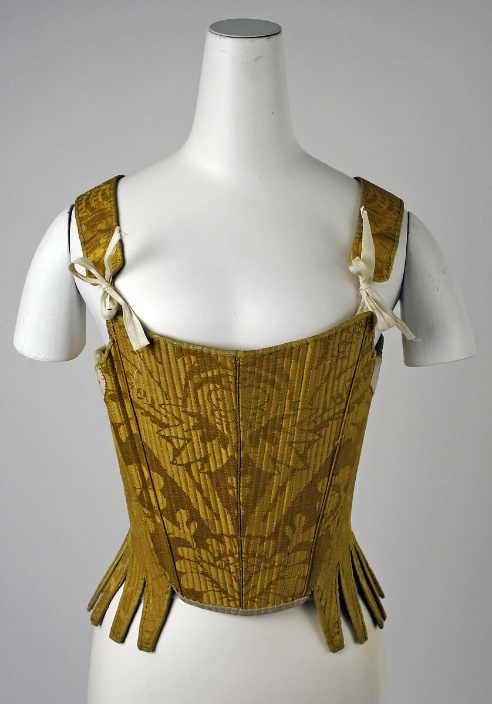
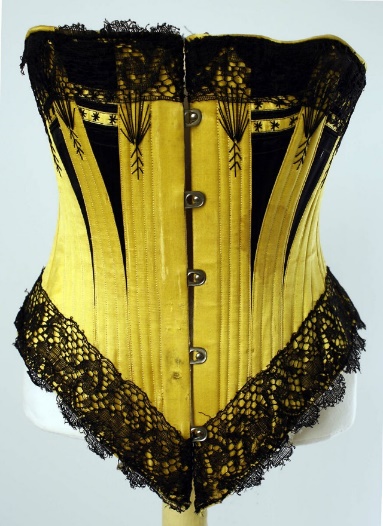
I would like to start by differentiating between stays and corsets. Stays are the fully or partially boned shaping garments worn by women in the 18th century. Stays gave support to the bust and created an inverted conical shape by holding the shoulders back, trimming the waist, and supporting the mantua, or gown. Stays can be laced in the front, back, or both. Corsets became fashionable in the early to the mid-19th century. Corsets give the more famous hourglass shape, are laced in the back, and fastened in the front with hooks. I will be focusing on 18th-century stays, but know that many misconceptions about stays and corsets fall into similar categories. Some differences are the spark to the misconceptions, though.
Take everything you think you know about stays and throw it out the window. The most common misconceptions about historical boned shapewear can be debunked if you step outside of the 21st century’s media-driven view of corsetry.
Weren’t stays painful and hazardous to women’s health? No, actually. This misconception comes from the idea that women tight-laced their stays, meaning they pulled the laces tighter to force waste reduction. Most women did not practice tight lacing. Additionally, the boning was made of baleen (whalebone), which looks rigid but is quite flexible and molds to the wearer’s body over time. Stays were meant to be supportive, not restrictive. Organs were not squeezed, and ribs were not broken. Think of stays as a garment, not unlike a modern bra: snug, supportive, but wearable in an everyday setting. Women were able to work, eat, and breathe in their stays. It was probably more likely you would faint from the smells in the street than you would from the tightness of your stays in the 1700s.
Women of all classes in society wore stays. From the lowest of working classes to the highest of nobility, everyone wore them. You were not considered properly dressed without your stays on. Materials differed based on what you could afford, but some iteration was necessary for every woman. Working women often wore stays without straps so as not to restrict any movement of the arms or shoulders. Wealthier women who were not doing physical labor tended to enjoy the extra support the straps gave.
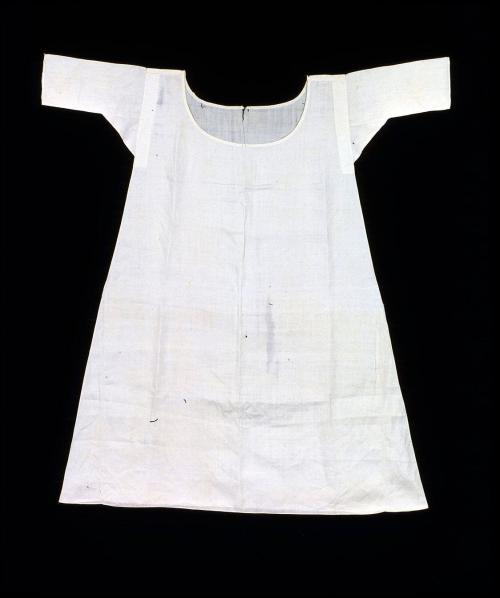
Stays were not worn up against the skin. No matter what the covers of romance novels or the saucy scenes in period dramas portray, there was always a layer of clothing between the woman and her support garment. Laundry was not as simple as throwing everything into a machine and hitting start in the 18th century. Therefore, women wore foundational garments called shifts that were washed frequently and protected outer garments like gowns and stays that were not washed as often. A shift was a nightgown-like garment usually made of linen. This was considered your base layer. It absorbed sweat and oils, protecting the rest of the clothing and stays from the elements of the body.
Stays were never laced in a crossed pattern; they were always spiral laced. That crisscross lacing that you see so often was not commonly used until 19th-century corsets. Spiral lacing was achieved by anchoring one end of the lacing chord at either the top or bottom and running it in a circular pattern through the offset laces until the other end of the stays were reached, then it was anchored off at that other end. This is a common mistake made in period films. If it isn’t spiral laced, it isn’t the 18th century.
Another lacing myth is that women in the upper classes were the ones who wore back-lacing stays, and women in the lower classes wore front or front and back-lacing stays. This idea came to be from the thought that women needed help to get into back-lacing stays; therefore, they needed a servant or enslaved person to place them in while lower-class or poorer women could lace their own stays in the front. Experts know this is not true as stays in fancier fabrics, like silk, worn by wealthier women are often front lacing, and stays in common fabrics, like linen, are often back lacing and vice versa with no real correlation. This tells us that the lacings of stays were not exclusive to class. I can also confirm that this was most likely the case as I have worn and laced my own back lacing stays by myself. It is not a magic trick or due to any extreme flexibility. I do what I was shown: lace the stays loosely in front, then spin them around, so the lacing is on my back and tightens them up. Simple, fast, and effective.
Something surprising that I learned while constructing my stays is that stays were not made by the milliner or mantua maker. Stays were most frequently made by a specialty staymaker or the tailor. That’s right, and this is such a specific and complicated garment to construct that it was often made by a specific craftsman. It took many years for someone to master the art of stay-making. Despite mantua making and millinery work being a female dominated trade in the 18th century, stay making and tailoring was a male-dominated trade. It took a lot of strength to process the whalebone, a job more suited to men. Next time you hear an actress from a period drama complain about how tight the corsetry was and how she could barely breathe, know that her corset was most likely not fitted properly and made historically; therefore, it just did not fit. Stays were made to fit the wearer, which would take an enormous amount of time to do for a film’s costumes. Premade corsets are bound to be uncomfortable to wear. Staymakers knew exactly how to fit a set of stays to the wearer, an art that is now nearly lost to time.
1780s stays from the Victoria & Albert Museum Collections (linen)1780s stays from the Victoria & Albert Museum Collections (silk)
Stepping back into our 21st-century lenses, what can you see? Do you see oppressed women fainting in the street or strong women working in their homes and out in the world going about their business? I hope this has made you think twice about regarding corsetry as the worst garment ever to grace the body, but also about appreciating the women who wore them and what they did to get us to where we are today.
At the beginning of our 2022 dig, we were working with the assumption that a colonial-era building was located at the edge of our excavation site at Ferry Farm, the Boyhood Home of George Washington. At the southeastern edge of the work yard, four post-holes had been found and excavated during previous projects. All were similar in size, shape, and depth, and each one was 10 feet apart from another, forming a single line.
Figure 1. Location of the 2022 excavations at Ferry Farm.
We presumed these features represented one side of a building and not a fence, mainly because of their size and distance from one another. Our objective was to find the rest of this structure and figure out what kind of building it was.
Figure 2. Four post holes at the beginning of 2022 excavations, prompting us to look towards the south for the other side of the building.
Our first goal was to ascertain if our -hole line extended further towards the east or west. Re-examination of previously excavated units to the west and the excavation of new units to the east revealed no additional posts, which meant our building was confirmed at 30 feet long on one side.
The second objective was to find a parallel wall to our post-hole line, as would be expected if this line represented the remains of a structure. Because previous excavations in this area (2019, 2020, and 2021) showed no relatable line of posts to the north of our four post holes, we opened up new units and reopened previously excavated units to the south.
What we found was not another line of post holes but a large stone pier and what appears to be two robbed stone pier features to the south of our four post-holes. This line of stone pier/robbed piers was located approximately 20 feet south of the post hole line. They were also spaced approximately 10 feet apart, and each corresponded with the placement of three of the four post-holes.
Figure 3. Alignment of four post-holes and three stone pier features on the site.
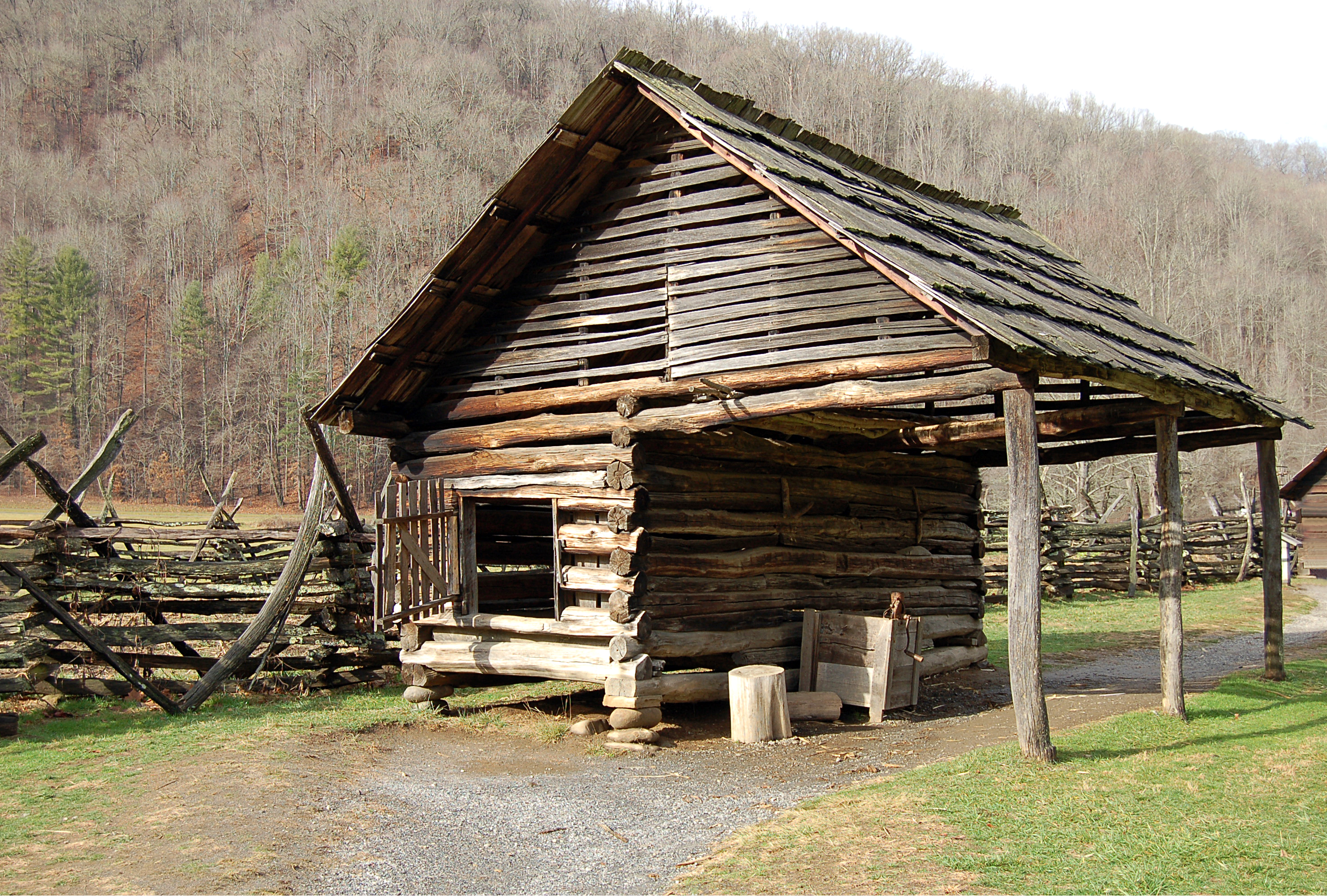
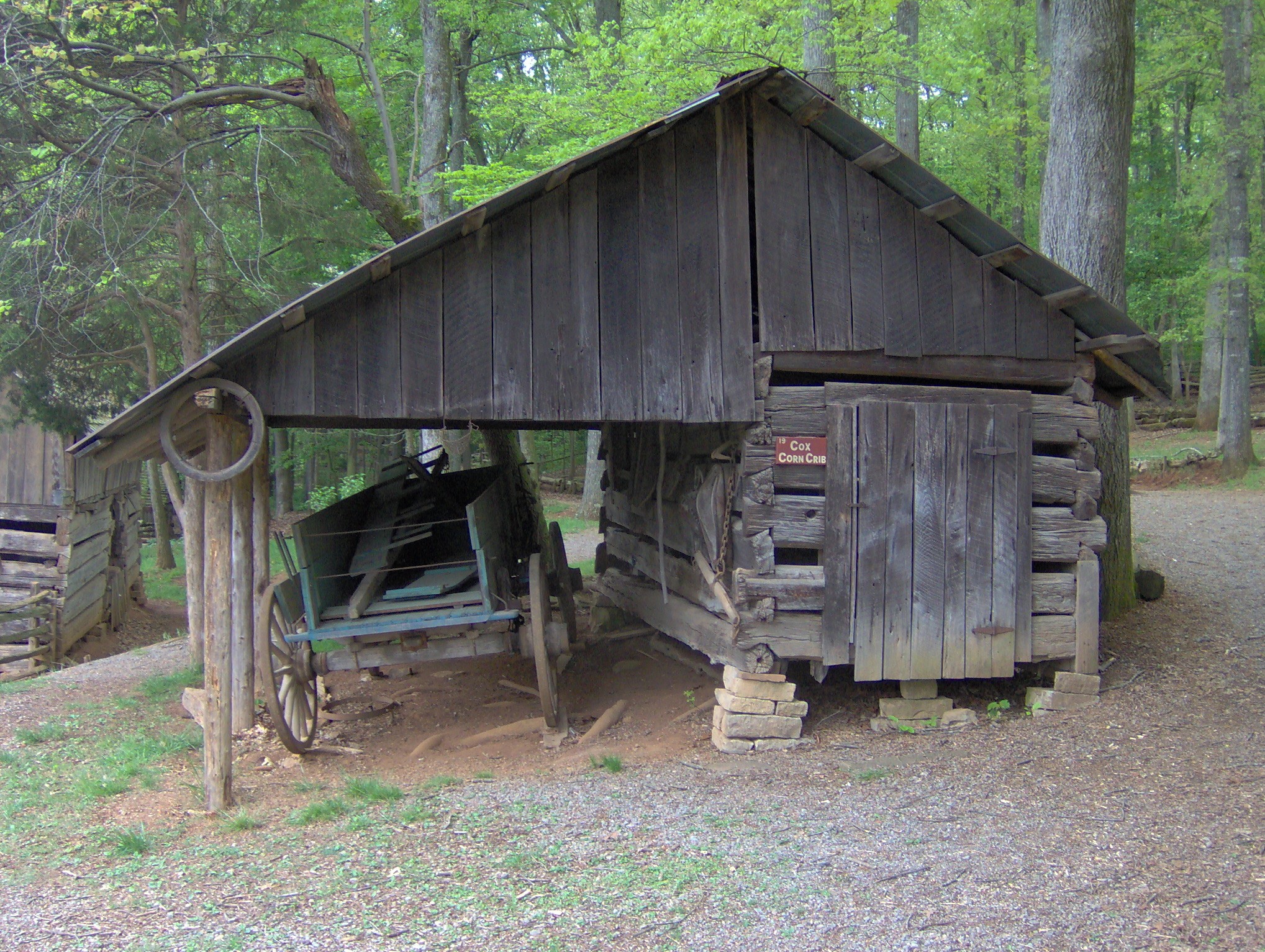
We believe we have uncovered the partial remains of an agricultural building that employed a unique combination of wooden posts in the ground and stone piers for the foundation. A corn crib – a building found on every farm or plantation in every century – is such a structure that uses a combination of post in ground beams and stone piers in their construction. Stone piers would be used for the storage portion of the structure, and post in ground supports for the overhanging shed roof that affords protection to wagons offloading corn into the building. The corn crib examples below illustrate the use of two different foundation styles.
Figure 4. An example of an old Corn Crib (North Carolina) using the same foundation system uncovered at Ferry Farm. The foundation features stone piers for the storage portion of the structure, with wooden post in ground beams that make up the protective shed roof that covered wagons being unloaded. (Wikimedia Commons)Figure 5. Corn Crib in Tennessee that uses post in ground supports for the shed portion of the building as well as stone piers for the storage portion of the structure. (Wikimedia Commons)
The excavation of the entire structure, particularly the southernmost wall of the storage shed, was hindered by the existence of the emergency access road that was installed at Ferry Farm in 2018. So while we have the entire open shed portion of the corn crib, only half of the storage portion has been uncovered – the rest remains below the current entrance road.
Figure 6. Interpreted location of the corn crib on the site.
Artifacts from this area have not yet been processed in our lab, but their preliminary analysis support the interpretation of this structure dating to the Washington period.
From historical documents, we know the Washington family was growing corn on their property, thus necessitating at least one, if not more, corn cribs on the farm. For example, in 1750, Mary Washington is paid £10 for selling corn to the Accokeek Furnace, a business originally started by her husband but then overseen by her stepson, Augustine Jr. Also, Washington’s survey of Ferry Farm in 1771 specifically mentions a cornfield on the property.
Efforts of the last two dig seasons have centered around uncovering this building and determining its function. Having gone as far as we can in the field, our outside work on this structure is done. Work continues inside, processing the artifacts in the lab and refining our interpretation of this exciting new addition to the Washington landscape.
There will be another dig season this year at Ferry Farm, starting mid-May. Our focus will switch to different areas of the site, so be sure to visit this summer and allow us to tell you about our new projects.
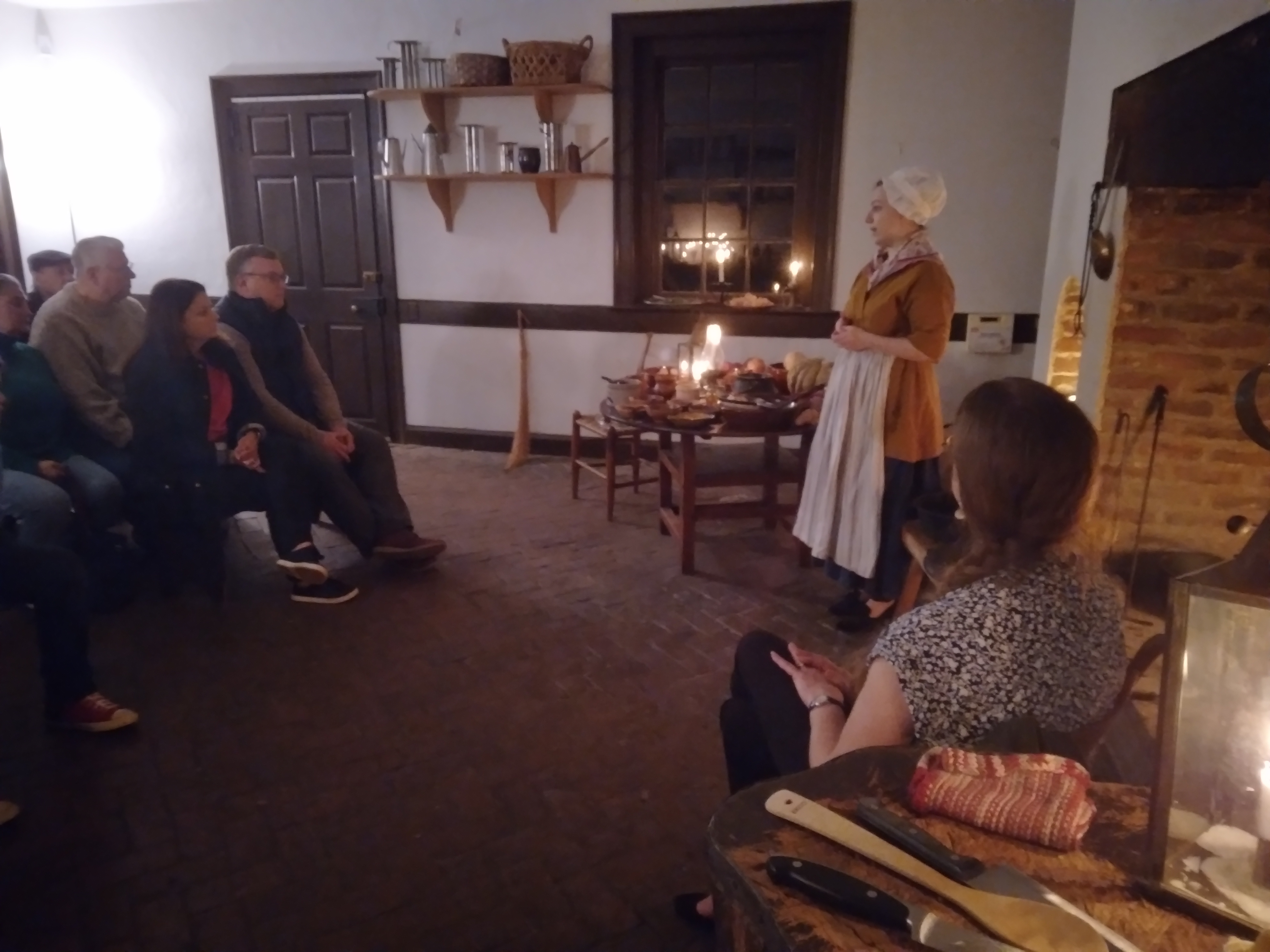
This year at our annual Twelfth-Night celebrations, visitors could enter the kitchen for a short lecture and demonstration. The archaeology and curatorial teams gave the talks to explain two important food items that play a part in Kenmore’s history and the holiday, gingerbread and flip.
Our first demonstration was done by Emma Schlauder, Research Archaeologist at the Foundation. She used a traditional recipe based on Mary Washington’s gingerbread. This is the recipe that the Kenmore Association and the Daughters of the American Revolution (DAR) would use in partnering with Hills Brothers Company to create the Dromedary Gingerbread Mix. The mix was sold in the gift shop and shipped around the country, raising money for the restoration of Kenmore.[1]
Emma Schlauder giving a presentation on gingerbread.
Mary Washington’s Gingerbread Recipe
3 cups all-purpose flour
2 tablespoons ground ginger
1 teaspoon cream of tartar
1 teaspoon baking soda
1 teaspoon ground cinnamon
¼ teaspoon ground nutmeg
⅛ teaspoon ground mace
1 large orange
½ cup (1 stick) lightly salted butter, at room temperature
½ cup light brown sugar, firmly packed
1 cup molasses
½ cup warm milk
1 wineglass (2 ounces) brandy or coffee
3 large eggs, beaten
Gingerbread is a term applied to a wide-ranging selection of baked goods with combinations of spices such as ginger, cinnamon, cloves, and nutmeg and sweetened with honey, sugar, or molasses.[2]
Ingredients and spices for gingerbread
Emma’s gingerbread used the traditional American sweetener, molasses.[3] Molasses was a commonly used sweetener in early American cooking until the increase of domestic sugar production. Molasses was cheap and a by-product of the refined white sugar produced for the wealthy.[4]
After including all ingredients, it was mixed to create a runny batter. The batter was put into a cast-iron Dutch oven and hung over the fire to cook. Cooking and baking over the hearth was time-consuming and potentially dangerous. It was done with heavy cast-iron pots and pans, often hung over the fire by an iron bar in the back of the oven.[5] Luckily for us, Emma had taken precautions for cooking over the open hearth and was able to bake the runny batter into a dense gingery cake. The cake was enjoyed by many and was determined to be a must-have for the season.
Gingerbread cooking over the fire
Flip
Our next presentation was done by Mara Kaktins, our Archaeologist & Lab Manager, and explored the history and ingredients of a unique drink called flip that would have fit in quite well with the festive celebrations.
The first known mention of flip is from a 17th-century play called “Love for Love” by William Congreve when a character mentions sailors, stating, “We’re merry folks, we sailors: we han’t much to care for. Thus, we live at sea; eat biscuit, and drink flip.”[6] The play does not provide us with a recipe or ingredients for the drink.
Flip –Universal Etymological English Dictionary
Flip is mentioned in the Universal Etymological English Dictionary, first published in 1721. This definition offers more information about what the drink contains by stating, “Flip, a sort of Sailors Drink, made of Ale, Brandy and Sugar.”[7] Full recipes can be found in The Cook’s Oracle, published in 1822; How to Mix Drinks: Or The Bon-vivant’s Companion, published in 1862; and The Curiosity of Ale and Beer: An Entertaining History, published in 1889. These recipes contain spices and ingredients like eggs, rum, sugar, and orange juice.[8][9][10]
Ingredients to make flip: Rum, Whiskey, Sugar, Nutmeg, Orange Juice, Eggs
However, two things make flip different from other holiday drinks like eggnog. First, there is no cream used in the mixture[11] , and second, flip is traditionally mixed by pouring the drink between two different vessels to make sure all the eggs are combined with the alcohol and then plunging a hot iron into the drink to create froth.[12][13]
Instructions state, “To make a quart of Flip: Put the Ale on the fire to warm, – and beat up three or four Eggs with four ounces of moist Sugar, a teaspoonful of grated Nutmeg or Ginger, and a quarters of good old Rum or Brandy. When the Ale is near boil, put it into one pitcher, and the Rum and Eggs, &c. into another; – turn it from one pitcher to another till it is as smooth as cream.”[14] After the mixture is properly combined, it is poured into a cup or tankard and finished off by plunging a hot iron which further mulled and froths the drink and gives it a slightly burnt taste.[15]
Mara Kaktins finishing off a glass of flip with the hot poker
This drink was mixed many times throughout the Twelfth night and was sampled by the staff. Unlike the gingerbread, the reviews for this frothy drink weren’t all that positive. Our modern palates might not be used to the amount of alcohol colonists use to consume. Sadly, while this drink was a hit during George’s festive season, traditional eggnog would be the best bet for the holidays.
These two demonstrations were quite a hit, with a sold-out crowd attending the show. With such a positive response, the archaeology and curatorial departments are looking for more ways to introduce living history to visitors. After gingerbread and flip, the possibilities are endless.
Heather Baldus, Collections Manager
[1] Bryn, Ann. American Cake. Rodale Books, 2016, pg 26.
[2] Goldstein, Darra. The Oxford Companion to Sugar and Sweets. Oxford University Press, 2015. pg 632
[3] Bryn, Ann. American Cake. Rodale Books, 2016, pg 24.
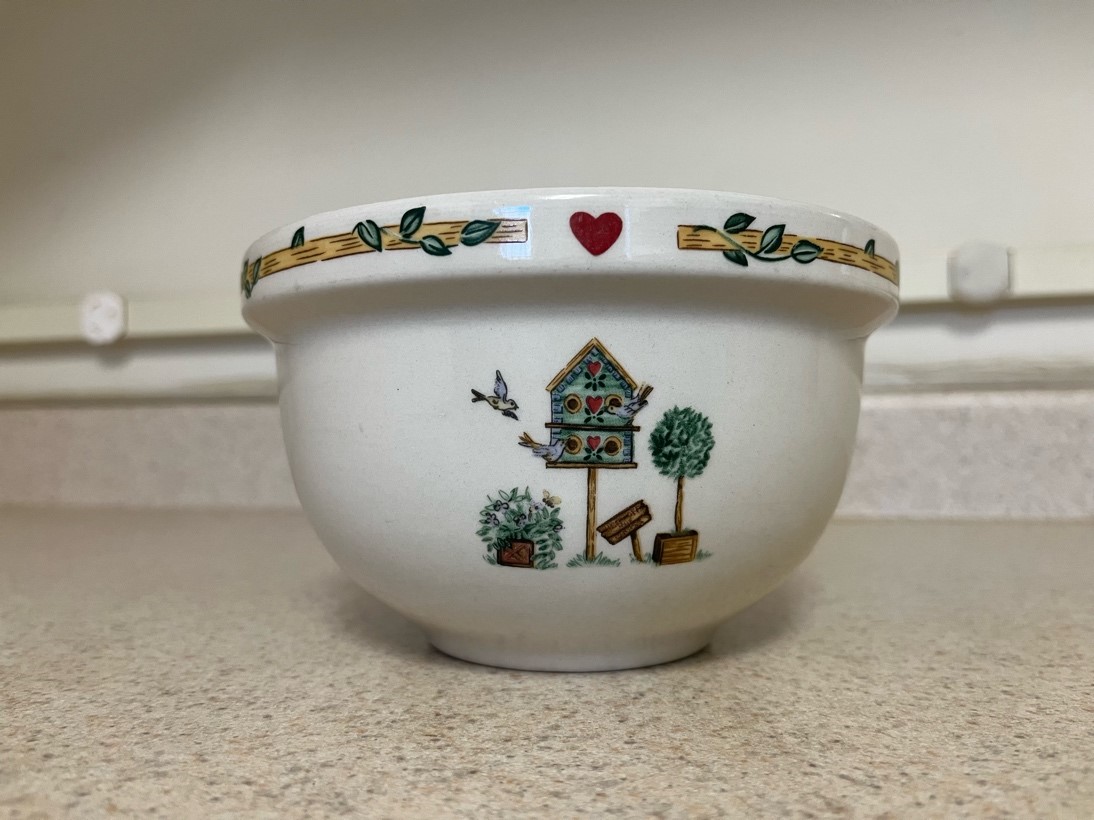
If you visited Ferry Farm on October 21, 2022, you may have heard a loud crash coming from the archaeology lab – don’t worry, it was on purpose! During my fall semester internship at the Ferry Farm Archaeology Department, I had the pleasure of learning how to mend ceramic vessels, and like any skill, practice makes perfect. I purchased a cheap ceramic bowl from Goodwill and purposefully shattered it so I could practice putting it back together again. Follow along as I take you through the process!
Bowl in one piece before being broken
Here is what the bowl looked like when I first bought it – in one piece! I chose this bowl because it was a good size: not too big where it would be too long of a project, but not too small where it would only take a few days to complete.
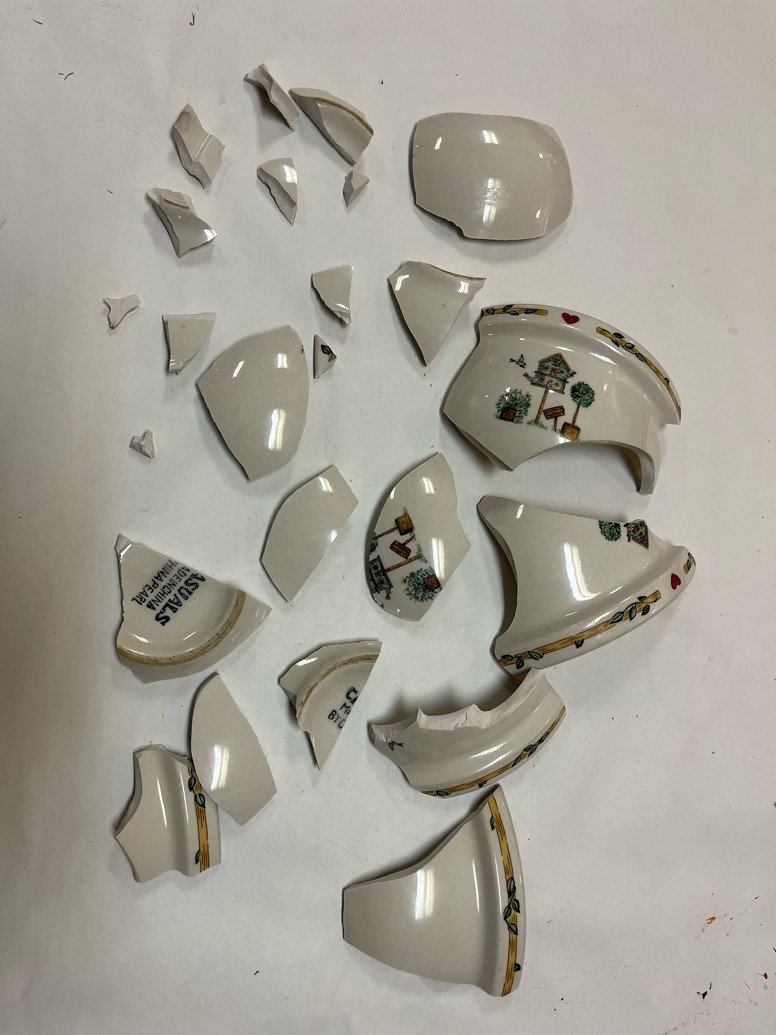
Breaking the bowl
Next came the fun part: breaking it! I placed the bowl inside a plastic bag so that all the pieces would stay together. Then, against my natural instinct, I threw the bag onto the ground and broke it into pieces! Notice how some are larger than others- this means that I had to be very careful as to not accidentally exclude a small piece from the entire bowl.
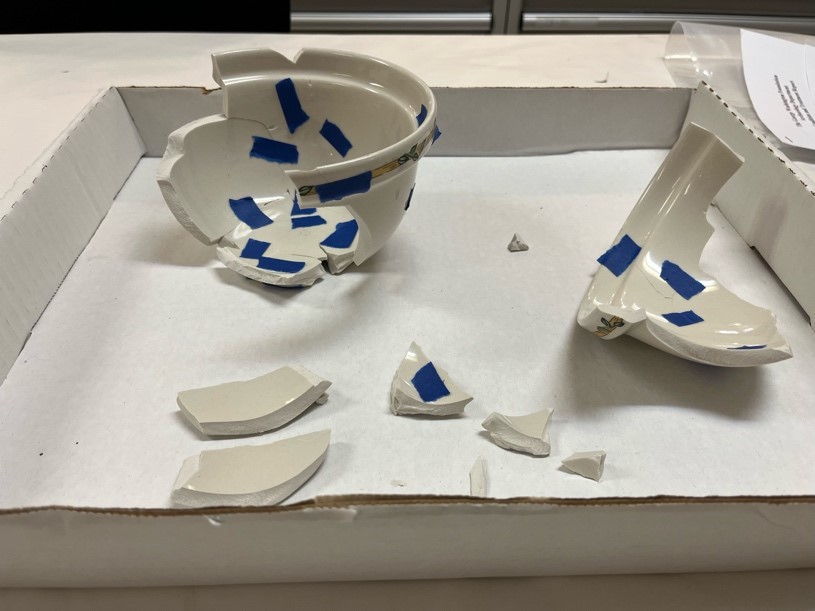
Taping sherds
After collecting all the sherds, my next step was to figure out where everything goes by taping the sherds together. This process allowed me to plan out the order in which the sherds would be glued together. I used blue painter’s tape to do this because it doesn’t leave residual adhesive on the surface of the sherds. This same tape is used when mending the ceramics found archaeologically at Ferry Farm.
More taping
More taping… it’s coming together!
Here is the completed bowl after taping! Once all the sherds were back in their rightful places, it was time to carefully plan out how I wanted to glue them. When mending, you don’t want to just start gluing together the first pieces you know fit together. It is important to take into account the shape of the vessel so that you leave as few gaps between the sherds as possible. I developed a plan to start from the base and work my way up to the rim of the bowl. With this done, it was time to start gluing!
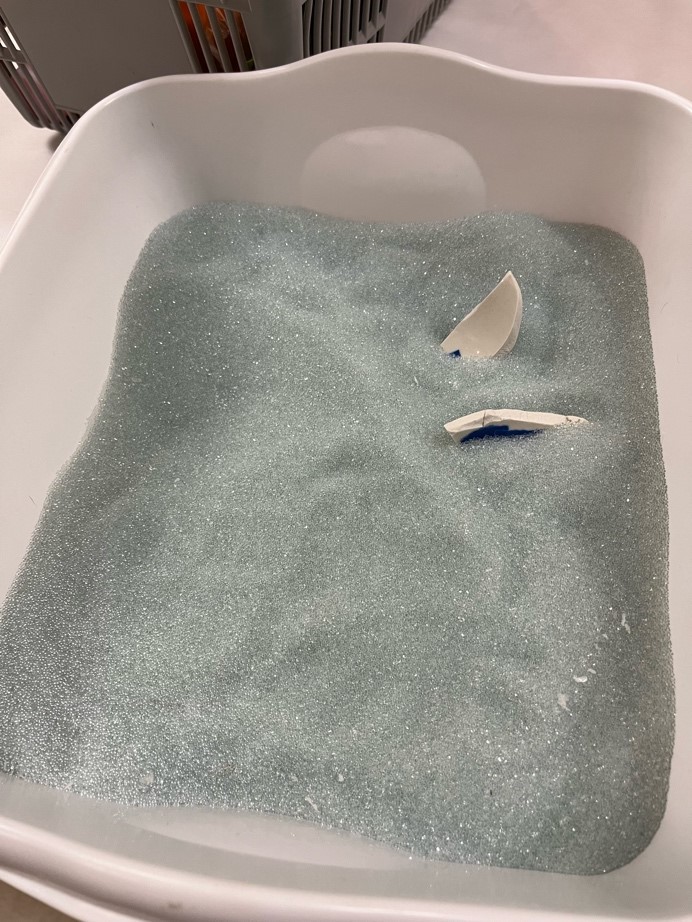
It is protocol in the Archaeology Department to mend ceramics using a reversible method. The glue I used was a solution of 35% B72 in acetone, which is removable with acetone. I started by coating the broken edges of the sherds with a less concentrated solution of the glue, 5% B72 in acetone. This prepped the sherds to have glue applied to it. After this, I applied 35% B72 to only one sherd to be mended and then held it together with its neighbor. After 10 seconds of holding the sherds together, they were sticking quite nicely. I then placed a few pieces of painter’s tape to ensure the glue would hold, and placed the freshly glued sections into a bucket filled with glass beads.
Glass beads…yes, everyone who goes to the lab runs their fingers through them.
The glass beads hold the glued sherds together and prevent them from shifting as the glue dries. I repeated this process for all the sherds over the course of a few days until…
Finished glued bowl
…the gluing was complete!
Here is the final product! Now, no mend is ever going to be perfect. Once a vessel is broken, there will always be misaligned sherds in the vessel due to the tension of the entire piece being broken.
So, why do we mend ceramics in the first place? It can help archaeologists understand what types of objects a site’s occupants would have used and what activities were taking place. It is also an important process in public interpretation: mended ceramics can help the public see what certain vessels would have looked like during a site’s target period of significance.
Finally, keep in mind that what I did with this bowl was only practice: actual mending with sherds excavated from an archaeological site does not go as smoothly as this. Only a small percentage of a vessel is typically found and thus able to be mended. The reason why so few sherds of one vessel are found is because decades and centuries of being in the ground allows for sherds to get mixed up and moved due to bioturbation (movement of soil by animals such as rodents and insects), erosion, and in some cases, agricultural plowing.
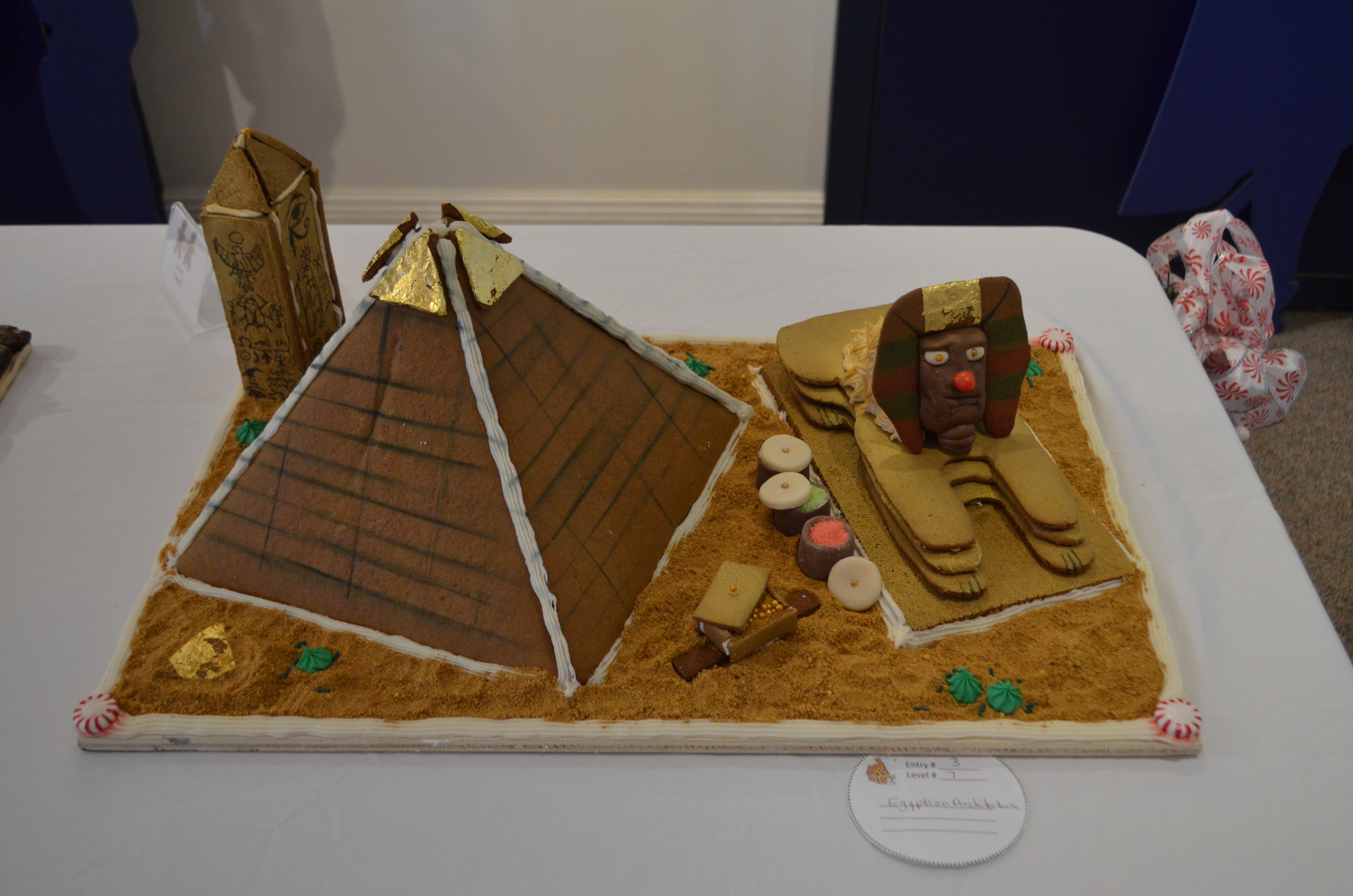
If you visit George Washington’s Ferry Farm this December, you’ll be greeted by the sweet smell of spiced gingerbread as soon as you walk through the door! During our annual Gingerbread House Contest and Exhibit, our gallery space is transformed into a showroom with entries reflecting this year’s theme: “architectural wonders of the world.” Unlike their real-life counterparts, these architectural wonders are all baked out of gingerbread and creatively decorated with icing and candies. Baking gingerbread is a great way to get in the holiday spirit, and in many cultures, gingerbread has long been associated with the holiday season. But where, exactly, did these gingerbread traditions originate?
The Tower Bridge on display at Ferry Farm
According to The Oxford Companion to Sugar and Sweets, the term “gingerbread” refers to a wide variety of baked goods ranging from rolled cookies to dense cakes that are “flavored with a combination of spices such as ginger, cinnamon, cloves, and nutmeg, and sweetened with honey, sugar, or molasses.” Some gingerbread variations can be traced back to antiquity, like the honey-sweetened cakes baked in ancient Egypt and Greece. Variations closer to what we consider gingerbread today (think gingerbread men and gingerbread loaves) became popular in northern Europe during the Middle Ages. Germany, in particular, became well known for its spiced gingerbreads, or lebkuchen.
German lebkuchen can trace its origins as far back as the 14th century, when gingerbread baking was associated with local monasteries and, later, professional bakers’ guilds. In Nuremberg, now world famous for its lebkuchen, honey was a locally accessible sweetener due to the city’s abundant forests and honeybee population. The medieval city was also at the crossroads of trade, which meant imported spices were readily available to Nuremberg monks and bakers. Before the invention of metal molds and cookie cutters, bakers used wooden molds carved with elaborate patterns to make and decorate gingerbread. Bakers shaped the cookies into different figures like animals and saints, and when intended as gifts for nobility, even added gilded decoration!
Today, although recipes vary, lebkuchen ingredients often incorporate some variation of honey, nuts, coriander, cloves, ginger, nutmeg, and candied fruit. “Nuremberg lebkuchen” has a higher nut content than any other variety. “Lebkuchenherzen” (or “Lebkuchen hearts”) are heart-shaped gingerbread decorated with written icing inscriptions. The hearts can be hung as decoration and are often sold at Christmas markets and during Oktoberfest.
By the 1800s, making gingerbread houses was a popular activity in Germany. Perhaps unsurprisingly, a tale involving a candy-coated house also began to circulate during this time. Originally published in 1812 by the brothers Jacob and Wilhelm Grimm, Hansel and Gretel tells the story of two children lost in the woods who stumble upon a witch’s house made of bread, cakes, and sugar. The evil witch captures the children when she discovers them munching on her house!
The story of Hansel and Gretel has remained popular to this day, and many different iterations of the tale exist. It’s unclear exactly which event precipitated the other (did the fairytale popularize gingerbread houses, or was an existing gingerbread house tradition simply incorporated into the story?) What is clear, however, is that gingerbread houses had become popular in Germany! When Germans immigrated to new places, they took these traditions with them, and the baking and making of gingerbread houses became popular elsewhere too. Today, whether created from a store-bought kit or handmade dough, gingerbread house-making is a popular activity for adults and children alike and is closely tied to the Christmas season.
Beginning in 1991, the city of Bergen, Norway, constructed an entire city…out of gingerbread! The display is made up of more than 2000 gingerbread houses and buildings. Called pepper cookies or “pepperkaker” in Norwegian, the “Pepperkakebyen” Gingerbread Town is made up of pieces constructed by local school children, businesses, and volunteers. The city landscape includes local landmarks, trains, cars, and even boats. While not the only gingerbread town in existence, it is certainly one of the largest and is a testament to the enduring popularity of the gingerbread house!
If you’re interested in delving further into the history of gingerbread, check out two of our past Lives & Legacies blog posts where we’ve written about Mary Washington serving gingerbread to Lafayette and the Kenmore Association’s ties to the sweet treat. If you’re interested in seeing Ferry Farm’s own Gingerbread House Contest and Exhibit, be sure to stop in before the exhibit closes on December 30th and also vote on your favorite entry!
A pyramid and sphynx made of gingerbread on display at Ferry Farm
Further Reading: The Oxford Companion to Sugar and Sweets. (2015). United Kingdom: Oxford University Press.