A lot of people have told me that they want or wanted to become archaeologists. I always find this flattering. Yours truly was only in my single digits when I declared the same to my family and anyone who would listen. After reading every National Geographic magazine I could get my hands on, ‘excavating’ abandoned houses and bottle dumps on or near the property where I grew up, and too many years of schooling than I am willing to admit…. here I am today. I am an archaeologist of 25 years. That being said, it is not an easy profession to get into. To wedge your way into this field, it is recommended you have an obsession with learning, stubbornness equal to a Black Friday shopper outside a Target in 20-degree temperatures at 3 am the night before, a hefty amount of luck, the willingness to obsess over dead people’s broken garbage, and just to be sure it would help if you’re at least a little bit mad.

Now, I am an archaeology lab manager in our museum, which means I enjoy the comfort of climate control, access to bathrooms, an office, and a place to store my breakfasts and lunches. But, like most archaeologists, I had to cut my teeth in the field (digging outside), which lacked all the above amenities. This is where many archaeologists figure out if they genuinely want to go through with the folly they have embarked upon. Many decide they do not and switch majors. Good for them; they likely make more money than most archaeologists. But could it really be that bad? Isn’t it fun finding cool stuff? Yes, of course. But here are all the obstacles those noble field archaeologists face daily:
- Bugs. Lots of them. Bugs have taken down many of my brave colleagues. Forget the snakes (Unlike Indiana Jones, most of us like snakes) and spiders. I am talking about chiggers and ticks. No one gets just one chigger bite. They hang out in gangs of hundreds, and you will not know they have bitten you until they have had their fill of your yummy body juices and peace-ed out. Hours later, you’ll notice around your ankles and waistband the unbelievable itching of dozens of bites that will haunt you for weeks. Ticks are worse. Way worse. Ticks carry diseases that can be very serious, including Lyme and Rocky Mountain Spotted Fever, both of which should be avoided at all costs. Don’t forget bees, hornets, and wasps. No archaeologist worth their salt is without a harrowing tale of valiantly battling or running the heck away from a swam of ticked-off single-minded, murderous, flying, stingy wingy thingies.


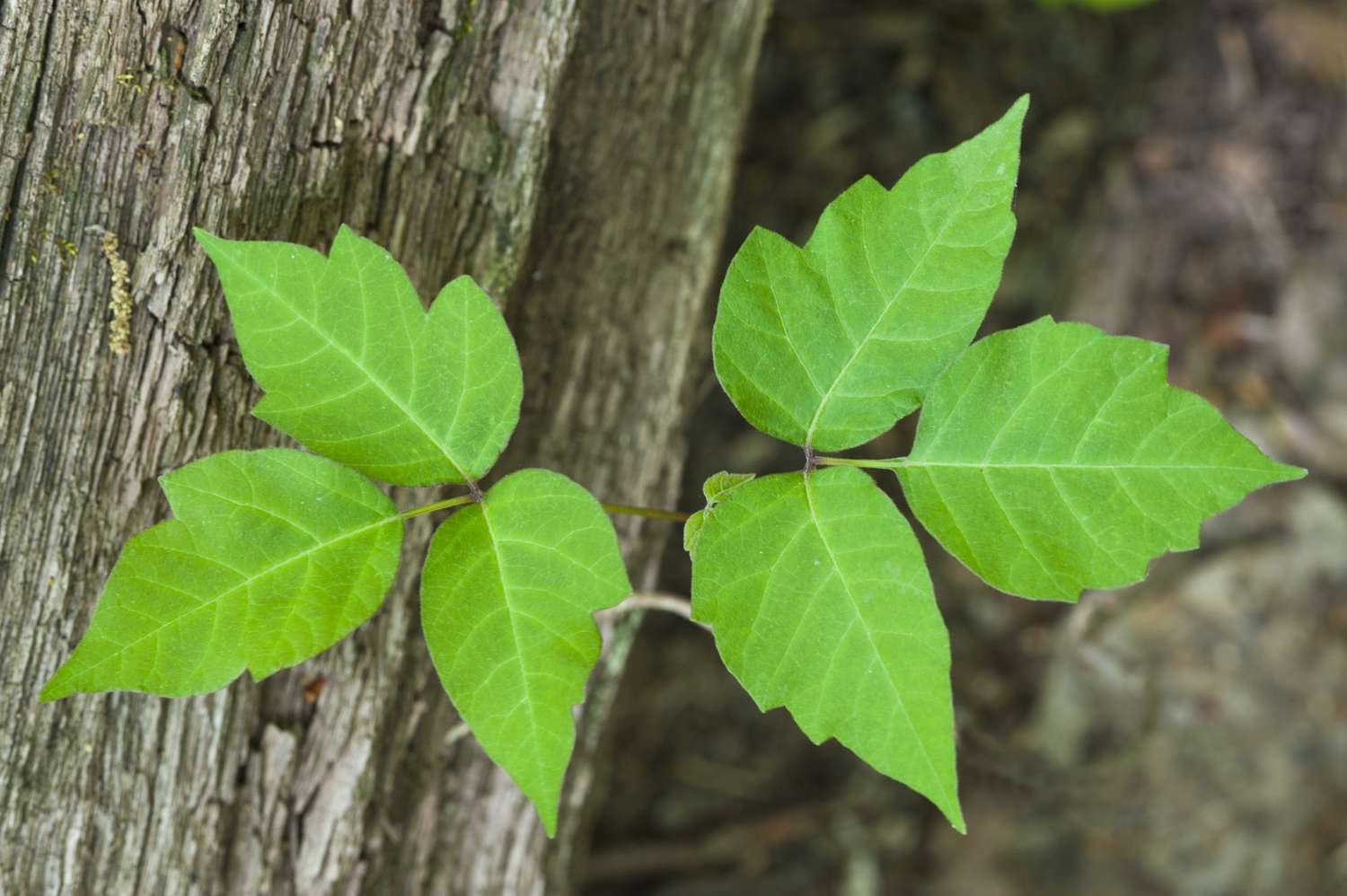
- Plants that will make you wish you were never born. Let’s start with some annoying and inconvenient but not diabolical plants: Those with thorns. After being told by your crew chief that you need to hack your way through a six-foot-tall thicket of blackberries, multiflora rose, devil’s walking sticks (Yep, that’s a thing), cacti, or thistles in order to dig one tiny shovel test pit you WILL begin to question your life’s choices. However, for those who are allergic to poison ivy, oak, and/or sumac (and it’s most of us), your field career will be a constant battle where your enemy has highly transmittable and very toxic poison juices in every single part of them (even the roots) while you are armed with a bottle of calamine lotion. Those field archaeologists who do not get poison ivy will make fun of you and flaunt their superpowers, but just remember they’ll get theirs because the more you’re exposed to these plants, the more likely you are to feel their wrath.


- Ancient Curses. No, you should NOT read that inscription on the 3,000-year-old tablet found in that tomb with all the warnings engraved on the entrance. If I had a nickel every time I had to tell a member of my crew to drop that darn ancient idol that’s started to glow red inside and run, I’d be able to pay off my student debts. Just kidding, that will never happen.

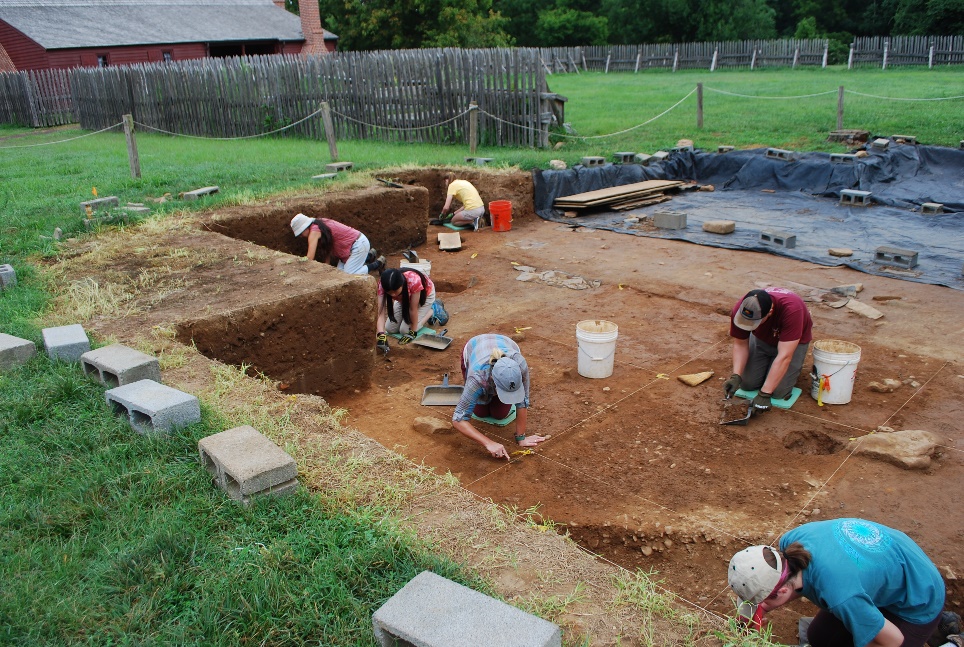
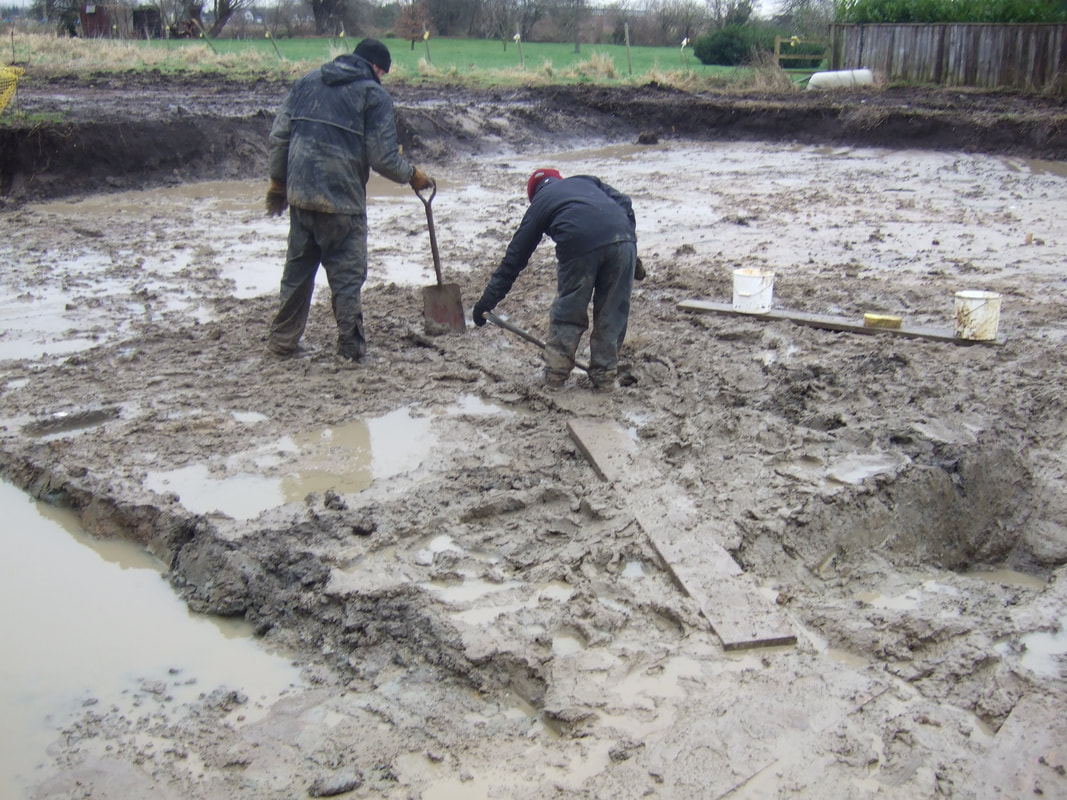
- This one is very serious and should never be taken lightly by anyone working outdoors because they take anyone by surprise just like that. Dehydration, heat stroke/exhaustion, sunburn, and frostbite. Field archeologists must dig in almost all conditions and all seasons. They are wind-worn and road-weary, and you should not mess with anyone who can dig dozens of holes a day in temperatures above 100 or below freezing.

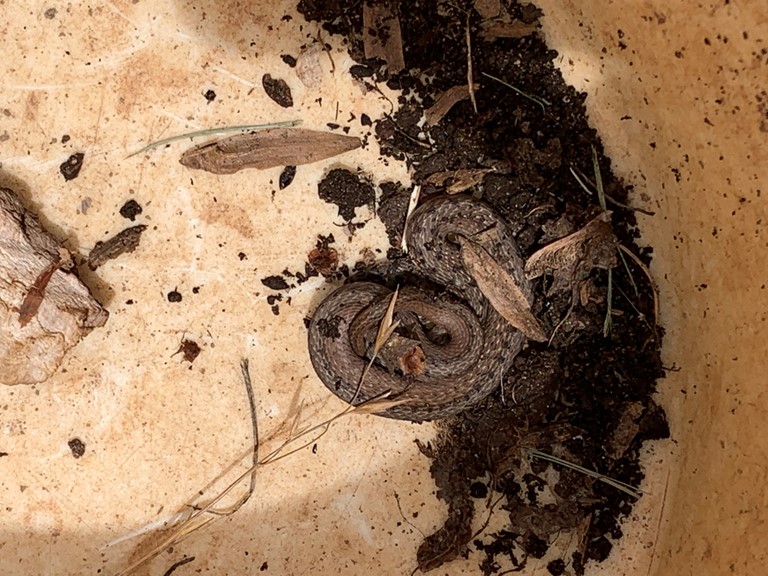
- Animals. I’m not talking just about the wild ones. I’ve only ever seen a bear in the woods once, just a few harmless snakes and maybe a couple of bucks that gave me the side eye. But I have had years knocked off my life by pheasants or tiny fawns exploding out of the brush a foot away from me. For the most part, pets are not an issue, and petting a friendly dog or cat is a welcome reprieve from digging holes. Livestock, however, would scare my crews. I grew up on a farm, so I knew what animals didn’t want to snuggle. Here’s the thing, though. Cows are bored and extremely curious when something or someone spices up their daily routine. It’s hard for someone from the city to calmly stare down a herd of Holsteins weighing 1,500 pounds each while they barrel towards you. But all they want is to sniff you, rifle through your dig kit, and lick your equipment because it’s salty. Annoyingly, they will also eat the plastic flagging tape that you carefully tied up to mark your transect line. So will deer, fun fact.


- Unexploded ordinance (UXO). Gunpowder does not necessarily become so old that it won’t go boom any longer. It actually becomes less and less stable. Sure, that cannonball you found is cool. Sure, it’s super old. Stay. Away. From. It. Military bases and old battlefields are ripe with potentially dangerous mortars, shells, grenades, and bullets. Unfortunately, here in Virginia, there are cases of collectors who have brought finds home from Civil War battlefields only to find out the hard way that these artifacts can still do a lot of harm. That being said, you’d be surprised at all the places archaeologists have found things that can explode. I worked on a project in a former neighborhood, so imagine our surprise when a pit in the backyard of a house was found to contain dozens of WWII live .50 caliber antiaircraft ammunition. One thing you learn very quickly as an archaeologist is that some people are weird, and they do weird things you will never be able to explain. The fancy word for this is idiosyncratic behavior, and it’s one of my favorite terms. It’s the academic way to throw up your hands and say, “I got nothing.” So, if you find any UXO, contact local law enforcement; they know what to do with it.

- Collapsed excavation units. Unstable excavation walls are no joke. I’ve personally had one collapse on me, and while I was fine, it was still frightening. Shoring up walls and expanding out before digging deeper can mitigate these issues, but there are many types of soils, and they’re not created equal, so never overestimate the strength of your walls. Don’t become an artifact yourself.


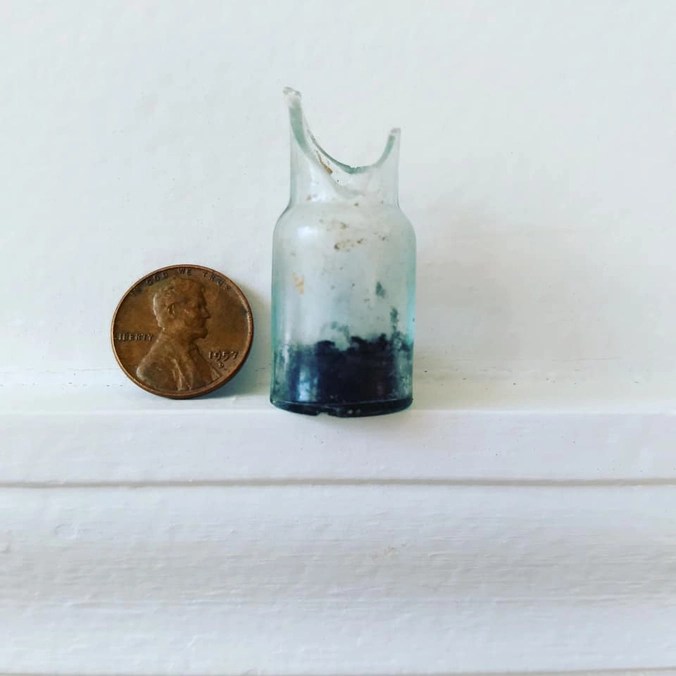
- Soil contamination/hazardous waste. Archaeologists occasionally run into hazardous waste, which is bad—enough said. Arsenic was a major embalming ingredient in the 19th century, and since archaeologists are frequently called in to identify and remove burials, arsenic is a significant consideration. It was also used to make a beautiful green color called Scheel’s green, which was used in dying such things as fabric, book covers, and wallpaper. Imagine wearing a gorgeous Victorian-era dress while reading a book and sitting in a wallpapered room all dyed green with copious quantities of poison. Green is my favorite color but hold the early death, please. Mercury was considered a type of cure and used to treat various ailments such as syphilis, toothaches, melancholy, worms, tuberculosis, constipation, and apoplexy, to name a few. It was in perfumes, lotions, soaps, hats, etc….and just like arsenic, it doesn’t go away in the soil. And if you’re above a certain age, you definitely remember those mercury thermometers that, when broken, produced magical fun silver balls you could roll across the floor until your mother caught you. Another principal offender is lead. Humans discovered how awesome lead was thousands of years ago. Please don’t personally verify this, but somehow, the Romans found that degraded lead was sweet, so they put it in substandard wine to jazz it up a bit. Lead was also used in cosmetics until embarrassingly recently to produce that immaculate white complexion valued by the upper crust. YOLO. Lead was also used in water pipes, paint, glassware, ceramic glazes, and later in plastics and gasoline. There is so much lead in our environment now that even non-archaeologists are in danger of exposure. I could go on and on, but it’s time to move to…



- Enraged locals and/or property owners. We get it. No one wants that pipeline/highway/gas line/sewer to go through their property. And when it does, the archaeologists have to test that area. But please don’t run out of your house while visibly carrying a firearm and threaten the archaeologists. We are the lowest entity on this unpleasant totem pole and unfortunately the first people you’ll see trapsing over your land and digging holes. This was not our idea; it was our job. Working on these projects is the worst because people are understandably angry and want to vent, but this is not the way to do it. Ironically, one of the only things that can stop that pipeline from going through your horse pasture is if we find some amazing archaeological site with immense cultural significance. This will force a rerouting of the project, so your neighbors will have to deal with the headache.

This is not by any means intended as an exhaustive list, but I’ve already greatly exceeded my word count for this blog. You get the idea. So why, you may ask, does anyone become an archaeologist? Quite simply put, every job has its hassles, some more than others, but most archaeologists really (and I mean REALLY) love archaeology. The jobs in archaeology may not fit the stereotypes (full disclosure: most of us adore Indiana Jones, though). Archaeology is rarely glamorous; it can be dangerous or frustrating, but it is, above all else, AWESOME. Being a part of uncovering human history and sharing information never gets old, and I wouldn’t trade my job for any other.
Mara Kaktins
Archaeologist & Lab Manager
 Lives & Legacies