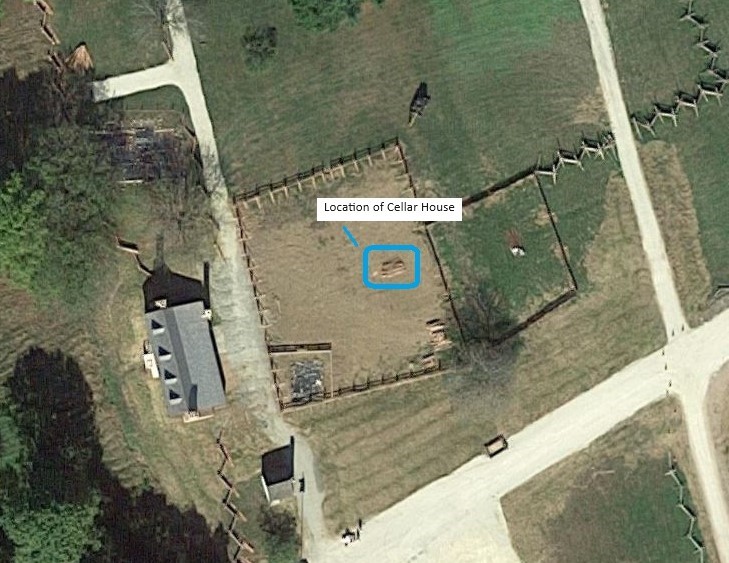
If you have visited Ferry Farm recently or follow us on social media, you may have noticed the construction of two buildings near the Washington House. These new structures represent those that stood in these spots during George Washington’s time and were constructed using 18th-century methods. Identified through archaeology, their reconstructions allow us to tell better the stories of the people who lived and worked at Ferry Farm. We have previously blogged about the Quarter, a building for housing enslaved individuals owned by the Washingtons. For this blog, we will look at an integral structure located behind the Washington dwelling: the Cellar House.

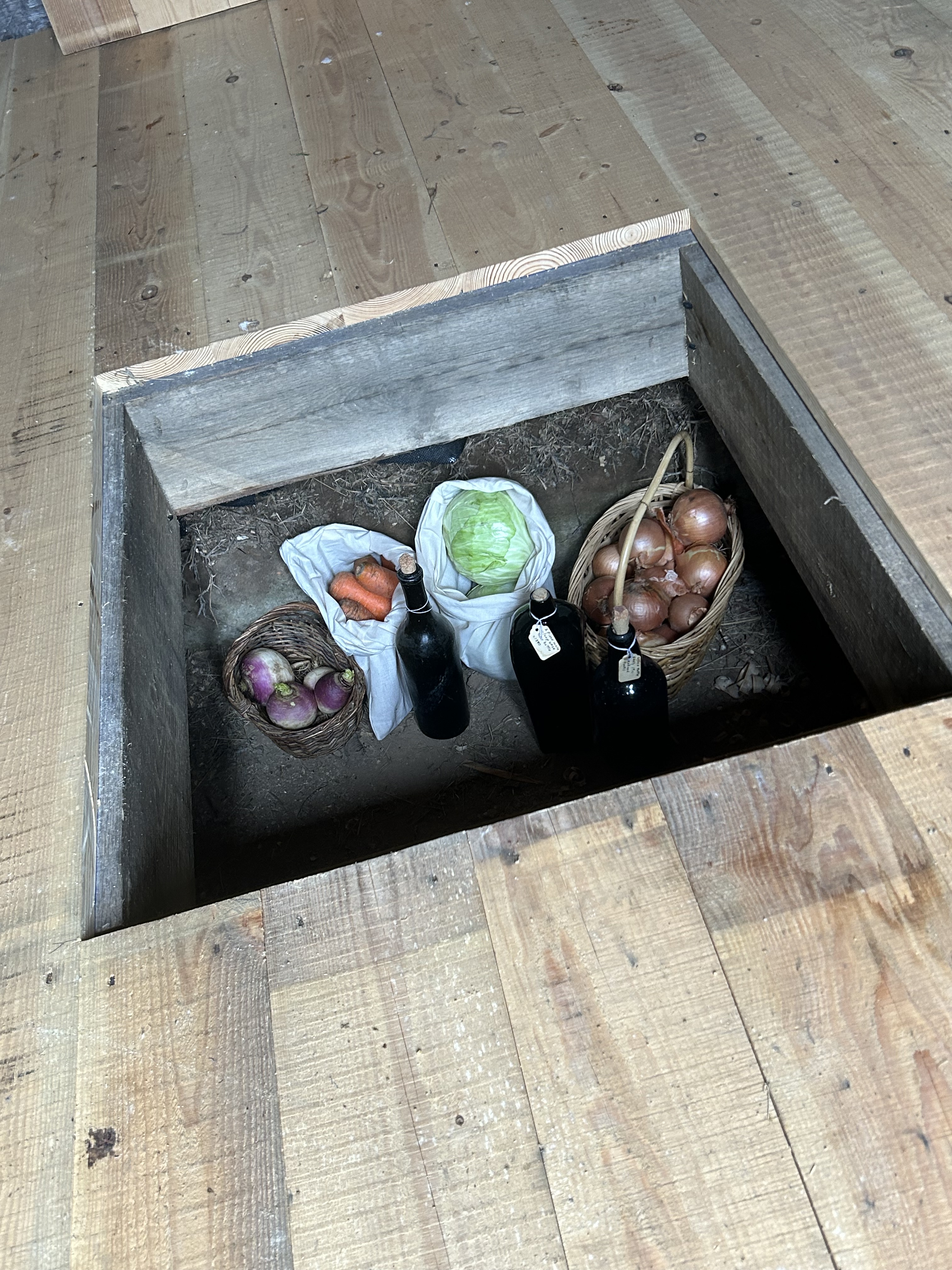
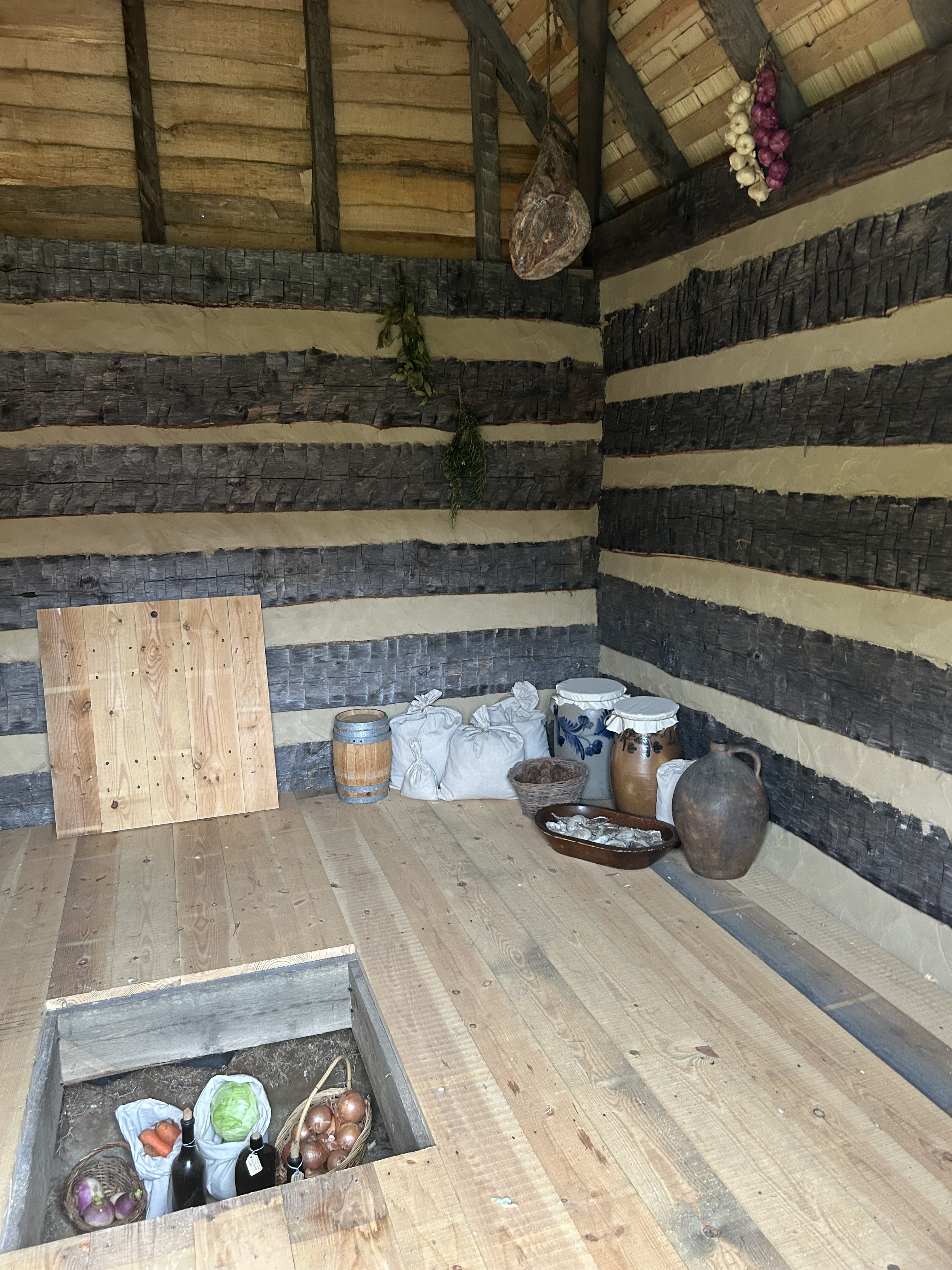
What is a cellar house, you may ask? While explaining it to my 7-year-old son, I told him it is neither a cellar nor a house (by modern standards). At this point, he threw up his arms and gave me up for an imbecilic parent. However, this structure was extremely important for large farms in the 18th century. Picture a simple timber and daub (fancy word for hardened clay) building with four walls, one door, high rafters, no windows, and a three-foot-deep pit beneath its floorboards. It is not fancy or decorative by any standards, yet this building holds preserved food that feeds dozens of people at Ferry Farm during seasons when fresh food is unavailable.
Let’s do a brief overview of food preservation during the Washington time period since it has already been touched on in previous blogs. Keeping food from going bad varies from region to region, depending on your climate (combinations of cold, wet, dry, or hot). The hot and humid months in Virginia posed quite a problem for colonists. These conditions do not lend themselves to easy food preservation. Plainly speaking, the East Coast Southern States drew the short straw when it came to keeping food consumable in the long term. As they say, “Where there’s a will, there’s a way,” and Virginians had a wide variety of cards in their deck for keeping food from rotting. Salt, sugar, wood ash, alcohol, vinegar (which was formerly alcohol), and other substances were utilized along with methods including smoking, fermenting, and dehydrating. However, even the best food preservation methods are useless if the resulting food is not stored correctly.

The cellar house could store many different types of foods and beverages, depending on where one kept them in the building. The rafters were ideal for cured meats such as hams, keeping them high and dry. Hooks on the walls held bunches of drying herbs, garlic, and onions. The shelves were perfect for baskets and small crocks of food, while the floor was sturdy for storing large casks or jugs of ale and cider, sacks of grain, and bushels of hardy vegetables and fruits. The pit beneath the floorboards, a glorified ‘cellar,’ was a few degrees cooler in the hot months and a few degrees warmer during the cold season. However, the difference between spoilage and edibility could hinge on maybe 10 degrees, making the subfloor pit essential for colonists who needed to keep some food cooler in summer but warmer (not freezing solid) in winter. Basically, the role the cellar house played varied by the seasons as a revolving door of foods came and went.
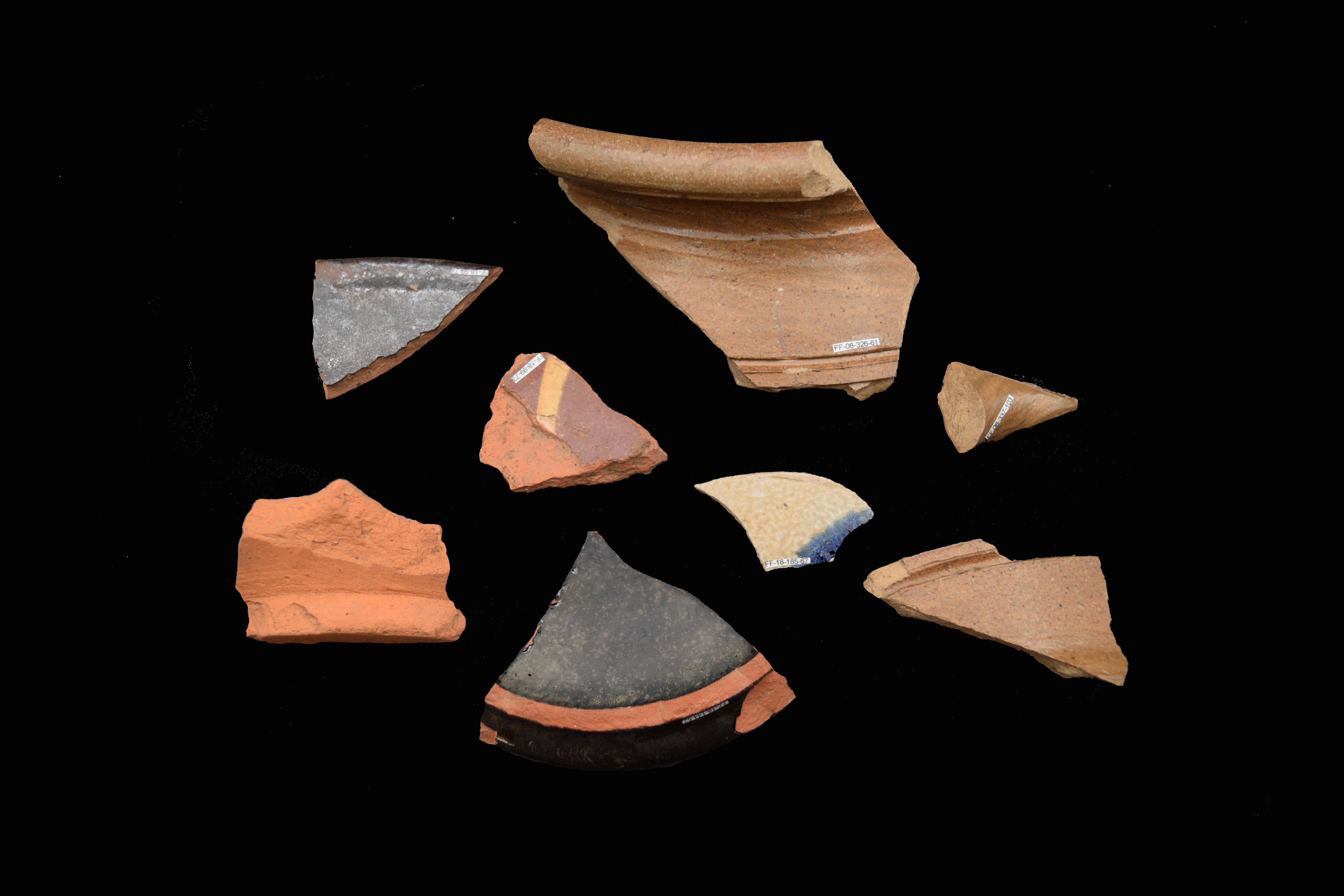
When archaeologists at Ferry Farm excavated the area underneath and around where the cellar house would have been, we found artifacts indicative of such a structure. Namely, very few items would have been found inside and around a dwelling, such as tea and tablewares, byproducts of meals, and valuable personal items. Large storage vessels, metal hooks for hanging food, and wrought nails and daub used to build the structure dominate the cellar house artifacts. The only notable personal items recovered were fragments of smoking pipes. That’s right, the smoke break was a thing even among enslaved workers stacking food inside the cellar house.

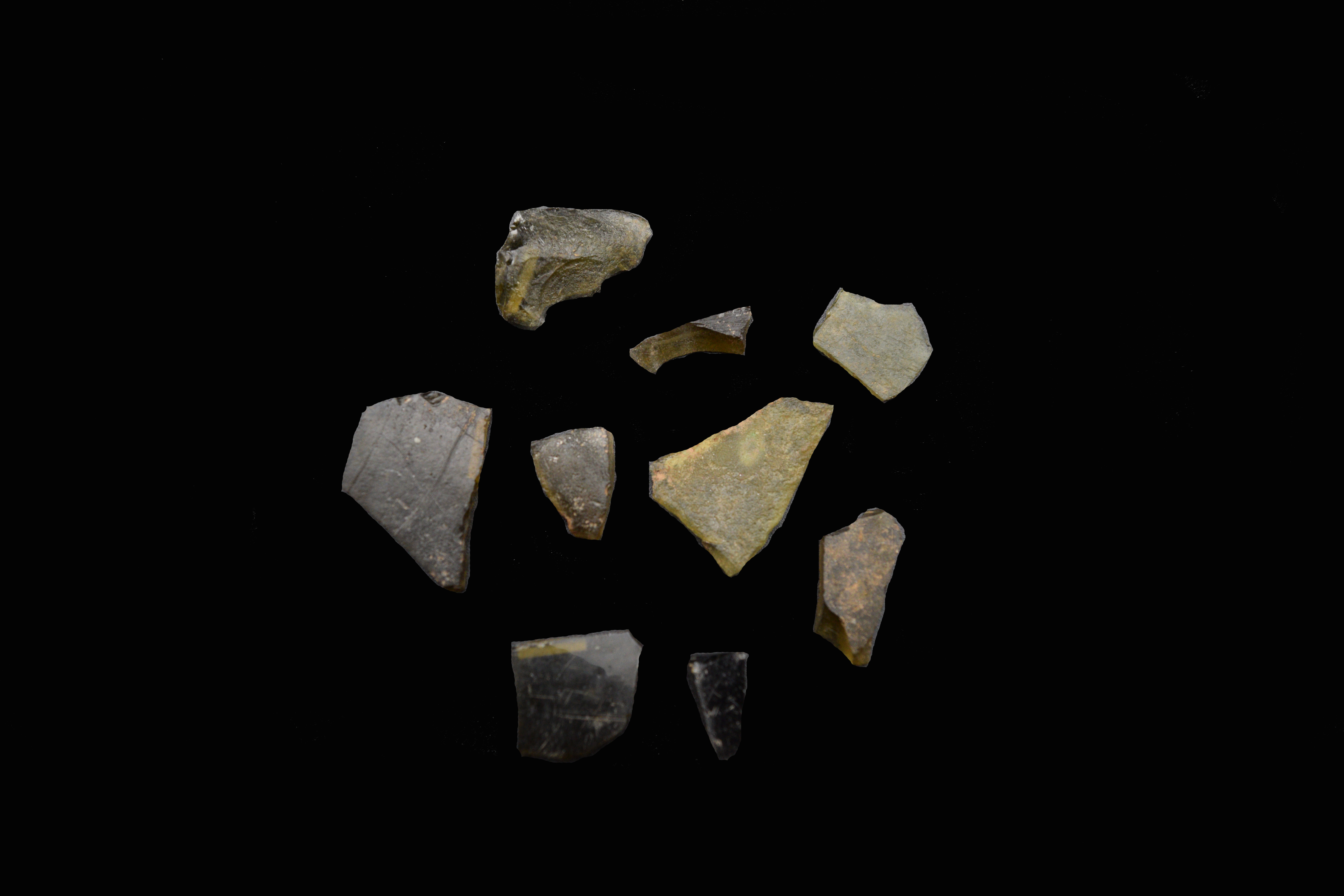
The cellar house is currently fully constructed, but we have yet to populate it with all of the storage vessels, food, smoking pipes, and other accouterments of a storage building. Eventually, visitors will be able to look into this building and take a trip back to the mid-eighteenth century with crocks, jugs, bottles, sacks, barrels, and baskets full of food and drink. All of which will be informed by the historic records and the artifacts recovered by our archaeologists, as with all the reconstructed buildings at Ferry Farm. Then, perhaps when I show the building to my son, he’ll see its importance: part pantry, part colonial refrigerator, and all cellar house.
Mara Kaktins
Archaeologist & Lab Manager
 Lives & Legacies